• 검색 결과가 없습니다.

Identification of Differentially Expressed Genes in Bovine Follicular Cystic Ovaries

N/A
N/A
Protected

Academic year: 2022

Share "Identification of Differentially Expressed Genes in Bovine Follicular Cystic Ovaries"

Copied!
8
0
0

로드 중.... (전체 텍스트 보기)

전체 글

(1)

265 DOI: 10.4196/kjpp.2010.14.5.265

ABBREVIATIONS: FCO, Follicular cystic ovary; FCFs, follicular cystic follicles; DEG, differentially expressed genes; ACP, annealing control primer; RPL15, ribosomal protein L15; MAP1B, microtubule- associated protein 1B; HPO, hypothalamus-anterior pituitary-ovary;

E

2

, 17β-estradiol; P

4

, progesterone; HE, hematoxylin-eosin; TUNEL, terminal deoxynucleotidyl transferase mediated dUTP nick-end labeling; TESS, transcription element search system; HRE, hormone response elements; AP-1, activator protein 1.

Received June 2, 2010, Revised August 16, 2010, Accepted August 25, 2010

Corresponding to: Dawon Kang, Department of Physiology, Institute of Health Sciences, Gyeongsang National University School of Medicine, 90, Chilam-dong, Jinju 660-751, Korea. (Tel) 82-55-751-8744, (Fax) 82-55-759-0169, (E-mail) [email protected]

Identification of Differentially Expressed Genes in Bovine Follicular Cystic Ovaries

Changyong Choe

2

, Young-Woo Cho

1

, Chang-Woon Kim

3

, Dong-Soo Son

2

, Jaehee Han

1

, and Dawon Kang

1

1

Department of Physiology, Institute of Health Sciences, Gyeongsang National University School of Medicine, Jinju 660-751,

2

Animal Genetic Resources Station, National Institute of Animal Science, RDA, Namwon 590-832,

3

Department of Obstetrics and Gynecology, Samsung Changwon Hospital, Sungkyunkwan University School of Medicine, Changwon 630-723, Korea

Follicular cystic ovary (FCO) is one of the most frequently diagnosed ovarian diseases and is a major cause of reproductive failure in mammalian species. However, the mechanism by which FCO is induced remains unclear. Genetic alterations which affect the functioning of many kinds of cells and/or tissues could be present in cystic ovaries. In this study, we performed a comparison analysis of gene expression in order to identify new molecules useful in discrimination of bovine FCO with follicular cystic follicles (FCFs). Normal follicles and FCFs were classified based on their sizes (5 to 10 mm and ≥25 mm). These follicles had granulosa cell layer and theca interna and the hormone 17β-estradiol (E

2

)/ progesterone (P

4

) ratio in follicles was greater than one. Perifollicular regions including follicles were used for the preparation of RNA or protein. Differentially expressed genes (DEG) that showed greater than a 2-fold change in expression were screened by the annealing control primer (ACP)-based PCR method using GeneFishing

TM

DEG kits in bovine normal follicles and FCFs. We identified two DEGs in the FCFs: ribosomal protein L15 (RPL15) and microtubule-associated protein 1B (MAP1B) based on BLAST searches of the NCBI GenBank. Consistent with the ACP analysis, semi-quantitative PCR data and Western blot analyses revealed an up-regulation of RPL15 and a down-regulation of MAP1B in FCFs. These results suggest that RPL15 and MAP1B may be involved in the regulation of pathological processes in bovine FCOs and may help to establish a bovine gene data-base for the discrimination of FCOs from normal ovaries.

Key Words: Gene expression, Estrogens, Follicular cyst

INTRODUCTION

Follicular cystic ovary (FCO) is one of the most frequently diagnosed ovarian diseases and is a major cause of re- productive failure in mammalian species. FCO occurs when a mature follicle fails in ovulation due to disruption of the hypothalamus-anterior pituitary-ovary (HPO) axis by a va- riety of factors [1,2]. In FCO, affected follicles show delayed regression with persistent follicle growth and secretion of steroid hormones. However, the mechanism by which FCO is induced remains unclear.

Genetic alteration affects the functioning of many kinds of cells and/or tissues [3,4]. However, little is known about the genetic alterations that may be involved in FCO. A re- cent study reported that granulosa cells from persistent fol- licles of cattle showed altered gene expression compared with growing follicles [5].

In this study, we performed a comparison analysis of gene expression using annealing control primer (ACP)-based GeneFishing PCR in order to identify new molecules useful

in discrimination of bovine FCOs in ovaries with and with- out cystic follicles.

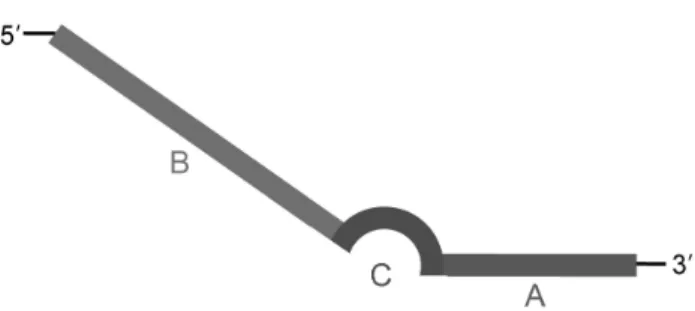
The ACP used in this study is composed of three parts.

Its distinct 3’- and 5’- end portions are separated by a regu- lator, that specifically targets sequence hybridization to the template via a polydeoxyinosine linker. Base pairs formed by the universal base, inosine, of the polydeoxyinosine link- er have a much lower melting temperature (Tm) than base pairs formed by the common bases, adenine, guanine, cyto- sine, and thymine. Thus, the regulator forms a ‘bubble-like’

structure at annealing temperatures and maximizes PCR specificity by preventing nonspecific binding of the primer to a template [6,7].

METHODS Samples

Bovine ovaries at follicular phase were collected from a

(2)

Fig. 1. The structure of annealing control primer (ACP). The ACP is composed of three sequence regions. (A) Target core sequence (3’- end targeting portion; 10 nts) containing a hybridizing sequence substantially complementary to a site on a template nucleic acid (B) Universal sequence (5’- end portion; 22 nts) (C) Regulator sequence (linker portion separated 3’- end portion and 5’- end portion; 5 nts).

slaughterhouse and transported to the laboratory within 2 hrs on ice, either in RNAlater solution (Qiagen, GmbH, Hilden, Germany), in ice-cold phosphate buffered saline (PBS), or in 37

o

C pre-warmed PBS containing 100 IU/ml of penicillin and 0.1 mg/ml streptomycin. Ovaries with (n=30) or without (n=40) follicles greater than 25 mm in diameter were used in this study. Ovaries with follicles greater than 25 mm in diameter in the absence of a corpus luteum in both the right and left ovaries were classified as FCOs. Follicular cysts were diagnosed based on macro- scopic and endocrinological characteristics [8]. The fol- licular walls of the cysts were thin and translucent [9]. We observed healthy follicles (3 to 5 mm and 8 to 10 mm) in ovaries without follicles greater than 25 mm in diameter.

All experiments were performed with the approval of the Animal Ethics Committee of Gyeongsang National University.

Samples of perifollicular regions, including large follicles were cut with a razor blade and used for the preparation of RNA or protein. Follicular fluid (FF) was carefully aspi- rated from cystic and non-cystic healthy follicles with a 10 ml syringe fitted with an 18 or 23 gauge needle; the fluid was centrifuged at 1,750 × g for 10 min and stored at −20

o

C until hormone measurement. 17β-estradiol (E

2

), progester- one (P

4

), and testosterone concentrations were measured in follicular fluid of each follicle, or, for small size follicles (3 to 5 mm) after pooling fluid from 10 individual follicles.

Assay for estrogen, progesterone, and testosterone Concentrations of E

2

, P

4

, and testosterone in follicular fluid were measured using the Dissociation Enhanced Lanthanide Fluorescence Immunoassay system (DELFIA, PerkinElmer Life and Analytical Sciences, Wallac Oy, Truku, Finland) according to the manufacturer’s protocol.

Briefly, each strip was washed with DELFIA Platewash and 25 μl of E

2

standards or follicular fluid samples were placed in the strip wells. Then, 100 μl of diluted E

2

anti- serum solution was added to each well and the frame was incubated for 30 min at room temperature with slow shaking. The 100 μl of diluted E

2

(50:1) solution was then added to each well and the frame was incubated for 2 h at room temperature with slow shaking. After the in- cubation step, each strip was washed six times and en- hancement solution (200 μl) was directly added to each well. The frame was slowly shaken for 5 min. Fluorescence was measured in a time-resolved fluorometer (Wallac 1420 VICTOR

2

D multicounter 1420, PerkinElmer) within 1 h af- ter shaking. These experiments were performed in dupli- cate each time for both standards and follicular fluids. P

4

and testosterone were also measured using the same proto- cols as for E

2

measurement, except that trace dilution was performed before antiserum treatment.

Hematoxylin-eosin (HE) staining

The ovaries were washed in 0.1 M PBS, fixed with 4%

(w/v) paraformaldehyde in 0.1 M PBS, and processed into paraffin sections cut 4 μm thick. In order to examine the physiological aspects of follicles and to confirm the presence of granulosa cells, the sections were processed for HE staining. Sections were air-dried on gelatin-coated slides, deparaffinized, washed with tap water for 5 min, immersed in hematoxylin for 5 min and checked for complete staining in tap water. Eosin staining was performed for 3 min.

Sections were dehydrated through a graded series of alco-

hols (70% to 100% ethanol, 3 min each), cleared in xylene, and mounted with coverslips. Stained sections were photo- graphed using a BX-51microscope (Olympus, Tokyo, Japan) and a high-resolution video camera (Camedia C-7070; Olympus, Tokyo, Japan). Five sections from each sample were evaluated.

Analysis of apoptosis

To observe apoptosis in bovine cystic ovaries, terminal deoxynucleotidyl transferase mediated dUTP nick-end la- beling (TUNEL) analysis was performed using an in situ cell death detection kit (Roche Applied Science, GmbH, Penzberg, Germany). Paraffin-embedded ovary sections were depar- affinized and rehydrated, washed in PBS, treated with 3%

H

2

O

2

for 5 min to inactivate endogenous peroxidase, and incubated in permeabilization solution (0.5% Triton X-100 and 0.1% sodium citrate in PBS) for 30 min at room tempe- rature. The slides were rinsed twice with PBS. Negative and positive controls were prepared. Negative controls were incubated in label solution without terminal transferase.

Positive controls were incubated with recombinant DNase I (400 U/ml) for 60 min at 37

o

C prior to incubation in TUNEL reaction mixture. Positive controls and samples were incubated in TUNEL reaction mixture for 60 min at 37

o

C in a humidified atmosphere in the dark. After wash- ing, samples were embedded with Antifad (Invitrogen, Carlsbad, CA, USA) and analyzed using confocal laser scan- ning microscope (IX70 Fluoview, Olympus, Tokyo, Japan).

ACP-based GeneFishing

TM

PCR

Total RNA extracted from bovine follicles was used for the synthesis of first-strand cDNAs by reverse transcrip- tase. Reverse transcription was performed for 1.5 h at 42

o

C in a final reaction volume of 20 μl containing 3 μg of puri- fied total RNA, 4 μl of 5× reaction buffer (Promega, Madison, WI, USA), 5 μl of dNTPs (each 2 mM), 2 μl of 10 μM dT-annealing control primer (ACP)1 (5’-CGTGA- ATGCTGCGACTACGATIIIIIT(18)-3’), 0.5 μl of RNasin

RNase inhibitor (40 U/μl; Promega), and 1 μl of Moloney murine leukemia virus reverse transcriptase (200 U/μl;

Promega). First-strand cDNAs were diluted by the addition

of 80 μl of ultra-purified water for GeneFishing

TM

PCR and

stored at −20

o

C until use.

(3)

Table 1. Primer sequences used for RT-PCR

Genes GenBank

Acc. No. Primer sequences (5′–3′) Expected size (bp)

RPL15 MAP1B bGAPDH

XM_590618.3

XM_863836.2

XM_868165

Sense: CAAACCAGCCTCACAGTCCA Antisense: TTGGAAGGAATTCGGGTCTT Sense: CCTGGAAGGACTGGAAAAGC Antisense: GTTTGACATCTGTGCCCTGC Sense: CAGCGACACTCACTCTTCTAC Antisense: GGAAGTCAGGAGATTCTCAGT

302

386

251 Differentially expressed genes (DEG) were screened by

the ACP-based PCR method [7] using GeneFishing

TM

DEG kits (Seegene, Seoul, Korea). Briefly, second-strand cDNA synthesis was performed at 50

o

C during one cycle of first-stage PCR in a final reaction volume of 20 μl contain- ing 3∼5 μl (about 50 ng) of diluted first-strand cDNA, 1 μl of dT-ACP2 (10 μM), 1 μl of 10 μM arbitrary ACP, and 10 μl of 2× Master Mix (Seegene). The PCR protocol for second-strand synthesis was one cycle at 94

o

C for 1 min, 50

o

C for 3 min and 72

o

C for 1 min. After second-strand DNA synthesis was complete, the second-stage PCR amplifica- tion protocol was 40 cycles of 94

o

C for 40 s, 65

o

C for 40 s, 72

o

C for 40 s, followed by a 5 min final extension at 72

o

C.

The amplified PCR products were separated in 2% agarose gels and stained with ethidium bromide. Differentially ex- pressed bands were extracted from the gel using the GENCLEAN

II Kit (Q-BIO gene, Carlsbad, CA, USA) and directly sequenced using an ABI PRISM

3100 Genetic Analyzer (Applied Biosystems, Foster City, CA, USA). The ACP primer system has a unique structure including a reg- ulator composed of a polydeoxyinosine linker (Fig. 1).

Reverse transcriptase polymerase chain reaction (RT- PCR)

The DEG expression level was confirmed by RT-PCR us- ing each gene-specific primer pair. Specific primer se- quences are listed in Table 1. Total RNA was extracted from bovine follicles with Trizol reagent (Invitrogen) ac- cording to the manufacturer’s instructions. First-strand cDNA was synthesized from the isolated follicular total RNA (3 μg) using oligo dT (SuperScript First-Strand Synthesis System, Invitrogen); it was subsequently used as a template for PCR amplification with Taq polymerase (Takara Bio Inc, Otsu, Shiga, Japan). The first-strand cDNA was quantified using a spectrophotometer (Nano- Drop

ND-1000, NanoDrop Technologies, Wilmington, DE, USA). The quantified cDNA was used as a template for PCR amplification. The PCR steps included initial denatu- ration at 94

o

C for 5 min, then 28 or 30 cycles at 94

o

C for 20 sec, 55

o

C for 20 sec, 72

o

C for 20 sec, and a final extension step at 72

o

C for 10 min. The amplified PCR products were separated in 1.5% agarose gels stained with ethidium bromide. The bands were extracted and directly sequenced with an ABI PRISM

3100-Avant Genetic Analyzer (Applied Biosystems).

Western blot analysis

Bovine follicles were homogenized in lysis buffer (RIPA buffer, Cell Signaling Technology, Danvers, MA, USA; 20 mM Tris-HCl (pH 7.5), 150 mM NaCl/1 mM Na

2

EDTA, 1

mM EGTA, 1% NP-40, 1% sodium deoxycholate, 2.5 mM sodium pyrophosphate, 1 mM β-glycerophosphate, 1 mM Na

3

VO

4

, and 1 μg/ml leupeptin), incubated at 4

o

C for 30 min, and centrifuged at 13,000 rpm (16,609 × g, Micro 17TR, Hanil, Korea) for 30 min at 4

o

C. Total protein in su- pernatants was measured using the Bradford protein assay (Bio-Rad, Hercules, CA, USA). Supernatant protein (50-100 μg/lane) was separated by electrophoresis on 10% SDS-pol- yacrylamide gels and transferred to polyvinylidene fluoride (PVDF) membranes (0.45 μm, Millipore, Bedford, MA, USA) in a buffer solution (TBS; 25 mM Tris-base, 190 mM gly- cine, and 20% methanol) using a semi-dry blotter (Bio-Rad).

The transferred blot was stained with Ponceau S solution to check for effective homogeneous transfer. Destained blots were blocked with 5% fat-free milk and 0.05% Tween 20 in TBS for 1 h and the membranes were immunoblotted with ribosomal protein L15 (RPL-15) polyclonal antibody (Abnova corporation, Taipei, Taiwan) and microtubule- associated protein 1B (MAP1B) monoclonal (Chemicon in- ternational Inc., CA, USA) and polyclonal (Santa Cruz Biotechnology, Inc., CA, USA) antibodies at 1:1,000 dilu- tion at 4

o

C overnight. After binding of horseradish perox- idase (HRP)-conjugated goat anti-rabbit or goat anti-mouse secondary antibodies (1:3,000; Assay Designs, Ann Arbor, MI, USA) at room temperature for 1 h, antigens were de- tected by enhanced chemiluminescence (ECL Plus kit;

ELPIS, Taejeon, Korea) according to the manufacturer’s instructions.

Data analysis and statistics

LAS-4000 (Fujifilm Corp, Tokyo, Japan), a luminescent image analyzer, was used to capture images of agarose gels and Western blots. The bands obtained from RT-PCR and Western blotting were quantified using Sigma Gel image analysis software (version 1.0, Jandel Scientific, CA, USA) or Quantity One software (version 4.6.3) linked to a GS-800 calibrated densitometer (Bio-Rad). Relative mRNA and pro- tein levels were determined by comparison with the amount of glyceraldehyde-3-phosphate dehydrogenase (GAPDH) and β-actin, respectively, present in each sample. Student’s t-test was used with p<0.05 as the criterion for significance.

Data are presented as mean±SD.

RESULTS Follicular cyst confirmation

The granulosa cell layers were examined in the FCOs

used in this study. Based on histological examination, we

found that granulosa cell layer were present in normal ova-

(4)

Fig. 2. Microphotographs of sections of bovine ovary (A) HE staining of normal ovary section and (B) follicular cystic ovary. Normal ovaries (a, b, and c) comprise 8 to 12 diverse granulosa cell layers. GC, and TI represent granulosa cell and theca interna, respectively. Bars

=100 μm. (C) TUNEL staining of bovine ovary section. Tissue sections showing averaged value were represented. A tissue section isolated from normal ovary was used for negative control (left panel), and normal and cystic ovary sections containing follicles were shown in middle and right panels, respectively. The bar graph shows normalized fluorescence intensities for normal and cystic ovaries. The fluorescence intensity of normal and cystic ovaries was normalized to that of negative control. Each bar represents mean±SD of five experiments.

Table 2. Concentrations of esrtadiol-17β, progesterone, and testosterone in bovine follicular fluid

Follicle size n Concentration (ng/ml) Ratio

of E

2

/P

4

17β esrtradiol (E

2

) Testosterone Progesterone (P

4

) 3∼5 mm

8∼10 mm

≥ 25 mm 10 18 18

12.6±9.0

a

93.2±54.2

b

130.2±35.6

b

30.5±11.4

a

12.7±7.7

a,b

8.7±4.1

b

3.8±1.0

a

38.0±11.1

b

39.8±12.3

b

> 1

> 1

> 1

a,b

Values within column with different superscripts are significantly different (p<0.05).

ries and FCOs and theca interna was thinner than that in normal ovaries (Fig. 2A and 2B). Normal ovaries com- prise 8 to 22 diverse granulosa cell layers (Fig. 2Aa to 2Ac).

TUNEL-positive cells were detected in the FCO, but they were few in number (Fig. 2C). The TUNEL-positive cells were seen in the perifollicular area. Healthy follicles were classified based on their sizes (3 to 5 mm and 8 to 10 mm).

To identify the stages of the estrus cycle in bovine ovaries, the sex steroid hormone concentration was measured. The follicular fluid of FCO with follicles greater than 25 mm (≥25 mm) in diameter had higher E

2

concentrations than did follicular fluid of normal ovaries with follicles 3 to 5 mm in diameter (12.6±9.0 versus 130.2±35.6). The E

2

/P

4

ra- tio in follicles 3 to 5 mm, 8 to 10 mm, and ≥25 mm in diameter was greater than one (Table 2), indicating that they came from ovaries in the follicular phase of the estrus

cycle. Follicle size and E

2

concentration were positively correlated.

Differentially expressed genes in the bovine follicular cystic follicles

To investigate DEGs in bovine follicular cystic follicles

(FCFs), we compared the mRNA expression profiles of nor-

mal follicles and FCFs. The mRNA isolated from each type

of follicles was analyzed using the ACP system. Genes that

showed greater than a 2-fold change in expression were

categorized as DEGs. Using a combination of 20 arbitrary

primers composed of anchored oligo (dT) primers of the

ACP-based GeneFishing PCR kit (Seegene), two DEGs were

detected in the FCFs (Fig. 3A). BLAST searches of the

NCBI GenBank revealed that these DEGs exhibit marked

(5)

Fig. 3. Differentially expressed genes (DEGs) of normal and follicular cystic follicles (FCFs) in Korean cattle. (A) Photographs of gels containing DEGs from bovine follicles. Using 20 ACPs (GP1 to GP20), two DEGs were identified in FCFs. Arrows indicate DEG bands (numbers 1 and 2). These DEG bands were excised from the gel for further cloning and sequencing. GP, N, and C represent general primer, normal ovary, and follicular cystic ovary, respectively. (B) Expression level of RPL-15 and MAP1B derived from normal follicles and FCFs.

The mRNA expression level was analyzed using an ACP-based GeneFishing polymerase chain reaction (PCR). Each bar represents mean

±SD of three experiments. The asterisks indicate a significant difference from the corresponding control value obtained for normal follicles (p<0.05). (C) RT-PCR products for RPL15 and MAP1B derived from bovine ovaries. Bovine follicles showed 251-bp, 302-bp, and 386-bp bands for GAPDH, RPL-15, and MAP1B, which correspond to the expected lengths. The first lane shows a 1-kb DNA ladder. The bar graph shows normalized mRNA levels for RPL15 and MAP1B. The mRNA expression of RPL-15 and MAP1B was normalized to that of GAPDH. Each bar represents mean±SD of five experiments. The asterisks indicate a significant difference from the corresponding control value obtained for normal ovaries (p<0.05).

Table 3. Genes regulated in follicular cystic ovary of Korean cattle DEG

No. GenBank

Accession No. Identity Sequence (homology) Fold

change 1

2

XM_590618.3

XM_863836.2

Bos Taurus ribosomal protein L15,

transcript variant 1 (RPL15)

Bos Taurus microtubule associated protein 1B,

transcript variant 2 (MAP1B)

CATCCCTGCGCAAACCAGCCTCACAGTCCAGACTTGCTGGGCCGCCAGCTGTG GTTGCCCTTACTGCCTCATTCTGCTGGTTCCGTCATGTCTTCCCGTAGACCAGG CTTCTGTTTCCCAGGGTGGATGAGTGTAGGGAATACAGAAGAGGAATTACCCC AATTCTTGGCTTGCTATCTGCATAAATAGTTTGATTTTGAAACTGGCTTTCTTG AACCAATTTTTTTTCTTCAAGGGTCTTTAAAAAGGCCCGTAAGTGATTTCCAGA AAACAGGCTTGCAAAACCTTTTAAGACCCGAATTCCTTCCAACTCAAAAAAATC TTAAACCATACTATTTTGTGTGTAGAGGTTGTTCAACTACATAATAACAGAATA AATTCATTAAACCAAAAAAAAAAAAAAAA (405/408, 99%)

CATCCGAGTTCTCTTTCCTGGCAACAGTACCCAATACAATATCCTGGAAGGACT GGAAAAGCTCAAACATTTGGACTTCCTGAAACAGCCGCTGGCCACCCAGAAGG ACCTCACGGGCCAGGTGGCCCCCTGCCGTGAAACAAGTAAAACTGAAACAGAG GGCTGACAGCCGTGAGAGTTTGAAACCAGCCGCAAAACCACTCCCCAGCAAAA CCGTGCGAAAGGAGTCAAAAGAAGAAACCCCTGAAGTCACAAGGGCTGGAAAA GGCACCCAAAGTTGAAAGCAAAGAAAAGGTGACGGTGAAAAAAGACAAACCTG TGAAAACCGAGACCAAACCTCCAGTGACAGAAAAGGAGACGCCCAGCAAAGAA GAGCTGCCCGGCCAAAGCTGAGGGCGCCGAGAAGCAGGGCACAGATGTCAAA CCCAAAGTCGCCAAGGAGAAGACGGTGAAGAAGGAGACAAAGCCAAAAGCCG AAGAGAAGAAAGAGGAGAAGGAAAAGGAAAGCAAAGAAAGAAGTGGCTAAGA AGGAGGACAAAACACCTGTCAAGAAGGAGGAAAAACCAAAAAAGGAAGAGGT GAAAAAGGAAGTCAAAAAAGAAATCAAGAAAAAAAAAAAAAA (623/631, 98%)

+3.5

−2.4

(6)

Fig. 4. Western blot analysis of RPL-15 and MAP1B in bovine follicular cystic follicles. (A) Up- regulation of RPL-15 protein in bovine follicular cystic follicles (FCFs). (B) The bar graph shows normalized protein levels of RPL-15 in the bovine FCFs. The expression levels were normalized to β-actin.

(C) Down-regulation of MAP1B in FCFs. PC12 cells were used as a positive control. Equal amounts (100 μg) of total protein were loaded in each lane. Molecular weight is indicated on the left side of the blot.

(D) The bar graph shows normalized protein levels of MAP1B against β- actin in the bovine FCFs. Each bar represents mean±SD of five experi- ments. The asterisks indicate a sig- nificant difference from the corres- ponding control value obtained for normal follicles (p<0.05).

similarities to RPL15 and MAP1B (Table 3). RPL15 mRNA expression was up-regulated in FCFs, whereas MAP1B was down-regulated (Fig. 3A, 3B, and Table 3). RPL-15 and MAP1B also showed an increase and a decrease, re- spectively, in granulosa cells derived from FCFs (data not shown).

Confirmation of RPL-15 and MAP1B by semi-quanti- tative PCR and Western blot analysis

The results of the ACP analysis were confirmed by semi- quantitative RT-PCR. All PCR reactions were conducted in triplicate and normalized to GAPDH mRNA expression.

Consistent with the ACP analysis, semi-quantitative PCR data revealed an up-regulation of RPL15 and a down-regu- lation of MAP1B in FCFs (Fig. 3C). RPL15 was up-regu- lated by 18% (intensity: 93.9±6.2 versus 110.8±3.8) in bovine FCFs, while MAP1B was down-regulated by 45% (intensity:

120.0±4.3 versus 65.5±7.1). The differences in expression level between FCFs and normal follicles as determined by PCR were lower than those measured using the ACP system.

The observed mRNA expression differences do not neces- sarily reflect differences in protein levels. In order to meas- ure changes in protein expression level in FCFs, Western blot analyses of normal and cystic bovine follicles were performed. In full agreement with the results of ACP and semi-quantitative RT-PCR, RPL15 and MAP1B proteins were found to be up-regulated and down-regulated, re- spectively, in FCFs (Fig. 4). Both RPL15 and MAP1B showed positive correlation between mRNA and protein expression.

However, we could not easily detect MAP1B protein in bo- vine ovaries using antibodies purchased from three differ- ent companies, despite multiple attempts (n=9), indicating that MAP1B is lowly expressed in bovine ovary.

DISCUSSION

This study reports for the first time that the expression levels of RPL15 and MAP1B differ in FCFs and normal bo-

vine follicles. ACP analysis, semi-quantitative PCR, and Western blot analysis show fully consistent results of up-regulation of RPL15 and down-regulation of MAP1B in FCOs.

Bovine follicular cystic ovary

A follicular cyst, a fluid-filled sac usually found on the surface of an ovary, results from a follicle that grows with- out rupturing or that releases its oocyte due to dysfunction of hormonal signals. In the early stage of FCO, cystic fol- licles contain granulosa cells, which disappear later as the cystic stage progresses [10]. Apoptotic cells are more fre- quently seen in FCOs lacking a granulosa cell layer. The granulosa and theca interna cells of cystic follicles show weak proliferative activity and a low frequency of apoptosis, implying that the cystic follicle grows slowly and delays fol- licular regression [9]. Cystic follicles containing granulosa cells are distinguished by a high concentration of E

2

and a low concentration of progesterone in their follicular fluids.

However, these concentrations change dramatically in the absence of granulosa cells [11,12]. Since E

2

is produced by granulosa cells, elimination of these cells reduces the E

2

concentration; E

2

concentration therefore represents a check point for resolution of the stage of the cystic follicles [9,12].

The FCOs used in this study showed granulosa cell layers, high concentrations of E

2

in their follicular fluid, and no significant difference from normal ovaries with respect to apoptotic cells indicated by TUNEL staining. These ob- servations confirm that the samples represent tissue in the early stages of FCO. Similar to the results of Isobe et al.

(2005), the concentration of testosterone in FCO follicular fluid was found to be lower than that in normal follicular fluid. Low concentrations of testosterone may result from the action of aromatase, which converts testosterone to E

2

. Changes in sex steroid hormones in FCOs could modulate cellular function independently or dependently of fol- licle-stimulating hormone and luteinizing hormone.

In FCOs, changes in sex steroid hormones, particularly

high concentrations of E

2

, can result in genetic alterations.

(7)

E

2

is an endogenous hormone involved in many important processes. When a ligand binds estrogen receptors, a con- formational change is induced in the receptor that leads to dimerization, interaction with DNA by binding to estro- gen responsive elements, and recruitment of various co- factors and transcription factors, finally resulting in tran- scription of the adjacent gene [13,14]. The activation of es- trogen receptors triggers the formation of numerous com- plexes with differing transcriptional efficacies.

Alteration in RPL15 and MAP1B expression in bovine follicular cystic follicles

The synthesis of ribosomal proteins is absolutely depend- ent on E

2

, and their half-lives are also markedly affected by the hormone [15]. E

2

also stimulates the expression of cytoskeletal linker proteins [16]. The observed alterations in gene expression of RPL15 and MAP1B in the bovine cyst- ic ovary could result from changes in the concentrations of sex steroid hormones. Based on the transcription element search system (TESS) software, both RPL15 and MAP1B have five predictive hormone response elements (HRE, four estrogen receptors and a P

4

receptor) in their promoter regions. E

2

and/or P

4

are likely to modulate RPL15 and MAP1B expression directly via the HREs. In addition, es- trogen receptor mediates transcription from the activator protein 1 (AP-1) enhancer sequence in bovine fetal uterine cells [17]. RPL15 and MAP1B have also AP-1 sequence.

Therefore, they are likely to be modulated directly or in- directly by HRE or AP-1.

The ribosome consists of ribosomal RNA and ribosomal proteins and has the function of translating mRNA into a polypeptide chain. Specific ribosomal proteins have a varie- ty of secondary functions in protein synthesis, DNA repair, cell proliferation, and apoptosis [18-21]. In a swine ovarian follicle normalized library, 59 ribosomal proteins were iden- tified [22]. In the bovine oocyte library, RPL15, a ribosomal protein that functions as a structural constituent of the ri- bosome, was identified [23]. Earlier reports have demon- strated by RT-PCR, Northern blot analysis, and Western blot analysis that RPL15 is up-regulated in human esoph- ageal and gastric cancers [18,19]. Overexpression of RPL15 increases the proliferation of gastric cancer cells in both in vitro and in vivo assays [19]. These data suggest that, due to its differential expression in cancer cells, RPL15 could potentially be used as a marker for the diagnosis of esophageal and gastric cancers. RPL15 expression also changes during bovine meiotic maturation and embryo- genesis; its mRNA decreases during meiotic maturation and increases in morula and blastocyst stage embryos dur- ing embryogenesis [24]. Based on previous studies, the up-regulation of RPL-15 observed in bovine FCOs is likely to be responsible for the observed delayed regression with persistent follicle growth.

MAP1B is a major neuronal cytoskeleton protein that in- teracts with microtubules of the cellular cytoskeleton [25-27];

it is strongly expressed in the developing nervous system [28]. MAP1B is critically important in the localization of specific RNAs, in the maintenance of cell shape, and in oth- er cellular functions. The cytoskeleton is also involved in transporting mRNA from feed cells into oocyte cytoplasm [29]. The microtubular array is critical for oocyte determi- nation, suggesting that its disruption might disrupt se- lective RNA transport, causing all RNAs to be transported into feed cells.

Overexpression of full-length MAP1B accelerates neuro- nal cell death in certain neurodegenerative disorders re- lated to cytoskeletal abnormalities [30]. In contrast, down- regulation of MAP1B can induce pathological conditions due to changes in the microtubular system, and the in- creases in expression of MAP1B and factors that trigger the formation of a microtubular system facilitate the pro- tective effect [31]. Abnormalities and changes in the cy- toskeleton have been shown to impair the developmental competence of oocytes [32]. The exchange of developmental signals in the appropriate direction results from the move- ment of organelles and RNA between feed cells and oocytes, a process that is regulated by the cytoskeleton. Changes in cytoskeletal protein expression may cause failure of ovulation. Based on these findings, it seems likely that the down-regulation of MAP1B could affect gene localization and transport, resulting in delayed and weak proliferative activity and retardation of normal follicle development. The apparent low expression of MAP1B proteins in FCOs may reflect the modification of translational control mecha- nisms; alternatively, or in addition, it might result from the use of antibodies with low sensitivity.

One of the limitations of this study is the low sensitivity of detection of MAP1B protein in the bovine ovary. MAP1B was identified as an integral membrane glycoprotein in vesicles and the plasma membrane of neurons [33]. The technique for preparation of membrane proteins in vesicles from other tissues should be optimized so that further in- formation can be obtained about MAP1B protein. Another limitation is the use of paraffin blocks of cystic ovaries, since cysts ≥25 mm in diameter are associated with large fluid-filled sacs on the surface of an ovary. Therefore, histo- logical examination of normal and FCOs (Fig. 2) in our study provides incomplete information on the diverse gran- ulose cell layers. At this point, we can explain only our ob- servation that granulosa cell layers are present in ovaries and the estrus cycle is in the follicular phase. Further stud- ies are needed to identify the relationship between gran- ulosa cells and the E

2

concentrations in FCOs, and whether and how E

2

and P

4

regulate gene expression.

This study provides a foundation for the development of diagnostic markers for use in comparing FCOs and normal ovaries and for helping to establish a bovine FCO gene da- tabase to broaden our understanding of the pathogenesis of FCO. In addition, these results could also help under- standing human FCO because the female bovine re- productive tract shares many similarities to the human re- productive tract [34]. It seems likely that the changes in RPL15 and MAP1B expression that were observed in this study are partially responsible for the formation and patho- logical progression of follicular cysts.

ACKNOWLEDGEMENTS

This study was carried out with the support of “On-Site Cooperative Agriculture Research Project (Project No.

20080101-080-057-001-01-00)”, RDA, Republic of Korea and was partially supported by the KRF-2006-005-J04204, R13-2005-012-01002-0, and 03-2009-0281).

REFERENCES

1. Peter AT. An update on cystic ovarian degeneration in cattle.

(8)

Reprod Domest Anim. 2004;39:1-7.

2. Hamilton SA, Garverick HA, Keisler DH, Xu ZZ, Loos K, Youngquist RS, Salfen BE. Characterization of ovarian follicular cysts and associated endocrine profiles in dairy cows. Biol Reprod. 1995;53:890-898.

3. Hauptmann S, Denkert C, Koch I, Petersen S, Schluns K, Reles A, Dietel M, Petersen I. Genetic alterations in epithelial ovarian tumors analyzed by comparative genomic hybridization. Hum Pathol. 2002;33:632-641.

4. Osterberg L, Akeson M, Levan K, Partheen K, Zetterqvist BM, Brannstrom M, Horvath G. Genetic alterations of serous borderline tumors of the ovary compared to stage I serous ovarian carcinomas. Cancer Genet Cytogenet. 2006;167:103-108.

5. Lingenfelter BM, Dailey RA, Inskeep EK, Vernon MW, Poole DH, Rhinehart JD, Yao J. Microarray analysis of gene expression in granulosal cells from persistent follicles in cattle. Anim Reprod Sci. 2008;104:405-413.

6. Hwang IT, Kim YJ, Kim SH, Kwak CI, Gu YY, Chun JY.

Annealing control primer system for improving specificity of PCR amplification. Biotechniques. 2003;35:1180-1184.

7. Kim YJ, Kwak CI, Gu YY, Hwang IT, Chun JY. Annealing control primer system for identification of differentially expressed genes on agarose gels. Biotechniques. 2004;36:424-426, 428, 430 passim.

8. Kesler DJ, Elmore RG, Brown EM, Garverick HA. Gonado- tropin releasing hormone treatment of dairy cows with ovarian cysts. I. Gross ovarian morphology and endocrinology. Therio- genology. 1981;16:207-217.

9. Isobe N, Yoshimura Y. Deficient proliferation and apoptosis in the granulosa and theca interna cells of the bovine cystic follicle. J Reprod Dev. 2007;53:1119-1124.

10. Isobe N, Yoshimura Y. Localization of apoptotic cells in the cystic ovarian follicles of cows: a DNA-end labeling histochemical study. Theriogenology. 2000;53:897-904.

11. Calder MD, Manikkam M, Salfen BE, Youngquist RS, Lubahn DB, Lamberson WR, Garverick HA. Dominant bovine ovarian follicular cysts express increased levels of messenger RNAs for luteinizing hormone receptor and 3 beta-hydroxysteroid dehydro- genase delta(4),delta(5) isomerase compared to normal dominant follicles. Biol Reprod. 2001;65:471-476.

12. Isobe N, Kitabayashi M, Yoshimura Y. Microvascular distri- bution and vascular endothelial growth factor expression in bovine cystic follicles. Domest Anim Endocrinol. 2005;29:634-645.

13. Nilsson S, Makela S, Treuter E, Tujague M, Thomsen J, Andersson G, Enmark E, Pettersson K, Warner M, Gustafsson JA. Mechanisms of estrogen action. Physiol Rev. 2001;81:1535- 1565.

14. Matthews J, Gustafsson JA. Estrogen signaling: a subtle balance between ER alpha and ER beta. Mol Interv. 2003;3:281-292.

15. Cochrane AW, Deeley RG. Estrogen-dependent modification of ribosomal proteins. Effects of estrogen withdrawal on the distribution of constitutive and hormonally regulated mRNAs.

J Biol Chem. 1984;259:15408-15413.

16. Sowers JR. Estrogen-inducible cytoskeletal linker protein ezrin interaction with the low-density lipoprotein receptor. Endocri- nology. 2004;145:3074.

17. Malayer JR, Cheng J, Woods VM. Estrogen responses in bovine fetal uterine cells involve pathways directed by both estrogen response element and activator protein-1. Biol Reprod. 1999;60:

1204-1210.

18. Wang Q, Yang C, Zhou J, Wang X, Wu M, Liu Z. Cloning and characterization of full-length human ribosomal protein L15 cDNA which was overexpressed in esophageal cancer. Gene.

2001;263:205-209.

19. Wang H, Zhao LN, Li KZ, Ling R, Li XJ, Wang L.

Overexpression of ribosomal protein L15 is associated with cell proliferation in gastric cancer. BMC Cancer. 2006;6:91.

20. Chen FW, Ioannou YA. Ribosomal proteins in cell proliferation and apoptosis. Int Rev Immunol. 1999;18:429-448.

21. Wool IG. Extraribosomal functions of ribosomal proteins.

Trends Biochem Sci. 1996;21:164-165.

22. Caetano AR, Johnson RK, Pomp D. Generation and sequence characterization of a normalized cDNA library from swine ovarian follicles. Mamm Genome. 2003;14:65-70.

23. Yao J, Ren X, Ireland JJ, Coussens PM, Smith TP, Smith GW.

Generation of a bovine oocyte cDNA library and microarray:

resources for identification of genes important for follicular development and early embryogenesis. Physiol Genomics.

2004;19:84-92.

24. Bettegowda A, Patel OV, Ireland JJ, Smith GW. Quantitative analysis of messenger RNA abundance for ribosomal protein L-15, cyclophilin-A, phosphoglycerokinase, beta-glucuronidase, glyceraldehyde 3-phosphate dehydrogenase, beta-actin, and histone H2A during bovine oocyte maturation and early em- bryogenesis in vitro. Mol Reprod Dev. 2006;73:267-278.

25. Vallee RB, Davis SE. Low molecular weight microtubule- associated proteins are light chains of microtubule-associated protein 1 (MAP 1). Proc Natl Acad Sci U S A. 1983;80:

1342-1346.

26. Bloom GS, Luca FC, Vallee RB. Microtubule-associated protein 1B: identification of a major component of the neuronal cytoskeleton. Proc Natl Acad Sci U S A. 1985;82:5404-5408.

27. Binder LI, Frankfurter A, Kim H, Caceres A, Payne MR, Rebhun LI. Heterogeneity of microtubule-associated protein 2 during rat brain development. Proc Natl Acad Sci U S A.

1984;81:5613-5617.

28. Cueille N, Blanc CT, Riederer IM, Riederer BM. Microtubule- associated protein 1B binds glyceraldehyde-3-phosphate dehy- drogenase. J Proteome Res. 2007;6:2640-2647.

29. Cooley L, Theurkauf WE. Cytoskeletal functions during Drosophila oogenesis. Science. 1994;266:590-596.

30. Uchida Y. Overexpression of full-length but not N-terminal truncated isoform of microtubule-associated protein (MAP) 1B accelerates apoptosis of cultured cortical neurons. J Biol Chem.

2003;278:366-371.

31. Shah RD, Anderson KL, Rapoport M, Ferreira A. Estrogen- induced changes in the microtubular system correlate with a decreased susceptibility of aging neurons to beta amyloid neurotoxicity. Mol Cell Neurosci. 2003;24:503-516.

32. Lee ST, Han HJ, Oh SJ, Lee EJ, Han JY, Lim JM. Influence of ovarian hyperstimulation and ovulation induction on the cytoskeletal dynamics and developmental competence of oocytes.

Mol Reprod Dev. 2006;73:1022-1033.

33. Tanner SL, Franzen R, Jaffe H, Quarles RH. Evidence for expression of some microtubule-associated protein 1B in neurons as a plasma membrane glycoprotein. J Neurochem. 2000;75:

553-562.

34. Way AL. Isolation and culture of bovine oviductal epithelial

cells for use in the anatomy and physiology laboratory and

undergraduate research. Adv Physiol Educ. 2006;30:237-241.

수치

Fig. 1. The structure of annealing control primer (ACP). The ACP  is composed of three sequence regions
Table 1. Primer sequences used for RT-PCR
Table 2. Concentrations of esrtadiol-17β, progesterone, and testosterone in bovine follicular fluid
Fig. 3. Differentially expressed genes (DEGs) of normal and follicular cystic follicles (FCFs) in Korean cattle
+2

참조

관련 문서