
INTRODUCTION
Infertility, or the failure of a sexually active couple to conceive after one year of unprotected intercourse, affects approximately 15% of couples [1]. According to the American Urological Association (AUA), a male factor is the sole cause of infertility in 20% of cases and contributes in about 50% [2,3]. While there are
many etiologies for male factor infertility, infectious processes are estimated to contribute to about 15% of such cases [4].
Leukocytospermia (LCS) or pyospermia, often defined as the presence of more than one million leukocytes in 1 mL of semen, has been proposed as an indicator for genital tract infection and inflammation. This link re- mains controversial as multiple studies have not found
Received: Aug 25, 2018 Revised: Nov 20, 2018 Accepted: Dec 5, 2018 Published online Dec 31, 2018 Correspondence to: Jonathan H. Demeter https://orcid.org/0000-0002-3745-9005
Department of Urology, College of Medicine and Life Sciences, University of Toledo, 3000 Arlington Ave. Toledo, OH 43614, USA.
Tel: +1-419-383-3505, Fax: +1-419-383-3785, E-mail: [email protected] Copyright © 2019 Korean Society for Sexual Medicine and Andrology
pISSN: 2287-4208 / eISSN: 2287-4690 World J Mens Health 2019 May 37(2): 128-137 https://doi.org/10.5534/wjmh.180078
Review of Guidelines for the Evaluation and
Treatment of Leukocytospermia in Male Infertility
Robert J. Brunner1, Jonathan H. Demeter2 , Puneet Sindhwani2
1College of Medicine and Life Sciences, University of Toledo, 2Department of Urology, College of Medicine and Life Sciences, University of Toledo, Toledo, OH, USA
Leukocytospermia is an ill-defined and poorly understood condition affecting up to 30% of male factor infertility. Current guidelines on leukocytospermia vary significantly, although it has been linked to increased rates of infertility, uncertainty about its clinical significance, diagnosis, and treatment remains. The guidelines are conflicting with sparse data scattered across different specialties and continents. This study aims to compare and contrast available international guidelines and recommendations. In addition to these guidelines, we sought to consolidate the findings of trials over the last several de- cades. English language articles on human observational studies, retrospective, prospective, clinical trials and randomized control trials were searched for using the following terms: “leukocytospermia, pyospermia, and male infertility.” Articles about treatment and management of leukocytospermia that were published between January 2010 and April 2018 were in- cluded, as well as four articles referenced in best practice and guideline statements from urological and andrological associa- tions. Disagreements on this topic are highlighted as some guidelines describe no correlation between leukocytospermia and infertility while others show that treatment leads to improvement of sperm quality by many measures including improved pregnancy rate. Various treatments have been suggested including antibiotics, anti-inflammatory medications, and frequent ejaculation. There is a need for definitive characterization of Leukocytospermia as an infectious or inflammatory marker and a re-evaluation of the leukocyte concentration threshold. Additional studies investigating rates of conception as a measure of outcome are needed, to provide greater level of evidence and generalizability of leukocytopsermia management.
Keywords: Andrology; Infection; Infertility, male; Leukocytes; Semen
This is an Open Access article distributed under the terms of the Creative Commons Attribution Non-Commercial License (http://creativecommons.org/licenses/by-nc/4.0) which permits unrestricted non-commercial use, distribution, and reproduction in any medium, provided the original work is properly cited.
a link between LCS and a confirmed genital tract in- fection [5]. However, there is a stronger case that the presence of LCS is a negative prognostic factor for fertility, regardless of if it truly represents an acute or chronic genital tract infection [6]. It is postulated that reactive oxygen species (ROS) generated by leukocytes are responsible for negatively affecting sperm func- tion. It is present in up to 30% of infertile men [7]. LCS is a marker for underlying inflammation or possible infection, which negatively impacts spermatogenesis or maturation as seen by rates of infertility and se- men parameters. Specifically, LCS has been linked to a worsening of many qualitative and quantitative sperm parameters, such as morphology, motility, and sperm count [8]. It should therefore be a consideration in the evaluation of many male factor infertility cases.
A systematic review of the effectiveness of antibiot- ics by Jung et al [9] demonstrated that the current lit- erature is inconclusive and often fraught with bias. It may, however, hint at the promise of antibiotic therapy with regard to improved semen quality and resolu- tion of LCS. As this review did not comment on the full management of LCS or of alternative treatment methods, we aim to do both. Specifically, we include an evaluation of the various management guidelines and subsequently compare the available trials of antibiotic therapy with those utilizing anti-inflammatory treat- ment as well.
Thus, the question remains: what is the clinical relevance of LCS and how should it be managed? Al- though an assessment of leukocytes is a part of the standard semen analysis as outlined by the World Health Organization’s (WHO) laboratory manual [10], there is no consensus on guidelines for its diagnosis, clinical implications, or treatment recommendations.
The purpose of our study is to review and evaluate current guidelines for the diagnosis, treatment, and management of LCS and identify how they differ internationally. We review the current guidelines of four urological and andrological bodies worldwide to compare recommendations as well as highlight areas requiring further investigation. We also review and compare observational studies and clinical trials in or- der to evaluate the evidence available and to provide urologists a comprehensive overview of this ill-defined and poorly understood condition.
MATERIALS AND METHODS
This report is a review of the guidelines using the following keywords: “leukocytospermia, pyospermia, prostatitis, and male infertility.” To keep our review of guidelines current, articles providing clinical recom- mendations were excluded if published before 2010.
Our criteria for “guidelines” required the collaborative contribution of authors from many institutions in a committee or conference setting.
Four urological and andrological bodies provide guidelines or best practice statements on the finding of LCS. These include the AUA, the Canadian Urological Association (CUA), American Society for Reproduc- tive Medicine (ASRM), and the European Association of Urology (EAU). The European Society of Human Reproduction and Embryology, Urological Association of Asia, and the Japanese Urological Association had no guidelines available. We visited each respective organization’s site to begin a search for LCS (“auanet.
org,” “cua.org,” “fertstert.org,” “uroweb.org,” “eshre.
eu,” “uaanet.org,” and “urol.or.jp”, respectively). For the ASRM, we used the Fertility and Sterility site instead of the ASRM home site as this is where their jour- nal articles can be found. Additionally, we searched PubMed, Embase, and Cochrane review (“ncbi.nlm.nih.
gov,” “embase.com,” and “cochrane.org”, respectively) for guidelines using the same keywords and criteria. The level of evidence for these recommendations was com- pared when available.
A single, most recent iteration of the guidelines ar- ticle was selected for each respective organization. In cases where multiple updates were identified, the most recent article was selected while the older editions were excluded. The selected articles were then evalu- ated and compared according to their statements on clinical significance, diagnostic recommendations, and treatment recommendations. The evidence for the com- ponents of each publication associated with LCS were also evaluated and compared.
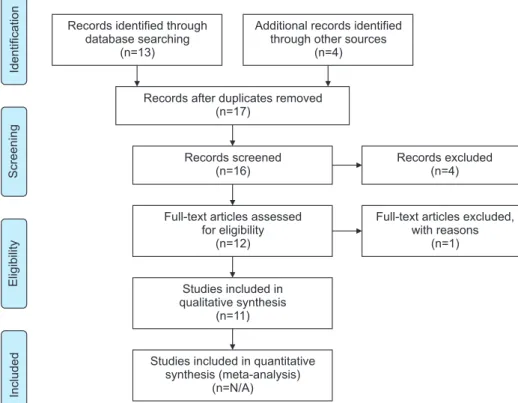
Subsequently, we conducted a review of observation- al studies and clinical trials related to LCS according to the PRISMA (Preferred Reporting Items for Sys- tematic Reviews and Meta-Analyses) guidelines (Fig. 1).
We searched PubMed, Embase, and Cochrane library using the following terms: “leukocytospermia, pyosper- mia, and male infertility.” Our results were filtered for clinical trials and randomized control trials (RCT).
Articles that pertained to treatment of LCS and that were published between January 1, 2010 and April 30, 2018 were included in the review. By reviewing articles from 2010 onward, we hope to capture any relevant research that may not have factored into these clinical guideline recommendations, which have been reviewed or updated in 2011 or more recently.
In addition, four articles commonly referenced in best practice and guideline statements are critically evaluated and reported on. Articles were screened for those published in English, conducted on human subjects, and for duplicates within the search. Each selected trial was evaluated based on selected patient population, diagnostic process, and the treatment effect on sperm parameters, resolution rate, and pregnancy rate.
Risk of bias was assessed at the outcome level. Spe- cial consideration was made to compare the various pa- tient populations utilized and the presence or absence of a control group in each study in order to evaluate potential bias.
RESULTS
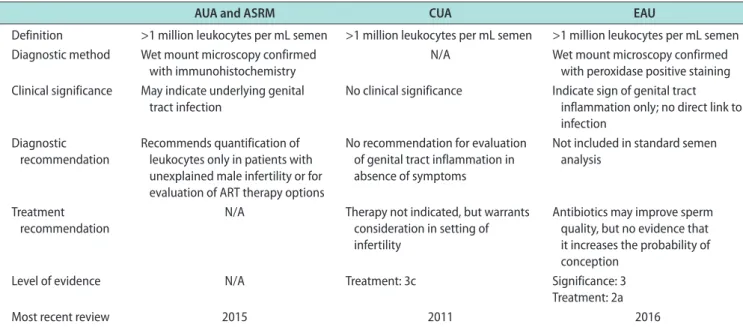
Table 1 summarizes the various components of the current available guidelines. It also highlights major
differences and congruent interpretations at a glance.
A review and comparison of the AUA, ASRM, CUA, and EAU revealed consistent recommendations for diagnostic procedures and confirmation only. However, the recommendations for the clinical interpretation and treatment of these results differ, or are entirely lacking. Each of these parameters are discussed and analyzed in detail below.
1. American Urological Association
In a published guideline on the optimal evaluation of male infertility [11], the AUA makes reference of LCS as a possible contributor to the infertility picture. They recommend evaluation using wet microscopy to iden- tify round cells with confirmation of leukocytes using cytological staining or immunohistochemistry. They imply that this may indicate an underlying genital tract infection, warranting further clinical evaluation of this process. They ultimately do not see the quantifi- cation of leukocytes as a requirement in the evaluation of male infertility. Specialized tests, such as leukocyte quantification, may only be useful for a subset of pa- tients, specifically useful in identifying factors of idio- pathic male infertility or for the evaluation of assisted reproductive technology (ART) options. Unfortunately, no level of evidence classification is offered for this
IncludedEligibilityScreeningIdentification
Records after duplicates removed (n=17)
Records screened (n=16)
Full-text articles assessed for eligibility
(n=12)
Studies included in qualitative synthesis
(n=11)
Studies included in quantitative synthesis (meta-analysis)
(n=N/A)
Records excluded (n=4) Records identified through
database searching (n=13)
Additional records identified through other sources
(n=4)
Full-text articles excluded, with reasons
(n=1)
Fig. 1. Flow diagram for the systematic review of leukocytospermia clinical trials.
Figure is a flow diagram depicting the search algorithm and results. PubMed, Em- base, and Cochrane library was searched for English language articles on human observational studies, clinical trials and randomized control trials using the follow- ing terms: “leukocytospermia, pyospermia, and male infertility.” Also included was 4 articles referenced by the various guide- lines discussed in the paper. The remain- ing articles were screened for duplicates and non-english articles were excluded of which there was 4. Another article was deemed ineligible as this study’s seminal collection method varied so dramatically from that of the others studied. In total 11 articles are included in this review. N/A: not available.
diagnostic recommendation. There is no mention of recommendations for treatment of this finding.
Much of this guideline is in reference to a single publication by Wolff and Anderson [12] in 1988. This randomized and controlled study aimed to evaluate im- munohistochemistry’s role in distinguishing leukocytes from the generic term “round cells.” They found that by using staining with immunoperoxidase and immu- nohistochemistry, they could more accurately identify leukocytes within semen samples. Failure to use this method results in a possible overestimation of leuko- cyte numbers in semen.
Wolff and Anderson [12] also offered some findings in the link between LCS and unexplained male infer- tility. Evaluating semen samples of 51 infertile men and 17 proven fertile men, they report higher means and medians of leukocytes in the infertility group.
Wolff and Anderson [12] also reported that a more reli- able detection of leukocytes in semen may provide add- ed value in the treatment of male infertility, especially with respect to the success of in vitro fertilization (IVF).
2. American Society for Reproductive Medicine
The ASRM uses an update of a largely similar ar-
ticle as that of the AUA to establish guidelines on LCS.
This article discusses the diagnosis, significance, and treatment of LCS in an identical paragraph as that in the AUA guidelines (above). Thus, no conflict of opin- ion was found between the two guidelines and no new information is offered.
3. Canadian Urological Association
The CUA only evaluates LCS within the context of their guidelines on prostatitis. Their guidelines make mention of genital tract inflammation and its signifi- cance specifically regarding chronic and asymptomatic prostatitis [13]. In this report, they make no mention of the recommended diagnostic procedure for semen analysis and quantification of leukocytes. They do not recommend further evaluation of the diagnosis of asymptomatic prostatitis, believing it to have no clinical relevance [13]. They do, however, admit that antimicrobial therapy can be considered in the context of infertility. This is given a level 3C recommendation.
Unfortunately, there is no reference to evidence for this small point, and no further discussion on what treatment regimen would be preferred, leaving it up to the treating urologist’s clinical judgement.
Table 1. Comparison of four major urological and andrological association’s guidelines on leukocytospermia
AUA and ASRM CUA EAU
Definition >1 million leukocytes per mL semen >1 million leukocytes per mL semen >1 million leukocytes per mL semen Diagnostic method Wet mount microscopy confirmed
with immunohistochemistry N/A Wet mount microscopy confirmed
with peroxidase positive staining Clinical significance May indicate underlying genital
tract infection No clinical significance Indicate sign of genital tract inflammation only; no direct link to infection
Diagnostic recommendation
Recommends quantification of leukocytes only in patients with unexplained male infertility or for evaluation of ART therapy options
No recommendation for evaluation of genital tract inflammation in absence of symptoms
Not included in standard semen analysis
Treatment recommendation
N/A Therapy not indicated, but warrants consideration in setting of infertility
Antibiotics may improve sperm quality, but no evidence that it increases the probability of conception
Level of evidence N/A Treatment: 3c Significance: 3
Treatment: 2a
Most recent review 2015 2011 2016
This table reviews the four major urologic and andrologic associations and their diagnostic method, clinical significance, diagnostic and treat- ment recommendations regarding leukocytospermia. Also reported is the level of evidence and the most recent update to their guidelines. The international bodies that give recommendations and that are included in this table include the American Urologic Association (AUA), the Ameri- can Society for Reproductive Medicine (ASRM), the Canadian Urological Association (CAU) and the European Association of Urology (EAU). N/A indicates this component was not discussed in the respective guideline article.
4. European Association of Urology
The EAU offers by far the most comprehensive guidelines on this issue. Jungwirth et al [14] outline these recommendations. Similarly to the AUA and ASRM, they suggest wet mount microscopy followed with confirmatory peroxidase positive staining for ac- curate identification of leukocytes.
With respect to the clinical significance of LCS, EAU considers LCS to be taken as a sign of inflammation, and not a direct confirmation of bacterial or viral in- fection of the male genital tract. The guidelines state that urethritis and prostatitis have no clear associa- tion with male infertility using a level of evidence of 3.
Further, cited within is a publication by Tomlinson et al [15] that concludes that elevated leukocytes are not directly a cause of male infertility in isolation. In this study, 229 couples selected from an infertility clinic underwent semen analysis with leukocyte quantifica- tion confirmed by immunohistochemistry. Conception outcomes after 22 months without therapy were sub- sequently measured and related to semen parameters.
Ultimately, there was no association between seminal leukocyte concentration and conception rate.
Nonetheless, treatment recommendations in this article suggest antibiotic therapy only. They note that only antibiotic therapy has been shown to eradicate the offending microorganisms (if present) and does not reduce the associated inflammatory alterations in uro- genital secretions. They cite level of evidence of 2a for these assertions. However, they highlight that there is no evidence that antibiotic therapy will increase the probability of conception. Level 2a evidence is also at- tributed to this statement. This references two articles by Weidner et al [16] and Comhaire et al [17]. The study by Comhaire et al [17] evaluated 33 infertile couples in a double-blind comparison of treatment with doxycy- cline or a placebo control. They report no significant difference in conception rates per month between the two groups, indicating that infection may regress spon- taneously and is not influenced by the antibiotic treat- ment.
5. Review of clinical trials
Since the guidelines are sparse and non-confirmato- ry, we performed a literature review as mentioned in the materials and methods above. Our search yielded eleven studies that evaluated outcomes of various therapies for LCS. Thirteen records were identified
during our search. Four additional records were in- cluded as they were found in the sources of the guide- lines studied and are very relevant to the evaluation of LCS treatment. Four records were removed through screening criteria due to non-English language or the study lacked treatment intervention, and one deemed ineligible as this study’s seminal collection method varied so dramatically from that of the others stud- ied. Specifically, it utilized vibratory stimulation and antegrade electroejaculation for collection of samples.
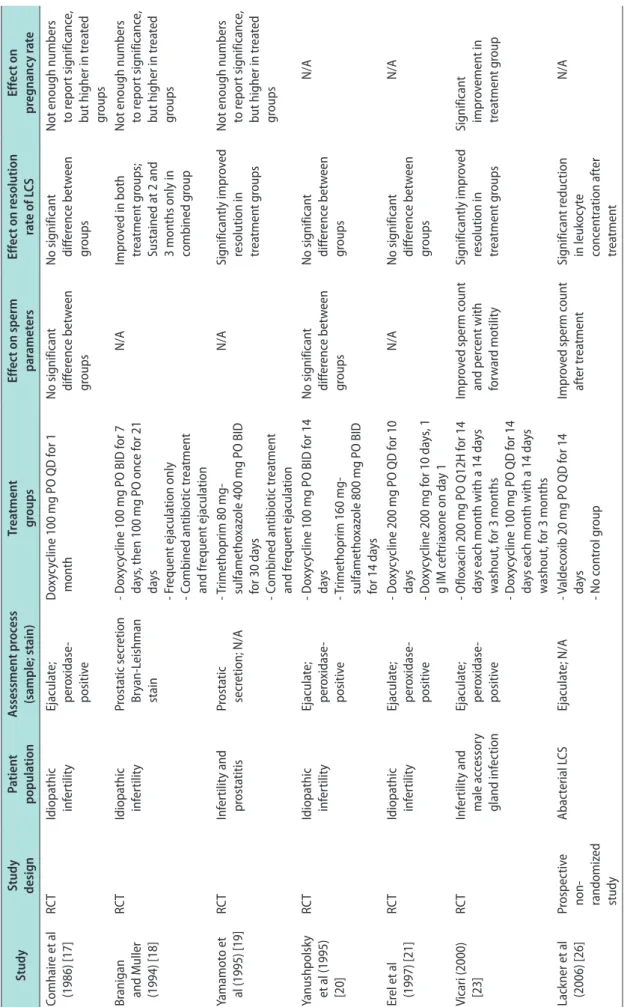
Ultimately, 11 sources were evaluated and included within our study (Fig. 1). A comparison of each study’s methods and results are summarized in Table 2. Of the eleven, seven compared antibiotic therapy [17-23], one evaluated anti-histamine therapy [24], one evaluated steroid treatment [25], and two evaluated non-steroidal anti-inflammatory drug (NSAID) treatment [7,26].
In the group that compared antibiotic therapies, three showed significant improvement in the resolu- tion rate of LCS over controls, three showed no signifi- cant differences, and one did not directly measure reso- lution of LCS. These studies differ on their assessment method and antibiotic therapy of choice. The interven- tion that was associated with significant resolution across studies was antibiotic treatment combined with frequent ejaculation seen in two studies [18,19]. An- other correlation with successful therapy was duration of treatment. Three of the four studies that included treatment for at least one full month saw significant improvements in resolution rate. In addition, four studies measured qualitative and quantitative sperm parameters. Two of these showed significant improve- ment in these parameters following antibiotic therapy [22,23]. Finally, three studies evaluated pregnancy rate between antibiotic therapy and control groups, with one finding significant improvement within the treat- ment group. All three, however, found a higher rate of pregnancies in the treatment groups but did not have enough power with the sample sizes to find statistical significance.
Oliva and Multigner [24] studied the effect of keto- tifen therapy, an anti-histamine, in an open, uncon- trolled study. They found improved sperm motility, percentage of sperm with normal morphology, and a significant reduction in white blood cells (WBC) after the first four weeks of ketotifen treatment. They did not, however, note the utilization of immunohistochem- istry or leukocyte-specific staining in order to confirm
Table 2. Comparison of available clinical trials for the treatment of LCS StudyStudy designPatient populationAssessment process (sample; stain)Treatment groupsEffect on sperm parametersEffect on resolution rate of LCSEffect on pregnancy rate Comhaire et al (1986) [17]RCTIdiopathic infertilityEjaculate; peroxidase- positive Doxycycline 100 mg PO QD for 1 monthNo significant difference between groups No significant difference between groups
Not enough numbers to report significance, but higher in treated groups Branigan and Muller (1994) [18]
RCTIdiopathic infertilityProstatic secretion Bryan-Leishman stain - Doxycycline 100 mg PO BID for 7 days, then 100 mg PO once for 21 days - Frequent ejaculation only - Combined antibiotic treatment and frequent ejaculation N/AImproved in both treatment groups; Sustained at 2 and 3 months only in combined group
Not enough numbers to report significance, but higher in treated groups Yamamoto et al (1995) [19]RCTInfertility and prostatitisProstatic secretion; N/A- Trimethoprim 80 mg- sulfamethoxazole 400 mg PO BID for 30 days - Combined antibiotic treatment and frequent ejaculation
N/ASignificantly improved resolution in treatment groups
Not enough numbers to report significance, but higher in treated groups Yanushpolsky et al (1995) [20]
RCTIdiopathic infertilityEjaculate; peroxidase- positive - Doxycycline 100 mg PO BID for 14 days - Trimethoprim 160 mg- sulfamethoxazole 800 mg PO BID for 14 days No significant difference between groups No significant difference between groups
N/A Erel et al (1997) [21]RCTIdiopathic infertilityEjaculate; peroxidase- positive
- Doxycycline 200 mg PO QD for 10 days - Doxycycline 200 mg for 10 days, 1 g IM ceftriaxone on day 1 N/ANo significant difference between groups
N/A Vicari (2000) [23]RCTInfertility and male accessory gland infection
Ejaculate; peroxidase- positive - Ofloxacin 200 mg PO Q12H for 14 days each month with a 14 days washout, for 3 months - Doxycycline 100 mg PO QD for 14 days each month with a 14 days washout, for 3 months Improved sperm count and percent with forward motility Significantly improved resolution in treatment groups
Significant improvement in treatment group Lackner et al (2006) [26]Prospective non- randomized study
Abacterial LCSEjaculate; N/A- Valdecoxib 20 mg PO QD for 14 days - No control group Improved sperm count after treatmentSignificant reduction in leukocyte concentration after treatment
N/A
Table 2. Continued StudyStudy designPatient populationAssessment process (sample; stain)Treatment groupsEffect on sperm parametersEffect on resolution rate of LCSEffect on pregnancy rate Oliva and Multigner (2006) [24]
Uncontrolled clinical trialIdiopathic infertilityEjaculate; N/A- Ketotifen 1 mg PO BID for 12 weeks - No control group Improved sperm motility and percent with normal morphology Significant reduction in leukocyte concentration by 4 weeks
N/A Gambera et al (2007) [7]Uncontrolled clinical trialIdiopathic infertilityEjaculate; peroxidase- positive
- Rofecoxib 25 mg PO QD for 30 days - No control group Improved sperm motility and morphology Significant reduction in leukocyte concentration after 30 days of treatment
Pregnancy rate of 15.8%; no control group available Pajovic et al (2013) [22]Uncontrolled clinical trialAsymptomatic genital infection caused by Chlamydia trachomatis or Ureaplasma urealyticum
Ejaculate; peroxidase- positive - C. trachomatis patients azithromycin 1,000 mg PO - U. urealyticum patients metronidazole 2,000 mg PO, then erythromycin 500 mg PO QID for 7 days Significant improvement in all parameters
N/AN/A Milardi et al (2017) [25]Randomized, uncontrolled clinical trial
Oligozoospermia with accessory gland inflammation on genital ultrasound Ejaculate; fixed and pap stain- Prednisone 5 mg PO QD for 1 month - Prednisone 12.5 mg PO QD for 1 month - Prednisone 25 mg PO QD for 1 month Improved sperm count and percent with forward motility No significant difference between groups
N/A This table summaries English language studies found in our literature search or referenced within the various guidelines. This includes 11 observational or clinical trials for the treatment of LCS. Treatment methods are reported in the table including antibiotics, frequent ejaculation, anti-histamines, and corticosteroids. Described for each study is the author, the study design, patient pop- ulation, assessment process, treatment groups, effect on sperm parameters, effect on resolution rate of LCS and the effect on pregnancy rate. N/A indicates that this component was not indicated or studied. LCS: leukocytospermia, RCT: randomized control trials, PO: per os, QD: every day, BID: twice a day, IM: intramuscular, QID: four times a day.
leukocyte count during semen analysis. While they did evaluate an objective measure, there was also no con- trol group.
Milardi et al [25] studied the effect of steroid treat- ment on patients with LCS. They found no significant reduction in leukocyte count after one month of thera- py with varying dosage groups of prednisone. They did find significant improvement in sperm count and per- centage of sperm with forward motility, but these re- sults should be considered separately as the population group consisted of men with oligozoospermia prior to intervention. A major limitation to this study is its lack of a control group, resulting in a higher risk of bias.
Finally, two studies evaluated the effect of NSAIDs as a therapy for LCS. Both were non-controlled and measured the effect of Cox-2 inhibitors on sperm quantity and quality before and after treatment. Both report results of significant improvement in LCS. Ro- fecoxib treatment resulted in improved sperm motility and morphology, whereas valdecoxib therapy only re- sulted in an improved sperm count. The lack of control groups, again, limits the strength of these findings.
DISCUSSION
LCS remains a confusing and controversial topic without a consensus on clinical significance nor treat- ment as evidenced by a comparison of guidelines worldwide. The above recommendations have been reviewed and updated within the last 10 years but still rely largely on evidence from the late 1980s and early 1990s. A review of the current observational studies and clinical trials validates this controversy. The only interventions that have consistently shown significant improvement in outcome appears to be a combination of antibiotic therapy and frequent ejaculation and for a duration of at least one month.
To demonstrate importance of some of the more re- cent findings in the management of LCS, we address three issues:
1) Lowering the WHO standard and redefining LCS.
2) Standardizing the treatment of LCS by giving lon- ger duration of antibiotics.
3) Re-evaluating the success of antibiotic therapy with fertility rate as the endpoint.
1. Definition of leukocytospermia
Although the WHO standard for LCS has long been
one million WBCs per mL of semen, recent evidence suggests that the presence of WBCs and the effect of subsequent generation of ROS can significantly affect sperm function at levels as low as 0.1×10⁶ WBCs/mL [27,28]. Other studies have shown this critical point to exist at 0.2×10⁶ [29-31] or even 0.5×10⁶ WBCs/mL [32].
This suggests that by setting the standard at one mil- lion, many study participants may have been mischar- acterized as unaffected by LCS when in fact they may have diminished fertility due to the presence of many WBC’s. This would both understate the prevalence and effect of LCS as compared to unaffected individuals.
Furthermore more patients may stand to benefit from evaluation and possible treatment of LCS based on these cut-off values.
Hamada et al [33] conducted a retrospective study using a proposed new threshold of 0.2×10⁶ WBCs/mL for LCS to evaluate the effectiveness of antibiotic therapy. This study compared a treatment group of 34 men treated for 3 weeks with 100 mg of doxycy- cline twice daily and a historical control group of 27 when treatment for LCS was not standard at this WBC level within their research facility. Like many previous studies, however, they were unable to show a significant improvement in qualitative sperm param- eters. Unlike other studies, however, they did find an increase in the natural pregnancy rate among those in the treatment group. They report rates of 47% versus 20% in the treatment and control groups, respectively.
Additionally, the authors argue extending the treat- ment to 3 months or longer may benefit qualitative sperm parameters.
2. Duration of antibiotic treatment and pregnancy rate as an end-point of the treatment for leukocytospermia
Our review of the literature shows that few random- ized controlled trials (RCT) measure pregnancy rate when comparing antibiotic therapy to control [7,9,17- 19,23]. Among these, only one showed a significant im- provement in pregnancy rate with antibiotic treatment [23]. This study included treatment with doxycycline or ofloxacin and also continued treatment for a longer period of 3 months. This is corroborated by the finding that the three studies that found significant reduction in LCS all utilized treatment for at least one month.
Additionally, three RCT’s demonstrated an increased number of pregnancies in the treatment groups, how-
ever there not a statistically significant difference in pregnancy rate [17-19]. While there is still no definitive evidence that antibiotics result in higher pregnancy rates among patients with LCS, there are more recent studies that demonstrate a potential need to increase the duration of antibiotic treatment, combine antibiot- ics with frequent ejaculation, and potentially lower the threshold for LCS itself. Furthermore, there is a clear dearth of high quality evidence for the role of alterna- tive anti-inflammatory therapy. Of the three studies evaluated, none were RCT and no such studies were found during our literature search. Due to the role of inflammation in decreasing semen quality, this area of therapy warrants further investigation.
Finally, one area that is linked to LCS but receives little consideration in the current proposed guidelines is the lack of antibiotic treatment effect on ART out- comes. For men with infertility, there is no significant difference in success rate for both IVF and intracyto- plasmic sperm injection (ICSI) between leukocytosper- mic and non-leukocytospermic groups [34]. Additionally, by shifting the threshold from 2×10⁶ to 0.2×10⁶ WBCs/
mL, the success of IVF and ICSI, did not significantly change. Ultimately, this could indicate that no antibi- otic therapy trial is necessary in the setting of ART.
This could possibly be due to semen processing done prior to the sample being used. However, many fertil- ity clinics still use short courses of antibiotics in male sperm donors with known LCS.
CONCLUSIONS
LCS continues to be a perplexing topic for urologists and andrologists. A large base of contradictory evidence exists for the clinical significance or irrelevance of LCS. Guidelines on the topic, thus, remain equally non- committal. In comparing them, the major differences are the AUA’s link of LCS to an infection whereas the EAU suggests it likely merely indicates inflammation.
There has, however, been consistent evidence that the ROS species and presence of leukocytes in semen still impairs sperm quality by quantitative measures. Fur- thermore, recent studies have shown that the duration of treatment and the definition of LCS may impact the success of antibiotic therapy in improving rates of natural conception. These changes should thus be considered in the guidelines of various organizations around the world. Finally, the presence of LCS in the
setting of ART seems to be a non-factor, however many fertility centers do treat the males with a short course of antibiotics if they are found to have LCS.
ACKNOWLEDGEMENTS
The authors would like to thank Karen Boling for her assistance in coordinating, supporting and organiz- ing urological education and research as the medical student and urology residency program coordinator.
Disclosure
The authors have no potential conflicts of interest to disclose.
Author Contribution
Brunner RJ was the principal author who contributed in all facets of the manuscript: initial concept, design, acquisition of literature data, analysis, primary drafter of the article, and manuscript editions. Demeter JH made contributions to the analysis of articles reviewed, writing and editing of the manu- script. Sindhwani P contributed to the concept, design, as well as the analysis of the articles reviewed. He partook in critical revi- sions and editing of the manuscript.
REFERENCES
1. Gnoth C, Godehardt E, Frank-Herrmann P, Friol K, Tigges J, Freundl G. Definition and prevalence of subfertility and in- fertility. Hum Reprod 2005;20:1144-7.
2. Thonneau P, Marchand S, Tallec A, Ferial ML, Ducot B, Lansac J, et al. Incidence and main causes of infertility in a resident population (1,850,000) of three French regions (1988-1989). Hum Reprod 1991;6:811-6.
3. Agarwal A, Mulgund A, Hamada A, Chyatte MR. A unique view on male infertility around the globe. Reprod Biol Endo- crinol 2015;13:37.
4. Sandoval JS, Raburn D, Muasher S. Leukocytospermia: over- view of diagnosis, implications, and management of a contro- versial finding. Middle East Fertil Soc J 2013;18:129-34.
5. Bachir BG, Jarvi K. Infectious, inflammatory, and immuno- logic conditions resulting in male infertility. Urol Clin North Am 2014;41:67-81.
6. Shy KK, Stenchever MA, Muller CH. Sperm penetration assay and subsequent pregnancy: a prospective study of 74 infertile men. Obstet Gynecol 1988;71:685-90.
7. Gambera L, Serafini F, Morgante G, Focarelli R, De Leo V,
Piomboni P. Sperm quality and pregnancy rate after COX-2 inhibitor therapy of infertile males with abacterial leukocyto- spermia. Hum Reprod 2007;22:1047-51.
8. Domes T, Lo KC, Grober ED, Mullen JB, Mazzulli T, Jarvi K. The incidence and effect of bacteriospermia and elevated seminal leukocytes on semen parameters. Fertil Steril 2012;
97:1050-5.
9. Jung JH, Kim MH, Kim J, Baik SK, Koh SB, Park HJ, et al.
Treatment of leukocytospermia in male infertility: a system- atic review. World J Mens Health 2016;34:165-72.
10. World Health Organization. WHO laboratory manual for the examination and processing of human semen. 5th ed. Ge- neva: World Health Organization; 2010.
11. Jarow J, Sigman M, Kolettis PN, Lipshultz LR, McClure RD, Nangia AK, et al. The optimal evaluation of the infertile male:
AUA best practice statement. Linthicum: American Urologi- cal Association, Inc.; 2011.
12. Wolff H, Anderson DJ. Immunohistologic characterization and quantitation of leukocyte subpopulations in human se- men. Fertil Steril 1988;49:497-504.
13. Nickel JC. Prostatitis. Can Urol Assoc J 2011;5:306-15.
14. Jungwirth A, Giwercman A, Tournaye H, Diemer T, Kopa Z, Dohle G; European Association of Urology Working Group on Male Infertility, et al. European Association of Urology guidelines on male infertility: the 2012 update. Eur Urol 2012;
62:324-32.
15. Tomlinson MJ, Barratt CL, Cooke ID. Prospective study of leu- kocytes and leukocyte subpopulations in semen suggests they are not a cause of male infertility. Fertil Steril 1993;60:1069-75.
16. Weidner W, Krause W, Ludwig M. Relevance of male acces- sory gland infection for subsequent fertility with special focus on prostatitis. Hum Reprod Update 1999;5:421-32.
17. Comhaire FH, Rowe PJ, Farley TM. The effect of doxycycline in infertile couples with male accessory gland infection: a double blind prospective study. Int J Androl 1986;9:91-8.
18. Branigan EF, Muller CH. Efficacy of treatment and recurrence rate of leukocytospermia in infertile men with prostatitis.
Fertil Steril 1994;62:580-4.
19. Yamamoto M, Hibi H, Katsuno S, Miyake K. Antibiotic and ejaculation treatments improve resolution rate of leukocyto- spermia in infertile men with prostatitis. Nagoya J Med Sci 1995;58:41-5.
20. Yanushpolsky EH, Politch JA, Hill JA, Anderson DJ. Antibiot- ic therapy and leukocytospermia: a prospective, randomized, controlled study. Fertil Steril 1995;63:142-7.
21. Erel CT, Sentürk LM, Demir F, Irez T, Ertüngealp E. Antibiot- ic therapy in men with leukocytospermia. Int J Fertil Womens Med 1997;42:206-10.
22. Pajovic B, Radojevic N, Vukovic M, Stjepcevic A. Semen analysis before and after antibiotic treatment of asymptomatic Chlamydia- and Ureaplasma-related pyospermia. Andrologia 2013;45:266-71.
23. Vicari E. Effectiveness and limits of antimicrobial treatment on seminal leukocyte concentration and related reactive oxy- gen species production in patients with male accessory gland infection. Hum Reprod 2000;15:2536-44.
24. Oliva A, Multigner L. Ketotifen improves sperm motility and sperm morphology in male patients with leukocytospermia and unexplained infertility. Fertil Steril 2006;85:240-3.
25. Milardi D, Luca G, Grande G, Ghezzi M, Caretta N, Brusco G, et al. Prednisone treatment in infertile patients with oli- gozoospermia and accessory gland inflammatory alterations.
Andrology 2017;5:268-73.
26. Lackner JE, Herwig R, Schmidbauer J, Schatzl G, Kratzik C, Marberger M. Correlation of leukocytospermia with clinical infection and the positive effect of antiinflammatory treat- ment on semen quality. Fertil Steril 2006;86:601-5.
27. Henkel R, Kierspel E, Stalf T, Mehnert C, Menkveld R, Tin- neberg HR, et al. Effect of reactive oxygen species produced by spermatozoa and leukocytes on sperm functions in non- leukocytospermic patients. Fertil Steril 2005;83:635-42.
28. Sharma RK, Pasqualotto AE, Nelson DR, Thomas AJ Jr, Agar- wal A. Relationship between seminal white blood cell counts and oxidative stress in men treated at an infertility clinic. J Androl 2001;22:575-83.
29. Menkveld R, Kruger TF. Sperm morphology and male uro- genital infections. Andrologia 1998;30 Suppl 1:49-53.
30. Punab M, Lõivukene K, Kermes K, Mändar R. The limit of leucocytospermia from the microbiological viewpoint. An- drologia 2003;35:271-8.
31. Lackner J, Schatzl G, Horvath S, Kratzik C, Marberger M.
Value of counting white blood cells (WBC) in semen samples to predict the presence of bacteria. Eur Urol 2006;49:148-52;
discussion 152-3.
32. Thomas J, Fishel SB, Hall JA, Green S, Newton TA, Thornton SJ. Increased polymorphonuclear granulocytes in seminal plasma in relation to sperm morphology. Hum Reprod 1997;
12:2418-21.
33. Hamada A, Agarwal A, Sharma R, French DB, Ragheb A, Sabanegh ES Jr. Empirical treatment of low-level leukocyto- spermia with doxycycline in male infertility patients. Urology 2011;78:1320-5.
34. Ricci G, Granzotto M, Luppi S, Giolo E, Martinelli M, Zito G, et al. Effect of seminal leukocytes on in vitro fertilization and intracytoplasmic sperm injection outcomes. Fertil Steril 2015;
104:87-93.
![Table 2. Continued StudyStudy designPatient populationAssessment process(sample; stain)Treatment groupsEffect on sperm parametersEffect on resolution rate of LCSEffect on pregnancy rate Oliva and Multigner (2006) [24]](https://thumb-ap.123doks.com/thumbv2/123dokinfo/5409100.220941/7.892.239.659.106.1104/continued-studystudy-designpatient-populationassessment-treatment-groupseffect-parameterseffect-resolution.webp)
