Korean Circulation Journal
Introduction
It is well known that type 2 diabetes mellitus (DM) is a major risk factor for chronic kidney disease (CKD).1) Previous studies have identified DM and CKD as independent and powerful predictors of ischemic complications in patients undergoing percutaneous coronary intervention (PCI) with stents.2-4) Although previous studies have addressed the adverse effects of CKD on clinical outcomes in DM patients undergoing PCI, these studies were conducted in the era of bare metal stents (BMS) or first-generation drug-eluting stents (DES).5)6) It is expected that improvement in interventional techniques over time, together with the use of newer-generation DES and adherence to optimal medical therapies have improved interventional outcomes. Therefore, this study
Print ISSN 1738-5520 • On-line ISSN 1738-5555
Impact of Chronic Kidney Disease on Clinical Outcomes in Diabetic Patients Undergoing Percutaneous Coronary Intervention in the Era of Newer-Generation Drug-Eluting Stents
Su-Min Kim, MD * , Dipti Ranjan Tripathy, MD * , Sang Wook Park, MD, Bonil Park, MD, Jung-Woo Son, MD, Jun-Won Lee, MD, Young Jin Youn, MD, Sung-Gyun Ahn, MD, Min Soo Ahn, MD, Jang-Young Kim, MD, Byung-Su Yoo, MD, Seung-Hwan Lee, MD, and Junghan Yoon, MD
Division of Cardiology, Department of Internal Medicine, Yonsei University Wonju College of Medicine, Wonju, Korea
Background and Objectives: Chronic kidney disease (CKD) is known to be a major adverse predictor in diabetes mellitus (DM) patients undergoing percutaneous coronary intervention (PCI). It is expected that the use of newer-generation drug-eluting stents (DES) would improve clinical outcomes in these patients. We evaluated the impact of CKD on clinical outcomes in diabetic patients undergoing PCI using newer-generation DES in a real-world setting.
Subjects and Methods: A total of 887 patients who underwent PCI with newer-generation DES and who had a history of DM or HbA1c >6.5%
at the time of hospitalization were analyzed. These patients were divided into groups without CKD (n=549) and with CKD (n=338). Among survivors at discharge, a patient-oriented composite outcome (POCO) including all-cause mortality, myocardial infarction (MI), and revascularization was evaluated, together with a device-oriented composite outcome (DOCO) including cardiac death, target vessel-related MI, and target lesion revascularization at a follow-up period of one year.
Results: The incidence of POCO (5.4% vs. 14.0%, log-rank p<0.001) and DOCO (1.1% vs. 4.1%, log-rank p<0.001) was higher in patients with CKD. According to multivariate analysis, which was adjusted for baseline differences in demographic, clinical, and angiographic factors, the presence of CKD was an independent predictor of POCO (hazard ratio [HR]: 1.82, 95% confidence interval [CI]: 1.07 to 3.12), but not of DOCO (HR 2.08, 95% CI: 0.69-6.28).
Conclusion: In DM patients, CKD is an independent and powerful predictor of patient-related outcomes, but not of device-related outcomes in the era of newer-generation DES. (Korean Circ J 2017;47(2):222-230)
KEY WORDS: Chronic kidney disease; Diabetes mellitus; Drug-eluting stent; Percutaneous coronary intervention; Prognosis.
Received: August 29, 2016
Revision Received: November 3, 2016 Accepted: November 22, 2016
Correspondence: Young Jin Youn, MD, Division of Cardiology, Depart- ment of Internal Medicine, Yonsei University Wonju College of Medicine, 20 Ilsan-ro, Wonju 26426, Korea
Tel: 82-33-741-0917, Fax: 82-33-741-1219 E-mail: [email protected]
* These authors contributed equally as the paper’s first author.
• The authors have no financial conflicts of interest.
This is an Open Access article distributed under the terms of the Creative Commons Attribution Non-Commercial License (http://creativecommons.
org/licenses/by-nc/3.0) which permits unrestricted non-commercial use, distribution, and reproduction in any medium, provided the original work is properly cited.
evaluated the impact of CKD on clinical outcomes in patients with DM who underwent PCI using newer-generation DES in a real- world setting.
Subjects and Methods
Study population
This study, conducted over a three-year period, was based on patients from an ongoing, tertiary care, single-center registry that prospectively enrolled unselected patients undergoing PCI. Patients with a variety of clinical indications including stable angina, unstable angina, non-ST-segment elevation myocardial infarction (NSTEMI), and ST-segment elevation myocardial infarction (STEMI) were registered. Patients in whom stent implantation was not attempted during PCI were excluded. Data on patient medical history, presentation, angiographic findings, treatment method, and complications were collected prospectively using standardized case report forms. Clinical follow-up was performed either by telephone contact or by office visit at 6 and 12 months following PCI. The occurrence of major clinical events including death, myocardial infarction (MI), revascularization, and stent thrombosis was recorded. This registry was approved by the institutional review board. Informed consent was obtained from all patients.
Among 2303 patients who underwent PCI from January 2011 to December 2013, 887 (38.5%) with a history of DM or with HbA1c value greater than 6.5% at the time of admission to the hospital were selected. Serum creatinine level was measured at the time of admission. Renal function was assessed according to the estimated creatinine clearance (eCcr), which was calculated using the Cockcroft-Gault equation.7) CKD was defined as an eCcr value less than 60 mL/min/1.73 m2. Patients were divided into groups without CKD and with CKD.
Percutaneous coronary intervention
All patients were given 300 mg of aspirin and 300 mg of clopidogrel (interchangeable with prasugrel 60 mg or ticagrelor 180 mg) as a loading dose at least six hours prior to the procedure, except in cases of emergency. All patients underwent PCI according to standardized methods. The decision for pre-dilatation or direct stenting, the selection of stent type, the use of glycoprotein (GP) IIb/IIIa inhibitors, the use of additional imaging modalities such as intravascular ultrasound or optical coherence tomography and the use of a pressure wire were made at the discretion of the operating physicians. Most patients were treated with either a biolimus- eluting stent (BioMatrix or BioMatrix Flex, Biosensors, Singapore, or Nobori, Terumo, Japan), an everolimus-eluting stent (Xience V
or Xience Prime, Abbott, IL, USA), or a zotarolimus-eluting stent with Biolinx polymers (Endeavor Resolute or Endeavor Resolute Integrity, Medtronic, Minneapolis, MN, USA). All physicians tried to follow guideline-directed medical treatment, which includes the use of beta-blockers, angiotensin-converting enzyme inhibitors or angiotensin II receptor blockers, and statins. After the index procedure, an aspirin dosage of 100 mg was prescribed permanently, and a 75-mg dosage of clopidogrel (interchangeable with prasugrel in a dosage of 10 mg daily or ticagrelor in a dosage of 90 mg twice daily) was prescribed for at least one year.
Study endpoints and definition
The primary endpoint was a patient-oriented composite outcome (POCO) at one year following the index procedure among survivors at discharge. The POCO was a composite consisting of all-cause mortality, MI, and revascularization. The secondary endpoints were POCO, device-oriented composite outcome (DOCO), bleeding complication, and contrast-induced nephropathy (CIN) during the index hospital stay, together with the DOCO at the one-year follow- up period. The DOCO was defined as a composite of cardiac death, MI (not clearly attributable to a non-target vessel), and target lesion revascularization (TLR).8) MI includes only spontaneous MI, which was diagnosed when at least two of the following three criteria were met: 1) clinical history of central chest pressure, pain, or tightness lasting ≥30 minutes, 2) ST-segment elevation greater than 0.1 mV in at least one standard or two precordial leads, and 3) troponin I value greater than the upper normal limit (UNL) or creatine kinase MB value greater than the UNL. Target lesion revascularization (TLR) was defined as any repeat PCI of the target lesion or bypass surgery of the target vessel performed for restenosis or other complication of the target lesion. The target lesion was defined as the treated segment from 5 mm proximal to the stent to 5 mm distal to the stent. Target vessel revascularization (TVR) was defined as any repeat PCI or surgical bypass of any segment of the target vessel. The target vessel was defined as the entire major coronary vessel proximal and distal to the target lesion, which includes upstream and downstream branches as well as the target lesion itself. Cardiac death was defined as any death due to a proximate cardiac cause (e.g., MI, low-output failure, fatal arrhythmia), unwitnessed death and death of unknown cause, and all procedure-related deaths including those related to concomitant treatment. Noncardiac death was defined as any death not covered by the above categories, such as death caused by infection, malignancy, sepsis, pulmonary causes, accident, suicide, or trauma. CIN was defined as a serum creatinine increase greater than or equal to 25% and/or 0.5 mg/dL within 48 hours after exposure to the contrast medium. Stent thrombosis was defined according to the criteria of the academic
A
D
G
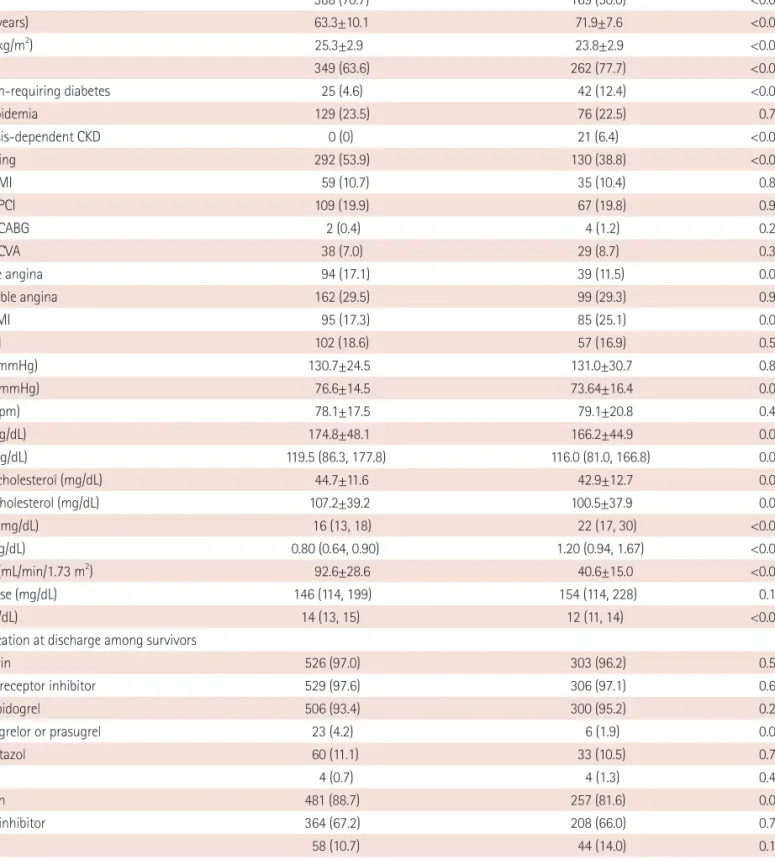
Table 1. Baseline characteristics, initial laboratory findings, and medications at discharge
Patients without CKD (n=549) Patients with CKD (n=338) p
Male 388 (70.7) 169 (50.0) <0.001
Age (years) 63.3±10.1 71.9±7.6 <0.001
BMI (kg/m2) 25.3±2.9 23.8±2.9 <0.001
HTN 349 (63.6) 262 (77.7) <0.001
Insulin-requiring diabetes 25 (4.6) 42 (12.4) <0.001
Dyslipidemia 129 (23.5) 76 (22.5) 0.728
Dialysis-dependent CKD 0 (0) 21 (6.4) <0.001
Smoking 292 (53.9) 130 (38.8) <0.001
Prior MI 59 (10.7) 35 (10.4) 0.854
Prior PCI 109 (19.9) 67 (19.8) 0.991
Prior CABG 2 (0.4) 4 (1.2) 0.209*
Prior CVA 38 (7.0) 29 (8.7) 0.358
Stable angina 94 (17.1) 39 (11.5) 0.024
Unstable angina 162 (29.5) 99 (29.3) 0.945
NSTEMI 95 (17.3) 85 (25.1) 0.005
STEMI 102 (18.6) 57 (16.9) 0.518
SBP (mmHg) 130.7±24.5 131.0±30.7 0.863
DBP (mmHg) 76.6±14.5 73.64±16.4 0.007
HR (bpm) 78.1±17.5 79.1±20.8 0.467
TC (mg/dL) 174.8±48.1 166.2±44.9 0.008
TG (mg/dL) 119.5 (86.3, 177.8) 116.0 (81.0, 166.8) 0.097
HDL-cholesterol (mg/dL) 44.7±11.6 42.9±12.7 0.031
LDL-cholesterol (mg/dL) 107.2±39.2 100.5±37.9 0.015
BUN (mg/dL) 16 (13, 18) 22 (17, 30) <0.001
Cr (mg/dL) 0.80 (0.64, 0.90) 1.20 (0.94, 1.67) <0.001
eCCr (mL/min/1.73 m2) 92.6±28.6 40.6±15.0 <0.001
Glucose (mg/dL) 146 (114, 199) 154 (114, 228) 0.129
Hb (g/dL) 14 (13, 15) 12 (11, 14) <0.001
Medication at discharge among survivors
Aspirin 526 (97.0) 303 (96.2) 0.551
ADP receptor inhibitor 529 (97.6) 306 (97.1) 0.682
Clopidogrel 506 (93.4) 300 (95.2) 0.262
Ticagrelor or prasugrel 23 (4.2) 6 (1.9) 0.068
Cilostazol 60 (11.1) 33 (10.5) 0.788
VKA 4 (0.7) 4 (1.3) 0.475*
Statin 481 (88.7) 257 (81.6) 0.003
RAS inhibitor 364 (67.2) 208 (66.0) 0.736
CCB 58 (10.7) 44 (14.0) 0.154
Beta-blocker 366 (67.5) 207 (65.7) 0.587
Nitrate 266 (49.1) 144 (45.7) 0.342
Nicorandil 358 (66.1) 224 (71.1) 0.126
Values are presented as n (%) or mean±standard deviation or median (interquartile range). *Fisher’s exact test. CKD: chronic kidney disease, BMI: body mass index, HTN: hypertension, MI: myocardial infarction, PCI: percutaneous coronary intervention, CABG: coronary artery bypass graft, CVA: cerebrovascular accident, NSTEMI: non-ST segment elevation myocardial infarction, STEMI: ST segment elevation myocardial infarction, SBP: systolic blood pressure, DBP:
diastolic blood pressure, HR: heart rate, TC: total cholesterol, TG: triglyceride, HDL: high-density lipoprotein, LDL: low-density lipoprotein, BUN: blood urea nitrogen, Cr: creatinine, eCCr: estimated creatinine clearance, Hb: hemoglobin, ADP: adenosine diphosphate, VKA: vitamin K antagonist, RAS: renin-angio- tensin system, CCB: calcium channel blocker
research consortium (ARC). The incidence of ST included definite and probable ST. Bleeding was defined according to the standards of the bleeding ARC (BARC).9)
Statistical analysis
Continuous variables were described as mean ± standard deviation or median (interquartile range) and were analyzed by Student’s unpaired t-test or the Mann-Whitney U test, as appropriate.
Categorical variables were described as counts (percentages) and were compared by χ2 or Fisher’s exact test, as appropriate. Follow- up began on the date of the index PCI and continued until the date of death or for one year, whichever occurred sooner. Kaplan- Meier curves for the POCO and DOCO of both patient groups were obtained. Clinical outcomes were compared between the groups with the log rank p test. Cox proportional hazards regression analysis was used to estimate the hazard ratio (HR) of POCO and Table 2. Angiographic and procedural characteristics
Patients without CKD (n=549) Patients with CKD (n=338) p
Heparin use before procedure 180 (32.8) 110 (32.5) 0.940
Use of GP IIb/IIIa inhibitor 71 (12.9) 38 (11.2) 0.457
Disease extent <0.001
1-VD 208 (37.9) 63 (18.6)
2-VD 182 (33.2) 126 (37.3)
3-VD 159 (29.0) 149 (44.1)
Transradial intervention 527 (96.0) 265 (78.4) <0.001
Elective PCI 434 (79.1) 264 (78.1) 0.736
Primary PCI 99 (18.0) 53 (15.7) 0.409
Use of IABP 3 (0.5) 11 (3.3) 0.002
Use of ECMO 5 (0.9) 1 (0.3) 0.416*
Use of IVUS 527 (96.0) 310 (91.7) 0.007
Use of thrombus aspiration 110 (20.0) 62 (18.3) 0.536
Bifurcation PCI 193 (35.2) 109 (32.2) 0.375
CTO PCI 34 (6.2) 15 (4.4) 0.266
Treated lesion territory
LAD 341 (62.1) 199 (58.9) 0.337
LCX 135 (24.6) 82 (24.3) 0.912
RCA 187 (34.1) 145 (42.9) 0.008
LM 29 (5.3) 18 (5.3) 0.978
Multi-vessel PCI 146 (26.6) 104 (30.8) 0.179
Implanted stent type 0.266
BES 161 (29.3) 90 (26.6)
EES 191 (34.8) 109 (32.2)
ZES-R 161 (29.3) 115 (34.0)
Implanted stent diameter (mm) 3.2±0.5 3.0±0.5 0.002
Implanted stent length (mm) 42.1±24.7 44.7±26.7 0.152
Implanted stent number (n) 1.7±0.9 1.8±0.9 0.113
Total procedure time (min) 56.5±24.7 57.9±29.1 0.470
Contrast volume (mL) 193.2±67.4 199.5±100.1 0.311
Values are presented as n (%) or mean±standard deviation. *Fisher’s exact test. CKD: chronic kidney disease, VD: vessel disease, PCI: percutaneous coronary intervention, IABP: intra-aortic balloon pump, ECMO: extracorporeal membrane oxygenation, IVUS: intravascular ultrasound GP: glycoprotein, CTO: chronic total occlusion, LAD: left anterior descending, LCX: left circumflex artery, RCA: right coronary artery, LM: left main, BES: biolimus-eluting stent, EES: everoli- mus-eluting stent, ZES: resolute zotarolimus-eluting stent
DOCO during a one-year period of follow-up among survivors at discharge. Adjusted HRs with 95% confidence intervals (CIs) were computed. Multivariable Cox regression models were adjusted for baseline differences in demographic, clinical, and angiographic factors. The variables used for adjustment in the analysis of one- year outcomes were CKD; age; sex; body mass index; history of hypertension, smoking, MI, or PCI; acute MI; diastolic blood pressure;
multi-vessel disease; multi-vessel PCI; implanted stent type, number, diameter, and length; low-density lipoprotein (LDL)-cholesterol;
hemoglobin; and discharge medications including aspirin, adenosine diphosphate (ADP) receptor inhibitor, statin, beta-blocker, calcium channel blocker (CCB), and renin–angiotensin system (RAS) inhibitor.
Logistic multivariate regression analysis using the same variables as in the multivariable Cox regression model (with the exception of Table 3. In-hospital outcomes in overall patients and one-year clinical outcomes among survivors at discharge
Patients without CKD Patients with CKD p
In-hospital outcome n=549 n=338
POCO 9 (1.6) 24 (7.1) <0.001
Any death 7 (1.3) 23 (6.8) <0.001
Any MI 0 (0) 1 (0.3) 0.381*
Any revascularization 3 (0.5) 1 (0.3) >0.999*
DOCO 7 (1.3) 20 (5.9) <0.001
Cardiac death 6 (1.1) 19 (5.6) <0.001
Target vessel related MI 0 (0) 1 (0.3) 0.381*
TLR 2 (0.4) 1 (0.3) >0.999*
Non-cardiac death 1 (0.2) 4 (1.2) 0.073*
TVR 2 (0.4) 1 (0.3) >0.999*
Definite or probable stent thrombosis 1 (0.2) 4 (1.2) 0.073*
Any bleeding 4 (0.7) 15 (4.4) <0.001
BARC Type 1 4 (0.7) 3 (0.9)
BARC Type 2 0 (0) 6 (1.8)
BARC Type 3a 0 (0) 2 (0.6)
BARC Type 3b 0 (0) 3 (0.9)
BARC Type 5a 0 (0) 1 (0.3)
Contrast-induced nephropathy 30 (5.5) 56 (16.6) <0.001
One-year outcome among survivor at discharge n=542 n=315
Follow-up duration (days) 365 (365, 365) 365 (338, 365) < 0.001
POCO 29 (5.4) 44 (14.0) < 0.001†
Any death 8 (1.5) 23 (7.3) < 0.001†
Any MI 3 (0.6) 10 (3.2) 0.001†
Any revascularization 20 (3.7) 16 (5.1) 0.225†
DOCO 6 (1.1) 13 (4.1) 0.002†
Cardiac death 4 (0.7) 16 (5.1) <0.001†
Target vessel-related MI 2 (0.4) 4 (1.3) 0.104†
TLR 4 (0.7) 7 (2.2) 0.157†
Non-cardiac death 4 (0.7) 7 (2.2) 0.050†
TVR 6 (1.1) 10 (3.2) 0.018†
Definite or probable stent thrombosis 1 (0.2) 3 (1.0) 0.102†
Values are presented as n (%) or median (interquartile range). *Fisher’s exact test. †Log-rank p. CKD: chronic kidney disease, POCO: patient-oriented com- posite outcome, DOCO: device-oriented composite outcome, MI: myocardial infarction, TLR: target lesion revascularization, TVR: target vessel revascular- ization, BARC: bleeding academic research consortium
discharge medications) was performed to estimate the odds ratio for in-hospital outcomes such as POCO, DOCO, bleeding complications, and CIN among all patients. All statistical analyses were performed with IBM SPSS Statistics version 20.0 (IBM Inc., Chicago, IL, USA). A two-tailed p value of 0.05 was considered statistically significant.
Results
Baseline characteristics
Among a total of 887 consecutive patients with DM, approximately 62% (549) had normal renal function (eCcr of ≥60 mL/min/1.73 m2), whereas 38% (338) had CKD (eCcr of <60 mL/min/1.73 m2). Baseline characteristics, initial laboratory findings, and medications at discharge are presented in Table 1. Compared with patients without CKD, those with CKD were older, less often obese, and more likely to be female. Patients with CKD were more likely to have a history of hypertension as well as insulin-dependent DM. However, these patients were less likely to be smokers than patients without CKD.
The incidence of NSTEMI was higher in patients with CKD. Initial systolic blood pressure and heart rate were similar between the two groups, but diastolic blood pressure was significantly lower in patients with CKD. On initial laboratory findings, total cholesterol and high- and low-density lipoprotein cholesterol were lower in patients with CKD. Hemoglobin was also lower in patients with CKD. Although the rate of prescription of antiplatelet, ADP receptor
inhibitor, beta-blocker, CCB, or RAS inhibitor was similar between the two groups, the rate of statin prescriptions was significantly lower in patients with CKD.
Angiographic and procedural characteristics
Angiographic and procedural characteristics are presented in Table 2. Although the rate of multi-vessel disease was higher in patients with CKD, the rate of multi-vessel PCI was not different between the two groups. The rate of transradial intervention was significantly higher in patients without CKD. The indication for PCI was similar between the two groups. The type of implanted stent, number of stents, and length of stents were similar between the groups, but implanted stent diameter was smaller in patients with CKD. The rates of PCI for bifurcation lesion and PCI for chronic total occlusion lesion were similar between the groups. Total procedure time and contrast volume were not different between the groups.
In-hospital and one-year clinical outcomes
In-hospital outcomes in overall patients and one-year clinical outcomes among survivors at discharge are presented in Table 3.
Kaplan-Meier curves for the survivors at discharge are displayed in Fig. 1. During index hospitalization, patients with CKD were associated with both ischemic and bleeding complications. The incidence of POCO was significantly higher in patients with CKD, driven primarily by a greater incidence of death by any cause.
The incidence of DOCO, driven primarily by a greater incidence of Table 4. Multivariate analysis
POCO DOCO Bleeding Cx CIN
In-hospital outcome*
Crude 4.586 (2.105-9.990) 4.870 (2.037-11.644) 6.327 (2.082-19.228) 3.435 (2.155-5.478)
Model 1 4.636 (1.959-10.975) 4.636 (1.959-10.975) 8.935 (2.589-30.835) 3.643 (2.159-6.146)
Model 2 2.966 (1.081-8.138) 2.882 (0.962-8.630) 12.531 (3.080-50.977) 2.458 (1.399-4.318)
Model 3 2.769 (0.963-7.962) 2.794 (0.889-8.781) 11.512 (2.726-48.618) 2.468 (1.389-4.385)
One-year outcome†
Crude 2.842 (1.778-4.543) 4.000 (1.520-10.529) N/A N/A
Model 1 2.366 (1.414-3.957) 2.817 (0.990-8.016) N/A N/A
Model 4 1.964 (1.114-3.371) 2.091 (0.703-6.220) N/A N/A
Model 5 1.824 (1.065-3.124) 2.082 (0.690-6.278) N/A N/A
Values are presented as odds ratio (or hazard ratio) and 95% confidence interval. *Logistic multivariate regression analysis. †Cox proportional hazards re- gression analysis. Model 1: adjusted for age and sex. Model 2: adjusted for model 1+BMI, HTN, smoking, prior MI, prior PCI, AMI, DBP, LDL-cholesterol, and Hb. Model 3: adjusted for model 2+MV disease, MV PCI, implanted stent type, number, diameter, and length. Model 4: adjusted for model 2+discharge medications including aspirin, ADP receptor inhibitor, statin, beta-blocker, CCB, and RAS inhibitor. Model 5: adjusted for model 3+discharge medications including aspirin, ADP receptor inhibitor, statin, beta-blocker, CCB, and RAS inhibitor. POCO: patient-oriented composite outcome, DOCO: device-oriented composite outcome, Cx: complication, CIN: contrast-induced nephropathy, BMI: body mass index, HTN: hypertension, MI: myocardial infarction, PCI: per- cutaneous coronary intervention, AMI: acute myocardial infarction, DBP: diastolic blood pressure, LDL: low-density lipoprotein, Hb: hemoglobin, MV: multi- vessel, ADP: adenosine diphosphate, CCB: calcium channel blocker, RAS: renin–angiotensin system
cardiac death, was also significantly higher in patients with CKD.
The rates of bleeding complications and CIN were also significantly higher in patients with CKD. During the one-year follow-up period, the incidence of POCO, driven primarily by a higher incidence of any death and any MI, and the incidence of DOCO, driven primarily by a higher incidence of cardiac death, were significantly higher in patients with CKD. Although the rate of TVR was significantly higher in patients with CKD, the rates of TLR and stent thrombosis were similar between the groups.
Multivariate analysis
On multivariate analysis (Table 4), presence of CKD was an independent predictor of bleeding complication (HR: 11.512, 95%
CI: 2.726-48.618) and CIN (HR: 2.468, 95% CI: 1.389-4.385), but not of POCO (HR: 2.769, 95% CI: 0.963-7.962) or DOCO (HR: 2.794, 95%
CI: 0.889-8.781) during index hospitalization. During the one-year follow-up period, presence of CKD was an independent predictor of POCO (HR: 1.824, 95% CI: 1.065-3.124), but not of DOCO (HR: 2.082, 95% CI: 0.690-6.278) among survivors at discharge.
Discussion
Our study demonstrated that CKD was associated with increased in-hospital and one-year adverse clinical outcomes, as well as with
bleeding complications, in diabetic patients in the era of newer- generation DES, even after adjustment for other clinical factors that could potentially confound these associations. It also demonstrated that CKD was an independent predictor of CIN in diabetic patients in this timeframe. Despite these important clinical adverse outcomes, CKD was not shown to be associated with an increased risk of device-related events, including stent thrombosis and TLR.
Ischemic outcomes in CKD
DM is the most common cause of CKD worldwide.10) The world’s diabetic population is expected to approximately double from 2.8%
in 2000 to 4.4% in 2030.11) The incidence of CKD is also expected to escalate in parallel to this trend. Both DM and CKD are associated with an increased risk of coronary events due to the associated prothrombotic state and proinflammatory milieu.12) Both DM and CKD are strong and independent predictors of adverse clinical outcomes in patients with coronary artery disease (CAD) treated with PCI.13-15) In line with the findings of previous studies, our study also demonstrated that the incidence of POCO comprised of any death, any MI, and any revascularization in diabetic CKD patients was significantly higher than in patients without CKD. In contrast to previous studies, we demonstrated that the incidence of device-related events, especially ST and TLR in diabetic CKD patients, was similar to the incidence of device-related deaths in patients without CKD. These results may be related to overall improvement
Follow-up (days)
Log rank p<0.001
Freedom from POCO
1.0
0.8
0.6
0.4
0.2
0.0
0 100 200 300 400
Diabetic patients without CKD Diabetic patients with CKD
Follow-up (days)
Log rank p<0.002
Freedom from DOCO
1.0
0.8
0.6
0.4
0.2
0.0
0 100 200 300 400
Diabetic patients without CKD Diabetic patients with CKD
Fig. 1. Kaplan-Meier survival curve for one-year POCO and DOCO among survivors at discharge. CKD: chronic kidney disease, POCO: patient-oriented composite outcome, DOCO: device-oriented composite outcome.
in interventional techniques and the use of newer-generation DES.
Most previous studies were conducted in the era of BMS and first- generation DES. In contrast, our study included only patients treated with newer-generation DES. Recent pooled analysis has shown that newer-generation DES could reduce the DOCO by 32% in comparison to early-generation DES in patients with higher CAD complexity assessed according to synergy between PCI with taxus and cardiac surgery (SYNTAX) score.16) It also showed that newer-generation DES significantly reduced TLR by 65% and definite ST by 72%.
Bleeding complications in CKD
In our study, overt bleeding was only observed only in patients with CKD. The work of Latif et al.15) demonstrated a graded increase in bleeding complications with worsening renal function. The work of Alexander et al.17) demonstrated that renal impairment independently predicted the overdosing of heparin and GP IIb/
IIIa inhibitors and major bleeding in acute coronary syndrome patients. Moreover, the correct dosing of heparin in patients with CKD has not been established. Patients with CKD exhibit platelet dysfunction manifested by reduced ATP release and decreased serotonin content in dense granules. Our results are consistent with the results of previous studies.
CIN in CKD
Diabetic CKD confers a high risk for CIN, a major noncardiac complication associated with high morbidity and mortality, including the need for temporary dialysis or even permanent impairment of kidney function.18) Decline in renal function after PCI portends a worse prognosis in patients with already impaired renal function. Our study found a significantly high occurrence rate of CIN after PCI (17% vs. 6%) in patients with CKD. This finding is similar to the findings of a study conducted by Nikolsky et al.5) (27% vs. 15%) in diabetics who have undergone PCI. In that study, volume of contrast and CKD were independent predictors of CIN, and CIN was an independent predictor of one-year mortality. The findings therein showed concordance with our study. However, the absolute incidence of CIN was lower in our study than in that previous research. The cause of this discrepancy could be the use of less contrast in our study. As mentioned in Nikolsky’s article, there was a stepwise increase in CIN with increasing amount of contrast medium.
Limitations
This study has several limitations. First, this was a single-center study with a modest number of patients and a relatively short follow-up period, with a relatively low incidence of endpoints.
Thus, these results may not be consistent with the results of a
large cohort study. In particular, we were limited in our ability to evaluate some rare endpoints such as stent thrombosis. Second, the Cockcroft-Gault equation used for estimation of creatinine clearance (eCCr) might overestimate creatinine clearance in obese patients and is not applicable in patients with end-stage renal disease (ESRD). However, even if all dialysis-dependent patients were included in the CKD group, this would not affect the results, as ESRD is a known independent predictor of poor outcomes. Finally, this study involved heterogeneities in clinical and angiographic characteristics between patients with or without CKD. Multivariate analysis was performed to reduce this limitation, but potential bias could still exist.
Conclusion
Among diabetic patients, CKD, as determined by eCCr, is a powerful and independent predictor of in-hospital bleeding complications, CIN, and one-year patient-related ischemic outcomes in the era of newer-generation DES. However, CKD is not related to in-hospital or one-year device-related ischemic outcomes, particularly stent thrombosis and TLR. It remains to be determined whether the absence of differences in device-related outcomes between CKD and non-CKD patient groups is sustained during long-term follow-up.
References
1. Fox CS, Larson MG, Leip EP, Meigs JB, Wilson PW, Levy D. Glycemic status and development of kidney disease: the framingham heart study. Diabetes Care 2005;28:2436-40.
2. Wilson SR, Vakili BA, Sherman W, Sanborn TA, Brown DL. Effect of diabetes on long-term mortality following contemporary percutaneous coronary intervention: analysis of 4,284 cases.
Diabetes Care 2004;27:1137-42.
3. Gruberg L, Dangas G, Mehran R, et al. Clinical outcome following percutaneous coronary interventions in patients with chronic renal failure. Catheter Cardiovasc Interv 2002;55:66-72.
4. Best PJ, Lennon R, Ting HH, et al. The impact of renal insufficiency on clinical outcomes in patients undergoing percutaneous coronary interventions. J Am Coll Cardiol 2002;39:1113-9.
5. Nikolsky E, Mehran R, Turcot D, et al. Impact of chronic kidney disease on prognosis of patients with diabetes mellitus treated with percutaneous coronary intervention. Am J Cardiol 2004;94:300-5.
6. Lepor NE. Impact of chronic kidney disease and diabetes on percutaneous coronary intervention outcomes. Rev Cardiovasc Med 2006;7(Suppl 4):S38-48.
7. Cockcroft DW, Gault MH. Prediction of creatinine clearance from
serum creatinine. Nephron 1976;16:31-41.
8. Cutlip DE, Windecker S, Mehran R, et al. Clinical end points in coronary stent trials: a case for standardized definitions. Circulation 2007;115:2344-51.
9. Mehran R, Rao SV, Bhatt DL, et al. Standardized bleeding definitions for cardiovascular clinical trials: a consensus report from the Bleeding Academic Research Consortium. Circulation 2011;123:2736-47.
10. Jha V, Garcia-Garcia G, Iseki K, et al. Chronic kidney disease: global dimension and perspectives. Lancet 2013;382:260-72.
11. Wild S, Roglic G, Green A, Sicree R, King H. Global prevalence of diabetes: estimates for the year 2000 and projections for 2030.
Diabetes Care 2004;27:1047-53.
12. Diabetes mellitus: a major risk factor for cardiovascular disease. A joint editorial statement by the American Diabetes Association; The National Heart, Lung, and Blood Institute; The Juvenile Diabetes Foundation International; The National Institute of Diabetes and Digestive and Kidney Diseases; and The American Heart Association.
Circulation 1999;100:1132-3.
13. Mathew V, Gersh BJ, Williams BA, et al. Outcomes in patients with diabetes mellitus undergoing percutaneous coronary intervention in the current era: a report from the Prevention of REStenosis with
Tranilast and its Outcomes (PRESTO) trial. Circulation 2004;109:476-80.
14. Appleby CE, Ivanov J, Lavi S, et al. The adverse long-term impact of renal impairment in patients undergoing percutaneous coronary intervention in the drug-eluting stent era. Circ Cardiovasc Interv 2009;2:309-16.
15. Latif F, Kleiman NS, Cohen DJ, et al. In-hospital and 1-year outcomes among percutaneous coronary intervention patients with chronic kidney disease in the era of drug-eluting stents: a report from the EVENT (Evaluation of Drug Eluting Stents and Ischemic Events) registry. JACC Cardiovasc Interv 2009;2:37-45.
16. Piccolo R, Pilgrim T, Heg D, et al. Comparative effectiveness and safety of new-generation versus early-generation drug-eluting stents according to complexity of coronary artery disease: a patient- level pooled analysis of 6,081 patients. JACC Cardiovasc Interv 2015;8:1657-66.
17. Alexander KP, Chen AY, Roe MT, et al. Excess dosing of antiplatelet and antithrombin agents in the treatment of non-ST-segment elevation acute coronary syndromes. JAMA 2005;294:3108-16.
18. Rihal CS, Textor SC, Grill DE, et al. Incidence and prognostic importance of acute renal failure after percutaneous coronary intervention. Circulation 2002;105:2259-64.