• 검색 결과가 없습니다.

한국간호과학회

N/A
N/A
Protected

Academic year: 2021

Share "한국간호과학회"

Copied!
8
0
0

로드 중.... (전체 텍스트 보기)

전체 글

(1)

INTRODUCTION

Background and Significance

The smoking rate in Korea (64.1% of the adult male population; OECD, 2001) is one of the highest in the world, coming second only to Turkey. Under the provi- sions of the National Health Promotion Law, which was passed in 1995, the Korean government has become ac- tively involved in antismoking campaigns in cooperation with health-related associations and the consumer’s union. Although the smoking rate in Korea has been de-

clining sharply in recent years, it is still two times higher than that of other developed countries. Smoking contin- ues to put Koreans at risk of serious health conse- quences; mortality rates from major cancers, particularly lung cancer, are rapidly escalating (Korean National Statistical Office, 2003). More active antismoking cam- paigning is necessary.

The role of health-care professionals in tobacco-control activities is very important and essential because these individuals are in a position to provide the motivation to stop smoking and to educate the public regarding smok- ing cessation behaviors (Fiore et al., 1996, 2000; Sarna

Predictors of Tobacco-Control Activities of Community Health Practitioners:

Report from a National Survey

Jin-Sun Kim, PhD, RN

1

, Mee-Suk Song, PhD, RN

2

, Hyun-Ei Oh, PhD, RN

1

1. Department of Nursing, Chosun University 2. Department of Nursing, Ajou University

This study was supported by research grant of Chosun University, 2004.

Corresponding author: Jin-Sun Kim, PhD, RN, Department of Nursing, Chosun University, 375 Seosuk-Dong, Dong-Gu, Gwangju 501-759, South Korea Tel: 82-62-230-6327 Fax: 82-62-230-6327 E-mail: [email protected]

Received September 6, 2004 ; Accepted December 22, 2004

The involvement of health-care professionals in tobacco-control activities is essential to prevent smoking-relat- ed morbidity and mortality. The purposes of this predictive correlational study were to examine tobacco-control activities and to identify the predictors of such activities of community health practitioners (CHPs). Of the 1,813 members of the Korean Association of CHP, 1,247 participated in this study. A mailed survey was conducted to collect data.

The majority of CHPs supported tobacco-control policies and recognized tobacco-control activities as an impor- tant role for them. Only 44.3% of CHPs were confident in their knowledge and skills regarding tobacco-control activities, and only 30.8% had received professional tobacco-control education. While the majority of the CHPs

“asked, advised, and assessed”their clients, only a small number “assisted or arranged”. The tobacco-control activities of CHPs were predicted by their attitude toward it, age, experience of tobacco-control education, edu- cational level, and general perception of the risk of smoking; these variables accounted 13.5% of variance in the tobacco-control activities of CHPs.

These findings provide the basis for developing a continuing education program for CHPs. CHPs should be encouraged to integrate tobacco-control activities into their routine practice, and CHP education programs should be adjusted to increase the time spent on the tobacco-control intervention techniques.

Key Words : Tobacco-control activities, Community Health Practitioner, Attitude

(2)

et al., 2001). In the United States, the updated clinical practice guideline for treating tobacco use and depen- dence from the Agency for Healthcare Research and Quality (AHRQ) reemphasizes the importance of simple advice from health-care professionals, and suggests that a variety of health-care professionals can effectively im- plement brief clinical interventions, leading to a signifi- cant increase in cessation rates (Fiore et al., 2000).

In developed countries, smoking cessation rates have increased significantly by the societal efforts of health- care professionals, such as increasing publicity, educa- tional activities, and legislation. However, health-care professionals in Korea are currently not actively involved in tobacco-control activities (Mang, 2002; Seo, 2002).

Recently, the Korean Nurses Association has defined an active role for nurses in the antismoking campaign, to ensure a healthy life for the nation (Korean Nurses Association, 2003).

Tobacco-control activities are a particularly important concern in the primary health-care setting. Community health practitioners (CHPs) in Korea were introduced in 1981 to deliver primary health care in remote or isolat- ed communities. CHPs are registered nurses or licensed midwives who receive a 6-month special training. They provide primary health-care services at the community health-care post and they communicate regularly with their clients by visiting them in their home or by tele- phone. Therefore, CHPs have the potential to play an important role in tobacco-control activities as a coun- selor and an advocator.

In Korea, there are only a few studies in which tobac- co-control activities among health-care professionals have been investigated (Han et al., 1997; Kim, 2003;

Kim, Jung, & Park, 2003; Lee, Ha, & Choi, 1995).

Although the tobacco-control activities of CHPs in a community have been investigated recently by Kim (2003), to our knowledge there has been no nationwide investigation of tobacco-control activities and its predic- tors among CHPs. Indeed, little is known about the to- bacco-control activities of CHPs.

Purposes of the study

The purposes of this study were therefore to examine the tobacco-control activities of CHPs and identify the predictors of such activities in this branch of health-care professionals. This study should provide the basic infor- mation required to develop an intervention program to facilitate the tobacco-control activities of CHPs.

METHODS

Design and Sample

A cross-sectional predictive correlational study was conducted to examine the tobacco-control activities of CHPs. Data were collected from January to March of 2003 by postal survey. Packets containing a cover letter, a questionnaire, and a stamped and self-addressed re- turn envelope were mailed to all 1,813 members of the Korean Association of CHPs, who were asked to com- plete and return the questionnaires to the first author.

Follow-up letters conveying the importance of participat- ing in the study were sent 2 weeks later. Since participa- tion in the study was voluntary, the returning of a com- pleted questionnaire was assumed to represent consent to participate in the study. Anonymity was assured be- cause the participant’s identity was not solicited on the questionnaire. Of the 1,813 packets mailed, the ques- tionnaire in 1,247 were completed and returned. In 27 cases the questionnaire was returned but not completed.

Of these 18 had moved away, 6 had retired, and 3 had been mailed to an incorrect address. Therefore, the over- all effective response rate based on those who actually received the questionnaire was 70.3%.

Measurements

The self-administered questionnaire that was devel-

oped to measure the prevalence of smoking among

health-care professionals (Tobacco Free Initiative from

the World Health Organization: cited from Seo, H. K.,

2002) was used to measure general perception of the

risk of smoking among CHPs, their perceived impor-

tance of tobacco-control policies, their attitudes toward

tobacco-control activities, and their confidence in their

ability to counsel clients who smoke and want to quit

(self-efficacy). Tobacco-control activities were measured

by five questions developed based on five A’s from the

AHRQ “Smoking Cessation”guideline recommenda-

tions and previously adapted from two studies regarding

the smoking counseling activities of nurses (Borrelli et

al., 2001; Sarna et al., 2001). A review of the question-

naire was carried out by two experts to ensure its con-

tent validity. Reliability was evaluated by examining in-

ternal consistency. To preserve the sensitivity of the

questionnaire in the Korean culture, those developed in

English were translated using Brislin’ s (1980) guidelines

for cross-cultural research. Three steps comprising trans-

(3)

lation, back-translation, and a pilot study were used.

Sociodemographic variables including age, educational level, marital status, and years employed in nursing and as a CHP were also measured. Moreover, experience of tobacco-control education programs, and willingness to participate in tobacco-control educational programs were measured as dichotomous variables (Yes = 1; No = 0).

The general perception of the risk of smoking was as- sessed by CHPs rating the degree to which they believed that smoking affects the risk of developing various health conditions. This scale has five items with response options ranging from 1 (strongly agree) to 5 (strongly disagree). High scores indicate a greater risk perception.

Cronbach’ s alpha for this study sample was 0.80.

Perceived importance of tobacco-control policies was assessed as the CHPs’perception of tobacco-control policies. This scale has six items with response options ranging from 1 (strongly agree) to 5 (strongly disagree).

High scores indicate a greater support of tobacco-control policies. Cronbach’s alpha for this study sample was 0.87.

Attitudes toward tobacco-control activities were as- sessed by rating the degree to which CHPs believed that tobacco-control activities are an important part of their practice. This scale has nine items with response options ranging from 1 (strongly agree) to 5 (strongly disagree).

For example, CHPs were asked to evaluate the state- ment, “Patient’s chances of quitting smoking are in- creased if a CHP advise him or her to quit”, “CHP should routinely ask about their patients to quit smoking”, and “CHP should routinely advise their pa- tients to quit smoking.”High scores indicate a greater belief in their role regarding tobacco-control activities.

Cronbach’ s alpha for this study sample was 0.80.

Self-efficacy was rated on a scale of 1 to 5, where the higher the score, the greater the level of self-efficacy.

Tobacco-control activities were assessed by asking CHPs how often they involved the AHRQ’s five A’s (asked, advised, assessed, assisted, and arranged) in their dealings with clients. Using a scale of 1 (never) to 5 (al- ways), CHPs rated how often they asked clients about their smoking status, advised clients to quit smoking, as- sessed clients’willingness to make an attempt to quit, assisted clients who wanted to stop smoking by provid- ing referrals and advice, and arranged a follow-up visit or phone call to discuss quitting. High scores indicate a more active involvement in tobacco-control activities.

Cronbach’ s alpha for this study sample was 0.81.

Data Analysis

Data were analyzed using SPSS/PC 10.0. Descriptive statistics were used to summarize the characteristics of the respondents, the general perception of the risk of smoking, the perceived importance of tobacco-control policies, attitudes toward tobacco-control activities, and tobacco-control activities. Analysis of variance and t- tests were used to identify any subgroup differences.

Pearson correlation analysis was conducted to examine the relationship between tobacco control activities and other related variables, and a stepwise multiple regres- sion analysis was conducted to identify the predictors of tobacco control activities.

RESULTS

Characteristics of the Respondents

The sociodemographic characteristics were presented in Table 1. The mean age of the respondents was 42.6 years (SD = 5.8), ranging from 24 to 68 years. The ma- jority of the respondents were married. The level of nursing education varied: 68.5% (n= 851) had associate degree, 21.8% (n=271) had bachelor’ s degree.

General Perception of the Risk of Smoking

The mean score of the general perception of the risk of smoking was very high at 23.61 (SD = 1.83), indicating that most of the respondents in this study were well aware of the general health risk of smoking (Table 2).

Perceived Importance of Tobacco-Control Policies The mean score of the perceived importance of tobac- co-control policies was 27.21 (SD = 2.58), indicating that the majority of the respondents support tobacco-control policies (Table 2). Of the six statements, those with which most respondents agreed/strongly agreed were

“ Smoking in enclosed public places should be prohibited”and “Tobacco sales should be banned to children and adolescents.”However, only 69.7% of par- ticipants agreed/ strongly agreed with the statement

“The price of tobacco products should be increased sharply” .

Attitude toward Tobacco-Control Activities

As presented in Table 2, the mean score for attitude

toward tobacco-control activities was 38.70 (SD = 3.47).

(4)

The majority of respondents reported that involvement in tobacco-control activities was an important role for CHPs. More than 90% agreed/strongly agreed that health-care professionals should routinely ask or advise their patients to quit smoking. However, only 55.3%

agreed/strongly agreed that health-care professionals who smoke are less likely to advise people to stop smok- ing.

Self-Efficacy

As presented in Table 2, the mean score for self-effica- cy among the respondents was 3.19 (SD = 0.92). About 45% of the respondents (n = 551) reported that their self-efficacy regarding tobacco-control activities was

“very well prepared”or “well prepared”. Almost 30%

were not confident in their knowledge and skills with re-

gard to tobacco control activities.

Only 30.8% (n = 383) had experienced professional tobacco-control education. The majority of respondents (87.4%) reported that they would be willing to partic- ipate in tobacco-control education if such a program was provided.

Tobacco-Control Activities

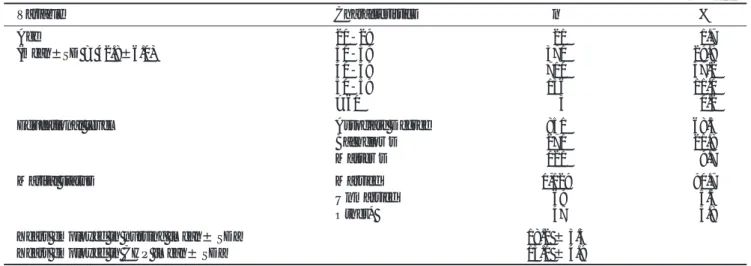
Table 3 presents the frequency of self-reported deliv- ery of the five A’s of the respondents. The majority of respondents reported consistently asking (60.0%) and advising (77.0%) their patients about quitting smoking, but only 20.6% of them consistently assisted patients who smoke to quit, and only 11.0% of them consistent- ly arrange schedule for follow-up contact.

Table 1. The Characteristics of Respondents (N= 1,247)

Variable Characteristics n %

Age 20-29 021 01.7

(mean±SD = 42.8±6.0) 30-39 371 29.9

40-49 710 57.2

50-59 136 11.0

>60 003 00.2

Educational level Associate Degree 851 68.5

Bachelor’ s 271 21.8

Master’ s 121 09.7

Marital status Married 1,129 90.7

Unmarried 069 05.5

Other* 047 03.8

Years employed in nursing [mean± SD] 18.2 ± 5.3

Years employed in CHP [mean± SD] 15.1 ± 4.9

Percentages were based on available responses.

* Widowed, divorced, or separated

Table 2. Description of Study Variables

Variable Mean±SD Actual Range Potential Range

General perception of the risk of smoking 23.61±1.83 16-25 5-25

Perceived importance of tobacco-control policies 27.21±2.58 16-30 6-30

Attitude toward tobacco-control activities 38.90±3.47 25-45 9-45

Self-efficacy 03.19 (0.92) 1-5 1-50

Tobacco-control activities 17.06 (3.11) 09-25 5-25

Table 3. Frequency of Self-reported Delivery of the Five A’ s by CHPs

always or very often often occasionally or never

Identify all smokers at every visit (ask) 738 (60.0) 473 (38.5) 019 ( 1.5)

Strongly urge all tobacco users to quit (advise) 935 (77.0) 275 (22.6) 005 ( 0.4) Determine willingness to make a quit attempt (assess) 675 (55.4) 504 (41.4) 039 ( 3.2)

Aid the patient in quitting (assist) 250 (20.5) 587 (48.4) 377 (31.1)

Schedule follow-up contact (arrange) 133 (11.0) 485 (40.0) 594 (49.0)

(5)

Differences in Tobacco-Control Activities

As presented in Table 4, tobacco-control activities of the respondents were not significantly different by their marital status. Tobacco-control activities were significant different by the education level of the respondent and their experience of professional smoking cessation edu- cation. The respondents who have a master’ s degree re- ported higher scores on tobacco-control activities than that of respondents who have associate degree (p <

0.01). Moreover, CHPs who had experienced profession- al tobacco-control education reported higher scores on tobacco-control activities than their counterparts (p <

0.001).

As presented in Table 5, tobacco-control activities were significantly correlated with the respondents’age, number of years employed in nursing, general percep- tion of the risk of smoking, perceived importance of to- bacco-control policies, and attitude toward tobacco-con-

trol activities. Respondents who are older, have been employed longer as a nurse, have a greater perception of the general risk of smoking, have a greater perception of the importance of tobacco-control policies, and have a greater perception of their role in tobacco-control activi- ties reported a higher degree of involvement in tobacco- control activities than their counterparts.

Predictors of Tobacco-Control Activities of CHPs To identify the predictors of tobacco-control activities of CHPs, a stepwise multiple regression analysis was conducted. Correlation analysis was used to determine the level of multicollinearity between independent vari- ables. The correlation coefficient between the variables of age and years employed in nursing was 0.82, which indicated evidence of multicollinearity. Therefore, only one variable, age, was entered into the regression model.

As presented in Table 6, the tobacco-control activities of

Table 5. Correlation between Tobacco-control Activities and Related Variables

1) 2) 3) 4) 5) 6) 7)

1) Tobacco-control activities 1.00

2) Age .057* 1.00

3) Years employed in nursing .056 .817*** 1.00

4) Years employed in CHP .048 .583*** .720*** 1.00

5) General perception of the risk of smoking .226*** -.124*** -.097** -.076** 1.00

6) Perceived importance of tobacco-control policies .145*** -.074** -.072* -.036 .419*** 1.00

7) Attitude toward tobacco-control activities .339*** -.115*** -.069* -.019 .504*** .427*** 1.00

*p < .05; ** p < .01; *** p< .001

Table 6. Predictors of CHPs’Tobacco-control Activities

Predict variables beta R

2

CumR

2

F p

Attitude toward tobacco-control activities .289 .112 .112 144.496 .000

Age .090 .008 .120 079.257 .001

Experience of tobacco-control education (1= Yes, 0= No) .101 .007 .127 056.528 .000

Educational level .080 .006 .133 044.867 .004

General perception of the risk of smoking .067 .002 .135 036.885 .036

Table 4. Differences in Tobacco-control Activities

Variable Category Mean (SD) t or F Scheffe

Educational level Associate degree

a

16.85 (3.11) 6.438** a < b

Bachelor’ s 17.37 (2.95)

Master’ s

b

17.78 (3.30)

Marital status Married 17.04 (3.14) 0.160

Unmarried 17.22 (2.85)

Other 17.21 (2.84)

Experience of tobacco-control education Yes 17.77 (3.25) 29.053***

No 16.74 (2.96)

** p < .01; *** p< .001

(6)

CHPs could be predicted by their attitude toward tobac- co-control activities, age, experience of tobacco-control education, educational level, and general perception of the risk of smoking. These variables accounted for 13.5% of the variance in the tobacco-control activities of the CHPs; attitudes toward tobacco-control activities accounted for 11.2% of the variance.

DISCUSSION

The involvement of CHPs in tobacco-control activities at all levels is essential to the prevention of smoking-re- lated morbidity and mortality. The results of this study revealed that the majority of CHPs had a relatively posi- tive attitude concerning their role in tobacco-control ac- tivities. Many respondents recognized that serving as role models for their patients and the general public, and acting as advocates for nonsmoking are part of their roles. This result is consistent with previous Western studies (McCarty et al., 2001; Sarna et al., 2000).

However, fewer CHPs agreed (55.3%) that “Health-care professionals who smoke are less likely to advise people to stop smoking”compared with other related state- ments. This result is not consistent with that of previous Western studies in which it was found that health-care professionals who smoke are less likely to be involved in tobacco-control activities than their nonsmoking coun- terparts (Hughes & Rissel, 1999; Ohida et al., 2001;

Sarna et al., 2000). There may be several explanations for this response, one of which is that Korean adult women, including CHPs have the lowest smoking rate in the world. The majority of CHPs who have no experi- ence of smoking may not recognize smoking status as a major barrier to their tobacco-control activities. More studies are needed to identify the relationship between the smoking rates and tobacco-control activities of health-care professionals.

The results of this study presented here demonstrate that attitude toward tobacco-control activities is the most powerful predictor of tobacco-control activities of CHPs, which is consistent with the findings of McCarty et al.

(2001). Efforts should be made to educate CHPs regard- ing the importance of their roles and responsibilities in tobacco-control activities.

Although the majority of the respondents reported consistently asking and advising their patients about quitting smoking, only 20.5% reported consistently as- sisting patients who smoke to quit, and 11.0% arranged

follow-up appointments. These results are similar to those found in a study involving 98 home health nurses (Borrelli et al., 2001). However, assisting and arranging follow-up are crucial step in tobacco-control activities (Fiore et al., 2000). It is therefore necessary to motivate and educate CHPs to adopt all of the AHRQ’s “five A’

s”in their clinical practice. The revised 2000 AHRQ guideline provides specific recommendations regarding strategies to help increase motivation to quit among pa- tients who are unwilling to make a commitment to stop smoking.

The results of the present study also revealed that re- spondents strongly support tobacco-control policies, es- pecially those that would ensure a smoking-free environ- ment and prevent youth access to tobacco products.

According to data from the Centers for Disease Control and Prevention (1999), implementation of smoking re- strictions is associated with a decreased consumption of tobacco. In Korea, smoking restrictions in public places have been strengthened and enforced under the National Health Promotion Law, which was revised in 2003 (Ministry of Health and Welfare, 2003). Therefore, CHPs should support the smoking restriction policies and participate in activities to ensure a smoking-free en- vironment. The statement, “The price of tobacco prod- ucts should be increased sharply”received less support compared to other statements. Many explanations could exist for this response. Some CHPs may not recognize the relationship between the price of tobacco products and tobacco consumption; other CHPs may feel that other antismoking campaigns are more effective than raising the price of tobacco.

Only 44.3% of the respondents reported that their knowledge and skills regarding tobacco-control activities are “prepared or well-prepared”. Less than one-third of the respondents have experience of professional tobac- co-control education, and 88.1% of the respondents were willing to participate in a tobacco-control educa- tion program. Moreover, experience of tobacco-control education was a significant predictor of tobacco-control activities. In previous Western studies on tobacco-con- trol activities, the self-efficacy of health-care profession- als was also found to be a consistently important predic- tor of tobacco-control activities (Borrelli et al., 2001;

McCarty et al., 2001; McEwen & West, 2001;

Warnakulasuriya, 2002). Borrelli et al. (2001) suggested

that practicing counseling skills is essential to enhance

and maintain self-efficacy among nurses. Recently, Shin

(7)

and her colleagues (Shin, Sarna, & Danao, 2003) investi- gated the level of tobacco-related education in Korean nursing education programs. They found that the majori- ty of nursing schools educated their students as to the health risks of tobacco, but more than 50% of nursing programs did not include smoking cessation interven- tions such as the five A’s. Limited knowledge and skills about tobacco interventions among CHPs may result in a lack of tobacco cessation content in their curricula.

The CHPs who participated in this study have great de- mands for education about knowledge and skills re- quired for tobacco-control activities. Educational pro- grams concerning tobacco-control techniques are needed to help CHPs deliver messages that increase the motiva- tion to quit among smokers who are hesitant to do so.

Helping CHPs overcome barriers such as low self-effica- cy will make them more confident to approach smoking patients.

CONCLUSION

The findings of this study have several important im- plications for nursing practice, education, and research.

First, efforts should be made to motivate and educate CHPs to adopt all of the AHRQ’ s five A’ s in their clini- cal practice. Second, the continuing education program for CHPs should be altered so that more time is spent on tobacco-control intervention techniques. Moreover, the curricula in nursing schools and continuing education programs for CHPs should address not only the knowl- edge, but also the attitudes and skills required to imple- ment tobacco-control activities. Third, a limitation of this study is that the CHPs’counseling behaviors were self- reported, and self-efficacy was measured with one-item.

The provision of socially desirable responses by the sub- jects may result in overreporting of tobacco-control ac- tivities. Further studies should attempt to by using more objective and validate measurements.

In summary, CHPs can play a major role in increasing the smoking-cessation rates. CHPs should be encouraged to integrate tobacco-control activities into their routine practice. Providing a well-developed professional tobac- co-control education program may increase their self-ef- ficacy and enhance their participation in tobacco-control activities.

References

Brislin, R. W. (1980). Translation and content analysis of oral and written materials. In H. C. Triandis & J. W. Berry (Eds.), Handbook of cross-cultural psychology-methodology (pp. 389- 444). Boston: Allen & Bacon Inc.

Borrelli, B., Hecht, J. P., Papandonatos, G. D., Emmons, K. M., Tatewosian, L. R., & Abrams, D. B. (2001). Smoking-cessation counseling in the home attitudes, beliefs, and behaviors of home healthcare nurses. Am J Prev Med, 21(4), 272-277.

Centers for Disease Control and Prevention (1999). Preemptive state law control laws-United States, 1982-1998. MMWR Morb Mortal Wkly Rep, 47, 1112-1114.

Fiore, M. C., Bailey, W. C., Cohen, S. J. et al. (1996). Smoking ces- sation: Clinical Practice Guideline No. 18. Rocksville, Md: US Dept of Health and Human Services, Public Health Service, Agency for Health Care Policy and Research. AHCPR Publication No. 96-0692.

Fiore, M. C., Bailey, W. C., Cohen, S.J. et al. (2000). Treating Tobacco use and dependence. A Clinical Practice Guideline.

Rocksville, Md: US Dept of Health and Human Services.

AHRQ Publication No. 00-0032.

Han, E. J., Lee, J. Y., Cho, B. S., Bae, D. W., Lee, K. Y., Park, T. J.,

& Kim, B. S. (1997). Physician’s smoking status and its effect on smoking cessation advice. J Korean Acad Fam Med, 1997;

18(6): 601-611.

Hughes, A. M., & Rissel, C. (1999). Smoking: Rates and attitudes among nursing staff in central Sydney. Int J Nurs Pract, 5, 147- 154.

Kim, J. S. (2003). Predictors of smoking cessation counseling activi- ties among community health practitioners. J Korean Society of Health Education and Promotion, 20 (3), 239-254.

Kim, J. S., Chung, Y., & Park, E. Y. (2003). Smoking cessation counseling activity among nurses. J Korean Comm Nurs, 14(2), 211-222.

Korean National Statistical Office (2003). Death statistics.

Retrieved November 28, 2003, from http://www.nso.go.kr.

Korean Nurses Association (2003). Nurses should be a leader for anti-smoking activities. Retrieved September 18, from http://www.nursenews.co.kr/

Lee, S. H., Ha, Y. H., & Choi, H. R. (1995). The attitude to patient’

s smoking of the family physicians. J Korean Acad Fam Med, 16(1), 38-48.

Mang, K. H. (2002). Anti-smoking campaign and the role of health care professionals. Korean Association of Smoking & Health.

McCarty, M. C., Hennrikus, D. J., Lando, H.A., & Vessey, J. T.

(2001). Nurses’attitudes concerning the delivery of brief ces- sation advice to hospitalized smokers. J Prev Med, 33(1), 674- 681.

McEwen, A, & West, R. (2001). Smoking cessation activities by general practitioners and practice nurses. J Tob Control, 10(1), 27-32.

OECD (2001). Health Statistics.

Ohida, T., Sakurai, H., Mochizuki, Y., Kamal, A. M., Takemura, S., Minowa, M., & Kawahara K (2001). Smoking prevalence and attitudes toward smoking among Japanese physicians. JAMA, 285(20), 2643-2648.

Sarna, L., Brown, J. K., Lillington, L., Wewers, M. E., & Brecht, M.

L. (2000). Tobacco-control attitudes, advocacy, and smoking

behaviors of oncology nurses. Oncol Nurs Forum, 27(10),

(8)

1519-1528.

Sarna, L., Wewers, M. E., Brown, J. K., Lillington, L., & Brecht, M.

L. (2001). Barriers to tobacco cessation in clinical practice:

Report from a national Survey of oncology nurses. Nurs Outlook, 49(4), 166-172.

Seo, H. K. (2002). The smoking rate among doctors and its various

implications. Korean J Med Assoc, 45(6), 685-694.

Shin, S. R., Sarna, L., & Danao, L. (2003). Tobacco-related educa- tion in graduate, baccalaureate and associate degree programs in Korea. J Korean Acad Nurs, 33(2), 256-264.

Warnakulasuriya, S. (2002). Effectiveness of tobacco counseling in

the dental office. J Dent Edu, 66(9), 1079-1087.

수치

Table 3 presents the frequency of self-reported deliv- deliv-ery of the five A’s of the respondents
Table 6. Predictors of CHPs’Tobacco-control Activities

참조

관련 문서

Conclusion: From this results, the individual oral health education, as the continuous oral health care system, seem to be extended continuously. Therefore,

Objectives: This study was performed to examine the utilization rates of preventive health services including flu vaccination, general health and cancer screenings among

Parents of the children completed a questionnaire, The questionnaire was consisted of the prevalence and types of alternative medicine used in the children,

Objectives : The purpose of this study was to investigate the effects of general characteristics, health characteristics, mental health characteristics, suicidal

Data were collected using a self-administered questionnaire consisting of general characteristics, work related characteristics, health behavior related

• The specialty of Clinical Electrophysiology physical therapy was approved and board certified in 1982 by the American Physical Therapy Association (APTA) House of

The “Asset Allocation” portfolio assumes the following weights: 25% in the S&amp;P 500, 10% in the Russell 2000, 15% in the MSCI EAFE, 5% in the MSCI EME, 25% in the

1 John Owen, Justification by Faith Alone, in The Works of John Owen, ed. John Bolt, trans. Scott Clark, &#34;Do This and Live: Christ's Active Obedience as the