237
소아에 있어서 모세혈 검사와 정맥혈 검사의 비교평가
인하대학교 의과대학 소아과학교실
김명준ㆍ진지훈ㆍ권영세ㆍ전용훈ㆍ김순기
Comparison of Blood Counts in Capillary and Venous Blood in Children
Myung Joon Kim, M.D., Ji Hoon Jin, M.D., Young Se Kwon, M.D., Yong Hoon Jun, M.D. and Soon Ki Kim, M.D.
Department of Pediatrics, College of Medicine, Inha University, Incheon, Korea
Background: Obtaining a venous blood sample from infants and children can be a painful and traumatic procedure. It has been suggested that capillary blood samples can serve as substitutes for venous blood samples to diagnose anemia. However, few data exist about the correlation between the laboratory results obtained using capillary and venous blood samples. This study was performed to determine if the results from the LC-178CRPTM are the same as the results from a conventional hematology analyzer using venous blood.
Methods: After informed consent was obtained, paired venous and capillary blood sample were collected simultaneously from 104 children (M:F=50:54). The capillary blood was analyzed using the LC- 178CRPTM, and venous blood was analyzed using an automatic hematology analyzer. The following were compared from capillary and venous samples: CBC, mean corpuscular volume (MCV), mean corpuscular hemoglobin (MCH), red cell distribution width (RDW), and platelet count. The results were analyzed by Pearson's correlation and the Bland Altman Plot method.
Result: The hemoglobin values were similar between the two groups of samples and had a high coefficient correlation (r=0.877). White blood cells, hematocrit, MCV, and MCH also had a significant correlation between capillary and venous blood samples. Based on the Bland-Altman method, the agreement between the two methods was considered good.
Conclusion: The hematologic results from the capillary blood had a close correlation with the conven- tional venous method, including white blood cell count, and hemoglobin, MCV, and MCH levels. The LC-178CRPTM should be considered as an alternative for venous blood sampling for the tested parameters in children. (Korean J Hematol 2009;44:237-243.)
Key Words: Vessel, Blood, Hemoglobin, Hematocrit, Erythrocyte indices
접수:2009년 9월 4일, 수정:2009년 10월 6일 승인:2009년 10월 6일
교신저자:김순기, 인천시 중구 신흥동 3가 7-206
400-711, 인하대학교 의과대학 소아과학교실 Tel: 032-890-2843, Fax: 032-890-2844
E-mail: [email protected]
본 연구는 인하대학교의 지원으로 이루어졌음.
Correspondence to:Soon Ki Kim, M.D.
Department of Pediatrics, College of Medicine, Inha University 7-206, Shinheung-dong, Jung-gu, Incheon 400-711, Korea Tel: +82-32-890-2843, Fax: +82-32-890-2844
E-mail: [email protected]
서 론
경제성장과 더불어 전반전인 영양상태가 개선되어 있음에도 불구하고, 빈혈은 여전히 전 세계적으로 흔 히 볼 수 있으며, 특히 영유아기 및 사춘기 여아에 많 이 발생하는 것으로 알려져 있다.1-4)빈혈이 가장 많은 연령층인 6개월에서 24개월 사이의 영유아들에서 빈 혈의 원인은 대부분 철분 공급의 부족에 기인하며, 이 경우 소적혈구(microcytic) 빈혈로 진행하기 쉽다. 두 뇌를 포함한 급속한 성장이 이루어지는 영유아기에 철 분이 부족하면 빈혈 뿐 아니라 인지 및 행동 장애 및 성장과 발달 지연이 생길 수 있으며,5,6) 이러한 손상은 비가역적일 수 있다.7,8)
그러므로 철결핍 빈혈(iron deficiency anemia, IDA) 을 신속히 발견하여 치료하는 것이 중요하고, 그러기 위해서는 적어도 빈혈이 의심되는 영유아를 대상으로 혈액검사를 하여 확인하는 것이 필요한데, 혈액검사가 쉽지 않기 때문에 실제로 검사가 많이 기피되고 있는 실정이다. 이러한 어려움 때문에 정맥혈 대신 모세혈 (capillary blood)에서 채혈하여, 헤모큐(HemoCue)라는 기계로 혈색소(hemoglobin, HGB)를 측정하기도 한
다.9,10)그러나 이 검사는 HGB만 측정하기 때문에 다른
혈액수치를 알 수 없다는 한계가 있다. 또한 몸의 수분 함량에 따라 HGB 수치가 변동할 수 있기 때문에 탈수 등에 의하여 실제보다 증가하거나 감소할 수 있다. 빈혈 환자의 선별검사로서 HGB, 적혈구, 백혈구, 적 혈구 지수[erythrocyte indices, 즉 mean corpuscular vol- ume (MCV), mean corpuscular hemoglobin (MCH) 및 mean corpuscular hemoglobin (MCHC)], 혈소판, 망상 적혈구 및 말초혈 도말 검사가 일반적이다. 이러한 검 사를 모세혈로 대신할 수 있다면 용이하게 여러 가지 정보를 얻을 수 있다. 특히 MCV는 탈수나 수화 등에 의해서 변동하지 않고, IDA가 심해짐에 따라 MCV가 감소하기 때문에 소구성 빈혈을 감별하는데 유용하게 사용될 수 있다. 그러나 아직 이에 대한 연구가 많지
않고,11-17) 국내에서의 연구는 거의 없는 실정이다.18)
LC-178CRPTM 의료장비는 모세혈 채혈만으로도 말 초혈 도말을 제외하고는 위에 언급한 모든 검사가 가 능하다(Horiba Ltd., Kyoto, Japan, LC-178CRP). 문제 는 이것이 기존 검사실 장비의 검사와 어느 정도로 일 치하는가 일 것이다. 본 연구는 LC-178CRPTM 장비를 이용한 모세혈 검사 결과가 기존 정맥혈의 검사 결과 와 같은지를 알아보기 위해서 시행하였다.
대상 및 방법
인하대학병원에 입원하거나 외래 진료를 받은 15세 까지의 환자를 대상으로, 인하대병원 임상시험 심사위 원회(Institutional Review Board)를 통과한 동의서를 보 호자로부터 받았는데, 총 104명(남 50명, 여 54명)이었 다.
이들에서의 모세혈 검사는 다음과 같았다. 신생아는 발뒤꿈치에서 그리고 영유아는 중지 또는 약지 끝에서 알코올로 소독한 후, needle lanset으로 puncture 하여 한 방울은 버린 다음, 2∼3방울 채취하여 microtainer에 받아서, LC-178CRPTM 장비로 측정하였다. 한편, 거의 동시에 정맥혈을 뽑았다. 소아의 경우 좌측 혹은 우측 의 median cubital vein에서 신생아의 경우는 경정맥에 서 알코올로 소독 후에 3 mL 이상 채혈하여 자동혈구 분석기(Automated Cell Counting, ADVIA 2120, SIEMENS 사, GERMAN)로 측정하였고, 백혈구(WBC), 적혈구 (RBC), HGB, 적혈구 용적치(HCT), MCV, 평균 적혈구 혈색소량(mean corpuscular hemoglobin, MCH), 적혈구 분포폭(red cell distribution width, RDW), 혈소판(PLT) 을 측정하여 모세혈 및 정맥혈 검사의 두 결과를 비교 분석하였다.
통계처리는 Microsoft excel 2003 및 SAS 9.1 (SAS Institute Inc., Cary, NC, USA) 프로그램을 이용하였고, HGB, HCT, MCV, MCH 등 각 변수의 값은 평균±표준 편차로 표기하였고, 모세혈 및 정맥혈 두 군 사이의 각 각의 변수 값에 대한 paired t-test를 실시하여 P<0.05 일 때 유의하다고 판정하였다. 각 변수 마다, 모세혈 및 정맥혈 결과의 상관관계를 Pearson's correlation test 로 구하였고, 한편 Bland Altman Plot 방법19)으로 분석 하였고 95% 신뢰구간을 일치 한계선으로 정의하였다.
결 과 1. 모세혈 및 정맥혈의 혈액 수치
Table 1에서 보이는 것처럼, 모세혈 및 정맥혈의 평 균 WBC는 각각 10,000/mm3 및 10,800/mm3으로 모세 혈에서 통계적으로 유의하게 높았다.
모세혈 및 정맥혈의 적혈구의 평균치는 모세혈에서 유의하게 높았다(Table 1). HGB 각각 12.2 g/dL 및 12.1 g/dL로서 두 혈액간에 통계적인 차이가 없었다. HCT는 모세혈에서 유의하게 높았다. 평균 MCV 및 MCH는 모세혈에서 유의하게 높은 값을 보였다. 혈소
Table 2. Hematologic values of capillary and venous blood according to the age distribution
Capillary Venous P-value
HGB (g/dL)
Neonates
(n=10) 13.3±4.1 13.2±4.2 0.715 Infants (n=26) 11.4±1.3 11.1±1.2 0.177
≥1 yr (n=68) 12.4±1.6 12.3±1.4 0.476 HCT
(%)
Neonates 40.6±12.6 39.4±12.2 0.351 Infants 35.1±4.5 33.0±3.3 0.007
≥1 yr 38.0±5.1 36.1±4.0 <.001 MCV
(fL)
Neonates 104.2±8.1 103.3±10.7 0.384 Infants 83.0±5.80 82.0±6.4 0.048
≥1 yr 83.2±5.1 80.7±4.4 <.001 MCH
(pg)
Neonates 34.1±2.6 34.1±2.6 0.899 Infants 27.1±2.5 27.4±2.4 0.008
≥1 yr 27.2±1.9 27.5±2.0 <.001 Abbreviations: HGB, hemoglobin; HCT, hematocrit; MCV, mean corpuscular volume; MCH, mean corpuscular hemoglobin.
Table 1. Hematologic values*of capillary and venous blood in 104 children
Capillary Venous P-value
WBC×103/mm3 10.0±4.7 10.8±4.8 0.003 RBC×106/mm3 4.42±0.67 4.31±0.60 0.004 HGB (g/dL) 12.2±2.0 12.1±1.9 0.137
HCT (%) 37.5±6.2 35.6±5.4 <.001
MCV (fL) 85.2±8.4 83.2±8.8 <.001
MCH (pg) 27.8±2.9 28.2±2.9 <.001
MCHC (g/dL) 32.6±0.9 33.9±1.4 <.001
RDW (%) 14.8±1.4 13.7±2.1 <.001
PLT×103/mm3 247.5±129.1 329.0±146.6 <.001
*Hematologic values are indicated as the mean±standard deviation.
Abbreviations: WBC, white blood cell; RBC, red blood cell;
HGB, hemoglobin; HCT, hematocrit; MCV, mean corpuscular volume; MCH, mean corpuscular hemoglobin; MCHC, mean corpuscular hemoglobin concentration; RDW, red cell distribution width; PLT, platelet.
Fig. 1. Correlation and linearity in HGB.
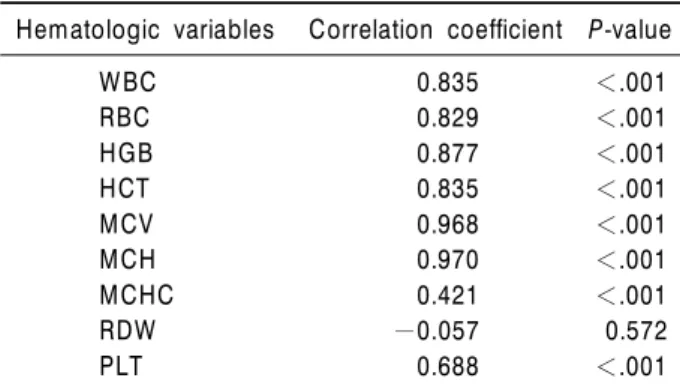
Table 3. Correlation between variables capillary versus venous blood
Hematologic variables Correlation coefficient P-value
WBC 0.835 <.001
RBC 0.829 <.001
HGB 0.877 <.001
HCT 0.835 <.001
MCV 0.968 <.001
MCH 0.970 <.001
MCHC 0.421 <.001
RDW -0.057 0.572
PLT 0.688 <.001
Abbreviations: WBC, white blood cell; RBC, red blood cell;
HGB, hemoglobin; HCT, hematocrit; MCV, mean corpuscular volume; MCH, mean corpuscular hemoglobin; MCHC, mean corpuscular hemoglobin concentration; RDW, red cell distribution width; PLT, platelet.
판은 모세혈에서 247,500/mm3 정맥혈에서 329,000/
mm3으로서 모세혈에서 더 낮았다.
신생아, 영아 및 그 이상 연령의 소아로 구분하였을 때 모세혈 및 정맥혈 사이에 HGB은 차이가 없었다 (Table 2). 평균 MCV는 신생아에서는 차이가 없었고, 영아의 경우 통계적 차이를 보였으나, 각각 82.9 및 82.0으로서 큰 차이를 보이지 않았고, 1세 이상 소아의 경우 모세혈에서 83.2 fL, 정맥혈에서 80.7 fL으로 유 의한 차이를 보였다. MCH는 신생아의 경우 유의한 차 이를 보이지 않았고, 영아에서 각각 27.1 및 27.4 pg이
었고, 1세 이상에서 각각 27.2 pg 및 27.5 pg을 보였다. 2. 직선성(Linearity) 및 상관관계
모세혈 및 정맥혈 검사 사이의 상관관계를 보면, 적 혈구의 상관계수(correlation coefficient)는 0.829이었 고, HGB 0.877, HCT 0.835로 높은 상관계수를 보였다 (Table 3, Fig. 1∼3). MCV와 MCH는 각각 0.968 및 0.970로 매우 높은 양(陽)의 상관관계를 보였다. 백혈 구의 경우 상관계수(correlation coefficient)는 0.835, 반 면 MCHC는 낮은 상관관계를 보였고, RDW는 상관관 계가 없었다(Table 3).
3. Bland Altman 방법에 의한 모세혈 및 정맥혈 결과의 일치도
모세혈 및 정맥혈에서 백혈구 수의 일치도를 보면
Fig. 2. Correlation and linearity in MCV.
Fig. 3. Correlation and linearity in MCH.
Fig. 4. Differences against mean for white blood cells by Bland Altman plot.
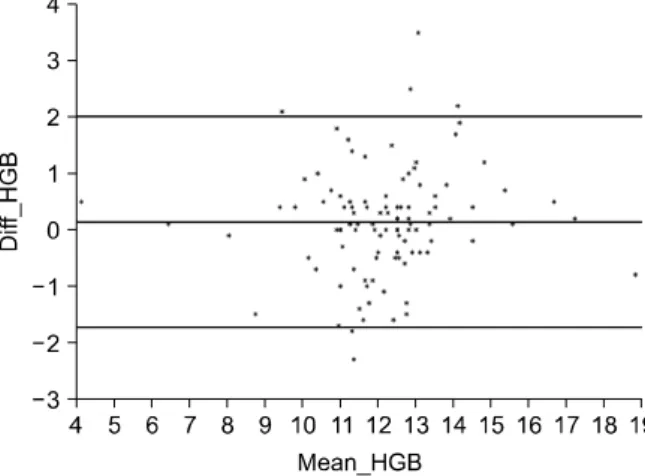
Fig. 6. Differences against mean for HGB data by Bland Altman plot.
Fig. 5. Differences against mean for RBC data by Bland Altman plot.
Bland Altman 방법에서 두 방법 사이를 비교한 결과, 대부분 95% 신뢰구간인 일치한계선 사이에 들어 있었 다(Fig. 4).
모세혈 및 정맥혈에서 RBC 수의 일치도 역시 대부 분이 95%의 신뢰구간의 일치한계선 내에서 측정되었 다(Fig. 5). HGB 및 HCT 역시 높은 일치도를 보였다 (Fig. 6, 7).
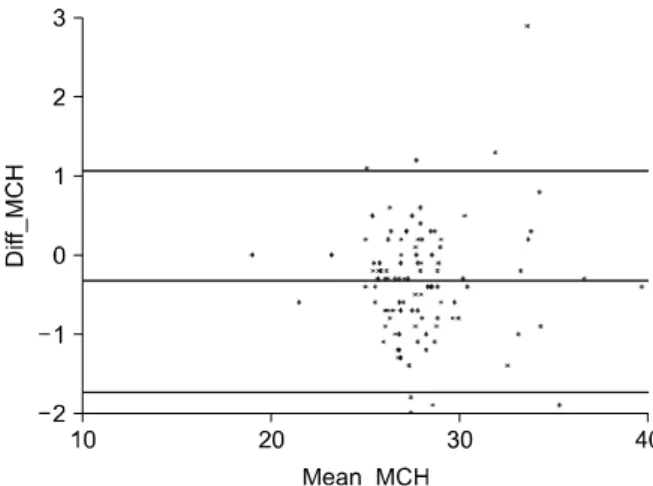
모세혈 및 정맥혈에서 MCV 및 MCH 각각에 대한 Bland Altman 방법에 의한 일치도에서, 대부분이 95%
의 신뢰구간의 일치한계선 내에서 측정되었다(Fig. 8, 9).
모세혈 및 정맥혈에서의 Plt 역시 대부분이 95%의 신뢰구간의 일치한계선 내에서 측정되었다(Fig. 10).
고 찰
빈혈 환자의 1차적 선별검사에는 보통 HGB, HCT,
MCV, MCH, WBC, PLT, 망상적혈구 및 말초혈 도말 검사를 포함한다. 이러한 혈액검사를 위한 채혈은 대
Fig. 7. Differences against mean for HCT data by Bland Altman plot.
Fig. 9. Differences against mean for MCH data by Bland Altman plot.
Fig. 8. Differences against mean for MCV data by Bland Altman plot.
Fig. 10. Differences against mean for PLT data by Bland Altman plot.
체로 정맥혈에서 하고 있지만, 그 간편성 때문에 모세 혈에서 시도되어 왔고, 이 두 검사간의 차이에 대해서 는 많은 보고가 있었다.11,15,16) 정맥혈의 채혈부위로는 두피정맥, 주전정맥, 대퇴정맥이 흔히 사용되며 1회에 충분한 양을 채혈할 수 있으며 채혈부위가 다르더라도 결과의 변화가없다는 장점이 있다. 그러나 비만, 탈수 환자의 경우 채혈이 어려울 수 있고 혈관파열에 의한 혈종을 일으킬 수 있으며, 특히 신생아 및 영유아에서 채혈이 더욱 어려운 경우가 있다.
모세혈관에서의 채혈은 정맥채혈보다 용이한데, 소 량의 혈액이 필요할 때 적합하며 채혈부위는 수지, 발 뒤꿈치, 귓불이 흔히 사용되며 신생아의 경우는 발뒤 꿈치 측면이 안전하고 쉬운 채혈부위이다. 정맥혈 대 신 모세혈로 검사를 대신할 수만 있다면, 매우 간편하 고 편리할 것이다. 문제는 모세혈의 결과가 정맥혈만
큼 정확한가일 것이다.
정맥혈 백혈구수가 모세혈의 백혈구수보다 적다는 기존의 연구 결과11)와 달리 본 연구에서는 모세혈과 정맥혈에서의 백혈구 수의 평균값이 각각 10,000/mm3 대 10,800/mm3으로 측정 되었으나 차이가 크지는 않았 다. 본 연구에서는 백혈구수가 전체적으로 평균값의 차이가 크지 않고, 또한 상관계수가 0.835이며 Bland
Atman 방법에서 일치도가 높은 점에서 두 방법은 서
로 큰 차이가 없다고 볼 수 있다.
본 연구에서 HGB 결과는 두 방법 사이에 차이가 없 었다. 따라서 정맥 채혈이 어려울 경우, 모세혈 검사로 대치할 수 있을 것이다. HGB와 HCT는 생후 1개월 이 전까지는 모세혈에서 의미있게 높다가, 1개월 이후에 는 점차 감소되어 생후 3개월 이후에는 거의 차이가 없어진다는 보고가 많다.11,23,24) 2세 이상에서 오히려
정맥혈의 HGB가 더 높았다는 보고도 있다.20) 본 연구 에서 신생아의 경우 모세혈에서 약간 높았으나 통계적 으로 유의한 차이를 보이진 않았는데, 이는 검사 숫자 가 10명에 불과한 때문인지도 모른다. 차제에 숫자를 늘려 검사하는 것이 필요할 것으로 사료된다.
HCT의 경우 기존의 연구를 보면 결과가 정립되어
있지는 않으나, 국내 연구결과에서는23,24) 모세혈에서 더 높다는 결과가 보고되어 있고 본 연구에서도 모세 혈에서 더 높게 측정되었으며 통계적으로 유의한 차이 를 보였다. MCV 역시 두 방법 간에 차이가 있었지만, 실제 임상에서 MCV의 정상 최저치는 성인에서 80 fL, 5세 이상의 소아에서 75 fL이므로,25) MCV 2 fL 정도 의 차이가 빈혈의 접근방향에 큰 영향을 줄 정도는 아 닐 것으로 판단된다. 또한 상관관계 및 Bland Atman 방법에서의 일치도가 높았다는 점에서 정맥채혈을 대 치할 수 있는 방법으로 사료된다.
본 연구에서 혈소판은 정맥혈에서 더 높은 값을 보 였는데, 이는 다른 많은 보고와 유사한 결과로서,12,13,21,22)
천자 시에 조직에서 야기되는 혈소판의 활성화 및 조 직에 가해지는 압력에 의한 것으로 설명되고 있다. 그 러나 보고자에 따라서 증가한 경우도 있었고,14) 별 차 이가 없었다는 보고도 있었다.11) 이미 알려진 것처럼 혈소판 수는 측정시의 수치가 잘 변하기 때문에 충분 히 추론할 수 있는 결과로 생각된다. 본 연구에서도 일 치율이 높지 않았는데, 정확한 혈소판 수를 알기 위해 서는 정맥혈이 선호될 수 있을 것으로 생각된다. 본 연구에서 모세혈 채취 전 충분한 가온(warming) 을 시행하는 등, 혈액이 잘 나오도록 천자하는 경험이 요구된다. 그리고 같은 환자에서 모세혈과 정맥혈 두 가지의 혈액 채취를 해야 되기 때문에 보호자의 동의 를 얻기가 쉽지 않았는데, 향후 신생아의 경우 좀 더 많은 표본수를 얻어 통계를 내는 것이 필요할 것이다. 영유아에서 철결핍에 의한 소구성 빈혈이 여전히 발 견되고 있는 바, 이를 쉽게 발견한다면 매우 유용할 것 이다. 기존의 HemoCue, STAT-SiteⓇ MHgb (Stanbio Laboratory, Boerne, TX, USA), CompoLab HB Sytem (Fresenius Kabi AG, Bad Homburg, Germany) 같은 기 계의 의한 HGB 검사만으로는 다른 혈액수치를 알 수 없기 때문에 정보의 제한이 따른다. 그러므로 HGB 뿐 만 아니라 RBC, MCV, MCH, WBC, PLT 등의 결과를 같이 얻는다면 매우 유용한 정보를 얻는 것이다. 특히 MCV는 철결핍이 진행됨에 따라 감소하고, 탈수나 수 화 등에 의해서 변동하지 않기 때문에 소구성 빈혈을 감별하는데 유용하다.
결론적으로, 본 연구에서 모세혈의 HGB, MCV, MCH는 정맥혈과 매우 상관관계가 높았으므로, LC-
178CRPTM 검사는 임상적으로 사용하기에 큰 문제가
없을 것으로 사료된다. 여러 가지 검사를 하는데 있어 정맥혈 검사가 더 좋겠지만, 채혈이 어려운 경우에나 대규모 선별검사 시에는 모세혈 채혈 검사로 대신하는 것도 고려할 수 있을 것이다.
요 약
배경: 영ㆍ유아에서는 채혈의 어려움 때문에 혈액 검사를 하기가 쉽지 않으므로, 모세혈 채혈만으로 전 혈구 계산값(CBC), 적혈구 지수(erythrocyte indices)를 알 수 있다면 매우 요긴하고 유용한 정보를 얻을 수 있을 것이다. 본 연구는 LC-178CRPTM 장비에 의한 검 사 결과가 기존 검사실의 자동 혈구분석기와 같은지를 알아보기 위해서 시행하였다.
방법: 인하대학병원에 입원하거나 외래 진료를 받은 104명(0∼15세, 남녀 50:54)을 대상으로 정맥혈은 Bayer Advia 2120 (Bayer Diagnostics, USA), 모세혈은 LC- 178CRPTM 장비를 사용해 검사하였다. 비교 검사 항목 은 백혈구(WBC), 적혈구(RBC), 혈색소(HGB), 적혈구 용적치(HCT), 평균적혈구용적(MCV), 평균 적혈구 혈 색소량(MCH), 혈소판(Plt), 적혈구 분포폭(RDW)이 다. 각 변수에 따른 모세혈 및 정맥혈 결과의 상관관계 는 Pearson's correlation test 및 Bland Altman Plot 방법 으로 분석하였다.
결과: 모세혈 및 정맥혈 검사 사이의 상관관계를 보 면, 대부분의 항목이 매우 높은 높은 양(陽)의 상관관 계를 보인 반면 MCHC는 낮은 상관관계를 보였고, RDW는 상관관계가 없었다. Paired t-test로 분석한 결 과 혈색소는 모세혈과 정맥혈에서의 유의한 차이를 보 이지 않았다. Bland Altman Plot으로 분석한 결과 혈색 소, 적혈구수, 평균 적혈구 용적 등 대부분의 항목에서 95% 신뢰구간의 일치한계선내에서 측정되었다. 결론: 모세혈의 HGB, MCV, MCH는 정맥혈과의 상 관관계 및 일치도가 높았다. 여러 혈액 검사를 하는데 있어 정맥혈 검사가 더 좋겠지만, 채혈이 어려운 경우 에 LC-178CRPTM를 이용한 모세혈에서의 채혈은 정맥 혈 검사를 대신할 수 있는 간편한 방법으로 사료된다.
참 고 문 헌
1) Dallman PR, Yip R. Changing characteristics of child-
hood anemia. J Pediatr 1984;114:161-4.
2) Yip R, Bikini NJ, Fleshood L, Trowbridge FL. De- clining prevalence of anemia among low-income chil- dren in the United States. JAMA 1987;258:1619-23.
3) De Mayer E, Adiels-Tegman M. The prevalence of anemia in the world. World Health Stat Q 1985;
38:302-16.
4) Looker AC, Dallman PR, Carroll MD, Gunter EW, Johnson CL. Prevalence of iron deficiency in the United States. JAMA 1997;277:973-6.
5) Oski FA, Honig AS, Helu B, Howanitz P. Effect of iron therapy on behavior performance in nonanemic iron-deficiency infants. Pediatrics 1983;71:877-80.
6) Idjradinata P, Pollitt E. Reversal of developmental delays in iron-deficient anemic infants treated with Iron. Lancet 1993;341:1-4.
7) Walter T, Kovalskys J, Stekel A. Effect of mild iron deficiency on infant mental developmental scores. J Pediatr 1983;102:519-22.
8) Lozoff B, Brittenham GM, Wolf AW, et al. Iron defi- ciency anemia and iron therapy effects on infant de- velopmental test performance. Pediatrics 1987;79:
981-95.
9) von Schenck H, Falkensson M, Lundberg B. Evalua- tion of ‘‘HemoCue,’’ a new device for determining hemoglobin. Clin Chem 1986;32:526-9.
10) Muñoz M, Romero A, Gómez JF, Manteca A, Na- veira E, Ramírez G. Utility of point-of-care haemo- globin measurement in the HemoCue-B haemoglo- bin for the initial diagnosis of anaemia. Clin Lab Haem 2005;27:99-104.
11) Yang ZW, Yang SH, Chen L, QU J, Xhu J, Tang Z. Comparison of blood counts in venous, fingertip and arterial blood and their measurement variation.
Clin Lab Haem 2001;23:155-9.
12) Daae LN, Halvorsen S, Mathisen PM, Mironska K.
Comparison between haematological parameters in capillary and venous blood from healthy adults. Scand J Clin Labo Invest 1988;48:723-6.
13) Daae LN, Hallerud M, Halvorsen S. A comparison between haematological parameters in 'capillary' and venous blood samples from hospitalized children aged 3 months to 14 years. Scand J Clin Lab Invest 1991;51:651-4.
14) Yuan Q, Xu YR, Wang F. Comparison of multi-pa- rameters between finger and venous blood with Coulter JT haematology analyser. Information of Henan Medicine (China) 1999;7:42.
15) Sari M, de Pee S, Martini E, et al. Estimating the re- valence of anaemia: a comparison of three methods.
Bull World Health Organ 2001;79:506-11.
16) Kayiran SM, Oezbek N, Turan M, Güerakan B.
Significant differences between capillary and venous complete blood counts in the neonatal period. Clin Lab Haematol 2003;25:9-16
17) Gómez-Simón A, Navarro-Núῇez L, Pérez-Ceballos E, et al. Evaluation of four rapid methods for hemo- globin screening of whole blood donors in mobile collection settings. Transfus Apher Sci 2007;36:235- 42.
18) Woo HY, Park HS. C-reactive protein Simultaneous Analyzer LC-178CRPTM evaluation. Journal of Laboratory 2005;25:1-25.
19) Bland JM, Altman DG. Measuring agreement in method comparison studies. Stat Methods Med Res 1999;8:135-60.
20) Moe PJ. Hemoglobin, hematocrit, and red blood cell counts in “capillary” (skin-prick) blood compared to venous blood in children. Acta Paediatr Scand 1970;59:49-51.
21) Dacie JW, Lewis SM. Practical Haematology. 6th ed.
London: Churchill Livingstone, 1984:1-6.
22) Leppänen EA. Experimental basis of standardized specimen collection: the effect of the site of ven- ipuncture on the blood picture, the white blood cell differential count, and the serum albumin concentra- tion. Eur J Haematol 1988;41:445-8.
23) Cho KH, Cho SH. Hemoglobin, hematocrit and total neutrophile in capillary blood compared to venous blood in children. Catholic Medical College 1983;36:
713-9.
24) Park IK. Comparison of hemoglobin, hematocrit, WBC, RBC and platelets counts between capillary and venous blood in children. Korea University Graduate School Master's Thesis 1987.
25) Dallman PR, Yip R. Changing characteristics of child- hood anemia. J Pediatr 1989;114:161-4.