Received August 4, 2015, Revised September 4, 2015, Accepted September 6, 2015 Corresponding author: Jin-yong Jung
Department of Anesthesiology and Pain Medicine, School of Medicine, Catholic University of Daegu, 3056-6 Daemyeong 4-dong, Nam-gu, Daegu 42472, Korea
Tel: +82-53-650-4505, Fax: +82-53-650-4517, E-mail: [email protected] This study was supported by a grant from the Ministry of Health & Welfare, Korea, 2014.
CCThis is an open access article distributed under the terms of the Creative Commons Attribution Non-Commercial License (http://creativecommons.org/licenses/ by-nc/4.0) which permits unrestricted non-commercial use, distribution, and reproduction in any medium, provided the original work is properly cited.
Efficacy and Safety of Geochangmanryeung-dan and
Acupuncture on Patient with Spinal Stenosis Treated by Epidural Steroid Injection: a Study Protocol for a Randomized
Controlled Pilot Trial
Hyun-jong Lee1, Cho In Lee1, Saram Lee2, Min-Ah Kwak3, Sang Gyu Kwak4, Woon-seok Roh2, Jin-yong Jung2
1Department of Acupuncture & Moxibustion, College of Oriental Medicine, Daegu Haany University,
2Department of Anesthesiology and Pain Medicine, School of Medicine, Catholic University of Daegu,
3Department of Internal Medicine, College of Oriental Medicine, Daegu Haany University,
4Department of Medical Statistics, School of Medicine, Catholic University of Daegu
경막외신경차단술로 치료 중인 척추관 협착증 환자에서 거창만령단과 침의 효능 및 안전성 연구(예비임상연구)
이현종1ㆍ이초인1ㆍ이사람2ㆍ곽민아3ㆍ곽상규4ㆍ노운석2ㆍ정진용2
1대구한의대학교 한의과대학 침구의학교실, 2대구가톨릭의과대학교병원 마취통증의학과,
3대구한의대학교 한의과대학 내과학교실, 4대구가톨릭대학교 통계학교실
Objectives : This study was designed to obtain basic data for a further large-scale trial as evaluating the efficacy and safety of Geochangmanryeung-dan(GMD) and acupuncture on patient with spinal stenosis treated by epidural steroid injection. Methods:
The study is a randomized controlled pilot clinical trial, conducted over 8 weeks. Twenty participants will be recruited and randomly allocated to 2 groups: an experimental(GMD and acupuncture with epidural steroid injection) group and a control(only epidural steroid injection) group. The epidural steroid injection will be administered once per 2 weeks for 6 weeks(3 times in total).
GMD will be administered as a dose of 5 pills, 3 times per day, for 6 weeks. Acupuncture will be performed 2 times per week for 6 weeks(12 times in total). The primary outcome will be measured by visual analogue scale and self-rated walking distance. The secondary outcome will be measured by PainVision, short-form McGill Pain Questionnaire, and Oswestry Disability Index. Both primary and secondary outcomes will be measured at baseline, 2, 4, 6, and 8 weeks. The last assessment(at 8 weeks) will be performed 2 weeks after treatment cessation. Conclusions : This clinical trial, as the pilot study for a future large-scale trial, will provide clinical information for evaluating the efficacy and safety of GMD and acupuncture treatment in combination with epidural steroid injection for the treatment of spinal stenosis.
Key words : Geochangmanryeung-dan, acupuncture, epidural steroid injection, spinal stenosis
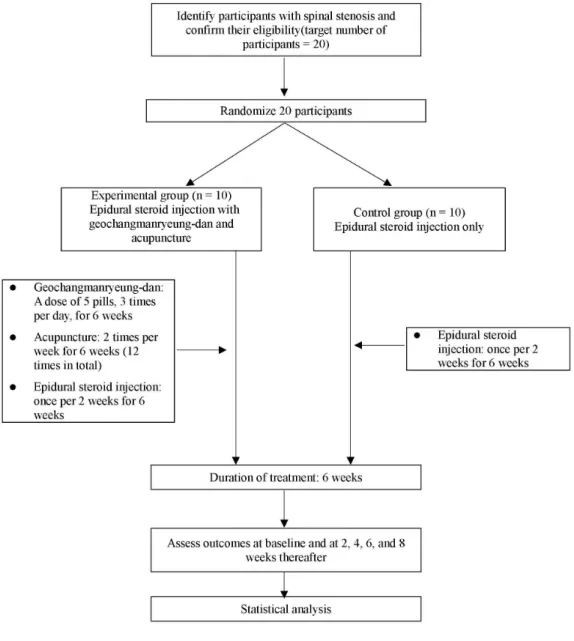
Fig. 1. Flow Chart of the Trial Process.
Introduction
Spinal stenosis(SS) is an anatomical reduction in the size of the vertebral canal, lateral recess, or intervertebral for- amina of the lumbar spine1). SS is considered to be the most common cause of lumbar spine surgery among elderly patients over 65 years2,3). Despite a clinical definition that relies on anatomical findings, the clinical diagnosis and assessment of SS severity depend primarily on the patient’s symptoms and physical examinations4). The most common symptom associated with SS is neurogenic claudication cha-
racterized by bilateral or unilateral leg pain or discomfort precipitated by walking and prolonged standing5,6). Pain and limited walking are the main characteristics of patients with SS; therefore, decreasing pain and improving walking ability are the primary goals for treatment5). The choice of treatment approach is guided by the degree of suffering and impairment of quality of life7). Functional deficits related to neurological symptoms(i.e., paresis, disturbance of bladder and/or bowel function) are a definite surgical indication.
Conservative treatment can be recommended prior to surgical intervention in a patient without any neurological
deficits. Conservative therapies, including exercises, activity modification, physical treatments, and non-steroidal anti- inflammatory drugs, are appropriate for first-line mana- gement of symptomatic patients. If symptoms do not improve with conservative therapies, a steroid injection should be considered4).
Herbal medicine and acupuncture are the major tools of Korean medicine therapy. Concurrent treatments of herbal medicine and acupuncture have been used for treating SS in Korean medicine clinics. The efficacy about SS has been reported in domestic Korean medicine research studies8-11). Concurrent treatments of acupuncture, bee venom phar- macopuncture therapy, and herbal medicine have been mainly used in previous studies10,11). It has been reported that Korean medicine treatment was effective in every domestic research8-11), especially bee venom pharmacopuncture therapy was more effective compared with the other treatments10,11). However, there are no published randomized controlled cli- nical trials to evaluate the efficacy and safety of herbal medicine and acupuncture for SS treatment. Therefore, we aim to evaluate the efficacy and safety of Geochang- manryeung-dan(GMD) and acupuncture, which have been frequently used in clinical practice. In this manuscript, we describe a protocol for a randomized, controlled, pilot clinical trial of GMD and acupuncture in SS patients.
Hypotheses
We hypothesize that GMD and acupuncture treatment in combination with epidural steroid injection will reduce the severity of SS, measured by visual analogue scale(VAS) and self-rated walking distance, significantly more than epidural steroid injection alone.
Materials and Methods
1. Design
The study is a randomized controlled pilot clinical trial. It
is designed to obtain basic data for a further large-scale trial on the efficacy and safety of GMD and acupuncture on patient with SS treated by epidural steroid injection. This study protocol follows the tenets of the Declaration of Helsinki and Korean Good Clinical Practice, and has been approved by the Institutional Review Board of Daegu Catholic University Hospital(MDCR-14-004). The trial is regi- stered with the Korean Clinical Research Information Service (CRIS) registry(KCT0001382). After sufficient explanation of the trial, written consent will be obtained from each eligible participant before any treatment is initiated. Outcome asse- ssments and statistical analyses will be performed by pro- fessionals blinded to participant randomization. A flow chart of the trial process is shown in Fig. 1.
The trial will be conducted for 8 weeks. Participants will be randomly allocated to 2 groups. The control group will only receive epidural steroid injection 3 times(once per 2 weeks), and the experimental group will receive herbal medications (GMD) and acupuncture(2 times per week, total 12 times) for 6 weeks in addition to epidural steroid injection. Assessments will be performed at baseline and again at 2, 4, 6, and 8 weeks. The last assessment(at 8 weeks) will be performed 2 weeks after treatment cessation.
2. Recruitment
Participants will be recruited through advertisements on hospital websites and bulletin boards at Daegu Catholic hospital. If they intend to participate, they will visit the hos- pital for a screening meeting. Their eligibility will be deter- mined by an anesthesiologist through physical and radi- ological examinations. If eligible, we will obtain their written informed consent. Afterwards, a study researcher will ran- domly allocate the participants to one of the two groups. Par- ticipants will be randomized by an independent statistician blinded to participant assignment using a computerized random number generator. The treatment will be initiated after randomization.
3. Participants
As a pilot study, we plan to recruit 20 participants with
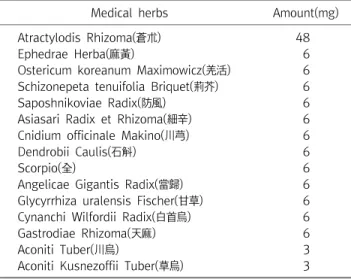
Table 1. Components of Geochangmanryeung-dan(1 pill/200 mg)
Medical herbs Amount(mg)
Atractylodis Rhizoma(蒼朮) 48
Ephedrae Herba(麻黃) 6
Ostericum koreanum Maximowicz(羌活) 6 Schizonepeta tenuifolia Briquet(荊芥) 6
Saposhnikoviae Radix(防風) 6
Asiasari Radix et Rhizoma(細辛) 6
Cnidium officinale Makino(川芎) 6
Dendrobii Caulis(石斛) 6
Scorpio(全) 6
Angelicae Gigantis Radix(當歸) 6
Glycyrrhiza uralensis Fischer(甘草) 6
Cynanchi Wilfordii Radix(白首烏) 6
Gastrodiae Rhizoma(天麻) 6
Aconiti Tuber(川烏) 3
Aconiti Kusnezoffii Tuber(草烏) 3
SS. Each group will include 10 participants with drop rate as 20%. Inclusion criteria are as follows: SS, low back pain of at least 1-year duration, aged 50∼80 years, ability to comprehend or express him/herself in the Korean language, follow-up possible during the clinical trial, and voluntary written informed consent. Exclusion criteria are as follows:
hypersensitive reaction to acupuncture treatment, cauda equina syndrome, persistently exacerbated symptoms, pro- gressive neurologic signs(i.e., sensory or motor changes), previous spine surgery, neuromuscular scoliosis, neurodege- nerative disease, any contraindication to corticosteroid injec- tion(i.e., insulin-dependent diabetes), alcohol/drug abuse, significant renal or hepatic disease, senile dementia, impaired cognitive function or other cerebral disease, severe psy- chiatric or psychological disorders, pregnancy, lactation, or planned pregnancy, anticoagulant medication, refusal to participate in the trial or provide informed consent, and finally, any individual deemed ineligible by the recruiting physician. All participants will have the right to withdraw from the study at any time. Participation will be terminated from the study at any time if the participant refuses to continue, withdraws the consent, or violates the inclusion criteria, exclusion criteria, or trial protocol.
4. Interventions
The epidural steroid injection will be administered once per 2 weeks for 6 weeks(3 times in total). GMD will be admi- nistered as a dose of 5 pills, 3 times per day, for 6 weeks.
Acupuncture will be performed 2 times per week for 6 weeks (12 times in total).
1) Epidural steroid injection: Epidural steroid injection will be performed by an anesthesiologist under fluoroscopic guidance in a sterile procedure room in an outpatient pain management department. The participants will be positioned prone on a fluoroscopy table. After the end plate adjustment to the targeted lumbar vertebra, an oblique view will be obtained to the superior articular process adjusted to half the body width. The skin will be prepped with povidone-iodide and alcohol and draped in a sterile fashion. The 22-gauge, 10-cm disposable spinal needle will be inserted towards the
safe triangle below the pedicle under fluoroscopic guidance.
The exact needle position will be confirmed using appro- ximately 2 mL of contrast medium(Omnipaque 300, GE Heal- thcare, UK) injection under oblique, anteroposterior, and lateral fluoroscopic view. After confirmation of needle pla- cement, 10 mg of mepivacaine hydrochloride(preservative free), 5 mg of non-particulate dexamethasone, and 1500 IU of hyaluronidase will be injected. A total volume of 3 mL will be injected into participants.
2) GMD: GMD is adjusting prescription from Boanmanr- yeong-dan recorded in Bang Yak Hap Pyun. Though there is no previous study about GMD, it has been used generally in the treatment of neuralgia. GMD is manufactured by the Kihwa bio life pharmaceutical Co.(Jinju, Korea). GMD is a pill of a dried mixture of 15 herbs in fixed proportions. The components of GMD are presented in Table 1. The parti- cipants in the experimental group will be prescribed GMD.
GMD is administered as a dose of 5 pills, 30 min after meals, 3 times a day, for 6 weeks.
3) Acupuncture: The acupoints were selected as proximal bilateral, BL23, BL24, and BL25; unilateral, GV3 and distal bilateral GB30, GB31, BL40, and BL60 acupoints. In total, 15 acupoints will be used for the treatment. Sterilized disposable acupuncture needles(Dongbang Acupuncture Inc., Korea), 0.25×40 mm in size, will be inserted into the acupoints. After needle insertion, the De Qi sensation will be induced by
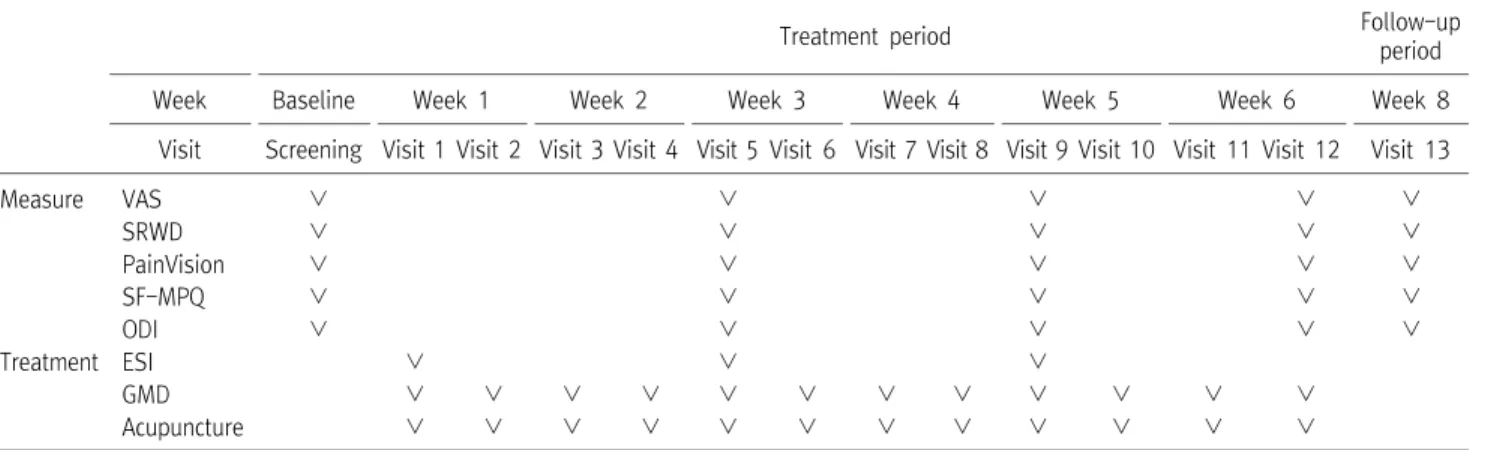
Table 2. Schedule of Treatments and Outcome Measures throughout the Trial
Treatment period Follow-up
period
Week Baseline Week 1 Week 2 Week 3 Week 4 Week 5 Week 6 Week 8
Visit Screening Visit 1 Visit 2 Visit 3 Visit 4 Visit 5 Visit 6 Visit 7 Visit 8 Visit 9 Visit 10 Visit 11 Visit 12 Visit 13
Measure VAS ∨ ∨ ∨ ∨ ∨
SRWD ∨ ∨ ∨ ∨ ∨
PainVision ∨ ∨ ∨ ∨ ∨
SF-MPQ ∨ ∨ ∨ ∨ ∨
ODI ∨ ∨ ∨ ∨ ∨
Treatment ESI ∨ ∨ ∨
GMD ∨ ∨ ∨ ∨ ∨ ∨ ∨ ∨ ∨ ∨ ∨ ∨
Acupuncture ∨ ∨ ∨ ∨ ∨ ∨ ∨ ∨ ∨ ∨ ∨ ∨
ESI : epidural steroid injection, GMD : Geochangmanryeung-dan, ODI : Oswestry Disability Index, SF-MPQ : short-form McGill Pain Questionnaire, SRWD : Self-rated walking distance, VAS : visual analogue scale.
manual stimulation. Furthermore, BL23∼25 and GB30∼31 will be stimulated with 4 Hz of electro-acupuncture(ES-160;
Ito Co. Ltd., Japan). The acupoint needles will be kept inser- ted for 25±5 min and then removed. The acupuncture treatment will be conducted by doctors of Korean medicine who are certified by the Korean Ministry of Health and Welfare and have over 4-year experience in clinical field.
5. Data collection
In this study, the primary outcome will be measured by VAS and self-rated walking distance. The secondary outcome will be measured by PainVision, the short-form McGill Pain Questionnaire(SF-MPQ), and Oswestry Disability Index(ODI).
Both primary and secondary outcomes will be measured at baseline, 2, 4, 6, and 8 weeks. The schedule of treatment and outcome assessments are presented in Table 2.
1) Primary outcome measurements
(1) VAS: Pain intensity will be measured using a 10-cm VAS, a measurement tool for subjective pain characteristics that cannot be measured objectively. The participants will mark the point that represents their current pain intensity.
The VAS score will be measured by length from the left side of the line to the point that the participants have marked(0, absence of pain; 10, the worst pain imaginable)12,13).
(2) Self-rated walking distance: Self-rated walking distance will be measured using the 4th item of ODI. The ODI has been used in many studies that involve the investigation of the
overall function in SS patients. The 4th item of ODI has also been used as a measurement of individual walking capacity, which is reported to be the most valid and responsive to changes in measured walking capacity that is scored from 0 to 5; a higher score on this item indicates lower walking capacity14,15). The validated Korean version of the ODI16) will be used in this study.
2) Secondary outcome measurements
(1) PainVision: PainVision [PainVision PS-2100; Nipro Co, Osaka, Japan] is a device, which has been developed to determine the degree of pain quantitatively. An electrode transmitting electric current will be attached to the right medial forearm. The perception threshold current of each participant will be measured 3 times and the mean values will be used for analysis. The electrical current compatible with pain intensity will be measured by gradually increasing the current. The pain-compatible electrical current will be measured 3 times, and the mean values will be used for analysis. The pain due to SS and magnitude of electric stimulation are considered equal. The pain intensity will be automatically calculated [pain intensity=100×(pain-compatible electrical current-perception threshold current)/perception threshold current] based on these measurements17-19).
(2) SF-MPQ: The SF-MPQ is a shorter version of the MPQ, a widely used test for the measurement of sensory, affective, and evaluative dimensions20,21). The SF-MPQ consists of 15 words in the pain-rating index, present pain intensity, and
VAS. The pain-rating index contains 11 sensory words and 4 affective words from the original MPQ. Each word in the pain-rating index is rated on a 4-point scale(0=none, 1=mild, 2=moderate, or 3=severe). The present pain intensity scale is a numeric-verbal combination that measures overall pain intensity on a 6-point scale(0=none, 1=mild, 2=discomforting, 3=distressing, 4=horrible, or 5=excruciating). The score for the SF-MPQ can range 0∼45, 0∼5, and 0∼10 for the pain rating index, present pain intensity, and VAS, respectively.
Higher scores indicate more pain.
(3) ODI: The ODI has been extensively validated for evaluating function in patients with low back pain22,23) and shown to be reproducible in a group of SS patients with neurogenic claudication24). The ODI consists of 10 items about daily activities, including inventories of pain intensity, personal care, lifting, walking, sitting, standing, sleeping, sexual life, social life, and traveling. Each item is measured on a scale of 0∼5 points. The scores for each answered item are summed and the level of disability is calculated. A high score indicates a high disability level. The validated Korean version of the ODI16) will be used in this study.
6. Safety
We will evaluate the safety of treatments by conducting hematologic examinations(i.e., red blood cell count, hemoglobin level, hematocrit, mean corpuscular volume, mean corpu- scular hemoglobin, mean corpuscular hemoglobin concen- tration, total white blood cell count, differential count, platelet count, and erythrocyte sedimentation rate) and blood chemical tests(i.e., aspartate aminotransferase, alanine ami- notransferase, serum urea nitrogen, creatinine, serum sodium, serum potassium, serum chloride). All participants will be evaluated 2 times, during the screening visit and after termination of treatments(6 weeks).
Adverse reactions will be evaluated during every visit after the first intervention. The participants should report adverse events to researchers or investigator immediately when it occurs. Any reported events will be recorded throughout the study and vital signs will be monitored at each visit. The participants will be requested to voluntarily report informa-
tion about adverse events, and the researcher will confirm the occurrence of adverse events through methods, such as a medical interview. The date of occurrence, degree of adverse events, causal relationship with the treatment, other treatments or medications that are suspected to cause the adverse event, and treatment for the adverse event will be recorded in detail.
7. Statistical analysis
Summary for characteristics variables will be performed using descriptive analysis, the values of mean(standard devi- ation, SD) and median(interquartile range, IQR) presented for quantitative variables and the values of frequency(percent) for qualitative variables. Comparison of characteristics between experimental and control groups will be analysed using two- sample t-test or Mann-Whitney U-test according to data normality for quantitative variables, and chi-square test for qualitative variables. Analysis of effects for the primary outcome measurements(VAS and self-rated walking distance) and secondary outcome measurements(PainVision, SF-MPQ, and ODI) by time(baseline, 2, 4, 6, and 8 week), group, and interaction(time difference by group) will be performed using repeated measure two-factor analysis. Multiple comparisons will also be performed. All tests will be two-sided and p-values of <0.05 will be considered statistically significant.
Data analysis will be performed by a medical statistician using the SPSS software package for Windows(version 18.0, Chicago, IL, USA). But it will not be appropriate to place undue significance on result in data analysis, as no formal power calculations have been carried out.
Discussion
Walking limitation due to neurogenic claudication of SS is thought to be the hallmark of disability25). In many patients, the history, symptoms, and physical examinations can provide sufficient evidence to make a presumptive diagnosis of symp- tomatic SS. Magnetic resonance imaging(MRI) or computed tomography(CT) can confirm the presence of SS; up to 20%
of subjects who have imaging findings consistent with SS are asymptomatic26). Therefore, it is necessary to correlate patient symptoms and physical examinations with imaging results.
Conservative treatment is recommended for patients who have mild to moderate neurogenic claudication. The initial trial of nonsurgical therapy should be attempted because typically, the symptoms and neurologic functions of SS do not deteriorate rapidly5,7). The use of epidural steroid injection for conservative treatments is increasing rapidly. SS account for 30% of all epidural steroid injections27,28). Epidural steroid injections in SS patients can relieve pain and improve walking ability in short-term but long-term follow-ups is unclear29). Therefore, many patients with SS have sought alternative treatments of Korean medicine, including herbal medicine and acupuncture. However, there is no sufficient evidence supporting alternative treatments of Korean medicine, including herbal medicine and acupuncture. Acupuncture has been reported to be effective in relieving low back pain, which is a major symptom of SS30-32). However, evidence regarding the role of acupuncture in managing patients with SS is inconclusive33), and evidence of herbal medicines related to SS and low back pain is also limited. This result is influenced by a lack of reliable studies and poor study quality. Therefore, we have designed this pilot study to guide a large-scale trial for evaluating the efficacy and safety of herbal medicine and acupuncture in patients with SS. We expect this pilot study can be used to provide clinical information and basic data for a future large-scale trial.
Conclusion
This clinical trial, as the pilot study for a future large-scale trial, will provide clinical information for evaluating the efficacy and safety of GMD and acupuncture treatment in combination with epidural steroid injection for the treatment of spinal stenosis.
Acknowledgements
This study was supported by a grant from the Ministry of Health & Welfare, Korea, 2014.
References
1. Djurasovic M, Glassman SD, Carreon LY, Dimar JR, 2nd.
Contemporary management of symptomatic lumbar spinal stenosis. Orthop Clin North Am. 2010 ; 41(2) : 183-91.
2. Deyo RA, Mirza SK, Martin BI, Kreuter W, Goodman DC, Jarvik JG. Trends, major medical complications, and charges asso- ciated with surgery for lumbar spinal stenosis in older adults.
JAMA. 2010 ; 303(13) : 1259-65.
3. Weinstein JN, Tosteson TD, Lurie JD, Tosteson AN, Blood E, Hanscom B et al. Surgical versus nonsurgical therapy for lumbar spinal stenosis. N Engl J Med. 2008 ; 358(8) : 794-810.
4. Genevay S, Atlas SJ. Lumbar spinal stenosis. Best Pract Res Clin Rheumatol. 2010 ; 24(2) : 253-65.
5. Katz JN, Harris MB: Clinical practice. Lumbar spinal stenosis. N Engl J Med. 2008 ; 358(8) : 818-25.
6. Comer CM, Johnson MI, Marchant PR, Redmond AC, Bird HA, Conaghan PG. The effectiveness of walking stick use for neuro- genic claudication: results from a randomized trial and the ef- fects on walking tolerance and posture. Arch Phys Med Rehabil.
2010 ; 91(1) : 15-9.
7. Kalff R, Ewald C, Waschke A, Gobisch L, Hopf C. Degenerative lumbar spinal stenosis in older people: current treatment options. Dtsch Arztebl Int. 2013 ; 110(37) : 613-24.
8. Han S. Oriental Medical Treatment of Degenerative Lumber Stenosis. The Acupuncture. 1995 ; 12(2) : 351-9.
9. Hwang J, Do W. The Clinical Study of Lumbar Spinal Stenosis in Oriental Medical Hospital. The Acupuncture. 2000 ; 17(3) : 116-24.
10. Jeong S, Park C, Kim K, Kim J, Sohn S. The Clinical Study on Effects of Bee Venom Pharmacupuncture Therapy in Patients with Lumbar Spinal Stenosis. The Acupuncture. 2008 ; 25(1) : 97-106.
11. Han K, Kim Y, Woo J, Lee S, Lee J, Nam J et al. Clinical
Observation on 119 Patients with Lumbar Spinal Stenosis Treated with Bee Venom Pharmacopuncture Therapy. The Acupuncture. 2011 ; 28(3) : 21-31.
12. Revill SI, Robinson JO, Rosen M, Hogg MI. The reliability of a lin- ear analogue for evaluating pain. Anaesthesia. 1976 ; 31(9) : 1191-8.
13. Carlsson AM. Assessment of chronic pain. I. Aspects of the reli- ability and validity of the visual analogue scale. Pain. 1983 ; 16(1) : 87-101.
14. Tomkins-Lane CC, Battie MC. Validity and reproducibility of self-report measures of walking capacity in lumbar spinal stenosis. Spine (Phila Pa 1976). 2010 ; 35(23) : 2097-102.
15. Tomkins-Lane CC, Battie MC, Macedo LG. Longitudinal con- struct validity and responsiveness of measures of walking ca- pacity in individuals with lumbar spinal stenosis. Spine J. 2014 ; 14(9) : 1936-43.
16. Jeon CH, Kim DJ, Kim SK, Kim DJ, Lee HM, Park HJ. Validation in the cross-cultural adaptation of the Korean version of the Oswestry Disability Index. J Korean Med Sci. 2006 ; 21(6) : 1092-7.
17. Ohtori S, Kawaguchi H, Takebayashi T, Orita S, Inoue G, Yamauchi K et al. PainVision Apparatus Is Effective for Assessing Low Back Pain. Asian Spine J. 2014 ; 8(6) : 793-8.
18. Hiraki M, Takemasa I, Uemura M, Haraguchi N, Nishimura J, Hata T et al. Evaluation of invasiveness in single-site laparo- scopic colectomy, using "the PainVision system" for quantita- tive analysis of pain sensation. Surg Endosc. 2014 ; 28(11) : 3216-23.
19. Matsumura H, Imai R, Gondo M, Watanabe K. Evaluation of pain intensity measurement during the removal of wound dressing material using 'the PainVision system' for quantitative analysis of perception and pain sensation in healthy subjects. Int Wound J. 2012 ; 9(4) : 451-5.
20. Burckhardt CS. The use of the McGill Pain Questionnaire in as- sessing arthritis pain. Pain. 1984 ; 19(3) : 305-14.
21. Melzack R. The short-form McGill Pain Questionnaire. Pain.
1987 ; 30(2) : 191-7.
22. Walsh TL, Hanscom B, Lurie JD, Weinstein JN. Is a con- dition-specific instrument for patients with low back pain/leg symptoms really necessary? The responsiveness of the
Oswestry Disability Index, MODEMS, and the SF-36. Spine (Phila Pa 1976). 2003 ; 28(6) : 607-15.
23. Beurskens AJ, de Vet HC, Koke AJ. Responsiveness of functional status in low back pain: a comparison of different instruments.
Pain. 1996 ; 65(1) : 71-6.
24. Pratt RK, Fairbank JC, Virr A. The reliability of the Shuttle Walking Test, the Swiss Spinal Stenosis Questionnaire, the Oxford Spinal Stenosis Score, and the Oswestry Disability Index in the assessment of patients with lumbar spinal stenosis. Spine (Phila Pa 1976). 2002 ; 27(1) : 84-91.
25. Conway J, Tomkins CC, Haig AJ. Walking assessment in people with lumbar spinal stenosis: capacity, performance, and self-report measures. Spine J. 2011 ; 11(9) : 816-23.
26. Jarvik JG, Deyo RA. Diagnostic evaluation of low back pain with emphasis on imaging. Ann Intern Med. 2002 ; 137(7) : 586-97.
27. Armon C, Argoff CE, Samuels J, Backonja MM. Therapeutics and Technology Assessment Subcommittee of the American Academy of Neurology. Assessment: use of epidural steroid in- jections to treat radicular lumbosacral pain: report of the Therapeutics and Technology Assessment Subcommittee of the American Academy of Neurology. Neurology. 2007 ; 68(10) : 723-9.
28. Friedly J, Chan L, Deyo R. Increases in lumbosacral injections in the Medicare population: 1994 to 2001. Spine (Phila Pa 1976).
2007 ; 32(16) : 1754-60.
29. Liu K, Liu P, Liu R, Wu X, Cai M. Steroid for epidural injection in spinal stenosis: a systematic review and meta-analysis. Drug Des Devel Ther. 2015 ; 9 : 707-16.
30. Sawazaki K, Mukaino Y, Kinoshita F, Honda T, Mohara O, Sakuraba H et al. Acupuncture can reduce perceived pain, mood disturbances and medical expenses related to low back pain among factory employees. Ind Health. 2008 ; 46(4) : 336-40.
31. Haake M, Muller HH, Schade-Brittinger C, Basler HD, Schafer H, Maier C et al. German Acupuncture Trials (GERAC) for chronic low back pain: randomized, multicenter, blinded, paral- lel-group trial with 3 groups. Arch Intern Med. 2007 ; 167(17) : 1892-8.
32. Brinkhaus B, Witt CM, Jena S, Linde K, Streng A, Wagenpfeil S et
al. Acupuncture in patients with chronic low back pain: a randomized controlled trial. Arch Intern Med. 2006 ; 166(4) : 450-7.
33. Kim KH, Kim TH, Lee BR, Kim JK, Son DW, Lee SW et al.
Acupuncture for lumbar spinal stenosis: a systematic review and meta-analysis. Complement Ther Med. 2013 ; 21(5) : 535-56.
국문초록
목적 : 본 연구는 요추 척추관 협착증으로 인한 통증으로 경막외강 신경차단술을 받은 환자를 대상으로 거창만령단과 침 치료의 유효성과 안 전성을 평가함으로 향후 대규모 임상 연구를 위한 기초적인 자료를 마련하기 위한 것이다. 방법 : 본 연구는 8주간 진행되는 무작위배정 대조군 예비임상연구이다. 20명의 피험자들은 시험군(거창만령단+침치료+경막외강 신경차단술)과 대조군(경막외강 신경차단술)으로 무작위 배정 된다. 경막외강 신경차단술은 2주마다 1회 시술하며 6주간 총 3회 시행된다. 거창만령단은 1일 3회, 1회 1포(5환/포)로 투여되며 6주간 시행 된다. 침 치료는 주 2회로 6주간 총 12회 시행된다. 1차 유효성 평가는 VAS와 Self-rated walking distance를 평가하고, 2차 유효성 평가는 PainVision, SF-MPQ, ODI를 통해서 평가한다. 1차, 2차 유효성 평가는 시험시작 전, 시험 2, 4, 6, 8주 차에 시행되며 마지막 평가(8주차)는 치료 종료 후 2주 뒤에 시행된다. 결과 : 본 연구는 추후 더 큰 규모의 무작위배정 대조군 임상시험을 위한 예비 연구로서 본 연구를 통해 요추 척추관 협착증의 치료에 있어 침 치료와 한약이 경막외강 신경차단술과 같이 수행되었을 때의 유효성과 안전성에 대한 임상적인 정보들을 제공해 줄 것이라 사료된다.