513 서 론
EU 변화감시센터(European monitoring centre on change, EMCC)의수산공동정책(European Union’s Common Fisher-
ies Policy, EU CFP)은유럽수산생명자원관리의현대화와지
속적인이용을위한프로그램을개발하며, 장단기프로그램을 이행하고있다(O’Mahony and Van Ark, 2003). EMCC의 CFP 는회원국의재정투자를바탕으로세계시장에서경쟁적인우 위를점할수있도록지원하며, 신기술을개발하여업계의이익 을증진시키는데기여한다. EU 회원국의전통적인어업활동위
주로이뤄지던기존어업활동은 1990년대이후글로벌경쟁시
대를맞아비회원국으로부터공급되는수산물의양과질, 그리 고저렴한가격에도전을받게되었다.
지난세기후반에유무선통신과인터넷을기반으로한 ICT
분야의발전은급속도로이뤄졌다. IT (Information technolo- gy)와 ICT (Information and communication technology)는혼 용되어사용하기도하지만, ICT는유무선통신기술의발전에 힘입어실시간, 입체적정보활용방식으로자리잡았다(Inklaar
et al., 2005). EU의 CFP는 ICT기반정보생산자와소비자의쌍 방향통신수단으로가맹국에당면한수산업의환경적, 경제적, 사회적위기를극복하기위한대안으로제시했다. 유무선정보 통신의발달에따라수산업계는자발적으로 ICT를개별적으로 진행중인수산생명자원의모니터링기법들을통합하는데활용 되거나, 인터넷발달에힘입어생산자와소비자간의정보교환 을보다신속, 정확, 쉽게전달되도록적용되었다. 하지만, 초기 에는영세한규모에다고령화와여성화가나타나는 EU 가맹국 의어업인들에게 ICT 습득은어렵다고느껴졌다. 게다가 EU 주
도하에시도되는포괄적인 ICT 적용은정부에대한불신과기
술에대한정보부족으로어민들은새로운규제로받아들이기도 했다. 여기에생산활동의침체로인해 ICT에대한신규투자가
힘들었고, EU 차원에서지원도충분치못한데다, 규모가다른
업체간투자에대한정보공유도제대로되지못했다.
2000년대 초반 EU의 변화감시센터(European monitoring centre on change, EMCC)는가맹국수산업부흥을위해적극 적인 ICT도입과해양환경개선을양대목표로삼았다. 보다많 은어업인들과일반국민들에게 EMCC의미션을알리기위해
Article history;
Received 19 June 2013; Revised 25 June 2013; Accepted 1 October 2013
*Corresponding author: Tel: +82. 51. 720. 2551 Fax: +82. 51. 720. 2515 E-mail address: [email protected]
Kor J Fish Aquat Sci 46(5) 513-519, October 2013 http://dx.doi.org/10.5657/KFAS.2013.0513 pISSN:0374-8111, eISSN:2287-8815
ⓒ The Korean Society of Fishereis and Aquatic Science. All rights reserved
유럽연합의 ICT기반 수산업 구조개선 현황
국립수산과학원 어장환경과
오현택ㆍ이원찬ㆍ정래홍ㆍ김형철
European Union System of Fisheries Management Based on Information and Communication Technology
The fishing industry in Europe has faced environmental, economic, and social challenges. Since the early 2000s, a key tool in addressing these challenges has been information and communication technology (ICT), which has helped to modernize fishery systems in European Union (EU) countries. The ICT used in EU fisheries can be categorized broadly as 1) macro-technologies such as satellite and other remote sensing technologies in combination with geographical information systems, 2) micro-technol- ogies adapted for fishing vessels such as echo sounders, ship navigation devices, and mobile communication devices to connect fishermen and consumers, and 3) onshore micro-technologies related to internet technology and mobile devices. The European Monitoring Center on Change has used ICT to effectively manage fisheries bio-resources. This use of ICT has contributed to the development of sustainable and competent fisheries in the 2000s, even though the knowledge-sharing practices involved are con- trary to the long tradition of autonomy within the fishery industry.
Key words: European fishing industry, Information and communication technology, Fishery bio-resources, Systematic approach
Hyuntaik Oh, Wonchan Lee, Raehong Jung and Hyeonchul Kim
Department Marine Environment National Fisheries Research & Development Institute, Busan 619-705, Korea
명자원관리모델의특성을살펴보고자한다. ICT 적용을위해 연구와조업중인선박에서실시간정보생성과공유활동, 수산 업종사자들간의의사소통방법및의사결정방법개선, 소비자 와생산자간실시간정보공유의사례를살펴보고자한다. 현 황
환경 요인
일반적으로수산업계의변화를이끄는요인으로해양환경, 관 련정책, 경제구조, 사회적압력등을꼽을수있다(O’Mahony
and Van Ark, 2003). 이러한요인들은단일요인혹은복합요인
으로작용하여 EU 가맹국에 영향을미쳤다(Cooke and Cowx,
2004). 20세기후반까지 EU 국가는풍부한수산자원의공급이
이뤄지는자연입지로인해높은성장을보였다. 반면, 1980년대 후반을기점으로급격히증가한뒤, 자원의남획과환경오염의 심화로인한점차어획량의감소가나타났고, 이로써수산생명 자원관리의중요성에대해인식하게됐다.
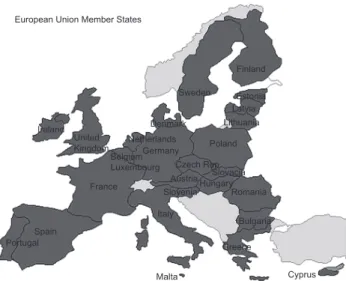
이로인해, 정부와환경단체및수산연구기관들은지속가능 한수산생명자원활용을위해서정비방법에대한논의에착수 한다. EU는 CFP를통해대내외수산환경악화에대한장기적 인대응책을논의하여, 기존의성장위주의정책방향을수정하 여 ‘지속가능한수산업’을기본방향으로삼았다. 이를위해자 원의남획을막고자했고, 가맹국간정책의투명성과유효성을 제고하는데노력했다. 이와관련하여조업을금지하는구역을 설정했고, 어구의선별성및효율성증대기술, 어구가환경에 미치는영향등을연구의아젠다로정하고능동적으로대처했 다(Banks et al. 2001). 특히, 해양보호구역(marine and coastal protected area, MPA) 등을설정하여어장의휴식년제를 EU 가맹국에도입했다(Rätz et al., 2010a). EU는 MPA 지정에관 해 Natura 2000 프로그램을 지정하여 특별보전해역(SACs, special areas of conservation)과특별보호구역(SPAs, special
protection areas)를체계적으로관리하고점차확대해나갔다
(Chape et al. 2005; Hastings and Botsford 2003) (Fig. 1). CFP 는가맹국조업선박에어획할당량을설정했고, 조업시설의현 대화를유무선통신기술의발전을활용하여글로벌시장에서
경쟁력있는모습을갖고자했다. 비록 MPA 지정해역의해안
선을따라어선의조업활동은제한되어졌으나, 연안생태계가 갖고있는가치에대한보호노력이요구됐다(Cicin-Sain and Belfiore 2005; Juanes 2001). 이와관련조업활동이축소될수
밖에없는관련업계는 MPA지정에따른환경변화에적응방법 을찾아야했고, 이를극복하기위해시장수요가높은양질의 수산물을취득확대, 어촌의생태계가치를알리는관광상품확 대, 수산생명자원에대한과학연구수행을통해보완코자했다 (Smith and Miller, 2003).
경제적 요인
1990년대후반들어가맹국수산업의경제적인압력은세계
시장으로부터공급되는값싸고질좋은수산물공급과어업시 설의노후화로인해가중되었다. 국제적인 EEZ내조업조치로 어획량감소가나타났고, 신규투자축소로어선노후화로효율 감소가나타났고, 다른산업에비해임금과노동환경이열악하
여숙련된기술자와젊은층의유입이둔화됐다. 특히, EU 가맹
국의소비량의증가와대형마트중심으로소비가이뤄지는등 기존과달라진사회환경이 21세기초반 EU 가맹국수산업전 반에영향을미쳤다. 기존에는수산물생산지부근에서소비가 이뤄졌으나, 대형마켓을통한소비가증가됨에따라생산지와 유통거점간의거리가늘어났고, 전반적인유통비용의증가로 인해 EU 가맹국의수산물가격은비가맹국으로부터수입되는 것에비해가격경쟁력이낮아졌다. 일반적으로, 대형마켓에서 수산물의이름과생산지역등을소비자에게상세하게전달하는 것이수산물의판매량을늘릴수있다는환경이조성되는등, 소 비자가안전하고질높은수산물을더많이찾는환경의변화가 나타났다(OECD, 1999).
2000년대초반가맹국에서전반적으로수산물소비가늘어 남에따라자국에서생산되는수산물뿐만아니라, 해외에서수 입되는수산물에대한수요가전반적으로증가하는계기가되 었다(Garibaldi, 2012). EU 가맹국의전반적인수산물수요는 지속적으로증가됐고, 수입량과수출량의격차가갈수록커지 는추세여서수산물무역수지는악화되었다. 이러한시장의변
30 25 20 15 10 5
0 76 78 80 82 84 86 88 90 92 94 96 98 00 02 04
US $ billions
Export Import
Macro ICT
•Satellite
•Encironment monitoring
•Communication
Micro ICT On-Board
•Echo sounders
•GPS
•Telecommunication
Micro ICT On-Shore
•E-Commerce
•E-Learning
•Smart communication
Fishery industry change
Sut up consortium, reach consensus on aims Project meetings Web sites Contents
Define the rules for pariticipatory stakeholder Structure Date collection Reporting
Organize the refional participatory events
Regional loca tion Refional networks Evaluation
Build the fisheries knowldege package
Written materials Films Reporis Dissemination activities
Partnering event
Publicity Regstration Large audience
Project evaluation
Extemal experis Quantiative date Reporting Intemet Broadcasting Pudlichation Education
Belgium
Luxembourg Czech Rep.
Slovacia SloveniaAustria Hungary
Romania Bulgaria Italy
Greece France
Spain Portugal
Malta Cyprus
Fig. 1. Map of European member states (Source: European union).
EU의 ICT기반 수산기술 515
화로유럽에서수입되는수산물의증가량은 1970년대에비해
2000년대초반에는 6배이상이나된반면, 수출량은 4배의증 가에그쳤다. 급격한수요증가및수입수산물의증가형태는세 계화영향은 EU 가맹국에게다른형태로나타났다(Fig. 2). 지 역별, 국가별환경에따라미치는영향정도가달랐고, 상업적
인활동자체를재정비하는계기를마련했다(Garcia and Co-
chrane, 2005).
이러한경제적인위협요인으로인해수산업전반에걸쳐비용 절감을통해노동력과조업시스템을효율화해야했고, 유통시 스템의개선을통해소비자에게수산물의정확한상황전파를
해야했다. ICT 생활화로인해일반수산물소비자가수산물에
대한인지도가향상되었고, 발달된 ICT 통신시스템을활용해 투명한생산물관리와정보공개를수산업자에게기대하게됐 다. 비용절감을위해자동화장비를통해노동력을줄이고자했 고, 유통시스템의개선을통해서소비자에게수산물전달을보 다빠르고효율적으로하고자했다. 게다가소비자가수산물에 대한인지도가높아짐에따라투명한생산물관리를수산업자
에게기대하게됐다. 이와같이 ICT 시스템은해양수산자원을
관리하는광역정보운용(macroscopic fields)와첨단기술을선 박과이를지원하는육상의유통시스템(microscopic fields)에 서밀접하게연관되어나타남으로써유럽연합의가맹국이당면 한경제적이며사회적인문제를해결할수있는하나의방법으 로제시되어졌다(Fig. 3).
사회적 요인
EU 가맹국의 환경단체는 지속 가능한 수산자원관리를 위 한행동이취해지도록압력을가해왔다(Caratti and Locascio,
2006). 연안거주민들과환경론자들의해양환경에대한인식
이높아졌고, 수산물안전에대한감시활동이강화되었다(Wal-
lace, 2000). 수산업에종사하는사람들의근무여건은상대적으
로위험하고근로시간이많아젊은층의유입이줄어들게되자, 이를자동화와조업효율화를통해극복해야한다는공감대가
형성되었다. 게다가, 남성과여성이동등하게직업을선택할수 있는기회가나타날수있도록법률적인정비가이뤄졌다. 작업 환경은더욱안전하고쾌적하게되기를노동자연합에의해서 고용주에게전달되었고, 양측간의대화와타협을통해보다나 는상호관계가정립될수있도록국가가중재하게됐다.
어업인고용은경제전반에파급되는기술의발달과관련된
다. ICT는 고용을 증가시키는 방향과 작업환경을 개선시키
는 방향으로 적용노력이나타났다(Evangelista and Vezzani,
2012). EU 가맹국의조업톤수는 2천년대들어증가추세가이
어지지못했고, 할당조업량도축소되어, 결국고용이위축되는 결과로나타났다. 이러한산업의경쟁력심화현상은기존어선 의고효율화를촉구했다. 줄어든노동인구가조업기술을향상 시키는노력은많은어업활동이자동화되는형태로나타났다.
EU 가맹국의수산업의현황을기록하여고용, 선박규모, 어
획량등에관한믿을만한정보와통계수치를얻고자했으나, 일 부국가들의통계수치의미비로사실상매우힘든상황이었다 (Surı́s-Regueiro et al., 2003). 반면, 2004년폴란드의 EU 추가 가입을앞두고 CFP는기존가맹국의이익, 비용, 편익, 고용, 생태계가치등에관한통계수치를파악했다(Goulding et al., 2000). 당시 EU 가맹국인 14개국의수산업인구는 225,000명 이었고, 부수입을얻거나파트타임으로일하는근로자까지합 치면 52만명에달했다.
2천년대까지 EU CFP는가맹국과유럽위원회를통제하는데
어려움을겪어왔다. 이는가맹국어업인들의폐쇄적인어업문
화에기인한바도있으며, EU 통합초기에안정화되지못한시
스템과지도력의부재에도기인하였다. 이런상황은운영초기 선박, 헬리콥터, 항공기등을효율적으로활용하여 EU 조업구
역에대한모니터링수행에도차질을빚었으나, 2000년초반이
후점차운영에효율을높여 EU 영역의 50%에달하는해양을 관리할수있는전략과통제력이강화되었다(Rätz et al., 2010).
Fig. 3. ICT driving change in the fishery industry by European Union Common fishery policy (Source: European monitoring cen- ter on change, 2003).
30 25 20 15 10 5
0 76 78 80 82 84 86 88 90 92 94 96 98 00 02 04
US $ billions
Export Import
Macro ICT
•Satellite
•Encironment monitoring
•Communication
Micro ICT On-Board
•Echo sounders
•GPS
•Telecommunication
Micro ICT On-Shore
•E-Commerce
•E-Learning
•Smart communication
Fishery industry change
Sut up consortium, reach consensus on aims Project meetings Web sites Contents
Define the rules for pariticipatory stakeholder Structure Date collection Reporting
Organize the refional participatory events
Regional loca tion Refional networks Evaluation
Build the fisheries knowldege package
Written materials Films Reporis Dissemination activities
Partnering event
Publicity Regstration Large audience
Project evaluation
Extemal experis Quantiative date Reporting Intemet Broadcasting Pudlichation Education European Union Member States
Ireland United
Kingdom Netherlands Belgium Luxembourg
Denmark Sweden
Finland Estonia Latvia Lithuania Poland Germany
Czech Rep.
Slovacia SloveniaAustria Hungary
Romania Bulgaria Italy
Greece France
Spain Portugal
Malta Cyprus
30 25 20 15 10 5
0 76 78 80 82 84 86 88 90 92 94 96 98 00 02 04
US $ billions
Export Import
Macro ICT
•Satellite
•Encironment monitoring
•Communication
Micro ICT On-Board
•Echo sounders
•GPS
•Telecommunication
Micro ICT On-Shore
•E-Commerce
•E-Learning
•Smart communication
Fishery industry change
Sut up consortium, reach consensus on aims Project meetings Web sites Contents
Define the rules for pariticipatory stakeholder Structure Date collection Reporting
Organize the refional participatory events
Regional loca tion Refional networks Evaluation
Build the fisheries knowldege package
Written materials Films Reporis Dissemination activities
Partnering event
Publicity Regstration Large audience
Project evaluation
Extemal experis Quantiative date Reporting Intemet Broadcasting Pudlichation Education
Ireland United
Kingdom Netherlands Belgium Luxembourg
Denmark
Sweden Estonia Latvia Lithuania Poland Germany
Czech Rep.
Slovacia SloveniaAustria Hungary
Romania Bulgaria Italy
Greece France
Spain Portugal
Malta Cyprus
Fig. 2. Imports and exports of fish and fishery products for Eu- rope (Source : FAO Fisheries - The state of world fisheries and aquaculture).
거시적 대응 방법(Macroscopic Response)
EU 영역에서해양이 50%에해당하며, 이렇게넓은해역에
서수산생명자원의현황을포괄적으로관리하기위해직접관 측하는것은오랜운항시간과인력과장비운용에들어가는비
용이상당하다. EU 가맹국은각자의조사지침과이행계획에따
라현황파악이이뤄졌고, EU CFP 주도로직접해양을관측하
기보다는 ICT 기반의원격탐사방식으로가맹국전체수산생
명자원의정보를습득하고공유하는방법을찾고자했다. 인공 위성의센서를통해수온, 플랑크톤, 적조발생등의정보를얻 어서실시간전파했고, 오염물의이동과해안선변화등을파악 해정책결정자에게전달했다(European Environment Agency,
2002) (Table 1). 이러한원격탐사정보는실시간으로해상의조
사선박과육상의관련업체위주로전달됐고, EU 해역내생산
성이높은곳과어느해역에특정자원이분포하고있는지를판 단하는데활용되었고, 특히참치와같은대형어종의자원파악 에도움을줬다(European monitoring center on change, 2013).
실시간해양환경모니터링시스템은관심해역의해양환경상 태를지속적으로모니터링한다. 이런관측장비는수온, 염분 과같은물리적자료는검증되어사용되나생물학적, 화학적자 료는처리방법개발하여활용된다. 위성자료는궤도위성및정 지제도위성에장착된광학장비를통해수온, 클로로필농도, 적 조발생, 오염물의이동파악이가능하며, 위성특성에따라시간, 일단위로넓은지역의해양환경을관측하는장비이다(Santos,
2000). EU CFP는 IT 기술발달로처리되는실시간모니터링
원의 DB BANK설립에는소홀하여표본은행, 소재은행, 종자
은행등의자원확보를고려하지는못한듯하다. 이런사례를반 영하여원격탐사및모니터링자료를 GIS로구축하는데있어 수산생명자원통합관리시스템구축및관련센터의효율적인 운영이가능할수있도록준비가필요하다. 이러한수산생명자 원소재은행은 DNA표본, 해부기관(소화기관, 호흡기관, 내분 비기관, 신경기관, 감각기관등) 알코올용액에고정된표본또 는동결표본을보관하고관리하는곳으로산업화전단계의연 구재료를직접활용할수있는방법모색이요구된다. 선박내 ICT 대응 방법(Microscopic ICT on Board)
EU 가맹국의 ICT기반수산생명자원관리는선박의규모정 체와인력감소라는수산업의내부적인문제를극복하고, 가맹 국에공급되는생산물의경쟁력을높일수있는방향으로나타 났다. 이를위해, 항해와조업하는선박내부에서기술적용방 법을찾고자했다. 조업중인선박은바닷속어느곳에자원이있 는가를확인하는것이최우선과제이다. 해저면을 3차원지리 정보로구축하여안전한항해를수행하며초음파송수신기, 소
나(sonar) 등자동수산생명자원계측기를적극활용코자했다.
수중의수산생명자원, 수온, 염분, 광물자원특성등을자기장을 통하여관리할수있는시스템기술에집중했다. 안전한선박항 해를통해조업의지속성을강화하기위해운행시스템을개선 코자했다. 이러한해상용 GPS (Global positioning systems), 자동운항장치(auto-pilot), 전자해도(electric chart)등어선용전 자장비가마련되어안전사고를줄이는데기여했다(Table 1). 특 히, 어업에서사용하는해상안전장비로인해해양스포츠사업 Table 1. Tools for ICT fishery (Source : EMCC, 2003)
Tool Contents Costs
Inmarsat C Data communications (600 bits per second) for fax/telex/email Weather reports, medical information and news feeds
VMS are linked to Inmarsat C and GPS € 3,000-5,000 for unit
Inmarsat D Position and data sending
Limitation to 256 bit packages
Exploitation by e-logbook type activities € 2,500 per unit Mini-M Data and voice transfer up to 2.6 kilobytes per second
Need an antenna to fix the position of satellite €1,600 per unit Echo sounders Information on depth under the keel and bottom profiling € 200 – 2,000 Electronic charts(ECDIS) Keep track of movements and record the exact position of wrecks and
obstacles € 300 – 3,000
Global positioning satellite
systems(GPS) Aiding precise navigation and replacing incumbent Loran and Decca
systems € 400 – 5,000
EU의 ICT기반 수산기술 517
의급격한발전을초래했다.
선박과 육상에 머무르는 선박회사, 소비자와의 통신은 매 우효율적으로진행됐다. 기존통신방법인팩스(fax), 텔렉스 (telex), 이메일(email)을통해자료전송이보다신속히전해졌 고, 핸드폰과스마트폰에서정보를실시간으로확인할수있도 록쉬운인터페이스가보급되었다. 이런장치는개인 PC와연 결되어얼마큼의자원획득이있었는지기록되며, 이러한자료 를입력하는소프트웨어가어업인의눈높이에맞게끔쉽게제 작되어지도록맞춤화되었다. 이러한 ICT 적용의성공사례로 선박회사(Armement Partel)는 Inmarsat C를갖추고소비자와 계속교류하여, 회사어획물중 80%는부두에도착하기전에판 매가이뤄졌다(European monitoring center on change, 2013;
Banks et al., 2001).
한국과같은양식강국은센서를이용해가두리양식장을자동
관리할수있는방향으로 ICT 적용이요구된다. 국제시장에서
경쟁력있는양식생물생산을위해사료섭취에따른공급을제 어하여효율화를이뤄내야 하며, 양식생물과환경모니터링에 자동화기술을활용하여원격지에서실시간관리하는방법으로 의대안제시가요구된다.
연안 ICT 대응 방법(Microscopic ICT on Shore) 2천년대초반 EU 가맹국에게닥친수산업의위기는노르웨 이를비롯한유럽비회원국과아시아수산강국들의공급증가, EEZ내에서엄격한어획할당량, 노동력감소에따른조업시간
감축등의위기에처해있었다. EU 가맹국의수산물소비량은
대체로대형마켓을통해거래되고, 소비자의정보수요요구가
증가하는내부변화도나타났다. 관련업계는공급라인의효율
화를통해가격경쟁력을낮추는것에 ICT 적용을집중했고, 해
역의수산물을대형마켓에신속하게공급하고, 정보를투명하 게공개하는것에 ICT 기술을적용했다(Fig. 4). EU 재정지원
하에수행중인 ComFish 프로젝트는수산업과관련된지역현
안을 ICT를활용하여대응할수있는교육프로젝트이다. 이프 로젝트는 EU 해역특성에따라대서양에서는 MPA 및생태계 가치연구, 발틱해에서는 TAC에관련된내용을토대로지역의 정책결정가및업계에서참석하여공동으로문제를해결하고
자하는노력을하며, ICT 동향에관련된최신정보를습득할
수있는장치를제공하여실질적인도움을주고자마련된프 로젝트이다.
EU 당사국수산업종사자들이갖고있는잘못된인식으로는 ICT의확대적용이자료관리서비스를보다복잡하게만들수 있다는것이다. 높은교육열은발전의과정에서필수적인요소 에해당한다. 이러한어민과유통단계에속한어업인의 ICT 교 육은높은효과를나타낸다(Bower and Ishimura, 2012). EU 가
맹국의수산업에 ICT 적용은양식시설및양식기술혁명에적용
되는데는한계가있었다. 양식업은미약하게나마성장을지속 하고있었고, 한정된해역에서안전한수산물을생산하는현안 해결을위해안전에문제가집중되어있었다. 하지만, 향후가 맹국양식업의안정적인성장을위해서는 ICT의활발한도입 을기대하고있다.
결 론
유럽연합가맹국을포함하여전세계적으로유무선통신과인
터넷을기반으로한 ICT 분야의발전이 20세기후반에급격하
게나타났다. 21세기들어유럽연합의공동수산정책은가맹국 과각국위원회를효율적으로통제하고, 당면한사회및경제적 위기에적극적으로대처하고자 ICT 기반수산자원관리를위 해각국의적용방법을구분하여제시했다. 첫째, 해양에서수산 생명자원의직접관측에들어가는시간과경비를효율화하고자 실시간해양환경모니터링과원격위성탐사방법을적용토록했 고, 데이터효율을높이고자데이터의생성되는양, 생성주기, 생성형식을통합관리할수있는시스템을개발했다. 이를통해 비효율적으로반복되고있는해양자원의관측활동을일원화하 고, 확보된자료를회원국이적극활용할수있는시스템개발 을이뤄냈다. 둘째, 항해하는선박위에서안전한항해및 3차원 으로자원파악을할수있는초음파송수신기등계측기를활용 하고, 최단운항을통해연료와업무의고효율화를위한최첨단
GPS 기기운용을적용토록했고, 육상에머무르는본부와소비
자간쌍방향통신시스템을개발했다. 셋째, 육상에서수산생명 자원정보를신속하고정확하게파악하는인터페이스개발이 이뤄졌고, 수산업종사자들이갖고있던 ICT에대한부정적인 인식을개선할수있는교육기회확대와입력이쉬운인터페이 Fig. 4. Deliverables process of EU comfish project (Source :
EU website).
30 25 20 15 10 5
0 76 78 80 82 84 86 88 90 92 94 96 98 00 02 04
US $ billions
Export Import
Macro ICT
•Satellite
•Encironment monitoring
•Communication
Micro ICT On-Board
•Echo sounders
•GPS
•Telecommunication
Micro ICT On-Shore
•E-Commerce
•E-Learning
•Smart communication
Fishery industry change
Sut up consortium, reach consensus on aims Project meetings Web sites Contents
Define the rules for pariticipatory stakeholder Structure Date collection Reporting
Organize the refional participatory events
Regional loca tion Refional networks Evaluation
Build the fisheries knowldege package
Written materials Films Reporis Dissemination activities
Partnering event
Publicity Regstration Large audience
Project evaluation
Extemal experis Quantiative date Reporting Intemet Broadcasting Pudlichation Education
Ireland United
Kingdom Netherlands Belgium Luxembourg
Denmark
Sweden Estonia Latvia Lithuania Poland Germany
Czech Rep.
Slovacia SloveniaAustria Hungary
Romania Bulgaria Italy
Greece France
Spain Portugal
Malta Cyprus
리양식장을자동관리하고유통과정을효율화할수있는방법 에대해서는시행당시강조하고있지못했다. 반면, 향후한국 과같은양식강국들은 ICT기반수산생명자원관리모델을구축 함에있어양식장의실시간환경모니터링과생산라인을효율화 할수있는방식을적용하는등보다현실의요구를반영한방법 의전환이요구된다.
사 사
본논문의내용을위해지원해주신국립수산과학원어장환경 과연구진과신자산어보 T/F팀께깊이감사드립니다. 본연구 는국립수산과학원의 ‘연안어장생태계통합평가및관리연구’
의지원(RP-2013-ME-078)으로수행되었음을밝힙니다.
참고문헌
Banks, RICHARD, S. Cunningham, W. P. Davidse, E. Linde- bo, A. Reed, E. Sourisseau and J. W. de Wilde. 2001. The Impact of Technological Progress on Fishing Effort. Final Report. LEI Report PR. 02. 01, Agricultural Economics Research Institute(LEI). The Hague Barkai, Amos, Fatima Felaar, Karl Geggus and Guy Meredith. 2010. A Complete Data Recording and Reporting System for the EU Commer- cial Fishing Fleets. In eChallenges, 2010, 1-9.
Bower, J. R. and G. Ishimura. 2012. Four Suggestions to Im- prove Fisheries Education Programmes in Developing Countries. African Journal of Aquatic Science 37, 225-227.
http://dx.doi.org/ 10.2989/16085914.2012.666958.
Caratti, Pietro and Gabriella Locascio. 2006. Sustainable Devel- opment Policies in Europe. SIEV Nota di Lavoro 156 http://
dx.doi.org/10.2139/ssrn.952936.
Chape, Stuart, Jeremy Harrison, Mark Spalding, and Igor Ly- senko. 2005. Measuring the Extent and Effectiveness of Pro- tected Areas as an Indicator for Meeting Global Biodiversity Targets. Phil Trans R Soc B 360, 443-455. http://dx.doi.
org/10.1098/rstb.2004.1592.
Cicin-Sain, Biliana, and Stefano Belfiore. 2005. Linking Marine Protected Areas to Integrated Coastal and Ocean Manage- ment: a Review of Theory and Practice. Ocean & Coastal Management 48, 847-868. http://dx.doi.org/10.1016/j.oce- coaman.2006.01.001.
Cooke, Steven J., and Ian G. Cowx. 2004. The Role of Recreation- al Fishing in Global Fish Crises. BioScience 54, 857-859.
Evangelista, Rinaldo and Antonio Vezzani. 2012. The Impact of Technological and Organizational Innovations on Employ- ment in European Firms. Ind Corp Change 21, 871-899.
http://dx.doi.org/10.1093/icc/dtr069.
Garcia, Serge M. and Kevern L. Cochrane. 2005. Ecosystem Approach to Fisheries: a Review of Implementation Guide- lines. ICES J Mar Sci 62, 311-318. http:dx.doi.org/10.1016/j.
icesjms.2004.12.003
Garibaldi, Luca. 2012. The FAO Global Capture Production Database: a Six-decade Effort to Catch the Trend. Ma- rine Policy 36, 760-768. http://dx.doi.org/10.1016/j.mar- pol.2011.10.024.
Goulding, I., D. Hallam, L. Harrison-Mayfield, V. Mackenzie- Hill and H. da Silva. 2000. Regional Socio-economic Stud- ies on Employment and the Level of Dependency on Fish- ing. Regional Profiles. Lot.
Hastings, Alan and Louis W. Botsford. 2003. Comparing De- signs of Marine Reserves for Fisheries and for Biodiver- sity. Ecological Applications 13, 65-70. http://dx.doi.
org/10.1890/1051-0761(2003)013[0065:CDOMRF]2.0.
CO;2.
Inklaar, Robert, Mary O’Mahony and Marcel Timmer. 2005. ICT AND EUROPE’s PRODUCTIVITY PERFORMANCE:
INDUSTRY-LEVEL GROWTH ACCOUNT COMPARI- SONS WITH THE UNITED STATES. Review of Income and Wealth 51, 505-536. http://dx.doi.org/10.1111/j.1475- 4991.2005.00166.x.
Juanes, Francis. 2001. Mediterranean Marine Protected Areas.
Trends in Ecology & Evolution 16, 169-170. http://dx.doi.
org/10.1016/S0169-5347(01)02111-5.
Markus, Till. 2010. Towards Sustainable Fisheries Subsidies:
Entering a New Round of Reform Under the Common Fisheries Policy. Marine Policy 34, 1117-1124. http://dx.doi.
org/10.1016/j.marpol.2010.03.011.
O’Mahony, Mary and Bart Van Ark. 2003. EU Productivity and Competitiveness: An Industry Perspective: Can Europe Re- sume the Catching-up Process? Office for Official Publica- tions of the European Communities Luxembourg. Luxem- bourg city. Luxembourg.
OECD. 1999. Food Safety and Quality Issues: Trade Consider- ations. Paris, France.
Rätz, Hans-Joachim, Hendrik Dörner, Robert Scott and Thom- as Barbas. 2010a. Complementary Roles of European and National Institutions Under the Common Fisheries Policy
and the Marine Strategy Framework Directive. Marine Policy 34, 1028-1035. http://dx.doi.org/10.1016/j.mar- pol.2010.03.001.
Santos, A Miguel P. 2000. Fisheries Oceanography Using Satel- lite and Airborne Remote Sensing Methods: a Review. Fish- eries Research 49, 1-20.
Smith, Derek, and Kathy Ann Miller. 2003. Safe Harbors for Our Future: An Overview of Marine Protected Areas., American academy of underwater sciences, Durhan. NC. U.S.A.
Surı́s-Regueiro, Juan C., Manuel M. Varela-Lafuente and Car- los Iglesias-Malvido. 2003. Effectiveness of the Structural Fisheries Policy in the European Union. Marine Policy 27, 535-544.
Wallace, Helen, William Wallace, and Mark A. Pollack. 2000.
Policy-making in the European Union. Vol. 4. Oxford uni- versity press. 6th edition. U.S.A.