Effects of Dipeptidyl Peptidase-4 Inhibitors on
Hyperglycemia and Blood Cyclosporine Levels in Renal Transplant Patients with Diabetes: A Pilot Study
Jaehyun Bae1,*, Min Jung Lee2,*, Eun Yeong Choe3, Chang Hee Jung2, Hye Jin Wang4, Myoung Soo Kim5, Yu Seun Kim5, Joong-Yeol Park2, Eun Seok Kang1,6
1Division of Endocrinology and Metabolism, Department of Internal Medicine, Yonsei University College of Medicine, Seoul;
2Department of Internal Medicine, Asan Medical Center, University of Ulsan College of Medicine, Seoul; 3Division of
Endocrinology, Department of Internal Medicine, International St. Mary’s Hospital, Catholic Kwandong University College of Medicine, Incheon; 4Brain Korea 21 PLUS Project for Medical Science, Yonsei University College of Medicine, Seoul;
5Department of Transplantation Surgery, Yonsei University Health System, Seoul; 6Institute of Endocrine Research, Yonsei University College of Medicine, Seoul, Korea
Background: The use of dipeptidyl peptidase-4 (DPP-4) inhibitors is increasing among renal transplant patients with diabetes.
However, the glucose-lowering efficacies of various DPP-4 inhibitors and their effects on blood cyclosporine levels have not been fully investigated. We compared the glucose-lowering efficacies of DPP 4 inhibitors and evaluate their effects on the blood levels of cyclosporine in renal transplant recipients with diabetes.
Methods: Sixty-five renal allograft recipients who received treatment with DPP-4 inhibitors (vildagliptin, sitagliptin, or lina- gliptin) following kidney transplant were enrolled. The glucose-lowering efficacies of the DPP-4 inhibitors were compared ac- cording to the changes in the hemoglobin A1c (HbA1c) levels after 3 months of treatment. Changes in the trough levels of the cy- closporine were also assessed 2 months after treatment with each DPP-4 inhibitor.
Results: HbA1c significantly decreased in the linagliptin group in comparison with other DPP-4 inhibitors (vildagliptin –0.38%±1.03%, sitagliptin –0.53%±0.95%, and linagliptin –1.40±1.34; P=0.016). Cyclosporine trough levels were signifi- cantly increased in the sitagliptin group compared with vildagliptin group (30.62±81.70 ng/mL vs. –24.22±53.54 ng/mL, P=0.036). Cyclosporine trough levels were minimally changed in patients with linagliptin.
Conclusion: Linagliptin demonstrates superior glucose-lowering efficacy and minimal effect on cyclosporine trough levels in comparison with other DPP-4 inhibitors in kidney transplant patients with diabetes.
Keywords: Dipeptidyl-peptidase IV inhibitors; Sitagliptin phosphate; Vildagliptin; Linagliptin; Cyclosporine; Kidney transplan- tation; Diabetes mellitus
Received: 3 September 2015, Revised: 8 November 2015, Accepted: 30 November 2015
Corresponding authors: Eun Seok Kang
Division of Endocrinology and Metabolism, Department of Internal Medicine, Yonsei University College of Medicine, 50-1 Yonsei-ro, Seodaemun-gu, Seoul 03722, Korea
Tel: +82-2-2228-1968, Fax: +82-2-393-6884, E-mail: [email protected] Joong-Yeol Park
Department of Internal Medicine, Asan Medical Center, University of Ulsan College of Medicine, 88 Olympic-ro 43-gil, Songpa-gu, Seoul 05505, Korea Tel: +82-2-3010-3246, Fax: +82-2-3010-6962, E-mail: [email protected]
*These authors contributed equally to this work.
Copyright © 2016 Korean Endocrine Society
This is an Open Access article distributed under the terms of the Creative Com- mons Attribution Non-Commercial License (http://creativecommons.org/
licenses/by-nc/4.0/) which permits unrestricted non-commercial use, distribu- tion, and reproduction in any medium, provided the original work is properly cited.
INTRODUCTION
Kidney transplantation (KT) has become the treatment of choice for end-stage renal disease [1]. With modern advances in surgical techniques and immunosuppressant medications, life expectancy following KT has increased [1] and controlling chronic metabolic complications such as diabetes mellitus is considered an impor- tant medical issue [2].
Dipeptidyl peptidase-4 (DPP-4) inhibitors are new oral glu- cose-lowering agents that prevent the inactivation of glucagon- like peptide-1 and stimulate insulin secretion in a glucose-depen- dent manner [3]. Because the efficacies of DPP-4 inhibitors for reducing blood glucose have been demonstrated by multiple clin- ical trials [3,4], a rapid increase in their clinical use is anticipated [5]. Although different DPP-4 inhibitors showed similar glucose- lowering efficacies [5], they demonstrated various metabolic and excretory properties. Some are metabolized by the cytochrome P450 3A system [6], and their intestinal absorption and renal ex- cretion might be affected by P-glycoprotein, an efflux transporter involved in the absorption and/or elimination of the drug [7].
Cyclosporine is a calcineurin inhibitor and immunosuppressive agent that is widely used in organ transplants and some autoim- mune diseases [8,9]. However, they have a narrow therapeutic window, and levels below this window are associated with an in- creased risk for rejection, whereas levels above the window are correlated with side effects such as nephrotoxicity, neurotoxicity, hepatotoxicity, and hypertension [10]. Furthermore, because cy- closporine is mainly metabolized in the liver by the cytochrome P450 3A system, as well as P-glycoprotein substrates [11], vari- ous compounds that induce or inhibit the cytochrome P450 3A system or P-glycoprotein may influence the trough concentra- tions of cyclosporine [12,13].
Although the concurrent use of DPP-4 inhibitors and immuno- suppressants are expected to increase among organ transplant pa- tients with diabetes mellitus, the glucose-lowering efficacy of various DPP-4 inhibitors and their effects on the concentrations of calcineurin inhibitors have not been fully investigated.
In our current study, we compare the glucose-lowering effica- cies of three different DPP-4 inhibitors (vildagliptin, sitagliptin, and linagliptin) and evaluate their effects on the trough levels of cyclosporine in KT recipients with diabetes mellitus.
METHODS
Study subjects
We conducted the retrospective, longitudinal, observational
study on patients who underwent KT between 2000 and 2013 at Yonsei University Health System (Seoul, Korea) or Asan Medical Center (Seoul, Korea). Among them, renal allograft recipients with diabetes who initiated treatment with DPP-4 in- hibitor (vildagliptin, sitagliptin, and linagliptin) after transplan- tation were enrolled in this study. All KT recipients in both hospital received triple maintenance therapy which was com- posed of cyclosporine, mycophenolate mofetil or azathioprine, and corticosteroid. All study patients survived >12 months af- ter transplant.
Lifestyle factors and measurements
Height (m) and weight (kg) were measured while each patient was wearing light clothing without shoes. Body mass index (kg/m2) was calculated as weight in kilograms divided by the square of height in meters. Patients with diabetes were defined as those with a fasting plasma glucose (FPG) ≥7.0 mmol/L, hemoglobin A1c (HbA1c) ≥6.5%, and/or receiving antidiabet- ic medications at 1 year after transplantation.
After overnight fasting, blood samples were drawn from the antecubital vein in the early morning. Fasting total cholesterol, high density lipoprotein cholesterol, low density lipoprotein cholesterol, and triglyceride levels were measured using the en- zymatic colorimetric method (Toshiba Medical System Co., To- kyo, Japan). FPG concentrations were measured using enzymat- ic colorimetric hexokinase (Toshiba Medical System Co.) meth- ods on the Hitachi 7600 system (Hitachi Co., Tokyo, Japan).
HbA1c was measured using the immunoturbidimetric meth- od on the Cobas Integra 800 System (Roche Diagnostics, Ba- sel, Switzerland). Follow-up HbA1c values were measured af- ter 3 months of treatment with the DPP-4 inhibitors. This sys- tem is standardized by the International Federation of Clinical Chemistry and Laboratory Medicine (IFCC); however, Nation- al Glycohemoglobin Standardization Program (NGSP) ap- proved this measuring system. This machine automatically converts mmol/mol (IFCC) into % (NGSP).
Cyclosporine trough levels were measured by immunoassay methods using the Dimension EXL 200 Integrated Chemistry System (Asan Medical Center) or the Affinity Column Mediat- ed Immunoassay method using the Dimension RXL Max (Yon- sei University Health System). Venous samples were drawn 12 hours after the last dose (i.e., immediately before the next dose) in order to measure the trough levels. Changes in the serum cy- closporine trough levels after 2 months treatment were also as- sessed. Creatinine was measured using the Jaffe method, and the estimated glomerular filtration rate was calculated using the
Modification of Diet in Renal Disease study equation [14].
Statistical analysis
Continuous variables with normal distributions are expressed as the mean±standard deviation. Categorical variables are ex- pressed as percentages (%). The characteristics of the study population (according to the type of DPP-4 inhibitor) were compared using one-way analysis of variance for continuous variables, or the chi-square test for categorical variables. The post hoc analysis was performed using Scheffe’s method. Fol- low up HbA1c values were measured after 3 months of treat- ment with the DPP-4 inhibitor and compared with the baseline
values using paired t tests. All statistical analyses were per- formed using SPSS version 19.0 (IBM Co., Armonk, NY, USA). P values <0.05 were considered statistically significant.
RESULTS
Sixty-five patients who initiated treatment with DPP-4 inhibi- tors (vildagliptin, sitagliptin, and linagliptin) after KT were an- alyzed. Twenty-five of these patients underwent KT at Yonsei University Health System, 40 patients underwent KT at Asan Medical Center. The mean age at the initiation of DPP-4 inhibi- tor was 52.05±9.76 years, and the mean duration of diabetes
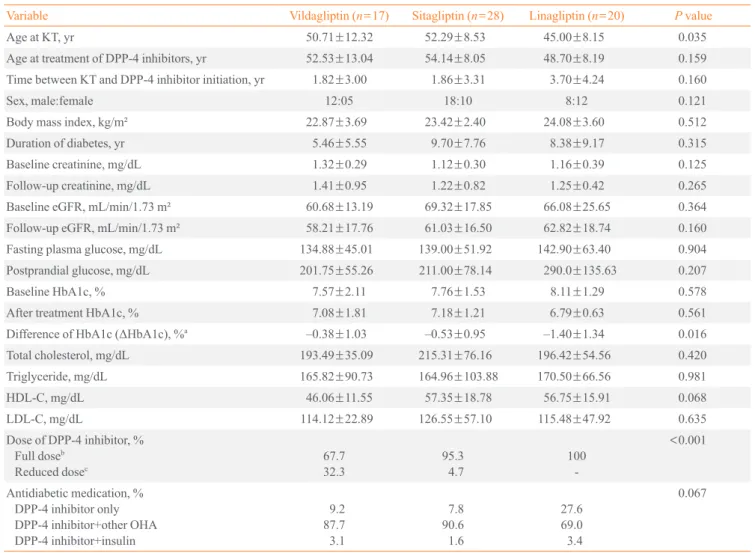
Table 1. Characteristics of Patients and the Effect of DPP-4 Inhibitors on HbA1c
Variable Vildagliptin (n=17) Sitagliptin (n=28) Linagliptin (n=20) P value
Age at KT, yr 50.71±12.32 52.29±8.53 45.00±8.15 0.035
Age at treatment of DPP-4 inhibitors, yr 52.53±13.04 54.14±8.05 48.70±8.19 0.159
Time between KT and DPP-4 inhibitor initiation, yr 1.82±3.00 1.86±3.31 3.70±4.24 0.160
Sex, male:female 12:05 18:10 8:12 0.121
Body mass index, kg/m² 22.87±3.69 23.42±2.40 24.08±3.60 0.512
Duration of diabetes, yr 5.46±5.55 9.70±7.76 8.38±9.17 0.315
Baseline creatinine, mg/dL 1.32±0.29 1.12±0.30 1.16±0.39 0.125
Follow-up creatinine, mg/dL 1.41±0.95 1.22±0.82 1.25±0.42 0.265
Baseline eGFR, mL/min/1.73 m² 60.68±13.19 69.32±17.85 66.08±25.65 0.364
Follow-up eGFR, mL/min/1.73 m² 58.21±17.76 61.03±16.50 62.82±18.74 0.160
Fasting plasma glucose, mg/dL 134.88±45.01 139.00±51.92 142.90±63.40 0.904
Postprandial glucose, mg/dL 201.75±55.26 211.00±78.14 290.0±135.63 0.207
Baseline HbA1c, % 7.57±2.11 7.76±1.53 8.11±1.29 0.578
After treatment HbA1c, % 7.08±1.81 7.18±1.21 6.79±0.63 0.561
Difference of HbA1c (ΔHbA1c), %a –0.38±1.03 –0.53±0.95 –1.40±1.34 0.016
Total cholesterol, mg/dL 193.49±35.09 215.31±76.16 196.42±54.56 0.420
Triglyceride, mg/dL 165.82±90.73 164.96±103.88 170.50±66.56 0.981
HDL-C, mg/dL 46.06±11.55 57.35±18.78 56.75±15.91 0.068
LDL-C, mg/dL 114.12±22.89 126.55±57.10 115.48±47.92 0.635
Dose of DPP-4 inhibitor, % Full doseb
Reduced dosec
67.7 32.3
95.3 4.7
100 -
<0.001
Antidiabetic medication, % DPP-4 inhibitor only DPP-4 inhibitor+other OHA DPP-4 inhibitor+insulin
9.2 87.73.1
7.8 90.61.6
27.6 69.03.4
0.067
Values are expressed as mean±SD.
DPP-4, dipeptidyl peptidase-4; HbA1c, hemoglobin A1c; KT, kidney transplantation; eGFR, estimated glomerular filtration rate; HDL-C, high den- sity lipoprotein cholesterol; LDL-C, low density lipoprotein cholesterol; OHA, oral hypoglycemic agent.
aPost hoc analysis using Scheffe’s method was used to compare ΔHbA1c (vildagliptin vs. sitagliptin, P=no sigficant difference; vildagliptin vs. lina- gliptin, P=0.039; sitagliptin vs. linagliptin, P=0.036); bA full dose of vildagliptin was 50 mg twice daily and sitagliptin was 100 mg once daily; cA reduced dose of vildagliptin and sitagliptin was 50 mg once daily.
was 8.14±7.80 years.
Table 1 shows the clinical and biochemical characteristics of the patients according to the type of DPP-4 inhibitor adminis- tered at baseline. Subjects in sitagliptin group were slightly old- er at the KT than other DPP-4 inhibitor groups (P=0.049). Age at DPP-4 inhibitor initiation was not different among the groups.
According to renal function, sitagliptin and vildagliptin doses were adjusted. Both agents were treated with 50 mg once daily in renal insufficient patients. All of the patients in linagliptin group received full dose DPP-4 inhibitor medication. Concur- rent anti-diabetic medications were similar among the groups.
The HbA1c values measured 3 months after treatment with DPP 4 inhibitors were significantly lower in comparison with baseline in all groups (Table 1). When we compared glucose lowering efficacy of DPP-4 inhibitors through the changes in
HbA1c from baseline to 3 months of treatment, the levels of HbA1c decreased significantly in the linagliptin group com- pared with other DPP-4 inhibitor groups (vildagliptin –0.38%±1.03%, sitagliptin –0.53%±0.95%, and linagliptin –1.40±1.34; P=0.016). Even after excluding the patients re- ceiving insulin therapy, the level of HbA1c significantly de- creased in the linagliptin group (data not shown).
Although there were no differences in baseline cyclosporine doses and blood levels, cyclosporine trough levels were signifi- cantly increased in the sitagliptin group (30.62±81.70 ng/mL) in comparison with the vildagliptin group (–24.22±53.54 ng/
mL, P=0.031) (Table 2, Fig. 1). Cyclosporine trough levels were minimally changed in patients with linagliptin (–8.50±
54.35 ng/mL). There was no difference of change in cyclospo- rine dose among the three groups (P=0.411) (Table 2, Fig. 1).
DISCUSSION
In this observational longitudinal study, we found that lina- gliptin showed a better glucose-lowering efficacy in compari- son with other DPP-4 inhibitors in renal allograft recipients with type 2 diabetes. Furthermore, after 2 months of treatment with DPP-4 inhibitors, patients in the sitagliptin group demon- strated increased serum cyclosporine trough levels in compari- son with the vildagliptin group.
Hyperglycemia is associated with adverse long-term out- comes in renal allograft recipients with diabetes [15-17], and glycemic control is an important factor for preventing allograft loss [16] and reducing patient mortality [17]. Recent data dem- onstrated that impaired insulin secretion, rather than increased insulin resistance, played an important role in the development of diabetes in KT recipients [18], which indicated that the anti- Table 2. Changes in Administered Doses and Trough Levels of Cyclosporine after 2 Months’ Treatment of Dipeptidyl Peptidase-4 In- hibitors
Variable Vildagliptin Sitagliptin Linagliptin P value
Baseline cyclosporine dose, mg/day 172.06±91.81 175.89±102.40 136.25±66.13 0.291
Follow-up cyclosporine dose, mg/day 147.06±61.16 155.36±54.16 131.25±60.63 0.369
Change in cyclosporine dose, mg/day –25.00±40.50 –20.54±65.99 –5.00±15.39 0.411
Baseline cyclosporine trough level, ng/mL 143.78±76.90 136.33±60.58 114.98±60.96 0.368 Follow-up cyclosporine trough, ng/mL 119.56±58.44 159.14±90.41 106.19±69.57 0.064 Change in cyclosporine trough level, ng/mL –24.22±53.54a 30.62±81.70b –8.50±54.35a,b 0.023
Values are expressed as mean±SD. Post hoc analysis of cyclosporine trough level using (Scheffe’s method-vildagliptin vs. sitagliptin, P=0.036;
vildagliptin vs. linagliptin, P=0.780; sitagliptin vs. linagliptin, P=0.149).
a,bSame letters indicate no significant differences between groups.
50 40 30 20 10 0 –10 –20 –30 –40
Change in cyclosporine trough level (ng/mL)
Vildagliptin
a
Sitagliptin Linagliptin
a
Fig. 1. Change in cyclosporine trough level. aVildagliptin vs. sita- gliptin, P=0.036; vildagliptin vs. linagliptin, P=0.780; sitagliptin vs. linagliptin, P=0.149.
diabetic agents that preserve or even improve pancreatic β-cell function may be beneficial for glycemic control in organ trans- plant patients [18]. In previous studies, DPP-4 inhibitors dem- onstrated protective effects toward pancreatic β-cell survival [19,20]. Furthermore, because several studies showed that DPP-4 inhibitors can be safely administered to patients with renal insufficiency at low risk for hypoglycemia [3,21], in- creasing use of these medications in KT patients is expected.
Various DPP-4 inhibitors showed similar efficacies in terms of lowering HbA1c [5], but their metabolism and excretion demonstrated widely variable properties [6]. Sitagliptin is pri- marily eliminated in an unchanged form in the urine (79%), and a relatively small portion is metabolized by the hepatic cyto- chrome P450 3A4 and 2C8 systems [22]. Vildagliptin is exten- sively metabolized by multiple pathways that are not mediated by cytochrome P450 enzymes [23], and about two-thirds of the drug is excreted as a metabolite through the kidneys [24]. Vilda- gliptin did not alter the pharmacokinetic of other drugs using P- glycoprotein–mediated transport system [24]. Linagliptin is mainly eliminated in an unchanged form via the feces (84.7%), and renal excretion only accounts for 5.4% of elimination [25].
In our study, linagliptin significantly reduced HbA1c levels in comparison with other DPP-4 inhibitors over the 3-month follow-up period. Furthermore, serum cyclosporine trough lev- els increased significantly in the sitagliptin group, even though the administered doses of cyclosporine were decreased for 2 months. Cyclosporine is extensively metabolized in the liver by the cytochrome P450 3A system [12], but the DPP-4 inhibi- tors compared in our present study are not known as inhibitors or inducers of the cytochrome 450 system [6]. Thus, the differ- ent effects of the DPP4-inhibitors on blood cyclosporine trough levels might not be explained by the drug interactions that are mediated by the cytochrome P450 system. Recently, clinically significant drug interactions mediated by P-glycoprotein have been described [11]. P-glycoprotein is an efflux transporter found in the enterocytes, hepatocytes, and renal tubular cells [11,26]. Regarding the drug interactions between sitagliptin and cyclosporine, Krishna et al. [27] reported that the sita- gliptin AUC0-∞ (area under the concentration-time curves from time zero to infinity) increased in healthy male participants due to the inhibitory effects of cyclosporine on intestinal P-glyco- protein. Considering that both sitagliptin and cyclosporine are substrates and inhibitors of P-glycoprotein [6,27,28], sitagliptin might inhibit intestinal P-glycoprotein in a competitive or non- competitive manner and promote the absorption of cyclospo- rine, which in turn increases serum cyclosporine trough levels.
Our study had limitations. First, we did not perform a formal pharmacokinetic study, which requires drawing multiple blood samples over the dosing interval. Thus, the trough levels of the calcineurin inhibitors might not have accurately reflected the AUC0-24 values. Second, we only checked the HbA1c and cy- closporine levels at the baseline visit and at the first follow-up visit. Additional measures at multiple time points should make the conclusion more definite. Although dose of cyclosporine had changed with therapeutic dose monitoring within 2 months and dose of cyclosporine was not different among the DPP-4 inhibitor groups, statistically insignificant change in cyclospo- rine dose could affect the blood cyclosporine levels. However, our study, as a pilot study, has robust feature in that we first compared the glucose-lowering efficacy of DPP-4 inhibitors in renal allograft recipients and evaluated their effects on the blood concentrations of cyclosporine levels.
In conclusion, we found in this pilot study that linagliptin demonstrates superior glucose-lowering efficacy and minimal effect on cyclosporine trough level in comparison with other DPP-4 inhibitors in kidney transplant patients with diabetes. In addition, patients who receive sitagliptin demonstrated signifi- cantly increased cyclosporine trough levels through 2 months of treatment. However larger study and follow up study are warranted to get definite conclusion.
CONFLICTS OF INTEREST
No potential conflict of interest relevant to this article was re- ported.
ACKNOWLEDGMENTS
This work was financially supported by the “Kiturami” Faculty Research Assistance Program of Yonsei University College of Medicine (no. 6-2012-0148) and the National Research Foun- dation of Korea, which is funded by the Korean Government (MEST Basic Research Promotion Fund; nos. NRF-2010- 013-E0008 and NRF-2012000891).
ORCID
Eun Seok Kang http://orcid.org/0000-0002-0364-4675
REFERENCES
1. Suthanthiran M, Strom TB. Renal transplantation. N Engl J
Med 1994;331:365-76.
2. Schiel R, Heinrich S, Steiner T, Ott U, Stein G. Long-term prognosis of patients after kidney transplantation: a com- parison of those with or without diabetes mellitus. Nephrol Dial Transplant 2005;20:611-7.
3. Neumiller JJ, Wood L, Campbell RK. Dipeptidyl pepti- dase-4 inhibitors for the treatment of type 2 diabetes melli- tus. Pharmacotherapy 2010;30:463-84.
4. Davidson JA. Advances in therapy for type 2 diabetes:
GLP-1 receptor agonists and DPP-4 inhibitors. Cleve Clin J Med 2009;76 Suppl 5:S28-38.
5. Dicker D. DPP-4 inhibitors: impact on glycemic control and cardiovascular risk factors. Diabetes Care 2011;34 Suppl 2:S276-8.
6. Scheen AJ. Pharmacokinetics of dipeptidylpeptidase-4 in- hibitors. Diabetes Obes Metab 2010;12:648-58.
7. Fuchs H, Runge F, Held HD. Excretion of the dipeptidyl peptidase-4 inhibitor linagliptin in rats is primarily by bili- ary excretion and P-gp-mediated efflux. Eur J Pharm Sci 2012;45:533-8.
8. Cohen DJ, Loertscher R, Rubin MF, Tilney NL, Carpenter CB, Strom TB. Cyclosporine: a new immunosuppressive agent for organ transplantation. Ann Intern Med 1984;101:667-82.
9. Schiff J, Cole E, Cantarovich M. Therapeutic monitoring of calcineurin inhibitors for the nephrologist. Clin J Am Soc Nephrol 2007;2:374-84.
10. Oellerich M, Armstrong VW, Schutz E, Shaw LM. Thera- peutic drug monitoring of cyclosporine and tacrolimus. Up- date on Lake Louise Consensus Conference on cyclosporin and tacrolimus. Clin Biochem 1998;31:309-16.
11. Lin JH. Transporter-mediated drug interactions: clinical implications and in vitro assessment. Expert Opin Drug Metab Toxicol 2007;3:81-92.
12. Christians U, Sewing KF. Alternative cyclosporine meta- bolic pathways and toxicity. Clin Biochem 1995;28:547-59.
13. Lown KS, Mayo RR, Leichtman AB, Hsiao HL, Turgeon DK, Schmiedlin-Ren P, et al. Role of intestinal P-glycopro- tein (mdr1) in interpatient variation in the oral bioavailabil- ity of cyclosporine. Clin Pharmacol Ther 1997;62:248-60.
14. Levey AS, Bosch JP, Lewis JB, Greene T, Rogers N, Roth D. A more accurate method to estimate glomerular filtration rate from serum creatinine: a new prediction equation.
Modification of Diet in Renal Disease Study Group. Ann Intern Med 1999;130:461-70.
15. Valderhaug TG, Hjelmesæth J, Hartmann A, Roislien J, Bergrem HA, Leivestad T, et al. The association of early
post-transplant glucose levels with long-term mortality. Di- abetologia 2011;54:1341-9.
16. Thomas MC, Mathew TH, Russ GR. Glycaemic control and graft loss following renal transplantation. Nephrol Dial Transplant 2001;16:1978-82.
17. Wiesbauer F, Heinze G, Regele H, Horl WH, Schernthaner GH, Schwarz C, et al. Glucose control is associated with patient survival in diabetic patients after renal transplanta- tion. Transplantation 2010;89:612-9.
18. Hecking M, Kainz A, Werzowa J, Haidinger M, Doller D, Tura A, et al. Glucose metabolism after renal transplanta- tion. Diabetes Care 2013;36:2763-71.
19. Hamamoto S, Kanda Y, Shimoda M, Tatsumi F, Kohara K, Tawaramoto K, et al. Vildagliptin preserves the mass and function of pancreatic β cells via the developmental regula- tion and suppression of oxidative and endoplasmic reticu- lum stress in a mouse model of diabetes. Diabetes Obes Metab 2013;15:153-63.
20. Jelsing J, Vrang N, van Witteloostuijn SB, Mark M, Klein T.
The DPP4 inhibitor linagliptin delays the onset of diabetes and preserves β-cell mass in non-obese diabetic mice. J En- docrinol 2012;214:381-7.
21. Mikhail N. Safety of dipeptidyl peptidase 4 inhibitors for treatment of type 2 diabetes. Curr Drug Saf 2011;6:304-9.
22. Chu XY, Bleasby K, Yabut J, Cai X, Chan GH, Hafey MJ, et al. Transport of the dipeptidyl peptidase-4 inhibitor sita- gliptin by human organic anion transporter 3, organic anion transporting polypeptide 4C1, and multidrug resistance P- glycoprotein. J Pharmacol Exp Ther 2007;321:673-83.
23. Scheen AJ. Dipeptidylpeptidase-4 inhibitors (gliptins): focus on drug-drug interactions. Clin Pharmacokinet 2010;49:573- 88.
24. He YL, Sabo R, Sunkara G, Bizot MN, Riviere GJ, Leon S, et al. Evaluation of pharmacokinetic interactions between vildagliptin and digoxin in healthy volunteers. J Clin Phar- macol 2007;47:998-1004.
25. Blech S, Ludwig-Schwellinger E, Grafe-Mody EU, With- opf B, Wagner K. The metabolism and disposition of the oral dipeptidyl peptidase-4 inhibitor, linagliptin, in humans.
Drug Metab Dispos 2010;38:667-78.
26. Koziolek MJ, Riess R, Geiger H, Thevenod F, Hauser IA.
Expression of multidrug resistance P-glycoprotein in kid- ney allografts from cyclosporine A-treated patients. Kidney Int 2001;60:156-66.
27. Krishna R, Bergman A, Larson P, Cote J, Lasseter K, Dilzer S, et al. Effect of a single cyclosporine dose on the single-
dose pharmacokinetics of sitagliptin (MK-0431), a dipepti- dyl peptidase-4 inhibitor, in healthy male subjects. J Clin Pharmacol 2007;47:165-74.
28. Anglicheau D, Pallet N, Rabant M, Marquet P, Cassinat B,
Meria P, et al. Role of P-glycoprotein in cyclosporine cyto- toxicity in the cyclosporine-sirolimus interaction. Kidney Int 2006;70:1019-25.