• 검색 결과가 없습니다.

A Long Road for Stem Cells to Cure Sick Hearts: Update on Recent Clinical Trials

N/A
N/A
Protected

Academic year: 2022

Share "A Long Road for Stem Cells to Cure Sick Hearts: Update on Recent Clinical Trials"

Copied!
9
0
0

로드 중.... (전체 텍스트 보기)

전체 글

(1)

Korean Circulation Journal

Introduction

According to a World Health Organization (WHO) report, cardio- vascular diseases (CVDs) are the number one cause of death globally.

It was estimated that 17.3 million people died from CVDs in 2008, representing 30% of all global deaths. In addition, it is predicted that almost 23.6 million people will die from CVDs by 2030 (WHO, 2011).

The most important risk factors of CVDs are unhealthy diet, physi- cal inactivity, smoking, and harmful use of alcohol. The effects of unhealthy diet and physical inactivity may show up in individuals as raised blood pressure, raised blood glucose, raised blood lipids, and overweight and obesity. These are called metabolic risk factors.

Rapid reperfusion of the culprit vessel for salvaging ischemic myocardium and optimal medications reduce complications and improve survival rate. Although many drugs and medical devices have been developed, the incidence of CVDs remains high. More

Print ISSN 1738-5520 • On-line ISSN 1738-5555

A Long Road for Stem Cells to Cure Sick Hearts:

Update on Recent Clinical Trials

Yong Sook Kim, PhD 1 and Youngkeun Ahn, MD 1,2

1
Heart Research Center,

2

Department of Cardiology and Cardiovascular Center, Chonnam National University Hospital, Gwangju, Korea

The contribution of stem cells to cure damaged hearts has finally been unraveled. A large number of preclinical and clinical studies have showed beneficial outcomes after myocardial infarction. In this review, the current understanding of stem cell therapy in preclinical and clini- cal experiences is summarized. Stem cells from bone marrow have shown a potential to improve cardiac performance after myocardial in- farction in animal and early clinical studies. Clinical trials from all over the world have provided safety assessments of stem cell therapy with marginal improvement of clinical outcomes. Thus, further investigations should be encouraged to resolve the discrepancies between stud- ies, clinical issues, and unclear translational findings. This review provides information and commentary on key trials for stem cell-based treat- ment of cardiovascular disease. (Korean Circ J 2012;42:71-79)

KEY WORDS: Stem cells; Myocardial infarction; Animal experimentation; Clinical trial; Peer review, research.

Correspondence: Youngkeun Ahn, MD, Department of Cardiology and Cardiovascular Center, Chonnam National University Hospital, 42 Jebong- ro, Dong-gu, Gwangju 501-757, Korea

Tel: 82-62-220-4764, Fax: 82-62-224-4764 E-mail: [email protected]

• The authors have no financial conflicts of interest.

This is an Open Access article distributed under the terms of the Creative Commons Attribution Non-Commercial License (http://creativecommons.

org/licenses/by-nc/3.0) which permits unrestricted non-commercial use, distribution, and reproduction in any medium, provided the original work is properly cited.

efficacious therapeutic modalities need to be explored by medical researchers. Since the discovery of stem cells, a significant amount of research and development has emerged to be clinically applied for various incurable diseases including CVDs.

The human heart is a dynamic organ. Traditionally, the myocardi- um has been considered as terminally differentiated; however, there is growing evidence that cardiomyocytes are able to become pro- liferative when they face substantial damage such as myocardial infarction or heart failure.

1)2)

In addition to intrinsic repair mecha- nisms, progenitor/stem cell plasticity has emerged as one of the ways to be regenerated.

3)

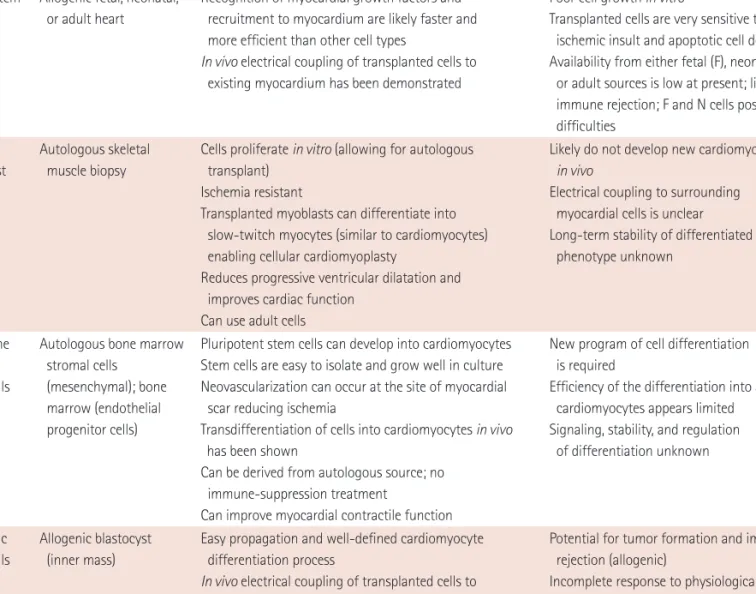
Stem cells are undifferentiated pluripotent multilineage cells with the ability to renew themselves. The sources of stem cells include the embryo, fetus, and various parts of adult tissues. Stem cells or progenitor cells are classified according to their characteristics in Table 1.

Many clinical trials showed excellent safety and feasibility of adult stem cells, but the efficacy of stem cell therapy is not satisfactory to improve cardiac function substantially.

The basic mechanisms of stem cell action on the injured myocar- dium will not be discussed here. We will focus instead on the current status of preclinical/clinical studies regarding therapeutic opportu- nities.

In this review, we summarize recent results of preclinical/clinical

trials that have evaluated the safety, feasibility, and efficacy of cell

therapy in heart disease.

(2)

Walking With Animal Study

Direct or indirect transplantation of adult stem cells to damaged hearts is emerging as an innovative strategy to ameliorate cardiac remodeling and dysfunction after acute myocardial infarction (AMI).

Potential sources of functional cardiomyocytes has been explor- ed and utilized for cell therapy to replace injured cardiomyocytes.

Stem cells are characterized by their ability to self-renew, clone, and differentiate into multiple tissues. Adult stem cells are isolated and characterized from various sources; peripheral blood,

4)

bone marrow (BM),

5)

adipose tissue,

6)

umbilical cord blood,

7)

amniotic membrane,

8)

and dental pulp.

9)

A large number of animal studies have demonstrated that stem cells could be engrafted and differentiated within the heart.

3)10-12)

In preclinical studies, several large-animal species, including swine, sheep, and dogs, have been used to investigate the effects of stem

cell therapy in CVDs models. Stem cells can be delivered to the heart by intravenous infusion, direct surgical injection, or catheter-based intracoronary infusion.

Orlic and colleagues first reported the repair of infarct myocardi- um through transplantation of bone marrow cells (BMCs) in mice.

3)

Progenitors or stem cells with cardiomyogenic potential were stu- died both in vitro and in vivo. Experimental data showed the expres- sion of cardiac markers such as cardiac contractile proteins in stem cells in transplanted myocardium. However, they were rarely found.

One of the popular strategies to increase the cardiomyogenesis of stem cells is the stimulation of stem cells with an anticancer drug, 5-azacytidine, which is a nonspecific deoxyribonucleic acid methyla- tion inhibitor. Transient stimulation with 5-azacyticine for one day substantially increased cardiac protein expression in BM-derived mesenchymal stem cells (MSCs) and sca-1-positive adult cardiac stem cells with spontaneous beating on culture system.

13)

Table 1. Major cell types with potential for cardiac cell therapy

Cell type Source Advantages Limitations

Cardiac stem cells

Allogenic fetal, neonatal, or adult heart

Recognition of myocardial growth factors and recruitment to myocardium are likely faster and more efficient than other cell types

In vivo electrical coupling of transplanted cells to existing myocardium has been demonstrated

Poor cell growth in vitro

Transplanted cells are very sensitive to ischemic insult and apoptotic cell death Availability from either fetal (F), neonatal (N), or adult sources is low at present; likely immune rejection; F and N cells pose ethical difficulties

Skeletal myoblast

Autologous skeletal muscle biopsy

Cells proliferate in vitro (allowing for autologous transplant)

Ischemia resistant

Transplanted myoblasts can differentiate into slow-twitch myocytes (similar to cardiomyocytes) enabling cellular cardiomyoplasty

Reduces progressive ventricular dilatation and improves cardiac function

Can use adult cells

Likely do not develop new cardiomyocytes in vivo

Electrical coupling to surrounding myocardial cells is unclear Long-term stability of differentiated phenotype unknown

Adult bone marrow stem cells

Autologous bone marrow stromal cells

(mesenchymal); bone marrow (endothelial progenitor cells)

Pluripotent stem cells can develop into cardiomyocytes Stem cells are easy to isolate and grow well in culture Neovascularization can occur at the site of myocardial scar reducing ischemia

Transdifferentiation of cells into cardiomyocytes in vivo has been shown

Can be derived from autologous source; no immune-suppression treatment

Can improve myocardial contractile function

New program of cell differentiation is required

Efficiency of the differentiation into adult cardiomyocytes appears limited Signaling, stability, and regulation of differentiation unknown

Embryonic stem cells

Allogenic blastocyst (inner mass)

Easy propagation and well-defined cardiomyocyte differentiation process

In vivo electrical coupling of transplanted cells to existing myocardial cells

Pluripotent cells

Potential for tumor formation and immune rejection (allogenic)

Incomplete response to physiological stimuli Legal and ethical issues

Donor availability

Marin-Garcia M. Heart failure: bench to bedside. New York: Springer; 2010

(3)

To prove functional stem cell therapy, a small animal model has widely been used. Myocardial infarction was experimentally in- duced by surgical ligation of the coronary artery such as left ante- rior descending artery in mice or rats, sometimes with reperfusion.

Various stem cell types, transplantation route, cell number, and tr- ansplantation timing have been studied in these small animal mod- els. Many studies are reported that stem cell therapy is safe, feasible,

and promising for the cure of MI. Histological data has revealed that the injected stem cells can survive in ischemic myocardium that participated in neovascularization and cardiomyogenesis. Scar size, cardiac remodeling, fibrosis, and inflammation were much more effectively improved. Cardiac function was also substantially im- proved after stem cell therapy. Based on these fantastic results of animal studies, many clinical studies were designed and initiated to

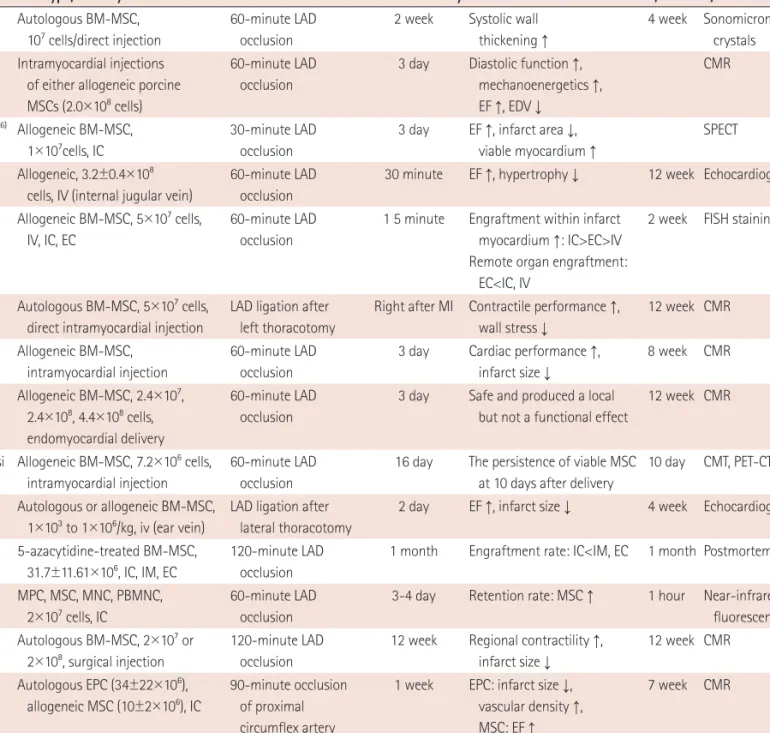
Table 2. Summary of results from mesenchymal stem cell therapy cases in the swine model

Study Cell type/delivery route MI induction Time of delivery Results F/U F/U measurement

Shake et al.

36)

Autologous BM-MSC, 10

7

cells/direct injection

60-minute LAD occlusion

2 week Systolic wall thickening ↑

4 week Sonomicrometry crystals Amado

et al.

37)

Intramyocardial injections of either allogeneic porcine MSCs (2.0×10

8

cells)

60-minute LAD occlusion

3 day Diastolic function ↑, mechanoenergetics ↑, EF ↑, EDV ↓

CMR

Lim et al.

16)

Allogeneic BM-MSC, 1×10

7

cells, IC

30-minute LAD occlusion

3 day EF ↑, infarct area ↓, viable myocardium ↑

SPECT

Price et al.

38)

Allogeneic, 3.2±0.4×10

8

cells, IV (internal jugular vein)

60-minute LAD occlusion

30 minute EF ↑, hypertrophy ↓ 12 week Echocardiography

Freyman et al.

39)

Allogeneic BM-MSC, 5×10

7

cells, IV, IC, EC

60-minute LAD occlusion

1 5 minute Engraftment within infarct myocardium ↑: IC>EC>IV Remote organ engraftment:

EC<IC, IV

2 week FISH staining

Feygin et al.

40)

Autologous BM-MSC, 5×10

7

cells, direct intramyocardial injection

LAD ligation after left thoracotomy

Right after MI Contractile performance ↑, wall stress ↓

12 week CMR

Schuleri et al.

41)

Allogeneic BM-MSC, intramyocardial injection

60-minute LAD occlusion

3 day Cardiac performance ↑, infarct size ↓

8 week CMR

Hashemi et al.

42)

Allogeneic BM-MSC, 2.4×10

7

, 2.4×10

8

, 4.4×10

8

cells, endomyocardial delivery

60-minute LAD occlusion

3 day Safe and produced a local but not a functional effect

12 week CMR

Gyöngyösi et al.

43)

Allogeneic BM-MSC, 7.2×10

6

cells, intramyocardial injection

60-minute LAD occlusion

16 day The persistence of viable MSC at 10 days after delivery

10 day CMT, PET-CT

Wolf et al.

44)

Autologous or allogeneic BM-MSC, 1×10

3

to 1×10

6

/kg, iv (ear vein)

LAD ligation after lateral thoracotomy

2 day EF ↑, infarct size ↓ 4 week Echocardiography

Moscoso et al.

45)

5-azacytidine-treated BM-MSC, 31.7±11.61×10

6

, IC, IM, EC

120-minute LAD occlusion

1 month Engraftment rate: IC<IM, EC 1 month Postmortem section

Ly et al.

46)

MPC, MSC, MNC, PBMNC, 2×10

7

cells, IC

60-minute LAD occlusion

3-4 day Retention rate: MSC ↑ 1 hour Near-infrared fluorescence Schuleri

et al.

47)

Autologous BM-MSC, 2×10

7

or 2×10

8

, surgical injection

120-minute LAD occlusion

12 week Regional contractility ↑, infarct size ↓

12 week CMR

Dubois et al.

48)

Autologous EPC (34±22×10

6

), allogeneic MSC (10±2×10

6

), IC

90-minute occlusion of proximal circumflex artery

1 week EPC: infarct size ↓, vascular density ↑, MSC: EF ↑

7 week CMR

Ellison et al.

49)

IGF-1 & HGF administration to activate endogenous cardiac stem cells

60-minute LAD occlusion

30 minute Fibrosis ↓, hypertrophy ↓, infarct size ↓,

cardiac function ↑

8 week CMR

BM: bone marrow, CMR: cardiac magnetic resonance imaging, EDV: end-diastolic volume, EC: endocardial injection, EF: ejection fraction, EPC: endothelial

progenitor cells, HGF: hepatocyte growth factor, IC: intracoronary infusion, IGF-1: insulin like growth factor-1, IM: intramyocardial injection, LAD: left an-

terior descending artery, MNC: mononuclear cells, MPC: multipotent progenitor cells, MSC: mesenchymal stem cells, PBMNC: peripheral blood-derived

mononuclear cells, PET-CT: positron emission tomography-computed tomography, SPECT: single-photon emission computed tomography, MI: myocardial

infarction, IV: intravenous, FISH: fluorescence in situ hybridization, F/U: follow-up

(4)

transfer stem cell therapy to the bedside all over the world.

Various stem cells or progenitor cells have been introduced for cardiac repair in the last few years, although many past and ongoing clinical trials use predominantly adult autologous BM-derived cells.

The use of BMCs in CVDs has the advantage that BM can be easily accessed, and isolated cells can be expanded for autologous applic- ation.

Experimental studies of cell priming revealed that it improved cell survival, retention, integration, and differentiation.

12)14)15)

In addition, genetic modification of stem cells before application with the pro- survival gene Akt,

16)

vascular endothelial growth factor,

17)

or fibro- blast growth factor 2

18)

promoted therapeutic efficacy.

Table 2 shows summarized results of MSCs therapy in porcine AMI model. The anatomy and physiology of the porcine heart is well known to be similar to a human heart, and it is considered that the porcine MI model is the best model for CVDs research. Cell number, delivery procedure, and surgical techniques in the porcine model are also similar to the clinical setting, and more realistic implications could be provided compared with a small animal model.

Running With Clinical Study

In AMI, cardiac muscle is damaged to become dysfunctional. After successful percutaneous coronary intervention (PCI) and coronary artery bypass graft surgery with optimal medications, cardiac func- tion is restored only to a limited degree {3-4% improvement in left ventricular ejection fraction (LVEF)} which may result in cardiac re- modeling in approximately 60% of the patients with myocardial in- farction.

19)20)

Many clinical studies have proceeded for proving their safety and efficacy to reach a final goal “new therapy”. Regarding cell type, most clinical trials have used unfractionated BMCs as the delivery prod- uct, postulating that stem/progenitor cells are the biologically ap- plicable therapeutic agents. The most widely applicable technique for stem cell delivery is intracoronary infusion from a clinical standpoint.

The first human clinical trial of stem cell trial was intracoronary in- fusion of autologous BM unfractionated mononuclear cells to AMI patient.

21)

Subsequent clinical studies of stem cells for AMI were then initiated.

A variety of studies have demonstrated significant improvement of ventricular performance after stem cell therapy in AMI, resulting in an increase in LVEF and decrease in infarct size. In most cases, stem cell transplantation was performed in a time frame of 12 hours to several days after MI. Although there is large variability of hemo- dynamic data after cell therapy, there is moderate improvement of cardiac performance by stem cell therapy that is more quantita- tively effective than therapeutic interventions and pharmacothera-

py.

22)

Thus, autologous stem cell therapy represents an innovative and effective procedure for regeneration of impaired hearts in the early phase after the infarct.

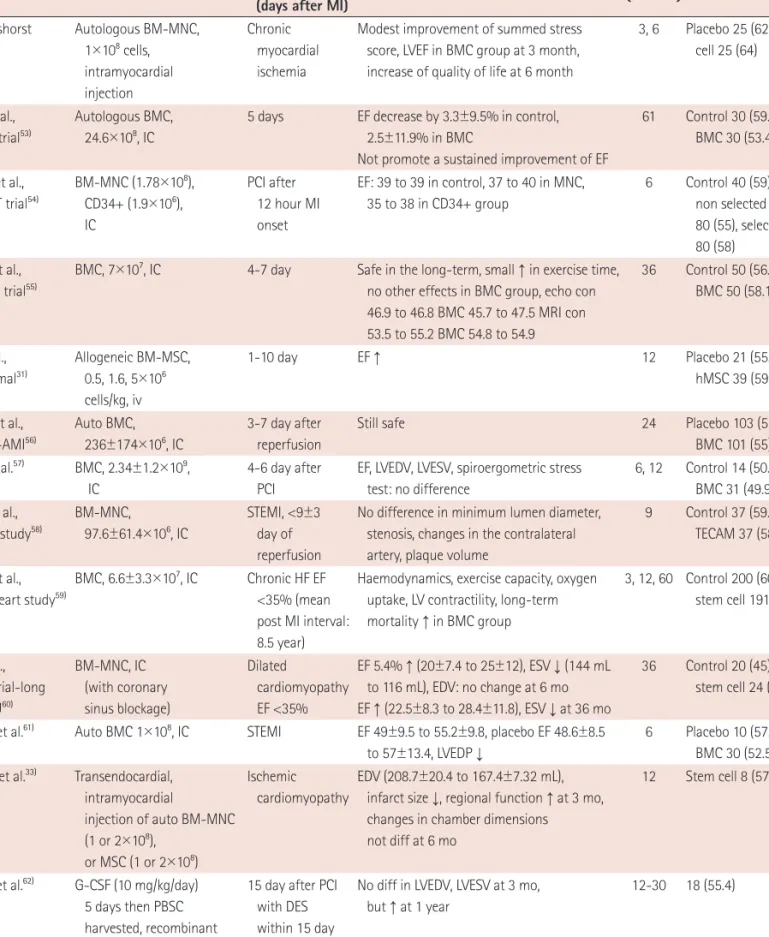
As seen in Table 3, most recent clinical trials utilized BM-derived mononuclear cells isolated from patients after PCI. BM has been considered the safest source for autologous transplantation of stem cells, usually mononuclear cells, in clinical trials. For now the most widely used clinically approved source for stem cell therapy is au- tologous stem cells from BM (www.clinicaltrials.gov).

In addition to BM-mononuclear cells, MSCs are now actively un- der investigation for cardiac repair. BM contains a population of he- matopoietic stem cells and a rare population of plastic-adherent stromal cells (1 in 10000 nucleated cells in BM).

23)

These plastic adherent cells are MSCs capable of forming single- cell colonies, expansion in culture, differentiation into osteoblasts, chondrocytes, and adipocytes.

24)25)

MSCs were shown to be differ- entiated into a myogenic phenotype.

13)

Animal studies demonstrated that human MSCs could be transdifferentiated into endoderm-de- rived cells

10)

in injected myocardium, and coculture of MSC with ven- tricular myocytes induced transdifferentiation into a cardiomyo- cyte phenotype in vitro.

26)

Large-animal preclinical studies of MSCs administration in post-MI heart demonstrated the ability of MSCs to engraft, differentiate, and produce substantial functional recov- ery.

12)16)27)28)

The therapeutic effect of MSC on AMI has been reported in four clinical trials. Chen et al.

29)

infused autologous MSC by intracoro- nary route and demonstrated regional wall motion and global LVEF were improved after six months of cell therapy. At that time, Vulliet et al.

30)

reported that a microinfarction occurred after intracoronary infusion of MSCs in a dog MI model. A Prochymal trial

31)

was de- signed to evaluate the safety of intravenous application of alloge- neic BM-derived MSCs to AMI patients. According to animal studies, a large proportion of infused cells were trapped in the lungs after ad- ministration, raising potential concerns regarding compromised pul- monary function.

32)

The results of the Prochymal trial did not show any evidence of a pulmonary safety risk after infusion of allogeneic human (h)BM-MSCs. Instead, those data revealed improved pulmo- nary function in the MSC-treated patients, compared with baseline status. The rate of arrhythmia event was 4-fold lower in the hMSCs group than in the placebo group (8.8% vs. 36.8%, p=0.025). In isch- emic cardiomyopathy, transendocardial injection of autologous BM- derived progenitor cells including mononuclear cells or MSCs pro- duced functional recovery in scarred myocardium and reversed remodeling of the LV chamber.

33)

Unfortunately, however, they did not determine superiority between mononuclear cells and MSCs.

Without the placebo control group, data from only 4 patients in

each group were analyzed. The transendocardial autologous cells

(5)

Table 3. Summary of recent stem cell therapy trials in myocardial infarction (and heart failure)

Trial Cell

Time of delivery (days after MI)

Results F/U

(months) Patients (age) van Ramshorst

et al.

52)

Autologous BM-MNC, 1×10

8

cells, intramyocardial injection

Chronic myocardial ischemia

Modest improvement of summed stress score, LVEF in BMC group at 3 month, increase of quality of life at 6 month

3, 6 Placebo 25 (62), cell 25 (64)

Meyer et al., BOOST trial

53)

Autologous BMC, 24.6×10

8

, IC

5 days EF decrease by 3.3±9.5% in control, 2.5±11.9% in BMC

Not promote a sustained improvement of EF

61 Control 30 (59.2), BMC 30 (53.4)

Tendera et al., REGENT trial

54)

BM-MNC (1.78×10

8

), CD34+ (1.9×10

6

), IC

PCI after 12 hour MI onset

EF: 39 to 39 in control, 37 to 40 in MNC, 35 to 38 in CD34+ group

6 Control 40 (59), non selected MNC 80 (55), selected MNC 80 (58)

Beitnes et al., ASTAMI trial

55)

BMC, 7×10

7

, IC 4-7 day Safe in the long-term, small ↑ in exercise time, no other effects in BMC group, echo con 46.9 to 46.8 BMC 45.7 to 47.5 MRI con 53.5 to 55.2 BMC 54.8 to 54.9

36 Control 50 (56.7), BMC 50 (58.1)

Hare et al., Prochymal

31)

Allogeneic BM-MSC, 0.5, 1.6, 5×10

6

cells/kg, iv

1-10 day EF ↑ 12 Placebo 21 (55.1),

hMSC 39 (59.0)

Assmus et al., REPAIE-AMI

56)

Auto BMC, 236±174×10

6

, IC

3-7 day after reperfusion

Still safe 24 Placebo 103 (57),

BMC 101 (55) Grajek et al.

57)

BMC, 2.34±1.2×10

9

,

IC

4-6 day after PCI

EF, LVEDV, LVESV, spiroergometric stress test: no difference

6, 12 Control 14 (50.9), BMC 31 (49.9) Arnold et al.,

TECAM study

58)

BM-MNC, 97.6±61.4×10

6

, IC

STEMI, <9±3 day of reperfusion

No difference in minimum lumen diameter, stenosis, changes in the contralateral artery, plaque volume

9 Control 37 (59.8), TECAM 37 (58.6)

Strauer et al., STAR-heart study

59)

BMC, 6.6±3.3×10

7

, IC Chronic HF EF

<35% (mean post MI interval:

8.5 year)

Haemodynamics, exercise capacity, oxygen uptake, LV contractility, long-term mortality ↑ in BMC group

3, 12, 60 Control 200 (60), stem cell 191 (59)

Seth et al., ABCD trial-long term FU

60)

BM-MNC, IC (with coronary sinus blockage)

Dilated

cardiomyopathy EF <35%

EF 5.4% ↑ (20±7.4 to 25±12), ESV ↓ (144 mL to 116 mL), EDV: no change at 6 mo EF ↑ (22.5±8.3 to 28.4±11.8), ESV ↓ at 36 mo

36 Control 20 (45), stem cell 24 (49)

Traverse et al.

61)

Auto BMC 1×10

8

, IC STEMI EF 49±9.5 to 55.2±9.8, placebo EF 48.6±8.5 to 57±13.4, LVEDP ↓

6 Placebo 10 (57.5), BMC 30 (52.5) Williams et al.

33)

Transendocardial,

intramyocardial

injection of auto BM-MNC (1 or 2×10

8

),

or MSC (1 or 2×10

8

)

Ischemic cardiomyopathy

EDV (208.7±20.4 to 167.4±7.32 mL), infarct size ↓, regional function ↑ at 3 mo, changes in chamber dimensions not diff at 6 mo

12 Stem cell 8 (57.2)

Santoso et al.

62)

G-CSF (10 mg/kg/day) 5 days then PBSC harvested, recombinant erythropoietin (SQ inj) +PBSC 15 - 25×10

6

, IC

15 day after PCI with DES within 15 day after onset

No diff in LVEDV, LVESV at 3 mo, but ↑ at 1 year

12-30 18 (55.4)

Mansour et al., COMPARE-AMI

63)

CD133+HSC, 1×10

7

, IC

3-7 day after PCI

Safe, EF 41.2±1 at base, 51.1±2.5 at 4 mo, 52.3±2 at 12 mo

12 Placebo 20,

cell 20 (52.2)

(6)

in an ischemic heart failure trial (TAC-HFT) and Percutaneous Stem Cell Injection Delivery Effects on Neomyogenesis (POSEIDON) tri- als

34)

are in progress to intensify those limitations (www.clinicaltri- als.gov). TAC-HFT is designed for comparing BM-MSCs versus mo- nonuclear cells, and POSEIDON is comparing the effects of allo- geneic versus autologous MSC therapy in ischemic cardiomyopathy patients.

The delivery of MultiStem, an allogeneic BM-derived stem cell produced by Athersys, Inc. (Cleveland, OH, USA), to AMI patients has proved to be safe and well tolerated.

35)

They showed MultiStem delivered via transarterial adventitia using a microsyringe catheter was safe with improvement of cardiac function in a dose-dependent manner.

Although the exact mechanism of MSC effects is still unresolved, accumulating results of large animal studies and clinical studies have shown that MSC-based therapy for cardiac repair is safe and pro- vides substantial improvement in cardiac structure and function.

Looking Back With Consideration

The therapeutic effect of stem cell therapy on heart disease has been shown by experimental studies using small animal models. Re- sults have been reported as extraordinarily promising with experi- mental results such as cardiomyogenesis, neovascularization, and paracrine effect on injured myocardium. Now we are facing chal- lenges for bringing stem cells to clinically applicable therapeutics.

Intracoronary transfer of autologous BMCs after optimum reperfu- sion therapy does not dramatically augment recovery of global LV function in patients, but could favorably affect cardiac remodeling after MI. Mixed results have been reported in clinical trials of stem cell administered patients after AMI with minimal improvement of ejection fraction or only a transient clinical benefit.

The different outcomes were attributed to differences in cell prep- arations, timing and method of cell administration, choice of end- points, and characteristics of patients. Some studies failed to deter- Table 3. Continued

Trial Cell

Time of delivery (days after MI)

Results F/U

(months) Patients (age) Hirsch et al.,

HEBE trial

64)

BM 296±164×10

6

or peripheral MNC 287±137×10

6

IC 4-7 day after MI

No difference (control 42.4±18.7%, BM 38.6±24.7, PB 36.8±20.9)

4 Control 65 (55), BMC 69 (56), PBMC 66 (57) Penn et al.

65)

Allo MultiStem to the

adventitia of the infarct-related vessel, 2×10

7

, 6×10

7

, 1×10

8

2-5 day after AMI

EF: 20 M (4.1% ↑), 50 M (8.7% ↑), 100 M (no change)

LV stroke volume: control (-4.3 mL), 20 M (-3.6 mL), 50 M (+14.6 mL), 100 M (+7.9 mL)

4 Control 6 (53), MultiStem 20 million n=6 (64), 60 million n=7 (54), 100 million n=6 (53)

Bolli et al., SCIPIO

66)

CSCs, IC, 1 million (n=15), 0.5 million (n=1)

EF <40%, CABG, ischemic cardiomyopathy

EF 35.9% to 39.2% (4 mo), to 42.5% (12 mo), infarct size 32.6 to 24.8 (4 mo), to 22.8 (12 mo)

12 Control 7 (57.3), treatment 16 (56.0)

Moreira et al.

67)

BM-MNC 1×10

8

, anterograde intra-arterial coronary (IAC) or retrograde intravenous coronary (IVC)

24 hour <MI, infract size

>10%

Comparison of cell retention:

IAC (16.14%), IVC (4.62%) at 4 hour, IAC (10.29%), IVC (3.13%) at 24 hour

24 hour Control 6 (57.2), IAC 14 (59.7), IVC 10 (53.6)

Solheim et al.

68)

BM-MNC 68×10

8

, IC 6 day after the STEMI No changes in prothrombotic markers 3 Control 50, cell 50 (57.4) Roncalli et al.,

BONAMI trial

69)

Auto BMC, IC 9.3 day after

STEMI

Myocardial viability 16% (control), 34% (BMC), active significant adverse role of smoking

3 Control 49 (55), BMC 52 (56)

Ahmadi et al.

70)

BM-CD133+BMC, 1.77×10

6

± 1.14×10

6

CD133+cells, intramyocardial transplantation

Candidate of CABG after MI

Safe, no benefit 60 Control 5, BMC 13

BM: bone marrow, EDV: end-diastolic volume, EF: ejection fraction, IC: intracoronary infusion, MNC: mononuclear cells, MSC: mesenchymal stem cells,

BMC: bone marrow cell, MI: myocardial infarction, PCI: percutaneous coronary intervention, STEMI: ST segment elevation myocardial infarction, HF: heart

failure, DES: drug-eluting stent, LVEF: left ventricular ejection fraction, LVEDV: left ventricular end diastolic volume, LVESV: left ventricular end systolic vol-

ume, ESV: end-systolic volume, AMI: acute myocardial infarction, CABG: coronary artery bypass graft, PB: peripheral blood, LV: left ventricle, G-CSF: granu-

locyte colony stimulating factor, PBSC: peripheral blood stem cell, LVEDP: left ventricular end diastolic pressure, CSC: cardiac stem cell

(7)

mine persistent clinical benefits after stem cell application (Table 3).

Arrhythmias have been reported to be associated with intramyo- cardial rather than intracoronary injection of stem cells in the early clinical studies; intramyocardial injection could be responsible for arrhythmogenesis. In addition, local injection induces a highly un- even distribution of cells, at least early after injection, which in- creases electrophysiological heterogeneity. Although recent avail- able results of clinical experience

35)36)

so far suggest that proarrhy- thmic effects may be transient, cardiac arrhythmia occurs unpre- dictably, and long-term follow-up studies would be essential to un- derstand the arrhythmogenesis induced by stem cell transplantation.

The most effective and safe cell type for myocardial repair and the clinical significance of cell therapy-induced arrhythmias will be determined in future pre-clinical and clinical studies.

There was a case report about fatal events after autologous he- matopoietic stem cell application in a lupus nephritis patient.

37)

After direct renal injection of stem cells isolated from peripheral blood, masses at the sites of injection were developed with hematuria.

Pathologic analysis revealed the masses were angiomyeloprolifera- tive lesions and suggested to be a possible complication of stem cell therapy. There was no way to find out the detailed cause of death in those cases, but stem cell transplantation could be a causative event.

The ultimate goal of cell therapy is the regeneration of lost cardiac muscle along with the reversal of adverse remodeling. Despite grow- ing clinical experience, the absence of standardized clinical end point in human trials has left us with fundamental questions. Issues to be addressed in the future include determining the ideal cell type, the cell number to be delivered, optimal cell isolation method, efficient cell storage, and optimal time of administration to improve the ef- ficacy of the therapy. After that, more realistic and optimized condi- tions of stem cell therapy will be applied to patients suffered from CVDs with guaranteed safety.

The risk of exposing patients to possible adverse outcomes of cell therapy must be seriously considered before clinical application.

The argument that clinical trials should be delayed till mechanisms are perfectly understood will deprive a large number of patients from therapeutic chances that may bring them clinical recovery. Stem cell therapy is a novel and innovative approach to cardiac therapeu- tics which has been achieved by numerous preclinical and early clini- cal studies showing safety, feasibility, and early efficacy.

Conclusion

Recent evidence from studies in animals and humans demon- strates the important roles of stem cells in CVDs. In this review, re- ports of recent clinical trials of stem cell therapy for myocardial in- farction are summarized and some important considerations are

suggested for further application. For now, the challenge is to im- proveme the scientific concept to clinical setting with current treat- ment modalities.

Acknowledgments

This work was supported by a grant of the National Research Fo- undation of Korea funded by the Korean Government (MEST), Repu- blic of Korea (2010-0020261), and by a grant of the Korea Healthcare Technology R&D Project, Ministry for Health, Welfare & Family Af- fairs, Republic of Korea (A084869).

References

1. Kajstura J, Leri A, Finato N, Di Loreto C, Beltrami CA, Anversa P. Myocy- te proliferation in end-stage cardiac failure in humans. Proc Natl Acad Sci U S A 1998;95:8801-5.

2. Beltrami AP, Urbanek K, Kajstura J, et al. Evidence that human cardiac myocytes divide after myocardial infarction. N Engl J Med 2001;344:

1750-7.

3. Orlic D, Kajstura J, Chimenti S, et al. Bone marrow cells regenerate in- farcted myocardium. Nature 2001;410:701-5.

4. Wojakowski W, Tendera M, Michałowska A, et al. Mobilization of CD34/

CXCR4+, CD34/CD117+, c-met+ stem cells, and mononuclear cells ex- pressing early cardiac, muscle, and endothelial markers into peripheral blood in patients with acute myocardial infarction. Circulation 2004;

110:3213-20.

5. Kucia M, Reca R, Jala VR, Dawn B, Ratajczak J, Ratajczak MZ. Bone marrow as a home of heterogenous populations of nonhematopoietic stem cells. Leukemia 2005;19:1118-27.

6. Zuk PA, Zhu M, Ashjian P, et al. Human adipose tissue is a source of multipotent stem cells. Mol Biol Cell 2002;13:4279-95.

7. Carlin R, Davis D, Weiss M, Schultz B, Troyer D. Expression of early tr- anscription factors Oct-4, Sox-2 and Nanog by porcine umbilical cord (PUC) matrix cells. Reprod Biol Endocrinol 2006;4:8.

8. De Coppi P, Bartsch G Jr, Siddiqui MM, et al. Isolation of amniotic stem cell lines with potential for therapy. Nat Biotechnol 2007;25:100-6.

9. Kerkis I, Kerkis A, Dozortsev D, et al. Isolation and characterization of a population of immature dental pulp stem cells expressing OCT-4 and other embryonic stem cell markers. Cells Tissues Organs 2006;184:

105-16.

10. Toma C, Pittenger MF, Cahill KS, Byrne BJ, Kessler PD. Human mesen- chymal stem cells differentiate to a cardiomyocyte phenotype in the adult murine heart. Circulation 2002;105:93-8.

11. Silva GV, Litovsky S, Assad JA, et al. Mesenchymal stem cells differen- tiate into an endothelial phenotype, enhance vascular density, and im- prove heart function in a canine chronic ischemia model. Circulation 2005;111:150-6.

12. Kim YS, Kwon JS, Hong MH, et al. Promigratory activity of oxytocin on umbilical cord blood-derived mesenchymal stem cells. Artif Organs 2010;34:453-61.

13. Wakitani S, Saito T, Caplan AI. Myogenic cells derived from rat bone

marrow mesenchymal stem cells exposed to 5-azacytidine. Muscle

(8)

Nerve 1995;18:1417-26.

14. Hahn JY, Cho HJ, Kang HJ, et al. Pre-treatment of mesenchymal stem cells with a combination of growth factors enhances gap junction for- mation, cytoprotective effect on cardiomyocytes, and therapeutic ef- ficacy for myocardial infarction. J Am Coll Cardiol 2008;51:933-43.

15. Kim YS, Ahn Y, Kwon JS, et al. Priming of Mesenchymal Stem Cells with Oxytocin Enhances the Cardiac Repair in Ischemia/Reperfusion Injury. Cells Tissues Organs 2012, in press.

16. Lim SY, Kim YS, Ahn Y, et al. The effects of mesenchymal stem cells transduced with Akt in a porcine myocardial infarction model. Car- diovasc Res 2006;70:530-42.

17. Deuse T, Peter C, Fedak PW, et al. Hepatocyte growth factor or vascul- ar endothelial growth factor gene transfer maximizes mesenchymal stem cell-based myocardial salvage after acute myocardial infarction.

Circulation 2009;120(11 Suppl):S247-54.

18. Song H, Kwon K, Lim S, et al. Transfection of mesenchymal stem cells with the FGF-2 gene improves their survival under hypoxic conditions.

Mol Cells 2005;19:402-7.

19. Abbate A, Biondi-Zoccai GG, Appleton DL, et al. Survival and cardiac remodeling benefits in patients undergoing late percutaneous coro- nary intervention of the infarct-related artery: evidence from a meta- analysis of randomized controlled trials. J Am Coll Cardiol 2008;

51:956-64.

20. Konstam MA, Kramer DG, Patel AR, Maron MS, Udelson JE. Left ven- tricular remodeling in heart failure: current concepts in clinical signi- ficance and assessment. JACC Cardiovasc Imaging 2011;4:98-108.

21. Strauer BE, Brehm M, Zeus T, et al. Intracoronary, human autologous stem cell transplantation for myocardial regeneration following myo- cardial infarction. Dtsch Med Wochenschr 2001;126:932-8.

22. Schächinger V, Erbs S, Elsässer A, et al. Improved clinical outcome af- ter intracoronary administration of bone-marrow-derived progenitor cells in acute myocardial infarction: final 1-year results of the REPAIR- AMI trial. Eur Heart J 2006;27:2775-83.

23. Friedenstein AJ, Chailakhjan RK, Lalykina KS. The development of fi- broblast colonies in monolayer cultures of guinea-pig bone marrow and spleen cells. Cell Tissue Kinet 1970;3:393-403.

24. Friedenstein AJ, Chailakhyan RK, Latsinik NV, Panasyuk AF, Keiliss- Borok IV. Stromal cells responsible for transferring the microenviron- ment of the hemopoietic tissues: cloning in vitro and retransplanta- tion in vivo. Transplantation 1974;17:331-40.

25. Caplan AI. Molecular and cellular differentiation of muscle, cartilage, and bone in the developing limb. Prog Clin Biol Res 1986;217B:307-18.

26. Xu W, Zhang X, Qian H, et al. Mesenchymal stem cells from adult hu- man bone marrow differentiate into a cardiomyocyte phenotype in vitro. Exp Biol Med (Maywood) 2004;229:623-31.

27. Quevedo HC, Hatzistergos KE, Oskouei BN, et al. Allogeneic mesen- chymal stem cells restore cardiac function in chronic ischemic cardio- myopathy via trilineage differentiating capacity. Proc Natl Acad Sci U S A 2009;106:14022-7.

28. Wang D, Zhang F, Shen W, et al. Mesenchymal stem cell injection ame- liorates the inducibility of ventricular arrhythmias after myocardial infarction in rats. Int J Cardiol 2011;152:314-20.

29. Chen SL, Fang WW, Ye F, et al. Effect on left ventricular function of

intracoronary transplantation of autologous bone marrow mesenchy- mal stem cell in patients with acute myocardial infarction. Am J Car- diol 2004;94:92-5.

30. Vulliet PR, Greeley M, Halloran SM, MacDonald KA, Kittleson MD. Intra- coronary arterial injection of mesenchymal stromal cells and micro- infarction in dogs. Lancet 2004;363:783-4.

31. Hare JM, Traverse JH, Henry TD, et al. A randomized, double-blind, pla- cebo-controlled, dose-escalation study of intravenous adult human mesenchymal stem cells (prochymal) after acute myocardial infarc- tion. J Am Coll Cardiol 2009;54:2277-86.

32. Chin BB, Nakamoto Y, Bulte JW, Pittenger MF, Wahl R, Kraitchman DL.

111In oxine labelled mesenchymal stem cell SPECT after intravenous administration in myocardial infarction. Nucl Med Commun 2003;

24:1149-54.

33. Williams AR, Trachtenberg B, Velazquez DL, et al. Intramyocardial stem cell injection in patients with ischemic cardiomyopathy: func- tional recovery and reverse remodeling. Circ Res 2011;108:792-6.

34. Trachtenberg B, Velazquez DL, Williams AR, et al. Rationale and design of the Transendocardial Injection of Autologous Human Cells (bone marrow or mesenchymal) in Chronic Ischemic Left Ventricular Dys- function and Heart Failure Secondary to Myocardial Infarction (TAC- HFT) trial: a randomized, double-blind, placebo-controlled study of safety and efficacy. Am Heart J 2011;161:487-93.

35. Perin EC, Dohmann HF, Borojevic R, et al. Transendocardial, autolo- gous bone marrow cell transplantation for severe, chronic ischemic heart failure. Circulation 2003;107:2294-302.

36. Stamm C, Westphal B, Kleine HD, et al. Autologous bone-marrow stem-cell transplantation for myocardial regeneration. Lancet 2003;

361:45-6.

37. Thirabanjasak D, Tantiwongse K, Thorner PS. Angiomyeloproliferative lesions following autologous stem cell therapy. J Am Soc Nephrol 2010;21:1218-22.

38. Shake JG, Gruber PJ, Baumgartner WA, et al. Mesenchymal stem cell implantation in a swine myocardial infarct model: engraftment and functional effects. Ann Thorac Surg 2002;73:1919-25.

39. Amado LC, Saliaris AP, Schuleri KH, et al. Cardiac repair with intra- myocardial injection of allogeneic mesenchymal stem cells after myo- cardial infarction. Proc Natl Acad Sci U S A 2005;102:11474-9.

40. Price MJ, Chou CC, Frantzen M, et al. Intravenous mesenchymal stem cell therapy early after reperfused acute myocardial infarction impro- ves left ventricular function and alters electrophysiologic properties.

Int J Cardiol 2006;111:231-9.

41. Freyman T, Polin G, Osman H, et al. A quantitative, randomized study evaluating three methods of mesenchymal stem cell delivery follow- ing myocardial infarction. Eur Heart J 2006;27:1114-22.

42. Feygin J, Mansoor A, Eckman P, Swingen C, Zhang J. Functional and bioenergetic modulations in the infarct border zone following autolo- gous mesenchymal stem cell transplantation. Am J Physiol Heart Circ Physiol 2007;293:H1772-80.

43. Schuleri KH, Amado LC, Boyle AJ, et al. Early improvement in cardiac tissue perfusion due to mesenchymal stem cells. Am J Physiol Heart Circ Physiol 2008;294:H2002-11.

44. Hashemi SM, Ghods S, Kolodgie FD, et al. A placebo controlled, dose-

(9)

ranging, safety study of allogenic mesenchymal stem cells injected by endomyocardial delivery after an acute myocardial infarction. Eur Heart J 2008;29:251-9.

45. Gyöngyösi M, Blanco J, Marian T, et al. Serial noninvasive in vivo posi- tron emission tomographic tracking of percutaneously intramyocar- dially injected autologous porcine mesenchymal stem cells modified for transgene reporter gene expression. Circ Cardiovasc Imaging 2008;

1:94-103.

46. Wolf D, Reinhard A, Seckinger A, Katus HA, Kuecherer H, Hansen A.

Dose-dependent effects of intravenous allogeneic mesenchymal stem cells in the infarcted porcine heart. Stem Cells Dev 2009;18:321-9.

47. Moscoso I, Barallobre J, de Ilarduya OM, et al. Analysis of different rou- tes of administration of heterologous 5-azacytidine-treated mesen- chymal stem cells in a porcine model of myocardial infarction. Transpl- ant Proc 2009;41:2273-5.

48. Ly HQ, Hoshino K, Pomerantseva I, et al. In vivo myocardial distribution of multipotent progenitor cells following intracoronary delivery in a swine model of myocardial infarction. Eur Heart J 2009;30:2861-8.

49. Schuleri KH, Feigenbaum GS, Centola M, et al. Autologous mesenchy- mal stem cells produce reverse remodelling in chronic ischaemic car- diomyopathy. Eur Heart J 2009;30:2722-32.

50. Dubois C, Liu X, Claus P, et al. Differential effects of progenitor cell po- pulations on left ventricular remodeling and myocardial neovascular- ization after myocardial infarction. J Am Coll Cardiol 2010;55:2232-43.

51. Ellison GM, Torella D, Dellegrottaglie S, et al. Endogenous cardiac stem cell activation by insulin-like growth factor-1/hepatocyte growth fac- tor intracoronary injection fosters survival and regeneration of the infarcted pig heart. J Am Coll Cardiol 2011;58:977-86.

52. van Ramshorst J, Bax JJ, Beeres SL, et al. Intramyocardial bone mar- row cell injection for chronic myocardial ischemia: a randomized con- trolled trial. JAMA 2009;301:1997-2004.

53. Meyer GP, Wollert KC, Lotz J, et al. Intracoronary bone marrow cell transfer after myocardial infarction: 5-year follow-up from the ran- domized-controlled BOOST trial. Eur Heart J 2009;30:2978-84.

54. Tendera M, Wojakowski W, Ruzyłło W, et al. Intracoronary infusion of bone marrow-derived selected CD34+CXCR4+ cells and non-selected mononuclear cells in patients with acute STEMI and reduced left ven- tricular ejection fraction: results of randomized, multicentre Myocar- dial Regeneration by Intracoronary Infusion of Selected Population of Stem Cells in Acute Myocardial Infarction (REGENT) Trial. Eur Heart J 2009;30:1313-21.

55. Beitnes JO, Hopp E, Lunde K, et al. Long-term results after intracoro- nary injection of autologous mononuclear bone marrow cells in acute myocardial infarction: the ASTAMI randomised, controlled study.

Heart 2009;95:1983-9.

56. Assmus B, Rolf A, Erbs S, et al. Clinical outcome 2 years after intra- coronary administration of bone marrow-derived progenitor cells in acute myocardial infarction. Circ Heart Fail 2010;3:89-96.

57. Grajek S, Popiel M, Gil L, et al. Influence of bone marrow stem cells on left ventricle perfusion and ejection fraction in patients with acute myocardial infarction of anterior wall: randomized clinical trial: im- pact of bone marrow stem cell intracoronary infusion on improve- ment of microcirculation. Eur Heart J 2010;31:691-702.

58. Arnold R, Villa A, Gutiérrez H, et al. Absence of accelerated atheroscle- rotic disease progression after intracoronary infusion of bone marrow derived mononuclear cells in patients with acute myocardial infarc- tion: angiographic and intravascular ultrasound: results from the TE- rapia Celular Aplicada al Miocardio Pilot study. Am Heart J 2010;159:

1154. e1-8.

59. Strauer BE, Yousef M, Schannwell CM. The acute and long-term ef- fects of intracoronary Stem cell Transplantation in 191 patients with chronic heARt failure: the STAR-heart study. Eur J Heart Fail 2010;12:

721-9.

60. Seth S, Bhargava B, Narang R, et al. The ABCD (Autologous Bone Mar- row Cells in Dilated Cardiomyopathy) trial a long-term follow-up stu- dy. J Am Coll Cardiol 2010;55:1643-4.

61. Traverse JH, McKenna DH, Harvey K, et al. Results of a phase 1, ran- domized, double-blind, Placebo-controlled trial of bone marrow mo- nonuclear stem cell administration in patients following ST-elevation myocardial infarction. Am Heart J 2010;160:428-34.

62. Santoso T, Irawan C, Alwi I, et al. Safety and feasibility of combined granulocyte colony stimulating factor and erythropoetin based-stem cell therapy using intracoronary infusion of peripheral blood stem cells in patients with recent anterior myocardial infarction: one-year fol- low-up of a phase 1 study. Acta Med Indones 2011;43:112-21.

63. Mansour S, Roy DC, Bouchard V, et al. One-year safety analysis of the COMPARE-AMI Trial: comparison of intracoronary injection of CD133 bone marrow stem cells to Placebo in patients after acute myocardial infarction and left ventricular dysfunction. Bone Marrow Res 2011;

2011:385124.

64. Hirsch A, Nijveldt R, van der Vleuten PA, et al. Intracoronary infusion of mononuclear cells from bone marrow or peripheral blood compared with standard therapy in patients after acute myocardial infarction treated by primary percutaneous coronary intervention: results of the randomized controlled HEBE trial. Eur Heart J 2011;32:1736-47.

65. Penn MS, Ellis S, Gandhi S, et al. Adventitial delivery of an allogeneic bone marrow-derived adherent stem cell in acute myocardial infarc- tion: phase I clinical study. Circ Res 2012;110:304-11.

66. Bolli R, Chugh AR, D’Amario D, et al. Cardiac stem cells in patients with ischaemic cardiomyopathy (SCIPIO): initial results of a randomised phase 1 trial. Lancet 2011;378:1847-57.

67. Moreira RD, Haddad AF, Silva SA, et al. Intracoronary stem-cell injec- tion after myocardial infarction: microcirculation sub-study. Arq Bras Cardiol 2011;97:420-6.

68. Solheim S, Seljeflot I, Lunde K, et al. The influence of intracoronary injection of bone marrow cells on prothrombotic markers in patients with acute myocardial infarction. Thromb Res 2011 Dec 20 [Epub].

http://dx.doi.org/10.1016/j.thromres.2011.11.045.

69. Roncalli J, Mouquet F, Piot C, et al. Intracoronary autologous mono- nucleated bone marrow cell infusion for acute myocardial infarction:

results of the randomized multicenter BONAMI trial. Eur Heart J 2011;32:1748-57.

70. Ahmadi H, Moshkani Farahani M, Kouhkan A, et al. Five-Year Follow-

up Of The Local Autologous Transplantation of CD133+ Enriched Bone

Marrow Cells in Patients with Myocardial Infarction. Arch Iran Med

2012;15:32-5.

수치

Table 1. Major cell types with potential for cardiac cell therapy
Table 2. Summary of results from mesenchymal stem cell therapy cases in the swine model
Table 3. Summary of recent stem cell therapy trials in myocardial infarction (and heart failure)

참조

관련 문서

Effects of pulse frequency of low-level laser thrapy (LLLT)on bone nodule formation in rat calvarial cells.. Low-level laser therapy stimulats

Consequently, Zr-Cu binary alloys have the potential to be used as biomaterials with nullifying magnetic properties for magnetic resonance imaging diagnosis and

Approved clinical use of bone marrow stem cells for myocardial infarction treatment... Cardiac

Graph showing improving Constant Shoulder Score in both groups but more improvement in autologous bone marrow injection group which is statistically

Postoperative Postoperative Postoperative Postoperative Magnetic Magnetic Magnetic Magnetic resonance resonance resonance image resonance image image image shows

The influence of age and gender on remifentanil EC 50 for preventing microemulsion propofol injection pain.. - Remifentanil EC 50 on propofol injection

This study aimed to evaluate the site and extent of injury, injury mechanism, player position, and the reinjury incidence in the hamstring by using magnetic

Meterials and Methods: Our study involved three stem cell sources-subacromial bursal tissue, bone marrow, and umbilical cord-derived stem cells. Under consent we