INTRODUCTION
Dehydroepiandrosterone (DHEA) is a steroid prohor- mone. By the age of 70 to 80 years, levels may be as low as 10% to 20% of those encountered in young individu- als [1,2]. The mechanism underlying this physiological decline is unknown. However, this age-related decline in DHEA levels may correlate with many age-related phenomena or deterioration in various physiological functions. Particularly, aging; neurological functions including decreased well-being, cognition, and memory;
increased depression; aggressiveness; and dementia
have involved changes in body composition, decreased bone mineral density, obesity, diabetes, increased car- diovascular morbidity, erectile dysfunction (ED), and decreased libido [3,4]. Supporting this result, some trials of DHEA supplementation in healthy, middle-aged, and elderly subjects have reported improvements in differ- ent aspects of well-being [5].
Consistently, in our previous study we have dem- onstrated age-related decline in testosterone level throughout 4 years of follow-up in patients with ED.
Patients with decreasing testosterone levels were older than patients with a steady testosterone level [6].
Received: Jan 16, 2018 Revised: Feb 24, 2018 Accepted: Feb 26, 2018 Published online May 11, 2018 Correspondence to: Ahmed I. El-Sakka https://orcid.org/0000-0001-8671-5952
Department of Urology, Faculty of Medicine, Suez Canal University, Round Road, 41111, Ismailia, Egypt.
Tel: +20-122-3456364, Fax: +20-64-3200035, E-mail: [email protected] Copyright © 2018 Korean Society for Sexual Medicine and Andrology
pISSN: 2287-4208 / eISSN: 2287-4690
World J Mens Health 2018 September 36(3): 183-191 https://doi.org/10.5534/wjmh.180005
Dehydroepiandrosterone and Erectile Function:
A Review
Ahmed I. El-Sakka
Department of Urology, Faculty of Medicine, Suez Canal University, Ismailia, Egypt
To review the contemporary knowledge regarding the dehydroepiandrosterone and erectile function. Medline was reviewed for English-language journal articles spanning the time between January 1990 and December 2017, using the terms ‘erectile function’, ‘dehydroepiandrosterone’. We used original articles and review articles that found to be relevant to the purpose of this review. Criteria included all pertinent review articles, randomized controlled trials with tight methodological design, co- hort studies and retrospective analyses. We also manually revised references from selected articles. Several interesting studies have addressed the age-related decline in dehydroepiandrosterone levels with many age-related phenomena or deterioration in various physiological functions. Particularly, aging; neurological functions including decreased well-being, cognition, and memory; increased depression, decreased bone mineral density, obesity, diabetes, increased cardiovascular morbidity, erec- tile dysfunction (ED), and decreased libido. Supporting this result, some trials of dehydroepiandrosterone supplementation in healthy, middle-aged, and elderly subjects have reported improvements in different aspects of well-being. Several studies had demonstrated that dehydroepiandrosterone level is declined as a part of aging. Large-scale well-designed prospective studies are warranted to better define indications and therapeutic implications of dehydroepiandrosterone in men with ED.
Keywords: Androgens; Dehydroepiandrosterone; Erectile dysfunction; Testosterone
This is an Open Access article distributed under the terms of the Creative Commons Attribution Non-Commercial License (http://creativecommons.org/licenses/by-nc/4.0) which permits unrestricted non-commercial use, distribution, and reproduction in any medium, provided the original work is properly cited.
Therefore, this steady decrease in circulating DHEA concentrations with age might initiate the speculation that DHEA therapy have potential benefits in several diseases associated with aging.
Recent analyses for the association between age and ED revealed positive effects for testosterone, DHEA, perceived general health, emotional support, intimacy motivation, and a negative effect for interleukin-6 (IL-6) (all p<0.05). Higher testosterone and DHEA and lower IL-6 levels buffered against an age-related increase in ED [7]. Furthermore, an interesting study demon- strated that men who work nonstandard shifts and have poor sleep quality are at increased risk for hypo- gonadal symptoms and sexual dysfunction however, no associations between sleep quality and mean serum testosterone, free testosterone, estrogen, DHEA, follicle stimulating hormone, and luteinizing hormome levels were observed [8].
BIOCHEMISTRY OF
DEHYDROEPIANDROSTERONE
DHEA is a steroid prohormone synthesized in the zona reticularis of the adrenal cortex, the gonads, adi- pose tissue, brain, and skin. In target tissue, DHEA transformed through intracrine mechanisms to andro- gens or estrogens. The secretion of DHEA follows a di- urnal pattern like that of cortisol. While in women ad- renal production of DHEA and DHEA sulfate (DHEAS) contributes substantially to overall androgen produc- tion, in men the adrenal contribution is very small [1,2].
Together DHEA and DHEAS are the most abundant steroid in humans. The highest concentrations of these steroids are observed in men in the second and third decades of age, and gradually decrease by approxi- mately 10% per decade [1].
DHEAS exists at approximately 250 times higher than those of free DHEA in serum. In target tissues such as the brain, bone, breast, and adipose, DHEAS is converted to DHEA by the sulfatase enzyme, which may then be further metabolized to androstenediol, androstenedione, estrone, testosterone, dihydrotestos- terone, and 17β-estradiol [9-11]. Meanwhile DHEA is a prohormone, it is claimed to have several positive ef- fects on age-related disorders. It would be theoretically transformed according to local and general hormone needs.
EFFECT OF
DEHYDROEPIANDROSTERONE ON ENDOTHELIAL AND SMOOTH MUSCLES FUNCTION
DHEA is involved in vascular smooth muscle relax- ation. Furthermore, the general and sexual effects are not due to the actions of DHEA alone but due to its function as a precursor of multiple androgens, espe- cially testosterone and estradiol as well [9,10].
Endothelial dysfunction contributes to the patho- genesis of atherosclerosis and cardiovascular disease and leads to the development of insulin resistance.
Since DHEA has its own receptors, primarily on endo- thelial cells its administration has been shown to im- prove flow-mediated dilation of the brachial artery, an endothelium-dependent process; reduced plasminogen activator inhibitor type 1, a suppressor of fibrinolysis with a pathogenic role in coronary artery disease; and improved insulin sensitivity [12]. The improvement of endothelial function with DHEA was subsequently confirmed in postmenopausal women [13]. Several in vitro experiments have confirmed the anti-atherosclerotic actions of DHEA [13,14].
These data support the action of DHEA on the endo- thelium, based on the rapidity of action on endothelial nitric oxide synthase (eNOS) and failure to block endo- thelial cell activation with selective estrogen or testos- terone receptor antagonists [13,14]. The roles of DHEA in vascular endothelial cell survival [15,16], prolifera- tion/angiogenesis, and activation, including transcrip- tional regulation of endothelin-1 were demonstrated [17]. Although a convincing evidence from in vitro studies for vasculoprotective effects of DHEA, human clinical trials of DHEA replacement on metabolic and vascular function have shown contradictory results.
Epidemiological data in men have demonstrated either an inverse or no relationship between cardiovascular mortality and circulating DHEAS levels [18,19].
A specific DHEA receptor was identified on bovine aortic endothelial cells [20]. This receptor is primarily coupled to Ga12 and Ga13 subtypes of the G protein family which activates eNOS. Further study had dem- onstrated the existence of a DHEA-specific receptor in human vascular smooth muscle cells (VSMC) involving ERK1 signaling pathways that contributes to remodel- ing of blood vessels and initiation of atherosclerosis [21].
In vitro study DHEA also inhibits VSMC proliferation
through a mechanism independent of its transforma- tion into estrogens or androgens and shows minimal affinity for estrogen and androgen receptors found in VSMC cells, but binds specifically to putative recep- tors in the same cells. Although consistent with the mechanism of action through conversion into testos- terone and estradiol, these findings will enlighten our interpretations of the biological actions of DHEA and the control of sexual function, which involves many vascular mechanisms.
DEHYDROEPIANDROSTERONE AND NITRIC OXIDE PATHWAY
DHEA is shown to activate potassium channels via soluble guanylate cyclase activation and enhance endo thelial function through increased nitric oxide (NO) synthesis and ultimately dilate arteries, block hypoxia-induced vasoconstriction [14,22]. Through a plasma membrane initiated mechanism, DHEA acutely increase NO release from intact vascular endothelial cells [23]. The decrease in cytosolic NOS enzyme activ- ity and penile NOS is not affected by adrenalectomy in castrated rats [24]. Adrenalectomy combined with castration significantly reduced penile neuronatal NOS (nNOS) content, in contrast to what was found with castration or total ablation of androgen binding in the penis [25], where NOS activity appeared to be inhibited in the presence of constant NOS levels. The cause of this reduction in penile nNOS content is unknown. It may be related to a loss of nerve terminals or a true NOS downregulation [26]. However, penile eNOS con- tent remains unaffected after 1 week. The rat adrenal gland contributes to the maintenance of the erectile mechanism and may affect nNOS content in the rat penis [27].
In pulmonary artery tissue from DHEA-treated rats, soluble guanylate cyclase, but not eNOS, levels were increased [28]. However, in other experiments, DHEA/
DHEAS did not affect relaxation induced by acetylcho- line or sodium nitroprusside, and relaxation responses were not changed by treatment with methylene blue [29]. Nevertheless, in vitro studies supporting proper in- trinsic functions have shown that DHEA may directly increase NO production from intact endothelial cells, probably through G protein-dependent activation of endothelial NO synthetase [23].
DEHYDROEPIANDROSTERONE AND ERECTILE DYSFUNCTION
DHEA plays an important role in sexual function.
Low levels of DHEA were associated with a higher risk for ED in men [30,31] and low sexual responsiveness in women [32]. It has also been speculated that DHEA plays a role in the process of erection. The Massachu- setts Male Aging Study investigated 17 hormones, and DHEAS was the only one inversely correlated to ED prevalence [31]. This data was later confirmed by an- other study, which demonstrated that DHEAS levels were significantly lower in men with ED in comparison to age-matched normal controls [33]. The same group had demonstrated that DHEA treatment was associ- ated with higher mean scores for each of the five do- mains of International Index of Erectile Function (IIEF) score [34].
In a more recent study, 79 men with sexual dysfunc- tion and androgen deficiency had received oral testos- terone undecanoate (80 mg twice daily), DHEA (50 mg twice daily), or placebo. There were no significant dif- ferences in sexual performance outcomes between pla- cebo or intervention, as assessed by IIEF, the Androgen Deficiency in the Aging Male, Aging Male Symptom Scale, and Global Assessment Questionnaire [35].
Lacking evidence-based data to show involvement of DHEA in ED is obvious, however promising data supporting the possibility of DHEA-specific receptors availability on vascular endothelial and smooth muscle cells allows the postulation of its possible involvement in the vascular mechanisms of erection [21]. DHEA is only a weak androgen by itself that does not have any restorative effect on the erectile response in adrenal- ectomized or castrated animals [36,37]. Furthermore, DHEA is involved in conditions associated with aging, immune suppression, and major diseases. In addition, DHEA enhances the feeling of well-being, but not libi- do in older men [36,37]. The positive effect of DHEA on erection supports the notion that adrenal corticoids are involved in this process. Clinical studies showed that oral DHEA treatment increased total serum testoster- one levels, libido, sexual activity, and sexual satisfac- tion in postmenopausal women [38]. More recent study reported that higher endogenous levels of testosterone and DHEA are beneficially related to sexual health in men and seem to ameliorate the age-related ED [39].
Furthermore, testosterone and DHEA might exert
their positive effects on erectile function via their va- sodilative and molecular properties. Additionally, lower levels of IL-6 were associated with age-related increase of ED, which further confirms the hypothesis of an as- sociation between inflammation and ED. The levels of several proinflammatory cytokines are also elevated in cardiac dysfunction, and the administration of phos- phodiesterase type 5 inhibitor such as sildenafil was reported to cause a sustained reduction of proinflam- matory cytokines, linking the influence of proinflam- matory cytokines on vasculogenic function and ED [40].
DEHYDROEPIANDROSTERONE AS A TREATMENT FOR ERECTILE DYSFUNCTION
Several studies have reported decreased serum DHEAS levels in patients with ED and denoted that decreased secretions of DHEA and DHEAS are impor- tant risk factors for ED in aging men [41]. DHEA levels reach their peak in the third decade of age in men. The serum DHEAS levels were significantly lower in the younger patients with ED compared with non-ED pa- tients. Diminished DHEAS levels, especially in young
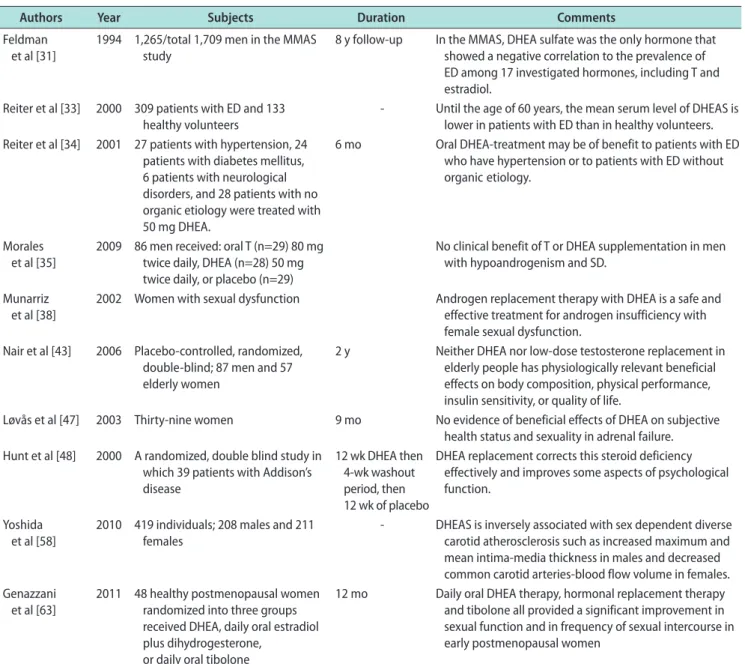
Table 1. Summary of different clinical trials that assessed DHEA in ED and other conditions
Authors Year Subjects Duration Comments
Feldman et al [31]
1994 1,265/total 1,709 men in the MMAS study
8 y follow-up In the MMAS, DHEA sulfate was the only hormone that showed a negative correlation to the prevalence of ED among 17 investigated hormones, including T and estradiol.
Reiter et al [33] 2000 309 patients with ED and 133 healthy volunteers
- Until the age of 60 years, the mean serum level of DHEAS is lower in patients with ED than in healthy volunteers.
Reiter et al [34] 2001 27 patients with hypertension, 24 patients with diabetes mellitus, 6 patients with neurological disorders, and 28 patients with no organic etiology were treated with 50 mg DHEA.
6 mo Oral DHEA-treatment may be of benefit to patients with ED who have hypertension or to patients with ED without organic etiology.
Morales et al [35]
2009 86 men received: oral T (n=29) 80 mg twice daily, DHEA (n=28) 50 mg twice daily, or placebo (n=29)
No clinical benefit of T or DHEA supplementation in men with hypoandrogenism and SD.
Munarriz
et al [38] 2002 Women with sexual dysfunction Androgen replacement therapy with DHEA is a safe and effective treatment for androgen insufficiency with female sexual dysfunction.
Nair et al [43] 2006 Placebo-controlled, randomized, double-blind; 87 men and 57 elderly women
2 y Neither DHEA nor low-dose testosterone replacement in elderly people has physiologically relevant beneficial effects on body composition, physical performance, insulin sensitivity, or quality of life.
Løvås et al [47] 2003 Thirty-nine women 9 mo No evidence of beneficial effects of DHEA on subjective health status and sexuality in adrenal failure.
Hunt et al [48] 2000 A randomized, double blind study in which 39 patients with Addison’s disease
12 wk DHEA then 4-wk washout period, then 12 wk of placebo
DHEA replacement corrects this steroid deficiency effectively and improves some aspects of psychological function.
Yoshida
et al [58] 2010 419 individuals; 208 males and 211
females - DHEAS is inversely associated with sex dependent diverse
carotid atherosclerosis such as increased maximum and mean intima-media thickness in males and decreased common carotid arteries-blood flow volume in females.
Genazzani
et al [63] 2011 48 healthy postmenopausal women randomized into three groups received DHEA, daily oral estradiol plus dihydrogesterone,
or daily oral tibolone
12 mo Daily oral DHEA therapy, hormonal replacement therapy and tibolone all provided a significant improvement in sexual function and in frequency of sexual intercourse in early postmenopausal women
DHEA: dehydroepiandrosterone, ED: erectile dysfunction, MMAS: Massachusetts Male Aging Study, DHEAS: DHEA and DHEA sulfate, T: testoster- one, SD: sexual dysfunction.
men with ED, may either be an etiologic factor for ED or a negative consequence of it. However, patients treated with DHEA had a statistically significant in- crease in all domains of the IIEF in contrast to the placebo group. Interestingly, the serum DHEAS levels increased significantly after sildenafil citrate treat- ment in the ED group (especially in patients younger than 50 years). Also, patient age was an important fac- tor affecting the sildenafil citrate response [42].
The first clinical effects were reported after 8 weeks of DHEA treatment and a remarkable improvement in maintaining the erection after 16 weeks. Prostate volume, postvoid residual, prolactin and PSA were not significantly changed after DHEA therapy [34]. Despite the evidence that has questioned the validity of im- provement in sexual function when treatment relied solely on DHEA administration [43], several previous studies had demonstrated the usefulness of DHEA in treating sexual dysfunction associated with testoster- one or DHEA deficiency [34]. A nice explanation of that effect was demonstrated as both testosterone and DHEA are considered central neurosteroids and have been found to modulate endothelial function, which ul- timately influence libido and penile erections [44]. Sev- eral studies on other organs support the protective role of DHEA and DHEAS i.e., reduction of vascular steno- sis in heterotopic heart transplants [45]. Because there is also some experimental evidence for direct effects on the brain, the possibility of a central effect of DHEA might be evident. An interesting mechanism that could better define the role of DHEA in sexual performance is that administration of DHEA results in biosynthesis of active androgens by tissue targets without represen- tation in the peripheral circulation [10].
Although experimental studies had demonstrated that DHEA has direct genomic and nongenomic ef- fects on the vascular endothelium, however its clinical effect as a facilitator of penile erections is not evident [46]. Most of the literature had not confirmed the role of DHEA in the field of sexual medicines [43,47]. Addi- tionally, other studies questioned the concept of DHEA as a neurosteroid with a central putative effect on libi- do [48], although this hormone had been found to influ- ence self-esteem and mood in younger individuals [49].
Furthermore, the evidence-based studies supporting an anti-aging, anti-inflammatory, antiatherosclerotic ac- tions, and antidepressant effect of DHEA supplemen- tation are often poor [50,51] (Table 1).
DEHYDROEPIANDROSTERONE DECLINE AND AGE-RELATED DISORDERS
Although the underlying mechanism of organic ED in both middle-age and older men is basically the same, the middle-aged men’s ED is assumed to have some dif- ference from older men’s ED [52]. The relation between biological, psychosocial, and lifestyle factors in terms of the age-related increase in ED seems to be best explained by their concomitant influence on general health [53]. This notion is supported by the recent re- sults, which indicate that perceived general health, as a proxy of general health, is associated with a buffered age-related increase in ED [7,54].
Reduction of DHEA with aging is clinically relevant and has been related to a variety of age-related condi- tions [54]. A positive relationship between diminution of DHEA levels and decline in muscle mass, muscle strength, as well as mobility and a higher risk for falls, has been reported with aging [55,56]. The relationship between DHEA levels and cardiovascular risk factors such as dyslipidemia and hyperglycemia are inconsis- tent [54]. Nevertheless, studies have shown that low DHEA levels are related to a higher risk for athero- sclerosis, heart failure, cardiovascular complications, and overall mortality [57-59]. A meta-analysis of endog- enous DHEA on cardiovascular disease risk indicates the variations in metabolic effects of DHEA and sug- gests inconsistency in the positive effects of DHEA on cardiovascular disease [60].
The relationship between low level of DHEA and mood disorders and depression symptoms were more obvious in the literature [61]. Furthermore, DHEA supplementation has shown positive effects on mood as well as sexual function both for men and for women [62,63].
Increased DHEA concentrations under hypoglycemic conditions denotes stimulation of the hypothalamic- pituitary-adrenal axis on hypoglycemic stress. There- fore, decline of androgen may have deleterious effects on glycemic control and ultimately therapeutic effect in type 2 diabetes mellitus (DM).
In one of our previous studies, we have assessed the pattern of type-2 DM-associated androgen alteration in patients with ED. We have shown that there were significant associations between low levels of total tes- tosterone or DHEAS and poor control of DM [64]. Fur-
thermore, in a consequent study we have demonstrated that there were significant associations between good control of DM, decreased fasting blood sugar, and achievement of normal levels of testosterone at 3- and 6-month follow-up visits. However, no significant as- sociations were detected between controls of DM or de- creased fasting blood sugar and change in DHEAS and insulin levels [65]. In addition, administration of testos- terone to hypogonadal men improves insulin sensitiv- ity and glucose homeostasis [66]. Earlier study reported no significant linear correlations between total or free testosterone with fasting plasma glucose; however, total testosterone was negatively correlated with glyco- sylated hemoglobin levels [67]. Among other research- ers, we expanded the current knowledge regarding, the percentage of patients with type 2 DM with subnormal levels of total testosterone or DHEAS is much higher than that observed with subnormal levels of these androgen in patients without DM. Further study had shown that the existence of chronic diseases subtracts 10% to 15% from the values of androgens found in men without chronic diseases [68]. Other study had shown also, no positive effects on erectile function were found when conditions such as diabetes or neurological disor- ders were present [34].
The mechanisms of androgen alteration in men with DM have not been completely discovered. It has been shown that androgen deficiency in type 2 DM is com- monly associated with hypogonadotropic hypogonadism [67]. A more recent study showed that in middle-aged pre-diabetic men, the more severe lower urinary tract symptoms were associated with low total testosterone and DHEAS, while in elderly men were associated with low free testosterone and DHEAS [69].
FUTURE THERAPEUTIC SUPPLEMENTATION OF
DEHYDROEPIANDROSTERONE
DHEA has gained a lot of attention and media inter- est as a dietary supplement and sold over the counter in some countries as in the USA. In Europe, it is either forbidden as in France or subjects to medical prescrip- tion as in Switzerland. Since long time, alleviation of aging consequences was a dream to obtain durable and healthy life and to sustain a better quality of life.
DHEA is recently proposed as an antiaging medicine and is considered as a “fountain of youth” hormone.
As DHEA is claimed to have several positive effects on age-related disorders. It would be theoretically trans- formed according to local and general hormone needs.
As a potential future therapy, DHEA supplementa- tion in specific indications such as osteoporosis, mood and cognitive disorders, sexual well-being and reha- bilitation protocols, needs to be better studied in more prospective multicenter and larger studies. We believe that the route to achieve an ideal antiaging supple- mentation, which should be readily available, effective and safe, is still long. Therefore, physicians prescribing DHEA should consider and inform their patients of the fact that long-term effects not only concerning ef- ficiency, but also safety, remains uncertain [70].
CONCLUSIONS
Several studies had demonstrated that DHEA level is declined as a part of aging. It is not yet clear whether this decline should be considered as a physi- ologic reflection of the aging process or whether active administration of DHEA might help to prevent and treat age-related disorders. Furthermore, large-scale well-designed prospective studies are warranted to bet- ter define indications and therapeutic implications of DHEA in men with ED [71,72].
Disclosure
The authors have no potential conflicts of interest to disclose.
Author Contribution
Review conception & design: El-Sakka AI. Data acquisition:
El-Sakka AI. Data interpretation: El-Sakka AI. Drafting of the manuscript: El-Sakka AI. Critical revision of the manuscript: El- Sakka AI. Approval of final manuscript: El-Sakka AI.
REFERENCES
1. Orentreich N, Brind JL, Rizer RL, Vogelman JH. Age changes and sex differences in serum dehydroepiandrosterone sulfate concentrations throughout adulthood. J Clin Endocrinol Metab 1984;59:551-5.
2. Genazzani AD, Lanzoni C, Genazzani AR. Might DHEA be considered a beneficial replacement therapy in the elderly?
Drugs Aging 2007;24:173-85.
3. Gurnell EM, Chatterjee VK. Dehydroepiandrosterone re-
placement therapy. Eur J Endocrinol 2001;145:103-6.
4. Johnson MD, Bebb RA, Sirrs SM. Uses of DHEA in aging and other disease states. Ageing Res Rev 2002;1:29-41.
5. Morales AJ, Nolan JJ, Nelson JC, Yen SS. Effects of replace- ment dose of dehydroepiandrosterone in men and women of advancing age. J Clin Endocrinol Metab 1994;78:1360-7.
6. El-Sakka AI, Hassoba HM. Age related testosterone depletion in patients with erectile dysfunction. J Urol 2006;176:2589-93.
7. Walther A, Mahler F, Debelak R, Ehlert U. Psychobiologi- cal protective factors modifying the association between age and sexual health in men: findings from the men’s health 40+
study. Am J Mens Health 2017;11:737-47.
8. Pastuszak AW, Moon YM, Scovell J, Badal J, Lamb DJ, Link RE, et al. Poor sleep quality predicts hypogonadal symptoms and sexual dysfunction in male nonstandard shift workers.
Urology 2017;102:121-5.
9. Baulieu EE. Dehydroepiandrosterone (DHEA): a fountain of youth? J Clin Endocrinol Metab 1996;81:3147-51.
10. Labrie F, Bélanger A, Cusan L, Candas B. Physiological chang- es in dehydroepiandrosterone are not reflected by serum lev- els of active androgens and estrogens but of their metabolites:
intracrinology. J Clin Endocrinol Metab 1997;82:2403-9.
11. Labrie F, Bélanger A, Luu-The V, Labrie C, Simard J, Cusan L, et al. DHEA and the intracrine formation of androgens and estrogens in peripheral target tissues: its role during aging.
Steroids 1998;63:322-8.
12. Kawano H, Yasue H, Kitagawa A, Hirai N, Yoshida T, Soejima H, et al. Dehydroepiandrosterone supplementation improves endothelial function and insulin sensitivity in men. J Clin En- docrinol Metab 2003;88:3190-5.
13. Williams MR, Dawood T, Ling S, Dai A, Lew R, Myles K, et al. Dehydroepiandrosterone increases endothelial cell prolif- eration in vitro and improves endothelial function in vivo by mechanisms independent of androgen and estrogen recep- tors. J Clin Endocrinol Metab 2004;89:4708-15.
14. Simoncini T, Mannella P, Fornari L, Varone G, Caruso A, Genazzani AR. Dehydroepiandrosterone modulates endothe- lial nitric oxide synthesis via direct genomic and nongenomic mechanisms. Endocrinology 2003;144:3449-55.
15. Liu D, Iruthayanathan M, Homan LL, Wang Y, Yang L, Wang Y, et al. Dehydroepiandrosterone stimulates endothelial proliferation and angiogenesis through extracellular signal- regulated kinase 1/2-mediated mechanisms. Endocrinology 2008;149:889-98.
16. Liu D, Si H, Reynolds KA, Zhen W, Jia Z, Dillon JS. Dehydro- epiandrosterone protects vascular endothelial cells against apoptosis through a Galphai protein-dependent activation of phosphatidylinositol 3-kinase/Akt and regulation of anti-
apoptotic Bcl-2 expression. Endocrinology 2007;148:3068-76.
17. Chen H, Lin AS, Li Y, Reiter CE, Ver MR, Quon MJ. Dehydro- epiandrosterone stimulates phosphorylation of FoxO1 in vas- cular endothelial cells via phosphatidylinositol 3-kinase- and protein kinase A-dependent signaling pathways to regulate ET-1 synthesis and secretion. J Biol Chem 2008;283:29228-38.
18. Trivedi DP, Khaw KT. Dehydroepiandrosterone sulfate and mortality in elderly men and women. J Clin Endocrinol Metab 2001;86:4171-7.
19. Tilvis RS, Kähönen M, Härkönen M. Dehydroepiandros- terone sulfate, diseases and mortality in a general aged popu- lation. Aging (Milano) 1999;11:30-4.
20. Liu D, Dillon JS. Dehydroepiandrosterone activates endothe- lial cell nitric-oxide synthase by a specific plasma membrane receptor coupled to Galpha(i2,3). J Biol Chem 2002;277:
21379-88.
21. Williams MR, Ling S, Dawood T, Hashimura K, Dai A, Li H, et al. Dehydroepiandrosterone inhibits human vascular smooth muscle cell proliferation independent of ARs and ERs. J Clin Endocrinol Metab 2002;87:176-81.
22. Farrukh IS, Peng W, Orlinska U, Hoidal JR. Effect of dehy- droepiandrosterone on hypoxic pulmonary vasoconstriction:
a Ca(2+)-activated K(+)-channel opener. Am J Physiol 1998;
274:L186-95.
23. Liu D, Dillon JS. Dehydroepiandrosterone stimulates nitric oxide release in vascular endothelial cells: evidence for a cell surface receptor. Steroids 2004;69:279-89.
24. Lugg JA, González-Cadavid NF, Rajfer J. The role of nitric oxide in erectile function. J Androl 1995;16:2-4.
25. Penson DF, Ng C, Cai L, Rajfer J, González-Cadavid NF. An- drogen and pituitary control of penile nitric oxide synthase and erectile function in the rat. Biol Reprod 1996;55:567-74.
26. Rand MJ, Li CG. Nitric oxide as a neurotransmitter in periph- eral nerves: nature of transmitter and mechanism of trans- mission. Annu Rev Physiol 1995;57:659-82.
27. Penson DF, Ng C, Rajfer J, Gonzalez-Cadavid NF. Adrenal control of erectile function and nitric oxide synthase in the rat penis. Endocrinology 1997;138:3925-32.
28. Oka M, Karoor V, Homma N, Nagaoka T, Sakao E, Golem- beski SM, et al. Dehydroepiandrosterone upregulates soluble guanylate cyclase and inhibits hypoxic pulmonary hyperten- sion. Cardiovasc Res 2007;74:377-87.
29. Lee SY, Myung SC, Lee MY, Kim TH, Kim SC, Kim KD, et al. The effects of dehydroepiandrosterone (DHEA)/DHEA- sulfate (DHEAS) on the contraction responses of the clitoral cavernous smooth muscle from female rabbits. J Sex Med 2009;6:2653-60.
30. Basar MM, Aydin G, Mert HC, Keles I, Caglayan O, Orkun
S, et al. Relationship between serum sex steroids and Aging Male Symptoms score and International Index of Erectile Function. Urology 2005;66:597-601.
31. Feldman HA, Goldstein I, Hatzichristou DG, Krane RJ, McKinlay JB. Impotence and its medical and psychosocial correlates: results of the Massachusetts Male Aging Study. J Urol 1994;151:54-61.
32. Panjari M, Davis SR. DHEA therapy for women: effect on sexual function and wellbeing. Hum Reprod Update 2007;13:
239-48.
33. Reiter WJ, Pycha A, Schatzl G, Klingler HC, Märk I, Auterith A, et al. Serum dehydroepiandrosterone sulfate concentra- tions in men with erectile dysfunction. Urology 2000;55:755- 8.
34. Reiter WJ, Schatzl G, Märk I, Zeiner A, Pycha A, Marberger M. Dehydroepiandrosterone in the treatment of erectile dys- function in patients with different organic etiologies. Urol Res 2001;29:278-81.
35. Morales A, Black A, Emerson L, Barkin J, Kuzmarov I, Day A. Androgens and sexual function: a placebo-controlled, ran- domized, double-blind study of testosterone vs. dehydroepi- androsterone in men with sexual dysfunction and androgen deficiency. Aging Male 2009;12:104-12.
36. Sachs BD, Liu YC. Maintenance of erection of penile glans, but not penile body, after transection of rat cavernous nerves.
J Urol 1991;146:900-5.
37. Shealy CN. A review of dehydroepiandrosterone (DHEA).
Integr Physiol Behav Sci 1995;30:308-13.
38. Munarriz R, Talakoub L, Flaherty E, Gioia M, Hoag L, Kim NN, et al. Androgen replacement therapy with dehydroepian- drosterone for androgen insufficiency and female sexual dys- function: androgen and questionnaire results. J Sex Marital Ther 2002;28 Suppl 1:165-73.
39. Walther A, Ehlert U. Steroid secretion and psychological well- being in men 40+. In: Rice TR, Sher L, editors. Neurobiology of men’s mental health. New York (NY): Nova; 2015;287-322.
40. Zhao SG, Wang JM, Han QF, Li T, Yao HC. Association be- tween sildenafil and inflammation markers/mediators. Int J Cardiol 2015;198:178-9.
41. Morales A, Heaton JP, Carson CC 3rd. Andropause: a misno- mer for a true clinical entity. J Urol 2000;163:705-12.
42. Tekdogan U, Tuncel A, Tuglu D, Basar MM, Atan A. Effect of sildenafil citrate treatment on serum dehydroepiandrosterone sulfate levels in patients with erectile dysfunction. Urology 2006;68:626-30.
43. Nair KS, Rizza RA, O’Brien P, Dhatariya K, Short KR, Nehra A, et al. DHEA in elderly women and DHEA or testosterone in elderly men. N Engl J Med 2006;355:1647-59.
44. Saad F, Hoesl CE, Oettel M, Fauteck JD, Römmler A. Dehy- droepiandrosterone treatment in the aging male: what should the urologist know? Eur Urol 2005;48:724-33.
45. Eich DM, Nestler JE, Johnson DE, Dworkin GH, Ko D, Wechsler AS, et al. Inhibition of accelerated coronary athero- sclerosis with dehydroepiandrosterone in the heterotopic rab- bit model of cardiac transplantation. Circulation 1993;87:261- 9.
46. Bernini G, Versari D, Moretti A, Virdis A, Ghiadoni L, Bar- dini M, et al. Vascular reactivity in congenital hypogonadal men before and after testosterone replacement therapy. J Clin Endocrinol Metab 2006;91:1691-7.
47. Løvås K, Gebre-Medhin G, Trovik TS, Fougner KJ, Uhlving S, Nedrebø BG, et al. Replacement of dehydroepiandrosterone in adrenal failure: no benefit for subjective health status and sexuality in a 9-month, randomized, parallel group clinical trial. J Clin Endocrinol Metab 2003;88:1112-8.
48. Hunt PJ, Gurnell EM, Huppert FA, Richards C, Prevost AT, Wass JA, et al. Improvement in mood and fatigue after de- hydroepiandrosterone replacement in Addison’s disease in a randomized, double blind trial. J Clin Endocrinol Metab 2000;85:4650-6.
49. Achermann JC, Silverman BL. Dehydroepiandrosterone replacement for patients with adrenal insufficiency. Lancet 2001;357:1381-2.
50. Parasrampuria J, Schwartz K, Petesch R. Quality control of dehydroepiandrosterone dietary supplement products. JAMA 1998;280:1565.
51. Thompson RD, Carlson M, Thompson RD, Carlson M. Liq- uid chromatographic determination of dehydroepiandros- terone (DHEA) in dietary supplement products. J AOAC Int 2000;83:847-57.
52. Mola JR. Erectile dysfunction in the older adult male. Urol Nurs 2015;35:87-93.
53. Capogrosso P, Montorsi F, Salonia A. Erectile dysfunction in young patients is a proxy of overall men’s health status. Curr Opin Urol 2016;26:140-5.
54. Samaras N, Samaras D, Frangos E, Forster A, Philippe J. A review of age-related dehydroepiandrosterone decline and its association with well-known geriatric syndromes: is treat- ment beneficial? Rejuvenation Res 2013;16:285-94.
55. Valenti G, Denti L, Maggio M, Ceda G, Volpato S, Bandinelli S, et al. Effect of DHEAS on skeletal muscle over the life span:
the InCHIANTI study. J Gerontol A Biol Sci Med Sci 2004;
59:466-72.
56. Bischoff-Ferrari HA, Orav EJ, Dawson-Hughes B. Additive benefit of higher testosterone levels and vitamin D plus cal- cium supplementation in regard to fall risk reduction among
older men and women. Osteoporos Int 2008;19:1307-14.
57. Feldman HA, Johannes CB, Araujo AB, Mohr BA, Longcope C, McKinlay JB. Low dehydroepiandrosterone and ischemic heart disease in middle-aged men: prospective results from the Massachusetts Male Aging Study. Am J Epidemiol 2001;
153:79-89.
58. Yoshida S, Aihara K, Azuma H, Uemoto R, Sumitomo-Ueda Y, Yagi S, et al. Dehydroepiandrosterone sulfate is inversely associated with sex-dependent diverse carotid atherosclerosis regardless of endothelial function. Atherosclerosis 2010;212:
310-5.
59. Jankowska EA, Biel B, Majda J, Szklarska A, Lopuszanska M, Medras M, et al. Anabolic deficiency in men with chronic heart failure: prevalence and detrimental impact on survival.
Circulation 2006;114:1829-37.
60. Corona G, Rastrelli G, Monami M, Guay A, Buvat J, Sforza A, et al. Hypogonadism as a risk factor for cardiovascular mor- tality in men: a meta-analytic study. Eur J Endocrinol 2011;
165:687-701.
61. Michael A, Jenaway A, Paykel ES, Herbert J. Altered salivary dehydroepiandrosterone levels in major depression in adults.
Biol Psychiatry 2000;48:989-95.
62. Schmidt PJ, Daly RC, Bloch M, Smith MJ, Danaceau MA, St Clair LS, et al. Dehydroepiandrosterone monotherapy in midlife-onset major and minor depression. Arch Gen Psy- chiatry 2005;62:154-62.
63. Genazzani AR, Stomati M, Valentino V, Pluchino N, Pot E, Casarosa E, et al. Effect of 1-year, low-dose DHEA therapy on climacteric symptoms and female sexuality. Climacteric 2011;
14:661-8.
64. El-Sakka AI, Sayed HM, Tayeb KA. Type 2 diabetes-associat-
ed androgen alteration in patients with erectile dysfunction.
Int J Androl 2008;31:602-8.
65. El-Sakka AI, Sayed HM, Tayeb KA. Androgen pattern in patients with type 2 diabetes-associated erectile dysfunction:
impact of metabolic control. Urology 2009;74:552-9.
66. Boyanov MA, Boneva Z, Christov VG. Testosterone supple- mentation in men with type 2 diabetes, visceral obesity and partial androgen deficiency. Aging Male 2003;6:1-7.
67. Dhindsa S, Prabhakar S, Sethi M, Bandyopadhyay A, Chaud- huri A, Dandona P. Frequent occurrence of hypogonadotropic hypogonadism in type 2 diabetes. J Clin Endocrinol Metab 2004;89:5462-8.
68. Feldman HA, Longcope C, Derby CA, Johannes CB, Araujo AB, Coviello AD, et al. Age trends in the level of serum tes- tosterone and other hormones in middle-aged men: longitu- dinal results from the Massachusetts Male Aging Study. J Clin Endocrinol Metab 2002;87:589-98.
69. Rabijewski M, Papierska L, Kuczerowski R, Piątkiewicz P.
Hormonal determinants of erectile dysfunction and lower urinary tract symptoms in middle-aged and elderly men with prediabetes. Aging Male 2015;18:256-64.
70. Samaras N, Papadopoulou MA, Samaras D, Ongaro F. Off- label use of hormones as an antiaging strategy: a review. Clin Interv Aging 2014;9:1175-86.
71. Komesaroff PA. Unravelling the enigma of dehydroepiandros- terone: moving forward step by step. Endocrinology 2008;
149:886-8.
72. El-Sakka AI. Dehydroepiandrosterone and testosterone:
effects on erectile function. In: Watson RR, editor. DHEA (Dehydroepiandrosterone) in human health and aging. Boca Raton (FL): Taylor & Francis Group LLC; 2011;351-62.