Corresponding author: Fauzi, Achmad https://orcid.org/0000-0001-5223-1634
Department of Nursing, STIKES Abdi Nusantara Swadaya, Kubah Putih No.7 RT 001/014 Kelurahan Jatibening Kecamatan Pondok Gede Bekasi, Indonesia.
Tel: +21-86901352, Fax: +21-86905637, E-mail: [email protected] Received: Aug 9, 2020 / Revised: Jan 17, 2021 / Accepted: Feb 5, 2021
This is an open access article distributed under the terms of the Creative Commons Attribution Non-Commercial License (http://creativecommons.org/licenses/
by-nc/3.0), which permits unrestricted non-commercial use, distribution, and reproduction in any medium, provided the original work is properly cited.
ORIGINAL ARTICLE Open Access
The Effect of Intradialytic Stretching Training on Restless Legs Syndrome and Sleep Quality in Hemodialysis Patients
Fauzi, Achmad1 · Triaswati, Rusmai2
1Head of Research and Development, Department of Nursing, STIKES Abdi Nusantara, Indonesia
2Registered Nurse, Department of Nursing, Rumah Sakit Ketergantungan Obat Jakarta, Indonesia
Purpose: Intradialytic exercise could be a cornerstone of management in hemodialysis patients. The aim of this study was to evaluate the effect of intradialytic stretching training on Restless Legs Syndrome (RLS) and sleep quality among patients undergoing hemodialysis. Methods: This 8-week quasi-experimental design study involved adult patients undergoing chronic hemodialysis treatment for at least 3 months at the Drug Dependency Hospital Nephrology Unit in Jakarta. Nineteen participants were listed in each group, so a total of 38 participants were registered. Convenience sampling was used to select respondents. In addition, each respondent was asked to complete the International Restless Legs Syndrome Study Group (IRSSG) rating scale and the Pittsburgh Sleep Quality Index (PSQI). Results:
The majority of respondents were women (55.3%), unemployed (71.1%), with duration of hemodialysis>12 months (55.3%), and having hemoglobin levels less than 10 mg/dl (68.4%). The mean RLS before intervention was 1.74 (Standard Deviation [SD]=0.23) and after intervention, there was significant reduction in RLS score to a mean of 0.42 (SD=0.17) (p<.001). Similarly, mean sleep quality before intervention was 4.02 (SD=2.56) and after intervention, it reduced significantly to a mean of 6.16 (SD=3.18) (p<.001). Conclusion: Intradialytic stretching training could play a significant role in decreasing RLS and improving quality of sleep. Further studies with larger sample sizes and longer periods of intervention are required to validate our results and contribute to better patient outcomes.
Key Words: Intradialytic stretching training; Restless legs syndrome; Quality of sleep; Hemodialysis
INTRODUCTION
Restless Legs Syndrome (RLS) is a common neurologi- cal disorder, and can be primary or associated with other conditions. It is characterized by uncomfortable or abnor- mal sensations in the legs or arms, associated with an urge to move the limbs [1]. The symptoms usually occur at rest and at night, and can be temporarily relieved by move- ment [1]. In the general population, the prevalence of RLS ranges from 3% to 9%, depending on age and gender [2].
However, the prevalence of RLS in End-Stage Renal Dis- ease (ESRD), which is an irreversible dysfunction demand- ing dialysis, is 6.6~70%, much higher than that in the gen- eral population [3]. The appearance of RLS in patients with
ESRD affects quality of life adversely when compared to ESRD patients without RLS, likely due to poor sleep qual- ity, insomnia, or depression [4,5]. Some medications such as dopaminergic and gabapentinoid class drugs have been reported effective in reducing RLS symptoms [6], but many patients are unable to stick to such pharmacological treat- ment because of side-effects such as vomiting, lightheaded- ness, fatigue, and irritability [7,8]. On the other hand, de- spite the facilities, employees, and time needed to com- plete an effective exercise training session, exercise ther- apy has many benefits and few side effects in patients.
Intradialytic exercise is physical exercise that is con- ducted during a hemodialysis session to enhance the strength and flexibility of the patient, thus promoting
specific physical and mental health aspects [9]. The effect of intradialytic exercise is different from resistance or aerobic exercise and stretches, and uses different tools cor- responding to the form of exercise [9]. The Kidney Disease Improving Global Outcomes (KDIGO) guidelines suggest daily exercise in patients with chronic kidney disease (at least 30 min/day, 5 times a week), while also considering their cardiopulmonary conditions and level of tolerance [3]. In addition, the exercise programs for multiple chronic conditions [10] are in accordance with the international Physical Activity (PA) guidance which is 150 min/week of moderate-intensity aerobic intensity [11]. Capitanini et al.
further suggested that exercise routines should be com- prehensively led by healthcare professionals in patients with hemodialysis [5].
Intradialytic exercise has beneficial effects on the gen- eral health and hospital stay of patients with hemodialysis [1,2]. Despite these advantages, few studies have assessed the impact of intradialytic stretching training on the level of RLS and sleep quality in hemodialysis patients, with mixed results [4,9,12-18]. Some studies revealed beneficial effects on solute clearance, especially in relation to uremic RLS, and poor sleep, depression and low quality of life [4,9,12]. The underlying mechanisms include elevated car- diac output and blood circulation to lower limbs, and ca- pillary dilation of blood vessels, leading to the transport of even more solutes to the vascular compartment and the absorption of the dialysate tissue [13]. In addition, Alias- gharpour et al. [19] reported no statistically significant ef- fect in 4 weeks, but significance was seen after 8 weeks of stretching exercises. There is evidence that a 6-month in- tradialytic exercise program was as effective as corre- sponding low-dose dopamine agonist therapy in minimiz- ing RLS symptoms and reducing the level of depression, but only the dopamine agonist substantially improved quality of sleep [14-18]. Therefore, the effectiveness of in- tradialytic stretching training interventions in treating RLS and sleep in hemodialysis patients remains to be confirmed. The aim of this study was to evaluate the effect of intradialytic stretching training on RLS and sleep qual- ity in patients undergoing hemodialysis
METHODS
1. Study DesignThis was a quasi-experimental study over 8 weeks that investigated the effects of intradialytic stretching work- outs. Because of the complexity of the experiment, the re- searchers and dialysis patients could not be blinded from
the intervention groups. The participants were sent for an evaluation of RLS and sleep quality before and after the in- tervention or control periods.
2. Setting and Sample
The study sample involved adult patients undergoing chronic hemodialysis for at least 3 months at the Drug Dependency Hospital Nephrology Unit in Jakarta. In both patient groups, the vascular dialysis control was an arte- riovenous fistula. No patient had engaged in formal ex- ercise classes or regular physical exercise (since nobody was allowed to engage in any physical activity) in the pre- vious 6 months. Exclusion criteria were those with con- straints preventing physical testing, any acute infectious or other inflammatory diseases, current malignancy with the exception of basal cell carcinoma, myocardial infarc- tion or unstable angina over the last twelve months, exist- ing heart or lung failure or liver disease, serious uncon- trolled diabetes, severe retinal diseases such as prolifera- tive diagnosis and retinal hemorrhage, uncontrolled hy- pertension with systolic blood pressure≥200 mmHg and /or diastolic blood pressure≥120 mmHg, musculoske- letal and osteoarticular disorders; or other clinically de- termined conditions.
Sample size was calculated using power analysis, with the assumption of ⍺ for a 5% interval, a test power of 80
%, and effect size of 0.50 for the strength program [1]. The total sample size was estimated to be 13 for each group. In order to prepared for potential dropouts, a total of 19 par- ticipants were recruited for each group, and in total there were 38 participants. A convenience sampling technique was used to select respondents.
We approached the head hemodialysis nurse, to whom we introduced the study purposes, inclusion and exclu- sion criteria, potential benefits, and efforts that would be taken to protect the subjects. The head nurse then inform- ed eligible participants about the study prior to data col- lection. Participants were recruited during their clinical visit for hemodialysis. Subjects who agreed to participate were randomly allocated to the intervention and control groups.
3. Ethical Consideration
The research procedure followed the ethical standards of the Helsinki Declaration, and was accepted by ethical committee of the affiliated university (III/0123/KEPK/
STIKEP/PPNI/JABAR/2019). All patients signed an in- formed consent form and were told that they had the right
to withdraw from the study at any point and for any reason. All the information was anonymized.
4. Instruments
The demographic questionnaire included gender, age, and working status. Clinical information included hemo- globin levels and duration of hemodialysis. In addition, each respondent was asked to complete the International Restless Legs Syndrome Study Group (IRLSSG) rating scale and the Pittsburgh Sleep Quality Index (PSQI). Permission to use these questionnaires was obtained prior to data col- lection.
The RLS was evaluated using the lower-limit clinical definition issued by the IRLSSG [20] comprising of 4 ques- tions: (1) an intense desire to start moving the legs, typi- cally followed or triggered by uncomfortable sensory experiences in the legs; (2) a desire to start moving, or the beginning or aggravation of uncomfortable sensations throughout periods of rest or lack of activity, such as lying down; (3) the urge to move, or unpleasant sensations par- tially or totally relieved by movement such as walking or stretching, as long as the minimal level of activity is con- tinued; and (4) the tendency to move, or uncomfortable sensations partly or entirely reduced by exercise like walk- ing or stretching, as long as the minimal level of action per- sists, but (4) with the attempt to move or the uncomfortable sensation stronger in the evening or perhaps, only occur- ring in the night or evening (1). Respondents with four
"yes" were treated as having RLS. Respondents further performed the IRSSG Severity Scale with ten items to de- termine the severity of RLS symptoms. Patients were cate- gorized into four classes of RLS ratings: mild (0~10), moder- ate (11~20), extreme (21~30), and very serious (31~40). The IRLS was found to have high levels of internal consistency, inter-examiner reliability, test-retest reliability over a 2~4 week period, and convergent validity [21].
The PSQI uses seven sections to assess sleep quality:
subjective sleep quality, sleep latency, sleep length, chron- ic sleep efficiency, occurrence of sleep disruption, use of hypnotic-sedative drugs, and daytime dysfunction [22]. It is a 4-point Likert-type scale ranging from 0 (not at all) to 3
(three or more times a week). Responses to the 19 ques- tions in the PSQI are scaled into seven components, which are totaled to provide a global PSQI score ranging from 0 to 21, with higher scores reflecting worse or poorer sleep quality. Participants with total PSQI scores of~5 were deemed to have sleep problems [22]. The PSQI is a widely used tool in research studies and clinical trials, and has been translated to several languages including Chinese,
Spanish, German, and Hebrew, with comparable reliabil- ity and validity values. Cronbach’s ⍺ was .76 in the cur- rent study.
5. Data collection
The exercise program was monitored twice a week for 8 weeks. Each session was 15 minutes long. We monitored the adherence of patients to the exercise and stretching program, and any symptoms reported during the exercise.
At rest and after training, arterial blood pressure and heart rate were monitored. Intense physical fatigue, chest pain, dizziness, pre-syncope, tachycardia, and hypotension were among the conditions that necessitated interrupting the exercise.
Intradialytic stretching exercises including ankle plan- tar flexion, stretching the gastrocnemius, stretching the soleus, stretching the hamstrings, and stretching the quad- riceps, were offered by trained nurses and researchers.
Intradialytic stretching exercises were done during the third and fourth hours of hemodialysis. Intradialytic stret- ching exercises were conducted with the patients seated or lying down on a dialysis seat or bed.
The control group did not undergo intradialytic stretch- ing training but instead received warm-up exercises. These involved: (1) neck stretching, (2) arm stretching, (3) should- ers up-and-down, and rotation, (4) chest and upper chest stretching, (5) single knee lift, and (6) limb stretch. After the study, the control group was provided with training equi- valent to that of the experimental group.
6. Data Analysis
Data were analyzed by SPSS/WIN version 23. Descrip- tive statistics were used to explain respondents' demo- graphic information, as well as other study variables. The independent t-test and chi-squared test were used to com- pare the demographics of the samples in the intervention and control groups. A paired t-test test was used to eval- uate scores before and after the test, and ANCOVA was used to compare the effect of the intervention in the inter- vention and control groups. Age and pre-test score were considered covariates. A p-value<.05 was considered sig- nificant.
RESULTS
Of the 38 participants who joined this study, 19 were placed in the intervention group and 19 were placed in the control group. The majority of respondents were women
Table 1. Demographic Characteristics of Studied Participants (N=38)
Characteristics Intervention group (n=19) Control group (n=19)
n (%) or M±SD n (%) or M±SD p
Age (year) 44.95±9.37 46.26±11.04 .037
Gender Men
Women
8 (42.1) 11 (57.9)
9 (47.4) 10 (52.6)
.179
Working status .673
Employed 5 (26.3) 6 (31.6)
Unemployed 14 (73.7) 13 (68.4)
Duration of hemodialysis
<12 months
>12 months
9 (47.4) 10 (52.6)
8 (42.1) 11 (57.9)
.372
Hemoglobin <10 mg/dL
>10 mg/dL
14 (73.7) 5 (26.3)
12 (63.2) 7 (36.8)
.054
M=mean; SD=standard deviation.
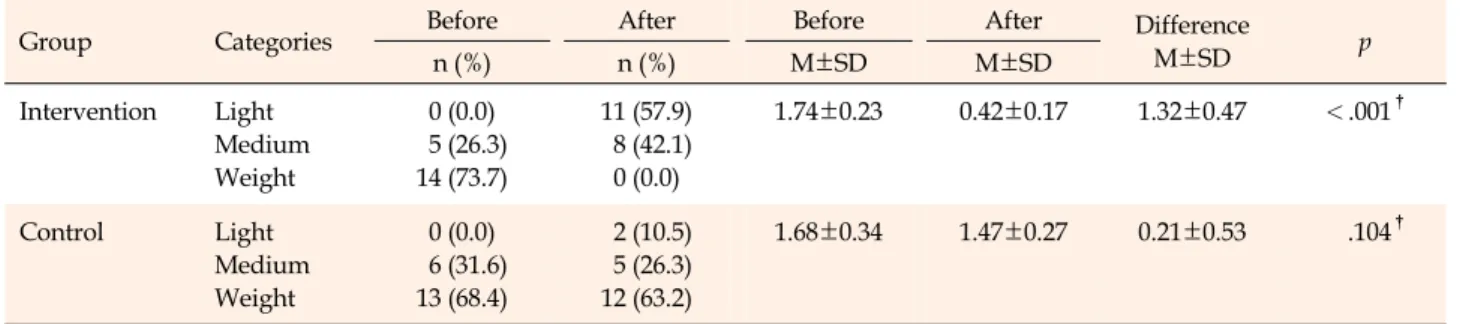
Table 2. Analysis of Restless Leg Syndrome Changes Before and After Intradialytic Stretching Exercise (N=38)
Group Categories Before After Before After Difference
M±SD p
n (%) n (%) M±SD M±SD
Intervention Light Medium Weight
0 (0.0) 5 (26.3) 14 (73.7)
11 (57.9) 8 (42.1) 0 (0.0)
1.74±0.23 0.42±0.17 1.32±0.47 <.001†
Control Light
Medium Weight
0 (0.0) 6 (31.6) 13 (68.4)
2 (10.5) 5 (26.3) 12 (63.2)
1.68±0.34 1.47±0.27 0.21±0.53 .104†
M=mean; SD=standard deviation; †p-value from paired t-test.
Note: p-value of the ANCOVA test was .001. Age and pre-test scores were considered as covariates.
(55.3%), unemployed (71.1%), with duration of hemodial- ysis more than 12 months (95.3%), and hemoglobin levels less than 10 mg/dL (68.4%). The average age of respon- dents in the intervention group was 44.95 years (Standard Deviation [SD]=9.37; range, 29~62 years). The average age of respondents in the control group was 46.26 years (SD=
11.04; range, 29~62 years). There was a significant differ- ent in age distribution between the intervention and con- trol groups (p=.037) (Table 1).
After undergoing intradialytic stretching exercises, about 57.9% of respondent reported light symptoms of RLS, while about 10.5% of control group respondents reported light symptoms of RLS. The mean RLS before interven- tion was 1.74 (SD=0.23) and after intervention, there was significant reduction in RLS with a mean=0.42 (SD=0.17) (p<.001). In the control group, the mean RLS score before intervention was 1.68 (SD=0.34) and after intervention, there was no significant reduction in RLS with a mean=
1.47 (SD=0.27) (p=.104) (Table 2).
About 84.2% of respondents reported good sleep quality after receiving intradialytic stretching exercise, but in the control group, only 21.1% of respondent re- ported good sleep quality. The mean sleep quality before intervention was 4.02 (SD=2.56) and after intervention, there was significant reduction in sleep quality with the mean=6.16 (SD=3.18) (p<.001). In the control group, the mean sleep quality before intervention was 3.90 (SD=1.98) and after intervention, there was no significant reduction in sleep quality with a mean=5.19 (SD=2.17) (p=.042) (Table 3).
DISCUSSION
This study found that intradialytic stretching exercise could reduce RLS. Our finding was consistent with that of a study conducted by Aliasgharpour et al. [19], which re- ported that stretching exercises on patients’ feet in the first hour of dialysis (3 times a week for 8 weeks) effectively re- duced RLS by the end of 6th week. However, no noticeable
Table 3. Analysis of Sleep Quality Changes Before and After Intradialytic Stretching Exercise (N=38)
Group Sleep quality disorder Before After Before After Difference
M±SD p
n (%) n (%) M±SD M±SD
Intervention Good Bad
0 (0.0) 19 (100.0)
16 (84.2) 3 (15.8)
4.02±2.56 6.16±3.18 2.84±1.38 <.001†
Control Good
Bad
0 (0.0) 19 (100.0)
4 (21.1) 15 (78.9)
3.90±1.98 5.19±2.17 2.21±1.42 .042†
M=mean; SD=standard deviation; †p-value from paired t-test.
Note: p-value of the ANCOVA test was .032. Age and pre-test score were considered covariates.
improvement was observed in this analysis from the 6th week up to the end of the 12th week. Eight weeks of ex- ercise may therefore suffice to prove the effectiveness of stretching exercises on the severity of RLS symptoms. In comparison, some researchers such as Ohayon and Roth [23] have shown that fairly intense physical activity before bedtime is significantly correlated with the severity of RLS symptoms. The present study also found that most re- spondents (71.1%) were unemployed and that physical ex- ercise reduces the symptoms, as RLS symptoms appear or worsen with inactivity [23]. Therefore, patients on hemo- dialysis are particularly recommended to avoid intensive physical activities before going to bed. Having a moder- ate, daily exercise program would help reduce symptoms of RLS and we can thus monitor the effectiveness on patients. The exercise regimen is an economical inter- vention with few side effects, and can be performed with- out assistance. By educating patients, nurses can help re- lieve symptoms of RLS and thereby take a meaningful step towards healthcare goals.
Our research found that exercise with intradialytic stretching could improve quality of sleep. Previous sys- tematic review found that exercise in patients undergoing hemodialysis effectively improved sleep quality; how- ever, the type of intervention varied with options such as intradialytic cycling, yoga-based exercises, and aerobic ex- ercise [12]. Numerous strategies explaining the relation- ship between exercise and sleep were suggested. The pro- posed mechanisms involved changes in body temper- atures, changes in neurotransmitter production, enhanced energy usage/metabolism, exhaustion of the brain and nervous system, changes in mental state/symptoms of anxiety, changes in heart rate and variation in pulse rate, growth hormone production, brain-derived neurotropic factor secretion, enhanced fitness level, and changes in body composition [24]. While heavy workouts can ex- acerbate the symptoms of RLS, especially before sleep, and can lead to sleep disturbance and chronic insomnia, mod- erate or light exercises can be beneficial throughout the
day to relieve RLS symptoms. Furthermore, the quality of sleep may be influenced by potential factors such as smok- ing, the use of alcohol or coffee, and psychological factors [25,26]. Furthermore, the probability remains that our find- ings may have been influenced by these specific factors.
However, our approach has not monitored these factors;
therefore, future research is required to identify those fac- tors that may influence the quality of sleep in people un- dergoing hemodialysis.
There was some limitation to this study. Our analysis may have been inadequate to identify major changes in certain variables because of the nature of quasi-experi- ments, and due to the limited sample size. In fact, there was also potential selection bias in that those who agreed to participate in the study may have different character- istics than those who didn’t. Finally, there was a baseline age difference between groups which could have influ- enced our outcomes.
CONCLUSION
In conclusion, this research indicates that intradialytic stretching training could play a significant role in decreas- ing RLS and improving quality of sleep, but further large- scale studies and longer periods of intervention are re- quired to validate our results and contribute to better pa- tient outcomes such as quality of life and death. Nurses should provide education programs on intradialytic stretch- ing, and educate and empower patients during hemodial- ysis exercises in compliance with developed protocol.
CONFLICTS OF INTEREST
The authors declared no conflict of interest.
AUTHORSHIP
Study conception and design - FA and TR; Data collection - TR;
Data analysis and interpretation - FA and TR; Drafting of the ar- ticle - FA and TR; Critical revision of the article - FA.
REFERENCES
1. de Lima MC, Cicotoste CDL, Cardoso KDS, Forgiarini Junior LA, Monteiro MB, Dias AS. Effect of exercise performed dur- ing hemodialysis: strength versus aerobic. Renal Failure. 2013;
35(5):697-704.
https://doi.org/10.3109/0886022X.2013.780977
2. Parker K, Zhang X, Lewin A, MacRae JM. The association be- tween intradialytic exercise and hospital usage among hemo- dialysis patients. Applied Physiology, Nutrition, and Metabo- lism. 2015;40(4):371-8.
https://doi.org/10.1139/apnm-2014-0326
3. Levin A, Stevens PE. Summary of KDIGO 2012 CKD guideline:
behind the scenes, need for guidance, and a framework for moving forward. Kidney International. 2014;85(1):49-61.
https://doi.org/10.1038/ki.2013.444
4. Xu XM, Liu Y, Jia SY, Dong MX, Cao D, Wei YD. Complemen- tary and alternative therapies for restless legs syndrome: an evidence-based systematic review. Sleep Medicine Reviews.
2018;38:158-67. https://doi.org/10.1016/j.smrv.2017.06.003 5. Capitanini A, Lange S, D'Alessandro C, Salotti E, Tavolaro A,
Baronti ME, et al. Dialysis exercise team: the way to sustain ex- ercise programs in hemodialysis patients. Kidney and Blood Pressure Research. 2014;39:129-33.
https://doi.org/10.1159/000355787
6. Scherer JS, Combs SA, Brennan F. Sleep disorders, restless legs syndrome, and uremic pruritus: diagnosis and treatment of common symptoms in dialysis patients. American Journal of Kidney Diseases. 2017;69(1):117-28.
https://doi.org/10.1053/j.ajkd.2016.07.031
7. Molnar MZ, Novak M, Mucsi I. Management of restless legs syndrome in patients on dialysis. Drugs. 2006;66(5):607-24.
https://doi.org/10.2165/00003495-200666050-00003
8. Garcia-Borreguero D, Benitez A, Kohnen R, Allen R. Augmen- tation of restless leg syndrome (Willis-Ekbom disease) during long-term dopaminergic treatment. Postgraduate Medicine.
2015;127(7):716-25.
https://doi.org/10.1080/00325481.2015.1058140
9. Salhab N, Karavetian M, Kooman J, Fiaccadori E, El Khoury CF. Effects of intradialytic aerobic exercise on hemodialysis patients: a systematic review and meta-analysis. Journal of Nephrology. 2019;32:549-66.
https://doi.org/10.1007/s40620-018-00565-z
10. de Souto Barreto P. Exercise for multimorbid patients in pri- mary care: one prescription for all? Sports Medicine. 2017;47 (11):2143-53. https://doi.org/10.1007/s40279-017-0725-z 11. World Health Organization. Global recommendations on physical
activity for health [Internet]. Geneva: Recommendation for Physical Activity; 2010 [cited 2019 March 10]. Available from:
https://www.who.int/dietphysicalactivity/factsheet_recom
mendations/en/
12. Song Y, Hu R, Diao Y, Chen L, Jiang X. Effects of exercise train- ing on restless legs syndrome, depression, sleep quality, and fatigue among hemodialysis patients: a systematic review and meta-analysis. Journal of Pain and Symptom Management.
2018;55(4):1184-95.
https://doi.org/10.1016/j.jpainsymman.2017.12.472
13. van Vilsteren MCBA, de Greef MHG, Huisman RM. The effects of a low-to-moderate intensity pre-conditioning exercise pro- gramme linked with exercise counselling for sedentary hae- modialysis patients in the Netherlands: results of a random- ized clinical trial. Nephrology Dialysis Transplantation. 2005;
20(1):141-6. https://doi.org/10.1093/ndt/gfh560
14. Giannaki CD, Sakkas GK, Karatzaferi C, Hadjigeorgiou GM, Lavdas E, Kyriakides T, et al. Effect of exercise training and dopamine agonists in patients with uremic restless legs syn- drome: a six-month randomized, partially double-blind, pla- cebo-controlled comparative study. BMC Nephrology. 2013;14 (1):194. https://doi.org/10.1186/1471-2369-14-194
15. Kouidi E, Karagiannis V, Grekas D, Iakovides A, Kaprinis G, Tourkantonis A, et al. Depression, heart rate variability, and exercise training in dialysis patients. European Journal of Car- diovascular Prevention and Rehabilitation. 2010;17(2):160-7.
https://doi.org/10.1097/HJR.0b013e32833188c4
16. Ouzouni S, Kouidi E, Sioulis A, Grekas D, Deligiannis A.
Effects of intradialytic exercise training on health-related qual- ity of life indices in haemodialysis patients. Clinical Rehabilita- tion. 2009;23(1):53-63.
https://doi.org/10.1177/0269215508096760
17. Chung YC, Yeh ML, Liu YM. Effects of intradialytic exercise on the physical function, depression and quality of life for haemo- dialysis patients: a systematic review and meta-analysis of randomised controlled trials. Journal of Clinical Nursing. 2017;
26(13-14):1801-13. https://doi.org/10.1111/jocn.13514 18. Giannaki CD, Hadjigeorgiou GM, Karatzaferi C, Maridaki
MD, Koutedakis Y, Founta P, et al. A single-blind randomized controlled trial to evaluate the effect of 6 months of progressive aerobic exercise training in patients with uraemic restless legs syndrome. Nephrology Dialysis Transplantation. 2013;28(11):
2834-40. https://doi.org/10.1093/ndt/gft288
19. Aliasgharpour M, Abbasi Z, Pedram Razi S, Kazemnezhad A.
The effect of stretching exercises on severity of restless legs syndrome in patients on hemodialysis. Asian Journal of Sports Medicine. 2016;7(2):e31001.
https://doi.org/10.5812/asjsm.31001
20. The International Restless Legs Syndrome Study Group. Vali- dation of the international restless legs syndrome study group rating scale for restless legs syndrome. Sleep Medicine. 2003;
4(2):121-32. https://doi.org/10.1016/S1389-9457(02)00258-7 21. Walters A, LeBrocq C, Dhar A, Hening W, Rosen R, Allen R, et
al. Validation of the international restless legs syndrome study group rating scale for restless legs syndrome. Sleep Medicine.
2003;4:121-32.
22. Buysse DJ, Reynolds III CF, Monk TH, Berman SR, Kupfer DJ.
The Pittsburgh Sleep Quality Index: a new instrument for psy- chiatric practice and research. Psychiatry Research. 1989;28(2):
193-213. https://doi.org/10.1016/0165-1781(89)90047-4 23. Ohayon MM, Roth T. Prevalence of restless legs syndrome and
periodic limb movement disorder in the general population.
Journal of Psychosomatic Research. 2002;53(1):547-54.
https://doi.org/10.1016/s0022-3999(02)00443-9
24. Kredlow MA, Capozzoli MC, Hearon BA, Calkins AW, Otto MW. The effects of physical activity on sleep: a meta-analytic review. Journal of Behavioral Medicine. 2015;38(3):427-49.
https://doi.org/10.1007/s10865-015-9617-6
25. Parker KP. Sleep disturbances in dialysis patients. Sleep Medi- cine Reviews. 2003;7(2):131-43.
https://doi.org/10.1053/smrv.2001.0240
26. Kimmel PL, Cukor D, Cohen SD, Peterson RA. Depression in end-stage renal disease patients: a critical review. Advances in Chronic Kidney Disease. 2007;14(4):328-34.
https://doi.org/10.1053/j.ackd.2007.07.007