고련피 추출물의 항암활성
김현우1, 강세찬1,2*
1세명대학교 천연자원의약연구소, 2세명대학교 자연약재과학과
Anti-cancer Activities of Extract from the Bark of Melia azedarach L.
var. japonica Makino
Hyun Woo Kim1 and Se Chan Kang1,2*
1Research Institute for Natural Product and Medicines, Semyung University, Jecheon 390-711, Korea
2Department of Natural Medicine Resources, Semyung University, Jecheon 390-711, Korea
Abstract - In the present study, the anti-cancer activity of 80% ethanol extracts from 120 kinds of medicinal herbs and native plants were investigated. Among them, the barks of Melia azedarach L. var. japonica Makino showed the highest cytotoxicity in HCT-15 human colon cancer cell. With this result, we carried out hollow fiber (HF) assay and anti-metastasis study to confirm the anti-cancer effects of M. azedarach var. japonica. In MTT assay, M. azedarach var.
japonica.inhibited the proliferation of HCT-15 cells in dose-dependent manner. HF assay was carried out using A549 human adenocarcinoma cell, HCT-15 and SK-Hep1 human liver cancer cell via intraperitoneal (IP) and subcutaneous (SC) site. As a results, SK-Hep1 implanted in IP site showed the highest cytotoxicity. The result from metastatic model using B16/BL6 mouse corresponded to that of HF assay. These results suggest that the ethanol extract from M. azedarach var. japonica. might have a potent anti-cancer activity and advanced study is needed for the development of novel natural anti-cancer drug.
Key words -Anti-cancer, human cancer cell, HF assay, metastasis, Melia azedarach L. var. japonica Makino
*교신저자(E-mail) : [email protected]
서 언
암을 포함한 각종 성인병은 식생활 습관의 변화와 평균 수명의 연장으로 증가 추세에 있으며, 이에 따른 치료제 개 발 연구가 활발히 진행중이다(Boyd and Nash, 1989;
Baguley et al., 1981; Geran et al., 1977; Thayer et al., 1971). 이 중 암은 세계적으로 심장 질환 다음으로 높 은 사망율을 가진 질병으로 최근 우리나라의 경우에도 사 망률 순위를 구성비로 보면 암으로 인한 사망률이 매우 높 다. 이러한 이유로 최근 식이와 관련된 암의 원인 물질을 검색하는 연구 뿐 아니라 식생활에서 섭취하는 식품 중 항 암제로 이용하기 위한 물질 탐색 연구도 활발히 진행되고 있다(Miyazaki and Nishijima, 1981). 특히 우리나라의 경우, 200 여종의 한방 생약재가 암 환자에게 처방되고 있
음이 통계적으로 보고되었고(Hong, 1972; Cha, 1977), 여 러 종의 한약재(Hwang et al., 1982)와 마늘(Son and Hwang, 1990), 인삼(Hwang and Oh, 1984) 및 도라지 (Lee et al., 1998) 등에서 항암 작용이 있는 것으로 보고 되고 있다.
고련피는 멀구슬나무 (Melia azedarach L. var.
japonica Makino)의 수피 또는 근피로서 한국, 중국 및 일 본이 원산지로 고련피로부터 분리된 beta-dihydroagarofuran 이 구충 및 살충작용을 나타냄이 보고된 바 있으며 (Cespedes et al., 2001), 고련피의 열수 및 에탄올 추출물 에 대한 항말라리아작용(Ofulla et al., 1995), SD계 자웅 랫드에서 고련피 추출물의 피임작용(Keshri et al., 2003), 항균작용(Khan et al., 2001), 항암작용(Takeya et al., 1996a; Takeya et al., 1996b; Itokawa et al., 1995)등이 보고된바 있다. 또한, 고련피의 에탄올 추출물 이 iNOS를 억제하며, beta-carboline alkaloid류가
Raw264.7 세포주에서 iNOS를 억제하여 항염증작용(Lee et al., 2000; Kwon et al., 1999)이 있는 것으로 알려져 있으며 정장약, 조충구제약 및 말라리아열 치료에 이용되 고 있다. 특히, 항암작용에 있어서 Takeya 등 (1996a;
1996b)은 고련피의 trichilin-type limonoid류 및 azadirachtin-type limonoid류가 HeLa 및 P388 세포주 에 세포독성을 나타낸다고 보고한 바 있다.
본 연구에서는 120 종의 한약재 및 자생식물의 에탄올 추출물을 이용하여 세포 독성을 검색한 결과 가장 높은 활성 을 가진 고련피 추출물에 대하여 대장암 세포주를 이용한 3-(4,5-Dimethylthiazol-2-yl)-2,5-diphenyltetrazol ium bromide (MTT) assay법, 폐암, 대장암 및 간암 세포 주를 이용한 hollow fiber (HF) assay법 및 B16/BL6 mouse를 이용한 in vivo metastasis 모델에서 항암 효과 를 평가하고자 하였다.
재료 및 방법
재료 및 에탄올 추출
본 연구에 사용된 시료는 (주)이수제약 (제천, 충북)의 GMP시설에서 가공된 고련피 표준한약재의 수피이며, 증 류수로 2~3회 수세한 뒤 물기를 제거하여 음지에서 건조 한 후 마쇄기로 분쇄하여 80% 에탄올 추출을 수행하여 시 료(세명대학교 천연물라이브러리 SMT-12)로 사용하였다.
추출물은 rotary evaporator를 이용하여 40±1℃ 범위 내 에서 감압 농축하여 실험에 사용하였다. 배지는 RPMI 1640 및 DMEM 배지(PAA)에 10% fetal bovine serum과 penicillin-streptomycin 혼합용액을 첨가하여 사용하였 으며, penicillin-streptomycin 혼합용액은 penicillin (10,000 units/㎖)과 streptomycin(10 ㎎/㎖)의 혼합액 (Gibco)을 배지에 100배 희석하여 사용하였다. MTT 염색 용액은 PBS(phosphate buffered saline)에 녹여 사용하 였다. MTT, HF 및 metastasis 시험에 사용한 대장암 (HCT-15; CCL-225), 간암(SK-Hep1; HTB-52), 폐암 (A549; CCL-185) 및 흑색종(B16-F10; KCLB80008) 세 포주는 ATCC에서 분양받아 사용하였다. HF assay 및 생 체내(in vivo) 시험에 사용한 동물은 중앙실험동물에서 구 입한 B16-BL6와 누드 마우스이며, 시험개시전 최소 1주간 실험사육환경에 적응시킨 후 사용하였으며, 사육실 내의 온도는 22±3℃, 상대습도는 55±5%로 조절하고 조명은
12시간 명암 주기가 되도록 하였다.
MTT 분석
고련피 추출물에 의한 농도 의존적 세포생육의 저해효과 는 MTT 방법(Denizot와 Rita, 1986)을 변형하여 분석하 였다. 대장암 세포를 5 x 10⁴ cells/㎖의 농도가 되도록 계 수한 후 96 well microplate에 100 ㎕/well씩 분주하고 37℃, 5% CO2 세포배양기에서 12시간 배양하여 세포를 부 착시킨 다음 배지를 제거한 후 새로운 배지를 99 ㎕씩 첨 가한 후 10, 5, 2.5 ㎎/㎖ 및 625 ㎍/㎖ 농도의 시료를 1
㎕씩 첨가하였다. 이와 같이 시료가 첨가된 well plate를 24 시간 동안 배양시킨 후, MTT 용액을 각 well당 10 ㎕ 씩 넣고 세포 배양기에서 4시간 동안 반응시킨 후, MTT 용 액을 제거하고 DMSO 100 ㎕를 첨가하여 세포를 용해시켜 microplate reader를 이용하여 590 ㎚에서 흡광도를 측 정하였다.
HF assay
고련피 추출물에 의한 마우스 체내에서의 암세포 생육 저해효과 시험은 HF assay 방법(Bridges et al., 2006)을 변형하여 실시하였다. Yellow tip을 이용하여 간암, 대장 암 및 폐암 세포주를 1 x 10⁵ cells/㎖의 농도가 되도록 계 수하여 implant membrane 내에 loading한 후 sealing하 였다. 이식 전에 membrane을 6-well plate에 넣어 정상 조건하에서 12 시간 동안 in vitro 배양한 후 누드 마우스 의 복강과 피하 조직에 각각 이식하였다. 이식 후 3일 이후 부터 고련피 추출물을 100 ㎎/㎏의 농도로 1주일간 경구 투여한 다음 마우스를 경추탈골하여 희생시킨 후 membrane을 마우스에서 제거하여 외부에 묻어 있는 조직 을 씻어낸 후 membrane을 옮겨 37℃에서 30분간 안정화 시킨 후 MTT 용액이 들어있는 배지 1 ㎖을 첨가하여 37℃
에서 4시간 동안 배양하였다. 배양 후 2.5% protamine sulfate가 들어있는 saline으로 membrane을 세척하고 4℃에서 O/N 반응시킨 다음 saline을 제거하고 다시 2.5% protamine sulfate/saline을 2㎖ 첨가한 뒤 4℃에 서 4시간 동안 반응시켰다. Membrane을 24-well plate 로 옮긴 후, membrane을 반으로 자른 후 O/N 건조시킨 다음 DMSO를 250 ㎕ 넣은 후 실온에서 4시간 동안 흔들 어준 후 microplate reader를 이용하여 590 nm에서 흡광 도를 측정하였다.
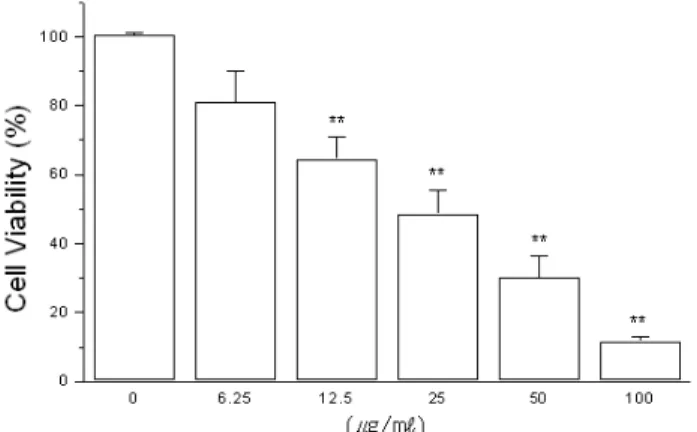
Fig. 1. Inhibitory effect on cell survival by ethanol extract from M. azedarach var. japonica in HCT-15 cells. Data represented Mean ± SE, **; significantly different from vehicle control (p <
0.01).
In vivo 항암 효과
마우스 흑색종 세포주인 B16-F10은 2.5 x 10⁶ cells/㎖
의 농도가 되도록 계수하여 B16/BL6 마우스에 200 ㎕씩 정맥주사하여 전이암 모델을 제작하였다. 전이 유발 후 다 음날부터 고련피 추출물을 100 ㎎/㎏의 농도로 2주일간 경구투여한 다음 마우스를 경추탈골하여 희생시킨 후 폐를 적출하여 암세포 집락수를 측정하였다.
결과 및 고찰
암세포 성장 억제에 미치는 고련피 추출물의 영향 고련피 에탄올 추출물의 항암효과를 조사하기 위해 MTT assay 방법을 이용하여 추출물을 처리하지 않은 용매 대조구와 비교하여 암세포 성장 억제 효과를 확인하였다.
대장암 세포주에 고련피 추출물을 처리하였을 때 농도 의 존적으로 생존율이 감소하였으며 22.8 ㎍/㎖에서 50%의 생존율을 나타내었다(Fig. 1).
HF assay를 이용한 고련피 추출물의 암세포 증식 효과 HF assay는 암세포의 증식율 변화를 in vivo 상에서 단 기간에 확인할 수 있는 방법으로 전이암 및 고형암 모델 실 험을 수행하기 전 실시할 경우, MTT나 sulforhodamine B(SRB) assay와 같은 in vitro 연구 결과보다 높은 신뢰도 를 가지는 시험 방법이다(Bridges et al., 2006; Holbeck, 2004; Hollingshead et al., 1995; Plowman et al., 1999; Casciari et al., 1994). 본 연구에서는 대장암, 간
Con Treat Con Treat
0 20 40 60 80 100 120
A
*
SC IP
Cell Viability (%)
HCT-15
Con Treat Con Treat
0 20 40 60 80 100 120
B
*
**
SC IP
Cell Viability (%)
SK-Hep1
Con Treat Con Treat
0 20 40 60 80 100 120
C
IP SC
Cell Viability (%)
A549
Fig. 2. Inhibitory effect on cell proliferation by ethanol extract from M. azedarach var. japonica in HCT-15 (A), SK-Hep1 (B) and A549 (C) using HF assay. IP; intraperitoneal site implantation, SC; subcutaneous implantation. Data represented Mean ± SE, *; significantly different from vehicle control (p < 0.05), **; significantly different from vehicle control (p < 0.01).
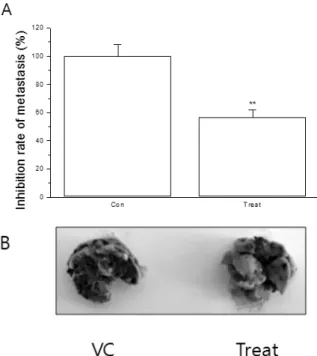
Fig. 3. Anti-metastatic effect of ethanol extract from M.
azedarach var. japonica by PO for 2 weeks. VC; Vehicle control, Treat; 100 ㎎/㎏
고련피 추출물의 in vivo 항암 효과
고련피 추출물의 in vitro 시험과 병행하여 in vivo 시험 을 실시하였다. B16/BL6 마우스를 이용한 전이암 모델에 대한 고련피의 효과는 용매대조군에 비해 유의성 있는 수 준으로 높은 전이 억제율을 보였으며, 이는 in vitro 시험 의 결과와 일치하며 이후 고형암 모델을 이용한 시험 및 기 존의 항암제와의 단독/병용 항암 효과 확인이 필요하다고 생각된다(Fig. 3). 현재까지 고련피로부터 beta-carboline alkaloid류 (Lee et al., 2000)의 항염작용이 밝혀진 바 있 으며, trichilin-type 및 azadirachtin-type limonoid류 로부터 HeLa 및 P388 암세포주에 대한 세포독성 (Takeya et al., 1996a; 1996b)이 보고된 바 있다. 따라서, 본 연구 의 결과 기존의 암세포주외에 타 고형암 세포주에 대한 항 암효과가 나타나, 본 연구실에서는 고련피 추출물로부터 용매분획을 실시하고 이로부터 유효성분의 규명 및 작용기 전을 밝힘으로써 자원식물로부터 새로운 항암제의 개발을 위한 노력을 경주하고 있다.
인용문헌
Baguley, B.C. and Nash, R. 1981. Antitumour activity of
substituted 9-anilinoacridines-comparison of in vivo and in vitro testing systems. Eur. J. Cancer 17:671-679.
Boyd, M.R. 1989. Status of the NCI preclinical antitumor drug discovery screen. Principles and Practice of Oncology 3:1-12.
Bridges, E.M., Bibby, M.C. and Burchill, S.A. 2006. The hollow fiber assay for drug responsiveness in the ewing's sarcoma family of tumors. J. Pediatr. 149:103-111.
Casciari, J.J., Hollingshead, M.G., Alley, M.C., Mayo, J.G.
and Malspeis, L. 1994. Growth and chemotherapeutic response of cells in a hollow-fiber in vitro solid tumor model. J. Natl. Cancer Inst. 86:1846-1852.
Céspedes, C.L., Alarcón, J., Aranda, E., Becerra, J. and Silva, M. 2001. Insect growth regulator and insecticidal activity of beta-dihydroagarofurans from Maytenus spp.
(Celastraceae). Z. Naturforsch C. 56:603-613.
Cha, S.M. 1977. Potential anticancer medicinal plants. A statistical evaluation of their frequencies of appearance in oriental medicine formularies. Kor. J. Pharmacogn.
8:1-15.
Denizot, F. and Lang, R. 1986. Rapid colorimetric assay for cell growth and survival. Modifications to the tetrazolium dye procedure giving improved sensitivity and reliability.
J. Immunol. Methods 89:271-277.
Geran, R.I., Greenberg, N.H., Macdonald, M.M. and Abbott, B.J. 1977. Modified protocol for the testing of new synthetics in the L1210 lymphoid leukemia murine model in the DR&D program, DCT, NCI. Natl. Cancer Inst.
Monogr. 45:151-153.
Holbeck, S.L. 2004. Update on NCI in vitro drug screen utilities. Eur. J. Cancer 40:785-793.
Hollingshead, M.C., Alley, M.C., Camalier, R.F., Abbot, B.J. and Mayo, J.G. 1995. In vivo cultivation of tumor cells in hollow fibers. Life Sci. 57:131-141.
Hong, M.H. 1972. Statistical studies on the formularies of oriental medicine(1) prescription frequency and their origin distribution of herb drugs. Kor. J. Pharmacogn.
3:57-64.
Hwang, W.I., Lee, S.D. and Oh, S.K. 1982. A study on the pharmacological activities of Korean medicinal herbs mamly on the antitumor activities (in Korean). Kor.
Biochem. J. 15:205-219.
Hwang, W.I. and Oh, S.K. 1984. Effects of petroleum ether extract of ginseng root on same enzyme activity in human colon cancer cells. Kor. J. Ginseng Sci. 8:153-166.
Itokawa, H., Qiao, Z.S., Hirobe, C. and Takeya, K. 1995.
Cytotoxic limonoids and tetranortriterpenoids from Melia azedarach. Chem. Pharm. Bull. 43:1171-1175.
Keshri, G., Lakshmi, V. and Singh, M.M. 2003. Pregnancy interceptive activity of Melia azedarach Linn. in adult female Sprague-Dawley rats. Contraception 68:303-306.
Khan, M.R., Kihara, M. and Omoloso, A.D. 2001.
Antimicrobial activity of Horsfieldia helwigii and Melia azedarach. Fitoterapia 72:423-427.
Kwon, H.C., Lee, B.G., Kim, S.H., Jung, C.M. and Hong, S.Y. 1999. Inducible nitric oxide synthase inhibitors from Melia azedarach var. japonica. Arch. Pharm. Res.
22:410-413.
Lee, B.G., Kim, S.H., Zee, O.P., Lee, K.R. and Lee, H.Y.
2000. Suppression of inducible nitric oxide synthase expression in RAW 264. 7 macrophages by two beta-carboline alkaloids extracted from Melia azedarach.
Eur. J. Pharmacol. 406:301-309.
Lee, J.Y., Hwang, W.I. and Lim, S.T. 1998. Effects of Platycodon grandiflorum DC. extract on the growth of cancer cell lines. Kor. J. Food Sci. Technol. 30:13-21.
Miyazaki, T. and Nishijima, M. 1981. Studies on fungal polysaccharides. XXVII. Structural examination of a water-soluble, antitumor polysaccharide of Ganoderma
lucidum. Chem. Pharm. Bull. 29:3611-3616.
Ofulla, A.V., Chege, G.M., Rukunga, G.M., Kiarie, F.K.
and Githure, J.I. 1995. In vitro antimalarial activity of extracts of Albizia gummifera, Aspilia mossambicensis, Melia azedarach and Azadirachta indica against Plasmodium falciparum. Afr. J. Health Sci. 2:309-311.
Plowman, J., Camalier, R., Alley, M., Sausville, E. and Schepartz, S. 1999. US NCI testing procedures. In: Fiebig H-H, Burger AM, editors. Contributions in oncology:
relevance of tumour models for anticancer drug development. Basel: Karger pp. 121-135.
Son, H.S. and Hwang, W.I. 1990. A study on the cytotoxic activity of garlic (Allium sativum) extract against cancer cells (in Korean). Kor. J. Nutrition 23:135-147.
Takeya, K., Quio, Z.S., Hirobe, C. and Itokawa, H. 1996a.
Cytotoxic trichilin-type limonoids from Melia azedarach.
Bioorg. Med. Chem. 4:1355-1359.
Takeya, K., Qiao, Z.S., Hirobe, C. and Itokawa, H. 1996b.
Cytotoxic azadirachtin-type limonoids from Melia azedarach. Phytochemistry 42:709-712.
Thayer, P.S., Himmelfarb, P. and Watts, G.L. 1971.
Cytotoxicity assays with L1210 cells in vitro: comparison with L1210 in vivo and KB cells in vitro. Cancer Chemother. Rep. 2:21-25.
(접수일 2009.6.15; 수락일 2009.7.20)