INTRODUCTION
Acute myocardial infarction (AMI) is a leading cause of death in Korea. The incidence of AMI is increasing
and the number of deaths from this disease has in- creased more than six times during the last decade (Korea National Statistical Office, 2002). Due to the rapid process of the disease, most of the deaths from AMI occur in the early stage of this disease.
Responses to Symptoms of Acute Myocardial Infarction: Reasons for Delay and
Bystanders’Role
Debra K. Moser, DNSc, RN, Kyungeh An, RN, PhD2
1. University of Kentucky,
2. Ewha Women’s University, Seoul Korea
Corresponding author: Kyungeh An, PhD, RN, Ewha Woman’s University, College of Nursing Science 11-1 Daehyun-dong, Seodaemun-gu, Seoul 120-750, Korea
Tel: 82-2-3277-3926 Fax: 82-2-3277-2850
This study was supported by the New Faculty Research Grant E00180, funded by the Korean Research Foundation.
Received August 22, 2002 ; Accepted December 5, 2002
Significance of the study. Acute myocardial infarction (AMI) is a major cause of death in Korea. Delay in seek- ing treatment may cause unnecessary exacerbation of the disease and early mortality from AMI. Patients¡fl recognition of symptoms of an AMI and response to those symptoms may influence the delay time.
Bystanders’ role in patients’ seeking treatment after AMI has not been studied in previous research.
Understanding reasons for delay in seeking treatment is important in developing interventions for reducing these delays and increasing survival rate from AMI.
Purpose of the study. A retrospective survey was conducted with 144 AMI patients to: (1) investigate time from symptom onset to arrival at the first hospital for treatment of AMI; (2) describe patient’s and bystander’s response to the patient’s symptoms; (3)examine whether patient’s and bystander’s responses affect delay time.
Results. The mean of overall pre-hospital delay time was 13.64 (21.86) hours and it consisted of patients’ delay of 13.64 (22.32) hours and transportation time of 24.86 (19.41) minutes. People living in rural area delayed longer than people living in urban area. Pre-hospital delay time was associated with the bystander: patients delayed longer when they were with their spouse, family and friends than when with colleagues at work.
Calling 119 saved transportation time, but did not reduce overall pre-hospital delay time.
Conclusion and suggestions.Patients delay longer than the time window for a successful reperfusion therapy when they experience symptoms of AMI; and calling 119 does not diminish this delay. Bystanders’ ade- quate response to the patients’ symptom may reduce the delay time in seeking treatment. Findings from this study may suggest that health education and public campaigns are needed to increase people’s recognition of symptoms of an AMI and to promote adequate response from bystanders to the AMI symptoms. In addi- tion, public campaigns urging car operators to yield to the emergency vehicle are needed in order to reduce transportation time.
Key Words: acute myocardial infarction (AMI), pre-hospital delay, response to symptoms, bystander
Approximately 50% of deaths from AMI occur before the patients arrive at the hospital. Delay in seeking treat- ment also results in extension of irreversible necrosis of the myocardium that later on causes complications, de- layed recovery, and decreased quality of life for the pa- tient.
Fortunately, early mortality of AMI patients has been gradually decreasing over the last few decades, owing to the development of emergency/intensive care tech- niques. By using thrombolytic therapy, more people are surviving without surgical intervention (Kelion, Banning, Shahi, & Bell, 1998; GISSI, 1986; McAleer et al., 1992).
However, for successful treatment with thrombolytic therapy, patients have to arrive at the hospital soon enough to fit into the “time window”of optimal throm- bolytic treatment, so treatment is given before the my- ocardial damage become irreversible and fatal (Berger et al., 1999; Boersma et al., 1996; Goldberg et al., 1992;
Gonzalez, Jones, Ornato, Bleecker, & Strauss, 1992;
Leizorovicz, Boissel & Robert, 1992). The American Heart Association (AHA) has recommended that throm- bolytic therapy be initiated, at the longest, within four hours (AHA, 1999).
Available data regarding pre-hospital delay after symp- tom onset among Koreans is not sufficient to be conclu- sive, and far more studies are needed. The majority of studies on delay in treatment after AMI was conducted only on patients who arrived at the hospital within the time window for reperfusion therapy, because the inves- tigators’major interest was the effect that the time vari- able had on the outcome of reperfusion therapy (Hwang, 1995; Yoo et al., 1995). However, the delay time from the very beginning of symptom onset until treatment time needs to be investigated in order to minimize delay time as well as enhance successful re-perfusion.
Various projects researching delay in treatment after AMI focused on identifying factors associated with this delay time. Some studies conducted in the US identified socio-demographic factors associated with the delay time: older age, female sex, and lower socio-economic status were associated with longer delay in treatment (Dracup et al., 1995). Some investigated the effects of previous attack on delay time: people who had a history of angina or diabetes delayed less in seeking treatment (An, 2001; Dracup & Moser, 1997; Edhouse, Wardrope,
& Morris, 1999).
Previous studies mostly examined the associations be- tween socio-demographic variables or pain-related fac-
tors and delay (Kim & Kim, 1995; Park, Kim, Lee, &
Lee, 2000; Song, 1997), and not many investigators ex- amined the effects of cognitive factors on delay among Koreans. Whether patients recognize their symptoms as originating in the heart, whether patients recognize the seriousness of the symptoms and whether they recog- nize the importance of seeking professional help may all influence their pre-hospital delay time.
Furthermore, the effects of socio-demographic factors and history of previous attack on delay time are not con- sistent among Koreans, according to studies conducted (An, 2001; Kim & Kim, 1995; Park, Kim & Lee, 2000;
Song, 1997). A recent study conducted with AMI pa- tients in Korea found that neither many socio-demo- graphic characteristics nor history of disease, including heart disease, were associated with pre-hospital delay times (An, 2001). Pain-related factors rather than socio- demographic characteristics were more closely associat- ed with the delay time: patients who had typical AMI chest pain sought treatment earlier than those who had non-typical symptoms of AMI (Park et al., 2000).
Other studies done with non-Koreans reported that circumstantial factors, such as family member as witness, self-treatment, and consultation with a physician, were associated with longer delay (Dracup et al., 1995). Mode of transportation also affected the delay time (Herlitz, Karlson, Liljeqvist, Strombom, & Holmberg, 1992).
Among Koreans also, circumstantial factors, such as the place and person with whom the patients were when they had symptoms of an AMI, appeared more consis- tently associated with the delay time (An, 2001).
However, there is no previous study that investigated the bystanders’role in delay in seeking treatment after AMI among Koreans. Bystanders can either shorten or pro- long the delay time in seeking treatment, depending on how they respond to the patients’symptoms.
Research has shown that cognitive and emotional re- sponses affect patients’decisions to seek treatment;
whereas severity, nature, and knowledge of symptoms are not related to delay (Dracup & Moser, 1997). The degree of anxiety and fear perceived by patient were positively associated with an earlier decision to seek help; and a presence of typical symptoms and history of AMI decreased delay time (Schwartz, Schoberger, Rieder & Kunze, 1994).
Delay in diagnosis and treatment are mostly caused by patients’delay in seeking treatment (An, 2001;
Holmberg, Holmberg, & Herlitz, 1999). Previous studies
reported that patients’delay accounted for 65% (Kim &
Kim, 1999), 74.2% (Park, Kim, Lee, & Lee, 2000), 67%
(Song, 1997), and more than 90% (An, 2001) of the overall pre-hospital delay time. Therefore, knowing rea- sons for their delay as stated by the patients will pro- mote an understanding of cognitive factors associated with delay of AMI patients in seeking treatment. The reasons for delay may be different from what health pro- fessionals assume, and interventions should be based on understanding the actual reasons for delay.
PURPOSES
The purpose of the study was to investigate patients’
and bystanders’response to the symptoms of AMI and to identify reasons for delay in seeking treatment after AMI. Findings from this study will provide basic data that support future intervention to reduce delay time in treatment of AMI and thus increase the survival rate among AMI patients. Specific aims of this study were as follow:
(1) Investigate the time from symptom onset to arrival at the first hospital for treatment of AMI.
(2) Describe the patients’and bystanders’response to the patent’s symptoms.
(3) Examine whether the patients’and bystanders’re- sponse affect delay time.
Definition of terms
(1) Pre-hospital delay (in hours) is defined as the length of time from symptom onset to arrival at the first hospital.
(2) Patient’s delay (in hours) is defined as the length of time from symptom onset to calling 119 or departing for the hospital and treatment of AMI.
(3) People who arrive at the first hospital within 4 hours after symptom onset are classified as the “in-time group,”and people who arrive at the first hospital over 4 hours after symptom onset are classified as the “delayed group.”
(4) A bystander is a person(s) who first recognizes the patient as having symptoms of AMI.
METHODS
1. Research Design
A retrospective and descriptive, comparative survey
was conducted.
2. Subjects
Inclusion criteria were the following: 1) being an in-pa- tient at one of seven target hospitals in Pusan and Seoul in Korea between July 2000 and September 2001; 2) meeting electrocardiographic criteria for AMI (>2 m ST elevation in at least two contiguous precordial leads); 3) having no contra-indications for interview; and 4) agree- ing to participate in this study.
Exclusion criteria were the following: 1) having a my- ocardial infarction secondary to any diagnostic and treat- ment procedures or delivery; 2) being on a ventilator or having any other complications diagnosed by a physi- cian; and 3) having cognitive impairment that might af- fect the reliability of data.
3. Procedures
Structured interviews and medical record reviews were conducted after the informed consents for data collec- tion were obtained by the researcher and three assistants on the coronary care units (CCU).
4. Instruments
Assistants were nurses working on the CCU or who had worked on the CCU. The questionnaires asked about socio-demographic characteristics; time of symp- tom onset, of calling 119, and arrival at the hospital; in- formation about circumstantial factors; responses of pa- tients and bystanders to the symptoms; and reasons for delay. Specifically, socio-demographic data included age, gender, marital status, monthly income, education and living environment. Circumstantial factors included place of symptom attack, people who were with the pa- tient (bystander), whether the patient or a bystander called 119, and the mode of transportation. Time of first recognition of symptom, time of calling 119 (for those who called 119), time of departure for the hospital, and time of arrival at the first hospital were obtained. Based on these times for each event, patients’delay, trans- portation time and overall pre-hospital delay time were calculated using SPSS to OPC. Responses to the symp- toms included whether patient and bystander recognized the symptoms as cardiac in origin, how serious they thought the symptoms were, and what was the first thing they did when they recognized the symptoms. In addi- tion, they were asked about reasons for delay.
In addition to the interview, medical records were re-
viewed to validate data obtained from patients about times for patients’arrival at the hospital, major symp- toms of patient when they first arrived at the emergency room, and mode of arrival at the hospital.
5. Data analysis
To describe the socio-demographic and clinical charac- teristics of the sample, the pre-hospital delay times, and patients’and bystanders’responses to the patents’
symptoms, descriptive statistics were used. Analyses of covariance using the General Linear Model were con- ducted to examine associations between sociodemo- graphic factors/circumstantial variables the pre-hospital delay time. ANOVA and t-test were conducted to exam- ine whether patients’and bystanders’responses affect delay time. For the statistical analysis, SPSS-Window for PC 10.0 was used.
RESULTS
1. Descriptive statistics: delay times
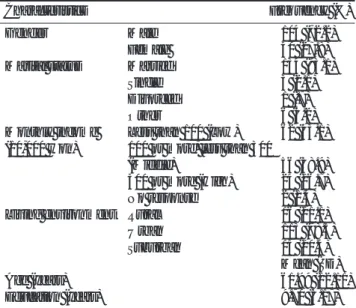
Overall, 144 AMI patients, 104 men and 40 women, participated in this study. Socio-demographic characteris- tics of these subjects are shown in Table 1.
The overall delay time ranged from 0.17 to 124 hours.
The mean overall pre-hospital delay time was 13.64 (±
21.86) hours. The mean of the patients’delay time was 13.64 (±22.32) hours, and the transportation time was 24.86 (±19.41) minutes. Seventy-two subjects (51.7%) arrived at the first hospital within four hours after the
symptoms onset. Among these, 28 (19.6%) arrived at the first hospital within one hour, another 28 (19.6%) arrived within 1-2 hours, 11 subjects (7.7%) arrived within 2-3 hours, and 5 (3.4%) arrived within 3-4 hours. Sixty-nine patients (48.3%) were delayed over 4 hours before they arrived at the first hospital for treat- ment. Among the late presenters, about 10% of the pa- tients came to the hospital within 4-6 hours, 20% of the patients came to the hospital within 6-24 hours, and the other 20% came 24 hours after symptom onset.
The means of pre-hospital delay time of the in-time group and delay group were 1.39 (±.92) and 26.78 (±
25.67) hours (t=-8.507, p=.000). This delay time mostly consisted of patients’delay (1.01±.93 vs. 27.07±26.07) (t=-8.241, p=.000); and there was no difference be- tween the two groups in transportation time (21.39±
19.01 vs. 26.59±17.44 minutes).
2. Association between socio-demographic/circumstan- tial factors and pre-hospital delay time.
Analyses of covariance using the General Linear Model were conducted to identify factors associated with the pre-hospital delay time. None of the socio-de- mographic variables were associated with the pre-hospi- tal delay time (Table 2).
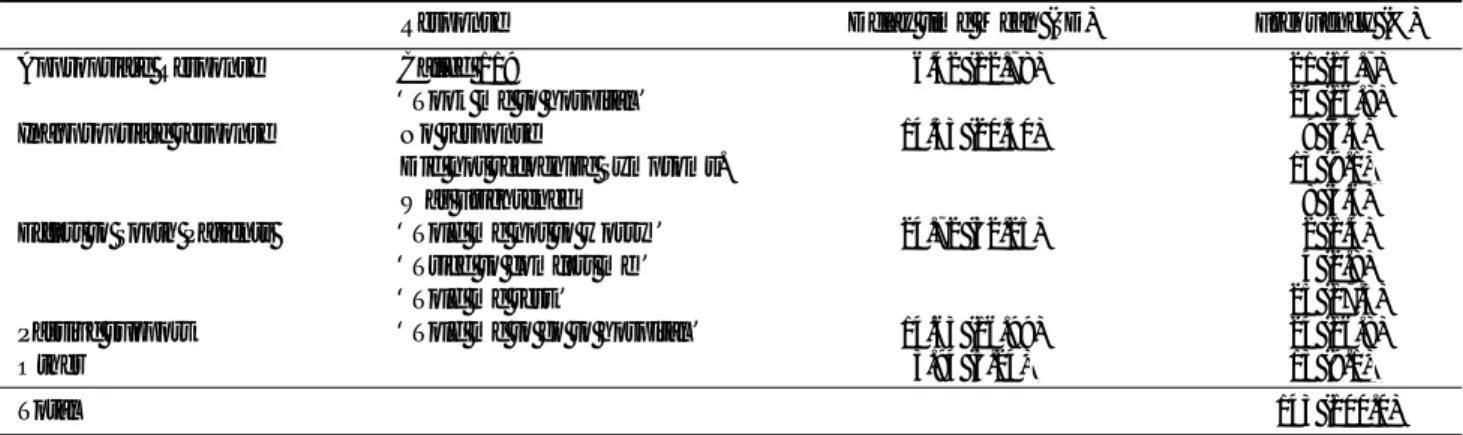
Some of the circumstantial factors, including where and with whom the patients were when the symptoms of AMI appeared, mode of transportation, and the person who was with the patient when the patient had symp- toms, were associated with the patients’delay (F=3.610, p=.004). The patients’delay was longer when they were with their spouse (17.50±23.95 hours), families (13.89
±19.18 hours), and friends (62.04±86.92 hours); it was Table 1. Socio-demographic characteristics of subjects (N=144)
Characteristics Frequency (%)
Gender Male 104 (72.2)
Female 40 (27.8)
Marital status Married 134 (93.1)
Single 3 (2.1)
Divorced 1 (.7)
Other 6 (4.2)
Monthly income Less than 100 (Low) 62 (43.1) (10,000 won) 100 or more, less than 300
(Middle) 56 (38.9)
300 or more (High) 24 (16.7)
No response 2 (1.4)
Living environment Rural 16 (11.1)
Urban 113 (78.5)
Suburban 15 (10.4)
Mean (SD)
Age (years) 61.99 (12.11)
Education (years) 9.70 (5.17)
Table 2. Associations between Sociodemographic characteristics and Patients’delay time
(N=144)
Source Patients’delay
F p
Gender 0.281 .597
Marital status 0.203 .894
Monthly income 0.161 .976
Living environment 1.626 .202
Age 1.653 .202
Education 0.286 .594
Gender×Monthly Income 3,145 .047*
Gender×Environment 4.480 .014*
Gender×Monthly Income
×Environment 5.522 .021*
Significant on α=.05 level.
shorter when with colleagues at work (2.70±3.37 hours) or alone (8.70±16.65 hours) (Table 3 and 4).
Among interviewed patients, 38 patients (26.4%) called 119 for help when they recognized their symp- toms. Independent t-test was conducted to compare pa- tients’delay, transportation time and overall pre-hospital delay times between the group that called 119 and the group that did not (Table 5). There was no significant dif- ference in overall pre-hospital delay time between the group who called 119 and the group who did not.
However, there was a significant difference in transporta- tion time between the group who called 119 and who did not (t=2.742, p=.007); Transportation time was shorter for the group who called 119 than for the group that did not (17.21±16.68 hours vs. 26.68±18.41 hours).
Among the people who called 119, the time that elapsed from calling 119 to the arrival of the emergency vehicle at the place of attack was 8.5 (±4.79) minutes.
Time taken from arrival of the emergency vehicle at the place of attack to departure for the hospital was 3.13 ((4.41) minutes, and the time taken from departure to arrival at the first hospital was 17.21 (±16.68) minutes (Table 6).
The mode of transportation was significantly associat- ed with the transportation time (F=5.935, p=.001):
Transportation time was shorter when the patients were transported via emergency vehicle than by private car or public transportation (16.64 vs. 26.75, and 26.58 min- utes, respectively).
3. Patients’and bystanders’response to the patients’
symptoms
Patient’s responses to the symptoms are shown in Table 7. Only seven patients (4.9%) responded to symptoms appropriately: one called a doctor, two called 119 immediately, and four visited a clinic or a hospital immediately. On the other hand, 80 patients (50.1%) re-
Table 3. Associations between Circumstantial factors and Patients’ delay time
(N=132) Patients’delay time
Source F/t p
Place 2.370 .056
Bystander 3.610 .004**
Calling 119 .993 .322
Mode of Transportation .352 .788
** Significant on α=.01 level
Table 4. Pre-hospital Delay Time by Place/Bystander
(N=143)
Source Frequency (%) Mean (SD)
Place Home 90 (629). 17.04 (23.80)
Work 20 (14.0) 3.54 (5.21)
Car/subway 3 (2.1) 3.92 (5.70)
Public place 8 (5.6) 19.96 (36.08)
Other 22 (15.4) 07.92 (12.65)
Bystander Alone 29 (20.3) 08.83 (16.39) With spouse/family/
friends 93 (65.0) 17.29 (24.65) Colleague at work 17 (11.9) 3.22 (3.16)
Other(s) 4 (2.8) 07.94 (11.63)
Table 5. Comparison of Pre-hospital Delay Times : Between the Group That Called 119 and The Group That Didn’t Call
Delay times Called 119 Didn’t Call 119 t p (n=38) (n=105)
Mean (SD) Mean (SD)
Patient Delay 10.61 (18.35) 14.87 (23.72) .993 .322 (hours)
Transportation Time 17.21(16.68) 26.68 (18.41) 2.742 .007**
(minutes)
Overall Pre-hospital 10.90 (18.32) 14.63 (23.01) .902 .369 Delay (hours)
** Significant on α=.01 level
Table 6. Time Taken for Calling, Departure, and Arrival at the First Hospital
(N=38) Mean (SD) Symptom to call (hour) 10.42 (18.35) Call to arrival of 119(min) 8.50 (4.79) Arrival of 119 to departure to hospital (min) 3.13(4.41) Departure to arrival at the 1st hospital (min) 17.21(16.68)
Table 7. Patient’s Response to the Symptoms (N=141) Response Frequency (%) Appropriate Response Called doctor 1 (.7)0
Called 119 2 (1.4)
Visited hospital 2 (1.4) Visited local clinic 2 (1.4)
Self Care Took medicine 25 (17.4)
Tried to get rid of
symptoms 29 (20.6)
Inappropriate Response Prayed 4 (2.8) Told someone 31 (21.9) Ignored symptoms 11 (11.3) Tried tot distract
themselves 5 (3.5)
Tried to rest 29 (20.6)
Total 141 (100.0)
sponded to the symptoms inappropriately: they prayed, tried to rest, ignored the symptoms, and tried to distract themselves from the problem. Fifty-four patients (38%) tried self-care to subside symptoms: 25 patients (17.4%) took medicine and 29 (20.6%) tried to get rid of symp- toms in other ways.
Bystanders’responses to the symptoms are shown in Table 8. Forty-five people (31.5%) who first witnessed patients having symptoms responded appropriately: they either called 119 or took the patients to the hospital.
Thirty people (21.3%) responded inappropriately: they did not recognize patients’symptoms, did not show any response, or ignored patients’symptoms. Thirty-one by- standers (21.7%) responded in other ways: they told pa- tients not to worry, tried to comfort the patients, or told patients to rest. Twenty-four others (16.8%) didn’t take the patients to the hospital but told them they should go there.
Patient’s perception of origin of symptoms is shown in Table 9. Forty-six patients (32.6%) perceived their symptoms as a heart problem, 41 (29.1%) misperceived the symptoms as stomachache or indigestion, and others thought it was a pulled muscle, fatigue, a scold, or a breathing problem.
Patient’s response to the symptoms was not signifi- cantly associated with the pre-hospital delay time.
However, response of the bystander to the patient’s symptoms was significantly associated with the pre-hos- pital delay time (F=4.434, p=.002). The group who had bystanders respond appropriately to the patient’s symp- toms had a shorter delay time than those who had by- standers who responded inappropriately. Pre-hospital delay times was shorter when the bystander called 119 or took the patient to the hospital than when they ig- nored patient’s symptoms or tried to sooth the patients
without seeking professional help (6.42±12.78 vs.
14.53±25.50, and 24.72±32.25 hours) (Table 8).
4. Reasons for delay in seeking treatment
Reasons for delay in seeking treatment after the symp- tom onset are shown in Table 10. Patients responded that they waited because they believed symptoms would go away (without seeking treatment) (73.1%); they didn’t think it was worth the hassle (42.4%); because of fear (15.2%); because the symptoms came and went (56.4%); because they did not know the symptoms orig- inated from the heart (64%); they didn’t want to bother others (29.5%); they didn’t know the symptoms of an AMI (72.6%); and they didn’t take the symptoms seri- ously (51.6%).
Among these reasons, fear (p=.000) and the symptoms coming and going (p=.004) were significantly associated with pre-hospital delay time.
DISCUSSION
The mean of the overall pre-hospital delay in this study, 13.64 (±21.86) hours, was longer than recom- mended for optimal thrombolytic therapy. It was also
Table 8. Bystander’s Response to the Symptoms (N=143)
Response Delay time Mean (SD) Frequency (%)
Appropriate Response Called 119 06.42 (12.78) 21 (14.7)
‘Took me to hospital’ 24 (16.8)
Inappropriate response No response 14.53 (20.50) 9 (6.3)
Did not recognize Symptoms. 13 (9.1)0
Was Frightened 8 (5.6)
Effort to Sooth Patients ‘Told me not to worry’ 24.72 (32.25) 2 (1.4)
‘Tried to comfort me’ 4 (2.8)
‘Told me rest’ 25 (17.5)
Passive support ‘Told me to go to hospital’ 14.63 (16.99) 24 (16.8)
Other 03.94 (5.24)0 13 (9.1)0
Total 143 (100.0)
Table 9. Perceived Origin of Symptoms (N=141)
Origin Frequency (%)
Heart problem 46(32.6)
Stomachache/Indigestion 41(29.1)
Pulled muscle in shoulder/back 1(.7)
Fatigue 6(4.3)
Cold 2(1.4)
Problems in Breathing 14(9.9)
Other 31(22.0)
Total 141(100.0)
longer than delay times reported in previous studies:
Yoo et al. (1995) reported that the mean delay time was 555 (±551) minutes (9.25 hours) in 138 AMI patients;
Song (1997) reported 6.56 hours, and Kim & Kim (1999) reported a mean of 6.39 hours of pre-hospital de- lay time in AMI patients.
The longer delay time in this study seemed due mostly to the large number of late arrivals. The last 25% of pa- tients arrived at hospital for treatment very late, and that raised the overall mean of delay time for the whole group. The mean of the overall pre-hospital delay time of the last 25% of subjects was 44.47 (±25.47) hours.
When the last 25% of subjects were excluded, the mean of pre-hospital delay decreased to 3.55 (±3.91) hours.
Very late presenters were not excluded in this study be- cause investigation of the actual delay time was one of the important purposes of the study. The mean of pre- hospital delay time for the group who arrived at the first hospital within 4 hours and who arrived later than 4 hours was very different: 1.39 (±.92) hours vs. 26.78 (±25.67) hours. This finding may suggest that identify- ing the characteristics of late presenters is important in reducing the overall pre-hospital delay time and increas- ing survivors.
Patients’delay time accounted for 90% of the overall pre-hospital delay time in this study. Patients took a longer time to recognize their symptoms seriously and make the decision to go to the hospital than patients in other studies; and that caused a longer overall pre-hospi- tal delay time. Additionally, transportation took longer in this study than a previous study (24.9 minutes in this study vs. 16.1 minutes in Park et al., 2000); longer trans- portation time contributed to the longer delay time in addition to the patients’delay. As expected, using an emergency vehicle decreased transportation time.
Although the means of overall pre-hospital delay time in this study were longer than previous studies, the pro-
portions of early arrivals in this study were similar to previous studies. 72 subjects (50.3%) arrived at the first hospital within 4 hours after symptom onset in this study. Among these, 28% of the subjects arrived at the first hospital within one hour. In a study by Song (1997), 44.6% of the subjects arrived at the first hospital within 4 hours after symptom onset. Among these, 26% of subjects arrived at the first hospital within one hour.
Finding the associations between the bystander and delay times are interesting. The longer delay time that occurred when the patients were with their spouses and families compared to the shorter delay time when they were alone or with colleagues at work might be due to the family’s inadequate response to the patients’symp- toms. Spouses and families tried to sooth patients by providing comfort instead of calling for professional help immediately; this effort caused longer delay in the pa- tient’s arrival at the hospital for treatment.
Unlike findings from investigations conducted in the US, calling 119 in the Korean study did not significantly decrease the pre-hospital delay time. Calling 119 did de- crease the transportation time; however, those minutes saved did not significantly affect the overall delay time of many hours. On the other hand, saving a few minutes can still be crucial in such a critical period as this time immediately after an AMI occurs; after the patients de- cide to go to the hospital, the symptoms become evident than before, and those symptoms imply accelerated my- ocardial damage.
The bystanders’response to the symptoms when they witnessed patient having symptoms was significantly as- sociated with pre-hospital delay time, and it was consis- tent with other findings that pre-hospital delay time could be significantly influenced by who the bystander was. When they called 119 or took patients to the hospi- tal, patients could arrive at the first hospital sooner. This finding suggests that public education as well as family Table 10. Patients’Reasons for Delay
Reasons Frequency (%)
Not at all Little Somewhat Moderately Very much so Total
Symptoms will go away 24 (17.0) 14 (9.9) 11 (7.8)0 42 (29.8) 50 (35.5) 141 (100.0)
Don’t think it was worth the hassle 62 (44.6) 18 (12.9) 17 (12.2) 28 (20.1) 14 (10.1) 139 (100.0)
Fear 99 (71.2) 19 (13.7) 4 (2.9) 13 (9.4)0 4 (2.9) 139 (100.0)
Symptoms came and went 51 (36.4) 10 (7.1)0 9 (6.4) 38 (27.1) 32 (22.9) 140 (100.0)
Didn’t know it was the heart 41 (29.5) 9 (6.5) 2 (1.4) 25 (18.0) 62 (44.6) 139 (100.0) Didn’t want to bother others 82 (59.0) 16 (11.5) 5 (3.6) 25 (18.0) 11 (7.9)0 139 (100.0) Didn’t know the AMI symptoms 28 (20.1) 10 (7.2)0 5 (3.6) 27 (19.4) 69 (49.6) 139 (100.0) Didn’t think it was serious 45 (32.4) 22 (15.8) 11 (7.9)0 35 (25.2) 26 (18.7) 139 (100.0)
education is important in reducing delay time and saving more lives of people who suffer an AMI. People of all ages should be taught to seek professional help by call- ing 119 immediately when they witness their family or other person having symptoms of an AMI.
Patient’s reasons for delay in seeking treatment post- AMI showed that not many people know the symptoms of heart disease, specifically those of an AMI. In addi- tion, people did not recognize the symptoms as being due to a heart problem and did not take it seriously.
Although failure in perception of symptoms as due to heart disease was not significantly associated with the delay time in this sample, the public has to learn that symptoms of an AMI may not be typical chest pain, but may also include various atypical symptoms.
CONCLUSIONS AND RECOMMENDATIONS
Findings from this study can be summarized as follows:
1. The mean of overall pre-hospital delay time was 13.64 (±21.86) hours, longer than times reported in previous studies. Patients’delay accounted for most of the pre-hospital delays (90%). Delay related to trans- portation was 24.86 (±19.41) minutes.
2. Calling 119 saved transportation time but did not significantly decrease the overall pre-hospital delay time.
Pre-hospital delay time was associated with whom the patients were with when they had their symptoms.
Patients delayed longer when they were with their spouses, families, and friends than when they were with colleagues at work. This implies that families’effort to sooth patients may cause longer delay, and calling 119 would be the best help for those who have symptoms that may be symptoms of an AMI.
3. The response of the bystander to the patient’s symptoms was significantly associated with the pr-hospi- tal delay time (F=4.434, p=.002). Pre-hospital delay times were shorter when the bystander called 119 or took the patient to the hospital than when they ignored the patient’s symptoms or tried to sooth the patients without seeking professional help (6.42±12.78 vs.
14.53±25.50 hours, and 24.72±32.25 hours).
4. Reasons for delay included ignorance of symptoms of heart disease, and symptoms coming and going.
Additionally, feeling fear affected the treatment-seeking behavior.
Overall findings of this study may suggest the follow- ing: public campaigns to reduce patients’delay are ur-
gently needed as well as societal efforts to decrease the transportation delay time and to improve the quality of emergency service available. Teaching symptoms of AMI to high-risk populations may increase their capability to recognize their symptoms so that they go to the hospital early enough for the optimal thrombolytic therapy.
Public campaigns using mass media may be another effi- cient way to encourage people to do their roles as a by- stander when they recognize others having symptoms of an AMI. In addition, public campaigns may motivate dri- vers to yield to the emergency vehicle and hence de- crease the transportation time, thus increasing the num- ber of survivors.
References
American Heart Association (1999). 1998 Heart and Stroke: statis- tical update. Dallas, Tex.
An, Kyungeh (2001). Pre-hospital delay in treatment after acute myocardial infarction. Journal of Korean Academy of Nursing, 31(7), 1141-1150.
Berger, P. B., Ellis, S. G., Holmes, D. R. Jr., Granger, C. B., Criger, D. A., Betriu, A., Topol, E. J., & Calif-RM (1999). Relationship between delay in performing direct coronary angioplasty and early clinical outcome in patients with acute myocardial infarc- tion: results from the global use of strategies to open occluded arteries in Acute Coronary Syndromes (GUSTO-IIb) trial.
Circulation., 100(1), 14-20.
Boersma, E., Mass, A. C. P., Decker, J. W., & Simoons, M. L.
(1996). Early thrombolytic treatment in acute myocardial in- farction reappraisal of the golden hour. Lancet, 348, 771-75.
Dracup, K., Moser, D. K., Eisenberg, M., Meischke, H., Alonzo, A.
A., & Braslow, A. (1995). Causes of delay in seeking treatment for heart attack symptoms. Soc. Sci. Med. 40(3), 379-392.
Dracup, K. & Moser, D. K. (1997). Beyond sociodemographics: fac- tors influencing the decision to seek treatment for symptoms of acute myocardial infarction. Heart & Lung, 26(4), 253-261.
Edhouse, J., Wardrope, J., Morris, F. P., (1999). Call to needle times after acute myocardial infarction. Delay in calling for help for chest pain [letter]. BMJ., 318(7183), 597, discussion 598.
Goldberg, R. J., Gurwitz, J., Yarzebski, J., Landon, J., Gore, J. M., Alpert, J. S., Dalen, P. M., Dalen, J. E., (1992). Patient delay and receipt of thrombolytic therapy among patients with acute myocardial infarction from a community-wide perspective.
Am-J-Cardiol., 70(4), 421-5.
Gonzalez, E. R., Jones, L. A., Ornato, J. P., Bleecker, G. C., Strauss, M. J., (1992). Hospital delays and problems with thrombolytic administration in patients receiving thrombolytic therapy: a multicenter prospective assessment. Virginia Thrombolytic Study Group [see comments]. Ann-Emerg-Med., 21(10), 1215- 21.
Gruppo Italiano per studio della streptochinasinell Infarcto miac- ardico (GISSI) (1986). Effectiveness of intravenous throm- bolytic treatment in acute myocardial infarction, Lancet, 397.
Herlitz, J., Blohm, M., Hartford, M., Karlson, B. W., Luepker, R.,
Holmberg, S., Risenfors, M., Wennerblom, B., (1992). Follow- up of a 1-year media campaign on delay times and ambulance use in suspected acute myocardial infarction. Eur-Heart-J., 13(2), 171-7.
Herlitz, J., Karlson, B. W., Liljeqvist, J. A., Strombom, U., Holmberg, S., (1992). Early identification of acute myocardial infarction and prognosis in relation to mode of transport to hospital. Am-J-Emerg-Med., 10(5), 406-12.
Herlitz, U. Hartfort, M. Blohm, M.(1989). Effect of a media cam- paign on delay times and ambulance use in suspected acute myocardial infarction. Am J Cardiol, 64, 90.
Ho, M. T., Eisenberg, M. S., Litwin, P. E., (1989). Delay between onset of chest pain and seeking medical care: The effect of pub- lic education, Ann Emerg Med, 8, 727.
Holmberg, M., Holmberg, S., Herlitz, J., (1999). The problem of out-of-hospital cardiac-arrest prevalence of sudden death in Europe today. Am-J-Cardiol., 83(5B), 88D-90D.
Hwang, S. O. (1995). Reasons for not receiving reperfusion therapy in acute myocardial infarction. Korean Journal of Internal Medicine, 48(6), 783-789.
Kannel, B., Sorlie, P., McNamara, P. (1979). Prognosis after initial myocardial infarction: the Framingham Study. American Journal of Cardiology, 44, 53-59.
Kelion, A. D., Banning, A. P., Shahi, M., Bell, J. A., (1998). The ef- fect of reduction of door-to-needle times on the administration of thrombolytic therapy for acute myocardial infarction.
Postgrad-Med-J., 74(875), 533-6.
Kereiakes, D. J., Gibler, W. B., Martin, L. H., Pieper, K. S., Anderson, L. C., (1992). Relative importance of emergency medical system transport and the prehospital electrocardio-
gram on reducing hospital time delay to therapy for acute my- ocardial infarction: a preliminary report from the Cincinnati Heart Project. Am-Heart-J., 123(4 Pt 1), 835-40.
Kim, C. J. & Kim, G. Y. (1999). Treatment-seeking behavior among those with signs and symptoms of acute myocardial infarction, Korean Journal of Nursing, 29(3), 605-613.
Korea National Statistical Office (1999). http://www. ngo.ac.kr Leizorovicz, A., Boissel, J. P., Robert, F., (1992). Coronary reperfu-
sion rates in acute myocardial infarction patients after throm- bolytic treatment with anistreplase: correlation with the delay from onset of symptoms to treatment: a review of 424 case records of patients admitted to coronary reperfusion studies with anistreplase. J-Cardiovasc-Pharmacol., 19(1), 34-9 McAleer, B., Ruane, B., Burke, E., Cathcart, M., Costello,A.,
Dalton, G., Williams, J. R., Varma, M. P., (1992). Prehospital thrombolysis in a rural community: short- and long-term sur- vival. Cardiovasc-Drugs-Ther., 6(4), 369-72.
Park, O.J., Kim, C. J., Lee, H. Y. & Lee, H. O. (2000). A survey on the delay time before seeking treatment and clinical symptoms in patients with acute myocardial infarction. Korean Journal of Nursing, 30(3), 659-669.
Song, M. K. (1997). The prehospital delay time in patients with acute myocardial infarction. Thesis, Catholic University.
Yoo, B. S., Yoon, J. H., Park, K. S., Ahn, S. C., Yoh, K. K., Cho, Y.
K., Song, K. S., Lee, B. S., Hwang, S. O. (1995). Reasons for not receiving reperfusion therapy in acute myocardial infarc- tion. Korean Journal of Internal Medicine, 48(6), 783-789.
Schwarz B, Schoberberger R, Rieder A, Kunze M.(1994). Factors delaying treatment of acute myocardial infarction. Eur Heart J, 15(12), 1595-8.