A DISSERTATION FOR THE DEGREE OF DOCTOR OF PHILOSOPHY
Application of Suspension-polymerized Latexes in
Surface Sizing and Pigment Coating of Paper
Academic advisor: Prof. Hak Lae Lee
By Araz Rajabi Abhari
PROGRAM IN ENVIRONMENTAL MATERIALS SCIENCE DEPARTMENT OF FOREST SCIENCES
GRADUATE SCHOOL SEOUL NATIONAL UNIVERSITY
i
ABSTRACT
Application of Suspension-polymerized Latexes in
Surface Sizing and Pigment Coating of Paper
Araz Rajabi Abhari Program in Environmental Materials Science Department of Forest Sciences Graduate School Seoul National University
Fold cracking of coated paper is one of the most frequent and troublesome problems affecting the use of coated paper and boards. Paper industry is facing more fold cracking problem because substantial amount of filler is being used in papermaking and heavier coatings are applied to substitute the use of expensive fibers with pigment coating.
Fold cracking of coated paper is highly dependent on the properties of coating layer. The coating composition including pigments and binders affects the properties of coating layer. A latex with a good extensional property could improve the flexibility of coating layer and result in a less crack area after folding of coated paper. To minimize fold cracking of coated paper and board, a method to improve the extensional property and tensile strength of the base sheet and coating layer is necessary. Improving the fold crack resistance by optimization of surface sizing or paper coating by use of additives seems a practical method. Hence application of additives which provide both strain and strength might be a useful method to minimize the fold crack.
ii
including polymerization methods, and monomers and stabilizer used in the polymerization. In this research, sterically stabilized suspension-polymerized acrylate (SP) latexes were used as additives for surface sizing and pigment coating of paper. A protective shell containing oxidized starch and polyvinyl alcohol (PVA) provided the steric hindrance to the SP latexes.
The property of the suspension-polymerized latex was examined and compared with that of conventional emulsion-polymerized ones. As an approach to decrease the fold cracking of coated paper, SP latexes were tested as a surface sizing additive. By preparation of starch films, it was possible to compare the film properties without variability caused by the base sheet. The strength and stretch properties of starch films without and with SP latex were measured. The effect of using SP latexes as a surface sizing additive on the mechanical properties of the paper was examined.
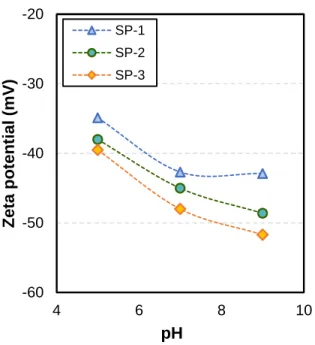
SP latexes with different acrylic acid content were used as cobinders for paper coating. The physical properties of these latexes including viscosity, particles size and zeta potential as a function of pH were compared. The viscoelastic properties of the coating color containing SP latex as a cobinder were evaluated. Moreover effect of partial substitution of the styrene butadiene (S/B) latex with SP latex on porosity, surface and optical properties of dried coating composite was investigated.
The coating layers containing SP latex as a cobinder were prepared and the tensile strength and strain property of the coating layers were evaluated. Finally the effect of SP latex on fold cracking of low- and high- basis weight coated paper in machine direction (MD) and cross machine direction (CD) was investigated.
The SP latex showed less tendency to generate foam than conventional styrene-butadiene and styrene-acrylate latexes, and they were highly compatible with the conventional surface sizing solution as the strength and
iii
stretch of the starch films increased. The SP latex resulted in a greater tensile strength and extensional properties of sized paper than the emulsion-polymerized latexes, which suggested their potential applicability for reducing the fold cracking of coated paper.
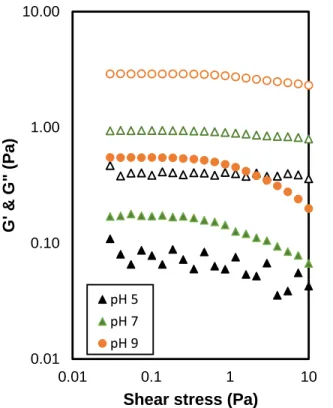
Acrylic acid monomer was found to be an important factor affecting viscosity, particle size and zeta potential of SP latexes. As a result of partial substitution of S/B latex with SP latexes in coating color, the viscoelastic properties of coating color was influenced by interaction between coating components. Because of this interaction, a weakly flocculated structure was built up in coating color which affected the formation of coating layer and thereby a more porous coating layer with higher opacity and brightness was formed.
Use of SP latex in coating layer, improved the strength and strain of the coating layer which was attributed to the protective shell and monomer composition of the SP latex. The extensional properties of the coated papers were improved when SP latex was used in coating formulation. Higher tensile strength and extensional properties of coating layer and coated paper, resulted in less crack area after folding. A base paper with higher basis weight gave a larger crack area as did the CD fold. Presence of SP latex in pre- and top-coating reduced the fold crack area, however it was found more effective in top-coating layer. Starch amount and total binder content of pre-coating layer contributed to appearance of larger fold crack area.
Keywords: Suspension-polymerized (SP) latex, surface sizing, paper coating, coating layer, extensional properties, fold cracking, folding direction
iv
Table of Contents
Chapter 1
Introduction ··· 1 1. Introduction ··· 2 2. Objectives ··· 6 3. Literature reviews ··· 8 3.1 Suspension-polymerized latexes ··· 8 3.2 Surface sizing ··· 103.3 Rheological properties of coating color and its effect on structure formation of coating layer ··· 12
3.4 Fold cracking ··· 14
3.4.1 Effect of base paper on fold cracking ··· 15
3.4.2 Effect of coating color components on fold cracking ··· 16
3.4.2.1 Effect of coating pigments on fold cracking ··· 17
3.4.2.2 Effect of coating binder on fold cracking ··· 18
3.4.3 Strengths and characteristics of the coating layer and its effect on fold cracking ··· 20
Chapter 2
Sterically stabilized latex as an additive for surface sizing of paper with oxidized starch··· 231. Introduction ··· 24
2. Experimental ··· 26
v
2.2 Viscosity measurement ··· 26
2.3 Particle size measurement ··· 26
2.4 Transmission electron microscopy (TEM) ··· 27
2.5 Fourier transform infrared spectroscopy (FTIR) ··· 27
2.6 Surface tension of latexes ··· 27
2.7 Foaming tendency of latexes ··· 27
2.8 Zeta potential of the latexes as a function of pH ··· 28
2.9 Effect of pH on the stability of latexes ··· 28
2.10 Effect of salt concentration on the stability of latexes ··· 28
2.11 Effect of polyelectrolytes on the stability of latexes ··· 29
2.12 Preparation of sizing solution ··· 29
2.13 Starch film preparation ··· 29
2.14 Tensile property of starch film ··· 30
2.15 Surface sizing ··· 31
2.16 Mechanical properties of surface sized papers ··· 31
2.17 Mill trial ··· 31
3. Results and discussion ··· 33
3.1 Characteristics of the sterically stabilized latex ··· 33
3.2 Surface tension and foaming tendency of latexes ··· 36
3.3 Chemical stability of latexes ··· 38
3.4 Tensile properties of starch films ··· 47
3.5 Properties of surface sized papers ··· 49
3.6 Mill trial and fold crack ··· 54
vi
Chapter 3
Suspension-polymerized latex as a cobinder for pigment coating-
Influence on rheology of coating color and structure formation of coating
layer ···61
1. Introduction ··· 62
2. Experimental ··· 64
2.1 Materials ··· 64
2.2 Transmission electron microscopy (TEM) ··· 64
2.3 Fourier transform infrared spectroscopy (FTIR) ··· 65
2.4 Preparation of latex dispersion at different pH ··· 65
2.5 Preparation of coating color ··· 65
2.6 Viscosity and viscoelastic measurement··· 67
2.7 Particle size and zeta potential evaluation ··· 67
2.8 Sedimentation of coating color ··· 68
2.9 Dewatering capacity analysis ··· 68
2.10 Porosity of the coating layer ··· 68
2.11 Surface properties of coating layer ··· 69
2.11 Optical properties of coating layer ··· 69
3. Results and discussion ··· 70
3.1 Characteristics of the latexes ··· 70
3.2 Viscosity and particle size distribution of SP latexes as a function of pH ··· 73
3.3 Particle size distribution of SP latexes as a function of pH ··· 75
3.4 Rheological properties of SP latex as a function of pH ··· 80
3.5 Effect of SP latexes as a cobinder on rheological properties of coating color ··· 86
vii
3.7 Sedimentation of coating color ··· 92
3.8 Viscosity and water retention property of coating color ··· 93
3.9 Effect of SP cobinder dosage on rheology of coating color ··· 95
3.10 Effect of cobinder dosage on sedimentation of coating color ··· 101
3.11 Pore structure of coating color ··· 102
3.12 Surface characteristics of coating layer ··· 105
3.13 Brightness and opacity of coating layer ··· 107
4. Summary ··· 109
Chapter 4
Effect of suspension-polymerized cobinder on properties of coated papers ··· 1111. Introduction ··· 112
2. Experimental ··· 114
2.1 Materials ··· 114
2.2 Transmission electron microscopy (TEM) ··· 115
2.3 Fourier transform infrared spectroscopy (FTIR) ··· 115
2.4 Pore size distribution of coated paper ··· 115
2.5 Surface properties of coated paper ··· 116
2.6 Optical properties of coated paper ··· 116
2.7 Ink absorption ratio of coated paper ··· 116
2.8 Properties of latex films ··· 117
2.8.1 Gel content of the latexes ··· 117
2.8.2 Moisture content of the latexes ··· 118
2.8.3 Latex film preparation for tensile measurement ··· 118
2.8.4 Tensile properties of latex films ··· 121
viii
2.9.1 Coating color preparation ··· 121
2.9.2 Preparation of coating layer ··· 122
2.9.3 Effect of SP latex on tensile strength of coating layers ··· 123
2.9.4 Effect of acrylate monomers, starch and PVA on tensile strength of coating layers ··· 124
2.10 Paper coating ··· 125
2.10.1 Single coating ··· 125
2.10.2 Double coating ··· 126
2.10.3 Coating on two sides of paper ··· 128
2.11 Mechanical properties of coated paper ··· 129
2.12 Crack area evaluation ··· 130
2.13 Cross section images using FE-SEM ··· 132
2.14 Dry pick strength ··· 133
3. Results and discussions ··· 135
3.1 Characteristics of the latexes ··· 135
3.2 Pore size distribution of coated paper ··· 137
3.3 Surface properties of coated paper ··· 138
3.4 Optical properties of coated paper ··· 140
3.5 Ink absorption ratio of coated paper ··· 142
3.6 Tensile properties of latex film ··· 142
3.7 Tensile properties of coating layer ··· 145
3.8 Tensile properties of coated papers ··· 150
3.8.1 Tensile properties of single coated paper ··· 151
3.8.2 Tensile properties of double coated paper ··· 154
3.9 Fold crack evaluation ··· 156
3.9.1 Fold crack evaluation of single coated paper ··· 157
3.9.2 Fold crack evaluation of double coated paper ··· 161
ix
3.10 Dry pick strength ··· 166 4. Summary ··· 169
Chapter 5
Overall conclusions and remarks ··· 171
x List of Tables
Table 2-1. Properties of the latexes ··· 33
Table 2-2. Foam stability of latexes ··· 38
Table 2-3. Properties of base paper and surface sized papers with O.S. (oxidized starch) and 5 pph of the S/B and SP latex for the CD ·· 53
Table 2-4. Properties of the surface sized paper with SP latex additive ··· 54
Table 2-5. Properties of the base paper surface sized with and without SP-M latex ··· 55
Table 2-6. Percentage of fold crack areas and reduction percentage in the MD and CD ··· 57
Table 3-1. Formulation of coating color for evaluation of the effect of acrylic acid monomer content of SP cobinder on the rheological properties of coating color ··· 66
Table 3-2. Formulation of coating color for evaluation of the effect of S/B latex and SP cobinder substitution rate on coating layer preparation ··· 67
Table 3-3. Properties of the SP latexes ··· 70
Table 3-4. Effect of SP co-binder on viscosity and dewatering of coating color ··· 95
Table 3-5. Effect of SP co-binder dosage on viscosity and dewatering of coating color ··· 101
Table 3-6. Pore characteristics of coating layer ··· 103
Table 4-1. Formulation of latex dispersions for film preparation ··· 120
xi
Table 4-3. Formulations of coating color for evaluation of the effect acrylate monomers of latex, starch, and PVA on tensile strength of coating
layer ··· 125
Table 4-4. Formulations of coating color··· 126
Table 4-5. Formulations of pre-coating color ··· 127
Table 4-6. Formulations of top-coating color ··· 127
Table 4-7. Combinations of pre and top-coating colors for double coating · 128 Table 4-8. Formulations of coating color··· 129
Table 4-9. Combinations of coating on top and bottom sides of the paper ·· 129
Table 4-10. Formulation of coating colors ··· 134
Table 4-11. Properties of the latexes ··· 135
Table 4-12. Tensile properties of coated papers for the cross machine direction (CD) ··· 154
xii List of Figures
Fig. 1-1. Schematic representation of a suspension-polymerized latex
particle ··· 9
Fig. 1-2. Cross-sectional images of the cracked coated paper ··· 19
Fig. 2-1. Starch samples for the tensile strength measurement ··· 30
Fig. 2-2. TEM micrograph of the SP latexes ··· 34
Fig. 2-3. Particle size distribution curves of S/B, S/A, and SP latexes ··· 35
Fig. 2-4. FT-IR spectra of the latex films ··· 36
Fig. 2-5. Surface tension of latexes as a function of latex concentration ··· 37
Fig. 2-6. Zeta potential of latexes as a function of pH ··· 40
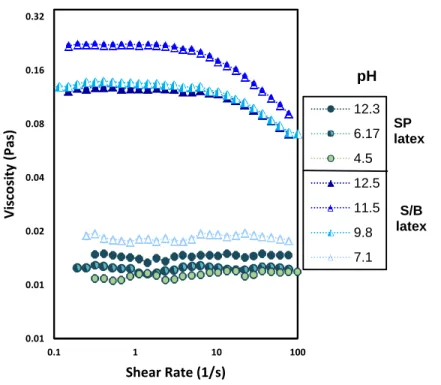
Fig. 2-7. Viscosity of latexes as a function of pH ··· 41
Fig. 2-8. Viscosity of S/B and SP latexes at different pH levels as a function of shear rate ··· 42
Fig. 2-9. Effect of the cationic PAM on the viscosity and particle size of S/B and SP latexes ··· 44
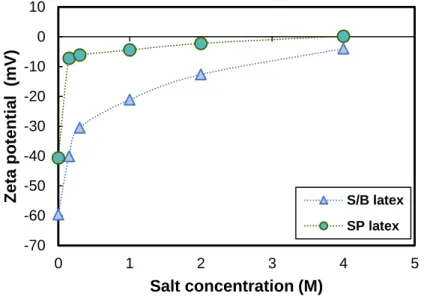
Fig. 2-10. Zeta potential of the latexes as a function of the salt concentration ··· 45
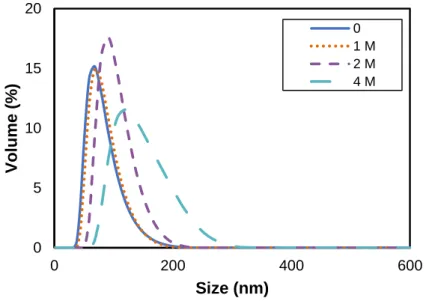
Fig. 2-11. Particle size distribution (PSD) curves for the S/B latex at four different salt concentrations ··· 46
Fig. 2-12. Particle size distribution (PSD) curves for the SP latex at four different salt concentrations ··· 46
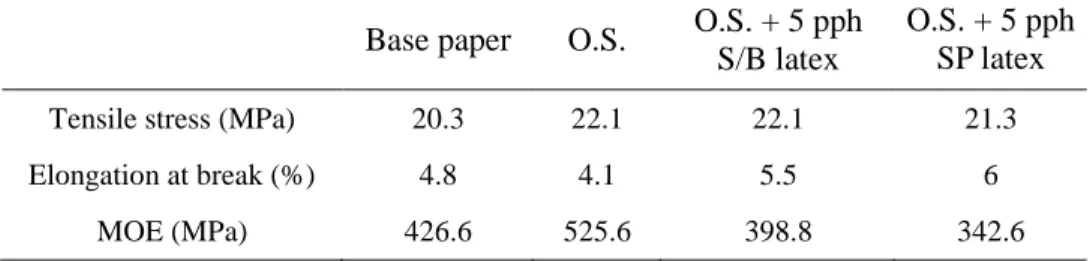
Fig. 2-13. Tensile stress, elongation at break, and MOE of the starch films prepared with 5 pph of S/B and SP latex; O.S. (oxidized starch) ···· 48
Fig. 2-14. Tensile stress, elongation at break, and MOE of the base paper and sized papers with O.S. (oxidized starch) and 5 pph of the S/B and SP latex for the machine direction (MD)··· 51
xiii
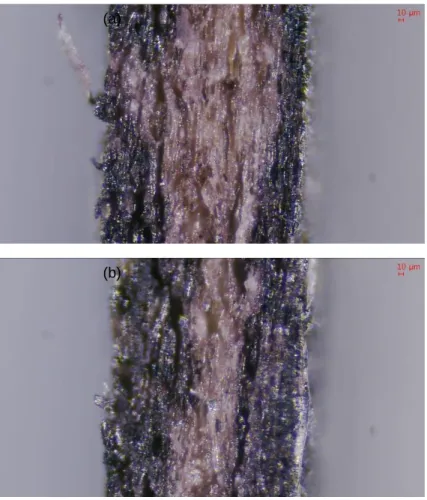
Fig. 2-15. Microscopic images obtained from the cross-section of papers sized with only oxidized starch and oxidized starch containing SP-M
latex ··· 56
Fig. 2-16. SEM images of the fold cracked papers: folded coated papers that were surface sized with starch only; folded coated papers that were on the trial base stock surface sized with starch and 2.9 pph of SP-M latex ··· 58
Fig. 3-1. Particle shape of S/B, SP-1, SP-2, and SP -3 latexes··· 72
Fig. 3-2. FT-IR spectra of the latex films ··· 73
Fig. 3-3. Viscosity of the SP latexes depending on pH ··· 74
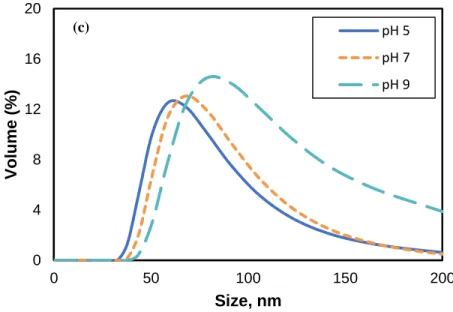
Fig. 3-4. Average particle size of the SP latexes depending on pH ··· 76
Fig. 3-5. Particle size distribution of SP-1, SP-2, and SP-3 latexes depending on pH ··· 78
Fig. 3-6.Particle shape of SP-3 at pH of 5 and 9 ··· 79
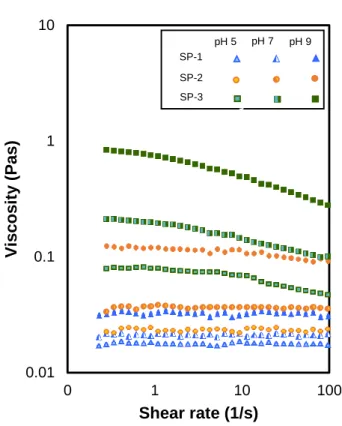
Fig. 3-7. Viscosity of SP latexes at different pH as a function of shear rate ·· 81
Fig. 3-8. Zeta potential of SP latexes as a function of pH ··· 82
Fig. 3-9. Amplitude sweep of SP-3 latex for a range of stress at a constant angular frequency as a function of pH ··· 84
Fig. 3-10. Frequency sweep of SP-3 latex for a range of stress at a constant angular frequency as a function of pH ··· 85
Fig. 3-11. Amplitude sweep of coating colors for a range of stress at a constant angular frequency ··· 87
Fig. 3-12. Frequency sweep of coating colors for a range of stress at a constant angular frequency ··· 89
Fig. 3-13. Complex modulus of coating colors ··· 90
Fig. 3-14. Effect of SP latex on zeta potential of coating color ··· 91
Fig. 3-15. Sediment volume of coating colors ··· 93
xiv
Fig. 3-17. Effect of substitution rate of SP-2 latex on zeta potential of coating
color ··· 96
Fig. 3-18. Amplitude sweep of coating colors for a range of stress at a constant angular frequency ··· 97
Fig. 3-19. Frequency sweep of coating colors for a range of stress at a constant angular frequency ··· 98
Fig. 3-20. Complex modulus of coating colors ··· 99
Fig. 3-21. Effect of SP latex on viscosity of coating color as a function of shear rate ··· 100
Fig. 3-22. Effect of SP cobinder dosage on sediment volume of coating color ··· 102
Fig. 3-23.Effect of SP cobinder on pore size distribution of coating layer · 104 Fig. 3-24. Cumulative pore volume of dried coating layer ··· 104
Fig. 3-25. Effect of SP cobinder dosage on roughness of coating layers ···· 105
Fig. 3-26. FE-SEM images of coating layers ··· 107
Fig. 3-27. Brightness and opacity of coating layers ··· 107
Fig. 4-1. Preparation of latex film samples ··· 119
Fig. 4-2. Latex films after drying ··· 120
Fig. 4-3. Coating layer samples for tensile measurement ··· 123
Fig. 4-4. Folding of coated papers using AA-GWR ··· 130
Fig. 4-5. Definition of MD and CD foldings ··· 131
Fig. 4-6. Scanning and image processing of folded area ··· 132
Fig. 4-7. Folded paper for electron microscopy ··· 133
Fig. 4-8. TEM micrograph of SP latex particles ··· 136
Fig. 4-9. FT-IR spectra of the latex films ··· 137
Fig. 4-10. Pore size distribution of coated paper ··· 138
Fig. 4-11. Effect of SP latex on roughness and gloss of the coated paper ··· 139
xv
Fig. 4-13. Effect of SP latex on opacity and brightness of the coated paper 141 Fig. 4-14. Ink absorption ratio of the coated paper ··· 142 Fig. 4-15. Tensile stress, elongation at break, and MOE of the latex films
prepared with different substitution rate of S/B with SP latex ··· 145 Fig. 4-16. Tensile stress, elongation at break, and MOE of the coating layers
prepared with different substitution rate of S/B with SP latex ··· 147 Fig. 4-17. Effect of S/A latex, oxidized starch and PVA on tensile stress,
elongation at break, and MOE of the coating layers ··· 149 Fig. 4-18. Tensile stress, elongation at break, and MOE of the single coated
papers for machine direction (MD) ··· 153 Fig. 4-19. Tensile stress, elongation at break, and MOE of the double coated
papers for machine direction (MD) ··· 156 Fig. 4-20. Average crack area for MD and CD fold ··· 158 Fig. 4-21. Cross-sectional images of the folded paper in CD. Base
paper: 78 g/m2 ··· 159
Fig. 4-22. Cross-sectional images of the folded paper in MD. Base paper: 198 g/m2 ··· 160
Fig. 4-23. Cross-sectional images of the folded paper in CD. Base paper: 198 g/m2 ··· 161
Fig. 4-24. Crack area when S/B latex was replaced with SP latex in pre and to coating for MD and CD fold··· 163 Fig. 4-25. Crack area when starch was replaced with SP latex in pre-coating
for MD and CD fold ··· 165 Fig. 4-26. Crack area of two side coated paper for MD and CD fold ··· 166 Fig. 4-27. Scanned and binary images of the coated paper after picking ···· 167
xvi List of Equations
Eq. 1-1. Strain in a bended beam ··· 14
Eq. 1-2. Stiffness of the coated paper ··· 20
Eq. 3-1. Washburn equation ··· 69
Eq. 3-2. Stokes-Einstein equation ··· 78
1
Chapter 1
2
1. Introduction
Different paper products are pigment coated to improve optical and printing properties. In this competitive market, the quality of the paper is a critical issue, and it should meet the consumer demand. During converting operations, coated paper and board undergo folding processes which results in the appearance of cracks along the folded area that is called fold cracking. The issue of fold cracking most often arises when the tensional or compressional stress or strain exceeds the level that the coated product can withstand.
Fold cracking of coated paper has been recognized as one of the most frequent and troublesome problems affecting the use of coated paper and boards these days. Fold cracking is becoming more common in the paper industry because more filler is being used in papermaking and heavier coatings are applied to substitute the use of expensive fibers with pigment coating (Im et al., 2013; Seo et al., 2016; 2012). As the paper with high ash content are being used as a base stock for pigment coating, fold cracking problem on the coated surface is frequently observed (Seo et al.,2015). Fold cracking occurs when coated paper and paperboard are folded or creased during the converting operation.
Many studies have investigated the factors that affect the fold cracking of coated papers, such as the fiber composition, coating pigments and binders, coating layer structure, folding direction. Sim et al. (2012) evaluated the influence of the fiber composition and showed that fold cracking of coated paper was minimized when the base paper consisted of 90% hardwood fiber and 10% softwood fiber was used. They also showed that beating exacerbated fold cracking, even though it increased tensile strength. Clay has been found to give greater fold cracking than ground calcium carbonate (GCC) (Rättö and
3 Hornatowska, 2010a).
An increase of the starch binder in the coating increases the modulus of elasticity (MOE) and decreases the strain of the coating (Oh et al., 2015; Okomori et al., 2001; Rioux et al., 2011). This change in mechanical properties of the coating layer accompanies with starch binder influences the fold cracking of the coating layer. The use of starch as a coating binder has been found to increase the fold crack area while decreasing the total number of fold cracks (Oh et al. 2015), and this was attributed to the greater occurrence of strain-based failure of coatings with higher starch binder contents.
Many studies have been done to improve the coating layer property and make coatings more resistive to fold cracking. The importance of the extensional strain property of the coating layer in decreasing the fold cracking has been shown by Okomori et al. (2001) and Oh et al. (2015). The use of latex with a low glass transition temperature or reducing the starch binder in the coating color reduced the MOE while increasing the strain of the coating layer, which eventually led to a smaller length, width, and area of the cracks in the coating after folding. Oh and co-workers (2016) studied the effect of latex monomer on the extensional properties of coating layer and fold cracking of coated papers. They showed that S/A latex was more favorable to improve the strain of coating layer and consequently increased the fold cracking resistance because of the less crosslinked gel structure of this latex.
Although numerous studies have been conducted on fold cracking, and many researchers investigated the effect of base paper and coating color composition on fold crack resistance, few approaches have been made to improve the fold crack resistance of the base paper by surface treatment. Surface sizing of paper
4
is usually carried out to adjust adsorption properties of base paper and control coating color penetration during coating process. Starch is widely used for surface sizing of coating base stocks because it has many advantages of improving the tensile strength, burst strength, and stiffness of the coating base stock. However, starch has a high glass transition temperature (Tg) and is a
brittle polymer by itself, which gives a rigid and brittle film after drying (Orford et al., 1989). Hence, surface sizing with starch often increase the fold cracking of coated paper. This indicates that there is a clear need to find a way to reduce the brittleness of the starch film to obtain positive effect in reducing the fold cracking of coated paper by surface sizing of coating base stock.
To minimize fold cracking, methods to improve the extensional property and tensile strength of the base paper and coating layer is necessary. Many strategies like increasing the porosity of the paper, reducing the thickness, and increasing the coating color penetration might be useful to reduce the fold cracking. These strategies, however, requires a number of manipulation in the papermaking process and often changes other properties of the products. Therefore, it might be useful to find a simple and reliable way to improve the fold crack resistance. A new surface sizing additive or paper coating cobinder may provide a simple and practical approach in reducing the fold cracking. Because base paper or coating layer with better extensional and strength properties would be more favorable to reduce fold cracking, it is necessary to find an additive to make these property changes possible.
Several types of emulsion-polymerized latexes, including styrene/butadiene (S/B) latex, and styrene/acrylate (S/A) latex, have been used not only as binders for pigment coating but also as additives for surface sizing of paper to improve printability and to reduce linting and dusting. Surface treatment of paper with
5
latexes can enhance the internal bonding strength and flexibility (Blackley, 1997; Gray and Rende, 2005; Sajbel, 2005). Use of latex materials as surface sizing additives does not increase the solution viscosity, thus it is possible to increase the solids level of sizing solution. S/B latexes with lower Tg or S/A
latexes were found very effective to reduce the fold cracking problem (Kim et al., 2010; Oh et al., 2016), mainly because of their high extensional property.
The colloidal stability of emulsion-polymerized latexes is usually obtained via electrostatic protection provided by the surfactant and functional monomers (Arshady, 1992; Bacquet and Isorad, 1997). These surfactants, however, reduce the surface tension of the latex dispersions and coating formulation, and thereby cause foaming in the size pressing or coating operations. When using synthetic latexes as surface sizing additives or coating binders, they should be compatible with the starch solution or other coating components.
Sterically stabilized suspension-polymerized latex is another type of latex. This latex is stabilized by a protective shell that surrounds the core polymer particle and provides steric hindrance to the particle. The protective shell of the suspension-polymerized latex is obtained by the hydrophilic polymers like starch, PVA, carboxymethyl cellulose, etc. (Arshady, 1992; Blackley, 1997; Horák, Pelzbauer, Ŝvec, & Kálal, 1981). Because these hydrophilic polymers have similar hydrophilic properties as starch molecules used in surface sizing, they provide a high compatibility of the latexes with surface sizing starch solution or coating color components. It is also possible to impart a good extensional property to the brittle surface sizing starch film if the latex is designed to be highly flexible and stretchable.
6
2. Objectives
This study was aimed to reduce the fold cracking problem by the optimization of the surface sizing and pigment coating components. To minimize fold cracking, a method to improve the extensional property and tensile strength of the base sheet and coating layer is necessary. For this purpose, sterically stabilized latexes with better extensional properties were designed and prepared based on the suspension polymerization. In the polymerization of these latexes, a protective shell containing starch and PVA was employed to obtain strength, compatability, and runnability in size sizing and coating operation.
In the first part of this study, application of sterically stabilized latexes as a surface sizing additive was examined. The effect of sterically stabilized suspension-polymerized latex on the extensional properties of starch film was studied, and its potential on stiffness and MOE reduction of sized papers was evaluated. Moreover, the change in surface tension and foam generation with the use of the suspension-polymerized latex was examined.
The second part of this research was aimed to study the effect of sterically stabilized latexes as a cobinder in coating formulation. The effect of the suspension-polymerized latex on the rheological and foaming properties of coating color was investigated. The interaction between coating color components that influences the structure formation of coating layer, hence surface properties, porosity and optical properties of the coating layer were also examined.
Fold crack resistance is affected by the extensional properties of coating layer. Hence the influence of sterically stabilized suspension-polymerized latex
7
cobinder on the tensile properties of the coating layer and coated paper was studied. The coated papers were folded with a constant pressure and the fold crack areas were determined to examine the potential of using sterically stabilized latexes as a cobinder to decrease the fold cracking of coated paper
.
Surface characteristics of coated paper are of importance for printability. Hence the last part of this research was carried out to understand the effect of sterically stabilized latexes on the surface properties of coated paper. Optical properties of the coated paper including opacity and brightness were evaluated. Finally, the ink absorbency and ink distribution of the coated papers were measured.
8
3. Literature reviews
3.1 Suspension-polymerized latexes
Synthetic polymer latexes have been developed and used to bind the mineral particles to each other and to the base paper and provide the strength of the coating layer after drying. Emulsion polymerization is widely used to prepare the latex binders for coating. The colloidal stability of emulsion-polymerized latexes is usually provided by electrostatic protection by the surfactants and functional monomers (Arshady, 1992; Bacquet and Isoard 1997). It has been shown that the conventional latex binders are very effective as a coating binder because it provides good binding strength, surface smoothness, optical and rheological properties and allows high solids coating. A number of products have been developed to maximize certain properties or optimize the overall properties of the latex. Even though the conventional latex has been a predominant binder for paper coating, it is true that there is a need of further improvement. For instance, conventional emulsion-polymerized latex often generates a huge amount of foam if it is not handled carefully because it contains surfactants as stabilizer. These surfactants reduce the surface tension of the surface sizing solution or coating color and thereby cause foaming in the size pressing or coating operations
.
Emulsion polymerization method is being used to produce the many latex products used for coating because it allows the rapid polymerization of high molecular weight polymers without the loss of temperature control, and gives a product low in viscosity irrespective to the molecular weight. Another polymerization method, which is called suspension polymerization, involves
9
polymerizing the monomers and sterically stabilizing the polymer particles using hydrophilic stabilizers, e.g. starch, PVA, carboxymethyl cellulose, etc. (Blackley, 1997; Horák et al., 1981; Vivaldo-Lima et al., 1997). This is schematically illustrated in Figure 1-1.
Fig.1-1. Schematic representation of a suspension-polymerized latex particle.
In suspension polymerization, drops of a monomer containing phase are dispersed in a continuous water phase and polymer is produced inside of the drops. The polymerization usually proceeds by a free-radical mechanism that produces polymer beads, whose size distribution is often similar to that of the polymerizing drops in the reactor (Brooks, 2010). The suspension-polymerized latexes are stabilized with the use of hydrophilic polymers as stabilizers. Water-miscible polymers, both naturally occurring and synthetic, are often used as stabilizers (Borwanker et al., 1986). This is the main and unique characteristics of the suspension-polymerized latexes. This suggests that the use of sterically stabilized suspension-polymerized latex (SP latex) as an additive for surface sizing provides several advantages. For instance, foaming may be reduced
10
because no surfactants are used in polymerization. The compatibility of SP latex with surface sizing solution can be improved because hydrophilic polymers, being similar to starch molecules in structure, can be used as stabilizers in the polymerization.
Block type polymers with a linear arrangement of different monomers or graft copolymers consisting of a backbone and several grafted chains are most common polymeric stabilizers. The block type polymeric stabilizers consisted of hydrophobic and hydrophilic blocks and the graft copolymer types have a hydrophobic backbone and hydrophilic chains. To provide stability for the latexes, the hydrophobic parts of the polymers which are very insoluble in the medium, dissolve or absorb on the core polymer of latex and the hydrophilic segment remains in the medium (Tadros, 2015; 2014). Besides of providing steric repulsion, the hydrophilic segment of the polymeric stabilizers determines the volume fraction of the disperse phase which affects the viscoelastic properties of the latex ( Tadros, 2012).
3.2 Surface sizing
Surface sizing refers to the application of a film forming material onto the surface of paper to improve surface properties and enhance certain physical properties of the paper sheet (Bajpai, 2015; Lee et al., 2002). The base paper is usually surface sized prior to pigment coating to improve the coating holdout on the paper product. Starch solutions are the most commonly used material for this purpose because of their favorable cost and performance. Surface sizing with starch improves the strength of paper as a result of the abundant hydroxyl groups in starch, which are capable of forming hydrogen bonds with papermaking fibers. Starch also provides rigidity and stiffness to paper products,
11
thereby improving their runnability in printing and converting operations.
To improve the rheology of surface sizing solution and interaction with papermaking fibers, various additives have been used. For instance, polyvinyl alcohol (PVA), sodium alginate, polyacrylamide, carboxymethyl cellulose, etc. have been used along with starch to improve the film-forming properties and control the penetration of starch solution into base paper. Seo et al. (2013) investigated the effect of PVA or polyDADMAC (polydiallyldimethylammonium chloride) addition on surface sizing with oxidized starch, and showed that electrostatic interactions between the high molecular weight polyDADMAC and oxidized starch increased the viscosity of the surface sizing solution and gave gelatinous blobs, while low molecular weight PVA was most effective in improving folding endurance and internal bond strength without the problems associated with high molecular weight polyDADMAC. Cationic polyacrylamide (cPAM) (Jeon and Lee 2003) or cationic starch (Lee et al., 2002) have been used to increase the interaction of surface sizing solution with papermaking fiber thereby to limit the penetration of the surface sizing solutions into the paper. Dextrin-poly(acrylic acid) copolymer has been examined as a surface sizing additive to improve paper properties (Kim et al., 2017; Rajabi Abhari et al., 2017).
Use of water soluble polymers, however, often gives a problem of increasing the starch solution viscosity, which limits the solids level of surface sizing solution (Jeong et al., 2013). Because the solids level of sizing solution is closely associated with the drying energy after surface sizing, it is preferred to have a sizing additive that does not increase the solution viscosity. Several types of latexes have been used as surface sizing additive to improve printability and reduce linting and dusting problem. Surface treatment of paper with latexes can
12
improve the internal bonding strength and flexibility (Blackley, 1997; Gray and Rende, 2005; Sajbel, 2005).
3.3 Rheological properties of coating color and its effect on structure formation of coating layer
Coating colors containing pigments and binders usually show a complicated viscoelastic behavior that affects the runnability of the coating process and property of the coated paper (Ascanio et al., 2006; Carreau, 1993; Grön and Dahlvik, 1997; Page et al., 2002). Solids content, pigment shape, pigment size distribution, latex level, and latex size could affect the rheology of the coating color (Bousfield, 2008; Bruun, 2009). For instance, viscosity of a coating color containing kaolin clay is higher than that of calcium carbonate based coating color (Conceição et al., 2005). The plate shape particles need more volume than round shape particle to rotate in the dispersion that results in a higher viscosity of coating color. Narrow particle size distribution also increased the viscosity (Roper, 2000).
The interaction between components of the coating color affects the viscoelastic properties by formation of a network in coating color (Husband, 2000; Yziquel et al., 1999). Coating colors usually contain water soluble cobinders and thickeners like starch, polyvinyl alcohol (PVA) and carboxymethyl cellulose (CMC) that affect rheology and water retention properties of disperse systems ( Bruun, 2009; Choi et al., 2015; Fadat et al., 1988; Gron and Dahilvik, 1997). These highly water soluble polymers interact with other components and affect the runnability of the coating process and viscoelastic properties of the coating color by flocculation of the components
13
and formation of a network that is shear-dependent (Husband, 1998; McGenity et al., 1992; Oh et al., 2017; Wallström & Järnström, 2004; Whalen-Shaw and Gautam, 1995).
Water retention property of a coating color is also an important property which affects drying process and property of the dried coating composite. The water retention property is highly dependent on the hydrophilicity and viscoelastic properties of the disperse system interaction between components of the coating color (Page et al., 2002). Thickeners with more hydroxyl or carboxyl groups tend to improve the water holdout of the coating color via hydrogen bond formation. Interaction of coating color components results in flocculation and formation of a network which entraps bulk water and influences the water retention of the disperse system (Li, et al., 2001; Gron and Dahlivik, 1997).
Previous studies showed that flocculation of coating color containing mineral pigments affects the structure of the coating layer after drying and would result in the formation of a porous coating layer after drying (Choi et al., 2015; Oh et al., 2017). Porosity of the coating layer is an important factor which is influenced by pigment type, size, size distribution, and interaction between components of coating color. Porosity and void structure of a coating layer affect the light scattering and improve the optical properties of the coating layer, like brightness and opacity (Alince and Lepoutre, 1980). When a coating color containing pigments and latexes is dried, the voids between pigments are filled with latex film and a less porous structure is formed which influences the light scattering and optical properties. Hence the formation of a more porous dried coating composite is favored for better optical properties of the coated surface. On the other hand, mechanical properties of a coating layer are affected by its porosity and void structure. A more porous coating layer deteriorates the
14
mechanical properties by reducing the strength and stiffness of the coating composite (Lepoutre and Rigdahl, 1989).
3.4 Fold cracking
Fold cracking of coated papers is critical damage which causes a quality problem. Crack size and area and the number of cracks can affect the appearance of the coated paper. Besides of appearance of cracks, fold cracking could result in a strength reduction which leads to deterioration of the quality. During the folding process, the outer layer of paper subjected to tension and the inner layer undergoes a compressive stress and both of the base stock and coating layer might be ruptured and damaged (Alam et al., 2009; Guyot et al., 1992; Oh et al., 2016; Sim et al., 2012). Ratto and Hornatowska (2010a) suggested the beam theory for illustration of the folding crack. The strain, ε, at a distance, z, from the neutral axis and a radius of curvature, R, can be expressed by Equation 1-1.
ε
=
𝑅z Eq. (1-1)This equation reveals that the largest strain is obtained in the top layer of the coating. During the bending process, as the radius of curvature decreases the compressive stress increases in the bottom layer of paper and the strain increases in the upper coating layer. In the case of a single coated layer in which the mechanical properties don’t vary through the thickness, the cracks start from the surface of the coating layer and propagate to the internal parts. Multiple coating layers, however, might have different behaviors. The tensile strain will also increase with the thickness of the paper. Paperboards, however,
15
show a different behavior when it is subjected to a creasing process. Paperboards internally delaminate and enable to relief some of the compressive forces and strain in the inside and outside of the coated board respectively (Barbier, 1999; Rättö & Hornatowska, 2010a; 2010b).
Deformation of coated paper or board during folding inhibits the complete bending but could exhibit shear strains and shear stresses which are negligible in most cases. However in some cases which the coated paper is weak or consists of pigment with weak structure, the shear stresses during bending or creasing might break and delaminate the coating layer (Rättö, 2006). In a sandwich beam, the maximum and zero shear stresses are obtained at the center and the surface of the beam respectively, so the shear stress in the coating layer is maximum near the coating layer and paper interface (Zenkert, 1992).
3.4.1 Effect of base paper on fold cracking
Base paper is an important factor which affects the fold cracking of coated paper. Similar coating color composition on the different base stocks might result in different cracking mechanisms and the cracks with different patterns would appear (Barbier et al., 2002; Guyot et al., 1992; Colley, 1982). Base stock composition and properties and its role in fold cracking of coated paper have been the subject of the previous studies. Effect of the composition and strength of base paper on fold cracking of coated paper was investigated by Sim et al. (2012). They mixed different ratios of hardwood bleached kraft pulp (Hw-BKP) and softwood bleached kraft pulp (Sw-BKP) and increased mechanical strengths of base paper by beating pulp fibers. The result showed that increase in the beating degree and content of Sw-BKP improved the mechanical
16
properties of the base paper. However, this increase in mechanical properties resulted in increased fold cracking. Colley (1982) reported the effect of the base paper on fold cracking and suggested that optimizing the beating process could reduce the risk of the fold crack appearance.
Barbier et al. (2002) and Oh and coworkers (2016) reported that the thickness of the base paper is an important factor in the appearance of the folding cracks. A decrease in base paper thickness results in fold crack reduction because the coating layer subjects to a small strain. Porosity of base paper also influences the fold cracking. A low-density and porous paper might facilitate the coating color penetration into the paper. According to Kamel et al. (2009) an increase of mechanical property of paper is obtained by the penetration of different polymers into the paper. Guyot et al. (1992) studied the effect of coating color penetration into the base paper and showed that the fold crack resistance improved as the coating color penetrated more and the base paper resisted more to the damage during the folding operation.
3.4.2 Effect of coating color components on fold cracking
Coating color composition like pigment and binder has a significant influence on the fold cracking tendency of coated paper. Pigment shape, structure, orientation, and size affect the crack area. Pigment properties also influence the appearance of cracks and their sizes. Binders are mainly used in the coating color to bind the pigment particle to each other and to the base paper. Cohesion of the coating layer which is provided by binder also plays an important role in the appearance of fold cracking. Binder type and amount in the coating color, the presence of cobinder and its ratio could affect the fold crack resistance of the coated paper. A coated paper becomes stiffer when a rigid binder is used in
17
the coating color. Binders ranging from natural one like starch to synthetic one like latex might be used for coating color preparation which also affect fold cracking.
3.4.2.1 Effect of coating pigments on fold cracking
Pigment particles have different strengths and stiffness due to the variation in their shape and orientation. Compared to GCC, clay imparts higher in-plane stiffness and strength. On the other hand, GCC gives a higher out-of-plane strength due to the oriented shape (Husband et al., 2007; Lepoutre and Rigdahl, 1989; Prall et al., 2000; Toivakka and Bousfiled, 2001). Guyot et al. (1992) investigated the effect of coating color composition on the fold cracking. They applied various ratio of clay and calcium carbonate and the result showed that by increasing the clay proportion in coating color, the fold crack decreased. Ratto and Hornatowska (2010) studied the relationship between the crack area with GCC and clay-based coating and the result showed that clay in coating color resulted in greater crack area. They also reported that in GCC-based coating, release of the tension resulted in fold cracking which initiates at the surface of the coating layer and then expends into the z-direction. In clay-based coating, however, cracks would be appeared parallel to the plane which is the weakest direction. Moreover, because of the layered structure of the clay, clay-based coating layer was subjected to shear stress and broken which indicated that delamination is might be happened due to shear failure rather than to energy release due to cracking.
18
3.4.2.2 Effect of coating binder on fold cracking
Binder type and amount affect the fold cracking. A coated paper becomes more stiff by using a rigid binder with higher Tg in the coating color (Bacquet
and Isoard, 1997). According to Ratto and Hornatowska (2010a), replacement of S/B latex with starch in clay and GCC based coating increased the crack area of coated paper after creasing. In another research Ratto and Hornatowska (2010b), investigated the crack area and initiation time and propagation speed of cracks in coating layers after creasing. The result showed that the replacing 50% of the S/B latex with starch, increased the crack are and shortened crack initiation time. Moreover, increasing binder content increased crack initiation time but due to the cohesion of the coating layer, crack area decreased. Oh et al. (2015) used starch in pre-coating color and studied its effect on fold cracking of the coated paper. The result showed that as the starch content increased, the number of cracks decreased but the total crack area increased. They also investigated the effect latex Tg on fold cracking and pointed out that increasing
Tg of S/B latex increased fold cracking area as a result of strain reduction in the
coating layer. Moreover, latexes with higher Tg resulted in the formation of very
19
Fig. 1-2 Cross-sectional images of the cracked coated paper. Latex with Tg of
-3 °C was used as top coating binder in (a) and (b). Latex with Tg of 24.3 °C was
used as top coating binder in (c) and (d) (Oh et al., 2015).
Using a binder with low Tg improves the flexibility of the coating layer. Oh et
al. (2016) evaluated the tensile properties of the coated paper containing different latex binders and showed that S/A latexes gave high elongation. Presence of one double bond in acrylate monomer resulted in low cross-linking level in the latex structure. Presence of two double bonds in butadiene monomer makes S/B latexes have highly crosslinked gel structure, which resulted in a low strain characteristics in the coating layer.
20
3.4.3 Strengths and characteristics of the coating layer and its effect on fold cracking
Several studies have been reported on the effect of bending stiffness of paper on fold cracking. They showed that fold crack reduces when bending stiffness of coated paper decrease (Alam et al., 2009; Salminen et al., 2008a; 2008b). The coated paper is a heterogeneous material and its Young’s modulus differs between the base paper and the coating. The stiffness of the coated paper is given by the equation 1-2:
𝑅 = ∑ 𝐸
𝑖 𝑖𝐼
𝑖= ∑ 𝐸
𝑖 𝑖( 𝐸
𝑖𝑥
𝑖2+
ℎ𝑖3
12
)
Eq. (1-2) WhereEi is Young’s modulus of layer i (MPa);
Ii is the moment inertia of layer i with respect to the bending plane (Kg m2);
Xi is the distance from the center of layer I to the bending plane (m);
Hi is the thickness of layer i (m).
The thickness of the paper increase after coating, therefore, a coated paper’s bending stiffness is greater than that of the base paper. Thus as the elastic modulus of the coated layer increase, the bending stiffness of coated paper increases as well. Coating color composition like binder and pigment has a significant effect on the bending stiffness of the coating and consequently on bending stiffness of coated paper and could influence the fold cracking. It should be noted that a coating color with similar component might result in
21
different fold cracking behaviors on different base papers (Bacquet and Isoard, 1997).
Structure and characteristics of the coated paper are determined by the structure of the base paper and strength and properties of the coating layer. Characteristics and strengths of the coating are affected by coating color composition like type and amount of pigments, binders, and other ingredients. The number of the coating layers, Strengths and thickness of each layer also plays an important role in fold crack resistance. Jopson and Towers (1995) evaluated a combined effect of the base stock and coating layer on fold cracking. They suggested a week base paper and a stiff coating layer could increase the folding crack.
Application of high coat weight or multi-layer coating could increase the fold cracking (Sim et al., 2012). In order to optimize the bending stiffness and fold crack resistance, modeling and experimental studies were carried out by Salminen and coworkers (2008a, 2008b) and Alam et al. (2009). They optimized the crack resistance and raw material cost by applying triple coating layers consisted of a very stiff and thin pre-coating layer, a medium stiff and thick middle-coating layer. Since the outer layer of the coating undergoes the highest strains, a flexible and thin layer is suitable for the top-coating layer. Oh et al. (2015) evaluated the effect of latex content in the top coating layer. The result showed that increasing S/B latex content in the top coating layer would not reduce fold cracking due to the minimal changes in tensile properties of coating layers obtained with changing latex content. To make the outer layer more flexible with lower rigidity usage of a softer binder with lower Tg might
be a practical strategy. Salminen et al. (2008a) suggested that a softer binder in the outer layer of a double-coated paper.
22
Tensile strengths of coating layers involving different types of clay were evaluated by Husband et al. (2009; 2006) and the result showed that a coating layer prepared with a high shape factor clay had high tensile stress and elastic modulus. Moreover, they compared coating layers of clay and GCC and reported that clay coating layers showed higher tensile stress and strain than GCC coating layers. Tensile properties of the coating layer are also affected by the type of coating binder. Application of starch as a coating binder increases the elastic modulus but decreases the strain of coating layer (Okomori et al. 2001, Rioux et al. 2011, Oh et al. 2015). In general, a high glass transition temperature of latex increases the elastic modulus of the coating layer while it decreases the strain of coating layer (Okomori et al. 2001, Oh et al. 2015). Alam and Toivakka (2012) studied the mechanical properties of the coating layer using a finite element method and reported that the type of pigment and spreading characteristic of latex affected the mechanical properties of the coating layer.
23
Chapter 2
Suspension-polymerized latex as an additive for surface sizing
of paper with oxidized starch
24
1. Introduction
Surface sizing refers to the application of a film forming material onto the surface of paper and paperboard to increase the wetting resistance against liquids and to improve surface and physical properties of paper (Bajpai, 2015; Lee et al., 2002). Although many studies have been done to improve the coating layer property and to make coatings more resistive to fold cracking, few approaches have tried to make the base stock more forgiving to the folding and converting operation. Starch is widely used for surface sizing of coating base stocks because it has many advantages for improving the tensile strength, burst strength, and stiffness of the coating base stock. However, the use of starch as a coating binder is one of the major causes of fold cracking for coated products because of its stiffness and low resilience properties. A question has been raised if the use of starch in surface sizing and not as a coating binder would have a detrimental effect during the folding operation of coated papers. If this is so, another question is raised whether or not it is possible to reduce the fold cracking problem by using an additive that provides a good extensional property to the surface sizing layer.
It was found that water-soluble polymers like PVA, CMC or emulsion-polymerized latexes can be used to improve film forming and extensional properties of starch. However, these additives often gives a problem of increasing the starch solution viscosity or foam generation.
In this study, sterically stabilized suspension-polymerized (SP) latexes were tested as surface sizing additives. The physical properties of these polymer suspensions including surface tension and foaming tendency were investigated and compared with conventional emulsion-polymerized latexes. Finally, the
25
effect of the SP latexes on the mechanical properties of the surface sized papers was examined and compared with the paper surface sized using conventional emulsion-polymerized latexes as additives.
26
2. Experimental
2.1 Materials
A commercial oxidized starch (C 3011) was provided by Samyang Genex (Seongnam, Korea). Sterically stabilized suspension-polymerized latex (SP latex) was kindly provided by SongKang Industrial Co. Two commercial emulsion-polymerized latexes, i.e. a styrene-butadiene latex (S/B latex; Lutex 760, LG Chemical, Korea) and a styrene acrylate latex (S/A latex; SAL 105, LG Chemical, Korea) were used for comparison. Fine papers with a basis weight of 85 g/m2 from Moorim paper (Jinju, Korea) were used as base paper
for surface sizing.
2.2 Viscosity measurement
A Brookfield viscometer (DV-2, USA0) was used to determine the low-shear viscosity of the latexes and the sizing solutions at 100 rpm using a spindle No. 61 and 62. Viscosity of the latex was measured at 25 °C, and the viscosity of starch solution was measured at 50 °C before surface sizing.
2.3 Particle size measurement
The particle size of the latex was measured using a Malvern Zetasizer (Nano-ZS, UK). Latex samples were diluted with deionized water to a concentration of 0.01 wt.% for particle size measurement.
27 2.4 Transmission electron microscopy (TEM)
Images of the latexes were obtained using a LIBRA 120 (Carl Zeiss) transmission electron microscope with an operation voltage of 120 kV. Latex particles were deposited on Formvar film coated grids and then the grids were exposed to a drop of uranyl acetate solution (UA) for 10 s for staining and then washed for 1 s in two drops of DI water. The residual DI water was then removed using a filter paper and the sample was dried at room temperature.
2.5 Fourier transform infrared spectroscopy (FTIR)
FT-IR spectra of the latexes were obtained using a Nicolet 6700 Spectrometer (Thermo Electron Corporation, USA) in attenuated total reflectance (ATR) mode in the range of 600-4000 cm-1. The latex films were prepared by drying
the latex dispersion in aluminum dishes at 70 °C.
2.6 Surface tension of latexes
The surface tension of the latex at several concentrations was measured using a KRÜSS tensiometer (K-12, Germany). The latex dispersions were diluted with deionized water to concentrations of 0.001, 0.01, 0.1, 1, and 10 wt.%.
2.7 Foaming tendency of latexes
28
of the foam after free falling of 100 g of the latex dispersion at 1% into a 100 mL graduated cylinder from a reservoir, following the principle of the Ross-Miles method (Ross & Ross-Miles, 1941).
2.8 Zeta potential of the latexes as a function of pH
The zeta potential of the latexes was measured using a Malvern Zetasizer (Nano-ZS, UK). A latex sample was diluted with deionised water to a concentration of 0.01 and 0.1 wt zeta potential measurement.
2.9 Effect of pH on the stability of latexes
The effect of pH on the stability of the latex dispersions was studied by measuring the Brookfield viscosity. A stress-controlled rotational rheometer (CVO, Bohlin Instruments, USA) with cone-plate geometry (R: 40 mm, angle: 4°) was used to measure the viscoelastic property. For this experiment the latex dispersions were diluted with deionised water to 40% and 27% for the emulsion-polymerized and SP latexes, respectively. HCl and NaOH solutions were used to change the pH of the latex dispersions.
2.10 Effect of salt concentration on the stability of latexes
The effect of the salt concentration on the stability of the latex dispersions was studied by measuring the zeta potential and particle size distribution at different NaCl concentrations. The zeta potential and particle size were measured using a Malvern Zetasizer (Nano-ZS, UK). For this experiment the latex dispersions were diluted with deionized water to 0.1% in the NaCl solutions, which had
29 concentrations that ranged from 0 M to 4 M.
2.11 Effect of polyelectrolytes on the stability of latexes
To study the effect of polyelectrolytes on the stability of the latexes, a cationic PAM was used. A solution with 1% cationic PAM was prepared and added to the latex dispersion at dosages of 0.005%, 0.01%, 0.05%, and 0.1% based on the weight of the latex dispersion. The latex and cationic PAM were mixed at a stirring speed of 400 rpm for 5 min and the low-shear viscosity (Brookfield viscometer, DV-2, USA) and particle size were measured.
2.12 Preparation of sizing solution
A surface sizing solution at a solids content of either 5% or 16% was prepared by cooking oxidized starch slurries at a temperature of 95 °C for 30 min. Then the oxidized starch paste was cooled down to 65 °C and 3 or 5 parts of latex per 100 parts of starch was added to the starch solution. The mixture was then cooled down to 50 °C.
2.13 Starch film preparation
To investigate the effect of the latex addition on the tensile property of the starch film, the prepared starch solution or the starch solution mixed with SP or S/B latex was poured in a polystyrene dish and dried in an oven at 50 °C under vacuum at 0.009 MPa.
30 2.14 Tensile property of starch film
The dried starch film with a thickness of ~ 100 μm was carefully separated and cut for the tensile measurement. The samples were conditioned at 50% RH and 23 °C for 24 hours prior to testing. Tensile strength was measured using a Universal Testing Machine, Instron 5943 (Instron Int. Ltd., USA). The width and length of the samples were 15 mm and greater than 40 mm, respectively. The span length for the tensile testing was 30 mm. The oxidized starch films or starch films containing S/B or SP latexes were tested at a cross head speed of 3 mm/min. Figure 2-1 shows the starch samples for tensile measurement.
31 2.15 Surface sizing
Surface sizing was carried out using an automatic bar coater (GIST Co. Ltd., Korea) on the base paper. The prepared sizing solution at a temperature of 50 °C was coated on the paper and then the sized papers were dried in a hot-air drying oven at 120 °C for 2 min.
2.16 Mechanical properties of surface sized papers
The sized papers were conditioned at constant temperature of 23 °C and relative humidity of 50% for at least 24h. The tensile strength, bending resistance, and internal bond strength were determined according to TAPPI standards (T 1009 om-92, T 556 pm-95, T 569 pm-00).
2.17 Mill trial
A Mill trial studied the effect of using the SP-M latex as a surface sizing additive, which was made at Moorim Paper Co. (PM1, Jinju, Korea) on a Fourdrinier type paper machine with a conventional inclined size press. The fiber composition of the base paper was 84% bleached hardwood kraft pulp, 4% bleached softwood kraft pulp, and 12% bleached chemi-thermomechanical pulp. The oxidized starch solution was cooked in a jet cooker and 2.9 pph of SP-M latex was added to the cooked starch solution and applied to the base paper with a basis weight of 198 g/m2. A high-grammage grade was used for the trial run because this would show the fold cracking phenomena more clearly. The mechanical properties of the sized papers were measured according to TAPPI standards. To investigate the distribution of the surface sizing starch in
32
the Z-direction of the sized papers, cross-sectional samples of the sized papers were prepared using razor blades. Then, the samples were immersed in a 0.1-M iodine potassium iodine solution for staining according to the method described by Lipponen et al. (2004). The cross-sectional images of the samples were obtained using a video microscope (i Megascope 1080 P, Alphasystec Co., Anyang, Korea). The pre-coating color was prepared using coarse-grade GCC as a pigment. Additionally, 6 pph of S/B latex and 5 pph of starch were used as binders. The top-coating color was prepared using 90 parts of fine-grade GCC (Setacarb HG, Omya Korea) and 10 parts of clay (HYDROGLOSS® 90, KaMin) as the pigments. The S/B latex was used as a binder, along with some additives. The addition rate of the S/B latex was 7 pph. The coat weight was 26 g/m2 for each side. After offset printing (RI-1, Akira, city, Japan) the coated papers with a black ink, a commercial folding machine (Stahlfolder Ti52, Heidelberg, Heidelberg, Germany) was used for folding. Images of the folded paper stack were taken for analysis. The fold cracked area of the paper was analyzed using Image Plus Pro software (Ver. 4.1, Media Cybernetics, Inc., Rockville, USA).
33
3. Results and discussion
3.1 Characteristics of the sterically stabilized latex
The properties of the latexes used in this study are shown in Table 2-1.
Table 2-1. Properties of the latexes.
Latex Solids (%) pH Average Particle Size (nm) Viscosity (cP) Gel content (%) MC% of latex films S/B 49.5 7.9 122 190 95.6 1.2 S/A 49.5 7.3 111 366 - - SP 35.0 7.4 70 23 98.8 5.5
The SP latex was synthesized using styrene, ethyl acrylate, butyl acrylate, acrylic acid and itaconic acid as monomers and stabilized by a protective shell. Protective shell of the SP latex contains starch and polyvinyl alcohol, which provide the steric protection of the latex dispersion. Figure 2-2 shows the TEM micrograph of SP latex particles. It clearly shows that the core polymer is surrounded by a protective layer.
34 Fig. 2-2. TEM micrograph of the SP latexes.
Fig. 2-2 also shows that the SP latex particles are not uniform. This result agrees with the particle size distribution obtained by the Zetasizer (Fig. 2-3). The emulsion-polymerized latexes have more narrow size distribution than SP latex. However, all of the latex particles in Fig. 2-2 were smaller than 100 nm in diameter.
35
Fig. 2-3. Particle size distribution curves of S/B, S/A, and SP latexes.
FTIR spectra of the emulsion-polymerized latexes and SP latex are shown in Figure 2-4. S/B and S/A latexes were emulsion-polymerized and stabilized with surfactants. On the other hand, SP latex was stabilized with the use of a protective shell. Because both oxidized starch and PVA that were used as stabilizing agents in suspension polymerization are hydrophilic and contain a substantial amount of hydroxyl groups, the infrared spectrum of the SP latex showed a wide absorption band between 3700 and 3000 cm-1 as shown in Figure
2-3. 0 10 20 30 40 0 100 200 300 Intens it y ( % ) Size (nm) S/B latex S/A latex SP latex
36 Fig. 2-4. FT-IR spectra of the latex films.
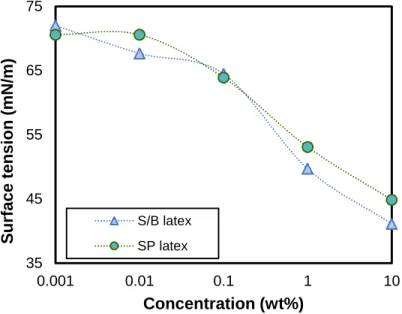
3.2 Surface tension and foaming tendency of latexes
The surface tension of the latexes as a function of latex concentration is depicted in Figure 2-5. 70 80 90 100 2500 2700 2900 3100 3300 3500 3700 T ransmit tance (% ) Wave number (cm-1) S/B latex S/A latex SP latex