저작자표시-비영리-변경금지 2.0 대한민국 이용자는 아래의 조건을 따르는 경우에 한하여 자유롭게 l 이 저작물을 복제, 배포, 전송, 전시, 공연 및 방송할 수 있습니다. 다음과 같은 조건을 따라야 합니다: l 귀하는, 이 저작물의 재이용이나 배포의 경우, 이 저작물에 적용된 이용허락조건 을 명확하게 나타내어야 합니다. l 저작권자로부터 별도의 허가를 받으면 이러한 조건들은 적용되지 않습니다. 저작권법에 따른 이용자의 권리는 위의 내용에 의하여 영향을 받지 않습니다. 이것은 이용허락규약(Legal Code)을 이해하기 쉽게 요약한 것입니다. Disclaimer 저작자표시. 귀하는 원저작자를 표시하여야 합니다. 비영리. 귀하는 이 저작물을 영리 목적으로 이용할 수 없습니다. 변경금지. 귀하는 이 저작물을 개작, 변형 또는 가공할 수 없습니다.
A DISSERTATION
FOR THE DEGREE OF DOCTOR OF PHILOSOPHY
Study on Dietary Essential Amino Acid Requirements
by Dipeptides for Marine Fishes
Sung-Sam Kim
Department of Marine Life Science GRADUATE SCHOOL JEJU NATIONAL UNIVERSITY
Study on Dietary Essential Amino Acid Requirements by
Dipeptides for Marine Fishes
Sung-Sam Kim
(Supervised by Professor Kyeong-Jun Lee)
A dissertation submitted in partial fulfillment of the requirement for the degree of DOCTOR OF PHILOSOPHY
2012. 02.
This dissertation has been examined and approved
………
Dissertation director, Moon-Soo Heo, Prof. of Marine Life Science ………
Kang-Sik Choi, Prof. of Marine Life Science
……… Suk-geun Jung, Prof. of Marine Life Science
……… Se-Min Choi, Director of Aquaculture R&D of CJ CheilJedang
……… Kyeong-Jun Lee, Prof. of Marine Life Science
2012. 02. ………
Date
Department of Marine Life Science
GRADUATE SCHOOL
JEJU NATIONAL UNIVERSITY
Contents
요약문···ⅴ
LIST OF FIGURES ···
ⅹ
LIST OF TABLES···
ⅹⅱ
CHAPTER ONE: Literature review ··· 15
1.1. Current world state of fisheries and aquaculture··· 15
1.2. General amino acids metabolism in animals··· 17
1.3. Proteins and amino acids ··· 18
1.3.1. Protein digestion, amino acids absorption and metabolism ··· 18
1.3.2. Branchedchain amino acids: leucine, isoleucine and valine ··· 20
1.3.3. Antagonisms among branchedchain amino acids··· 21
1.3.4. Phenylalanine and tyrosine··· 22
1.3.5. Utilization of peptides in formulated diets in fish ··· 23
1.3.6. The influence of amino acid imbalanced diets on animals ··· 26
1.3.7. Effectiveness of crystalline amino acids ··· 28
1.4. Essential and nonessential amino acids ··· 31
1.5. Wholebody amino acid profile··· 33
1.6. Blood and muscle amino acid levels ··· 34
1.7. Preferential catabolism ··· 35
1.9. Estimated dietary leucine and phenylalanine requirement ··· 37
-1.10. Chapter Justification ··· - 40 -
CHAPTER TWO ··· 42
2.1. Introduction ··· 42
2.2. Materials and methods ··· 45
2.2.1. Experimental design and diets··· 45
2.2.2. Feeding trials ··· 51
2.2.3. Chemical analysis ··· 51
2.2.4. Statistical analysis ··· 52
2.3. Results··· 53
2.4. Discussion ··· 59
CHAPTER THREE ··· 61
3.1. Introduction ··· 61
3.2. Materials and methods ··· 64
3.2.1. Experimental design and diets··· 64
3.2.2. Feeding trials ··· 69
3.2.3. Chemical analysis ··· 70
3.2.4. Statistical analysis ··· 70
3.3. Results ··· 71
CHAPTER FOUR ··· 61
-4.1. Introduction··· -80-
4.2. Materials and methods···
4.2.1. Experimental design and diets ···
-83-4.2.2. Feeding trials ···
-87-4.2.3. Chemical analysis ···
4.2.4. Statistical analysis ···
-88-4.3. Results ···
-89-4.4. Discussion ···
99CHAPTER FIVE ··· 102
-5.1. Introduction
···-102-5.2. Materials and methods
···5.2.1. Experimental design and diets
···-105-5.2.2. Feeding trials
···5.2.3. Chemical analysis
···-107-5.2.4. Statistical analysis
···-108-5.3. Results ···
-109-5.4. Discussion ···-118-
CHAPTER SIX ··· 102
-6.1. Introduction
···6.2.1. Experimental design and diets
···-123-6.2.2. Feeding trials
···-128-6.2.3. Chemical analysis
6.2.4. Statistical analysis
···-129-6.3. Results
···-130-6.4. Discussion
···133SUMMARY ··· 121
REFERENCES ··· 140
ACKNOWLEDGEMENT ··· 140
LIST OF PUBLICATIONS ··· 140
CURRICULUM VITAE ··· 140
-요약문
어류에서 어체 건조중량의 50~60%는 단백질로 구성되어 있다. 육상 가축동물의 경우 주 에너지원으로 탄수화물을 이용하는 반면, 대부분의 양식어류는 탄수화물 이용률이 극히 낮고 상대적으로 단백질의 이용률이 매우 높아 사료 내 단백질 요구량이 육상 가축동물과 비교하여 2~2.5배 가량 높다. 사료의 부적합한 단백질함량 및 아미노산 조성은 어류의 성장을 감소시키거나 사료비용을 증가시키는 결과를 초래한다. 단백질은 어류 사료에 있어서 고려하여야 할 가장 중요한 요소로써 이러한 단백질을 구성하는 각 아미노산의 조성 및 각 요구량 설정은 양식어류의 성장 및 배합사료 비용과 직접적으로 관계된다. 어류의 초기 발달 단계에서 사료로 공급되어지는 아미노산은 조직 단백질과 고분자 화합물의 합성 및 에너지원으로서 중요하게 작용한다 (Terjesen et al., 1997; Wright and Fyhn, 2001; Finn et al., 2002; Ronnestad et al., 2003). 경골어류에 있어서 사료로 공급된 아미노산의 흡수는 단백질의 가수분해에 의한 peptides (mono-, di-peptides) 형태 또는 직접적인 free 아미노산 형태로 이루어진다. Dabrowski et al. (2003) 연구에서 무지개송어를 대상으로 dipeptide 및 free 형태의 이용성을 비교한 결과 dipeptide를 기초로 한 사료가 높은 성장률을 보였고, free 형태를 기초로 한 사료에서는 낮은 성장률을 보였다. 또한 intact protein 및 free 아미노산을 기초로 한 사료로 methionine 연구에서도 free 아미노산 그룹에서 유의적으로 낮은 성장률을 보였다. Free형태의 아미노산이 dipeptide, intact protein 및 protein-bound amino acids 보다 이용성이 떨어진다는 연구결과들이 최근 많이 발표되고 있다. 그 매커니즘으로 free 형태의 아미노산은 intact protein 보다 빨리 흡수 및 대사가 되어 이용되기 때문에 비효율적이라고 보고되고 있다. 다른 매커니즘으로는 free 형태의 아미노산이 물에서 보다 더 빨리 침출되어 손실되기 때문이라고 보고되고 있다(Zarate and Lovell, 1997). 따라서 free 아미노산의 이용성을 높이기 위해 microencapsulation 및 coating 기술이 개발되어 영양소의 흡수 및 손실을 막기위해 널리 사용되고 있다. 따라서 기존의 어류 사료 내 아미노산 요구량에 관한 연구가 모두 free 아미노산을 사용하여 도출된 결과이고, 설정된 모든 아미노산 요구량 값이 과대평가 된 결과라는 것이 본 연구의 가설이다. 이러한 가설에 착안하여 본 연구는 해산양식 어종인 넙치, 감성돔, 참돔을 대상으로 사료 내 필수아미노산인 루신(leucine)을 free형태와 dipeptide형태로 각각 첨가하여 성장을 비교하였으며, 더 나아가 각각의 형태에 따른 요구량을 비교하여 적정요구량 및 가설을 입증하기 위해 수행되었다.
위에서 언급한 가설을 입증하기 위해 5번의 사양실험을 수행하였으며, 사양실험1(Chapter two)은 참돔을 대상으로 루신(Leucine)을 각각 free와 dipeptide 형태로 첨가(0.7%, 1.4%)하여 비교하였으며, 사양실험2(Chapter three)는 참돔을 대상으로 페닐알라닌(Phenylalanine)을 각각 free와 dipeptide 형태로 첨가(0.7%, 1.4%)하여 이용성 및 성장을 비교하였다.
사양실험3(Chapter four)은 감성돔을 대상으로 각각 free 및 dipeptide 형태로 leucine을 단계별로 첨가(C-0.4%, D-0.7%, D-1.0%, D-1.3% 및 F-0.7%, F-1.0%, F-1.3%)하여 사료 내 적정 요구량을 비교하여 규명하였으며, 사양실험4(Chapter five)는 넙치를 대상으로 각각 free 및 dipeptide 형태로 사료 내 단계별로 첨가(C-0.6%, D-0.9%, D-1.2%, D-1.5% 및 0.9%, F-1.2%, F-1.5%)하여 아미노산의 이용성 및 적정 요구량을 규명하였다. 사양실험5(Chapter six)는 넙치를 대상으로 추후 비교연구를 위해 우선적으로 free형태의 phenylalanine을 사료 내 단계적으로 첨가(0.4%, 0.7%, P-1.0%, P-1.3%, P-1.6%, P-1.9%)하여 필수성 및 적정요구량을 규명하였다.
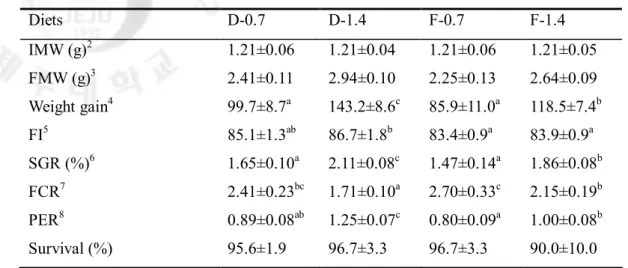
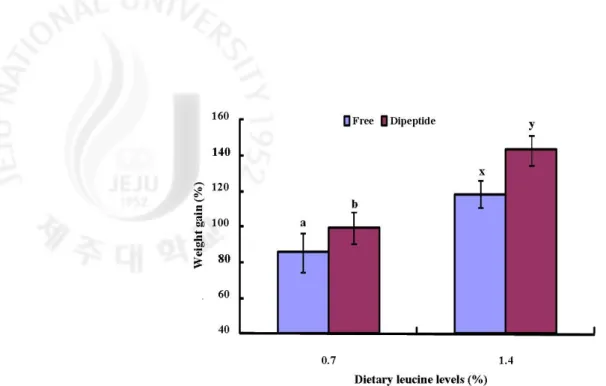
사양실험1의 결과, dipeptide 형태로 루신(leucine)을 첨가한 실험구가 free 형태로 루신을 첨가한 그룹과 비교하여 유의적으로 높은 성장률을 보였다. 일간성장률에서도 dipeptide 그룹에서 free 그룹보다 유의적으로 높은 결과를 보였다. 사료효율에서는 dipeptide 형태로 루신을 첨가한 1.4% 그룹(D-1.4)에서 다른 그룹보다 유의적으로 높은 효율을 보였다. 단백질전환효율 역시 사료전환효율결과와 비슷하게 D-1.4 그룹에서 다른 그룹보다 유의적으로 높은 효율을 보였다. 이 결과는 본 연구의 가설인 기존의 아미노산 요구량이 과대평가되어 도출된 결과라는 것을 확실히 증명하는 결과이다. 이러한 연구결과를 바탕으로 사양실험2에서는 필수아미노산 중 하나인 페닐알라닌 (Phenylalanine)을 dipeptide 형태와 free 형태로 첨가하여 참돔을 대상으로 성장실험을 수행하였다. 그 결과, 성장률, 사료섭취율, 일간성장률, 사료전환효율, 단백질전환효율 및 생존율에 있어서 모든 실험구간에 유의적인 차이를 관찰할 수
없었다. 하지만 전어체의 구성아미노산 분석결과에서 0.7%를 첨가한 그룹에서 dipeptide와 free 그룹을 비교한 결과 dipeptide 그룹이 free 그룹 보다 모든 아미노산 함량이 높았다. 하지만 1.4%를 첨가한 그룹에서는 모든 아미노산의 함량에서 dipeptide와 free 그룹간에 아무런 차이를 보이지 않았다. 이 결과는 아마도 참돔의 페닐알라닌 요구량이 0.7% 이하이거나, 다이펩타이드의 결합에 의한 차이로 판단된다. 따라서 사양실험3은 dipeptide와 free 형태의 루신을 사료 내 단계별로 첨가하여 넙치치어를 대상으로 아미노산 형태에 따른 요구량을 비교하기 위해 수행하였다. 그 결과, dipeptide 그룹에서 보다 높은 성장률을 보였으며, 아미노산의 이용률도 높았다. 사료 내 루신의 적정요구량은 free 형태일 때 1.00%, dipeptide 형태일 때 0.88%로, dipeptide 형태의 루신으로 했을 때 적정요구량이 약 0.12% 낮게 분석되었다. 이러한 결과들을 바탕으로 사양실험4는 다른 어종에서는 어떠한 결과를 보이는 알아보기 위해 dipeptide와 free 형태의 루신을 사료 내 단계별로 첨가하여 감성돔 치어를 대상으로 아미노산 형태에 따른 요구량을 비교하기 위해 수행하였다. 그 결과, 사양실험 3의 결과와 유사하게 dipeptide 그룹에서 보다 free 그룹 보다 높은 성장률을 보였으며, 아미노산의 이용률도 높았다. 사료 내 루신의 적정요구량은 free 형태일 때 1.09%, dipeptide 형태일 때 0.99%로, dipeptide 형태의 루신으로 했을 때 적정요구량이 약 0.1% 낮게 분석되었다. 사양실험5는 추후 dipeptide로 도출된 요구량과 비교하기 위해 우선적으로 free 형태의 페닐알라닌(Phenylalanine)을 사료 내 단계별로 첨가하여 넙치치어를 대상으로 수행되었다. 그 결과, 사료 내 페닐알라닌의 함량이 증가함에 따라 성장률이 유의적으로 증가하다가 적정요구량을 넘으면 오히려 감소하는 경향을 보였다. 사료 내 페닐알라닌의 적정요구량은
0.9%로 판단되며, 본 연구결과는 추후 dipeptide 연구결과를 참고하여 보다 더 정확한 요구량이 규명될 것이다. 위 결과들을 종합해 볼 때, 해산어류(넙치, 참돔, 감성돔)는 free 아미노산 보다 dipeptdie형태의 아미노산을 보다 효율적으로 이용하여 성장률을 높일 수 있을 것으로 판단된다. Dipeptide는 해산어류의 아미노산 요구량 연구에 있어서 free 형태의 아미노산을 대체하여 보다 더 정확한 요구량을 알아보기 위한 아미노산 원료로 사용 가능할 것으로 판단된다. 본 연구결과를 비추어 보아 지금까지 보고된 기존의 아미노산 요구량결과는 과대평가될 수 있다는 본 연구의 가설이 확실히 증명되었으며, 이러한 결과들을 바탕으로 하였을 때 넙치에 있어서 배합사료 내 루신의 적정첨가 함량은 0.88%, 감성돔에 있어서 루신의 적정첨가 함량은 0.99%로 판단된다. 또한 나머지 필수아미노산에 대해서도 본 연구의 모델을 기초하여 요구량을 재평가하고 확립하여야 할 것으로 판단된다.
LIST OF FIGURES
Figure 2-1. Weight gain (%) of juvenile red seabream (Pagrus major) fed the experimental diets with different levels or molecular forms of leucine for 6 weeks. Values are means ± presented as different S.D. (n=3). Bars that do not share a common superscript letter are significantly (P<0.05).
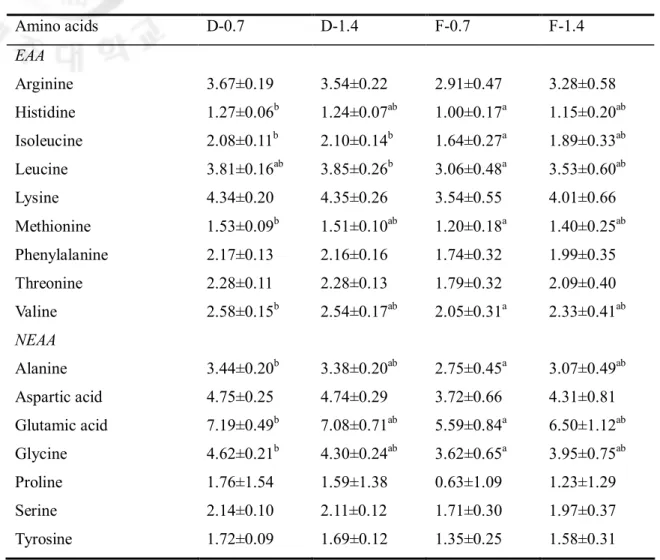
Figure 2-2. Individual essential amino acids (%) in whole-body of juvenile red seabream (Pagrus major) fed the experimental diets with different levels or molecular forms of leucine for 6 weeks. Values are means ± S.D. (n=3). Bars with different letters are significantly different (P<0.05).
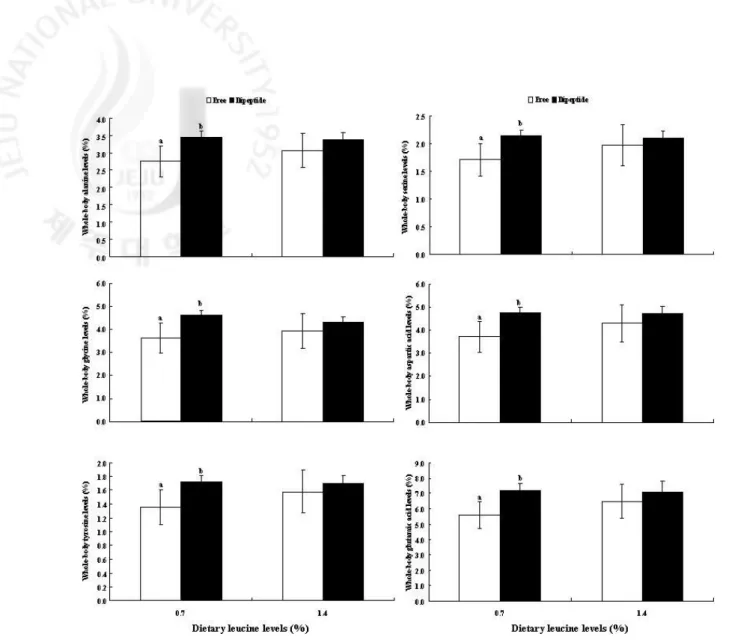
Figure 2-3. Individual non-essential amino acids (%) in whole-body of juvenile red seabream (Pagrus major) fed the experimental diets with different levels or molecular forms of leucine for 6 weeks. Values are means ± S.D. (n=3). Bars with different letters are significantly different (P<0.05).
Figure 3-1. Individual essential amino acids (%) in whole-body of juvenile red seabream (Pagrus major) fed the experimental diets with different levels or molecular forms of phenylalanine for 6 weeks. Values are means ± S.D. (n=3). Bars with different letters are significantly different (P<0.05).
Figure 3-2. Individual non-essential amino acids (%) in whole-body of juvenile red seabream (Pagrus major) fed the experimental diets with different levels or molecular forms of phenylalanine for 6 weeks. Values are means ± S.D. (n=3). Bars with different letters are significantly different (P<0.05).Figure
Figure 4-1. Weight gain (%) of juvenile black seabream (Acanthopagrus schlegelii) fed the experimental diets with different levels or molecular forms of leucine for 4 weeks. Values are means ± S.D. (n=3). Bars with different letters are significantly different (P<0.05). Figure 4-2. Growth performance of juvenile black seabream (Acanthopagrus schlegelii) fed the
experimental diets with different levels or molecular forms of leucine for 4 weeks. Values are means ± S.D. (n=3). Bars with different letters are significantly different (P<0.05). Figure 4-3. Whole-body protein (%, DM) of juvenile black seabream (Acanthopagrus
schlegelii) fed the experimental diets with different levels or molecular forms of leucine for 4 weeks. Values are means ± S.D. (n=3). Bars with different letters are significantly different (P<0.05).
Each point represents the average of three groups of fish.
Figure 4-5. Broken-line relationship of weight gain (%) to dietary Leu-Gly levels as dipeptide form. Each point represents the average of three groups of fish.
Figure 5-1. Individual weight gain (%) of juvenile olive flounder (Paralichthys olivaceus) fed the experimental diets with different levels or molecular forms of leucine for 8 weeks. Values are means ± S.D. (n=3). Bars with different letters are significantly different (P<0.05).
Figure 5-2. Weight gain (a) and Survival (b) of juvenile olive flounder (Paralichthys olivaceus) fed the experimental diets with different levels or molecular forms of leucine for 8 weeks. Values are means ± S.D. (n=3). Bars with different letters are significantly different (P<0.05).
Figure 5-3. Individual essential amino acids (%) in whole-body of juvenile olive flounder (Paralichthys olivaceus) fed the experimental diets with different levels or molecular forms of leucine for 8 weeks. Values are means ± S.D. (n=3). Bars with different letters are significantly different (P<0.05).
Figure 5-4. Individual non-essential amino acid (%) in whole-body of juvenile olive flounder (Paralichthys olivaceus) fed the experimental diets with different levels or molecular forms of leucine for 8 weeks. Values are means ± S.D. (n=3). Bars with different letters are significantly different (P<0.05).
Figure 5-5. Broken-line regression analysis of weight gain (%) against varying levels of dietary Leu-Gly as dipeptide (a) and L-leucine as free form (b). Each point represents the average of three groups of fish.
Figure 6-1. Broken-line regression analysis of weight gain (%) against dietary phenylalanine levels. Each point represents the average of three groups of fish.
LIST OF TABLES
Table 1-1. Essential and nonessential amino acids Table 1-2. Leucine requirements
Table 1-3. Phenylalanine requirements Table 2-1. Formulation of the reference diet
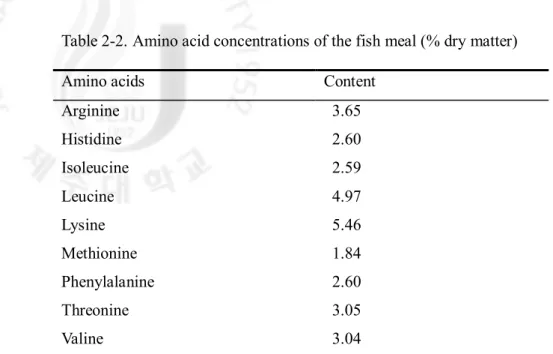
Table 2-2. Amino acid concentrations of the fish meal (% dry matter)
Table 2-3. Composition and proximate analysis of the experimental diets (% dry matter) Table 2-4. Amino acid concentrations of the experimental diets (% dry matter)
Table 2-5. Growth performance of juvenile red seabream fed the experimental diets with different levels or molecular forms of leucine for 6 weeks
Table 2-6. Amino acid concentrations in the whole-body of juvenile red seabream fed the experimental diets with different levels or molecular forms of leucine for 6 weeks (% dry matter)
Table 2-7. The free amino acid concentrations in the whole-body of juvenile red seabream fed the experimental diets with different levels or molecular forms of leucine for 6 weeks (% dry matter)
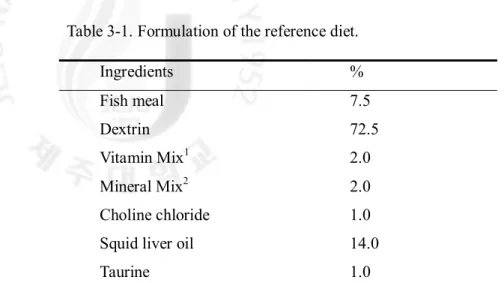
Table 3-1. Formulation of the reference diet
Table 3-2. Amino acid concentrations of the fish meal (% dry matter)
Table 3-3. Composition and proximate analysis of the experimental diets (% dry matter) Table 3-4. Amino acid concentrations of the experimental diets (% dry matter)
Table 3-5. Growth performance of juvenile red seabream fed the experimental diets with different levels or molecular forms of phenylalanine for 6 weeks
Table 3-6. Amino acid concentrations in the whole-body of juvenile red seabream fed the experimental diets with different levels or molecular forms of phenylalanine for 6 weeks (% dry matter)
Table 3-7. The free amino acid concentrations in the whole-body of juvenile red seabream fed the experimental diets with different levels or molecular forms of phenylalanine for 6 weeks (% of protein)
Table 4-1. Composition and proximate analysis of the experimental diets (% dry matter)
Table 4-3. Amino acid concentrations concentrations of the experimental diets (% dry matter) Table 4-4. Growth performance of juvenile black seabream (Acanthopagrus schlegelii) fed the
experimental diets with different levels or molecular forms of leucine for 4 weeks
Table 4-5. Amino acid concentrations in the whole-body of juvenile black seabream fed the experimental diets with different levels or molecular forms of leucine for 4 weeks (% of protein)
Table 4-6. The free amino acid concentrations in the whole-body of juvenile black seabream fed the experimental diets with different levels or molecular forms of leucine for 4 weeks (% of protein)
Table 5-1. Composition and proximate analysis of the experimental diets (% dry matter)
Table 5-2. Amino acid concentrations of the experimental diets (% dry matter)
Table 5-3. Whole-body amino aicd concentration of juvenile olive flounder fed the experimental diets with different levels or molecular forms of leucine for 8 weeks (% dry matter)
Table 6-1. Formulation of the reference diet
Table 6-2. Formulation of the experimental diets (% dry matter) Table 6-3. Amino acid concentrations of the fish meal (% dry matter)
Table 6-4. Amino acid concentrations of the experimental diets (% dry matter)
Table 6-5. Growth performance of juvenile olive flounder (Paralichthys olivaceus) fed the experimental diets containing graded levels of phenylalanine for 6 weeks
CHAPTER ONE: Literature review
1.1. Current world state of fisheries and aquaculture
Aquaculture is one of the most important high protein food producing sectors. The generalization of aquaculture development trends is difficult, and the provided trends are much relevant to its manner in the countries in which it is well founded. World aquaculture has grown dramatically during the last 50 years with rate of less than one million tonnes in 1950 to about 59.4 million tonnes in 2004. The amount of supplied cultured aquatic animals for human consumption reported to be 52.5 million tonnes in 2008. Its contribution to the total production of capture fisheries has increased from 34.5 percent in 2006 to 36.9 percent in 2008; also the world’s fish food production for human consumption has reached from 42.6 to 45.7 percent. The mean annual growth rate of aquaculture has been 8.3 (or 6.5 percent except China) percent, higher than the world mean population growth rate, through the years 1970-2008, and its annual per capita supply has increased from 0.7 to 7.8 kg during this period. Except for aquatic plants, the value of the world aquaculture products has been estimated at US$98.4 billion in 2008. The expansion and intensification of aquaculture during the past decades have attributed to research, accordance with consumer demand and improved aquaculture policy and governance.
Different factors are driving the aquaculture to intensification of which the main limiting factor is the unavailability of sites because of restricted non-agricultural land for exploitation. In this regard novel ways of using environment (land and water) for production are needed. By proceeding of intensification, the need for scientific support, services and skilled forces is in
increase.
Aquaculture explores for new species, especially valuable ones, in countries in which the aquaculture is well established. An increasing trend has been reported for facilities of valuable species for mariculture, and in contrary a decrease in facilities for low value species like cyprinids, especially in China. In the future, expansion of mariculture, especially high value species may compensate the reduction in freshwater aquaculture.
Polyculture, especially in marine systems, provides a means for diversified products from a system and reduces the undesirable environmental impacts. Despite of its traditional practice in Asian freshwater and coastal waters, more research and technology transfer on marine combined plant/animal systems, where such systems are less developed, is needed.
In most of the countries, aquaculture aims more on economic sustainability and overall competitiveness rather than high yield per aria unit. In this regard, one of the key factors is the improvement in health management. Because of significant losses in global aquaculture resulting from pathogens and disease, strong emphasis is focused on decreasing the mortality due to disease. Such inclination not only focuses on production and practice, but also on acquiring quality inputs such as clean seed and high quality feed to reduce the risks of production failures. The combination of all these trends can result in an improvement in management and be observed at the individual farm level and specific subsectoral levels, as well. Although such trends have not occurred simultaneously in aquaculture all over the world, it will materialize as different pressures are applied.
1.2. General amino acids metabolism in animals
Amino acids are molecules that include both of amine and carboxylic acid functional group. The main function of amino acids is their use as building blocks for protein synthesis. In addition, amino acids serve as precursors of non-protein nitrogenous high molecular weight compounds (such as nucleic acid, porphyrine and creatine), and substrates for energy. Recently, individual amino acids have been suggested to act as signaling molecules to regulate mRNA translation. For example, leucine, one of the branched-chain amino acids, has been proposed to play a regulatory role in the stimulation of muscle protein synthesis by enhancing availability of specific eukaryotic initiation factors (Anthony et al, 2007).
Twenty of the 80 naturally occurring amino acids are involved in the formation of proteins, in which about one half are considered indispensible or essential for animals. Those must be provided in the diets because their carbon chain cannot be synthesized by the body. The majority of indispensible amino acids (EAAs) are identical in all animals including fish (Dabrowski and Guderley, 2002). They are isoleucine, leucine, lysine, methionine, phenylalanine, threonine, tryptophan, valine, arginine, and histidine. There are ontogenetical, species-specific and physiological state differences in the EAA requirements in animals, including fish (Dabrowski et al. 2005). Conversely, the amino acids that can be manufactured by the body are classified as dispensable or nonessential, including alanine, asparagine, aspartate, cysteine, glutamate, glutamine, glycine, proline, serine, and tyrosine. Cystine and tyrosine are also termed as “semi-essential” or “conditionally-essential” amino acids. Under certain conditions, methionine will be converted to cystine, and phenylalanine can be converted to tyrosine, but not the other way around. Therefore, when cystine and tyrosine are present in the diet, the requirements for methionine and phenylalanine may be decreased.
1.3. Protein and amino acids
1.3.1. Protein digestion, amino acids absorption and metabolism
The basic mechanism of intestinal absorption of peptides and proteins was begun to be understood by the discovery of free amino acids in gastrointestinal lumen. The understanding of the mechanism was due to discovery of mixed peptidase activity in small intestinal mucosa. The peptides undergo rapid and complete proteolytic degradation in lumen or cells of gastrointestinal tract and then are absorbed only as free AA. However, increasing number of observations of peptides and proteins in the lumen or cells suggested that the absorption of intact peptides is possible (Fricker and Drewe, 1996). Free AAs in fish diets are absorbed more rapidly than AAs digested from intact protein and are not effectively utilized for protein synthesis (Cowey and Walton, 1988; Berge et al., 1994). Crystalline AAs are found to be utilized at a lower efficiency than intact protein or dipeptides (Dabrowski et al., 2003). It was also reported that lower utilization of crystalline AAs can be explained by a finding that more rapid absorption of crystalline AAs can cause AA imbalances in tissues and divert more AAs from anabolic to catabolic processes in juvenile grouper, Epinephelus coioides (Luo et al., 2005).
When dietary amino acids are provided in the form of protein, these proteins must be degraded in the digestive tract for the cellular anabolic and catabolic processes in the body tissues. For monogastric mammals and stomach-possessing fish, protein digestion begins in the stomach lumen. Hydrochloric acid secreted by the stomach parietal cells denatures the dietary proteins and decreases stomach lumen pH to approximately 2.0-2.5. The major gastric proteases (two types of pepsin) that are autocatalytically activated from zymogens (pepsinogens) at acidic pH, degrade proteins into large polypeptides, small polypeptides and some free amino acids.
These hydrolytic products and some intact proteins will be passed into the small intestine for further digestion. For most marine fish larvae, gastric pepsin activity and hydrochloric acid secretion seems to be very low or absent (Tanaka et al., 1996, Cahu and Zambonino Infante, 2001). Whether the lack of HCl; and pepsin will hamper enzymatic protein digestion in fish larvae needs to be further addressed (Ronnestad et al. 2003).
The pancreas secretes many types of proteases, including trypsinogen, chymotrypsinogen, elastase (endopeptidase) and carboxypeptidase A and B (exopeptidases). These proteases are secreted as zymogens and are activated in the lumen of the intestine. The starter phase of protein digestion in the small intestine begins when activated pancreatic proteases cleave peptide bonds of amino acid chains. The carboxypeptidases remove a single amino acid from the carboxyl-terminal end of proteins and peptides. The actions of pancreatic proteases reduce proteins into the mixure of oligopeptides (2-6 amino acids) and free amino acids.
Oligopeptides produced by gastric and pancreatic proteases are further digested by the brush border membrane peptidases to free amino acids or di- and tri-peptides before being absorbed. That is the final step of protein digestion. Aminopeptidase N is the most abundance membrane peptidase in enterocytes and cleaves amino acids from the N-terminus of short oligopeptides (Erickson and Kim, 1990) Free amino acids can be absorbed by the intestinal mucosal cells via active transport, simple diffusion, and facilitated diffusion. In respect to mammals, the Na+ - dependent amino acid transport system (the Alanine system (A), large neutral brush border system (LNBB), phenylalanine system (PHY), anionic system (X)), and the Na+ - independent amino acid transport system (leucine system (l) and cationic system (y)) are responsible for transporting amino acids into the cytoplasma (Stipanuk, 2000). Some studies (Smith and Aheava, 1989) suggested that fish have similar amino acid transport systems as
mammals.
Absorbed amino acids are either used for the synthesis of tissue proteins, oxidized for energy production (catabolism), transaminated into other amino acids, used in gluconeogenesis or lipogenesis, or used in the synthesis of other non-protein nitrogenous molecules. The lower Km (10-3 – 10mM) or higher affinity of amino acids to the enzymes involved in protein synthesis compared to the enzymes participating in amino acids catabolism (1-10m M) (Walton and Cowey, 1982) assures an efficient use of amino acid resources.
1.3.2. Branched-chain amino acids: leucine, isoleucine and valine
Branched-chain amino acids (BCAAs) are essential amino acids whose carbon structure is marked by a branch point. The BCAAs are valine, isoleucine and leucine having aliphatic side chains that are nonlinear.
These three EAAs play important structural roles and are primarily deposited in body protein, notably in skeletal muscles (Cowey and Walton, 1989). Valine is also involved in the synthesis of the myelin covering of the nerves, and valine deficiency can cause degenerative neurological conditions in mammals. Because of their critical roles in the protein structure, most proteins have a relatively high proportion of BCAAs, and these represent a significant proportion of amino acids consumed by animals.
The increase in circulating BCAAs that occurs after a protein-containing meal is “sensed” by a number of different tissues and has important effects in these tissues (Yang et al., 2008). Thus, the BCAAs serve as important signals to other tissues; among the tissues that respond to
BCAA concentrations are brain and skeletal muscle. Leucine is increasingly recognized as an anabolic nutrient signal, communicating the presence of an ingested protein-containing meal to peripheral tissues, and stimulating insulin secretion by the β-cells of the pancreas and protein synthesis in muscle and adipose tissue through the target of rapamycin signaling pathway (Yang et al., 2008).
The metabolism of BCAAs differs from that of the other amino acids in three important respects. First, rather than being restricted to the liver as for most EAAs, the catabolic enzymes for BCAAs are distributed widely in body tissues, including the kidney, muscle, and even the central nervous system (Cowey and Walton, 1989). Second, all three BCAAs share the same common transporter for intestinal absorption. Finally, the first steps in the oxidation of each of these three amino acids are catalyzed by two common enzymes, and so the organism metabolizes these three amino acids using the same enzymatic system. The first step in BCAA catabolism is transamination catalyzed by BCAT (branched-chain aminotransferase) isozymes. In this reaction, the amino group is transferred from a BCAA to α-ketoglutarate to form glutamate and the respective branched-chain α-keto acid (BCKA). The keto acid products are irreversibly oxidized by the second enzyme in the catabolic pathway, the mitochondrial BCKA dehydrogenase enzyme complex (Brosnan and Brosnan, 2006).
1.3.3. Antagonisms among branched-chain amino acids
Interactions between the BCAAs, leucine, isoleucine and valine are known to produce antagonistic effects in chicks, pigs, rats, and humans (D,Mello, 1994). Reduction of plasma isoleucine and valine concentration after consumption of an excessive amount of leucine has been reported in rats, chicks, pigs, and humans (Block and Harper, 1991). Leucine-induced
changes in plasma levels of isoleucine and valine have mainly been attributed to competitive inhibition during intestinal absorption and increased oxidation through BCKA dehydrogenase activation (Block and Harper, 1991; Langer et al., 2000).
In fish, antagonism involving BCAAs have not been fully assessed, and the results obtained have shown some inconsistencies. No effect of excess leucine on the other BCAAs was observed by Robinson et al. (1984), Choo et al. (1991), and Rodehutscord et al. (1997). However, Chance et al. (1964) observed that the isoleucine requirement of Chinook salmon increased slightly with increasing concentrations of dietary leucine.Hughes et al. (1983) observed changes in concentrations of BCAAs in lake trout given diets containing increasing amounts of valine. Plasma isoleucine and leucine were both elevated in valine-deficient fish, and their concentrations decreased as dietary valine was increased. An antagonist effect of excess leucine on plasma and muscle levels of other BCAAs has also been reported by Hughes et al. (1984) in lake trout and Yamamoto et al. (2004) in rainbow trout. Yamamoto et al. (2004) reported a negative effect of feeding diets formulated to low Ile:Leu and Val:Leu ratios. Choo et al. (1991) and Encarnacao (2005) did not observed any effect of excess dietary leucine on plasma valine and isoleucine concentrations. Rainbow trout showed a high tolerance for dietary leucine; no growth depression occurred with concentrations as high as 9.2% of diet (Choo et al., 1991). Even with excessive dietary leucine concentrations (13.4% of diet), which were overtly toxic, the concentrations of free valine and isoleucine in plasma, liver, and muscle were not depressed (Choo et al., 1991).
1.3.4. Phenylalanine and tyrosine
side chain. Tyrosine or 4-hydroxyphenylalanine is synthesized in the body from phenylalanine and is considered a semiessential, or conditionally essential, amino acid. Fish readly convert phenylalanine to tyrosine so that phenylalanine alone can meet requirements for aromatic amino acids (Wilson, 1989; Guillaume et al., 1999). However, the present of tyrosine in the diet will reduce some of the requirement for phenylalanine. Phenylalanine sparing by tyrosine is believed to be between 40-60% in the species studies to date (NRC, 1993; Guillaume et al., 1999).
Aside from being a proteinogenic amino acid, tyrosine has a special role by virtue of the phenol functionality. It occurs in proteins that are part of signal transduction processes and functions as a receiver of phosphate groups that are transferred to the hydroxyl group by protein kinases (so-called receptor tyrosine kinases), with phosphorylation changing the activity of the target protein. L-tyrosine also can be converted into the catecholamines, norepinephrine, and epinephrine, dopamine, and thyroxin (Cowey and Walton, 1989).
The catabolism of L-tyrosine involves a series of reactions that yield fumarate and acetoacetate (3-ketobutyroate). Acetoacetate is a ketone body that can be converted into acetyl-CoA, which in turn can be oxidized by the TCA cycle or be used for fatty acid synthesis (Cowey and Walton, 1989).
1.3.5. Utilization of peptides in formulated diets in fish
The early life stages of fish (larval and juvenile) are characterized by very high growth rates compared to adult stages (Conceicao, 1997). In some species, such as African catfish (Terjesen et al. 1997), larvae growth rate can reach 60% per day during the first days of exogenous feeding. The growth in fish is primarily due to muscle protein deposition (Houlihan
et al. 1995). Consequently, fish have very high dietary amino acids requirements for protein accretion, turnover and major fuel source during this rapid growth period. Utilization of formulated diets is a promising alternative for the live food to rear larval fish since the latter is costly (Zambonino Infante et al. 1997) and its nutritional composition difficult to manipulate (Aragao et al. 2004). In addition, the crustacean free AA pool varies with species, life stages and culture conditions (Ronnestad et al. 1999). Therefore, a great number of studies on young teleost fish amino acid metabolism and requirement have been carried out recently targeting the development of acceptable formulated diets.
Young teleosts can obtain dietary AA in the form of protein-bound, free amino acids (FAA) or peptides. When peptides or FAA are the major amino acid sources in the diets, absorption can be completed in the intestine bypassing the digestion by proteases secreted in the stomach and from pancreas to the intestine. In mammals, amino acids are mainly taken up and released from the gut by the Na+ dependent amino acid transport system or the Na+ -independent amino acid transport system located in the intestine mucosal cells. Peptides have different transport systems from free amino acids. The mammalian peptide transporter, oligopeptide transporter (Pept-1), is also abundantly expressed in larval zebrafish (Danio rerio) (Verri et al. 2003).
Studies with larvae of several fish species showed faster absorption of small peptides and FAA compared with protein if injected into the digestive tract prior to their metamorphosis (Rust et al. 1993; Ronnestad et al. 2003). Therefore, it seems that free amino acids and small peptides are promising dietary amino acids sources in the formulated diets for teleost fish at their early life stages.
Experiments with juvenile rainbow trout (Oncorhynchus mykiss), Attllanttiic salmon (Salmo salar L.) and Atlantic cod (Gadus morhua) (Cowey & Walton, 1988; Espe et al., 1993, Berge et al. 1994) showed faster FAA absorption rates compared with protein bound AA. The similar observation was also reported in humans (Metges et al., 2000). Ronnestad et al. (2000) studied the use of intubation techniques where the authors showed that an FAA suspension (lacking other dietary ingredients) containing L-[35S] methionine was absorbed with a 3.5-times faster absorption rate from the gut than the protein diet containing L-[methylated- 14C]-protein in the Senegal sole. However, this may result from the reduced digestibility of methylated proteins (Keil and Kirchman, 1992). Moreover, numerous studies have also shown that free amino acids are taken up by the intestinal mucosal cells at a slower rate than intact small peptides in rats, hamsters, pigs, humans and fish (Burston et al. 1972, Mathews et al. 1974, Li et al. 1999, Addibi, 1974 and Boge et al. 1981). Many studies on the utilization of FAA-based diets that had been carried out with common carp and rainbow trout indicated inferior or even negative utilization of amino acids in comparison to equivalent protein-based diets in respect to fish growth (Murai et al. 1982; 1983; Kaushik and Dabrowski 1983, Dabrowski, et al. 2003). The increased deamination at the first feeding stage in rainbow trout alevin (Dabrowski et al., 2003) or higher amounts of total dietary nitrogen excretion through the gill and kidney may be at least partially responsible for the negative or inferior utilization of FAA-based diets by young fish. Murai et al. (1984) reported that FAA represented 36% of total nitrogen excretion through the gills and kidney when carp juveniles were fed a diet containing 38.4% free amino acid. The excretion dropped to 12.8% in carp fed with the comparable casein-based diet.
Compared with FAA-based or protein based diets, peptide-based diets may play a positive role in the development of the brush border enzyme expression and gut differentiation in young
fish (Zambonino et al. 1997, Cahu et al. 2001). Aragao et al. (2004) showed that retention of amino acids was improved when Artemia-fed postlarval Senegal sole was supplemented with dipeptides through direct meal intubation. More advantages of peptide inclusion in common carp diets were earlier found by Carvalho et al. (1997) who reported that protein hydrolyzates (peptides) can be effectively utilized in this species for growth. A study conducted by Dabrowski et al. (2003) showed that synthetic dipeptides-based diet sustained the high growth rate of rainbow trout alevins and juveniles. However, in vivo evidence of the nutritional and metabolic significance of the complete (all EAA) peptide-based diets in larval and juvenile fish remains illusive. Espe et al. (1999) showed that muscle protein synthesis in Atlantic salmon decreased 1.5-2.0 folds and the growth rate significantly decreased with an increase in proportion of small peptides. In contract, more recent studies conducted by Aragao et al. (2004) showed that dipeptides could improve dietary amino acid balance in comparison to free AA in juvenile Senegal sole. Terjesen et al. (2006) reported that a diet with 1:1 ratio of protein to synthetic dipeptides resulted in better performance by rainbow trout alevins than an entirely dipeptide-based diet, and comparable to a protein-based diet in terms of growth rate, survival and muscle indispensible free amino acid levels.
1.3.6. The influence of amino acids imbalanced diets on animals
All animals including fish must obtain EAAs from diet to maintain protein synthesis and their normal growth. Amino acid balanced diets in monogastric animals must be composed of various protein sources to provide EAAs in the right proportion. In practice, various major dietary proteins are limited in one or more EAA compared to fish meal. For example, soybean protein is limited in leucine, threonine and valine. Oil seeds and wheat gluten are limited in lysine (Giles et al., 1976), whereas meat and bone meal are deficient in methionine. Consuming
one of these proteins as a sole dietary protein source may cause EAA deficiency. Under farming conditions, feed formulations that include plant proteins may result in EAA disproportion or deficiency.
Extensive studies carried out in animals have shown that an amino acid imbalanced diet reduces feed intake and growth of animals (Harper et al. 1970; Gietzen 1993). EAA deficient diets affect animals adversely, including depression of their food intake and growth, change of feed intake behavior, development of lesions and low survival rates (Harper et al., 1970). Studies conducted by Koehnle et al. (2004) showed that feed intake of rats decreased significantly after they were fed a threonine-deficient diet (threonine is the second most limiting amino acids in soybean protein-based diet for rat (Berry, et al., 1962)) in comparison to the control group. The level of plasma histidine and threonine decreased rapidly after ingesting histidine- or threonine- deficient diets, respectively, while the level of plasma total EAA other than histidine and threonine, increased significantly. There was no significant change in the rat plasma dispensable amino acid (NEAA) concentrations after consumption of histidine- or threonine-deficient diets. Liver and muscle free histidine or threonine concentrations decreased after rats were fed histidine or threonine imbalanced diets (Peng et al., 1972). Feurte et al. (1999) also reported that plasma threonine concentrations significantly decreased between 30 and 60 minutes after rats ingested a threonine-devoid diet. Furthermore, studies also showed that rats could recover from such deficiency when fed with feed containing the specific EAA they were lacking (Markison et al., 2000). By using human HeLa cells, Ramunas et al. (2005) found that proteasomal protein degradation provides amino acids for translation and new protein synthesis before up-regulation of the autophagosomal-lysosomal pathway under the cells external amino acid restriction. The protein degradation through proteasomal or lysosomal pathway is a continuous process for renewal of proteins under normal physiological state in
animals.
The mechanism of interdependence of behavioral response (food rejection) and physiological indicators (concentration of EAA in tissue) is being addressed systematically in mammals. Studies showed that a threonine-imbalanced diet significantly decreased threonine concentrations in the anterior piriform cortex (APC) of the brain (Gietzen, 1993). This correlated with the fact that rats rapidly i.e., within 15 min, reject EAA deficient diet after ingestion of threonine-imbalanced diet. Recent studies by Koehnle et al. (2003) confirmed that rats recognized threonine deficient diet within the first meal and reduced the first meal duration and decreased intake of the threonine-deficient diet within 12-16 min. Hao et al. (2005) have argued that mammals recognize dietary EAA deficiency in APC of the brain to signal rejection of EAA deficient diet.
It has been long recognized that animals as ancient as spiders (Greenstone, 1979) optimize EAA proportions in their diets by adapting specific strategy of nutritional polyphagy. By diversification of prey (protein and amino acid composition), predatory insects arrive at selecting nutrients not only by quantity but most importantly also by quality (Mayntz et al., 2005).
1.3.7. Effectiveness of crystalline amino acids
Crystalline amino acids (CAA) have been used commercially to meet EAA needs of animals for more than 40 years. Progress in biotechnology allowed reduction in the cost of large-scale production of amino acids, which has been one of the key factors in expanded use of supplemental amino acids in animal feeds. Because of the high cost of fish meal and concurrent
to the increased utilization of more economical protein sourses with “imperfect” EAA profiles, CAA are being increasingly used to meet EAA requirements of the fish. CAA are, as such, becoming key components of cost-effective fish-feed formulations. Nonetheless, some segments of the aquaculture industry have been relatively slow to adopt widespread use of CAA to meet EAA requirements of fish and shrimp, notably because of concerns with the efficiency with which dietary CAA are used by fish and shrimp. Several studies have shown that CAA were utilized as efficiently as those of intact protein origin in meeting EAA requirements of fish (Murai et al., 1987; Kim et al., 1991; Espe and Lied, 1994; Rodehutscord et al., 1995; Rollin, 1999; Williams et al., 2001; Rollin et al., 2003; Espe et al., 2006). Conversely, other studies have indicated that CAA appear to be utilized with a lower efficiency than EAA supplied by intact protein (Yamada et al., 1981; Murai et al., 1987; Espe and Njaa, 1991; Schuhmacher et al., 1997; Zarate and Lovell, 1997; de la Higuera et al., 1998; Refstie et al., 2001; Sveier et al., 2001; Liu et al., 2002; Dabrowski et al., 2003; Peres and Oliva-Teles, 2005; Zhou et al., 2007; Dabrowski et al., 2010).
Several studies in different fish and shrimp species have shown quite convincingly that CAA may be absorbed slightly more rapidly and/or earlier in the gastrointestinal tract than protein-bound amino acids (Deshimaru, 1976; Yamada et al., 1981; Kaushik and Dabrowski, 1983; Murai et al., 1987; Cowey and Walton, 1988; Zarate and Lovell, 1997; Zarate et al., 1999). This faster and/or earlier absorption may result in temporary higher tissue or plasma concentrations of amino acids provided as CAA, because of a slight metabolic dyssynchrony with amino acids derived from protein digestion and a greater proportion of the CAA being catabolized (Zarate et al., 1999; Fox et al., 2006). This hypothesis is supported by evidence of better metabolic utilization of CAA in animals fed more frequently (Tantikitti and March, 1995; Zarate et al., 1999). Reducing the solubility and absorption rate of CAA using coating,
encapsulation, or polymerization techniques reportedly improves the efficiency of utilization of CAA in fish and shrimp (Dabrowski et al., 2003; Alam et al., 2004; Dabrowski et al., 2010).
Experimental evidence also suggests that the dietary ingredient matrix (wheat gluten- vs. corn gluten-based diets) and life stage of the animal may influence the efficiency of CAA utilization in some species (Dabrowski et al., 2003; Nang Thu et al., 2007).
1.4. Essential and nonessential amino acids
Proteins and their building blocks, amino acids, are organic compounds that are essential components of all living organisms. Amino acids can link together by a covalent peptide bond between the α-carboxyl end of one amino acid and the α-amino end of the other (Brody, 1999). Amino acids are molecules containing both amine and carboxyl functional groups, with the general formula H2NCHRCOOH, where R is a side chain. The most naturally abundant and metabolically important amino acids are the L-α-amino acids, in which the amino and carboxylate groups are attached to the same carbon atom.
Twenty primary amino acids are used by cells in protein biosynthesis (Table 1-1). Amino acids are important in many other biological molecules, such as forming parts of coenzymes, precursors for the biosynthesis of structural molecules, metabolic intermediates, and neurotransmitters, hormones, biogenic amines, or numerous other molecules important in the response of the organism to different stimuli. Most microorganisms and plants can biosynthesize all 20 primary amino acids, while animals must obtain some of the amino acids from their diet. The amino acids that an organism cannot synthesize on its own are referred to as “essential amino acids”. In contrast, the nonessential amino acids can be synthesized from precursors, for example by addition of an amino group to a tricarboxylic acid (TCA)-cycle intermediate, such as α-ketoglutarate or oxaloacetate (Cowey and Walton, 1989; Zubay, 1993).
The essentiality of various amino acids for fish has been determined either by feeding trials involving the successive deletion of each amino acid in the diet or by isotopic-labeling studies (Wilson, 1989). It is clear from the available evidence published to date that all fish require the same 10 EAAs (Table 1-1) required by most other animals (Ketola, 1982; NRC, 1993).
Table 1-1. Essential and nonessential amino acids1 Essential Nonessential Arginine Alanine Histidine Asparagine Isoleucine Aspartate Leucine Cysteine1 Lysine Glycine Methionine Glutamate Phenylalanine Glutamine Threonine Proline Tryptophan Serine Valine Tyrosine1 1Conditionally essential.
1.5. Whole-body amino acid profile
Several studies have attested that whole-body EAA profile provides a good estimation of the optimum EAA profile of fish diets (Akiyama et al., 1997; Green and Hardy, 2002). A lot of published papers indicate that for a large majority of fish species fed high-quality diets, deposition of amino acids into body protein represents between 25 and 55% of total amino acids consumed. The deposition of protein is consequently a major determinant of amino acid utilization and requirements of fish (Cowey and Walton, 1989), because there is a very strong association between live weight gain and protein digestibility (Shearer, 1994; Dumas et al., 2007), also there is a very close association between live weight gain and amino acid requirements in absolute terms (g/fish per day). The EAA needs for protein accretion correspond to the amino acid content of tissue protein gain (Kaushik and Seiliez, 2010).
1.6. Blood and muscle amino acid levels
At subrequirement intake levels, the serum or tissue content of the tested EAA should remain low until the requirement for the EAA is met and then increase to high levels when excessive amonnts of the amino acid are fed (Wilson, 1989). This technique has proven to be useful in corroborating the EAA requirements, but only in a few cases. In channel catfish, serum lysine data (Wilson et al., 1977) were useful in confirming the requirement values estimated by weight gain data. However, this technique has not always been reliable for assessing EAA requirements (Kim et al., 1992). Its validity seems to be linked to the nature of the EAA tested, interactions between the different amino acids, and time elapsed between meal and blood sampling (Mambrini and Kaushik, 1995).
1.7. Preferential catabolism
Preferential catabolism refers to catabolism of amino acids to provide energy, when dietary energy intake is limiting protein digestibility, which implies that the animal is portioning EAA away from protein synthesis toward catabolism to meet a specific metabolic need (Moughan, 2003). Distinction between preferential and inevitable catabolism can then be derived from the slope of the relationship between metabolizable energy (ME) intake and protein digestibility (Mohn and de Lange, 1998).
In fish, where amino acids appear to provide a significant proportion of the total energy (ATP) requirement (Ronnestad et al., 2003; Finn et al., 2002), inevitable and preferential catabolism may be difficult to separate. It is not clear to what extent the significant catabolism of amino acids despite adequate ME and net energy intakes is related to inevitable losses of amino acids or catabolism of amino acids that are in excess of requirements, or preferential catabolism of amino acid as energy sources. The determinants of amino acid catabolism in fish deserve to be studied more systematically than it has been the case in the past.
1.8. Catabolism of excess amino acids
Intake of amino acids in excess of the amounts required for protein deposition, maintenance requirements, inevitable catabolism, and preferential catabolism will result in additional catabolisms of these amino acids. Feeding a diet in which the amino acid profile is deficient in one or multiple amino acids compared to dietary requirements will limit protein deposition, limit the retention of the other amino acids, and force their deamination and catabolism.
1.9. Estimated dietary leucine and phenylalanine requirement
Nutrient requirements find their usefulness in their translation into nutritional recommendations for feed formulations. Formulating cost-effective feeds meeting essential amino acid requirements of fish can represent a challenge.
Quantitative estimates have been generated for all 10 essential amino acids in a number of species, including channel catfish, common carp, Indian major carp, Nile tilapia, Pacific salmon, and rainbow trout.
Table 1-2 and 1-3 provide a summary of the experimental conditions and conclusion of studies on leucine and phenylalanine requirements of fish.
Table 1-2. Leucine requirements Species IBW (g/fish) Diet CP (%) Diet DE (kJ/g) Leu Levels (% diet DM) Estimated Requirement Channel catfish (Ictalurus punctatus) 200 24 12.0 0.60-2.00 0.8% of diet 3.5% of CP Chinook salmon (Oncorhynchus tshawytscha) 2.5 41 14.8 1. 0-3.1 1.6% of diet 3.9% of CP Common carp (Cyprinus carpio) 0.5 48 14.7 0-2.50 1.3% of diet 3.3% of CP Mrigal carp (Cirrhinus mrigala) 0.6 40 14.7 0.75-2.00 1.5% of diet 3.9% of CP Rohu carp (Labeo rohita) 0.4 40 14.7 0.75-2.00 1.5-1.6% of diet 3.8-3.9% of CP Lake trout (Salvelinus namaycush) 3.2 35 14.6 0.96-2.24 1.3-1.7% of diet 2.7-3.7% of CP Nile tilapia (Oreochromis niloticus) 0.06 28 8.4 0.60-1.20 1.9% of diet 3.4% of CP Rainbow trout (Oncorhynchus mykiss) 6.0 43 ND 1.10-13.4 3.4% of diet 9.2% of CP 49.0 34 20.1 1.00-4.20 1.1-1.4% of diet 2.3-2.9% of CP ND= not determined.
Table 1-3. Phenylalanine requirements Species IBW (g/fish) Diet CP (%) Diet DE (kJ/g) Phe Levels (% diet DM) Estimated Requirement Channel catfish (Ictalurus punctatus) 195 24 9.6 0.20-0.80 0.5% of diet 2.1% of CP Chinook salmon (Oncorhynchus tshawytscha) 2.5 41 14.8 0.96-3.50 1.7% of diet 4.4% of CP Common carp (Cyprinus carpio) 1.5 48 14.7 0-2.75 1.3% of diet(2.9% Tyr) 3.3% of CP(2.9% Tyr) Rohu carp (Labeo rohita) 0.2 40 14.7 0.40-1.65 1.2% of diet(1.0% Tyr) 2.9-3.1% of CP(2.5% ) Mrigal carp (Cirrhinus mrigala) 0.6 40 14 0.50-1.75 1.3% of diet(0.1% Tyr) 3.3% of CP Nile tilapia (Oreochromis niloticus) 0.01 28 8.4 0.60-1.80 1.1% of diet(0.5% Tyr) 3.8% of CP Rainbow trout (Oncorhynchus mykiss) 12.7 35 16.0 0.26-1.75 0.7% of diet 2.0% of CP
1.10. Chapter Justification
The purposes of this dissettation are to (1) study the utilization of dietary amino acids (different forms of amino acids) in marine fishes during early life stages (larvae and juvenile), (2) to determine the optimum dietary essential amino acids requirements in marine fishes by free or dipeptide forms of amino acids in terms of their growth performance and concentrations of whole-body amino acids.
In the first set of experiments (including 2 experiments), we evaluated the utilization efficiency of dipeptide and free forms of leucine and phenylalanine in juvenile red seabream. These experiments were listed as Chapter 2 (Comparison of growth performance in red seabream (Pagrus major) by free and dipeptide forms of leucine) and Chapter 3 (Comparison of growth performance in red seabream (Pagrus major) by free and dipeptide forms of phenylalanine). Our results demonstrated that amino acids are more available to the fish when they are provided in dipeptide form rather than free form.
In another set of experiments (including 2 experiments), we evaluated dietary leucine requirements in juvenile olive flounder and black seabream using dipeptide and free form leucine. These experiments were listed as Chapter 4 (Comparison of leucine requirement in olive flounder (Paralichthys olivaceus) by free and dipeptide forms of leucine), and Chapter 5 (Comparison of leucine requirement in black seabream by free and dipeptide forms of leucine).
Finally, we conducted to determine the optimum dietary phenylalanine requirement of juvenile olive flounder (Paralichthys olivaceus) was determined by free form of phenylalanine (Chapter 6).
The justification of each chapter is as follows;
Chapter 2 is about the utilization efficiency of dipeptide and free forms of leucine in juvenile red seabream. This study was conducted to investigate the utilization of the amino acid determine the optimum dietary leucine level, and to compare the growth performance by dipeptdie and free forms of leucine.
Chapter 3 is about the utilization efficiency of dipeptide and free forms of phenylalanine in juvenile red seabream. This study was conducted to investigate the utilization of the amino acid, figure out the optimum dietary phenylalanine level, and to compare the growth performance by dipeptdie and free forms of phenylalanine.
Chapter 4 focuses on comparison of leucine requirements in black seabream (Acanthopagrus schlegeli) by free and dipeptide forms of leucine. A four-week feeding trial was carried out to provide an innovative experimental model with different forms of leucine (free or dipeptide) for black seabream, and to re-evaluate the previous results on dietary requirement of leucine.
Chapter 5 focuses on the comparison of leucine requirements in olive flounder (Paralichthys olivaceus) by free and dipeptide forms of leucine. An eight-week feeding trial was carried out to provide an innovative experimental model with different forms of leucine (free or dipeptide) and to re-evaluate the previous results on dietary requirement leucine.
Chapter 6 focuses on determination of the optimum dietary phenylalanine requirement in juvenile olive flounder (Paralichthys olivaceus) by free form of phenylalanine.
CHAPTER TWO
Comparison of growth performance in red seabream (Pagrus major) by free and
dipeptide forms of leucine
2.1. Introduction
Red seabream (Pagrus major) is the most highly valued marine food fish and is prominent for mariculture in Japan and Korea, its culture has increased rapidly (Ikenoue and Kafuku, 1992) and the production follows that of the yellowtail (Koshio, 2002). This fish is carnivorous, and in culture facilities is usually provided by either minced whole fish as feed or prepared feeds containing high levels of fish meal. In recent years, however, the availability of fish feed has been decreased and this situation is not expected to be improved in the near future. As a result, feed manufacturers have become increasingly interested in reducing their reliance on traditional ingredients for use in sea bream feeds. One of the prerequisites for efficiently identifying and developing experimental model for formulating animal feeds is the knowledge of the dietary amino acid requirements.
Leucine is essential for the normal growth and other important physiological functions of fish. Several investigations have been conducted to determine the requirements of various fish species for this amino acid (Chance et al., 1964; Nose, 1979; Wilson et al., 1980; Hughes et al., 1983; Santiago and Lovell, 1988; Choo et al., 1991; Rodehutscord et al., 1997; Millamena et al., 1999; Teshima et al., 2002; Ahmed and Khan, 2006; Abidi and Khan, 2007), and the reported values range from 2.3 to 9.2 % of dietary protein. AA requirements of red seabream have only
been studied for lysine (Forster and Ogata, 1998), taurine and cysteine (Matsunari et al., 2008). Little is known the essential dietary amino acid requirement of red sea bream, and this lack of information may hinder the development of feeds with non-traditional ingredients for this species. Many of the amino acid requirement studies for fish have used diets in which the amino acids have been supplied in crystalline form or are contained in purified proteins.
The growth rate and feed efficiency of the animals in using crystalline or purified proteins are often poor due to the low acceptance of the diets and reduced ability of the fish to utilize free amino acids (Cowey, 1992, 1994). Most amino acid requirement studies involve measuring the growth and feed efficiency response of fish fed a series of diets containing graded levels of the free amino acid. Poor growth due to the factors other than the targeting amino acid level in the diet can reduce the ability of an experiment to distinguish the requirement level of an amino acid (Cowey, 1992). Inclusion of practical feedstuffs, like high quality fish meal, can lead to more distinct patterns of response to increasing levels of amino acid.
Dabrowski et al. (2003) reported that a synthetic dipeptide-based diet can support the growth of rainbow trout, whereas a free AA-based diet could not. Several studies have indicated that CAA appears to be utilized with a lower efficiency than EAA supplied by intact protein (Yamada et al., 1981; Murai et al., 1987; Peres and olive-Teles, 2005; Dabrowski et al., 2010). Also, several stidies in different fish species have shown quite convincingly that CAA may be absorbed slightly more rapidly and/or earlier in the gastrointestinal tract than protein-bound amino acids (Zarate and Lovell, 1997; Zarate et al., 1999).
Essential amino acid requirements of fish are usually determined based on growth rates of fish fed graded levels of the targeted AAs in a free form. The objective of this study was to test
the hypothesis that the EAA requirements in fishes might have been over-estimated in most previous studies which have used a free form of amino acid. Therefore, we conducted a feeding trial in this study with different forms of leucine (free or dipeptide) for utilization of dipeptide in diets for growth performance of red seabream to test this hypothesis, and to provide an experimental model for further re-evaluation of AAs requirement.
2.2. Materials and methods
2.2.1. Experimental design and diets
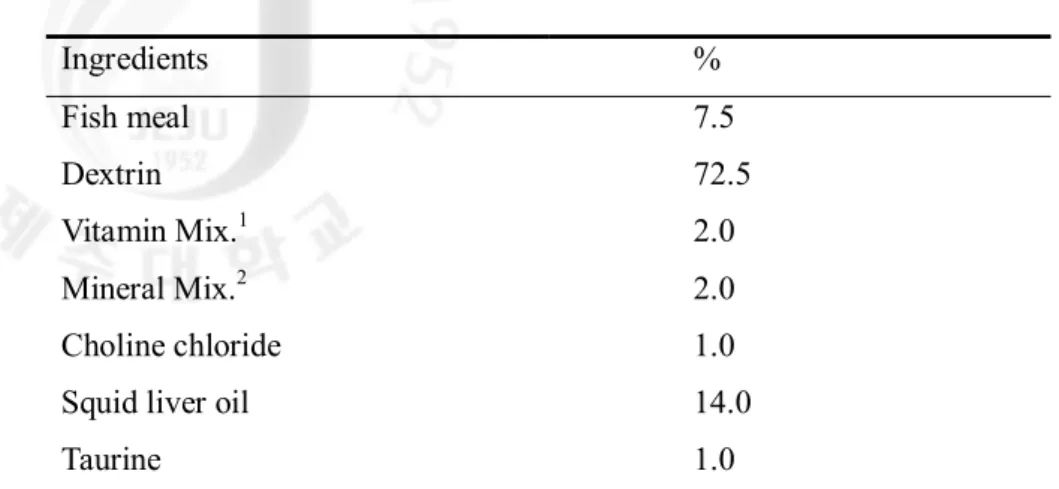
The compositions and proximate analysis of the experimental diets are shown in Table 2. Four semi-purified experimental diets were prepared containing equivalent of 0.7 or 1.4% (dry dirt) leucine in free or dipeptide form. Leucine-Glycine (Leu-Gly) was used as the leucine source for the dipeptide form and crystalline L-leucine was used as the free form. The dipeptide, Leu-Gly, was supplemented into the experimental diets on the basis of molecular weight of leucine. The experimental diets were kept isonitrogenous and isocaloric by decreasing glycine while increasing the two different forms of leucine levels. Fish meal was included to increase palatability of the experimental semi-purified diets. All experimental diets were formulated to contain 0.3% leucine from fish meal. A mixture of synthetic free amino acids (FAA) without leucine was prepared according to Dabrowski et al. (2003) and used as the main protein source. All diets were well mixed, pelletized and freeze-dried. The dried diets were then prepared as crumble types and sieved to make proper sizes. The size of the diets was gradually increased over the course of feeding trial as fish grew. Amino acid concentrations of the diets and fish meal are provided in Table 2. Leucine concentration in the diets was confirmed to its intended levels.