저작자표시-비영리-변경금지 2.0 대한민국 이용자는 아래의 조건을 따르는 경우에 한하여 자유롭게 l 이 저작물을 복제, 배포, 전송, 전시, 공연 및 방송할 수 있습니다. 다음과 같은 조건을 따라야 합니다: l 귀하는, 이 저작물의 재이용이나 배포의 경우, 이 저작물에 적용된 이용허락조건 을 명확하게 나타내어야 합니다. l 저작권자로부터 별도의 허가를 받으면 이러한 조건들은 적용되지 않습니다. 저작권법에 따른 이용자의 권리는 위의 내용에 의하여 영향을 받지 않습니다. 이것은 이용허락규약(Legal Code)을 이해하기 쉽게 요약한 것입니다. Disclaimer 저작자표시. 귀하는 원저작자를 표시하여야 합니다. 비영리. 귀하는 이 저작물을 영리 목적으로 이용할 수 없습니다. 변경금지. 귀하는 이 저작물을 개작, 변형 또는 가공할 수 없습니다.
A Dissertation
for the Degree of Doctor of Philosophy
Effects of ambient temperature and rumen-protected fat or glycerol
supplementation on growth performance, rumen characteristics,
and blood metabolites in Korean cattle steers
외기온도 및 사료 내 반추위 보호 지방과 글리세롤 첨가가
거세한우의 성장, 반추위 성상 및 혈액 성상에 미치는 영향
January, 2019
By
Hyeokjoong Kang
Department of Agricultural Biotechnology
Graduate School
I
Overall summary
Extremely high or low ambient temperature has a negative effect on cattle, such as decreased productivities due to altered physiological homeostasis. The main physiological changes in heat or cold stress condition are depressed ruminal capacity and glucose and energy metabolism. Glycerol can be used as glucogenic precursor, and rumen protected fat (RPF) can be energy supplier (mainly lipid form) without affecting the rumen environment. Therefore, both of the RPF and glycerol supplementation may have a positive effect on cattle under hot or cold condition. However, little information of effects of RPF or glycerol on Korean cattle steers under cold or hot condition is available. Thus, this study was conducted to evaluate the effects of 1) hot or cold condition and, 2) dietary glycerol or RPF supplementation on growth performance, rumen characteristics, and blood metabolites in Korean cattle steer in several growth stages. Total 5 feedlot trials were conducted under cold or hot condition [Study 1: cold condition, RPF (0.5%); study 2, cold condition, RPF (0.8%); study 3, cold condition, glycerol-absorbed wheat bran (6%) as a feedstuff; study 4, hot condition, RPF (0.8%); study 5, hot condition, glycerol (3%)]. As a result, neither cold nor hot condition deteriorate growth performances. Circulating glucose was increased during colder periods, whereas major ruminal VFAs were not changed. Under the hot condition, decreased serum cholesterol was observed, and rumen VFAs were tended to be lowered. RPF supplementation (0.5 or 0.8 %) did not improve growth performances, and did not affect rumen environment, although the blood HDL and cholesterol were increased by RPF supplementation. Glycerol supplementation improved growth performances, without affecting blood glucose concentration, but glycerol supplementation decreased the ruminal C2 concentration and C2:
II
C3 ratio and increased C3 concentration. In conclusion, the cold or hot condition of these studies did not affect growth performance, although some blood and ruminal parameters were changed. Glycerol supplementation (3.0% in the concentrate diet) improved growth performances with major ruminal VFAs change. RPF supplementation did not affect growth performances, with no effect on rumen environment and increased blood lipid metabolites.
Keywords: Ambient temperature, blood metabolites, glycerol, growth, Korean cattle steer,
III
CONTENTS
SUMMARY ··· Ⅰ CONTENTS ··· III LIST OF TABLES ··· VⅢ LIST OF FIGURE ··· XI LIST OF ABBREVIATIONS ··· XII UNITS AND MARKS ··· XIVCHAPTER ONE
INTRODUCTION ··· 1
CHAPTER TWO LITERATURE REVIEW ··· 4
1. Effects of heat stress on cattle ··· 4
2. Strategies for alleviation heat stress ··· 8
3. Effects of cold stress on cattle ··· 11
IV
5. Effects of glycerol or rumen-protected fat supplementation on cattle
··· 17
6. References ··· 22
CHAPTER THREE 1. Study 1: Effects of ambient temperature and rumen–protected fat supplementation on growth performance, rumen fermentation and blood parameters during cold season in Korean cattle steers ··· 32
(1) Abstract ··· 32
(2) Introduction ··· 33
(3) Materials and methods ··· 35
(4) Results and discussion ··· 39
(5) Conclusion ··· 44
(6) References ··· 52
2. Study 2: Effects of ambient temperature and rumen–protected fat supplementation on growth performance, rumen characteristics, and blood parameters during cold season in early fattening stage of Korean cattle steers ··· 55
V
(2) Introduction ··· 56
(3) Materials and methods ··· 58
(4) Results and discussion ··· 60
(5) Conclusion ··· 64
(6) References ··· 71
3. Study 3: Effects of temperature and glycerol supplementation as feed additive on growth performance, rumen characteristics, and blood parameters during winter season in growing stage of Korean cattle steers ··· 74
(1) Abstract ··· 74
(2) Introduction ··· 76
(3) Materials and methods ··· 77
(4) Results and discussion ··· 79
(5) Conclusion ··· 85
(6) References ··· 93
CHAPTER FOUR
VI
growth performance, rumen characteristics, and blood parameters in growing stage of
Korean cattle steers ··· 96
(1) Abstract ··· 96
(2) Introduction ··· 98
(3) Materials and methods ··· 99
(4) Results and discussion ··· 102
(5) Conclusion ··· 106
(6) References ··· 113
2. Study 5. Effects of temperature and glycerol supplementation on growth performance, rumen characteristics, and blood parameters during summer season in fattening stage of Korean cattle steers ··· 116
(1) Abstract ··· 116
(2) Introduction ··· 118
(3) Materials and methods ··· 119
(4) Results and discussion ··· 122
(5) Conclusion ··· 127
VII
Supplementary data ··· 145
CHAPTER FIVE
General conclusion ··· 154
VIII
List of Tables
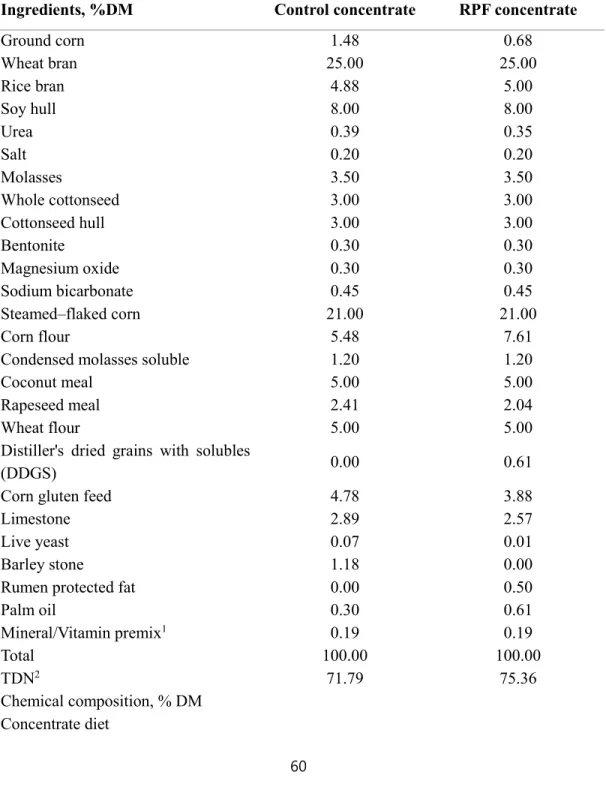
Table 1. Ingredients of the concentrate and composition of experimental diets (RPF 0.5%
supplemented diet) for Korean cattle steers during winter through spring season
··· 60
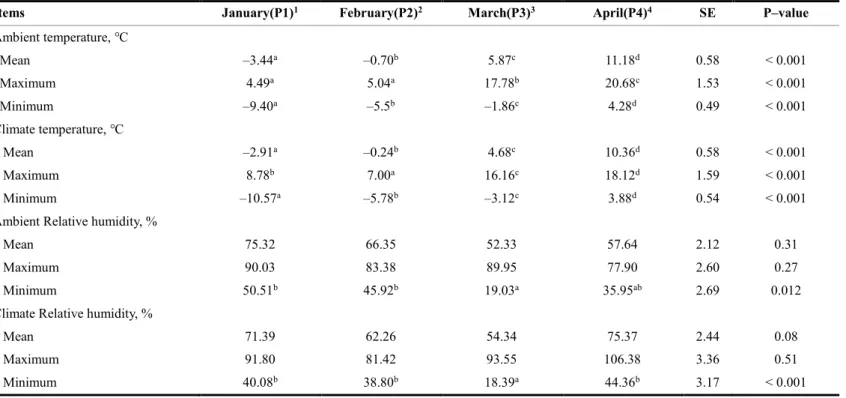
Table 2. Mean, maximum, and minimum values of ambient temperatures, climate
temperatures, and relative humidity during winter through spring season ··· 62
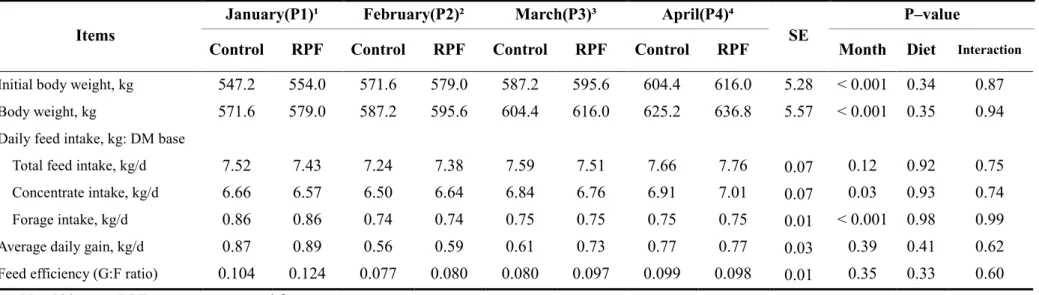
Table 3. Growth performance of Korean cattle steers fed either control or RPF–
supplemented (0.5%) diet during winter through spring season ··· 63
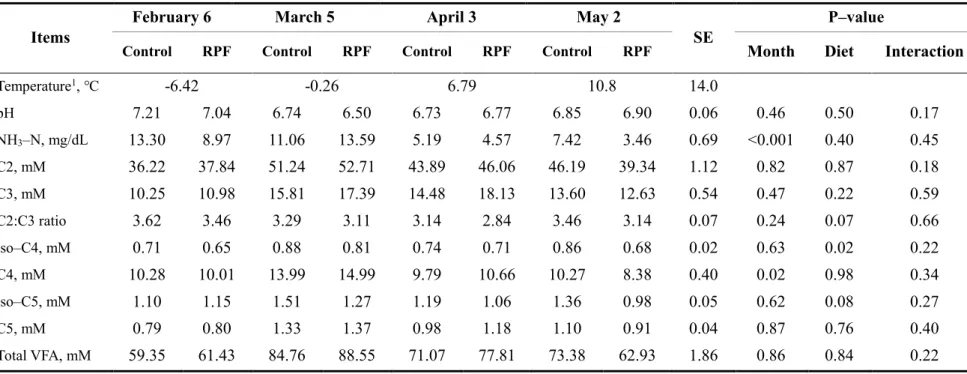
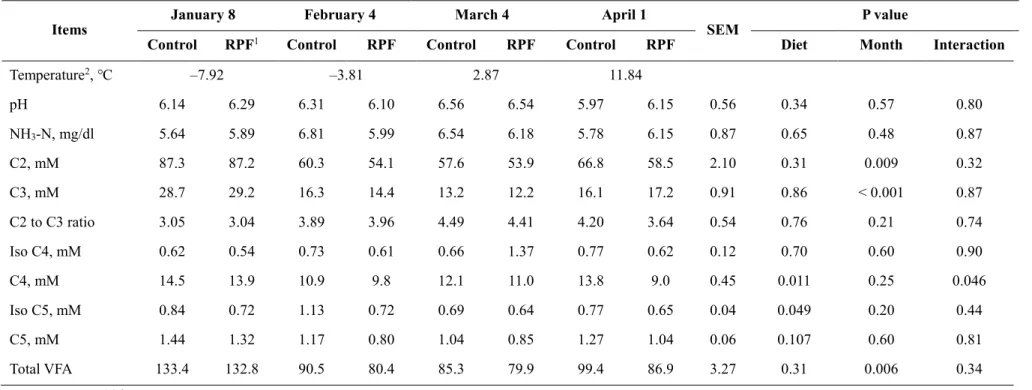
Table 4. Ruminal pH, VFAs and NH3-N of Korean cattle steers fed either control or RPF–
supplemented (0.5%) diet during winter through spring season ··· 64
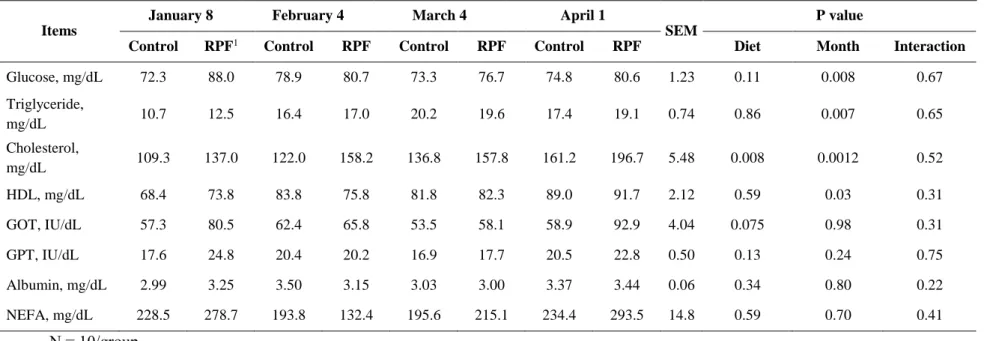
Table 5. Plasma cortisol and serum parameters of Korean cattle steers fed either control or
RPF–supplemented (0.5%) diet during winter through spring season ··· 65
Table 6. Ingredients of the concentrate and composition of experimental diets (RPF 0.8%
supplemented diet) for Korean cattle steers during winter through spring season
··· 79
Table 7. Mean, maximum, and minimum values of ambient temperatures and climate
temperatures during winter through spring season ··· 81
Table 8. Growth performance of Korean cattle steers fed either control or RPF1–
IX
Table 9. Ruminal pH, VFAs and NH3-N of Korean cattle steers after 3 h feeding fed either
control or RPF–supplemented (0.8%) diet during winter through spring season ·· 83
Table 10. Serum parameters of Korean cattle steers before feeding fed either control or
RPF–supplemented diet (0.8%) during winter through spring season ··· 84
Table 11. Ingredient of concentrate and composition of experimental diets (glycerol 6.0% as
feed additive) for Korean cattle steers during winter through spring season ··· 101
Table 12. Mean, maximum, and minimum values of ambient temperatures during winter
through spring season ··· 103
Table 13. Growth performance of growing Korean cattle steers fed either control or
glycerol–supplemented (6.0% as feed additive) diet during winter through spring season ··· 104
Table 14. Ruminal pH, VFAs and NH3-N of Korean cattle steers after 3 h of feeding fed either control or glycerol–supplemented (6.0% as feed additive) diet during winter through spring season ··· 105
Table 15. Serum parameters of Korean cattle steers before feeding fed either control or
glycerol–supplemented (6.0% as feed additive) diet during winter through spring season ··· 106
Table 16. Ingredient of concentrate and composition of experimental diets (RPF 0.8%
supplemented diet) for Korean cattle steers during summer through fall season
X
Table 17. Mean, maximum, and minimum values of ambient temperatures, climate
temperatures, relative humidity, and temperature–humidity index1 during summer
through fall season ··· 123
Table 18. Growth performance of growing Korean cattle steers fed either control or RPF–
supplemented (0.8%) diet during summer through fall season ··· 124
Table 19. Ruminal pH, VFAs and NH3-N of Korean cattle steers after 3 h of feeding fed either control or RPF–supplemented (0.8%) diet during summer through fall season
··· 125
Table 20. Serum parameters of Korean cattle steers before feeding fed either control or
RPF–supplemented (0.8%) diet during summer through fall season ··· 126
Table 21. Ingredients of concentrate and composition of experimental diets (glycerol 3.0%
supplemented diet) for Korean cattle steers during summer through fall season
··· 143
Table 22. Mean and maximum values of environmental temperatures, relative humidity, and
temperature–humidity index during summer through fall season ··· 145
Table 23. Growth performance of growing Korean cattle steers fed either control or
glycerol–supplemented (3.0%) diet during summer through fall season ··· 146
Table 24. Ruminal pH, volatile fatty acids and NH3-N of Korean cattle steers after 3 h feeding fed either control or glycerol–supplemented (3.0%) diet during summer through fall season ··· 147
XI
Table 25. Serum parameters of Korean cattle steers before feeding fed either control or
glycerol–supplemented (3.0%) diet during summer through fall season ··· 148
Table 26. Correlation coefficient between daily average temperature or THI? and DMI
during experimental period ··· 149
Supplementary Table 1. Correlation coefficient between daily average temperature and
DMI during each period in study 1 to 4 ··· 153
List of Figure
Figure 1. Correlation coefficient between daily THI and DMI during August 2 to August 30 ··· 149
XII
List of Abbreviations
ADG: average daily gain ADF: acid detergent fiber BW: body weight C2: acetate C3: propionate C4: butyrate C5: valerate CS: cold stress
DDGS: dried distillers grains with solubles DMI: dry matter intake
G:F ratio: gain to feed ratio HDL: high density lipoprotein HS: heat stress
IMF: intramuscular fat ME: metabolizable energy NDF: neutral detergent fiber
XIII
NE: net energy
NEFA: non esterified fatty acid TDN: total digestible nutrition VFA: volatile fatty acid
XIV
Unit and Marks
°C: degree Celsius mM: millimole per litter mEq: milliequivalent IU: international units mg: milligram
kg: kilogram dL: deciliter
15
CHAPTER ONE
Introduction
Cold or hot environment reduce cattle productivity, such as decrease of growth performances, dry matter intake, reproductive efficiency, and/or milk performance. These decreased productivities result from altered physiological homeostasis, including hormonal status, metabolic rate, lipid, fat, or carbohydrate metabolism, and rumen capacity. However, cattle resistance to heat- or cold-temperature stress varies from species to species, which is due to genetic differences. Heat or cold temperature stresses on dairy cows and beef cattle are well studied, however, limited information is available in physiological responses to heat or cold stress in Korean cattle. Nutritional methods for alleviation of heat or cold stress have been attempted in response to altered rumen abilities, carbohydrate metabolism (especially glucose), fat metabolism, and increased energy requirements under heat or cold stress condition. The ruminal activity is altered by heat or cold condition, therefore, the add ition of unprotected forms of fat may decrease rumen fermentation and may adversel y affect rumen motility. Therefore, in this studies, we used dietary rumen–protected fat (RPF) as a supplementary source of fat in concentrate diet, which may increase energy absorption in the small intestine, while minimizing fermentation of fat in the rumen, and effectively compensating for the increased maintenance energy. Glycerol, the 3 carbon backbone in triglyceride, is also known as substrate for gluconeogenesis in the liver and kidney, which can provide energy for cellular metabolism, and mainly fermented into C3 in
16
the rumen by specific microbes. As described above, in the cold or hot condition, glucose and NEFA were more consumed. In this situation, it would be possible to reduce cold or heat stress by supplementation of glycerol, with glucogenic effect and fermentation characteristic. To determine RPF or glycerol supplementation level under cold condition, shrink body weight (SBW) and ambient temperature were used. In this study, the BW of each study is different, thus, BW was needed as a factor to estimate the changed NEm. According to NRC (2014), required net energy for maintenance (NEm) of beef cattle adapted to the thermal environment is related to the ambient temperature and SBW as the following equation.
NEm = [0.0007(20 oC - ambient temperature) + 0.077] SBW0.75
This equation indicates that the NEm requirement of beef cattle changes by 0.0007 Mcal/kg SBW0.75 for each degree that ambient temperature differed from 20oC. Under the hot condition,
increased NEm was presented as the follow equation (NRC, 2014). NEmhs = 0.07 x NEm, rapid shallow panting
Although other factors, such as lower- or upper- critical temperature (LCT, UCT) of cattle, wind, rainfall, solar radiation, surface area of cattle, internal or tissue insulation, and evaporative losses need more precise NEm calculations. Additionally, LCT and UCT for Korean cattle were not established. In addition, the previous temperature condition of the experimental region was collected to determine ambient climate condition. Thus, the RPF or glycerol supplementation level was determined according to the equations, which using temperature and SBW. As described, the main physiological changes in heat or cold stress condition are depressed ruminal capacity and changes in glucose or lipid metabolism. Thus,
17
the RPF and glycerol supplementation may positively affect cattle under heat or cold condition. Glycerol can be used to produce propionate as gluconeogenesis precursor, and RPF can be an energy supplier (mainly lipids) without affecting the rumen environment. Little information of effects of RPF and glycerol on Korean cattle steers under the cold or hot condition, both of supplemented ingredient, RPF and glycerol, were used in the both of cold or hot condition. As considering ambient temperature and SBW, the NE of experimental concentrates were determined. Study 1 was conducted to elucidate the effects of 1) cold stress and 2) rumen-protected fat (0.5%) supplementation in concentrate of Korean cattle steers (550.6 kg of BW, 19.7 age of months; NE = 1.22 vs. 1.12 Mcal/kg). Study 2 was conducted to elucidate the effects of 1) cold stress and 2) rumen-protected fat (0.8%) supplementation in concentrate of Korean cattle steers (356.5 kg of BW, 16.8 age of months; NE = 1.31 vs. 1.19 Mcal/kg). Compare to Study 1, a greater amount of RPF was used to make larger dietary NE difference because 0.5 % RPF did not make any significant result in study 1. Study 3 was conducted to elucidate the effects of 1) cold stress and 2) glycerol-absorbed wheat bran (6%) as a feedstuff in diet of Korean cattle steers (217.0 kg of BW, 7.7 age of months; 250g of glycerol/day = 0.5 Mcal/day). Study 4 was conducted to elucidate the effects of 1) heat stress and 2) rumen-protected fat (0.8%) supplementation in concentrate of Korean cattle steers (230.4 kg of BW, 10.7 age of months, NE = 1.22 vs. 1.15 Mcal/kg). Study 5 was conducted to elucidate the effects of 1) heat stress and 2) glycerol (3 %) supplementation in concentrate of Korean cattle steers (466.9 kg of BW, 23.5 age of months, NE = 1.29 vs. 1.18 Mcal/kg).
18
CHAPTER TWO
Literature Review
1. Effects of heat stress on cattlePhysiological responses to heat stress
Mammals have developed heat-regulating mechanisms that make them to resist or maintain homeostasis under extremely hot environmental conditions, a relatively constant deep-body temperature, independent of the immediate environment (Blackshaw et al., 1994). For the maintenance of body temperature, an animal has to maintain thermal equilibrium with radiation, air temperature, wind, and humidity. To indicate hot condition as numerically, temperature-humidity index (THI) was developed (LCI, 1970; Hahn, 1999). Various physiological changes occur in the digestive system, acid-base balance, and hormonal alteration during hot weather; some in response to decreased dry matter intake (West, 1999). The average body temperature differs for each cattle species (i.e., Holstein, Angus, or Brahman), it is generally known that the dairy cows are less resistant to heat stress than beef cattle, with their higher body temperature. Conversely, Brahman cattle are highly resistant to heat (Gaughan et al., 1999). Even the same species has different resistance to heat stress depending on their genotype (West, 2003). There have been many studies on dairy or beef cattle, but there have been few studies of heat stress on Korean cattle. When the THI approaches enough to affect body temperature, the animal increases its active cooling by
19
evaporation of water from the respiration or sweating (Lee, 1967). In order to perform this series of heat exchange activities, the energy demand is higher in a heat stress situation (Mader, 2003). In the hot condition, decreased blood glucose concentration is observed, and can be explained by changed hormonal homeostasis, such as insulin, or rapid utilization of blood glucose by increased respiratory rate, result from duration of hyperthermia (O’brien et al., 2010; Hassan et al., 1975). Under hot conditions, increased respiratory rate cause respiratory alkalosis. (Roman-Ponce et al. 1977; Schneider et al., 1988). Increased respiration rate leads to excessive carbon dioxide emissions, decreased saliva buffering capacity, lowered ruminal pH, and rumen capacity, and increased metabolic disease (Nickerson, 2014). The alkalaemia that develops during extended second-phase breathing reduces the dissociation of O2 and haemoglobin, inhibiting O2 delivery to the tissues, including the central nervous system, which make hormonal alteration in hot condition (Hales and Findlay, 1968; Thompson, 1984). Also, increased non-esterified fatty acid (NEFA) concentration was observed under high THI condition, which may result from changed hormonal status (Beede and Collier, 1986), such as catecholeamines and glucocorticoids that typically promote adipocyte lipolysis and NEFA mobilization (O’brien et al., 2010). Under conditions of high heat load, respiration is responsible for only about 15% of heat loss (Finch, 1986). Depressed in rumination, reticulorumen motility, and ruminal activity were observed in hot climate condition which make slow the fractional rate of digesta passage in the gastrointestinal tract and decrease in dry matter intake (DMI) and volatile fatty acid (VFA) production in the rumen (Kadzere et al., 2002; Kelly et al., 1967).
20
Effects of heat stress on productivity
Feed intake decreases with rising THI, particularly under feedlot conditions (Conrad, 1985). Other reason for decreased feed intake result from liar satiety, which is due to increased water intake for reduction of body water (Pejman et al., 2012). The heat increment for feeding in cattle is high (35-70% of metabolisable energy), depending on the balance of nutrients (Blackshaw et al., 1994). Reduction of fiber intake, particularly with a minimum fall in metabolizable energy, may lower the heat increment sufficiently to act as a partial protection against forecast high heat stress (Fuquay, 1981). Reduced blood flow during heat stress may reduce nutrient uptake and mammary blood flow (McGuire et al., 1989). Heat exposed cows have shown 75 % of the DMI compare to thermoneutral condition (McGuire et al., 1989). Additionally, mild and severe heat stress increase energy requirements by 7% and 25%, respectively (NRC, 2001). Collectively, metabolic hot weather can strongly affect animal bioenergetics, with adverse effects on the performance and well-being of livestock. Reduced feed intake, growth performance, immunity or milk production, efficiency, and reproduction are recognized results (Hahn, 1999). Baumgard and Rhoads (2015) reported that 20 to 25 % reduction on DMI in dairy cattle in severe heat stress condition. Under heat stress condition, decreased milk yield, milk protein and fat was observed, whereas somatic cell count in milk was increased (Mohammed et al., 2017). The proliferation of mammary gland cells was decreased and the amount of insulin secretion was increased. Increased insulin cause glucose to be used in tissues other than mammary gland cells, which may result in decreased milk yield (Tao et al., 2011; Wheelock et al., 2010). In the summer season, estrus cycle was
21
lengthened, estrus activity decreased, and follicular growth was inhibited in Japanese cow (Sakatani et al., 2012). Also, heat stress lowers fertility of breeding in dairy heifers (Al-Katanani et al., 1999).
22
2. Strategies for alleviation heat stress Fat supplementation
Several methods for alleviation heat stress have been tried, and there are some effective methods. To increase energy density in concentrate, fat supplementation was effective to alleviation heat stress. Wang et al. (2009) reported that body temperature was decreased by fat supplementation under high temperature condition, and milk yield and milk fat contents were increased by fat supplementation in Holstein. Fat supplementation have effect of reducing the heat increment instead of the grain source, which make fermentation heat increment. However, unsaturated fatty acids can reduce the fermentation of rumen, which can cause problems (NRC, 2007).
Betaine supplmentation
Betaine (trimethylglycine and glycine betaine) is a non-toxic amino acid derivative distributed widely in nature (Huang et al., 2007). Some researchers reported a 14.8% decrease in backfat thickness of pigs fed diets supplemented with betaine, and numerous reports have indicated that betaine may improve growth performance, carcass characteristics and pork quality for pigs by the use of betaine in commercial swine diets (Cadogan et al., 1993). Growth enhancement by betaine was associated with more growth hormone secreted in pulses, decreased concentrations of serum urea nitrogen and increased concentration of serum total protein as osmoregulatory function of betaine (Huang et al., 2007). Under hot condition, dietary betaine supplementation improved DMI and carcass weight (DiGiacomo et al., 2014).
23
Dietary betaine may be eliciting some energy-sparing responses that are manifested in carcass fat depth and measures of pH, and betaine supplementation may be a useful carcass modifier in growing feedlot steers during summer (DiGiacomo et al., 2014). Betaine reduces ion pumping associated with cell osmolarity retention, resulting in a reduction in energy requirements and an increase in carcass weight (Loxton et al., 2007). Zhang et al. (2014) reported that dietary betaine enhanced milk performances and physiological parameters in dairy cows under heat stress.
Dietary glutamine and γ-Aminobutyric acid supplementation
Dietary glutamine has positive effect to dairy cows by sustaining cow immune reaction in terms of a strengthening of cell-mediated immune response, with improved milk fat, and protein yield (Caroprese et al., 2013). γ-Aminobutyric acid (GABA) is an inhibitory neurotransmitter in the adult mammalian central nervous system, the peripheral nervous system, and some nonneuronal tissues (Watanabe et al., 2002), and has certain physiological functions such as regulating body temperature and feed intake. Several publications have suggested that GABA can alleviate the negative effects of heat stress, resulting in a greater performance in chicks (Dai et al., 2011; Zhang et al., 2012) and pigs (Fan et al., 2007). Feeding 40 mg/kg GABA to dairy cows during the warm summer months alleviated heat stress by reducing rectal temperatures, increased DMI and milk production, and enhanced milk protein and lactose concentrations (Cheng et al., 2014). γ-Aminobutyric acid and its agonists appear to regulate feed intake in some mammalian animals through effects on both the central and peripheral nervous system.
24
Niacin supplementation
Niacin, nicotinic acid, or vitamin B3 induces vasodilatation at the skin and this increases heat loss at the periphery (Di Constanza et al., 1997). The vasodilatory effects of niacin act through prostaglandin D production by epidermal Langherhans cells (Benyo et al., 2006; Maciejewski et al., 2006). Supplementation of encapsulated niacin (12 g/d) to thermally stressed lactating dairy cows increased evaporative heat loss and this was associated with increased water intake, decreased rectal temperature, vaginal temperatures and respiration rates (Zimbleman et al., 2010).
Dietary chromium supplementation
Chromium occurs widely in nature, it is a transition element, which occurs in a number of oxidation states. Burton (1995) has found that the most stable form is the trivalent state, which is the one involved in glucose tolerance factor. Supplementation dietary organic Cr complexes have resulted in beneficial effects on growth, reproduction, and immune response (Burton et al., 1996). The focal point is the function of Cr in glucose utilization and its consequent impact on utilization of dietary sugars particularly in rapidly growing animals or in those under physiological stress whether due to disease challenge or the demands of high production or reproduction (Al-saiady et al., 2004). Under heat stress, supplementation Cr improved milk yield in dairy cattle.
Antioxidants supplementation
25
studies reporting of an increase in fertility (Arechiga et al., 1998). Given the effectiveness of vitamin E and selenium, as administered in the present study, and the possible importance of antioxidant status for heat-stressed cows, it is important to determine if injection of vitamin E and selenium increases fertility of heat-stressed cows (Arechiga et al., 1998).
Mitigation of heat stress by shelter
Heat stress can be mitigated by actively cooling or by providing shade. Wetting animals with sprinklers, showers or fine mist is most effective in dry climates (Armstrong, 1994). It has a rather limited use in more humid temperate areas, although its effectiveness can be improved when combined with convective cooling (Armstrong, 1994). Many studies have illustrated the beneficial effects of providing shade to heat-stressed cattle in hot climates. Cows with access to shade eat more and rest, drink or linger around the drinking trough less (Shultz, 1984). Positive effects of shade on the performance of cattle kept in hot climates include increased grazing and dry matter intake, resulting in increased weight gain (Gaughan et al., 2010; McDaniel and Roark, 1956; Mitlohner et al., 2001). Conception rate, calf birth weight, milk yield, and milk fat and lactose yield are also increased by shade provision, whereas somatic cell counts are deceased (Collier et al., 1982b; Davison et al.,1988; Roman-Ponce et al.,1977).
3. Effects of cold stress on cattle
26
Exposure of feedlot beef cattle to cold stress reduces growth performance and feed efficiency through increased maintenance energy for retaining body temperature in cold condition (Ames et al., 1980). For livestock exposed to cold, windy environments, effective temperature must now be predicted by a wind-chill index prepared for humans and designed without regard to external insulation such as-hair or wool (Ames and Insley, 1975). Thus, high wind velocity and low ambient temperature may strongly affect cattle bioenergetics. Ambient temperatures progressively below the lower critical temperature, the heat production of the animal becomes increasingly dependent upon the ambient temperature. This concept has been demonstrated in short-term calorimetric studies of sheep (Graham et al., 1959), and cattle (Blaxter and Wainman, 1961; Blaxter, 1962). Animal's central nervous system about its thermal state regulate a body homeostasis which is a consequence of prior thermal exposure and the balance between the rate of thermogenic processes and the net heat exchange. Decreased productivity in cold condition may be result from the increased basal metabolic rate in cold stress conditions (Young, 1981). Increased basal metabolic required energy, mainly used to maintain body temperature. Cattle will also increase the time spent eating in response to colder temperatures (Redbo et al., 2001). In addition to behavioural responses, cattle undergo physiological changes when exposed to winter weather. Acute cold stress has been shown to increase plasma concentrations of epinephrine and norepinephrine in shorn sheep by two and fivefold, respectively, and to increase the urinary excretion of both epinephrine and norepinephrine (Webster et al., 1969; Thompson et al., 1978). Norepinephrine contributes to an increased thermogenesis, including shivering through somatic innervation as primal source of thermogenesis (Young, 1981). An increased
27
sympathetic activity could also elicit the cardiovascular and metabolic responses observed during cold exposure, such as increased heart rate, blood hematocrit and plasma concentration of glucose and free fatty acids (Thompson, 1973; McKay et al., 1974). Thyroid function and fat metabolism (as measured by non-esterified fatty acids, NEFA, Broucek et al., 1987) increase in response to cold weather. For example, circulating glucose and non–esterified fatty acid (NEFA) are increased probably by the elevated metabolic heat production and a mobilization of substrates for energy metabolism in the adipose tissue and liver (Mader, 2003). Cold condition may affect rumen capacity and digestibility. Literature relating to the influence of temperature on digestibility in ruminants has been reviewed. Decreases in digestibility of certain diets induced by exposing animals to low environmental temperatures are related to changes in the rate of passage of digesta through the gastrointestinal tract (Christopherson et al., 1979; Christopherson et al., 1983). In cold condition, increases in rumination activity, reticulorumen motility, and rate of digesta passage were observed (Kennedy et al., 1976). The changes in rumen digestive characteristics were associated with a reduced digestion in the reticulorumen, particularly with roughage feeds (NRC, 1981). Rumen fermentation characteristics including VFAs concentrations were also changed by cold exposure (Christopher son and Kennedy, 1983). For some diets cold exposure results in increased urea nitrogen recycling to the rumen, increased efficiency of rumen microbial synthesis and reduced rumen degradation of dietary protein: responses which help to favor the nitrogen economy of the animal even though digestible energy is reduced (Christopherson and Kennecy, 1983).
28
Effects of cold stress on productivity
Previous reports suggest that the intramuscular fat (IMF) in beef cattle has been deposited from 250 day of age to slaughter (Park et al., 2018; Du et al., 2013). Thus, sufficient energy to hyperplasia and hypertrophy for IMF deposition is important for early fattening stage of cattle, thus, cold exposed cattle spending more energy to maintain homeostasis, may have less beef quality. The energy requirement of adult beef cows is assumed to increase with 0.0007 Mcal/BW0.75 for each degree that the ambient temperature differs from 20 C (NRC, 2000). The change in energy requirement for lactating dairy cows in cold environments is probably minimal because of their high heat production, at least if they are kept dry and unexposed to wind (NRC, 2001). Collectively, cold stress negatively influences on mortality, immune system of calves, backfat thickness and meat quality of beef cattle and milk yield of dairy cow, result from increased basal metabolic energy, which can cause hormonal homeostasis (Gulliksen et al., 2009; Mader, 2003; Broucek et al., 1991). Cold and cold-induced starvation account for 50% of perinatal lamb death (Samson and Slee, 1981). Lambs produced 50 to 60% of their heat through shivering thermogenesis, and 40 to 50% through nonshivering thermogenesis (Alexander and Williams,1968). Brown adipose tissue (BAT) is responsible for nonshivering thermogenesis. Lambs are born with almost 100% BAT unlike other species, which are born with brown and white adipose tissue (Gemmelletal.,1972; Alexander and Bell, 1975). New born calves have fewer tissues produce heat compared to the surface area of the heat than the cattle, and insufficient heat capacity due to no accumulation of fat. Lack of fermentation heat due to lack of microbial community formation in rumen. Newly born calves
29
are wet and body temperature is easily reduced. Lack of ability to produce heat may make new born calves weaker in cold condition than adult cattle (increase in metabolism, hair growth, vasodilation) (Roland, 2016). When the temperature and wind speed were low, milk yield decreased in dairy cattle Angrecka et al., 2015). Also, milk yield decreased with longer feeding period at low temperature (Broucek et al., 1991). The period of rebreeding became longer after the milking period in the low temperature stress situation (Wiltbank et al., 1962). When cold stress persisted, free fatty acid, glucose, and cholesterol decreased, such changes in blood status were correlated with the decrease in milk yield (Broucek et al., 1991).
30
4. Strategies for alleviation cold stress
Linoleic acid supplementation
Gibney and L’Estrange (1975) fed feed high in linoleic acid and increased linoleic acid content of fat stores in lambs. Linoleic acid is the major fuel for heat production in brown adipose tissue (Lammogliaetal.,1999). Linoleic and linolenic acid supplementation (sunflower and linseed oil) increased the thermogenic capacity of brown adipose tissue by 75% (Nedergaard et al., 1983). Encinias et al. (2004) reported that feeding high-linoleic safflower seed to gestating ewes would increase brown adipose tissue stores in neonatal lambs and improve lamb survival. Mader et al. (2003) report that if dry flooring is maintained and dry litter is provided, daily gain and feed efficiency are increased by 6% and 7%, respectively, in beef cattle. Wind blockage and in-house shelter can affect marbling scores and reduced backfill thickness (Mader et al., 2003).
Mitigation of cold stress by shelter
Animals kept outside in adverse winter conditions consume more feed but grow slower or produce less milk because less feed energy is available for productive processes. Provision of shelter during inclement weather will improve rates of gains by feedlot cattle and reduce maintenance requirements for the cow herd (ASAE, 1974). An animal can modify the rate of heat exchange, however, by its behavior (shelter seeking, postural changes, etc.) and by changing its thermal insulation through retention or shedding of hair, piloerection of the hair
31
coat or vasomotor control of blood flow to superficial tissue (Young, 1981). Comparisons of weight gain (McCarrick and Drennan, 1972), carcass quality, estimations of energy demand, immune function and behaviour (Hickey et al., 2002) between steers housed indoors and on outdoor outwintering pads, suggest that in Irish winters growing beef cattle can be housed outdoor, even without wind-shelter. In Canadian winter conditions, weaned beef bull calves provided with shelter have higher gain rates than calves without shelter (Kubisch et al., 1991). shelter significantly improved animal welfare (i.e. it increased the time spent lying down and decreased faecal glucocorticoid, thyroxine and NEFA concentrations) (Van laer et al., 2014).
5. Effects of glycerol or rumen-protected fat supplementation on cattle
Effects of fat supplementation
In ruminants, modified diets (especially concentrate) with low heat increments can also help improve dry matter intake (DMI) and growth performance under hot condition. In hot environments, nutrient requirements are altered during heat stress, which results in a need for reformulation of concentrate (Collier et al., 2006). In dairy cattle, decreased milk production was observed (35% to 50%) as a consequence of heat stress may be potentially recuperated through nutritional management (Rhoads et al., 2010). Some trials have been conducted, such as decreasing fiber intake in order to make the proper rumen capacity, supplementation fat supplementation, because of its high-energy content and low heat increment and implementing increased concentrate diets with caution to avoid metabolic disorders
32
(Morrison, 1983; Beede and Collier, 1986; West, 1999). To avoid metabolic disorders and maintain proper rumen capacity, ADF and NDF should not be decreased below 18% and 28% of the concentrate, respectively (West, 1994). The supplementation of fat to the concentrate including high energy density and potential to reduce heat increment. The most limiting nutrient for cattle during heat stress is usually low energy utilization efficiency, related to decreased DMI, and a common approach to increase energy density is to reduce forage intake and to increase concentrate intake (Renaudeau et al., 2012). The addition of 3% to 5% fat to the concentrate can be used to ruminant without any toxic effects to ruminal microflora (Palmquist and Jenkins 1980). In hot condition, 25% of ME from a protected tallow had 8 to 13.6 % higher efficiency than those not fed supplemental tallow (Kronfeld et al., 1980).
Effects of rumen protected fat supplementation
The use of rumen-protected fat will increase energy absorption in the small intestine, while minimizing digestion in the rumen, which may lower heat increment, effectively compensating for the increased maintenance energy in hot condition. Although the use of dietary RPF has been widely attempted in previous study (McNamara et al., 2003; Hill and West, 1991). Rumen bypass fat was made by several methods. Crystalline or prilled fatty acids can be made by liquifying and spraying the saturated fatty acids under pressure into cooled atmosphere, so that melting point of the fatty acids is increased and do not melt at ruminal temperature, thus resisting rumen hydrolysis and association with bacterial cells or feed particles (Naik, 2013). Formaldehyde treated protein encapsulated fatty acids is also an affecting means of protecting dietary fat from rumen hydrolysis (Sutton et al., 1983). Fatty
33
acyl amide can be prepared and used as a source of bypass fat. Butylsoyamide is a fatty acyl amide consisting of an amide bond between soy fatty acids and a butylamine, which increases linoleic acid content of the milk fat (Jenkins, 1998). Fatty acyl amide of sardine oil based complete diet is effective in protecting fat from degradation in rumen and improves the apparent and true dry matter degradability (Ambasankar and Balakrishnan, 2011). Calcium salts of long chain fatty acids (Ca-LCFA) are insoluble soaps produced by reaction of carboxyl group of long chain fatty acids (LCFA) and calcium salts (Ca++) (Naik, 2013). Among all forms of bypass fat, Ca-LCFA is relatively less degradable in rumen (Elmeddah et al., 1991), has highest intestinal digestibility (Dairy Technical Service Staff, 2002) and serve as an additional source of calcium (Naik et al., 2007a; 2007b). Tyagi et al. (2009) reported increase (3.16 vs 3.41; kg/100 kg BW/d) in DM intake in dairy animals fed bypass fat. The digestibility of EE increased significantly, when bypass fat was supplemented in the diet of the dairy animals (Naik et al., 2007b; 2009a; Thakur and Shelke, 2010; Sirohi et al., 2010). The increase in the digestibility of the fat indicates that added fat is more digestible than the basal diet fat or fat supplementation dilutes the endogenous lipid secretions, resulting in more accurate estimate of the true lipid digestibility (Grummer, 1988). According to its higher energy density and its lower metabolic heat when compared with fiber or starch, fat supplementation can be used to reduce heat load and to increase net energy intake in heat-stressed dairy cows (Morrison, 1983; Beede and Collier, 1986; Knapp and Grummer, 1991).
Effects of glycerol supplementation
34
intake but the effect must be balanced with the potential for rumen acidosis associated with high-grain diets (West, 2003). For example, glycerol is an essential structural component of triglycerides and phospholipids, and glucogenic properties of glycerol are well known (Cori and Shine, 1935). When animals are fasted off, they can use body fat reserves as energy source, and then free fatty acids and glycerol can be released into the bloodstream. In general, some portion of glycerol can enter the gluconeogenesis to be converted to glucose by the liver or kidney so that it can provide energy for cellular metabolism. The caloric value of glycerol was calculated to be equal to that of corn (NEM=2.2 Mcal/kg; NEG=1.5 Mcal/kg), but it
doesn’t contain protein, fat, or fiber (Preston, 2014). Glycerol has been used as a feed additive for ruminants and has been shown to be effective in improving ruminant productivity (Fiorentini et al., 2018; Mach, 2009; Gunn 2010). Mach et al. (2009) reported that when supplement glycerin at up to 12% of DM to isocaloric and isonitrogenous high-concentrate diets fed to Holstein bulls, there were no detrimental effects on performance. These positive effects of glycerol on productivity on cattle may come from three of the principle fates of dietary glycerol in ruminants have been estimated and include absorption through the rumen epithelium (45%), fermentation to volatile fatty acid (VFA, 25%), and escape through the omasal orifice (30%; Werner-Omazic et al., 2015). Boyd et al. (2013) reported that glycerin supplemented to ruminant diets is well known to cause a shift in VFA profiles, favoring C3 production at the expense of C2. Rémond et al. (1993) reported that when glycerin (240g) was ruminally administered to cows fed maize silage, about 35-69% of carbons forming C3 are derived from glycerol. Liu et al. (2014) reported that when supplemented glycerol to diets fed to lactating dairy cows during heat stress period, the glucose concentration was increased
35
while the NEFA concentration was decreased, which indicated that glycerol increased glucose utilization by peripheral tissues and diminished triglyceride mobilization.
Effects of propylene glycol supplementation
Propylene glycol is a glucogenic precursor that is rapidly absorbed from the rumen for gluconeogenesis in the liver. Administration of propylene glycol makes a small positive contribution to energy status, and its main benefit derives from bolus administration, which increases insulin secretion (Christensen et al., 1997). Propylene glycol can also be converted to propionic acid in the rumen and transported to liver, where it is converted to glucose though the glyconeogenesis pathway (Nielsen and Ingvartsen, 2004). Some investigators have indicated that PG supplementation can reduce serum NEFA and ketone body concentrations (Christensen et al., 1997; Miyoshi et al., 2001; Pickett et al., 2003), and has been reported to increase milk production (Formigoni et al., 1996; Lucci et al., 1998). As described, in the thermal stress condition, cattle show thermoregulatory response, which increase energy consumption, including glucose or NEFA. Little information of effects of glycerol on animal productivity during cold season in Korean cattle steers is available.
36
REFERENCES
Alexander G, Bell AW. Quantity and calculated oxygen consumption during summit metabolism of brown adipose tissue in newborn lambs. Biol Neonate 1975;26:214–20. Alexander G, Mills SC, Scott TW. Changes in plasma glucose, lactate, and free fatty acids in
lambs during summit metabolism and treatment with catecholamines. J Physiol 1968;198:277–89.
Al-Katanani YM, Webb DW, Hansen PJ. Factors Affecting Seasonal Variation in 90-Day Nonreturn Rate To First Service in Lactating Holstein Cows in a Hot Climate. J Dairy Sci 1999;82:2611-6.
Al-saiady MY, Al-Shaikh MA, Al-Mufarrej SI, et al. Effect of chelated chromium supplementation on lactation performance and blood parameters of Holstein cows under heat stress. Anim Feed Sci Technol 2004;117:223-33.
Ambasankar K, Balakrishnan, V. Influence of protected sardine oil on in vitro rumen fermentation and nutrient digestibility of complete diet. Indian J Anim Sci 2011;81:84-6. Ames DR, Brink DR, Willms CL. Adjusting protein in feedlot diets during thermal stress. J
Anim Sci 1980;50:1–6.
Ames DR, Insley LW. Wind-Chill Effect for Cattle and Sheep. J Anim Sci 1975;40:161–5. Armstrong DV. Heat stress interaction with shade and cooling. J. Dairy Sci 1994;77:2044–50. Angrecka S, Herbut P. Conditions for cold stress development in dairy cattle kept in free stall
barn during severe frosts. Czech J Anim Sci 2015;60:81-7.
ASAE. Livestock Environment: Proceedings of the International Livestock Environment Symposium. ASAE 1974; St. Joseph, ML
Baumgard LH, Rhoads RP. Ruminant nutrition symposium: Ruminant production and metabolic responses to heat stress. J Anim Sci 2015;90:1855-65.
Beede DK, Collier RJ. Potential nutritional strategies for intensively managed cattle during thermal stress. J Anim Sci 1986;62:543–54.
Benyo Z, Gille A, Bennett CL, Clausen BE, Offermanns S. Nicotinic acid induced flushing is mediated by activation of epidermal langerhans cells. Mol Pharmacol 2006;70:1844-9.
37
Blackshaw JK, Blackshaw AW. Heat stress in cattle and the effect of shade on production and behaviour: a review. Austral J Experimental Agri 1994;34:285-95.
Boyd J, West JW, Bernard JK. Effects of the addition of direct-fed microbials and glycerol to the diet of lactating dairy cows on milk yield and apparent efficiency of yield. J Dariy Sci 2010;94:4616–22.
Broucek J, Kovalčuj K, Gajdogik D, Sottnik J, Brestensky V. The effect of extreme ambient temperatures on haematological and biochemical parameters of heifers. Vet Med 1987;32:259–68.
Brouček J, Letkovičová M, Kovalčuj K. Estimation of cold stress effect on dairy cows. Int J Biomet 1991;35:29–32.
Burton JL. Supplemental chromium: its benefits to the immune system. Anim Feed Sci Technol, 1995;53:117-33.
Burton JL, Nonnecke BJ, Dubesn PL, Elsasser TH, Mallar BA. Effects of supplemental chromium on production of cytokines by mitogen-stimulated bovine peripheral blood mononuclear cells. J Dairy Sci 1996;79:2237-46.
Cadogan DJ, Campbell RG, Harrison D, Edwards AC. The effects of betaine on the growth performance and carcass characteristics of female pigs. In: E. S. Batterham (ed.), Manipulating Pig Production. Australasian Pig Science Association, 1993, Attwood, Vic., Australia, pp. 219–225.
Caroprese M, Albenzio M, Marino R, Santillo A, Sevi A. Dietary glutamine enhances immune responses of dairy cows under high ambient temperature. J Dairy Sci2013;96:3002-11. Cheng JB, Bu DP, Wang JQ, et al. Effects of rumen-protected γ-aminobutyric acid on
performance and nutrient digestibility in heat-stressed dairy cows. J Dairy Sci 2014;97:5599-607.
Christensen JO, Grummer RR, Rasmussen FE, Bertics SJ. Effect of method of delivery of propylene glycol on plasma metabolites of feed-restricted cattle. J Dairy Sci 1997;80:563-8.
Christopherson RJ, Gonyou HW, Thomson JR. Effects of temperature and feed intake on plasma concentration of thyroid hormones in beef cattle. Can J Anim Sci 1979;59:655– 61.
Christopherson RJ, Kennedy PM. Effect of the thermal environment on digestion in ruminants. Can J Anim Sci 1983;63:417–96.
38
Collier RJ, Dahl GE, VanBaale MJ. Major advances Associated with Environmental Effects on Dairy Cattle. J Dairy Sci 2006;89:1244–53.
Collier RJ, Doelger SG, Head HH, Thatcher WW, Wilcox CJ. Effects of heat stress during pregnancy on maternal hormone concentrations, calf birth weight and postpartum milk yield of Holstein cows. J Anim Sci 1982;54:309–19.
Conrad JH. Feeding of farm animals in hot and cold environments. In 'Stress Physiology in Livestock, Vol. 2: Ungulates'. Ed. M. K. Yousef. 1985; pp. 205-26. CRC Press: Boca Raton, FL, U.S.A.
Cori CF, Shine WM. The formation of carbohydrate from glycerophosphate in the liver of the rat. Science 1935;82:134-35.
Dai SF, Gao F, Zhang WH, et al. Effects of dietary glutamine and gamma-aminobutyric acid on performance, carcass characteristics and serum parameters in broilers under circular heat stress. Anim Feed Sci Technol 2011;168:51–60.
Davison TM, Silver BA, Lisle AT, Orr WN. The influence of shade on milk production of Holstein–Friesian cows in a tropical upland environment. Aust J Exp Agric 1988; 28:149– 54.
Di Costanzo, A, Spain JN, Spiers DE. Supplementation of nicotinic acid for lactating Holstein cows under heat stress conditions. J Dairy Sci 1997;80:1200-6.
DiGiacomo K, Warner RD, Leury BJ, Gaughan JB, Dunshea FR. Dietary betaine supplementation has energy-sparing effects in feedlot cattle during summer, particularly in those without access to shade. Anim Prod Sci 2014;54:450-8.
Du M, Huang Y, Das AK, Yang Q, et al. Meat science and muscle biology symposium: manipulating mesenchymal progenitor cell differentiation to optimize performance and carcass value of beef cattle. J Anim Sci 2013;91:1419–27.
Elmeddah Y, Doreau M, Michalet-Doreau B. Interaction of lipid supply and carbohydrate in the diet of sheep with digestibility and ruminal digestion. J Agri Sci 1991;116:437-45. Encinias HB, Lardy GP, Encinias AM, Bauer ML. High linoleic acid safflower seed
supplementation for gestating ewes: Effects on ewe performance, lamb survival, and brown fat stores. J Anim Sci 2004;82:3654-61.
Fan ZY, Deng JP, Liu GH, et al. Effects of γ-aminobutyric acid on the performance and internal hormone levels in growing pigs. Chin J Anim Nutr 2007;4:350–6.
39
tropics. J Anim Sci 1986;62:531-42.
Fiorentini G, Messana JD, Jose Neto A, et al. Performance and meat quality of Nellore bulls fed crude glycerin combined with soybean oil. Anim Feed Sci Tech 2018;241:45-54. Formigoni A, Cornil M, Prandi A, et al. Effect of propylene glycol supplementation around
parturition on milk yield, reproduction performance and some hormonal and metabolic characteristics in dairy cows. J Dairy Res 1996;63:11-24..
Fuquay JW. Heat stress as it affects animal production. J Anim Sci 1981;52:164-74.
Gaughan JB, Mader TL, Holt SM, Josey MJ, Rowan KJ. Heat tolerance of Boran and Tuli crossbred steers. J Anim Sci 1999;77:2398-405.
Gaughan JB, Bonner S, Loxton I, et al. Effect of shade on body temperature and performance of feedlot steers. J Anim Sci 2010;88:4056–67.
Gemmell RT, Bell AW, Alexander G. Morphology of adipose cells in lambs at birth and during the subsequent transition of brown to white adipose tissue in cold and warm conditions. J Anat 1972;133:134–64.
Gibney MJ, L’Estrange JL. Effects of dietary unsaturated fat and of protein source on melting point and fatty acid compotition of lamb fat. J Agric Sci 1975;84:291–6.
Grummer RR. Influence of prilled fat and calcium salt of palm oil fatty acids on ruminal fermentation and nutrient digestibility. J Dairy Sci 1988;71:117-23.
Gulliksen SM, Lie KI, Løken T, Østerås O. Calf mortality in Norwegian dairy herds. J Dairy Sci 2009;92:2782–95.
Gunn PJ, Schultz AF, Lake SL, et al. Effects of elevated crude glycerin concentrations on feedlot performance, carcass characteristics, and serum metabolite and hormone concentrations in finishing ewe and wether lambs. Prof Anim Sci 2010;26:298–306. Hahn GL. Dynamic responses of cattle to thermal heat loads. J Anim Sci 1999;77:10–20. Hales JRS, Findlay JD. Respiration of the ox: normal values and the effects of exposure to
hot environments. Respiratory Physiol 1968;4:333-52.
Hassan A, Roussel JD. Effect of protein concentration in the diet on blood composition and productivity of lactating Holstein cows under thermal stress. J Agric Sci Camb 1975;85:409–15.
40
and welfare. Anim Sci 2002;75:447–58.
Hill GM, West JW. Rumen protected fat in Kline barley or corn diets for beef cattle: digestibility, physiological, and feedlot responses. J Anim Sci 1991;69:3376–88.
Huang QC, Xu ZR, Han XY, Li WF. Effect of betaine on growth hormone pulsatile secretion and serum metabolites in finishing pigs. J Anim Physiol Anim Nutr 2007;91:85-90. Jenkins TC. Fatty acid composition of milk from Holstein cows fed oleamide or canola oil. J
Dairy Sci 1998;81:794-800.
Kadzere CT, Murphy MR, Silanikove N, Maltz E. Heat stress in lactating dairy cows — a review. Livest Prod Sci 2002;77:59–91.
Kelly RO, Martz FA, Johnson HD. Effects of environmental temperature on ruminal VFA levels with controlled feed intake. J Dairy Sci 1967;50:531–3.
Kennedy PM, Christopherson RJ, Milligan LP. The effect of cold exposure of sheep on digestion, tureen turnover time and efficiency of microbial synthesis. Brit J Nutr 1976;36:231–42.
Knapp DM, Grummer RR. Response of lactating dairy cows to fat supplementation during heat stress. J Dairy Sci 1991;74:2573-9.
Kronfeld DS, Donoghue S, Naylor JM, Johnson K, Bradley CA. Metabolic Effects of Feeding Protected Tallow to Dairy Cows. J Dairy Sci 1980;63:545–52.
Kubisch HM, Makarechian M, Arthur PF. A note on the influence of climatic variables and age on the response of beef calves to different housing types. Anim Sci 1991;52:400–3. Lammoglia MA, Bellows RA, Grings EE, Bergman JW. Effects of prepartum supplementary
fat and muscle hypertrophy genotype on cold tolerance in newborn calves. J Anim Sci 1999;77:2227–33.
Lee DHK. Principles of homeothermic adaptation. In 'Biometeorology'. Ed. W. P. Lowry. 1967; pp. 113-30:Oregon State University Press: Cowallis, OR, U.S.A.
Liu J, Ye G, Huang K, et al. Feeding glycerol-enriched yeast culture improves performance, energy status, and heat shock protein gene expression of lactating Holstein cows under heat stress. J Anim Sci 2014;92:2494–502.
Livestock Conservation Institute (LCI). Patterns of transit losses. Omaha, NE. 1970. Loxton I, Grant T, Reid D, Lawrence R, Kempe N. The effect of Bos Koolus fed during
41
summer on the feedlot performance and carcass characteristics of steers. J Dairy Sci 2007;90:455.
Lucci CS, Fonseca LF, Rodrigues PHM, Santos MV, Lima AP. Supplementation of propylene glycol to dairy cows in periparturient period: effects on body condition score, milk yield and first estrus postpartum. J Dairy Sci 1998;81;(Suppl. 1):321(Abstr).
Mach, N., A. Bach, and M. Devant. 2009. Effects of crude glycerin supplementation on performance and meat quality of Holstein bulls fed high-concentrate diets. J. Anim. Sci. 87: 632-638.
Mader TL. Environmental stress in confined beef cattle. J Anim Sci 2003;81:E110–9. Maciejewski D, Richman JG, Hakak Y, Gaidarov I, Behan DP, Conolly DT. Langerhans cells
release prostaglandin D2 in response to nicotinic acid. J Invest Dermatol 2006; 126:2637-46.
McCarrick RB, Drennan MJ. Effect of winter environment on growth of young beef cattle 1. Effects of exposure during winter to rain or wind and rain combined on performance of 9-month-old Friesian steers fed on two planes of nutrition. J Anim Sci 1972;14:97–105. McGuire MA, Beede DK, Collier RJ, et al. Effects of acute thermal stress and amount of feed intake on concentrations of somatotropin, insulin-like growth factor (IGF)-I and IGF-II, and thyroid hormones in plasma of lactating Holstein cows. J Anim Sci 1991;69:2050-6. McKay DG, Young BA, Milligan LP. Energy substrates for cold induced thermogenesis. In
K. H. Menke, H. L. Lantzech and J. R. Beichl (Ed). Energy Metabolism and Farm Animal 1974; pp.30-42.
McNamara S, Butler T, Ryan DP, et al. Effect of offering rumen-protected fat supplements on fertility and performance in spring–calving Holstein–Friesian cows. Anim Reprod Sci 2003;79:45–56.
Mitlohner FM, Morrow JL, Dailey JW, et al. Shade and water misting effects on behavior, physiology, performance, and carcass traits of heat-stressed feedlot cattle. J Anim Sci 2001;79:2327–35.
Miyoshi S, Pate JL, Palmquist DL. Effects of propylene glycol drenching on energy balance, plasma glucose, plasma insulin, ovarian function and conception in dairy cows. Anim Reprod Sci 2001;68:29-43.
Morrison SR. Ruminant heat stress effect on production and means of alleviation. J Anim Sci 1983;57: 1594–600.
42
Naik PK, Saijpaul S, Neelam R. Effect of ruminally protected fat on in vitro fermentation and apparent nutrient digestibility in buffaloes (Bubalus bubalis). Anim Feed Sci Technol 2009a;153:68-76.
Naik PK, Saijpaul S, Neelam R. Evaluation of rumen protected fat prepared by fusion method. Anim Nutr Feed Technol 2007a;7:95-101.
Naik PK, Saijpaul S, Neelam R. Preparation of rumen protected fat and its effect on nutrient utilization in buffaloes. Indian J Anim Nutr 2007b;24:212-15.
Naik PK. Bypass fat in dairy ration - a review. Anim Nutr Feed Technol 2013;13:147-63. Nedergaard J, Becker W, Cannon B. Effects of dietary essential fatty acids on active
thermogenin content in rat brown adipose tissue. J Nutr 1983;113:1717–24.
Nielsen NI, Ingvartsen KL. Propylene glycol for dairy cows: A review of the metabolism of propylene glycol and its effects on physiological parameters, feed intake, milk production and risk of ketosis. Anim Feed Sci Technol 2004;115:191-213.
NRC. Effect of Environment on Nutrient Requirements of Domestic Animals. Washington, DC: National Academy Press; 1981.
NRC. Effect of Environment on Nutrient Requirements of beef cattle. 7th revised. Washington,
DC: National Academy Press; 2001
NRC. Effect of Environment on Nutrient Requirements of Dairy cattle. 7th revised.
Washington, DC: National Academy Press; 2001
O’Brien MD, Rhoads RP, Sanders SR, Duff GC, Baumgard LH. Metabolic adaptations to heat stress in growing cattle. Domest Anim Endocrinol 2010;38:86–94.
Palmquist DL, Jenkins TC. Fat in lactation rations: a review. J Dairy Sci 1980;63:1–14. Park SJ, Beak SH, Jung DJS, et al. Genetic, management, and nutritional factors affecting
intramuscular fat deposition in beef cattle — a review. Asian Australas J Anim Sci 2018;31:1043–61.
Pejman A, Habib A. Heat Stress in Dairy Cows (A Review), Res Zoolo 2012; 2: 31-7. Pickett MM, Piepenbrink MS, Overton TR. Effects of propylene glycol or fat drench on
plasma metabolites, liver composition and production of dairy cows during the periparturient period. J Dairy Sci 2003;86:2113-21.
43
dairy heifers housed outdoors. Can J Anim Sci 2001;81:9–15.
Remond B, Souday R, Jouany JP. In vitro and in fermentation of glycerol by rumen microbes. Anim Feed Sci Technol 1993; 41:121–32.
Renaudeau D, Collin A, Yahav S, de Basilio V. Adaptation to hot climate and strategies to alleviate heat stress in livestock production. Animal 2012;5:707–28.
Roland L, Drillich M, Klein-Jöbstl D, Iwersen M. Invited review: Influence of climatic conditions on the development, performance, and health of calves. J Dairy Sci 2016;99:2438-52.
Roman-Ponce H, Thatcher WW, Van Horn HH, et al. Physiological and production responses of dairy cattle to a shade structure in a subtropical environment. J Dairy Sci 1977;60:424-31.
Sakatani M, Balboula AZ, Yamanaka K, Takahashi M. Effect of summer heat environment on body temperature, estrous cycles and blood antioxidant levels in Japanese Black cow. Anim Sci J 2012;83:394-402.
Samson DE, Slee J. Factors affecting resistance to induced body cooling in newborn lambs of 10 breeds. Anim Prod 1981;33:59–65.
Schneider PL, Beede DK, Wilcox CJ. Nycterohemeral patterns of acid-base status, mineral concentrations and digestive function of lactating cows in natural or chamber heat stress environments. J Anim Sci 1988;66:112-25.
Shultz TA. Weather and shade effects on cow corral activities. J Dairy Sci 1984;67:868–73. Sirohi SK, Wali TK, Mohanta R. Supplementation effect of bypass fat on production
performance of lactating crossbred cow. Indian J Anim Sci 2010;80:733-36.
Sutton JD, Knight R, Mc Allan AB, Smith RH. Digestion and synthesis in the rumen of sheep given diets supplemented with free and protected oils. Brit J Nutr 1983;49:419-32. Tao S, Bubolz JW, Do Amaral BC, et al. Effect of heat stress during the dry period on
mammary gland development. J Dairy Sci 2011;94:5976-86.
Thakur SS, Shelke, SK. Effect of supplementing bypass fat prepared from soybean acid oil on milk yield and nutrient utilization in Murrah buffaloes. Indian J Anim Sci 2010;80:354-57.
Thompson JR, Christopherson RJ, Hammond VA, Hills GA. Effects of acute cold exposure on plasma concentrations of noradrenaline and adrenaline in sheep. Can J Anim Sci
44
1978;58:23.
Thompson GE. Respiratory system. In 'Stress Physiology in Livestock. Vol. 1: Basic Principles'. Ed. M. K. Yousef. 1984; pp. 155-62. CRC Press: Boca Raton, FL, U.S.A. Tyagi N, Thakur SS, Shelke SK. Effect of feeding bypass fat supplement on milk yield, its
composition and nutrient utilization in crossbred cows. Indian J Anim Nutr 2009;26:1-8. Van laer E, Moons CPH, Sonck B. Importance of outdoor shelter for cattle in temperate
climates. Livest Sci 2014;159:87-101.
Wang Y, Chaves AV, Rigby FL, et al. Effects of hops on ruminal fermentation, growth, carcass traits and shedding of Escherichia coli of feedlot cattle. Livest Sci 2009; 129:135-40. Watanabe M, Maemura K, Kanbara K, Tamayama T, Hayasaki H. GABA and GABA
receptors in the central nervous system and other organs. Int Rev Cytol 2002;213:1–47. Webster AJF, Heitman JH, Hays FL, Olynyk GP. Catecholamines and cold thermogenesis in
the sheep. Can J Physiol Pharmacol 1969;47:718.
Wheelock JB, Rhoads RP, VanBaale MJ, Sanders SR, Baumgard LH. Effects of heat stress on energetic metabolism in lactating Holstein cows. J Dairy Sci 2015;93:644-55.
Werner Omazic A, Kronqvist C, Zhongyan L, Martens H, Holtenius K. The fate of glycerol entering the rumen of dairy cows and sheep. J Anim Physiol Anim Nutr 2015;99:258-64. West JW. Effects of heat-stress on production in dairy cattle. J Dairy Sci 2003;86:2131–44. West JW. Interactions of energy and bovine somatotropin with heat stress. J Dairy Sci
1999;77:2091–102.
West JW. Nutritional strategies for managing the heat-stressed dairy cow. J Anim Sci 1999;77:21–35.
Wiltbank JN, Rowden WW, Ingalls JE, Geegoey KE, Koch RM. Effect of Energy Level on Reproductive Phenomena of Mature Hereford Cows. J Anim Sci 1962;21:219-25. Young BA. Cold stress as it affects animal production. J Anim Sci 1981;52:154–63.
Zhang M, Zou X, Li H, Dong X, Zhao W. Effect of dietary gamma-aminobutyric acid on laying performance, egg quality, immune activity and endocrine hormone in heat-stressed Roman hens. Anim Sci J 2012;83:141–7.
45
loss and body temperature in moderately heat-stressed lactating Holstein cows. J Dairy Sci 2010;93:2387-94.
46
CHAPTER THREE
Study 1
Effects of ambient temperature and rumen–protected fat supplementation on
growth performance, rumen fermentation and blood parameters during cold
season in Korean cattle steers
*This study comprises a part of paper was accepted in Asian-Australasian Journal of Animal Science, as a partial fulfillment of Hyeokjoong Kang’s Ph.D program.
1. ABSTRACT
This study was performed to evaluate whether cold ambient temperature and dietary rumen-protected fat (RPF) supplementation affect growth performance, rumen fermentation, and blood parameters in Korean cattle steers. Twenty Korean cattle steers [BW: 550.6 ± 9.14 kg, age: 19.7 ± 0.13 months] were divided into a conventional control diet group (n = 10) and a 0.5% RPF supplementation group (n = 10). Steers were fed a concentrate diet (1.6% BW) and a rice straw diet (1 kg/day) for 16 weeks [January 9 to February 5 (P1), February 6 to March
5 (P2),March 6 to April 3 (P3), and April 4 to May 2 (P4)]. The mean and minimum indoor
ambient temperatures in P1 (–3.44 ℃, –9.40 ℃) were lower (P < 0.001) than those in P3 (5.87 ℃, –1.86 ℃) and P4 (11.18 ℃, 4.28 ℃). The minimum temperature in P1 fell within the moderate cold-stress (CS) category, as previously reported for dairy cattle, and the
47
minimum temperatures of P2 and P3 were within the mild CS category. Neither month nor RPF supplementation affected the ADG or G:F ratio (P > 0.05). Ruminal NH3–N
concentrations were higher (P < 0.05) in cold winter than spring. Plasma cortisol concentrations were lower (P < 0.05) in the coldest month than the other months. Serum glucose concentrations were generally higher in colder months than in the other months, but were unaffected by RPF supplementation. RPF supplementation increased both total cholesterol (P = 0.004) and HDL concentrations (P = 0.03). Korean cattle may not be significantly affected by moderate CS, considering that the growth performance of cattle remained unchanged, although variations in blood parameters were observed among the studied months. RPF supplementation altered cholesterol and HDL concentrations but did not affect growth performance.
Keywords: Ambient temperature, beef cattle, blood metabolites, cold stress, growth,
rumen-protected fat
2. INTRODUCTION
Exposure of feedlot beef cattle to cold stress reduces growth performance and feed efficiency due to an increases in the maintenance energy required to retain body temperature (Ames et al., 1980). Several studies have reported that cold stress negatively influences