INTRODUCTION
Advance practice nurses (APNs) emerged in the U.S. in the 1970s as a response to the dynamic changes and so- cial needs of that time. In Korea, issues related to APNs started being discussed in the 1990s, and the Korean
Nurses Association has since developed several ways of introducing APNs in Korea. As a result, the term “spe- cialized nurses” in Article 56 of Medical Law was changed to “APNs” in 2000 (declared on January 12, 2000), and in 2003, 6 more divisions (Infection Control, Geriatric, Occupational Health, Emergency, Hospice Care, Critical Care APN) were added to the existing
The Roles of Critical Care Advanced Practice Nurse
Sung, Young Hee1, Yi, Young Hee1, Kwon, In Gak1, Cho, Yong Ae1
Purpose. To determine and compare the perception among nurses and doctors of the roles and tasks of critical care advanced practice nurses (APNs) in order to establish standardized and formally agreed role criteria for such critical care APNs.
Method. This study measured and analyzed the necessity of each of the roles and tasks of critical care APNs, as perceived by nurses and doctors, through a survey of 121 participants: 71 nurses in 7 intensive care units (ICUs) at a general hospital in Seoul, and 50 doctors who used ICUs. Data collection utilized a questionnaire of 128 questions in the following fields: direct practice (79), leadership and change agent (17), consultation and collaboration (15), education and counseling (11), and research (6).
Results. Both the nurses’ and the doctors’ groups confirmed the necessity of critical care APNs, with doctors who frequently used ICUs indicating a particularly strong need. As for the priority of each role of critical care APNs, the nurses considered direct practice to be the most critical, followed by education and counsel- ing, research, consultation and collaboration, and leadership and change agent. The doctors also considered direct practice to be the most critical, followed by education and counseling, consultation and collaboration, research, and leadership and change agent. There was a statistically significant difference between how the two groups regarded all the roles, except for the consultation and collaboration roles. As for the necessity of each role of critical care APNs, the nurses considered research to be the most necessary, followed by educa- tion and counseling, consultation and collaboration, leadership and change agent, and direct practice. The doctors, on the other hand, considered education and counseling to be the most necessary, followed by research, consultation and collaboration, leadership and change agent, and direct practice. The responses of the two groups to all the roles, except for education and counseling roles, were significantly different.
Conclusion. Nurses and doctors have different perceptions of the roles and tasks of critical care APNs. Thus, it is necessary for the combined nursing and medical fields to reach an official agreement on a set of criteria to standardize for the roles and tasks of critical care APNs.
Key Words : Critical care APN, Roles
1. Graduate School of Clinical Nursing Science, Sungkyunkwan University This study was supported by the In-Sung Foundation for Medical Research.
Corresponding author: Yi, Young Hee, The Research Institute for Clinical Nursing Science, Samsung Medical Center, 50, Ilwon-Dong, Gangnam-Gu, Seoul 135-710 Korea
Tel: 82-2-3410-6430 Fax: 82-2-3410-0035 E-mail: [email protected] Received April 17, 2006 ; Accepted June 21, 2006
four divisions of nursing (Family, Public Health, Psychiatric Mental Health, and Anesthesia) to give a to- tal of 10 divisions. In 2004, 22 educational institutions in Korea were given the task of establishing the first graduate programs for APNs, as required by the Ministry of Health and Welfare’s Curricula for APNs (The Korean Nurses Association News, 2004).
APNs refers to nurses who had supervised practice during their graduate education and who manifest a high level of expertise in a specific area of advanced nursing practice along with ongoing clinical experience (ANA, 1996). In addition, they must obtain all required certifi- cations to be able to perform treatments and prescrip- tions independently. They must have the autonomy and competence to perform many interventions in nursing practice more independently than general nurses do, and must take full responsibility for their performance (Kim, 2000).
Since the roles of APNs are regarded as more ad- vanced than those of general nurses, a standardized specification of the scope of advanced practice nursing, clearly and legally distinguished from that of general nursing, is required before APNs can be introduced to the Korean medical field (Kim, 1996). In addition, a cur- riculum for the adequate preparation of APNs to per- form advanced practice must be developed.
In Korea, several general hospitals with a need for APNs have already independently educated some nurses and appointed them as APNs without consent from the nursing or medical field. As a result of discussions re- garding the qualifications and roles of APNs, however, only those who have had at least three years of experi- ence in a specialized field of nursing and who have passed a qualification examination after completing an advanced practice nursing program at an accredited insti- tution are qualified to receive a certification from the Minister of Health and Welfare (Medical Law, 2003).
Each division of nursing has established higher standards for their advanced nursing practice, and has been trying to define clearly the roles and tasks of APNs through the studies. Various Korean studies on APN roles (Lee, 1996; Lim, Park, & Kim, 1997; Kim, 2003; Kim et al., 2003; Hong, 2004) have used the five APN subroles specified by the American Nurses Association in 1986:
practitioner, educator, consultant, researcher, and leader and change agent. However, it is essential that Korea es- tablishes standards distinct from those established by the U.S. since the two countries’ medical environments and
social systems are different.
As for critical care in Korea, no APNs are active in this area, making it impossible to gain basic information on their roles through a survey. Furthermore, in the absence of many studies on the roles of critical care APNs except Ahn (2000)’s study, data on their roles are limited.
Therefore, the present study was instigated to fill this need by clarifying the roles of critical care APNs and de- veloping a curriculum exclusively for critical care APNs.
OBJECTIVES
This study was conducted with the aim of establishing the roles and tasks of critical care APNs, and of aiding in the development of curriculum that could adequately prepare them for the job. The following two objectives were set:
1. To determine the roles and tasks of critical care APNs as perceived by nurses and doctors.
2. To compare this perception between nurses and doctors.
DEFINITION OF TERMS
1. Critical Care APN
Critical care APN refers to nurses specializing in cer- tain fields and who have clinical experience, special knowledge and skills obtained from graduate or post- graduate educational programs at accredited institutions, and the required certifications (Medical Law, 2003) to be able to perform advanced nursing practice for critically ill patients.
2. Roles
A role is a function one is expected to carry out in re- lation to a position or status. In this study, the APN role was established through the nurses’ and doctors’ percep- tions of the roles of critical care APNs.
METHODS
1. Research Design
A cross-sectional survey was conducted to find out the necessity of each role and task of critical care APNs, as perceived by nurses and doctors, in order to establish the roles of critical care APNs.
2. Participants
Two hundred nurses and doctors assigned to 7 inten- sive care units (ICUs: Internal Medicine, General Surgery, Thoracic Surgery, Neurosurgery, Coronary Care, Neurology/Pediatrics, and Neonatal) in a general hospi- tal located in Seoul were surveyed. The nurses included 7 head nurses and 73 CLS I and II nurses, classified ac- cording to the clinical ladder system of the hospital. The CLS I and II nurses who were selected as study partici- pants had knowledge of all the nurses’ tasks in ICUs.
The doctors included 120 randomly selected specialists,
residents, and fellows who had used the ICU at least once within the previous year.
CLS I nurses must pass an examination and certain programs, such as basic critical care nursing, neonatal in- tensive care nursing, and advanced cardiac life support, and must have 3 to 5 years of clinical experience as nurses and preceptors. CLS II nurses must complete a preceptor program and an intermediate critical care pro- gram or an APN program, must pass the bi-annual ex- aminations administered by the personnel committees of the hospital, and must have at least 5 years of clinical ex-
Table 1-1. General Characteristics of the Participants (Nurses) (N = 71)
Category Frequency Percentage (%) Mean±S.D.
Unit (Intensive care unit) Cardiology 06 08.5
General Surgery 09 12.7
Thoracic Surgery 14 19.7
Internal Medicine 09 12.7
Neurosurgery 09 12.7
Neurology/Pediatrics 12 16.9
Infant Care 12 16.9
Age 25-29 37 52.1 30.15±4.30
30-34 25 35.2
35-40 05 07.0
40 and older 04 05.6
Educational Background Associate 05 07.0
Bachelor’s 51 71.8
Master’s 15 21.1
Position Head Nurse 05 07.0
CLS I 47 66.2
CLS II 19 26.8
Clinical Experience (Years) Head Nurse 19.28±2.53 7.71±4.15
CLS I 5.83±2.00
CLS II 9.31±2.47
Experience in ICUs (Years) Head Nurse 12.43±5.48 7.04±3.09
CLS I 5.74±1.97
CLS II 8.84±2.15
Table 1-2. Necessity of Critical Care APNs (Nurses) (N = 71)
Category Frequency Percentage (%)
Necessity of Critical Care APN Very necessary 39 54.9
Necessary 29 40.8
No opinion 03 04.2
Not necessary Never necessary
Necessity of Critical Care APN at the Current Worksite Very necessary 32 45.1
Necessary 35 49.3
No opinion 04 05.6
Not necessary Never necessary
Desire to become an Critical Care APN Yes 56 78.9
No 15 21.1
perience as nurses, preceptors, and supervisors.
3. Instrument
The roles of APNs as defined in previous studies and related reports, such as the AACN’s Standards for Critical Care APNs and Acute Care Nurse Practitioners, were reviewed for the purpose of drafting the survey questionnaire. The final survey questionnaire was com- pleted after revision from 4 experts who had participat- ed in the critical care APNs’ education program. The survey was divided into two parts: (1) general character- istics, and (2) the roles and tasks of critical care APNs.
The latter consisted of 128 questions in 5 categories: 79
direct-practice questions, 17 leadership and change agent questions, 15 consultation and collaboration ques- tions, 11 education and counseling questions, and 6 re- search questions. The necessity of each task was scored as “very necessary(5)”, “necessary(4)”, “average(3)”,
“not necessary(2)”, and “never necessary(1)”.
4. Collection of Data
The survey questionnaires were distributed to 200 par- ticipants personally or via e-mail from October 1, 2004 to December 20, 2004, and were completed by the par- ticipants at their convenience. Of the 200 chosen partici- pants, 121 (60.5%) returned the completed survey ques-
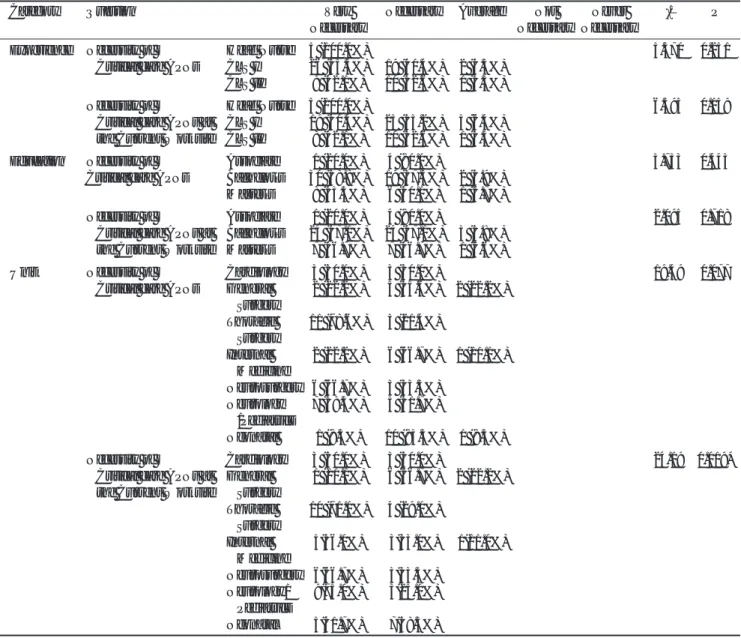
Table 1-3. Perception of the Necessity of Critical Care APNs Based on Experience, Education, and the Unit in which the Participants works (Nurses) (N = 71)
Category Question Very Necessary Average Not Never χ2 P
Necessary Necessary Necessary
Experience Necessity of Head Nurse 5 (100.0%) 5.370 0.251
Critical care APNs CLS I 26 (55.3%) 19 (40.4%) 2 (4.3%) CLS II 8 (42.1%) 10 (52.6%) 1 (5.3%)
Necessity of Head Nurse 5 (100.0%) 6.595 0.159
Critical care APNs at CLS I 19 (40.4%) 25 (53.2%) 3 (6.4%) the Current Worksite CLS II 8 (42.1%) 10 (52.6%) 1 (5.3%)
Education Necessity of Associate 1 (20.0%) 4 (80.0%) 3.733 0.443
Critical care APNs Bachelor’s 30 (58.8%) 19 (37.3%) 2 (3.9%) Master’s 8 (53.3%) 6 (40.0%) 1 (6.7%)
Necessity of Associate 1 (20.0%) 4 (80.0%) 2.095 0.718
Critical care APNs at Bachelor’s 24 (47.1%) 24 (47.1%) 3 (5.8%) the Current Worksite Master’s 7 (46.7%) 7 (46.7%) 1 (6.6%)
Unit Necessity of Cardiology 3 (50.0%) 3 (50.0%) 19.49 0.077
Critical care APNs General 2 (22.2%) 5 (55.6%) 2 (22.2%) Surgery
Thoracic 11 (78.6%) 3 (21.4%) Surgery
Internal 2 (22.2%) 6 (66.7%) 1 (11.1%) Medicine
Neurosurgery 6 (66.7%) 3 (33.3%) Neurology 7 (58.3%) 5 (41.7%)
/Pediatrics
Neonatal 1 (8.3%) 10 (83.3%) 1 (8.3%)
Necessity of Cardiology 3 (50.0%) 3 (50.0%) 24.19 0.019*
Critical care APNs at General 1 (11.1%) 6 (66.7%) 2 (22.2%) the Current Worksite Surgery
Thoracic 10 (71.0%) 4 (29.0%) Surgery
Internal 5(56.0%) 3(33.0%) 1(11.0%) Medicine
Neurosurgery 6(66.7%) 3(33.3%) Neurology/ 9(75.0%) 3(25.0%)
Pediatrics
Neonatal 5(41.7%) 7(58.3%)
Table 1-4. Desire to Become Critical care APNs (Nurses) (N = 71)
Category Yes No χ2 P
Experience Head Nurse 5 (100.0%) 1.64 0.43
CLS I 37 (78.7%) 10 (21.3%)
CLS II 14 (73.7%) 5 (26.3%)
Education Associate 3 (60.0%) 2 (40.0%) 1.62 0.44
Bachelor’s 40 (78.4%) 11 (21.6%)
Master’s 13 (86.7%) 2 (13.3%)
Unit Cardiology 5 (83.3%) 1 (16.7%) 12.70 0.04*
General Surgery 4 (44.4%) 5 (55.6%)
Thoracic Surgery 12 (85.7%) 2 (14.3%)
Internal Medicine 5 (55.6%) 4 (44.4%)
Neurosurgery 8 (88.9%) 1 (11.1%)
Neurology/Pediatrics 11 (91.7%) 1 (8.3%)
Neonatal 11 (91.7%) 1 (8.3%)
* p < .05
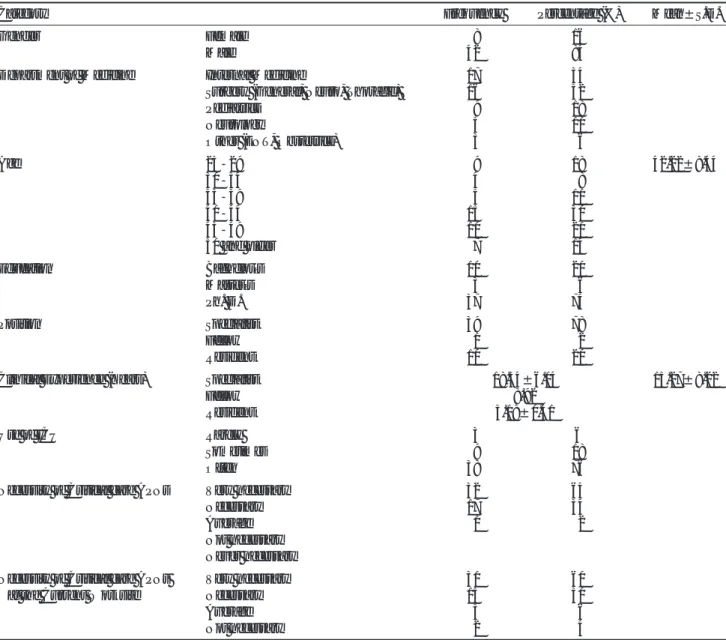
Table 1-5. General Characteristics of the Participants (Doctors) (N = 50)
Category Frequency Percentage (%) Mean±S.D.
Gender Female 08 16
Male 42 84
Department of Medicine Internal Medicine 17 34
Surgery (General, Neuro, Thoracic) 16 32
Pediatrics 09 18
Neurology 05 10
Other (ENT, Obstetrics) 03 06
Age 25-29 09 18 42.22±8.44
30-34 04 08
35-39 05 10
40-44 15 30
45-49 10 20
50 and older 07 14
Education Bachelor’s 10 20
Master’s 03 06
Ph. D. 37 74
Position Specialist 39 78
Fellow 01 02
Resident 10 20
Clinical Experience (Years) Specialist 18.54±6.04 15.27±8.22
Fellow 8.92
Resident 3.18±0.41
Use of ICU Rarely 03 6
Sometimes 09 18
Often 38 76
Necessity of Critical care APNs Very necessary 32 64
Necessary 17 34
Average 01 02
Not necessary Never necessary
Necessity of Critical care APNs Very necessary 30 60
at the Current Worksite Necessary 15 30
Average 03 06
Not necessary 02 04
tionnaire.
5. Data Analysis
Data were analyzed using SPSS (version 10.0). The general characteristics of the participants were analyzed using descriptive statistics. The participants’ perception of the necessity of critical care APNs, based on their sta- tus, education, and clinical experience, was analyzed by ANOVA. The participants’ perception of the necessity of
critical care APNs in each unit was analyzed using the χ2-test. The priority and necessity of the critical care APNs’ roles and tasks, as perceived by the participants, was measured by frequency, percentage, mean, and stan- dard deviation. The t-test was used to compare the views of the nurses and doctors.
Table 1-6. Perception of the Necessity of Critical Care APNs Based on the Department in which the Subject works, the Position, and the Use of ICUs (Doctors) (N=50)
Category Very Necessary Average Not Never χ2 p
Necessary Necessary Necessary
Department Necessity of Critical Internal 11 (64.7%) 5 (29.4%) 1 (5.9%) 6.35 6.351
of Medicine care APNs Medicine (0.608)
Surgery 9 (56.3%) 7 (43.8%) Pediatrics 8 (88.9%) 1 (11/1%) Neurology 3 (60%) 2 (40%)
Other 1 (33.3%) 2 (66.7%)
Necessity of Critical Internal 10 (58.8%) 5 (29.4%) 1 (5.9%) 1 (5.9%) 16.25 16.251
care APNs at the Medicine (0.180)
Current Worksite Surgery 10 (62.5%) 5 (31.3%) 1 (6.3%)
Pediatrics 8 (88.9%) 1 (11.1%)
Neurology 2 (40.0%) 3 (60.0%)
Other 2 (66.7%) 1 (33.3%)
Position Necessity of Critical Specialist 24 (61.5%) 15 (38.5%) 4.75 0.93
care APNs Fellow/Resident 8 (72.7%) 2 (18.2%) 1 (9.1%)
Necessity of Critical S Internal 8 (65.1%) 4 (30.8%) 1 (7.7%) 2.79 0.42 care APNs at the P Medicine
Current Worksite E Surgery 8 (61.5%) 4 (30.8%) 1 (7.7%) C
I Pediatrics 5 (83.3%) 1 (16.7%)
A Neurology 1 (25.0%) 3 (75.0%) L
I
S Other 2 (66.7%) 1 (33.3%)
T
R Internal 2 (50.0%) 1 (25.0%) 1 (25.0%) E Medicine
S Surgery 2 (66.7%) 1 (33.3%) I
D Pediatrics 3 (100%) E
N Neurology 1 (100%) T
Use of ICU Necessity of Critical Rarely 1 (33.3%) 2 (66.7%) 4.42 0.35
care APNs Sometimes 4 (44.4%) 5 (55.6%)
Often 27 (71.1%) 10 (26.3%) 1 (2.6%)
Necessity of Acute Rarely 1(33.3%) 1(33.3%) 1(33.3%) 20.0 0.03*
and Critical care Sometimes 3(33.3%) 6(66.7%)
APNs at Current Often 27(71.1%) 8(21.1%) 2(5.3%) 1(2.6%) Worksite
RESULTS
1. General Characteristics of the Participants 1) Nurses
Table 1-1 shows the general characteristics of the par- ticipants. A total of 71 nurses-5 head nurses, 47 CLS I nurses, and 19 CLS II nurses-completed the question- naire. Their average age was 30.15±4.30 years, and 52.1% were aged 25 to 29 years. Their average clinical experience was 7.71±4.15 years, and their average length of experience in ICUs was 7.04±3.09 years. In terms of educational background, 71.8% had bachelor’s degrees, 21.1% had master’s degrees, and 7.0% had as- sociate degrees. The participants were equally distrib- uted in the 7 ICUs.
Regarding the necessity of critical care APNs, 39 re- spondents (54.9%) replied “very necessary”, and 29 (40.8%) “necessary”, confirming the strong preference for the necessity of critical care APNs. There were no significant differences based on units, position, experi- ence, and educational background (Tables 1-2 and 1- 3).
Regarding the necessity of critical care APNs in their
current workplace, 32 respondents (45.1%) replied
“very necessary”, and 35 (49.3%) “necessary”. There was a significant difference between the responses ac- cording to the participants’ unit. The participants from thoracic surgery ICUs, in particular, indicated that criti- cal care APNs are very necessary in their unit. There was no significant difference in response based on the position and educational background of the participants (Table 1-3).
As for their personal desire to become critical care APNs, 56 respondents (78.9%) indicated that they were and 15 (21.1%) that they were not. There was a signifi- cant difference between the participants’ responses ac- cording to their unit. The nurses in all the units, except in the general surgery and medical ICUs, showed desire to become critical care APNs (Table 1-4).
2) Doctors
Table 1-5 shows the general characteristics of the par- ticipants. They comprised 8 females (16%) and 42 males (84%). There were 39 specialists (78%), 1 fellow (2%), and 10 residents (20%). Their average age was 42.22?8.44 years, and 30.0% were aged 40 to 44 years.
The average length of clinical experience was 15.27±
Table 1-7. Priority of Each Role of Critical care APNs
Category Nurses Doctors t p
Mean±S.D Mean±S.D
Direct Practice 41.51±13.62 54.63±17.65 4.587 0.000*
Education and Counseling 21.91±08.39 15.98±8.650 -3.748 0.000*
Research 14.85±05.87 10.88 ±5.960 -3.589 0.000*
Consultation and Collaboration 12.40±05.45 11.24±7.430 -0.987 0.326
Leadership and Change agent 09.84±04.52 7.90±4.72 -2.251 0.026*
* p < .05
Table 1-8. Comparison of the Priority of Each Role in Each Group
Category Nurses Doctors
Head Nurse CLS I CLS II F p Specialist Fellow/Resident F p
(N = 5) (N = 45) (N = 19) (N = 39) (N = 11)
Direct Practice 49.00±5.48 41.11±14.14 39.66±13.65 0.94 0.40 56.08±17.12 49.74±19.35 1.04 0.30 Education and 22.00±4.47 19.93±7.83 26.88±9.30 4.90 0.01* 16.89±8.76 12.92±7.82 1.34 0.18
Counseling
Research 13.00±4.47 16.00±5.90 12.86±5.84 2.25 0.11 11.36±6.08 9.29±5.48 1.00 0.31 Consultation and 10.00±3.54 12.87±5.63 12.06±5.29 0.69 0.51 9.05±4.54 18.38±10.41 -2.88 0.01*
Collaboration
Leadership and 6.00±2.24 10.80±4.60 8.80±4.35 3.46 0.04* 7.36±4.54 9.65±5.06 -1.42 0.16 Change agent
* p < .05
8.22 years and 37 of them had a Ph.D. (74%), 10 a bachelor’s degree (20%), and 3 a Master’s degree (6%).
Among the 8 medical departments represented, the ma- jority of the participants belonged to the department of internal medicine (Table 1-5).
Regarding their use of ICUs, 38 (76%) replied
“often”. Regarding the necessity of critical care APNs, 32 (64.0%) replied “very necessary”, and 17 (34.0%)
“necessary”, confirming the strong preference for the necessity of critical care APNs. There was no difference in the participants’ responses based on the department to which they belonged and their position, but those who used the ICUs more often tended to rate critical care APNs as more necessary than did those who used the units less often (Table 1-6).
3) Priority of Each role
The roles of critical care APNs were presented to the participants in five categories: direct practice, education and counseling, research, consultation and collaboration, and leadership and change agent. They were then asked to rate the priority of each role of critical care APNs based on their expectations. The results are shown in Table 1-7.
Although there was a slight difference between the nurses’ responses, they generally considered direct prac- tice the most critical, followed by education and counsel- ing, research, consultation and collaboration, and leader- ship and change agent. The doctors also considered di- rect practice the most critical, but they considered con- sultation and collaboration more critical than research.
While both groups considered direct practice the most critical, the doctors (54.6±17.7%) considered this role to be more critical than the nurses (41.5±13.6%) did, to a statistically significant extent. The nurses ranked ed- ucation and counseling, research, consultation and col- laboration, and leadership and change agent higher than the doctors did, and to a statistically significant extent in all categories except consultation and collaboration.
Table 1-8 presents the comparison results of the priority of each role in each group.
2. Necessity of Each Role
Table 2-1 compares the nurses’ perception of the ne- cessity of each role with that of the doctors.
1) Direct Practice
On the necessity of critical care APNs’ direct practice, the average assigned rating was 3.82±0.46 by the nurs- es and 3.39±0.52 by the doctors. The difference be- tween these average ratings given by the two groups was statistically significant. Among the 79 tasks falling under direct practice, 37 (46.8%) were given a rating of neces- sity of 4.0 or higher (“necessary” or higher) by the nurs- es, compared to 17 (21.5%) by the doctors. Both groups considered tasks related to assessing, diagnosing, and planning critically ill patients to be more necessary, while direct intervening tasks were considered the least necessary.
The nurses gave high ratings to “plan treatment and nursing based on diagnoses (4.70)”, “participate in a cardiac life-support team (4.66)”, and “monitor the con- ditions of critically ill patients continuously (4.65)”, but lower ratings to “Insert PICC (peripheral inserted cen- tral catheter) (2.73)” and “perform lumbar puncture (2.76)”.
The doctors gave scores of 4.0 or higher to “monitor the conditions of critically ill patients continuously (4.58)”, “participate in a CPR team (4.32)”, and “check and eliminate factors that threaten the safety of critically ill patients (4.32)”, but lower ratings to “insert chest tube as ordered by doctors (2.08)”, “perform lumbar puncture (2.16)”, “insert central venous catheters (2.20)”, “insert umbilical catheters (2.22)”, and “per- form intubations (2.26)”.
2) Education and Counseling
The necessity of education and counseling was given
Table 2-1. Comparison of the Necessity of Each Role in Each Group
Category Nurses Doctors t p
Direct Practice 3.82±0.46 3.39±0.52 -4.740 0.000
Education and Counseling 4.27±0.59 4.11±0.59 -1.457 0.148
Research 4.36±0.74 3.92±0.66 -3.366 0.001
Consultation and Collaboration 4.17±0.57 3.88 ±0.59 -2.687 0.008
Leadership and Change agent 4.22±0.64 3.86±0.63 -3.064 0.003
an average rating of 4.27±0.59 by the nurses and 4.11
±0.59 by the doctors, but the difference was not statisti- cally significant. Among the 11 tasks falling under the role of education and counseling, 10 (90.9%) were cho- sen as necessary tasks by the nurses and 8 (72.7%) by the doctors. The nurses gave the highest rating to “pro- vide nurses with information regarding nursing (4.61)”
but the lowest to “educate communities (3.31)”. The doctors gave high ratings to “develop training programs for nurses (4.40)”, “develop training materials for nurses (4.36)”, and “provide preliminary and in- service educa- tion for nurses (4.32)”, but the lowest rating to “educate communities (3.40)”.
3) Research
The necessity of research was given an average rating of 4.36±0.74 by the nurses and 3.92±0.66 by the doc- tors. The difference between the average ratings given by the two groups was statistically significant. The nurses gave ratings of 4.0 or higher to all the 6 tasks falling un- der the research role, while the doctors also gave these 6 tasks high ratings of between 3.9 and 4.0.
4) Consultation and Collaboration
The necessity of consultation and collaboration was rated significantly higher by the nurses (4.17±0.57) than by the doctors (3.88±0.59). The nurses gave rat- ings of 4.0 or higher to all the 15 tasks of the consulta- tion and collaboration roles (86.9%), except “consult other institutions for critically ill patients, as needed (3.87)” and “perform community activities in my field of expertise (3.68)”. The nurses gave the highest ratings to “provide advice on the standards of nursing (4.46)”
and “consult patients with problems, and solve their problems (4.44)”.
The doctors, on the other hand, gave ratings of 4.0 or higher to 6 (40%) roles. They gave the highest ratings to
“participate in and collaborate with treatment programs (4.08)”, “provide advice regarding special treatments and examinations for general nurses (4.04)”, “provide advice on patients’ support groups (4.04)”, and “provide advice on the standards of nursing (4.04)”. The doctors gave low ratings to “plan and lead multidisciplinary con- ferences regarding patient care (3.58)”, “consult other institutions for critically ill patients, as needed (3.58)”, and “perform community activities in my field of exper- tise (3.60)”.
There was a statistically significant difference between
the responses of the two groups to 10 of the 15 tasks, in- cluding “seek advice from other experts”, “provide ad- vice to other health care providers”, “plan and lead multidisciplinary conferences regarding patient care”,
“participate in case conferences and advocate the pa- tients” and “provide advice regarding the establishment and execution of policies on critical care nursing”. The nurses gave higher ratings to all of these 10 tasks than the doctors did.
5) Leadership and Change agent
The necessity of leadership and change agent was rat- ed significantly higher by the nurses (4.22±0.64) than by the doctors (3.86±0.63). The nurses gave ratings of 4.0 or higher to 13 out of 17 tasks (76.5%). They gave the highest ratings to “perform case management (4.68)”, and the lowest to “participate in evaluating nursing staffs (3.77)” and “participate in evaluating medical staffs (3.80)”.
The doctors gave ratings of 4.0 or higher to 5 roles (29.4%). They gave the highest ratings to “develop stan- dards for critical care nursing (4.12)” and “participate in evaluating nursing practice in critical care (4.12)”, and the lowest to “participate in evaluating medical staffs (3.36)” and “participate in establishing public health and medical policies (3.54)”.
The ratings of the nurses for “perform case manage- ment”, “become role models as specialists”, “have peri- odical meetings with doctors and APNs”, “participate in self-development for professionalism”, and “participate in publicity activities to promote critical care nursing”
were significantly higher than those of the doctors.
DISCUSSION
1. Necessity of Critical care APNs
In the study results, 95.7% of the nurses and 98% of the doctors considered critical care APNs to be neces- sary. This finding is in agreement with that of a previous study which found that both doctors and nurses consid- ered the need for clinical APNs to be urgent (Lee and Lee, 1995). Considering that APNs provide high-quality care, reduce the cost, and increase the satisfaction of pa- tients and other health care providers, critical care APNs are particularly needed for critically ill patients, due to their requirements of inclusive caring for survival and re- covery.
The study results also confirmed that doctors in every
department and position agree with the need for critical care APNs. Furthermore, the doctors who frequently use ICUs have the highest desire for critical care APNs in their current departments, as did the nurses in thoracic- surgery ICU, presumably because the thoracic surgery unit has more specialty areas than other units do, and therefore needs staff with special skills to be able to treat their patients. We therefore suggest that it would be best to supply future critical care APNs initially to these units.
2. Priority of Each Role
The roles of critical care APNs were divided into five categories: direct practice, education and counseling, re- search, consultation and collaboration, and leadership and change agent. The doctors and nurses considered di- rect practice to be the most critical among all the roles of critical care APNs. This result coincides with that of a previous study (Kim, 2003), which aimed to clarify the roles of oncology APNs and which found that APNs should focus on the practitioner role first of all. A similar finding was also made by two other studies which com- pared the priority of the 5 roles of clinical APNs (Lee, 1995; Lim et al., 1997).
The nurses’ responses to “education and counseling”
and “leadership and change agent” differed significantly according to the nurses’ position. The head nurses consid- ered “leadership and change agent” to be less critical than did the CLS I and II nurses, while the CLS II nurses considered “education and counseling” to be more criti- cal than did the head nurses and CLS II nurses. This find- ing was explained in previous studies (Lim et al., 1997;
McMillan et al., 1999) on the basis that the “leadership and change agent” role of APNs may overlap with the head nurses’ administrative role and may therefore cause conflicts. The doctors were divided into specialists and fellow/residents, and while the responses of the two sub- groups differed, it was not to a statistically significant ex- tent. When the responses of the nurses and doctors were compared, both groups considered direct practice to be the most critical role of critical care APNs, and the rat- ings of the doctors on direct practice were higher than those of the nurses. These results coincided with the re- sults of previous studies (Lim et al., 1997; Kim, 2003).
Direct practice is perceived as the most critical role of critical care APNs, presumably because the medical field is in need of APNs whose in-depth knowledge of, skills in, and utilization of the latest technologies can enable
them to provide high-quality care to patients.
3. Necessity of the Tasks in Each Role
Both the nurses and doctors gave an average rating for necessity of below 4.0 to direct practice. The nurses, however, gave a rating of 4.0 or higher to more tasks than did the doctors, and seemed to expect critical care APNs to perform more tasks than did the doctors. The doctors gave ratings of “not necessary” (1 task) and
“average” (17 tasks) to 18 tasks (including “analyze data to diagnose actual and potential health problems”, “par- ticipate in daily routines”, “explain patients’ conditions, treatment procedures, and plans to the patients and their families”, “interpret lab results”, “read electrocardio- gram”, “control oxygen supply”, and “control ventila- tors as ordered”), whereas the nurses gave scores of 4.0 or higher to all of these 18 tasks. Both groups ascribed a high necessity to those tasks related to assessing, diag- nosing, and planning treatments for critically ill patients, and a low necessity to those tasks that are currently car- ried out by doctors (e.g., minimally invasive surgery).
Those tasks to which the doctors ascribed a low necessi- ty received ratings of 4.0 or higher from the head nurses but below 4.0 from the CLS I and II nurses; this differ- ence was statistically significant. This means that partici- pants with different clinical experiences have different expectations of APNs, and that head nurses expect APNs to perform roles that are more extensive. Direct practice is perceived as the key role of APNs (Hamric, Spross, & Hanson, 2005), and APNs are expected to be knowledgeable and skilled in using advanced tech- niques?including psychotherapy, family therapy, music therapy, crisis intervention, pain management, wound management, advanced physical examination, prescrip- tion, pharmacological/surgical intervention, and patient evaluation (Glass, 1993; Davis, 1994)?which enable nurse to care for patients with complex problems and which support general nurses as contributive clinicians (Kim, 1996).
APNs’ role as an educator is most frequently consid- ered. According to ANA (1989), the various educator roles of APNs are consulting and educating professional medical staffs, participating in students’ clinical work- shops as part of the program in nursing schools, and tak- ing responsibility for developing training courses for clin- ical nurses. In this study, the roles of education and counseling received an average rating of above 4.0 from both groups in terms of necessity, and were shown to be
among the most critical roles of critical care APNs.
There was a statistically significant difference between the responses of the two groups to “educate other health care providers”: the nurses indicated that this is neces- sary, whereas the doctors gave it a low rating.
Considering that APNs may be involved in the educa- tion of patients, families, nurses and nursing students, as well as other health care providers (Kim, 1996), such difference must be negotiated when establishing the roles of critical care APNs. In addition, both groups as- cribed a low necessity to “educate communities”, pre- sumably because critical care APNs are expected to fo- cus on critically ill patients. In the future, however, criti- cal care APNs will be expected to provide communities with health-related knowledge.
The research roles of critical care APNs were rated lowly by the doctors but highly by the nurses. The nurses ascribed the highest necessity to the research roles of critical care APNs, which coincides with the result of Ahn’s (2000) studies. The role with the highest necessity (4.58±0.60) overall, “apply research findings to prac- tices”, received a response of “very necessary (5.0)”
from the nurses. This shows that critical care APNs are expected to conduct research in their practice. The APNs’ role as researcher is expected to be the slowest to develop, but over the long term is essential for the scien- tific development of the nursing practice (Scott, 1999).
For the consultation roles of critical care APNs, the nurses gave them an average necessity (above 4.0), whereas the doctors gave them only an average rating of below 4.0. Both groups gave ratings of 4.0 or higher to
“participate in and cooperate with treatment programs”, including the head nurses who considered it “very nec- essary”, because the APNs who are presently in various fields are mostly engaged in operating treatment pro- grams. Considering that successful performance in a con- sultant role depends strongly on the support of the ad- ministrator and on the acceptance of other staff, pa- tients, and their families (Scott, 1999), the critical care APNs’ roles as consultants should be negotiated.
The critical care APNs’ leadership and change agent roles include standardizing nursing activities, budgeting for a higher quality of care, participating in committees, providing high-quality nursing care to patients and com- munities, and enhancing the professionalism of the nurs- ing practice (Scott, 1999). According to Hong (2004), these roles are APNs’ peculiar roles because APNs often carry out most of the tasks in this leadership and change
agent role. In this study, the necessity rating assigned by the nurses to leadership and change agent roles was sig- nificantly high, therefore confirming that the nurses con- sider these roles to be included within the roles of criti- cal care APNs.
In addition, the priority of each role did not match the necessity of each role, presumably due to the absence of any active critical care APNs in Korea, which limited the participants of this questionnaire to merely exploring their own abstract concepts of the APN roles. For exam- ple, both groups ascribed the highest priority and the lowest necessity to “direct practice” because tasks such as “insert chest tube as ordered by the doctor”, “per- form lumbar puncture”, “insert central venous catheters”, “insert umbilical catheters”, and “perform intubations” are already being carried out by doctors, and therefore do not need to be carried out by other professionals. In other words, although the direct prac- tice roles of critical care APNs are perceived to be the most critical among their various roles, the actual tasks in this direct practice are not common in Korea’s medical institutions. The finding also showed that the roles to be carried out by critical care APNs are expected by both nurses and doctors to be slightly broader than are those carried out by general nurses. Furthermore, that the two groups’ expectations of critical care APNs did not coin- cide with the true practice of nurse practitioners in the U.S. Thus, the boundaries of the tasks of critical care APNs need to be specifically clarified through negotia- tions between nurses and doctors.
CONCLUSION
This study was conducted to determine and analyze what nurses and doctors perceive are the roles and tasks of critical care APNs, to establish the latter’s role bound- aries, and to utilize the results in developing future cur- ricula for their education. This study comprised a ques- tionnaire survey of 71 nurses in 7 ICUs of a general hos- pital in Korea and 50 doctors who use ICUs.
The following are the results of this study:
1. Critical care APNs were considered necessary by 95.7% of the nurses and 98% of the doctors. The nurs- es’ perception of this necessity did not differ based on the unit to which they belonged or their position, experi- ence, and educational background. Among the doctors, however, those who frequently worked in ICUs assigned
a significantly greater need to critical care APNs than those doctors who did not. Meanwhile, nurses thought there is a need for critical care APNs in the thoracic surgery ICU.
2. The roles of critical care APNs were classified into 5 categories-direct practice, education and counseling, re- search, consultation and collaboration, and leadership and change agent-and each role’s priority was exam- ined. The nurses considered direct practice to be the most critical, followed by education and counseling, re- search, consultation and collaboration, and leadership and change agent. The doctors also considered direct practice to be the most critical, followed by education and counseling, consultation and collaboration, research, and leadership and change agent. Although both groups considered the direct practice roles of critical care APNs to be the most critical, the doctors’ priority of these roles was significantly higher than that of the nurses. For all the roles except consultation and collaboration, the difference between the two groups’ responses was statis- tically significant.
3. The nurses rated the roles of critical care APNs in the following order of necessity: research (4.36)> educa- tion and counseling (4.27)> consultation and collabora- tion (4.22)> leadership and change agent (4.17)> direct practice (3.82). The doctors, on the other hand, rated them accordingly: education and counseling (4.11)> re- search (3.92)> consultation and collaboration (3.88)>
leadership and change agent (3.86)> direct practice (3.39). The two groups’ responses to all the roles, except the education and counseling roles, were significantly different. The nurses rated all the roles, except the direct practice roles, as necessary (4.0 or higher), whereas the doctors only rated the education and counseling roles as necessary.
4. The nurses assigned ratings of 4.0 or higher to 37 (46.8%) among the 79 direct practice tasks, compared to 17 (21.5%) by the doctors. Among the 11 education and counseling tasks of APNs, the nurses picked 10 (90.9%) while the doctors picked 8 (72.7%). Both the nurses and the doctors gave ratings of 3.9-4.0 to all the 6 tasks. A necessity rating of 4.0 or higher was assigned to 13 (86.7%) of the 15 consultation and collaboration tasks by the nurses and to 6 (40%) by the doctors, and to 13 (76.5%) of the 17 leadership and change agent tasks by the nurses and to 5 (29.4%) by the doctors.
In conclusion, the study results confirmed the different perceptions held by nurses and doctors regarding the roles and tasks of critical care APNs. It is therefore con- sidered vital for the nursing and medical fields to reach an official agreement to establish standardized roles for critical care APNs.
References
Ahn, K. H. (2000). The performance and perceptions of ICU nurses concerning the roles of critical care nurse specialists. Master Thesis, Yonsei University.
American Nurses Association. (1989). The role of the clinical nurse specialist. Kansas City: ANA
American Nurses Association. (1996). Nursing’s social policy state- ment. Washington, DC: Author.
Davis, E. A. (1994). Factors influencing the implementation of the CNS role in a private practice. Clin Nurse Spec, 8, 42-46.
Glass, B. C. (1993). The role of the nurse in advanced practice in bereavement care. Clin Nurse Spec, 7, 62-66.
Hamric, A.B., Spross, J.A., & Hanson, C.M. (2005). Advanced practice nursing: An integrative approach (3rd ed.).
Philadelphia: Saunders.
Hong, J. H. (2004). The role of oncology advanced practice nurses in Korea. Master Thesis. Seoul National University.
Kim, K. J. (2000). Advanced practice nursing; the first step for im- provement in job satisfaction and social status. Taehan Kanho, 39(1), 17-19.
Kim, M. Y. (2003). The role behaviors of oncology nurse specialist.
Master Thesis. Seoul National University.
Kim, S. S. (1996), The role and future of the medical-surgical clini- cal nurse specialist. Taehan Kanho, 35(4), 6-11.
Kim, Y. H., Kwon, I. G., Hwang, K. J., Kim, H. S., Lee, B. S., Lee, H. S., & Choi, W. J. (2003). A survey on the role and present state of advanced practice nurses in Korea. Clin Nurs Res, 9(1), 55-75.
Korean Nurses Association. (1993). A forum for improvement in the system of advanced practice nursing; the results of survey (summary). 81-95.
Korean Nurse Association News. (2004.1.8). Bulletin on education of advanced practice nurses Lee, S. O., & Lee, W. C. (1995).
The perception of medical doctors and nurses on the clinical nurse specialist system. Journal of Korean Academy of Nursing Administration, 1(2), 372-387.
Lee, S. Y. (1996). A study of role establishment of the clinical nurse specialist. Master Thesis, Yonsei University.
Lim, K. C., Park, K. O., & Kim, B. J. (1997). A investigative study of role expedition on the clinical nurse specialist. Journal of Korean Academy of Nursing Administration, 3(1), 65-82.
McMillan, S.C., Heusinkveld, K.B., Spray, J.A., & Murphy, C.M.
(1999). Revising the blueprint for the AOCN examination us- ing a role delineation study for advanced practice nursing.
Oncol Nurs Forum, 26(3), 529-537.
Scott, R. A. (1999). A description of the roles, activities, and skills of clinical nurse specialists in the United States. Clin Nurse Spec, 13, 183-190.