41(6), 774~781(2012) http://dx.doi.org/10.3746/jkfn.2012.41.6.774
고지방식이와 스트렙토조토신으로 유도한 당뇨마우스에서 Chlorogenic Acid의 혈당강하 및 항산화 효과
이 진1․서권일1․김명주2․이수진2․박은미3․이미경1†
1순천대학교 식품영양학과
2수성대학교 호텔조리계열
3성덕대학교 바이오실용과학계열
Chlorogenic Acid Enhances Glucose Metabolism and Antioxidant System in High-fat Diet and Streptozotocin-induced Diabetic Mice
Jin Lee1, Kwon-Il Seo1, Myung-Joo Kim2, Su Jin Lee2, Eun-Mi Park3, and Mi-Kyung Lee1†
1Dept. of Food and Nutrition, Sunchon National University, Jeonnam 540-950, Korea
2Dept. of Hotel Cuisine, Suseong College, Daegu 706-022, Korea
3Division of Bio-Applied Science, Sung Duck C. University, Gyeongnam 770-811, Korea
Abstract
This study investigated dose-response effects of chlorogenic acid (CA) on glucose metabolism and the anti- oxidant system in streptozotocin (STZ)-induced diabetic mice with a high-fat diet (HFD). Male ICR mice were fed with a HFD (37% calories from fat) for 4 weeks prior to intraperitoneal injection with STZ (100 mg/kg body weight). Diabetic mice were supplemented with two doses of CA (0.02% and 0.05%, wt/wt) for 6 weeks.
Both doses of CA significantly improved fasting blood glucose level, glucose tolerance and insulin tolerance without any changes in plasma insulin and C-peptide levels. Plasma leptin concentration was significantly higher in the CA-supplemented groups than in the diabetic control group. Both doses of CA significantly increased hepatic glucokinase activity and decreased glucose-6-phosphatase activity compared to the diabetic control group. The ratio of glucokinase/glucose-6-phosphatase was dose-independently higher in CA-supplemented mice than in diabetic control mice. CA supplementation dose-independently elevated superoxide dismutase and catalase activities, whereas it lowered lipid peroxide levels compared to the diabetic control mice in the liver and erythrocyte. These results suggest that low-dose CA may be used as a hypoglycemic agent in a high-fat diet and STZ-induced diabetic mice.
Key words: chlorogenic acid, diabetes, high-fat diet, glucose metabolism, antioxidant system
†Corresponding author. E-mail: [email protected]
†Phone: 82-61-750-3656, Fax: 82-61-752-3657
서 론
생활습관병 발생은 식생활을 포함한 생활환경 변화 및 각 종 스트레스 증가와 고령화와 밀접한 연관이 있다. 그중 당 뇨병은 대표적인 만성 대사성 질환으로 유병율이 매우 높기 때문에 주목받고 있다(1,2). 2010년 국민건강통계에 의하면 우리나라 당뇨병의 유병율은 30세 이상 성인에서 10.1%이 며, 남성이 11.3%, 여성이 9.0%로 나타났다(3).
당뇨병은 당질대사 이상을 초래할 뿐만 아니라 단백질, 지질 및 전해질 등의 대사조절기능 이상도 일으킨다(4). 특 히, 당뇨병으로 인한 활성산소 증가는 과산화지질 생성을 촉진하고 직⋅간접적으로 조직세포를 손상하여 세포기능을 저하시켜 노화촉진 및 각종 퇴행성 질환을 유발시키는 것으 로 알려져 있다(5,6). 이는 고혈당으로 인하여 유발되는 산화
적 스트레스를 방어하는데 불충분한 항산화 효소 활성과 이 들 효소간의 균형상태 붕괴가 매우 중요한 병인으로 지적되 고 있다(7).
Chlorogenic acid(CA: 5-O-caffeoyl quinic acid, Fig. 1) 는 caffeic acid와 quinic acid의 에스테르 결합으로 형성된 폴리페놀 화합물로 커피 원두, 사과, 배, 토마토, 블루베리, 감자, 땅콩, 가지 등과 같은 식물, 과일, 채소 등에 많이 함유 되어 있다. CA는in vivo실험에서 산화적인 손상으로 야기 되는 암이나 심혈관 질병을 예방할 수 있는 것으로 보고되었 으며(8),in vitro 실험에서 항산화제, 자유라디칼 제거, 메탈 이온의 착화합화, 라디칼 및 과산화물 생성효소 저해 효과 등이 보고되었다(9). 또한 CA는 유전적으로 비만이나 당뇨 병이 유발된 동물모델에서 지질과 당대사를 조절하였을 뿐 만 아니라(10-12), CA 또는 CA가 풍부한 커피는 장에서 글
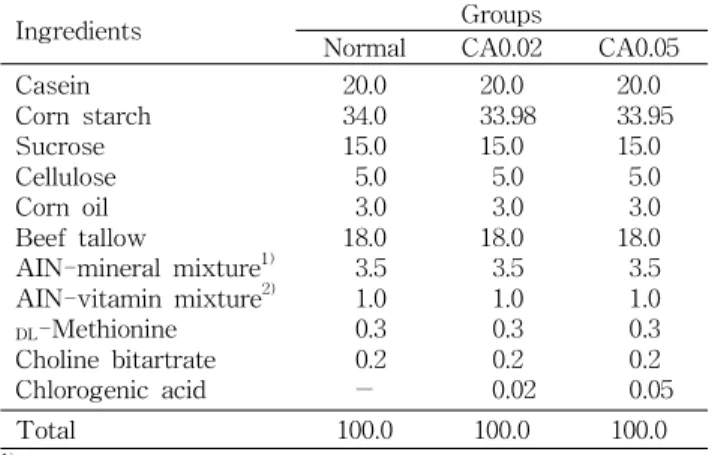
Table 1. Composition of the experimental diet (g/100 g diet)
Ingredients Groups
Normal CA0.02 CA0.05 Casein
Corn starch Sucrose Cellulose Corn oil Beef tallow
AIN-mineral mixture1) AIN-vitamin mixture2)
DL-Methionine Choline bitartrate Chlorogenic acid
20.034.0 15.05.0 18.03.0 3.51.0 0.3
-0.2
20.033.98 15.05.0 18.03.0 3.51.0 0.3 0.20.02
20.033.95 15.05.0 18.03.0 3.51.0 0.3 0.20.05
Total 100.0 100.0 100.0
1)Mineral mixture (g/kg) according to AIN-76.
2)Vitamin mixture (g/kg) according to AIN-76.
Fig. 1. Chemical structure of chlorogenic acid.
루코오스 흡수를 지연하는 것으로 보고되었다(13,14). CA 보충으로 고지방을 섭취시킨 햄스터의 혈당과 인슐린 함량 이 개선되었기에 Li 등(15)은 대사증후군과 제2형 당뇨병과 같은 만성적인 대사질환 개선에 CA가 효과적일 것으로 제 시하였다. 이와 같이 CA 또는 CA를 함유한 천연물의 항당 뇨 효능에 대한 관심이 높아지고 있으나 그 구체적인 기전에 관한 연구는 매우 미비한 실정이다.
본 연구진은 고지방식이로 비만을 유도한 마우스에게 0.02% CA 식이를 급여하였을 때 체중과 지질대사가 효과적 으로 개선됨을 보고(16)한 바 있다. 따라서 본 연구에서는 고지방식이와 스트렙토조토신(STZ)으로 당뇨병을 유발한 마우스에게 CA를 농도별로 급여한 후 당대사와 항산화방어 계 변화를 살펴보았다.
재료 및 방법 실험동물 사육
4주령 ICR 마우스 35마리를 Biogenomics사(Seoul, Korea) 로부터 구입하여 사용하였다. 최근 고지방식이로 인한 인슐 린저항성 유발에 따른 제2형 당뇨동물모델이 천연물의 항당 뇨 효과 평가에 많이 사용되고 있다. 즉, 마우스를 1주간 고 형식이로 적응기간을 둔 후 고지방식이를 4주간 급여하여 인슐린저항성을 유발한 다음 STZ을 0.1 M citrate 완충용액 (pH 4.2)에 녹여 체중 kg당 100 mg을 일회 복강주사(Sigma, St. Louis, MO, USA)하여 당뇨를 유발하였다(17,18). 당뇨 유발 7일 후 혈당이 14 mmol/L(250 mg/dL)인 마우스만을 사용하여 난괴법으로 당뇨대조군(n=9, DC), 0.02% CA군 (n=10, CA0.02)과 0.05% CA군(n=10, CA0.05)으로 나누어 폴리카보네이트 사육 상자에 한 마리씩 분리하여 사육하였다.
본 실험에 사용한 기본식이는 AIN-76(Table 1)의 식이조 성에 준하였으며(19), 단백질 급원으로는 카제인(Daejung, Siheung, Korea)을 공급하고, 탄수화물 급원은 옥수수 전분 (Daejung)을 사용하였다. 고지방식이는 총 열량의 37%가 되도록 3% 옥수수기름(Cheiljedang, Seoul, Korea)과 18%
쇠기름(Wako, Osaka, Japan)을 공급하였다. CA(TCI Co., Ltd, Tokyo, Japan)는 식이 100 g당 0.02 g과 0.05 g의 두 수준으로 첨가하여 6주간 급여하였으며 식이와 식수는 자유 롭게 섭취(ad libitum)하도록 하였고, 모든 실험 식이는 사육
기간 동안 냉장 보관하였다. 동물사육실의 환경은 항온 (22±2oC), 항습(50±5%), 12 시간 간격(08:00∼20:00)의 광 주기로 일정한 조건을 유지하였다.
체중은 매주 1회 2시간 절식 후 일정한 시각에 측정하였으 며, 식이섭취량은 매일 일정 시각에 측정한 후 급여량에서 잔량을 감하여 계산하였다.
혈장 및 장기 채취
사육이 끝난 실험동물은 희생 전 12시간 동안 절식시킨 후 에테르를 흡입시켜 마취시킨 다음 복부 하대정맥(infe- rior vena cava)으로부터 공복혈액을 채취하였다. 헤파린 처 리된 혈액은 600×g(4oC)에서 15분간 원심분리 하여 혈장을 분리하였다. 실험동물의 장기조직은 채혈 후 즉시 적출하여 phosphate buffer saline 용액으로 수차례 헹군 후 표면의 수분을 제거하여 칭량하였으며, 즉시 액체질소로 급냉시켜 -70oC에 보관하였다.
혈당, 내당능, 인슐린내성 및 당화헤모글로빈 함량 측정 혈당 측정은 매주 6시간의 절식 후 꼬리 채혈하여 혈당측 정기(GlucoDr supersensor, Allmedicus, Anyang, Korea)를 이용하여 glucose oxidase 방법으로 측정하였다.
내당능 검사는 실험식이 급여 5주째 6시간 절식 후 포도당 용액을 체중 kg당 1 g씩 복강 내로 투여한 다음 0, 30, 60 및 120분경과 후에 꼬리 채혈하여 혈당을 측정하였다.
인슐린내성 검사는 실험식이 급여 6주째 6시간 절식 후 인슐린(insulin) 용액을 체중 kg당 1 unit씩 복강 내에 투여 하고 0, 30, 60 및 90분경과 후에 꼬리 채혈하여 혈당을 측정 하였다.
당화헤모글로빈(HbA1c) 함량은 실험 종료 후 복부 하대정 맥에서 수집한 전혈을 당화헤모글로빈 측정용 기기(in2it A1C POC analyzer, BIO-RAD, Hercules, CA, USA)를 사 용하여 측정하였다.
혈장 중의 인슐린, C-펩티드 및 렙틴 함량 측정
혈장의 인슐린 농도는 mouse insulin ELISA kit(Crystal
25 30 35 40 45
0 1 2 3 4 5 6
Week
Body weight (g) .
DC CA 0.02 CA 0.05
Fig. 2. Effect of chlorogenic acid on change of body weight in HFD/STZ-induced diabetic mice. Values are expressed as mean±SE.
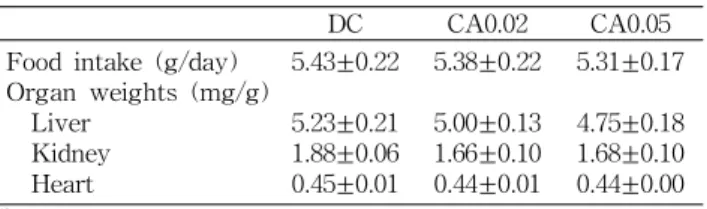
Table 2. Effect of chlorogenic acid on food intake and organ weights in HFD/STZ-induced diabetic mice1)
DC CA0.02 CA0.05
Food intake (g/day) Organ weights (mg/g)
Liver Kidney Heart
5.43±0.22 5.23±0.21 1.88±0.06 0.45±0.01
5.38±0.22 5.00±0.13 1.66±0.10 0.44±0.01
5.31±0.17 4.75±0.18 1.68±0.10 0.44±0.00
1)Values are expressed as the mean±SE.
Chem Inc., Downers Grove, IL, USA)를 사용하여 정량하였 다. 인슐린 관련 기능성 지표인 C-펩티드는 mouse C-pep- tide ELISA(U-type) kit(Shinayagi Co., Ltd., Gunma, Japan)를 이용하여 측정하였다. 혈장 렙틴 함량은 mouse leptin ELISA kit(R&D systems Inc, Minneapolis, MN, USA)를 사용하여 immunoassay로 측정하였다.
적혈구와 간조직 중의 효소원 분리
혈액으로부터 혈장과 buffy coat를 완전히 제거한 후 McCord와 Fridovich의 방법(20)에 준하여 적혈구를 분리하 였다. 즉 분리한 적혈구는 0.9% 생리식염수로 3회 세척한 후 증류수로 용해한 다음 효소원으로 사용하였다. 적혈구의 효소 활성도는 kit 시약(Asan Pharmaceutical, Seoul, Korea) 으로 측정한 헤모글로빈 g당의 고유활성도로 나타내었다.
간조직 효소원은 Hulcher와 Oleson의 방법(21)을 수정․
보완하여 사용하였다. 간조직을 0.1 M의 triethanolamine, 0.02 M의 EDTA 그리고 2 mM의 dithiothreitol(pH 7.0)을 포함한 완충용액을 이용하여 20%(w/v) 균질화한 다음 600
×g(4oC)에서 10분간 원심분리 하여 핵 및 미마쇄 부분을 제 거한 후 상층액을 얻었다. 이를 10,000×g(4oC)에서 20분간 원심분리 하여 상층액을 취한 후 100,000×g(4oC)에서 1시 간 초원심분리하여 시토졸 분획을 얻었다. 마이크로좀 침전 물은 사용된 완충용액에 녹여 효소원으로 사용하였다. 각 효 소원의 단백질 함량은 BSA(bovine serum albumin)을 표준 으로 하는 Bradford의 방법(22)을 사용하여 측정하였다.
간조직 중의 당대사 관련 효소 활성도 측정
Glucokinase(GK) 활성도는 Davidson와 Arion법(23) 및 Newgard 등의 방법(24)을 수정하여 측정하였으며 시토졸 단백질 1 mg당 1분간 생성되는 NADH의 nmol로 나타내었 다. Glucose-6-phosphatase(G6Pase) 활성도는 Alegre 등의 방법(25)을 이용하여 1분간 마이크로좀 1 mg 단백질당 생성 되는 NADH의 nmol로 나타내었다. Phosphoenol-pyruvate carboxykinase(PEPCK) 활성도는 Bentle과 Lardy의 방법 (26)을 수정․보완하여 측정하였으며 시토졸 단백질 1 mg 당 1분간 생성된 oxaloacetate의 nmol로 나타내었다.
간조직과 적혈구 중의 항산화 효소 활성도 측정 Superoxide dismutase(SOD) 활성은 Marklund와 Mar- klund의 방법(27)에 준하여 효소액을 넣지 않고 반응시킨 0.5 mM pyrogallol 용액의 자동산화를 50% 억제하는 정도 를 나타내었다. Catalase(CAT) 활성은 Aebi의 방법(28)에 준하여 1분간 1 mg의 단백질 또는 1 g의 헤모글로빈에 의해 소실되는 과산화수소양을 나타내었다. Glutathione perox- idase(GSH-Px) 활성은 Paglia와 Valentine의 방법(29)에 준 하여 단백질 1 mg당 또는 헤모글로빈 1 g당 1분 동안 산화되 는 NADPH 정도를 나타내었다.
간조직과 적혈구 중의 지질과산화물 생성 측정
간조직 중의 지질과산화물 함량은 Ohkawa 등의 방법(30)
에 준하여 측정하였으며, 적혈구 중의 지질과산화물 함량은 Tarladgis 등의 방법(31)에 준하여 측정하였다. 지질과산화 물의 지표물질인 malondialdehyde(MDA) 함량은 tetrame- thoxypropane 표준검량선에 준하여 나타내었다.
통계처리
실험결과는 SPSS package program을 이용하여 실험군 당 평균±표준오차로 표시하였고, 각 군 간의 평균치의 통계 적 유의성 검정은 one-way ANOVA를 실시하고 다군 간의 차이는 p<0.05 수준에서 Duncan's multiple range test로 사 후 검정하였다.
결과 및 고찰
체중, 식이섭취량 및 장기무게에 미치는 영향
고지방식이와 STZ으로 유도한 당뇨마우스에게 CA 보충 이 체중, 식이섭취량 및 장기무게에 미치는 영향은 각각 Fig.
2와 Table 2에 나타내었다.
CA의 농도별 급여는 당뇨마우스의 체중, 식이섭취량과 장기무게에는 유의적인 영향을 미치지 않았다. CA는 유의 적이지는 않으나 당뇨진행에 따른 체중감소를 완화하는 것 으로 나타났는데 이는 CA와 구조가 유사한 caffeic acid 보 충이 제2형 당뇨동물인db/db마우스의 체중감소를 유의적 으로 억제한 결과와 유사하였다(33).
혈당과 당화헤모글빈 함량에 미치는 영향
CA를 당뇨마우스에게 농도별로 급여하였을 때 혈당에 미
b b b b b
b
a a a a a a
a a a a a
a
10 15 20 25 30 35
0 1 2 3 4 5 6
Week
FBG (mmol/L) .
DC CA 0.02 CA 0.05
0 2 4 6 8 10 12 14 16
DC CA 0.02 CA 0.05
HbA1c (%) .
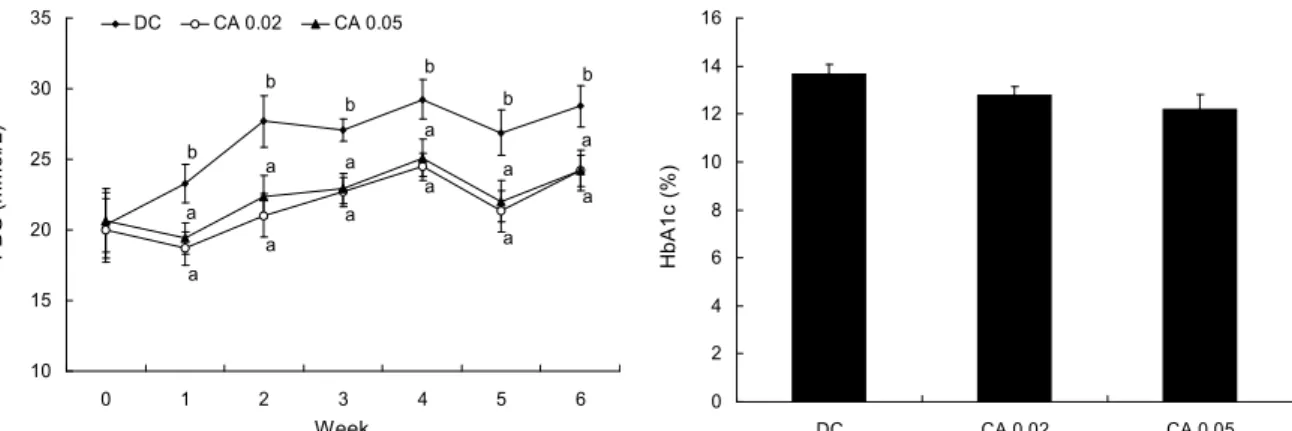
Fig. 3. Effect of chlorogenic acid on fasting blood glucose level (left) and blood glycosylated concentration (right) in HFD/STZ-induced diabetic mice. Values are expressed as mean±SE. The values not sharing a common letter differ significantly at p<0.05.
GTT
a a
b
0 1000 2000 3000 4000 5000
DC CA 0.02 CA 0.05
AUC .
ITT
a a b
0 500 1000 1500 2000 2500
DC CA 0.02 CA 0.05
AUC .
Fig. 4. Effect of chlorogenic acid on glucose tolerance test (left) and insulin tolerance test (right) in HFD/ STZ- induced diabetic mice. Values are expressed as mean±SE. The values not sharing a common letter differ significantly at p<0.05.
치는 영향을 Fig. 3에 나타내었다.
실험개시에 실험군간의 혈당은 유사하였으나 두 CA 급여 군의 혈당은 실험 6주 동안 당뇨대조군에 비하여 유의적으 로 낮았다. 당뇨병 환자에게서 고혈당이 유지되면 당뇨병성 망막병증, 신경병증 및 신증 등 당뇨합병증을 초래하므로 혈당조절은 당뇨병 치료에서 매우 중요한 요소이다(32). 본 실험에서 0.02%와 0.05%의 CA의 혈당저하 효과는 유사한 수준으로 저 농도의 CA 식이보충으로도 혈당을 개선하는데 효과적이었다. Jung 등(33)의 연구에 따르면 CA와 유사물 질인 caffeic acid를 제2형 당뇨동물모델인 db/db마우스에 게 급여하였을 때 혈당을 유의적으로 낮추었으며, Karthi- kesan 등(34)은 STZ과 nicotinamide(NA)로 유도된 제2형 당뇨 흰쥐에서 CA가 혈당을 낮추는데 효과적이라고 보고하 였다. 또한 Ong 등(35)은 CA를 비롯하여 폴리페놀 화합물 이 풍부한 베르노니아차 추출물을 STZ으로 유도한 당뇨 흰 쥐에게 경구투여 한 결과 공복 시 혈당이 경구 혈당강하제인 metformin과 유사하게 낮아졌음을 보고하였다. 한편 장기 간의 혈당 변화를 나타내는 지표인 당화헤모글로빈 함량에 는 CA 급여의 유의적인 영향이 보이지 않았다.
내당능과 인슐린내성에 미치는 영향
CA 급여가 고지방식이와 STZ으로 유도된 제2형 당뇨마
우스의 내당능과 인슐린내성에 미치는 영향은 혈당면적(Area Under the Curve, AUC)으로 Fig. 4에 나타내었다.
내당능 검사는 식후 혈당 변화를 측정하는 것으로 간접적 인 인슐린민감성 지표로 사용된다. CA는 급여수준에 관계 없이 당뇨대조군에 비하여 식후 혈당을 15.1%와 16.0% 유의 적으로 낮추었다. 또한 CA가 인슐린감수성에 미치는 영향 을 알아보기 위해 인슐린내성을 측정한 결과 두 수준의 CA 급여군이 당뇨대조군에 비하여 각각 23.8%와 24.8% 유의적 으로 개선하였다. 이와 같이 0.02% CA는 0.05% CA와 유사 한 수준으로 내당능과 인슐린내성을 개선하였다. STZ으로 유도한 당뇨 흰쥐에게 CA가 포함된 베르노니아차 추출물을 체중 kg당 400 mg을 투여하였을 때 내당능이 개선되었으며 (35) 유전적으로 당뇨를 동반하는 (fa/fa) Zucker 쥐에게 CA 를 체중 kg당 5 mg을 투여하였을 때 내당능이 개선되어(11) 본 결과와 유사하였다. 본 연구에서 고지방식이와 STZ으로 유도된 당뇨마우스에게 CA의 저농도 보충이 내당능과 인슐 린내성을 개선함으로써 인슐린민감성과 식후 혈당 변화 개 선에 효과적인 것으로 사료된다.
혈장의 렙틴, 인슐린 및 C-peptide 함량에 미치는 영향 CA 급여가 제2형 당뇨마우스 혈장의 렙틴, 인슐린 및 C-peptide 함량에 미치는 영향은 Table 3과 같다.
Table 3. Effect of chlorogenic acid on plasma biomarkers in HFD/STZ-induced diabetic mice1)
DC CA0.02 CA0.05
Leptin (nmol/mL) Insulin
(ng/mL) C-peptide
(pg/mL)
0.98±0.04a 0.47±0.44 119.57±11.50
1.20±0.10b 0.43±0.77 118.21±13.22
1.19±0.10b 0.36±0.05 114.04±15.02
1)Values are expressed as the mean±SE.
a,bMeans in the same row not sharing a common superscript letter differ significantly at p<0.05.
Table 4. Effect of chlorogenic acid on hepatic glucose metabolic enzyme activities in HFD/STZ-induced diabetic mice1)
DC CA0.02 CA0.05
GK (nmol/min/mg protein) G6Pase (nmol/min/mg protein) GK/G6Pase
PEPCK (nmol/min/mg protein)
17.15±2.07a 77.48±3.94b 0.23±0.04a 40.68±3.23
31.89±3.31b 65.51±2.39a 0.49±0.05b 45.96±3.21
27.36±2.80b 60.01±3.57a 0.48±0.08b 39.08±1.57
1)Values are expressed as the mean±SE.
a,bMeans in the same row not sharing a common superscript letter differ significantly at p<0.05.
혈장의 렙틴 함량은 0.02%와 0.05% CA 급여 시 당뇨대조 군에 비하여 각각 22.4%와 21.4% 유의적으로 높았다. 이는 제2형 당뇨동물모델인db/db마우스에게 CA와 유사물질인 caffeic acid를 급여하였을 때 혈 중 렙틴 함량이 대조군에 비하여 높아졌다는 보고(33)와 유사하였다. 렙틴은 지방조 직에서 생산되는 호르몬으로 뇌하수체에 존재하는 렙틴 수 용체와 관련하여 음식의 섭취를 줄이고 에너지 소비를 높여 체중조절에 관여한다고 알려져 있다. 특히, 혈 중의 높은 렙 틴 농도는 인슐린의 말초조직에서의 동화작용에 균형을 이 루고 체중증가를 제한하는 역할을 한다(36). 또한 체중 증가 뿐만 아니라 고혈당, 인슐린저항성, 당뇨병 등의 대사장애와 조혈작용 및 면역기능에도 영향을 미치며 뇌하수체, 갑상선, 부신피질, 성선 등 내분비선의 기능을 조절하는 것으로 보고 되었다(37,38). 제2형 당뇨병 환자에게 경구혈당강하제인 rosiglitazone를 투여하였을 때 렙틴은 혈당 및 인슐린저항 성과 음의 상관관계를 보였다(39). 즉 rosiglitazone 투여로 혈당이 개선된 당뇨병 환자들의 렙틴 함량이 높았다. 또한 제2형 당뇨동물 모델인 db/db 마우스에게 역시 rosiglita- zone을 보충하였을 때 렙틴 함량이 대조군에 비하여 높았다 (40). 따라서 본 실험에서 CA군의 높은 렙틴 함량은 체중에 는 유의적인 영향을 미치지 않았으나 혈당 개선에는 기여한 것으로 사료된다.
한편 췌장에서 인슐린과 함께 분비되는 C-peptide는 프로 인슐린이 인슐린으로 만들어질 때 생기는 폴리펩티드로 간 에서 대사과정을 거치지 않고 반감기가 길며, 인슐린 항체의 영향을 받지 않으므로 C-peptide를 연속적으로 측정함으로 써 당을 섭취한 후에 일어나는 인슐린의 분비시각과 양을 예측할 수 있는 지표로 많이 사용된다. 본 연구에서 혈장 C- peptide 함량을 측정한 결과 CA 급여는 실험군 간의 유의적 인 차이를 나타내지 않았다.
간조직 중의 당대사 관련 효소 활성도에 미치는 영향 고지방식이와 STZ으로 유도한 당뇨마우스에게 CA가 간 조직 중의 당대사 관련 효소활성에 미치는 영향은 Table 4와 같다.
간에서 글루코오스를 해당경로로 도입시키는 GK 활성은 0.02%와 0.05% CA 급여 시 당뇨대조군에 비하여 각각 85%
와 59% 유의적으로 높았다. 당뇨병 상태에서는 GK 활성이 현저하게 감소되며 GK를 넉아웃시킨 제2형 당뇨병 동물모 델인 ZDF(Zucker Diabetic Fatty) 쥐의 혈당이 증가된다 (41,42). 반면 간에서 GK가 활성화되면 혈당은 에너지 생산 을 위하여 사용되거나 글리코겐으로 저장되어 혈당이 감소 (43)하게 되므로 GK를 활성화시키는 것이 당뇨병 치료의 중요한 타깃으로 제시되어 왔다(42). 한편 당신생 관련 효소 인 G6Pase 활성은 당뇨대조군에 비하여 CA 급여군이 유의 적으로 낮았다. DeFronzo 등(44)의 연구에 의하면 제2형 당 뇨병 상태에서 CA가 간세포의 글루코오스 흡수를 촉진하고 G6Pase 활성을 억제함으로써 간에서의 글루코오스 과생산 을 통제한다고 제시하였다. CA는 글리코겐 분해 및 당신생 의 마지막 단계를 촉진하는 중요한 효소인 G6Pase 활성을 억제시켜 혈당을 조절할 수 있을 것으로 사료된다(45-47).
현재 CA는 강력한 G6Pase 억제제로만 알려져 있으나, 본 실험에서 CA는 GK 활성은 높이고 G6Pase 활성은 낮춤으로 써 GK/G6Pase 활성비를 당뇨대조군에 비하여 유의적으로 높이는 것으로 나타났다. 반면 PEPCK 활성은 당뇨대조군 과 CA 급여군 사이에서 차이가 없었다.
이와 같이 CA는 고지방식이로 인슐린저항성을 유발한 후 낮은 농도의 STZ으로 당뇨를 유발한 마우스의 간조직 내 당 신생을 억제할 뿐만 아니라 당의 이용을 높임으로써 혈당 조절에 기여하는 것으로 사료된다.
간조직과 적혈구 중의 항산화방어계와 지질과산화물 생 성에 미치는 영향
CA 급여가 간조직과 적혈구의 항산화 효소 활성도와 지 질과산화물 함량에 미치는 영향은 Table 5와 같다.
간조직 중의 SOD 활성과 CAT 활성은 CA 급여 시 당뇨 대조군에 비하여 유의적으로 높은 반면 GSH-Px 활성 및 적혈구 중의 항산화 효소 활성은 실험군간 유의적인 변화가 없었다. 일반적으로 당뇨병 상태에서는 활성산소 생성이 현 저하게 증가하고 항산화 효소들의 활성 변화에 따른 항산화 방어계가 손상 받는 것으로 알려져 있다(48,49). CAT는 지
Table 5. Effect of chlorogenic acid on hepatic and erythrocyte antioxidant enzyme activities in HFD/STZ-induced diabetic mice1)
DC CA0.02 CA0.05
Liver
SOD (unit/mg protein) CAT (umol/min/mg protein) GSH-Px (nmol/min/mg protein) TBARS (nmol/g)
6.05±0.17a 8.42±0.36a 18.14±1.08 11.55±0.36b
8.79±0.28b 10.35±0.63b 18.56±0.41
8.56±0.50a
8.03±0.24b 11.74±0.66b 17.74±0.66
9.01±0.42a Erythrocyte
SOD (unit/g Hb) CAT (umol/min/g Hb) GSH-Px (nmol/min/g Hb) TBARS (nmol/g Hb)
305.59±9.97 5.70±0.16 12.12±0.44 593.62±21.39b
311.76±5.63 5.90±0.10 12.23±0.54 521.33±22.61a
305.72±12.60 5.85±0.19 13.11±0.49 441.28±33.85a
1)Values are expressed as the mean±SE.
a,bMeans in the same row not sharing a common superscript letter differ significantly at p<0.05.
방의 자동산화와 유기물의 산화 및 SOD에 의해서 생성된 과산화수소를 GSH-Px와 함께 산소와 물로 분해시킴으로 써 유리기로부터 조직의 손상을 방어하는 효소이나 당뇨가 유발되면 그 활성이 감소한다(50). 본 실험에서 고지방식이 와 STZ으로 유도한 제2형 당뇨마우스에서 간의 SOD와 CAT의 효소 활성은 CA 급여 시 개선되는 것으로 나타났다.
그러나 CA 급여가 GSH-Px 활성에는 영향을 미치지 않은 것으로 보아 체내에 생성된 과산화수소 제거 기전에 GSH- Px보다 CAT가 더 민감하게 반응한 것으로 사료된다.
당뇨병은 비효소적 당화, 포도당 자동산화와 항산화 방어 기전의 약화 등에 의한 산화적 스트레스가 증가한다고 보고 (51)되었으며, 이렇게 증가된 산화적 스트레스는 지질과산 화를 초래하고 항산화 효소 활성을 저하시킨다. 또한 산화적 스트레스 증가는 혈당조절 정도와도 상관관계가 있으며, 당 뇨병에 의한 혈관 합병증 발생과도 연관이 있다(52). 그러므 로 당뇨병 상태에서 지질과산화물을 낮추는 것은 매우 중요 한데 본 실험에서 간조직 중의 지질과산화물은 두 수준의 CA 급여군이 당뇨대조군에 비하여 각각 25.8%, 21.9% 유의 적으로 낮았고 적혈구 중의 지질과산화물 역시 12.1%, 25.6
% 유의적으로 낮았다.
본 연구에서는 CA를 제2형 당뇨마우스에게 급여하였을 때 간조직과 적혈구의 지질과산화물을 현저히 낮추는 것으 로 보아 고지방식이와 STZ으로 유도한 제2형 당뇨로 인한 지질과산화물 생성을 효과적으로 억제하는 것으로 나타났다.
요 약
본 연구는 고지방식이와 STZ으로 유도한 제2형 당뇨마우 스에게 CA를 급여하였을 때 체내 당대사와 항산화방어계에 미치는 영향을 규명하고자 하였다. 4주령 ICR 마우스를 고 지방식이(전체 열량의 37% 지방)를 4주간 급여하여 인슐린 저항성을 유발한 후 STZ(100 mg/kg body weight)을 일회 복강주사 하였다. 7일 후 공복 시 혈당이 14 mmol/L(250 mg/
dL)인 마우스만을 사용하여 난괴법으로 당뇨대조군, 0.02%
CA군, 0.05% CA군으로 나누어 6주간 사육하였다. 실험 6주
동안 당뇨대조군에 비하여 두 CA 급여 수준은 혈당을 효과 적으로 낮추었으며 내당능과 인슐린내성을 개선하였다. 또 한 혈장 중의 렙틴 함량은 CA 급여 시 당뇨대조군에 비하여 높았으나 인슐린과 C-peptide 함량 및 체중에는 영향을 미 치지 않았다. CA 급여는 당뇨대조군에 비하여 간조직의 GK 활성을 높였고 G6Pase 활성은 낮춘 반면, PEPCK 활성에는 영향을 미치지 않았다. 간조직 중의 SOD와 CAT 활성은 CA 급여군에서 당뇨대조군에 비하여 유의적으로 높았으나, GSH-Px 활성과 적혈구의 항산화 효소 활성은 실험군간 유 의적인 변화가 없었다. 두 수준의 CA 급여는 간조직과 적혈 구 중의 지질과산화물 함량을 당뇨대조군에 비하여 유의적 으로 낮추었다. 이와 같이 CA는 간조직에서 당 이용을 높이 는 반면, 당 신생을 억제함으로써 혈당저하에 효과적이었으 며 항산화방어계를 활성화하여 지질과산화물 생성을 개선 하는데 효과적인 것으로 나타났다.
감사의 글
이 논문은 2010년 순천대학교 학술연구비 공모과제로 연 구되었기에 이에 감사드립니다.
문 헌
1. Rhee SY, Kim YS, Oh S, Choi WH, Park JE, Jeong WJ.
2005. Diabcare Asia 2001-Korea country report on outcome data and analysis. Korean J Intern Med 20: 48-54.
2. Schwarz PE. 2005. Report from the congress of the Amer- ican Diabetes Association (ADA). Exp Clin Endocrinol Diabetes 113: 475-479.
3. Ministry of Health and Welfare. 2010. Korea Health Statis- tics 2010: Korea National Health and Nutrition Examination Surveys (KNHANES V-1). Ministry of Health and Wel- fare, Korea.
4. Sakurai T, Tsuchiya S. 1988. Superoxide production from nonenzymatically glycated protein.FEBS Lett236: 406-410.
5. Cosio FG, Kudva Y, Velde M, Larson TS, Textor SC, Griffin MD, Stegall MD. 2005. New onset hyperglycemia and diabetes are associated with increased cardiovascular risk after kidney transplantation.Kidney Int67: 2415-2421.
6. Jay D, Hitomi H, Griending KK. 2006. Oxidative stress and diabetic cardiovascular complications. Free Radical Biol Med 40: 183-192.
7. Baynes JW. 1991. Role of oxidative stress in development of complications in diabetes. Diabetes 40: 405-412.
8. Rice-Evans CA, Miller NJ, Paganga G. 1996. Structure an- tioxidant activity relationship of flavonoids and phenolic acids. Free Radical Biol Med 20: 933-956.
9. Chen JH, Ho CT. 1997. Antioxidant activities of caffeic acid and its related hydroxycinnamic acid compounds. J Agric Food Chem 45: 2374-2378.
10. Nicasio P, Aguilar-Santamaria L, Aranda E, Ortiz S, Gon- zalez M. 2005. Hypoglycemic effect and chlorogenic acid content in two Cecropia species.Phytother Res19: 661-664.
11. Rodriguez de Sotillo DV, Hadley M. 2000. Chlorogenic acid modifies plasma and liver concentrations of cholesterol, tri- acylglycerol, and minerals in (fa/fa) Zucker rats. J Nutr Biochem 13: 717-726.
12. Rodriguez de Sotillo DV, Hadley M, Sotillo JE. 2006. Insulin receptor exon 11+/- is expressed in zucker (fa/fa) rats and chlorogenic acid modifies their plasma insulin and liver protein and DNA. J Nutr Biochem 17: 63-71.
13. Bassoli BK, Cassola P, Borba-Murad GR, Constantin J, Salgueiro-Pagadigorria CL, Bazotte RB, da Silva RS, de Souza HM. 2008. Chlorogenic acid reduces the plasma glu- cose peak in the oral glucose tolerance test: effects on hep- atic glucose release and glycaemia.Cell Biochem Funct26:
320-328.
14. Thom E. 2007. The effect of chlorogenic acid enriched cof- fee on glucose absorption in healthy volunteers and its ef- fect on body mass when used long-term in overweight and obese people. J Int Med Res 35: 900-908.
15. Li BH, Ma XF, Wu XD, Tian WX. 2006. Inhibitory activity of chlorogenic acid on enzymes involved in the fatty acid synthesis in animals and bacteria.IUBMB Life 58: 39-46.
16. Cho AS, Jeon SM, Kim MJ, Yeo JY, Seo KI, Choi MS, Lee MK. 2010. Chlorogenic acid exhibits anti-obesity property and improves lipid metabolism in high-fat diet-induced- obese mice. Food Chem Toxicol 48:937-943.
17. Reed MJ, Scribner KA. 1999. In-vivo and in-vitro models of type 2 diabetes in pharmaceutical drug discovery.
Diabetes Obes Metab 1:75-86.
18. Lv L, Wu SY, Wang GF, Zhang JJ, Pang JX, Liu ZQ, Xu W, Wu SG, Rao JJ. 2010. Effect of astragaloside IV on hep- atic glucose-regulating enzymes in diabetic mice induced by a high-fat diet and streptozotocin. Phytother Res24:
219-224.
19. American Institute of Nutrition. 1977. Report of the Amer- ican Institute of Nutrition ad hoc Committee of Standard for Nutritional Studies. J Nutr 107: 1340-1348.
20. McCord JM, Fridovich I. 1969. Superoxide dismutase: an enzymetic function for erythrocuprein (Hemocuprein). J Biol Chem 244: 2049-6055.
21. Hulcher FH, Oleson WH. 1973. Simplified spectrophoto- metric assay for microsomal 3-hydroxy-3-methylglutaryl CoA reductase by measurement of coenzyme A. J Lipid Res 14: 625-631.
22. Bradford MM. 1976. A rapid and sensitive method for the quantitation of microgram quantities of protein utilizing the principle of protein-dye binding.Anal Biochem72: 248-254.
23. Davidson AL, Arion WJ. 1987. Factors underlying sig- nificant underestimation of glucokinase activity in crude liver extract: physiological implications of higher cellular activity. Arch Biochem Biophys 253: 156-167.
24. Newgard CB, Hirsch LJ, Foster DW, McGarry DJ. 1983.
Studies on the mechanism by which exogenous glucose is converted into liver glycogen in the rat.J Biol Chem258:
8046-8052.
25. Alegre M, Ciudad CJ, Fillat C, Guinovart JJ. 1988. Determi- nation of glucose-6-phosphatase activity using the glucose dehydrogenase-coupled reaction.Anal Biochem 173: 185- 26. Bentle LA, Lardy HA. 1976. Interaction of anions and diva-189.
lent metal ions with phosphoenolpyruvate carboxykinase.
J Biol Chem 251: 2916-2921.
27. Marklund S, Marklund G. 1974. Involvement of the super- oxide anion radical in the autoxidation of pyrogallol and a convenient assay for superoxide dismutase.Eur J Biochem 47: 469-474.
28. Aebi H. 1988. Catalase in vitro.Methods Enzymol105: 121- 29. Paglia ED, Valentine WN. 1967. Studies on the quantitative126.
and qualitative characterization of erythrocytes glutathione peroxidase. J Lab Clin Med 70: 158-169.
30. Ohkawa H, Ohishi N, Yagi K. 1979. Assay for lipid per- oxides in animal tissues by thiobarbituric acid reaction.
Anal Biochem 95: 351-358.
31. Tarladgis BG, Pearson AM, Dugan LR. 1964. Chemistry of the 2-thiobarbituric acid test for determination of oxidative rancidity in foods. J Sci Food Agric 15: 602-607.
32. Mullarkey CJ, Edelstein D, Brownlee M. 1990. Free radical generation by glycation products: a mechanism for accel- erated atherogenesis in diabetes. Biochem Biophys Res Commun 173: 932-939.
33. Jung UJ, Lee MK, Park YB, Jeon SM, Choi MS. 2006.
Antihyperglycemic and antioxidant properties of caffeic acid in db/db mice.J Pharmacol Exp Ther 318: 476-483.
34. Karthikesan K, Pari L, Menon VP. 2010. Combined treat- ment of tetrahydrocurcumin and chlorogenic acid exerts potential antihyperglycemic effect on streptozotocin-nico- tinamide-induced diabetic rats. Gen Physiol Biophys 29:
23-30.
35. Ong KW, Hsu A, Song L, Huang D, Tan BKH. 2011. Poly- phenols-richVernonia amygdalinashows anti-diabetic ef- fects in streptozotocin-induced diabetic rats. Ethnophar- macology133: 598-607.
36. Mohamed-Ali V, Pinkney JH, Panahloo A, Goodrick S, Coppack SW, Yudkin JS. 1997. Relationships between plas- ma leptin and insulin concentrations, but not insulin resist- ance, in non-insulin-dependent (type 2) diabetes mellitus.
Diabet Med 14: 376-380.
37. Zhang Y, Proenca R, Maffei M, Barone M, Leopold L, Friedman JM. 1994. Positional cloning of the mouse obese gene and its human homologue. Nature 372: 425-432.
38. Campfield LA, Smith FJ, Guisez Y, Devos R, Burn P. 1995.
Recombinant mouse OB protein: evidence for a peripheral signal linking adiposity and central neural network.Science 269: 546-549.
39. Lee JH, Kim SK, Hur KY, Choi HS, Jung JY, Shim WS, Lee HJ, Ahn CW, Lim SK, Kim KR, Lee HC, Cha BS. 2003.
Efficacy of serum leptin level as an indicator to predict the clinical response of rosiglitazone in patients with type 2 diabetes mellitus. Diabetes Metab J 27: 420-432.
40. Kim DJ, Jeong YJ, Kwon JH, Moon KD, Kim HJ, Jeon SM, Lee MK, Park YB, Choi MS. 2008. Beneficial effect of chungkukjang on regulating blood glucose and pancreatic β-cell functions in C75BL/KsJ-db/db mice.J Med Food 11: 215-223.
41. Munoz MC, Barbera A, Dominguez J, Fermandez-Alvarez J, Gomis R, Guinovart JJ. 2001. Effects of tungstate, a new
potential oral antidiabetic agents in Zucker diabetic fatty rats. Diabetes 50: 131-139.
42. Postic C, Shiota M, Niswender KD, Jetton TL, Chen Y, Moates JM. 1999. Dual roles for glucokinase in glucose ho- meostasis as determined by liver and pancreatic β-cell- specific gene knock-outs using Cre recombinase. J Biol Chem 274: 305-315.
43. Iynedjian PB, Gjinovei A, Renold AE. 1988. Stimulation by insulin of glucokinase gene transcription in liver of diabetic rats. J Biol Chem 263: 740-744.
44. DeFronzo RA, Bonadonna RC, Ferrannini E. 1992. Patho- genesis of NIDDM. A balanced overview. Diabetes Care 15: 318-368.
45. Hemmerle H, Burger HJ, Below P, Schubert G, Rippel R, Schindler PW, Paulus E, Herling AW. 1997. Chlorogenic acid and synthetic chlorogenic acid derivatives: novel in- hibitors of hepatic glucose-6-phosphate translocase.J Med Chem 40: 137-145.
46. Parker JC, Vanvolkenburg MA, Levy CB, Martin WH, Burk SH, Kwon Y, Giragossian C, Grant TG, Carpino PA, Mc- Pherson RK, Vestergoard P, Treadway JL. 1998. Plasma glucose levels are reduced in rats and mice treated with an inhibitor of glucose-6-phosphate translocase.Diabetes 47: 1630-1636.
47. Herling AW, Schwab D, Burger HJ, Maas J, Hammerl R, Schmidt D, Strohschein S, Hemmerle H, Schubert G, Petry S, Kramer W. 2002. Prolonged blood glucose reduction in mrp-2 deficient rats (GY/TR(-)) by the glucose-6-phos- phate translocase inhibitors 3025. Biochem Biophys Acta 1569: 105-110.
48. Wolff SP, Jiang ZY, Hunt JV. 1991. Protein glycation and oxidative stress in diabetes mellitus and aging. Free Radical Biol Med 10: 339-352.
49. MeLennan SV, Hefferman S, Wright L. 1991. Changes in hepatic glutathione metabolism in diabetes. Diabetes 40:
344-348.
50. Deisseroth A, Dounce AL. 1970. Catalase: physical and chemical properties, mechanism of catalysis, and physio- logical role. Physiol Rev50: 319-375.
51. Ceriello A. 1999. Hyperglycaemia: the bridge between non- enzymatic glycation and oxidative stress in the patho- genesis of diabetic complications.Diabetes Nutr Metab12:
42-46.
52. Kim TH, Kim SS, Hong YS, Shin MS, Chung YR, Kang JY. 2005. The effects of 12 weeks exercise program on su- peroxide dismutase and malondialdehyde of non-insulin dependent diabetes mellitus (NIDDM) patients. JCD 7:
217-224.
(2012년 2월 15일 접수; 2012년 4월 20일 채택)