INTRODUCTION
Inflammatory bowel diseases (IBDs), which include Crohn’s disease (CD) and ulcerative colitis (UC), are idiopathic and chronic inflammatory disorders of the gastrointestinal tract.1 UC is characterized by inflammation that is limited to the mu- cosal and sub-mucosal layers of the colon and rectum. Con-
versely, in CD, the inflammation may involve any part of the gastrointestinal tract in a non-continuous fashion.2 The inci- dence of IBD is increasing around the world, and its influence on morbidity and mortality are quite significant.3 To date, the definite etiology of IBDs remains elusive. Nevertheless, grow- ing evidence has indicated that IBDs result from a complicat- ed inflammatory response in which environmental and ge- netic factors may play important roles.4,5
Toll-like receptors (TLRs) represent a group of pattern recog- nition receptors (PRRs) that can be activated through the rec- ognition of pathogen-associated molecular patterns (PAMPs).6 There are ten different TLRs that have been identified in hu- mans, and TLR9 is one of them. TLR9 is characterized by rec- ognizing unmethylated CpG DNA and acting as an effective sensor for bacterial infection.7 Different from other TLRs, the PAMP recognition of TLR9 mainly takes place on the surface of the endosomal compartment. When CpG-DNA binds to TLR9,
Association between Toll-Like Receptor 9 -1237T/C Polymorphism and the Susceptibility of Inflammatory Bowel Diseases: A Meta-Analysis
Jian Shang
1,2, Xiaobing Wang
1,2, Wei Wang
1,2, Huaqin Pan
1,2, Shi Liu
1,2, Lixia Li
1,2, Liping Chen
1,2, and Bing Xia
1,21Department of Gastroenterology/Hepatology, Zhongnan Hospital of Wuhan University, Wuhan, P.R. China;
2The Hubei Clinical Center & Key Laboratory of Intestinal & Colorectal Diseases, Wuhan, P.R. China.
Purpose: The -1237T/C polymorphism of the Toll-like receptor 9 (TLR9) gene has been implicated in the susceptibility of inflam- matory bowel diseases (IBDs), but the results remain conflicting. We further investigated this association via meta-analysis.
Materials and Methods: Multiple electronic databases were extensively searched until February, 2015. The strength of associa- tion was evaluated by calculating the pooled odds ratios (ORs) and 95% confidence intervals (CIs).
Results: A total of 2987 cases and 2388 controls from eight studies were analyzed. Overall, association was found between TLR9 -1237T/C polymorphism and the risk of IBDs when all the studies were pooled (recessive model, OR: 1.59, 95% CI: 1.02–2.47, p=0.04; homozygote comparison, OR: 1.62, 95% CI: 1.04–2.52, p=0.03; allele model, OR: 1.13, 95% CI: 1.00–1.27, p=0.05). Stratifi- cation by ethnicity indicated an association between TLR9 -1237T/C polymorphism and IBDs risk in Caucasians (recessive mod- el, OR: 1.59, 95% CI: 1.02–2.47, p=0.04; homozygote comparison, OR: 1.62, 95% CI: 1.04–2.52, p=0.03; allele model, OR: 1.12, 95%
CI: 1.00–1.27, p=0.05). When stratified by disease type, significant correlation were only found in the Crohn’s disease subgroup (recessive model, OR: 1.69, 95% CI: 1.05–2.73, p=0.03; homozygote model, OR: 1.74, 95% CI: 1.07–2.82, p=0.02; allele model, OR:
1.15, 95% CI: 1.01–1.32, p=0.04).
Conclusion: The present study suggested that the TLR9 -1237T/C polymorphism might act as a risk factor in the development of IBDs, particularly in Caucasians.
Key Words: Toll-like receptor 9, -1237T/C, polymorphism, inflammatory bowel disease, meta-analysis
pISSN: 0513-5796 · eISSN: 1976-2437
Received: April 24, 2015 Accepted: May 13, 2015
Corresponding author: Dr. Bing Xia, Department of Gastroenterology/Hepatolo- gy, Zhongnan Hospital of Wuhan University, Donghu Road 169, Wuhan 430071, P.R.
China.
Tel: 86-27-67813061, Fax: 86-27-67812892, E-mail: [email protected]
•The authors have no financial conflicts of interest.
© Copyright: Yonsei University College of Medicine 2016
This is an Open Access article distributed under the terms of the Creative Com- mons Attribution Non-Commercial License (http://creativecommons.org/ licenses/
by-nc/3.0) which permits unrestricted non-commercial use, distribution, and repro- duction in any medium, provided the original work is properly cited.
Yonsei Med J 2016 Jan;57(1):153-164 http://dx.doi.org/10.3349/ymj.2016.57.1.153
MyD88 is recruited, leading to phosphorylation of IRAK and TRAF6, at which point the transcription factor NF-κB is finally activated.8 The gene encoding TLR9 is located on the chromo- some 3p21.3, which is in the vicinity of one susceptible region for IBDs.9 Numerous single nucleotide polymorphisms (SNPs) have been identified for the TLR9 gene, and the -1237T/C poly- morphism (rs5743836) is the most significant.10-12 It has been proven that the rs5743836 T/C polymorphism can lead to a T- to-C exchange in the promoter region of TLR9 at position -1237, which can create a potential binding site for NF-κB.13
A number of recent case-control studies have been carried out to evaluate the association between TLR9 -1237T/C poly- morphism and the susceptibility of IBDs.14-21 However, the re- sults are controversial. A meta-analysis is a powerful method to deal with these ambiguities and can enhance the statistical power of genetic association studies.22 Thus, we performed this meta-analysis to determine the exact relationship between TLR9 -1237T/C polymorphism and the risk of IBDs.
MATERIALS AND METHODS
Search strategy
A comprehensive search was conducted for this meta-analysis on the association between TLR9 -1237T/C polymorphism and IBDs without language restrictions. Relevant publications were selected using the following electronic databases: PubMed, Web of Knowledge, and the Chinese National Knowledge In- frastructure (CNKI), with the most recent report dated Febru- ary, 2015. The following terms were used as search keywords:
(“TLR9” or “Toll-like receptor 9”), (“polymorphism,” “variant,”
or “SNP”), and (“inflammatory bowel disease,” “Crohn’s dis- ease,” “ulcerative colitis,” “IBD,” “CD,” or “UC”). The reference list of all retrieved literature was carefully scanned to identify the relevant publications.
Inclusion and exclusion criteria
Studies were included in this meta-analysis if they met all of the following criteria: 1) evaluation of the association between
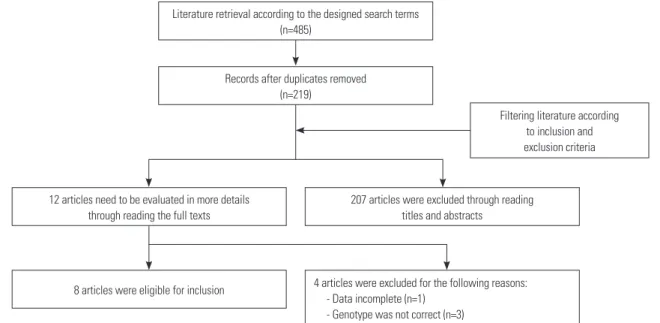
Fig. 1. Flow chart of literature retrieval in our meta-analysis.
Literature retrieval according to the designed search terms (n=485)
Records after duplicates removed (n=219)
8 articles were eligible for inclusion 12 articles need to be evaluated in more details
through reading the full texts
207 articles were excluded through reading titles and abstracts
Filtering literature according to inclusion and exclusion criteria
4 articles were excluded for the following reasons:
- Data incomplete (n=1) - Genotype was not correct (n=3)
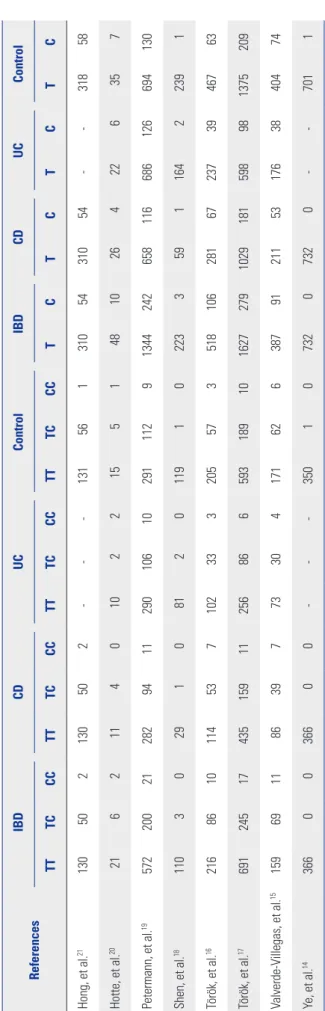
Table 1. Characteristics of the References Included in Our Meta-Analysis
First author Year Region Ethnicity Source
of control
Genotyping method
Cases (n) Controls (n)
HWE (p value)
Quality score
IBD CD UC
Hong21 2007 New Zealand Caucasian PB PCR-RFLP 182 182 - 188 0.052 11
Hotte20 2012 Canada Caucasian HB SDS 29 15 14 21 0.512 8
Petermann19 2009 New Zealand Caucasian PB Taqman 793 387 406 412 0.641 13
Shen18 2010 China Asian HB PCR-RFLP 113 30 83 120 0.963 10
Török16 2004 Germany Caucasian PB PCR-RFLP 312 174 138 265 0.662 10
Török17 2009 Germany Caucasian PB PCR-RFLP 953 605 348 792 0.239 13
Valverde-Villegas15 2014 Brazil Caucasian PB PCR-RFLP 239 132 107 239 0.893 11
Ye14 2009 Korea Asian PB MALDI-TOF 366 366 - 351 0.978 12
PB, population-based; HB, hospital-based; PCR-RFLP, polymerase chain reaction-restriction fragment length polymorphism; SDS, single-direction-sequencing;
MALDI-TOF, matrix-assisted laser desorption/ionization time of flight; IBD, inflammatory bowel disease; CD, Crohn’s disease; UC, ulcerative colitis; HWE, Hardy- Weinberg equilibrium.
TLR9 -1237T/C polymorphism and the risk of IBDs; 2) a case- control design; 3) genotype distribution availability in cases and controls; and 4) consistency of the genotype distributions in the controls with Hardy-Weinberg equilibrium (HWE).
Studies were excluded if they met any one of the following cri- teria: 1) genotype or allele frequencies could not be obtained;
2) duplicated data were used; or 3) data were only presented in reviews, case-reports, or abstracts.
Data extraction
Two authors (Jian Shang & Xiaobing Wang) of this article in- dependently extracted the data from the eligible literature.
Discrepancies between the reviewers were solved by discus- sion or a third author. The following extracted data were in- cluded: first author’s name, publication year, region, ethnicity, source of control, genotyping method, number of cases and controls, and p-value for HWE. Furthermore, corresponding authors were contacted if the genotype or allele frequencies were not immediately available.
Quality score assessment
The quality of each study was independently assessed by two authors (Jian Shang & Liping Chen) of our study. The quality scoring criteria in this meta-analysis was modified from previ- ous publications (Supplementary Table 1, only online).23, 24 To- tal quality scores ranged from 0 points (worst) to 14 points (best).
Statistical analysis
RevMan 5.2 (Cochrane Collaboration, Copenhagen, Den- mark) and STATA 12.0 (Stata Corp., College Station, TA, USA) were used to conduct this meta-analysis. The strength of the association between TLR9 -1237T/C polymorphism and the risk of IBDs was estimated using pooled odds ratios (ORs) and 95% confidence intervals (CIs). Five different genetic models were performed in our study: a dominant model (TC+CC vs. TT), a recessive model (CC vs. TC+TT), heterozy- gote comparison (TC vs. TT), homozygote comparison (CC vs. TT), and an allele model (C vs. T). Heterogeneity was esti- mated using Cochran’s Q statistic and I2 statistic; I2 values of 25%, 50%, and 75% were defined as low, moderate, and high heterogeneity, respectively.25 If the p-value of the Q-test was
>0.05 or the I2 value was ≤50%, the pooled ORs of each study were calculated using a fixed-effective model. Otherwise, a random-effective model was used.26 Publication bias was cal- culated using a funnel plot and Egger’s test.27 A χ2 test was performed to assess whether the genotype distributions in the control groups conformed to HWE. In addition, subgroup analyses stratified by ethnicity and disease phenotype were also conducted in our study.
Table 2. Genotype and Allele Distributions of TLR9 -1237T/C Polymorphism in Cases and Controls ReferencesIBDCDUCControlIBDCDUCControl TTTCCCTTTCCCTTTCCCTTTCCCTCTCTCTC Hong, et al.21130502130502---1315613105431054--31858 Hotte, et al.2021621140102215514810264226357 Petermann, et al.195722002128294112901061029111291344242658116686126694130 Shen, et al.18110302910812011910223359116422391 Török, et al.162168610114537102333205573518106281672373946763 Török, et al.1769124517435159112568665931891016272791029181598981375209 Valverde-Villegas, et al.151596911863977330417162638791211531763840474 Ye, et al.143660036600---3501073207320--7011 IBD, inflammatory bowel disease; CD, Crohn’s disease; UC, ulcerative colitis.
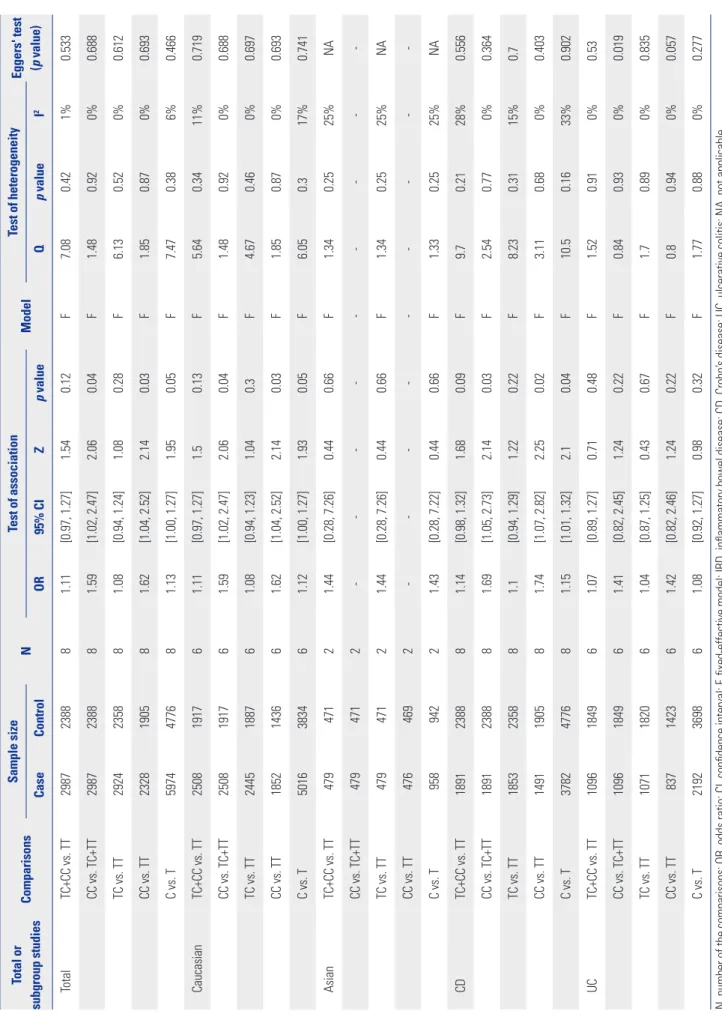
Table 3. Total and Subgroup Analyses of TLR9 -1237T/C Polymorphism in IBDs Total or subgroup studiesComparisonsSample size NTest of association ModelTest of heterogeneityEggers' test (p value)CaseControlOR95% CIZp valueQp value I2 TotalTC+CC vs. TT2987238881.11[0.97, 1.27]1.540.12F7.080.421%0.533 CC vs. TC+TT2987238881.59[1.02, 2.47]2.060.04F1.480.920%0.688 TC vs. TT2924235881.08[0.94, 1.24]1.080.28F6.130.520%0.612 CC vs. TT2328190581.62[1.04, 2.52]2.140.03F1.850.870%0.693 C vs. T5974477681.13[1.00, 1.27]1.950.05F7.470.386%0.466 CaucasianTC+CC vs. TT2508191761.11[0.97, 1.27]1.50.13F5.640.3411%0.719 CC vs. TC+TT2508191761.59[1.02, 2.47]2.060.04F1.480.920%0.688 TC vs. TT2445188761.08[0.94, 1.23]1.040.3F4.670.460%0.697 CC vs. TT1852143661.62[1.04, 2.52]2.140.03F1.850.870%0.693 C vs. T5016383461.12[1.00, 1.27]1.930.05F6.050.317%0.741 AsianTC+CC vs. TT47947121.44[0.28, 7.26]0.440.66F1.340.2525%NA CC vs. TC+TT4794712--- TC vs. TT47947121.44[0.28, 7.26]0.440.66F1.340.2525%NA CC vs. TT4764692--- C vs. T95894221.43[0.28, 7.22]0.440.66F1.330.2525%NA CDTC+CC vs. TT1891238881.14[0.98, 1.32]1.680.09F9.70.2128%0.556 CC vs. TC+TT1891238881.69[1.05, 2.73]2.140.03F2.540.770%0.364 TC vs. TT1853235881.1[0.94, 1.29]1.220.22F8.230.3115%0.7 CC vs. TT1491190581.74[1.07, 2.82]2.250.02F3.110.680%0.403 C vs. T3782477681.15[1.01, 1.32]2.10.04F10.50.1633%0.902 UCTC+CC vs. TT1096184961.07[0.89, 1.27]0.710.48F1.520.910%0.53 CC vs. TC+TT1096184961.41[0.82, 2.45]1.240.22F0.840.930%0.019 TC vs. TT1071182061.04[0.87, 1.25]0.430.67F1.70.890%0.835 CC vs. TT837142361.42[0.82, 2.46]1.240.22F0.80.940%0.057 C vs. T2192369861.08[0.92, 1.27]0.980.32F1.770.880%0.277 N, number of the comparisons; OR, odds ratio; CI, confidence interval; F, fixed-effective model; IBD, inflammatory bowel disease; CD, Crohn’s disease; UC, ulcerative colitis; NA, not applicable.
RESULTS
Literature retrieval and characteristics of eligible studies A detailed flow diagram of literature retrieval is shown in Fig. 1.
After an initial comprehensive search from the selected data- bases, 485 articles were initially identified in our study. Among these, 266 were found to contain duplicated data. After screen- ing the remaining 219 papers by reading the titles and abstracts,
Odds ratio M-H, Fixed, 95% CI
Odds ratio M-H, Fixed, 95% CI
Odds ratio M-H, Fixed, 95% CI
0.01 0.1 1 10 100
0.01 0.1 1 10 100
0.01 0.1 1 10 100 Favours [experimental]
Favours [experimental]
Favours [experimental]
Favours [control]
Favours [control]
Favours [control]
Case Control Odds ratio
Study or subgroup Events Total Events Total Weight M-H, Fixed, 95% CI
Hong, et al.21 2 182 1 188 2.9% 2.08 [0.19, 23.11]
Hotte, et al.20 2 29 1 21 3.3% 1.48 [0.13, 17.50]
Petermann, et al.19 21 793 9 412 34.8% 1.22 [0.55, 2.68]
Shen, et al.18 0 113 0 120 Not estimable
Török, et al.16 10 312 3 265 9.5% 2.89 [0.79, 10.62]
Török, et al.17 17 953 10 792 32.3% 1.42 [0.65, 3.12]
Valverde-Villegas, et al.15 11 239 6 239 17.3% 1.87 [0.68, 5.15]
Ye, et al.14 0 366 0 351 Not estimable
Total (95% CI) 2987 2388 100.0% 1.59 [1.02, 2.47]
Total events 63 30
Heterogeneity: chi2=1.48, df=5 (p=0.92); I2=0%
Test for overall effect: Z=2.06 (p=0.04)
Case Control Odds ratio
Study or subgroup Events Total Events Total Weight M-H, Fixed, 95% CI
Hong, et al.21 2 132 1 132 3.0% 2.02 [0.18, 22.50]
Hotte, et al.20 2 23 1 16 3.3% 1.43 [0.12, 17.23]
Petermann, et al.19 21 593 9 300 35.3% 1.19 [0.54, 2.62]
Shen, et al.18 0 110 0 119 Not estimable
Török, et al.16 10 226 3 208 9.2% 3.16 [0.86, 11.66]
Török, et al.17 17 708 10 603 32.3% 1.46 [0.66, 3.21]
Valverde-Villegas, et al.15 11 170 6 177 16.9% 1.97 [0.71, 5.46]
Ye, et al.14 0 366 0 350 Not estimable
Total (95% CI) 2328 1905 100.0% 1.62 [1.04, 2.52]
Total events 63 30
Heterogeneity: chi2=1.85, df=5 (p=0.87); I2=0%
Test for overall effect: Z=2.14 (p=0.03)
Case Control Odds ratio
Study or subgroup Events Total Events Total Weight M-H, Fixed, 95% CI
Hong, et al.21 54 364 58 376 9.5% 0.96 [0.64, 1.43]
Hotte, et al.20 10 58 7 42 1.3% 1.04 [0.36, 3.01]
Petermann, et al.19 242 1586 130 824 28.2% 0.96 [0.76, 1.21]
Shen, et al.18 3 226 1 240 0.2% 3.22 [0.33, 31.14]
Török, et al.16 106 624 63 530 11.0% 1.52 [1.08, 2.12]
Török, et al.17 279 1906 209 1584 37.9% 1.13 [0.93, 1.37]
Valverde-Villegas, et al.15 91 478 74 478 11.7% 1.28 [0.92, 1.80]
Ye, et al.14 0 732 1 702 0.3% 0.32 [0.01, 7.85]
Total (95% CI) 5974 4776 100.0% 1.13 [1.00, 1.27]
Total events 785 543
Heterogeneity: chi2=7.47, df=7 (p=0.87); I2=6%
Test for overall effect: Z=1.95 (p=0.05)
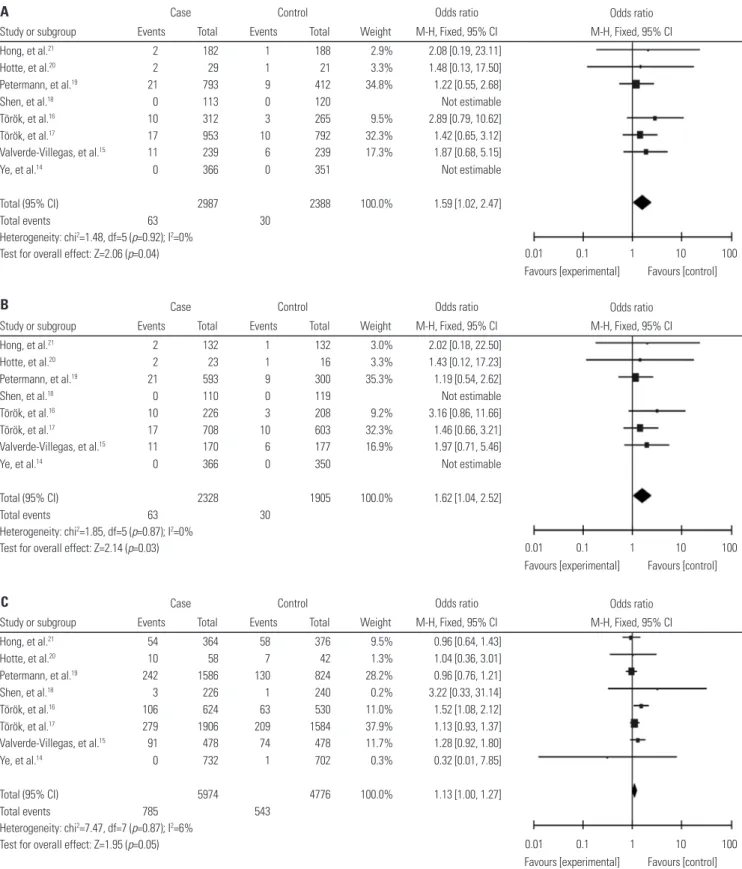
Fig. 2. Forest plots for the meta-analysis of the association between TLR9 -1237T/C polymorphism and the susceptibility of IBDs. (A) Recessive model. (B) Homozygote comparison. (C) Allele model. CI, confidence interval; IBD, inflammatory bowel disease.
A
B
C
Odds ratio M-H, Fixed, 95% CI
0.01 0.1 1 10 100 Favours [experimental] Favours [control]
Case Control Odds ratio
Study or subgroup Events Total Events Total Weight M-H, Fixed, 95% CI
3.2.1 Caucasian
Hong, et al.21 2 182 1 188 2.9% 2.08 [0.19, 23.11]
Hotte, et al.20 2 29 1 21 3.3% 1.48 [0.13, 17.50]
Petermann, et al.19 21 793 9 412 34.8% 1.22 [0.55, 2.68]
Török, et al.16 10 312 3 265 9.5% 2.89 [0.79, 10.62]
Török, et al.17 17 953 10 792 32.3% 1.42 [0.65, 3.12]
Valverde-Villegas, et al.15 11 239 6 239 17.3% 1.87 [0.68, 5.15]
Subtotal (95% CI) 2508 1917 100.0% 1.59 [1.02, 2.47]
Total events 63 30
Heterogeneity: chi2=1.48, df=5 (p=0.92); I2=0%
Test for overall effect: Z=2.06 (p=0.04)
3.2.2 Asian
Shen, et al.18 0 113 0 120 Not estimable
Ye, et al.14 0 366 0 351 Not estimable
Subtotal (95% CI) 479 471 Not estimable
Total events 0 0
Heterogeneity: not applicable Test for overall effect: not applicable
Total (95% CI) 2987 2388 100.0% 1.59 [1.02, 2.47]
Total events 63 30
Heterogeneity: chi2=1.48, df=5 (p=0.92); I2=0%
Test for overall effect: Z=2.06 (p=0.04) Test for subgroup differences: not applicable
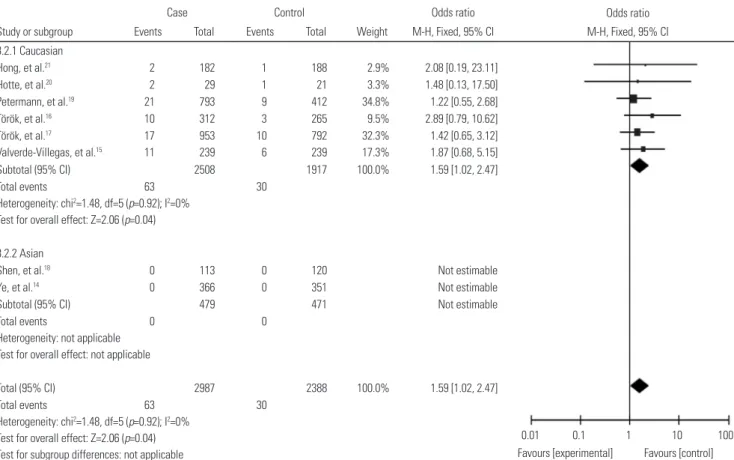
Fig. 3. Forest plot for the meta-analysis of the association between TLR9 -1237T/C polymorphism and the susceptibility of IBDs stratified by ethnicity (re- cessive model). CI, confidence interval; IBD, inflammatory bowel disease.
Odds ratio M-H, Fixed, 95% CI
0.01 0.1 1 10 100 Favours [experimental] Favours [control]
Case Control Odds ratio
Study or subgroup Events Total Events Total Weight M-H, Fixed, 95% CI
3.4.1 Caucasian
Hong, et al.21 2 132 1 132 3.0% 2.02 [0.18, 22.50]
Hotte, et al.20 2 23 1 16 3.3% 1.43 [0.12, 17.23]
Petermann, et al.19 21 593 9 300 35.3% 1.19 [0.54, 2.62]
Török, et al.16 10 226 3 208 9.2% 3.16 [0.86, 11.66]
Török, et al.17 17 708 10 603 32.3% 1.46 [0.66, 3.21]
Valverde-Villegas, et al.15 11 170 6 177 16.9% 1.97 [0.71, 5.46]
Subtotal (95% CI) 1852 1436 100.0% 1.62 [1.04, 2.52]
Total events 63 30
Heterogeneity: chi2=1.85, df=5 (p=0.87); I2=0%
Test for overall effect: Z=2.14 (p=0.03)
3.4.2 Asian
Shen, et al.18 0 110 0 119 Not estimable
Ye, et al.14 0 366 0 350 Not estimable
Subtotal (95% CI) 476 469 Not estimable
Total events 0 0
Heterogeneity: not applicable Test for overall effect: not applicable
Total (95% CI) 2328 1905 100.0% 1.62 [1.04, 2.52]
Total events 63 30
Heterogeneity: chi2=1.85, df=5 (p=0.87); I2=0%
Test for overall effect: Z=2.14 (p=0.03) Test for subgroup differences: not applicable
Fig. 4. Forest plot for the meta-analysis of the association between TLR9 -1237T/C polymorphism and the susceptibility of IBDs stratified by ethnicity (ho- mozygote comparison). CI, confidence interval; IBD, inflammatory bowel disease.
12 studies were assessed in more detail. After reading the full texts of these studies, we excluded one paper with incomplete data and three papers with incorrect polymorphism. Ultimate- ly, a total of eight studies assessing the association between TLR9 -1237T/C polymorphism and the risk of IBDs were avail- able in the current meta-analysis. Among these, six were per- formed in Caucasian populations, and two were in Asian popu- lations. Numerous genotyping methods were used in these studies, including single-direction-sequencing (SDS), TaqMan, polymerase chain reaction-restriction fragment length poly- morphism (PCR-RFLP), and matrix-assisted laser desorption/
ionization time of flight (MALDI-TOF). Genotype distributions were all in accordance with HWE (Table 1). The precise char- acteristics of the selected literature are shown in Table 1, and the genotype and allele distributions of cases and controls are summarized in Table 2.
Quantitative data synthesis
A summary of the meta-analysis of the relationship between TLR9 -1237T/C polymorphism and the risk of IBDs is shown in Table 3. Overall, significant association was found between TLR9 -1237T/C polymorphism and IBDs using recessive (OR:
1.59; 95% CI: 1.02–2.47; p=0.04) (Fig. 2) and homozygote (OR:
1.62; 95% CI: 1.04–2.52; p=0.03) (Fig. 2) genetic models. Addi- tionally, we also found a borderline-significant association of TLR9 -1237T/C polymorphism with the risk of IBDs using the
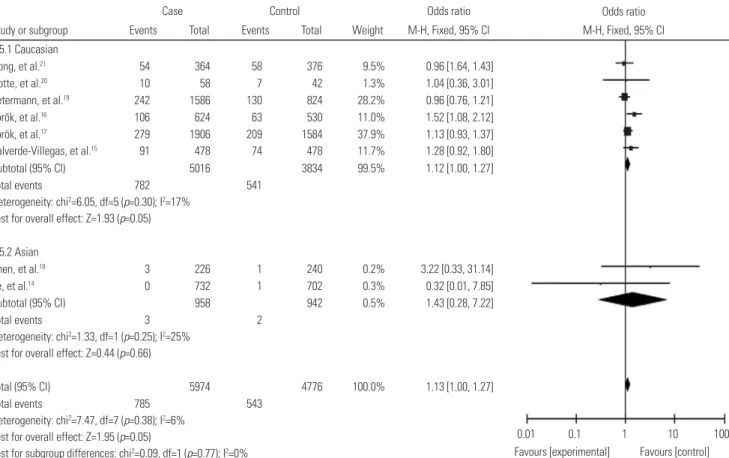
allele model (OR: 1.13; 95% CI: 1.00–1.27; p=0.05) (Fig. 2).
In order to clarify the potential difference in ethnicity, a sub- group analysis stratified by population group was performed in our study. Similarly, in Caucasians, there was significant or borderline-significant association between TLR9 -1237T/C poly- morphism and the risk of IBDs based on recessive (OR: 1.59;
95% CI: 1.02–2.47; p=0.04) (Fig. 3), homozygote (OR: 1.62; 95%
CI: 1.04–2.52; p=0.03) (Fig. 4), and allele (OR: 1.12; 95% CI:
1.00–1.27; p=0.05) (Fig. 5) models. However, no significant as- sociation was found among Asian populations.
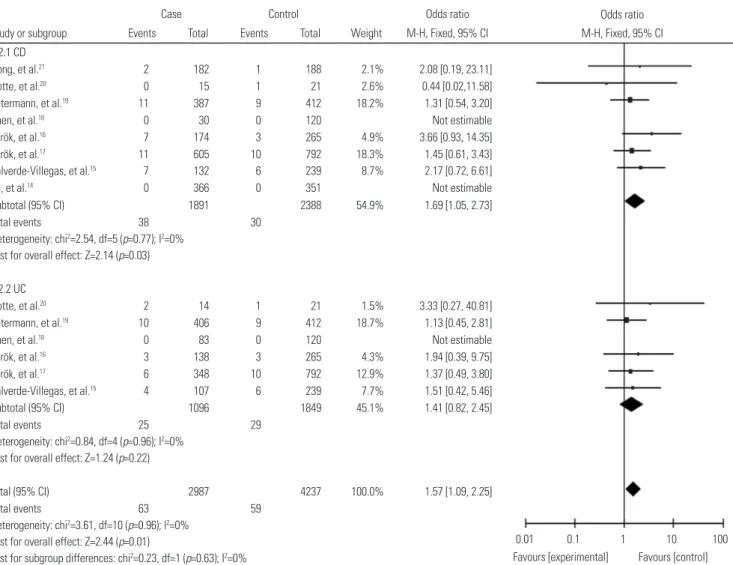
In the subgroup analysis stratified by clinical type, signifi- cant association of TLR9 -1237T/C polymorphism with CD risk was found using recessive (OR: 1.69; 95% CI: 1.05–2.73; p=
0.03) (Fig. 6), homozygote (OR: 1.74; 95% CI: 1.07–2.82; p=
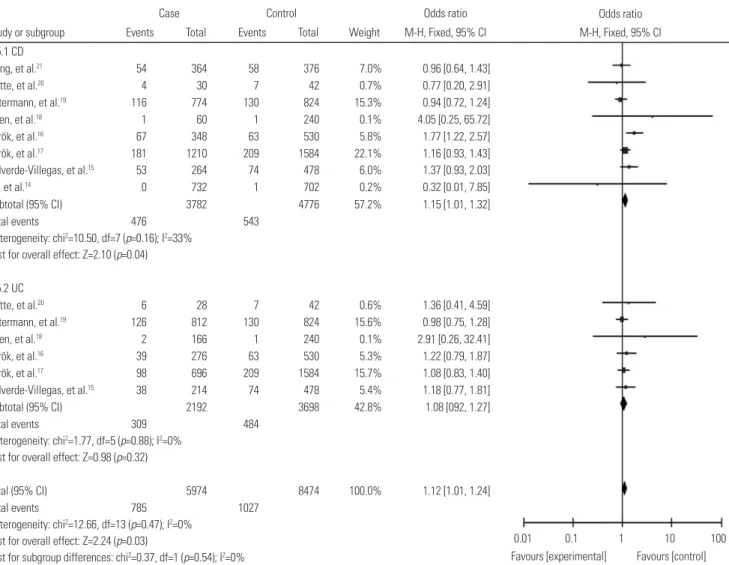
0.02) (Fig. 7) and allele (OR: 1.15; 95% CI: 1.01–1.32; p=0.04) (Fig. 8) genetic models. Unfortunately, we failed to find any statistical evidence of association between TLR9 -1237T/C polymorphism and risk of disease in the UC subgroup when all contrasts were performed.
Evaluation of heterogeneity
As shown in Table 3, there was no inter-study heterogeneity among the overall studies of TLR9 -1237T/C polymorphism for all five genetic models (dominant model: Q=7.08, p=0.42, I2=1%; recessive model: Q=1.48, p=0.92, I2=0%; heterozygote comparison: Q=6.13, p=0.52, I2=0%; homozygote comparison:
Odds ratio M-H, Fixed, 95% CI
0.01 0.1 1 10 100 Favours [experimental] Favours [control]
Case Control Odds ratio
Study or subgroup Events Total Events Total Weight M-H, Fixed, 95% CI
3.5.1 Caucasian
Hong, et al.21 54 364 58 376 9.5% 0.96 [1.64, 1.43]
Hotte, et al.20 10 58 7 42 1.3% 1.04 [0.36, 3.01]
Petermann, et al.19 242 1586 130 824 28.2% 0.96 [0.76, 1.21]
Török, et al.16 106 624 63 530 11.0% 1.52 [1.08, 2.12]
Török, et al.17 279 1906 209 1584 37.9% 1.13 [0.93, 1.37]
Valverde-Villegas, et al.15 91 478 74 478 11.7% 1.28 [0.92, 1.80]
Subtotal (95% CI) 5016 3834 99.5% 1.12 [1.00, 1.27]
Total events 782 541
Heterogeneity: chi2=6.05, df=5 (p=0.30); I2=17%
Test for overall effect: Z=1.93 (p=0.05)
3.5.2 Asian
Shen, et al.18 3 226 1 240 0.2% 3.22 [0.33, 31.14]
Ye, et al.14 0 732 1 702 0.3% 0.32 [0.01, 7.85]
Subtotal (95% CI) 958 942 0.5% 1.43 [0.28, 7.22]
Total events 3 2
Heterogeneity: chi2=1.33, df=1 (p=0.25); I2=25%
Test for overall effect: Z=0.44 (p=0.66)
Total (95% CI) 5974 4776 100.0% 1.13 [1.00, 1.27]
Total events 785 543
Heterogeneity: chi2=7.47, df=7 (p=0.38); I2=6%
Test for overall effect: Z=1.95 (p=0.05)
Test for subgroup differences: chi2=0.09, df=1 (p=0.77); I2=0%
Fig. 5. Forest plots for the meta-analysis of the association between TLR9 -1237T/C polymorphism and the susceptibility of IBD stratified by ethnicity (allele model). CI, confidence interval; IBD, inflammatory bowel disease.
Q=1.85, p=0.87, I2=0%; allele model: Q=7.47, p=0.38, I2=6%).
Therefore, the fixed-effective model was used in our meta- analysis.
Publication bias
Potential publication bias was estimated by evaluating the funnel plot’s shape and Egger’s test in this meta-analysis. Egg- er’s linear regression test showed a moderate publication bias for the recessive model (CC vs. TT+TC) in the UC subgroup (p=0.019); however, no evidence of publication bias was found for any other genetic models in the overall studies and sub- groups (Table 3, Fig. 9).
DISCUSSION
The two major clinical types of IBDs, CD, and UC, are compli- cated and recurrent intestinal inflammatory disorders that are closely related to the susceptibility of colon cancer.28 CD is char- acterized by a transmural inflammation of the entire gastroin-
testinal tract. However, the inflammation of UC is non-trans- mural and mainly restricted to the colon.2 It has always been considered that IBDs result from an inappropriate inflamma- tory response to gut microbes in genetically susceptible hosts.
Meanwhile, the characteristic of familiar aggregation may in- dicate a common genetic background across IBDs.29 To date, numerous genetic studies have significantly advanced our un- derstanding of the pathogenesis of IBDs, and many susceptible genes have been identified.30-32 Among them, TLR9 gene has been highlighted.
TLR9 is a PRR of the TLR family that can mediate the innate immunity by specifically recognizing the CpG motifs of bacte- ria DNA.7 The TLR9 gene, located on chromosome 3p21.3, has numerous polymorphisms on its promoter region, and the -1237T/C polymorphism has been mostly studied.9-12 Accu- mulating evidence has suggested that TLR9 -1237T/C poly- morphism is associated with multiple inflammatory diseases including asthma,33 systemic lupus erythematosus (SLE),34 and rheumatoid arthritis (RA).35 Recently, a number of case-con- trol studies have been published to illustrate the association of
Odds ratio M-H, Fixed, 95% CI
0.01 0.1 1 10 100 Favours [experimental] Favours [control]
Case Control Odds ratio
Study or subgroup Events Total Events Total Weight M-H, Fixed, 95% CI
2.2.1 CD
Hong, et al.21 2 182 1 188 2.1% 2.08 [0.19, 23.11]
Hotte, et al.20 0 15 1 21 2.6% 0.44 [0.02,11.58]
Petermann, et al.19 11 387 9 412 18.2% 1.31 [0.54, 3.20]
Shen, et al.18 0 30 0 120 Not estimable
Török, et al.16 7 174 3 265 4.9% 3.66 [0.93, 14.35]
Török, et al.17 11 605 10 792 18.3% 1.45 [0.61, 3.43]
Valverde-Villegas, et al.15 7 132 6 239 8.7% 2.17 [0.72, 6.61]
Ye, et al.14 0 366 0 351 Not estimable
Subtotal (95% CI) 1891 2388 54.9% 1.69 [1.05, 2.73]
Total events 38 30
Heterogeneity: chi2=2.54, df=5 (p=0.77); I2=0%
Test for overall effect: Z=2.14 (p=0.03)
2.2.2 UC
Hotte, et al.20 2 14 1 21 1.5% 3.33 [0.27, 40.81]
Petermann, et al.19 10 406 9 412 18.7% 1.13 [0.45, 2.81]
Shen, et al.18 0 83 0 120 Not estimable
Török, et al.16 3 138 3 265 4.3% 1.94 [0.39, 9.75]
Török, et al.17 6 348 10 792 12.9% 1.37 [0.49, 3.80]
Valverde-Villegas, et al.15 4 107 6 239 7.7% 1.51 [0.42, 5.46]
Subtotal (95% CI) 1096 1849 45.1% 1.41 [0.82, 2.45]
Total events 25 29
Heterogeneity: chi2=0.84, df=4 (p=0.96); I2=0%
Test for overall effect: Z=1.24 (p=0.22)
Total (95% CI) 2987 4237 100.0% 1.57 [1.09, 2.25]
Total events 63 59
Heterogeneity: chi2=3.61, df=10 (p=0.96); I2=0%
Test for overall effect: Z=2.44 (p=0.01)
Test for subgroup differences: chi2=0.23, df=1 (p=0.63); I2=0%
Fig. 6. Forest plot for the meta-analysis of the association between TLR9 -1237T/C polymorphism and the susceptibility of IBDs stratified by clinical type (recessive model). CI, confidence interval; IBD, inflammatory bowel disease; CD, Crohn’s disease; UC, ulcerative colitis.
TLR9 -1237T/C polymorphism with the susceptibility of IBDs;
however, the results are contradictory.14-21 Thus, we thorough- ly searched for research on this topic and performed this me- ta-analysis. To our knowledge, this is the first comprehensive meta-analysis that attempts to determine the exact relation- ship between TLR9 -1237T/C polymorphism and risk of IBDs.
A total of eight publications including 2987 cases and 2388 controls were retrieved in our meta-analysis. The impacts of dominant, recessive, heterozygote, homozygote, and allele ge- netic models were all evaluated. In addition, considering that the differences in genetic background may have influenced the outcome of the genetic association studies, we also con- ducted subgroup analyses stratified by ethnicity and disease type. Overall, our results indicated that TLR9 -1237T/C poly- morphism might act as a risk factor in IBDs. In the recessive model, the risk of IBDs in individuals with CC genotype was 1.59-fold higher than those with TT+TC genotype. On homo- zygote comparison, the risk of individuals with CC genotype was 1.62-fold higher than the TT carriers. Moreover, our study also suggested an increased risk of IBDs with C allele carriers
compared to the T allele carriers, although the discrepancy was only borderline significant (p=0.05).
There were two types of populations in our meta-analysis:
Caucasians and Asians. Our data suggested that there was a significant difference between the two ethnicities in the asso- ciation between TLR9 -1237T/C polymorphism and IBD risk.
Among the studies involving Caucasians, we found a signifi- cant association between rs5743836 T/C polymorphism and the risk of IBDs using the recessive model and homozygote com- parison. Furthermore, a borderline-significant association of TLR9 -1237T/C polymorphism with IBDs was also found in the allele model. On the other hand, there was no statistical evi- dence for the association between TLR9 -1237T/C polymor- phism and the susceptibility of IBDs in Asians.
Considering that the potential clinical type discrepancy might influence the genotype distribution, we then performed the subgroup analyses stratified by disease phenotype. Eight studies were included in the CD subgroup, and our study in- dicated a pathogenic role of TLR9 -1237T/C polymorphism in the development of CD. These results suggested that individu-
Odds ratio M-H, Fixed, 95% CI
0.01 0.1 1 10 100 Favours [experimental] Favours [control]
Case Control Odds ratio
Study or subgroup Events Total Events Total Weight M-H, Fixed, 95% CI
2.4.1 CD
Hong, et al.21 2 132 1 132 2.2% 2.02 [0.18, 22.50]
Hotte, et al.20 0 11 1 16 2.6% 0.45 [0.02, 12.06]
Petermann, et al.19 11 293 9 300 18.7% 1.26 [0.51, 3.09]
Shen, et al.18 0 29 0 119 Not estimable
Török, et al.16 7 121 3 208 4.6% 4.20 [1.06, 16.54]
Török, et al.17 11 446 10 603 18.2% 1.50 [0.63, 3.56]
Valverde-Villegas, et al.15 7 93 6 177 8.4% 2.32 [0.76, 7.12]
Ye, et al.14 0 366 0 350 Not estimable
Subtotal (95% CI) 1491 1904 54.6% 1.74 [1.07, 2.82]
Total events 38 30
Heterogeneity: chi2=3.11, df=5 (p=0.68); I2=0%
Test for overall effect: Z=2.25 (p=0.02)
2.4.2 UC
Hotte, et al.20 2 12 1 16 1.6% 3.00 [0.4, 37.67]
Petermann, et al.19 10 300 9 300 19.1% 1.11 [0.45, 2.78]
Shen, et al.18 0 81 0 119 Not estimable
Török, et al.16 3 105 3 208 4.3% 2.01 [0.40, 10.13]
Török, et al.17 6 262 10 603 13.0% 1.39 [0.50, 3.86]
Valverde-Villegas, et al.15 4 77 6 177 7.6% 1.56 [0.43, 5.70]
Subtotal (95% CI) 837 1426 45.4% 1.42 [0.82, 2.46]
Total events 25 29
Heterogeneity: chi2=0.80, df=4 (p=0.94); I2=0%
Test for overall effect: Z=1.24 (p=0.22)
Total (95% CI) 2328 3328 100.0% 1.59 [1.11, 2.29]
Total events 63 59
Heterogeneity: chi2=4.20, df=10 (p=0.94); I2=0%
Test for overall effect: Z=2.52 (p=0.01)
Test for subgroup differences: chi2=0.30, df=1 (p=0.58); I2=0%
Fig. 7. Forest plot for the meta-analysis of the association between TLR9 -1237T/C polymorphism and the susceptibility of IBDs stratified by clinical type (homozygote comparison). CI, confidence interval; IBD, inflammatory bowel disease; CD, Crohn’s disease; UC, ulcerative colitis.
als with CC genotype might have higher risk of CD than those with TT+TC and TT genotypes. Moreover, the risk of CD was also increased in C allele carriers. However, there was no asso- ciation between TLR9 -1237T/C polymorphism and the suscep- tibility of UC.
As mentioned above, one published dataset indicated that the TLR9 -1237T/C polymorphism could lead to a T to C ex- change at the position -1237 of the TLR9 gene promoter, which would provide a binding site for transcript factor NF-κB.13 Hence, we speculate that the TLR9 -1237T/C polymorphism may influ- ence the susceptibility of IBDs by affecting the transcription of NF-κB. The findings in the subgroup analyses by ethnicity and clinical type were not consistent, suggesting that the associa- tion between TLR9 -1237T/C polymorphism and risk of IBDs was ethnicity- and disease-specific.
Heterogeneity is a limitation that exists in meta-analyses and may reduce the statistical power and distort the final results.
Thus, we performed a χ2-test-based Q test to assess the inter- study heterogeneity in our meta-analysis. Interestingly, there was no evidence of existing heterogeneity among overall study
data or subgroup data using all five genetic models. Regarding publication bias, the funnel plot shapes for all five compari- sons of overall studies, CD subgroups, Caucasian populations, and Asian populations were symmetrical, and Egger’s test simi- larly did not provide any statistical evidence of publication bias (Table 3). However, there was moderate publication bias in the UC subgroup towards using the recessive model, which may have distorted our results.
Results in the present meta-analysis should be interpreted with caution due to the following limitations. Firstly, the num- ber of studies and individuals were relatively small in our study, which would reduce the statistical power of the meta-analysis determining the relationship between TLR9 -1237T/C poly- morphism and IBD risk. Secondly, publication bias existed in several comparisons, and this may have distorted our results, as several studies with negative results may have been ignored or may not have been published. Thirdly, we only included literature that was focused on Caucasians and Asians, and fu- ture studies should contain more ethnicities.
In summary, our results remain significant despite these Odds ratio
M-H, Fixed, 95% CI
0.01 0.1 1 10 100 Favours [experimental] Favours [control]
Case Control Odds ratio
Study or subgroup Events Total Events Total Weight M-H, Fixed, 95% CI
2.5.1 CD
Hong, et al.21 54 364 58 376 7.0% 0.96 [0.64, 1.43]
Hotte, et al.20 4 30 7 42 0.7% 0.77 [0.20, 2.91]
Petermann, et al.19 116 774 130 824 15.3% 0.94 [0.72, 1.24]
Shen, et al.18 1 60 1 240 0.1% 4.05 [0.25, 65.72]
Török, et al.16 67 348 63 530 5.8% 1.77 [1.22, 2.57]
Török, et al.17 181 1210 209 1584 22.1% 1.16 [0.93, 1.43]
Valverde-Villegas, et al.15 53 264 74 478 6.0% 1.37 [0.93, 2.03]
Ye, et al.14 0 732 1 702 0.2% 0.32 [0.01, 7.85]
Subtotal (95% CI) 3782 4776 57.2% 1.15 [1.01, 1.32]
Total events 476 543
Heterogeneity: chi2=10.50, df=7 (p=0.16); I2=33%
Test for overall effect: Z=2.10 (p=0.04)
2.5.2 UC
Hotte, et al.20 6 28 7 42 0.6% 1.36 [0.41, 4.59]
Petermann, et al.19 126 812 130 824 15.6% 0.98 [0.75, 1.28]
Shen, et al.18 2 166 1 240 0.1% 2.91 [0.26, 32.41]
Török, et al.16 39 276 63 530 5.3% 1.22 [0.79, 1.87]
Török, et al.17 98 696 209 1584 15.7% 1.08 [0.83, 1.40]
Valverde-Villegas, et al.15 38 214 74 478 5.4% 1.18 [0.77, 1.81]
Subtotal (95% CI) 2192 3698 42.8% 1.08 [092, 1.27]
Total events 309 484
Heterogeneity: chi2=1.77, df=5 (p=0.88); I2=0%
Test for overall effect: Z=0.98 (p=0.32)
Total (95% CI) 5974 8474 100.0% 1.12 [1.01, 1.24]
Total events 785 1027
Heterogeneity: chi2=12.66, df=13 (p=0.47); I2=0%
Test for overall effect: Z=2.24 (p=0.03)
Test for subgroup differences: chi2=0.37, df=1 (p=0.54); I2=0%
Fig. 8. Forest plot for the meta-analysis of the association between TLR9 -1237T/C polymorphism and the susceptibility of IBDs stratified by clinical type (allele model). CI, confidence interval; IBD, inflammatory bowel disease; CD, Crohn’s disease; UC, ulcerative colitis.
limitations. The findings from the present meta-analysis indi- cated that the TLR9 -1237T/C polymorphism might act as a risk factor in the development of IBDs, particularly in Caucasians.
Furthermore, our study also suggested a pathogenic role of this polymorphism in the development of CD. However, more large-scaled case-control studies are needed to further con- firm our conclusions.
ACKNOWLEDGEMENTS
This work was supported by research grants from the National Nature Science Foundation of China (No. 81270467).
REFERENCES
1. Kaser A, Zeissig S, Blumberg RS. Inflammatory bowel disease.
Annu Rev Immunol 2010;28:573-621.
2. Baumgart DC, Sandborn WJ. Inflammatory bowel disease: clini- cal aspects and established and evolving therapies. Lancet 2007;
369:1641-57.
3. Loftus EV Jr. Clinical epidemiology of inflammatory bowel dis- ease: incidence, prevalence, and environmental influences. Gas- troenterology 2004;126:1504-17.
4. Xavier RJ, Podolsky DK. Unravelling the pathogenesis of inflam- matory bowel disease. Nature 2007;448:427-34.
5. Khor B, Gardet A, Xavier RJ. Genetics and pathogenesis of inflam- matory bowel disease. Nature 2011;474:307-17.
6. Takeda K, Kaisho T, Akira S. Toll-like receptors. Annu Rev Immu-
nol 2003;21:335-76.
7. Akira S, Takeda K. Toll-like receptor signalling. Nat Rev Immunol 2004;4:499-511.
8. Wagner H. Interactions between bacterial CpG-DNA and TLR9 bridge innate and adaptive immunity. Curr Opin Microbiol 2002;
5:62-9.
9. Hampe J, Lynch NJ, Daniels S, Bridger S, Macpherson AJ, Stokkers P, et al. Fine mapping of the chromosome 3p susceptibility locus in inflammatory bowel disease. Gut 2001;48:191-7.
10. Omar AH, Yasunami M, Yamazaki A, Shibata H, Ofori MF, Akan- mori BD, et al. Toll-like receptor 9 (TLR9) polymorphism associ- ated with symptomatic malaria: a cohort study. Malar J 2012;11:
168.
11. Berghöfer B, Frommer T, König IR, Ziegler A, Chakraborty T, Bein G, et al. Common human Toll-like receptor 9 polymorphisms and haplotypes: association with atopy and functional relevance. Clin Exp Allergy 2005;35:1147-54.
12. Novak N, Yu CF, Bussmann C, Maintz L, Peng WM, Hart J, et al.
Putative association of a TLR9 promoter polymorphism with atopic eczema. Allergy 2007;62:766-72.
13. Hamann L, Glaeser C, Hamprecht A, Gross M, Gomma A, Schumann RR. Toll-like receptor (TLR)-9 promotor polymorphisms and ath- erosclerosis. Clin Chim Acta 2006;364:303-7.
14. Ye BD, Yang SK, Song K, Yang DH, Yoon SM, Kim KJ, et al. [Asso- ciation of Toll-like receptor gene with Crohn’s disease in Kore- ans]. Korean J Gastroenterol 2009;54:377-83.
15. Valverde-Villegas JM, dos Santos BP, Machado MB, Jobim M, Jo- bim LF, Flores C, et al. G2848A and T-1237C polymorphisms of the TLR9 gene and susceptibility to inflammatory bowel disease in patients from southern Brazil. Tissue Antigens 2014;83:190-2.
16. Török HP, Glas J, Tonenchi L, Bruennler G, Folwaczny M, Folwac- 0
0.5 1 1.5 2 0 0.5 1 1.5 2
0 0.5 1 1.5 2 0 0.5 1 1.5 2
0 0.5 1 1.5 0.01 0.1 1 10 100 2
0.01 0.1 1 10 100
0.01 0.1 1 10 100
0.01 0.1 1 10 100
0.01 0.1 1 10 100 OR
OR
OR
OR
OR
SE [log (OR)]SE [log (OR)] SE [log (OR)]SE [log (OR)] SE [log (OR)]
Fig. 9. Funnel plots for TLR9 -1237T/C polymorphism and IBDs: (A) dominant model, (B) recessive model, (C) heterozygote comparison, (D) homozygote comparison, and (E) allele model. Each point represents a separate study for the indicated association. SE, standardized effect; IBD, inflammatory bowel disease; OR, odds ratio.
A
D
B
E
C
zny C. Crohn’s disease is associated with a toll-like receptor-9 polymorphism. Gastroenterology 2004;127:365-6.
17. Török HP, Glas J, Endres I, Tonenchi L, Teshome MY, Wetzke M, et al. Epistasis between Toll-like receptor-9 polymorphisms and variants in NOD2 and IL23R modulates susceptibility to Crohn’s disease. Am J Gastroenterol 2009;104:1723-33.
18. Shen XY, Shi RH, Wang Y, Zhang HJ, Zhou XQ, Shen FC, et al.
[Toll-like receptor gene polymorphisms and susceptibility to in- flammatory bowel disease in Chinese Han and Caucasian popu- lations]. Zhonghua Yi Xue Za Zhi 2010;90:1416-20.
19. Petermann I, Huebner C, Browning BL, Gearry RB, Barclay ML, Kennedy M, et al. Interactions among genes influencing bacterial recognition increase IBD risk in a population-based New Zealand cohort. Hum Immunol 2009;70:440-6.
20. Hotte NS, Salim SY, Tso RH, Albert EJ, Bach P, Walker J, et al. Pa- tients with inflammatory bowel disease exhibit dysregulated re- sponses to microbial DNA. PLoS One 2012;7:e37932.
21. Hong J, Leung E, Fraser AG, Merriman TR, Vishnu P, Krissansen GW. TLR2, TLR4 and TLR9 polymorphisms and Crohn’s disease in a New Zealand Caucasian cohort. J Gastroenterol Hepatol 2007;
22:1760-6.
22. Nakaoka H, Inoue I. Meta-analysis of genetic association studies:
methodologies, between-study heterogeneity and winner’s curse.
J Hum Genet 2009;54:615-23.
23. Dai YE, Tang L, Healy J, Sinnett D. Contribution of polymor- phisms in IKZF1 gene to childhood acute leukemia: a meta-anal- ysis of 33 case-control studies. PLoS One 2014;9:e113748.
24. Thakkinstian A, D’Este C, Eisman J, Nguyen T, Attia J. Meta-analy- sis of molecular association studies: vitamin D receptor gene poly- morphisms and BMD as a case study. J Bone Miner Res 2004;19:
419-28.
25. Lau J, Ioannidis JP, Schmid CH. Quantitative synthesis in system- atic reviews. Ann Intern Med 1997;127:820-6.
26. Higgins JP, Thompson SG, Deeks JJ, Altman DG. Measuring in- consistency in meta-analyses. BMJ 2003;327:557-60.
27. Egger M, Davey Smith G, Schneider M, Minder C. Bias in meta- analysis detected by a simple, graphical test. BMJ 1997;315:629-34.
28. Abraham C, Cho JH. Inflammatory bowel disease. N Engl J Med 2009;361:2066-78.
29. Bouma G, Strober W. The immunological and genetic basis of in- flammatory bowel disease. Nat Rev Immunol 2003;3:521-33.
30. Van Limbergen J, Wilson DC, Satsangi J. The genetics of Crohn’s disease. Annu Rev Genomics Hum Genet 2009;10:89-116.
31. Duerr RH, Taylor KD, Brant SR, Rioux JD, Silverberg MS, Daly MJ, et al. A genome-wide association study identifies IL23R as an in- flammatory bowel disease gene. Science 2006;314:1461-3.
32. Ogura Y, Bonen DK, Inohara N, Nicolae DL, Chen FF, Ramos R, et al. A frameshift mutation in NOD2 associated with susceptibility to Crohn’s disease. Nature 2001;411:603-6.
33. Lazarus R, Klimecki WT, Raby BA, Vercelli D, Palmer LJ, Kwiat- kowski DJ, et al. Single-nucleotide polymorphisms in the Toll-like receptor 9 gene (TLR9): frequencies, pairwise linkage disequilib- rium, and haplotypes in three U.S. ethnic groups and exploratory case-control disease association studies. Genomics 2003;81:85-91.
34. Hur JW, Shin HD, Park BL, Kim LH, Kim SY, Bae SC. Association study of Toll-like receptor 9 gene polymorphism in Korean patients with systemic lupus erythematosus. Tissue Antigens 2005;65:266- 70.
35. Etem EO, Elyas H, Ozgocmen S, Yıldırım A, Godekmerdan A. The investigation of toll-like receptor 3, 9 and 10 gene polymorphisms in Turkish rheumatoid arthritis patients. Rheumatol Int 2011;31:
1369-74.