135
Changes of C-reactive Protein are Associated With Myocardial Injury After Successful Percutaneous Coronary Intervention
Sang Jae Rhee, MD, Kyeong Ho Yun, MD, Seok Kyu Oh, MD, Eun Mi Park, MD, Eun Mi Lee, MD, Nam Jin Yoo, MD, Nam-Ho Kim, MD and Jin-Won Jeong, MD
Department of Cardiovascular Medicine, The Heart Center of Wonkwang University Hospital, Iksan, Korea ABSTRACT
Background and Objectives: Myocardial injury after percutaneous coronary intervention (PCI) occurs frequently and it is associated with an adverse clinical outcome. Mechanical factors have been implicated in this complication and the role of inflammation has not yet been clearly determined. We evaluated the effect of an inflammatory response during PCI on periprocedural myocardial injury. Subjects and Methods: We prospectively studied 231 patients (mean age: 62.8±10.6 years, males: 60.6%) who underwent elective coronary stenting. For the exclusion of mechanical injury to the myocardium, we excluded those patients who developed complications during PCI. Blood samples for measuring the high sensitivity C-reactive protein (hsCRP) and troponin T (TnT) were obtained before the procedure and at 6 hours and 24 hours after PCI. The inflammatory response to PCI was calculated as the difference between the peak postprocedural hsCRP level and the preprocedural hsCRP level (delta CRP). We divided the patients according to the median value of delta CRP: Group I <2.2 mg/dL and Group II ≥2.2 mg/dL. Results: Postprocedural TnT elevation was were observed in 72 (31.2%) patients. The baseline clinical and angiographic characteristics were not difference between the two groups. The incidence of any TnT elevations was higher in the Group II than that in Group I (19.8% vs 42.6%, respectively, p<0.001). The incidences of TnT levels over 3 times the upper normal limit and 5 times the upper normal limit were also higher in Group II than in Group I (11.2% vs 21.7%, respectively, p=0.031, for a TnT level 3 times the upper normal limit, and 6.0% vs 13.9%, respectively, for a TnT level 5 times the upper normal limit). Multivariate analysis revealed that postprocedural hsCRP elevation and complex lesion were the significant independent predictors of postprocedural TnT elevation. Conclusion: Elevated hsCRP levels were associated with a higher risk of postprocedural troponin elevation in patients undergoing uncomplicated PCI. These results emphasized the role of inflammation in the pathogenesis of periprocedural myocardial injury.
(Korean Circ J 2008;38:135-139)
KEY WORDS: Percutaneous transluminal angioplasty; Stents; C-reactive protein; Inflammation.
Introduction
During the past three decades, percutaneous coronary intervention (PCI) has become one of the cardinal treat- ment strategies for stenotic coronary artery disease. As PCI has developed, it has decreased the incidence of major adverse cardiac events for patients with coronary artery disease. However, the incidence of post-procedural cardiac marker elevation has not decreased, in spite of the improved outcome of PCI.1)
The relatively low-level release of cardiac enzymes after PCI occurs in about 25% of the patients treated with stents.2-4) It was demonstrated that periprocedural myo- cardial injury is associated with a worse long-term clinical outcome.5-7) Cardiac troponin T and I were consistently found to be more sensitive than creatinine kinase-MB (CK-MB) for detecting myocardial injury in this setting.8)9)
Vascular injury during PCI is associated with a syste- mically measurable inflammatory response, and the de- gree of inflammation has been shown to correlate with the cardiovascular risk.10)11) C-reactive protein (CRP) is an acute-phase reactant and it is the most widely used marker of systemic inflammation. Although the mecha- nism is unclear, elevated preprocedural CRP levels have been associated with an increased risk for short- and long-term cardiac events.12-14) However, little is known regarding the role of the inflammatory response during
Received: August 20, 2007 Revision Received: October 31, 2007 Accepted: November 28, 2007
Correspondence: Kyeong Ho Yun, MD,Department of Cardiovascular Medi- cine, The Heart Center of Wonkwang University Hospital, 344-2 Sinyong- dong, Iksan 570-711, Korea
Tel: 82-63-859-2524, Fax: 82-63-852-8480 E-mail: [email protected]
PCI and the periprocedural myocardial injury. Therefore, we prospectively studied the inflammatory response to coronary stenting, as estimated by the serial CRP changes and the periprocedural myocardial injury.
Subjects and Methods
Subjects
We prospectively studied patients who underwent el- ective coronary stenting. The exclusion criteria included 1) an elevated troponin T level before the procedure;
2) known inflammatory, neoplastic or infectious disease;
3) myocardial infarction (MI) within 1 month before the procedure and 4) inflammatory or infectious signs after PCI. All the patients gave us an informed written consent according to a protocol approved by the Ethical Commi- ttee of Wonkwang University Hospital.
Coronary angiography and percutaneous coronary intervention
PCI was performed according to the standards of cur- rent clinical practice at the physician’s discretion. We used drug-eluting stent in all patients. The patency of the trea- ted artery on the diagnostic coronary angiography was evaluated by the thrombolysis in myocardial infarction (TIMI) score. Angiographic success of PCI was defined as TIMI III flow with any residual stenosis below 20%.
All the patients received a loading dose of aspirin (300 mg/day) and clopidogrel (300 mg/day) before the proce- dure. An intra-venous bolus of 5,000 U of unfractionated heparin was given, and then additional heparin bolu- ses were given to maintain an activated clotting time of
>300 s during the procedure. To exclude those patients with mechanical injury to the myocardium, we excluded the patients who developed complications during PCI.
The complications consisted of slow flow, any visible side branch occlusion, distal embolization and major dis- section.
Laboratory assays
Venous blood samples were obtained before inter- vention and at 6 and 24 hours after the procedure for troponin T and CRP determination. The cut-off value for abnormal cardiac troponin T was 0.1 ng/mL. High- sensitivity assay was used to measure the CRP concent- ration. The inflammatory response to coronary stenting was calculated as the difference between the peak post- procedural CRP level and the preprocedural CRP level (ΔCRP). We divided the patients according to the medi- an value of delta CRP: Group I <2.2 mg/dL and Group II ≥2.2 mg/dL.
Statistical analysis
All measurements are represented as means (standard deviations. Inter-group analysis was done using indepen-
dent t-tests and (2 tests, which were conducted using SPSS 11.0 for Window (SPSS Inc., Chicago, IL). A mul- tivariable logistic regression model was constructed for predicting troponin elevation after PCI. The following variables, which were selected according to the literature data1 and they were significant on univariate analysis, were inserted into the logistic regression analysis: age, complex lesion, multivessel stenting, the stent length and number, the preprocedural CRP levels and ΔCRP, diabetes, no prior use of statin, the LDL cholesterol level and the serum creatinine level. For continuous variables, the median value was used as a cut-off point to define the two subgroups on the logistic regression analysis.
Statistical significance was set at p<0.05.
Results
The study population included 247 patients who un- derwent elective coronary angiography followed by coro- nary stenting between March 2005 and November 2006.
For excluding those patients with mechanical injury to the myocardium, we excluded the patients who develo- ped complication during PCI such as slow flow (4 cases), side branch occlusion (11 cases), and major dissection (1 case). Overall, 231 patients (mean age: 62.8±10.6 years, males: 60.6%) were enrolled in this study. The clinical diagnoses in admission were silent ischemia in 46 pati- ents (19.9%) and stable angina in 185 patients (80.1%).
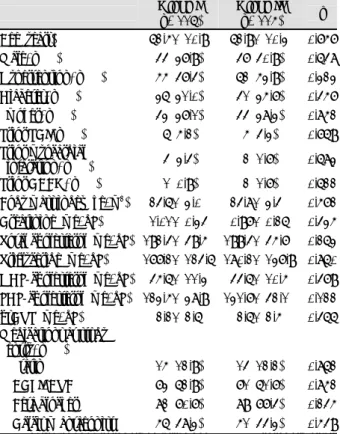
The mean ΔCRP was 6.6±11.5 mg/dL, and the me- dian value was 2.2 mg/dL. We divided the patients accor- ding to the median value of the delta CRP: Group I <2.2 mg/dL and Group II ≥2.2 mg/dL. The baseline clinical characteristics and angiographic data are described in Table 1 and 2. There was no significant difference of the most relevant clinical characteristics between the two groups (Table 1).
We used drug-eluting stents in all the patients. None of the patients were received glycoprotein IIb/IIIa in- hibitors. The mean stent length and number of stents were similar between the two groups (Table 2). Multive- ssel stenting was more frequently performed in Group II than in Group I.
Postprocedural myocardial infarction (CK-MB eleva- tion >3 times the upper normal limit) occurred in 2 cases (1.7%) in Group I and in 2 cases (1.7%) in Group II. Nei- ther in-hospital death nor Q-wave MI was developed by any patients. Cardiac troponin T elevation was detected after coronary intervention in 72 (31.2%) patients (Fig.
1). The incidence of any TnT elevation was higher in the Group II than that in Group I (19.8% vs 42.6%, respecti- vely, p<0.001). The incidence of TnT over 3 times the upper normal limit and over 5 times the upper normal limit was also higher in the Group II than that in Group I (11.2% vs 21.7%, respectively, p=0.031 for the TnT over 3 times the upper normal limit, and 6.0% vs 13.9%,
respectively, for the TnT over 5 times the upper normal limit).
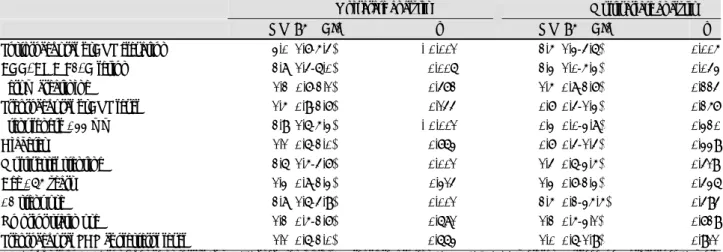
Multivariate analysis revealed that postprocedural hsCRP elevation (OR 2.5, 95% CI 1.3-4.6, p=0.005) and complex lesion (OR 2.3, 95% CI 1.0-5.3, p=0.043) were significantly associated with postprocedural TnT elevation (Table 3).
Discussion
In this study, we showed that elevated hsCRP levels were associated with a higher risk of postprocedural tro- ponin elevation in patients undergoing uncomplicated PCI. This finding is important because a higher degree of postprocedural myonecrosis is associated with an inc- reased risk of adverse events during follow-up.
Vascular injury during PCI is associated with a syste- mic inflammatory response, and the degree of inflamma- tion has been shown to correlate with the cardiovascular risk.10)11) Preprocedural elevation of the CRP levels has recently emerged as a clinical predictor for periproce- dural myocardial injury. The increase in the serum CRP concentration follows the increase in the serum IL-6 concentration by 12-36 hours, and the serum CRP con- centration reaches its peak value by 24 hours after the procedure.15)16) Bonz et al.16) found the increase in the serum concentrations of both IL-6 and CRP to be more obvious in patients with concomitant post-procedural troponin T elevation. Saadeddin et al.17) reported prep- rocedural CRP elevation in 41% of 85 patients with stable angina and who undergoing PCI, and this was associated with a 2.27-fold higher risk of developing periprocedural myocardial injury, and the latter was defined by a postprocedural troponin I elevation of >2 ng/mL. Ellis et al.18) confirmed a nearly 4-fold higher preprocedural CRP level among the patients who deve- loped postprocedural CK-MB elevation. Additionally, Hong et al.19) demonstrated that elevated preprocedural CRP levels are associated with neointimal hyperplasia
Table 1. Baseline clinical characteristics Group I (n=116)
Group II (n=115) p Age (years) 62.5±10.9 62.9±10.3 0.757 Male, n (%) 44 (37.9) 47 (40.9) 0.648 Hypertension, n (%) 55 (47.4) 62 (53.9) 0.323 Diabetes, n (%) 36 (31.0) 41 (35.7) 0.457 Smoker, n (%) 43 (37.1) 44 (38.3) 0.852 Prior PCI, n (%) 06 (5.2) 05 (4.3) 0.769 Prior myocardial
infarction, n (%) 04 (3.4) 02 (1.7) 0.683 Prior CABG, n (%) 01 (0.9) 02 (1.7) 0.622 Body mass index (kg/m2) 24.6±3.0 24.8±3.4 0.572 Creatinine (mg/dL) 1.01±0.34 0.97±0.26 0.435 Total cholesterol (mg/dL) 192.4±49.5 199.4±45.7 0.263 Triglyceride (mg/dL) 177.2±124.6 180.2±137.9 0.860 HDL-cholesterol (mg/dL) 45.6±11.3 44.6±10.5 0.479 LDL-cholesterol (mg/dL) 123.5±38.9 131.7±42.1 0.122 hsCRP (mg/dL) 2.2±2.6 2.6±2.5 0.466 Medications at study
entry, n (%)
Statin 15 (12.9) 14 (12.2) 0.862 ACEI/ARB 73 (62.9) 71 (61.7) 0.852 Beta blocker 82 (70.7) 89 (77.4) 0.245 Calcium antagonist 56 (48.3) 51 (44.3) 0.549 PCI: percutaneous coronary intervention, CABG: coronary artery bypass graft, HDL: high density lipoprotein, LDL: low density lipo- protein, hsCRP: high-sensitivity C-reactive protein, ACEI: angio- tensin converting enzyme inhibitor, ARB: angiotensin II receptor blocker
Table 2. Coronary angiographic and procedural characteristics
Group I
(n=116) Group II (n=115) p Multi-vessel disease, n (%) 060 (51.7) 064 (55.7) 0.549
Target vessel, n (%) 0.487
LAD 061 (52.6) 067 (58.3)
LCX 027 (23.3) 027 (23.5)
RCA 028 (24.1) 021 (18.2)
ACC/AHA type B2/C
lesion, n (%) 082 (70.7) 089 (77.4) 0.245 Bifurcation, n (%) 028 (24.1) 038 (33.0) 0.134 Preprocedural
TIMI flow, n (%) 0.622
0/1 003 (2.6) 001 (0.9)
2/3 113 (97.4) 114 (99.1)
Type of stent, n (%) 0.341
Sirolimus-eluting stent 034 (30.6) 024 (22.0) Paclitaxel-eluting stent 052 (46.8) 056 (51.4) Both stents 025 (22.5) 029 (26.6) Stent diameter (mm) 3.2±0.49 3.3±0.33 0.121 Stent length (mm) 39.8±24.48 45.4±19.16 0.050 Stent number 1.5±0.81 1.7±0.77 0.083 Maximal pressure (atm) 16.51±3.42 17.01±3.51 0.274 Multi-vessel stenting, n (%) 029 (25.0) 048 (41.7) 0.007 LAD: left anterior descending artery, LCX: left circumflex artery, RCA: right coronary artery, ACC/AHA: American College of Car- dilology/American Heart Association, TIMI: thrombolysis in myo- cardial infarction
60
40
20
0
Percent of patients
6.0%
5.2%
8.6%
13.9%
7.8%
20.9%
ΔCRP <2.2 mg/L ΔCRP ≥2.2 mg/L
>0.5 ng/mL 0.3-0.5 ng/mL
<0.3 ng/mL
Fig. 1. Incidence of postprocedural troponin T elevations >1, 3 to 5, and >5 times above the upper normal limit according to the delta C-reactive protein (CRP).
and restenosis after PCI.
Yet contradictory results have reported. Gaspardone et al.20) excluded the patients with any postprocedural cardiac marker elevation and they still found CRP ele- vation (>0.5 mg/dL) within 48 hours after PCI in 99%
of these patients. Saleh et al.21) reported no significant relationship between CRP and postprocedural troponin elevation in patients with stable or unstable angina. More recently, Gach et al.22) reported no correlation between the delta CRP and the delta troponin in stable angina patients. In our study, the baseline CRP level was similar between the two groups, yet the inflammatory response (ΔCRP) during intervention was more associated with periprocedural myocardial injury. Although the subsets of patients or their medications in our study were diffe- rent from those of other studies, our results consolidated the association between CRP and the troponin changes during PCI.
Different strategies such as platelet GP IIb/IIIa inhi- bitors and high dose clopidogrel and statin have been proposed and tested to prevent peri-procedural myocar- dial infarction.23-25) Many studies have demonstrated that early statin therapy among PCI patients is associated with significant advantages for decreased mortality and morbidity in different patient subsets.10,26-28) Although the mechanism is not entirely clear, the anti-inflamma- tory effects of statins might contribute to the reduced myocardial injury during PCI. In the present study, prior statin therapy had no significant effect on postprocedural troponin elevation. However, only 12% of all the study patients were receiving prior statin therapy, and this lowered the power to detect differences between the pa- tients with and without statin therapy.
The results of the present study suggest that systemic factors may affect the susceptibility to postprocedural troponin elevations. With excluding mechanical causes, structural and functional microvascular obstruction have
been implicated in most cases of postprocedural myone- crosis.1)29) Thus, CRP may be related to such pathological conditions as friability and hypercoagulability of the atheromatous lesion, which predispose to a patient to microembolization or clot formation at the site of the PCI-induced arterial injury. Systemic inflammation also provides a link between PCI-associated infarction and long-term events, the same as was reported by previous studies.30) So, other therapeutic strategies that can inhibit the inflammatory response are needed to prevent perip- rocedural myocardial injury.
In conclusion, elevated hsCRP levels were associated with a higher risk of postprocedural troponin elevation in those patients who are undergoing uncomplicated PCI. These results emphasized the role of inflammation in the pathogenesis of periprocedural myocardial injury.
Acknowledgments
This study was supported by grants from Wonkwang University in 2006.
REFERENCES
1) Herrmann J. Peri-procedural myocardial injury: 2005 update. Eur Heart J 2005;26:2493-519.
2) Brener SJ, Ellis SG, Schneider J, Topol EJ. Frequency and long- term impact of myonecrosis after coronary stenting. Eur Heart J 2002;23:869-76.
3) Fujii K, Carlier SG, Mintz GS, et al. Creatinin kinase-MB enzyme elevation and long-term clinical events after successful coronary stenting in lesions with ruptured plaque. Am J Cardiol 2005;95:
355-9.
4) Herrmann J, von Birgelen C, Haude M, et al. Prognostic impli- cation of cardiac troponin T increase following stent implantation.
Heart 2002;87:549-53.
5) Kornowski R, Fuchs S, Hong MK, et al. Prognostic value of recur- rent episodes of creatine kinase-MB elevation following repeated catheter-based coronary interventions. Catheter Cardiovasc Interv 2000;51:131-7.
6) Ghazzal Z, Ashfaq S, Morris DC, et al. Prognostic implication of creatine kinase release after elective percutaneous coronary inter- vention in the pre-IIb/IIIa antagonist era. Am Heart J 2003;145:
Table 3. Univariate and multivariate analysis for the prediction of periprocedural myocardial injury
Univarate analysis Multivariate analysis
OR (95% CI) p OR (95% CI) p
Postprocedural hsCRP elevation 3.0 (1.7-5.4) <0.001 2.5 (1.3-4.6)0 0.005
ACC/AHA B2/C lesion 2.8 (1.4-6.0) 0.006 2.3 (1.0-5.3)0 0.043
Serum creatinine 1.2 (0.7-2.1) 0.472 1.5 (0.8-2.7)0 0.224
Preprocedural hsCRP level 1.5 (0.9-2.7) 0.144 0.7 (0.4-1.3)0 0.257
Stent length >33 mm 2.9 (1.6-5.3) <0.001 0.3 (0.0-3.8)0 0.320
Diabetes 1.1 (0.6-2.0) 0.763 0.7 (0.4-1.4)0 0.339
Multivessel stenting 2.6 (1.5-4.7) 0.001 1.4 (0.6-3.5)0 0.419
Age >65 years 1.3 (0.8-2.3) 0.314 1.3 (0.7-2.3)0 0.436
>2 stent use 2.8 (1.6-4.9) 0.001 2.5 (0.2-35.5) 0.494
No prior statin use 1.2 (0.5-2.7) 0.681 1.2 (0.5-3.1)0 0.729
Preprocedural LDL cholesterol level 1.1 (0.6-2.0) 0.663 1.0 (0.6-1.9)0 0.911 OR: odds ratio, CI: confidence interval, hsCRP: high-sensitivity C-reactive protein, ACC/AHA: American College of Cardilology/Ameri- can Heart Association, LDL: low density lipoprotein
1006-12.
7) Stone GW, Mehran R, Dangas G, Lansky AJ, Kornowski R, Leon MB. Differential impact on survival of electrocardiographic Q-wave versus enzymatic myocardial infarction after percutaneous intervention: a device-specific analysis of 7147 patients. Circula- tion 2001;104:642-7.
8) Garbarz E, Iung B, Lefevre G, et al. Frequency and prognostic value of cardiac troponin I elevation after coronary stenting. Am J Cardial 1999;84:515-8.
9) Shyu KG, Kuan PL, Cheng JJ, Hung CR. Cardiac troponin T, creatine kinase, and its isoform release after successful percuta- neous transluminal coronary angioplasty with or without stenting.
Am Heart J 1998;135:862-7.
10) Chan AW, Bhatt DL, Chew DP, et al. Early and sustained survival benefit associated with statin therapy at the time of percutaneous coronary intervention. Circulation 2002;105:691-6.
11) Kim YC, Sung KC, Park SH, et al. The effect of systemic inflam- mation on the elevation of troponin I after percutaneous translu- minal coronary angioplastry with stent in patients with stable angina. Korean Circ J 2004;34:265-70.
12) Chew DP, Bhatt DL, Robbins MA, et al. Incremental prognostic value of elevated baseline C-reactive protein among established markers of risk in percutaneous coronary intervention. Circulation 2001;104:992-7.
13) Choi SY, Yang HM, Tahk SJ, et al. Preprocedural hs-CRP level serves as a marker for procedure-related myocardial injury during coronary stenting. Korean Circ J 2005;35:140-8.
14) Buffon A, Liuzzo G, Biasucci LM, et al. Preprocedural serum levels of C-reactive protein predict early complications and late restenosis after coronary angioplasty. J Am Coll Cardiol 1999;34:
1512-21.
15) Sanchez-Margalet V, Cubero JM, Martin-Romero C, Cubero J, Cruz-Fernandez JM, Goberna R. Inflammatory response to coro- nary stent implantation in patients with unstable angina. Clin Chem Lab Med 2002;40:769-74.
16) Bonz AW, Lengenfelder B, Jacobs M, et al. Cytokine response after percutanous coronary intervention in stable angina: effect of selective glycoprotein IIb/IIIa receptor antagonism. Am Heart J 2003;145:693-9.
17) Saadeddin SM, Habbab MA, Sobki SH, Ferns GA. Association of systemic inflammatory state with troponin I elevation after elective uncomplicated percutaneous coronary intervention. Am J Cardiol 2002;89:981-3.
18) Ellis SG, Chew D, Chan A, Whitlow PL, Schneider JP, Topol EJ.
Death following creatine kinase-MB elevation after coronary in- tervention: identification of an early risk period: importance of creatine kinase-MB level, completeness of revascularization, ven- tricular function, and probable benefit of statin therapy. Circu-
lation 2002;106:1205-10.
19) Hong YJ, Jeong MH, Lim SY, et al. Elevated preprocedural high- sensitivity C-reative protein levels are associated with neointimal hyperplasia and restenosis development after successful coronary artery stenting. Circ J 2005;69:1477-83.
20) Gaspardone A, Crea F, Versaci F, et al. Predictive value of C- reactive protein after successful coronary-artery stenting in patients with stable angina. Am J Cardiol 1998;82:515-8.
21) Saleh N, Svane B, Velander M, Nilsson T, Hansson LO, Tornvall P.
C-reactive protein and myocardial infarction during percutaneous coronary intervention. J Intern Med 2004;255:33-9.
22) Gach O, Legrand V, Biessaux Y, Chapelle JP, Vanbelle S, Pierard LA. Long-term prognostic significance of high-sensitivity C-reac- tive protein before and after coronary angioplasty in patients with stable angina pectoris. Am J Cardiol 2007;99:31-5.
23) Lincoff AM, Tcheng JE, Califf RM, et al. Sustained suppression of ischemic complications of coronary intervention by platelet GP IIb/IIIa blockade with abciximab: one-year outcome in the EPILOG trial: evaluation in PTCA to improve long-term outcome with abciximab GP IIb/IIIa blockade. Circulation 1999;99:1951-8.
24) Patti G, Colonna G, Pasceri V, Pepe LL, Montinaro A, Di Sciascio G. Randomized trial of high dose of clopidogrel for reduction of periprocedural myocardial infarction in patients undergoing coronary intervention: results from the ARMYDA-2 (Antiplatelet therapy for Reduction of Myocardial Damage during Angioplasty) study. Circulation 2005;111:2099-106.
25) Bonz AW, Lengenfelder B, Strotmann J, et al. Effect of additional temporary glycoprotein IIb/IIIa receptor inhibition on troponin release in elective percutaneous coronary interventions after pre- treatment with aspirin and clopidogrel (TOPSTAR trial). J Am Coll Cardiol 2002;40:662-8.
26) Herrmann J, Lerman A, Baumgart D, et al. Periprocedural statin medication reduces the extent of periprocedural non-Q-wave myo- cardial infarction. Circulation 2002;106:2180-3.
27) Chang SM, Yazbek N, Lakkis NM. Use of statin prior to percu- taneous coronary intervention reduces myonecrosis and improves clinical outcome. Catheter Cardiovasc Interv 2004;62:193-7.
28) Veselka J, Prochazkova S, Duchonova R, Homolova I, Tesar D, Bybee KA. Preprocedural statin therapy reduces the risk and extent of cardiac biomarker release following percutaneous coro- nary intervention. Heart Vessels 2006;21:146-51.
29) Topol EJ, Yadav JS. Recognition of the importance of embolization in atherosclerotic vascular disease. Circulation 2000;101:570-80.
30) Zebrack JS, Muhlestein JB, Horne BD, Anderson JL. C-reactive protein and angiographic coronary artery disease: independent and additive predictors of risk in subjects with angina. J Am Coll Cardiol 2002;39:632-7.