I. 서 론
발달장애를 가진 아동·청소년은 아동작업치료 서비스의 주요 대상이다. 장애인복지법(Government Legislation Agency, 2017)에 의하면 발달장애는 정신적 장애 유형에 속 하며 지적장애, 자폐성장애를 포함한다. 발달장애를 가진 아
동은 성적 성숙이 연령에 맞게 나타나며 성과 사랑, 사회적 관계를 원한다(Hrenault, 2006; Visser et al., 2017). 일 반적으로 사춘기는 8∼14세에 나타나며 근골격계 성장과 생 리적 성숙, 심리사회적 발달이 집중되는 시기이다 (Case-Smith & O'Brien, 2014). McDaniels와 Fleming(2018)은 발달장애를 가진 아동청소년은 개인의 사 회적 기술과 성지식, 성행동에 어려움을 파악하고 그들에게 대한감각통합치료학회지 제16권 3호
The Journal of Korean Academy of Sensory Integration 2018 Vol. 16, No. 3
http://dx.doi.org/10.18064/JKASI.2018.16.3.050
발달장애를 가진 아동·청소년의 성교육 연구에 대한 체계적 고찰
조혜진*, 이혜경**, 최정실***
*세란아동발달상담센터 작업치료사, **경북과학대학교 작업치료과 교수,
***충북보건과학대학교 작업치료과 부교수
국문초록
목적 : 본 연구는 발달장애를 가진 아동·청소년을 위한 성교육의 대상, 기간, 유형, 내용, 교수방법을 체계적으로 분석하 여 아동작업치료사에게 성교육에 대한 기초자료와 방향성을 제공하는 것을 목적으로 한다.
연구방법 : 전자 데이터 베이스인 PubMed, EBSCO host(CINAHL Plus with full text), Medline (ProQuest), RISS, KISS를 사용하여 2008년 8월부터 2018년 9월까지 국내외 학회지에 개제된 연구를 대상으로 검색하였다. 주요 용어는
“(Sexual Education OR Sex Education) AND (Disability Disorder OR Autism) AND (Effect OR Effectiveness)”를 해외논문 검색에 사용하였고, 국내논문은 “장애 AND 성교육”으로 검색하여 최종 15편의 연구를 선정하였다.
결과 : 근거의 질적 수준은 대상연구 논문 15편 중 수준 Ⅰ이 1편, Ⅱ이 3편, 수준 Ⅲ이 9편, 수준 Ⅳ가 2편이었다. 성교육 의 내용으로 ‘신체와 성장’, ‘대인관계 기술’이 가장 많았으며, 성교육 제공분야는 특수교육, 작업치료 순으로 나타났다.
성교육의 효과는 ‘성지식’과 ‘성태도’, ‘문제가 되는 성행동’에 있었다.
결론 : 본 연구는 발달장애를 가진 아동·청소년을 위한 성교육의 내용과 경향, 효과를 고찰하여 작업치료 임상분야에서 실천하기 위한 기초자료로 제시하고자 하였다. 추후에는 성교육 중재를 통한 작업참여 효과 연구, 클라이언트의 성 활동에 대한 아동작업치료사의 의식 조사, 성 발달 척도 개발이 필요할 것이다.
주제어 : 발달장애, 성교육, 작업치료, 체계적 고찰
교신저자: 최정실([email protected])
접수일: 2018.11.01. ∥ 심사일: (1차: 2018.11.17. / 2차: 2018.12.12.) ∥ 게재확정일: 2018.12.19.
적합한 성교육의 기회가 부족하다는 것을 강조하였다. 발달 장애를 가진 아동의 일부에서 이른 나이에 성적 욕구와 충동 을 타인을 만지거나 공공 자위행위 등의 문제가 되는 성행동 (Problematic Sexual Behavior; PSB)이 나타날 수 있다 (Davis et al., 2016). 또한 불행하게도 발달장애 아동·청 소년은 성폭력에 노출될 위험이 높다(Choi & Kim, 2016;
Kim, 2013; Reiter et al., 2007). 따라서 이들을 위한 체계 적이고 효과적인 성교육 서비스가 필요하다(Volkmar &
Wolf, 2013).
작업치료 실행체계(Occupational Therapy Practice Framework; OTPF)에 의하면 작업치료 중재 범위에 성활 동(sexual activity)이 포함되어있다(AOTA, 2014). OTPF 에서 정의한 성활동은 성적 만족 및 관계의 요구를 충족시키 는 활동 참여로서 일상생활활동(Activities of Daily Living; ADL)과 사회참여(social participation)가 함께 일 어난다. 사춘기는 외모에 관심을 가지며, 대인관계에 흥미가 생겨 ADL과 사회참여에 대한 작업의지가 커질 수 있다. 화 장실 위생, 면도하기 등 ADL과 일상에서의 개인위생, 지역 사회 이동, 인터넷과 메시지, Social Network Services(SNS)사용에 해당하는 수단적 일상생활활동 (Instrumental Activities of Daily Living; IADL), 우정 과 사랑 등 사회적 관계가 이루어지는 사회참여에 대한 작업 발달이 요구된다. 성활동은 단순히 성적관계를 가지는 것이 아니라 성지식, 신념, 태도 및 행동을 포함한다(McDaniels
& Fleming, 2008; Murphy & Young, 2005). 또한 성활 동은 ADL과 IADL 사회참여와 유기적으로 얽혀있다. 이에 아동작업치료사는 아동에서 청소년기로 전환하는 발달장애 아동을 중재할 때 그들에게 추가적이며 전문적인 성교육을 제공해야한다.
발달장애를 가진 아동·청소년의 PSB와 이성에 대한 관 심, 화장실 위생 및 초경을 경험하는 여아의 위생용품 관리 등은 그들에게 작업적 도전이다. 이 영역에 대하여 중재가 필요지만 임상에서 아동작업치료사들은 이 부분을 해결하는 데 종종 곤란한 경우가 많다. 현재 대부분의 아동작업치료사 들은 주로 감각운동 또는 일상생활, 놀이, 발달에 초점을 둔 직무에 주력하고 있다. 보수교육과 같은 직무교육에서 성활 동 및 성발달에 관련된 정보를 얻기 어렵고, 일부 작업치료 사들이 타 분야의 문헌을 참조하여 개별적으로 클라이언트 와 보호자에게 자문하고 있는 것이 우리의 실정이다. 따라서 아동작업치료사를 위해 성교육 중재에 필요한 기초자료가
요구되며, 아동작업치료 분야의 성교육에 대한 연구는 중요 하다.
작업치료분야는 성교육 프로그램의 효과성 연구(Kim &
Chae, 2011; Oh, Bang, Son, & Hwang. 2017; Oh.
Bang, Son, Hwang. & Bang, 2016)만이 진행되어있어 타 분야에 비해 성교육에 대한 기초자료가 상대적으로 부족하 다. 타 분야에서는 성적 문제가 대두되는 청소년 뿐 아니라 아동기 까지 포함하여 성교육 프로그램을 개발하고 효과를 확인하는 연구들이 지속적으로 보고되고 있다. 이에 따라 본 연구에서는 최근 10년간 출간된 발달장애 아동·청소년의 성교육 효과성 연구를 기초로 하여 성교육의 대상, 유형, 기 간, 내용, 교수방법을 체계적으로 분석하여 아동작업치료사 들에게 성교육에 대한 기초자료와 방향성을 제공하고자 한 다.
Ⅱ. 연구 방법 1. 연구대상 및 데이터 수집 방법
2008년 8월부터 2018년 9월까지 국내외 학회지에 게재 된 논문들 중 5∼18세 이하인 발달장애를 가진 아동·ᆞ청소년 의 성관련 중재의 실험연구를 검색하였다. 연관성이 있는 논 문을 최대한 포함하기 위해서 검색용어로 국내문헌은 “장애 AND 성교육”, 국외문헌의 검색어는 PICO(Patient, Intervention, Comparison, Outcome)기준에 따라서 P (대상자) AND I(중재)의 조합으로 검색하였다. 사용한 검색 어는 Mesh term으로 P(대상자)는 “Disability Disorder OR Autism”, I(중재)는 “Sexual Education OR Sex Education”, “Effect OR Effectiveness”이었다. 국내 검색 원은 학술연구정보서비스(Research Information Sharing Service; RISS)와 한국학술정보(Koreanstudies Information Service Systeml; KISS)를 이용하였고, 국외 검색원은 PubMed, EBSCO host(CINAHL Plus with full text), Medline(ProQuest)를 이용하였다. 의학, 간호학, 심 리학, 교육학, 사회학 분야 논문을 모두 검색하였다(Figure 1). 총 1,306편의 논문의 초록과 전문을 검토하여 고찰 또는 학위 논문, 조사연구, 예비연구 및 영어와 한국어가 아닌 용 어로 쓴 논문을 배제하여 12편의 논문이 선정하였다. 그리
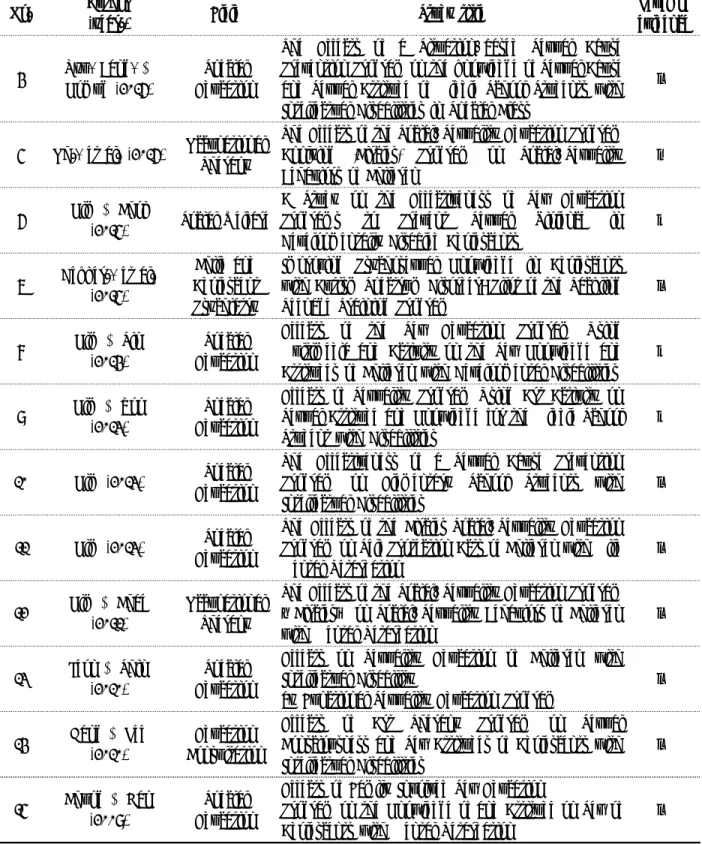
고, 추가적으로 참고문헌을 검토하여 3편의 논문이 추가되 어 최종적으로 15편의 논문이 선정되었다(Table 1).
2. 분석 방법
대상연구의 질적 수준을 분석하기 위해 Arbesman, Scheer와 Liverman(2008)이 개발된 질적 근거 수준 (hierarchy of levels of evidence for evidence-based
practice) 분석 모델을 사용하였다. 또한 성교육 관련 체계 적 고찰 선행연구(Park & Lee; 2015; Wu & Bang)에서 사용한 변인들을 검토하여 본 연구의 목적에 적합하다 판단 되는 항목들을 선정하여 성교육의 기간, 유형, 내용, 교수방 법을 분석하여 제시하였다. 연구대상 논문에서 확인한 성교 육 유형은 연구에서 제시한 프로그램명을 기준으로 분류하 였다.
1,306 studies through database were identified PubMed
(n=477)
EBSCO host (n=82)
Medline (n=591)
RISS (n=73)
KISS (n=83)
1,293 excluded following review of title or abstracts based on exclusion criteria
12 studies were included
3 studies were added through review of reference
15 studies were included in the final review Figure 1. Flowchart for the selection of studies Table 1. Summary of included studies
No. Author
(year.) Field Study title Level of
evidence 1 Kucuk, Platin, &
Erdem (2017 Nursing
Increasing awareness of protection from sexual abuse in children with mild intellectual disabilities: An education study
Ⅲ
2 Visser (2017)
Child and Adolescent Psychiatry
A randomized controlled trial to examine the effects of the Tackling Teenage psychosexual training program for adolescents with autism spectrum disorder
Ⅰ
3 Oh., et al. (2017) Occupational Therapy
The Effects of Circles Program Using a Doll on Social-Sexual Behavior of Adolescents with Intellectual Disabilities
Ⅳ
Table 1. Summary of included studies (Cont.)
No. Author
(year.) Field Study title Level of
evidence
4 Ryu, Bang, &
Komug (2016)
Special Education
The Effects of a Situation-based Sexual Abuse Prevention Program on the knowledge of Sexual Abuse and Sexual Attitude of Middle School Students with Intellectual Disabilities in Special Class
Ⅲ
5 Oh., et al. (2016) Occupational Therapy
The Effects of the Social-Sexuality Education Program Applying 'Circles' Program on Social-Sexuality Behaviors of Children
Ⅳ
6 Kim & Choi
(2015) Social Welfare
A Study on the Effectiveness of Sex Education Programs to Prevent Sexual Violence in Developmentally Disabled Adolescents
Ⅱ
7 Dekker., et al.
(2015)
Child and Adolescent Psychiatry
Improving Psychosexual Knowledge in Adolescents with Autism Spectrum Disorder: Pilot of the Tackling Teenage Training Program
Ⅲ
8 Kim & Sin (2014)
Special Education
Effects of the Sex Education Program Using Multimedia and Activity on the Sex Knowledge and Attitudes of Children with Developmental Disabilities
Ⅱ
9 Kim & Yoo (2013)
Special Education
Effects of Sexuality Program Using Art Activity on Sexual Attitude and Knowledge for the Middle School Student with Disabilities
Ⅱ
10 Kim (2013) Special Education
The Effectiveness of a Sexual Abuse Prevention Program on Elementary School Students with Intellectual Disabilities
Ⅲ
11 Kim (2013) Special Education
The Effects of the Circles Social-Sexuality Education Program on Self Protection Acts of Children with Mild Mental Retardation
Ⅲ
12 Kim & Chae (2011)
Occupational Therapy
The Effects of the Social-Sexuality Education Program
‘Circles’ on Social-Sexuality Behaviors of Children with Mental Retardation
Ⅲ
13 Jeon & Shin (2010)
Special Education
Effects on Sexuality Education of Children with Intellectual Disability
by Functional Sexuality Education Program
Ⅲ
14 Gang & Lee (2010)
Education Consultation
Effects of Art Therapy Program on Sexual Consciousness and Sex Attitudes of Adolescents with Intellectual Disabilities
Ⅲ
15 Chung & Han (2009)
Special Education
Effects of Family Involved Sex Education
Program on the Knowledge of and Attitude on Sex of Adolescents with Mental Retardation
Ⅲ
Ⅲ. 연구 결과 1. 분석 대상 연구
1) 연구의 질적 수준평가 및 동향
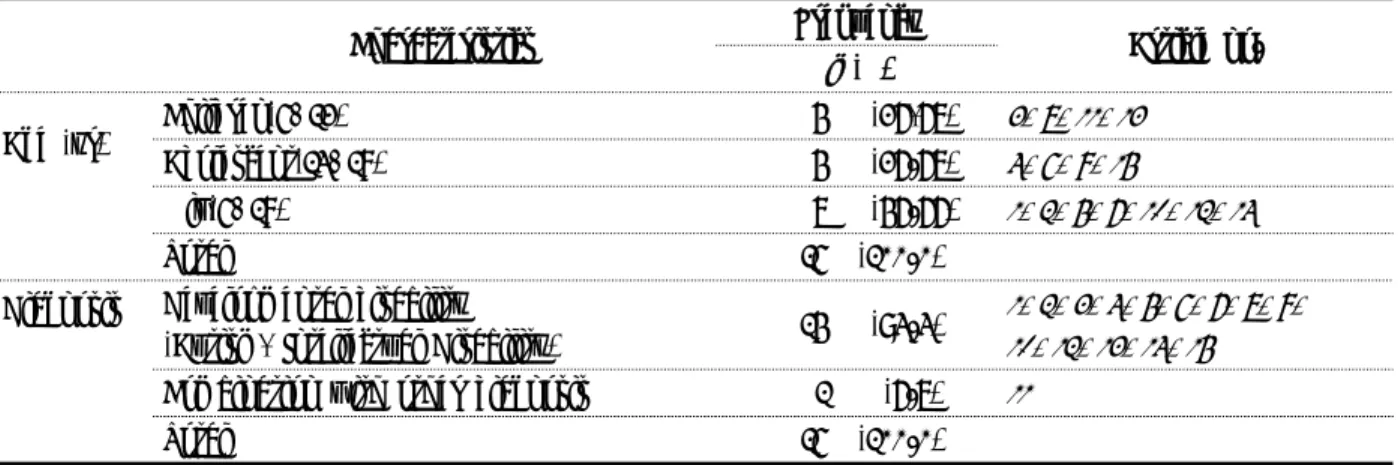
본 연구에 분석된 근거의 질적 수준은 총 15편의 논문 중 수준 Ⅰ이 1편, Ⅱ이 3편, 수준 Ⅲ이 9편, 수준 Ⅳ가 2편이었
다. 연구 설계는 단일 집단 비무작위 연구가 60%로 가장 많 았고, 두 집단 비무작위 연구가 20%, 개별실험연구가 13.3%, 무작위 임상실험 설계가 6.7%로 나타났다(Table 2). 총 검색 년도를 반분하여 질적 수준의 변화를 살펴보면 2008∼2012년도 사이에 나온 논문은 4편으로 모두 질적 수 준이 Ⅲ으로 나타났고 2013년부터 2018년까지 나온 논문이 11편으로 편수가 증가하는 경향을 보였다.
Table 2. Level of quality among each study (N=15) Evidence
level Definition Frequency
Article no.
n (%)
Ⅰ
Systematic reviews
1 (6.7) 2 Meta-analyses
Randomized controlled trials
Ⅱ Two groups non-randomized studies 3 (20.0) 6, 8, 9
Ⅲ One group non-randomized studies 9 (60.0) 1, 4, 7, 10, 11, 12, 13, 14, 15
Ⅳ Single subject designs
2 (13.3) 3, 5 Surveys
Ⅴ
Case reports
0 (0) Narrative literature reviews
Qualitative researches
Total 15 (100)
Table 3. Field of the sex education (N=15)
Categories Frequency
Article no.
n (%)
Special Education 7 (46) 4, 8, 9, 10, 11, 13, 15
Occupational Therapy 3 (19) 3, 5, 12
Child and Adolescent Psychology 2 (14) 2, 7
Social Welfare 1 ( 7) 6
Nursing 1 ( 7) 1
Education Consultation 1 ( 7) 14
Total 15 (100)
Table 4. Participant characteristics (N=15) Characteristics Frequency
Article no.
n (%)
Age (yr) Children(5-12) 4 (26,67) 3, 8, 11, 13 Adolescent(13-18) 4 (26.67) 4, 6, 9, 15
Mix(5-18) 7 (46.66) 1, 2, 5, 7, 10, 12, 14
Total 15 (100.0)
Diagnosis Developmental disability
(Autism, Intellectual Disability) 14 (93.3) 1, 2, 3, 4, 5, 6, 7, 8, 9, 10, 12, 13, 14, 15 Combination with other diagnosis 1 (6.7) 11
Total 15 (100.0)
2) 대상연구의 전문분야
연구 분야는 특수교육이 7편(47%), 작업치료 분야가 3편 (19%), 아동·청소년 심리학 2(14%)편순으로 많이 나타났다 (Table 3).
2. 성교육의 구성
1) 대상자 특성
연구 참여자의 특성은 대상자의 연령, 장애유형으로 분석 하였다. 대상자의 연령을 살펴보면 아동과 청소년을 대상으 로 한 연구는 각각 4편(26.7%)으로 동일하게 나왔고, 아동 과 청소년 모두를 대상으로 한 연구는 7편(46.7%)으로 가장 많이 나타났다. 장애유형은 자폐스펙트럼장애와 지적장애를 포함한 발달장애를 대상으로 한 연구가 14편(93.3%)으로 가 장 많았고, 다른 진단을 동반한 경우는 1편(6.7%)이었다
(Table 4).
2) 성교육 기간
중재회기는 6회기부터 30회기까지 다양했고, 각 회기 당 시간은 35분에서 60분이었다. 중재 회기 중 가장 많이 이루 어진 것은 15∼20회기로 8편(53.3%)이었고, 15회기 이하의 중재는 4편(26.7%), 20∼30회기는 3편(20%)이었다.
3) 성교육의 유형
성교육 유형의 분석은 대상논문에서 여러 종류의 교수방 법을 사용하여 다중응답으로 분석하였다. 연구 대상자들에 게 실시한 성교육의 유형 중 ‘성폭력 예방’과 ‘동그라미를 활 용한 사회-성 교육’ 프로그램을 사용한 연구가 각각 4편 (24.87%)으로 가장 많이 나타났다. ‘미술활동’과 ‘Tackling Teenage Training’ 프로그램을 사용한 연구, ‘영상을 Table 5. Types of the sex education (N=15)
Categories Frequency
Article no.
n (%)
Program
Prevent Sexual Violence 4 ( 26.67) 1, 4, 6, 10 Circles Social-Sexuality Education 4 ( 26.67) 3, 5, 11, 12 Tackling Teenage Training 2 ( 13.34) 2, 7
Art Activity 2 ( 13.34) 9, 14
Using Multimedia 1 ( 6.66) 8,
Functional Sexuality Education 1 ( 6.66) 13 Family Involved Sex Education 1 ( 6.66) 15
Total 15 (100.0)
Table 6. Contents of the sex education
Categories Frequency
Article no.
n (%) Physical and growth
(puberty, changes in sexual characteristics) 15 /(100) 1, 2, 3, 4, 5, 6, 7, 8, 9, 10, 11, 12, 13, 14, 15
Sexual consciousness
(self-identity, human rights, sex health) 14 /( 93) 1, 2, 3, 4, 5, 6, 8, 9, 10, 11, 12, 13, 14, 15
Sexual psychology
(self-esteem, emotion, friendship, love) 11 /( 73) 2, 3, 4, 5, 6, 7, 8, 9, 11, 13, 14 Relational skills
(familiar people, strangers, interaction skills) 100 /(100) 1, 2, 3, 4, 5, 6, 7 8, 9, 10, 11, 12, 13, 14, 15
Sexual risk prevention skill
(self-expression, sexual violence) 8 /( 53) 1, 4, 6, 8, 10, 11, 12, 13 Pregnancy, childbirth, marriage 7 /( 47) 2, 4, 6, 7, 8, 9, 14 ADL and IADL
(personal hygiene care, using the internet and sns) 5 /( 33) 2, 3, 7, 8, 13 Problematic sexual behavior
(touch, place distinction, body exposure) 4 /( 27) 2, 3, 13, 14 Sexual activity
(sexual desire, masturbation, contraception) 4 /( 27) 2, 6, 7, 14
Pornography 3 /( 20) 4, 6, 8
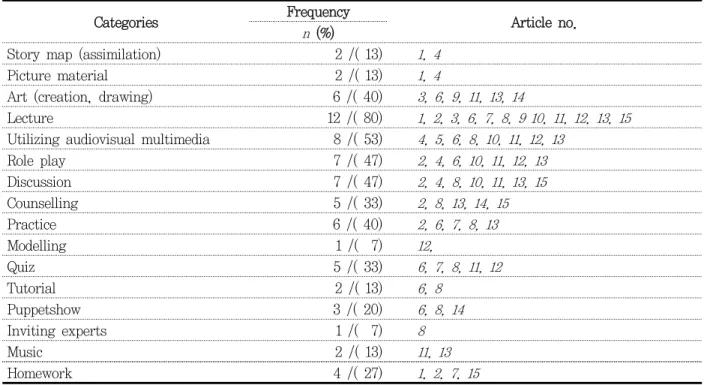
Table 7. Instructional method of the sex education
Categories Frequency
Article no.
n (%)
Story map (assimilation) 2 /( 13) 1, 4
Picture material 2 /( 13) 1, 4
Art (creation, drawing) 6 /( 40) 3, 6, 9, 11, 13, 14
Lecture 12 /( 80) 1, 2, 3, 6, 7, 8, 9 10, 11, 12, 13, 15 Utilizing audiovisual multimedia 8 /( 53) 4, 5, 6, 8, 10, 11, 12, 13
Role play 7 /( 47) 2, 4, 6, 10, 11, 12, 13 Discussion 7 /( 47) 2, 4, 8, 10, 11, 13, 15 Counselling 5 /( 33) 2, 8, 13, 14, 15
Practice 6 /( 40) 2, 6, 7, 8, 13
Modelling 1 /( 7) 12,
Quiz 5 /( 33) 6, 7, 8, 11, 12
Tutorial 2 /( 13) 6, 8
Puppetshow 3 /( 20) 6, 8, 14
Inviting experts 1 /( 7) 8
Music 2 /( 13) 11, 13
Homework 4 /( 27) 1, 2, 7, 15
사용한 멀티미디어 기반 프로그램’을 사용한 연구들이 각각 2편(12.56%)이었다. 그 외 ‘기능중심 성교육’과 ‘가족참여 성
교육’이 각각 1편(6.29%)으로 나타났다(Table 5).
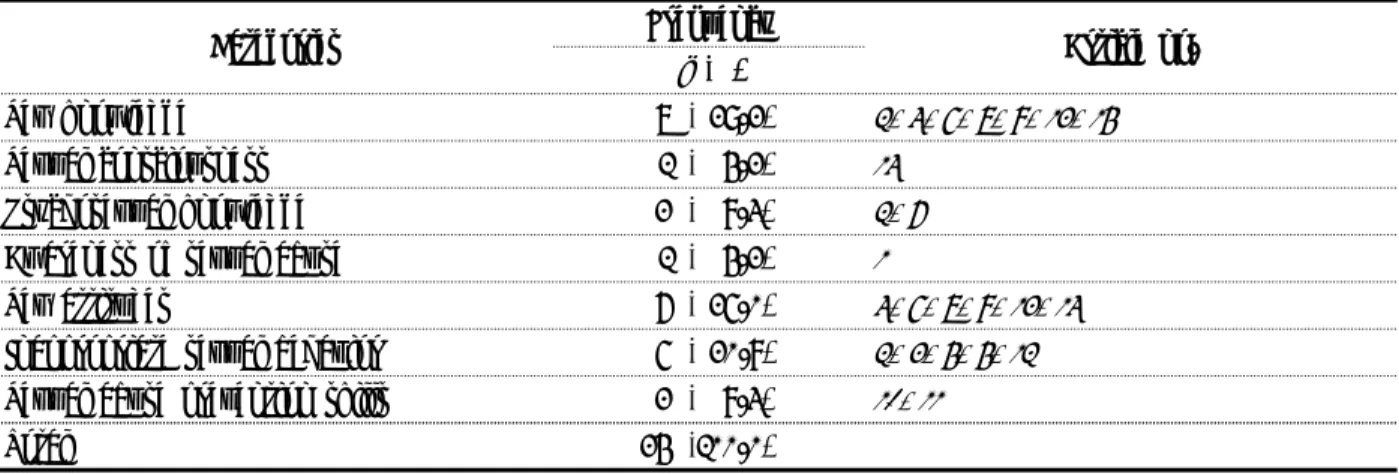
Table 8. Classification of the outcome (N=24)
Categories Frequency
Article no.
n (%)
Sex knowledge 7 ( 29.2) 2, 4, 6, 8, 9, 13, 15
Sexual consciousness 1 ( 4.2) 14
Psychosexual knowledge 2 ( 8.3) 2, 7 Awareness of sexual abuse 1 ( 4.2) 1
Sex attitudes 6 ( 25.0) 4, 6, 8, 9, 13, 14 Inappropriate sexual behavior 5 ( 20.8) 2, 3, 5, 5, 12 Sexual abuse prevention skills 2 ( 8.3) 10, 11
Total 24 (100.0)
4) 성교육의 내용
발달장애 아동·청소년에게 실시한 연구대상 논문 총 15 편에서 파악한 성교육의 핵심 내용을 10개 항목으로 분류하 였으며 다중응답으로 분석하였다(Table 5). ‘신체와 성장’,
‘대인관계 기술’ 항목은 대상논문 15편(100%) 모두 포함하여 가장 많았고 ‘성의식’ 항목은 14편(93%), ‘성심리’ 항목은 11 편(73%), ‘성위험 예방 기술’ 항목은 8편(53%) 순으로 나타 났다(Table 6).
5) 성교육의 교수방법
대상논문의 총 15편 중에서 전문을 검토하여 교수방법을 다중응답으로 분석한 결과 16개가 나타났다. 가장 많은 편수 에서 나타난 교수방법은 ‘강의’가 12편(80%)이었고, 이어서
‘시청각자료 활용’이 8편(53%)으로 나타났다(Table 7).
3. 성교육의 효과
대상논문을 검토를 통해 7개의 성교육 기대효과를 확인하 였다(Table, 8). 성교육은 ‘성지식’과 ‘성태도’, ‘문제가 되는 성행동’ 순으로 효과가 나타났다. 대상논문에서 확인한 24개 의 기대효과 중 통계학적으로 명확한 경우는 5개(22.73%), 하위영역별 결과가 통계적으로 유의미하게 다른 결과가 다 양하게 나온 경우 4개(18.18%), 통계학적 결과가 유의하지 않으나 효과적이었던 연구 10개(45.45%), 차이가 나타나지 않은 경우 3개(13.63%)로 나타났다(Appendix 1).
Ⅳ. 고찰
본 연구에서는 발달장애를 가진 아동·청소년을 위한 성 교육의 효과성을 알아본 연구를 대상으로 체계적 고찰을 시 행함으로써 임상의 아동작업치료사에게 성교육 중재 전략의 기초자료를 제공하고자 하였다. 이를 위해 2018년 9월까지 최근 10년간 국내외 학술지에 게재된 15편의 연구를 분석하 여 대상논문의 질적수준, 성교육의 유형, 전문분야, 성교육 시기, 교수방법을 분석하였다.
대상논문의 질적 수준을 보았을 때 수준Ⅰ의 무작위 임상 실험 논문과 수준Ⅱ의 중재군을 대조군과 비교할 수 있는 연 구가 26.7%였고, 수준Ⅲ의 단일집단 비무작위 연구가 나머 지 60%를 차지하였으며, 개별실험연구가 13.3%에 해당하였 다. 연구의 질적 수준은 2013년 이후 일부 향상되었고, 논문 의 편수 또한 증가하였다. 국내 아동작업치료 분야는 대상논 문의 20%를 차지하였으며, 질적 수준이 수준Ⅲ과 수준Ⅳ로 나타나 연구의 근거기반을 사용하기에 부족하다. 따라서 향 후 아동작업치료 분야에서 아동·청소년을 위한 성교육 관 련 연구를 실시함에 있어 보다 높은 근거의 영향력을 가지는 높은 질적 수준의 연구를 증가시키려는 노력이 필요하다.
본 연구를 통해 성교육 대상으로 12세 이하의 아동을 포함 한 연구가 최근 증가하고 있으며 성교육 회기의 빈도는 증가 하고 중재시간은 감소된 경향이 보여, 성교육의 대상 범위가 성인 이전의 청소년 뿐 아니라 아동까지 확장되고 있다는 것 을 알 수 있었다. 이에 발달장애를 가진 아동·청소년을 위 한 성교육을 중재할 시 나이와 발달에 적합하게 진행해야 할 것이다(Mandel & Datner, 2017). 발달장애를 가진 경우 아
동기부터 청소년기까지 성행동과 신체 이해, 위생, 안전, 접 촉, 의사표현에 대한 간결하며 반복적인 지침이 필요하다 (Balazs, 2006; Greydanus & Omar, 2008; Rebecca, 2000; Mandel & Datner, 2017). 작업치료사는 발달장애 를 가진 아동·청소년의 작업발달을 고려하여 성교육을 개 발하여 전문적이고도 반복적인 성교육이 진행되어야 할 것 이다.
성교육의 교수방법은 총 16개로 확인하였으며 그 중 강의 와 시청각자료 활용이 가장 많았다. 이는 성교육 교수자료로 시청각자료와 성교육 교과서, 지도서가 가장 많이 사용한다 는 선행연구 결과와 일치한다(Park & Lee, 2015). 대상 연 구논문에서 확인한 특징적인 것은 발달장애를 위한 성교육 에서 교육 참여자가 직접 참여하는 역할극, 토의, 미술, 상 담, 퀴즈, 숙제와 같이 다양한 교수방법으로 진행된 것이었 다. 발달장애를 위한 효과적인 성교육은 직접 참여하여 배울 수 있는 교수방법의 다양성을 보장해야 한다(Kim & Sin, 2014). 장애가 있는 경우 다양한 교수방법을 활용할 때 내용 이해가 더 용이하여 성교육의 교수방법을 다양하게 활용하 는 것이 좋다(Blanchett & Wolfe, 2002; Wu & Bang, 2013). 발달장애를 위한 아동작업치료에서의 성교육은 학습 에 대한 이해와 일반화를 위한 일방적인 전달법보다 학습에 대한 참여기회를 주는 다양한 교수방법이 적합한 것으로 판 단된다.
성교육의 유형은 ‘성폭력 예방’ 프로그램과 ‘동그라미를 활 용한 사회-성 교육’프로그램이 일치된 결과로 가장 많이 나 타났다. Champagne과 Walker-Hirsch(1983)에 의해 개 발된 ‘동그라미를 활용한 사회-성 교육’은 성폭력 위험 상황 을 판단하고 그에 알맞은 대응을 연습하도록 특별히 고안된 프로그램으로 성폭력 예방프로그램과 핵심 기대효과가 일치 한다. 이는 최근 10년간의 연구 중 발달장애 아동·청소년을 위해 성폭력 위험을 예방하고 대응하고자 개발된 성교육 프 로그램이 증가하고 있음이 시사된다. Tackling Teenage Training 프로그램의 경우 아동·청소년 심리학분야에서 성활동에 필요한 성지식과 통찰을 통해 대인관계에서 사회 적 기술을 훈련하도록 성교육에 적용하여 연구하였다 (Dekker, et al., 2015; Visser, al., 2017). 추후에는 아동 작업치료 분야에서도 작업적 도전을 준비하는 발달장애 아 동·청소년을 위한 성교육 프로그램을 개발하고 중재효과를 확인하는 연구가 필요할 것으로 보인다.
성교육의 내용 중 PSB의 경우 응용심리 분야에서 주목하
여 문제점을 명확하게 정의하며 이에 알맞은 치료적 중재를 실천하고 있다(Mandel & Datner, 2017). 이같이 응용심리 분야의 전문성으로 성행동에 관한 중재가 이루어지듯 작업 치료 분야에서도 작업에 초점을 둔 성행동 및 성교육에 관한 접근이 필요하다. Swanton(2017)은 ADL과 사회적 기술에 어려움이 있는 발달장애인의 경우 작업치료사의 전문적인 시각과 중재가 도움을 줄 것이라고 하였다. 위생관리와 옷매 무새 단장하기, 인터넷과 SNS 올바르게 사용하기와 같은
‘ADL과 IADL’, ‘대인관계 기술’의 성교육 내용은 작업치료 분야에서 활동을 작업영역으로써 정의된 전문적인 중재영역 이다. 따라서 ADL과 IADL, 사회참여에 관한 성교육 내용에 관한 중재는 아동작업치료사의 적극적인 노력이 필요하다.
본 연구에서는 발달장애를 가진 아동·청소년을 위한 성 교육 연구를 체계적 고찰하여 작업치료 임상에서 실천하기 위한 기초자료를 제시하였다. 또한 특수교육 분야만으로도 부족한 성교육의 기회에 관한 어려움을 보완하도록 발달장 애를 위한 작업치료 분야에서의 성활동 및 성교육 개입의 필 요성을 강조하였다. 작업치료사는 성교육을 주도하거나 또 는 성교육을 지도하는 교사에게 자문 및 자료를 제공하여 접 근법을 체계화하고 이를 통해 최대한의 참여를 이끌어낼 수 있다(Swanton, 2017). 공교육인 특수교육 분야에서의 성교 육과 더불어 특별한 도움이 필요한 발달장애를 가진 아동·
청소년을 위해 추가적이고 전문적인 작업치료사의 성교육을 중재를 권장하는 바이다.
본 연구의 제한점으로는 분석 연구들 간에 근거 수준 에 차이가 있어 해석하는데 제한이 있었다. 또한 성교육과 그 내용에 연구들이 꾸준히 이루어지고 있으나 명확하고 일 관된 개념 정의가 불충분하였다. 그동안 성교육 관련 연구는 특수교육 분야가 많았으며, 그 중에서도 장애아동의 성교육 에 대한 인식 및 요구, 실태, 교수방법 소개 및 프로그램 개 발의 연구가 대부분이었다(Kim, 2011; Park & Lee; 2015;
Wu & Bang; 2013). 추후에는 성교육 중재를 통한 작업참 여 효과 연구, 클라이언트의 성활동에 대한 작업치료사의 인 식조사, 성발달 척도 및 평가도구의 개발연구가 필요하다.
Ⅴ. 결론
본 발달장애를 가진 아동·청소년을 위한 성교육의 대상,
기간, 유형, 내용, 교수방법을 체계적으로 분석하여 아동작 업치료사에게 성교육에 대한 기초자료와 방향성을 제공하기 위하여 총 15편의 연구대상 논문을 중심으로 체계적 고찰을 실시하였다. 성교육의 내용으로 ‘신체와 성장’, ‘대인관계 기 술’이 가장 많았고, 제공분야는 특수교육, 작업치료 순으로 나타났다. 성교육은 ‘성지식’과 ‘성태도’, ‘문제가 되는 성행 동’에 효과적이었다. 성교육에 대한 연구는 꾸준히 이루어지 고 있으나 작업치료 분야에서는 부족한 실정이다. 따라서 성 교육에 대한 아동작업치료사의 인식을 높일 필요성이 있으 며 관련 연구가 진행되어야 할 것이다.
참고문헌
American Occupational Therapy Association. (2014).
Occupational therapy practice framework:
Domain and process (3rd ed.). American Journal of Occupational Therapy, 68(Suppl. 1), S1-S48.
American Occupational Therapy Association. (2017).
14 Sexual Health Education. In J. Swanton (Ed.), OT PRACTICE (30th ed., pp. 14-17). CE Article:
The Occupational Designer
Arbesman, M., Scheer, J., & Lieberman, D. (2008).
Using AOTA’s Critically Appraised Topic (CAT) and Critically Appraised Paper (CAP) series to link evidence to practice. Occupational Therapy Practice, 13(5), 18-22.
Blanchett, W. J., & Wolfe, P. S. (2002). A review of sexuality education curricula: Meeting the sexuality education needs of individuals with moderate and severe intellectual disabilities.
Research and Practice for Persons with Severe Disabilities, 27(1), 43-57.
Case-Smith, J., & O'Brien, J. C. (2014). Occupational Therapy for Children and Adolescents (7th ed.).
St Louis, Mo: Mosby/Elsevier Health Sciences.
Chung, S. K., & Han, K. G. (2009). Effects of Family involved sex education program on the knowledge of and attitude on sex of adolescents
with mental retardation. Children with Special Education Needs, 22, 105-129.
Champagne, M. P., & Walker-Hirsch, L. W. (1983).
Circles: A self-organization system for teaching appropriate social/sexual behavior to mentally retarded/developmentally disabled persons.
Sexuality and Disability, 5(3), 172-174.
Davis, T. N., Machalicek, W., Scalzo, R., Kobylecky, A., Campbell, V., Pinkelman, S., et al. (2016).
A review and treatment selection model for individuals with developmental disabilities who engage in inappropriate sexual behavior.
Behavior Analysis in Practice, 9(4), 389-402.
Dekker, L. P., van der Vegt, E. J., Visser, K., Tick, N., Boudesteijn, F., Verhulst, F. C., et al.
(2015). Improving psychosexual knowledge in adolescents with autism spectrum disorder: Pilot of the tackling teenage training program.
Journal of Autism and Developmental Disorders, 45(6), 1532-1540.
Government Legislation Agency. (2017). Disabled person welfare law. Republic of Korea Ministry of Government Legislation National Legal Information Center.
Gang, M. H., & Lee, S. Y. (2010). Effects of art therapy program on sexual consciousness and sex attitudes of adolescents with intellectual disabilities. Youth Behavior Research. 15, 129-148.
Jeon, I. H., & Shin, H. K. (2010). Effects on sexuality education of children with intellectual disability by functional sexuality education program.
Children with Special Education Needs, 23, 1-21.
Kim, S. H. (2013). The effects of the circles social-sexuality education program on self protection acts of children with mild mental retardation. Korean Council of Physical, Multiple & Health Disabilities, 56(3), 89-108.
Kim, S. N., & Yoo, E. J. (2013). Effects of sexuality
program using art activity on sexual attitude and knowledge for the middle school student with disabilities. Journal of Special Children Education, 15(4), 331-351.
Kim, H. J., & Ahn, H. S. (2015). Searching medical literature effectively. Hanyang Medical Reviews, 35(1), 18-22.
Kim, H. Y., & Chae, M. I. (2011). The effects of the social-sexuality education program (circles) on social–sexuality behaviors of children with mental retardation. Journal of Intellectual Disabilities, 13(1), 77-99.
Kim, H. Y., & Choi, S. K. (2015). A study on the effectiveness of sex education programs to prevent sexual violence in developmentally disabled adolescents. Journal of Korean Public Police and Security Studies, 12(2), 23-46.
Kim, I. H,. & Sin, J. S. (2014). Effects of the sex education program using multimedia and activity on the sex knowledge and attitudes of children with developmental disabilities. Journal of Intellectual Disabilities, 18, 23-43.
Kim, Y. R. (2013). The effectiveness of a sexual abuse prevention program on elementary school students with intellectual disabilities. Journal of Intellectual Disabilities, 15(2), 177-198.
Kucuk, S., Platin, N., & Erdem, E. (2017). Increasing awareness of protection from sexual abuse in children with mild intellectual disabilities: An education study. Applied Nursing Research, 38, 153-158.
McDaniels, B. W., & Fleming, A. R. (2018). Sexual health education: A missing piece in transition services for youth with intellectual and developmental disabilities? Journal of Rehabilitation, 84(3), 28-38.
Murphy, N., & Young, P. (2005). Sexuality in children and adolescents with disabilities.
Developmental Medicine & Child Neurology, 47, 640-644.
Mandel, A., & Datner, E. (2017). Sexual behaviors in children with developmental disabilities.
Journal of Alternative Medicine Research, 9(3), 257-283.
Oh, E. J., Bang, Y. S., Son, B. Y. & Hwang. M. J.
(2017). The effects of circles program using a doll on social-sexual behavior of adolescents with intellectual disabilities. Journal of the Korea Entertainment Industry Association, 11(7), 293-307.
Oh, E. J., Bang, Y. S., Son, B. Y., Hwang. M. J.,
& Bang, J. H. (2016). The effects of the social-sexuality education program applying 'circles' program on social-sexuality behaviors of children. Journal of the Korea Entertainment Industry Association, 10(4), 189-202.
Park, K. P., & Lee, Y. C. (2015). A study on the present condition of sex education conducted by the special education teachers on adolescents with intellectual disability: Focusing on studies of 2005-2014). Intellectual Disability Research, 17(4), 159-176.
Ryu, J. M., Bang, M. Y,. & Komug, Y. F. (2016). The effects of a situation-based sexual abuse prevention program on the knowledge of sexual abuse and sexual attitude of middle school students with intellectual disabilities in special class. Intellectual Disability Research, 18(1), 99-117.
Visser, K., Greaves-Lord, K., Tick, N. T., Verhulst, F. C., Maras, A., & van der Vegt, E. J. (2015).
Study protocol: A randomized controlled trial investigating the effects of a psychosexual training program for adolescents with autism spectrum disorder. BioMed Central psychiatry, 15(1), 1-10.
Visser, K., Greaves‐Lord, K., Tick, N. T., Verhulst, F. C., Maras, A., & van der Vegt, E. J. (2017).
A randomized controlled trial to examine the effects of the tackling teenage psychosexual
training program for adolescents with autism spectrum disorder. Journal of Child Psychology and Psychiatry, 58(7), 840-850.
Volkmar, F. R., & Wolf, J. M. (2013). When children with autism become adults. World Psychiatry, 12(1), 79-80.
Wu, Yan & Bang, M. Y. (2013). A review of Korean research on sexuality education for students with disabilities (2002-2012). Journal of Intellectual Disability, 15(2), 265-284.
한감각 통합치 료학회 지 V ol . 16 , N o. 3 , 20 18 ix 1 . S u m m a ry o f in te rv e n tio n s fo r p a rtic ip a tio n i n r e v ie w s tu d ie s
.Author (year)Participants N /AgeName of programIntervention intensity/ DurationProfessional fieldResults Sibel Kucuka, Nurgunlatinb & Emine Erdemc (2017)
ID N=15 10-14
Sex education programs to prevent sexual violence
20 sessions, 20-25 minNursingIncreasing awareness of protection from sexual abuse (+) Visser, K., et al. (2017)
ASD
N
=189 ICN
=95 WCCN
=94 12-18Tackling teenage psychosexual training program
18 sessions, 45 minChild psychologypsychosexual knowledge (+) decrease of problematic sexual behavior (-) Oh, E. J., et al. (2017)ID
N
=3 9, 11, 10Circles program using a doll30 sessions, 40 minOccupational therapydecrease ofinappropriate social-sexual behaviors (+) Ryu, J. M., Bang, M. Y., & Komug, Y. F. (2016)ID
N
=10 13-15Situation-based sexual abuse prevention program20 sessions, 24 minSpecial educationSex knowledge (+) Sex attitudes (-) erimental Group, CG: Control Group, IC: Intervention Condition (n = 95), WCC: Waiting-list Control Condition (n = 94) elopmentally Disabled, ASD: Autism Spectrum Disorder, ID: Intellectual disability effective item after intervention (-): An uneffective item after intervention발달장애를 가진 아동·청소년의 성교육 연구에 대한 체계적 고찰63
1 . Sum m ar y of i nt er vent io ns f or p ar tici pa tion in re vi ew s tu di es (C on t. )
Author (year)Participants N /AgeInterventionIntervention intensity/ DurationProfessional fieldResults Oh, E. J., et al. (2016)ID 12, 18 Watch sex education video Social-sexuality education program applying 'Circles' program26 sessions, 40 min/sessionOccupational therapy
Sex education video viewing did not effectively reduce inappropriate social-sexuality behaviors. (-) Allof the subjectsshoweda decrease in inadequate social-sexuality behaviors when the applying 'Circles' program. (+) Kim, H. Y. & Choi, S. K. (2015)
DD
N
=38 EGN
=22 CGN
=16 14-17Sex education programs to prevent sexual violence
16 sessions, 50 min/sessionSocial welfareSex knowledge (+) Sex attitudes (+) Dekker, L. P., et al. (2015)
ASD
N
=30 11-19Tackling teenage Training program18 sessions, 60 min/sessionChild and adolescent psychiatrypsychosexual knowledge (+) Kim, I. H. & Sin, J. S. (2014)
DD
N
=10 EGN
=5 CGN
=5 9-19Sex education program using multimedia24 sessions, 30-40min/sessionSpecial education
Sex knowledge (+) Sub-items of some sexual knowledge (-) Sexual attitude (+) Sub-items of some sexual attitude (-) Kim, S. N. & Yoo, E. J. (2013)
DD
N
=11 other diagnosisN
=3 EGN
=7 CGN
=7Sexualityprogramusing art activity16 sessions,Special education Sex knowledge (+) Sub-items of some sexual knowledge (-) Sexual attitude (+) Sub-items of some sexual attitude (-)
한감각 통합치 료학회 지 V ol . 16 , N o. 3 , 20 18 ix 1 . S u m m a ry o f in te rv e n tio n s fo r p a rtic ip a tio n i n r e v ie w s tu d ie s (Con t. )
.Author (year)Participants N/AgeName of programIntervention intensity/DurationProfessional fieldResults Kim, Y. R. (2013)IDN
=4 10-12Sexual abuse prevention Program on elementary6 sessions, 35-40 min/sessionSpecial educationSexual abuse prevention skills (+) Kim, S. H. (2013)DDN
=3 11-12Circles social-sexuality education program8 sessions, 40 min/sessionSpecial educationSelf protection Acts (+) Kim, H. Y. & Chae, M. I. (2011)DDN
=5Circles social-sexuality education program10 sessions, 50 min/sessionOccupational therapydecrease problem behaviors of all participants (+) Jeon, I. A. & Shin, H. K. (2010)ID
N
=2 10Functional sexuality education program20 sessions, 50 min/sessionSpecial educationSex knowledge (+) Sex attitudes (+) Gang, M. H. & Lee, S. Y. (2010)ID
N
=7 10-20Art therapy program12 sessions, 40 min/sessionEducation consultationSexual consciousness (+) Sex attitudes (+) Chung, S. K. & Han, K. G. (2009) IDN
=7 13-16Family involved sex education program15 sessions, 40 min/sessionSpecial educationSex knowledge (+)Abstract
A Systematic Review on Sex Education of Children and Adolescent With Developmental Disabilities
Cho, Hye-jin*, B.H.Sc., O.T., Lee, Hye-kyung**, Ph.D., O.T., Choi, Jeong-sil***, Ph.D., O.T.
*Seran Children Development Center,
**Dept. of Occupational Therapy, Kyongbuk Science College,
***Dept. of Occupational Therapy, Chungbuk Health & Science University
Objective : The purpose of this study is to analyze researches about sex education for children and adolescents with developmental disabilities in order to provide a basic data and a direction about sex education.
Methods : For the systemic review, domestic and international research articles published from August 2008 to September 2018 were searched using the electronic databases PubMed, EBSCO host (CINAHL Plus with full text), Medline (ProQuest), RISS, and KISS. Keyword used for the search was ‘Disability Disorder OR Autism (AND) AND (Effect OR Effectiveness)' for international papers and ‘Disability AND Sex Education' for domestic papers.
Total 15 articles were collected and analyzed in terms of participant, duration, type, contents, and teaching methods with PICO format.
Results : In terms of level of evidence, majority was Level Ⅲ evidence(60%). Most common contents of sex education were ‘physical and growth' and ‘relational skills'. Special education and occupational therapy were the field that sex education is provided most frequently. Effects of sex education identified were ‘sex knowledge',
‘sex attitudes', and ‘inappropriate sexual behavior'.
Conclusion : This study intend aimed to identify content, trends, and effects of sex education for children and adolescents with developmental disabilities in order to provide a basic data for clinical trial of sex education in occupational therapy practice. This study recommend further researches on the effects of sex education on occupational participation, occupational therapists' awareness of sexual activity of clients, and development of related measurement such as sexual development scale.
Key words : developmental disabilities, occupational therapy, sex education, systematic review