• 검색 결과가 없습니다.

Soy Protein Supplementation Reduces Clinical Indices in Type 2 Diabetes and Metabolic Syndrome

N/A
N/A
Protected

Academic year: 2022

Share "Soy Protein Supplementation Reduces Clinical Indices in Type 2 Diabetes and Metabolic Syndrome"

Copied!
9
0
0

로드 중.... (전체 텍스트 보기)

전체 글

(1)

INTRODUCTION

Diabetes has become a global public health challenge. The main characteristics of diabetes are chronic hyperglycemia and metabolism disturbances. And the main causes of them are defects in insulin secretion and insulin actin. Long periods of such metabolism disturbances may cause diabetes-related

complications, such as heart disease and kidney disease.

1,2

The risk of cardiovascular disease (CVD) and stroke is 3–4 times greater in patients with type 2 diabetes (T2D) than in the gen- eral population.

3,4

Metabolic syndrome (MS) is a clustering of metabolic abnormalities that occur in individuals with im- paired insulin sensitivity.

5-7

MS comprises pathological condi- tions that include insulin resistance, arterial hypertension, and so on, which promotes the development of CVDs.

8,9

The etiol- ogy of this syndrome is largely unknown; genetic, metabolic, and environmental factors, including diet, are thought to play a major role.

7,10

Foods that improve insulin sensitivity might also provide benefits to the metabolic abnormalities related with insulin resistance.

7,11

Studies on food groups are impor- tant, and there is a trend in the literature to verify the relation- ships between dietary patterns and cardiovascular risk fac- tors.

8,12

On the basis of laboratory and observational evidence, several longitudinal studies in T2D and MS have examined the relationship between soy protein supplementation and risk

Soy Protein Supplementation Reduces Clinical Indices in Type 2 Diabetes and Metabolic Syndrome

Xi-Mei Zhang

1

*, Yun-Bo Zhang

2

*, and Mei-Hua Chi

3

Departments of

1

Histology and Embryology,

2

Environmental Hygiene, and

3

Teaching Experiment Center of Morphology, Harbin Medical University, Harbin, PR China.

Purpose: Clinical trials have studied the use of soy protein for treating type 2 diabetes (T2D) and metabolic syndrome (MS). The purpose of this study was to outline evidence on the effects of soy protein supplementation on clinical indices in T2D and MS subjects by performing a meta-analysis of randomized controlled trials (RCTs).

Materials and Methods: We searched PubMed, EMBASE, and Cochrane databases up to March 2015 for RCTs. Pooled estimates and 95% confidence intervals (CIs) were calculated by the fixed-and-random-effects model. A total of eleven studies with eleven clinical variables met the inclusion criteria.

Results: The meta-analysis showed that fasting plasma glucose (FPG) [weighted mean difference (WMD), -0.207; 95% CI, -0.374 to -0.040; p=0.015], fasting serum insulin (FSI) (WMD, -0.292; 95% CI, -0.496 to -0.088; p=0.005), homeostasis model of assess- ment for insulin resistance index (HOMA-IR) (WMD, -0.346; 95% CI, -0.570 to -0.123; p=0.002), diastolic blood pressure (DBP) (WMD, -0.230; 95% CI, -0.441 to -0.019; p=0.033), low-density lipoprotein cholesterol (LDL-C) (WMD, -0.304; 95% CI, -0.461 to -0.148; p=0.000), total cholesterol (TC) (WMD, -0.386; 95% CI, -0.548 to -0.225; p=0.000), and C-reactive protein (CRP) (WMD, -0.510; 95% CI, -0.722 to -0.299; p=0.000) are significant reduced with soy protein supplementation, compared with a placebo control group, in T2D and MS patients. Furthermore, soy protein supplementation for longer duration (≥6 mo) significantly re- duced FPG, LDL-C, and CRP, while that for a shorter duration (<6 mo) significantly reduced FSI and HOMA-IR.

Conclusion: Soy protein supplementation could be beneficial for FPG, FSI, HOMA-IR, DBP, LDL-C, TC, and CRP control in plasma.

Key Words: Soy, diabetes, body weight, blood glucose, lipid

pISSN: 0513-5796 · eISSN: 1976-2437

Received: February 11, 2015 Revised: April 4, 2015 Accepted: June 1, 2015

Corresponding author: Xi-Mei Zhang, PhD, Department of Histology and Embry- ology, Harbin Medical University, 157 Baojian Rd, Nangang District, Harbin 150081, PR China.

Tel: 86-451-86674518, E-mail: [email protected]

*Xi-Mei Zhang and Yun-Bo Zhang contributed equally to this work.

•The authors have no financial conflicts of interest.

© Copyright: Yonsei University College of Medicine 2016

This is an Open Access article distributed under the terms of the Creative Com- mons Attribution Non-Commercial License (http://creativecommons.org/licenses/

by-nc/3.0) which permits unrestricted non-commercial use, distribution, and repro- duction in any medium, provided the original work is properly cited.

Yonsei Med J 2016 May;57(3):681-689

http://dx.doi.org/10.3349/ymj.2016.57.3.681

(2)

factors for CVD, such as body weight, lipids, and glucose me- tabolism, although results are controversial. Some studies have suggested a reduction in fasting plasma glucose (FPG),

2,13

blood pressure,

8

low-density lipoprotein cholesterol (LDL-C),

7,13-15

total cholesterol (TC),

7,13,15,16

C-reactive protein (CRP),

13,17

tri- glyceride (TG),

13,15,16

fasting serum insulin (FSI),

7

and homeo- stasis model of assessment for insulin resistance index (HOMA- IR),

7

while others do not.

18,19

Clinical trials have studied the use of soy protein for treating T2D and MS. The purpose of this study was to examine evi- dence on the effects of soy protein supplementation on CVD risk factors, such as body weight, FPG, and LDL-C, in T2D and MS subjects by performing a meta-analysis of randomized controlled trials (RCTs).

MATERIALS AND METHODS

Literature search

A literature search was carried out in PubMed, EMBASE, and Cochrane databases to identify all relevant RCTs about the ef- fects of soy protein supplementation on body weight, blood glucose, and other clinical indices in T2D or MS up to March 2015. We used the following medical subject heading (MeSH) terms and/or text words: “body weight” [MeSH Terms] AND

“soy protein” [MeSH Terms]; “blood glucose” [MeSH Terms]

AND “soy protein” [MeSH Terms]; and “insulin” [MeSH Terms]

AND “soy protein” [MeSH Terms] et al. We only reviewed original articles in English. We searched all computer-identified publications, “Related Articles” on the same topic in PubMed, and the reference lists of the reviewed articles.

Criteria of inclusion

Any study that met the following criteria was included: 1) RCTs focusing on the effect of soy protein supplementation on body weight, blood glucose, or other clinical indices; 2) body weight, glucose plasma levels, etc. were presented as mean (±SD) in- stead of medians; and 3) subjects were diagnosed with T2D or MS patients. The definition of intervention was a diet with soy protein supplementation whose content was given. The con- trol group comprised placebo controls. All human studies that met the above criteria were included, regardless of dose of sup- plementation and the length of follow-up.

Data extraction

Two investigators assessed the articles independently accord- ing to the inclusion criteria, and made a consistent decision.

From each study, we obtained the following information: name of the first author, year of publication, sample size, means, and SD/SE.

20

Statistical analysis

When the data were reported as standard errors of means (SEM),

SD was obtained by multiplying SEM by the square-root of the sample size: SD=SEM×√N. The change (Δ) was calculated by the following formula: ΔBW=BW

1

-BW

2

, where BW is body weight, and BW

1

and BW

2

are the mean values of BW before and after treatment. The variance (consequently SD) of ΔBW was estimated as follows:

21,22

ΔSD

2

=SD

12

+SD

22

-2r×SD

1

×SD

2

, where ΔSD is the change in SD of BW levels, and SD

1

and SD

2

are the means of baseline and end SD value of BW. r is the correlation between the baseline and the end values. We as- sumed a correlation r of 0.5 as described previously.

22,23

Blood glucose and other clinical indices were calculated by the same method.

For each meta-analysis, the weighted mean difference (WMD) was generated by a fixed effect model with I

2

less than 50%

and random effect model with I

2

more than 50%. The corre- sponding p values and 95% confidence intervals (CIs) of Z-sta- tistics were also calculated. To examine potential publication bias, funnel plots and Egger’s regression test were used. Sensi- tivity analyses were conducted by the One Study Removed meth- od test. We adopted Duval and Tweedie’s trim and fill to mod- ulate the influence of unpublished studies on the summarized effects. Analyses were performed with Comprehensive Meta- Analysis software.

22

RESULTS

Characteristics of studies and quantitative synthesis A total of 1978 studies were identified from the primary com- puterized literature search for potentially relevant studies.

Studies including reviews, animal experiments, duplicated

Fig. 1. Flow diagram of included/excluded studies. HOMA-IR, homeosta- sis model of assessment for insulin resistence index; TG, triglyceride; CRP, C-reactive protein; T2D, type 2 diabetes; MS, metabolic syndrome; SBP, systolic blood pressure; DBP, diastolic blood pressure; LDL-C, low-density lipoprotein cholesterol; HDL-C, high-density lipoprotein cholesterol; TC, total cholesterol.

References identified

(n=332 for body weight, n=129 for blood glucose, n=201 for insulin level, n=4 for HOMA-IR, n=48 for hemoglobin, n=137 for blood pressure, n=347 for lipoprotein, n=225 for TG, n=490 for cholesterol, and n=65 for CRP)

References excluded for 1) Repeated references 2) No original data

3) Observational epidemiology study 4) Data not expressed as mean ±SD 5) No T2D or MS subjects

Trials included in meta-analysis

(n=7 for body weight, n=9 for blood glucose, n=5 for insulin level,

n=3 for HOMA-IR, n=8 for SBP, n=8 for DBP, n=11 for LDL-C,

n=11 for HDL-C, n=12 for TG, n=11 for TC, and n=7 for CRP)

(3)

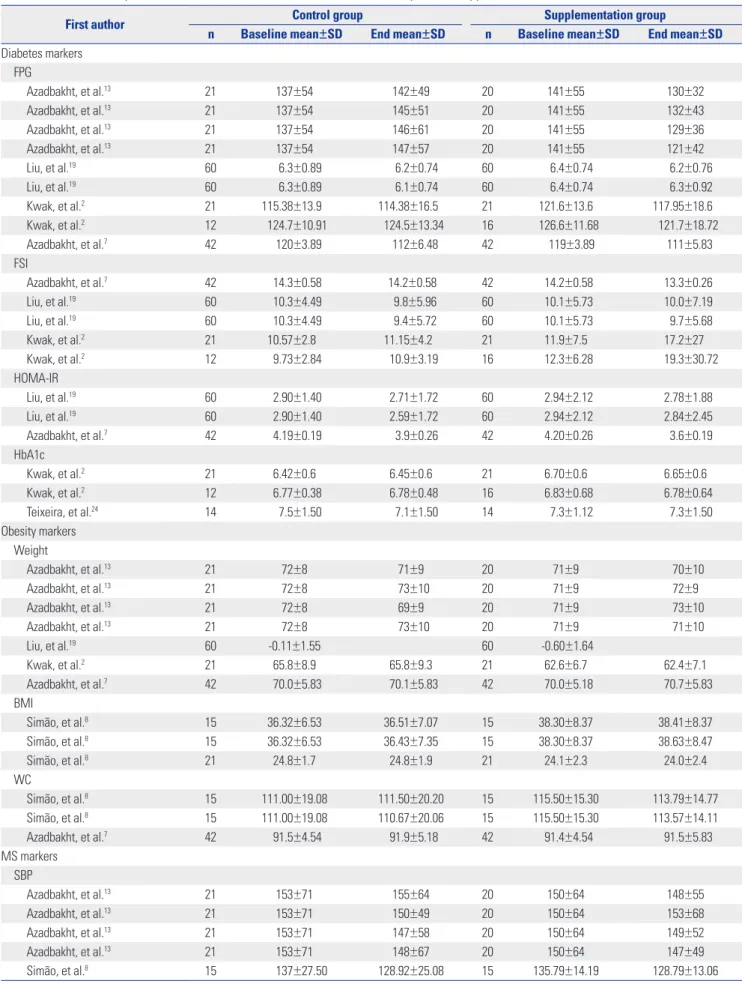
Table 1. Diabetes, Obesity, and MS Markers Level at Baseline and at the End of Soy Protein Supplementation

First author Control group Supplementation group

n Baseline mean ±SD End mean ±SD n Baseline mean ±SD End mean ±SD Diabetes markers

FPG

Azadbakht, et al.

13

21 137±54 142±49 20 141±55 130±32

Azadbakht, et al.

13

21 137±54 145±51 20 141±55 132±43

Azadbakht, et al.

13

21 137±54 146±61 20 141±55 129±36

Azadbakht, et al.

13

21 137±54 147±57 20 141±55 121±42

Liu, et al.

19

60 6.3±0.89 6.2±0.74 60 6.4±0.74 6.2±0.76

Liu, et al.

19

60 6.3±0.89 6.1±0.74 60 6.4±0.74 6.3±0.92

Kwak, et al.

2

21 115.38±13.9 114.38±16.5 21 121.6±13.6 117.95±18.6

Kwak, et al.

2

12 124.7±10.91 124.5±13.34 16 126.6±11.68 121.7±18.72

Azadbakht, et al.

7

42 120±3.89 112±6.48 42 119±3.89 111±5.83

FSI

Azadbakht, et al.

7

42 14.3±0.58 14.2±0.58 42 14.2±0.58 13.3±0.26

Liu, et al.

19

60 10.3±4.49 9.8±5.96 60 10.1±5.73 10.0±7.19

Liu, et al.

19

60 10.3±4.49 9.4±5.72 60 10.1±5.73 9.7±5.68

Kwak, et al.

2

21 10.57±2.8 11.15±4.2 21 11.9±7.5 17.2±27

Kwak, et al.

2

12 9.73±2.84 10.9±3.19 16 12.3±6.28 19.3±30.72

HOMA-IR

Liu, et al.

19

60 2.90±1.40 2.71±1.72 60 2.94±2.12 2.78±1.88

Liu, et al.

19

60 2.90±1.40 2.59±1.72 60 2.94±2.12 2.84±2.45

Azadbakht, et al.

7

42 4.19±0.19 3.9±0.26 42 4.20±0.26 3.6±0.19

HbA1c

Kwak, et al.

2

21 6.42±0.6 6.45±0.6 21 6.70±0.6 6.65±0.6

Kwak, et al.

2

12 6.77±0.38 6.78±0.48 16 6.83±0.68 6.78±0.64

Teixeira, et al.

24

14 7.5±1.50 7.1±1.50 14 7.3±1.12 7.3±1.50

Obesity markers Weight

Azadbakht, et al.

13

21 72±8 71±9 20 71±9 70±10

Azadbakht, et al.

13

21 72±8 73±10 20 71±9 72±9

Azadbakht, et al.

13

21 72±8 69±9 20 71±9 73±10

Azadbakht, et al.

13

21 72±8 73±10 20 71±9 71±10

Liu, et al.

19

60 -0.11±1.55 60 -0.60±1.64

Kwak, et al.

2

21 65.8±8.9 65.8±9.3 21 62.6±6.7 62.4±7.1

Azadbakht, et al.

7

42 70.0±5.83 70.1±5.83 42 70.0±5.18 70.7±5.83

BMI

Simão, et al.

8

15 36.32±6.53 36.51±7.07 15 38.30±8.37 38.41±8.37

Simão, et al.

8

15 36.32±6.53 36.43±7.35 15 38.30±8.37 38.63±8.47

Simão, et al.

8

21 24.8±1.7 24.8±1.9 21 24.1±2.3 24.0±2.4

WC

Simão, et al.

8

15 111.00±19.08 111.50±20.20 15 115.50±15.30 113.79±14.77

Simão, et al.

8

15 111.00±19.08 110.67±20.06 15 115.50±15.30 113.57±14.11

Azadbakht, et al.

7

42 91.5±4.54 91.9±5.18 42 91.4±4.54 91.5±5.83

MS markers SBP

Azadbakht, et al.

13

21 153±71 155±64 20 150±64 148±55

Azadbakht, et al.

13

21 153±71 150±49 20 150±64 153±68

Azadbakht, et al.

13

21 153±71 147±58 20 150±64 149±52

Azadbakht, et al.

13

21 153±71 148±67 20 150±64 147±49

Simão, et al.

8

15 137±27.50 128.92±25.08 15 135.79±14.19 128.79±13.06

(4)

Table 1. Diabetes, Obesity, and MS Markers Level at Baseline and at the End of Soy Protein Supplementation (Continued)

First author Control group Supplementation group

n Baseline mean±SD End mean±SD n Baseline mean±SD End mean±SD

Simão, et al.

8

15 137±27.50 127.58±23.67 15 135.79±14.19 132.43±14.25

Azadbakht, et al.

7

42 136±4.54 131±7.78 42 136±4.54 132±4.54

Kwak, et al.

2

21 126.7±13.4 124.2±13.3 21 125.1±14.8 128.2±12.0

DBP

Azadbakht, et al.

13

21 91±41 95±36 20 96±23 92±32

Azadbakht, et al.

13

21 91±41 96±42 20 96±23 90±26

Azadbakht, et al.

13

21 91±41 94±39 20 96±23 94±33

Azadbakht, et al.

13

21 91±41 93±43 20 96±23 93±29

Simão, et al.

8

15 87.33±18.86 80.25±13.25 15 91.00±11.80 83.00±13.74

Simão, et al.

8

15 87.33±18.86 89.25±15.57 15 91.00±11.80 80.07±10.46

Azadbakht, et al.

7

42 87±0.65 84.0±3.24 42 87±1.30 85.0±3.24

Kwak, et al.

2

21 74.5±9.7 74.3±9.5 21 73.6±10.8 75.1±8.8

LDL-C

Liu, et al.

18

60 3.81±0.88 3.62±0.76 60 3.94±0.90 3.77±0.77

Liu, et al.

18

60 3.81±0.88 3.68±0.82 60 3.94±0.90 3.82±0.85

Azadbakht, et al.

13

21 151±15 153±20 20 149±16 141±21

Azadbakht, et al.

13

21 151±15 148±11 20 149±16 138±19

Azadbakht, et al.

13

21 151±15 156±29 20 149±16 132±26

Azadbakht, et al.

13

21 151±15 158±31 20 149±16 128±14

Azadbakht, et al.

15

14 144.2±6.7 146.2±6.7 14 145±6.3 138.7±8.9

Kwak, et al.

2

21 119.6±31.4 119.9±31.2 21 114.4±25.9 123.1±23.9

Teixeira, et al.

24

14 2.50±0.63 2.51±0.71 14 2.61±0.75 2.55±0.75

Pipe, et al.

14

29 2.98±2.15 2.90±0.65 29 2.95±0.65 2.78±0.70

Azadbakht, et al.

7

42 143±5.18 134±21.39 42 142±3.89 127±15.55

HDL-C

Liu, et al.

18

60 1.65±0.30 1.57±0.31 60 1.66±0.37 1.63±0.37

Liu, et al.

18

60 1.65±0.30 1.58±0.30 60 1.66±0.37 1.64±0.37

Azadbakht, et al.

13

21 43±11 46±17 20 49±14 47±19

Azadbakht, et al.

13

21 43±11 40±22 20 49±14 52±25

Azadbakht, et al.

13

21 43±11 43±15 20 49±14 50±20

Azadbakht, et al.

13

21 43±11 45±19 20 49±14 53±31

Azadbakht, et al.

15

14 45.8±12.2 46.4±13.5 14 46.5±12.8 49.1±12.6

Kwak, et al.

2

21 45.6±8.8 45.8±8.8 21 46.5±12.9 44.9±9.7

Teixeira, et al.

24

14 0.92±0.19 0.89±0.22 14 0.96±0.22 1.00±0.19

Pipe, et al.

14

29 1.16±0.27 1.12±0.22 29 1.19±0.27 1.14±0.27

Azadbakht, et al.

7

42 31.0±2.59 33.3±4.54 42 32.0±2.59 34.0±4.54

TG

Liu, et al.

18

60 1.30±0.70 1.24±0.66 60 1.35±0.79 1.34±0.79

Liu, et al.

18

60 1.30±0.70 1.28±0.74 60 1.35±0.79 1.39±1.02

Azadbakht, et al.

13

21 238±39 235±45 20 249±51 239±42

Azadbakht, et al.

13

21 238±39 239±36 20 249±51 236±40

Azadbakht, et al.

13

21 238±39 228±42 20 249±51 231±37

Azadbakht, et al.

13

21 238±39 232±49 20 249±51 224±43

Azadbakht, et al.

15

14 240.5±61.6 243.7±61.0 14 242.5±60.0 232.6±62.1

Kwak, et al.

2

21 128.1±47.1 129.1±67.3 21 128.1±81.4 126.6±87.0

Teixeira, et al.

24

14 2.32±1.76 2.18±1.38 14 1.95±1.23 1.90±1.09

Pipe, et al.

14

29 1.18±0.43 1.14±0.43 29 1.11±0.48 1.13±0.48

Anderson, et al.

16

8 2.88±3.03 3.22±2.97 8 3.36±3.20 2.91±2.66

Azadbakht, et al.

7

42 219±8.42 213±7.78 42 220±7.13 210±11.02

(5)

publications, lack of interest in the presently investigated rela- tionship, and no soy protein supplementation were excluded.

Finally, 7, 9, 5, 3, 8, 8, 11, 11, 12, 11, and 7 studies for body weight, blood glucose, insulin level, HOMA-IR, systolic blood pressure (SBP), diastolic blood pressure (DBP), LDL-C, high- density lipoprotein cholesterol (HDL-C), TG, TC, and CRP, re- spectively, were included in the meta-analysis (Fig. 1). Table 1 shows the means, SDs (pre/post or change), and number of participants for the supplementation and control groups.

Body weight

Seven RCTs on body weight met our inclusion criteria. A total of 203 subjects with soy protein supplementation and 207 con- trol subjects were identified (Table 2). Among the eleven stud- ies, the duration of treatment varied from 8 weeks to 4 years.

The overall effect on body weight in T2D and MS individuals was not significant (WMD, -0.072; 95% CI, -0.266 to 0.122;

p=0.467; I

2

, 0.000) (Table 2).

Diabetes markers Blood glucose

Nine trials on the relationship between soy protein supplemen- tation and blood glucose level met our inclusion criteria (Table 2). A total of 279 T2D or MS patients with soy protein supple- mentation and 279 control patients were included in this anal-

ysis. The duration of treatment varied from 8 weeks to 4 years.

Overall, a significant result was detected (WMD, -0.207; 95%

CI: -0.374 to -0.040; p=0.015; I

2

=0.000) with the random-effect model in glucose level with soy protein supplementation. Sub- jects consuming soy protein for a longer duration (≥6 mo:

WMD, -0.302; 95% CI, -0.536 to -0.068; p=0.012; I

2

=0.000) had a notably lower glucose level than that for shorter durations (<6 mo: WMD, -0.110; 95% CI, -0.347 to 0.128; p=0.365; I

2

= 0.000) in the random-effect model (Table 2).

Insulin and HOMA-IR

Five trials with 199 soy subjects and 195 control subjects for the relationship between soy protein supplementation and insulin level were included in this meta-analysis (Table 2). A random-effect model was used to evaluate the influence of soy on insulin levels. A significant difference was found in in- sulin levels with soy protein supplementation (WMD, -0.292;

95% CI, -0.496 to -0.088; p=0.005; I

2

=90.289). Subjects that con- sumed soy protein for a shorter duration (<6 mo: WMD, -0.390;

95% CI, -0.638 to -0.142; p=0.002; I

2

=92.374) had notably lower insulin levels than those for a longer duration (≥6 mo: WMD, -0.088; 95% CI, -0.446 to 0.270; p=0.631; I

2

=0.000) in the ran- dom-effect model (Table 2).

Three trials with 162 soy protein subjects and 162 control subjects for the relationship between soy protein supplemen- tations and the HOMA-IR were included in this analysis (Table Table 1. Diabetes, Obesity, and MS Markers Level at Baseline and at the End of Soy Protein Supplementation (Continued)

First author Control group Supplementation group

n Baseline mean±SD End mean±SD n Baseline mean±SD End mean±SD TC

Liu, et al.

18

60 5.63±0.93 5.33±0.87 60 5.83±0.94 5.58±0.84

Liu, et al.

18

60 5.63±0.93 5.43±0.92 60 5.83±0.94 5.67±0.87

Azadbakht, et al.

13

21 218±38 221±45 20 225±48 216±39

Azadbakht, et al.

13

21 218±38 225±53 20 225±48 209±35

Azadbakht, et al.

13

21 218±38 227±56 20 225±48 207±38

Azadbakht, et al.

13

21 218±38 228±48 20 225±48 201±35

Azadbakht, et al.

15

14 197.0±47.2 200.5±48.9 14 201.4±45.2 188.7±41.0

Kwak, et al.

2

21 190.8±29.8 191.5±33.1 21 186.5±31.8 193.3±29.2

Pipe, et al.

14

29 4.67±0.97 4.53±0.81 29 4.64±0.86 4.43±0.92

Anderson, et al.

16

8 4.96±1.39 5.12±1.39 8 5.32±1.53 5.01±1.33

Azadbakht, et al.

7

42 238±6.48 228±5.83 42 239±5.83 217±3.24

CRP

Liu, et al.

18

60 1.24±3.11 1.08±2.42 60 1.01±2.06 1.16±2.54

Liu, et al.

18

60 1.24±3.11 1.11±3.32 60 1.01±2.06 0.91±1.48

Azadbakht, et al.

13

21 3.5±0.2 3.7±0.1 20 3.8±0.1 3.2±0.1

Azadbakht, et al.

13

21 3.5±0.2 3.6±0.3 20 3.8±0.1 3.1±0.1

Azadbakht, et al.

13

21 3.5±0.2 3.8±0.1 20 3.8±0.1 2.5±0.08

Azadbakht, et al.

13

21 3.5±0.2 3.9±0.2 20 3.8±0.1 2.4±0.1

Azadbakht, et al.

17

42 -1.7±0.6 42 -2.0±0.3

MS, metabolic syndrome; FPG, fasting plasma glucose; FSI, fasting serum insulin; HOMA-IR, homeostasis model of assessment for insulin resistence index;

HbA1c, hemoglobin A1c; BMI, body mass index; WC, waist circumference; SBP, systolic blood pressure; DBP, diastolic blood pressure; LDL-C, low-density lipo-

protein cholesterol; HDL-C, high-density lipoprotein cholesterol; TG, triglyceride; TC, total cholesterol; CRP, C-reactive protein.

(6)

Table 2. Subgroup Analysis of the Effect of Soy Protein Supplementation on Diabetes, Obesity, and MS Markers in T2D and MS Patients

Trials n (con/supp) WMD (95% CI) p value I

2

Diabetes markers FPG

Overall 9 279/279 -0.207 (-0.374 to -0.040) 0.015 0.000

Duration

<6 mo 4 135/139 -0.110 (-0.347 to 0.128) 0.365 0.000

≥6 mo 5 144/140 -0.302 (-0.536 to -0.068) 0.012 0.000

FSI

Overall 5 195/199 -0.292 (-0.496 to -0.088) 0.005 90.289

Duration

<6 mo 4 135/139 -0.390 (-0.638 to -0.142) 0.002 92.374

≥6 mo 1 60/60 -0.088 (-0.446 to 0.270) 0.631 0.000

HOMA-IR

Overall 3 162/162 -0.346 (-0.570 to -0.123) 0.002 91.173

Duration

<6 mo 2 102/102 -0.504 (-0.790 to -0.218) 0.001 94.913

≥6 mo 1 60/60 -0.099 (-0.457 to 0.259) 0.587 0.000

Obesity markers Weight

Overall 7 207/203 -0.072 (-0.266 to 0.122) 0.467 0.000

Duration

<6 mo 2 63/63 -0.077 (-0.426 to 0.273) 0.667 0.000

≥6 mo 5 144/140 -0.070 (-0.304 to 0.164) 0.557 24.484

MS markers SBP

Overall 8 177/173 -0.027 (-0.237 to 0.183) 0.799 0.000

Duration

<6 mo 4 93/93 -0.032 (-0.320 to 0.257) 0.830 6.487

≥6 mo 4 84/80 -0.022 (-0.329 to 0.284) 0.886 0.000

DBP

Overall 8 177/173 -0.230 (-0.441 to -0.019) 0.033 0.000

Duration

<6 mo 4 93/93 -0.253 (-0.544 to 0.038) 0.089 48.021

≥6 mo 4 84/80 -0.205 (-0.512 to 0.102) 0.191 0.000

LDL-C

Overall 11 324/320 -0.304 (-0.461 to -0.148) 0.000 45.995

Duration

<6 mo 5 166/166 -0.160 (-0.375 to 0.056) 0.147 0.000

≥6 mo 6 158/154 -0.382 (-0.609 to -0.156) 0.001 57.827

HDL-C

Overall 11 324/320 -0.047 (-0.202 to 0.107) 0.548 0.000

Duration

<6 mo 5 166/166 -0.081 (-0.296 to 0.135) 0.463 0.000

≥6 mo 6 158/154 -0.012 (-0.235 to 0.210) 0.916 0.000

TG

Overall 12 332/328 -0.094 (-0.248 to 0.059) 0.227 0.000

Duration

<6 mo 6 174/174 -0.101 (-0.312 to 0.110) 0.347 0.000

≥6 mo 6 158/154 -0.087 (-0.310 to 0.136) 0.444 0.000

TC

Overall 11 318/314 -0.386 (-0.548 to -0.225) 0.000 85.275

(7)

2). A significant difference was detected (WMD, -0.346; 95%

CI, -0.570 to -0.123; p=0.002; I

2

=91.173). Subjects that consumed soy protein for a shorter duration (<6 mo: WMD, -0.504; 95%

CI, -0.790 to -0.218; p=0.001; I

2

=94.913) had notably lower HOMA-IR than that for a longer duration (≥6 mo: WMD, -0.099;

95% CI, -0.457 to 0.259; p=0.587; I

2

=0.000) in the random-effect model (Table 2).

Metabolic syndrome markers Systolic blood pressure and DBP

The SBP (soy n=173; control n=177) and DBP (soy n=173; con- trol n=177) were measured in ten trials studies. Overall, SBP (WMD, -0.027; 95% CI, -0.237 to 0.183; p=0.799; I

2

=0.000) was not significantly correlated, whereas a significant difference in DBP with soy protein supplementation was detected (WMD, -0.230; 95% CI, -0.441 to -0.019; p=0.033; I

2

=0.000) in the ran- dom-effect model (Table 2).

LDL-C, HDL-C, TG, and TC

In eleven studies, LDL-C (soy n=320; control n=324), HDL-C (soy n=320; control n=324), and TC (soy n=314; control n=318) were analyzed, while TG (soy n=328; control n=332) was mea- sured in twelve studies. Overall, significant differences were detected in LDL-C (WMD, -0.304; 95% CI, -0.461 to -0.148; p=

0.000; I

2

=45.995) and TC (WMD, -0.386; 95% CI, -0.548 to -0.225; p=0.000; I

2

=85.275) with soy protein supplementation.

Furthermore, as for LDL-C, longer duration (≥6 mo) seemed to be more effective (WMD, -0.382; 95% CI, -0.609 to -0.156;

p=0.001; I

2

=57.827), compared to a shorter duration (<6 mo) (WMD, -0.160; 95% CI, -0.375 to 0.056; p=0.147; I

2

=0.000). How- ever, no significant differences were detected in HDL-C and TG level with soy protein supplementation in the random-ef- fect model (Table 2).

CRP

Seven studies investigated the association between CRP and soy protein supplementation (soy n=242; control n=246). Over- all, a significant difference was detected in this analysis (WMD,

-0.510; 95% CI, -0.722 to -0.299; p=0.000; I

2

=97.745). On the basis of duration, we found a remarkable difference in the lon- ger duration (≥6 mo) treatment group (WMD, -0.971; 95% CI, -1.298 to -0.645; p=0.000; I

2

=98.375), compared with the short- er duration (<6 mo) treatment group (WMD, -0.178; 95% CI, -0.456 to 0.099; p=0.208; I

2

=85.463) in the random-effect mod- el (Table 2).

DISCUSSION

In this meta-analysis, we found significant changes in FPG, FSI, HOMA-IR, DBP, LDL-C, TC, and CRP with soy protein supple- mentation, compared with the placebo control group, in T2D or MS population. In this meta-analysis, we collected a large number of references and stratified different subgroups.

Overweight and obesity are health problems that increase the risk of CVD and T2D. In this meta-analysis, we failed to show that soy protein supplementation could significantly reduce body weight in T2D or MS population. Soy protein supplemen- tation seems to be ineffective in reducing body weight.

We also found that soy protein improved glycemic control.

Compared with the control diet, HOMA-IR decreased signifi- cantly at the end of soy protein dieting. It is highly possible that a shorter duration (<6 mo) of soy protein supplementation is more effective in improving HOMA-IR than a longer duration (≥6 mo).

The notion that oral soy supplementation might have effects on lowering insulin levels has been reported previously.

7,13

In this meta-analysis, soy protein with or without soy isoflavone supplementation resulted in favorable changes in the descrip- tors for FSI. Furthermore, soy protein supplementation for a shorter term (<6 mo) seemed to be more effective in reducing FSI. Favorable effects of soy protein with or without soy isofla- vone supplementation on FSI in T2D or MS patients need to be further confirmed.

Several reports have revealed that a shorter or longer dura- tion of supplementation alters blood glucose level, compared with a placebo group.

7,13

In this meta-analysis, we found lon- Table 2. Subgroup Analysis of the Effect of Soy Protein Supplementation on Diabetes, Obesity, and MS Markers in T2D, and MS Patients (Continued)

Trials n (con/supp) WMD (95% CI) p value I

2

Duration

<6 mo 6 174/174 -0.443 (-0.666 to -0.220) 0.000 91.927

≥6 mo 5 144/140 -0.324 (-0.559 to -0.088) 0.007 26.703

CRP

Overall 7 246/242 -0.510 (-0.722 to -0.299) 0.000 97.745

Duration

<6 mo 2 102/102 -0.178 (-0.456 to 0.099) 0.208 85.463

≥6 mo 5 144/140 -0.971 (-1.298 to -0.645) 0.000 98.375

MS, metabolic syndrome; T2D, type 2 diabetes; FPG, fasting plasma glucose; FSI, fasting serum insulin; HOMA-IR, homeostasis model of assessment for insulin

resistence index; SBP, systolic blood pressure; DBP, diastolic blood pressure; LDL-C, low-density lipoprotein cholesterol; HDL-C, high-density lipoprotein choles-

terol; TG, triglyceride; TC, total cholesterol; CRP, C-reactive protein.

(8)

ger supplementation duration (≥6 mo) reduced blood glucose levels significantly. Therefore, longer duration of soy protein supplementation is better to reduce blood glucose.

In the present study, serum LDL-C was significantly reduced in soy protein consumption group, compared with a control group, which is consistent with the majority of prior soy inter- vention stdies in adults with T2D.

7,13,15

In contrast, in three other studies, serum LDL-C did not change significantly in adults with T2D following consumption of extracted soy protein.

2,18,24

Serum TC was significantly affected by soy protein consump- tion in the current meta-analysis study, which is consistent with previous soy intervention studies.

24

Serum HDL-C levels were not significantly affected by soy protein consumption in the current meta-analysis, which is consistent with previous stud- ies.

2,7,13-15,18

In a few studies HDL-C was found to be significantly increased.

24

Overall, the majority of soy intervention studies in adults with T2D did not demonstrate effects on HDL-C; nev- ertheless, maintenance of HDL-C while reducing LDL-C con- centrations may be regarded as a desirable outcome.

Serum TG was not significantly affected by soy protein con- sumption in the current meta-analysis, which is consistent with previous studies.

2,7,14,18

In contrast, however, some other studies on adults with T2D or MS did find significant reduc- tions in TG.

13,15,16

The above conflicting results mean that serum TG should been further researched in future soy intervention studies in patients with T2D or MS.

It has been reported that circulating inflammatory markers levels are higher in diabetic patients.

13,25

Our findings suggest that longer term soy protein substitution in the diet decreases CRP significantly, compared with placebo. The improvements in inflammation status of soy protein group might result in a decline in CVD risk and also renal failure.

13,17

When interpreting this meta-analysis, some limitations need to be considered. First, on the analyses of clinical indices, the large between-study heterogeneity in the effects of soy protein emerged. To identify the potential sources of heterogeneity, we conducted a sub-analysis, although we failed to find a clear explanation. Variability of experimental designs or exposition protocols may result in the conflicting results. Second, due to the limitations in quantity and size of experiments, the interac- tions among physical status, usage amount, and term of soy protein supplementation on body weight, blood glucose, and other clinical indices were not analyzed in this study. There- fore, larger and better designed intervention studies are still needed.

Soy protein supplementation could improve CVD risks and significantly improve glucose metabolism, compared with pla- cebo, in T2D or MS patients. Furthermore, shorter supplement duration could significantly reduce FSI and HOMA-IR, where- as longer supplement duration could remarkably reduce blood glucose, LDL-C, and CRP. Hence, dietary soy protein supple- mentation might have a potential beneficial effect on diabe- tes. However, larger and more well-designed studies are rec-

ommended.

ACKNOWLEDGEMENTS

The work was performed at Harbin Medical University.

This work was supported by the Natural Science Foundation of China (Grant No. 81302420); Heilongjiang Province Study Abroad Returnees Science Fund (LC2015028).

REFERENCES

1. Yki-Järvinen H. Glucose toxicity. Endocr Rev 1992;13:415-31.

2. Kwak JH, Lee JH, Ahn CW, Park SH, Shim ST, Song YD, et al. Black soy peptide supplementation improves glucose control in sub- jects with prediabetes and newly diagnosed type 2 diabetes mel- litus. J Med Food 2010;13:1307-12.

3. Beckman JA, Creager MA, Libby P. Diabetes and atherosclerosis:

epidemiology, pathophysiology, and management. JAMA 2002;

287:2570-81.

4. Clerici C, Nardi E, Battezzati PM, Asciutti S, Castellani D, Corazzi N, et al. Novel soy germ pasta improves endothelial function, blood pressure, and oxidative stress in patients with type 2 diabetes. Di- abetes Care 2011;34:1946-8.

5. Lau DC, Yan H, Dhillon B. Metabolic syndrome: a marker of pa- tients at high cardiovascular risk. Can J Cardiol 2006;22 Suppl B:

85B-90B.

6. Das UN. Is metabolic syndrome X an inflammatory condition? Exp Biol Med (Maywood) 2002;227:989-97.

7. Azadbakht L, Kimiagar M, Mehrabi Y, Esmaillzadeh A, Padyab M, Hu FB, et al. Soy inclusion in the diet improves features of the met- abolic syndrome: a randomized crossover study in postmenopaus- al women. Am J Clin Nutr 2007;85:735-41.

8. Simão AN, Lozovoy MA, Simão TN, Dichi JB, Matsuo T, Dichi I. Ni- tric oxide enhancement and blood pressure decrease in patients with metabolic syndrome using soy protein or fish oil. Arq Bras En- docrinol Metabol 2010;54:540-5.

9. Reaven GM. Banting lecture 1988. Role of insulin resistance in human disease. Diabetes 1988;37:1595-607.

10. Hollenberg NK. Genetic versus environmental etiology of the met- abolic syndrome among male and female twins. Curr Hypertens Rep 2002;4:178.

11. Jayagopal V, Albertazzi P, Kilpatrick ES, Howarth EM, Jennings PE, Hepburn DA, et al. Beneficial effects of soy phytoestrogen intake in postmenopausal women with type 2 diabetes. Diabetes Care 2002;25:1709-14.

12. Esmaillzadeh A, Kimiagar M, Mehrabi Y, Azadbakht L, Hu FB, Wil- lett WC. Dietary patterns, insulin resistance, and prevalence of the metabolic syndrome in women. Am J Clin Nutr 2007;85:910-8.

13. Azadbakht L, Atabak S, Esmaillzadeh A. Soy protein intake, car- diorenal indices, and C-reactive protein in type 2 diabetes with ne- phropathy: a longitudinal randomized clinical trial. Diabetes Care 2008;31:648-54.

14. Pipe EA, Gobert CP, Capes SE, Darlington GA, Lampe JW, Duncan AM. Soy protein reduces serum LDL cholesterol and the LDL cholesterol:HDL cholesterol and apolipoprotein B:apolipoprotein A-I ratios in adults with type 2 diabetes. J Nutr 2009;139:1700-6.

15. Azadbakht L, Shakerhosseini R, Atabak S, Jamshidian M, Mehrabi Y, Esmaill-Zadeh A. Beneficiary effect of dietary soy protein on lowering plasma levels of lipid and improving kidney function in type II diabetes with nephropathy. Eur J Clin Nutr 2003;57:1292-4.

16. Anderson JW, Blake JE, Turner J, Smith BM. Effects of soy protein

(9)

on renal function and proteinuria in patients with type 2 diabetes.

Am J Clin Nutr 1998;68(6 Suppl):1347S-53S.

17. Azadbakht L, Kimiagar M, Mehrabi Y, Esmaillzadeh A, Hu FB, Willett WC. Soy consumption, markers of inflammation, and en- dothelial function: a cross-over study in postmenopausal women with the metabolic syndrome. Diabetes Care 2007;30:967-73.

18. Liu ZM, Ho SC, Chen YM, Ho YP. The effects of isoflavones com- bined with soy protein on lipid profiles, C-reactive protein and cardiovascular risk among postmenopausal Chinese women. Nutr Metab Cardiovasc Dis 2012;22:712-9.

19. Liu ZM, Chen YM, Ho SC, Ho YP, Woo J. Effects of soy protein and isoflavones on glycemic control and insulin sensitivity: a 6-mo double-blind, randomized, placebo-controlled trial in postmeno- pausal Chinese women with prediabetes or untreated early diabe- tes. Am J Clin Nutr 2010;91:1394-401.

20. Cao D, Ouyang S, Liu Z, Ma F, Wu J. Association of the ADIPOQ T45G polymorphism with insulin resistance and blood glucose: a meta-analysis. Endocr J 2014;61:437-46.

21. Garrido A, De la Maza MP, Hirsch S, Valladares L. Soy isoflavones

affect platelet thromboxane A2 receptor density but not plasma lipids in menopausal women. Maturitas 2006;54:270-6.

22. Zhang YB, Chen WH, Guo JJ, Fu ZH, Yi C, Zhang M, et al. Soy iso- flavone supplementation could reduce body weight and improve glucose metabolism in non-Asian postmenopausal women--a me- ta-analysis. Nutrition 2013;29:8-14.

23. Arjmandi BH, Lucas EA, Khalil DA, Devareddy L, Smith BJ, Mc- Donald J, et al. One year soy protein supplementation has positive effects on bone formation markers but not bone density in post- menopausal women. Nutr J 2005;4:8.

24. Teixeira SR, Tappenden KA, Carson L, Jones R, Prabhudesai M, Marshall WP, et al. Isolated soy protein consumption reduces uri- nary albumin excretion and improves the serum lipid profile in men with type 2 diabetes mellitus and nephropathy. J Nutr 2004;

134:1874-80.

25. Slavin JL, Karr SC, Hutchins AM, Lampe JW. Influence of soybean

processing, habitual diet, and soy dose on urinary isoflavonoid ex-

cretion. Am J Clin Nutr 1998;68(6 Suppl):1492S-95S.

수치

Fig. 1. Flow diagram of included/excluded studies. HOMA-IR, homeosta- homeosta-sis model of assessment for insulin rehomeosta-sistence index; TG, triglyceride; CRP,  C-reactive protein; T2D, type 2 diabetes; MS, metabolic syndrome; SBP,  systolic blood pre
Table 1. Diabetes, Obesity, and MS Markers Level at Baseline and at the End of Soy Protein Supplementation
Table 1. Diabetes, Obesity, and MS Markers Level at Baseline and at the End of Soy Protein Supplementation (Continued)
Table 2. Subgroup Analysis of the Effect of Soy Protein Supplementation on Diabetes, Obesity, and MS Markers in T2D and MS Patients

참조

관련 문서

FBG: fasting blood glucose, TC: total cholesterol, TG: triglyceride, HDL-C: high density lipoprotein-cholesterol, LDL-C: low density lipoprotein-cholesterol,

Serum uric acid levels and risk for vascular disease in patients with metabolic syndrome... Prevalence if the metabolic syndrome in a Turkish

In this study, it can be seen that sex and metabolic syndrome are important for biological factors, and occupation, smoking, and exercise are important

This study was conducted to analyze the effects of obesity on the core stability and metabolic syndrome risk factors of middle - aged women.. The effect

Reproduction of lesions of postweaning multisystemic wasting syndrome by infection of conventional pigs with porcine circovirus type 2 alone or in combination

The associations of hepatic steatosis and fibrosis using fatty liver index and BARD score with cardiovascular outcomes and mortality in patients with new‑onset type 2

Therefore, we investigated the association between migraine and major cardiovascular outcomes, including myocardial infarction (MI), ischemic stroke (IS), cardio-

1 reported the usefulness of the metabolic score for insulin resistance (METS-IR) in the screening and prediction of non- alcoholic fatty liver disease (NAFLD) in middle-aged