This is an Open-Access article distributed under the terms of the Creative Commons Attribution Non-Commercial License(http://creativecommons.org/licenses/by-nc/3.0) which permits unrestricted non-commercial use, distribution, and reproduction in any medium, provided the original work is properly cited.
레이저 적층 제조 기술 동향
황 면 중*․조 정 호**,†
*
한라대학교 기계자동차공학부
**
충북대학교 기계공학부
Laser Additive Manufacturing Technology Review
Myun Joong Hwang* and Jungho Cho**,
†*School of Mechanical & Automotive Engineering, Halla University, Wonju, 220-712, Korea
**School of Mechanical Engineering, Chungbuk National University, Cheongju 361-763, Korea
†Corresponding author : [email protected]
(Received August 13, 2014 ; Accepted August 26, 2014)
Abstract
Additive manufacturing technology is taking great attentions in these days because the term 3D-printing became a hot issue as the next generation manufacturing paradigm. Especially, laser additive manufacturing is at the center of interest thanks to the accuracy compared to other heat sources. In this report, recent papers about laser additive manufacturing are analyzed and reviewed. General technology is specified into three different categories and they are laser sintering, laser melting and laser metal deposition. Similarities and differences are clearly described by detailed technologies and used materials type. Representative application examples are selected then future of this technology is expected through those applications.
Additionally, market of laser additive manufacturing systems itself and application fields are also predicted based on present 3D-printing market and technical progressions.
Key Words : Additive manufacturing, Laser sintering, Laser metal deposition
ISSN 1225-6153 Online ISSN 2287-8955
1. 서 론
적층 제조는 통상 AM(additive manufacturing) 이라는 용어로 통칭되고 있는 기술로, 고밀도 열원을 이용해 형상을 3차원적으로 쌓아 올리는 제조 기법을 말한다. 기존의 용접에서의 육성 용접 혹은 오버레이 용접과 동일한 기법과 원리를 가지고 있지만, 최근의 3D 프린팅 기술의 인기에 힘입어 새롭게 주목받고 있 는 분야이다.
과거 쾌속 조형 기술 개발 단계에서 레이저를 이용한 소결(sintering) 기법은 매우 정밀한 부품을 단 한 번 의 공정으로 만들어 낼 수 있는 장점으로 주목을 받았 으나, 생산 단가가 높고, 생산 시간이 길며, 생산 가능
한 부품 사이즈에 한계가 있어 시장이 크게 확대되지는 않았다. 그러나, 폴리머 소재를 이용한 쾌속 조형 기술 이 발달하고, 장비의 생산 단가 하락에 따른 저변 확대 로 3D 프린팅 기술이 차세대 생산 제조 기술의 핵심 기술로 떠오르면서 레이저를 이용한 적층 제조 기술이 다시 주목을 받고 있다.
현재 시장이 급속도로 성장한 3D 프린팅 시장은 주 로 폴리머 소재를 이용하고, 제조 가능한 부품 사이즈 가 그리 크지 않은 저가의 장비 중심이므로 실제 적용 가능한 기계 금속 부품으로의 시장 확대에는 아직 시간 이 필요하다.
이 논문에서는 레이저 적층 제조 기술에 관한 리뷰 논문
1-8)들을 바탕으로 관련 재료와 공정 및 메카니즘에 대해 소개하고 최근의 동향과 전망에 대해 분석한다.
특 집 논 문
Pre-spreading of powder before laser scanning
Pre-spreading of powder Before laser scanning
Coaxial powder feeding with Synchronous laser scanning
Multi-component metals/alloys powder
Ex-situ MMC
Pure metals powder Alloys powder Ex-situ and In-situ MMCs
Fig. 1 Classification of AM processes
1)Focus unit CO2laser Raster
scanner
Laser beam
Deposition mechanism Powder supply
Part
Fig. 2 Schematic of LS apparatus
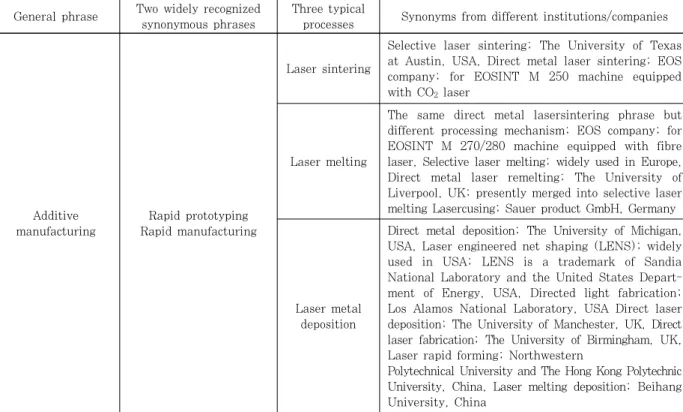
1)General phrase Two widely recognized synonymous phrases
Three typical
processes Synonyms from different institutions/companies
Additive manufacturing
Rapid prototyping Rapid manufacturing
Laser sintering
Selective laser sintering; The University of Texas at Austin, USA, Direct metal laser sintering; EOS company; for EOSINT M 250 machine equipped with CO2 laser
Laser melting
The same direct metal lasersintering phrase but different processing mechanism; EOS company; for EOSINT M 270/280 machine equipped with fibre laser, Selective laser melting; widely used in Europe, Direct metal laser remelting; The University of Liverpool, UK; presently merged into selective laser melting Lasercusing; Sauer product GmbH, Germany
Laser metal deposition
Direct metal deposition; The University of Michigan, USA, Laser engineered net shaping (LENS); widely used in USA; LENS is a trademark of Sandia National Laboratory and the United States Depart- ment of Energy, USA, Directed light fabrication;
Los Alamos National Laboratory, USA Direct laser deposition; The University of Manchester, UK, Direct laser fabrication; The University of Birmingham, UK, Laser rapid forming; Northwestern
Polytechnical University and The Hong Kong Polytechnic University, China, Laser melting deposition; Beihang University, China
Table 1 Different categories and phrases of additive manufacturing processes
1)uring)과 동의어로 사용되어 왔으나, RP나 RM보다는
넓은 의미를 가지고 있다.
레이저를 이용한 적층 제조 기술은 크게 세 가지로 분류할 수 있다. 첫 번째는 레이저 신터링(LS, laser sintering)이고, 두 번째와 세 번째는 각각 레이저 용 융(LM, laser melting)과 레이저 금속 증착(LMD, laser metal deposition)이다. 이 기술들은 또 개발 기관에 따라 서로 다른 명칭으로 불리고 있는데, Table 1 은 레이저를 이용한 적층 제조 기술들을 분류한 표로 각각의 명칭이 해당하는 기술을 보여주고 있다.
위에서 언급한 LS, LM, LMD 는 금속 분말과 레이 저의 상호 작용 메카니즘에 따라 분류된 것으로 도표로 나타내면 Fig. 1과 같다. 금속 분말이 부분 용융되는지 완전 용융되는지에 따라 LS와 LM/LMD로 분류되고, 금속 분말 공급 방식에 따른 분류 방식에서 LS/LM은 금속 분말이 소결 배드에 판상으로 깔리는 형태로 공급 되는 반면, LMD에서는 분말이 레이저와 동축으로 공 급된다.
Fig. 2는 LS 설비의 개요를 보여주는 것이다. 이 그
림을 통해, 금속 분말이 판상으로 공급되고, 레이저가
CAD file Numerical slicing Layer processing Layer by layer manufacture
Final component
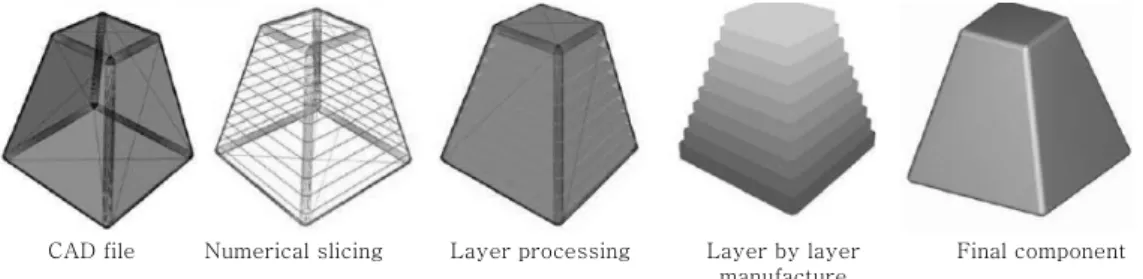
Fig. 3 Tool path generation from CAD file and layer processing
2)Temperature
TLS TL
TS
Liquid
Liquidus temperature
Mushy zone
Solid
Solidus temperature
Composition
Pre-alloyed powder
Pores Grains
Liquid phase
Unsintered power SLPS process Densification
Fig. 4 Mechanism of partial melting in LS. SLPS represents supersolidus liquid phase sintering
400㎛ 400㎛
(a) (b)
Fig. 5 Surface morphologies of (a)LM and (b)LS products
1)스캐닝하면서 1개의 층이 소결되어 완성되면, 작업 테 이블이 상하로 움직이며 다음 층을 소결시키는 LS 공 정을 쉽게 이해할 수 있다.
레이저를 이용한 AM 공정은 완전 자동화되어 있다.
사용자는 만들고자 하는 제품이나 부품의 3차원 도면 파일만 입력시켜 주면 된다. 시스템은 입력된 3차원 도 면 파일로부터 적층을 위한 각 층의 단면 형상을 계산 하고, 이 단면 형상에 대해 레이저 초점의 평면 상 이 동 경로를 생성하여 이 경로를 따라 레이저가 조사되면 레이저가 지나간 자리에 고체가 소결되는 방식으로 층 층이 고상 재료를 적층시키는 것이다. Fig. 3은 이러한 일련의 과정을 보여주고 있다.
금속 분말을 부분 용융 시키느냐 혹은 완전 용융 시 키느냐에 따라 사용 가능한 금속 분말 재료가 달라진 다. LS, LM, LMD는 모두 합금 분말을 사용할 수 있 다. 하지만, 완전 용융을 시키는 LM과 LMD의 경우는 순금속을 사용할 수 있는 데 반해, 부분 용융을 시키는 LS에서는 순금속을 사용할 수 없다. 그 이유는 Fig. 4 를 통해 쉽게 설명할 수 있다. 합금 분말을 사용해 부 분 용융시키는 경우 용융 온도를 고상점과 액상점 사이 의 고액 공존대(mushy zone) 온도로 설정하여 개별
분말 입자가 액상과 고상을 모두 갖는 상황에서 소결이 가능하도록 만든다. 따라서, 순금속의 분말을 사용하게 되면, 고액 공존대가 없으므로 부분 용융을 이용한 소 결이 불가능해진다.
완전 용융을 이용하는 LM/LMD의 생산품과 부분 용융을 이용하는 LS의 생산품의 미세 조직은 다를 수 밖에 없다. 특히 Fig. 5와 같이 외곽의 면에서 차이가 두드러지는데, 그 이유는 부분 용융을 이용한 LS의 경 우, 최종 소결면에서 액상이 분말 사이의 빈 공간을 채 우면, 남은 구상의 고상 합금 조직이 그대로 드러난 채 로 응고되어 그림과 같이 거친 면을 형성하기 때문이 다. 이에 반해 LM/LMD 생산품의 표면은 금속 분말이 완전 용융 후 재응고 되므로 그림과 같이 LS 생산품에 비해 매끈한 표면을 만들어 낼 수 있다.
현재까지 레이저 적층 제조 기술의 대표적인 적용 분 야는 항공기 부품, 의료용 인공 이식 기관, 치의학 인 공 기관 등을 들 수 있다. 이들 적용 분야의 공통적인 특징으로는 대량 생산이 필요하지 않다는 점이다. 특히 치/의료계에서는 환자의 3차원 CT 영상을 기반으로 Fig. 6과 같이 인공 뼈와 치아 임플란트를 개별 환자에 게 꼭 맞는 형상을 만들어 낼 수 있는 장점이 있으로 적용 확대 노력이 활발하다. Fig. 6는 실제로 제작된 고관절 인공 기구를 인체에 이식한 모습을 보여주고 있다.
적층 제조 기술 적용 분야의 또 다른 대표적인 예는
항공기 부품으로 터빈 블레이드 제작에 관한 예들은 쉽
게 찾아볼 수 있다. Fig. 7은 항공기 부품 적용 예 중
흥미로운 것으로, 기존의 제조 공법으로는 만들어 내기
어려운 형상을 설계하여 이를 적층 기술로 제작한 것이
다. 위쪽 그림은 기존의 고전적인 가공 기법으로 생산
Fig. 6 Hip cup implant manufactured by laser additive manufacturing
3)Fig. 7 Airbus nacelle hinge bracket
3)Characteristic Mass customization 3D printing
Manufacturing technology
Based on pre-assembled modular parts in different combinations or delayed differentiation.
Automated manufacturing based on CAD software and additive manufacturing.
Supply chain integration requirements
Need for highly-integrated supply-chain management to ensure right goods at right times from multiple supplies.
Uses readily available supplies available from multiple vendors.
Economic benefits
Ability to produce custom products at relatively low prices. Low inventory risk. Improved working capital management.
Ability to produce custom products at relatively low prices. Low inventory risk. Improved working capital management.
Range of products Computers; watches; windows; shoes; jeans. Prototypes; mockups; replacement parts; dental crown; artificial limbs.
Table 2 A comparison of mass customization and additive 3D printing
5)하던 종래의 부품으로 중량이 918g 이다. 그러나, 아
래쪽 그림의 부품은 레이저 적층 제고 기술로 생산한 것으로 중량이 326g 이다. 설계 변경과 새로운 제조 기술 적용으로 총 64%의 중량 절감 효과를 본 것이다.
항공기와 같이 중량 절감이 절실한 분야에서는 획기적 인 시도가 아닐 수 없다. 이와 같이 적층 제조 기술은 기존의 제품을 새로운 생산 기법으로 생산한다는 개념 을 넘어서, 전혀 새로운 설계 아이디어까지 제안할 수
여러 분야에서 탄탈륨, 구리, 금, 강, 코발트기 합금 등 이 적용된 것으로 보고되고 있다.
3. 적층 제조 기술의 미래
지금 현재 이야기할 수 있는 레이저 적층 제조 기술 의 가장 큰 문제점 두 가지는 생산 효율과 정밀도이다.
생산 효율에는 단품 생산의 싸이클 타임과 생산 단가가 가 포함되어 있다. 이는 관련 기술의 발전과 적층 제조 시스템의 시장 활성화로 장기적으로 자연스럽게 해결될 문제로 볼 수 있다. 진짜 문제는 두 번째로 언급한 정 밀도로, 적층 제조로 생산한 제품이 절삭 가공한 제품 의 표면 정밀도를 가질 것으로 기대할 수 없다는 한계 를 이야기하는 것이다. 따라서, 현재의 주조품처럼 정 밀도가 요구되는 부분에는 반드시 추가적인 절삭 가공 이 필요하다.
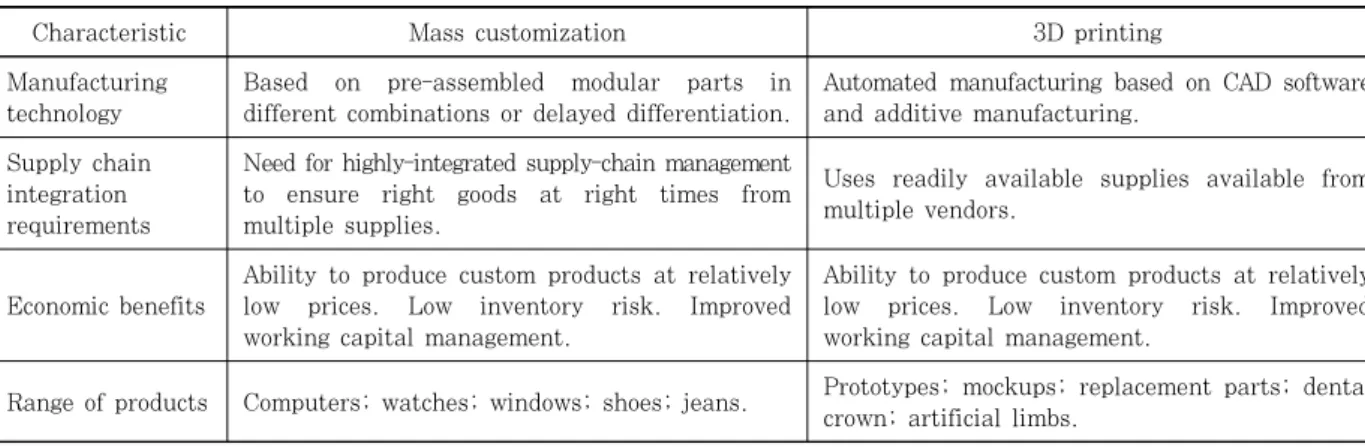
적층 제조 기술의 가장 큰 장점을 앞서 의료용 임플 란트의 예로 든 것처럼, 기존의 주조/절삭 등의 가공 방법으로는 맞춤 제작에 대한 대응이 거의 불가능했던 것에 비해 적층 제조 기술은 상대적으로 쉽게 맞춤 제 작이 가능하다. 그러나, 맞춤 제작을 적층 제조 기술만 의 장점으로 언급할 수 없는 이유는, 우리가 옵션 주문 에 따라 제작된 자동차를 구매할 수 있듯이, 소비재의 대량 생산 시스템에도 이미 맞춤 제작이 도입되어 활발 히 적용되고 있기 때문이다. 따라서, 맞춤 제작이라는 가장 큰 장점을 기준으로 적층 제조 기술을 기존의 대 량 맞춤 제작 시스템과 비교하는 것이 이 기술의 장기 적인 비전을 예측하는 데 도움이 될 것이다.
Table 2는 대량 맞춤 제작 시스템과 3D 프린팅 기
술을 비교한 것이다. 현재의 대량 맞춤 제작 시스템은 조립 모듈을 다양화하고, 주문에 따라 선택된 모듈을 조합하고, 조립하여 생산하는 방식으로, 다양한 옵션을 갖춘 자동차 구매 방식이 대표적인 예가 된다. 모듈이 정해져 있기 때문에 엄밀한 의미의 맞춤 제작이라고 할 수는 없다. 그에 비해 적층 제조와 같은 3D 프린팅 기 술은 어떠한 형상이라도 3차원 설계 도면 파일만 있다 면, 제조가 가능하므로 맞춤 제작에 있어 최고의 솔루 션이 된다. 그러나, 앞에서 언급한 생산 효율과 정밀도 한계에 대한 문제로 Table 2에서 적시하였듯이 당분간 은 적용 품목이 프로토타입이나 목업, 대체 부품, 치/
의학 인공 생체 기관 등으로 한정지어질 수 밖에 없을 것으로 관측된다.
기존의 대량 시스템은 갖가지 모듈을 가지고 맞춤 생 산을 하므로, 다양한 모듈에 대한 공급/관리에 많은 공 수가 들어간다. 따라서, 생산 시스템의 단순함과 맞춤 제작이라는 장점을 생각하면 현재의 저가 3D 프린팅 시스템 시장이 급속히 성장한 것처럼, 설비의 가격 경 쟁력이 확보되는 순간부터 레이저 적층 제조 시스템 시 장도 급성장하리라는 것을 쉽게 예측할 수 있다.
좋은 예로 프린터 산업을 들 수 있다. 초기의 잉크젯 및 레이저 프린터는 고가였으나, 생산 기업 수와 생산 량이 증가하면서 프린터 기기 자체의 가격 경쟁이 시작 되었고, 이후 기업들은 프린터 기기는 싸게 공급하는 대신 연속성 소비재인 잉크와 토너를 통해 이윤을 만들 어내고 있다. 결과적으로 거의 모든 사무실과 가정이 프린터들을 갖춰두고, 잉크과 토너를 가끔 구매하면서 그 편리성을 이용하고 있는 것이다. 이러한 시장의 변 화를 현재의 3D 프린팅 시스템 시장이 그대로 따라가 고 있다. 고가의 기업용 장비들은 논외로 하고, 저가 시장에서는 불과 1,2백 만원 대의 3D 프린터를 시장에 공급하면서, 연속성 소비재인 폴리머로 이윤을 만들어 내고 있는 것이다. 호기심 많은 개인들이나 시작품 제
∙황면중
∙1980년생
∙한라대학교 기계자동차공학부
∙생산자동화, 로보틱스, 메카트로닉스
∙e-mail : [email protected]
작 비용 절감에 관심이 있는 영세 기업들이 시장을 형 성하고 있다.
똑같은 양상이 레이저 적층 제조 시스템 시장에도 나 타날 것으로 쉽게 예측할 수 있다. 이는 이삼십년 전의 레이저 가격과 현재의 레이저 가격을 비교해보면 쉽게 알 수 있다. 결국 레이저 적층 제조 시스템의 수요와 생산량이 증가하고 설비 자체의 가격은 내려갈 것이란 이야기다. 레이저 적층 제조 시스템 시장이 프린터 시 장과 같이 형성되게 되면, 대부분의 군소 가공 업체는 물론이고 최종 소비재를 생산하는 대기업들도 시스템을 갖춰 두고 시작품 제작이나 설계 변경 테스트 등에 활 발히 이용할 것으로 예측할 수 있다.
References
1. D. D. Gu, W. Meiners, K. Wissenbach and R.
Poprawe : Laser additive manufacturing of metallics components: materials, processes and mechanisms, International Materials Reviews 57-3 (2012) 133-160 2. C. Hauser : Laser additivie manufacturing as a key
enabler for the manufacture of next generation jet engine components, TWI presentation file, 2012 3. R. Poprawe : A Paradigm shift in Production technology:
Laser Additive Manufacturing, RWTH Aachen University presentation file, 2011
4. C. Hinke : Digital Photonic Production and its Emerging Opportunities, Laser Additive Manufacturing workshop 2013
5. B. Berman : 3-D printing: The new industrial revolu- tion, Business Horizons 55 (2012) 155-162
6. S. Mellor, L. Hao and D. Zhang : Additive manufacturing:
A frame work for implementation, International Journal of Production Economics 149 (2014) 194-201
7. R. Sreenivasan, A. Goel and D.L. Bourell : Sustain- ability issues in laser-based additive manufacturing, Physics Procedia 5 (2010) 81-90
8. G. N. Levy : The role and future of the laser technology in the additive manufacturing environment, Physics Procedia 5 (2010) 65-80