• 검색 결과가 없습니다.

Decetaxel-cisplatin-fluorouracil induction chemotherapy followed by concurrent chemoradiotherapy versus concurrent chemoradiotherapy for locally advanced head and neck cancer: a meta-analysis

N/A
N/A
Protected

Academic year: 2021

Share "Decetaxel-cisplatin-fluorouracil induction chemotherapy followed by concurrent chemoradiotherapy versus concurrent chemoradiotherapy for locally advanced head and neck cancer: a meta-analysis"

Copied!
8
0
0

로드 중.... (전체 텍스트 보기)

전체 글

(1)

Introduction

5

Despite improvements in the treatment of patients with lo- Received : October 26, 2015 / Revised : October 30, 2015 Accepted : October 31, 2015

교신저자 : 박건욱, 41931, 대구광역시 중구 달성로 56 계명대학교 의과대학 동산의료원 내과

전화 : (053) 250-8097·전송 : (053) 425-6476 E-mail : [email protected]

cally advanced head and neck squamous cell carcinoma (LA-HNSCC), the prognosis is quite poor. In this stage, 40-60% of patients relapse and 30-50% of patients live for 3 years after treatment with surgery and radiotherapy. 1,2) Two different non-surgical approaches are available to treat these patients: concurrent chemoradiotherapy (CCRT) and in- duction chemotherapy (IC) followed by CCRT. CCRT has been shown to improve survival and is considered a standard

대한두경부종양학회지

제 31 권 제 2 호 2015

Docetaxel-cisplatin-fluorouracil Induction Chemotherapy Followed by Concurrent Chemoradiotherapy Versus Concurrent

Chemoradiotherapy for Locally Advanced Head and Neck Cancer : A Meta-analysis

Ilseon Hwang, MD, PhD 1 , Keon Uk Park, MD, PhD 2

Department of Pathology, 1 Department of Internal Medicine, 2 Keimyung University Dongsan Medical Center, Keimyung University School of Medicine, Daegu, Korea

국소진행성 두경부암에서 Docetaxel, Cisplatin, Fluorouracil 선행항암요법의 효과 및 부작용에 대한 메타분석

계명대학교 의과대학 동산의료원 병리과, 1 내과 2

황일선
1

·박건욱

2

= 국 문 초 록 =

서론 : 국소 진행성 두경부암 환자에서 선행 항암요법 후 동시 항암화학방사선요법은 원격 전이를 줄이고, 국소

병변을 줄여 방사선 치료의 효과를 높이거나 , 기관의 기능을 보존할 목적으로 시도된다. 선행 항암요법의 약제로

는 docetaxel, cisplatin, fluorouracil (DPF) 삼제요법이 가장 효과적인 것으로 알려져 있다. 선행 항암요법 후 동시 항암화학방사선요법과 표준치료인 동시화학방사선요법을 비교한 3상 연구들이 모두 선행 항암요법이 더 낫다는

결과를 보여 주지 못하였지만 , 이 연구들은 충분한 환자를 모집하지 못하고 조기 종료된 불완전한 연구라는 한계

가 있었다 . 이에 저자들은 DPF 선행 항암요법 후 동시 화학방사선요법과 표준치료인 동시 화학방사선요법을

비교하는 메타분석을 시행하였다 . 대상 및 방법: 체계적 문헌고찰을 통해 국소진행성 두경부암 환자를 대상으로

시행된 DPF 선행 항암요법 후 동시화학방사선요법과 현재 표준치료인 동시화학방사선요법을 비교한 5개의 3상

연구 결과를 분석하였다 . 대상환자는 862 명이었고, 분석 결과 DPF 선행 항암요법 후 동시화학방사선요법은 표준

치료와 비교하였을 때 반응률 , 2년 및 3년 생존율, 2년 및 3년 무진행 생존율, 점막염 및 빈혈 발생 빈도에서

통계적으로 유의한 차이가 없었다 . 하지만, 완전관해율과 3~4도의 백혈구감소증 및 혈소판 감소증의 빈도는 선행

항암요법 시행군에서 더 높았다 . 결론: 국소진행성 두경부암의 치료에서 DPF 선행 항암요법 후 동시 항암화학방

사선요법을 시행하는 것은 표준치료인 항암화학방사선요법에 비해 생존율 개선을 보이지 못하였다 . 선행항암치

료를 추가하는 것이 특정 환자군에서 효과가 있을지에 대해서는 추가적인 연구가 필요하다.

중심 단어:선행 항앙요법ㆍ동시 화학방사선요법ㆍ국소 진행성 두경부암ㆍ메타분석석.

(2)

of care. 3) Although induction chemotherapy (IC) is frequently used in clinical practice and has role in organ preservation, improving local regional control and reducing distant meta- stasis, 1,4,5) its ability to prolong survival has not yet been demonstrated. In the Meta-Analysis of Chemotherapy in Head and Neck Cancer (MACH-NC), the addition of IC using cis- platin plus fluorouracil (PF) to local treatment did not de- crease locoregional failures. However, it was associated with a small improvement on overall survival (OS) and distant failures. A regimen of docetaxel, cisplatin, and fluorouracil (DPF) has emerged as the standard induction chemotherapy for LA-HNSCC on the basis of phase III trials establishing its superiority over PF induction chemotherapy. 6,7) The bene- fit of DPF has been recorded in patients with resectable and unresectable disease. It has also been observed in patients with laryngeal cancer treated for organ preservation. 8) Additional data regarding the use of induction therapy is pro- vided by two recently completed phase III clinical trials com- paring DPF IC followed by CCRT with cisplatin-based CCRT alone in patients with LA-HNSCC. 9,10) None showed an ap- preciable trend in favor of adding upfront DPF IC before CCRT. The question of whether the addition of IC to CCRT improved survival over CCRT alone remains unanswered be- cause of early termination of accrual in both trials.

Recently, meta-analysis to compare IC followed by CCRT to CCRT alone did not show no significant differences in OS, progression-free survival (PFS), overall response rate (RR) or locoregional recurrence rate. 11) This result is also po-

tentially controversial as the induction regimens were differ- ent between the trials. The benefit of DPF IC followed by CCRT is still unclear. The aim of this meta-analysis was to compare the efficacy and toxicity of DPF IC followed by CCRT with CCRT.

Methods

1. Data collection and criteria selection

We comprehensively searched PubMed (http://www.ncbi.

nlm.nih.gov/pubmed) using keywords “locally advanced head and neck cancer AND induction chemotherapy AND con- current chemoradiotherapy” or “unresectable head and neck cancer AND induction chemotherapy AND concurrent che- moradiotherapy”. The reference lists of identified articles were manually searched. Duplicate data and overlapping ar- ticles were excluded by examining authors’ affiliation and years of study. The following articles were included in the analysis: 1) original articles that reported prognosis of patients according to DPF IC followed by CCRT and CCRT alone;

2) articles that were published in English before August, 2015;

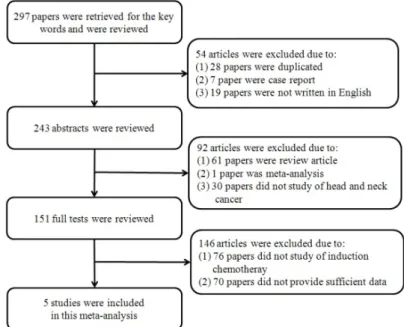
3) the most recent or informative single article among multi- ple articles using the same material published by the same author or institution. Articles that lacked data for meta-analy- sis, review articles without original data, conference abstracts, or case reports were excluded. Finally, a total of 5 studies were included in this meta-analysis. 9,10,12-14) The selection process for this meta-analysis is shown in Figure 1.

Fig. 1. Flow diagram of article selection for the meta-analysis.

(3)

2. Data pooling and statistics

An effect size for each study was calculated as the preva- lence or odds ratio (OR) and the corresponding 95% confidence interval (CI) using Mantel-Haenszel method. The prevalence or ORs were combined according to a fixed or random-effect model. Statistical heterogeneity among studies was evaluated using Cochrane Q test and F statistics. The I 2 statistic described the percentage of variation across studies resulting from hetero-

geneity rather than chance inherently depending on the number of studies considered (I 2 =100% × (Q-df)/Q). Sensitivity analy- ses were performed to examine the influence of each study on the pooled OR by serially omitting an individual study but pooling the remaining studies. Publication bias was examined by funnel plots and Egger’s test for the degree of asymmetry.

The pooled analysis was performed with the Comprehensive Meta-analysis Software version 2.0 (Biostat, Englewood, NJ,

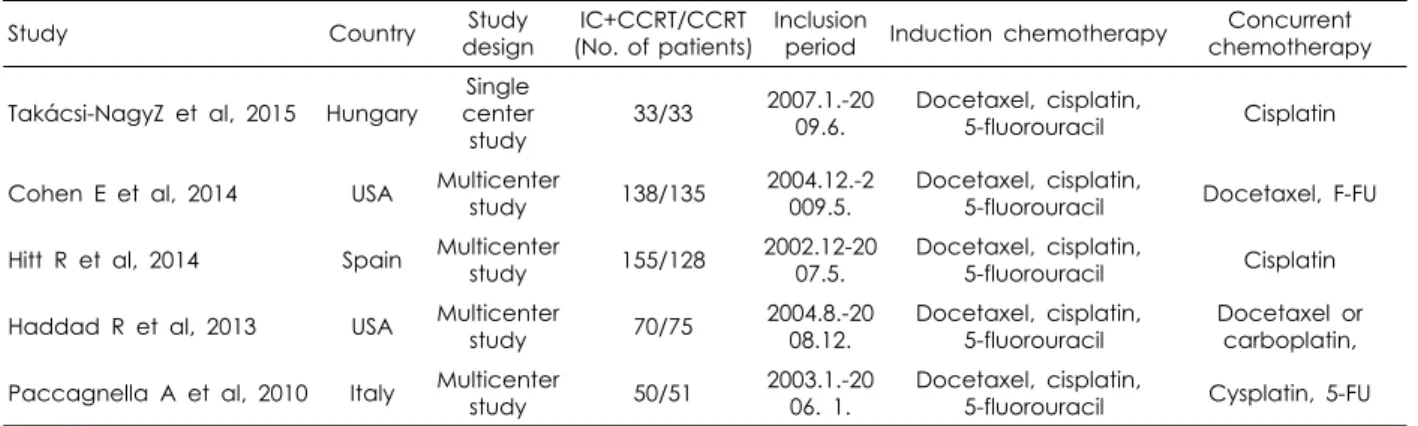
Table 1. Basic information of included studies

Study Country Study

design IC+CCRT/CCRT

(No. of patients) Inclusion

period Induction chemotherapy Concurrent chemotherapy Takácsi-NagyZ et al, 2015 Hungary Single

center

study 33/33 2007.1.-20

09.6. Docetaxel, cisplatin,

5-fluorouracil Cisplatin Cohen E et al, 2014 USA Multicenter

study 138/135 2004.12.-2

009.5. Docetaxel, cisplatin,

5-fluorouracil Docetaxel, F-FU Hitt R et al, 2014 Spain Multicenter

study 155/128 2002.12-20

07.5. Docetaxel, cisplatin,

5-fluorouracil Cisplatin Haddad R et al, 2013 USA Multicenter

study 70/75 2004.8.-20

08.12. Docetaxel, cisplatin,

5-fluorouracil Docetaxel or carboplatin, Paccagnella A et al, 2010 Italy Multicenter

study 50/51 2003.1.-20

06. 1. Docetaxel, cisplatin,

5-fluorouracil Cysplatin, 5-FU

Fig. 2. Odds ratios with corresponding 95% confidence intervals for the individual study and pooled estimates of the relationship be-

tween response rates and induction chemotherapy followed by concurrent chemoradiotherapy versus concurrent chemo-

radiotherapy alone: overall response rate (A), complete response rate (B), and partial response rate (C)

(4)

USA). Statistically significant difference was considered when value p was less than 0.05.

Results

Present analysis included 862 patients, 440 patients in IC followed by CCRT arm, and 442 patients in CCRT alone arm. All reports demonstrated IC with docetaxel, cisplatin and fluorouracil. Four reports were designed to multicenter study and one report was single center study. The characteristics of the selected studies are summarized in Table 1. Four studies

revealed overall response rate (ORR, 74-93%), complete re- sponse rate (CR, 24-67%) and partial response (PR, 7-53%).

All studies demonstrate 2-year and 3-year overall survival rates (53-81% and 50-76%, respectively). Four reports shows 2-year and 3-year progression free survival rate (38-72% and 34-68%, respectively). More than three reports revealed se- vere (grade3-4) adverse effect including mucositis, anemia, neutropenia, and thrombocytopenia.

1. Response rates and survivals

The ORR of IC followed by CCRT was no significantly

Fig. 3. Odds ratios with corresponding 95% confidence intervals for the individual study and pooled estimates of the relationship be-

tween survival rates and induction chemotherapy followed by concurrent chemoradiotherapy versus concurrent chemo-

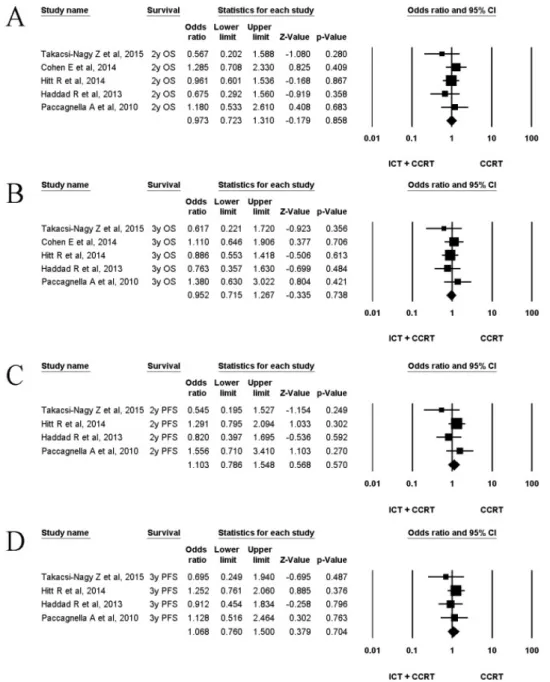
radiotherapy alone: 2-year overall survival rate (A), 3-year overall survival rate (B), 2-year progression free survival rate (C), and

3-year progression free survival rate (D)

(5)

different from that of CCRT alone (OR = 0.993, 95% CI:

0.655-1.507, p = 0.975) and there was no statistically sig- nificant heterogeneity among the studies (I 2 = 0%, P = 0.522).

However, the CR of IC followed by CCRT was significantly higher than that of CCRT alone (OR = 1.488, 95% CI:

1.066-2.077, p = 0.019) and there was no statistically sig- nificant heterogeneity among the studies (I 2 = 47.2%, P = 0.128). The PR of IC followed by CCRT was no significantly different from that of CCRT alone (OR = 0.618, 95% CI:

0.322-1.188, p = 0.149) in random model because there was significant heterogeneity among the studies (I 2 = 66.5%, P

= 0.030). The forest plots of response rates were shown in

Figure 2. In survival analysis, 2-year and 3-year overall sur- vivals of IC followed by CCRT was no significantly different from that of CCRT alone (OR = 0.973, 95% CI: 0.723-1.310, p = 0.858, and OR = 0.952, 95% CI: 0.715-1.267, p = 0.738) and there were no statistically significant heterogeneity among the studies (I 2 = 0%, P = 0.582 and I 2 = 0%, P = 0.686).Two-year and 3-year progression-free survivals of IC followed by CCRT was also no significantly different from that of CCRT alone (OR = 1.103, 95% CI: 0.786-1.548, p

= 0.570, and OR = 1.068, 95% CI: 0.760-1.500, p = 0.704) and there were no statistically significant heterogeneity among the studies (I 2 = 16.2%, P = 0.311 and I 2 = 0%, P = 0.734).

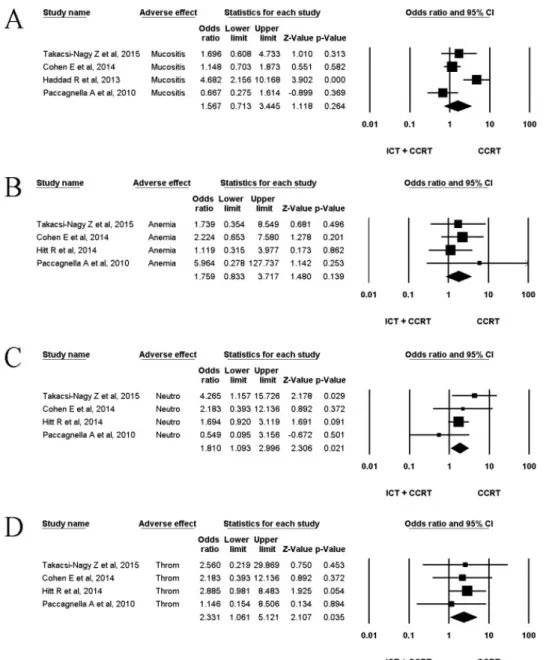
Fig.4. Odds ratios with corresponding 95% confidence intervals for the individual study and pooled estimates of the relationship be-

tween adverse effects and induction chemotherapy followed by concurrent chemoradiotherapy versus concurrent chemo-

radiotherapy alone: grade 3-4 mucositis (A), grade 3-4 anemia (B), grade 3-4 neutropenia (C), and grade 3-4 thrombocytopenia (D)

(6)

The forest plots of survivals were shown in Figure 3.

2. Adverse effects

Grade 3-4mucositis of IC followed by CCRT was no sig- nificantly different from that of CCRT alone (OR = 1.473, 95% CI: 0.713-3.445, p = 0.264) in a random-effects model because there was statistically significant heterogeneity among the studies (I 2 = 76.4%, P = 0.005).Grade 3-4 anemia of IC followed by CCRT was also no significantly different from that of CCRT alone (OR = 1.759, 95% CI: 0.833-3.717, p = 0.139) and there was no significant heterogeneity among the studies (I 2 = 0%, P = 0.744). Grade 3-4 neutropenia and thrombocytopenia of IC followed by CCRT were significantly higher incidences than that of CCRT alone (OR = 1.810, 95%

CI: 1.093-2.996, p = 0.021, and OR = 2.331, 95% CI:

1.061-5.121, p = 0.035, respectively) and there wereno statisti- cally significant heterogeneity among the studies (I 2 = 15.2%, P = 0.316, and I 2 = 0%, P = 0.887, respectively). The results of forest plots of odds ratio were shown in Figure 4.

3. Sensitivity analysis and publication bias

The sensitivity analysis revealed that none of the studies on response rates, survival rates and adverse effects according to IC followed by CCRT and CCRT alone affected the ORs.

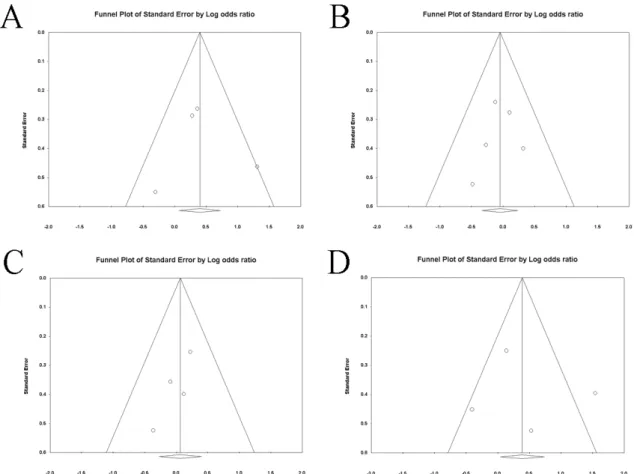
In funnel plots with Egger’s regression tests, no study except those regarding PR, anemia, mucositis, neutropenia and throm- bocytopenia according to IC followed by CCRT and CCRT alone showed evidence of publication bias. However, a funnel plot of mucositis PR, anemia, mucositis, neutropenia and thrombocytopenia according to IC followed by CCRT and CCRT alone showed asymmetry, thereby indicating that pub- lication bias possibly existed in the included studies (Fig. 5).

Discussion

In our meta-analysis, DPF IC followed by CCRT compared to CCRT alone showed no statistically significant differences in response rate, overall survivals, 2-year and 3-year pro- gression-free survivals, and risk of grade 3-4 mucositis and anemia. But, DPF IC could increase complete response rate

Fig. 5. Funnel plot of publication bias for the relationship between response rate, survival or adverse effect and induction chemo-

therapy followed byconcurrent chemoradiotherapyversus concurrent chemoradiotherapy alone: complete response rate (A), 3-year

overall survival (B), 3-year progression free survival (C), and grade 3-4 mucositis (D). Individual studies are represented by small circles.

(7)

and risks of grade 3–4 neutropenia and thrombocytopenia. In an attempt to improve disease control and OS in LA-HNSCC, IC has emerged over the last decade as an alternative treat- ment modality. In the meta-analysis by Pignon et al., 31 in- duction chemotherapy trials that included 5311 patients showed that induction chemotherapy did not have statistically significant improvement in survival (hazard ratio, 0.96; 95%

CI, 0.9 to 1.02; p = 0.18). On the other hand induction chemo- therapy showed a greater benefit in regard to distant failure control at 3.5% (hazard ratio, 0.73; 95% CI, 0.77 to 1.00;

p = 0.04). 3) Two large subsequent clinical trials evaluated the addition of docetaxel to an induction regimen using cispla- tin and fluorouracil in LA-HNSCC. The TAX 324 study com- pared to IC with DPF to PF, followed by CCRT. In this trial, 501 patients were randomly assigned to receive IC with either DPF or PF administered every 3 weeks for 3 cycles. Both groups were subsequently treated with CCRT using weekly carboplatin at area under curve (AUC) of 1.5. Radiation was administered to a total 70 to 74 Gy. After minimum follow up of 2 years, the survival benefit was significant in the DPF group with hazard ratio (HR) for death of 0.7 (p = 0.006).

The median OS was 71 months for the DPF group vs 30 months in PF group. There was also better local control rate (LCR) for the DPF group (p = 0.04). Additionally, the TAX323 study compared induction therapy with DPF to PF followed by radiotherapy alone. In this European trial, 358 patients were randomly to receive IC with DPF vs PF every 3 weeks for four cycles followed by radiotherapy alone ad- ministered on different schedule (conventional, accelerated, hyperfractionated) to 66-77 Gy. After a median follow up of 32.5 months, there was a 2.8 months PFS benefit in the DPF group. The HR for disease progression or death in the DPF group was 0.72 (p = 0.007). The main toxicity associated with the DPF regimen in both the TAX 323 and the TAX 324 was leukopenia and neutropenia. 6,7) DPF has emerged as the standard induction chemotherapy for LA-HNSCC on the basis of these phase III trials establishing its superiority over PF induction chemotherapy. Whether the addition of DPF IC to CCRT improves efficacy compared with CCRT alone was unclear. Additional data regarding the use of DPF IC is provided by two recently completed phase III clinical trials. The PARADIGM trial randomized patients to IC DPF followed CCRT vs CCRT alone. The study was halted early due to slow accrual with only 145 out of the originally plan- ned 330 patients accrued. Patients were randomized 1:1 ratio

to induction therapy using DPF three cycles followed by CCRT using either weekly carboplatin and conventional radi- ation or weekly docetaxel and accelerated boost radiation (Arm A) or accelerated boost radiation with two cycles of bolus cisplatin (Arm B). Patients with poor response including progression of disease, not completing all cycles of DPF, gross disease left at primary site after induction. Lymph nodes

> 2 cm after induction or partial response with biopsy proven residual at primary were subsequently treated with weekly docetaxel and accelerated radiation whereas induction chemo- therapy responders had weekly carboplatin and conventional radiation. The primary endpoint was OS. After median follow up of 49 months, three year survival was excellent in both arms, 78% in the CCRT arm vs 73% in the sequential therapy arm (p = 0.77). The secondary endpoint of the study, PFS was not statistically significant at 69% in CCRT vs 67% in induction therapy arm (p = 0.82). There was no significant different in acute toxicity and evaluation of late toxicity is ongoing. 10)

The DeCIDE protocol by Cohen et al. randomized patients to CCRT using 5 days of docetaxel, fluorouracil and hydrox- yurea and radiation given twice daily at 1.5 Gy per fraction followed by a nine day break vs two cycles of DPF followed by the same CCRT regimen. The study was able to recruit 280 out of 400 patients originally planned. The primary end point of the study was OS. After three years of follow up, the OS was 73% for the CCRT arm vs 75% for the induction chemotherapy arm (p = 0.70). In terms of secondary end point, PFS was 59% for the CCRT arm vs 67% for the induction therapy arm, not statistically significant with a p value of 0.18.

Cumulative incidence of distant failure was 19% in the CCRT arm vs 10% in the induction therapy arm, and this was statisti- cally significant in favor of induction chemotherapy with a p value of 0.025. 9) The role of IC followed by CCRT versus CCRT alone as assessed in these and other trials remains con- troversial due to the conflicting results from these and other trials. Some of the factors that contribute to the difficulties in interpretation include differences in trial design, intensity and choice of chemotherapy regimens, and differences in pa- tient populations (especially the proportion of HPV positive patients who may have a better prognosis and thus require less aggressive therapy to maximize tumor control).

Several limitations were presented in this meta-analysis. In

common with the other published meta-analysis, our

meta-analysis was based on summary data, and lack of in-

(8)

dividual patient data preventing us from adjusting treatment effect according to disease and patient variables. 15,16)

The meta-analysis comparing CCRT with DPF IC followed CCRT did not reveal a survival benefit to induction therapy although it is possible that patients at increased risk for distant metastasis may benefit from induction chemotherapy. In the meantime, the use of sequential therapy should be an in- dividual clinician/patient decision but generally is reserved for those patients at high risk for both distant and locoregional recurrence. The subgroup of patients that may benefit most are those with bulky N2b, or N2c, or N3 nodal stage (and at least T2 primary stage), as suggested by subgroup analysis of the DeCIDE trial, the established higher risk of incurable distant failure in this patient subset, and numerous studies demonstrating the role of induction chemotherapy on reducing the rate of distant metastases. Future studies will need to be performed to clarify which patients are best suited to an in- duction chemotherapy approach. In conclusion, the current studies do not support the use of DPF IC followed by CCRT over CCRT alone. Its precise role in the management of LA-HNSCC will come from future prospective studies to pick ideal patients for IC.

Reference

1) Lefebvre JL, Chevalier D, Luboinski B, Kirkpatrick A, Collette L, Sahmoud T. Larynx preservation in pyriform sinus cancer:

preliminary results of a European Organization for Research and Treatment of Cancer phase III trial. EORTC Head and Neck Cancer Cooperative Group. J Natl Cancer Inst. 1996;88:

890-899.

2) Posner MR, Haddad RI, Wirth L, Norris CM, Goguen LA, Mahadevan A, et al. Induction chemotherapy in locally ad- vanced squamous cell cancer of the head and neck: evolution of the sequential treatment approach. Semin Oncol. 2004;31:

778-785.

3) Pignon JP, le Maitre A, Maillard E, Bourhis J, Group M-NC.

Meta-analysis of chemotherapy in head and neck cancer (MACH-NC): an update on 93 randomised trials and 17,346 patients. Radiother Oncol. 2009;92:4-14.

4) Forastiere AA, Goepfert H, Maor M, Pajak TF, Weber R, Morrison W, et al. Concurrent chemotherapy and radiotherapy for organ preservation in advanced laryngeal cancer. N Engl J Med. 2003;349:2091-2098.

5) Induction chemotherapy plus radiation compared with surgery plus radiation in patients with advanced laryngeal cancer. The Department of Veterans Affairs Laryngeal Cancer Study Group.

N Engl J Med. 1991;324:1685-1690.

6) Posner MR, Hershock DM, Blajman CR, Mickiewicz E, Winquist E, Gorbounova V, et al. Cisplatin and fluorouracil alone or with docetaxel in head and neck cancer. N Engl J Med.

2007;357:1705-1715.

7) Vermorken JB, Remenar E, van Herpen C, Gorlia T, Mesia R, Degardin M, et al. Cisplatin, fluorouracil, and docetaxel in un- resectable head and neck cancer. N Engl J Med. 2007;357:

1695-1704.

8) Pointreau Y, Garaud P, Chapet S, Sire C, Tuchais C, Tortochaux J, et al. Randomized trial of induction chemotherapy with cispla- tin and 5-fluorouracil with or without docetaxel for larynx preservation. J Natl Cancer Inst. 2009;101:498-506.

9) Cohen EE, Karrison TG, Kocherginsky M, Mueller J, Egan R, Huang CH, et al. Phase III randomized trial of induction chemo- therapy in patients with N2 or N3 locally advanced head and neck cancer. J Clin Oncol. 2014;32:2735-2743.

10) Haddad R, O'Neill A, Rabinowits G, Tishler R, Khuri F, Adkins D, et al. Induction chemotherapy followed by concurrent che- moradiotherapy (sequential chemoradiotherapy) versus con- current chemoradiotherapy alone in locally advanced head and neck cancer (PARADIGM): a randomised phase 3 trial. Lancet Oncol. 2013;14:257-264.

11) Zhang L, Jiang N, Shi Y, Li S, Wang P, Zhao Y. Induction che- motherapy with concurrent chemoradiotherapy versus con- current chemoradiotherapy for locally advanced squamous cell carcinoma of head and neck: a meta-analysis. Sci Rep. 2015;5:

10798.

12) Hitt R, Grau JJ, Lopez-Pousa A, Berrocal A, Garcia-Giron C, Irigoyen A, et al. A randomized phase III trial comparing in- duction chemotherapy followed by chemoradiotherapy versus chemoradiotherapy alone as treatment of unresectable head and neck cancer. Ann Oncol. 2014;25:216-225.

13) Paccagnella A, Ghi MG, Loreggian L, Buffoli A, Koussis H, Mione CA, et al. Concomitant chemoradiotherapy versus in- duction docetaxel, cisplatin and 5 fluorouracil (TPF) followed by concomitant chemoradiotherapy in locally advanced head and neck cancer: a phase II randomized study. Ann Oncol.

2010;21:1515-1522.

14) Takacsi-Nagy Z, Hitre E, Remenar E, Oberna F, Polgar C, Major T, et al. Docetaxel, cisplatin and 5-fluorouracil induction chemotherapy followed by chemoradiotherapy or chemo- radiotherapy alone in stage III-IV unresectable head and neck cancer: Results of a randomized phase II study. Strahlenther Onkol. 2015;191:635-641.

15) Ma J, Liu Y, Huang XL, Zhang ZY, Myers JN, Neskey DM, et al. Induction chemotherapy decreases the rate of distant meta- stasis in patients with head and neck squamous cell carcinoma but does not improve survival or locoregional control: a meta-analysis. Oral Oncol. 2012;48:1076-1084.

16) Li X, Xu SN, Qin DB, Tan Y, Gong Q, Chen JP. Effect of adding

gemtuzumab ozogamicin to induction chemotherapy for newly di-

agnosed acute myeloid leukemia: a meta-analysis of prospective

randomized phase III trials. Ann Oncol. 2014;25:455- 461.

수치

Fig. 1. Flow diagram of article selection for the meta-analysis.
Table 1. Basic information of included studies
Fig. 3. Odds ratios with corresponding 95% confidence intervals for the individual study and pooled estimates of the relationship be- be-tween survival rates and induction chemotherapy followed by concurrent chemoradiotherapy versus concurrent  chemo-radio
Figure 2. In survival analysis, 2-year and 3-year overall sur- sur-vivals of IC followed by CCRT was no significantly different  from that of CCRT alone (OR = 0.973, 95% CI: 0.723-1.310,  p = 0.858, and OR = 0.952, 95% CI: 0.715-1.267, p = 0.738)  and ther
+2

참조

관련 문서

Telavancin versus standard therapy for treatment of complicated skin and skin structure infections caused by gram-positive bacteria: FAST 2 study..

Patients with breast cancer; ovarian cancer; renal cell carcinoma; pancreatic neuroendocrine cancer; colorectal cancer; head and neck cancer; non-small cell lung

• Hormone Therapy With or Without Combination Chemotherapy in Treating Women Who Have Undergone Surgery for Node-Negative Breast Cancer (The TAILORx Trial)..

3-13 The arc-induction-type DC circuit breaker modelling according to existence and nonexistence of the induction needle ··· 30 Fig.. 3-14 The flowing a magnetic field

The melanoma cell line WM793 was employed for the Fascin and MST2 knock-down and then analyzed by the Western blot assay, and the melanoma xenograft followed by Fascin

First, as for the relationship between interest factor and self-esteem formation, human relation factor as an interest factor had a significant effect at

First, for the degree of emotional and behavioral problems of specialized vocational high school students, the highest level was withdrawal/depression, followed

1.11 The relationship between the free energy curve for a solution and the chemical potentials of the