• 검색 결과가 없습니다.

Amiodarone Versus Propafenone to Treat Atrial Fibrillation after Coronary Artery Bypass Grafting: A Randomized Double Blind Controlled Trial

N/A
N/A
Protected

Academic year: 2021

Share "Amiodarone Versus Propafenone to Treat Atrial Fibrillation after Coronary Artery Bypass Grafting: A Randomized Double Blind Controlled Trial"

Copied!
8
0
0

로드 중.... (전체 텍스트 보기)

전체 글

(1)

ISSN: 2233-601X (Print) ISSN: 2093-6516 (Online)

1

Department of Cardiothoracic Surgery, Shiraz University of Medical Sciences,

2

Medical Journalism Department, Paramedical School, Shiraz University of Medical Sciences

Received: September 4, 2015, Revised: February 10, 2016, Accepted: February 12, 2016, Published online: June 5, 2016

Corresponding author: Mohammad Hassan Nemati, Cardiac Surgery Department, Shahid Faghihi Hospital, Zand Avenue, Shiraz, Fars, Iran (Tel) 98-71-32351085 (Fax) 98-71-32351091 (E-mail) [email protected]

C

The Korean Society for Thoracic and Cardiovascular Surgery. 2016. All right reserved.

CC

This is an open access article distributed under the terms of the Creative Commons Attribution Non-Commercial License (http://creative- commons.org/licenses/by-nc/4.0) which permits unrestricted non-commercial use, distribution, and reproduction in any medium, provided the original work is properly cited.

Amiodarone Versus Propafenone to Treat Atrial Fibrillation after Coronary Artery Bypass Grafting: A Randomized

Double Blind Controlled Trial

Mohammad Hassan Nemati, M.D.

1

, Behrooz Astaneh, M.D.

2

Background: Atrial fibrillation (AF) is one of the most common complications after cardiac surgery. Several ther- apeutic and preventive strategies have been introduced for postoperative AF, but the treatment and prophylaxis of AF remain controversial. We aimed to compare the efficacy of intravenous amiodarone and oral propafenone in the treatment of AF after coronary artery bypass grafting (CABG). Methods: This was a randomized controlled trial performed in two hospitals in Shiraz, Iran from 2009 to 2012. We included all patients who underwent elective CABG and developed AF postoperatively. The patients were randomly assigned to receive propafenone or amio- darone. The duration of AF, the success rate of the treatment, the need for cardioversion, the frequency of repe- ated AF, and the need for repeating the treatment were compared. Results: The duration of the first (p=0.361), second (p=0.832), and third (p=0.298) episodes of AF, the need for cardioversion (p=0.998), and the need to re- peat the first and second doses of drugs (p=0.557, 0.699) were comparable between the study groups. Repeated AF was observed in 17 patients (30.9%) in the propafenone group and 23 patients (34.3%) in the amiodarone group (p=0.704). Conclusion: Oral propafenone and intravenous amiodarone are equally effective in the treatment and conversion of recent-onset AF after CABG.

Key words: 1. Amiodarone 2. Propafenone

3. Coronary artery bypass 4. Atrial fibrillation

INTRODUCTION

Atrial fibrillation (AF) is one of the most common compli- cations observed after cardiac surgery, and is associated with high morbidity, mortality, and increased healthcare expenses [1-3]. Several factors affect the incidence and the character- istics of post-cardiac surgery AF, such as the duration of the operation, the type of the operation, the patients’ character- istics, and the method of arrhythmia monitoring [1-5]. The in-

cidence of AF after coronary artery bypass grafting (CABG) has been reported to range from 27% to 33% [1-3]. The in- cidence increases by age and according to the utilization of more aggressive techniques [3]. The risk factors for AF after CABG have been reported to be higher age, prolonged atrial conduction, hypertension, left ventricular hypertrophy, use of digoxin, history of rheumatic heart disease, peripheral vas- cular insufficiency and disease, obstructive lung disease, and increased aortic cross-clamp duration [1-3,6,7].

http://dx.doi.org/10.5090/kjtcs.2016.49.3.177

(2)

Several therapeutic and preventive strategies have been in- troduced for postoperative AF, but the treatment and prophy- laxis of this condition remain controversial [8,9]. The most important step in the treatment of postoperative AF is main- taining sinus rhythm and stabilizing patients’ hemodynamic status [10]. Although electrical cardioversion is considered the gold standard for the treatment of recent-onset AF [11,12], the use of intravenous or oral antiarrhythmic drugs is more feasible, accessible, and is associated with fewer complica- tions [2-6]. Previous studies have demonstrated that both propafenone [13,14] and amiodarone [15,16] are highly effec- tive in restoring sinus rhythm in patients with recent-onset AF, especially after cardiac operations. However, data regard- ing the comparison of these two agents in maintaining sinus rhythm are scarce [17-19]. Previous reports have demonstrated that oral amiodarone and propafenone are equally effective and safe in the termination of chronic [17] as well as acute-onset AF [18,19]. They have also shown that propafenone has a faster effect than amiodarone in terminating recent-onset AF [18]. The aim of this study was to compare the efficacy of intravenous amiodarone and oral propafenone in the termi- nation of recent-onset AF after CABG.

METHODS 1) Study population

This study was a randomized double-blind controlled trial, and was performed in the Ordibehesht and Central Hospitals, both private subspecialty healthcare centers in Shiraz, south- ern Iran, from November 2009 to March 2012. The protocol of the study was approved by the institutional review board and the Ethics Committee of Shiraz University of Medical Sciences. All patients provided written informed consent be- fore being included in the study. The clinical trial protocol was registered with the Iranian Registry of Clinical Trials (IRCT138809092795N1; http://www.irct.ir).

All patients who were scheduled for elective CABG due to ischemic heart disease diagnosed by coronary artery angiog- raphy were examined and evaluated for postoperative AF.

The patients who developed AF after CABG were included in the study.

Patients who underwent emergency CABG, those under-

going concomitant cardiac operations such as valvular proce- dures, those with bradycardia (<50 beats/min in resting posi- tion), and those with more than type I second-degree heart block were excluded from the study. We also excluded pa- tients with symptomatic sick sinus syndrome without a per- manent pacemaker, those taking class I or III antiarrhythmic medications, those who had a history of AF within the pre- vious six months, and those with a history of sensitivity to propafenone. Patients with cardiogenic shock, an ejection fraction <30%, marked hypotension (systolic blood pressure

<90 mmHg), and electrolyte imbalances were also excluded from the study. The concomitant use of digoxin, calcium channel blockers, and β-blockers was not controlled for.

2) Randomization and intervention

The patients were randomized to two study groups using a random-digit table after developing post-CABG AF. Those who were assigned to the propafenone group received 600 mg of oral propafenone (ShahreDaru, Tehran, Iran) as a load- ing dose and 150 mg every eight hours for 10 days after the onset of AF (n=55). Those who were assigned to the amio- darone group received 300 mg as an intravenous loading dose of amiodarone (EBEWE Pharma, Unterach, Austria) followed by a continuous intravenous infusion of 600 mg over 12∼24 hours after the occurrence of AF (n=67). In cases where AF continued after the first dose, the protocol shown in Fig. 1 was followed.

3) Study protocol

All patients who were found to be eligible for the study were visited the day before the operation. All patients under- went a complete history and physical examination by the car- diac surgeon and the baseline information (demographic char- acteristics, risk factors, medications, concomitant medical con- ditions, and history of previous admissions and operations) were recorded in the data-gathering form. Baseline laboratory tests were also performed in all patients.

All patients underwent on-pump CABG performed by a

single cardiothoracic surgeon with cold-potassium cardioplegia

and aortic-root venting. The patients were then transferred to

the cardiac surgery intensive care unit (ICU) for postoperative

care. Postoperatively, continuous electrocardiographic monitor-

(3)

Fig. 1. Study protocol. AF, atrial fibrillation; NG, nasogastric tube; PO, per oral; iv, intravenous; bid, twice a day; q8h, every 8 hours.

ing was performed for at least 96 hours. Postoperative AF was defined as continuous AF for at least 30 minutes or AF requiring treatment for symptoms or hemodynamic comp- romise. As soon as any abnormal cardiac rhythm developed, a trained ICU nurse differentiated AF from other types of ar- rhythmia in order to call the designated intensive care physi- cian to visit the patient and diagnose any other accompanying signs such as hypotension. The patients were treated based on

their assigned group according to the protocol of the study (Fig. 1).

The success rate of AF treatment and the duration of AF

were the primary endpoints of this study. The secondary out-

comes included the recurrence of AF, the duration of the re-

current AF, the need for cardioversion, the need for other

medical therapies, and the patients’ outcome. We also re-

corded the time of onset and the duration of AF at any stage,

(4)

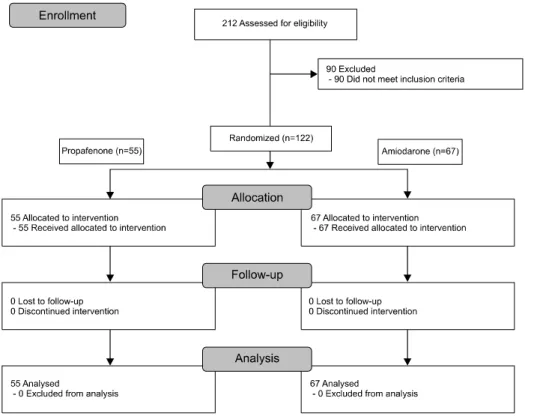
Fig. 2. Consolidated Standards for Reporting Randomized Trials flow diagram.

the AF recovery time after administering the drugs, and the response rate to each drug. All the staff involved in this trial including the cardiothoracic surgeon, intensive care physi- cians, the physicians performing randomization and allocation, and those recording the results and outcomes were blinded to the study group of the patients. As the intervention was given by the ICU nurses, they were not blinded to the patients’

groups, but they were blinded regarding the outcome of each patient. Only the statistician was aware of the study groups.

4) Statistical analysis

For this trial, all eligible patients were recruited. All stat- istical analyses were performed using the SPSS for Windows ver. 16.0 (SPSS Inc., Chicago, IL, USA). The independent t-test was used to compare the results between the groups;

and the chi-square test or Fisher’s exact test was used to compare the proportions. The Mann-Whitney U-test was used to compare the parametric data without a normal distribution between the two study groups. The data are reported as means±standard deviations or proportions as appropriate.

Two-sided p-values <0.05 were considered to indicate stat- istical significance.

RESULTS

Overall, 1,991 patients underwent CABG in these two cen- ters between 2009 and 2012, of whom 212 developed post-CABG AF and were eligible to be included in the study.

The number of patients who were excluded from the study was 90; thus, the number of patients who were randomized to the two study groups was 122 (55 in the propafenone group and 67 in the amiodarone group). None of the patients were lost to follow-up or were further excluded from the study;

therefore, the final number of the patients included in the fi- nal analysis was 122, with 55 in the propafenone group and 67 in the amiodarone group (Fig. 2).

Table 1 summarizes the baseline characteristics of the pa- tients in the two study groups. No significant differences were found between the two study groups regarding demo- graphic characteristics and risk factors for AF. Serum levels of potassium as well as the patients’ drugs were also com- parable between the two study groups (Table 1).

The results of AF treatment and the success rate are pre-

sented in Table 2. The mean interval between the onset of

AF and the initiation of the treatment was comparable be-

(5)

Table 1. Baseline characteristics of 122 patients who developed post-coronary artery bypass grafting atrial fibrillation according to treatment group

Characteristic Propafenone (n=55) Amiodarone (n=67) p-value

Age (yr) 66.7±8.7 68.1±9.9 0.437

Risk factors

Hypertension 39 (70.9) 52 (77.6) 0.412

Hyperlipidemia 38 (69.1) 45 (67.2) 0.848

Diabetes mellitus 28 (50.9) 33 (49.3) 0.999

Congestive heart failure 0 2 (3.1) 0.501

Chronic obstructive pulmonary disease 9 (16.4) 21 (31.8) 0.059

Right atrium enlargement 0 1 (1.6) 0.998

Intra-aortic balloon pump 5 (9.1) 6 (9.1) 0.999

Previous atrial fibrillation 5 (9.1) 2 (3.2) 0.245

Drugs

β-blocker 48 (87.3) 54 (80.6) 0.462

Calcium channel blocker 5 (9.1) 8 (12.5) 0.769

Angiotensin converting enzyme inhibitor 19 (34.5) 16 (25.8) 0.320

Preoperative K

(meq/L) 4.21±0.51 4.23±0.71 0.830

Values are presented as mean±standard deviation or number (%).

Table 2. Comparison of the characteristics and outcomes of atrial fibrillation therapy with propafenone and amiodarone in 122 patients who underwent coronary artery bypass grafting

Propafenone (n=55) Amiodarone (n=67) p-value

AF therapy interval (min) 22.8±34.5 14.2±12.1 0.803

AF duration, first episode (min) 262.5±321.5 384.1±428.4 0.361

AF duration, second episode (min) 62.5±201.8 85.2±254.8 0.832

AF duration, third episode (min) 17.1±62.3 13.8±86.3 0.298

Cardioversion 2 (3.6) 3 (4.5) 0.998

Repeated AF 17 (30.9) 23 (34.3) 0.704

Repeat of the first drug 15 (27.3) 22 (32.8) 0.557

Repeat of the second drug 4 (7.4) 3 (4.5) 0.699

Values are presented as mean±standard deviation or number (%).

AF, atrial fibrillation.

tween the groups (22.8±34.5 minutes vs. 14.2±12.1 minutes, p=0.803). Likewise, the durations of the first (p=0.361), sec- ond (p=0.832), and third (p=0.298) episodes of AF were comparable between those who received amiodarone and those who received propafenone. Repeated AF was recorded in 17 patients (30.9%) in the propafenone group and 23 pa- tients (34.3%) in the amiodarone group, which was com- parable (p=0.704). The need for cardioversion (p=0.998), the need to repeat the first dose of the drug (p=0.557), and the need to repeat the second dose of the drug (p=0.699) were also comparable between the study groups. Table 2 addition- ally shows how many patients developed repeated AF after

receiving different rounds of drug administration. As shown

in the table, for example, 55 patients who developed AF re-

ceived propafenone, of whom only 17 patients were not con-

verted to sinus rhythm and the drug was administered repea-

tedly. Again, if AF did not convert, according to the protocol

in Fig. 1, the same drug was either continued or the patient

was changed to the other drug. Ultimately, only two patients

in the propafenone group and three patients in the amiodar-

one group needed cardioversion, and all of them eventually

recovered from AF. Finally, all patients recovered, showing

the efficacy of management using these two drugs to treat AF.

(6)

DISCUSSION

Despite advances in cardiovascular surgery, AF after CABG remains a common and disruptive complication associated with increased morbidities, such as coronary ischemia, ven- tricular arrhythmias, infection, thromboembolic events, and congestive heart failure [2,3]. These complications increase the duration of the hospital stay as well as the costs and ex- penses of care [3,4]. Amiodarone and propafenone are consid- ered to be potent and effective antiarrhythmic drugs. In re- cent-onset AF, the potency and effectiveness of both drugs are similar to that of electrical cardioversion [1-3]. Some stud- ies have shown oral propafenone [13,14] and amiodarone [15,16] to be effective agents in converting recent-onset or chronic AF. It has also been reported that oral propafenone or intravenous amiodarone can be used for the prophylaxis of AF after cardiac operations, including CABG [20-22]. However, very few studies have compared the efficacy of amiodarone and propafenone in the treatment of post-CABG AF [23-25].

In the current study, we attempted to compare the efficacy of oral propafenone with intravenous amiodarone in the treat- ment of recent-onset AF after CABG. We found that the du- ration of AF, the recurrence of AF, and the need for car- dioversion and repeating the first and second doses of the drug were all comparable between the two study groups.

Therefore, intravenous amiodarone and oral propafenone were found to be equally effective in the conversion and treatment of recent-onset AF after CABG.

Propafenone and amiodarone share similar characteristics, although they have different mechanisms of action. Propafe- none is classified as class Ic antiarrhythmic drug that pro- longs the conduction of electrical impulses in the atrial my- ocardium [26]. Amiodarone, however, is a class III antiar- rhythmic drug that prolongs the refractory period in the cells of the atrial myocardium [26,27]. The mechanism of AF after CABG is believed to be atrial re-entry, meaning that drugs that cut the circuit of re-entry could be used in the manage- ment of AF.

The effectiveness of these two drugs has been widely stud- ied for both recent-onset or chronic AF [13-16]. However their effectiveness for the treatment of AF after CABG has not been adequately studied. Eremenko et al. [23] compared

the antiarrhythmic activity of amiodarone and propafenone used to prevent AF after CABG. They started antiarrhythmic therapy within 24 hours after CABG. They gave the first group intravenous amiodarone at a dosage of 6 mg/kg/day, whereas the second group received oral propafenone at a dos- age of 6.6 mg/kg/day. The results of their study demonstrated that propafenone was more effective for the prevention of AF after CABG [23]. In another study, Larbuisson et al. [24]

compared the efficacy and safety of amiodarone and prop- afenone in the conversion of AF or atrial flutter after CABG.

The patients received intravenous propafenone (1–2 mg/kg in a 10-minute bolus dose, followed by an infusion of 420 mg over 24 hours), or amiodarone (2.5–5 mg/kg in a 10-minute bolus dose followed by an infusion of 900 mg in 24 hours).

They likewise found that propafenone produced a more prompt effect in converting AF or flutter to normal sinus rhythm [24]. Di Biasi et al. [25] also compared the efficacy and safety of amiodarone and propafenone for treating AF after CABG.

They treated the patients with amiodarone (46 patients; 5 mg/kg over 15 minutes and then 15 mg/kg over the sub- sequent 24 hours for non-converting patients) or propafenone (38 patients; 2 mg/kg over 15 minutes and then 10 mg/kg over the subsequent 24 hours for non-converting patients).

They found that the two drugs were equally effective in con- verting postoperative AF or flutter after 24 hours, although propafenone was superior within the first hour [25]. The re- sults of these studies are contrary to ours. We found that both drugs were equally effective in treating and converting AF after CABG.

Several risk factors have been reported for AF after CABG, including the perioperative use of β-blockers, chron- ic obstructive pulmonary disease, congestive heart failure, left ventricular end-diastolic pressure, the type of cardioplegia, the type of cardiac venting, and perioperative pacing [2,3]. Among these, advanced age is the only independent predictor of AF after CABG [28]. A previous study demonstrated that patients in whom AF developed after CABG were an average of 5.7 years older than those who remained in sinus rhythm [29].

Currently, no standard prophylaxis regimen has been estab-

lished for AF after CABG. Digoxin, calcium blockers, mag-

nesium, glucose-insulin-potassium solution, and various car-

dioplegia are ineffective in preventing AF after CABG

(7)

[1-3,30-32]. However, propafenone and amiodarone may be successfully used for preventing AF after CABG [20-22].

In our study, propafenone and amiodarone were well tol- erated by all patients and no significant side effects were recorded. However, previous reports have shown several ad- verse effects to be associated with treatment with these two drugs. Amiodarone is associated with several adverse effects, most of which are dose-dependent, which could explain why our patients did not experience the side effects of amiodar- one, as they received a low dose with a short duration [26].

Propafenone has significant proarrhythmic effects, especially in those with structural heart disease. As we excluded pa- tients with multiple types of organic heart disease, none of our patients developed side effects after being treated with propafenone. However, another report has also shown that both drugs are safe for treating AF after CABG [27].

We note some limitations to our study. First, the number of patients included in this study was limited. The incidence of AF after CABG is relatively low, and we therefore in- cluded all patients who met the inclusion criteria during our study period. Second, we did not measure the atrial di- mensions, and data regarding the ejection fraction or the number of grafts were not collected, which may be another limitation of our study. The main strength of this study is the use of strict inclusion and exclusion criteria, which limited the role of confounding factors.

In conclusion, as we found that intravenous amiodarone and oral propafenone were equally effective and safe when used to treat and convert AF after CABG, it can be con- cluded that oral propafenone is a safe alternative for amiodar- one in routine AF treatment after CABG. In light of the problems involved in the intravenous infusion of drugs and the fact that oral medications are tolerated by more patients, the results of this study may be worth considering by cardiac surgeons treating AF after CABG. More clinical trials with larger sample sizes are recommended.

CONFLICT OF INTEREST

No potential conflict of interest relevant to this article was reported.

REFERENCES

1. Hogue CW Jr, Hyder ML. Atrial fibrillation after cardiac operation: risks, mechanisms, and treatment. Ann Thorac Surg 2000;69:300-6.

2. Mariscalco G, Engstrom KG. Postoperative atrial fibrillation is associated with late mortality after coronary surgery, but not after valvular surgery. Ann Thorac Surg 2009;88:1871-6.

3. Mathew JP, Parks R, Savino JS, et al. Atrial fibrillation fol- lowing coronary artery bypass graft surgery: predictors, out- comes, and resource utilization. MultiCenter Study of Perio- perative Ischemia Research Group. JAMA 1996;276:300-6.

4. Cox JL. A perspective of postoperative atrial fibrillation in cardiac operations. Ann Thorac Surg 1993;56:405-9.

5. Kaw R, Hernandez AV, Masood I, Gillinov AM, Saliba W, Blackstone EH. Short- and long-term mortality associated with new-onset atrial fibrillation after coronary artery bypass grafting: a systematic review and meta-analysis. J Thorac Cardiovasc Surg 2011;141:1305-12.

6. Mitchell LB, Crystal E, Heilbron B, Page P. Atrial fibri- llation following cardiac surgery. Can J Cardiol 2005;21 Suppl B:45B-50B.

7. Ommen SR, Odell JA, Stanton MS. Atrial arrhythmias after cardiothoracic surgery. N Engl J Med 1997;336:1429-34.

8. Burashnikov A, Antzelevitch C. New pharmacological strat- egies for the treatment of atrial fibrillation. Ann Noninva- sive Electrocardiol 2009;14:290-300.

9. Burashnikov A, Antzelevitch C. Novel pharmacological tar- gets for the rhythm control management of atrial fibrillation.

Pharmacol Ther 2011;132:300-13.

10. Heldal M, Atar D. Pharmacological conversion of recent-onset atrial fibrillation: a systematic review. Scand Cardiovasc J Suppl 2013;47:2-10.

11. Levy S, Lauribe P, Dolla E, et al. A randomized comparison of external and internal cardioversion of chronic atrial fibr- illation. Circulation 1992;86:1415-20.

12. Alt E, Ammer R, Schmitt C, et al. A comparison of treat- ment of atrial fibrillation with low-energy intracardiac car- dioversion and conventional external cardioversion. Eur Heart J 1997;18:1796-804.

13. Azpitarte J, Alvarez M, Baun O, et al. Value of single oral loading dose of propafenone in converting recent-onset atrial fibrillation: results of a randomized, double-blind, controlled study. Eur Heart J 1997;18:1649-54.

14. Capucci A, Villani GQ, Aschieri D, Piepoli M. Safety of or- al propafenone in the conversion of recent onset atrial fi- brillation to sinus rhythm: a prospective parallel placebo-co- ntrolled multicentre study. Int J Cardiol 1999;68:187-96.

15. Andrivet P, Boubakri E, Dove PJ, Mach V, Vu Ngoc C. A

clinical study of amiodarone as a single oral dose in patients

with recent-onset atrial tachyarrhythmia. Eur Heart J 1994;

(8)

15:1396-402.

16. Khan IA, Mehta NJ, Gowda RM. Amiodarone for pharma- cological cardioversion of recent-onset atrial fibrillation. Int J Cardiol 2003;89:239-48.

17. Kochiadakis GE, Igoumenidis NE, Parthenakis FI, Chlouve- rakis GI, Vardas PE. Amiodarone versus propafenone for conversion of chronic atrial fibrillation: results of a random- ized, controlled study. J Am Coll Cardiol 1999;33:966-71.

18. Blanc JJ, Voinov C, Maarek M. Comparison of oral loading dose of propafenone and amiodarone for converting re- cent-onset atrial fibrillation. PARSIFAL Study Group. Am J Cardiol 1999;84:1029-32.

19. Martinez-Marcos FJ, Garcia-Garmendia JL, Ortega-Carpio A, Fernandez-Gomez JM, Santos JM, Camacho C. Comparison of intravenous flecainide, propafenone, and amiodarone for conversion of acute atrial fibrillation to sinus rhythm. Am J Cardiol 2000;86:950-3.

20. Zebis LR, Christensen TD, Thomsen HF, et al. Practical reg- imen for amiodarone use in preventing postoperative atrial fibrillation. Ann Thorac Surg 2007;83:1326-31.

21. Zebis LR, Christensen TD, Kristiansen IS, Hjortdal VE.

Amiodarone cost effectiveness in preventing atrial fibrillation after coronary artery bypass graft surgery. Ann Thorac Surg 2008;85:28-32.

22. Ito N, Tashiro T, Morishige N, et al. Efficacy of propafe- none hydrochloride in preventing postoperative atrial fibri- llation after coronary artery bypass grafting. Heart Surg Forum 2010;13:E223-7.

23. Eremenko AA, Galanikhina EA, Ziuliaeva TP, Egorov VM.

Efficacy of amiodarone versus propafenone in the prevention of rhythm disorders in patients after aortocoronary bypass surgery. Anesteziol Reanimatol 2010;(5):45-9.

24. Larbuisson R, Venneman I, Stiels B. The efficacy and safety

of intravenous propafenone versus intravenous amiodarone in the conversion of atrial fibrillation or flutter after cardiac surgery. J Cardiothorac Vasc Anesth 1996;10:229-34.

25. Di Biasi P, Scrofani R, Paje A, Cappiello E, Mangini A, Santoli C. Intravenous amiodarone vs propafenone for atrial fibrillation and flutter after cardiac operation. Eur J Cardi- othorac Surg 1995;9:587-91.

26. Edvardsson N. Comparison of class I and class III action in atrial fibrillation. Eur Heart J 1993;14 Suppl H:62-6.

27. Wang J, Bourne GW, Wang Z, Villemaire C, Talajic M, Nattel S. Comparative mechanisms of antiarrhythmic drug ac- tion in experimental atrial fibrillation: importance of use-de- pendent effects on refractoriness. Circulation 1993;88:1030-44.

28. Aranki SF, Shaw DP, Adams DH, et al. Predictors of atrial fibrillation after coronary artery surgery: current trends and impact on hospital resources. Circulation 1996;94:390-7.

29. Redle JD, Khurana S, Marzan R, et al. Prophylactic oral amiodarone compared with placebo for prevention of atrial fibrillation after coronary artery bypass surgery. Am Heart J 1999;138(1 Pt 1):144-50.

30. Davison R, Hartz R, Kaplan K, Parker M, Feiereisel P, Michaelis L. Prophylaxis of supraventricular tachyarrhythmia after coronary bypass surgery with oral verapamil: a rando- mized, double-blind trial. Ann Thorac Surg 1985;39:336-9.

31. Nystrom U, Edvardsson N, Berggren H, Pizzarelli GP, Radegran K. Oral sotalol reduces the incidence of atrial fi- brillation after coronary artery bypass surgery. Thorac Card- iovasc Surg 1993;41:34-7.

32. Lamb RK, Prabhakar G, Thorpe JA, Smith S, Norton R, Dyde JA. The use of atenolol in the prevention of supra- ventricular arrhythmias following coronary artery surgery.

Eur Heart J 1988;9:32-6.

수치

Fig. 1. Study protocol. AF, atrial fibrillation; NG, nasogastric tube; PO, per oral; iv, intravenous; bid, twice a day; q8h, every 8 hours.
Fig. 2. Consolidated Standards for  Reporting Randomized Trials flow  diagram.
Table 1. Baseline characteristics of 122 patients who developed post-coronary artery  bypass  grafting atrial fibrillation according to treatment group

참조

관련 문서

Purpose: Calcaneal fracture is a rare fracture, which accounts for about 2% of all fractures, but is one of the most common fractures in the ankle bone.. There is

Lumbar discogenic radiculopathy (LDR) is one of the most common spinal disorders which can lead to high medical expenses for the patient, occupational impairment,

With these results, we can suggest the hypothesis that increased cardiac output in the patients who administered ketamine increased muscle blood flow, and this is the

Bone transplants, autogenous bones, allogenic bones, xenogenic bones, and synthetic bone substitutes have all been used as bone graft materials.. However,

After the vehicle has become a large-formation and high-speed, loud noise from an express highway is coming to be higher and the number of large-scale

After the electrical density and the gap of electrode was made to keep constant, the removal rate of organic matters and ammnonia increased with

Traumatic spondylolisthesis of the axis, or Hangman’s frac- ture, is a common injury type of high cervical spine and the second most common fracture of axis. It involves bilateral

Among the various pulmonary manifestations, interstitial lung disease (ILD) is known to be associated with substantial morbidity and mortality rates in RA patients.. As RA-ILD