1
Molecularly Targeted Therapy for Lung Cancer: Recent Topics
Many clinical trials of molecular target drugs have been done against advanced lung cancer, however, majority did not meet the primary endpoint. Positive studies of EGFR-TKI such as BR21 and Interest used unselected populations of non-small cell lung cancer. It was quite difficult to explain why they were positive.
In the present review, the difficulties of clinical trial design in molecular target drugs were discussed based on the differences of the magnitude of antitumor activity and the target tumor cell population between cytotoxic drugs and molecular target therapy. (J Lung Cancer 2008;7(1):1 8)
Key Words: Lung cancer, Molecular target therapy, EGFR-TKI, Clinical trial
Nagahiro Saijo, M.D., Ph.D.
National Cancer Center Hospital East, Chiba, Japan
Received: January 13, 2008 Accepted: May 22, 2008 Address for correspondence Nagahiro Saijo, M.D., Ph.D.
National Cancer Center Hospital East, Kashiwanoha 6-5-1, Kashiwa-shi, Chiba 277-8577, Japan
Tel: 81-4-7134-6902 Fax: 81-4-7131-3212 E-mail: [email protected]
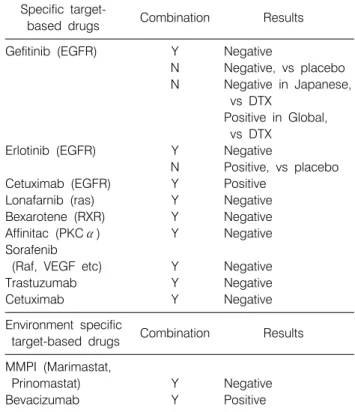
Table 1. Molecular Target-based Therapy in Lung Cancer Specific target-
Combination Results
based drugs
Gefitinib (EGFR) Y Negative
N Negative, vs placebo N Negative in Japanese,
vs DTX
Positive in Global, vs DTX
Erlotinib (EGFR) Y Negative
N Positive, vs placebo
Cetuximab (EGFR) Y Positive
Lonafarnib (ras) Y Negative
Bexarotene (RXR) Y Negative
Affinitac (PKCα) Y Negative
Sorafenib
(Raf, VEGF etc) Y Negative
Trastuzumab Y Negative
Cetuximab Y Negative
Environment specific
Combination Results
target-based drugs MMPI (Marimastat,
Prinomastat) Y Negative
Bevacizumab Y Positive
N: No, Y: Yes The therapeutic efficacy of cytocidal anticancer drugs for lung
cancer has reached a plateau(1∼4), and it is extremely important to develop of new therapeutic agents. However, the majority of clinical trials of molecularly targeted drugs for lung cancer have yielded negative data, and the only drugs currently approved anywhere in the world are the EGFR-TKIs such as gefitinib and erlotinib and the anti-VEGF antibody, beva- cizumab. Historically, matrix metalloprotease inhibitors(5), PKCα inhibitors, Ras kinase inhibitors(6), bexarotene, trastuzumab(7), etc.(8), have all been assessed with the prolongation of survival by simultaneous or consecutive use with cytocidal anticancer agents, but only negative data have been obtained (Table 1).
EGFR-TKIs
EGFR-TKIs are molecularly targeted drugs that selectively modify molecular biological abnormalities of tumor cells themselves(9∼12). The amazing antitumor effect of EGFR- TKIs in cases in which platinum-taxane therapy failed attracted interest(13∼16), but it was difficult to demonstrate that they contributed to any survival benefit(17∼20). Erlotinib is used as second-line and third-line chemotherapy in cases of platinum-
Table 2. RCTs (Randomized Clinical Trials) of Erlotinib & Gefitinib
Early Stage III Advanced
Erlotinib RADIANT (n=945, First line Relapsed
vs. placebo, on TALENT (n=1172, BR.21 (n=731, vs.
going) CDDP/GEM± placebo, positive)
Erlotinib, negative)
TRIBUTE (n=1059, TITAN (n=648, vs
CBDCA/PTX± DTX, on going)
Erlotinib, negative) SATURN (n=850, CT x 4 → vs. placebo, on going)
Gefitinib BR.19 (n=1242, SWOG0023 (n=840, First line Relapsed
vs. placebo, CRT→DTX→gefitinib, INTACT1 (n=1093, ISEL (n=1692, vs.
terminated) terminated) CDDP/GEM± placebo, negative)
Gefitinib, negative)
Japanese trial INTACT2 (n=1037, V15-32 (n=484,
(n=670, vs. CBDCA/PTX± vs. DTX, negative)
placebo, Gefitinib, negative)
terminated)
INTEREST (n=1466, vs.
DTX, positive) taxane failure, and it has shown a survival benefit in com-
parison with placebo in unselected non-small cell cancer(21).
By contrast, it was impossible to show any overall survival benefit of gefitinib in a group of similar cases that were almost the same although the results were marginal(22,23), and while significant prolongation of survival time was observed in Asians (no Japanese were included) by post-study stratification, no difference in survival time at all from the placebo control group was observed in Caucasians. Moreover, four trials of standard chemotherapy (carboplatin+paclitaxel, gemcitabine+cisplatin)
±EGFR-TKI all yielded negative data(17∼20), and in a comparative study with gefitinib as intensification chemotherapy for stage III non-small cell cancer the survival time of the gefitinib group was instead significantly poorer than in the control group(24). Adjuvant studies using EGFR-TKIs in resected cases was started in Japan and North America but case entry was poor, and it was stopped before completion(25).
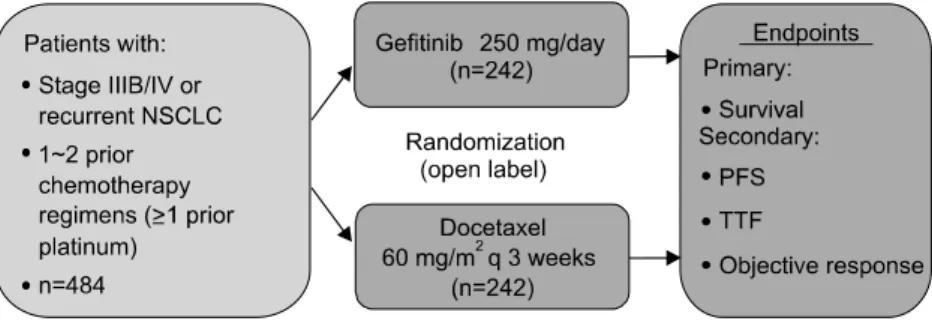
Two comparative studies of docetaxel versus the EGFR-TKI gefitinib in cases in which platinum-taxane was ineffective yielded different results. Even though the response rate to gefitinib by the Japanese patients was higher than in the Western population, it was impossible to demonstrate non- inferiority versus docetaxel in the V15-32 study conducted in Japan(26). By contrast, non-inferiority was demonstrated in the
Interest study conducted in a large number of cases in Western countries(27).
The majority of the results of these studies were not what the investigators expected (Table 2), and numerous questions have arisen.
1) In placebo-controlled studies in cases in which platinum- taxane therapy was ineffective, the ISEL study (gefitinib) was negative(22), whereas BR-21 (erlotinib) was positive(21). The efficacy of gefitinib was marginal, but no difference at all was observed in the Western subjects. Differences in dosage were stated as the reason, but that is not a satisfactory explanation.
2) Does not the fact that Intact I & II (gefitinib)(17,18) and Talent(19) & Tribute (erlotinib)(20) were all negative studies conflict with the evidence in BR-21 study. There is the explanation based on their effects on the cell cycle that anti- cancer drugs and EGFR-TKIs act antagonistically when administered simultaneously.
3) Non-inferiority versus docetaxel was demonstrated in the Interest study (gefitinib) even though the ISEL study (gefitinib) was negative. By contrast, although Japanese patients, who have a high response rate to EGFR-TKIs, were used as the study subjects of the V15-32 study (gefitinib), the docetaxel control group tended to have better survival at each time point of 10-12 months after the beginning of treatment.
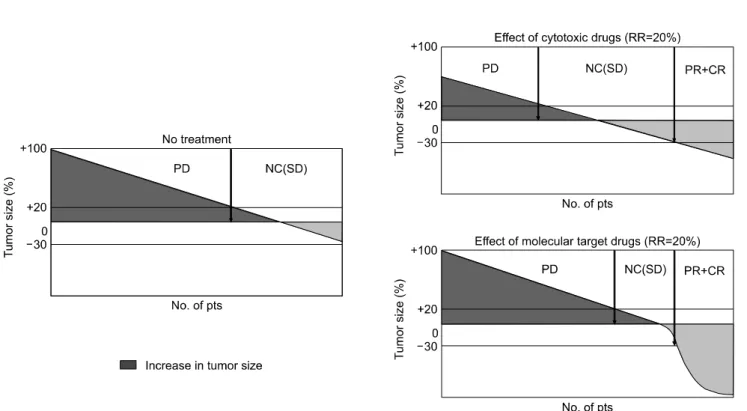
Fig. 1. Improvement of treatment quality.
Fig. 2. Difference in the effect of cytotoxic drugs and molecular target drugs (waterfall plots).
4) In the SWOG S0023, which evaluated differences according to whether gefitinib was used after radiochemo- therapy, survival time was significantly shorter in the gefitinib group(24). Reason. Although considerable patient selection was involved, it was a randomized controlled trial.
5) Do the results of the Interest and BR-21 studies suggest that the efficacy of gefitinib and erlotinib is equivalent?(21,27) Is it legitimate to speculate and argue whether there are
differences in efficacy based on the results of clinical studies with completely different study designs.
These questions suggest that the basic assumptions under- lying clinical trial results of anticancer drugs can not be applied to molecularly targeted therapy.
Against this background the following are conceivable.
1) The response rates of Western people and Asian people to EGFR-TKIs are different, and the reason for the difference is a difference in EGFR mutation rate(28∼44).
2) At present it is unknown whether EGFR mutations are a predictor of the therapeutic efficacy of EGFR-TKIs or even a predictor of the therapeutic efficacy of cytotoxic anticancer drugs(26).
3) EGFR-TKIs display a potent antitumor effect in cells that possess the target, but have no effect at all on cells that do not possess it. By contrast, because cytotoxic anticancer drugs exert an antitumor effect against whole tumor mass (Fig. 1), the effect that they have on survival time is different from that of molecularly targeted drugs even if the response rates are equivalent according to the RECIST criteria (Fig. 2). The concept of “long NC” does not apply to molecularly targeted drugs such as EGFR-TKIs. Actually, in the V15-32 study the response rate to gefitinib was approximately twofold compared
Table 3. Overall Survival (ITT)
Gefitinib Docetaxel
RR RR
No. of Pts 245 22.5% 244 12.8%
No. of events 156 150
One year survival (%) 48% 54%
Hazard ratio=1.12 (0.89∼1.40) p=0.330. Non-inferiority could not be demonstrated.
Fig. 3. Trial V15-32: Phase III trial of gefitinib vs. docetaxel in 2nd/3rd line NSCLC.
Fig. 4. Treatment effect at each time point. Analysed by Prof.
Masahiro Takeuchi, Kitasato University, Division of Biostatistics
& Division of Pharmaceutical Medicine. Courtesy of Prof. M.
Takeuchi, Kitasato University.
with docetaxel(26), but non-inferiority could not be demon- strated, and survival time at each time point assessed in the gefitinib group was slightly poorer than in the docetaxel group at each time point during early phase after the beginning of treatment (Table 3, Fig. 3, 4). Waterfall plots are being used often recently. We can show the differences in efficacy between anticancer drugs and molecularly targeted drugs in figures (Fig.
2).
The basis of molecularly targeted therapy is that it should be used to treat patients who harbor the target. The problem lies in the degree of sensitivity and specificity of the bio- markers that are capable of detecting the molecular target. The molecular target of EGFR-TKIs is a mutated EGFR, and while a response rate of approximately 80% can be achieved when mutations are present, a response of 10% is obtained even when there are no mutations(28∼32). Moreover, it is not easy to obtain samples that are sufficient to detect mutations. Attempts are being made to devise a method of detection that uses blood, etc., as the specimen, but the results have not been satisfactory.
Changes in surrogate tissue seem merely to reflect germ line variation, and their meaning is different from that of assessments that use tumor tissue and reflect both germ line variation including SNPs and somatic mutation. Attempts have
also been made to predict therapeutic efficacy on the basis of gene expression(40), protein expression(41), etc., in addition to mutations, but no reliable results have been reported.
Anti-EGFR Antibody
There have been few results of research on the effect of EGFR antibodies (cetuximab, panitumab, matuzumab) on lung cancer. The antibodies recognize epitopes on the cell surface and have been found to exert their antitumor activity by block- ing signal transduction pathway or by antibody-dependent cell-mediated cytotoxicity (ADCC). The mechanism by which they block signal transduction systems has not been elucidated.
According to the results of in vitro studies, the majority of the antitumor activity of the antibodies appears to be attributable
to ADCC. In a study comparing CDDP+vinorelbine±cetuximab, Gatzemeier and Rosell obtained an improvement in response rate and prolongation of progression-free time in comparison with anticancer drug therapy alone(45), and Kelley et al.
conducted a study comparing simultaneous and consecutive treatment with cetuximab in combination with CBDCA+
paclitaxel and obtained better treatment results in the simulta- neous administration group(46). Assessment of improvement in the results of treatment by applying EGFR antibodies to the treatment of other stages of lung cancer seems necessary in the future(47,48).
Anti-VEGF Antibody (Bevacizumab)
Anti-VEGF antibody is intended to improve treatment results by selectively modifying the molecular biological properties of the host that constitutes the tumor environment(49). When negative data for matrix metalloproteases persisted, it was concluded that “target-less molecularly targeted agents” that act on the tumor environment in this way do not contribute to improving the results of treatment. However, the remarkable improvement in results of treatment with IFL+bevacizumab for colorectal cancer(50) and reproducible results with FOLFOX4+
bevacizumab(51) suggested that even drugs that acted on the tumor environment could produce a significant survival benefit and improvement in cure rate. The ECOG reported positive data for PTL+CBDCA±bevacizumab(52,53) in previously untreated advanced non-small cell cancer, but despite strict patient selection that accepted only non-squamous cell carci- noma patients as subjects, a mere 2-month survival benefit and a significantly high rate of adverse effects, such as bleeding, were observed. The enormous cost of treatment was seen as another problem. The AVAIL study, which was primarily conducted in Europe, compared gemcitabine+CDDP±bevaci- zumab, and prolongation of progression-free time was observed in the bevacizumab group(54), but, unfortunately, there was no prolongation of overall survival time. Moreover, in the 7.5 mg/kg dosage group of the ECOG phase II trial, the results of treatment were poor. It is unknown whether these inconsis- tencies were simply attributable to differences in the prognostic factors of the patients entered in the study or were based on the chemotherapy regimen that was used. Research on biomarkers that might predict the efficacy of target-less molecularly
targeted drugs or be correlated with their efficacy has been lagging. Bevacizumab has already begun to be used in Japan in combination with FOLFOX4 to treat colorectal cancer.
Training of clinical oncologists who sufficiently understand the emergency management of thrombosis and bleeding is needed.
Multiple-target Molecularly Targeted Drugs (“Dirty” Targeted Drugs)
A great number of anticancer drugs that act on a variety of targets have been developed, and clinical trials have been conducted in lung cancer. From the standpoint of the process of drug development, the fact that a drug that selectively modifies a certain target has been developed does not necessarily mean that it will act on that target alone. Thus, viewed from the opposite vantage point, developing drugs that are designed to modify many targets just from the beginning may also serve as a strategy. Since signal transduction systems are constructed of complex networks, attempting to impede tumor growth by simultaneously inhibiting several of their pathways is one possible approach. However, as the number of targets increases, proof of principle studies become more difficult. In addition, it will be necessary to consider the choice between using dirty targeted drugs that have many targets or using combinations of targeted drugs that have different targets. Moreover, even being called “dirty” seems unavoidable, because many investigators themselves have not sorted out what the targets are in the clinical trials of Sorafenib(55), Sunitinib(56), Vandetanib(57), etc.(58), which are currently being tested. Every time results of clinical studies are obtained, there is a feeling that they are going to cause a headache. Selection of a population that possesses the target would seem essential for clinical studies of molecularly targeted drugs. On the other hand, because there are no targets for molecularly targeted drugs that are cancer- environment-specific, patient selection is not performed. Because the “dirty” targeted drugs that are currently being used are equipped with both functions, it is claimed that a combined effect can be achieved, but there is also a possibility that we are doing a biologically fatal contradiction.
Clinical Studies and Biomarkers
When molecularly targeted drugs were introduced, there was
a widespread theory that “because the efficacy of molecularly targeted drugs is exhibited in the form of a cytostatic effect instead of a cytotoxic effect, it is impossible to evaluate them by ordinary clinical trial methodology”. However, the hypothesis has been demonstrated to be false. 1) despite being targeted therapy, effective compounds cause tumor shrinkage, 2) matrix metalloproteases and other drugs that act on the tumor environment have yielded negative data in phase 3 studies every single time, and 3) drug-specific adverse effects associated with increases in dose are observed with drugs other than antibodies, it now appears possible to evaluate molecularly targeted drugs by conventional clinical studies. Facts that have subsequently become clear include that 1) targeted drugs are effective only in cells that possess the target and are completely ineffective in cells that do not, 2) drugs that act downstream of signal transduction have poor selectivity, and it is difficult to demonstrate efficacy, and 3) drugs that act on specific molecular biological characteristics of the cancer environment in a certain sense do not have a target. Thus, when a specific molecular biological target is present on the cancer cells themselves, it seems ideal to select subjects who have the target and use it to treat them. Success has been achieved with Herceptin in breast cancer by using that strategy, and it is not difficult to plan clinical trials of Rituxan for lymphomas, Gleevec for CML, etc., because all of the cancer cells retain the original target. Patient selection for EGFR-TKIs seems to be the most strategic task, and the establishment of validated biomarkers with high sensitivity and excellent selectivity also seems to be an important task. V15-32 research has shown that it is impossible to predict survival curves in clinical studies that include whole patients without selection. By contrast, because drugs that act on the cancer environment, as represented by Avastin, do not have a target, all types of cancers are candidates for treatment. The exception is patients who develop severe toxicity. This category of drugs basically cannot be expected to be effective when used alone. They are used in combination, and cancer chemotherapy intensifying effects, etc., have been shown. Because these drugs can be expected to be effective to a certain degree in all patients without selection and they ultimately seem to intensify the efficacy of anticancer drugs, it seems possible to make comparisons by means of survival curves and proportional hazard models of treatment with cytocidal anticancer drugs.
CONCLUSION
Effect of Molecularly targeted therapy of lung cancer is less clear-cut than for other diseases. Despite EGFR-TKIs displaying a remarkable antitumor effect in taxane-platinum-resistant cases, it can be pointed out that it has been impossible to demonstrate any prolongation of survival time and that there are far too few segmented cases, especially in Western countries, in order to perform patient selection based on EGFR mutations.
Comparative studies in patients selected according to their clinical characteristics and whether they have EGFR mutations are currently being conducted, and it will be very interesting to see what kind of results they yield. Avastin seems likely to be approved in Japan, but caution is required in regard to toxicity. What kind of results will be obtained when "dirty"
targeted drugs are subjected to clinical studies without patient selection is unknown territory.
REFERENCES
1. Schiller JH, Harrington D, Belani CP, et al. Comparison of four chemotherapy regimens for advanced non-small-cell lung cancer. N Engl J Med 2002;346:92-98.
2. Kelly K, Crowley J, Bunn PA Jr, et al. Randomized phase III trial of paclitaxel plus carboplatin versus vinorelbine plus cisplatin in the treatment of patients with advanced non-small- cell lung cancer: a Southwest Oncology Group trial. J Clin Oncol 2001;19:3210-3218.
3. Ohe Y, Ohashi Y, Kubota K, et al. Randomized phase III study of cisplatin plus irinotecan versus carboplatin plus paclitaxel, cisplatin plus gemcitabine, and cisplatin plus vinorelbine for advanced non-small-cell lung cancer: Four-Arm Cooperative Study in Japan. Ann Oncol 2007;18:317-323.
4. Saijo N. Recent trends in the treatment of advanced lung cancer. Cancer Sci 2006;97:448-452.
5. Shepherd FA, Giaccone G, Seymour L, et al. Prospective, randomized, double-blind, placebo-controlled trial of marimastat after response to first-line chemotherapy in patients with small- cell lung cancer: a trial of the National Cancer Institute of Canada-Clinical Trials Group and the European Organization for Research and Treatment of Cancer. J Clin Oncol 2002;
20:4434-4439.
6. Adjei AA, Mauer A, Bruzek L, et al. Phase II study of the farnesyl transferase inhibitor R115777 in patients with advanced non-small-cell lung cancer. J Clin Oncol 2003;21:1760-1766.
7. Gatzemeier U, Groth G, Butts C, et al. Randomized phase II trial of gemcitabine-cisplatin with or without trastuzumab in HER2-positive non-small-cell lung cancer. Ann Oncol 2004;
15:19-27.
8. Williamson SK, Crowley JJ, Lara PN Jr, et al. Phase III trial of paclitaxel plus carboplatin with or without tirapazamine in advanced non-small-cell lung cancer: Southwest Oncology Group Trial S0003. J Clin Oncol 2005;23:9097-9104.
9. Lynch TJ, Bell DW, Sordella R, et al. Activating mutations in the epidermal growth factor receptor underlying respon- siveness of non-small-cell lung cancer to gefitinib. N Engl J Med 2004;350:2129-2139.
10. Paez JG, Janne PA, Lee JC, et al. EGFR mutations in lung cancer: correlation with clinical response to gefitinib therapy.
Science 2004;304:1497-1500.
11. Arao T, Fukumoto H, Takeda M, et al. Small in-frame deletion in the epidermal growth factor receptor as a target for ZD6474.
Cancer Res 2004;64:9101-9104.
12. Johnson BE, Janne PA. Selecting patients for epidermal growth factor receptor inhibitor treatment: A FISH story or a tale of mutations? J Clin Oncol 2005;23:6813-6816.
13. Ranson M, Hammond LA, Ferry D, et al. ZD1839, a selective oral epidermal growth factor receptor-tyrosine kinase inhibitor, is well tolerated and active in patients with solid, malignant tumors: results of a phase I trial. J Clin Oncol 2002;20:2240- 2250.
14. Herbst RS, Maddox AM, Rothenberg ML, et al. Selective oral epidermal growth factor receptor tyrosine kinase inhibitor ZD1839 is generally well-tolerated and has activity in non-small-cell lung cancer and other solid tumors: results of a phase I trial. J Clin Oncol 2002;20:3815-3825.
15. Fukuoka M, Yano S, Giaccone G, et al. Multi-institutional randomized phase II trial of gefitinib for previously treated patients with advanced non-small-cell lung cancer (The IDEAL 1 trial). J Clin Oncol 2003;21:2237-2246.
16. Giaccone G, Rodriguez JA, EGFR inhibitors: what have we learned from the treatment of lung cancer? Nature Clin Practive Oncol 2005;2:554-561.
17. Giaccone G, Herbst RS, Manegold C, et al. Gefitinib in combination with gemcitabine and cisplatin in advanced non-small-cell lung cancer: a phase III trial--INTACT 1. J Clin Oncol 2004;22:777-784.
18. Herbst RS, Giaccone G, Schiller JH, et al. Gefitinib in combination with paclitaxel and carboplatin in advanced non-small-cell lung cancer: a phase III trial--INTACT 2. J Clin Oncol 2004;22:785-794.
19. Herbst RS, Prager D, Hermann R, et al. TRIBUTE: a phase III trial of erlotinib hydrochloride (OSI-774) combined with carboplatin and paclitaxel chemotherapy in advanced non-small- cell lung cancer. J Clin Oncol 2005;23:5892-5899.
20. Gatzemeier U, Pluzanska A, Szczesna A, et al. Results of a phase III trial of erlotinib (OSI-774) combined with cisplatin and gemcitabine (GC) chemotherapy in advanced non-small- cell lung cancer (NSCLC). J Clin Oncol, 2004 ASCO Annual Meeting Proceedings (Post-Meeting Edition). 2004;22(14S):
7010.
21. Shepherd FA, Rodrigues Pereira J, Ciuleanu T, et al. Erlotinib in previously treated non-small-cell lung cancer. N Engl J Med 2005;353:123-132.
22. Thatcher N, Chang A, Parikh P, et al. Gefitinib plus best supportive care in previously treated patients with refractory
advanced non-small-cell lung cancer: results from a rando- mized, placebo-controlled, multicentre study (Iressa Survival Evaluation in Lung Cancer). Lancet 2005;336:1527-1537.
23. Chang A, Parikh P, Thongprasert S, et al. Gefitinib (IRESSA) is patients of Asian origin with refractory advanced non-small cell lung cancer: subset analysis from the ISEL study. J Thorac Oncol 2006;1:847-855.
24. Kelly K, Gaspar LE, Chansky K, et al. Low incidence of pneumonitis on SWOG 0023: A preliminary analysis of an ongoing phase III trial of concurrent chemoradiotherapy followed by consolidation docetaxel and Iressa/placebo maintenance in patients with inoperable stage III non-small cell lung cancer. J Clin Oncol, 2005 ASCO Annual Meeting Proceedings. 2005;23(16S):7058.
25. Tsuboi M, Kato H, Nagai K, et al. Gefitinib in the adjuvant setting: safety results from a phase III study in patients with completely resected non-small cell lung cancer. Anticancer Drugs 2005;16:1123-1128.
26. Niho S, Ichinose Y, Tamura T, et al. Results of a randomized Phase III study to compare the overall survival of gefitinib (IRESSA) versus docetaxel in Japanese patients with non- small-cell lung cancer who failed one or two chemotherapy regimens. J Clin Oncol, 2007 ASCO Annual Meeting Pro- ceedings Part I. 2007;25(18S):LBA7509.
27. Douillard JY, Kim E, Hirsh V, et al. Gefitinib (Iressa) versus docetaxel in patients with locally advanced or metastatic NSCLC pretreated with platinum-based chemotherapy: a randomized, open-label phase III study (Interest). J Thorac Oncol 2007;2:S305-S306.
28. Kosaka T, Yatabe Y, Endoh H, et al. Mutations of the epidermal growth factor receptor gene in lung cancer: bio- logical and clinical implications. Cancer Res 2004;64:8919- 8923.
29. Han SW, Kim TY, Hwang PG, et al. Predictive and prognostic impact of epidermal growth factor receptor mutation in non-small-cell lung cancer patients treated with gefitinib. J Clin Oncol 2005;23:2493-2501.
30. Shigematsu H, Lin L, Takahashi T, et al. Clinical and biological features associated with epidermal growth factor receptor gene mutations in lung cancers. J Natl Cancer Inst 2005;97:339-346.
31. Mitsudomi T, Kosaka T, Endoh H, et al. Mutations of the epidermal growth factor receptor gene predict prolonged survival after gefitinib treatment in patients with non-small-cell lung cancer with postoperative recurrence. J Clin Oncol 2005;
23:2513-2520.
32. Takano T, Ohe Y, Sakamoto H, et al. Epidermal growth factor receptor gene mutations and increased copy numbers predict gefitinib sensitivity in patients with recurrent non-small-cell lung cancer. J Clin Oncol 2005;23:6829-6837.
33. Giaccone G, Janmeat M, Ruiz MG, et al. EGFR mutations do not accurately predict response to erlotinib in first line monotherapy treatment of advanced non small cell lung cancer. Lung Cancer 2005;49:S244(P-485).
34. Sequist LV, Joshi VA, Janne PA, et al. Response to treatment and survival of patients with non-small cell lung cancer undergoing somatic EGFR mutation testing. Oncologist 2007;
12:90-98.
35. Kaye FJ. A curious link between epidermal growth factor receptor amplification and survival: effect of "allele dilution"
on gefitinib sensitivity? J Natl Cancer Inst 2005;97:621-623.
36. Marchetti A, Martella C, Felicioni L, et al. EGFR mutations in non-small-cell lung caner: analysis of a large series of cases and development of a rapid and sensitive method for diagnostic screening with potential implications on pharmaco- logic treatment. J Clin Oncol 2005;23:857-865.
37. Kobayashi S, Boggon TJ, Dayaram T, et al. EGFR mutation and resistance of non-small-cell lung cancer to gefitinib. N Engl J Med 2005;352:786-792.
38. Pao W, Miller VA, Politi KA, et al. Acquired resistance of lung adenocarcinomas to gefitinib or erlotinib is associated with a second mutation in the EGFR kinase domain. PloS Med 2005;2:e73.
39. Bell DW, Lynch TJ, Haserlat SM, et al. Epidermal growth factor receptor mutations and gene amplification in non-small- cell lung cancer: molecular analysis of the IDEAL/INTACT gefitinib trials. J Clin Oncol 2005;31:8081-8092.
40. Cappuzzo F, Hirsch FR, Rossi E, et al. Epidermal growth factor receptor gene and protein and gefitinib sensitivity in non-small-cell lung cancer. J Natl Cancer Inst 2005;97:643- 655.
41. Hirsch FR, Varella-Garcia M, Bunn PA Jr, et al. Epidermal growth factor receptor in non-small-cell lung carcinomas:
correlation between gene copy number and protein expression and impact on prognosis. J Clin Oncol 2003;21:3798-3807.
42. Cappuzzo F, Varella-Garcia M, Shigematsu H, et al. Increased HER2 gene copy number is associated with response to gefitinib therapy in epidermal growth factor receptor-positive non-small-cell lung cancer patient. J Clin Oncol 2005;23:
5007-5018.
43. Hirsch FR, Varella-Garcia M, McCoy J, et al. Increased epidermal growth factor receptor gene copy number detected by fluorescence in situ hybridization associates with increased sensitivity to gefitinib in patients with bronchioloalveolar carcinoma subtypes: a Southwest Oncology Group Study. J Clin Oncol 2005;23:6838-6845.
44. Tsao MS, Sakurada A, Cutz JC, et al. Erlotinib in lung cancer - molecular and clinical predictors of outcome. N Engl J Med 2005;353:133-144.
45. Rosell R, Daniel C, Ramlau R, et al. Randomized phase II study of cetuximab in combination with cisplatin (C) and vinorelbine (V) vs. CV alone in the first-line treatment of patients (pts) with epidermal growth factor receptor (EGFR)- expressing advanced non-small-cell lung cancer (NSCLC). J Clin Oncol, 2004 ASCO Annual Meeting Proceedings (Post- Meeting Edition). 2004;22(14S):7012.
46. Herbst RS, Chansky K, Kelly K, et al. A phase II randomized selection trial evaluating concurrent chemotherapy plus cetuximab or chemotherapy followed by cetuximab in patients with advanced NSCLC: Final results of SWOG 0342. Proc.
ASCO 25: 395s(7545), 2007.
47. Blumenschein G, Monghan J, Curran W, et al. A phase II study of cetuximab (C225) in combination with chemoradiation (CRT) in patients (pts) with stage III A/B non-small cell lung
cancer (NSCLC): An interim report of the RTOG 0324 trial.
J Clin Oncol, 2007 ASCO Annual Meeting Proceedings Part I. 2007;25(18S):7531.
48. Butts CA, Bodkin D, Middleman EL, et al. Gemcitabine/platinum alone or in combination with cetuximab as a first-line treat- ment for advanced non-small cell lung cancer (NSCLC). J Clin Oncol, 2007 ASCO Annual Meeting Proceedings Part I.
2007;25(18S):7539.
49. Jain RK. Molecular regulation of vessel maturation. Nat Med 2003;9:685-693.
50. Hurwitz H, Fehrenbacher L, Novotny W, et al. Bevacizumab plus irinotecan, fluorouracil, and leucovorin for metastatic colorectal cancer. N Engl J Med 2004;350:2335-2342.
51. Giantonio BJ, Catalano PJ, Meropol NJ, et al. Bevacizumab in combination with oxaliplatin, fluorouracil, and leucovorin (FOLFOX4) for previously treated metastatic colorectal cancer:
results from the Eastern Cooperative Oncology Group Study E3200. J Clin Oncol 2007;25:1539-1544.
52. Johnson DH, Fehrenbacher L, Novotny WF, et al. Randomized phase II trial comparing bevacizumab plus carboplatin and paclitaxel with carboplatin and paclitaxel alone in previously untreated locally advanced or metastatic non-small-cell lung cancer. J Clin Oncol 2004;22:2184-2191.
53. Sandler AB, Gray R, Brahmer J, et al. Randomized phase II/III trial of paclitaxel plus carboplatin with or without beva- cizumab in patients with advanced non-squamous NSCLC: An Eastern Cooperative Oncology Group Trial-E4599. Proc. ASCO, 23: 2s(LBA4), 2005.
54. Manegold C, von Pawel J, Zatlaukal P, et al. Randomized double-blind multicenter phase III study of bevacizumab in combination with cisplatin and gemcitabine in chemotherapy naive patients with advanced or recurrent non-squamous non-small cell lung cancer (NSCLC): BO17704. J Clin Oncol, 2007 ASCO Annual Meeting Proceedings Part I. 2007;25(18S):
LBA7514.
55. Adjei AA, Molina JR, Hillman SL, et al. A front-line window of opportunity phase II study of sorafenib in patients with advanced non-small cell lung cancer: A North Central Cancer Treatment Group. J Clin Oncol, 2007 ASCO Annual Meeting Proceedings Part I. 2007;25(18S):7547.
56. Brahmer JR, Govindan R, Novells S, et al. Efficacy and safety of continuous daily sunitinib dosing in previously treated advanced non-small cell lung cancer (NSCLC): Results from a phase II study. J Clin Oncol, 2007 ASCO Annual Meeting Proceedings Part I. 2007;25(18S):7542.
57. Arnold AM, Smylie M, Ding K, et al. Randomized phase II study of maintenance vandetanib (ZD6474) in small cell lung cancer (SCLC) patients who have a complete or partial response to induction therapy: NCIC GTG BR.20. J Clin Oncol, 2007 ASCO Annual Meeting Proceedings Part I.
2007;25(18S):7522.
58. Schiller JH, Larson T, Ou SI, et al. Efficacy and safety of axitinib (AG-013736; AG) in patients (pts) with advanced non-small cell lung cancer (NSCLC): A phase II trial. J Clin Oncol, 2007 ASCO Annual Meeting Proceedings Part I.
2007;25(18S):7507.