ARTICLE
Received: June 10, 2020 Revised: June 20, 2020 Accepted: June 22, 2020
†These authors contributed equally to this study.
*Corresponding author : Kwang-Young Song
KU Center for Food Safety and Department of Public Health, College of Veterinary Medicine, Konkuk University, Seoul, Korea and Dept. of Biological Engineering, Yanbian University of Science and Technology, Yanji, JL, China
Tel : +82-2-450-4121 Fax : +82-2-3436-4128 E-mail : [email protected]
Copyright © 2020 Korean Society of Dairy Science and Biotechnology.
This is an Open Access article distributed under the terms of the Creative Commons Attribution Non-Commercial License (http://creativecommons.org/licenses/by-nc/3.0) which permits unrestricted non-commercial use, distribution, and reproduction in any medium, provided the original work is properly cited.
ORCID Jung-Whan Chon
https://orcid.org/0000-0003-0758-6115 Kun-Ho Seo
https://orcid.org/0000-0001-5720-0538 Hyungsuk Oh
https://orcid.org/0000-0002-1213-9515 Dongkwan Jeong
https://orcid.org/0000-0002-6305-794X Kwang-Young Song
https://orcid.org/0000-0002-5619-8381
Chemical and Organoleptic Properties of Some Dairy Products Supplemented with Various Concentration of Propolis: A Preliminary Study
Jung-Whan Chon
1†, Kun-Ho Seo
1†, Hyungsuk Oh
1, Dongkwan Jeong
2, and Kwang-Young Song
1,3*1KU Center for Food Safety and Department of Public Health, College of Veterinary Medicine, Konkuk University, Seoul, Korea
2Dept. of Food Nutrition, Kosin University, Busan, Korea
3Dept. of Biological Engineering, Yanbian University of Science and Technology, Yanji, JL, China
Abstract
This study was conducted to evaluate the chemical and organoleptic properties of some dairy products supplemented with different concentrations of propolis (0%, 0.5%, 1.0%, 1.5%, and 2.0%). There was no significant difference between pH values of the treated and control groups. All samples were tested using 20 evaluators divided in five categories.
Compared to the control, the best organoleptic test results were obtained for market milk, yoghurt, and Kefir supplemented with 0.5% propolis. Statistical difference was observed in the taste, flavor, color, texture, and overall acceptability of market milk, yoghurt, and Kefir between the treated and control groups (p<0.05). However, as propolis has a strong aromatic flavor, it should be supplemented in small amounts, so as not to affect the or- ganoleptic properties of the product. In conclusion, this study provides useful information for the development of functional dairy products using propolis.
Keywords
propolis, organoleptic testing, dairy food, Kefir, health benefits
Introduction
Recently, research using bee products in traditional medicine and modern medicine has been progressing rapidly [1]. The main purpose of the various studies is not only to investigate the utility that continuously benefits health, but also to focus on the pharmacological properties of bee products [1,2]. These results lead to the development of various nutritional supplements and functional foods [1,3]. In recent years, the concept of functional food has expanded to define food as more capable of improving physiological or psychological health compared to conventional remedial and nutritional foods [4]. Hence, these effects contribute greatly to maintaining good health, well-being and reducing chronic diseases [2,5,6].
In general, propolis, honey and royal jelly are widely known as bee products that promote human health [1–7]. Among them, propolis is generally known as 'bee glue'.
Propolis is a natural ingredient collected by Apis mellifera (belongs to Apidae family, genus Apis) from various plant sources [6,7]. The word “propolis” is derived from Greek
“pro” and “polis” and means a substance that is for or in defense of the beehive [1,3].
The function of propolis was used for smoothing the inner surface of the beehive, for retaining the beehive’s internal temperature about 35℃, for preventing weathering, and
for invasion by predators [1,3–5,7]. Simultaneously, propolis could harden the cell wall and contribute to an aseptic internal environment [1,5,6]. Propolis also possesses a pleasant smell, and becomes soft and sticky upon heating [1,7]. As far as it has been known, due to its antiseptic, antiinflammatory, antioxidant, antibacterial, antimycotic, antifungal, antiulcer, anticancer, and immunomodulatory properties, antidiabetic, anti- protozoan, antitumoral, dental action, and so on, propolis and its extracts have nu- merous applications in treating various diseases [1–8] (Fig. 1). Propolis is nontoxic, and the safe concentration for humans would be approximately 1.4 mg/kg and day or 70 mg/day [9].
Propolis is composed mainly of resin (50%), wax (30%), essential oil (10%), pollen (5%), and other organic compounds (5%), and is the 3rd most important component of bee products [1,5]. The important organic compounds present in propolis are phenolic compounds (2 phenolic acids such as caffeic acid and cinnamic acid), esters, flavonoids (12 different flavonoids such as pinocembrin, acacetin, chrysin, rutin, luteolin, kaempherol, a1pigenin, myricetin, catechin, naringenin, galangin, and quercetin), terpenes, beta- steroids, aromatic aldehydes, alcohols, and so on [1,4]. Also, propolis contains important vitamins (vitamin B1, B12, B6, C, and E) and useful minerals (magnesium, calcium, potassium, sodium, copper, zinc, manganese, and iron), and has a few enzymes (succinic dehydrogenase, glucose-6-phosphatase, adenosine triphosphatase, and acid phosphatase) [1,3–9].
Therefore, owing to propolis has many different advantages, propolis could be supplemented directly to several dairy products because it could improve the organoleptic testing and upgrade the health benefits of the human. Consequently, the purpose of this study is to obtain basic data for commercialization by investigating organoleptic testing
Fig. 1. Several significant health-improving benefits of propolis. Adopted from Anjum et al. with CC-BY-NC-ND [5].
by adding propolis of various concentrations to various dairy products such as market milk, yoghurt and Kefir.
Materials and Methods
1. Propolis
Propolis used in this study was food grade and was manufactured in Brazil. The propolis product purchased was Extrato De Própolis Milagres 30 ML (Mel Milagres Ind.
Brazil) and was consisted of bee collecting propolis in sucker of rosemary.
2. Production of market milk, yoghurt and Kefir supplemented with propolis
Market milk (Seoul Dairy Co-op, Korea), yoghurt and Kefir was supplemented with different concentrations (0%, 0.5%, 1.0%, 1.5%, and 2.0%) of Propolis, and then mixed thoroughly. Then, the market milk, yoghurt, and Kefir supplemented with propolis kept at 4℃ until analyzed. Except for market milk, yoghurt and Kefir were manufactured according to the method of Lim et al. [10].3. The pH of market milk, yoghurt and Kefir supplemented with propolis
The pH of market milk, yoghurt and Kefir supplemented with propolis was measured using Thermo ScientificTM OrionTM Star A211 pH Benchtop Meter (Thermo Fisher Scientific Inc., Waltham, USA).
4. Organoletpic testing of market milk, yoghurt and Kefir supplemented with propolis
Market milk, yoghurt and Kefir supplemented with propolis were manufactured and kept in refrigerator until they were analyzed. All twenty evaluators participated in this study, and then estimated the organoleptic testing for each sample. In this study, the samples were randomly tested in disposable paper cups (50 mL) at 10℃. The orga- noleptic testing was consisted of 5 different categories such as taste, flavor, color, texture and overall acceptability, and also five-point hedonic value was rated 1 (extremely poor), 2 (poor), 3 (fair), 4 (good), and 5 (excellent).5. Statistical data analysis
All results in this study were taken from duplicate assays in two separate experiments, and were analyzed by the statistical software of GraphPad Prism 5 (GraphPad Softward Inc., USA). Also, all results were demonstrated as means±SD. Significant differences were estimated using Fisher’s least significant difference tests. Results with value “p<
0.05” was considered significant.
Results and Discussion
1. The pH of market milk, yoghurt and Kefir supplemented with propolis
In this study, the pH of market milk was about 6.6 to 6.5, and the pH of yoghurt
and Kefir dropped to 3.8 and 3.7, respectively (Table 1). The pH of propolis was about 4.98±0.06 (data not shown).
The level of pH of market milk, yoghurt and Kefir supplemented with different concentrations 0%, 0.5%, 1.0%, 1.5%, and 2.0%) of propolis demonstrated similar to that of market milk, yoghurt and Kefir without having the propolis (Table 1). Therefore, except market milk, the pH of yoghurt and Kefir did not represent any statistical significant difference between treated group and control group conducted in this study.
El-Deeb [11] reported that four different concentrations of propolis were supple- mented to buffalo milk, but the pH was all equal at 6.77 to 6.80. The pH of the yoghurt sample was almost constant, although it was between 4.5 and 4.6 [11]. Hence, this showed a similar tendency to this experiment.
2. The organoleptic testing of market milk supplemented with propolis
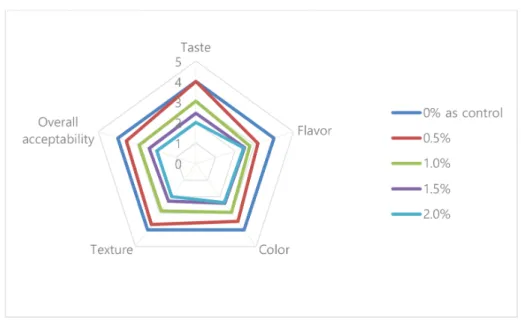
Fig. 2 demonstrated the summary of organoleptic testing of market milk estimated by twenty evaluators.
Market milk was supplemented with different concentrations 0%, 0.5%, 1.0%, 1.5%, and 2.0%) of propolis. The taste value of market milk supplemented with propolis was
Table 1. Comparison of pH of market milk, yoghurt, and Kefir supplemented with different concentrations (0%, 0.5%, 1.0%, 1.5%, and 2.0%) of propolis
Add different concentrations of propolis to the sample
0 % as Control 0.5% 1.0% 1.5% 2.0%
Market milk 6.68±0.02a 6.68±0.06a 6.63±0.05a 6.52±0.06b 6.51±0.05b Yoghurt 3.83±0.01a 3.88±0.08a 3.87±0.06a 3.83±0.03a 3.82±0.01a Kefir 3.74±0.06a 3.71±0.01a 3.75±0.06a 3.70±0.02a 3.71±0.02a All values are means±SD.
ab The values with different superscript letters in a row are significantly different (p<0.05).
Fig. 2. The organoleptic testing of market milk supplemented with different concentrations (0%, 0.5%, 1.0%, 1.5%, and 2.0%) of propolis.
from 4.0 to 2.0, which were similar or lower than 4.0 of control group. The flavor value of market milk supplemented with propolis was from 3.18 to 2.45, which was lower than 4.0 of control group. The color value of market milk supplemented with propolis was from 3.49 to 2.36, which was lower than 4.0 of control group. The texture value of market milk supplemented with propolis was from 3.68 to 2.0, which was lower than 4.0 of control group. And the overall acceptability value of market milk supplemented with propolis was from 3.56 to 2.0, which was lower than 4.0 of control group.
According to statistical analysis on the organoleptic testing of market milk, there was a statistically significant difference in taste, flavor, color, texture and overall accep- tability between treated group and control group (p<0.05). Furthermore, as the supplement of propolis increased, the category of taste, flavor, color, texture and overall acceptability tended to decrease.
Among the treated group, the market milk supplemented with 0.5% of propolis showed the best results compared with control group.
According to “Utilization of propolis extract as a natural preservative in raw milk" by El-Deeb [11], he strongly suggested that this method of preservation could be used to encourage the dairy farming by making possible the collection of more milk of high quality, which in turn is prerequisite for increased manufacture of high quality yoghurt [11].
Also, Thamnopoulos et al. [12] reported that the average acceptance score of the control milk, albeit higher that the average score of the propolis-containing milk, was not as high as expected from regular milk consumers (its average acceptance score was between the ‘like moderately’ and ‘like slightly’ categories) [12]. Especially, extended shelf life (ESL) milk with supplemented propolis received average consumer acceptability scores, indicating that there may be room, e.g. upon inclusion of additional (combi- nations of) flavor compounds, for the development of a propolis-flavored dairy drink with desirable organoleptic properties [12].
3. The organoleptic testing of yoghurt supplemented with the propolis
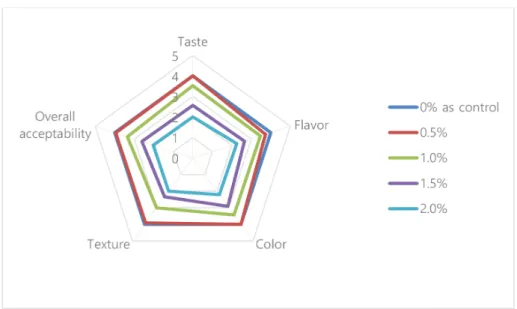
Fig. 3 demonstrated the summary of organoleptic testing of yoghurt estimated by twenty evaluators.
Yoghurt was supplemented with different concentrations 0%, 0.5%, 1.0%, 1.5%, and 2.0%) of propolis. The taste value of yoghurt supplemented with propolis was from 4.0 to 2.0, which were similar or lower than 4.0 of control group. The flavor value of yoghurt supplemented with propolis was from 3.73 to 2.26, which were lower than 4.0 of control group. The color value of yoghurt supplemented with propolis was from 4.0 to 2.21, which were lower than 4.0 of control group. The texture value of yoghurt supplemented with propolis was from 3.91 to 2.0, which were lower than 4.0 of control group. And the overall acceptability value of yoghurt supplemented with propolis was from 3.95 to 2.02, which were lower than 4.0 of control group.
According to statistical analysis on the organoleptic testing of yoghurt, there was a statistically significant difference in taste, flavor, color, texture and overall acceptability between treated group and control group (p<0.05). Furthermore, as the supplement of
propolis increased, the category of taste, flavor, color, texture and overall acceptability tended to decrease.
Among the treated group, the yoghurt supplemented with 0.5% of propolis showed the best results compared with control group.
According to Santos et al. [13], the supplement of red propolis (0.05%) to replace the potassium sorbate did not change the pH, acidity, fatty acid profile, chemical composition, or shelf life. Also, yoghurt with red propolis showed higher antioxidant activity [13].
Therefore, for propolis-supplemented yoghurt to be recognized as an innovative product in the market, research on probiotics potential as well as functionality will have to be conducted.
Also El-Deeb [11] reported that sensory evaluation of food products is an important indicator of potential consumer preference. The prepared yoghurt showed that increasing levels of water extract of propolis negatively influenced the sensory scores of some properties of yoghurt [11]. Hence, this showed a similar tendency to this experiment.
4. The organoleptic testing of Kefir supplemented with the propolis
Fig. 4 demonstrated the summary of organoleptic testing of Kefir estimated by twenty evaluators. Kefir was supplemented with different concentrations 0%, 0.5%, 1.0%, 1.5%, and 2.0%) of propolis. The taste value of Kefir supplemented with propolis was from 3.95 to 2.04, which were lower than 4.0 of control group. The flavor value of Kefir supplemented with propolis was from 3.82 to 2.47, which were lower than 4.0 of control group. The color value of Kefir supplemented with propolis was from 3.56 to 2.34, which were lower than 4.0 of control group. The texture value of Kefir supplemented with propolis was from 3.39 to 2.0, which were lower than 4.0 of control group. And the overall acceptability value of Kefir supplemented with propolis was from 3.68 to 2.14, which were lower than 4.0 of control group.
Fig. 3. The organoleptic testing of yoghurt supplemented with different concentrations (0%, 0.5%, 1.0%, 1.5%, and 2.0%) of propolis.
According to statistical analysis on the organoleptic testing of Kefir, there was a statistically significant difference in taste, flavor, color, texture and overall acceptability between treated group and control group (p<0.05). Furthermore, as the supplement of propolis increased, the category of taste, flavor, color, texture and overall acceptability tended to decrease.
Among the treated group, the Kefir supplemented with 0.5% of propolis showed the best results compared with control group.
Since there has been no research to add propolis to the Kefir so far, this study is believed to have very valuable and important significance as the first study to confirm the availability of the Kefir using propolis.
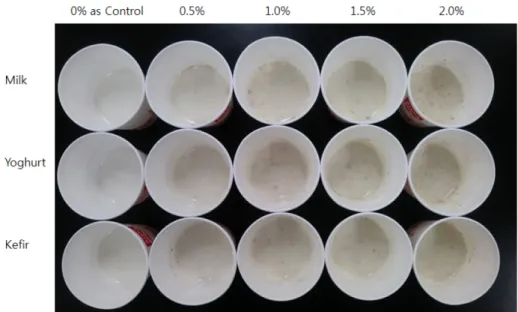
And, Fig. 5 demonstrated the changes of color in market milk, yoghurt, and Kefir supplemented with different concentrations 0%, 0.5%, 1.0%, 1.5%, and 2.0%) of propolis.
In this study, market milk, yoghurt, and Kefir supplemented with different concentrations 0%, 0.5%, 1.0%, 1.5%, and 2.0%) of propolis were changed to light brown (Fig. 5). For this reason, it was thought that the scores of colors in market milk, yoghurt and kefir supplemented with propolis were all low in the organoleptic testing.
According to Kim et al. [14], as the supplement of propolis increased, preference decreased due to the propolis-specific flavor and flavor. Also Habryka et al. [2] reported that propolis supplemented to honey at an increasing concentration let to a significant increase in sharp, bitter and foreign taste, and presence of aftertaste. Similar to previous research results, this study demonstrated a tendency for preference to decrease as the amount of supplement increases (Figs. 2, 3, and 4).
Therefore, the following are the first considerations to be taken into account in order to solve this problem: If a dairy product is manufactured with a suitable supplement of propolis and a component that can offset the unique flavor and taste of propolis, it will show the possibility of manufacturing dairy products with various functional ingredients Fig. 4. The organoleptic testing of Kefir supplemented with different concentrations (0%, 0.5%, 1.0%, 1.5%, and 2.0%) of propolis.
of propolis.
Next, in particular, in order to manufacture functional dairy products through propolis supplement, it is necessary to take a closer look at the bioactive compounds that propolis has. As is already widely known, propolis is highly rich in bioactive compounds [1–7] (Table 2).
Generally, naturally occurring polyphenols and vitamins as part of the food chain are classified as essential and non-essential compounds, and these are considered bioactive ingredients [1-7,15]. In particular, these compounds naturally exist in food and provide many benefits to health through ingestion [2,5–7,9,16,17]. Phenolic compounds are Fig. 5. The color changes of market milk, yoghurt and Kefir supplemented with different concentrations (0%, 0.5%, 1.0%, 1.5%, and 2.0%) of propolis.
Table 2. Various biological effects of bioactive substances in propolis. Adopted from Pasupuleti et al. with CC-BY [1].
Bioactive substance Biological effect
Phenolic compounds
2,2-Dimethyl-8-prenylchromene Antimicrobial
4-Hydroxy-3,5,-diprenyl cinnamic acid (Artepillin G)
Antimicrobial Antiinflammatory
Anticancer
3-Prenyl cinnamic acid allyl ester Antimicrobial
Kaempferide Antitumor
Anticancer
Propolis benzofuran Antifungal
Terpenoid
Isocupressic acid
A labdane diterpenoid Antifungal
13C-symphyoreticulic acid
A clerodane diterpenoid Antitumor
Esters of long-chain fatty acids
[3-hydroxystearic acid (n=11) procrim a; 3-hydroxystearic acid (n=13), procrim b and a pentacyclic triterpenoid (lupeol)]
Antioxidant Antimicrobial
Antitumor Farnesol
A sesquiterpenoid Antifungal
bioactive compounds, and phenols are generally explained as organic compounds with an aromatic ring that is chemically bonded to one or additional hydrogenated sub- stituents in the presence of corresponding functional derivatives [1–7,15]. In propolis, phenolic compounds are commonly present as flavonoids, and various phenolic com- pounds could contribute to the functional properties of bee products, including their antioxidant, antimicrobial, antiviral, antiinflammatory, antifungal, wound healing, car- dioprotective activities, and so on [1–7,11–19].
In conclusion, according to propolis has distinct efficacies with significant nutritional properties and functional values, propolis could be effective in improving the health benefits for human [20]. Further research is essential in the future to identify the impor- tant mechanisms associated with the pharmacological action of bee products and determine the appropriate amount that can be taken to obtain health benefits. Also, many further studies should be carried out to ensure that propolis is applied to the development of various bioactive dairy products.
Conflict of Interest
The authors declare no potential conflict of interest.
Acknowledgements
This research was supported by Basic Science Research Program through the National Table 2. Continued
Bioactive substance Biological effect
Flavonoid
Apigenin Antibacterial
Antiinflammatory
Acacetin Antiallergy
Anticancer
Quercetin
Anticancer Antiallergy Antibacterial Antiinflammatory
Galangin Anticancer
Antioxidant
Pinocembrin Antimicrobial
Anticancer
Chrysin
Antimicrobial Anti-inflammatory
Anticancer
Fisetin
Antibacterial Antiallergy Anticancer
Caffeic acid phenethyl ester Antitumor
Anticancer
10-Hydroxyl-2-decenoic acid Antibiotic
Antitumor
Research Foundation of Korea (NRF) funded by the Ministry of Education (NRF-2017R1 D1A1B03035427), and the authors thank the technical support of all members of KU Center for Food Safety and Department of Public Health.
References
1. Pasupuleti VR, Sammugam L, Ramesh N, Gan SH. Honey, propolis, and royal jelly:
a comprehensive review of their biological actions and health benefits. Oxid Med Cell Longev. 2017;2017:1259510.
2. Habryka C, Socha R, Juszczak L. The effect of enriching honey with propolis on the antioxidant activity, sensory characteristics, and quality parameters. Molecules. 2020;
25:1176.
3. de Groot AC. Propolis: a review of properties, applications, chemical composition, contact allergy, and other adverse effects. Dermatitis. 2013;24:263-282.
4. Shruthi E, Suma BS. Health from the hive: potential uses of propolis in general health.
Int J Clin Med. 2012;3:159-162.
5. Anjum SI, Ullah A, Khan KA, Attaullah M, Khan H, Ali H, et al. Composition and functional properties of propolis (bee glue): a review. Saudi J Biol Sci. 2019;26:
1695-1703.
6. Wali AF, Mushtaq A, Rehman MU, Akbar S, Masoodi MH. Bee propolis (Bee’s glue):
A phytochemistry review. J Crit Rev. 2017;4:9-13.
7. Wagh VD. Propolis: a wonder bees product and its pharmacological potentials. Adv Pharmacol Sci. 2013;2013:308249.
8. Uҫak I. Influence of propolis extract on microbiological and sensory quality of rainbow trout fillet. Eurasian J Food Sci Technol. 2018;2:93-103.
9. Kakehashi A, Ishii N, Fujioka M, Doi K, Gi M, Wanibuchi H. Ethanol-extracted Brazilian propolis exerts protective effects on tumorigenesis in Wistar Hannover rats.
PLoS ONE. 2016;11:e0158654.
10. Lim HW, Song KY, Chon JW, Jeong D, Seo KH. Organoleptic characteristics of dairy products added with Raphanus raphanistrum subsp. sativus (radish) powder: a preliminary study on efficacy against diabetes. J Milk Sci Biotechnol. 2019;37: 177- 186.
11. El-Deeb AM. Utilization of propolis extract as a natural preservative in raw milk.
J Food Dairy Sci. 2017;8:315-321.
12. Thamnopoulos IAI, Michailidis GF, Fletouris DJ, Badeka A, Kontominas MG, Angelidis AS. Inhibitory activity of propolis against Listeria monocytogenes in milk stored under refrigeration. Food Microbiol. 2018;73:168-176.
13. Santos MS, Estevinho LM, Carvalho CAL, Morais JS, Conceiҫão ALS, Paula VB, et al.
Probiotic yoghurt with Brazilian red propolis: physicochemical and bioactive properties, stability, and shelf life. J Food Sci. 2019;84:3429-3436.
14. Kim GW, Kim GH, Kim JS, An HY, Hu GW, Park IS, et al. Quality characteristics of fried fish paste of Alaska Pollack meat paste added with propolis. J Korean Soc
Food Sci Nutr. 2008;37:485-489.
15. Guimarães NSS, Mello JC, Paiva JS, Bueno PCP, Berretta AA, Torquato RJ, et al.
Baccharis dracuncuifolia, the main source of green propolis, exhibits potent anti- oxidant activity and prevents oxidative mitochondrial damage. Food Chem Toxicol.
2012;50:1091-1097.
16. Loureiro KC, Barbosa TC, Nery M, Chaud MV, da Silva CF, Andrade LN, et al.
Antibacterial activity of chitosan/collagen membranes containing red propolis extract. Pharmazie. 2020;75:75-81.
17. Keriene I, Mankeviciene A, Blazyte J. The effect of antifungal extracts on the contamination of grain with microfungi. Food Sci Nutr. 2020;8:1375-1382.
18. de Meneses IHC, de Morais Sampaio GA, de Carvalho FG, Carlo HL, Műnchow EA, Pithon MM, et al. In vivo biocompatibility, mechanical, and antibacterial properties of cements modified with propolis in different concentrations. Eur J Dent. 2020;
14:77-84.
19. Djais AA, Putri JN, Putri AR, Soekanto SA. Description of Streptococcus mutans, Streptococcus sanguinis, and Candida albicans biofilms after exposure to propolis dentifrice by using open CFU method. Saudi Dent J. 2020;32:129-134.
20. Haščík P, Garlík J, Elimam IOE, Kačániová M, Pochop J, Bobko M, et al. Sensory quality of poultry meat after propolis application. J Microbiol Biotechnol Food Sci.
2011;1:172-186.