Research Article
Effects of High Levels of Nutrients on Growth Performance and Carcass Characteristics of Hanwoo Cattle
Kondreddy Eswar Reddy
1, Jin Young Jeong
1, Sang Yun Ji
1, Youl-Chang Baek
1, Seul Lee
1, Minseok Kim
1,2, Young Kyun Oh
1and Hyun-Jeong Lee
1*1
Animal Nutritional & Physiology Team, National Institute of Animal Science, Rural Development Administration, #1500 Kongjwipatjwi-ro, Iseo-myeon,Wanju 55365, Korea.
2
Department of Animal Science, College of Agriculture and Life Sciences, Chonnam National University, Gwangju 61186, Korea.
ABSTRACT
The present study was conducted to evaluate the effects of high levels of nutrients on the growth performance, blood metabolites and carcass characteristics of Hanwoo cattle. Eighteen Hanwoo steers were fed two types of diets: 1) Nine animals were fed the conventional diet including typical levels of crude protein (CP) and total digestive nutrients (TDN), and 2) Nine animals were fed the treatment diet including high levels of CP and TDN. The average body weight (BW) and dry matter intake (DMI) were greater (P
< 0.05) in the treatment group than in the conventional group at early and late fattening stages. Also, in the treatment group, the average daily gain (ADG) was greater (P < 0.05) at the late fattening stage. The serum total lipid and cholesterol levels were higher (P < 0.05) in the late fattening stage of treatment group. The carcass weight, total fat weight, longissimus muscle area and the grade of meat quality were also greater (P < 0.05) in the treatment group than the conventional diet group. This study demonstrates that high levels of CP and TDN exhibit a positive effect on the growth performance and carcass characteristics, indicating that high levels of CP and TDN can be used as a cost-effective feeding program for Hanwoo cattle by shortening the feeding period.
(Key words : Hanwoo, high levels of nutrients, growth performance, carcass characteristics)
Ⅰ. INTRODUCTION
It is extensively recognized that nutritional diet plays a major role in carcass quality of cattle (Reddy et al., 2017b., Li et al., 2015). Methods to modify and control the development of adipose tissue in cattle have been mainly examined in animal nutrition and growth performance in the past decades (Ladeira et al., 2016). The goal for maximum beef producers usually includes adding nutritional value to cattle through extra weight gain (Brown et al 2006). In Korea, native cattle Hanwoo beef producers generally provide abundant hay or straw in their farms. Therefore, when hay or straw supply alone does not meet their required desired final goals, a wide variety of supplements are accessible to support extra gain.
Beef cattle need nutrients to keep body maintenance, lactation and growth. The beef cattle need different types of nutrition based on the various factors, such as cattle age, animal weight,
breed type, stage of production, and performance level (Brown et al 2006). Beef cattle should need high amount of energy and it is provided by carbohydrates, fats, and protein (Reddy et al., 2017a; Ladeira et al., 2016). Among these essentials, protein is the most necessary in beef cattle diets. Of the above all nutrients, beef cattle need vitamins and minerals in a very small quantities, but they play a vital role in cattle health and productivity (Ladeira et al., 2016).
These days most of the nutritionists should consider a number of changeable to develop management methods to improve the cost of cattle weight gain both during diet adaptation and the complete feeding period (Brown et al 2006). Nutrition and management plans able to growth the intramuscular fat (IMF) content might provide to increasing the added value of beef. Generally the lipid metabolism is affected by animal nutrition and that diet management might alteration muscle marbling and molecular composition of fat in
* Corresponding author : Hyun-Jeong Lee, Animal Nutritional & Physiology Team, National Institute of Animal Science, Rural Development Administration, #1500 Kongjwipatjwi-ro, Iseo-myeon,Wanju 55365, Korea.
Tel: +82-63-238-7453, Fax: +82-63-238-7497, E-mail: [email protected]
beef (Ladeira et al., 2016). High concentrate fed cattle shown higher final body weight (BW) and average daily gain (ADG) when compared with the high-fiber fed early-weaned steers and forage fed Holstein steers (Schoonmaker et al., 2003a, 2004a). Also high concentrate ad libitum grain fed steers shows greater final body weight and ADG than haylage diet
ad libitum fed steers (Schoonmaker et al., 2004b). Khan andhis team (2007) determined that corn diet calves showed larger BW than those fed wheat, oat and barley; and also observed blood metabolites are higher in calves fed corn diet than wheat, oat and barely. Some of the researchers already examined on Hanwoo beef cattle growth performance and blood characteristics by using various types of diets (Kim et al., 2012; Reddy et al., 2017b; Kim et al., 2018). Generally marbling score (MS), loin eye muscle area (EMA), carcass weight (CWT) and back fat thickness (BF) are the most important qualities in Korean beef industry (Lee et al., 2014), consequently the selection index for Korea Proven Bulls uses EMA on MS and their comparison on CWT. According to Schoonmarker et al (2003b), ad-libitum high concentrate fed early-weaned steers showed higher intramuscular fat deposition during their growing phase. The study from Reddy et al (2017b), concentrate fed early weaned Hanwoo cattle shown higher growth performance, BF, EMA and intramuscular fat.
To the best of our knowledge, for the first time in Korea we have provided ad libitum high nutrients contain diet to the native Hanwoo cattle until slaughter for knowing extra growth performance. In the present study our main motive is to improve the feed efficiency by using ad libitum high nutrients diet, consequently reduces the finishing periods and improves the carcass quality in Korean native cattle.
Ⅱ . MATERIALS AND METHODS 1
.Experimental animals and dietary treatment
Total 18 heads between 6 to 7 months (mon) age of male Hanwoo (Korean native cattle, Bos taurus coreanae) steers were collected (9 cattle from Hanwoo Research Institute, Pyungchang, and remaining 9 from Hanwoo breeding station).
Cattle were allowed to acclimate to their new housing
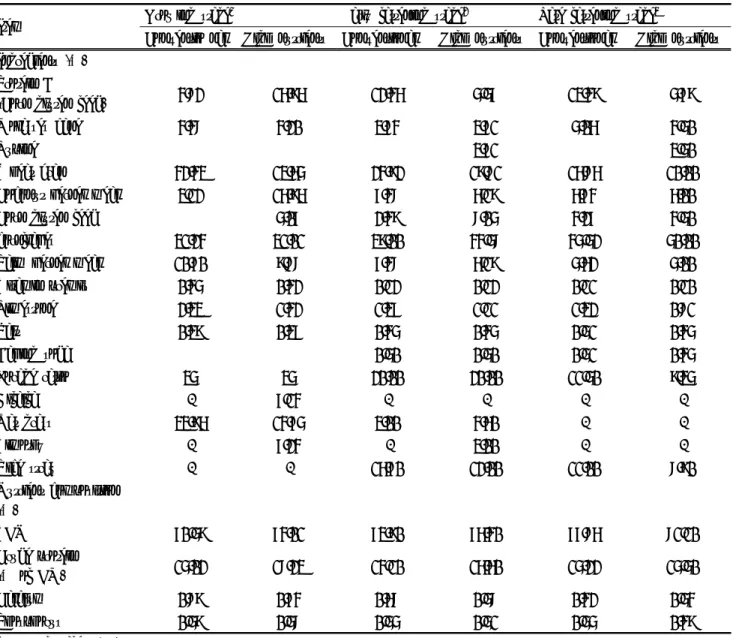
conditions for one month, and then castrated for all animals and again cattle were allowed for two months more in the same conditions and were provided with a standard diet to meet the nutritional requirements for cattle. Around nine months cattle were divided into 2 groups (each group n=9) based on approximate equal body weight, one group was aligned for conventional group and another group as high levels of nutrients feed group. As shown in table.1, we have provided ad libitum, standard diet including normal levels of crude protein (CP) and total digestive nutrients (TDN) for conventional group, and high levels of CP and TDN containing feed for high nutrients group, and continued up to 28 mon slaughter period in the feeding barn at the National Institute of Animal Science, Jeonju. For convenient feed supply, we have divided 3 different growing stages based on the cattle age group, such as growing stage (10 to 13 mon), early fattening stage (14 to 23 mon) and late fattening stage (24 to 28 mon).
Water was provided ad libitum for both treatment groups. We have separated conventional and high nutrients cattle in separate pens (in each pen 3 cattle were allotted) and provided ingredients and chemical compositions for both dietary groups of 3 different growing stages as shown in Table 1. Feed were provided two times per day and feed refusals were recorded daily for both dietary groups. Complete the experimental period, cattle body weight (BW) was measured every month in the morning before feeding by using the 5-ping scale clarified by Lowman et al (1976). Average daily feed intake (ADFI) was assessed by dividing the total feed intake by the days of that certain month and the number of cattle in each dietary group and this figure is articulated as dry matter intake (DMI) basis. The average daily gain (ADG) was measured by dividing BW gain by the number of days in that particular month on dietary feed.
2. Blood collection and serum metabolite analysis
Blood samples were collected from both conventional and high nutrients group from 10 mon age to finishing period (28 mon) at 3 mon intervals by jugular venipuncture into serum blood collection tubes (BD Vacutainer®, Franklin Lakes, NJ, USA). At 10 mon age the blood samples were collected before feeding and after feeding the cattle (for metabolite comparison).
Blood collection was allowed to clot for 15-30 min and serum
was separated from the clot by centrifugation at 4
oC for 15 min at 2000 rpm. The resulting serum supernatant was used for the concentration analysis of total lipid, total cholesterol, insulin, glucose, high density lipoprotein (HDL), low density lipoprotein (LDL) and triglycerides. Total cholesterol (mg/dL) was measured by using a commercially available enzymatic colorimetric assay kit CHOL2 (Roche, Germany). Total lipid (mg/dL) was obtained by using a total lipid reagents kit (Medicos, USA). Triglyceride (mg/dL) concentration was observed through enzymatic colorimetric assay method by using TRIGL
kit (Roche, Germany). Insulin (µg/dL) was measured by using Enzyme-Linked Immunosorbent Assay (ELISA) method with Mercodia Bovine Insulin ELISA kit (Mercodia, Sweden).
Glucose (mg/dL) concentration found enzymatic reference with hexokinase method by using Glucose HK Gen.3 kit (Roche, Germany). HDL cholesterol (mg/dL) and LDL cholesterol (mg/dL) obtained by using homogeneous enzymatic colorimetric assay method and used HDL-C plus 3
rdgeneration kit (Roche, Germany) and LDL-Cholesterol Gen.3 kit (Roche, Germany), respectively. The above all blood metabolites were measured
Item Growing stage
1Early fattening stage
2Late fattening stage
3Conventio nal High nutrients Conventional High nutrients Conventional High nutrients Ingredients (%)
Protein B
(Corn gluten feed) 4.82 16.96 12.46 5.57 13.49 5.79
Molasses cane 4.48 4.20 3.74 3.71 5.06 4.50
Lupine 3.71 3.50
Wheat bran 42.43 13.65 24.92 19.81 16.86 10.00
Coconut kernel meal 3.12 16.96 7.48 6.19 6.74 6.00
Corn gluten feed 5.07 2.49 8.05 4.27 4.50
cornflakes 31.24 31.01 39.00 44.58 45.52 50.00
Palm kernel meal 10.70 9.88 7.48 6.19 5.62 5.00
Vitamin premix 0.45 0.42 0.12 0.12 0.11 0.10
Limestone 2.33 1.42 1.37 1.11 1.32 0.81
Salt 0.39 0.37 0.45 0.45 0.51 0.45
Baking soda 0.50 0.50 0.51 0.45
Forage ratio 35 35 20.00 20.00 11.50 9.35
Alfalfa - 7.14 - - - -
Oat grass 33.96 14.75 3.00 4.60 - -
Timothy - 7.24 - 3.00 - -
Rice straw - - 16.70 12.00 11.00 8.90
Nutrient composition (%)
TDN 70.59 74.01 73.90 76.40 77.86 81.10
Crude protein
(% of DM) 15.02 18.23 14.10 16.60 15.22 15.50
Calcium 0.89 0.74 0.68 0.58 0.42 0.54
Phosphorus 0.59 0.58 0.55 0.51 0.55 0.49
1 Growing stage, 10-13 months
2 Early fattening stage, 14-23 months
3 Late fattening stage, 24-28 months
Table 1. Dry matter composition of diets (%). Ingredients and chemical composition of conventional and high nutrients
diets provided to various growing stages of Hanwoo cattle
by using their particular metabolite kit protocol manufacturer’s instructions.
3. Ultrasound image analysis and carcass characteristics
Hanwoo cattle were scanned by using ultrasound equipment for measuring back fat thickness (BF), longissimus dorsi muscle area (LMA), and intramuscular fat (IMF) in the conventional and high nutrients dietary group cattle; ultrasound images of the right side of each animal were taken. These images comprised the spinal column and perpendicular to the 12
thand 13
thribs, and transversely over the LMA. All the images were taken from 19 mon to 25 mon at 3 mon intervals by skilled technician. The IMF score at the 13
thrib can indicate the fat content of the whole loin. Before going to take ultrasound measurements, cattle hair was removed and cleaned the skin surface area then captured the image. An Aloka SSD-500V ultrasound system equipped with a 12.5-cm 3.5-MHz transducer (Aloka Co. Ltd., Wallingford, CT, USA) was used; soybean oil was used as assistance to sound wave focusing medium. Ultrasound images of BF, LMA, and IMF were captured and measured as mentioned our previous study (Reddy et al., 2017b) by using Cattle Performance Enhancement Company ultrasound image software (Image pro+, Media Cybernetics, Rockville, MD, USA). After experimental period, all cattle were slaughtered at 28 mon of age in National Institute of Animal Science slaughter house. After splitting and washing, warm carcasses were moved to a chilling room at 4°C for 24 hours and then weighed the carcass and estimated by an official grader to determine carcass traits according to the Korean carcass grading standard (NLCF, 2004). Hot carcass weight, back fat thickness, IMF, lean meat weight, bone weight, LMA, meat index, meat quality grade and meat yield grade rating, and quantifications were done as mentioned in previous studies of Li et al (2010) and Kim et al (2018).
4. Statistical analysis
Conventional and high nutrients dietary sample data were expressed as mean ± standard error of the mean. The analysis of equal variance and t-test were carried out to determine the statistical differences between conventional and high nutrients dietary treatment groups for all parameters analyzed. Statistical
significance was accepted at p≤0.05. Data presented as means
± standard error.
Ⅲ. RESULTS 1. Growth performance
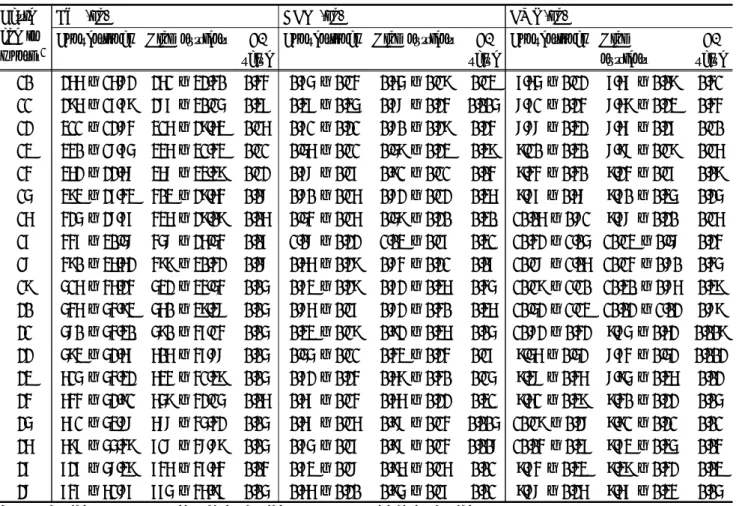
The average BW, ADG and DMI of conventional and high nutrients dietary groups in various growing stages of Hanwoo cattle were shown in Table 2. The initial BW of the conventional and high nutrients groups were 266 ± 16.82 and 261 ± 32.40 kg, respectively and the final body weight of the conventional and high nutrients groups were 747 ± 61.87 and 775 ± 46.97 kg, respectively. There is no significant differences (p>0.05) were observed between conventional and high nutrients dietary groups in Hanwoo growing stage, but in the early fattening stage (from 19 mon) and the late fattening period Hanwoo fed high nutrients group shows significantly higher (p<0.05) growth rate than conventional group. Overall in the finishing period (28 mon) the high nutrients dietary group showed ~28 kg higher BW than the conventional dietary group (Table 2). The ADG shows no significant differences (p>0.05) between the conventional and high nutrients dietary groups in the growing stage, but the differences (p<0.05) were observed in the early fattening stages of 14, 18 and 21 mon.
Overall in the late fattening stage, the high nutrients dietary group shows significantly (p<0.05) high ADG (0.96 kg/d) than the conventional group (0.70 kg/d) (Table. 2). The DMI during growing and early fattening stages (14 to 20 mon) shown no significant differences (p>0.05) between the conventional and high nutrients groups. But in the early fattening (21 to 23 mon) and late fattening stage (24 to 28 mon) cattle shows clear differences (p>0.05) between the two dietary groups (Table. 2).
2. Serum metabolite profile
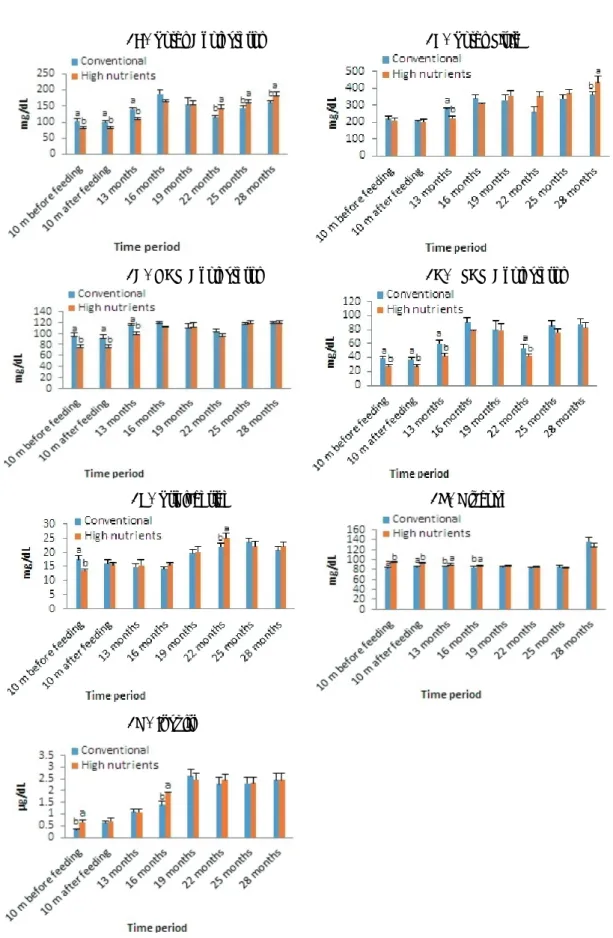
Serum metabolite changes were shown in Figure 1 at
various growing stages of conventional and high nutrients
dietary Hanwoo groups. The total cholesterol concentration
was significantly increased (p<0.05) in 10 mon before feeding
and after feeding, and 13 mon conventional dietary group serum samples; but in the high nutrients dietary group shows the total cholesterol was significantly increased (p<0.05) in the months of 22, 25 and 28 (Figure 1A). We noticed that the total lipid concentration was increased (p<0.05) in the 13 mon conventional dietary group and 28 mon high nutrients dietary group (Figure 1B). Total HDL and LDL cholesterol levels were considerably increased (p<0.05) in 10 mon before and after feeding, and 13 mon conventional dietary group than in the high nutrients group, in addition the LDL levels also increased in 22 mon conventional dietary group (Figure 1C and ID). Triglyceride levels were greater (p<0.05) in 10 mon before feeding conventional group and 22 mon high nutrients group (Figure 1E). Glucose levels were significantly increased (p<0.05) in 10 mon before and after feeding, and 13 mon high nutrients dietary group, while compared with the conventional group (Figure 1F). We observed that the Insulin levels were
significantly increased (p<0.05) in 10 mon before feeding and 16 mon high nutrients dietary group (Figure 1G).
3. Carcass characteristics and meat quality
Early and late fattening stages of 19, 22 and 25 mon of Hanwoo carcass measurements were done using ultrasound scanning and image analysis in conventional and high nutrients dietary treatments and the data were shown in Table 3. The BF, LMA and IMF were not showing any significant differences between the conventional and high nutrients dietary treatments (Table 4). After 28 mon experimental dietary period the conventional and high nutrients group cattle were slaughtered and analyzed various carcass characteristics as shown in Table 4. Cattle fresh weight (before slaughter), carcass weight, total fat weight and LMA were significantly increased (p<0.05) in high nutrients group when compared Cattle
age in months
1BW (kg) ADG (kg) DMI (kg)
Conventional High nutrients
P-value
Conventional High nutrients
P-value
Conventional High nutrients
P-
value 10 266 ± 16.82 261 ± 32.40 0.44 0.75 ± 0.14 0.65 ± 0.19 0.13 7.65 ± 0.12 7.67 ± 0.09 0.41 11 296 ± 17.79 287 ± 30.15 0.37 0.37 ± 0.35 0.78 ± 0.24 0.005 8.71 ± 0.24 8.69 ± 0.23 0.44 12 311 ± 12.84 316 ± 29.63 0.16 0.71 ± 0.21 0.80 ± 0.29 0.24 8.88 ± 0.32 8.67 ± 0.27 0.10 13 340 ± 18.75 346 ± 31.43 0.11 0.56 ± 0.11 0.59 ± 0.23 0.39 9.10 ± 0.30 8.98 ± 0.19 0.16 14 362 ± 22.68 368 ± 33.39 0.12 0.78 ± 0.17 0.91 ± 0.11 0.04 9.44 ± 0.40 9.24 ± 0.17 0.09 15 393 ± 27.43 403 ± 29.64 0.08 0.80 ± 0.16 0.82 ± 0.12 0.36 9.87 ± 0.68 9.70 ± 0.35 0.25 16 425 ± 28.77 436 ± 29.09 0.06 0.54 ± 0.16 0.59 ± 0.20 0.30 10.06 ± 0.81 9.78 ± 0.20 0.16 17 447 ± 30.58 458 ± 26.54 0.07 1.08 ± 0.22 1.03 ± 0.17 0.31 10.42 ± 1.05 10.13 ± 0.58 0.24 18 490 ± 36.62 499 ± 30.42 0.08 0.66 ± 0.29 0.84 ± 0.21 0.07 10.18 ± 1.06 10.14 ± 0.80 0.45 19 516 ± 46.24 532 ± 34.54 0.05 0.73 ± 0.29 0.72 ± 0.36 0.45 10.19 ± 1.10 10.30 ± 0.86 0.39 20 546 ± 54.93 560 ± 39.38 0.05 0.86 ± 0.17 0.82 ± 0.40 0.36 10.52 ± 1.13 10.02 ± 1.02 0.89 21 580 ± 54.30 590 ± 47.14 0.05 0.33 ± 0.19 0.92 ± 0.36 0.05 10.82 ± 0.42 9.85 ± 0.62 0.009 22 593 ± 52.67 606 ± 47.88 0.05 0.55 ± 0.11 0.43 ± 0.24 0.17 9.56 ± 0.52 8.74 ± 0.52 0.002 23 615 ± 54.32 634 ± 41.39 0.05 0.72 ± 0.24 0.69 ± 0.40 0.15 9.38 ± 0.46 8.95 ± 0.36 0.02 24 644 ± 52.91 659 ± 42.15 0.06 0.67 ± 0.14 0.66 ± 0.22 0.31 9.61 ± 0.39 9.40 ± 0.22 0.05 25 671 ± 53.88 688 ± 45.42 0.05 0.67 ± 0.16 0.98 ± 0.14 0.005 10.19 ± 0.28 9.91 ± 0.21 0.01 26 697 ± 55.49 718 ± 48.89 0.05 0.75 ± 0.17 0.98 ± 0.14 0.008 10.04 ± 0.37 9.73 ± 0.35 0.04 27 727 ± 58.39 746 ± 47.64 0.04 0.73 ± 0.18 0.96 ± 0.16 0.01 9.74 ± 0.33 9.39 ± 0.42 0.03 28 747 ± 61.87 775 ± 46.97 0.05 0.66 ± 0.20 0.95 ± 0.17 0.01 9.88 ± 0.26 9.67 ± 0.34 0.05
1 Growing stage, 10-13 months; early fattening stage, 14-23 months; late fattening stage, 24-28 months
Table 2. Effect of high nutrients dietary treatment on body weight (BW), average daily gain (ADG) and dry matter
intake (DMI) in different growing stages of Hanwoo cattle
1A. Total Cholesterol 1B. Total Lipid
1C. HDL Cholesterol 1D. LDL Cholesterol
1E. Triglyceride 1F. Glucose
1G. Insulin
Fig. 1. Effect of serum biochemical metabolites in various growing stages of conventional and high nutrients dietary
treatment Hanwoo cattle.
with the conventional group. Lean meat weight, bone weight, back fat thickness, IMF and meat yield index was not influenced by high nutrients dietary treatment. However, meat quality grade and meat yield grade were increased in most number of within the high nutrients group cattle than the conventional group cattle (Table 4).
Ⅳ . DISCUSSION
Nearly 83% of the nutrients consumed by beef cattle to meet their energy (total digestive nutrients) needs. Around 15% are fed to meet protein requirements and only 2% of the nutrients are wanted to meet mineral and vitamin necessities.
It is enormously important that cattle foods be properly
Parameters Cattle age Conventional High nutrients
P- valueBF (mm)
19 months 6.11 ± 2.08 6.44 ± 1.33 0.34
22 months 7.66 ± 2.88 7.94 ± 2.24 0.41
25 months 9.11 ± 3.12 9.94 ± 3.21 0.29
LMA (cm
2)
19 months 71.67 ± 4.25 72.71 ± 3.47 0.29
22 months 81.72 ± 4.45 81.50 ± 2.76 0.45
25 months 87.33 ± 5.72 86.44 ± 2.60 0.33
IMF (%)
19 months 4.33 ± 2.54 4.77 ± 2.94 0.36
22 months 8.66 ± 3.67 10.22 ±4.29 0.21
25 months 10.88 ± 3.91 12.88 ± 4.83 0.17
BF, backfat; LMA, longissimus muscle area; IMF, intramuscular fat
1 Different growing parameters of Hanwoo
2 Different growing and fattening stages of Hanwoo
± Values are mean with standard errors
Table 3. Ultrasound data of conventional and high nutrients dietary treatment groups at various growing stages of Hanwoo
Parameters Conventional High nutrients
P- valueFresh weight (kg) 757 ± 58.40 790 ± 47.51 0.03
Carcass weight (kg) 451 ± 28.75 494 ± 39.41 0.007
Total fat weight (kg) 125 ± 13.52 139 ± 18.99 0.042
Lean meat weight (kg) 224 ± 24.57 232 ± 15.67 0.20
Bone weight (kg) 118 ± 9.8 122 ± 7.50 0.18
Back fat thickness (cm
2) 15 ± 5.26 16 ± 6.42 0.42
Longissimus muscle area (cm
2) 88 ± 11.48 95 ± 6.57 0.05
IMF (%) 5 ± 1.16 6 ± 1.58 0.30
Meat yield index 62 ± 3.73 64 ± 3.0 0.14
Meat quality grade
11+ (4) 1 (4) 2 (1)
1++ (1) 1+ (4)
1 (4)
-
Meat yield grade
3A (1) B (5) C (3)
B (3)
C (6) -
1 1++, 1+, 1, 2 represents the meat quality grade and the cattle number of each meat quality grade is indicated in parenthesis.
2 A, B, C represents meat color and the cattle number of each meat color is indicated in parenthesis.
3 A, B, C represents meat yield grade and the cattle number of each meat color is indicated in parenthesis.
± Values are mean with standard errors
Table 4. Effect of conventional and high nutrients dietary treatment groups on carcass yield and quality traits of
slaughtered Hanwoo cattle
balanced with necessary feed ingredients to meet all of the nutrient needs (NRC, 1996). Cattle energy and nutrients needs vary depending on cattle age, size, weather and type of breed (Ladeira et al., 2016). The present study was performed to evaluate growth performance and serum metabolites at various growing stages, and carcass characteristics at finishing stage in conventional and high nutrients dietary treatment groups. At the late fattening period, the consumption of high nutrients dietary group increased the ADG and leading to increased growth performance. Similar to our results different high concentrate diet fed Hanwoo cattle shown higher BW, ADG and DMI (Reddy et al., 2017b), and also observed in another study concentrate diet fed Hanwoo steers shown desirable growth performances than the total mixed ration steers (Chung et al., 2017). Contrasting to our results, some of the earlier studies showed that dietary feeding system didn’t affect growth performance (Moya et al., 2014). In the current study we observed that the early fattening late stage months and late fattening stages of DMI is lower (p<0.05) in the high nutrients group than that of conventional group. These findings were agreed with the earlier results of Christensen et al (1977) and Cho et al (2009) who described that the total feed intake was improved and concentrate feed was decreased in the group fed barley silage when compared with roughage feeding system in cows and Hanwoo steers, respectively. The high nutrients intake from high nutrients dietary feed may have caused in a metabolic balance induced by changes or gain in fermentation expansion or smaller production of organic acid. Also, some of the earlier studies indicated that the expression of genes involved in growth performance is influenced by animal nutrition and that diet manipulation might alteration muscle growth and also change molecular composition of fat in beef (Ladeira et al., 2016). According to study from Caplis et al (2005), feeding method didn’t affect any of the body growth performance parameters, proposing that dietary energy value and DMI are very important factors to increase cattle growth performance than type of feeding system. Similar to our results an earlier studies of Pendlum et al (1977) in heifers, and Chung et al (2017) in Hanwoo steers had an increased growth performance in higher concentrates fed finishing period cattle when compared with the control group. The normal forage fed Hanwoo steers average BW shown ~685 kg at 28 mon age (National Institute of Animal Science project survey, 2014),
but at the same age, the conventional dietary group in the present study shown 747 ± 61.87 kg (~62 kg extra than the normal forage group) and high nutrients dietary fed cattle shown 775 ± 46.97 kg (~90 kg extra than the normal forage group). Based on the above results, it was concluded that feeding with high CP and TDN diet had advantages over the normal forage and conventional dietary feeds, particularly during early and late fattening stages of cattle growth. This advantage might be accredited to increased feed efficiency during early and late fattening periods in the high nutrients group compared to the forage and conventional dietary groups.
The blood cholesterol levels are usually related with body
weight gain of the animal (Kim et al., 2018). In this study, the
total cholesterol and lipid (28 mon stage) in serum was
significantly increased in high nutrients group late fattening
period, and triglyceride was higher in early fattening stages (22
mon stage) with increasing weight gain. These higher levels of
cholesterol, total lipid and triglyceride might be associated with
the increased meat quality. In agreement with the present study,
high concentrate fed Hanwoo cattle (Chung et al., 2017) and
total mixed ration with fermented feed (TMRF) fed Hanwoo
cattle (Kim et al., 2012) blood cholesterol concentrations were
positively correlated with body weight of Hanwoo cattle. HDL
and LDL levels are also correlated with BW; if cattle BW and
fat increase, eventually HDL and LDL also increase (Kim et al.,
2012). In the present study, animals fed with high nutrients
dietary group HDL and LDL levels were decreased (p < 0.05)
in the growing period but there is no significant differences
were observed in the early fattening and late fattening stages
while compared with conventional group. Our current study
results are inconsistence with TMRF fed Hanwoo steers (Kim
et al 2012). According to Schoonmaker et al (2003a), increasing
blood glucose and insulin could increase IMF deposition in
cattle. In this study high nutrients group glucose and insulin
levels were significantly increased only in growing and early
fattening stages (16 mon). These results were similar with
TMRF fed Hanwoo steers (Kim et al 2012) and inconsistence
with early-weaned steers fed a high concentrate diet ad-libitum
Schoonmaker et al (2003a). In this study, analysis of the carcass
traits using ultrasound images of BF, LMA, and IMF scores
were not shown much affected between the dietary groups. A
study from Schoonmaker et al (2003a), high concentrate diet ad
libitum fed steers have the largest LMA, high carcass weightwith consistently great marbling scores. In another study, observed high BF, LMA and IMF in early-weaned Hanwoo cattle fed a high concentrate feed (Reddy et al., 2017b). We speculate that these inconsistencies among the studies are due to differences in cattle age, nutrients diet composition, treatment period, breed type and weather conditions.
In addition, Hanwoo fed high nutrients dietary group showed significant changes in slaughter weight, carcass weight, total fat weight, higher meat quality grade, and meat yield grade. Almost all these carcass characteristics were similar with earlier Hanwoo steer studies of Park et al (2002) and Kim et al (2018). The LMA shows the quality, quantity and distribution of cattle muscle mass.
The muscle tissue growth rate was illustrated by late maturing muscle, particularly the LMA. The effect of high nutrients on carcass weight and total fat weight were similar to the Hanwoo final body weight (Kim et al., 2018). Due to high CP and TDN, the meat quality grade also improved in most number of the high nutrients dietary cattle than conventional group. Similarly, the high concentrated dietary treatment also showed higher meat quality in Hanwoo cattle (Reddy et al., 2017b). In this study the BF, IMF, lean meat weight, and meat index were not showing any significant differences between the dietary groups. Some of the studies already proved that feeding system itself did not influence carcass characteristics in steers (Chung et al., 2017; Schoonmaker et al., 2003a). Contradictory to our results, the high concentrate fed ad libitum Holstein steers showed higher BF and IMF (Schoonmaker et al 2004a), and also observed BF, LMA and IMF were greater in high concentrate dietary fed Hanwoo cattle (Reddy et al., 2017b). According to Cooke et al. (2004), the response of carcass characters to feeding systems in beef steers could be differently affected, generally depending upon the type and percentage of various feed ingredients, the concentration of energy level, and the level of forage, etc. Finally, we are assuming that these inconsistences among different dietary treatments are due to various nutrients diet compositions, treatment duration, breed type and slaughter period.
Ⅴ. CONCLUSIONS
In conclusion, the feeding system of high levels of CP and TDN dietary treatment showed higher growth performance at early and late fattening stages of Hanwoo cattle under the
conditions of the present study. According to these results, high nutrients dietary group not only improved growth performance, but also enhanced carcass weight and meat quality features, and serum metabolites of Hanwoo compared to the conventional feeding management schemes based on nutritional value. Overall, the present study gives valuable information to the beef industry and confirms that high nutrients fed Hanwoo cattle have improved growth performance, therefore it reduces the final finishing period when compared with the normal forage fed Hanwoo steers, subsequently decrease the maintenance cost for beef producers.
Ⅵ. ACKNOWLEDGMENTS
This work was carried out with the support of "Research Program for Agriculture Science & Technology Development (Project No. PJ01203101 of National Livestock Research Institute, Rural Development Administration)" and supported by the 2018 RDA Fellowship Program of National Livestock Research Institute, Rural Development Administration, Republic of Korea.
Ⅶ. REFERENCES
Brown, M.S., Ponce, C.H. and Pulikanti, R. 2006. Adaptation of beef cattle to high-concentrate diets: Performance and ruminal metabolism. Journal of Animal Science. 84:E25-E33.
Caplis, J., Keane., M.G., Moloney, A.P. and O'Mara., F.P. 2005. Effects of supplementary concentrate level with grass silage, and separate or total mixed ration feeding, on performance and carcass traits of finishing steers. Irish Journal of Agricultural and Food Research.
44:27
Cho, W.M., Chang, S.S., Cho, Y.M., Kim, H.C., Kwon, E.G., Yang, S.H. and Paek, B.H. 2009. Effects of forage source and shipping time on growth performance and carcass characteristics of Hanwoo steers. Journal of Korean Society of Grassland and Forage Science.
29:375–382.
Christensen, D.A., Owen, B.D., Steacy, G., Crowle, W.L. and Mtimuni, J.P. 1977. Nutritive value of whole crop silage made from seven cereal cultivars. Canadian Journal of Animal Science. 57:537–542.
Chung, C.S., Cho, W.K., Jang, I.S., Lee, S.S. and Moon, Y.H. 2017.
Effects of feeding system on growth performance, plasma biochemical components and hormones, and carcass characteristics
in Hanwoo steers. Asian-Australasian Journal of Animal Science.
8:1117–1123.
Cooke, D.W.I., Monahan, F.J., Brophy. P.O. and Boland, M.P. 2004.
Comparison of concentrates or concentrates plus forages in a total mixed ration or discrete ingredient format: effects on beef production parameters and on beef composition, colour, texture and fatty acid profile. Irish Journal of Agricultural and Food Research.
43:201-216.
Khan, M.A., Lee, H.J., Lee, W.S., Kim, H.S., Kim, S.B., Ki, K.S., Park, S.J., Ha, J.K. and Choi, Y.Y. 2007. Starch source evaluation in calf starter: 1. Feed consumption, body weight gain, structural growth, and blood metabolites in Holstein calves. Journal of Dairy Science.
90:5259–5268.
Kim, S.H., Alam, M.J. Gu, M.J., Park, K.W., Jeon, C.O., Ha, J.K., Cho, K.K. and Lee, S.S. 2012. Effect of total mixed with fermented feed on ruminal in vitroferementation, growth performance and blood characteristics of Hanwoo steers. Asian-Australasian Journal of Animal Science. 25:213–223.
Kim, T.I., Mayakrishnan, V., Lim, D.H., Yeon, J.H. and Baek, K.S.
2018. Effect of fermented total mixed rations on the growth performance, carcass and meat quality characteristics of Hanwoo steers. Animal Science Journal. 89:606–615.
Ladeira, M.M., Schoonmaker, J.P., Gionbelli, M.P., Dias, J.C.O., Gionbelli, T.R.S., Carvalho, J.R.R. and Teixeira, P.D. 2016.
Nutrigenomics and Beef Quality: A Review about Lipogenesis.
International Journal of Molecular Science. 17: 918.
Lee, S.H., Park, B.H., Sharma, A., Dang, C.W., Lee, S.S., Choi, T.J., Choy, Y.H., Kim, H.C., Jeon, K.J., Kim, S.D., Yeon, S.H., Park, S.B. and Kang, H.S. 2014. Hanwoo cattle: origin, domestication, breeding strategies and genomic selection. Journal of Animal Science and Technology. 56:2.
Li, S.G., Yang, Y.X., Rhee, Y.J., Jang, W.J., Ha, J.J., Lee, S.K. and Song, Y.H. 2010. Growth, behavior, and carcass traits of fattening Hanwoo (Korean native cattle) steers managed in different group sizes. Asian-Australasian Journal of Animal Science. 7:952–959.
Lowman, B.G., Scott, N.A. and Somerville, S.H. 1976. Condition scoring for cattle. Tech. Bull. No. 6, Edinburgh, UK: East of Scotland College of Agriculture.
Moya, D., Holtshausen, L., Marti, S., Gibb, D.G., McAllister, T.A., Beauchemin, K.A. and Schwartzkopf-Genswein, K. 2014. Feeding behavior and ruminal pH of corn silage, barley grain, and corn dried distillers’ grain offered in a total mixed ration or in a free-choice diet to beef cattle. Journal of Animal Science. 92:3526–3536.
National Institute of Animal Science. 2014. Rural Develop Administration final project report. Development of growth standard
by sex and feeding plan in Hanwoo. 2014. Project number PJ009128.
National Research Council. 1996. Nutrients requirements of beef cattle.
7th rev. editoion. National Academy Press, Washington, DC.
Park, G.B., Moon, S.S., Ko, Y.D., Ha, J.K., Lee, J.G. Chang, H.H. and Joo, S.T. 2002. Influence of slaughter weight and sex on yield and quality grades of Hanwoo (Korean native cattle) carcasses. Journal of Animal Science. 80:129–136.
Pendlum, L.C., Boling, J.A. and Bradley, N.W. 1977. Energy level effects on growth and conception rates of heifers. Journal of Animal Science. 44:18-22.
Reddy, K.E., Jeong, J.Y., Lee, S.D., Baek, Y.C., Oh, Y., Kim, M., So, K.M., Kim, D.W., Kim, J.H., Park, S.W. and Lee, H.J. 2017a.
Effect of different early weaning regimens for calves on adipogenic gene expression in Hanwoo loin at the fattening stage. Livestock Science.195:87-98.
Reddy, K.E., Jeong, J.Y., Baek, Y.C., Oh, Y., Kim, M., So, K.M., Kim, D.W., Kim, J.H., Park, S.K. and Lee, H.J. 2017b. Early weaning of calves after different dietary regimens affects later rumen development, growth, and carcass traits in Hanwoo cattle.
Asian-Australasian Journal of Animal Science. 30:1425–1434.
Schoonmaker, J.P., Cecava, M.J., Faulkner, D.B., Fluharty, F.L., Zerby, H.N. and Loerch, S.C. 2003a. Effect of source of energy and rate of growth on performance, carcass characteristics, ruminal fermentation, and serum glucose and insulin of early weaned steers.
Journal of Animal Science. 81:843–855.
Schoonmaker, J.P., Cecava, M.J., Fluharty, F.L., Zerby, H.N. and Loerch, S.C. 2003b. Effect of source and amount of energy and rate of growth in the growing phase on performance and carcass characteristics of early- and normal-weaned steers. Journal of Animal Science. 82:273–282.
Schoonmaker, J.P., Fluharty, F.L. and Loerch, S.C. 2004a. Effect of source and amount of energy and rate of growth in the growing phase on adipocyte cullularity and lipogenic enzyme activity in the intramuscular and subcutaneous fat depots of Holstein steers.
Journal of Animal Science. 82:137–142.
Schoonmaker, J.P., Cecava, M.J., Fluharty, F.L., Zerby, H.N. and Loerch, S.C. 2004b. Effect of source and amount of energy and rate of growth in the growing phase on performance and carcass characteristics of early-and normal-weaned steers. Journal of Animal Science. 82:273–282.
(Received : August 23, 2018 | Revised : September 16, 2018 | Accepted : September 17, 2018)