362
초고압 시스템을 이용한 생물 산업의 적용
†
1이 광 진 ․
2최 선 도
1
한국과학기술연구원 KIST강릉분원, 천연물소재연구센터,
2국립 강원대학교 화학공학과 (접수 : 2008. 8. 12., 게재승인 : 2008. 10. 1.)
Application of Biological industry using High Hydrostatic Pressure (HHP) system
Kwang Jin Lee
1†and Sun Do Choi
21
Natural Product Research Center, Korea Institute of Science and Technology KIST Gangneung, 290 Daejeon-dong, Gangneung, Gangwon-do 210-340, South Korea
2
Department of Chemical Engineering, Kangwon National University, Joongang-ro 1, Samcheok-si, Gangwon-do 245-711, South Korea
(Received : 2008. 8. 12., Accepted : 2008. 10. 1.)
High Hydrostatic Pressure assisted (HHP) process enhancement for food and allied industries are reported in this paper review. Recently, considerable research has been devoted to the improvement of mild thermal processing techniques and to the development of alternative mild processing technologies. HHP assisted can enhance existing extraction, processes and enable new commercial extraction opportunities and processes. New HHP processing approaches have been proposed, including, the potential for modification of plant cell material to provide improved bioavailability of micro nutrients while retaining the natural-like quality, simultaneous extraction. Therefore, High Hydrostatic Pressure assisted (HHP) technologies could have a strong presence in the future of the biotechnology industry.
Key Words : High Hydrostatic Pressure, Biochemical, Extraction, Food industry
서 론
1)
최근에는 생활수준의 향상과 더블어 친환경 가공산업을 통해 기능성식품, 제약 및 화장품의 생리활성 소재를 얻기 위한 연구가 2000년대에 접어들어 연구자들의 관심에 의하여 급속히 발전하고 있다. 특히 육상 및 해양 천연물의 산업적 발달은 우리에게 다양한 고부가가치를 제공하는 대상이기도 하다(1).
이러한 기능성 소재개발은 다양한 추출방법 및 정제방법의 기술이 요구되어지고 있다(2). 전통적인 추출방법으로 용매추 출법, 열수추출법, 고온용매추출법, 기계적 압착법등이 있다.
이러한 방법들은 유용성분을 효율적으로 얻지 못하고 독성 물질을 용출해 내는 단점이 있어 이를 보완하기 위해 복합 추출 공법을 개발하는 것이다. 여기에 특정 물질의 수율 향상과
†Corresponding Author : Natural Product Research Center, Korea Institute of Science and Technology KIST Gangneung, 290 Daejeon-Dong, Gangneung, Gangwon-Do 210-340, South Korea Tel : +82-33-653-1912, Fax : +82-33-650-7299
E-mail : [email protected]
새로운 가공법을 적용하기 위하여 아임계/초임계 CO
2, H
2O 추출법, 감마선 조사 추출법, 초고압법, 고전압펄스전기장, 초음 파추출의 기술이 잘 알려져 있으며, 가열살균공정으로 옴가렬, 고주파가열, 마이크웨이브 가열이 이용되어 왔다(3).
이중에서도 식품산업 및 제약산업의 소재개발에 많이 적용하는 초고압 (High hydrostatic pressure (HHP)) 기술은 100~1000 MPa 의 압력을 이용하여 압력 매체로 물이나 오일을 이용해 압력을 순간적으로 균일하게 전달시키는 비가열처리 기술중의 하나 이며, 미생물의 형태, 생화학적 반응, 세포막 및 세포벽에 영향 을 주는 것으로 알려져 있다(4). 주요 장점으로는 공정의 간편 화와 시간 및 비용절감효과와 함께 상온 또는 저온에서 실행 가능하고, 단백질의 응고, 천연의 맛과 향미, 색, 신선도를 유지 할 수 있으며, 모든 방향에서 압력이 균일하게 작용하므로 처리 정도의 차이가 존재하지 않고, 플라스틱필름과 같은 파우치 형태의 bag을 이용할 수 있어 실험을 용이하게 할 수 있다(5).
따라서 고품질, 고기능성 제품에 대한 활용도가 높아져 기능성
식품, 의약품및 화장품 소재개발 적용에 중요성이 커지고 있
다. 하지만 국내에서는 설비의 고비용등으로 산업적 이용이
활발하지 못하며 용도가 다양하고 저렴한 공정으로 간단하며,
Vol. 23, No. 5, 362-368(2008)
작업자에게 친환경적인 조건과 품질개선을 할 수 있는 기술력 확보가 필요하다(6). 이에 본고에서는 급속도로 발달하는 정밀 화학 및 바이오산업에서 다양한 산업적 적용이 가능한 기능성 식품, 의약품 및 화장품 소재개발에 초고압 (HHP) 시스템의 활용 분야를 소개하고 각 분야에서 다양한 적용과 실제적인 효율성을 검증하며 하드웨어의 종류, 특성, 응용 등을 나열 하여 그 특성을 살펴보았다.
초고압 기술 현황
초고압 (High hydrostatic pressure (HHP)) 기술은 크게 식품 의 살균, 식품 보존기간연장, 겔 형성이나 유효성분의 추출 등 에 많이 이용되었다(7). 초고압 가공기술은 열을 사용하지 않고 미생물을 살균 및 효소를 불활성화 시키며, 초고압처리에 영향 을 미치는 주요 매개변수는 압력, 온도, 시간 등의 공정변수와 수분함량, pH, 미생물의 균종, 생육조건 및 단계 등의 환경인자 로 구분 할 수 있다(8, 10). 또한 미생물은 품질 보존을 위해 원치 않는 미생물의 성장을 방지하고 생리활성 성분의 활성 수준을 유지하기 위해서 생리활성 조성물을 가압 처리하는 방법등이 목적에 따라 다르다. 이외에도 단백질에 대한 고압 처리는 단백질의 종류와 공정조건, 적용압력에 따라 변성의 정도가 달라지며 그 과정에서는 단백질이 침전되거나 용해된 다(9). 단백질의 변성 또는 변형, 효소활성화 또는 불활성화, 효소기질 특이성 변화, 탄수화물과 지방의 특성 변화 등을 유도하고 고압하에서는 부피가 줄어드는 방향으로 화학반응 이 촉진되므로(10), 소수성 결합과 이온 결합의 파괴는 촉진 되지만 공유결합이나 수소결합은 영향을 주지 않는다(11). 또한 분자량이 작은 물질보다는 소수성결합 등을 포함하는 거대 분자에 대해 선택적으로 작용하며 식품의 보존성 연장을 위한 새로운 공정으로 활용될 수 있을 것이다. 이러한 초고압 시스템 은 기능성 소재개발의 가공법으로 기대를 모으고 있으며, 효율 적인 적용은 생산시간을 줄이고 경비를 줄 일수 있으며, 대량 생산 제품에 적합하고 용도별 특성에 맞게 다양하게 할 수 있 다(4-6). 따라서 환경을 보호하려는 취지에서 무취, 무독성, 무공 해 공정에 많은 관심을 갖고 적용함으로써 작업의 능률을 향상 할 수 있을 것이다.
연구 개발 동향
초고압 기술은 1883년 Certes가 미생물에 대한 압력의 영향을 최초로 검토한 후(12), 1899년 Bert Hit에 의해 압력을 이용한 식품가공에 처음 적용되었으며, 최초의 연구는 1914년 Bridgman 의 달걀 알부민 응고에 관한 내용 이후 1980년대까지 압력과 식품을 접목시키려는 시도는 많지 않았다. 1980년대 이후 식품가공 에 이용할 수 있는 초고압기의 제조가 가능해지면서 압력을 식품 에 이용하는 연구가 본격적으로 시작되었고(13), 1990년대 들어 최소의 가공을 통해 자연 그대로의 맛과 향을 유지하는 식품에 대한 관심이 높아졌으며 이에 따라 식품의 보존을 위해 사용되는 열처리를 최소화하려는 연구가 폭넓게 이루어지고 있다(14, 15).
또한 2000년대 들어와 국외에서는 이 우유 단백질에 관한 Review를
(Considine T., 2007)이 소개하기도 하였고, 국내에서는 제품의 응용을 위한 육제품의 질적향상, 젓갈, 탁주, 김치, 장류등의 전통 식품의 감칠맛, 저장성, 소화성등의 기능성 식품의 개발 등에 활발하게 이용되고 있다. Table 1에서는 β-lactoglobulin B가 열과 압력 denaturation의 제안모델을 나타내었다(16).
Table 1. Proposed model of the heat and pressure denaturation of
β-lactoglobulin B
초고압 시스템의 적용
초고압 시스템에서는 두 가지 관점인 에너지분야 (온도, 압력, 시간), 용매분야로 요약해 볼 수 있다. 첫 번째 에너지 분야 에서는 압력이 주로 100~800 MPa으로, 온도는 4~75℃까지, 시간은 2 min에서 최대 12시간까지 광범위하게 사용하였으며, 짧은 시간인 2~10 min의 사용이 많았다. 또한 국내 특허의 추출 공정 소개에서는 100~400 MPa와 온도는 0~60℃, 시간은 1~30 min 을 많이 적용하였다. 두 번째 용매분야에서는 인체에 유해한 유기용매를 사용할 필요가 없고, 주로 물을 용매로 사용하여 청정추출기법을 통한 생체 내 부작용 또는 독성 방지 효과를 달성 할 수 있다. 물을 용매로 사용하는 경우 추출물의 물에 대한 용해도가 탁월해 제품화 적용성이 우수한 효과를 가진다(17).
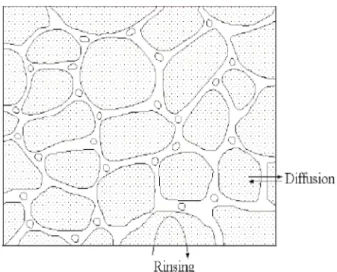
Figure 1. Schematic diagram of vegetal cell structures.
364
Material Application and products High Hydrostatic Pressure (HHP) condition Reference
Skimmed milk Inactivation of Escherichia coli K12 A combination of hydrostatic pressure at 250 MPa, temperature at 25
℃, and total holding time of 20 min was used.
Narisawa N. et al.
(2008) Japan Orange juice, whole milk,
skim milk
Evaluate the adiabatic heating phenomena during HHP processing
Pressurized at 100~400 MPa and temperature at 5, 20 and 35
℃, using different compression rates (100, 200, and 300 MPa/min).
Buzrul S. et al.
(2008) France
Bovine a-lactalbumin Bovine a-lactalbumin functional properties
HHP(200, 400 and 600 MPa) and temperature (25, 40 and 55
℃) on selected functional properties of a-lactalbumin were evaluated in the pH range of 3.0~9.0. Processing at 600 MPa and 55
℃for 10 min.
Rodiles-Lo
́pez J. O.
et al.
(2008) Mexico
Food borne viruses Evaluated for inactivation of food borne viruses and non-pathogenic surrogates
Subjected to pressure by HPP (500 MPa, 5 min, 4
℃), or control (no pressure).
Sharma M. et al.
(2008) U.S.A.
Cooked ham Control salmonella sp.
Application of a 400 MPa HHP treatment to the active packaged slices of cooked ham produced a drastic reduction to the counts of Salmonella.
Jofre
́A. et al. (2008) Spain
Rhodotorula glutinis
β-carotene production Five repeated cycles at 300 MPa for 15 min, the barotolerant mutant PR68 was obtained. After 72 h.
Wang S. L. et al.
(2008) China Refolding of endostatin
from inclusion bodies
IBs of ES expressed (native tertiary structure and full
biological activity)
High levels of correctly folded ES (90 mg/L culture) were obtained after optimization/standardization of the procedure by applying pressures of 200 MPa for 16 h.
Chura-Chambi R. M.
et al. (2008) Brazil
Whey protein hydrolysates Antibody binding and functional properties
Pressure was increased to 200 and 400 MPa at a rate of 2.5 MPa s, maintained for up to 60 min (10, 30 and 60 min at 200 MPa and 10 and 30 min at 400 MPa).
Chico´n R. et al.
(2008) Spain
Morcilla de Burgos Blood sausages morcilla de Burgos treated (microbial ecology)
Initial water temperature was 15
℃, increasing around 3
℃per 100 MPa during HHP due to adiabatic heating.
Diez A. M. et al.
(2008) Italy
Germinating rice seeds Gene expression analysis
Constructed forward and reverse subtracted cDNA libraries of rice seeds treated with 75 MPa hydrostatic pressure for 12 h by suppression subtractive hybridization in combination with mirror orientation selection.
Liua X. et al..
(2008) China
Matured pig oocytes In vitro matured porcine oocytes to improve
Pressure impulses in the range of 20~80 MPa (200~800 times greater than atmospheric pressure) for 30~120 min at 24
℃.
Pribenszky C. et al.
(2008) Denmark Cyanidin-3-O-glucoside and
pyruvate Anthocyanin condensation reactions HHP treatment of 600 MPa, at 70
℃during 30 min. Corrales M. et al.
(2008) Germany
Oysters
Conditions for a 5-log reduction of Vibrio vulnificus (observed among)
The samples were then treated at 150 MPa for 4 min and 200 MPa for 1min. Pressure treatments were carried out at the following initial temperatures: 1, 2, 5, 10, 20, 30, 40, and 45
℃.
Kural A. G. et al.
(2008) U.S.A.
Amylopectin, Hylon VII,
amylose, Their ability to generate free radicals
Native and high pressure-treated (water suspensions, 650 MPa for 9 min), time for reaching the working pressure was 120 s. temperature inside the pressure chamber averaged 20 ± 2
℃.
Błaszczak W. et al.
(2008) Poland
Grape by-products Extraction of anthocyanins
Samples were pressurised at 600 MPa, 70
℃and held during 1 h in Teflon tubes (inner/outer diameter 6
–8 mm;
2~5 ml) with silicon stoppers.
Corrales M. et al.
(2008) Germany
Grape skins Extraction of anthocyanins
HHP (200, 400, 600 MPa), ethanol concentration (20~100%), time (30~90 min), and temperature (20~70
℃) on the optimal anthocyanin extraction.
Corrales M. et al..
(2008) Germany
Soymilk and soybeans Extraction of Isoflavone profiles
HHP was applied to hydrated soybeans (100~700 MPa, 25
℃), soymilk (400~750 MPa, 25 and 75
℃) to assess its effect on isoflavone content.
Jung S. et al.
(2008) U.S.A.
Kiwifruit and pineapple Escherichia coli and Listeria innocua in fruit juices (HHP treated)
HHP at 300 MPa for 5 min. Using low (0
℃) or subzero (
−10
℃) temperatures instead of room temperature (20
℃).
Buzrul S. et al.
(2008) France
Milk Microstructure of probiotic low-fat yogurt
Samples were subjected to HHP at 676 MPa for 5 min at room temperature. Targeted pressure was achieved in 4~5 min and the depressurization took less than 1 min.
Penna A. L. B. et al.
(2007) U.S.A.
Soybean protein and oil Influence of food components Pressure chamber of 200 ml volumes at 41
℃and 448.0 MPa for 11 min, temperature of 41
℃.
Gao Y. et al.
(2007) China
Table 2. High Hydrostatic Pressure (HHP) system assisted treatments from the literature on various material components
Material Products High Hydrostatic Pressure (HHP) Condition Reference 대나무
(오죽) 추출물 (항산화활성물질) 건조된 시료를 상온에서 30min동안 물로 수화시킨 후, 200 MPa 이상의
초고압 상태에서 1∼3 min 동안 처리. Patent 1
어패류
(굴) 굴의 저장성 증진 시료의 초고압 처리는 온도 0℃∼22℃, 압력 100∼400 MPa, 시간 5∼45 min에서
실시후 저장성을 최대한 증진. Patent 2
생약재 추출물 (모든 유용성분) 높은 유체 압력 추출 방법을 이용하여 200 MPa~300 MPa의 높은 압력을 이용
하여 짧은 시간 1~5 min동안 추출한 후 제조. Patent 3
전분 전분 가수분해 전분현탁액에 1~300 min 동안 100 MPa 이상의 초고압을 가하고 초고압
처리된 전분현탁액에 대해 고액분리. Patent 4
대두 두유 및 두부의 제조 초고압 미세화 공정은 1,500 (BAR) 이상에서 1회 처리만으로 미세한 입자를
얻을 수 있으므로 생산효율이 향상. Patent 5
약용식물 추출물 (모든 유용성분) 약용식물의 수분 함량이 70
∼75% 되도록 냉풍 건조, 약용식물을 100~400 MPa,
30 sec~90 min, 0~25
℃조건하에서 처리하는 저온 초고압 처리방법. Patent 6 인삼
(수삼) 백삼 및 홍삼의 제조방법 시료의 수분 함량이 70
∼75% 되도록 냉풍 건조, 초고압 처리공정을 거쳐 60
℃에서 열풍 건조시킨 후 7~30일간 양건하는 공정. Patent 7
인삼 인삼가공 방법
(진세노사이드 등의 유효성분)
초고압처리기를 사용하여 압력 200
∼1200 MPa, 온도 60
∼90
℃에서 5
∼30 min
간 처리가공. Patent 8
당근 당근가공 방법
(생 당근을 고압 블랜칭한 후 고압살균)
고압 블랜칭의 조건을 압력 4000
∼8000 MPa, 온도 30
∼60
℃로 조절 하며, 고압 살균의 조건을 압력 4000
∼8000 MPa, 온도 0
∼70
℃로 조절. Patent 9 장류
(된장, 고추장) 페이스트상 식품 (살균법) 초고압 장치를 이용하여 페이스트상 장류에, 온도 27
∼100
℃에서 10
∼60 min,
200
∼800 MPa의 압력을 가해, 세균, 효모, 곰팡이와 같이 미생물을 사멸시키는 것. Patent 10 Table 3. Examples of High Hydrostatic Pressure system assisted extraction work completed at korea patent research
Material Application and products High Hydrostatic Pressure (HHP) condition Reference
Wheat gluten II. Measure protein solubility
Increasing pressure (0.1~800 MPa) and temperature (30~80 1
℃) the resulting material was analysed by micro-extension tests and an extraction.
Schurer F.et al.
(2007) Germany
Lactic acid and
pathogenic bacteria Protein synthesis
Samples were submitted to HHP treatment of 400 MPa for 10 min at 17
℃, come-up time was 17.5 min, pressure release time was 1.5 min and adiabatic heat generated was <5
℃.
Jofre
́A. et al.
(2007) Spain
Ovalbumin Peptides
(promote the proteolysis and release)
For pressure experiments, substrate and enzyme mixtures were immediately submitted to 100~400 MPa and 37
℃for different periods (5~60 min).
Considine T. et al.
(2007) New Zealand
Lycopene Lycopene stability and isomerization Pressurized at 100, 200, 300, 400, 500 and 600 MPa for 12 min. temperature (20 ± 1
℃).
Quirós A. et al.
(2007) Spain
Korean Red Ginseng Ginsenoside (concentrations effects)
Samples were vacuum-packaged in polyethylene film and treated at room temperature for 1 min with HHP (200~600 MPa) and steamed at 98
℃for 3 hr.
Kim S. O. et al.
(2007) Korea
Rhodiola sachalinensis Extraction of bio-active components
Optimal conditions of extracting flavones and salidroside were as follows: 41 or 60% (v/v) of ethanol concentration, 70
:1 ml/g of solvent
–herb ratio, and 500 MPa of hydrostatic pressure for 3 min.
Zhang S. et al.
(2007) China
Yellow passion fruit pulp Sensory characteristics
Samples were packed in pressure-resistant polyethylene bags, heat sealed and pressurized at 300 MPa for 5 min at 25
℃.
Laboissière L. H. E. S. et al.
(2007) Brazil American
ginseng root Extraction of ginsenoside Ultrahigh pressure treatment at selected pressures in the range of 100~600 MPa for different durations (1~5 min).
Zhang S. et al.
(2006) China
Foxtail Millet (Takju)
Microbial Counts, Enzyme Activity (Quality changes)
Treated with heat (65
℃/30 min or HHT (27
℃/400 MPa/10 min), and changes in microbial count, enzyme activity, and quality were determined during 30-day storage at 10 and 25
℃.
Lim S. B. et al.
(2004) Korea
Strawberry Extraction of Strawberry flavour and enzyme
β-glucosidase compounds
HHP ranging from 200 to 800 MPa. The samples were kept for 24 h at three different storage temperatures (4, 20 and 30
℃), The enzyme
β-glucosidase (pressures of 200 and 400 MPa were applied) but inactivated considerably in the 600 and 800 MPa treatments.
Zabetakis I. et al.
(2000) UK
(a) (b)
(c) (d)
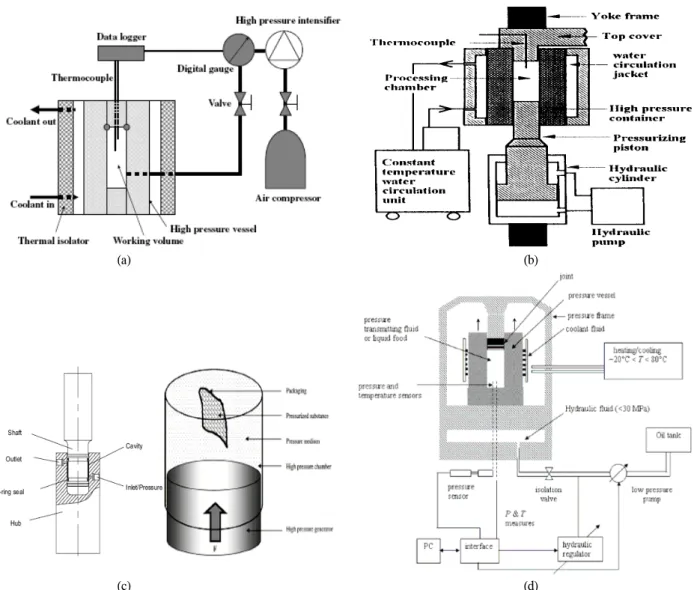
Figure 2. Scheme of the basic experimental set-up by High Hydrostatic Pressure system.
Fig. 1에서는 식물성 세포 조직 구조를 보여주고 있다. 추출의 메커니즘을 보면 천연물의 대부분은 약한 용해력을 갖고 있으 며, 식물의 입자크기와 조직에 따라 추출의 영향이 다르다. 반면, 유용성분 물질을 추출하려면 조건이 까다로워 식물의 표면과 내부 깊숙한 보이지 않는 곳까지 전혀 손상을 입히지 않으면서 단시간 내에 물질의 내부까지 강력한 에너지가 전파되어 화학적, 물리적 영향력으로 전달되어 추출이 이루어진다(51, 52).
초고압 처리의 산업적 전망
초고압 기술은 미생물과 효소를 불활성화시켜 살균의 효과 를 낼 때 사용하기도 하지만, 풍미와 조직감을 유지, 천연물 추출공정에도 이용된다. Table 2에서는 최근 문헌을 통해 초 고압시스템의 응용분야인 식품의 살균, 식품 보존기간연장, 유 효성분의 추출등을 소개하였으며(18-50), Table 3에서는 국내 특허를 통해 초고압 기술이 적용된 천연물로부터 유용성분의 추출공정을 소개하였다(53). 최근에는 여러 국가에서 초고압 기술을 산업적으로 사용하고 있는 추세가 늘고 있으며, 경제 성장과 함께 위생적이며 기호성이 높은 기능성 식품, 의약품, 기능성 화장품에 대한 수요가 증가하고 있다(54). 본 연구를
통해서 실제로 중국, 독일, 프랑스, 브라질, 영국, 미국등은 추출연구에 많은 관심을 갖고 있으며, 우리나라에서도 육상 및 해양 천연물 산업에서 기존의 추출방법보다 좀더 효율적 인 초고압 기술개발 촉진이 요구되어 질것이다(55). 또한, 초 고압 시스템은 산업의 활성화를 촉진할 수 많은 생물산업공 정에 필수적인 이용이 늘 것으로 사료된다. Fig.2에서는 대표적 인 초고압 시스템을 나열하였다(18-21).
요 약