Article
Upregulation of Endosymbiont Densities in Bemisia tabaci by Acquisition of Tomato Yellow Leaf Curl Virus
S. M. Hemayet Jahan, Kyeong-Yeoll Lee*
School of Applied Biosciences, Kyungpook National University, Daegu 702-701, Republic of Korea
Abstract
Sweetpotato whitefly,Bemisia tabaci, is a vector of more than 100 plant-diseased viruses, as well as a serious pest of various horticultural plants.
This species harbors a primary endosymbiontPortieraalong with several secondary endosymbionts such asCardiniumandHamiltonella. We investigated whether or not TYLCV acquisition alters the densities of endosymbionts in the body ofB. tabaciusing quantitative real-time PCR. Our results showed that the densities of bothCardiniumandHamiltonella, but notPortiera, increased upon acquisition of TYLCV. In addition, expression of GroEL, a molecular chaperone produced byHamiltonella, was significantly upregulated in TYLCV-infected whiteflies. Our results suggest that endosymbionts may play an important role in TYLCV transmission mechanism within the body ofB. tabaci.
Keywords:Cardinium, GroEL,Hamiltonella, TYLCV, Vector insects, Virus transmission
Introduction1)
Endosymbiotic bacteria have been identified in various arthropod species including insects. It has become increasingly evident that endosymbionts can have major effects on their host’s biology, ecological relationships, and evolutionary dynamics (Moran, 2006). The influence of endosymbionts on their hosts can range from beneficial to detrimental, and effects may be conditional on extrinsic factors (Russell and Moran, 2006; Haine, 2008).
Bemisia tabaci harbors primary obligate and secondary facultative endosymbionts (Baumann, 2005). The primary endosymbiont Portiera is harbored within bacteriocytes and supplements its insect host with essential amino acids for growth and reproduction (Douglas, 1989; Baumann et al., 2000 Moran et al., 2003). In addition, B. tabaciharbors several secondary endosymbionts, including Arsenophonus(Thao and Baumann, 2004), Cardinium(Weeks et al., 2003), Fritschea (Everett et al., 2005), Hamiltonella(Moran et al., 2005),Rickettsia (Gottlieb et al., 2006), and Wolbachia (Zchori-fein and Brown, 2002).
In addition to providing essential nutrients to their insect hosts, these endosymbionts bestow functional capabilities such as temperature tolerance (Montlloret al., 2002), increased resistance to parasites (Oliver et al., 2003), increased resistance to insecticides (Kontsedalov et al., 2008), sex determination (Himler et al., 2011), and other unidentified physiological and
ecological activities.
Endosymbionts play a major role in virus transmission of B.
tabacias well as other vector insects. Several studies have shown that a molecular chaperone, GroEL protein, produced from endosymbionts has a protective role by binding to coat protein of viruses in the vector’s body. GroEL protein of Buchnera aphidicola binds to luteovirus coat protein and prevents virus particles from proteolysis in the gut and hemolymph ofMyzus persicae(Van den Heuvel et al., 1997). It has also been reported that interrupting the interaction between GroEL and coat protein leads to a dramatic decrease in virus transmission efficiency in B. tabaci (Morin et al., 1999, 2000). Tomato yellow leaf curl virus(TYLCV) is exclusively vectored byB. tabaci, and its transmission depends on the presence of GroEL protein, which is produced byHamiltonella but not other endosymbionts (Gottlieb et al., 2010). Further, Rana et al. (2012) reported that Cotton leaf curl virus(CLCuV) coat protein strongly interacts with GroEL fromArsenophonus, whereas bothEscherichia coli andPortiera GroELproteins do not interact with CLCuV coat protein. They suggestArsenophonusis highly involved in the transmission of CLCuV in the AsiaII genetic group ofB. tabaci. Therefore, it is likely that the relationship between virus and endosymbiont is highly specific at a species level within the vector’s body. Here, we demonstrated whether TYLCV acquisition influence on the density of different endosymbionts Received: November 12, 2012 / Revised: December 4, 2012 / Accept: December 12, 2012
*Corresponding Author: Kyeong-Yeoll Lee, Tel. 82-53-950-5759, Fax. 82-53-950-6758, Email. [email protected]
We thank the anonymous reviewers for their insightful comments. This study was supported by a grant (No. 311058-5) from the Ministry for Food, Agriculture, Forestry, and Fisheries, Republic of Korea.
©2012 College of Agricultural and Life Science, Kyungpook National University
in B. tabaci.
Materials and methods2) Insect collection and rearing
Bemisia tabaci were initially collected from Korean melon (Cucumis melovar.makuwa) grown in a greenhouse in Seongju, Korea in 2009 and maintained in the laboratory as a non-viruliferous (NV) colony on tomato plants (Lycopersicon esculentumMill.) in insect-proof cages (45 × 60 × 90 cm3).
A portion of the NV colony was transferred into another cage housing TYLCV-infected tomato plants and maintained as a TYLCV-viruliferous (V) colony. These two colonies were then reared in separate insect-rearing rooms under conditions of 25
± 2℃, 60 ± 5% relative humidity, and a 16 h light/8 h dark (16L:8D) photoperiodic cycle.TYLCV infection of both colonies was confirmed by PCR analysis at regular intervals over 1 month (Park et al., 2012). After every month, fresh TYLCV-free tomato plants were put into both cages. Our previous study on the identification of biotype and endosymbiont profile shows that our colony is Q1 biotype (mtCOI GenBank accession number HM488315) (Park et al., 2012).
Clip cage assay
Clip cage was a hand-made instrument, namely a crystal clear, plastic, round-shaped tube (1.5 cm diameter). Specifically, a
Fig 1. Procedure for construction of TYLCV-infected tomato plants using clip cages with viruliferous whitefly.
Five leaves (1-5) of tomato plant prepared with three clip cages, which were attached to the 1st, 2nd, and 3rd leaves (A). After 48 hours, TYLCV infection was checked using small pieces from the 4th and 5th leaves by PCR (B). DNA marker (M), a positive control (+), a negative control (-), 4th leaf (1), and 5th leaf (2).
tube was cut to a length of 0.5 cm and sealed at one side with a fine insect-proof mesh. A small-sized hole (2 mm diameter) was prepared on the side of the cage in order to allow whiteflies to enter. A lid was prepared from a plastic piece having the same size as the tube, after which both the cage and lid were attached to the clip. The clip cage was then attached to the underside of a tomato plant leaf. To make TYLCV-infected tomato plants, adult V whiteflies (n=50) were collected from the V colony using a fine glass tube (act as an aspirator) and aspired into the clip cage through the hole, after which they were kept in a mesh acrylic glass box (30×30×40 cm3) for up to 48 hours (Fig. 1A). After 48 hours, we removed the clip cage and collected a small part of the leaves in order to confirm TYLCV infection by PCR (Fig. 1B).
The leaves were then put into an acrylic box and were considered as TYLCV-infected tomato plants. We used another box to house TYLCV-free tomato plants. Subsequently, we released the same number (n=500) of NV day-0 whiteflies in the two acrylic cages. Every conjugative day (2, 4, 6, and 8), we collected the same number of whiteflies from both cages for DNA and RNA extraction (25 for DNA and 100 for RNA extraction).
Genomic DNA extraction
Total genomic DNA was extracted from 25 individual adult B. tabaciwhiteflies according to the protocol supplied by the Invitrogen Purelink Genomic DNA mini kit. After collecting
the samples from individual NV and V colonies, whiteflies were homogenized in 180 µl of genomic digestion buffer using a 1.5 ml microcentrifuge tube and micropestle (homogenizer).
After the addition of 200 µl of genomic lysis/binding buffer (1% SDS, 10 mM Tris-HCl, pH 8.0, 25 mM EDTA, 25 mM NaCl, 200 mg/ml of Proteinase K), 200 µl of absolute ethanol was immediately added. Wash buffer was then added into the genomic column, after which 20 µl of genomic elusion buffer (Invitrogen Purelink, USA) was added. After 1 min of incubation at room temperature, samples were centrifuged at about 12,000 rpm for 1 min. The supernatants and pellets were directly used for PCR detection of secondary endosymbionts or stored at -20℃ for later use.3)
cDNA production
Total RNAs were extracted from whole bodies of 100 adult B. tabaci Q1 biotype NV and V whiteflies that were 2, 4, 6, and 8 days old (D2, D4, D6, and D8, respectively) according to the protocol with TRI reagent (MRC Inc., Cincinnati, OH, USA.). All extracts were treated with RQ1 DNAase (RNase-free) (Promega, Madison, WI, USA) to avoid DNA contamination. RNAs were subjected to gel electrophoresis and quantified using an IMPLEN Nano photometer (Implen GmbH, Munich, Germany). Two micrograms of RNA was used to synthesize cDNA using a High capacity cDNA reverse transcription kit (Applied Biosystems, Foster city, CA, USA) in a total reaction volume of 20 µl.
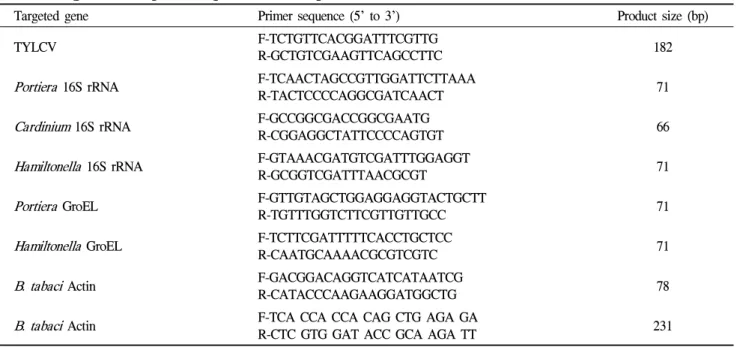
Table 1. Oligonucleotide primer sequences used in quantitative real-time PCR
Targeted gene Primer sequence (5’ to 3’) Product size (bp)
TYLCV F-TCTGTTCACGGATTTCGTTG
R-GCTGTCGAAGTTCAGCCTTC 182
Portiera 16S rRNA F-TCAACTAGCCGTTGGATTCTTAAA
R-TACTCCCCAGGCGATCAACT 71
Cardinium 16S rRNA F-GCCGGCGACCGGCGAATG
R-CGGAGGCTATTCCCCAGTGT 66
Hamiltonella 16S rRNA F-GTAAACGATGTCGATTTGGAGGT
R-GCGGTCGATTTAACGCGT 71
Portiera GroEL F-GTTGTAGCTGGAGGAGGTACTGCTT
R-TGTTTGGTCTTCGTTGTTGCC 71
Hamiltonella GroEL F-TCTTCGATTTTTCACCTGCTCC
R-CAATGCAAAACGCGTCGTC 71
B. tabaci Actin F-GACGGACAGGTCATCATAATCG
R-CATACCCAAGAAGGATGGCTG 78
B. tabaci Actin F-TCA CCA CCA CAG CTG AGA GA
R-CTC GTG GAT ACC GCA AGA TT 231
Quantitative real-time polymerase chain reaction (qRT-PCR) Quantification of the different endosymbionts was performed by amplification using Power SYBR Green PCR Master Mix (Applied Biosystems, USA) and 10 pmol of each primer. Using nucleotide sequences from the NCBI database, gene-specific primers for TYLCV, Portiera (primary endosymbiont) 16S rDNA,Portiera GroEL,Cardinium(secondary endosymbiont) 16S rDNA,Hamiltonella (secondary endosymbiont) 16S rDNA, Hamiltonella GroEL, andB. tabaci actin were designed for quantitative real-time PCR (Table 1). The cDNA samples (0.2 µl) were run in triplicate on a 7300 Sequence Detection System (Applied Biosystems, USA) for 1 cycle of denaturation (95℃
for 15 min), 45 cycles of amplification (95℃ for 10 sec; 58℃
for 20 sec; 72℃ for 30 sec), and 1 cycle of dissociation (95℃
for 15 sec; 60℃ for 30 sec; 95℃ for 15 sec). The expression level of each gene was determined by measuring the relative quantities of cDNAs to their respective mRNAs. The Ct (Threshold cycles) values were used to calculate the mRNA levels. Data were analyzed using the formula: 2-∆∆Ct= 2-[∆Ct
treatment-∆Ct control]. The partial nucleotide sequence of actin from B. tabaci (AF071908) was identified from the Bemisia EST database in NCBI Genbank. The actin level was used as a reference to normalize the expression levels of the other genes.
To ensure validity of the data, the number of bacterial genomes was tested in triplicate in each independent experiment.
Hamiltonella
NV-F NV-M V-F V-M
Relative expression
0 1 2 3 4
5 a
b
c d
Cardinium
NV-F NV-M V-F V-M
Relative expression
0 1 2 3 4
a
b
bc c
Portiera
NV-F NV-M V-F V-M
Relative expression
0 1 2 3 4 5
a
ab
b b
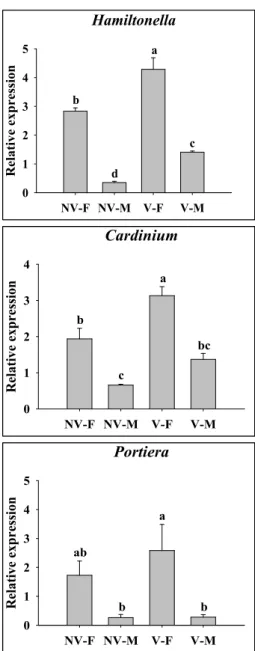
Fig 2. Quantitative real-time PCR analysis of endosymbiont density. 4)
Genomic DNA samples were extracted from female (NV-F) and male (NV-M) of non-viruliferous individuals, and female (V-F) and male (V-M) of viruliferous individuals ofB. tabaci(n = 100). Different letters above columns indicate statistically significant differences (P < 0.05) using DMRT by SAS.
Statistical analysis
Data were expressed in three individual replicates, and mean values ± standard error were plotted using Sigma plot (Systat software, Inc., Point Richmond, CA, USA). Analysis of variance (ANOVA) was carried out in order to analyze the means by using PROC General Linear Model (GLM) with the Statistical Analysis System (SAS, 2002-2003 SAS Institute Inc., Cary, NC, USA) version 9.1 program. Significant differences among
Hamiltonella
0 2 4 6 8
Relative expression
0 1 2 3 4 5 6 7
NV V
Days after acquisition of TYLCV
Cardinium
0 2 4 6 8
Relative expression
0 1 2 3 4 5 6 7
NV V
Days after acquisition of TYLCV Portiera
0 2 4 6 8
Relative expression
2 3 4 5 6
7 NV
V
Days after acquisition of TYLCV
Fig 3. Comparison of densities of three endosymbionts between NV and V B. tabaci.
Quantitative real-time PCR analysis was conducted using genomic DNA samples collected from adultB. tabaciof 0, 2, 4, 6, and 8 days after TYLCV acquisition.
mean values were determined using Duncan’s Multiple Range Tests (DMRT) at a 95% confidence level. Data were analyzed by using acompletely randomized design with three individual replications.
Results
Comparison of endosymbiont densities between NV and V whiteflies
endosymbiont profile shows that our colony is Q1 biotype (mtCOI GenBank accession number HM488315) harboring the secondary endosymbiontsCardiniumandHamiltonella, but not Arsenophonus, Rickettsia, andWolbachia (Park et al., 2012).
Thus, we analyzed one primary (Portiera) and two secondary (Cardinium and Hamiltonella) endosymbionts.
Densities of primary (Portiera) and secondary (Cardiniumand Hamiltonella) endosymbionts were significantly different between sexes (Fig. 2). Female whiteflies displayed higher densities of all three endosymbionts compared to males regardless of TYLCV acquisition. In comparing NV with V whiteflies, endosymbiont densities mostly increased in V whiteflies, although the rates slightly differed. For example, the density of Portiera slightly increased only in females, whereas the densities of both Cardinium and Hamiltonella significantly increased in both sexes (Fig. 2). When bacterial densities were analyzed continuously for 8 days,Portiera density gradually increased in both NV and V whiteflies. However, bothCardiniumandHamiltonella densities gradually increased in V whiteflies, whereas they remained at constant levels in NV whiteflies (Fig. 3). 5)
GroEL expression of endosymbionts in NV and V whiteflies To compare GroEL expression levels between NV and V whiteflies, adult whiteflies (n=100) were collected from NV and V colonies, after which GroEL mRNA levels were determined using quantitative real-time PCR analysis (Fig. 4).
GroEL mRNA level of Portiera was gradually increased in both NV and V whiteflies. On the other hand, GroEL mRNA level of Hamiltonella was increased in V whiteflies from 2 days following TYLCV acquisition, whereas it remained at constant levels in TYLCV-free whiteflies.
Discussion
Similar to a previous report, B and Q1 biotypes of Bemisia tabaci are present in Korea. The Q1 biotype is available everywhere in Korea, even Jeju-do island, whereas the B biotype is only restricted to the Goyang region (Park et al., 2012). Both B and Q1 biotypes of B. tabaci harbor various secondary endosymbionts with distribution patterns that vary according to biotype. For instance, Hamiltonella is common in both B and Q1 biotypes in Korea, whereas other endosymbionts are more selective (Park et al., 2012).
Here, we showed that the densities of both primary (Portiera) and secondary (Cardinium and Hamiltonella) endosymbionts were higher in female compared to male whiteflies. Our results are similar with those of Cohen and Harpaz (1964) and
Muniyappa et al. (2000), who observed that virus diffusion of female whiteflies is higher than males in frequency upon virus transmission from infected to non-infected plants. Namely, females can transmit TYLCV about 5-fold more proficiently than males (Cohen and Harpaz, 1964). Similarly, ToLCV from Bangalore is transmitted by females more efficiently than by males (Muniyappa et al., 2000). Thus, endosymbiont density is sexually differentiated and this is highly significant in virus transmission of vector insects.
Hamiltonella GroEL
Time (days)
0 2 6
Relative expression
2 3 4 5 6 7
NV V
Portiera GroEL
Time (days)
0 2 6
Relative expression
1 2 3 4 5 6 7 8
NV V
Fig 4. Comparison of GroEL mRNA levels of endosymbionts between NV and V individuals of adult B. tabaci. Quantitative real-time PCR analysis was conducted using cDNA samples collected from 0, 2, and 6 day-old adult whiteflies.
Our genomic DNA analysis showed that endosymbiont densities were increased in both sexes ofB. tabaciafter acquisition of TYLCV. Particularly, this was significant in Cardinium and Hamiltonella endosymbionts. Otherwise,Portieradensity was increased at a similar level in both NV and V individuals.
Furthermore, GroEL mRNA level ofHamiltonellawas increased upon TYLCV acquisition, whereas it remained steady in TYLCV-free whiteflies. Our results suggest that TYLCV acquisition induces multiplication of both Cardinium and Hamiltonella within vector’s body.Hamiltonellais responsible
to protect TYLCV in the hemolymph by releasing GroEL which is bind to coat protein of TYLCV (Gottlieb et al., 2010). TYLCV particles may be more stable in the hemolymph due to the increased amount of Hamiltonella. We suppose that this mechanism is highly efficient for the successful transmission of virus. 6)
Similar to Hamiltonella, we found that density of Cardinium was also increased by the acquisition of TYLCV. This suggests thatCardiniummay also associate with transmission of TYLCV.
However, there is no report on the relationship between Cardiniumand virus transmission.Cardiniumis usually located within the reproductive tissues and highly involved in reproduction alteration of various arthropod species (Zchori-Fein and Perlman, 2004). It is also possible that increasedCardinium by TYLCV acquisition may influence on the reproductive changes such as cytoplasmic incompatibility, parthenogenesis and feminization (Chigira and Miura, 2005).
In summary, our studies demonstrated that Q1 biotypes ofB.
tabaciincrease densities of bothCardiniumand Hamiltonella by the acquisition of TYLCV.We further determined that GroEL expression level was increased inHamiltonella. These results suggest that virus vectoring ability of whiteflies could be increased by upregulated densities of the endosymbionts in viruliferous whiteflies.
Acknowledgements
We thank the anonymous reviewers for their insightful comments. This study was supported by a grant (No. 311058-5) from the Ministry for Food, Agriculture, Forestry, and Fisheries, Republic of Korea.
References
Baumann L, Thao ML, Funk CJ, Falk BW, Ng JCK, Baumann P (2004) Sequence analysis of DNA fragments from the genome of the primary endosymbiont of the whitefly Bemisia tabaci. Current Microbiology48: 77-81.
Baumann P (2005) Biology bacteriocyte-associated endosymbionts of plant sap sucking insects.Annual Review of Microbiology59: 155-189.
Baumann P, Moran NA, Baumann L (2000) Bacteriocyte- associated endosymbionts of insects. In: Dworkin, M. (ed.) The prokaryotes. Springer, New York.
Bouvaine S, Boonham N, Douglas AE (2011) Interactions between a luteovirus and the GroEL chaperonin protein of the symbiotic bacterium Buchnera aphidicola of aphids.
Journal of General virology 92: 1467-1474.
Chiel E, Gottlieb Y, Zchori-Fein E, Mozes-Daube N, Katzir
N, Inbar M, Ghanim M (2007) Biotype-dependent secondary symbiont communities in sympatric populations of Bemisia tabaci. Bulletin of Entomological Research 97: 407-413.
Chigira A, Miura K (2005) Detection of 'candidatusCardinium' bacteria from the haploid host Brevipalpus californicus (Acari: Tenuipalpidae) and effect on the host.Experimental AppliedAcarology 37: 107-16.
Cohen S, Harpaz I (1964) Periodic, rather than continual acquisition of a new tomato virus by its vector, the tobacco whitefly (Bemisia tabaci Gennadius). Entomologia Experimentalis et Applicata 7: 155-166.
Czosnek H, Ghanim M, Ghanim M (2002) Circulative pathway of begomoviruses in the whitefly vectorBemisia tabaci- insights from studies withTomato yellow leaf curl virus.
Annals of Applied Biology 140: 215-231.
Douglas AE (1989) Mycetocyte symbiosis in insects. Biological reviews of the Cambridge Philosophical Society 64:
409-434.
Everett KDE, Thao M, Horn M, Dyszynski GE, Baumann P (2005) Novel chlamydiae in whiteflies and scale insects:
endosymbionts ‘CandidatusFritschea bemisiae’ strain Falk and ‘Candidatus Fritschea eriococci’ strain Elm.
International Journal of Systematic and Evolutionary Microbiology55: 1581-1587.
Gottlieb Y, Ghanim M, Chiel E, Gerling D, Portnoy V, Steinberg S, Tzuri G, Horowitz AR, Belausov E, Mozes-Daube N, Kontsedalov S, Gershon M, Gal S, Katzir N, Zchori-Fein E (2006) Identification and localization of aRickettsia in Bemisia tabaci (Homoptera : Aleyrodidae). Applied and Environmental Microbiology72: 3646-3652.
Gottlieb Y, Zchori-Fein E, Mozes-Daube N, Kontsedalov S, Skaljac M, Brumin M, Sobol I, Czosnek H, Vavre F, Fleury F, Ghanim M (2010) The transmission efficiency ofTomato yellow leaf curl virus by the whitefly Bemisia tabaci is correlated with the presence of a specific symbiotic bacterium species. Journal of Virology 84: 9310-9317.
Haine ER (2008) Symbiont-mediated protection. Proceedings of the Royal Society of London. Series B, Biological Science 275: 353-361.
Himler AG, Adachi-hagimori T, Bergen JE, Kozuch A, Kelly SE, Tabashnik BE, Chiel E, Duckworth VE, Dennehy TJ, Zchori-Fein E, Hunter MS (2011) Rapid spread of a bacterial symbiont in an invasive whitefly is driven by fitness benefits and female bias. Science 332: 254-256.
Kontsedalov S, Zchori-fein E, Chiel E, Gottlieb Y, Inbar M, Ghanim M (2008) The presence ofRickettsiaisassociated with increased susceptibility ofBemisia tabaci(Homoptera:
Aleyrodidae) to insecticides.Pest Management Science792:
789-792.
Montllor CB, Maxmen A, Purcell AH (2002) Facultative bacterial endosymbionts benefit pea aphidsAcyrthosiphon pisumunder heat stress.Ecological Entomology27: 189-195.
Moran NA (2006) Symbiosis (A primer). Current Biology16:
R866-871.7)
Moran NA, Degnan PH, Santos SR, Dunbar HE, Ochman H (2005) The players in a mutualistic symbiosis: insects, bacteria, viruses, and virulence genes.Proceedings of the National Academy of Sciences of the United States of America 102: 16919-16926.
Moran NA, Plague GR, Sandstrom JP, Wilcox JL (2003) A genomic perspective on nutrient provisioning by bacterial symbionts of insects.Proceedings of the National Academy of Sciences of the United States of America 100:
14543-14548.
Morin S, Ghanim M, Sobol I, Czosnek H (2000) The GroEL protein of the whitefly Bemisia tabaci interacts with the coat protein of transmissible and nontransmissible begomoviruses in the yeast two-hybrid system. Virology 276: 404-416.
Morin S, Ghanim M, Zeidan M, Czosnek H, Verbeek M, Heuvel JFJM (1999) A GroEL homologue from endosymbiotic bacteria of the whiteflyBemisia tabaciis implicated in the circulative transmission ofTomato yellow leaf curl virus.
Virology 256: 75-84.
Muniyappa V, Venkatesh HM, Ramappa HK, Kulkarni RS, Zeidan M, Tarba CY, Ghanim M, Czosnek H (2000)Tomato leaf curl virus from Bangalore (ToLCV-Ban4): sequence comparison with Indian ToLCV isolates, detection in plants and insects, and vector relationships.Archives of Virology 145: 1583-1598.
Oliver KM, Russell JA, Moran NA, Hunter MS (2003) Facultative bacterial symbionts in aphids confer resistance to parasitic wasps. Proceedings of the National Academy of Sciences of the United States of America100: 1803-1807.
Park J, Jahan SMH, Song WG, Lee H, Lee YS, Choi HS, Lee KS, Kim CS, Lee S, Lee KY (2012) Identification of biotypes and secondary endosymbionts ofBemisia tabaci in Korea and relationships with the occurrence of TYLCV disease.Journal of Asia-Pacific Entomology15: 186-191.
Rana VS, Singh ST, Priya NG, Kumar J, Rajagopal R (2012) ArsenophonusGroEL interacts with CLCuV and is localized in midgut and salivary gland of whiteflyB. tabaci. PLoS ONE 7: e42168.
Russell JA, Moran NA (2006) Costs and benefits of symbiont
infection in aphids: variation among symbionts and across temperatures.Proceedings of the Royal Society B: Biological Sciences 273: 603-610.
Thao ML, Baumann P (2004) Evolutionary relationships of primary prokaryotic endosymbionts of whiteflies and their hosts. Applied and Environmental Microbiology 70:
3401-3406.
Van den Heuvel JFJM, Bruye`re A, Hogenhout SA, Ziegler-Graff V, Brault V, Verbeek M, Vanderwilk F, Richards K (1997) The N-terminal region of the luteovirus read through domain determines virus binding toBuchnera GroEL and is essential for virus persistence in the aphid.
Journal of virology 71: 7258-7265.
Weeks AR, Velten R, Stouthamer R (2003) Incidence of a new sex-ratio distorting endosymbiotic bacterium among arthropods. Proceedings of the Royal Society B 270:
1857-1865.
Zchori-Fein AE, Brown JK (2002) Diversity of prokaryotes associated with Bemisia tabaci (Gennadius); (Hemiptera:
Aleyrodidae). Annals of the Entomological Society of America 95 711-718.
Zchori-Fein AE, Perlman SJ (2004) Distribution of the bacterial symbiontCardiniumin arthropods. Molecular Ecology13:
2009-2016.