http://www.ecevr.org/ 139
CLINICAL
EXPERIMENTAL VACCINE
RESEARCH
Foot-and-mouth disease (FMD) is a most contagious livestock disease and causes tre- mendous economic losses in cloven-hoofed animals. FMD outbreaks are devastating to the livestock industry because of their high rates of morbidity and rapid transmis- sion across a broad range of susceptible animal species. FMD is characterized by fever, lameness, and vesicular lesions on the tongue, feet, snout, and teats [1]. The causative agent is FMD virus (FMDV), which is a non-enveloped, single-stranded, positive-sense RNA virus with a genome size of 8,400 nucleotides (nt). The virus belongs to the genus Aphthovirus within family Picornaviridae and is further classified into seven serotypes (O, A, Asia1, SAT1, SAT2, SAT3, and C).
Tremendous economic loss by FMD drives the requirement of an effective strate- gies to control FMDV and eventually to achieve FMD-free statue. Control and preven- tion of FMD outbreaks can be achieved by various control measures that can reduce a basic reproduction number of FMDV [2]. Control programs include (1) removal sourc- es of infection (pre-emptive culling, slaughtering), (2) preventing contact between in- fected and susceptible animals (restriction of animal and instrument movement), and
© Korean Vaccine Society.
This is an Open Access article distributed under the terms of the Creative Commons Attribution Non-Com- mercial License (http://creativecommons.org/licenses/
by-nc/4.0) which permits unrestricted non-commercial use, distribution, and reproduction in any medium, pro- vided the original work is properly cited.
K O R E A N V A C C I N E S O C I E T Y
K O R E A N K O R E A N A C C I N E O C I E T Y V
S
Clin Exp Vaccine Res 2018;7:139-144 https://doi.org/10.7774/cevr.2018.7.2.139 pISSN 2287-3651 • eISSN 2287-366X
Sang H. Je1, Taeyong Kwon1, Sung J. Yoo1, Dong-Uk Lee1,a, Sang won Seo2, Jeong J. Byun1, Jeong Y. Shin1, Young S. Lyoo1
1College of Veterinary Medicine, Konkuk University, Seoul; 2Hipra Korea Inc., Seongnam, Korea
a Present address: Choongang Vaccine Laboratory, Daejeon, Korea
Received: March 9, 2018 Revised: June 8, 2018 Accepted: June 18, 2018
Corresponding author: Young S. Lyoo, DVM, PhD College of Veterinary Medicine, Konkuk Universi- ty, 120 Neungdong-ro, Gwangjin-gu, Seoul 05029, Korea
Tel: +82-2-450-3719, Fax: +82-2-6008-3791 E-mail: [email protected]
No potential conflict of interest relevant to this article was reported.
Vaccination is considered a frequently used tool to prevent and control foot-and-mouth dis- ease (FMD). However, the effectiveness of conventional FMD virus (FMDV) vaccines in pigs has been controversial because the massive prophylactic vaccination could not elicit proper immune response nor prevent the broad spread of FMD outbreak, mainly in pig farms, in South Korea during outbreaks of 2014. In addition, there has been little information on the efficacy of inactivated, high potency, multivalent, oil-based FMDV vaccine in pigs, because an evaluation of FMDV vaccines had been mainly carried out using cattle. In this study, we evaluated the genetic identification of commercial inactivated FMDV vaccine and monitored the immune responses in pigs under the field condition. Results implied that it contained three different serotypes with a high level of antigen payload. However, serological results showed low mean percentage of inhibition, and positive rate reached its peak at 6-week post-vaccination, indi- cating current FMDV vaccine need to improve for a prophylactic vaccination policy in pigs.
Therefore, there is an imperative need to develop FMDV vaccine that can provide rapid and long-lasting protective immunity in pigs.
Keywords: Antibody formation, Foot-and-mouth disease, Real-time polymerase chain reaction, Vaccines
Genetic identification and
serological evaluation of commercial inactivated foot-and-mouth
disease virus vaccine in pigs
1 / 1 CROSSMARK_logo_3_Test
2017-03-16 https://crossmark-cdn.crossref.org/widget/v2.0/logos/CROSSMARK_Color_square.svg
(3) reduction in the proportion of susceptible animals (vacci- nation). Vaccination has been widely used to eradicate and control FMD due to its high effectiveness, especially when it is implemented together with other preventive tools [3].
In Korea, massive FMD outbreak in 2010 led to the decision on the use of nationwide vaccination with emergency mon- ovalent (O) vaccine. Nevertheless, this disastrous outbreak resulted in an economic damage at US $3 billion, which in- clude culling 150 thousands of culled cattle and 3 millions of pigs [4]. After outbreak ended in 2011, the government main- tained the vaccination policy changing to trivalent (O, A, and Asia1) vaccine. However, the mandatory vaccination in all susceptible animals did not prevent the reoccurrence of FMD outbreak caused by serotype O in 2014/2015. This outbreak was characterized by nationwide spread of FMDV over 50%
geographical provinces and most FMDV infection predomi- nantly in pig farms (180 pig farms and five cattle farms), as of- ficially reported by the World Organization for Animal Health (OIE; http://www.oie.int/wahis_2/public/wahid.php/Review- report/Review/viewsummary?reportid=16695). These facts raised a question on the efficacy of commercial FMDV vac- cine in pigs in the field. In addition, currently available rese- arch data on FMDV vaccine in pigs remains limited because
a majority of FMDV research and FMD control programs have exclusively focused on use of vaccine in cattle. Therefore, the aim of this study was to evaluate the molecular characteris- tics of commercial FMDV vaccine and serological response in pigs.
A commercially available FMDV vaccine (Aftopor, Merial Animal Health Ltd., Pirbright, UK) was used in this study. The vaccine was labeled as a high-potency, trivalent, inactivated vaccine with an oil-based adjuvant. The antigen content of vaccine was labeled as more than 6 protective dose (PD50) of the O, A, and Asia 1 strains.
To identify and quantify each vaccine strains, reverse-tran- scription polymerase chain reaction and quantitative poly- merase chain reaction (qPCR) were performed. Because oil- based, inactivated vaccines contain various surfactants and additives that could have a quenching effect on further pro- cessing, instability of the vaccine was induced for the phase separation by physical method. The vaccine was frozen at -70°C for 24 hours and then thawed to room temperature for 30 minutes. After the centrifugation at 3,000×g for 10 min- utes, aqua and turbid phases were collected.
RNA of the FMDV vaccine was extracted using the Viral Gene-spin Virus DNA/RNA Extraction Kit (iNtRON Biotech-
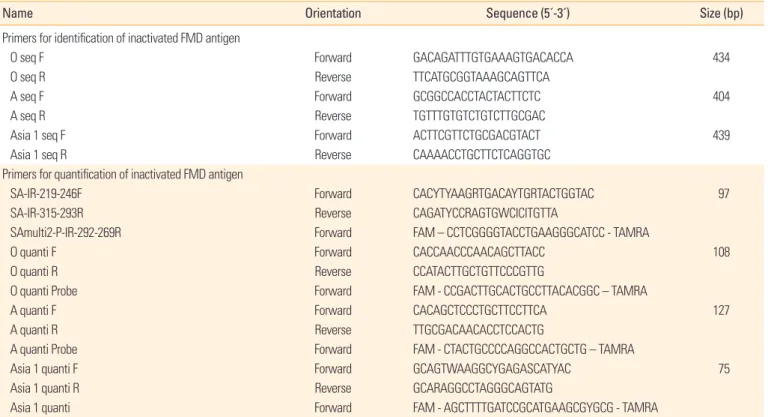
Table 1. Primer and probe sets used in this study
Name Orientation Sequence (5´-3´) Size (bp)
Primers for identification of inactivated FMD antigen
O seq F Forward GACAGATTTGTGAAAGTGACACCA 434
O seq R Reverse TTCATGCGGTAAAGCAGTTCA
A seq F Forward GCGGCCACCTACTACTTCTC 404
A seq R Reverse TGTTTGTGTCTGTCTTGCGAC
Asia 1 seq F Forward ACTTCGTTCTGCGACGTACT 439
Asia 1 seq R Reverse CAAAACCTGCTTCTCAGGTGC
Primers for quantification of inactivated FMD antigen
SA-IR-219-246F Forward CACYTYAAGRTGACAYTGRTACTGGTAC 97
SA-IR-315-293R Reverse CAGATYCCRAGTGWCICITGTTA
SAmulti2-P-IR-292-269R Forward FAM – CCTCGGGGTACCTGAAGGGCATCC - TAMRA
O quanti F Forward CACCAACCCAACAGCTTACC 108
O quanti R Reverse CCATACTTGCTGTTCCCGTTG
O quanti Probe Forward FAM - CCGACTTGCACTGCCTTACACGGC – TAMRA
A quanti F Forward CACAGCTCCCTGCTTCCTTCA 127
A quanti R Reverse TTGCGACAACACCTCCACTG
A quanti Probe Forward FAM - CTACTGCCCCAGGCCACTGCTG – TAMRA
Asia 1 quanti F Forward GCAGTWAAGGCYGAGASCATYAC 75
Asia 1 quanti R Reverse GCARAGGCCTAGGGCAGTATG
Asia 1 quanti Forward FAM - AGCTTTTGATCCGCATGAAGCGYGCG - TAMRA
FMD, foot-and-mouth disease.
nology Inc., Seongnam, Korea) according to the manufactur- er’s instruction. cDNA was synthesized with the SuPrimeScript RT Premix (GenetBio, Daejeon, Korea) using step-specific re- verse primers (Table 1).
Amplification efficiency (E) of the untreated vaccine, aqua and turbid phases were calculated to estimate gene recovery.
cDNA was five-fold diluted with distilled water (50 to 5-5). Di- luted cDNA was mixed with pan-serotypic primers and probes targeting FMDV internal ribosomal entry site [5] in order to perform qPCR using the iQ Supermix (Bio-Rad, Hercules, CA, USA) in a Bio-Rad Chromo Real-Time PCR system (Bio-Rad).
Each experiment was conducted in quadruplicate to calcu- late the amplification curves and efficiencies (E=10-1/slope -1) using slopes of the regression lines [6,7]. The most efficiently amplified phases were used for identification and quantifica- tion of antigen content in vaccines.
After cDNA of each strain (O, A, Asia 1) was synthesized using serotype-specific reverse primers, conventional poly- merase chain reaction (PCR) was performed using serotype- specific primers (Table 1) targeting the partial VP1 gene using the HS Prime Taq DNA polymerase (GenetBio). PCR products were electrophoresed on a 1.5% agarose gel and each target band was extracted by Dokdo-Prep Gel Extraction Spin-type Kit (ELPIS BIOTECH Inc., Daejeon, Korea). PCR products were sequenced on both strands at the commercial sequenc- ing facility (Macrogen Inc., Seoul, Korea).
Based on the published FMDV nucleotide sequences, prim- ers and probes targeting the VP1 gene were designed. With the strain-specific primer and probe sets, qPCR was conduct- ed to quantify the amount of FMDV antigens in vaccine. Spe- cifically, because of the epidemiologic importance of serotype O in South Korea, the amplicon was inserted into a pGEM-T vector (Promega Corp., Madison, WI, USA) as an internal am- plification control. The vector was then transformed into a chemically competent Escherichia coli DH5α cell (iNtRON Biotechnology Inc.). With a 10- fold serial dilution of plasmid DNA (100 to 10-5), standard curve analysis was performed, and the nucleotide copy number was calculated.
Ten 8-week-old pigs which were NSP enzyme-linked im- munosorbent assay (ELISA) negative for FMDV were used to evaluate the immune response of commercially available FMDV vaccine under the field conditions. According to the manufacturer’s instructions, 2.0 mL of vaccine was adminis- tered intramuscularly and booster vaccination was performed after two weeks. Blood samples were collected at 0-, 2-, 4-, and 6-week post-vaccination (wpv). ELISA was carried out on the
samples to detect antibodies against structural proteins of se- rotype O (PrioCHECK FMDV type O ELISA, Prionics, Lelys- tad, Netherlands) and nonstructural proteins (VDPro FMDV NSP AB ELISA, Median Diagnostics Inc., Chuncheon, Korea) according to manufacturer’s instructions. Positive inhibition (PI) values above 50% as calculated by ELISA were considered serological positives.
Physical method (freezing, thawing, and centrifugation) successfully separated vaccine into two phases (aqua and turbid phase). To select the suitable phase for the molecular analysis, amplification efficiency of two phases and vaccine stored in 4°C were compared. As expected, inactivated FMDV vaccine in recommended storage temperature (4°C) was not suitable to successfully amplify FMDV-specific genetic mate- rials (E, 58.05%). The results indicated that the efficiency of aqua phase was higher than that of turbid phase, implying that aqua phase was appropriate for molecular analysis. Co- efficient of determination (r2) and E of the amplification curves were summarized in Table 2.
The partial VP1 gene was successfully amplified from the selected phases of oil-based vaccine, and these results re- vealed the presence of three different serotypes (O, A, and Asia 1) in vaccine. Sequencing analysis indicated that the partial nucleotide sequence of VP1 showed 99.4% identity with O1 Manisa strain (accession no. AY593823) for serotype O, 98.0% identity with A Malaysia 97 strain (accession no.
KJ933864) for serotype A, and 100% identity with Asia 1 Shamir strain (accession no. JF739177) for serotype Asia 1. Mutations in serotype O resulted in one nonsynonymous and one syn- onymous substitution (Fig. 1). For A Malaysia 97 strain, seven nucleotide mutations were identified, and resulted in four non- synonymous mutations and three synonymous mutations.
Quantification using qPCR results showed that quantifica- tion cycle (Cq) values of three different serotypes in the inac- tivated FMDV vaccine were as following: serotype O, 18.38±0.06;
serotype A, 20.86±0.2; and serotype Asia 1, 18.25±0.05. These Table 2. Calculation of amplification efficiency (E), coefficient of de- termination (r2) and amplification curves for each phase of inactivated oil-based FMDV vaccines: physical preparation, F/T at -70°C
Method E r2 Regression line
Refrigerator (4°C) 1.5805 0.991 y=-5.03x+34.73 -70°C (F/T)
Aqua phase 1.8897 0.997 y=-3.618x+29.59
Turbid phase 1.7191 0.993 y=-4.25x+36.00
FMDV, foot-and-mouth disease virus; F/T, frozen-thawed.
amplification efficiencies were 97.51% for serotype O, 91.53%
for serotype A and 91.25% for serotype Asia 1. Based on stan- dard curve analysis of serotype O antigen, nucleotide copy number of antigen in aqua phase was estimated as 9.63±0.01 (log10).
To evaluate antibody response against structural protein of serotype O after vaccination, blocking ELISA was conducted.
The mean PI value and antibody positive rate for structural protein of serotype O were as follows: 21.24±3.72% and 0% at 0 wpv, 49.54±8.73% and 40% at 2 wpv, 58.37±6.43% and 60%
at 4 wpv, and 62.92±6.05% and 90% at 6 wpv. Both PI value and antibody positive rate gradually increased and reached an acceptable level (over 80% seroprevalence) for herd im-
munity at 6 wpv during the experiment period (Fig. 2) [8,9].
The results of the NSP ELISA tests were negative in samples from all experimental animals over the entire study period (data not shown).
FMD is a highly contagious, viral diseases of cloven-footed mammals with significant economic impact. Vaccination has been one of a most frequently used tool to control and pre- vent FMD outbreak because extensive use of vaccine efficient- ly eradicated FMD from Europe and some of South America.
However, the extensive vaccination could not prevent the continuous FMD outbreaks in some Asian countries, espe- cially China and South Korea, where pig is one of the major industrial animals. In addition, field situation in Korea showed Fig. 1. Comparison of amino acid sequences of partial VP1 of three different serotypes between commercial vaccine strains and GenBank- deposited strains: O serotype (A), A serotype (B), and Asia 1 serotype (C). Gray shad in black box and black box indicated non-synonymous and synonymous mutations, respectively.
(A)
(B)
(C)
C B A
Fig. 2. Serological responses (structural protein enzyme-linked immunosorbent assay) of commercial inactivated foot-and-mouth disease virus (FMDV) vaccines: mean positive inhibition (PI) value±standard deiviation (A) and positive rates (B). The mean PI value and positive rates gradu- ally increased until 6 weeks.
80 70 60 50 40 30 20 10
0 2 4 6
Weeks after vaccination
Mean percentage of inhibition (SP ELISA)
100 90 80 70 60 50 40 30 20 10
0 0 2 4 6
Weeks after vaccination
% of positive animals
B A
that vaccination induced significantly poor antibody response in pigs than in cattle [10]. This circumstance has raise a ques- tion whether commercial FMD vaccine is really effective to control and prevent FMD outbreak in pigs. In this study, in order to exclude vaccine formulation-related factors for vac- cine failure [3], we conducted the identification and quantifi- cation of vaccine strains in post-manufactured commercial vaccine and then evaluated immune response in the field.
Selection of vaccine strain plays a critical role in successful protection against FMDV [11]. It is therefore necessary to ver- ify the presence of selected vaccine strains in post-manufac- tured vaccines because of possibility of unintentionally con- tamination of different strains and/or deliberately alteration of vaccine strains. In addition, it is possible that a deletion may occur at a coding gene of critical antigen-binding site in the viral capsid during the production process [12]. Despite the inactivation of FMDV antigen with binary ethylenimine that strongly reduce the amount of intact viral genome, we successfully amplified partial VP1 gene of three different se- rotypes in oil emulsified vaccine through phase separation caused by freezing-thawing method. The result indicates that one vaccine strains in commercial FMDV vaccine shared 100%
nucleotide identity to sequences deposited in GenBank, but nucleotide mutations of vaccine strain of serotype O and Asia 1 resulted in some nonsynonymous substitutions in VP1 pro- tein, which contains several antigenic determinants and par- ticipates in viral pathogenesis. Although the effect of these mutations on efficacy of FMDV vaccine was not mentioned in this study, continuous quality control is needed to produce a consistent level of immune responses.
The potency is defined as the concentration of the immu- nologically active component, and normally represented as 50% cattle PD50. For emergency vaccine, more than 6 PD50 is recommended to induce the rapid protective immunity against a wide range of FMDV strains. However, because a potency test method has been standardized in cattle, the protective dose does not guarantee the efficacy of FMDV vaccine against field strains of FMDV in pigs. In this study, we approached the quantification of antigen payload using serotype-specific quantitative PCR. The results showed low Cq values of three different serotypes, which implied relatively high amounts of antigen payload. However, we could not convert Cq values of qPCR into infectious unit nor amount of the antigen. Instead, absolute quantification using standard curve method could determine viral copy number of serotype O antigen in inacti- vated vaccine. Previously many researchers have attempted
to measure and quantify an immunogenic component, whole virus particle (146S), in inactivated FMD vaccines using mono- clonal antibodies [13] and chromatography [14]. Although the integrity of the 146S particle was not evaluated in this study, our approach is a rapid and convenient method to measure the quantity of each antigen in multivalent FMD vaccine. Im- proved qPCR-based techniques for antigen quantification would be needed to determine antigen payload objectively.
It has been showed that high potency vaccine for emer- gency use could clinically protect pigs against homologous FMDV strain and reduce virus excretion and transmission [15]. However, in the experimental studies on heterologous challenge, O Manisa-based emergency vaccine partially pro- tect clinical manifestations, and in a case, the virus excretions were not decreased significantly in pigs [16,17]. Moreover, our data showed that commercial oil-based vaccine induced delayed immune response in the field, suggesting a possible immunity gap in vaccinated pigs. These facts strongly sup- ported a question whether current FMDV vaccine is still ef- fective to control FMD outbreak. In this study, we identified poor immune response against FMD in the field when pigs were administrated twice with emergency vaccine that con- tained high antigen payload of same serotype with similar genetic identity and with formulation as double-water emul- sion (data not shown). Therefore, there is an urgent need for an FMD vaccine to elicit a suitable immune response in pigs as well as a standard protocol to evaluate FMD vaccine-in- duced protective immunity in pigs.
ORCID
Sang H. Je http://orcid.org/0000-0002-2669-6451 Taeyong Kwon http://orcid.org/0000-0001-9026-4365 Sung J. Yoo http://orcid.org/0000-0002-0892-2718 Dong-Uk Lee http://orcid.org/0000-0002-9431-0303 Sang won Seo http://orcid.org/0000-0003-2568-0797 Jeong J. Byun http://orcid.org/0000-0001-6601-3611 Jeong Y. Shin http://orcid.org/0000-0001-8922-9861 Young S. Lyoo http://orcid.org/0000-0002-0048-1911
References
1. Grubman MJ, Baxt B. Foot-and-mouth disease. Clin Mi- crobiol Rev 2004;17:465-93.
2. Leon EA. Foot-and-mouth disease in pigs: current epide- miological situation and control methods. Transbound
Emerg Dis 2012;59 Suppl 1:36-49.
3. Lyons NA, Lyoo YS, King DP, Paton DJ. Challenges of gen- erating and maintaining protective vaccine-induced im- mune responses for foot-and-mouth disease virus in pigs.
Front Vet Sci 2016;3:102.
4. Park JH, Lee KN, Kim SM, et al. Reemergence of foot-and- mouth disease, South Korea, 2000-2011. Emerg Infect Dis 2014;20:2158-61.
5. Reid SM, Ferris NP, Hutchings GH, Zhang Z, Belsham GJ, Alexandersen S. Detection of all seven serotypes of foot- and-mouth disease virus by real-time, fluorogenic reverse transcription polymerase chain reaction assay. J Virol Me- thods 2002;105:67-80.
6. Larionov A, Krause A, Miller W. A standard curve based method for relative real time PCR data processing. BMC Bioinformatics 2005;6:62.
7. Ruijter JM, Ramakers C, Hoogaars WM, et al. Amplifica- tion efficiency: linking baseline and bias in the analysis of quantitative PCR data. Nucleic Acids Res 2009;37:e45.
8. Doel TR. Optimisation of the immune response to foot- and-mouth disease vaccines. Vaccine 1999;17:1767-71.
9. Kim AY, Tark D, Kim H, et al. Determination of optimal age for single vaccination of growing pigs with foot-and- mouth disease bivalent vaccine in South Korea. J Vet Med Sci 2017;79:1822-5.
10. Park JH. Requirements for improved vaccines against foot- and-mouth disease epidemics. Clin Exp Vaccine Res 2013;
2:8-18.
11. Doel TR. FMD vaccines. Virus Res 2003;91:81-99.
12. Paton DJ, Valarcher JF, Bergmann I, et al. Selection of foot and mouth disease vaccine strains: a review. Rev Sci Tech 2005;24:981-93.
13. Crowther JR, Reckziegel PO, Prado JA. Quantification of whole virus particles (146S) of foot-and-mouth disease virus in the presence of virus subunits (12S), using mono- clonal antibodies in a sandwich ELISA. Vaccine 1995;13:
1064-75.
14. Spitteler MA, Fernandez I, Schabes E, et al. Foot and mouth disease (FMD) virus: quantification of whole virus parti- cles during the vaccine manufacturing process by size ex- clusion chromatography. Vaccine 2011;29:7182-7.
15. Salt JS, Barnett PV, Dani P, Williams L. Emergency vacci- nation of pigs against foot-and-mouth disease: protection against disease and reduction in contact transmission. Vac- cine 1998;16:746-54.
16. Fukai K, Nishi T, Shimada N, et al. Experimental infections using the foot-and-mouth disease virus O/JPN/2010 in animals administered a vaccine preserved for emergency use in Japan. J Vet Med Sci 2017;79:128-36.
17. Wilna V, Hong NT, Geoffrey FT, et al. Efficacy of a high po- tency O1 Manisa monovalent vaccine against heterolo- gous challenge with a FMDV O Mya98 lineage virus in pigs 4 and 7 days post vaccination. Vaccine 2015;33:2778-85.