
Review Article
Received: Mar 24, 2017; Accepted: Apr 10, 2017; Published online Apr 30, 2017 Correspondence to: Mario Maggi
Sexual Medicine and Andrology Unit, Department of Experimental, Clinical and Biomedical Sciences, University of Florence, Viale Pieraccini 6, Florence 50139, Italy.
Tel: +39-55-4271415, Fax: +39-55-4271413, E-mail: [email protected]
Testosterone Replacement Therapy: Long-Term Safety and Efficacy
Giovanni Corona1, Alessandra Sforza1, Mario Maggi2
1Endocrinology Unit, Medical Department, Azienda USL, Maggiore-Bellaria Hospital, Bologna, 2Sexual Medicine and Andrology Unit, Department of Experimental, Clinical and Biomedical Sciences, University of Florence, Florence, Italy
Recent position statements and guidelines have raised the distinction between a true and false, age-related hypogonadism (HG) or late-onset hypogonadism (LOH). The former is the consequence of congenital or acquired “organic” damage of the brain centers or of the testis. The latter is mainly secondary to age-related comorbidities and does not require testosterone (T) therapy (TTh). In addition, concerns related to cardiovascular (CV) safety have further increased the scepticism related to TTh. In this paper, we reviewed the available evidence supporting the efficacy of TTh in non-organic HG and its long term safety. A large amount of evidence has documented that sexual symptoms are the most specific correlates of T deficiency. TTh is able to improve all aspects of sexual function independent of the pathogenetic origin of the disease supporting the scientific demonstration that LOH does exist according to an “ex-juvantibus” criterion. Although the presence of metabolic derangements could mitigate the efficacy of TTh on erectile dysfunction, the positive effect of TTh on body composition and insulin sensitivity might counterbalance the lower efficacy. CV safety concerns related to TTh are essentially based on a limited number of observational and randomized controlled trials which present important methodological flaws. When HG is properly diagnosed and TTh correctly performed no CV and prostate risk have been documented.
Key Words: Erectile dysfunction; Hypogonadism; Prostate; Safety; Testosterone
INTRODUCTION
Male hypogonadism (HG) is a medical condition char- acterized by a failure of the testis to produce and release adequate concentrations of its products, i.e., sperms and sex steroids. It can be congenital or acquired. The latter form is far more common than the former and it is usually apparent during adulthood [1]. Adult-onset HG is mainly related to aging itself and to the presence of comorbid con- ditions, increasingly more prevalent in ageing men, which-
might impair the regular functioning of the testis and of its controllers, such as the pituitary (follicular stimulating hor- mone [FSH] and luteinizing hormone [LH]) and hypothal- amus (gonadotropin-releasing hormone [GnRH]) [2-4].
Among these potentially impairing conditions, there are metabolic disturbances which are very common in the general population, such as obesity, metabolic syndrome (MetS) and type 2 diabetes mellitus (T2DM) [1,4-6]. The mechanisms by which an altered metabolism could im- pair the hypothalamic-pituitary-gonadal axis is still un-
https://doi.org/10.5534/wjmh.2017.35.2.65
clear, but the possibility that a low-grade hypothalamic in- flammation can cause a disruption in GnRH formation or action is growing [7]. Adult-onset HG- or more commonly defined late-onset hypogonadism (LOH) is a condition characterized by a constellation of unspecific symptoms and signs, often superimposable to those of the aging proc- ess per se. Among those, sexual dysfunctions appear as the mostly specific symptoms characterizing the androgen deficiency. In fact, there is considerable evidence that tes- tosterone (T) plays a crucial role in regulating male sexual function [8-11]. The European Male Aging Study (EMAS), a population based survey performed on more than 3,400 men recruited from 8 European centres, has clearly shown that sexual symptoms—i.e., decreased frequency of sexual thoughts, decreased morning erections, and erectile dys- function (ED)—are the most sensitive and specific symp- toms in identifying patients with low T [12]. Similar results have been more recently reported by the T Trials [13], a randomized controlled trial performed in 788 commun- ity-dwelling men recruited from 12 sites in the United States, and by Rastrelli et al [14] in a large sample of men seeking medical care for sexual dysfunction. It has been proposed that when the presence of sexual symptoms is associated with a biochemical deficiency of circulating T a diagnosis of symptomatic LOH can be made. In the European adult population, 2% of the sample satisfy these criteria, whereas 17% demonstrated an isolated T defi- ciency (total T <11 nmol/L) [12].
As in all endocrine disorders, the goal of treatment of HG is to restore the deficient glandular function. If fertility is the issue and the testis is under-stimulated because of a gonadotropin deficiency, FSH and LH administration is recommended. In all the other cases, testosterone therapy (TTh) is the most convenient choice [15]. Quite surpris- ingly, in the United States, after a 2015 Food and Drug Administration (FDA) position statement (http://www.fda.
gov/Drugs/DrugSafety/ucm436259.htm), TTh is approved only for congenital HG or for acquired forms due to an
“organic” damage to the brain centres or to the testis.
Hence, either comorbidity-associated or age-related HG are not recognized as true pathological conditions need- ing a pharmacological intervention. The recently pub- lished Guidelines of the Australian Endocrine Society [16]
fully endorsed the FDA’s position, suggesting that remov-
ing the underlying metabolic conditions, such as losing weight, must be the optimal therapeutic strategy for treat- ing obesity-associated HG, and that TTh is not justified in such conditions. Hence, the concept that a distinction be- tween a true HG (classicor organic HG) and a false, age-re- lated, HG (the so-called low T syndrome or andropause or pseudohypogonadism) is raising [16]. It is interesting to note that among more than 4,000 subjects seeking medi- cal care at an endocrine unit for sexual dysfunction, we found a large proportion of HG subjects (i.e., 20%, de- fined as total T below 10.4 nmoles/L [17]). Of this, only 15% of all causes of HG fulfil the criteria of “classic HG”, whereas the large majority presents comorbidities, includ- ing obesity, MetS and T2DM [17]. According to the FDA’s position and the Australian recommendations, all these symptomatic HG subjects should be left untreated, with a pharisaic advice of conducting a healthier lifestyle.
Scepticism and even reluctance to start an androgen sup- plementation is essentially based on two kinds of consid- erations regarding TTh: 1) lack of efficacy in non-organic HG and 2) side effects. In this review we will analyse evi- dence underlying these believes.
LACK OF EFFICACY OF TESTOSTERONE THERAPY IN NON-ORGANIC
HYPOGONADISM
There is no controversy about the fact that losing weight is an effective strategy to overcome T deficiency in obese subjects. In a previous meta-analysis we demonstrated that either lifestyle changes or bariatric surgery are effec- tive in raising gonadotropin and T secretion [1,18].
Besides male HG, T2DM is another obesity-associated medical condition with a growing prevalence in the gen- eral population worldwide [19]. Also for T2DM, weight reduction and change in lifestyle are the frontline therapy, but it is inconceivable to negate effectiveness of pharma- cological antidiabetic intervention just because the dia- betic patient is also obese [19]. In fact, metformin admin- istration is strongly suggested in newly diagnosed T2DM, regardless of any lifestyle intervention [19]. Why, along with lifestyle changes, is pharmacological treatment with metformin advised in T2DM and TTh is not in HG? Maybe because T2DM is a more “organic” condition than HG? It
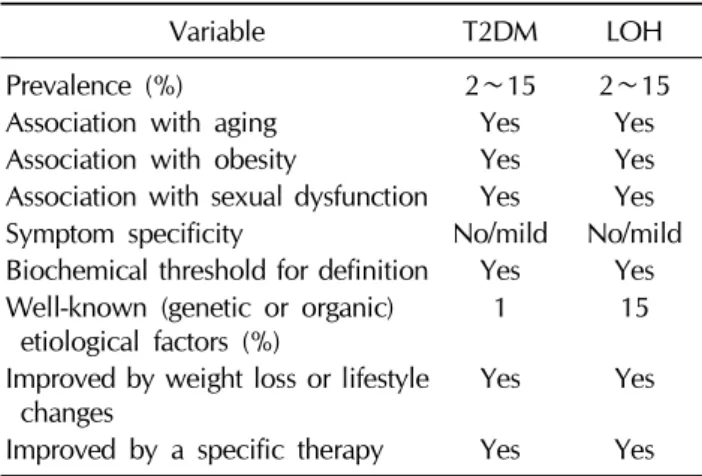
Table 1. Similarities between T2DM and LOH
Variable T2DM LOH
Prevalence (%) 2∼15 2∼15
Association with aging Yes Yes
Association with obesity Yes Yes
Association with sexual dysfunction Yes Yes Symptom specificity No/mild No/mild Biochemical threshold for definition Yes Yes Well-known (genetic or organic)
etiological factors (%) 1 15
Improved by weight loss or lifestyle
changes Yes Yes
Improved by a specific therapy Yes Yes T2DM: type 2 diabetes mellitus, LOH: late-onset hypogonadism.
is interesting to note that the well-defined organic con- ditions leading to diabetes represent less than 1% of all cases of diabetes [19]. All the other cases are multi-facto- rial conditions that may or may not have a genetic back- ground, still largely unidentified. This does not mean that diabetes exists in all cases or that it should not be promptly treated. Similarities between T2DM and male HG are schematized in Table 1.
The fact that symptoms of androgen deficiency in adult- hood often overlap with those characteristics of the aging process (and its associated comorbidities) further compli- cates the debate. However, T2DM also is a condition char- acterized by unspecific symptoms, often overlapping with those of the aging process (Table 1). Interestingly, criteria for diagnosis of diabetes are based only on well-defined al- terations of biochemical parameters, such as increased glycaemia or HbA1c, independently of symptoms [19].
This is not the case of HG. In fact, in LOH, all the Scientific Societies indicate that a reduction of circulating T is not enough for defining the disease. Specific symptoms must be present along with T deficiency. Symptoms of an- drogen deficiency include psychological (i.e., depres- sion), physical (i.e., fatigue) and sexual concerns [20-22].
Recently, Millar et al [23] reported a review of available lit- erature to estimate the accuracy and operating character- istics of signs and symptoms for predicting low T in aging men. They found a weak correlation between signs, symp- toms and T levels, uncertainty about what threshold T lev- els should be considered low for aging men and wide var- iation in estimated prevalence of the condition [23]. In ad-
dition, all relationships with symptoms are relatively poor in terms of sensitivity and specificity. However, as stated before, the EMAS study has clearly shown that sexual symptoms, and in particular their syndromic association, allow a better identification of the so-called LOH [12,24].
Similar results were recently reported by us in a large co- hort (n=4,890) of subjects consulting for ED at the University of Florence (UNIFI) [14]. However, in both the EMAS [12] and UNIFI [14] cohorts, Loess curve analysis did not indicate a clear-cut threshold where the associa- tion between sexual symptoms and hormonal deficiency is apparent, with a total T below 11 and 10.4 nmoles/L be- ing the best indicators of sexual symptomatology, respec- tively. In contrast, in the EMAS study [12], the relationship between T deficiency and psychological and physical symptoms was rather poor or even absent.
Considering that sexual symptoms are the most genuine correlates of T deficiency, it is interesting to evaluate whether or not treating this deficiency is able to restore sexuality. If this is the case, we have the scientific demon- stration that the so-called LOH does exist according to an
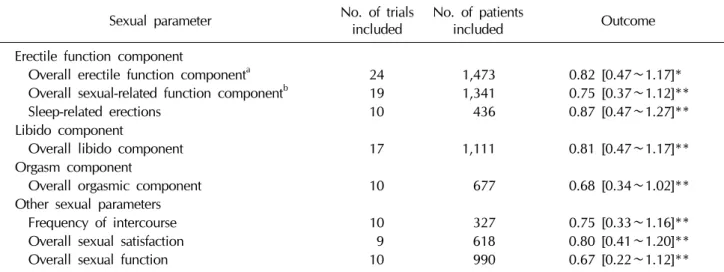
“ex-juvantibus” criterion. A recent systematic qualitative review on the effect of TTh on several outcomes con- cluded that T did not show consistent benefit for sexual function [25]. However, the same Authors declared that sexual function was evaluated using different tools [25]. In addition, they included both eugonadal and hypogonadal subjects in the analysis [25]. Hence, their conclusions (based only on a personal perspective) are not derived from validated statistical methods. In contrast with the last report, we previously documented, using a meta-analytic method, that TTh is superior, when compared to placebo, in improving all aspects of sexual function [26]. Table 2 summarizes the main results of the meta-analysis. The out- comes observed were independent of age but indirectly related to the levels of T at enrolment. Furthermore, as ex- pected, the effects of TTh were lower in the presence of vascular damage, such as in the case of T2DM [26].
Considering that metabolic conditions are often asso- ciated with relatively milder forms of T deficiency, it is possible that a lower apparent efficacy of TTh in T2DM is due to higher T baseline levels [27]. In addition, the miti- gated effect of TTh in T2DM is also in line with the lower efficacy of all available treatment for ED in subjects with
Table 2. Effect size (with 95% confidence interval) in several sexual parameters across randomized controlled trials evaluating the effect of testosterone treatment vs. placebo
Sexual parameter No. of trials
included No. of patients
included Outcome
Erectile function component
Overall erectile function componenta 24 1,473 0.82 [0.47∼1.17]*
Overall sexual-related function componentb 19 1,341 0.75 [0.37∼1.12]**
Sleep-related erections 10 436 0.87 [0.47∼1.27]**
Libido component
Overall libido component 17 1,111 0.81 [0.47∼1.17]**
Orgasm component
Overall orgasmic component 10 677 0.68 [0.34∼1.02]**
Other sexual parameters
Frequency of intercourse 10 327 0.75 [0.33∼1.16]**
Overall sexual satisfaction 9 618 0.80 [0.41∼1.20]**
Overall sexual function 10 990 0.67 [0.22∼1.12]**
*p<0.001, **p<0.0001. aIncluding coital and non coital erections; bOnly coital erections considered.
Adapted from Corona et al (J Sex Med 2014;11:1577-92) [26].
diabetes, due to the presence of the diabetes-associated chronic complications, which are not necessarily due to an androgen deficiency [21,22,28,29]. Although the pres- ence of metabolic derangements could limit the efficacy of TTh on ED, the positive effect of TTh on body composi- tion and insulin sensitivity [30-32] might counterbalance the lower efficacy. Our meta-analysis confirmed epide- miological observation showing that sexual dysfunctions are a hallmark of HG, because TTh can significantly im- prove them. The vast majority of the subjects enrolled in the included RCTs are not those with “classic” HG. For ex- ample, in the T trial [33] 63% of the participants were obese and all were 65 years or older without apparent rea- son for HG other than age. In conclusion, there is robust evidence that all the forms of symptomatic HG should be treated irrespective to their “organic” or “non-organic”
(metabolic) origin because most specific symptoms (sexual ones) are improved.
LONG TERM SAFETY OF TESTOSTERONE THERAPY
T esters have been available for almost 80 years; how- ever, only over the past two decades has the introduction and use of newer, user-friendly preparations dramatically expanded the market [4]. Since their introduction to the
market, the risk of prostate cancer (PC) was considered the most feared side effect related to the use of T preparations.
In addition, quite recently,conflicting data have raised the possible relationship between TTh and increased car- diovascular (CV) risk. In the following section, these two aspects will be analyzed in detail.
1. Cardiovascular events during testosterone therapy Over the last four years, there have been mounting con- cerns that TTh may increase the risk for CV events, such as heart attacks and strokes. These concerns were essentially based on two retrospective pharmaco-epidemiological papers published between the end of 2013 and the begin- ning of 2014 [34,35]. Salient pitfalls related to these re- ports have been commented elsewhere [17,36,37].
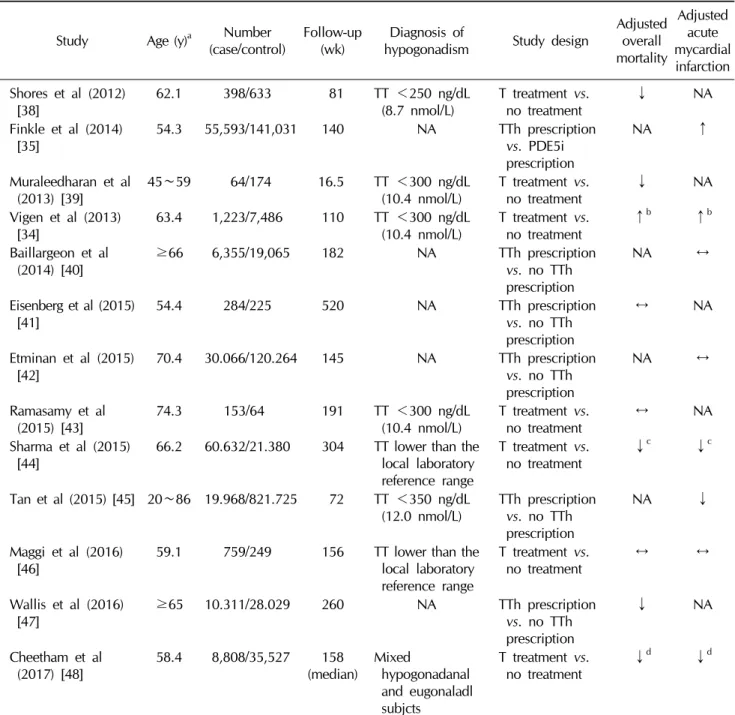
Although these studies presented many flaws, due to their retrospective design and to the little information on the da- tabases, they received much attention in the lay media, in- cluding The New York Times. Other studies report that low T levels in older men are associated with increased CV risk and that TTh may have CV benefits [17,36,37]. In par- ticular, besides the two aforementioned observational studies, several other reports were published either pre- viously or thereafter [34,35,38-48]. Overall, 13 studies have been published so far, including 194,609 cases and 1,195,582 controls (Table 3). Among them, six studies
Table 3. Descriptive characteristics of the available pharmaco-epidemiological studies evaluating the impact of testosterone treatment on forthcoming overall mortality or myocardial infarction
Study Age (y)a Number
(case/control) Follow-up
(wk) Diagnosis of
hypogonadism Study design Adjusted overall mortality
Adjusted acute mycardial infarction Shores et al (2012)
[38] 62.1 398/633 81 TT <250 ng/dL
(8.7 nmol/L) T treatment vs.
no treatment
↓ NA
Finkle et al (2014)
[35] 54.3 55,593/141,031 140 NA TTh prescription
vs. PDE5i prescription
NA ↑
Muraleedharan et al
(2013) [39] 45∼59 64/174 16.5 TT <300 ng/dL
(10.4 nmol/L) T treatment vs.
no treatment
↓ NA
Vigen et al (2013)
[34] 63.4 1,223/7,486 110 TT <300 ng/dL
(10.4 nmol/L) T treatment vs.
no treatment
↑b ↑b
Baillargeon et al (2014) [40]
≥66 6,355/19,065 182 NA TTh prescription
vs. no TTh prescription
NA ↔
Eisenberg et al (2015)
[41] 54.4 284/225 520 NA TTh prescription
vs. no TTh prescription
↔ NA
Etminan et al (2015)
[42] 70.4 30.066/120.264 145 NA TTh prescription
vs. no TTh prescription
NA ↔
Ramasamy et al
(2015) [43] 74.3 153/64 191 TT <300 ng/dL
(10.4 nmol/L) T treatment vs.
no treatment
↔ NA
Sharma et al (2015)
[44] 66.2 60.632/21.380 304 TT lower than the
local laboratory reference range
T treatment vs.
no treatment
↓c ↓c
Tan et al (2015) [45] 20∼86 19.968/821.725 72 TT <350 ng/dL
(12.0 nmol/L) TTh prescription vs. no TTh prescription
NA ↓
Maggi et al (2016)
[46] 59.1 759/249 156 TT lower than the
local laboratory reference range
T treatment vs.
no treatment
↔ ↔
Wallis et al (2016) [47]
≥65 10.311/28.029 260 NA TTh prescription
vs. no TTh prescription
↓ NA
Cheetham et al
(2017) [48] 58.4 8,808/35,527 158
(median) Mixed
hypogonadanal and eugonaladl subjcts
T treatment vs.
no treatment
↓d ↓d
TT: total testosterone, NA: not available, T: testosterone, TTh: testosterone therapy, PDE5i: phosphodiesterase type 5 inhibitor,
↓: reduced risk, ↑: increased risk, ↔: unchanged risk.
aValues are presented as mean only or mean range.
bComposite of all-cause mortality, acute myocardial infarction, and ischemic stroke.
cNormalized treated vs. untreated.
dComposite cardiac events: myocardial infarction, coronary revascularization, unstable angina, and sudden cardiac death.
compared the effect of TTh in HG men vs. untreated HG men. In the other seven studies, the effect of T prescription was compared to subjects who were not prescribed T. In the latter cases limited information regarding the T levels
was available (Table 3). Overall, an increased CV risk was reported only in the Vigen et al [34] and Finkle et al [35]
whereas in all other reports a neutral or beneficial effect of TTh was found (Table 3). In particular, in 2017 the largest
Table 4. Comparisons of the available meta-analyses evaluating the relationship between testosterone therapy and CV risk
Variable
Study Calof et al
(2005) [49]Haddad et al (2007) [50]
Fernández- Balsells et al
(2010) [51]
Xu et al
(2013) [52]Corona et al
(2014) [53] Borst et al (2014) [54]
Albert and Morley (2016) [55]
Alexander et al (2017)
[56]
No. of trials included 19 30 51 27 75 35 45 39
No. of patients analyzed 1,084 1,642 2,679 2,944 5,464 3,703 5,328 5,441 Inclusion criteria Yes No Yes No Yes No Yes No Yes No Yes No Yes No Yes No Primary end point MACE
incidence × × × × × × × ×
Primary end point CV
event other than MACE × × × × × × × ×
Time restriction
(>12 wk) × × × × × × × ×
Age restriction (≥45 y) × × × × × × × ×
CV event analysis
All CV events × × × × × × × ×
Serious adverse events
(including MACE) × × × × × × × ×
MACE × × × × × × × ×
AMI × × × × × × × ×
Acute coronary
syndrome × × × × × × × ×
Coronary by-pass surgery × × × × × × × ×
Stroke × × × × × × × ×
New heart failure × × × × × × × ×
Arrhythmias × × × × × × × ×
CV mortality × × × × × × ×
Overall mortality × × × × × × × ×
× indicates if Yes or No.
CV: cardiovascular, MACE: major adverse cardiovascular events, AMI: acute myocardial infarction.
observational study published so far became available [48]. The study evaluated 44,335 male patients at Kaiser Permanente medical centers in Northern and Southern California who had been diagnosed with androgen defi- ciency between January 1, 1999 and December 31, 2010.
Of these, 8,808 men were treated with TTh, whereas 35,527 were never dispensed T. Among men with an- drogen deficiency, those who were dispensed T pre- scriptions were associated with a lower risk of CV out- comes overa median follow-up of 3.4 years. Despite their strengths, observational studies present important limi- tations including: selection, information, and confound- ing biases. In addition, usually limited information regard- ing the level of T before and during TTh are available.
Hence, caution is needed when evaluating results report- ing small differences.
Systematic reviews and meta-analyses are often consid- ered as the highest level of evidence for evaluating inter- ventions in healthcare and as a particularly useful tool to address questions for which multiple data sources are conflicting. Eight systematic meta-analyses on the associa- tion between TTh and CV risk have been published so far (Table 4) [49-56]. The number of included trials ranged from 19 to 75 including from 1,084 to 5,464 subjects.
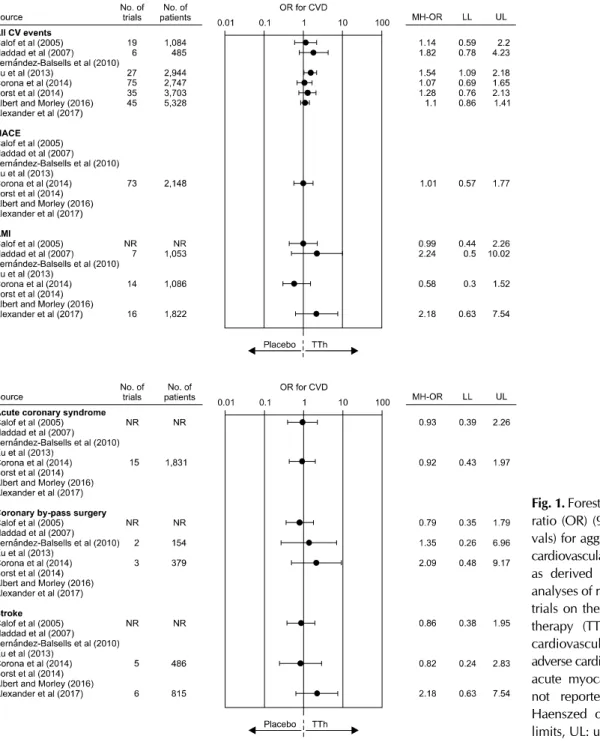
Seven meta-analyses [49,50,52-56] reported outcomes on aggregate CV events, whereas one [51] investigated dis- aggregate events. Forest plots of estimated odds ratio (95%
confidence intervals) for aggregate or disaggregate CV events, as derived from available meta-analyses investigat- ing the effects of TTh on CV risk, are summarized in Fig. 1.
Only Xu et al [52] reported an increased CV risk related to TTh. However, it is important to emphasize that the latter
Fig. 1. Forest plot of estimated odds ratio (OR) (95% confidence inter- vals) for aggregate or disaggregate cardiovascular disease (CVD) events as derived from available meta- analyses of randomized controlled trials on the effect of testosterone therapy (TTh) vs. placebo. CV:
cardiovascular, MACE: major adverse cardiovascular events, AMI:
acute myocardial infarction, NR:
not reported, MH-OR: Mantel- Haenszed odds ratio, LL: lower limits, UL: upper limits.
authors used, for their analysis, “composite CV-related events”, including all investigator-reported adverse events assigned to the CV system. Hence, cases of “peripheral edema” and “self-reported syncope” were also allocated to the category CV events, leading to an artificial increase of the overall number of events [52]. Conversely, all other meta-analyses published so far did not report an increased CV risk related to TTh either when aggregated or dis- aggregate CV were considered (Fig. 1). It is important to
recognize that all available trials included in the meta- analyses have a relatively short duration, lasting atmost three years. Therefore, although there is no clear sign of risk in the short term, no information is available on possi- ble long-term effects.
2. Prostate safety
Prostate safety remains one of the most important con- troversial issues of TTh since, historically, PC has been as-
Fig. 1. Continued.
sociated with an increased androgenicity [57,58]. Hence, clinicians and regulatory agencies are all concerned by the fact that TTh could cause or promote PC.
Much evidence published in the two last decades has substantially better clarified the role of T in regulating pros- tate growth and differentiation [57-61]. Epidemiological studies have failed to find an association between endoge- nous T levels and risk of PC. In particular, the most recent meta-analysis—that pooled worldwide data from 20 pro- spective studies including 5,623 PC cases and 14,604 controls and mean follow-up of 10 years—reports a rela- tive risk of PC of 0.99 [0.96;1.02] for an increase of 5 nmol/L of T [62].
In line with these data it has been demonstrated that an- drogen-dependency of prostate growth is evident only in the hypogonadal condition, but not in the eugonadal state.
In fact, according to Morgentaler and Traish’s “saturation hypothesis”, the human prostate androgen receptors are
“saturated” by the circulating androgens and therefore rather insensitive to further T increase, such as those de- rived from TTh in cases of mild HG [63]. Accordingly, in vitro studies have documented that prostate cell pro- liferation increased at low T concentration but at higher concentrations even logarithmic increases in T could not enhance growth [58]. This observation can explain the positive effect of androgen deprivation therapy (ADT) in
androgen sensitive advanced PC and the possible re- currence as the androgen levels normalize from castrated levels after treatment [58].
The aforementioned evidence was further confirmed by the analysis of interventional trials. Since 2005, seven sys- tematic meta-analyses on the association between TTh and prostate safety are available and their results are sum- marized in Table 5 [49,51,62,64-67]. The number of trials considered ranged from 4 to 26 including from 1,084 to 5,464 subjects. As expected, TTh was associated with a significant short term increase in prostate-specific antigen (PSA) levels [64,65] or prostate volume (Fig. 2) [67].
Accordingly, we previously demonstrated that low PSA could be considered a reliable biochemical marker of re- duced bioactive circulating androgens in subjects consult- ing for sexual dysfunction, providing an index of low an- drogenization, which includes T-activated post-receptor downstream events [68,69]. No increased risk in interna- tional prostate symptom score (IPSS) worsening, in de- tection of abnormal PSA levels or in developing PC was observed (Fig. 2). Interestingly, by evaluating data from observational studies based on the use of long-term in- jectable T undecanoate, we previously observed an im- provement of IPSS, particularly when the analysis was re- stricted to those studies enrolling only hypogonadal sub- jects at enrolment [32]. In the last few years, we have pro-
Table 5. Comparisons of the available meta-analyses evaluating the relationship between testosterone therapy and prostate safety
Variable Calof et al (2005) [49]
Fernández- Balsells et al
(2010) [51]
Cui and Zhang (2013) [64]
Cui et al
(2014) [65] Guo et al
(2016) [67] Kang et al
(2015) [66] Boyle et al (2016) [62]
No. of trials included 19 51 16 22 16 15 27
No. of patients analyzed 1,084 2,679 1,030 2,351 1,921 1,124 2,213
Inclusion criteria Yes No Yes No Yes No Yes No Yes No Yes No Yes No
Primary end point prostate safety × × × × × × ×
Data presented according to trial
duration × × × × × × ×
Time restriction (>12 wk) × × × × × × ×
Time restriction (>24 wk) × × × × × × ×
Age restriction (≥45 yr) × × × × × × ×
Prostate adverse event analysis
PSA change × × × × × × ×
Prostate volume × × × × × × ×
IPSS × × × × × × ×
Abnormal PSA × × × × × × ×
Prostate biopsy × × × × × × ×
Prostate cancer × × × × × × ×
× indicates if Yes or No.
PSA: prostatic specific antigen, IPSS: international prostatic symptoms score.
Fig. 2. Forest plot of estimated odds ratio (OR) (95% confidence intervals) for prostate adverse events as de- rived from available meta-analyses of randomized controlled trials on the effect of testosterone therapy (TTh) vs. placebo. PSA: prostatic specific antigen, IPSS: international prostatic symptoms score, NR: not reported, LL: lower limits, UL:
upper limits.
duced both experimental and clinical data suggesting a link between reduced T levels, prostate inflammation and benign prostatic hyperplasia (BPH) [59-61]. The under- lying pathogenetic mechanisms are not completely under- stood, but an intriguing hypothesis indicates a close link between obesity and its related metabolic derangement (particularly dyslipidemia), reduced T and an increased risk of BPH and its related inflammatory component [59-61,70].
CONCLUSIONS
A large body of evidence has documented that sexual symptoms are the most specific correlates of T deficiency.
TTh is able to improve all aspects of sexual function in- dependent of the pathogenetic origin of the disease sup- porting the scientific demonstration that the so-called LOH does exist according to an “ex-juvantibus” criterion.
Although the presence of metabolic derangements could mitigate the efficacy of TTh on ED, the positive effect of TTh on body composition and insulin sensitivity might counterbalance the lower efficacy. CV safety concerns re- lated to TTh are essentially based on a limited number of observational and randomized controlled trials which present important methodological flaws. When HG is properly diagnosed and TTh correctly performed no CV and prostate risk have beendocumented.
CONFLICT OF INTEREST
No potential conflict of interest relevant to this article was reported.
REFERENCES
1. Corona G, Vignozzi L, Sforza A, Mannucci E, Maggi M.
Obesity and late-onset hypogonadism. Mol Cell Endocrinol 2015;418 Pt 2:120-33.
2. Corona G, Bianchini S, Sforza A, Vignozzi L, Maggi M.
Hypogonadism as a possible link between metabolic dis- eases and erectile dysfunction in aging men. Hormones (Athens) 2015;14:569-78.
3. Corona G, Vignozzi L, Sforza A, Maggi M. Risks and bene- fits of late onset hypogonadism treatment: an expert opinion.
World J Mens Health 2013;31:103-25.
4. Corona G, Maseroli E, Rastrelli G, Francomano D, Aversa
A, Hackett GI, et al. Is late-onset hypogonadotropic hypo- gonadism a specific age-dependent disease, or merely an epiphenomenon caused by accumulating disease-burden?
Minerva Endocrinol 2016;41:196-210.
5. Brand JS, Rovers MM, Yeap BB, Schneider HJ, Tuomainen TP, Haring R, et al. Testosterone, sex hormone-binding globulin and the metabolic syndrome in men: an individual participant data meta-analysis of observational studies. PLoS One 2014;9:e100409.
6. Lamm S, Chidakel A, Bansal R. Obesity and hypogonadism.
Urol Clin North Am 2016;43:239-45.
7. Morelli A, Vignozzi L, Maggi M. Hypogonadotropic hypo- gonadism and metabolic syndrome: insights from the high-fat diet experimental rabbit animal model. Minerva Endocrinol 2016;41:240-9.
8. Corona G, Isidori AM, Aversa A, Burnett AL, Maggi M.
Endocrinologic control of men's sexual desire and arousal/
erection. J Sex Med 2016;13:317-37.
9. Isidori AM, Balercia G, Calogero AE, Corona G, Ferlin A, Francavilla S, et al. Outcomes of androgen replacement therapy in adult male hypogonadism: recommendations from the Italian society of endocrinology. J Endocrinol Invest 2015;38:103-12.
10. Corona G, Rastrelli G, Ricca V, Jannini EA, Vignozzi L, Monami M, et al. Risk factors associated with primary and secondary reduced libido in male patients with sexual dysfunction. J Sex Med 2013;10:1074-89.
11. Corona G, Mannucci E, Lotti F, Boddi V, Jannini EA, Fisher AD, et al. Impairment of couple relationship in male pa- tients with sexual dysfunction is associated with overt hypogonadism. J Sex Med 2009;6:2591-600.
12. Wu FC, Tajar A, Beynon JM, Pye SR, Silman AJ, Finn JD, et al. Identification of late-onset hypogonadism in middle-aged and elderly men. N Engl J Med 2010;363:123-35.
13. Cunningham GR, Stephens-Shields AJ, Rosen RC, Wang C, Ellenberg SS, Matsumoto AM, et al. Association of sex hor- mones with sexual function, vitality, and physical function of symptomatic older men with low testosterone levels at baseline in the testosterone trials. J Clin Endocrinol Metab 2015;100:1146-55.
14. Rastrelli G, Corona G, Tarocchi M, Mannucci E, Maggi M.
How to define hypogonadism? Results from a population of men consulting for sexual dysfunction. J Endocrinol Invest 2016;39:473-84.
15. Corona G, Rastrelli G, Vignozzi L, Maggi M. Emerging med- ication for the treatment of male hypogonadism. Expert Opin Emerg Drugs 2012;17:239-59.
16. Yeap BB, Grossmann M, McLachlan RI, Handelsman DJ, Wittert GA, Conway AJ, et al. Endocrine Society of Australia position statement on male hypogonadism (part 2): treat- ment and therapeutic considerations. Med J Aust 2016;205:
228-31.
17. Corona G, Maggi M. Perspective: regulatory agencies' changes to testosterone product labeling. J Sex Med 2015;
12:1690-3.
18. Corona G, Rastrelli G, Monami M, Saad F, Luconi M, Lucchese M, et al. Body weight loss reverts obesity- asso- ciated hypogonadotropic hypogonadism: a systematic re- view and meta-analysis. Eur J Endocrinol 2013;168:829-43.
19. Authors/Task Force Members, Rydén L, Grant PJ, Anker SD, Berne C, Cosentino F, et al. ESC Guidelines on diabetes, pre-diabetes, and cardiovascular diseases developed in col- laboration with the EASD: the Task Force on diabetes, pre-diabetes, and cardiovascular diseases of the European Society of Cardiology (ESC) and developed in collaboration with the European Association for the Study of Diabetes (EASD). Eur Heart J 2013;34:3035-87.
20. Buvat J, Maggi M, Guay A, Torres LO. Testosterone defi- ciency in men: systematic review and standard operating procedures for diagnosis and treatment. J Sex Med 2013;10:
245-84.
21. Corona G, Giorda CB, Cucinotta D, Guida P, Nada E;
SUBITO-DE study group. The SUBITO-DE study: sexual dys- function in newly diagnosed type 2 diabetes male patients. J Endocrinol Invest 2013;36:864-8.
22. Corona G, Giorda CB, Cucinotta D, Guida P, Nada E;
Gruppo di studio SUBITO-DE. Sexual dysfunction at the on- set of type 2 diabetes: the interplay of depression, hormonal and cardiovascular factors. J Sex Med 2014;11:2065-73.
23. Millar AC, Lau AN, Tomlinson G, Kraguljac A, Simel DL, Detsky AS, et al. Predicting low testosterone in aging men: a systematic review. CMAJ 2016;188:E321-30.
24. O'Connor DB, Lee DM, Corona G, Forti G, Tajar A, O'Neill TW, et al. The relationships between sex hormones and sex- ual function in middle-aged and older European men. J Clin Endocrinol Metab 2011;96:E1577-87.
25. Huo S, Scialli AR, McGarvey S, Hill E, Tügertimur B, Hogenmiller A, et al. Treatment of men for "low testoster- one": a systematic review. PLoS One 2016;11:e0162480.
26. Corona G, Isidori AM, Buvat J, Aversa A, Rastrelli G, Hackett G, et al. Testosterone supplementation and sexual function: a meta-analysis study. J Sex Med 2014;11:1577-92.
27. Corona G, Rastrelli G, Filippi S, Vignozzi L, Mannucci E, Maggi M. Erectile dysfunction and central obesity: an Italian perspective. Asian J Androl 2014;16:581-91.
28. Kizilay F, Gali HE, Serefoglu EC. Diabetes and sexuality.
Sex Med Rev 2017;5:45-51.
29. Corona G, Giorda CB, Cucinotta D, Guida P, Nada E;
SUBITO-DE Study Group. Sexual dysfunction in type 2 dia- betes at diagnosis: progression over time and drug and non- drug correlated factors. PLoS One 2016;11:e0157915.
30. Corona G, Giagulli VA, Maseroli E, Vignozzi L, Aversa A, Zitzmann M, et al. Testosterone supplementation and body composition: results from a meta-analysis of observational studies. J Endocrinol Invest 2016;39:967-81.
31. Corona G, Giagulli VA, Maseroli E, Vignozzi L, Aversa A, Zitzmann M, et al. Therapy of endocrine disease: testoster- one supplementation and body composition: results from a meta-analysis study. Eur J Endocrinol 2016;174:R99-116.
32. Corona G, Maseroli E, Maggi M. Injectable testosterone un-
decanoate for the treatment of hypogonadism. Expert Opin Pharmacother 2014;15:1903-26.
33. Snyder PJ, Ellenberg SS, Farrar JT. Testosterone treatment in older men. N Engl J Med 2016;375:90.
34. Vigen R, O'Donnell CI, Barón AE, Grunwald GK, Maddox TM, Bradley SM, et al. Association of testosterone therapy with mortality, myocardial infarction, and stroke in men with low testosterone levels. JAMA 2013;310:1829-36.
35. Finkle WD, Greenland S, Ridgeway GK, Adams JL, Frasco MA, Cook MB, et al. Increased risk of non-fatal myocardial infarction following testosterone therapy prescription in men. PLoS One 2014;9:e85805.
36. Corona GG, Rastrelli G, Maseroli E, Sforza A, Maggi M.
Testosterone replacement therapy and cardiovascular risk: a review. World J Mens Health 2015;33:130-42.
37. Morgentaler A, Miner MM, Caliber M, Guay AT, Khera M, Traish AM. Testosterone therapy and cardiovascular risk: ad- vances and controversies. Mayo Clin Proc 2015;90:224-51.
38. Shores MM, Smith NL, Forsberg CW, Anawalt BD, Matsumoto AM. Testosterone treatment and mortality in men with low testosterone levels. J Clin Endocrinol Metab 2012;97:2050-8.
39. Muraleedharan V, Marsh H, Kapoor D, Channer KS, Jones TH. Testosterone deficiency is associated with increased risk of mortality and testosterone replacement improves sur- vival in men with type 2 diabetes. Eur J Endocrinol 2013;
169:725-33.
40. Baillargeon J, Urban RJ, Kuo YF, Ottenbacher KJ, Raji MA, Du F, et al. Risk of myocardial infarction in older men re- ceiving testosterone therapy. Ann Pharmacother 2014;48:
1138-44.
41. Eisenberg ML, Li S, Herder D, Lamb DJ, Lipshultz LI.
Testosterone therapy and mortality risk. Int J Impot Res 2015;27:46-8.
42. Etminan M, Skeldon SC, Goldenberg SL, Carleton B, Brophy JM. Testosterone therapy and risk of myocardial infarction: a pharmacoepidemiologic study. Pharmacotherapy 2015;35:72-8.
43. Ramasamy R, Scovell J, Mederos M, Ren R, Jain L, Lipshultz L. Association between testosterone supplementation ther- apy and thrombotic events in elderly men. Urology 2015;
86:283-5.
44. Sharma R, Oni OA, Gupta K, Chen G, Sharma M, Dawn B, et al. Normalization of testosterone level is associated with reduced incidence of myocardial infarction and mortality in men. Eur Heart J 2015;36:2706-15.
45. Tan RS, Cook KR, Reilly WG. Myocardial infarction and stroke risk in young healthy men treated with injectable testosterone. Int J Endocrinol 2015. doi: 10.1155/2015/970750.
46. Maggi M, Wu FC, Jones TH, Jackson G, Behre HM, Hackett G, et al. Testosterone treatment is not associated with in- creased risk of adverse cardiovascular events: results from the Registry of Hypogonadism in Men (RHYME). Int J Clin Pract 2016;70:843-52.
47. Wallis CJ, Lo K, Lee Y, Krakowsky Y, Garbens A, Satkunasivam R, et al. Survival and cardiovascular events in men treated with testosterone replacement therapy: an in-
tention-to-treat observational cohort study. Lancet Diabetes Endocrinol 2016;4:498-506.
48. Cheetham TC, An J, Jacobsen SJ, Niu F, Sidney S, Quesenberry CP, et al. Association of testosterone replace- ment with cardiovascular outcomes among men with an- drogen deficiency. JAMA Intern Med 2017;177:491-9.
49. Calof OM, Singh AB, Lee ML, Kenny AM, Urban RJ, Tenover JL, et al. Adverse events associated with testoster- one replacement in middle-aged and older men: a meta- analysis of randomized, placebo-controlled trials. J Gerontol A Biol Sci Med Sci 2005;60:1451-7.
50. Haddad RM, Kennedy CC, Caples SM, Tracz MJ, Boloña ER, Sideras K, et al. Testosterone and cardiovascular risk in men: a systematic review and meta-analysis of randomized placebo-controlled trials. Mayo Clin Proc 2007;82:29-39.
51. Fernández-Balsells MM, Murad MH, Lane M, Lampropulos JF, Albuquerque F, Mullan RJ, et al. Clinical review 1:
Adverse effects of testosterone therapy in adult men: a sys- tematic review and meta-analysis. J Clin Endocrinol Metab 2010;95:2560-75.
52. Xu L, Freeman G, Cowling BJ, Schooling CM. Testosterone therapy and cardiovascular events among men: a systematic review and meta-analysis of placebo-controlled randomized trials. BMC Med 2013;11:108.
53. Corona G, Maseroli E, Rastrelli G, Isidori AM, Sforza A, Mannucci E, et al. Cardiovascular risk associated with tes- tosterone-boosting medications: a systematic review and meta-analysis. Expert Opin Drug Saf 2014;13:1327-51.
54. Borst SE, Shuster JJ, Zou B, Ye F, Jia H, Wokhlu A, et al.
Cardiovascular risks and elevation of serum DHT vary by route of testosterone administration: a systematic review and meta-analysis. BMC Med 2014;12:211.
55. Albert SG, Morley JE. Testosterone therapy, association with age, initiation and mode of therapy with cardiovascular events:
a systematic review. Clin Endocrinol (Oxf) 2016;85:436-43.
56. Alexander GC, Iyer G, Lucas E, Lin D, Singh S. Cardiovas- cular risks of exogenous testosterone use among men: a sys- tematic review and meta-analysis. Am J Med 2017;130:
293-305.
57. Pastuszak AW, Rodriguez KM, Nguyen TM, Khera M.
Testosterone therapy and prostate cancer. Transl Androl Urol 2016;5:909-20.
58. Corona G, Baldi E, Maggi M. Androgen regulation of pros- tate cancer: where are we now? J Endocrinol Invest 2011;
34:232-43.
59. Corona G, Vignozzi L, Rastrelli G, Lotti F, Cipriani S, Maggi
M. Benign prostatic hyperplasia: a new metabolic disease of the aging male and its correlation with sexual dysfunctions.
Int J Endocrinol 2014. doi: 10.1155/2014/329456.
60. Vignozzi L, Rastrelli G, Corona G, Gacci M, Forti G, Maggi M. Benign prostatic hyperplasia: a new metabolic disease? J Endocrinol Invest 2014;37:313-22.
61. Vignozzi L, Gacci M, Cellai I, Santi R, Corona G, Morelli A, et al. Fat boosts, while androgen receptor activation coun- teracts, BPH-associated prostate inflammation. Prostate 2013;73:789-800.
62. Boyle P, Koechlin A, Bota M, d'Onofrio A, Zaridze DG, Perrin P, et al. Endogenous and exogenous testosterone and the risk of prostate cancer and increased prostate-specific antigen (PSA) level: a meta-analysis. BJU Int 2016;118:
731-41.
63. Morgentaler A, Traish AM. Shifting the paradigm of testos- terone and prostate cancer: the saturation model and the limits of androgen-dependent growth. Eur Urol 2009;55:
310-20.
64. Cui Y, Zhang Y. The effect of androgen-replacement therapy on prostate growth: a systematic review and meta-analysis.
Eur Urol 2013;64:811-22.
65. Cui Y, Zong H, Yan H, Zhang Y. The effect of testosterone replacement therapy on prostate cancer: a systematic review and meta-analysis. Prostate Cancer Prostatic Dis 2014;17:
132-43.
66. Kang DY, Li HJ. The effect of testosterone replacement ther- apy on prostate-specific antigen (PSA) levels in men being treated for hypogonadism: a systematic review and meta- analysis. Medicine (Baltimore) 2015;94:e410.
67. Guo C, Gu W, Liu M, Peng BO, Yao X, Yang B, et al.
Efficacy and safety of testosterone replacement therapy in men with hypogonadism: a meta-analysis study of placebo- controlled trials. Exp Ther Med 2016;11:853-63.
68. Rastrelli G, Corona G, Vignozzi L, Maseroli E, Silverii A, Monami M, et al. Serum PSA as a predictor of testosterone deficiency. J Sex Med 2013;10:2518-28.
69. Corona G, Boddi V, Lotti F, Gacci M, Carini M, De Vita G, et al. The relationship of testosterone to prostate-specific an- tigen in men with sexual dysfunction. J Sex Med 2010;7:
284-92.
70. Gacci M, Corona G, Vignozzi L, Salvi M, Serni S, De Nunzio C, et al. Metabolic syndrome and benign prostatic enlargement: a systematic review and meta-analysis. BJU Int 2015;115:24-31.
![Table 4. Comparisons of the available meta-analyses evaluating the relationship between testosterone therapy and CV risk Variable Study Calof et al (2005) [49] Haddad et al(2007) [50] Fernández-Balsells et al (2010) [51] Xu et al (2013) [52] Corona et](https://thumb-ap.123doks.com/thumbv2/123dokinfo/5409222.221011/6.892.84.810.543.1078/comparisons-available-evaluating-relationship-testosterone-variable-fernández-balsells.webp)

![Table 5. Comparisons of the available meta-analyses evaluating the relationship between testosterone therapy and prostate safety Variable Calof et al (2005) [49] Fernández-Balsells et al (2010) [51] Cui and Zhang (2013) [64] Cui et al (2014) [65] Guo](https://thumb-ap.123doks.com/thumbv2/123dokinfo/5409222.221011/9.892.79.814.157.524/comparisons-available-evaluating-relationship-testosterone-variable-fernández-balsells.webp)
