• 검색 결과가 없습니다.

G1 Arrest of U937 Human Monocytic Leukemia Cells by Sodium Butyrate, an HDAC Inhibitor, Via Induction of Cdk Inhibitors and Down-regulation of pRB Phosphorylation

N/A
N/A
Protected

Academic year: 2021

Share "G1 Arrest of U937 Human Monocytic Leukemia Cells by Sodium Butyrate, an HDAC Inhibitor, Via Induction of Cdk Inhibitors and Down-regulation of pRB Phosphorylation"

Copied!
7
0
0

로드 중.... (전체 텍스트 보기)

전체 글

(1)

G1 Arrest of U937 Human Monocytic Leukemia Cells by Sodium Butyrate, an HDAC Inhibitor, Via Induction of Cdk Inhibitors and Down-regulation of pRB Phosphorylation

Yung Hyun Choi*

Department of Biochemistry, Dongeui University College of Oriental Medicine and Department of Biomaterial Control, Dongeui University Graduate School, Busan 614-052, Korea

Received May 10, 2009 /Accepted May 15, 2009

We investigated the effects of sodium butyrate, a histone deacetylase inhibitor, on the cell cycle pro- gression in human monocytic leukemia U937 cells. Exposure of U937 cells to sodium butyrate resulted in growth inhibition, G1 arrest of the cell cycle and induction of apoptosis in a dose-dependent man- ner as measured by MTT assay and flow cytometry analysis. The increase in G1 arrest was associated with the down-regulation in cyclin D1, E, A, cyclin-dependent kinase (Cdk) 4 and 6 expression, and up-regulation of Cdk inhibitors such as p21 and p27. Sodium butyrate treatment also inhibited the phosphorylation of retinoblastoma protein (pRB) and p130, however, the levels of transcription factors E2F-1 and E2F-4 were not markedly modulated. Furthermore, the down-regulation of phosphorylation of pRB and p130 by this compound was associated with enhanced binding of pRB and E2F-1, as well as p130 and E2F-4, respectively. Overall, the present results demonstrate a combined mechanism in- volving the inhibition of pRB/p130 phosphorylation and induction of Cdk inhibitors as targets for so- dium butyrate that may explain some of its anti-cancer effects in U937 cells.

Key words : Sodium butyrate, G1 arrest, Cdk inhibitors, pRB/p130

*Corresponding author

*Tel:+82-51-850-8649, Fax:+82-51-853-4036

*E-mail : [email protected] or [email protected]

Introduction

The cell cycle progression in eukaryotic cells is orches- trated by the sequential activation-inactivation of a series of cyclin-dependent kinases (Cdks) and their respective sub- strates [11,17,20]. The activity of Cdks is also negatively regu- lated by binding to Cdk inhibitors in response to a variety of antiproliferative signals and thus modulates phosphor- ylation events of retinoblastoma protein (pRB) family mem- bers, which are essential for various cell cycle transitions [18,21,22]. These observations suggest new approaches that could alter uncontrolled cancer cell growth by modulating cell cycle regulators causing cell cycle arrest and could be useful in cancer preventing and/or intervention [10,11,20].

Sodium butyrate is a short chain fatty acid normally pro- duced as a result of bacterial fermentation of fiber in mam- malian intestines, represents one of the end products of car- bohydrate breakdown [5]. Previous reports revealed that so- dium butyrate is the most effective of the numerous fatty acids produced in the colon for arresting cell proliferation [12]. Although the molecular mechanisms by which sodium

butyrate exerts these effects are not well understood, sodium butyrate is known as an inhibitor of histone deacetylase (HDAC) [3], which leads to chromatin remodeling and tran- scriptional modulation of genes expression implicated in di- verse cellular processes such as cell cycle progression [1,2,4,8,19,24-26,28], cell differentiation and/or apoptosis [9,13,14,16,23]. Several studies have highlighted that sodium butyrate-treated cancer cells down-regulate the anti-apop- totic molecules [13,16] or upregulate pro-apoptotic mole- cules [9,14,23], however, the molecular mechanisms of its in- hibitory action on cell cycle progression in human leukamia cells are not known completely.

The present study was carried out to characterize the probable mechanisms involved in sodium butyrate-medi- ated growth inhibitory effect in human monocytic leukamia U937 cells. We demonstrated that sodium butyrate induced cell cycle arrest at G1 phase through a combined mechanism involving the induction of Cdk inhibitors and the down-reg- ulation of phosphorylation of pRB and p130.

Materials and Methods

Cell culture, sodium butyrate and cell growth inhibition study

U937 cells were purchased from the American Type

(2)

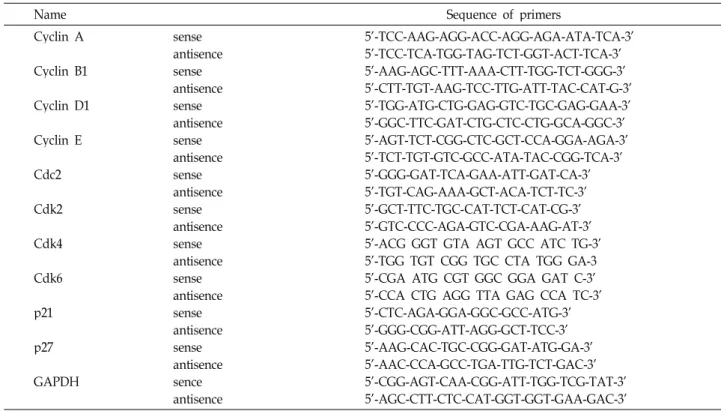
Table 1. Gene-specific primers for RT-PCR

Name Sequence of primers

Cyclin A Cyclin B1 Cyclin D1 Cyclin E Cdc2 Cdk2 Cdk4 Cdk6 p21 p27 GAPDH

sense antisence sense antisence sense antisence sense antisence sense antisence sense antisence sense antisence sense antisence sense antisence sense antisence sence antisence

5'-TCC-AAG-AGG-ACC-AGG-AGA-ATA-TCA-3' 5'-TCC-TCA-TGG-TAG-TCT-GGT-ACT-TCA-3' 5'-AAG-AGC-TTT-AAA-CTT-TGG-TCT-GGG-3' 5'-CTT-TGT-AAG-TCC-TTG-ATT-TAC-CAT-G-3' 5'-TGG-ATG-CTG-GAG-GTC-TGC-GAG-GAA-3' 5'-GGC-TTC-GAT-CTG-CTC-CTG-GCA-GGC-3' 5'-AGT-TCT-CGG-CTC-GCT-CCA-GGA-AGA-3' 5'-TCT-TGT-GTC-GCC-ATA-TAC-CGG-TCA-3' 5'-GGG-GAT-TCA-GAA-ATT-GAT-CA-3' 5'-TGT-CAG-AAA-GCT-ACA-TCT-TC-3' 5'-GCT-TTC-TGC-CAT-TCT-CAT-CG-3' 5'-GTC-CCC-AGA-GTC-CGA-AAG-AT-3' 5'-ACG GGT GTA AGT GCC ATC TG-3' 5'-TGG TGT CGG TGC CTA TGG GA-3 5'-CGA ATG CGT GGC GGA GAT C-3' 5'-CCA CTG AGG TTA GAG CCA TC-3' 5'-CTC-AGA-GGA-GGC-GCC-ATG-3' 5'-GGG-CGG-ATT-AGG-GCT-TCC-3' 5'-AAG-CAC-TGC-CGG-GAT-ATG-GA-3' 5'-AAC-CCA-GCC-TGA-TTG-TCT-GAC-3' 5’-CGG-AGT-CAA-CGG-ATT-TGG-TCG-TAT-3’

5’-AGC-CTT-CTC-CAT-GGT-GGT-GAA-GAC-3’

Culture Collection (Rockville, MD), and maintained at 37

o

C in a humidified condition of 95% air and 5% CO

2

in DMEM (Gibco BRL, Gaithersburg, MD) supplemented with 10% heat-inactivated fetal bovine serum (FBS), 2 mM gluta- mine, 100 U/ml penicillin, and 100 μg/ml streptomycin.

Sodium butyrate was purchased from Sigma Chemical Co.

(St. Louis, MO) and dissolved in dimethyl sulfoxide.

Measurement of cell growth inhibition was determined us- ing the 3-(4,5-dimethylthiazol-2-yl)-2,5-diphenyl-tetrazolium bromide (MTT, Sigma) assay, which is based on the con- version of MTT to MTT-formazan by mitochondrial enzyme. For the morphological study, cells were treated with sodium butyrate for 48 hr and directly photographed with an inverted microscope.

Flow cytometric analysis

After treatment with sodium butyrate, the cells were col- lected, washed with cold phosphate-buffered saline (PBS), and resuspended in PBS. DNA contents of cells were meas- ured using a DNA staining kit (CycleTEST

TM

PLUS Kit, Becton Dickinson, San Jose, CA). Propidium iodide (PI)- stained nuclear fractions were obtained by following the kit protocol. Fluorescence intensity was determined using a flow cytometer and analyzed by CellQuest software (Becton Dickinson).

Measurement of apoptosis by annexin-V FITC and PI double staining

The magnitude of the apoptosis elicited by sodium buty- rate treatment was determined using an Annexin-V fluo- rescein isothiocyanate (FITC) Apoptosis Detection Kit (BD Pharmingen, San Diego, CA). In brief, the cells were washed with PBS and resuspended in annexin-V binding buffer con- taining 10 mM HEPES/NaOH, pH 7.4, 140 mM NaCl, and 2.5 mM CaCl

2

according to the manufacturer’s protocol.

Aliquots of the cells were incubated with annexin-V FITC, mixed, and incubated for 15 min at room temperature in the dark. PI at a concentration of 5 μg/ml was added to identify the necrotic cells. The apoptotic cells were measured by a flow cytometer.

RNA extraction and reverse transcription-PCR

Total RNA was prepared using an RNeasy kit (Qiagen, La Jolla, CA) and primed with random hexamers to synthe- size complementary DNA using AMV reverse transcriptase (Amersham Corp., Arlington Heights, IL) according to the manufacturer's instructions. Polymerase chain reaction (PCR) was carried out in a Mastercycler (Eppendorf, Hamburg, Germany) with indicated primers (Table 1). Conditions for PCR reactions were 1×(94

o

C for 3 min); 35×(94

o

C for 45 sec;

58

o

C for 45 sec; and 72

o

C for 1 min) and 1×(72

o

C for 10 min).

(3)

(A) (B)

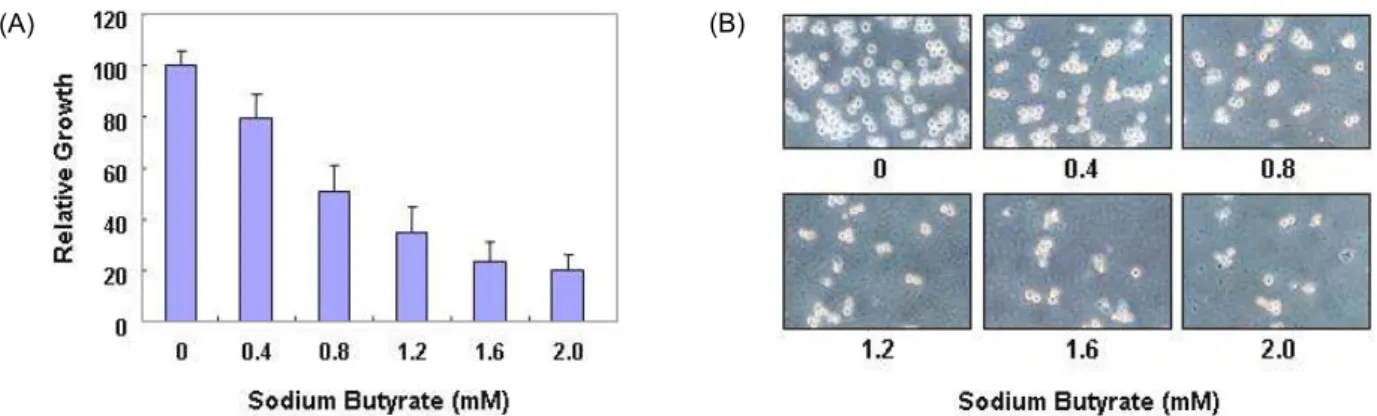
Fig. 1. Growth inhibition and morphological changes by sodium butyrate treatment in U937 cells. (A) U937 cells were plated at 4×10

4

cells per 60-mm plate, and incubated for 24 hr. The cells were treated with variable concentrations of sodium butyrate for 48 hr and growth inhibition was measured by the metabolic-dye-based MTT assay. Results are expressed as the means±S.E.

of three independent experiments. (B) Cells were incubated with variable concentrations of sodium butyrate. After incubation with sodium butyrate for 48 hr, the cells were examined under an inverted microscope. Magnification, X200.

Amplification products obtained by PCR were electrophoreti- cally separated on 1% agarose gel and visualized by ethidium bromide (EtBr, Sigma) staining.

Immunoprecipitation, gel electrophoresis and Western Blot Analysis

The cells were harvested, lysed, and protein concen- trations were quantified using the Bio Rad protein assay (BioRad Lab., Hercules, CA), following the procedure de- scribed by the manufacturer. For immunoprecipitation, cell extracts were incubated with an immunoprecipitating anti- body in extraction buffer for 1 hr at 4

o

C. The immuno-com- plex was collected on protein G/A-Sepharose beads (Sigma).

For the Western blot analysis, an equal amount of protein was subjected to electrophoresis on SDS-polyacrylamide gels and transferred to nitrocellulose membranes (Schleicher &

Schuell, Keene, NH) by electroblotting. Blots were probed with the desired antibodies for 1 hr, incubated with diluted enzyme-linked secondary antibodies and then visualized by the enhanced chemiluminescence (ECL) according to the rec- ommended procedure (Amersham Corp.). The primary anti- bodies were purchased from Santa Cruz Biotechnology Inc.

(Santa Cruz, CA) and Calbiochem (Cambridge, MA, USA).

Peroxidase-labeled secondary antibodies were purchased from Amersham Corp.

Results

Inhibition of the cell viability and G1 arrest of the cell cycle by sodium butyrate

To test the effect of sodium butyrate on the growth of

U937 cells, the cells were treated with different concen- trations of sodium butyrate for 48 hr and viable cells were measured by MTT assay. As shown in Fig. 1, sodium buty- rate had a strong inhibitory effect on cell proliferation in a dose-dependent manner, which was associated with a dis- tinct morphological change including membrane ruffling. To determine whether sodium butyrate treatment of cells re- sulted in the alteration of cell cycle progression and in- duction of apoptosis, the cell cycle patterns and magnitude of the apoptosis were examined. Analysis of the cell cycle distribution of cells after exposure to sodium butyrate showed that these cells had marked accumulation in the G1 phase of the cell cycle (Fig. 2A), which was accompanied by a decrease in their S and G2/M phase. Additionally, the sub-G1 and annexin V-positive cells increased concen- tration-dependently in the sodium butyrate-treated U937 cells compared with the untreated control cells (Fig. 2B and C). Taken together, these results suggest that the growth in- hibitory effect of sodium butyrate in U937 cells was the re- sult of a block during this G1 phase and induction of apoptosis.

Effects of sodium butyrate on the levels of G1 phase cell cycle regulators

Since sodium butyrate arrested U937 cells in the G1 phase

of the cell cycle, it was determined the expression levels of

the cell cycle regulating factors such as cyclins and Cdks

by RT-PCR and Western blotting. As shown in Fig. 3, the

protein and mRNA levels of cyclin A, D1 and E were sig-

nificantly decreased by sodium butyrate treatment however

the levels of cyclin B1 were not affected. Sodium butyrate

(4)

(A)

(B) (C)

Fig. 2. Induction of G1 arrest of the cell cycle and apoptosis by sodium butyrate in U937 cells. (A) The cells were treated with sodium butyrate for 48 hr, collected, fixed, and stained with PI for flow cytometry analysis. Data are presented as the mean values obtained from three independent experiments. (B) The percentages of cells in the sub-G1 phase are presented. The results are ex- pressed as the mean±SD of three independent experiments. (C) The cells grown under the same con- ditions were collected and stained with FITC-con- jugated annexin-V and PI for flow cytometry analysis.

The apoptotic cells were determined by counting the

% of annexin V(+)/PI(-) cells and the % of annexin V(+)/PI(+) cells. The results are expressed as the mean±SD of three independent experiments.

(A)

(B)

Fig. 3. Effects of sodium butyrate on the mRNA and protein levels of cyclins and Cdks in U937 cells. (A) After 48 hr in- cubation with sodium butyrate, total RNAs were isolated and reverse-transcribed. The resulting cDNAs were sub- jected to PCR with indicated primers and the reaction products were subjected to electrophoresis in a 1% agarose gel and visualized by EtBr staining. GAPDH was used as an internal control. (B) The cells were lysed and then cel- lular proteins were separated by SDS-polyacrylamide gels and transferred onto nitrocellulose membranes. The mem- branes were probed with the indicated antibodies. Proteins were visualized using an ECL detection system. Actin was used as an internal control.

also inhibited the levels of Cdk4 and Cdk6 in a concen- tration-dependent manner. However, the levels of Cdc2 and Cdk2 relatively remained unchanged in sodium buty- rate-treated cells. These results suggest that the suppressive effects of the sodium butyrate at G1 phase of U937 cells are partly caused by down-regulating the levels of the cell cycle regulating factors at the G1 boundary.

Induction of Cdk inhibitors by sodium butyrate

To further understand the anti-proliferative mechanism of sodium butyrate, it was investigated whether Cdk in- hibitors, such as p21 and p27, are involved in the sodium butyrate-induced growth arrest in U937 cells (Fig. 4). In the untreated control cells, the protein and mRNA levels of p21 and p27 were very low. However, the incubation of cells with sodium butyrate caused a striking concentration- dependent increase in the induction of p21 and p27 protein and mRNA. Because the p53 gene is deleted in U937 cells

(A)

(B)

Fig. 4. Induction of Cdk inhibitors by sodium butyrate in U937

cells. (A) After 48 hr incubation with sodium butyrate,

total RNAs were isolated and reverse-transcribed. The

resulting cDNAs were then subjected to PCR with p21

and p27 primers and the reaction products were sub-

jected to electrophoresis in a 1% agarose gel and vi-

sualized by EtBr staining. GAPDH was used as an in-

ternal control. (B) The cells were lysed and the cellular

proteins were then separated by electrophoresis in

SDS-polyacrylamide gels and transferred onto nitro-

cellulose membranes. Next, the membranes were probed

with the anti-p21 and anti-p27 antibodies and then vi-

sualized using an ECL detection system. Actin was used

as an internal control.

(5)

(A)

(B)

Fig. 5. Hypophosphorylation of pRB and p130, and enhanced as- sociation with E2Fs in U937 cells after exposure to sodium butyrate. (A) The cells were treated with the indicated con- centrations of sodium butyrate for 48 hr and total cell ly- sates were prepared and separated by 8% or 10% SDS-pol- yacrylamide gel. Western blotting was performed using the indicated antibodies and an ECL detection system.

Actin was used as an internal control. (B) Whole cell ly- sates (0.5 mg of protein) from control cells and cells treated with sodium butyrate were immunoprecipitated with an- ti-E2F-1 and E2F-4 antibodies. Immuno-complexes were separated by 8% SDS-polyacrylamide gel electrophoresis, transferred to nitrocellulose membrane, and probed with anti-pRB and ant-p130 antibodies. Proteins were detected by ECL detection.

[6], it is most likely that the induction of p21 is mediated in a p53-independent fashion.

Down-regulation of pRB and p130 phosphorylation and increased binding with E2Fs by sodium butyrate

Since the pRB family members are important checkpoint proteins in G1 phase of the cell cycle, it was next de- termined the kinetics between phosphorylation of pRB and p130 and the transcription factors, E2F-1 and E2F-4 in U937 cells treated with sodium butyrate. The levels of pRB and p130 expression were remarkably changed from hy- perphosphorylated form to hypophosphorylated form by sodium butyrate treatment without marked altering E2Fs expression (Fig. 5A). Co-immunoprecipitation analysis in- dicated that association of pRB/p130 and E2Fs was almost

undetectable in the untreated log phase cells, however, there was a strong increase in the association of pRB and E2F-1, and p130 and E2F-4, respectively, in sodium buty- rate-treated cells (Fig. 5B) suggesting that sodium butyrate inhibits the releasing of E2F-1 and E2F-4 protein from pRB and p130.

Discussion

In this study, we tested sodium butyrate, a HDAC in- hibitor, for its activity in inhibiting the growth of human monocytic leukamia U937 cells. We found that treatment of cells with sodium butyrate resulted in a concentration- dependent inhibition of cell viability, which was associated with gross morphological changes (Fig. 1). Subsequent ex- periments addressed the issue of whether this compound perturbs the cell cycle using DNA flow cytometric analysis.

The data revealed a cell-cycle block at G1 to S phase tran- sition and an accumulation of cells at sub-G1 apoptotic re- gion (Fig. 2A and B), which contained less DNA than G1 cells [15]. The apoptotic activity of sodium butyrate was also confirmed using annexin-V FITC and PI double staining (Fig. 2C). These results suggested that sodium butyrate inter- feres with the proliferation of U937 cells and induces apopto- sis in close association with the G1 arrest by modulation of cell cycle-regulators expression as a possible molecular mechanism of the effect of sodium butyrate. Thus, we inves- tigated the effects of sodium butyrate on the expression of G1/S transition regulatory proteins to analyze the mecha- nism of G1 arrest.

In terms of regulation of the cell cycle, Cdks play a most

critical role. Two major mechanisms for Cdk regulation are

binding with its catalytic subunit cyclin, followed by activa-

tion of Cdk/cyclin complexes, and binding with Cdk in-

hibitors followed by inactivation of Cdk/cyclin complexes

[18,20,27]. An alteration in the formation of these complexes

could lead to increased cell growth and proliferation, and

decreased cell growth and proliferation followed by differ-

entiation and/or cell death by apoptosis [10,11,20]. In gen-

eral, D-type cyclins are synthesized in a pre-DNA-synthetic

gap (early G1 phase) and are key regulators of the signal

transduction in the G1 phase cell proliferation. And, the pro-

gression through the G1/S transition is regulated by cyclin

E, which is expressed in late G1 preceding cyclin A

expression. Thus, as cells enter G1, the cyclin D/Cdk4

(and/or Cdk6) complex appears to be necessary for tran-

(6)

sition through early G1, whereas cyclin E /Cdk2 complex is required in transition from late G1 into S phase.

Furthermore, cyclin A accumulates during S phase and asso- ciates with and activates primarily Cdk2 [17,20,27]. In the present study, the results from RT-PCR and immunoblotting analyses clearly demonstrated that levels of cyclin D1, E and A were markedly decreased by sodium butyrate treatment in both transcriptional and translational levels, but the levels of cyclin B1 were not affected. The levels of Cdc2, Cdk4 and Cdk6 also downregulated by sodium butyrate treatment in a concentration-dependent manner without changes of the expression of Cdk2 (Fig. 3). The data indicated that sodium butyrate-induced G1 arrest of the cell cycle in U937 cells was associated with modulation of several G1 phase-related cy- clin/Cdk complexes.

The activity of Cdks is also negatively regulated by bind- ing to Cdk inhibitors in response to a variety of anti- proliferative signals and thus modulates phosphorylation events of pRB family members (pRB, p130 and p107), which are essential for various cell cycle transitions. Cdk inhibitors are divided into two families according to substrate specificity. In mammalian cells, these are the CIP/KIP family (p21, p27 and p57), and the INK4a family (p15, p16 and p18).

Cdk inhibitors mediate cell cycle arrest in response to several antiproliferative signals. Among them, p21 and p27 bind to cyclins/Cdk complexes and prevent kinase activation, sub- sequently blocking the progression of the cell cycle at the G1 or G2/M phases [7,18,21]. Under normal conditions, pRB family proteins bind to the members of the E2F family of transcription factors. However, growth factors induce phos- phorylation and dissociation of the pRB family proteins from E2Fs, which triggers G1 cell cycle progression [20-22].

Therefore, the cyclin E/Cdk2 complex is an obvious candi- date for control of pRB phosphorylation. If decreased levels of either protein or the association between respective bind- ing partners were observed, a concomitant decrease in the degree of pRB phosphorylation would be expected. Sodium butyrate has previously been shown to increase the protein levels of the Cdk inhibitor p21 and p27 in human oral squ- amous carcinoma and neuroendocrine tumor cells [2,26], and to inhibit pRB phosphorylation in several cancer cells [8,19,24,28]. The data generated in this study demonstrate that in the U937 cells, sodium butyrate concentration- dependently enhanced expression of the Cdk inhibitors, p21 and p27 (Fig. 4). Furthermore, it was found that sodium bu- tyrate blocked pRB and p130 phosphorylation and increased

the binding of pRB to E2F-1 and p130 to E2F-4 in U937 cells (Fig. 5). Additionally, our data also suggest that sodium bu- tyrate-caused p21 upregulation involves a p53-independent pathway because U937 cells lack functional p53 [6].

In summary, the present study demonstrates that sodium butyrate, a HDAC inhibitor, inhibited the U937 human mon- ocytic leukamia cell proliferation by inducing G1 cell cycle arrest. Although further studies are needed, the present work suggests that CIP/KIP family (p21 and p27) and pRB family (pRB and p130) play important roles in G1 cell cycle arrest induced by sodium butyrate in human leukamia cells.

Acknowledgement

This work was supported by a grant from the Korea Research Foundation Grant funded by the Korean Government (MOEHRD, Basic Research Promotion Fund) (KRF-2007-521-E00015).

References

1. Archer, S. Y., J. Johnson, H. J. Kim, Q. Ma, H. Mou, V.

Daesety, S. Meng, and R. A. Hodin. 2005. The histone deace- tylase inhibitor butyrate downregulates cyclin B1 gene ex- pression via a p21/WAF-1-dependent mechanism in human colon cancer cells. Am. J. Physiol. Gastrointest. Liver Physiol . 289, G696-703.

2. Baradari, V., A. Huether, M. Höpfner, D. Schuppan, and H. Scherübl. 2006. Antiproliferative and proapoptotic effects of histone deacetylase inhibitors on gastrointestinal neuro- endocrine tumor cells. Endocr. Relat. Cancer 13, 1237-1250.

3. Candido, E. P., R. Reeves, and J. R. Davie. 1978. Sodium butyrate inhibits histone deacetylation in cultured cells. Cell 14, 105-113.

4. Chopin, V., R. A. Toillon, N. Jouy, and X. Le Bourhis. 2004.

P21(WAF1/CIP1) is dispensable for G1 arrest, but indis- pensable for apoptosis induced by sodium butyrate in MCF-7 breast cancer cells. Oncogene 23, 21-29.

5. Cummings, J. H. 1981. Short chain fatty acids in the human colon. Gut 22, 763-779.

6. Danova, M., M. Giordano, and G. A. Mazzini. 1990.

Expression of p53 protein during the cell cycle measured by flow cytometry in human leukemia. Leuk. Res . 14, 417-422.

7. Elledges, S. J. and J. W. Harper. 1994. Cdk inhibitor: on the threshold of checkpoints and development. Curr. Opin. Cell Biol . 6, 847-852.

8. Greenberg, V. L., J. M. Williams, J. P. Cogswell, M.

Mendenhall, and S. G. Zimmer. 2001. Histone deacetylase

inhibitors promote apoptosis and differential cell cycle ar-

rest in anaplastic thyroid cancer cells. Thyroid 11, 315-325.

(7)

초록:Cdk inhibitors의 발현 증가 및 pRB 인산화 저해에 의한 HDAC inhibitor인 sodium butyrate에 의한 인체백혈병세포의 G1 arrest 유발

최 영 현*

(동의대학교 한의과대학 생화학교실 및 대학원 바이오물질제어학과)

대표적인 histone deacetylase inhibitor 저해제의 일종인 sodium butyrate에 의한 인체백혈병 U937 세포의 증식 억제에 관한 기전 연구를 세포주기 조절 측면에서 조사하였다. MTT assay 및 flow cytometry 분석을 통하여 sodium butyrate의 처리 농도 증가에 따른 U937 세포의 증식억제는 세포주기 G1 arrest 및 apoptosis 유발에 의한 것임을 확인하였다. RT-PCR 및 Western blotting 결과에서 sodium butyrate에 의한 G1 arrest는 세포주기 G1기에서 S기로 의 진입에 중요한 역할을 하는 cyclin D1, E, A, cyclin-dependent kinase (Cdk) 4 및 Cdk6 발현의 저해와 p21 및 p27과 같은 Cdk inhibitor의 발현 증가와 연관성이 있었다. Sodium butyrate는 또한 retinoblastoma protein (pRB) 및 p130 단백질의 인산화를 저해시켰으나, S기 진행에 중요한 전사조절인자인 E2F-1 및 E2F-4의 발현에는 큰 영향이 없었다. 그러나 sodium butyrate에 의한 pRB 및 p130 단백질의 인산화 저해는 pRB와 E2F-1 및 p130과 E2F-4와의 결합력을 증가시켰다. 본 연구의 결과는 U937 세포의 증식억제에 pRB/p130 인산화 억제 및 Cdk in- hibitors의 발현 증가가 중요한 역할을 하고 있음을 보여 주는 것으로, sodium butyrate의 항암기전 이해에 중요한 자료가 될 것이다.

9. Hara, I., H. Miyake, S. Hara, S. Arakawa, and S. Kamidono.

2000. Sodium butyrate induces apoptosis in human renal cell carcinoma cells and synergistically enhances their sensi- tivity to anti-Fas-mediated cytotoxicity. Int. J. Oncol . 17, 1213-1218.

10. Ibraghimov-Beskrovnaya, O. 2007. Targeting dysregulated cell cycle and apoptosis for polycystic kidney disease therapy. Cell Cycle 6, 776-779.

11. Johansson, M. and J. L. Persson. 2008. Cancer therapy: tar- geting cell cycle regulators. Anticancer Agents Med. Chem . 8, 723-731.

12. Kruh, J. 1982. Effects of sodium butyrate, a new pharmaco- logical agent, on cells in culture. Mol. Cell Biochem . 42, 65-82.

13. Li, X., M. Marani, R. Mannucci, B. Kinsey, F. Andriani, I.

Nicoletti, L. Denner, and M. Marcelli. 2001. Overexpression of BCL-X (L) underlies the molecular basis for resistance to staurosporine-induced apoptosis in PC-3 cells. Cancer Res . 61, 1699-1706.

14. Litvak, D. A., K. O. Hwang, B. M. Evers, and C. M.

Townsend. 2000. Induction of apoptosis in human gastric cancer by sodium butyrate. Anticancer Res . 20, 779-784.

15. Loo, D. T. and J. R. Rillema. 1998. Measurement of cell death. Methods Cell Biol . 57, 251-264.

16. Madigan, M. C., G. Chaudhri, P. L. Penfold, and R. M.

Conway. 1999. Sodium butyrate modulates p53 and Bcl-2 expression in human retinoblastoma cell lines. Oncol. Rep . 7, 331-337.

17. Morgan, D. 1997. Cyclin dependent kinases: Engines, clocks and microprocessors. Annu. Rev. Cell Dev. Biol . 13, 261-291.

18. Sandal, T. 2002. Molecular aspects of the mammalian cell cycle and cancer. Oncologist 7, 73-81.

19. Schwartz, B., C. Avivi-Green, and S. Polak-Charcon. 1998.

Sodium butyrate induces retinoblastoma protein dephos-

phorylation, p16 expression and growth arrest of colon can- cer cells. Mol. Cell Biochem . 188, 21-30.

20. Schwartz, G. K. and M. A. Shah. 2005. Targeting the cell cycle: a new approach to cancer therapy. J. Clin. Oncol . 23, 9408-9421.

21. Sherr, C. J. and J. M. Roberts. 1995. Inhibitors of mammalian G1 cyclin-dependent kinases. Genes Dev . 9, 1149-1163.

22. Sidle, A., C. Palaty, P. Dirks, O. Wiggan, M. Kiess, R. M.

Gill, A. K. Wong, and P. A. Hamel. 1996. Activity of the retinoblastoma family proteins, pRB, p107, and p130, during cellular proliferation and differentiation. Crit. Rev. Biochem.

Mol. Biol . 31, 237-271.

23. Tsai, L. C., M. W. Hung, G. G. Chang, and T. C. Chang, 2000. Apoptosis induced by the sodium butyrate in human gastric cancer TMK-1 cells. Anticancer Res . 20, 2441-2448.

24. Vaziri, C., L. Stice, and D. V. Faller. 1998. Butyrate-induced G1 arrest results from p21-independent disruption of retino- blastoma protein-mediated signals. Cell Growth Differ . 9, 465-474.

25. Wang, A., R. Zeng, and H. Huang. 2008. Retinoic acid and sodium butyrate as cell cycle regulators in the treatment of oral squamous carcinoma cells. Oncol. Res . 17, 175-182.

26. Wang, Y. F., N. S. Chen, Y. P. Chung, L. H. Chang, Y. H.

Chiou, and C. Y. Chen. 2006. Sodium butyrate induces apoptosis and cell cycle arrest in primary effusion lympho- ma cells independently of oxidative stress and p21(CIP1/WAF1) induction. Mol. Cell Biochem . 14, 1-9.

27. Weinberg, R. A. 1995. The retinoblastoma protein and cell cycle control. Cell 81, 323-330.

28. Yen, A. and R. Sturgill. 1998. Hypophosphorylation of the RB protein in S and G2 as well as G1 during growth arrest.

Exp. Cell Res . 241, 324-331.

수치

Table 1. Gene-specific primers for RT-PCR
Fig. 1. Growth inhibition and morphological changes by sodium butyrate treatment in U937 cells
Fig. 2. Induction of G1 arrest of the cell cycle and apoptosis by sodium butyrate in U937 cells
Fig. 5. Hypophosphorylation of pRB and p130, and enhanced as- as-sociation with E2Fs in U937 cells after exposure to sodium butyrate

참조

관련 문서

In vitro cell migration in APE or JAG1 siRNA-treated M059K cell line Fig,11 Down-regulation of JAG1 induces S phase arrest in

In this study, we investigated the effects of low-power CO 2 laser on proliferation on human gingival fibroblast cells so that determine laser

Fig 4 : Inhibitory effects of classified methanol extracts of Acalypha australis the COX-2 protein expression of the human oral cavity carcinoma KB cells....

4 > Effects of Taro on COX-2 expression and iNOS expression(hot water) in human thyroid cancer cells. The cells were pretreated for 48hours with either

PI3K inhibition decreased antioxidants/GD-induced apoptosis in A549 cells, and PI3K inhibitor LY294002 had inhibitory effect on antioxidants/GD-induced caspase-3

In the present study we investigated the proliferation effect of human oral cancer KB cell treated with pulsatilla koreana extract.. We analyzed the effects of this

In the present study, consistent to that report, up-regulation of VEGF mRNA was observed in the colon cancer cell with the acquired resistance to 5-FU and this

The aim of this study was to examine the effects and mechanisms of the new metformin derivative HL156A in human multidrug-resistant cancer cell lines (FADU/PTX,