
Review Article
Received: Jun 8, 2016; Accepted: Jun 20, 2016 Correspondence to: Wayne JG Hellstrom
Department of Urology, Tulane University Health Sciences Center, 1430 Tulane Ave. 86-42, New Orleans, LA 70112, USA.
Tel: +1-504-988-3361, Fax: +1-504-988-5059, E-mail: [email protected]
Modifying Risk Factors in the Management of Erectile Dysfunction: A Review
Kenneth J DeLay, Nora Haney, Wayne JG Hellstrom
Department of Urology, Tulane University School of Medicine, New Orleans, LA, USA
Erectile dysfunction (ED) is prevalent among men and its presence is often an indicator of systemic disease. Risk factors for ED include cardiovascular disease, hypertension, diabetes mellitus (DM), tobacco use, hyperlipidemia, hypogonadism, lower urinary tract symptoms, metabolic syndrome, and depression. Addressing the modifiable risk factors frequently improves a patient’s overall health and increases lifespan. The literature suggests that smoking cessation, treatment of hyperlipidemia, and increasing physical activity will improve erectile function in many patients. How the treatment of DM, depression, and hypogonadism impacts erectile function is less clear. Clinicians need to be aware that certain antihypertensive agents can adversely impact erectile function. The treatment of men with ED needs to address the underlying risk factors to ameliorate the disease process.
Key Words: Erectile dysfunction; Hypogonadism; Risk reduction behavior
INTRODUCTION
Erectile dysfunction (ED) is a prevalent disorder affect- ing more than 150 million men worldwide [1]. The etiol- ogy of ED is multifactorial and its prevalence increases with age, particularly after the age of 60 years [2,3]. Risk factors and comorbidities associated with ED include car- diovascular disease, hypertension, diabetes mellitus (DM), tobacco use, hyperlipidemia, hypogonadism, low- er urinary tract symptoms, metabolic syndrome (MetS), and depression [2,4].
The importance of addressing modifiable risk for men with ED has become increasingly evident, as we now
know some interventions will improve multiple aspects of a patient’s health [5,6]. A recent review by Gupta et al [7]
found that lifestyle modifications targeting cardiovascular risk also had a positive impact on erectile function. The purpose of this review is to outline the most current liter- ature assessing modifiable risk factors associated with ED, as well as to highlight interventions that may improve erectile function.
BACKGROUND ON ERECTILE DYSFUNCTION
Erectile function is regulated by multiple body systems, including neuronal, hormonal, mechanical, and psycho-
http://dx.doi.org/10.5534/wjmh.2016.34.2.89
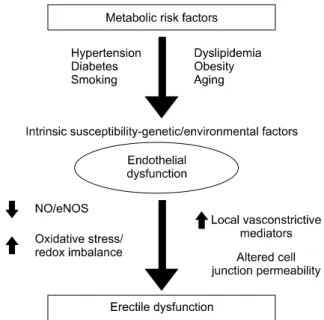
Fig. 1. The pathophysiological connection between the metabolic syndrome and erectile dysfunction.
logical. Nitric oxide (NO) is released by both endothelium and neurons, and stimulates guanylate cyclase to form cy- clic guanosine monophosphate (cGMP). cGMP then re- laxes vascular smooth muscle cells by activating protein kinases that impact multiple downstream effectors. While the exact mechanisms for the interaction of NO, cGMP, and corporal smooth muscle relaxation have not been fully elucidated, it is recognized that a healthy vascular en- dothelium can maintain good erectile function through regulation of vascular smooth muscle constriction and relaxation. However, when the endothelium is damaged by exposure to chronic disease and toxins, the vasculature can exhibit decreased production, impaired release, and increased destruction of bioavailable NO, thus leading to a disruption of the homeostasis typically demonstrated by healthy erectile tissue [8,9].
There are currently four common types of therapy uti- lized in the treatment of organic ED: oral drug therapy, vacuum tumescence devices, intracavernous vasoactive drug injections, and penile prosthesis implantation. Other therapies include psychosexual counseling, sex therapy, lifestyle changes, and gene therapy [10]. With a focus on risk factors and comorbidities that can be managed either medically or with lifestyle changes, the remainder of this review will focus on how the modification of specific risk factors can affect erectile function.
METABOLIC SYNDROME
MetS is a cluster of multiple medical issues—many of which will receive attention individually in this review—
that negatively impacts erectile function. The Adult Treat- ment Panel III criteria, currently the most commonly used definition, state that MetS consists of at least three of the following five components: 1) central obesity, 2) hyper- tension, 3) increased fasting glucose levels, 4) elevated tri- glycerides, and 5) reduced high density lipoprotein cho- lesterol levels (Fig. 1). The epidemiologic link between MetS and ED is well established [11]. Given that the preva- lence of MetS is approximately 35% in the United States, the relationship between MetS and ED is quite relevant.
MetS affects erectile function both through inflammation and hormonal inadequacy [12]. Addressing the MetS re- quires a multifaceted approach with therapies including
lifestyle modifications, testosterone replacement, clomi- phene citrate, bariatric surgery, and pharmacotherapy di- rected at its individual components [13].
HYPERTENSION
Hypertension is a well-established risk factor for ED, with 30% to 50% of hypertensive men being affected [14].
The RhoA-ROCK pathway, which is involved in systemic hypertension, has been well established as an ED contrib- utor [15]. There are downstream effects with subsequent decreased relaxation of the erectile tissues and collagen remodeling and fibrosis within the corpora cavernosa [16]. There are multiple other pathways linking hyperten- sion and ED, including endothelial dysfunction, arterio- sclerosis, and side effects from the medical management of hypertension.
While there is variability within each class of anti- hypertensive medications, it is well accepted that aldoster- one receptor antagonists, beta-blockers, and thiazide diu- retics have a negative impact on erectile function. Non-se- lective beta-blockers cause ED more frequently than se- lective agents such as metoprolol, which targets the beta-1 receptor.
Beta-blocking agents are a well-described cause of ED.
Cordero et al [17] performed a cross-sectional study of 1,242
men treated with beta-blockers for ≥6 months. Surprisingly, they found that the men with adequate blood pressure control had a lower rate of ED, likely through improve- ment in endothelial function.
DIABETES MELLITUS
Diabetic men have a well-known increased risk of de- veloping ED, with prevalence rates ranging from 35% to 90% [18-26]. Additionally, diabetic men tend to develop ED 10 to 15 years earlier than the average ED patient [27].
They appear to present with more severe ED and suffer a greater diminishment in health-related quality of life com- ponents than the general population [28]. ED secondary to DM is more resistant to medical management with phos- phodiesterase 5 inhibitors [29]. A systematic review by Binmoammar et al [30] of five cross-sectional studies found that poor glycemic control in patients with type II DM contributes significantly to the development and se- verity of ED. The reactive oxygen species generated as a result of hyperglycemia impacts multiple aspects of erec- tile physiology. The chronic complications of macro- vascular changes, microvascular changes, neuropathy, and endothelial dysfunction increase the odds that a diabetic man will develop ED. Further, many men with type II DM ultimately experience the negative impact of MetS on erectile function [31].
The Diabetes Control and Complications Trial random- ized 761 men with type I DM to intensive vs. conventional glycemic control at multiple institutions from 1983 to 1989. Patients were treated until 2003. At 10-year fol- low-up from trial termination, the men in the intensive gly- cemic control arm had a lower rate of ED (12.8% vs.
30.8%) [32].
Unfortunately, no data suggests that ED can be im- proved with strict glycemic control. The data on glycemic control before inflatable penile prosthesis implantation are conflicting. Interestingly, a prospective study by Wilson et al [33] failed to show an increased rate of inflatable pen- ile prosthesis infection in men with a Hemoglobin A1c greater than 11.5%. Previously, Bishop et al [34] had shown a 31% infection rate if the A1c was greater than 11.5%, compared to a 5% infection rate if the A1c was less than 11.5%. Further studies are needed to clarify this
discrepancy.
TOBACCO
Smoking causes oxidative stress and is a generally ac- cepted risk factor for the development of ED [35]. A recent rat model documented several of the mechanisms that may be involved in ED and smoking. Rats exposed to 24 weeks of cigarette smoke had decreased penile neuronal NOS expression, decreased endothelial integrity, and di- minished smooth muscle content compared to controls [36]. Smoking has also been shown to impair endothelial NOS-mediated vascular dilation in young men [37,38]. In addition to the vascular damage associated with tobacco smoking, some data suggests that it may lower testoster- one levels [39].
A review by Dorey [40] that examined 18 studies showed that smokers were 1.5 times more likely to suffer from ED compared to nonsmokers. This increased risk has been confirmed by multiple cross-sectional studies, with the increased risk varying from 1.5 to 3.1 fold when com- pared to nonsmokers [41-44]. It appears that the negative impact of smoking on erectile function is dose-dependent and cumulative. Studies have demonstrated that the in- creased risk of ED associated with smoking only becomes statistically significant after 20 pack-years or more [45,46].
The data regarding smoking cessation and change in erectile function are conflicting. It is well established that smokers have a higher risk of ED at all points compared to those who have never smoked [47]. A study by Guay et al [48] performed nocturnal penile tumescence studies on men before and after 24 hours of smoking cessation.
Improvement in erections was noted within 24 hours.
Interestingly, a group of men who used nicotine patches
showed improvement at 1 month. Pourmand et al [49] fol-
lowed a group of patients presenting for nicotine replace-
ment therapy to assist with smoking cessation. Data was
collected on men with ED but no evidence of DM, hyper-
tension, hyperlipidemia, or psychiatric disease. At one
year, the International Index of Erectile Function (IIEF)
scores were improved in 25% of men who managed to
stop smoking while none of those who continued to
smoke experienced improvement. It should also be noted
that none of those who started with severe ED experi-
enced improvement. In short, smoking increases the risk of ED and those who have mild to moderate ED may expe- rience some improvement with smoking cessation.
HYPERLIPIDEMIA
Epidemiologic data has confirmed that hyperlipidemia is a strong independent risk factor for the development of ED via endothelial damage and inflammation [50]. The 3-hydroxy-3-methylglutaryl-coenzyme A (HMG-CoA) re- ductase inhibitors (statins) are first-line medical therapy for hyperlipidemia and are protective of the vascular endo- thelium. In fact, statins have been shown to improve endo- thelial function prior to altering lipid levels [51]. There has been some conflicting data from individual studies; how- ever, multiple meta-analyses have supported the con- clusion that statins improve erectile function. A recent meta-analysis by Kostis and Dobrzynski [52] showed a 3.4-point increase in IIEF scores compared to controls. A separate meta-analysis by Cai et al [53] examined seven studies using two different statins and found a 3.27-point increase in IIEF scores.
OBESITY/DIETARY/PHYSICAL ACTIVITY
Physical activity counseling has been utilized in both the prevention of ED and the improvement of existent ED.
The Massachusetts Male Aging Study (MMAS) followed 593 men, ages 40 to 70 years, with no prior history of ED, prostate cancer, heart disease, or diabetes for eight years.
Physically active men showed a lower risk of developing ED [54]. This data has been supported by a recent meta- analysis of 11 studies showing that increased physical ac- tivity is protective against developing ED on multivariate analysis [55].
It can be difficult to identify the sole contribution of obe- sity to the development of ED, as it is often coexistent with DM and hypertension. Nevertheless, data does suggest that it has an independent contribution to ED. In the MMAS, obesity was an independent predictor of ED [54].
Multiple cross-sectional studies have shown that over- weight (body mass index [BMI] 25∼30 kg/m
2) and obese (BMI >30 kg/m
2) men have an incremental increase in the risk of ED with the relative risk ranging from 1.5 to 3.0 fold
[56]. A prospective study by Esposito et al [57] randomized 55 men with ED to healthy behaviors (caloric reduction and consistent exercise) vs. control. At a 2-year follow-up, the treatment arm averaged 15 kg of weight loss with 31%
regaining normal erectile function compared to 2% in the control arm.
A study by Kalka et al [58] demonstrated that patients with ischemic heart disease demonstrated limited knowl- edge about the association between modifiable risk fac- tors and ED, particularly when questioned about seden- tary lifestyle. If this finding holds true in other populations, patient education on lifestyle changes that promote weight loss and physical activity has the potential to reach a sub- stantial number of patients.
HYPOGONADISM
Testosterone is essential for adequate erectile function.
The basic science literature has confirmed the necessity of androgens to generate adequate intracavernosal pressures and smooth muscle function to obtain an erection [59].
The literature showing the impact of testosterone replace- ment therapy (TRT) on erectile function is quite hetero- genous (Table 1) [60-91]. A subset analysis of the Olmstead County Cohort published by Gades et al [92] showed that testosterone has a statistically significant positive correla- tion with erectile function, even when adjusted for age.
Multiple non-controlled observational studies have re- vealed that hypogonadal men treated with TRT have im- proved IIEF scores [68,75,77]. Likewise, a randomized double-blind placebo-controlled trial of hypogonadal men given injectable TRT vs. placebo showed an im- provement in erectile function in men on TRT [82]. A sim- ilar randomized double-blind placebo-controlled trial that observed hypogonadal men with type II DM showed no improvement in IIEF compared to baseline at 40 weeks of treatment [88]. Other observational studies have suggested that men with late-onset hypogonadism may not experi- ence an improvement in erectile function after treatment with TRT [93]. It may be that the improvement in erectile function after TRT is transient. In a study by Mulhall et al [76], 32 men with ED and hypogonadism were treated with TRT and obtained physiologic levels of testosterone.
There was a statistically significant improvement in erec-
Table 1.
C urre nt lit er at ur e in ve sti ga tin g th e eff ec ts of te sto ste ro ne re pla ce m en t th er ap y o n e re cti le f un cti on St ud y ( year ) St udy ty pe Pop ul at io n Pat ie nt N o. Locat io n Tx Fi ndi ng N ot e Buva t e t al (201 1) [ 60] RCT b H Tot al -1 73 T- 87 Fr ance , I tal y, G er m any , Fi nl an d, Sp ai n, t he N eth er la nd s, E ng la nd , U ni ted S ta tes of A m er ic a TG A ddi tion o f t es tos te rone gel t o PD E5 i i s be nef ic ia l on ly i n hypogonad al m en w ith bas el ine T l evel s <3 n g/ m L.
Co m bi na tio n w ith P D E5 i Ch ia ng e t a l (200 7) [ 61] RCT b H Tot al -4 0 T- 20 Ta iw an TG Te sto ste ro ne tre ate d p ati en ts h ad h ig he r II EF sc or es at 3 m ont hs com par ed to p at ien ts w ith p lace bo. - G ilta y e t al (201 0) [ 62] RCT b H Tot al -1 84 T- 113 Ru ssi a, th e N et he rla nd s, U ni ted St at es of A m er ica, G er m an y, U ni ted A rab Em ira tes
TU Th er e w as si gn ific an t im pr ov em en t in II EF -5 sc or es , m os t e vi de nt in p at ie nt s w ith lo w es t ba se lin e t ot al te sto ste ro ne l ev els .
Ph as e I II tri al NCT 00 696 748 Kona ka et a l (201 6) [ 63] RCT b H Tot al -3 34 T- 169 Ja pa n TE The s econ d qu es tion on t he IIEF- 5 w as sig nifi ca nt ly i m pr ov ed i n th e p ati en ts w ho re ce iv ed te sto ste ro ne t he ra py .
EARTH S tudy Gr ou p Sh absi gh et al (200 4) [ 64] RCTb H T- 75 T- 39 US A TG Tes to st er one t reat ed s ubj ect s had gr ea te r im pr ove - m ent i n I IEF t ot al s cor e and p er cen ta ge of I IEF re sp ond er s. H ow ever , no s igni fican t cor re la tions w er e m ade bet w een IIEF at en dpo in t.
Co m bi na tio n w ith P D E5 i Spi tze r et a l (201 2) [ 65] RCT b H T- 140 T- 70 U SA TG C om bi nat ion th er ap y w as not s uper ior t o s ild ena fil pl us pl acebo i n i m pr ovi ng er ect ile f un ct ion do m ai n o f th e I IEF.
Co m bi na tio n w ith P D E5 i, N CT 005 127 07 A m iaz et al (201 1) [ 66] RCT b H Tot al -1 00 T- 31 U ni te d S tat es of A m er ica, Isra el TG In a m al e pop ul at io n w ith h ypo gon adi sm an d de pr essi on , th er e w as a si gni fican t di ffer en ce i n IIEF s ubs cal es b et w een m en treat ed w ith te st os te ro ne an d m en w ith out .
St udi ed hyp o- go nadal p a- tie nts w ith d e- pr es si on . St ud y w as onl y par - tia lly b lin de d. Ya ssin e t al (200 6) [ 67] PO H Tot al -6 9 ( var y- in g d oses) G er m any, U ni te d A rab Em ira tes TG C om bin ati on th er ap y is e ffe ctiv e fo r hy po go na da l m en w ho di d n ot r es pond t o P D E5 i al on e. Co m bi na tio n w ith P D E5 i Al me hma di e t al ( 201 6) [ 68] PO H Tot al -2 61 (a ll t re at ed ) G er m any TU M ean IIEEF- 5 i ncr eas ed w ith in f irs t 3 m ont hs an d re m ai ned el ev at ed c om pa red to ba se line f or 5 yea rs . - A nd rade et al (200 9) [ 69] PO H Tot al -6 2 T- 17 Br azi l TC IIEF- 5 sc or es s ho w ed b or der line i m pr oved s exual po te ncy w ith ho rm on e r epl acem ent . - G reenst ei n et a l (200 5) [ 70] PO H Tot al -4 9 (a ll t re at ed ) Is ra el TG C om bi ned t reat m ent of PD E5i a nd TG w as benef i- ci al f or m en t hat f ai led t est os te rone t he rapy al on e. Co m bi na tio n w ith P D E5 i H w ang et al (200 6) [ 71] PO H Tot al -3 2 (a ll t re at ed ) Tai w an TU Th e s tu dy dem ons trat ed t hat bot h com bi nat io n tre atm en t a nd te sto ste ro ne o nl y tre atm en t i m pr ov ed IIE F sc or es c om pa re d to b ase lin e. T he re w as n o st at is tical si gn ifi cance in I IE F sco res b et w ee n com bi nat io n an d t est ost er one al on e th er apy .
Co m bi na tio n w ith P D E5 i
Table 1.
Co nt in ued St ud y ( year ) St udy ty pe Pop ul at io n Pat ie nt N o. Locat io n Tx Fi ndi ng N ot e Ka ra zi ndi ya no ğlu and C ayan (200 8) [ 72]
PO H Tot al -2 5 (a ll t re at ed ) Tur ke y TG M ean IIEF -5 scor e si gni fican tly in cr eased . - Ki m et al ( 20 13) [73] PO H Tot al -4 6 (a ll t re at ed ) Ko re a TE C om bi nat io n t her apy w as m or e ben ef ici al t o pa tie nts w ith se ve re te sto ste ro ne d ep le tio n. Co m bi na tio n w ith P D E5 i La V igner a et al (201 1) [ 74] PO H Tot al -5 0 T- 30 Ita ly TG A fte r 6 m on th s, t he g ro up w ith n o te sto ste ro ne th er ap y sho w ed I IEF -5 scor e si gn ifi cant ly w or se th an t he g ro up w ith te sto ste ro ne t he ra py .
- M oon et al (201 0) [ 75] PO H Tot al -1 33 (a ll t re at ed ) Ko re a TU TU sig ni fic an tly im pr ov ed to ta l IIE F a nd a ll 5 do m ai n s co res . - M ul hal l et al (200 4) [ 76] PO H Tot al -3 2 (a ll t re at ed ) US A TG, TE , TP In m en d ocum ent ed w ith hyp ogo nadi sm an d ED , no rm al iz ati on o f s er um te sto ste ro ne l ev el w as asso ci at ed w ith o nl y sh or t-te rm im pr ov em en t i n EF and sex ual sat isf act io n.
- O kada et al (201 4) [ 77] PO H Tot al -5 0 (a ll t re at ed ) Jap an TE Test ost er on e t her ap y l ed t o a si gn ifi cant i ncr ease in I IEF- 5 s cor e at 6 m ont hs . - Pa rk et a l (201 5) [ 78] PO H Tot al -6 0 (a ll t re at ed ) Ko re a TU The com bi nat io n of t es tos te ro ne and PD E5i pr od uc ed sig ni fic an t im pr ov em en t in e re ctil e fu nc tio n, w hi ch w as w ell m ai nt ain ed , ev en a fte r ce ssa tio n o f tre atm en t.
Co m bi na tio n w ith P D E5 i Pe xm an -F ie th et al ( 20 14) [79]
PO H Tot al -7 99 (a ll t re at ed ) Ca na da , Rus si a, Cr oa tia , G er m any, Sl ov eni a, S audi A rabi a, Ro m ani a, and t he U nit ed A ra b Em ira te s
TG Su bs ta ntia l a nd si gn ific an t im pr ov em en ts w ere ob serve d in I IEF sco re . - Ra stre lli e t al (201 6) [ 80] PO H Tot al -4 32 T- 80 Ital y M ul tip le C om par ed t o pat ie nt s t hat di d not s tar t andr ogen th er ap y, t hos e w ho d id had s igni fican t im pr ov em en ts in a ll c at eg or ie s o f IIE F.
SI A M O -N O I re gi stry Yas si n and Saa d (200 7) [ 81] PO H Tot al -2 2 (a ll t re at ed ) G er m any, U ni te d A rab Em ira tes TU Res to rin g t es to st er one level s t o nor m al i n hypogo - na da l m en im pr ov es lib id o in m ost su bj ec ts, a nd er ec tile f un cti on in m ore th an 5 0% o f p at ie nt s.
- Ya ssin e t al (201 4) [ 82] PO H Tot al -1 29 (a ll t re at ed ) G erm an y TU C om bin ati on th er ap y is sa fe a nd e ffe cti ve in treat in g h ypo gon adal m en w ho fa ile d te sto ste ro ne th er ap y al on e.
Co m bi na tio n w ith P D E5 i Jeo ng et al (201 1) [ 83] RO H T- 200 (a ll t re at ed ) Ko re a TU H ypo gon adal pat ie nt s w ith m et abo lic s yndr om e sh ow ed le ss im pr ov em en t in II EF . St udi ed hyp o- go nadal m en w ith m eta - bol ic s ynd ro m e
Table 1.
Co nt in ued St ud y ( year ) St udy ty pe Pop ul at io n Pat ie nt N o. Locat io n Tx Fi ndi ng N ot e Labai ru- H uer ta et al ( 20 15) [84]
RO H Tot al -1 200 T- 269 Sp ai n M ulti pl e Th e b est t he ra pe uti c su cc ess fo r E D i n th is se rie s w as achi eved t hr ough a co m bi nat ion of te sto ste ro ne + PD E5 i.
Co m bi na tio n w ith P D E5 i, PG -E 1 Pe rm po ng ko sol et al ( 20 10) [85]
RO H Tot al -1 61 (a ll t re at ed ) Thai la nd TU Th e m ean I IEF- 5 an d I IEF- 15 s cor es i m pr oved si gni fican tly. - Ta ni guch i et al (201 1) [ 86] RO H Tot al -3 3 (a ll t re at ed ) Ja pa n M ulti pl e Sc ore s on th e II EF w ere a ll i m pr ov ed si gn ific an tly in th e e ar ly sta ge s o f tre atm en t a nd n ot w ors en ed long af te r A RT w as di sc ont inued.
- Ti ra ba ss i e t al (201 5) [ 87] RO H Tot al -7 3 (a ll t re at ed ) Ita ly TU A ll IIE F d om ain s sig nifi ca nt ly im pr ov ed a fte r T RT p< 0.0 01 . Th is w as n ot th e g oa l o f th e stu dy , bu t w as re po rte d.
- G ian at ti et al (201 4) [ 88] RCT b D Tot al -8 8 T- 45 A ust ra lia TU Te sto ste ro ne tre atm en t d id n ot im pr ov e co ns titu tio na l or se xu al sy m pt om s in o be se , ag in g m en w ith D M I I w ith m ild to m od era te sy m pto m s a nd m od est re du ct io n in T le ve ls.
- H acket t et al (201 3) [ 89] RCT b D Tot al -1 99 T- 92 En gl an d TU TU sig ni fic an tly i m pr ov ed a ll d om ain s o f th e II EF at 3 0 w ee ks a nd m ore sig nifi ca ntly a fte r 5 2 w ee k op en la be l ext ens ion; i m pr ovem en t w as m os t m ark ed i n le ss o be se p atie nt s, th os e w ith lo w er bas el ine t es tos te ron e, and t hos e w ithou t coexi st ing depr es si on .
Bl as t tr ia l Mi tk ov e t al (201 3) [ 90] RCT u D Tot al -4 5 T- 19 Bu lg ar ia TG St atist ic all y sig ni fic an t im pr ov em en t in E D in di ca - to rs in b oth g ro up s o f p atie nt s tre ate d w ith t est o- st er on e or t reat ed w ith al ph a- lipo ic aci d. Th er e w ere la rg e d iff er en ce s in b ase lin e p ara m ete rs.
Pl acebo us ed w as al ph a- lip oic a cid G iag ul li e t al (201 5) [ 91] RO D Tot al -4 3 (a ll tre ate d) Ital y TU Tes to st er on e th er apy coul d i m pr ove cl in ical and m et ab oli c pa ra m et ers i n o be se , D M II , w ith E D an d o ve rt h yp og on ad ism . T he a dd itio n of lira glu - tid e to te sto ste ro ne a nd m etf or m in th er ap y a llo w s no rm al- ra ng e te sto ste ro ne le ve ls t o b e a ch ie ve d.
Co m bi na tio n me tfo rm in, lira gl ut id e, li fe - st yl e ch ange s, an d t es tos te ron e Sum m ar y o f cu rr ent l iter at ur e des cr ib in g t he ef fe ct of t es to st er one r ep lacem en t t her apy on er ect ile f unct io n. Thi s t abl e d em ons tra te s th e h ete ro ge ne ity o f t he stu di es re gar di ng com bi nat io n w ith PD E5i , pat ient po pul at io ns , and r es ear ch s tud y d es ign. Tx : tre atm en t, R C Tb : ra nd om iz ed c on tro lle d tria l b lin de d, P O : p ro sp ec tiv e o bse rv atio na l, R O : re tro sp ec tiv e ob se rv atio na l, R C Tu : ra nd om iz ed c on tro lle d tra il u nb le nd ed , H : h yp og on ad al , D : d ia be te s m ellitu s, T G : te sto ste ro ne g el, T U : te st os te ro ne u nd ec an oa te , TE : te st os te ro ne e na nt ha te , T C : te st os ter on e cypi on at e, T P: t ransder m al pat ch , PD E5 i: ph os ph odi es te ra se 5 i nhi bi to r, I IEF: I nt er nat io na l I nd ex o f Er ect ile Funct ion, ED : er ect ile d ys funct ion, A RT : an dr ogen r epl acem ent t her apy, T RT : t es tos te ro ne re pl acem ent t her ap y, D M : di abet es m el lit us , EARTH : Ef fe ct s of A ndr ogen Repl acem ent T her ap y o n H ypo gon adi sm , PG -E 1: pr os ta gr andi n E
1.
tile function, as measured by IIEF, at one month of fol- low-up, which was lost by 3 months. A recent meta-analy- sis by Corona et al [94] found a positive effect of TRT on hypogonadal men; however, this benefit was only seen in industry-sponsored studies. The recently published multi- center Testosterone Trial study provide solid evidence that TRT has a positive impact on overall sexual function in men 65 years of age or older. The Testosterone Trial, a multicenter randomized double-blind placebo-controlled study, consisted of three separate studies: The Sexual Function Trial, the Physical Function Trial, and the Vitality Trial. The sexual function trial showed that sexual activity and sexual desire were increased. Men in the TRT group reported significantly increased IIEF scores with a mean improvement of 2.64 points. This provides sound evi- dence that treating hypogonadism can improve erectile function [95].
DEPRESSION
There is a strong association between depression and ED, and it is not always clear which is the precedent condition. Furthermore, many of the treatments for major depressive disorders can cause ED. Cross-sectional data from the MMAS found that depressed men are twice as likely to have ED as the general population [96]. ED is a common side effect of selective serotonin reuptake in- hibitors (SSRIs), with the incidence ranging from 20.8% to 80.3% depending on the medication utilized [97]. Recent data raises the concern that after SSRIs ED and genital an- esthesia may persist upon discontinuation [98]. Bupropion, nefazodone, and mirtazapine are associated with a less than 10% incidence of ED, which is lower than that docu- mented with standard SSRIs [99].
CONCLUSION
A great deal remains unknown about how lifestyle inter- ventions affect erectile function. The risk factors men- tioned in this review have been targeted as modulators of erectile function with varying degrees of success. Urolo- gists need to counsel their patients on these risk factors, not only because of ED prevention, but also to impact on overall morbidity and mortality. Further studies are need-
ed to clarify how much influence the modification of these risk factors can have on the amelioration and prevention of ED.
CONFLICT OF INTEREST
No potential conflict of interest relevant to this article was reported.
REFERENCES
1. Ayta IA, McKinlay JB, Krane RJ. The likely worldwide in- crease in erectile dysfunction between 1995 and 2025 and some possible policy consequences. BJU Int 1999;84:50-6.
2. Rosen RC, Wing R, Schneider S, Gendrano N 3rd. Epide- miology of erectile dysfunction: the role of medical co- morbidities and lifestyle factors. Urol Clin North Am 2005;
32:403-17.
3. Johannes CB, Araujo AB, Feldman HA, Derby CA, Klein- man KP, McKinlay JB. Incidence of erectile dysfunction in men 40 to 69 years old: longitudinal results from the Massa- chusetts male aging study. J Urol 2000;163:460-3.
4. Hyde Z, Flicker L, Hankey GJ, Almeida OP, McCaul KA, Chubb SA, et al. Prevalence and predictors of sexual prob- lems in men aged 75-95 years: a population-based study. J Sex Med 2012;9:442-53.
5. Martin SA, Atlantis E, Lange K, Taylor AW, O'Loughlin P, Wittert GA, et al. Predictors of sexual dysfunction incidence and remission in men. J Sex Med 2014;11:1136-47.
6. Jackson G. The importance of risk factor reduction in erec- tile dysfunction. Curr Urol Rep 2007;8:463-6.
7. Gupta BP, Murad MH, Clifton MM, Prokop L, Nehra A, Kopecky SL. The effect of lifestyle modification and cardio- vascular risk factor reduction on erectile dysfunction: a sys- tematic review and meta-analysis. Arch Intern Med 2011;
171:1797-803.
8. Horasanli K, Boylu U, Kendirci M, Miroglu C. Do lifestyle changes work for improving erectile dysfunction? Asian J Androl 2008;10:28-35.
9. Bivalacqua TJ, Musicki B, Usta MF, Champion HC, Kado- witz PJ, Burnett AL, et al. Endothelial nitric oxide synthase gene therapy for erectile dysfunction. Curr Pharm Des 2005;11:4059-67.
10. Safarinejad MR, Hosseini S. Erectile dysfunction: clinical guidelines (1). Urol J 2004;1:133-47.
11. Grundy SM, Cleeman JI, Merz CN, Brewer HB Jr, Clark LT, Hunninghake DB, et al. Implications of recent clinical trials for the National Cholesterol Education Program Adult Treat- ment Panel III guidelines. Circulation 2004;110:227-39.
12. Corona G, Forti G, Maggi M. Why can patients with erectile dysfunction be considered lucky? The association with tes- tosterone deficiency and metabolic syndrome. Aging Male
2008;11:193-9.
13. Kaya E, Sikka SC, Gur S. A comprehensive review of meta- bolic syndrome affecting erectile dysfunction. J Sex Med 2015;12:856-75.
14. Nunes KP, Labazi H, Webb RC. New insights into hyper- tension-associated erectile dysfunction. Curr Opin Nephrol Hypertens 2012;21:163-70.
15. McVary K. Lower urinary tract symptoms and sexual dys- function: epidemiology and pathophysiology. BJU Int 2006;
97 Suppl 2:23-8; discussion 44-5.
16. Behr-Roussel D, Gorny D, Mevel K, Compagnie S, Kern P, Sivan V, et al. Erectile dysfunction: an early marker for hy- pertension? A longitudinal study in spontaneously hyper- tensive rats. Am J Physiol Regul Integr Comp Physiol 2005;
288:R276-83.
17. Cordero A, Bertomeu-Martínez V, Mazón P, Fácila L, González- Juanatey JR. Erectile dysfunction may improve by blood pressure control in patients with high-risk hypertension.
Postgrad Med 2010;122:51-6.
18. Sasaki H, Yamasaki H, Ogawa K, Nanjo K, Kawamori R, Iwamoto Y, et al. Prevalence and risk factors for erectile dysfunction in Japanese diabetics. Diabetes Res Clin Pract 2005;70:81-9.
19. El-Sakka AI, Tayeb KA. Erectile dysfunction risk factors in noninsulin dependent diabetic Saudi patients. J Urol 2003;
169:1043-7.
20. Malavige LS, Jayaratne SD, Kathriarachchi ST, Sivayogan S, Fernando DJ, Levy JC. Erectile dysfunction among men with diabetes is strongly associated with premature ejaculation and reduced libido. J Sex Med 2008;5:2125-34.
21. Giuliano FA, Leriche A, Jaudinot EO, de Gendre AS. Preva- lence of erectile dysfunction among 7689 patients with dia- betes or hypertension, or both. Urology 2004;64:1196-201.
22. Cho NH, Ahn CW, Park JY, Ahn TY, Lee HW, Park TS, et al.
Prevalence of erectile dysfunction in Korean men with Type 2 diabetes mellitus. Diabet Med 2006;23:198-203.
23. Siu SC, Lo SK, Wong KW, Ip KM, Wong YS. Prevalence of and risk factors for erectile dysfunction in Hong Kong dia- betic patients. Diabet Med 2001;18:732-8.
24. Fedele D, Coscelli C, Santeusanio F, Bortolotti A, Chatenoud L, Colli E, et al. Erectile dysfunction in diabetic subjects in Italy. Gruppo Italiano Studio Deficit Erettile nei Diabetici.
Diabetes Care 1998;21:1973-7.
25. De Berardis G, Franciosi M, Belfiglio M, Di Nardo B, Greenfield S, Kaplan SH, et al. Erectile dysfunction and quality of life in type 2 diabetic patients: a serious problem too often overlooked. Diabetes Care 2002;25:284-91.
26. McCulloch DK, Campbell IW, Wu FC, Prescott RJ, Clarke BF. The prevalence of diabetic impotence. Diabetologia 1980;18:279-83.
27. Feldman HA, Goldstein I, Hatzichristou DG, Krane RJ, Mc- Kinlay JB. Impotence and its medical and psychosocial cor- relates: results of the Massachusetts Male Aging Study. J Urol 1994;151:54-61.
28. Penson DF, Latini DM, Lubeck DP, Wallace KL, Henning
JM, Lue TF, et al. Do impotent men with diabetes have more severe erectile dysfunction and worse quality of life than the general population of impotent patients? Results from the Exploratory Comprehensive Evaluation of Erectile Dysfunction (ExCEED) database. Diabetes Care 2003;26:
1093-9.
29. Goldstein I, Lue TF, Padma-Nathan H, Rosen RC, Steers WD, Wicker PA. Oral sildenafil in the treatment of erectile dysfunction. Sildenafil Study Group. N Engl J Med 1998;
338:1397-404.
30. Binmoammar TA, Hassounah S, Alsaad S, Rawaf S, Majeed A. The impact of poor glycaemic control on the prevalence of erectile dysfunction in men with type 2 diabetes mellitus:
a systematic review. JRSM Open 2016;7:2054270415622602.
31. Defeudis G, Gianfrilli D, Di Emidio C, Pofi R, Tuccinardi D, Palermo A, et al. Erectile dysfunction and its management in patients with diabetes mellitus. Rev Endocr Metab Disord 2015. doi: 10.1007/s11154-015-9321-4 [Epub].
32. Wessells H, Penson DF, Cleary P, Rutledge BN, Lachin JM, McVary KT, et al. Effect of intensive glycemic therapy on erectile function in men with type 1 diabetes. J Urol 2011;
185:1828-34.
33. Wilson SK, Carson CC, Cleves MA, Delk JR 2nd. Quantify- ing risk of penile prosthesis infection with elevated glycosy- lated hemoglobin. J Urol 1998;159:1537-9; discussion 1539-40.
34. Bishop JR, Moul JW, Sihelnik SA, Peppas DS, Gormley TS, McLeod DG. Use of glycosylated hemoglobin to identify di- abetics at high risk for penile periprosthetic infections. J Urol 1992;147:386-8.
35. Peluffo G, Calcerrada P, Piacenza L, Pizzano N, Radi R.
Superoxide-mediated inactivation of nitric oxide and perox- ynitrite formation by tobacco smoke in vascular endothe- lium: studies in cultured cells and smokers. Am J Physiol Heart Circ Physiol 2009;296:H1781-92.
36. Xie Y, Garban H, Ng C, Rajfer J, Gonzalez-Cadavid NF.
Effect of long-term passive smoking on erectile function and penile nitric oxide synthase in the rat. J Urol 1997;157:
1121-6.
37. Huang YC, Chin CC, Chen CS, Shindel AW, Ho DR, Lin CS, et al. Chronic cigarette smoking impairs erectile function through increased oxidative stress and apoptosis, decreased nNOS, endothelial and smooth muscle contents in a rat model. PLoS One 2015;10:e0140728.
38. Celermajer DS, Sorensen KE, Georgakopoulos D, Bull C, Thomas O, Robinson J, et al. Cigarette smoking is asso- ciated with dose-related and potentially reversible impair- ment of endothelium-dependent dilation in healthy young adults. Circulation 1993;88:2149-55.
39. Shaarawy M, Mahmoud KZ. Endocrine profile and semen characteristics in male smokers. Fertil Steril 1982;38:255-7.
40. Dorey G. Is smoking a cause of erectile dysfunction? A liter- ature review. Br J Nurs 2001;10:455-65.
41. Wu C, Zhang H, Gao Y, Tan A, Yang X, Lu Z, et al. The as- sociation of smoking and erectile dysfunction: results from
the Fangchenggang Area Male Health and Examination Survey (FAMHES). J Androl 2012;33:59-65.
42. Ghalayini IF, Al-Ghazo MA, Al-Azab R, Bani-Hani I, Matani YS, Barham AE, et al. Erectile dysfunction in a Mediterranean country: results of an epidemiological survey of a repre- sentative sample of men. Int J Impot Res 2010;22:196-203.
43. Chew KK, Bremner A, Stuckey B, Earle C, Jamrozik K. Is the relationship between cigarette smoking and male erectile dysfunction independent of cardiovascular disease? Findings from a population-based cross-sectional study. J Sex Med 2009;6:222-31.
44. Austoni E, Mirone V, Parazzini F, Fasolo CB, Turchi P, Pescatori ES, et al. Smoking as a risk factor for erectile dys- function: data from the Andrology Prevention Weeks 2001- 2002 a study of the Italian Society of Andrology (s.I.a.). Eur Urol 2005;48:810-7; discussion 817-8.
45. Natali A, Mondaini N, Lombardi G, Del Popolo G, Rizzo M. Heavy smoking is an important risk factor for erectile dysfunction in young men. Int J Impot Res 2005;17:227-30.
46. Gades NM, Nehra A, Jacobson DJ, McGree ME, Girman CJ, Rhodes T, et al. Association between smoking and erectile dysfunction: a population-based study. Am J Epidemiol 2005;161:346-51.
47. Bacon CG, Mittleman MA, Kawachi I, Giovannucci E, Glasser DB, Rimm EB. A prospective study of risk factors for erectile dysfunction. J Urol 2006;176:217-21.
48. Guay AT, Perez JB, Heatley GJ. Cessation of smoking rap- idly decreases erectile dysfunction. Endocr Pract 1998;4:
23-6.
49. Pourmand G, Alidaee MR, Rasuli S, Maleki A, Mehrsai A.
Do cigarette smokers with erectile dysfunction benefit from stopping?: a prospective study. BJU Int 2004;94:1310-3.
50. Fung MM, Bettencourt R, Barrett-Connor E. Heart disease risk factors predict erectile dysfunction 25 years later: the Rancho Bernardo Study. J Am Coll Cardiol 2004;43:1405-11.
51. Tsunekawa T, Hayashi T, Kano H, Sumi D, Matsui-Hirai H, Thakur NK, et al. Cerivastatin, a hydroxymethylglutaryl coenzyme a reductase inhibitor, improves endothelial func- tion in elderly diabetic patients within 3 days. Circulation 2001;104:376-9.
52. Kostis JB, Dobrzynski JM. The effect of statins on erectile dysfunction: a meta-analysis of randomized trials. J Sex Med 2014;11:1626-35.
53. Cai X, Tian Y, Wu T, Cao CX, Bu SY, Wang KJ. The role of statins in erectile dysfunction: a systematic review and meta-analysis. Asian J Androl 2014;16:461-6.
54. Derby CA, Mohr BA, Goldstein I, Feldman HA, Johannes CB, McKinlay JB. Modifiable risk factors and erectile dys- function: can lifestyle changes modify risk? Urology 2000;
56:302-6.
55. Cheng JY, Ng EM, Ko JS, Chen RY. Physical activity and erectile dysfunction: meta-analysis of population-based studies.
Int J Impot Res 2007;19:245-52.
56. Chitaley K, Kupelian V, Subak L, Wessells H. Diabetes, obe- sity and erectile dysfunction: field overview and research
priorities. J Urol 2009;182:S45-50.
57. Esposito K, Giugliano F, Di Palo C, Giugliano G, Marfella R, D’Andrea F, et al. Effect of lifestyle changes on erectile dys- function in obese men: a randomized controlled trial. JAMA 2004;291:2978-84.
58. Kalka D, Domagala Z, Rakowska A, Womperski K, Franke R, Sylwina-Krauz E, et al. Modifiable risk factors for erectile dysfunction: an assessment of the awareness of such factors in patients suffering from ischaemic heart disease. Int J Impot Res 2016;28:14-9.
59. Bivalacqua TJ, Rajasekaran M, Champion HC, Wang R, Sikka SC, Kadowitz PJ, et al. The influence of castration on pharmacologically induced penile erection in the cat. J Androl 1998;19:551-7.
60. Buvat J, Montorsi F, Maggi M, Porst H, Kaipia A, Colson MH, et al. Hypogonadal men nonresponders to the PDE5 inhibitor tadalafil benefit from normalization of testosterone levels with a 1% hydroalcoholic testosterone gel in the treatment of erectile dysfunction (TADTEST study). J Sex Med 2011;8:284-93.
61. Chiang HS, Hwang TI, Hsui YS, Lin YC, Chen HE, Chen GC, et al. Transdermal testosterone gel increases serum tes- tosterone levels in hypogonadal men in Taiwan with im- provements in sexual function. Int J Impot Res 2007;19:
411-7.
62. Giltay EJ, Tishova YA, Mskhalaya GJ, Gooren LJ, Saad F, Kalinchenko SY. Effects of testosterone supplementation on depressive symptoms and sexual dysfunction in hypogonadal men with the metabolic syndrome. J Sex Med 2010;7:2572- 82.
63. Konaka H, Sugimoto K, Orikasa H, Iwamoto T, Takamura T, Takeda Y, et al. Effects of long-term androgen replacement therapy on the physical and mental statuses of aging males with late-onset hypogonadism: a multicenter randomized controlled trial in Japan (EARTH Study). Asian J Androl 2016;18:25-34.
64. Shabsigh R, Kaufman JM, Steidle C, Padma-Nathan H.
Randomized study of testosterone gel as adjunctive therapy to sildenafil in hypogonadal men with erectile dysfunction who do not respond to sildenafil alone. J Urol 2004;172:
658-63.
65. Spitzer M, Basaria S, Travison TG, Davda MN, Paley A, Cohen B, et al. Effect of testosterone replacement on re- sponse to sildenafil citrate in men with erectile dysfunction:
a parallel, randomized trial. Ann Intern Med 2012;157:
681-91.
66. Amiaz R, Pope HG Jr, Mahne T, Kelly JF, Brennan BP, Kanayama G, et al. Testosterone gel replacement improves sexual function in depressed men taking serotonergic anti- depressants: a randomized, placebo-controlled clinical trial.
J Sex Marital Ther 2011;37:243-54.
67. Yassin AA, Saad F, Diede HE. Testosterone and erectile function in hypogonadal men unresponsive to tadalafil: re- sults from an open-label uncontrolled study. Andrologia 2006;38:61-8.
68. Almehmadi Y, Yassin AA, Nettleship JE, Saad F. Testosterone replacement therapy improves the health-related quality of life of men diagnosed with late-onset hypogonadism. Arab J Urol 2016;14:31-6.
69. Andrade ES Jr, Clapauch R, Buksman S. Short term testoster- one replacement therapy improves libido and body compo- sition. Arq Bras Endocrinol Metabol 2009;53:996-1004.
70. Greenstein A, Mabjeesh NJ, Sofer M, Kaver I, Matzkin H, Chen J. Does sildenafil combined with testosterone gel im- prove erectile dysfunction in hypogonadal men in whom testosterone supplement therapy alone failed? J Urol 2005;
173:530-2.
71. Hwang TI, Chen HE, Tsai TF, Lin YC. Combined use of an- drogen and sildenafil for hypogonadal patients unresponsive to sildenafil alone. Int J Impot Res 2006;18:400-4.
72. Karazindiyanoğlu S, Cayan S. The effect of testosterone ther- apy on lower urinary tract symptoms/bladder and sexual functions in men with symptomatic late-onset hypogona- dism. Aging Male 2008;11:146-9.
73. Kim JW, Oh MM, Park MG, Park JY, Bae JH, Kim JJ, et al.
Combination therapy of testosterone enanthate and tadalafil on PDE5 inhibitor non-reponders with severe and inter- mediate testosterone deficiency. Int J Impot Res 2013;25:
29-33.
74. La Vignera S, Condorelli R, Vicari E, D'Agata R, Calogero A.
Original immunophenotype of blood endothelial progenitor cells and microparticles in patients with isolated arterial erectile dysfunction and late onset hypogonadism: effects of androgen replacement therapy. Aging Male 2011;14:183-9.
75. Moon du G, Park MG, Lee SW, Park K, Park JK, Kim SW, et al. The efficacy and safety of testosterone undecanoate (Nebido((Ⓡ)) in testosterone deficiency syndrome in Korean:
a multicenter prospective study. J Sex Med 2010;7:2253-60.
76. Mulhall JP, Valenzuela R, Aviv N, Parker M. Effect of testos- terone supplementation on sexual function in hypogonadal men with erectile dysfunction. Urology 2004;63:348-52;
discussion 352-3.
77. Okada K, Yamaguchi K, Chiba K, Miyake H, Fujisawa M.
Comprehensive evaluation of androgen replacement ther- apy in aging Japanese men with late-onset hypogonadism.
Aging Male 2014;17:72-5.
78. Park MG, Yeo JK, Cho DY, Kim JW, Kim JW, Oh MM, et al.
The efficacy of combination treatment with injectable tes- tosterone undecanoate and daily tadalafil for erectile dys- function with testosterone deficiency syndrome. J Sex Med 2015;12:966-74.
79. Pexman-Fieth C, Behre HM, Morales A, Kan-Dobrosky N, Miller MG. A 6-month observational study of energy, sexual desire, and body proportions in hypogonadal men treated with a testosterone 1% gel. Aging Male 2014;17:1-11.
80. Rastrelli G, Giovannini L, Calogero AE, Gianfrilli D, Serra E, Pizzocaro A, et al. Predictors and clinical consequences of starting androgen therapy in men with low testosterone: re- sults from the SIAMO-NOI registry. J Endocrinol Invest 2016;39:695-708.
81. Yassin AA, Saad F. Improvement of sexual function in men with late-onset hypogonadism treated with testosterone only. J Sex Med 2007;4:497-501.
82. Yassin DJ, Doros G, Hammerer PG, Yassin AA. Long-term testosterone treatment in elderly men with hypogonadism and erectile dysfunction reduces obesity parameters and im- proves metabolic syndrome and health-related quality of life. J Sex Med 2014;11:1567-76.
83. Jeong SM, Ham BK, Park MG, Oh MM, Yoon DK, Kim JJ, et al. Effect of testosterone replacement treatment in testoster- one deficiency syndrome patients with metabolic syndrome.
Korean J Urol 2011;52:566-71.
84. Labairu-Huerta L, Padilla-Fernández B, Arrondo-Arrondo JL, Valverde-Martínez LS, Martin-Rodríguez A, Silva-Abuín JM, et al. PDE-5 inhibitors in monotherapy versus combination therapy in a sample of 1200 patients with erectile dysfunc- tion. Arch Ital Urol Androl 2015;87:204-9.
85. Permpongkosol S, Tantirangsee N, Ratana-olarn K. Treat- ment of 161 men with symptomatic late onset hypogonad- ism with long-acting parenteral testosterone undecanoate:
effects on body composition, lipids, and psychosexual com- plaints. J Sex Med 2010;7:3765-74.
86. Taniguchi H, Kawa G, Kinoshita H, Matsuda T. Sympto- matic change in Japanese hypogonadal patients several years after androgen replacement therapy. Aging Male 2011;14:
190-4.
87. Tirabassi G, Corona G, Biagioli A, Buldreghini E, delli Muti N, Maggi M, et al. Influence of androgen receptor CAG polymorphism on sexual function recovery after testoster- one therapy in late-onset hypogonadism. J Sex Med 2015;
12:381-8.
88. Gianatti EJ, Dupuis P, Hoermann R, Zajac JD, Grossmann M. Effect of testosterone treatment on constitutional and sexual symptoms in men with type 2 diabetes in a random- ized, placebo-controlled clinical trial. J Clin Endocrinol Metab 2014;99:3821-8.
89. Hackett G, Cole N, Bhartia M, Kennedy D, Raju J, Wilkin- son P. Testosterone replacement therapy with long-acting testosterone undecanoate improves sexual function and quality-of-life parameters vs. placebo in a population of men with type 2 diabetes. J Sex Med 2013;10:1612-27.
90. Mitkov MD, Aleksandrova IY, Orbetzova MM. Effect of transdermal testosterone or alpha-lipoic acid on erectile dys- function and quality of life in patients with type 2 diabetes mellitus. Folia Med (Plovdiv) 2013;55:55-63.
91. Giagulli VA, Carbone MD, Ramunni MI, Licchelli B, De Pergola G, Sabbà C, et al. Adding liraglutide to lifestyle changes, metformin and testosterone therapy boosts erectile function in diabetic obese men with overt hypogonadism.
Andrology 2015;3:1094-103.
92. Gades NM, Jacobson DJ, McGree ME, St. Sauver JL, Lieber MM, Nehra A, et al. The associations between serum sex hormones, erectile function, and sex drive: the olmsted county study of urinary symptoms and health status among men. J Sex Med 2008;5:2209-20.
93. Hackett G, Cole N, Saghir A, Jones P, Strange RC, Rama- chandran S. Testosterone undecanoate improves sexual function in men with type 2 diabetes and severe hypogo- nadism: results from a 30 week randomized placebo con- trolled study. BJU Int 2016. doi: 10.1111/bju.13516 [Epub].
94. Corona G, Isidori AM, Buvat J, Aversa A, Rastrelli G, Hackett G, et al. Testosterone supplementation and sexual function: a meta-analysis study. J Sex Med 2014;11:1577-92.
95. Snyder PJ, Bhasin S, Cunningham GR, Matsumoto AM, Stephens-Shields AJ, Cauley JA, et al. Effects of testosterone treatment in older men. N Engl J Med 2016;374:611-24.
96. Araujo AB, Durante R, Feldman HA, Goldstein I, McKinlay
JB. The relationship between depressive symptoms and male erectile dysfunction: cross-sectional results from the Massa- chusetts male aging study. Psychosom Med 1998;60:458-65.
97. Serretti A, Chiesa A. Treatment-emergent sexual dysfunction related to antidepressants: a meta-analysis. J Clin Psycho- pharmacol 2009;29:259-66.
98. Csoka AB, Bahrick A, Mehtonen OP. Persistent sexual dys- function after discontinuation of selective serotonin reup- take inhibitors. J Sex Med 2008;5:227-33.
99. Gregorian RS, Golden KA, Bahce A, Goodman C, Kwong WJ, Khan ZM. Antidepressant-induced sexual dysfunction.
Ann Pharmacother 2002;36:1577-89.
![Table 1.Current literature investigating the effects of testosterone replacement therapy on erectile function Study (year)Study typePopulationPatient No.LocationTxFindingNote Buvat et al (2011) [60]RCTbHTotal-173T-87France, Italy, Germany, Finland, Spain,](https://thumb-ap.123doks.com/thumbv2/123dokinfo/5409260.221039/5.892.100.812.138.1128/current-literature-investigating-testosterone-replacement-typepopulationpatient-locationtxfindingnote-rctbhtotal.webp)
![Table 1.Continued Study (year)Study typePopulationPatient No.LocationTxFindingNote Karazindiyanoğlu and Cayan (2008) [72]](https://thumb-ap.123doks.com/thumbv2/123dokinfo/5409260.221039/6.892.114.799.132.1127/table-continued-study-study-typepopulationpatient-locationtxfindingnote-karazindiyanoğlu-cayan.webp)
![Table 1.Continued Study (year)Study typePopulationPatient No.LocationTxFindingNote Labairu-Huerta et al (2015) [84]](https://thumb-ap.123doks.com/thumbv2/123dokinfo/5409260.221039/7.892.97.789.137.1124/table-continued-study-study-typepopulationpatient-locationtxfindingnote-labairu-huerta.webp)
