Pediatric Gastroenterology, Hepatology & Nutrition 2012 June 15(2):63-73
PGHN
Review Article
Strategy to Overcome Drug Resistance That Develops during Treatment of Chronic Hepatitis B in Children
Suk Jin Hong, M.D. and Byung-Ho Choe, M.D.
Department of Pediatrics, Kyungpook National University School of Medicine, Daegu, Korea
Development of antiviral resistance to lamivudine is the most important factor for the treatment failure. It is necessary to establish proper guidelines to overcome drug resistance for children with chronic hepatitis B. Primary treatment with lamivudine should be considered if patients are in immune-clearance phase and have persistently elevated ALT levels more than twice the upper limit of normal value. Before initiating the therapy, careful consideration of the patient’s status is required to exclude abnormal liver function tests due to other causes. The treatment option should be carefully decided to suppress the viral replication effectively. To obtain good compliance, clinicians should educate patients and their parents. Appropriate monitoring for virologic breakthrough and genotypic resistance is important in deciding to change the treatment plan. Sequential monotherapy should be avoided and a combination of drugs in other categories is recommended. New antiviral agents, such as entecavir and tenofovir, which have high potency and high genetic barrier, are soon expected to be available for use with children. (Pediatr Gastroenterol Hepatol Nutr 2012; 15: 63∼73)
Key Words: Chronic hepatitis B, Antiviral agents, Drug resistance, Children
Received:June 14, 2012, Revised: June 18, 2012, Accepted:June 22, 2012
Corresponding author: Byung-Ho Choe, M.D., Department of Pediatrics, Kyungpook National University Hospital, Dongduk-ro, 200, Jung-gu, Daegu 700-721, Korea. Tel: +82-53-420-5704, Fax: +82-53-425-6683, E-mail: [email protected]
Copyright ⓒ 2012 by The Korean Society of Pediatric Gastroenterology, Hepatology and Nutrition
This is an openaccess article distributed under the terms of the Creative Commons Attribution NonCommercial License (http://creativecommons.org/licenses/by-nc/3.0/) which permits unrestricted noncommercial use, distribution, and reproduction in any medium, provided the original work is properly cited.
INTRODUCTION
The rate of HBsAg positivity in Korean children in 2007 was 0.2% of preschool children and 0.44% of early teenaged students [1]. Currently, the ther- apeutic options for childhood chronic hepatitis B in- fection include the nucleoside analog lamivudine.
Lamivudine treatment results in the development of mutant strains, leading to drug resistance in a sig- nificant number of patients with chronic hepatitis B
infection. For adult patients, lamivudine is not rec- ommended as the first-line treatment because of its high incidence of viral resistance [2]. However, en- tecavir, which is more potent and has lower fre- quency of resistance than lamivudine, has not been covered in children younger than 16-years-of-age by medical insurance in Korea.
As the development of mutant virus affects addi- tional resistance and cross resistance, prevention and control strategies are important. Studies on the treat-
Fig. 1. The natural course of chronic hepatitis B virus infection. The figure is modified from one presented in reference [78].
ment of chronic hepatitis B in children are in- sufficient globally, so that it is necessary to establish proper guidelines to overcome drug resistance for children.
WHY TREAT?
In Korea, childhood chronic hepatitis B infection occurs mainly due to maternal perinatal trans- mission. Most children with chronic hepatitis B who are infected at birth are in an immune-tolerant phase, with high viral replication, positive HBeAg, high hepatitis B virus (HBV) DNA levels, and normal levels of aminotransferases before becoming active hepatitis (Fig. 1). Infected children may stay in the immune-tolerant phase until adulthood, but nearly half go into immune-clearance phase during child- hood [3].
Most children with chronic hepatitis B are asymp- tomatic or in good clinical course. But, in contrast to cases infected in adults, they are likely to experience persistent infection or have chances to develop long-term serious sequelae such as liver cirrhosis and hepatocellular carcinoma (HCC) [4]. Many Asian countries have reported the cases of HCC in young children [5,6]. They may have experienced severe, protracted active hepatitis because their laboratory data shows that they are in late immune-clearance phase or inactive carrier state. Our center experi- enced a case of a 14-year-old boy who died of hep- atoma rupture. One Korean study about primary hepatic tumor of childhood has reported that HBsAg
was positive in 13% of hepatoblastoma cases and 80%
of HCC cases [7]. According to a report of 99 patients with chronic hepatitis B patients in a long-term fol- low-up, HCC developed in two patients, with an age at onset of 9 and 16 years [8].
We investigated the cumulative proportion of the transition to immune-clearance phase, and found that 40% of patients had proceeded to active hepatitis before the age of 18 years [3]. Therefore, proper man- agement should be considered in children with chronic hepatitis B in the early immune-clearance phase.
WHO TO TREAT?
The therapeutic target of chronic hepatitis B is the patient in an immune-clearance phase with active vi- ral replication and inflammation with fibrosis (Fig.
1) [4,9-11]. If the immune-clearance phase is longer or severe, the clinical course would be worse [12]. We believe that early management is necessary to reduce necroinflammation and fibrosis during active hep- atitis [13].
Antiviral medication was not or less effective in the patients with normal or slightly elevated ALT [11,14], whereas patients with high aminotransferase level (>2×upper limits of normal value, ULN) had good clinical outcome with antiviral treatment [15-17]. In addition, these patients had lower lamivudine resist- ance rate than patients with low aminotransferase level (<2×ULN) [18]. So, treatment in the im- mune-tolerant phase is ineffective and unnecessary,
Fig. 3. Antiviral potency and genetic barrier of antiviral drugs.
LAM: lamivudine, ETV: entecavir, TDF: tenofovir, ADF:
adefovir.
Fig. 2. Recommended flow of initial treatment of chronic hepatitis B in children. The figure has been adapted from reference [4]. ULN denotes upper limits of normal value.
which eventually results in drug resistance.
If the ALT level has been elevated continuously in children with immune-clearance phase, serum HBV DNA should be checked to confirm the level of viral replication. The patient with positive HBeAg should be considered to be treated if their ALT level is higher (>2×ULN) and HBV DNA is more than 20,000 IU/mL [4]. Very high serum ALT level (>5×ULN) with low HBV DNA may result in natural HBeAg se- roconversion, so that observation for 3 months may be permitted if there is no evidence of hepatic decompensation. However, patients with hepatic de- compensation should be treated as soon as possible (Fig. 2) [4].
Although treatment is recommended for patients with moderate to severe necroinflammation or hav- ing worse than periportal fibrosis, liver biopsy is not considered to be essential in children. But, it could be performed to determine the exact histologic status and to exclude other etiologies of hepatitis [4].
In obese children, ALT levels can be elevated due to non-alcoholic fatty liver disease [19], and reactive hepatitis associated with systemic infections includ- ing pneumonia, bronchiolitis, and urinary tract in- fection can be a cause of elevated ALT level. Wilson disease, muscle disease, drugs, and herbs also can cause abnormal ALT level [20,21]. Evaluation and close follow-up of elevated ALT is required to avoid treating children in immune-tolerant phase who have elevated liver enzymes associated with other causes.
WHAT TO TREAT WITH?
Key factors to consider in making treatment deci- sions are efficacy, durability, safety, tolerability, cost, barrier to resistance, genotype, hepatic synthetic function, and resistance/mutation profile, as some characters and so on [22].
As a first-line treatment, adult guidelines recom- mend using pegylated interferon alpha-2a or a nu- cleos(t)ide analogue, which have potent antiviral ef- fects and low resistance rate, such as entecavir or tenofovir. However, only interferon alpha and lam- ivudine are available as a first-line treatment in chil- dren, although lamivudine has a low genetic barrier (Fig. 3). Entecavir is only used for adolescents over
16-years-of-age [23-25].
Lamivudine monotherapy in Korean children In one study, lamivudine was superior to interfer- on in children in year 2 after the initiation of treat- ment (HBeAg seroconversion rate 65% versus 37%) [20]. Although lamivudine is safe and effective in children, it is quite hampered by a high frequency of development of resistance. Interferon has some limi- tations because it has many adverse events and is less effective in genotype C [26].
In a Korean adult study, cumulative HBeAg sero- conversion rate at months 12, 24 and 36 after the ini- tiation of lamivudine treatment was 30.2%, 38.8%, and 42.4%, respectively [27].
In children with chronic hepatitis B, the HBeAg se- roconversion rate was 65% at 2 years after the ini- tiation of treatment (89% in children with age <7 years, 43% with age ≥7 years) [20]. Other studies in Korean children showed similar results. HBeAg sero- conversion (mean follow-up duration 23.8 months]
was 42% in one study (60% in children with age <6 years, 38% at age ≥ 6 years) [28], and 48% in another study (mean follow-up duration 35.0 months; 46% in children with age < 7 years, and 50% with age ≥ 7 years) [29].
In terms of HBsAg seroconversion, we have dem- onstrated that 20% of children had seroconversion at 2 years after the initiation of treatment (42% in chil- dren with age < 7 years, 0% with age ≥ 7 years) [20].
Another Korean study also revealed similar results.
In a mean follow-up duration of 35.0 months, 14% of the total children had HBsAg seroconversion (23% in children with age <7 years, 0% with age >7 years) [29]. The results indicate that the younger the pa- tients are, the better therapeutic effect we can expect.
Combination therapy
Combination therapy in adults conducted until now has been shown to be not superior to mono- therapy [30-34]. Lamivudine + adefovir combination therapy was not more effective than monotherapy [35]. Likewise, interferon + lamivudine combination therapy was not superior to interferon monotherapy
[30-34], as well as in studies for children [36,37].
There are few reports about lamivudine + adefovir combination therapy for children. Until now, combi- nation therapy has not been recommended for first-line treatment of chronic hepatitis B [2].
Combination therapy for initial treatment can be useful in special circumstances, such as for patients with high risk of emergence of viral resistance (chronic infection, presence of viral resistance before the initiation of treatment] or the patients whose life could be threatened by aggravation of hepatitis (i.e., patients with liver cirrhosis or post-liver trans- plantation state) [38].
WHEN TO STOP?
After the occurrence of HBeAg seroconversion, ad- ditional antiviral therapy is needed for at least one more year to prevent relapse in HBeAg positive chronic hepatitis B [39].
In HBeAg negative chronic hepatitis B patients, it is recommended to treat with an oral antiviral agent until HBsAg loss occurs, because the moment of HBeAg seroconversion does not appear [2]. Practi- cally, we can consider stopping treatment after 2∼3 years of additional treatment if there is no break- through after clearance of serum HBV DNA, because HBsAg loss rarely occurs [40].
HOW TO TREAT LAMIVUDINE RESISTANCE?
Rescue therapies for lamivudine-resistance involve adding the second drug without cross-resistance or switching to a more potent drug.
If virologic breakthrough develops despite good compliance with therapy, the resistance mutation test should be performed and the treatment regimen needs to be changed according to the result [41]. To avoid the development of cross resistance, nucleotide analogs are added to nucleoside analogs, and vice versa. This kind of combination therapy can reduce the possibility of the development of additional drug resistance [2].
Fig. 4. Recommending flow of lamivudine treatment in adults. The figure is modified from reference [2]. Primary non-response is defined as a decrease in serum HBV DNA < 2 log10 (IU/mL) after 6 months of therapy. Virologic breakthrough is defined as an increase in serum HBV DNA of more than 1 log10 (IU/mL) compared to lowest value. Partial virologic response is defined as a decrease in serum HBV DNA of more than 2 log10 (IU/mL) but detectable HBV DNA by real-time PCR assay. Complete virologic response is defined as a decrease in serum HBV DNA to undetectable level by real-time PCR assay.
Virologic breakthrough is the first noticeable sign to detect the antiviral resistance during nucleos(t)ide analogue treatment. As HBV DNA level of patient continues to increase, it is usually followed by bio- chemical breakthrough [42].
If early suppression of viral replications are not sat- isfactory, resistant strains emerges because of long lasting high viral load, which requires long-term treatment, that could result in virologic break- through [43]. Once resistant strain is developed, ad- ditional treatment should be given as early as possi- ble to interrupt viral replication. Treatment strategy should be changed immediately if biochemical breakthrough develops [44]. Monitoring for HBV DNA level is recommended every 3 months during treatment.
On treatment monitoring
It is well known that drug resistance is associated with HBV DNA titer at week 24 after the initiation of lamivudine treatment [45-47]. Yuen et al. studied the positive relationship between lamivudine resistance and HBV DNA level for 159 Chinese HBeAg positive patients. This study revealed that the resistance in- cidence 2 years later was 8%, 13%, 32%, and 64% in the group of <200 copies/mL, 200∼103 copies/mL, 103∼104 copies/mL, and 104 copies/mL of HBV DNA at 24 weeks, respectively [46]. Therefore, the treat-
ment response at 24 weeks is crucial to decide further treatment strategy.
The patient with complete virologic response has a very low risk of resistance [45-47]. In that case, the clinician should treat with the same regimen and monitor the response every 3∼6 months [48,49].
In primary non-response, virologic breakthrough or partial virologic response, resistance testing has to be performed. If a resistant strain develops, combina- tion therapy using drugs without cross-resistance is recommended. If not, treatment should be switched to the more potent antiviral agent with the lowest re- sistance rate (Fig. 4) [50,51]. Unfortunately, the Korean National Medical Insurance does not approve funding of treatment change depending on the re- sponse at week 24. The insurance program allows drug-change only if virologic breakthrough or resist- ance is confirmed [25].
Adefovir add-on therapy
Adefovir can be added to lamivudine in the rescue therapy of lamivudine resistance [52-54]. Several studies for adult patients with lamivudine resistance showed that switching to adefovir monotherapy in- duced the high incidence of adefovir resistance (18%
at 1 year, 65% at 5 years) [55,56]. Later studies re- ported that lamivudine + adefovir combination ther- apy reduced the incidence of adefovir resistance and
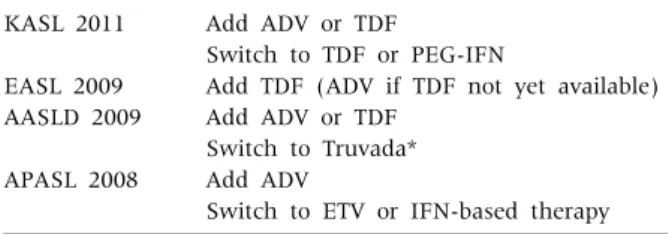
Table 1. Treatment Guidelines in Lamivudine Resistance KASL 2011
EASL 2009 AASLD 2009
APASL 2008
Add ADV or TDF
Switch to TDF or PEG-IFN
Add TDF (ADV if TDF not yet available) Add ADV or TDF
Switch to Truvada*
Add ADV
Switch to ETV or IFN-based therapy
*Truvada, a combination pill containing emtricitabine and tenofovir. KASL: The Korean Association for the Study of the Liver, EASL: European Association for the Study of the Liver, AASLD: American Association for the Study of the Liver Disease, APASL: Asian Pacific Association for the Study of the Liver, ADV: Adefovir, TDF: tenofovir, IFN: interferon, ETV:
entecavir.
was more effective than adefovir monotherapy in the suppression of HBV replication [22,57-61]. Our study for children also have revealed the same results [43].
Low HBV DNA level at the time of start of the combi- nation therapy was a good predictor for better results [61,62]. Recent studies have also shown that lower basal viral load is associated with complete virologic response [57,61,63]. Moreover, early intervention is associated with the low incidence of lamivudine re- sistance [45-47]. Yuen et al. reported that resistance rate was 12% in the group of ≤3 log as basal HBV DNA level, whereas it was 64% in the group of ≥ 4 log [46].
Switch therapy to entecarvir
Entecavir is a more potent and effective drug, with a high genetic barrier to resistance in nucleo- side-naïve patients [23,63-66]. As cross-resistance exists between entecavir and lamivudine, a high dose of entecavir is required for the rescue therapy.
The development of entecavir resistance is ex- plained as a two-hit mechanism. Entecavir resistance develops when the lamivudine resistant HBV with two mutations (rtL180M, rtM204V/I) acquires an ad- ditional mutation [67-69]. Considering wild-type HBV suppression, the results of entecavir treatment in children were more potent than the suppression in adults [58,70,71].
However, a high incidence of entecavir resistance in lamivudine-refractory patients has been docu- mented. Tenny et al. reported that entecavir resist- ance rate in 5-year treatment was only 0.8% in nu- cleoside-naïve patients, but 43% in lamivudine-re- fractory patients [43]. These results suggested that entecavir is inappropriate for treatment of patients with lamivudine-resistance. Nevertheless, Chu et al.
revealed that the virologic response rate for children, of whom the majority had one mutation, was 37.5%
at 24 weeks and 50% at 48 weeks, compared with 7.7
∼33.3% at 24 weeks and 22.0∼54.5% at 48 weeks for adult patients, although the children had higher baseline HBV DNA load than adults [43].
Lamivudine + adefovir combination therapy has been proven to have a more potent antiviral effect than entecavir monotherapy [71,72]. Even though
entecavir has a good effect on initial viral sup- pression, entecavir alone has a relatively high resist- ance rate in lamivudine-resistant patients and is con- sidered to be less effective than lamivudine + adefo- vir combination therapy. Therefore, entecavir mono- therapy is not optimal in patients with lamivudine re- sistance [2].
Rescue therapy in children
As rescue therapy for lamivudine resistant cases, adding-on adefovir or tenofovir or switching to truva- da (a combination pill containing emtricitabine and tenofovir) is recommended by adult guidelines (Table 1). However, guidelines for children have not been established. Moreover, tenofovir and em- tricitabine are not approved yet for children with chronic hepatitis B by the Food and Drug Administra- tion (FDA).
We have also shown that lamivudine + adefovir combination therapy is more effective than adefovir monotherapy in children with lamivudine-resistant chronic hepatitis B infection [43]. These results were similar to those in adults [57,58,70].
An expert meeting report concluded that rescue therapy for children with lamivudine-resistant chronic hepatitis may be decided according to the se- verity of liver disease. Clinicians could stop the treat- ment for the non-severe cases and monitor flare-up, while for children with severe hepatitis, second drug such as adefovir should be added or switching to in-
terferon-alpha considered [19].
HOW TO PREVENT NUCLEOS(t)IDE ANALOGUE RESISTANCE
In adult patients, the resistance rate for lam- ivudine therapy was 14∼32% and 60∼70% for 1 year and 5 years, respectively [73,74]. However, in chil- dren, the resistance rates were reported as low as 10%
at 1 year of treatment and 23% at 2 years of treatment [20]. Other studies in Korean children have shown similar results [29,75]. Most of the children enrolled in these studies had pretreatment baseline ALT > 2×ULN. On the other hand, Sokal et al. have revealed that resistance rates were 49% and 64% in 2-year treatment and 3-year treatment, respectively [76].
These were similar or even higher than those of adults. The reason for the dichotomy may be ex- plained by the inclusion of 51% of children with pre- treatment ALT >2×ULN for the 2-year treatment group and only 11% for the 3-year treatment group.
Our studies also have shown that breakthrough rate was higher (60%) in the group of ALT <2×ULN com- pared with 17% in the group of ALT >2×ULN as pre- treatment baseline [18]. Moreover, breakthrough was not found in preschool children younger than 6-years-of-age with higher pretreatment baseline ALT >2×ULN [9]. Therefore, elevated pretreatment ALT level over 2×ULN is regarded as and important factor to reduce drug resistance.
Primary treatment with lamivudine should be con- sidered if patients have persistently elevated ALT lev- els >2×ULN, but patients should be in the im- mune-clearance phase. Before initiating therapy, a thorough evaluation of the patient’s status regarding abnormal liver function tests is essential to exclude other causes, such as reactive hepatitis and non- alcoholic steatohepatitis, as two conditions. The treatment should focus on inhibiting viral replication in the early phase of treatment. Appropriate monitor- ing for early detection of virologic breakthrough and genotypic resistance is essential to decide the optimal intervention. The sequential monotherapy using drugs in the same category should be avoided and
combination therapy with drugs in other categories is recommended.
Approximately 30% of the causes of viral break- through are due to poor compliance of patients [77].
Clinicians should educate patients and their parents to maintain good compliance and should adjust the opti- mal dosage according to body weight as children grow.
CONCLUSION
Currently, the medications for the treatment of children with chronic hepatitis B infections are inter- feron-alpha and lamivudine. In Korea, a genotype C predominant country, lamivudine is more effective than interferon-alpha. However, development of an- tiviral resistance to lamivudine is a major problem that is regarded as the most important factor for treatment failure. Therefore, it should be understood that appropriate prevention and rescue therapy of antiviral resistance are critical for improving treat- ment outcomes. Entecavir and tenofovir need to be approved as the primary treatment option for chronic hepatitis B in children.
REFERENCES
1. Choe BH. The epidemiology and present status of chronic hepatitis B in Korean children. Korean J Pediatr 2008;51:696-703.
2. KASL Guidelines for Treatment of Chronic Hepatitis B. The Korean Association for the Study of the Liver 2011.
3. Park HJ, Chu MA, Choe BH. The rate of converting to immune-clearance phase from immune-tolerant phase in children with chronic hepatitis B. The 61st annual fall meeting of the Korea Pediatric Society; 2011; Seoul:
2011:230
4. Shah U, Kelly D, Chang MH, Fujisawa T, Heller S, Gonzalez-Peralta RP, et al. Management of chronic hepatitis B in children. J Pediatr Gastroenterol Nutr 2009;48:399-404.
5. Jennuvat S, Vithayasai N. Hepatocellular carcinoma in children presents with massive upper gastrointestinal bleeding: a case report. J Med Assoc Thai 2011;94 Suppl 3:S222-5.
6. Hsu HC, Wu MZ, Chang MH, Su IJ, Chen DS. Childhood hepatocellular carcinoma develops exclusively in hep-
atitis B surface antigen carriers in three decades in Taiwan. Report of 51 cases strongly associated with rapid development of liver cirrhosis. J Hepatol 1987;5:260-7.
7. Lee HC, Kim YJ, Seo JJ, Moon HN, Ghim TT. Primary hepatic tumors in children: Clinical experience in a sin- gle institution. Korean J Pediatr Hematol Oncol 2000;7:269-77.
8. Bortolotti F, Guido M, Bartolacci S, Cadrobbi P, Crivellaro C, Noventa F, et al. Chronic hepatitis B in children after e antigen seroclearance: final report of a 29-year longitudinal study. Hepatology 2006;43:
556-62.
9. Kim JO, Choe BH. Long-term lamivudine treatment in children and adolescence with chronic hepatitis B: pre- dictors of therapeutic response and lamivudine resistance. Asian Pacific Association for the Study of the Liver (APASL); 2008;Seoul: 2008:A220.
10. Torre D TR. Interferon-alpha therapy for chronic hep- atitis B in children: a meta-analysis. Clin Infect Dis 1996;23:131-7.
11. Jonas MM, Mizerski J, Badia IB, Areias JA, Schwarz KB, Little NR, et al. Clinical trial of lamivudine in chil- dren with chronic hepatitis B. N Engl J Med 2002;
346:1706-13.
12. Chang MH, Chen PJ, Chen JY, Lai MY, Hsu HC, Lian DC, et al. Hepatitis B virus integration in hepatitis B virus-related hepatocellular carcinoma in childhood.
Hepatology 1991;13:316-20.
13. Choe BH. Consulting about chronic hepatitis B:
Focusing on common errors of internet website in Korea. Korean J Pediatr Gastroenterol Nutr 2008;11:
1-11.
14. Lai CL, Lok AS, Lin HJ, Wu PC, Yeoh EK, Yeung CY.
Placebo-controlled trial of recombinant alpha 2-inter- feron in Chinese HBsAg-carrier children. Lancet 1987;2:877-80.
15. Hom X, Little NR, Gardner SD, Jonas MM. Predictors of virologic response to Lamivudine treatment in chil- dren with chronic hepatitis B infection. Pediatr Infect Dis J 2004;23:441-5.
16. Kim JS PS, Jeong JY. Predictors of response to lam- ivudine treatment in children with chronic hepatitis B.
Chonnam Med J 2008;44:37-42.
17. Sokal EM, Conjeevaram HS, Roberts EA, Alvarez F, Bern EM, Goyens P, et al. Interferon alfa therapy for chronic hepatitis B in children: a multinational randomized controlled trial. Gastroenterology 1998;
114:988-95.
18. Choe BH, Kim JM, Lee JH, Jang YC, Jang CH, Oh KW.
Lamivudine treatment in children with chronic hep-
atitis B: Long-term therapeutic response, optimal du- ration and resistance. the 39th Annual Meeting of European Society for Paediatric Gastroenterology, Hepatology and Nutrition (ESPGHAN);2006; Dresden, Germany:2006:47
19. Jonas MM, Block JM, Haber BA, Karpen SJ, London WT, Murray KF, et al. Treatment of children with chronic hepatitis B virus infection in the United States:
patient selection and therapeutic options. Hepatology 2010;52:2192-205.
20. Choe BH, Lee JH, Jang YC, Jang CH, Oh KW, Kwon S, et al. Long-term therapeutic efficacy of lamivudine compared with interferon-alpha in children with chron- ic hepatitis B: the younger the better. J Pediatr Gastroenterol Nutr 2007;44:92-8.
21. Choe BH. The management and treatment of chronic hepatitis B in Korean children. Korean J Pediatr 2007;50:823-34.
22. Lok AS, McMahon BJ. Chronic hepatitis B: update 2009. Hepatology 2009;50:661-2.
23. Leung N. Recent data on treatment of chronic hepatitis B with nucleos(t)ide analogues. Hepatol Int 2008;2:163-78.
24. Kurbegov AC, Sokol RJ. Hepatitis B therapy in children. Expert Rev Gastroenterol Hepatol 2009;3:
39-49.
25. National Health Insurance Corporation. The Criterias for the Medical Care Benefits. 2010. Available from:
http://www.nhic.or.kr.
26. Kau A, Vermehren J, Sarrazin C. Treatment predictors of a sustained virologic response in hepatitis B and C.
J Hepatol 2008;49:634-51.
27. Hong SP, Han KH, Ahn SH, Paik YH, Moon BS, Chon CY, et al. Long-term Efficacy and Durability of Lamivudine Therapy in Patients with Chronic Hepatitis B. Korean J Hepatol 2001;7:423-31.
28. Koh H, Baek SY, Chung KS. Lamivudine therapy for ko- rean children with chronic hepatitis B. Yonsei Med J 2007;48:927-33.
29. Lee EH, Jang JY, Kim KM. Efficacy of lamivudine ther- apy for chronic hepatitis B in children. Korean J Pediatr Gastroenterol Nutr 2008;11:130-6.
30. Lau GK, Piratvisuth T, Luo KX, Marcellin P, Thongsawat S, Cooksley G, et al. Peginterferon Alfa-2a, lamivudine, and the combination for HBeAg-positive chronic hepatitis B. N Engl J Med 2005;352:2682-95.
31. Janssen HL, van Zonneveld M, Senturk H, Zeuzem S, Akarca US, Cakaloglu Y, et al. Pegylated interferon al- fa-2b alone or in combination with lamivudine for HBeAg-positive chronic hepatitis B: a randomised trial. Lancet 2005;365:123-9.
32. Chan HL, Leung NW, Hui AY, Wong VW, Liew CT, Chim AM, et al. A randomized, controlled trial of combi- nation therapy for chronic hepatitis B: comparing pegy- lated interferon-alpha2b and lamivudine with lam- ivudine alone. Ann Intern Med 2005;142:240-50.
33. Marcellin P, Lau GK, Bonino F, Farci P, Hadziyannis S, Jin R, et al. Peginterferon alfa-2a alone, lamivudine alone, and the two in combination in patients with HBeAg-negative chronic hepatitis B. N Engl J Med 2004;351:1206-17.
34. Schalm SW, Heathcote J, Cianciara J, Farrell G, Sherman M, Willems B, et al. Lamivudine and alpha in- terferon combination treatment of patients with chron- ic hepatitis B infection: a randomised trial. Gut 2000;46:562-8.
35. Sung JJ, Lai JY, Zeuzem S, Chow WC, Heathcote EJ, Perrillo RP, et al. Lamivudine compared with lam- ivudine and adefovir dipivoxil for the treatment of HBeAg-positive chronic hepatitis B. J Hepatol 2008;48:728-35.
36. Dikici B, Ozgenc F, Kalayci AG, Targan S, Ozkan T, Selimoglu A, et al. Current therapeutic approaches in childhood chronic hepatitis B infection: a multicenter study. J Gastroenterol Hepatol 2004;19:127-33.
37. Sokucu S, Gokce S, Suoglu OD, Emiroglu H, Cevikbas U. Comparison of interferon monotherapy with inter- feron-lamivudine combination treatment in children with chronic hepatitis B. Indian J Gastroenterol 2006;25:136-9.
38. Carey I, Harrison PM. Monotherapy versus combina- tion therapy for the treatment of chronic hepatitis B.
Expert Opin Investig Drugs 2009;18:1655-66.
39. Lee HW, Lee HJ, Hwang JS, Sohn JH, Jang JY, Han KJ, et al. Lamivudine maintenance beyond one year after HBeAg seroconversion is a major factor for sustained virologic response in HBeAg-positive chronic hepatitis B. Hepatology 2010;51:415-21.
40. Kim JM HS, Choi BH, Chu MA, Cho SM, Choe BH.
Clinical experience with long-term lamivudine therapy to determine the adequate duration of treatment in childrenand adolescents with HBeAg-negative chronic hepatitis B. Korean J Pediatr Gastroenterol Nutr 2009;12:23-9.
41. Yim HJ. Management of antiviral-resistant chronic hepatitis B virus infection. Korean J Gastroenterol 2008;51:346-59.
42. Zoulim F. Mechanism of viral persistence and resist- ance to nucleoside and nucleotide analogs in chronic hepatitis B virus infection. Antiviral Res 2004;64:1-15.
43. Chu MA, Cho SM, Choe BH, Cho MH, Kwon SH, Lee WK. Virologic responses to add-on adefovir dipivoxil
treatment versus entecavir monotherapy in children with lamivudine-resistant chronic hepatitis B. J Pediatr Gastroenterol Nutr 2012: in press.
44. Choe BH. Hepatitis B virus: pathogenesis, molecular diagnosis, and clinical significance of mutation. Korean J Pediatr Gastroenterol Nutr 2007;10:51-65
45. Lai CL, Gane E, Liaw YF, Hsu CW, Thongsawat S, Wang Y, et al. Telbivudine versus lamivudine in pa- tients with chronic hepatitis B. N Engl J Med 2007;357:
2576-88.
46. Yuen MF, Sablon E, Hui CK, Yuan HJ, Decraemer H, Lai CL. Factors associated with hepatitis B virus DNA breakthrough in patients receiving prolonged lam- ivudine therapy. Hepatology 2001;34:785-91.
47. Fukai K ZK, Imazeki F, Kurihara T, Mikata R, Yokosuka O. Association between lamivudine sensi- tivity and the number of substitutions in the reverse transcriptase region of the hepatitis B virus poly- merase. J Viral Hepatol Int 2007;14:661-6.
48. Keeffe EB, Dieterich DT, Han SH, Jacobson IM, Martin P, Schiff ER, et al. A treatment algorithm for the man- agement of chronic hepatitis B virus infection in the United States: 2008 update. Clin Gastroenterol Hepatol 2008;6:1315-41; quiz 286.
49. Keeffe EB, Zeuzem S, Koff RS, Dieterich DT, Esteban-Mur R, Gane EJ, et al. Report of an interna- tional workshop: Roadmap for management of patients receiving oral therapy for chronic hepatitis B. Clin Gastroenterol Hepatol 2007;5:890-7.
50. Reijnders JG, Deterding K, Petersen J, Zoulim F, Santantonio T, Buti M, et al. Antiviral effect of entecavir in chronic hepatitis B: influence of prior exposure to nu- cleos(t)ide analogues. J Hepatol 2010;52:493-500.
51. Ahn SH, Lee HJ, Tak WY, Um SH, Kim DY. Prospective randomized trial of switching to entecavir in chronic hepatitis B patients with suboptimal virologic response to lamivudine: Interim analysis at 48 Weeks.
Hepatology Int 2010;4:53A.
52. Hadziyannis SJ, Tassopoulos NC, Heathcote EJ, Chang TT, Kitis G, Rizzetto M, et al. Adefovir dipivoxil for the treatment of hepatitis B e antigen-negative chronic hepatitis B. N Engl J Med 2003;348:800-7.
53. Hadziyannis SJ, Tassopoulos NC, Heathcote EJ, Chang TT, Kitis G, Rizzetto M, et al. Long-term therapy with adefovir dipivoxil for HBeAg-negative chronic hepatitis B. N Engl J Med 2005;352:2673-81.
54. Hwang SK, Park SM, Choe BH, Kim JM, Kim JO, Kim YM, et al. Therapeutic efficacy of adefovir dipivoxil in Korean children and adolescents with chronic hepatitis B who have developed lamivudine resistance. Korean J Pediatr Gastroenterol Nutr 2008;11:143-9.
55. Yeon JE, Yoo W, Hong SP, Chang YJ, Yu SK, Kim JH, et al. Resistance to adefovir dipivoxil in lamivudine re- sistant chronic hepatitis B patients treated with adefo- vir dipivoxil. Gut 2006;55:1488-95.
56. Lee YS, Suh DJ, Lim YS, Jung SW, Kim KM, Lee HC, et al. Increased risk of adefovir resistance in patients with lamivudine-resistant chronic hepatitis B after 48 weeks of adefovir dipivoxil monotherapy. Hepatology 2006;43:1385-91.
57. Gaia S, Barbon V, Smedile A, Olivero A, Carenzi S, Lagget M, et al. Lamivudine-resistant chronic hepatitis B: an observational study on adefovir in monotherapy or in combination with lamivudine. J Hepatol 2008;
48:540-7.
58. Kim HJ, Park JH, Park DI, Cho YK, Sohn CI, Jeon WK, et al. Rescue therapy for lamivudine-resistant chronic hepatitis B: comparison between entecavir 1.0 mg mon- otherapy, adefovir monotherapy and adefovir add-on lamivudine combination therapy. J Gastroenterol Hepatol 2010;25:1374-80.
59. Perrillo R, Hann HW, Mutimer D, Willems B, Leung N, Lee WM, et al. Adefovir dipivoxil added to ongoing lam- ivudine in chronic hepatitis B with YMDD mutant hep- atitis B virus. Gastroenterology 2004;126:81-90.
60. Peters MG, Hann Hw H, Martin P, Heathcote EJ, Buggisch P, Rubin R, et al. Adefovir dipivoxil alone or in combination with lamivudine in patients with lam- ivudine-resistant chronic hepatitis B. Gastroenterol- ogy 2004;126:91-101.
61. Rapti I, Dimou E, Mitsoula P, Hadziyannis SJ.
Adding-on versus switching-to adefovir therapy in lam- ivudine-resistant HBeAg-negative chronic hepatitis B.
Hepatology 2007;45:307-13.
62. Shin SR KK, Jung HY, Gwak GY, Choi MS, Lee JH, Paik SW, et al. The DNA levels on initiation of adefovir as the important factor to get the more initial virological re- sponse in patients with lamivudine resistant hepatitis B. Hepatology 2008;48:738A.
63. Sherman M, Yurdaydin C, Simsek H, Silva M, Liaw YF, Rustgi VK, et al. Entecavir therapy for lamivudine-re- fractory chronic hepatitis B: improved virologic, bio- chemical, and serology outcomes through 96 weeks.
Hepatology 2008;48:99-108.
64. Osborn M. Safety and efficacy of entecavir for the treat- ment of chronic hepatitis B. Infect Drug Resist 2011;4:55-64.
65. Chang TT, Gish RG, de Man R, Gadano A, Sollano J, Chao YC, et al. A comparison of entecavir and lam- ivudine for HBeAg-positive chronic hepatitis B. N Engl J Med 2006;354:1001-10.
66. Gish RG, Lok AS, Chang TT, de Man RA, Gadano A,
Sollano J, et al. Entecavir therapy for up to 96 weeks in patients with HBeAg-positive chronic hepatitis B.
Gastroenterology 2007;133:1437-44.
67. Baldick CJ, Eggers BJ, Fang J, Levine SM, Pokornowski KA, Rose RE, et al. Hepatitis B virus qua- sispecies susceptibility to entecavir confirms the rela- tionship between genotypic resistance and patient viro- logic response. J Hepatol 2008;48:895-902.
68. Tenney DJ, Levine SM, Rose RE, Walsh AW, Weinheimer SP, Discotto L, et al. Clinical emergence of entecavir-resistant hepatitis B virus requires addi- tional substitutions in virus already resistant to Lamivudine. Antimicrob Agents Chemother 2004;48:
3498-507.
69. Villet S, Ollivet A, Pichoud C, Barraud L, Villeneuve JP, Trepo C, et al. Stepwise process for the development of entecavir resistance in a chronic hepatitis B virus in- fected patient. J Hepatol 2007;46:531-8.
70. Chung GE, Kim W, Lee KL, Hwang SY, Lee JH, Kim HY, et al. Add-on adefovir is superior to a switch to en- tecavir as rescue therapy for Lamivudine-resistant chronic hepatitis B. Dig Dis Sci 2011;56:2130-6.
71. Ryu HJ, Lee JM, Ahn SH, Kim do Y, Lee MH, Han KH, et al. Efficacy of adefovir add-on lamivudine rescue therapy compared with switching to entecavir mono- therapy in patients with lamivudine-resistant chronic hepatitis B. J Med Virol 2010;82:1835-42.
72. Yim HJ, Yoon E, Seo YS, Kim CW, Lee CD, Park SH, et al. Adding adefovir compared with switching to en- tecavir in patients with lamivudine-resistant chronic hepatitis B (ACE study) - A multicenter prospective randomized study: 2 year final results. Hepatology 2011;54(Suppl 1):1060-1A.
73. Lok AS, Lai CL, Leung N, Yao GB, Cui ZY, Schiff ER, et al. Long-term safety of lamivudine treatment in pa- tients with chronic hepatitis B. Gastroenterology 2003;125:1714-22.
74. Allen MI, Deslauriers M, Andrews CW, Tipples GA, Walters KA, Tyrrell DL, et al. Identification and charac- terization of mutations in hepatitis B virus resistant to lamivudine. Lamivudine Clinical Investigation Group.
Hepatology 1998;27:1670-7.
75. Yoe S, Na SY, Yang HR, Chang JY, Ko JS, Kim BS, et al.
Incidence and risk factors of the YMDD mutation during lamivudine therapy in children with chronic hepatitis B.
Asian Pan-Pacific Society of Pediatric Gastroenterology, Hepatology and Nutrition (APPSPGHAN);2009;Seoul:
2009:106
76. Sokal EM, Kelly DA, Mizerski J, Badia IB, Areias JA, Schwarz KB, et al. Long-term lamivudine therapy for children with HBeAg-positive chronic hepatitis B.
Hepatology 2006;43:225-32.
77. Yuki N, Nagaoka T, Yamashiro M, Mochizuki K, Kaneko A, Yamamoto K, et al. Long-term histologic and virologic outcomes of acute self-limited hepatitis B.
Hepatology 2003;37:1172-9.
78. Fattovich G. Natural history and prognosis of hepatitis B. Semin Liver Dis 2003;23:47-58.
![Fig. 1. The natural course of chronic hepatitis B virus infection. The figure is modified from one presented in reference [78].](https://thumb-ap.123doks.com/thumbv2/123dokinfo/5411688.222487/2.892.94.629.887.1095/natural-course-chronic-hepatitis-infection-modified-presented-reference.webp)

![Fig. 4. Recommending flow of lamivudine treatment in adults. The figure is modified from reference [2]](https://thumb-ap.123doks.com/thumbv2/123dokinfo/5411688.222487/5.892.187.707.804.1004/fig-recommending-lamivudine-treatment-adults-figure-modified-reference.webp)