Biomedical Science Letters 2017, 23(4): 303~309 https://doi.org/10.15616/BSL.2017.23.4.303 eISSN : 2288-7415
The Ameliorative Effect of β-sitosterol on DNCB-induced Atopic Dermatitis in Mice
Su-Jin Kim
†Department of Biotechnology and Convergence, College of Herbal Bioindustry, Daegu Haany University, Kyungsan 38610, Korea
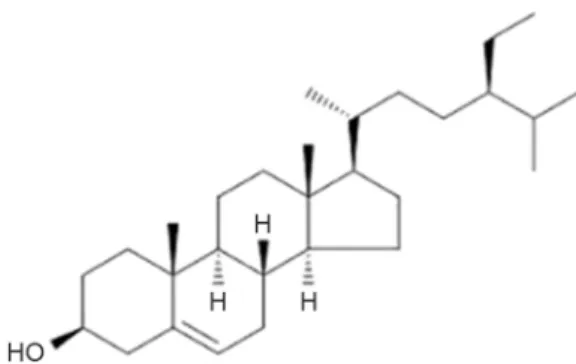
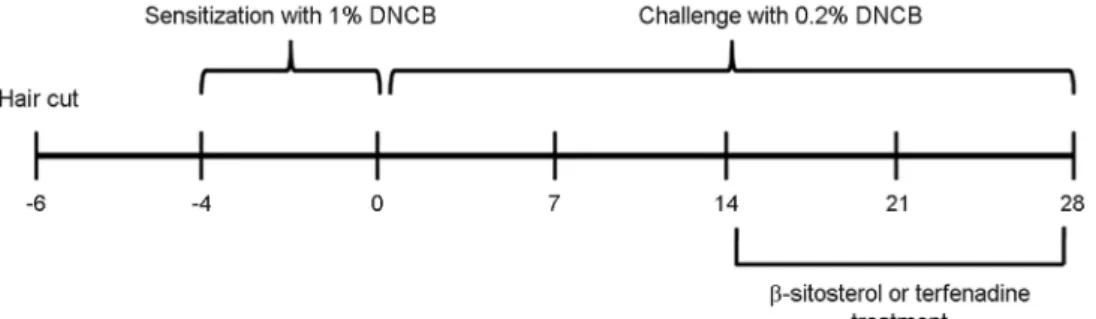
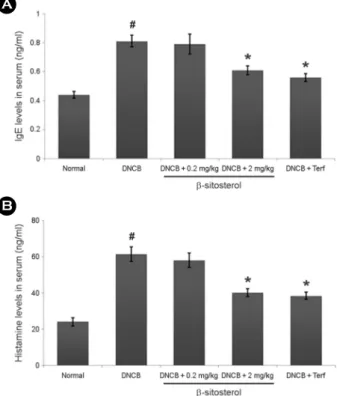
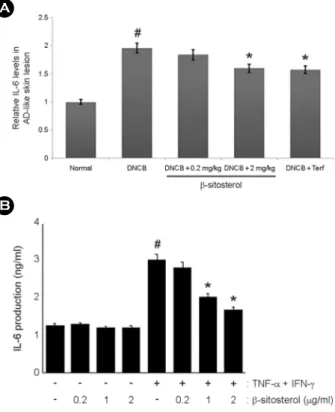
β-sitosterol, one of phytosterols, exhibited numerous pharmacological effect including anti-inflammatory, anti-cancer and immune-modulating properties. This study attempted to determine the pharmacological effects of β-sitosterol on atopic dermatitis (AD). We investigated to ascertain the pharmacological effects of β-sitosterol on 2, 4-dinitrochlrobenzene (DNCB)-induced AD symptom and histamine-induced scratching behaviors in mice. Additionally, we evaluated the effects of β-sitosterol on the interleukin (IL)-6 levels in HaCaT cells and skin tissue of AD. The findings of this study demonstrated that β-sitosterol reduced AD clinical symptoms such as eczematous, erythema and dryness and serum histamine and IgE levels in DNCB-induced AD model and histamine-induced scratching behaviors in mice. Additionally, β-sitosterol inhibited the IL-6 expression in AD-like skin lesion and HaCaT cells. Collectively, these findings provide that β-sitosterol could be a therapeutic agent for skin inflammation including AD.
Key Words: β-sitosterol; Atopic dermatitis; Interleukin-6; HaCaT cells
INTRODUCTION
Atopic dermatitis (AD) is a common skin disease char- acterized by a chronic and relapsing inflammatory dermatitis (Buske-Kirschbaum et al., 2001). AD is known to be the result of an immune system dysregulation, ultimately re- sulting in allergic inflammation (Gold and Kemp, 2005). In the past decades, AD research has enormously increased due to the rapid increase of AD related skin inflammation around the world. Generally, most therapy for AD is cortico- steroids (Berke et al., 2012) but these long-term treatments cause serious side effects such as immunosuppression, and epidermal barrier dysfunction (Shiohara et al., 2004). Con-
sequently, there is a need for anti-atopic agents that cause fewer side effects.
Keratinocytes, which are the main epidermal cells, are considered to play a critical role in AD (Eichenfield et al., 2012). Keratinocyte produces inflammatory cytokines and chemokines by various stimulations (Vestergaard et al., 2000).
These mediators contribute to the infiltration of inflammatory cells to sites of inflammation in the skin. Recent studies have reported that inflammatory cytokines are involved in the initiation of AD. It was reported that cytokines were expressed at high levels in skin lesion of AD patients and it suggests that inflammatory cytokine plays an integral role in the pathogenesis of these conditions (Homey et al., 2006).
Hence, there is a strong interest in the development of agents Original Article
*Received: September 11, 2017 / Revised: November 28, 2017 / Accepted: December 7, 2017
†Corresponding author: Su-Jin Kim. Department of Biotechnology and Convergence, College of Herbal Bioindustry, Daegu Haany University, Yugok-dong, Kyungsan 38610, Korea.
Tel: +82-53-819-1389, Fax: +82-53-819-1272, e-mail: [email protected]
○CThe Korean Society for Biomedical Laboratory Sciences. All rights reserved.
○CCThis is an Open Access article distributed under the terms of the Creative Commons Attribution Non-Commercial License (http://creativecommons.org/licenses/by-nc/3.0/) which permits unrestricted non-commercial use, distribution, and reproduction in any medium, provided the original work is properly cited.