Received: 18 July, 2012 Revised: 3 September, 2012 Accepted: 20 September, 2012 Corresponding author: Seung-Cheol Seo
Department of Physical Therapy, College of Health and Welfare, Sahmyook University, 815 Hwarang-ro, Nowon-gu, Seoul 130-742, Republic of Korea Tel: 82-2-3399-1634 Fax: 82-2-3399-1639 E-mail: [email protected]
This is an Open-Access article distributed under the terms of the Creative Commons Attribution Non-Commercial License (http://creativecommons.org/licens es/by-nc/3.0) which permits unrestricted non-commercial use, distribution, and reproduction in any medium, provided the original work is properly cited.
Copyright © 2012 Korean Academy of Physical Therapy Rehabilitation Science
pISSN 2287-7576 Phys Ther Rehabil Sci
eISSN 2287-7584 2012, 1 (1), 40-48
www.jptrs.org
Effects of sling exercise and McKenzie exercise program on neck disability, pain, muscle strength and range of motion in chronic neck pain
Seung-Cheol Seoa, Jin-Young Choib, Min-Young Jooc, Je-Hoon Kimd, Seul-Ki Change
aPhysical Therapy Team, Yonsei University Rehabilitation Hospital, Seoul, Republic of Korea
bPhysical Therapy Team, Asan Medical Center, Seoul, Republic of Korea
cPhysical Therapy Team, Cham Medical Center, Seoul, Republic of Korea
dPhysical Therapy Team, Yonsei University Rehabilitation Hospital, Seoul, Republic of Korea
e1000MM, Hosur, Tamil Nadu, India
Objective: The aim of this study was to compare sling exercise group to McKenzie exercise group in patients with chronic neck pain.
Design: Two group pretest-posttest design.
Methods: Twenty subjects who have chronic neck pain were randomly divided into sling exercise group (n=10) and McKenzie exercise (n=10). Sling exercise group (n=10) received sling exercise for 30 minutes per day, twice a week over a 4 week period.
And the other group were exercised McKenzie exercise (n=8) for 30 minutes per day, twice a week over a 4 week period. Neck dis- ability index (NDI), Visual analog scale (VAS), algometer, digital manual muscle tester (MMT) and cervical muscle strength and cervical range of motion (ROM) are closely measured to identify the effect of sling exercise and McKenzie exercise.
Results: For NDI, VAS, algometer on both trapezius, both rotation of cervical muscle strength, both lateral flexion of cervical muscle strength, cervical extension of ROM and both lateral flexion of ROM were significantly increased after intervention in sling exercise group (p<0.05), For VAS, algometer on both trapezius, left (Lt.) rotation of cervical muscle strength, Lt. lateral flexion of cervical muscle strength, cervical flexion and extension of ROM and Lt. lateral flexion of ROM were significantly in- creased after than before intervention in McKenzie exercise group (p<0.05).
Conclusions: These study outcomes clearly support the notion that sling and McKenzie exercise improved pain, Muscle strength and ROM of patients with chronic neck pain. These results suggest that sling and McKenzie exercise program is suitable for chronic neck pain.
Key Words: Exercise, Muscle strength, Neck pain, Range of Motion
Introduction
The incidence of chronic neck pain is rising in modern society. In particular, the increasing use of computers with a sedentary lifestyle has increased the ratio of patients com- plaining of neck pain [1]. Pain is a symptom of a disease of the musculoskeletal system that occurs frequently in work-
ers, and the compensation for the treatment of this sickness costs millions of dollars each year [2]. The pathological cause of neck pain is unclear but when a person works, a muscle contraction must be maintained to support the head in a variety of positions. In this way, the neck muscle can be weakened, which can induce chronic tiredness resulting in neck pain [3,4].
Chronic neck pain appears to be associated with muscle weakness [5]. Functional depression of the head-neck area causes pain and a limited range of motion (ROM) to the neck and shoulder, and 67-71% of adults experience this type of neck pain [6,7]. In this case, the pain can cause problems, both physically and mentally, in all works and even the daily activities of a person’s life [8]. Although many people com- plain of neck stiffness and muscle pain, which is different from back pain, only a few people have attempted to solve the problems of neck pain. In the case of neck pain, surface thermotherapy, deep thermotherapy, electrotherapy is used as a conserved therapy method [9]. This conservative treat- ment can reduce the pain in the subacute phase of neck pain to allow the patient to continue their daily life and exercise earlier, but its effect is only a temporary improvement of the symptoms. The sling exercise treatment is an exercise pro- gram or treatment approach using a sling and other ac- cessory instruments to induce passive or active treatment to improve the physical abnormalities and to increase the sen- sory motor control, muscle strength and muscular endur- ance.
Research on the effects of Sling exercise or McKenzie ex- ercise for the treatment of chronic neck pain has been con- ducted but there are no reports on a comparison between the two groups. Therefore, this study compared the muscle strength and ROM between sling exercise and McKenzie exercise applied to chronic neck pain patients to reduce neck pain.
Methods
SubjectsThis study was conducted on 20 students with an average age of 20-27, who were studying at Seoul S University. The research was conducted from May 9, 2011 to June 3, 2011 over a four week period. This study selected 20 students who answered the neck disability index (NDI) questionnaire.
This questionnaire shows the effects of neck pain on daily activities. The selected subjects' scored between 5-14 and were divided into 2 groups; 10 for the sling exercise group, and 10 for the McKenzie exercise group. Acute neck pain patients, students with a history of cervical surgery, and those who had experienced neurological or orthopedic dis- eases were excluded.
Instrument and Measurement Visual analogue scale
A visual analogue scale (VAS), which was designed on 1966 by Bond and Pilowsky, was used to test the range of pain that the patients rate themselves by a mark on the scale.
The patients were asked to mark on a horizontal scale from no pain (0) to terrible pain (10) the severity of their pain. The examiner measured the range of the pain from this scale.
This method makes it difficult to compare with other pa- tients due to its personal rating but is acceptable for in- dividual patients.
NDI
This NDI questionnaire contained 10 questions designed to provide information on how the patients’ neck pain af- fected their ability to manage their everyday life [10]. This test was based the Oswestry index [11] which tests the abil- ity to manage everyday activities for lumbosacral patients.
This test was based on 10 questions, such as the intensity of pain, daily activities, lifting, reading, headache, ability to concentrate, work, driving, sleep and leisure activities; the patients were asked to mark each question between 0-5. The NDI was scored in each category; higher scores indicate the possibility of cervical disability. The founder of this NDI in- terpreted its score as 0-4=no disability, 5-14=mild disability, 15-24=moderate disability, 25-34=severe disability, and 35 over=complete disability.
Pressure pain threshold measurement
The pain inducing, point pressure pain level was called the pressure pain threshold. The pressure pain threshold was defined as the least oppression. A pressure algometer can quantify the pressure sensitivity of a specific point of the ini- tial point of pain that it is used specifically to measure the pressure point [12]. To identify the maximum pressure point, the subject was placed in the prone position, all pres- sure points in the nuchal part were measured and the least pressure point was determined to be the experimental area for the pressure pain threshold measuring area. The pressure pain level is measured when the subject is relaxed, and the pressure algometer is applied to the point of the initial pain point vertically to the skin. To measure the pressure, the pressure was set to 1 kg/sec ratio and the patients were in- structed to sound ‘Ouch’ when they experienced pain. The time when the subject indicated pain was measured in
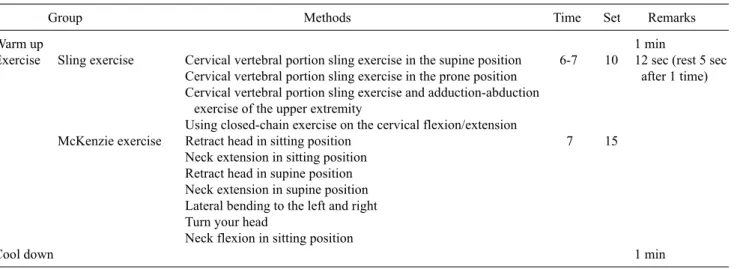
Table 1. The summary of exercise program
Group Methods Time Set Remarks
Warm up 1 min
Exercise Sling exercise Cervical vertebral portion sling exercise in the supine position 6-7 10 12 sec (rest 5 sec Cervical vertebral portion sling exercise in the prone position after 1 time) Cervical vertebral portion sling exercise and adduction-abduction
exercise of the upper extremity
Using closed-chain exercise on the cervical flexion/extension
McKenzie exercise Retract head in sitting position 7 15
Neck extension in sitting position Retract head in supine position Neck extension in supine position Lateral bending to the left and right Turn your head
Neck flexion in sitting position
Cool down 1 min
kg/cm2. The measurements were made at 1 minute intervals in three time trials and the average was considered to be the final score. The pressure algometer used in this study was a 1 cm2 circular pressure rubber and a 0 switch, which was de- signed to measure kg/cm2 and pound (1 b). The maximum measurement was 10 kg/cm2 with 0.1 kg/cm2 graduations.
Electrogoniometer
This instrument was used to determine the difference in the head-neck ROM before and after the sling exercise and McKenzie exercise. The use of an electrogoniometer is more subjective and accurate than the initial diagnosed state of the joints. The final measurement will make known the level of disability compared to normal and helps set the spe- cific goals of the therapy. This is also useful for inducing the motives of the patients in a psychological way.
Muscle strength test evaluation system
This instrument was used to determine the difference in digital MMT (digital manual muscle tester, model 11001163, Lafayette Instruments, USA) before and after the sling ex- ercise and McKenzie exercise. This Electronic muscle strength tester is controlled by a micro processor that meas- ures the muscle strength precisely in pounds and kilograms.
The device can also measure the highest record of time and force achieved. The automatical graduation measurement level was set to 0, 25 and 50 lbs, which it is reliable and precise. The device can also be set at various measurement levels, such as length, and can be increased by 1 second per length from 1-10 seconds, which the tone can be used as evi- dence by the user.
Procedure
This study was conducted on Students at S-University of Seoul. To reduce the selection bias, the 20 selected subjects who suffered from neck pain were assigned randomly to the sling exercise group and McKenzie exercise group using a method of mediation. Before and after mediation, the sub- jects were tested for pain, muscle strength, head-neck ROM.
The subjects were also examined using an electromyogram by the same tester in the same environment. The study was conducted using 4th year physical therapy students, who had a full understanding of the sling exercise program. The therapists who supervised the exercise program used the planned exercise program to apply the same exercise and were instructed to perform the correct procedure. They set the meeting for the adjustments of the program during medi- ation after 1 to 3 weeks of the program.
For the sling exercise group, the sling exercise program was applied for 4 weeks, 3 times a week for 30 minutes per day. For the McKenzie exercise group, the McKenzie ex- ercise program was applied as a home program. During the exercise program, there were no dropouts from the sling ex- ercise group, but 2 dropouts from the McKenzie exercise group due to personal problems. After 4 weeks mediation, 10 subjects of the sling exercise group and 8 of the McKenzie exercise program were tested in the same manner as before the program (Table 1).
Sling exercise
In this study, neck self exercise was performed for 4 weeks, 3 times in a week for 20 minutes per day. To perform the exercise, the subjects were instructed with a demon-
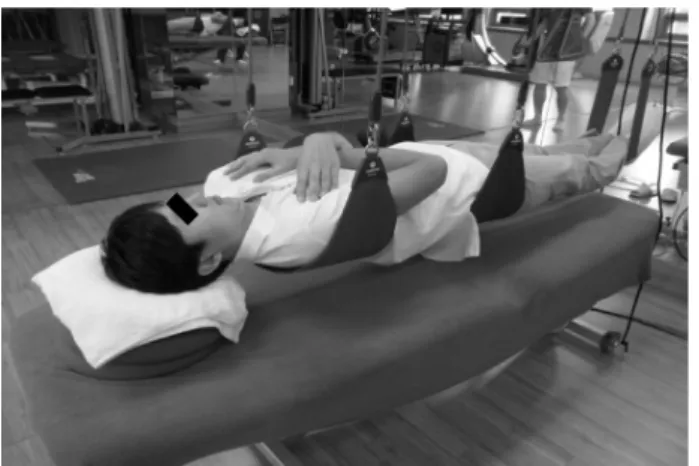
Figure 1. Cervical vertebral portion sling exercise in the supine position.
Figure 2. Cervical vertebral portion sling exercise in the prone position.
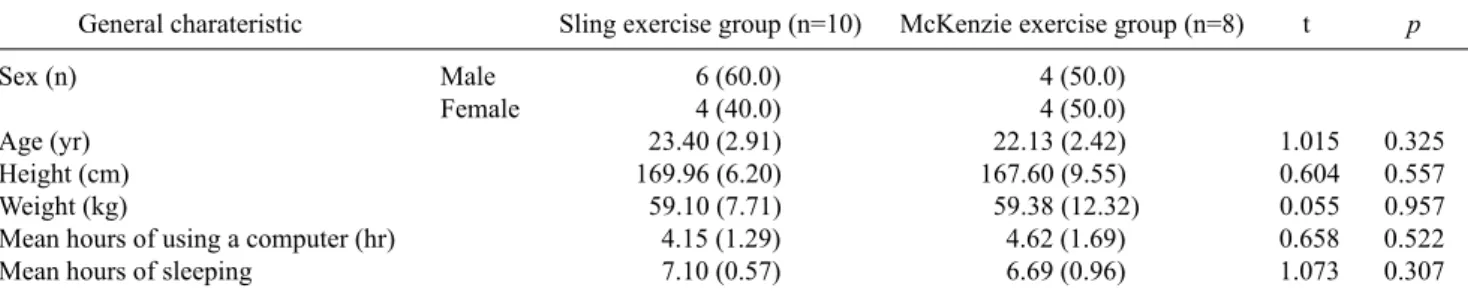
Table 2. General characteristic of the subjects
General charateristic Sling exercise group (n=10) McKenzie exercise group (n=8) t p
Sex (n) Male 6 (60.0) 4 (50.0)
Female 4 (40.0) 4 (50.0)
Age (yr) 23.40 (2.91) 22.13 (2.42) 1.015 0.325
Height (cm) 169.96 (6.20) 167.60 (9.55) 0.604 0.557
Weight (kg) 59.10 (7.71) 59.38 (12.32) 0.055 0.957
Mean hours of using a computer (hr) 4.15 (1.29) 4.62 (1.69) 0.658 0.522
Mean hours of sleeping 7.10 (0.57) 6.69 (0.96) 1.073 0.307
Values are presented as n (%) or mean (SD).
stration and explanation, and for the accurate exercise per- formance, the subjects were assisted at each time of exercise. Each movement was repeated 10 times, which is 6 to 7 seconds of contraction and 5 seconds of relaxation, as confirmed by checking the check list.
The exercise program was same as listed in Table 2 and the 4 techniques of Neurac were performed for the cervical vertebral portion functional disorder. The setting could be started to change the mobilization form of the muscle around the cervical vertebral portion. These 2 exercises of the 4 ex- ercises in the program were relevant in this setting. The first technique is that the subject lying in the supine position sup- ported the head by an inelastic sling and the therapist held the cervical vertebral portion softly with two hands (Figure 1).
Two thumbs of the therapist were placed on the sterno- cleidomastoid muscles and the rest of the fingers held the back of the cervical vertebral portion. The cervical vertebral portion and back of the head were pulled softly to the upper part, and the sternocleidomastoid muscle was pressed with the thumb to minimize the lordotic curve of the cervical vertebrate. The subjects were instructed to maintain this for
6-7 seconds and relax slowly. The examiner observed whether the patient’s chin was elevated minutely toward the upper part.
The second technique was performed in the prone posi- tion (Figure 2). The subject was asked to lay on the bed and the forehead was placed on an inelastic sling. The therapist held the cervical vertebral portion with two hands softly.
Two thumbs were placed on the middle of the back portion and the other fingers were placed on the front portion and sternocleidomastoid muscle. The therapist pulled the cer- vical vertebral portion toward the upper direction at the same time. At this time, the lordotic curve of the cervical vertebral portion was reduced and the chin moved slightly upward. The patient was instructed to maintain this for 6-7 seconds and relax slowly. Small wrinkles could be observed when the chin was lowered to the treatment table. After sev- eral repetitions of this position passively by therapist, the pa- tients were instructed to make the same position themselves.
This exercise was repeated 10 times, but the exercise must be stopped if there is fatigue near the cervical vertebral portion. After setting the position of the cervical vertebral portion, a range of methods could be applied to increase the
Figure 4. Using closed-chain exercise on the cervical flexion/ex- tension.
Figure 3. Cervical vertebral portion sling exercise and adduc- tion-abduction exercise of the upper extremity.
gradual exercise (Figure 3).
In the prone position, the head was supported with an elas- tic sling, proximal part and wrist of the upper extremity. In this exercise, the cervical vertebral portion setting position was made, which can reduce the lordotic curve of the cer- vical vertebral portion slightly, and the adduction-abduction exercise of the upper extremity was performed while main- taining the position. The important thing is that while repeat- ing the upper extremity exercise, the cervical vertebral por- tion must be maintained, and cervical vertebral portion must be relaxed after completing the upper extremity exercise [13].
The fourth technique was that in the supine position, two air cushions were placed under the head, the scapula, pelvis and ankle were supported with a sling, and the bed was low- ered slowly to lift the body up and allow natural closed- chain exercise on the cervical portion. This was also called Copperfield exercise, which is good in cervical sensory in- tegration training (Figure 4) [14].
McKenzie exercise
The following exercises were performed: head retraction and neck extension in sitting position, head retraction and neck extension in supine position, left and right lateral bend- ing, head turning, and neck flexion in sitting position.
Subject's maximal muscle contraction in each exercise was maintained for 7 seconds, and was repeated for 10 to 20 times [15].
Data analysis
All the data collected was symbolized and computerized using SPSS ver. 17.0 (SPSS Inc., Chicago, IL, USA) which
was analyzed according to the characteristics of the research purpose and variables. All the subjects were satisfied with the process of the official test results of Kolmogorov- Smirnov, general characteristics of the individuals were ana- lyzed by frequency analysis and descriptive statistical analy- sis. The before and after training results were compared us- ing t-test methods. The analytical significance level was set to 0.05.
Results
General characteristic of the subjects
This study was conducted on 18 subjects, whose general characteristics are listed in Table 2. The subjects in the sling exercise group consisted of 6 males and 4 females, and the McKenzie exercise group consisted of 4 males and 4 females. The mean age of the sling exercise and McKenzie exercise group was 23.40 and 22.13, respectively. The mean height of the sling exercise and McKenzie exercise group was 169.96 cm and 167.60 cm, respectively. The mean weight of the sling exercise and McKenzie exercise group was 59.10 kg and 59.38 kg, respectively. The average hours of using a computer in the sling exercise and McKenzie ex- ercise group were 4.15 hours and 4.62 hours, respectively.
The mean hours of sleeping in the sling exercise and McKenzie exercise group were 7.10 hours and 6.69 hours, respectively.
Change in NDI before and after sling, McKenzie ex- ercise program
Table 3 lists the difference between before and after the sling and McKenzie exercise program. The NDI in the sling
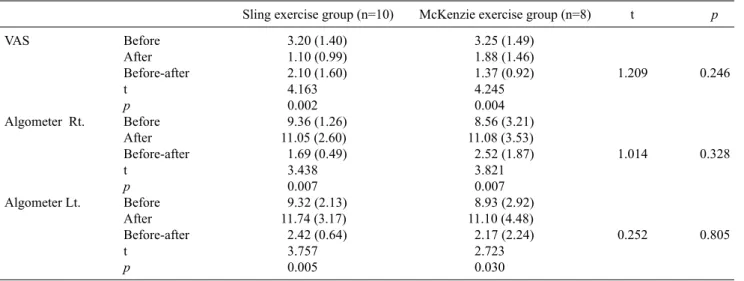
Table 4. Change of pain before and after sling and McKenzie exercise program
Sling exercise group (n=10) McKenzie exercise group (n=8) t p
VAS Before 3.20 (1.40) 3.25 (1.49)
After 1.10 (0.99) 1.88 (1.46)
Before-after 2.10 (1.60) 1.37 (0.92) 1.209 0.246
t 4.163 4.245
p 0.002 0.004
Algometer Rt. Before 9.36 (1.26) 8.56 (3.21)
After 11.05 (2.60) 11.08 (3.53)
Before-after 1.69 (0.49) 2.52 (1.87) 1.014 0.328
t 3.438 3.821
p 0.007 0.007
Algometer Lt. Before 9.32 (2.13) 8.93 (2.92)
After 11.74 (3.17) 11.10 (4.48)
Before-after 2.42 (0.64) 2.17 (2.24) 0.252 0.805
t 3.757 2.723
p 0.005 0.030
Values are presented as mean (SD).
VAS: Visual Analogue Scale.
Table 3. Change in neck disability index (NDI) before and after sling and McKenzie exercise program
Sling exercise group (n=10) McKenzie exercise group (n=8) t p
NDI Before 7.20 (2.04) 7.25 (1.28)
After 4.20 (1.40) 5.25 (2.25)
Before-after 3.00 (2.67) 2.00 (2.62) -0.799 0.437
t 3.558 2.160
p 0.006 0.068
Values are presented as mean (SD).
exercise group before exercise was 7.20, which was reduced to 4.20 after the sling exercise program (p<0.05). In the McKenzie exercise group, who performed the McKenzie exercise program, the NDI was reduced from 7.25 to 5.25.
No significant difference was observed between the two groups.
Change of pain before and after sling, McKenzie ex- ercise program
Table 4 lists the pain difference between before and after the sling and McKenzie exercise program. The sling ex- ercise group showed a significant decrease in the VAS from 3.20 before exercise to 1.10 after exercise. In contrast, the McKenzie exercise group showed a significant difference in the VAS from 3.25 before exercise to 1.88 after exercise.
Overall, the sling exercise group showed a 0.73 greater re- duction than the McKenzie exercise group but the difference was not significant. The right side the algometer of the sling exercise and McKenzie exercise group increased from 10.36 to 11.05, and 9.32 to 11.74, respectively (p<0.05). The right
and left side algometer of the McKenzie exercise group in- creased from 8.56 to 11.08 and 8.93 to 11.10, respectively.
Overall, there was no significant difference between the sling exercise and McKenzie exercise group.
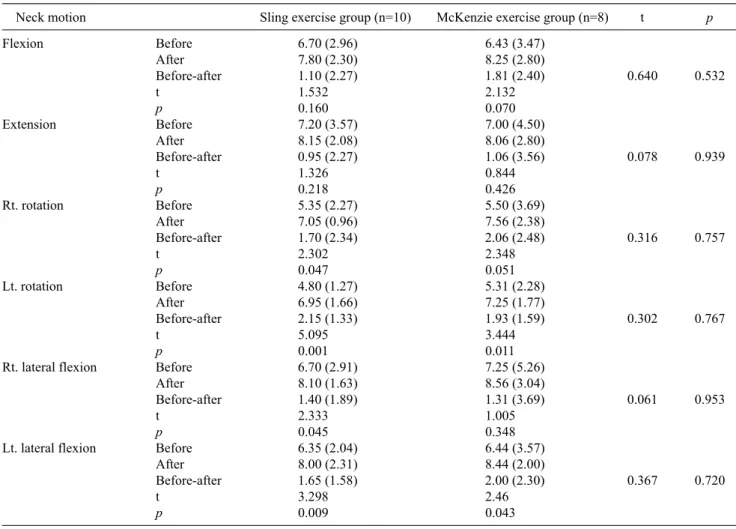
Change in muscle strength before and after the sling and McKenzie exercise program
Table 5 shows the difference in muscle strength of the sling exercise and McKenzie exercise group before and after the sling, McKenzie exercise program. The MMT Flexion and MMT Extension of the sling exercise group increased from 6.70 to 7.80 and 7.20 to 8.15, respectively, but the in- crease was not statistically significant. The MMT right (Rt.) and left (Lt.) rotation increased significantly from 5.35 to 7.05 and 4.80 to 6.95, respectively (p<0.05). The MMT Rt.
and Lt. lateral flexion increased significantly from 6.70 to 8.10 and 6.35 to 8.00, respectively (p<0.05). The MMT flexion and extension of the McKenzie exercise group in- creased from 6.43 to 8.25 and 7.00 to 8.06, respectively, but the difference was not statistically significant. The MMT Rt.
Table 5. Change of muscle strength before and after the sling and McKenzie exercise program
Neck motion Sling exercise group (n=10) McKenzie exercise group (n=8) t p
Flexion Before 6.70 (2.96) 6.43 (3.47)
After 7.80 (2.30) 8.25 (2.80)
Before-after 1.10 (2.27) 1.81 (2.40) 0.640 0.532
t 1.532 2.132
p 0.160 0.070
Extension Before 7.20 (3.57) 7.00 (4.50)
After 8.15 (2.08) 8.06 (2.80)
Before-after 0.95 (2.27) 1.06 (3.56) 0.078 0.939
t 1.326 0.844
p 0.218 0.426
Rt. rotation Before 5.35 (2.27) 5.50 (3.69)
After 7.05 (0.96) 7.56 (2.38)
Before-after 1.70 (2.34) 2.06 (2.48) 0.316 0.757
t 2.302 2.348
p 0.047 0.051
Lt. rotation Before 4.80 (1.27) 5.31 (2.28)
After 6.95 (1.66) 7.25 (1.77)
Before-after 2.15 (1.33) 1.93 (1.59) 0.302 0.767
t 5.095 3.444
p 0.001 0.011
Rt. lateral flexion Before 6.70 (2.91) 7.25 (5.26)
After 8.10 (1.63) 8.56 (3.04)
Before-after 1.40 (1.89) 1.31 (3.69) 0.061 0.953
t 2.333 1.005
p 0.045 0.348
Lt. lateral flexion Before 6.35 (2.04) 6.44 (3.57)
After 8.00 (2.31) 8.44 (2.00)
Before-after 1.65 (1.58) 2.00 (2.30) 0.367 0.720
t 3.298 2.46
p 0.009 0.043
Values are presented as mean (SD).
Lt: left, Rt: right.
and Lt. rotation increased significantly from 7.00 to 8.06 and 5.31 to 7.25, respectively (p<0.05). The MMT Rt. and Lt.
lateral flexion increased significantly from 7.25 to 8.56 and 6.44 to 8.44, respectively (p<0.05). Overall, there was no significant difference between the sling exercise and McKenzie exercise group.
Change in the ROM before and after sling, McKenzie exercise program
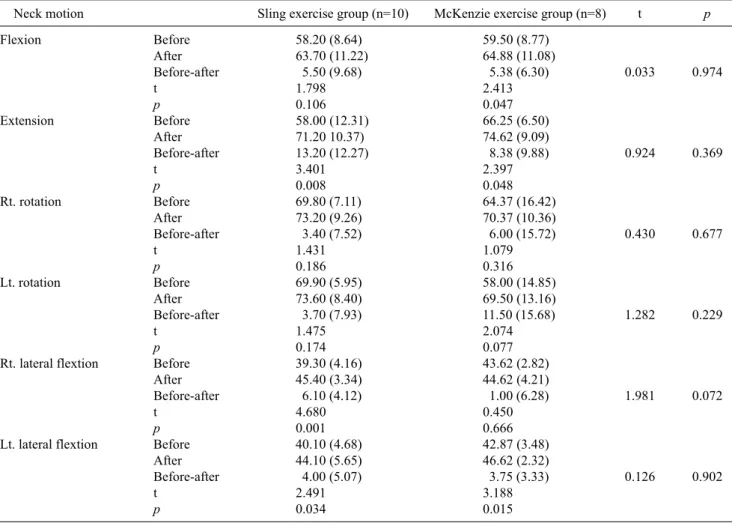
Table 6 shows the difference in the joint range of motion before and after the sling and McKenzie exercise program.
The ROM Flexion and Extension of the sling exercise group increased significantly from 58.20o to 63.70o and 58.00o to 71.20o, respectively. The ROM Rt. and Lt. rotation in- creased significantly from 69.80o to 73.20o and 69.90o to 73.60o total of 3.70o. The ROM Rt. and Lt. lateral flexion in- creased significantly from 39.3o to 45.4o and 40.10o to
44.10o, respectively. Nevertheless, there was no signifi- cance difference between the sling exercise and McKenzie exercise group.
Discussion
The neck pain caused by an unstable posture of the body can result in deformity and pain in the cervical spine and soft tissues of the cervix and other parts of the body [16]. Some studies were based on the deep flexion muscles of the cer- vical portion having a larger effect on pain than the super- ficial muscles of the cervical vertebral portion [17]. This study focused on the effects of isometric exercises and stretching on retraining the deep muscles. To accomplish this, the subjects were divided into two groups; sling ex- ercise group and McKenzie exercise group, which per- formed the exercise program for 4 weeks. The following pa-
Table 6. Change in the range of motion (ROM) before and after sling and McKenzie exercise program
Neck motion Sling exercise group (n=10) McKenzie exercise group (n=8) t p
Flexion Before 58.20 (8.64) 59.50 (8.77)
After 63.70 (11.22) 64.88 (11.08)
Before-after 5.50 (9.68) 5.38 (6.30) 0.033 0.974
t 1.798 2.413
p 0.106 0.047
Extension Before 58.00 (12.31) 66.25 (6.50)
After 71.20 10.37) 74.62 (9.09)
Before-after 13.20 (12.27) 8.38 (9.88) 0.924 0.369
t 3.401 2.397
p 0.008 0.048
Rt. rotation Before 69.80 (7.11) 64.37 (16.42)
After 73.20 (9.26) 70.37 (10.36)
Before-after 3.40 (7.52) 6.00 (15.72) 0.430 0.677
t 1.431 1.079
p 0.186 0.316
Lt. rotation Before 69.90 (5.95) 58.00 (14.85)
After 73.60 (8.40) 69.50 (13.16)
Before-after 3.70 (7.93) 11.50 (15.68) 1.282 0.229
t 1.475 2.074
p 0.174 0.077
Rt. lateral flextion Before 39.30 (4.16) 43.62 (2.82)
After 45.40 (3.34) 44.62 (4.21)
Before-after 6.10 (4.12) 1.00 (6.28) 1.981 0.072
t 4.680 0.450
p 0.001 0.666
Lt. lateral flextion Before 40.10 (4.68) 42.87 (3.48)
After 44.10 (5.65) 46.62 (2.32)
Before-after 4.00 (5.07) 3.75 (3.33) 0.126 0.902
t 2.491 3.188
p 0.034 0.015
Values are presented as mean (SD).
Lt: left, Rt: right.
rameters were measured: VAS, electronic algometer, muscle strength test system, threshold of pressure and pain and the NDI, the difference in cervical pain, the improvement of the ROM, and improvement of the muscle strength before and after training. The sling exercises group showed a sig- nificant decrease in the disability index from 7.20 to 4.20, whereas the McKenzie exercise group showed a non-sig- nificant decrease from 7.25 to 5.25. The sling and McKenzie exercise groups showed a significant decrease in the average VAS from 3.20 to 1.10 and 3.25 to 1.88, respectively
The right pressure pain threshold average value of the sling and McKenzie exercise group increased significantly from 9.36 to 11.05 and 8.56 to 11.08, respectively, the aver- age left pressure pain threshold increased significantly from 9.32 to 11.74 and from 8.93 to 11.10, respectively. The mean muscle strength of the sling exercise group and McKenzie exercise group increased, albeit non-significantly. Passive
intervention that increases the muscle activity can facilitate a lengthening of the muscle fibers, delay the muscle ex- portation and suppress the muscle activity of the patho- logical condition, which is effective in improving the cer- vical pain. Nevertheless, this does not ensure a long term therapeutic effect because of the short experimental period (4 weeks). Moreover, it was difficult to show a significant difference in generalizing the result due to the lack of sub- jects, the short term exercise program and the weak pain lev- el of the subjects.
This study examined subjects who had a mild neck dis- ability scoring 5-14 from the total of the 50 using the NDI.
The sling exercise and McKenzie exercise was performed, and the following parameters were assessed: VAS, level of cervical pain, neck pain level using an algometer head and neck ROM using an electronic goniometer and muscle strength of the deep muscle using electronic manual muscle.
The results are as follows. The NDI, VAS and algometer re- vealed significant increases after training in the sling ex- ercise group (p<0.05) but the increases in the McKenzie exercise group was not significant. Second, the ROM, ex- tension and lateral flexion increased significantly in the sling exercise group (p<0.05), whereas the change in flex- ion and rotation was not significant. In McKenzie exercise group, flexion, extension and Lt. lateral flexion increased significantly (p<0.05) but there was no significant change in rotation and Rt. lateral flexion. Third, the MMT, rotation and lateral flexion of the sling exercise group increased sig- nificantly (p<0.05) but there was no significant change in Flexion and Extension. In the McKenzie exercise group, the Lt. rotation and Lt. lateral flexion increased significantly (p
<0.05), whereas there were no significant changes in flex- ion, extension, Rt. rotation and Rt. lateral flexion. Fourth, both sling exercise and McKenzie exercise helped reduce the level of pain, increase the ROM and muscle strength, but there was no significant difference between two groups.
Therefore, both sling exercise and McKenzie exercise can be therapeutic methods for cervical pain. Nevertheless, more study comparing a sling exercise program with a McKenzie exercise program will be needed.
References
1. Falla D. Unravelling the complexity of muscle impairment in chronic neck pain. Man Ther 2004;9:125-33.
2. Scientific approach to the assessment and management of activ- ity-related spinal disorders. A monograph for clinicians. Report of the Quebec Task Force on Spinal Disorders. Spine (Phila Pa 1976) 1987;12(7 Suppl):S1-59.
3. Janda V. Muscles and cervicogenic pain syndromes. In: Grant R.
Physical therapy of the cervical and thoracic spine, New York:
Churchill Livingstone; 1988.
4. Viljanen M, Malmivaara A, Uitti J, Rinne M, Palmroos P, Laippala P. Effectiveness of dynamic muscle training, relaxation training, or ordinary activity for chronic neck pain: randomised controlled trial. BMJ 2003;327:475.
5. Bronfort G, Assendelft WJ, Evans R, Haas M, Bouter L. Efficacy of spinal manipulation for chronic headache: a systematic review. J Manipulative Physiol Ther 2001;24:457-66.
6. Bae SS, Ko HS, Kwon MJ, Kim SY, Kim SJ, Kim YN, et al.
Orthopedic physical therapy. Seoul: Daihaks Publishing Com- pany; 1999.
7. Côté P, Cassidy JD, Carroll L. The Saskatchewan Health and Back Pain Survey. The prevalence of neck pain and related dis- ability in Saskatchewan adults. Spine (Phila Pa 1976) 1998;23:
1689-98.
8. Evans R, Bronfort G, Nelson B, Goldsmith CH. Two-year fol- low-up of a randomized clinical trial of spinal manipulation and two types of exercise for patients with chronic neck pain. Spine (Phila Pa 1976) 2002;27:2383-9.
9. Jung JW. Evaluation and treatment by orthopedic physical ther- apy for the cervical spine. J Korean Acad Orthop Manual Phys Ther 1995;1:17-35.
10. Bovim G, Schrader H, Sand T. Neck pain in the general population. Spine (Phila Pa 1976) 1994;19:1307-9.
11. Fairbank JC, Pynsent PB. The oswestry disability index. Spine (Phila Pa 1976) 2000;25:2940-52.
12. Fischer AA. Pressure threshold meter: its use for quantification of tender spots. Arch Phys Med Rehabil 1986;67:836-8.
13. Kim SY, Kim TY. Theoretical basis and application of the neurac technique which uses the sling exercise therapy. J Korean Acad Orthop Manual Phys Ther 2006;12:52-65.
14. Kwon JH, Cho MJ, Park MC, Kim SY. Cervical stabilization ex- ercise using the Sling system. J Korean Acad Orthop Manual Phys Ther 2002;8:57-71.
15. Robin Mckenzie. Treatment and pain of neck. Hyunmoon; 1992.
16. McKenzie RA. Treat your own neck. Lower Hutt New Zealand:
Spinal Publications; 1983.
17. Boyd-Clark LC, Briggs CA, Galea MP. Muscle spindle dis- tribution, morphology, and density in longus colli and multifidus muscles of the cervical spine. Spine (Phila Pa 1976) 2002;27:
694-701.