서 론
파킨슨병은 진전(tremor), 경직(rigidity), 서동(bradykinesia), 자세불안정(postural instability), 보행 장애(gait disturbance) 등 을 주 증상으로 하는 대표적인 진행성의 퇴행성 신경계 질환이다1,2). 파킨슨병 환자는 대부분 60대에 이르러 임상증상이 나타나기 시작한다. 국외의 경우 전체 인구에서의 유병률은 약 0.3%이지만, 나이가 많을수록 유병률이 증가하여 60세 이상에서 1%, 80세 이상 에서는 4%까지 증가하는 것으로 보고되었다3). 국내의 연구의 경우 파킨슨병 환자의 국내 유병률은 꾸준히 증가하여 2002년 32,235명 에서 2008년 68,894명으로 약 2.13배 증가하였다4).
현재 파킨슨병의 치료는 Levodopa 복용이 일반적이나, 병세 가 진행된 파킨슨 병 들에게서는 치료의 한계를 보이고, 장기간 투 여 시 레보도파 치료와 연관된 부작용이 흔하게 나타난다. 또한 운 동 완서와 강직에는 효과적이지만 진전에 대해서는 별로 효과가 없
어, 최근에는 amantadine이나 monoamine oxidase B inhibitor (MAO-B억제제), 항콜린제 및 catechol-O-methyltransferase inhibitor(COMT 억제제) 등의 진전 및 이상 운동 등의 보조 치료 제를 함께 쓰고 있다. 파킨슨병의 여러 외과적 치료법도 시도되어 왔으나 수술에 따른 부작용의 위험성뿐만 아니라 질병의 진행을 막 거나 약물치료의 필요성을 대체하지는 못한다5). 따라서 이와 같은 한계를 극복하기 위해서 부작용이 적고 인체에 비침습적이면서도 치료효과가 높은 치료법의 개발이 시급하다6).
한의학적으로는 파킨슨병을 역대 문헌에서 震顫, 痓, 痙, 瘈瘲, 攣, 中風 등의 용어로 서술하였다. 고대문헌에서는 <<內經>>7)에서
“諸風掉眩, 皆屬於肝……. 諸暴強直 皆屬於風”이라 하여 진전, 강 직 및 기타 파킨슨병의 증상에 대한 병리 및 생리를 최초로 언급하 였고, 이후 후대 문헌에서 이를 근거로 하여 기술하였다.
중국의 중의학 서적 및 잡지 등의 현대문헌에서는 風, 火, 痰, 瘀 및 心肝腎의 虛證의 병리를 바탕으로 肝腎陰虛, 氣血兩虛, 痰
파킨슨병의 한약 치료에 대한 최신 임상연구 동향 고찰 - 2010년부터 2014년까지 중국 논문을 중심으로 -
임수연1·김하리1·최용선1·이 인1,2*
1 : 부산대학교 한의학전문대학원, 2 : 부산대학교한방병원 한방내과
Review of Current Clinical Studies for Herbal Medicine of Parkinson’s Disease in Traditional Chinese Medicine
Su Yeon Lim
1, Ha Ri Kim
1, Yong Sun Choi
1, In Lee
1,2*
1 : Pusan National University School of Korean Medicine,
2 : Department of Internal Medicine, Pusan National University Korean Medicine Hospital
The objective of this study was to review the current clinical studies about the effect of herbal medicine for Parkinson’s disease in China over the last 5 years and then to suggest the foundation for treatment and further studies. We had searched for studies in China National Knowledge Infrastructure(CNKI, http://www.cnki.net) and PubMed from January 2010 to December 2014. Key words were the various combinations of ‘帕金森’, ‘湯’, ‘丸’, ‘散’, ‘中 醫藥’, 'Parkinson's disease', and 'herbal medicine'. Total 53 clinical studies were selected and analyzed. The most frequently used diagnostic criteria of Parkinson’s disease was the Unified Parkinson’s Disease Rating Scale(UPDRS).
The most frequently used medical herb was
Paeoniae Radix alba
(白芍藥) more 30 times and the highest amount wasAstragali radix
(黃芪) 100g per day. The most frequent syndrome differentiation was liver kidney yin deficiency(肝腎陰 虛). We found out there are many clinical studies of herbal medicine for Parkinson’s disease in China. These studies would be able to provide the basis of clinical research on Parkinson's disease, and also applied to the treatment of Parkinson’s disease in Korea.keywords : Parkinson’s disease, Herbal medicine, CNKI, Pubmed, Clinical study
* Corresponding author
In Lee, School of Korean Medicine, Pusan National University, 49, Busandaehak-ro, Mulgeum-eup, Yangsan-si, Gyeongsangnam-do, Korea
·E-mail : [email protected] ·Tel : +82-55-360-5960
·Received : 2016/03/14 ·Revised : 2016/08/19 ·Accepted : 2016/08/24
ⓒ The Society of Pathology in Korean Medicine, The Physiological Society of Korean Medicine pISSN 1738-7698 eISSN 2288-2529 http://dx.doi.org/10.15188/kjopp.2016.10.30.5.327 Available online at http://www.hantopic.com/kjopp/KJOPP.htm
熱內阻, 氣滯血瘀 등으로 변증치료 및 침구치료에 관한 연구가 이 루어지고 있다8).
최근 한국과 중국을 중심으로 파킨슨병 치료에 대한 한의학적 접근이 다양하게 이루어지고 있다. 국내에서는 파킨슨병의 침치료 효과에 대한 임상연구9), 뜸치료 효과에 대한 임상연구10) 등이 있었 다. 또한 이 등9,10)은 파킨슨병의 두침치료 및 침치료 효과에 대한 무작위 대조군실험의 체계적 고찰을, 김 등11,12)은 중국에서의 파킨 슨병 두침치료 및 침치료 임상연구 동향을 국내학술지에 보고한 바 있다. 하지만 연구범위가 주로 침치료에 국한되어있으며 최근 들어 중국내에서도 다양한 한약치료 효과에 대한 임상연구가 이루어졌으 나 이에 대한 고찰이나 분석이 없었다. Zhang G.13)가 2015년에 발표한 논문에서는 중국내 한약치료가 파킨슨병에 효과가 있다는 것을 systematic review를 통해 보여주고 있다. 하지만 개별 처방 에 대한 자세한 분석 및 한의학적 진단에 대한 내용은 기술되어 있 지 않아 어떠한 약물이 파킨슨에 주로 쓰이고 있는지 등에 대한 구 체적인 정보를 파악하기에는 다소 한계가 있다. 이에 저자는 중국 내 파킨슨병 한약 치료에 대한 구체적인 처방 내용 분석을 통해 국 내 파킨슨병의 한의학적 치료법 개발의 바탕 및 근거를 마련하고자 2010년부터 2014년까지 최근 5년 동안 중국의 임상연구를 바탕으 로 파킨슨병의 한약 치료에 관한 중의 임상 동향에 대해 문헌 고찰 을 하였다.
연구대상 및 방법
1. 논문의 검색
파킨슨병에 대한 중국 내 최근 연구 동향을 살펴보고자 2010 년 1월부터 2014년 12월 사이에 발표된 중의논문을 Pubmed와 中 國知識基礎設施工程(CNKI, http://www.cnki.net) Data base 시 스템을 통해 파킨슨병 관련 논문을 검색하였다. Pubmed에서 검색 시 키워드는 ‘Parkinson's disease and traditional herb medicine or chinese medicine or herb medicine'으로 하였고 CNKI에서 검색시 검색범위는 ‘Traditional Chinese Clinical Medicine’, ‘Traditional Chinese Internal Medicine’,
‘Traditional Chinese Neurology and Psychiatry’ ‘Traditional Chinese Medicine’, ‘Chinese Traditional Medicine’로 설정하였 고 한자어 ‘帕金森’과 ‘湯’, ‘丸’, ‘散’, ‘中醫藥’ 또는 영어
‘Parkinson's disease and traditional herb medicine or chinese medicine or herb medicine’의 검색어를 조합하여 검색 하였다. 논문의 검색은 2015년 11월에 시행하였다.
2. 논문의 선별
논문의 선정기준은 파킨슨병 환자를 대상으로 한 연구이며, 복 합치료를 한 경우 주치료법이 한약인 경우로 하였다. 검색된 논문
에서 사람을 대상으로 하는 비무작위배정 대조군 연구
(nonrandomized controlled trial, NRCT)와 무작위배정 대조군 연구(randomized controlled trial, RCT)를 찾고자 하였으며 동물 대상연구, 파킨슨병이 주 진단이 아닌 경우, 한약치료가 주치료 방 법이 아닌 경우, 증례 논문, 문헌고찰 등 비임상 연구논문, 파킨슨
병과 관련이 없는 논문은 제외하였다. 본 연구의 선정 기준을 바탕 으로 1단계로 제목과 초록을 검토한 뒤 문헌을 선별하였고 2단계 로 본문을 조사하여 연구방법을 확인한 다음 재차 선별하였다. 위 의 방법에 따라 최종적으로 총 3명의 연구자가 의견 합의를 이룬 논문을 선정하였다.
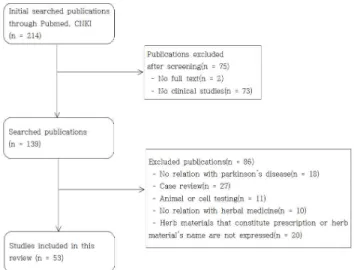
Fig. 1. Flow chart of selection process in searched studies.
결 과
1. 대상연구의 선정
검색어를 이용한 1차 검색을 통하여 중복된 논문을 제외하고 총 214편을 검색하였으며, 제외기준에 해당하는 논문을 제외하여 총 53편의 논문을 연구대상으로 선정하였다. 각각의 논문을 정리한 후 평가척도, 다용 약물 빈도, 복용 용량, 변증별 사용 처방, 증상 별 사용 처방에 따른 분류 등으로 나누어 분석하였다. 중의논문의 간자체는 번자체로 일괄 변경했고 처방명은 논문에 실린 그대로 표 기했다. 약물명은 한국한의학연구원의 한약기원사전을 기준으로 하 였다.
2. 파킨슨병 한약치료 중국 연구동향
2010년부터 2014년까지 중국내에서 파킨슨병과 관련된 임상연 구논문은 총 80편이 발행되었다. 형식에 따른 논문편수를 살펴보면 case report, case series, non-randomized controlled trial, Randomized controlled trial이 각각 19편, 8편, 10편, 43편이었 다(Table 1).
Table 1. Number of clinical studies of herb medicine for parkinson’s disease in China.
Year of
publication Case report Case series NRCT RCT Total
2010 3 2 8 13
2011 3 1 1 4 9
2012 5 1 2 8 16
2013 6 4 4 10 24
2014 2 3 13 18
Total 19 8 10 43 80
NRCT: Non-randomized controlled trial, RCT: Randomized controlled trial
Table 2. Non Randomized Controlled Trails about herb medicine for Parkinson’s Disease in China
Author
Year Study
type
Syndrome differentiation
Treatment group A
Control group B
Frequency of treatment
Period of treatment
Evaluation of treatment and result
Side effect 王汝鐸
14)2011 NRCT N/A
n=30 清心化痰湯 +Madopar
n=30
Madopar 3/day 4months
E.R(symptoms) : A 93.3%, B 71%
Webster score : significant improvement in A compared to B
N/A
李文濤
15)2012 NRCT 氣血虧虛, 肝腎陰虛
n=42 加味止顫湯 +Madopar
n=36
Madopar 2/day 3months UDPRS : significant decrease in A compared to B N/A
咼登俊
16)2012 NRCT 氣血虧虛
n=50 人參歸脾湯 +Madopar
n=48
Madopar 2/day 6months NMS score : significant decrease in A compared
to B N/A
陳小兵
17)2013 NRCT N/A
n=60 天麻鉤藤飲 合 鎮肝熄風湯
+Madopar
n=60
Madopar 1/day 6months
Webster, UPDRS score : significant decrease in A Webster score : A 96.88%, B 49.56%
UPDRS 2,3 score : A 82.13%, B 7.8%
N/A
文曉東
18)2013 NRCT N/A
n=30 帕病2號方 +Madopar
n=30
Madopar 1/day 3months
PDQ-39(emotion, sense of disgrace, cognition and psychophysiologic disorders) : significant decrease
in A
PDSS : significant increase in A
N/A
咼登俊
19)2013 NRCT 氣血虧虛型
n=55 人參歸脾湯 +Madopar
n=54
Madopar 2/day 1months
E.R(symptoms) : A 60%, B 37.04%
PDQ39, HAMD, PFS : significant improvement in A compared to B
N/A
黃志蘭
20)2013 NRCT 肝腎陰虛 n=30
中藥
n=30 maintaining the
basic western treatment
2/day, 1course
=4weeks
1courses
E.R(symptoms) : A 73.35%, B 0%
TCM syndrome : significant decrease in A compared to B
N/A
葉青
21)2014 NRCT N/A
n=50 滋腎平顫湯 +5-serotonin(5-HT)
selective inhibitor fluoxetine
n=47 5-serotonin(5-HT) selective inhibitor
fluoxetine
1/day 3months
UPDRS 2, 3 score : significant decrease in A compared to B
PDSS : A 80%, B 53.2%
HAMD score : no significant differences between the groups
TESS score : significant decrease in A compared to B
N/A
張秀敏
22)2014 NRCT 脾腎陽虛, 血痕動風
n=36, 溫陽逐痕定帕湯 +Madopar
n=32 Madopar
1/day, 1course
=28days
2courses Webster score : A 86.11%, B 59.38%. significant differences between the groups N/A
陳敏
23)2014 NRCT N/A n=40, 補中益氣湯加味 n=40,
phenolphthalein 1/day 4months
E.R : A 85%, B 80%. no significant differences between the groups
Long-term efficacy : A 67.5%, B 47.5%. significant differences between the groups
N/A
N/A: Not Applicable, E.R: Effective Rate, UDPRS: The Unified Parkinson’s Disease Rating Scale, NMS: Non-Motor Symptoms, PDQ39: Parkinson’s Disease Questionnaire, PDSS: Parkinson’s Disease Sleep Scale, HAMD: Hamimlton Depression Scale, PFS: Parkinson Fatigue Scale, TCM syndrome: Traditional Chinese Medicine syndrome, TESS score: The Toronto Extremity Salvage Score
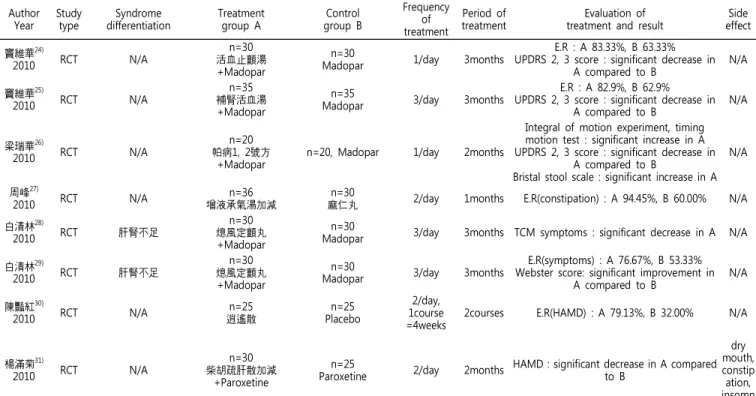
Table 3. RCT about herb medicine for Parkinson’s Disease in China
Author
Year Study
type
Syndrome differentiation
Treatment group A
Control group B
Frequency of treatment
Period of treatment
Evaluation of treatment and result
Side effect
竇維華
24)2010 RCT N/A
n=30 活血止顫湯 +Madopar
n=30
Madopar 1/day 3months
E.R : A 83.33%, B 63.33%
UPDRS 2, 3 score : significant decrease in A compared to B
N/A
竇維華
25)2010 RCT N/A
n=35 補腎活血湯 +Madopar
n=35
Madopar 3/day 3months
E.R : A 82.9%, B 62.9%
UPDRS 2, 3 score : significant decrease in A compared to B
N/A
梁瑞華
26)2010 RCT N/A
n=20 帕病1, 2號方
+Madopar
n=20, Madopar 1/day 2months
Integral of motion experiment, timing motion test : significant increase in A UPDRS 2, 3 score : significant decrease in
A compared to B
Bristal stool scale : significant increase in A N/A
周峰
27)2010 RCT N/A n=36
增液承氣湯加減
n=30
麻仁丸 2/day 1months E.R(constipation) : A 94.45%, B 60.00% N/A 白清林
28)2010 RCT 肝腎不足
n=30 熄風定顫丸 +Madopar
n=30
Madopar 3/day 3months TCM symptoms : significant decrease in A N/A
白清林
29)2010 RCT 肝腎不足
n=30 熄風定顫丸 +Madopar
n=30
Madopar 3/day 3months
E.R(symptoms) : A 76.67%, B 53.33%
Webster score: significant improvement in A compared to B
N/A
陳豔紅
30)2010 RCT N/A n=25
逍遙散
n=25 Placebo
2/day, 1course
=4weeks
2courses E.R(HAMD) : A 79.13%, B 32.00% N/A
楊滿菊
31)2010 RCT N/A
n=30 柴胡疏肝散加減
+Paroxetine
n=25
Paroxetine 2/day 2months HAMD : significant decrease in A compared to B
dry mouth, constip
ation,
insomn
ia, nausea 趙建高
32)2011 RCT 肝腎陰虛
n=23 定顫湯 +Madopar
n=23
Madopar 3/day 3months
NMS score : significant decrease in A compared to B
E.R(symptoms) : A 65.21%, B 30.43%
N/A
餘成林
33)2011 RCT 腎精虧虛
風寒襲絡
n=28 溫腎祛風散寒湯
+Madopar
n=25
Madopar 2/day 3months
E.R(symptoms) : A 75%, B 56%
Webster score : significant decrease in A compared to B
N/A
劉贇
34)2011 RCT 1. 陰血虧虛, 筋失濡養 2. 陰血虧虛, 肝風內動
n=33 烏梅丸 +Madopar
n=33
Madopar 2-4/day 3months
E.R(symptoms) : A 85%, B 54.5%
UPDRS : significant decrease in A compared to B
N/A
胡茸
35)2011 RCT N/A
n=24 芍藥甘草湯加減
+Madopar
n=24
Madopar 1/day 2months
Symptoms : significant improvement in A compared to B,
reducing complication
N/A
陳陽
36)2012 RCT 氣滯血瘀
n=25 血府逐瘀湯 +Madopar
n=20
Madopar 2/day 2months NMS score : significant decrease in A
compared to B N/A
於振章
37)2012 RCT N/A
n=34 鎮肝熄風湯 +Madopar
n=34
Madopar 2/day 2months UPDRS 1, 2, 3 score : significant decrease in A compared to B N/A
楊慶堂
38)2012 RCT N/A
n=34 芍藥甘草湯 +Madopar
n=34
Madopar 3/day 3months
E.R(symptoms) : A 85.2%, B 70.6%
UPDRS(motor symptoms) : significant improvement in A compared to B
N/A
劉英飛
39)2012 RCT 陽虛寒凝
n=12 麻附辛湯加味
+Madopar
n=12
Madopar 1/day 3months UDPRS, PDQ34 : significant decrease in A
compared to B N/A
咼登俊
40)2012 RCT 氣血虧虛
n=50 人參歸脾湯 +Madopar
n=48
Madopar 2/day 1months
E.R(symptoms) : A 60%, B 33.3%
PDQ39, ESS, PDSS : significant decrease in A compared to B
N/A
賈玉勤
41)2012 RCT 痰瘀風動 n=35
熄風止顫丸
n=35
Madopar 2/day 3months UPDRS 2, 3 score : significant improvement in A
nausea, vomit, abdom inal pain 任雯雯
42)2012 RCT 腎虛血瘀 n=30
補腎活血媳風方
n=30
Madopar 2/day 2months UDPRS score : significant decrease in A
compared to B N/A
李敏
43)2012 RCT N/A
n=55 補腎活血顆粒
+Madopar
n=51 Placebo +Madopar
2/day.
1course
=3months
3courses UPDRS 2, PDQ39, PDSS scores : significant improvement in A compared to B N/A
張東
44)2013 RCT N/A
n=30 熄風止震湯 +Madopar
n=30
Madopar 1/day 3months E.R : A 86.67%, B 73.33% N/A
安暢
45)2013 RCT N/A
n=30 自擬補腎活血湯
+Madopar
n=30, Madopar 1/day 3months
UPDRS score : significant differences between the groups E.R : A 90%, B 60%
N/A
張鑫
46)2013 RCT N/A
n=45 補腎活血方 +maintaining the
basic western treatment
n=43 maintaining the basic
western treatment
1/day 3months
UPDRS score : significant decrease in A, B TCM Scale score of PD : significant decrease in A compared to B(E.P 88.9%) level of DA and 5-HT : significant increase
in A compared to B
N/A
趙太啟
47)2013 RCT N/A
n=22 固本熄風湯 +Madopar
n=20 Madopar 1/day 3months
E.R : A 86.36%, B 25%
Safety index, Autonomic nerve disorder symptoms of Parkinson's disease questionnaire, Hoehn-Yahr : significant
differences between the groups
N/A
張衛國
48)2013 RCT 肝腎陰虛
n=23 熄風通絡湯 +Madopar
n=23
Madopar 2/day 3months
E.R(symptoms) : A 78.3%, B 56.5%
Webster score : significant improvement in A compared to B
N/A
鄭春葉
49)2013 RCT 陰血虧虛
n=33 烏梅丸 +Madopar
n=33
Madopar 2-4/day 3months UDPRS 2, 3 score : significant increase in A
compared to B N/A
張春梅
50)2013 RCT N/A
n=30 補陽還五湯 +Madopar
n=30
Madopar 1/day 3months
E.R(symptoms) : A 87.5%, B 77.5%
UPDRS score, SF-36 point : significant improvement in A
nausea
劉霞
51)2013 RCT N/A
n=25 逍遙散 +Madopar
n=25 Madopar
2/day, 1course
=4weeks
2courses E.R(HAMD) : A 79.16%, B 32.00% blurred vision
仲誠
52)2013 RCT N/A
n=60 補腎活血通絡膠囊
+Madopar
n=60
Madopar 2/day 3months
UDDRS : significant decrease in A compared to B
Evaluation of quality of life: significant increase in A compared to B
N/A
李敏
53)2013 RCT N/A
n=46 補腎活血中藥
+Madopar
n=44 Madopar
2/day 1course
=3months
3courses
5-HT, NE, DA levels : significant increase in A compared to B
HAMD scale : significant decrease in A N/A
LIN
54)Shan-hua RCT 肝腎陰虛 n=30
龜鹿地黃湯
n=30
maintaining the basic 1/day 3months 肝腎陰虛 symptom score : significant
decrease in A, significant increase in B N/A
3. 임상연구(비무작위 대조군 연구 및 무작위 대조군 연구) 분석 비무작위배정 대조군 연구 10편, 무작위배정 대조군 연구 43 편, 총 53편에 대한 치료군과 대조군의 치료방법, 치료간격, 치료 기간, 평가방법 및 결과에 대한 요약은 Table 2, 3과 같다(Table 2, 3).
1) 치료군과 대조군의 연구대상수 및 치료방법
연구대상수는 24례부터 120례까지 다양하였다. 총 53편의 연 구 중 치료군에 한약과 양약을 병용투여한 연구는 46편이었으며 치료군에 한약만 단독으로 투여한 경우는 7편이었다. 대조군을 설 정한 연구 중 대조군에 가장 많이 쓰인 약물은 Madopar였으며 38
편의 연구에서 대조군에 Madopar를 단독 복용시켜 치료군과의 효 과를 비교하였다. 한약치료는 하루에 1번이 20번, 2번이 22번이었 으며 3회 이상 복용한 경우가 8편이었다. 투여된 한약의 형태는 탕 제가 41례로 가장 많았으며 환제가 9례, 산제가 3례 있었다. 치료 기간은 4주에서 6개월까지 다양하였으며 평균적으로 3개월 (12weeks)의 치료기간이 가장 일반적이었다(Table 2, 3).
2) 진단기준
연구 대상이 된 논문들에서 사용한 진단기준으로는 The Unified Parkinson’s Disease Rating Scale(UPDRS)를 사용한 논 문이 14편으로 가장 많았다. 그 외에 Parkinson’s Disease Sleep
2014
+maintaining the basic western
treatment
western treatment UPDRS 2, 3 score : significant decrease in A compared to B
CHEN
55)Songsheng
2014
RCT N/A
n=35 補腎活血方 +Madopar
n=35
Madopar 1/day 4months UPDRS score : significant decrease in A
compared to B N/A
周潔
56)2014 RCT N/A
n=30 熟地平顫湯 +maintaining the
basic western treatment
n=30 maintaining the basic
western treatment
1/day 3months
UPDRS 2,3 score : significant decrease in A compared to B
E.P : A 86.6%, significant differences between the groups
N/A
王雅娟
57)2014 RCT 陽虛動風
n=32 溫陽逐痕定帕湯
+Madopar
n=30 Madopar
3/day 1course
=28days
2courses
Webster score : significant decrease in A compared to B
total E.R : significant increase in A compared to B
N/A
李淩龍
58)2014 RCT 肝腎不足
n=31 滋陰柔肝湯 +maintaining the
basic western treatment
n=32 maintaining the basic
western treatment
1/day 2months NMSQest total score : significant decrease
in A N/A
孫琛琛
59)2014 RCT 脾虛證
n=25 參苓白朮散 +Madopar
n=25, Madopar 1/day 2months
UPDRS 3 score, SAS : significant decrease in A, B
PDSS : significant increase in A, B PDG-39 : significant decrease in A, B
N/A
ZHOU Jie
60)2014 RCT 肝腎陰虛型
n=30 熟地平顫湯聯 合 枕
中丹 +Levodopa
n=30,熟地平顫湯
+Levodopa 1/day 3months
E.R : A 83.33%, B 63.33%
NMSS, PDSS, SCOPA-AUT and HAMD : significant differences between the groups UPDRS : no significant differences between
the groups
N/A
袁清潔
61)2014 RCT N/A
n=21 逍遙散 合 杞菊地黃
丸 +maintaining the
basic western treatment
n=21 補肝湯合天麻鉤藤飲
+maintaining the basic western
treatment
N/A 2months
UPDRS 3 score : no significant differences between the groups
HAMD, SDS, PDSS, PDQ-39, HARS, SAS : significant decrease in A compared to B MMSE : no significant differences between
the groups
N/A
董宏利
62)2014 RCT 氣血兩虛 n=30
潤腸丸
n=30 Mosapride
2/day, 1course
=7days
2courses E.R(constipation) : A 93.3% B 73.3% N/A
李淩龍
63)2014 RCT 肝腎不足
n=31 滋陰柔肝湯 +maintaining the
basic western treatment
n=32 maintaining the basic
western treatment
2/day 2months
NMSQuest score, gastrointestinal symptoms, sleep disorder, feeling :
significant improvement in A
N/A
薛萌
64)2014 RCT 腎虛血瘀
n=30 龜羚帕安丸 +Madopar
n=30
Madopar 3/day 3months E.R(symptoms) : A 96.7%, B 83.3% N/A
張麗
65)2014 RCT 血瘀風動
n=30 抗震止痙膠囊 +maintaining the
basic western treatment
n=30 麻仁丸 +maintaining the
basic western treatment
2/day, 1course
=14days
2courses
E.R(constipation) : A 90.0%, B 86.7%
E.R(TCM syndrome) : A 93.3%, B 86.7%
CCS scores, PAC-QOL scale, UPDRS score, NMSQest : significant improvement in A
compared to B
Urinary and bowel dysfun
ction
呂少華
66)2014 RCT 肝腎不足
n=30 帕病1號方, 葛根素 injection
松齡血脈康膠囊 +Madopar
n=30
Madopar 2/day 3months E.R(UPDRS 2) : A 73.3%, B 13.3%
E.R(UPDRS 3) : A 86.7%, B 30% N/A
N/A: Not Applicable, E.R: Effective Rate, UDPRS: The Unified Parkinson’s Disease Rating Scale, PDSS: Parkinson’s Disease Sleep Scale, HAMD: Hamilton Depression Scale, PDQ39: Parkinson’s Disease Questionnaire, ESS: Epstein worth Sleepiness Scale, TCM Scale score of PD: Traditional Chinese Medicine Scale score of Parkinson Disease, level of DA and 5-HT: level of Dopamine and Serotonin, SF-36: 36-item short-form, E.P: Effective Power, NMSQuest: Non-motor Symptoms Questionnaire, SCOPA-AUT:
Scales for Outcomes in Parkinson's disease–Autonomic, SDS: Self-Rating Depression Scale, SAS: Self-Rating Anxiety Scale, MMSE: Mini Mental State Examination, CCS scores: Chronic constipation severity score, PAC-QOL scale: Patients Constipation-Quality of Life Questionnaire
Scale(PDSS)를 사용한 논문이 10편, Parkinson’s Disease Questionnaire(PDQ39)를 사용한 논문이 8편, Webster를 사용한 논문은 7편이었으며, Hamilton Depression Scale(HAMD)와 NMSQest(Non-motor Symptoms Questionnaire)를 사용한 논문 이 4편이었다. 그 외 3회 이하로 사용된 진단기준으로 ESS, TCM Scale score of PD, level of DA and 5-HT, SF-36, E.P, SCOPA-AUT, SDS, SAS, MMSE, CCS scores, PAC-QOL scale 등 총 11가지 기준이 14회 사용되었다(Table 4).
Table 4. Outcome measurement for Parkinson's disease
Rating Scale Frequency in use
UPDRS
(The Unified Parkinson’s Disease Rating Scale) 14
UPDRS 1 1
UPDRS 2 5
UPDRS 3 7
UPDRS 4 1
Parkinson’s Disease Sleep Scale(PDSS) 10 PDQ39(Parkinson’s Disease Questionnaire) 8
Webster 7
Hamimlton Depression Scale(HAMD) 4 NMSQest(Non-motor Symptoms Questionnaire) 4
Other outcome measurement 14
UPDRS 1 : Non-motor experiences of daily living, UPDRS 2 : Motor experiences of daily living, UPDRS 3 : Motor examination, UPDRS 4 : Motor complication
3) 치료결과
대조군을 설정한 53편의 연구의 치료결과를 살펴보면 모든 임 상연구에서 시험군에서 대조군에 비해 유의한 호전을 나타내었다.
시험군의 경우 60%에서 96%까지 높은 치료율을 나타내었다.
4. 사용된 한약물의 분석
파킨슨 병 환자에게 사용된 약재는 총 130종이었으며 가장 많 이 사용된 한약물은 白芍藥으로 30회 이상 사용되었으며 25~29회 사용된 약물로는 當歸가 있다. 20~24회 사용된 약물로는 熟地黃, 甘草, 天麻가 있으며 나머지 약물들은 20회 미만으로 사용되었다 (Table 5). 黃芪는 1일 최대 처방량이 최대 하루 100g까지 나타났 고 30 g인 약물은 黨參, 黃芪, 白芍藥, 牛膝, 生赭石, 熟地黃, 生 地黃, 菜菔子, 酸棗仁, 牡蠣, 芍藥, 何首烏, 膽南星, 鉤藤, 牡蠣, 肉蓯蓉, 龍骨, 珍珠母, 烏梅, 白殭蠶, 葛根 등 이었다(Table 6).
5. 변증별 빈도수와 활용처방
변증이 사용된 연구는 총 40편으로 그 중 가장 많이 사용된 변증은 陰血虧虛로 6편에 언급되었으며 帕病1號, 帕病2號, 烏梅丸 加減이 각 2편에 언급되었다. 肝腎陰虛는 총 5편에 언급되었으며 사용된 처방은 龜鹿地黃湯, 熟地平顫湯聯合枕中丹, 養陰熄風通絡 湯, 加味止顫湯, 定顫湯이며, 그 다음으로 肝腎不足이 언급된 논문 이 5편이었으며, 처방은 滋陰柔肝湯, 熄風定顫丸이 각 2회, 帕病1 號方이 1회 사용되었다. 氣血虧虛는 4편의 논문에서 언급되었으며, 처방은 人參歸脾湯이 3회, 加味止顫湯이 1회 사용되었다. 肝風內 動과 筋失濡養은 각각 3편의 논문에서 언급되었으며, 肝風內動에 서는 帕病2號가 2회, 烏梅丸加減이 1회 사용되었고, 筋失濡養은 帕病1號가 2회, 烏梅丸加減이 1회 사용되었다(Table 7).
Table 5. Frequencies in use of herb medicines
Frequency Herbal name Botanical name
30≤ 白芍藥 Paeoniae Radix alba
25~29 當歸 Angelicae Gigantis Radix
20~24
熟地黃 Rehmanniae Radix Preparata 甘草 Glycyrrhizae Radix et Rhizoma
天麻 Gastrodiae Rhizoma
15~19
白朮 Atractylodis Rhizoma Alba 首烏 Polygoni Multiflori Radix
全蠍 Scorpio
川芎 Cnidii Rhizoma
10~14
丹參 Salviae Miltiorrhizae Radix 鉤藤 Uncariae Ramulus et Uncus
黃芪 Astragali Radix
殭蠶 Batryticatus Bombyx
附子 Aconiti Lateralis Radix Preparata
山茱萸 Corni Fructus
石菖蒲 Acori Graminei Rhizoma
<10 龍骨 and 113 species Fossilia Ossis Mastodi and 113 species
Table 6. Herb medicines taken high dose (more than 30g per day)
Herbal name Botanical name Day dose
黃芪* Astragali radix 100
黨參 Codonopsis pilosula 30
白芍 Paeoniae Radix alba 30
牛膝 Achyranthis Radix 30
生赭石 Haematitum 30
熟地黃 Rehmanniae Radix Preparata 30
生地黃 Rehmanniae Radix 30
酸棗仁 Zizyphi Spinosae Semen 30
牡蠣 Ostreae Testa 30
芍藥 Paeoniae Radix 30
何首烏 Polygoni Multiflori Radix 30
膽南星 Arisaema cum Bile 30
鉤藤 Uncariae Ramulus et Uncus 30
肉蓯蓉 Cistanchis Herba 30
龍骨 Fossilia Ossis Mastodi 30
珍珠母 Margaritifera Concha 30
烏梅 Mume Fructus 30
白殭蠶 Batryticatus Bombyx 30
葛根 Puerariae Radix 30
*黃芪 used 100g per day. Except it, all of herb medicines were taken 30g per day.
Table 7. Syndrome differentiation and used herbal medicine prescriptions
Syndrome Differentiation Frequency Herbal medicine prescriptions
陰血虧虛 6 帕病1號(2), 帕病2號(2), 烏梅丸加減(2)
肝腎陰虛 5 龜鹿地黃湯, 熟地平顫湯聯合枕中丹, 養陰
熄風通絡湯, 加味止顫湯, 定顫湯
肝腎不足 5 滋陰柔肝湯(2), 熄風定顫丸(2), 帕病1號
氣血虧虛 4 人參歸脾湯(3), 加味止顫湯
肝風內動 3 帕病2號(2), 烏梅丸加減
筋失濡養 3 帕病1號(2), 烏梅丸加減
腎虛血瘀 2 龜羚帕安丸, 補腎活血熄風方
氣血兩虛 1 潤腸丸
脾虛 1 參苓白朮散
腎精虧虛 1 溫腎祛風散寒湯
腎陰虛夾瘀 1 活血止顫湯
氣滯血瘀 1 血府逐瘀湯
血痕動風 1 溫陽逐痕定帕湯
血瘀風動 1 抗震止痙膠囊
痰瘀風動 1 熄風止顫丸
陽虛動風 1 溫陽逐痕定帕湯
陽虛寒凝 1 麻附細湯加味
脾腎陽虛 1 溫陽逐痕定帕湯
風寒襲絡 1 溫腎祛風散寒湯
고 찰
파킨슨병은 주로 노년층에서 나타나는 신경계 퇴행성 질환의 하나로서, 뇌의 흑질(substantia nigra)의 신경변성으로 인해 도파 민 분비 세포들이 사멸함으로써 도파민이 부족해져 동작 이상을 나 타내는 질환으로 아직 뚜렷한 원인은 밝혀져 있지 않다67). 국내에서 파킨슨병과 관련한 연구 동향에 대해 분석한 논문으 로는 파킨슨병의 침구치료 동향에 대한 고찰연구68), 중국에서의 두 침치료 임상연구 분석69) 등 침구치료 관련 연구 동향을 분석하려는 접근은 있었으나 아직까지 한약 치료에 대한 임상연구 동향을 분석 하는 논문은 많이 이루어지고 있지 않은 실정이다. 파킨슨병에 대 한 한약의 효과를 평가하는 무작위 대조군 연구에 대한 체계적 문 헌고찰70), Herbal medicine treatment for drug induced parkinsonism71) 등의 논문에서 한약의 효과에 대해 분석하였으나 이는 2010년까지의 연구결과만 포함하고 있으며 구체적인 처방에 대한 분석이 없고 어떠한 약재가 많이 쓰였는지 또한 어떠한 변증 을 통해 이러한 처방을 했는지에 대한 분석이 없다. 국외 저널에서 는 Zhang G.13)가 2015년에 발표한 논문에서는 중국내 한약치료가 파킨슨병에 효과가 있다는 것을 systematic review를 통해 보여주 고 있다. 하지만 개별 처방에 대한 자세한 분석 및 한의학적 진단 에 대한 내용은 기술되어 있지 않아 어떠한 약물이 파킨슨에 주로 쓰이고 있는지, 어떠한 변증이 파킨슨병 환자에게 많이 나타나는 지, 진단기준은 주로 어떠한 것들이 쓰이는지 등에 대한 구체적인 정보를 파악하기에는 다소 한계가 있다.
따라서 본 연구에서는 파킨슨병의 한약 치료에 대한 최근 연구 동향을 분석하여 실제 임상에서 활용할 수 있도록 변증, 처방, 그 리고 치료효과 등에 대한 기초 자료를 제시하고자 하였다. 그러나 현재 국내 임상연구 논문 수가 많지 않고 대부분 증례보고 논문이 었기에 본 연구에서는 중의 임상연구 논문을 중심으로 연구 동향을 살펴보았다.
본 연구에서는 2010년부터 2014년까지 최근 5년간 중국에서 발표된 파킨슨병에 대한 임상논문을 통해 중의학에서 파킨슨병에 대한 한약 치료의 연구 동향과 치료효과를 분석하였다. 중국에서는 파킨슨병을 ‘帕金森病’으로 표현하고 있었으며, ‘湯’, ‘丸’, ‘散’, ‘中 醫藥’ 등의 검색어를 조합해서 검색한 결과 53편의 논문이 연구대 상으로 선정되었다.
연구방법에 있어서 총 80편의 논문 중 27편은 대조군을 설정 하지 않은 단일임상연구였고, 53편은 대조군을 설정한 연구였다.
그 중 53편의 논문은 무작위로 대조군을 설정한 RCT논문이었고 10편의 논문은 임의로 대조군을 설정한 NRCT논문이었다. 결과를 통해 중국내 파킨슨을 대상으로 한 임상연구가 증례보고보다는 대 조군 연구를 위주로 이루어지고 있음을 확인할 수 있었다.
시험군에게 한약은 주로 1일 1회 또는 2회 정도 복용하게 하 였으며 치료기간은 평균적으로 3개월 정도였다. 대다수의 논문에서 한약은 병용투여 되고 있었으며 한약투여에 관한 임상 시험시 대조 군으로는 Madopar 단독 복용이 가장 많이 쓰였다. 결과적으로 분 석한 53편의 비교임상연구에서 파킨슨병의 운동증상과 비운동 증상 에서 유의한 효과가 있음을 보였다. 대조군을 설정한 53편의 연구
의 치료결과를 살펴보면 모든 임상연구에서 시험군에서 대조군에 비해 호전을 나타내었다. 시험군의 경우 60%에서 96%까지 높은 치료율을 나타내었다.
파킨슨병의 치료효과를 판단하는 임상척도에 있어서는 Unified Parkinson’s Disease Rating Scale(UPDRS)를 사용한 논문이 가 장 많았으며, 그밖에 Parkinson’s Disease Sleep Scale(PDSS), Parkinson’s Disease Questionnaire(PDQ39), Webster, Hamilton depression scale(HAMD), NMSQest(Non-motor Symptoms Questionnaire)등을 활용하였다.
Unified Parkinson’s Disease Rating Scale(UPDRS)은 1987 년에 처음 발표된 대표적인 파킨슨병 임상척도로서, 크게 4부분으 로 나뉘는데 Part 1은 정신검사에 해당하는 Non-motor experiences of daily living, Part 2는 일상 활동을 평가하는 Motor experiences of daily living, Part 3는 전문가가 평가하는 Motor examination, Part 4는 관련된 운동기능 합병증을 평가하 는 Motor complication으로 구성되어 있다72). Parkinson’s Disease Sleep Scale(PDSS)는 파킨슨병의 비운동성 증상 중 수면 장애를 진단하는 척도로서 총 15개 문항으로 구성되어있으며 VAS 척도로 표기하는 형태이다73). Hamilton depression scale(HAMD) 은 우울증의 평가척도로 쓰이는 대표적인 방법으로 17문항으로 구 성되어 있다74). Parkinson’s Disease Questionnaire(PDQ39)는 주 로 파킨슨병 환자의 삶의 질을 나타내는 척도로 사용되며, 39개의 문항으로 구성되어 각 문항은 8개의 세부항목에 포함된다.
Mobility에 10문항, activities of daily living이 6문항, emotional well-being이 6문항, stigma에 4문항, social support에 3문항, cognitions에 4문항, communication에 3문항, bodily discomfort에 3문항으로 각각 세분화되어있다. Webster scale은 10개 문항으로 구성되어 파킨슨병의 진행 단계를 진단하는 경우에 주로 활용 된다75).
하루에 30g 이상 사용한 다량 사용 약물과 다빈도 약물을 분 석한 결과 肝에 歸經하는 본초가 가장 많았으며 白芍藥, 牛膝, 熟 地黃, 當歸, 天麻, 首烏, 全蠍, 殭蠶, 地龍 등이 이에 해당하였다.
또한 牡蠣, 天麻, 全蠍, 鉤藤, 殭蠶, 地龍은 모두 平肝藥에 해당되 는 약들이며, 平肝藥은 養血柔肝, 滋補肝腎의 효능을 가지고 있는 약물이기 때문에 파킨슨 병의 치료에 다용된 것으로 보인다.
또한 이러한 약물들은 肝經의 이상에 해당하는 血虛證, 痺證 의 치료에 쓰이는 것으로 알려져있는데, 이는 한의학적으로 파킨슨 병의 증상에 해당하는 진전, 경직 등이 장부 중 肝과 관련이 있다 고 보기 때문이라고 생각된다. 위의 약물들은 앞선 문헌에서 다용 또는 고빈도로 처방에 사용되었으므로 앞으로의 연구에 있어서 기 존 처방에 가미하거나, 파킨슨병의 신약 개발을 위한 실험 연구에 응용할 가치가 있는 것으로 보인다.
논문 검색 결과 파킨슨병을 진단하는데 활용된 변증에 있어서 장부 중 肝, 腎과 관련한 경우가 가장 많았고 肝腎陰虛, 肝腎不足 등의 변증을 활용하였다. 파킨슨병 환자는 氣 와 血이 모두 부족한 변증에 해당하는 경우가 많았으며 風, 瘀 등을 주원인으로 본 논문 에서는 肝風內動, 筋失濡養, 氣滯血瘀 등의 변증이 쓰였다. 파킨슨 병의 病因은 髓海不足, 腦의 이상으로 보아 이에 따른 장부의 氣
衰, 특히 心肝腎虛, 氣血兩虛 등으로 변증하거나 또는 風, 火, 痰, 瘀를 원인으로 보는 것이 보편적인 견해인데76), 이를 파킨슨병 환 자의 특징과 연관 지을 수 있을 것으로 사료되며 치료에 있어서 위 의 다용 변증을 환자에게 우선적으로 고려할 수 있을 것이다.
증상의 측면에서 보면 파킨슨병은 한의학적으로 震顫, 痓, 痙, 瘈瘲, 攣과 中風의 偏枯, 癱瘓, 中腑證의 범주에 속한다고 할 수 있다11). 현재 파킨슨병을 치료하는 대표적인 약물인 Levodopa 복 용은 장기 복용 시 wearing-off 현상과 같은 이상 운동 등 심각한 부작용이 나타날 위험이 크고18), 특히 파킨슨병의 비운동성 증상은 도파민 관련 약물로 별다른 효과를 보기 어렵다고 알려져 있다77). 따라서 파킨슨병 환자에게 기존의 약물치료가 갖고 있는 제한점을 해결할 수 있는 치료법에 대한 관심이 높아지고 있는 추세이고, 실 제 국내 파킨슨병 환자의 76.4%가 기존의 약물치료 외의 치료법을 이용한 경험이 있으며 그 중 76.6%가 한약 치료를 받았다고 보고 된 바 있다78).
본 연구에서 살펴본 바와 같이 최근 5년간 중의임상연구에서 파킨슨병의 한약치료는 유의한 효과가 있었다. 대다수의 연구에서 양약과 한약을 병용 투여하는 치료가 많이 활용되고 있었으며 다양 한 평가척도를 통해서 파킨슨병의 운동증상 뿐만 아니라 전반적으 로 환자의 삶의 질 개선에도 효과가 있음을 알 수 있었다. 이는 Zhang G.13)에서 한약물 치료가 파킨슨병에 유효한 치료효과가 있 다는 결과와 일치한다. 하지만 본 연구에서 분석한 중국 내 출판 논문들의 경우 무작위배정 대조군 연구라고 밝히고 있지만 무작위 배정 연구에서 요구되는 연구 방법을 철저히 적용하여 기술하지 않 고 있고, 대부분의 연구에서 매우 높은 치료율을 보고하고 있는 점 에서 치료 효과 판정에 있어 객관성이 떨어지는 한계가 있다.
국내에서도 파킨슨병의 한약치료에 대한 관심이 높아지고 있는 바, 향후 파킨슨병의 한약치료 효과에 대한 국내 임상 연구의 필요 성이 크다고 생각된다. 효과가 있는지 없는지에 대한 연구 역시 중 요하지만 한약 치료 내에서도 다양한 치료방법과 약물이 사용되어 지고 있는 만큼 효과가 있는 치료에 대한 구체적인 치료법에 대한 분석도 필요할 것으로 보여진다. 따라서 향후 연구에서는 현재 국 내뿐만 아니라 중국내에서도 사용되어지고 있는 실질적인 약물의 제형이나 처방, 약재에 관한 분석이 이루어져야한다. 중국에서의 파킨슨병 연구동향을 살펴 본 본 연구 결과가 향후 국내 관련 임상 연구에 도움이 될 수 있을 것으로 사료된다.
결 론
CNKI와 Pubmed에서 제공하는 검색을 통해 2010년부터 2014 년까지 발표된 53편의 논문을 분석한 결과 파킨슨병의 한약치료에 대한 최신 임상연구 동향을 분석하여 다음과 같은 결과를 얻었다.
2010년부터 2014년까지 중국내에서 파킨슨병과 관련된 임상연 구논문은 총 80편이 발행되었다. 형식에 따른 논문편수를 살펴보면 case report, case series, non-randomized
controlled trial, Randomized controlled trial이 각각 19편, 8 편, 10편, 43편 이었다.
진단기준으로는 UPDRS가 14편으로 가장 많이 사용되었으며,
PDSS가 10편, PDQ39가 8편, Webster가 7편, HAMD와 NMSQest 가 각각 4편의 논문에 사용되었다.
대조군을 설정한 53편의 연구의 치료결과를 살펴보면 모든 임 상연구에서 시험군의 경우 60%에서 96%까지 높은 치료율을 나타 내었다.
빈용 한약물 중 白芍藥이 30회 이상, 當歸가 25~29회로 많이 사용되었으며, 하루에 30g 이상 다량 사용된 약물로는 黃芪가 하 루 100g으로 가장 많았고 그 외 黨參, 白芍藥, 牛膝 등이 있었다.
상기 약물들은 파킨슨병을 치료하는데 처방 가감에 있어 활용할 수 있을 것으로 보인다.
파킨슨병에 다용된 변증은 陰血虧虛가 6회, 肝腎陰虛, 肝腎不 足이 5회, 氣血虧虛가 4회 사용되었으며, 장부 중 肝, 腎과 관련이 많았다.
감사의 글
이 논문은 부산대학교 기본연구지원사업(2년)에 의하여 연구되었음.
References
1. Hoehn, M.M., Yahr, Parkinsonism: onset, progress and mortality. Neurology 17: 427-442, 1967.
2. Barbeau, A. Parkinson’s disease: clinical features and etiopathology. In:Vinken, P.J., Bruyn, G.W., Klawans, H.L., eds. Handbook of Neurology. 2nd ed.
Amsterdam:Elsevier. pp 87-152, 1986.
3. De Lau, L.M., Breteler, M.M. Epidemiology of Parkinson’s disease. Lancet Neurol. 5(6):525-535, 2006.
4. National Health Insurance Service. 2002-2008 medical treatment trends analysis of geriatric diseases in Korea.
Retrieved February 1, 2010, from http://www.nhic.or.kr/cms/board/board/Board.jsp?act=V IEW& communityKey=B0039&boardId=21956.
5. Rice, J.E. Thompson PD Movement disorders
Ⅰ:parkinsonism and the akinetic-rigid syndromes. Med J Aust. 174(7):357-363, 2001.
6. Ha, J.Y., Lee, S.H., Yin, C.S., Park, S.M., Kang, J.W., Chang, D.I., Lee, Y.H. The Effect of Manual Acupuncture Therapy on Symptoms of the Patients with Idiopathic Parkinson's Disease. J Korean Oriental Med.
24(3):172-183, 2003.
7. Park, Y.C., Chang, D.I., Lee, Y.H., Park, D.S. The Study on the Effect of Acupuncture Treatment in Patients with Idiopathic Parkinson’s Disease. The Journal of Korean Acupuncture & Moxibustion Society 24(4):43-54, 2007.
8. Park, S.M., Lee, S.H., Jung, J.C., Kim, K.H., Park, H.J., Lim, S.B.N., Chang, D.I., Lee, Y.H. Effect of Moxibustion
Treatment on UPDRS and Heart Rate Variability in Idiopathic Parkin’s Disease Patients, J Korean Oriental Med 26(2):176-181, 2005.
9. Lee, M.S., Shin, B.C., Kong, J.C., Ernst, E. Effectiveness of acupuncture for Parkinson’s disease: A systemic review. Mov Disord 23(11):1505-1515, 2008.
10. Lee, H.S, Park, H.L., Lee, S.J., Shin, B.C., Choi, J.Y., Lee, M.S. Scalp acupuncture for Parkinson's disease: a systematic review of randomized controlled trials. Chin J Integr Med 19(4):297-306, 2013.
11. Kim, W.K., Kim, L.H., Jang, I.S. A Review Study of Scalp Acupuncture for Parkinson’s Disease in China. J.
of Oriental Neuropsychiatry 22(4):11-20, 2011
12. Kim, L.H., Jang, I.S., Kang, S.Y. Acupuncture for Parkinson’s Disease in China. Korean Journal of Acupuncture 28(4):247-258, 2011.
13. Zhang, G., Xiong, N., Zhang, Z., Liu, L., Huang, J., Yang, J. Effectiveness of Traditional Chinese Medicine as an Adjunct Therapy for Parkinson’s Disease: A Systematic Review and Meta-Analysis. PLoS ONE 10(3):
e0118498. doi:10.1371/ journal.pone.0118498, 2015.
14. Ru, D., An, L.J.H. Qingxin Huatan Decoction 30 cases of Parkinson's disease. Shaanxi Journal of Traditional Chinese Medicine. 32(2):163-164, 2011.
15. Li, W., Li, R. Parkinson's disease 42 cases Modified Zhichan Treated. Shaanxi Journal of Traditional Chinese Medicine. 33(5):549-551, 2012.
16. Guo, D.J., Wang, H., Hu, Z., Xia, J. Treated ginseng spleen qi deficiency syndrome age-trembling observed 50 cases of non-motor symptoms. Zhejiang Journal of Traditional Chinese Medicine. 47(3):175-176, 2012.
17. Chen, X., Zhang, R., Zhang, J., Liu, Y.S. Clinical observation of Parkinson's disease TGD together Zhenganxifeng Treated. Xinjiang Journal of Traditional Chinese Medicine. 31(5):13-16, 2013.
18. Wen, X., Ren, D., Wang, C., Kong, D., Wang, K. Effects of Chinese herbal medicine Pabing Ⅱ Formula on quality of life of patients with Parkinson’s disease at early-stage. China Journal of Traditional Chinese Medicine and Pharmacy 28(10):2917-2921, 2013.
19. Guo, D., Wang, H., Hu, Z., Jiang, X. Effect of Renshen Guipi Decoction on Emotional Disorder Caused by Parkinson Disease in the Aged with Syndrome of Qi and Blood Deficiency. Chinese Archives of Traditional Chinese Medicine 31(3):577-579, 2013.
20. Huangzhi, L. Observation of Nourishing Liver and Kidney, Nourishing Blood and Roujin on the Treatment of Liver and Kidney Yin Deficiency Type Parkinson’s
Disease Syndrome. Nanjing University of Chinese Medicine. pp 1-58, 2013.
21. Ye, H. Effect of Nourishing Kidney and flattening tremor treatment of Parkinson's disease with depression and sleep disorders. Guangdong Medical Journal.
35(14):2276-2278, 2014.
22. Zhang, X. Efficacy of Wenyang Zhuyu Tang combined definite madopar treatment for Vascular parkinsonism.
Journal of New Chinese Medicine. 46(7):47-48, 2014.
23. Chen, M. Clinical observation on Yiqi decoction for treatment of patients with Parkinson disease symptoms of constipation. Chinese Journal of Integrative Medicine on Cardio-/Cerebrovascular Disease. 12(1):59-60, 2014.
24. Zhu, W., Diao, L. 30 Cases of Parkinson's Disease Treated by Huoxue Zhichan. Journal of Traditional Chinese Medicine. 51(8):717-718, 2010.
25. Zhu, W., Diao, L. Clinical study of Parkinson's disease and kidney Decoction. Journal of Changchun University of Traditional Chinese Medicine. 26(4):501-502, 2010.
26. Liang, R. Clinical evaluation of Ebony Pill Parkinson's Disease. Guangzhou University of Chinese Medicine. pp 1-55, 2010.
27. Zhou, F., Wang, Q., Zhang, Qi., Sun J. Clinical observation of modified "Zengye Chengqi Decoction" in treating 36 cases of constipation in Parkinson’s disease.
Shanghai Journal of Traditional Chinese Medicine 44(3):46-47, 2010.
28. Bai Q., Feng, Z. Effect of Nourishing Liver-kidney and Extinguishing Wind on the Symptoms of Parkinson’s Disease of Liver-kidney Yin Deficiency. Liaoning Journal of Traditional Chinese Medicine 37(5):846-848, 2010.
29. Bai, Q., Ma, Y. Effect of Xifeng Dingchan Pill on the Syndrome of Liver and Kidney Deficiency of Parkinson’s Disease:A Report of 30 Cases. ,Journal of Traditional Chinese Medicine. 51(2):125-127, 2010.
30. Chen, Y., Chen, M. Xiaoyaosan treatment of Parkinson's disease with depression. Henan Traditional Chinese Medicine. 34(8):1615-1616, 2014.
31. Yang, M., Chaihu, S. Powder improve depressive symptoms in patients with Parkinson's Evaluation.
Guangming Journal of Chinese Medicine. 25(1):31-32, 2010.
32. Zhao, H., Gu, T. Dingchan Efficacy Treated Liver-Kidney yin-deficiency symptoms of non-motor Parkinson's disease. Zhejiang Journal of Integrated Traditional Chinese and Western Medicine.
21(8):562-564, 2011.
33. Yu, C., Zhao, Y., Yao, H. Study of Qufeng Wenshen