• 검색 결과가 없습니다.

Acute Limb Ischemia and Coronary Artery Disease in a Case of Kimura’s Disease

N/A
N/A
Protected

Academic year: 2021

Share "Acute Limb Ischemia and Coronary Artery Disease in a Case of Kimura’s Disease"

Copied!
5
0
0

로드 중.... (전체 텍스트 보기)

전체 글

(1)

ISSN: 2233-601X (Print) ISSN: 2093-6516 (Online)

Received: May 30, 2016, Revised: August 26, 2016, Accepted: August 30, 2016, Published online: April 5, 2017

Corresponding author: Hee Jae Jun, Department of Thoracic and Cardiovascular Surgery, Inje University Haeundae Paik Hospital, Inje University College of Medicine, 875 Haeun-daero, Haeundae-gu, Busan 48108, Korea

(Tel) 82-51-797-3131 (Fax) 82-51-797-3130 (E-mail) [email protected]

© The Korean Society for Thoracic and Cardiovascular Surgery. 2017. All right reserved.

This is an open access article distributed under the terms of the Creative Commons Attribution Non-Commercial License (http://creativecommons.org/

licenses/by-nc/4.0) which permits unrestricted non-commercial use, distribution, and reproduction in any medium, provided the original work is properly cited.

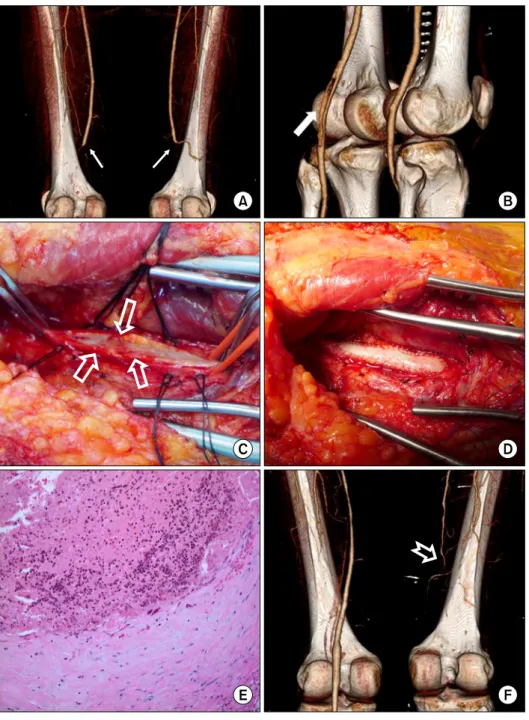
Fig. 1. Lymphoid follicles with germinal centers are surrounded by a prominent eosinophilic infiltration (H&E, ×40).

Acute Limb Ischemia and Coronary Artery Disease in a Case of Kimura’s Disease

Woon Heo, M.D. 1 , Hee Jae Jun, M.D. 1 , Do Kyun Kang, M.D. 1 , Ho-Ki Min, M.D. 1 , Youn-Ho Hwang, M.D. 1 , Ji Yong Kim, M.D. 1 , Kyung Han Nam, M.D. 2

Departments of

1

Thoracic and Cardiovascular Surgery and

2

Pathology, Inje University Haeundae Paik Hospital, Inje University College of Medicine

Kimura disease (KD) is an immune-mediated chronic inflammatory disease of unknown etiology. KD has many complications associated with hypereosinophilia, including various forms of allergic reactions and eosi- nophilic lung disease. Additionally, hypereosinophilia is associated with hypercoagulability, which may lead to thromboembolic events. A 36-year-old man with KD presented with acute limb ischemia and coronary artery occlusion. He underwent thrombectomy, partial endarterectomy of both popliteal arteries, and coronary artery stent insertion. KD is a systemic disease that affects many organs and presents with thromboembolism and vasculitis. In a patient with KD, physicians should evaluate the vascular system, including the coronary arteries.

Key words: 1. Angiolymphoid hyperplasia with eosinophilia 2. Acute limb ischemia

3. Coronary artery stenosis

Case report

A 36-year-old man visited the emergency depart- ment of Inje University Haeundae Paik Hospital with severe pain in both lower limbs for 1 day. A physical examination revealed pale, pulseless, and cold lower limbs. He had sensory changes and foot drop of the right lower limb.

One year ago, he had been diagnosed with Kimura disease (KD) after excision of a right upper limb mass (Fig. 1) at another hospital. He had been taking oral steroids but stopped doing so 6 months ago.

The initial laboratory findings were as follows: leu- kocyte count of 45.5×10

9

/L with 74% eosinophils, elevated serum fibrinogen degradation product (FDP) level (18.7 µg/mL), elevated D-dimer level (5.1 µg/mL), and extremely elevated serum immunoglobulin (Ig) E

https://doi.org/10.5090/kjtcs.2017.50.2.114

(2)

Fig. 2. (A) A preoperative CT angio- gram shows total occlusion of both PAs (line arrow). (B) CT angiogram on postoperative day 3 shows a dif- fuse filling defect (white arrow) in the left PA. (C) A narrowing lesion of PA (empty arrow). (D) The left PA was reconstructed using bovine pericardium (Vascu-Guard Biovas- cular Inc., St. Paul, MN, USA). (E) The thrombus occludes the vessel and contains a prominent number of eosinophils. The intima is thick- ened with a fibroblastic prolifera- tion (H&E, ×200). (F) CT angiogram 56 days after the second operation shows the occlusion of the right su- perficial femoral artery and PA (notched arrow). CT, computed to- mography; PA, popliteal artery.

(>2,500 IU/dL). A computed tomography (CT) angio- gram showed total occlusion of both popliteal ar- teries (PAs) (Fig. 2A).

Under the presumptive diagnosis of acute limb is- chemia (ALI), the patient underwent an emergency thrombectomy of both femoral arteries using a Fogarty catheter (Edwards Laboratories, Santa Ana, CA, USA).

After the operation, the pain and color changes re- solved, but the right foot drop remained. To prevent thromboembolic events, he was treated with low-mo-

lecular-weight heparin followed by warfarin.

The patient was evaluated to determine the causes of ALI with hypercoagulability and eosinophilia. No personal or family history of thromboembolism or hematological disorders was reported. Immunochemi- cal tests for autoimmune diseases, including lupus anticoagulant, anticardiolipin IgG and IgM antibodies, anti-beta2-glycoprotein IgG and IgM, and anti-phos- pholipid antibodies, were negative.

No parasite infections were found. The antith-

(3)

Fig. 3. Coronary angiography. (A–C) Coronary angiography before the stent insertion and balloon dilation shows chronic total occlusion of the left anterior descending artery (white arrow), left circumflex artery (line arrow), and posterior descending artery (empty arrow). (D –F) Coronary angiography after stent insertion and balloon dilation.

rombin III level and protein C activity were within reference ranges. Protein S activity was low, but the levels of the total and free protein S antigen were normal, suggesting a type-II protein S deficiency.

However, this was more likely an effect of warfarin and postoperative systemic changes. An echocardio- gram was performed; it revealed no evidence of a cardiac thrombus or decreased systolic function of the left ventricle (ejection fraction=47%). Under the presumptive diagnosis of KD-related ALI, the patient was administered steroid therapy.

A follow-up CT angiogram on postoperative day (POD) 3 showed a filling defect on the left PA (Fig.

2B); the ankle–brachial index (ABI) was 0.87 on the right side and 0.62 on the left. Coronary angiography (CAG) on POD 5 showed triple-vessel disease with chronic total occlusion of the left anterior descending artery (LAD), left circumflex artery (LCX), proximal obtuse marginal artery, and posterior descending ar-

tery (Fig. 3). A percutaneous coronary balloon dilata- tion was performed. Additionally, the patient was treated with aspirin and clopidogrel. Stent insertion for the coronary artery was delayed because we needed to observe the KD activity and plan the sec- ond operation for the left PA.

We performed the second operation on POD 17

because of the low ABI of the left lower limb. The

left PA was exposed via a posterior approach. A

thrombus and a hypertrophic, injured intimal layer

were observed after the longitudinal arteriotomy

(Fig. 2C). However, unexpectedly, no atherosclerotic

changes were detected in the PA. After the removal

of the thrombus and the injured intimal layer, a

patch angioplasty using bovine pericardium (Vascu-

Guard Biovascular Inc., St. Paul, MN, USA) was per-

formed (Fig. 2D). After 3 days, the pathologist re-

ported the following findings (Fig. 2E): (1) Thrombosis

occluding the vessel lumen and intimal thickening

(4)

with fibroblastic proliferation (the intima showed re- active changes with fibroblastic proliferation) were observed. (2) The thrombotic material contained a prominent number of eosinophils, and mixed in- flammatory cell infiltration composed of eosinophils and lymphocytes was observed in the vessel wall. (3) No evidence of atherosclerosis was seen.

Two months after the first discharge, the patient returned to the emergency department with right lower extremity pain and a color change that had de- veloped the day before. A CT angiogram showed to- tal occlusion from the right superficial femoral artery to the distal PA (Fig. 2F).

We performed an emergency thrombectomy, parti- al endarterectomy, and patch angioplasty on the right side. The operative findings on the right side were the same as the findings on the left side. The follow- up CT angiogram showed improved vascular patency.

Follow-up CAG showed total occlusion of the LAD and the LCX. A coronary stent was inserted into the LAD, and the LCX was balloon dilated (Fig. 3).

The patient was then treated with aspirin, clopi- dogrel, and cilostazol for preventing in-stent throm- bosis and prednisolone for KD. His peripheral blood eosinophil and IgE levels normalized. No evidence of recurrence was observed at the 6-month follow-up.

Discussion

KD is characterized by marked eosinophilia, an ele- vated IgE level, and recurrent subcutaneous nodules around the head and neck.

The pathogenesis of KD has not been clearly established. However, the increased serum IgE level and eosinophilia suggest an allergic disease [1-4].

Despite an unclear mechanism, hypereosinophilia can lead to a hypercoagulable condition and vasculitis ac- cording to some published reports [5-7]. A possible mechanism is that the cytokines secreted by eosino- phils, including eosinophil cationic protein, eosinophil peroxidase, and major basic protein, activate platelet aggregation. Some researchers have demonstrated that human eosinophils contain various amounts of the tissue factor (TF) and have concluded that relatively high TF expression in patients with hypereosinophilia may contribute to an increased thrombotic risk [7].

In this case, KD presents with organ ischemia.

A standard treatment for KD has not been estab-

lished thus far. However, KD has been treated with local mass excision, steroids for systemic inflamma- tion, revascularization, and anticoagulation for organ ischemia [1,2,5]. Some researchers have reported that radiotherapy was a successful treatment for KD [4].

In our patient, arterial stenosis and hypercoagu- lability due to chronic vasculitis and hypereosino- philia were causes of ALI. We performed an emer- gency thrombectomy. Furthermore, we performed a partial endarterectomy and patch angioplasty for revascularization. Additionally, the patient was ad- ministered prednisolone to control the activity of KD.

His serum leukocyte and eosinophil counts and FDP and serum IgE levels normalized. Many revasculariza- tion methods are available for ALI, including throm- bectomy, stent insertion, patch angioplasty, and ex- tra-anatomic bypass with a synthetic or saphenous vein graft. P atch angioplasty is more effective for re- moving a thrombus and widening the lumen than a stent and is easier than a bypass. CAG to evaluate other forms of vasculitis revealed coronary artery ob- structive disease (CAOD), and we inserted a coronary stent instead of performing a bypass. Because of the patient’s young age, coronary artery bypass grafting was the treatment of choice for CAOD. However, he refused to undergo another operation. The mecha- nism of CAOD in our patient was different from that of CAOD in other cases. However, antiplatelet therapy was needed, and the patient required long-term fol- low-up.

In conclusion, KD is a systemic disease that affects many organs and presents with thromboembolism and vasculitis. In a patient with KD, physicians should evaluate the vascular system, including the coronary arteries.

Conflict of interest

No potential conflict of interest relevant to this ar- ticle was reported.

References

1. Ishii M. Kimura’s disease: a review of 429 cases and four new cases. Oto Rhino Laryngol Tokyo 1982;25:407-15.

2. Chen H, Thompson LD, Aguilera NS, Abbondanzo SL. Kimura

disease: a clinicopathologic study of 21 cases. Am J Surg

Pathol 2004;28:505-13.

(5)

3. Koh H, Kamiishi N, Chiyotani A, et al. Eosinophilic lung dis- ease complicated by Kimura’s disease: a case report and literature review. Intern Med 2012;51:3163-7.

4. Chang AR, Kim K, Kim HJ, Kim IH, Park CI, Jun YK. Out- comes of Kimura’s disease after radiotherapy or non- radiotherapeutic treatment modalities. Int J Radiat Oncol Biol Phys 2006;65:1233-9.

5. Lee J, Hong YS. Kimura disease complicated with bowel infarction and multiple arterial thromboses in the ex-

tremities. J Clin Rheumatol 2014;20:38-41.

6. Davoine F, Lacy P. Eosinophil cytokines, chemokines, and growth factors: emerging roles in immunity. Front Immunol 2014;5:570.

7. Cugno M, Marzano AV, Lorini M, Carbonelli V, Tedeschi A.

Enhanced tissue factor expression by blood eosinophils

from patients with hypereosinophilia: a possible link with

thrombosis. PLoS One 2014;9:e111862.

수치

Fig. 1. Lymphoid follicles with germinal centers are surrounded  by a prominent eosinophilic infiltration (H&E, ×40).
Fig. 2. (A) A preoperative CT angio- angio-gram shows total occlusion of both  PAs (line arrow)
Fig. 3. Coronary angiography. (A–C) Coronary angiography before the stent insertion and balloon dilation shows chronic total occlusion of  the left anterior descending artery (white arrow), left circumflex artery (line arrow), and posterior descending arte

참조

관련 문서

Cerebral Cerebral Cerebral angiography Cerebral angiography angiography angiography shows shows shows shows feeding feeding feeding artery feeding artery

Therefore, cTnT is a recommended biomarker for use in the detection of myocardial infarction (MI) and in acute coronary syndromes.[8] Indeed, several authors

The locations of aneurysms were middle cerebral artery in 15 patients, cerebral artery in 15 patients, cerebral artery in 15 patients, cerebral artery in

Utility of T1-and T2-weighted high-resolution vessel wall imaging for the diagnosis and follow up of isolated posterior inferior cerebellar artery dissection with

These results of the histologic distribution of lamina propria, adipose tissue, and glandular tissue of the hard palatal mucosa and the topography of the greater palatine

The average position of the posterior superior alveolar artery, the wall thickness of the lateral wall, and the average volume of the maxillary sinus will

Sizes of left and right pupils Intensities of left and right pupils Ellipse ratios of left and right

Incident major cardiovascular events (coronary artery disease, ischemic stroke, hemorrhagic stroke and cardiovascular mortality) were set as primary end points.