신
범
식
2
0
0
4
지 도 교 수 윤 수 한
이 논문을 신 경 외 학 석사학위 논문으로 제출함.
2004년 2월
아 주 대 학 교 대 학 원
의 학 과
신 범 식
심사위원장 윤 수 한 인
심 사 위 원 조 경 기 인
심 사 위 원 조 기 홍 인
아 주 대 학 교 대 학 원
2004년 12월 19일
Fig. 1. Distribution of age and sex in the 25 patients with subdural fluid
collections.
--- 9
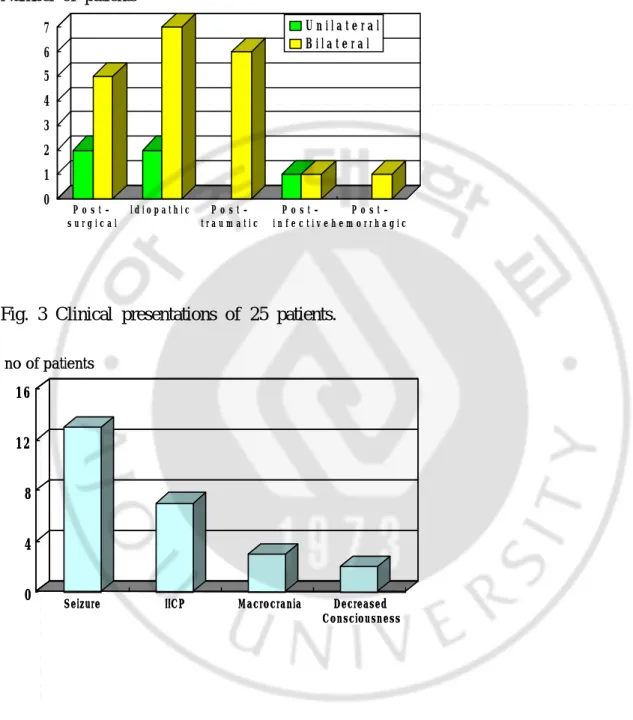
Fig. 2. Predisposing causes of 25 patients and laterality of subdural hygroma.
--- 10
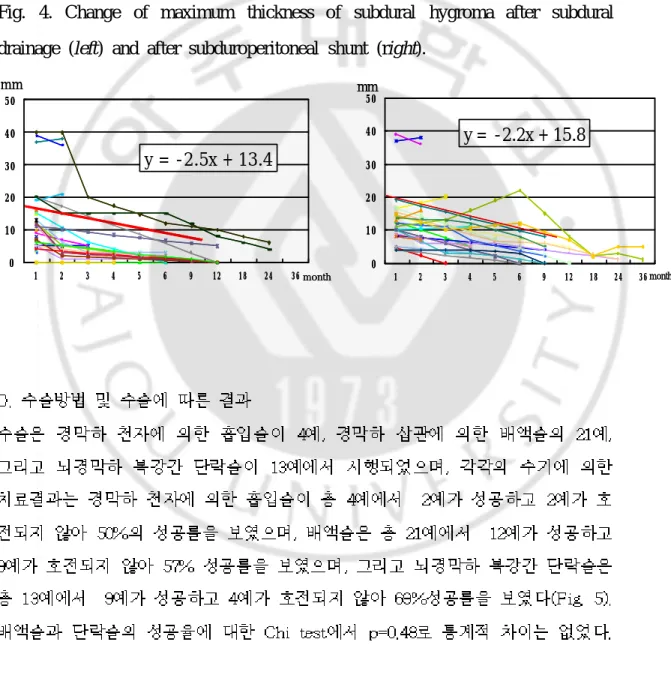
Fig. 3. Clinical presentations of 25 patients.
--- 10
Fig. 4. Change of maximum thickness of subdural hygroma.
--- 11
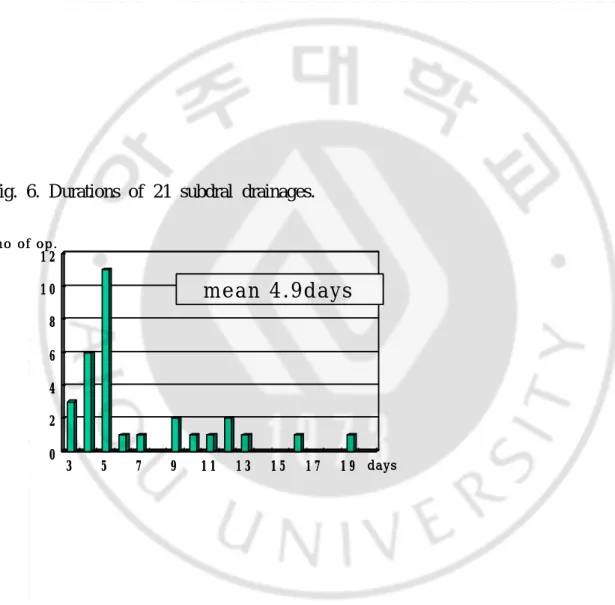
Fig. 5. Result of total 38 operations in 25 patients.
--- 12
Fig. 6. Durations of 21 subdral drainage---.
--- 13
Fig. 7. A 6 month-old boy with subdural hygroma became improved by
subdural drainage and subsequent subduroperitoneal
Fig. 1. Distribution of age and sex in the 25 patients with subdural fluid
collections.
years 0 1 2 3 4 1 / 1 2 3 / 1 2 5 / 1 2 7 / 1 2 9 / 1 2 1 1 / 1 2 2 6 10 boys girls no of patients years 0 1 2 3 4 1 / 1 2 3 / 1 2 5 / 1 2 7 / 1 2 9 / 1 2 1 1 / 1 2 2 6 10 boys girls no of patients 0 1 2 3 4 1 / 1 2 3 / 1 2 5 / 1 2 7 / 1 2 9 / 1 2 1 1 / 1 2 2 6 10 boys girls 0 1 2 3 4 1 / 1 2 3 / 1 2 5 / 1 2 7 / 1 2 9 / 1 2 1 1 / 1 2 2 6 10 boys girls no of patientsFig. 2. Predisposing causes of 25 patients and laterality of subdural hygroma.
Number of patients
Fig. 3 Clinical presentations of 25 patients.
0 1 2 3 4 5 6 7 P o s t -s u r g i c a l I d i o p a t h i c P o s t -t r a u m a -t i c P o s t -i n f e c t -i v e P o s t -h e m o r r -h a g i c U n i l a t e r a l B i l a t e r a l 0 4 8 12 16
Seizure IICP Macrocrania Decreased
Consciousness no of patients 0 4 8 12 16
Seizure IICP Macrocrania Decreased
Consciousness
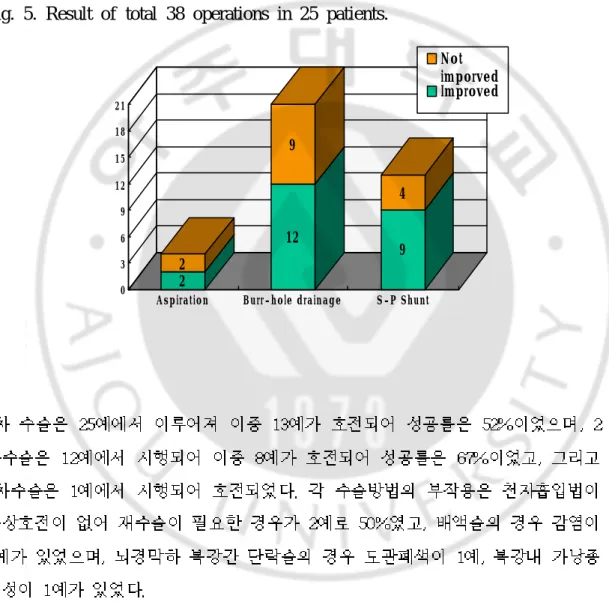
Fig. 4. Change of maximum thickness of subdural hygroma after subdural
drainage (left) and after subduroperitoneal shunt (right).
0 10 20 30 40 50 1 2 3 4 5 6 9 12 18 24 36 mm
y = -2.2x + 15.8
month 0 10 20 30 40 50 1 2 3 4 5 6 9 12 18 24 36 mmy = -2.2x + 15.8
month 0 10 20 30 40 50 1 2 3 4 5 6 9 12 18 24 36 mmy = -2.5x + 13.4
month 0 10 20 30 40 50 1 2 3 4 5 6 9 12 18 24 36 mmy = -2.5x + 13.4
monthFig. 5. Result of total 38 operations in 25 patients.
2 2 12 9 9 4 0 3 6 9 12 15 18 21Aspiration Burr-hole drainage S-P Shunt
Not imporved Improved
Fig. 6. Durations of 21 subdral drainages.
Fig. 7. A 6 month-old boy with subdural hygroma became improved by
subdural drainage and subsequent subduroperitoneal shunt. A. Bilateral
0 2 4 6 8 1 0 1 2 3 5 7 9 1 1 1 3 1 5 1 7 1 9 days no of op.
mean 4.9days
0 2 4 6 8 1 0 1 2 3 5 7 9 1 1 1 3 1 5 1 7 1 9 days no of op.mean 4.9days
days no of op.mean 4.9days
subdural hygroma was noticed on MRI. B. Bilatral subdural drainage was
done. C. Subdural hygroma was not improved after bilateral subdural drainage.
D. Unilateral subduroperitoneal shunt was done. E. Subdural hygroma became
improved completely after subduroperitoneal shunt.
Van Calenbergh
Ersahin4) Van Calenbergh22)
Aoki1)
Ersahin5) 31 5
Vinchon23)
Ersahin5) Sakka19)
1. Aoki N: Chronic subdural hematoma in infancy. J Neurosurg 73:201-205, 1990 2. Caldarelli M, Di Rocco C, and Romani R : Surgical Treatment of Chronic Subdural Hygromas in Infants and Children. Acta Neurochir 144: 581-8, 2002
3. De Vries LS, Smet M, Ceulemans B, Marchal G, Wilms G, de Roo M, Plets C, Casaer P: The role of high resolution ultrasound and MRI in the investigation of infants with
macrocephaly. Neuropediatrics 21:72-5, 1990
4. Ersahin Y, Tabur E, Kocaman S : Continuous external subdural drainage in the
management of infantile subdural collections: a prospective study. Childs Nerv Syst 13:526-9, 1997
5. Ersahin Y, Tabur E, Kocaman S, Mutluer S: Complications of subduroperitoneal shunting. Childs Nerv Syst 16:433-6, 2000
6. Gaskill SJ, Oakes WJ, Marlin AE: Continuous external drainage in the treatment of subdural hematomas of infancy. Pediatr Neurosurg 17:121-3, 1991/1992 7. Hasegawa M, Yamashima T, Yamashita J, Suzuki M, Shimada S: Traumatic subdural hygroma: pathology and meningeal enhancement on magnetic resonance imaging.
Neurosurgery 31(3):580-5, 1992
8. Herzberger E, Rotem Y, Braham J: Remarks on thirty-three cases of subdural effusions in infancy. Arch Dis Childhood. 31:44-50, 1956
9. Jayawant S, Rawlinson A, Gibbon F, Price J, Schulte J, Sharples P, Sibert JR, Kemp AM: Subdural haemorrhages in infants: population based study. Br Med J 317: 1558-61, 1998
10. Kuzma BB, Goodman JM: Differentiating external hydrocephalus from chronic subdural hematoma. Surg Neurol 50:86-8, 1998
11. Litofsky NS, Raffel C, McComb JG : Management of symptomatic chronic extra-axial fluid collections in pediatric patients. Neurosurgery 31:445-450, 1992
computed tomographic scan. J Korean Med Sci: 15: 560-8, 2000
13. Lee KS, Park YT, Bae WK, Yun IG. : The pathogenesis and fate of traumatic subdural hygroma. Br J Neurosurg 8: 551-8, 1994
14. Massicotte EM, Del Biggio MR: Human arachnoid villi response to subarachnoid hemorrhage: possible relationship to chronic hydrocephalus. J Neurosurg 91:80-4, 1999
15. Miyake H, Kajimoto Y, Ohta T, Kuroiwa T : Managing subdural fluid collection in
infants. Childs Nerv Syst 18:500-4, 2002
16. Morota N, Sakamoto K, Kobayashi N, Kitazawa K, Kobayashi S : Infantile subdural fluid collection: diagnosis and postoperative course. Childs Nerv Syst 11(8):459-66, 1995 17. Ohno K, Suzuki R, Masaoka H, Matusushima Y, Inaba Y, Monma S. : Chronic subdural hematoma preceded by persistent traumatic subdural fluid collection. J Neurol Neurosur
Psychiatry ; 50:1694-7, 1987
18. Park CK, Choi KH, Kim MC, Kang JK, Choi CR. : Spontaneous evolution of
posttraumatic subdural hygroma into chronic subdural haematoma. Acta Neurochir(Wien) 127: 41-7, 1994
19. Sakka L, Cinalli G, Sainte-Rose C, Renier D, Zerah M, Pierre-Kahn A:
Subduro-peritoneal shunting in children. (abstract) Child's Nerv Syst 13:487, 1997 20. St John JN, Dila C. : Traumatic subdural hygroma in adults. Neurosurgery 1981; 9: 621-6.
21. Tolias C, Sgouros S, Walsh AR, Hockley AD : Outcome of Surgical Treatment for Subdural Fluid Collections in Infants. Pediatr Neurosurg 33:194-7, 2000
22. Van Calenbergh F, Bleyen J, Lagae L, Casaer P, Plets C: Long-term external drainage for subdural collections in infants. Childs Nerv Syst 16:429-32, 2000
23. Vinchon M, Noule N, Soto-Ares G, Dhellemmes P: Subduroperitoneal drainage for subdural hematomas in infants. J Neurosurg 95(2):249-55, 2001
24. Wilms G, Vanderschueren G, Demaerel PH, Smet MH, Van Calenbergh F, Plets C, Goffin J, Casaer P: CT and MR in infants with pericerebral collections and macrocephaly:
benign enlargement of the subarachnoid spaces versus subdural collections. AJNR 14:855-60, 1993
25. Yamada H, Watanabe T, Murata S, Shibui S, Nihei H, Kohno T, Itoh T. : Developmental precess of chronic subdural collection of fluid based on CT scan findings. Surg Neurol 13: 441-8, 1980
ABSTRACT
-Treatments of subdural hygroma in the infants and children
Shin Beom ShikDepartment of Medical Sciences The Graduate School, Ajou University (Supervised by Associate Professor Soo Han Yoon)
Purpose: There is no acceptable indication and choice of treatment method for
infantile and child subdural hygroma. And there is few foreign report but no report for clinical evaluation of subdural hygroma in the infants and children in Korea. Author studied clinical findings of infantile and child patients with subdural hygroma who had surgical treatment to improve understanding and to establish the standard treatment method.
Materials & Mathods: Author retrospectivelystudied causes, preoperative symptoms, radiological thicknesses, postoperative results of 25 patients with subdural hygroma who had surgical treatment and less than 10 of years of age.
Results: Patients showed male preference of 16 boys and 9 girls, who ranged in age from
2 to 120 months (median 6 months). Seven cases(28%) occurred following various surgical procedures, 6 cases were post-traumatic, 2 cases occurred as complications of leptomeningeal infections; 1 case after intracerebral hemorrhage, whereas no obvious etiology could be detected in 9 cases(36%). The main clinical manifestations were seizures in 13 cases (52%), those of increased intracranial pressure (irritability, and vomiting) in 6 cases (24%), macrocrania in 4 cases and alterations of consciousness in 2 cases. Radiological thicknesses of subdural hygroma varied from 7mm to 42mm (mean 14.3mm) that could be expressed on surgical treatments with equation of y=-2.5x+13.4 in subdural drainages and y=-2.2x+15.8 in subduroperitoneal shunts on the aspect of changes of thickness per month. Of 25 patients, 2 (50%) were successfully treated by aspirations, 12 (57%) by
subdural drainages, and 9 (69%) by subduroperitoneal shunts.
Conclusion: It was suggested that the diagnosis and treatment of subdural hygroma
of infant and children should be important because of its high prevalence in children and especially in infants and of often its presentaion only of seizures without other specific symptoms. It was also suggested that unilateral shunts or drainages could be recommended rather than bilateral surgery because there was no stastitical difference in success rates between them. Because almost second operation were shunt, it was not clear to recommend one of drainage and shunt operation even though there was no stastitical difference in success rates and postoperative recovery durations between them.
____________________________________________________________________
Key Words: subdural hygroma, subarachnoid fluid collection, subdural tap, subdural