http://dx.doi.org/10.5090/kjtcs.2013.46.5.346 ISSN: 2233-601X (Print) ISSN: 2093-6516 (Online)
Departments of 1Thoracic and Cardiovascular Surgery and 2Cardiology, Yonsei Cardiovascular Center, Yonsei University College of Medicine Received: December 24, 2012, Revised: February 28, 2013, Accepted: March 29, 2013
Corresponding author: Sak Lee, Department of Thoracic and Cardiovascular Surgery, Yonsei Cardiovascular Center, Yonsei University College of Medicine, 50 Yonsei-ro, Seodaemun-gu, Seoul 120-749, Korea
(Tel) 82-2-2228-8488 (Fax) 82-2-313-2992 (E-mail) [email protected]
C The Korean Society for Thoracic and Cardiovascular Surgery. 2013. All right reserved.
CC This is an open access article distributed under the terms of the Creative Commons Attribution Non-Commercial License
(http://creative-commons.org/licenses/by-nc/3.0) which permits unrestricted non-commercial use, distribution, and reproduction in any medium, provided the original work is properly cited.
Comparison of Early Clinical Results of Transcatheter versus
Surgical Aortic Valve Replacement in Symptomatic
High Risk Severe Aortic Stenosis Patients
Woo Sik Yu, M.D.
1, Byung-Chul Chang, M.D., Ph.D.
1, Hyun Chel Joo, M.D.
1,
Young-Guk Ko, M.D., Ph.D.
2, Sak Lee, M.D., Ph.D.
1Background: Transcatheter aortic valve implantation (TAVI) has been an alternative to conventional aortic valve re-placement (AVR) in old and high risk patients. The goal of this study is to compare the early outcomes of con-ventional AVR vs. TAVI in high risk severe AS patients. Methods: From January 2008 to July 2012, 44 high risk severe aortic stenosis patients underwent conventional AVR, and 15 patients underwent TAVI. We compared echo-cardiographic data, periprocedural complication, and survival. The mean follow-up duration was 14.5±10 months (AVR), and 6.8±3.5 months (TAVI), respectively. Results: AVR group was younger (78.2±2.4 years vs. 82.2±3.0 years, p<0.001) and had lower operative risk (Euroscore: 9.4±2.7 vs. 11.0±2.0, p=0.044) than TAVI group. There was no significant difference in early mortality (11.4% vs. 13.3%, p=0.839), and 1 year survival (87.4%±5.3% vs. 83.1%±1.1%, p=0.805). There was no significant difference in postoperative functional class. There was no sig-nificant difference in periprocedural complication except vascular complication (0% [AVR] vs. 13.3% [TAVI], p=0.014). TAVI group had more moderate and severe paravalvular leakage. Conclusion: In this study, both groups had sim-ilar periprocedural morbidity, and mortality. However, TAVI group had more greater than moderate paravalvular leak-age, which can influence long-term outcome. Since more patients are treated with TAVI even in moderate risk, careful selection of the patients and appropriate guideline need to be established.
Key words: 1. Aortic valve stenosis 2. Aortic valve, surgery
3. Transcatheter aortic valve implantation
INTRODUCTION
Symptomatic severe aortic stenosis (AS) is a progressive disease with a poor prognosis if surgical intervention is not performed [1]. Conventional surgical aortic valve replacement (AVR) through median sternotomy under cardiopulmonary bypass is the treatment of choice [2]. However, the number of high-risk elderly patients has been increasing, with the
ag-ing of the population and increase in those who do not want to have their chest opened [3]. Recently, transcatheter aortic valve implantation (TAVI) was introduced and became an at-tractive alternative therapy in these patients. In TAVI, a bio-prosthetic valve is introduced percutaneously through a cathe-ter, usually via the femoral artery, or less often, via the left ventricular apex (transapical approach) through thoracotomy. Furthermore, significant improvement of survival and quality
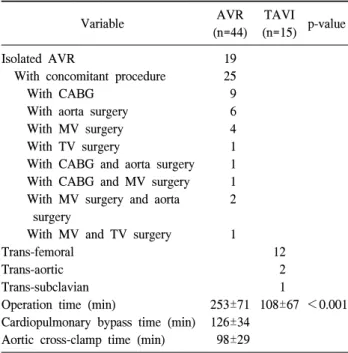
Table 1. Surgical procedures Variable AVR (n=44) TAVI (n=15) p-value Isolated AVR
With concomitant procedure With CABG
With aorta surgery With MV surgery With TV surgery
With CABG and aorta surgery With CABG and MV surgery With MV surgery and aorta
surgery
With MV and TV surgery Trans-femoral
Trans-aortic Trans-subclavian Operation time (min)
Cardiopulmonary bypass time (min) Aortic cross-clamp time (min)
19 25 9 6 4 1 1 1 2 1 253±71 126±34 98±29 12 2 1 108±67 <0.001
AVR, aortic valve replacement; TAVI, transcatheter aortic valve implantation; CABG, coronary artery bypass grafting; MV, mi-tral valve; TV, tricuspid valve.
of life after TAVI has been reported [4], and now there is a trend toward performing TAVI in healthier patients [5].
Although surgical AVR with excellent outcomes has been reported in aged and high-risk patients [6], the high risk of developing a complete AV block requiring permanent pace-maker implantation, paravalvular leakage that can negatively affect survival, and high costs are still problems associated with TAVI [7]. Therefore, we aimed to compare the early outcomes of conventional AVR and TAVI in high-risk severe AS patients.
METHODS
Between January 2008 and July 2012, 412 cases of surgi-cal AVR with or without a concomitant procedure were per-formed at Yonsei Cardiovascular Center, Yonsei University College of Medicine. Among these patients, 44 patients aged ≥75 years with one or more comorbidities were included (AVR group). Fifteen patients who underwent TAVI during the same time period were also included for comparison (TAVI group).
The patients’ clinical characteristics, echocardiographic in-dicators, and surgical data were obtained from a review of the medical records, and follow-up was performed by review-ing hospital charts or conductreview-ing telephone interviews. Trans-thoracic echocardiography and coronary angiography were routinely performed preoperatively in the AVR group, and transthoracic echocardiography, transesophageal echocardiog-raphy, coronary angiogechocardiog-raphy, and computed tomographic (CT) angiography were routinely performed to assess valvular mor-phology and vascular access in the TAVI group. TAVI was first used in 2010, and since then, the decision between TAVI and surgical AVR was made in each patient by the medical and surgical team according to the severity of the clinical symptoms, combined comorbid diseases, physical per-formance status, echocardiographic parameters, and vascular access.
Surgical AVR was performed through median sternotomy, under cardiopulmonary bypass and mild hypothermia, and concomitant valvular, coronary, or aortic surgery was formed in 25 patients (Table 1). TAVI procedures were per-formed with AccuTrak (The CoreValve system; Medtronic,
Minneapolis, MN, USA) under general anesthesia in all of the patients. The prosthetic valve was inserted in retrograde fashion through a femoral artery (n=12), a subclavian artery (n=1), or an ascending aorta (n=2) (Table 1). Immediately af-ter deployment of the prosthetic valve, transesophageal echo-cardiography was performed to confirm the location and mo-tion of the prosthetic valve, and any significant paravalvular leakage.
We compared in-hospital and early clinical outcomes of surgical AVR and TAVI using medical and echocardiographic data. All-cause mortality and incidence of complications in-cluding pneumonia, neurologic deficit due to cerebrovascular accident, gastrointestinal bleeding requiring endoscopic inter-vention, mediastinal bleeding requiring re-operation, renal failure requiring dialysis, new onset atrial fibrillation, vascular complication, complete atrioventricular block requiring perma-nent pacemaker implantation, readmission due to heart failure aggravation or another cause, and pericardial effusion were analyzed.
All data are expressed as mean±standard deviation and fre-quency and percentage. Continuous variables were compared
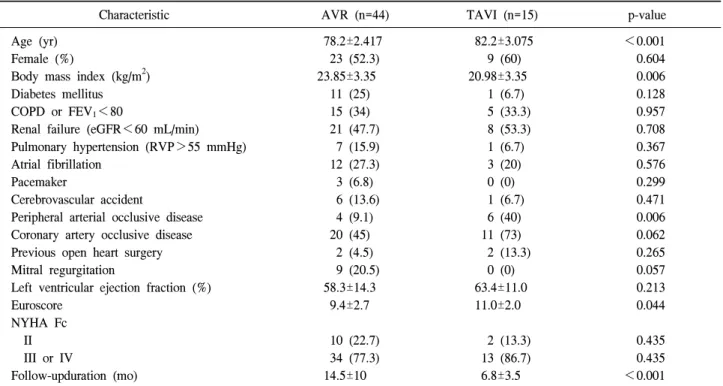
Table 2. Patients’ characteristics
Characteristic AVR (n=44) TAVI (n=15) p-value
Age (yr) Female (%)
Body mass index (kg/m2) Diabetes mellitus COPD or FEV1<80
Renal failure (eGFR<60 mL/min) Pulmonary hypertension (RVP>55 mmHg) Atrial fibrillation
Pacemaker
Cerebrovascular accident
Peripheral arterial occlusive disease Coronary artery occlusive disease Previous open heart surgery Mitral regurgitation
Left ventricular ejection fraction (%) Euroscore NYHA Fc II III or IV Follow-upduration (mo) 78.2±2.417 23 (52.3) 23.85±3.35 11 (25) 15 (34) 21 (47.7) 7 (15.9) 12 (27.3) 3 (6.8) 6 (13.6) 4 (9.1) 20 (45) 2 (4.5) 9 (20.5) 58.3±14.3 9.4±2.7 10 (22.7) 34 (77.3) 14.5±10 82.2±3.075 9 (60) 20.98±3.35 1 (6.7) 5 (33.3) 8 (53.3) 1 (6.7) 3 (20) 0 (0) 1 (6.7) 6 (40) 11 (73) 2 (13.3) 0 (0) 63.4±11.0 11.0±2.0 2 (13.3) 13 (86.7) 6.8±3.5 <0.001 0.604 0.006 0.128 0.957 0.708 0.367 0.576 0.299 0.471 0.006 0.062 0.265 0.057 0.213 0.044 0.435 0.435 <0.001 Values are presented as mean±standard deviation or number (%).
AVR, aortic valve replacement; TAVI, transcatheter aortic valve implantation; COPD, chronic obstructive pulmonary disease; FEV1, forced expiratory volume in 1 second; eGFR, estimated glomerular filtration rate; RVP, right ventricular pressure; NYHA Fc, New York Heart Association functional classification.
using the t-test, and categorical variables were compared us-ing the chi-square test or Fisher’s exact test. Survival was evaluated with the Kaplan-Meier method, and the log-rank test was used to compare the groups. All statistical analyses were performed using SPSS ver. 17.0 (SPSS Inc., Chicago, IL, USA).
RESULTS
1) Patient characteristics
The patient characteristics of the AVR group and TAVI group are summarized in Table 2. The AVR group was younger (mean age: 78.2±2.4 years [range, 76 to 87 years] vs. 82.2±3.0 years [range, 75 to 85 years], p<0.001), and had lower operative risks (Euroscore: 9.4±2.7 vs. 11.0±2.0, p=0.044). The TAVI group had a lower body mass index (23.85±3.35 kg/m2 vs. 20.98±3.35 kg/m2, p=0.006) and had more peripheral vascular disease (4 [9.1%] vs. 6 [40%], p=0.006).
2) Operative data
Nineteen patients in the AVR group underwent isolated AVR, and 25 patients underwent AVR with a concomitant valvular, coronary, or aortic procedure. Coronary artery by-pass grafting (CABG) was most frequently performed con-comitantly with AVR. The operation time was significantly longer in the AVR group (Table 1).
3) Clinical outcomes
The clinical outcomes are summarized in Table 3. The AVR group had significantly longer intensive care unit (ICU: 6.09±7.97 days vs. 3.20±1.74 days, p=0.030) and hospital stays than the TAVI group (15.36±13.59 days vs. 7.13±3.18 days, p≤0.001). There was no significant difference in hospi-tal morhospi-tality or one-year survival between the two groups (87.4%±5.3% [AVR group] vs. 83.1%±1.1% [TAVI group], p=0.805) (Fig. 1). The causes of death were postoperative bleeding (n=1), gastrointestinal bleeding (n=1), sepsis (n=2),
Table 3. Clinical outcome
Variable AVR (n=44) TAVI (n=15) p-value
Intensive care unit stay (day) Hospital stay (day)
Complications Pneumonia Stroke
Gastrointestinal bleeding Renal failure requiring dialysis New onset atrial fibrillation Mediastinal bleeding Vascular complication Pacemaker insertion
Readmission for heart failure aggravation Readmission for other causes
Pericardial effusion Postoperative NYHA Fc I II III, IV Mortality 30-day During follow-up 6.09±7.97 15.36±13.59 4 (9.1) 3 (6.8) 6 (13.6) 3 (6.8) 6 (13.6) 2 (4.5) 0 (0) 2 (4.5) 4 (9.1) 3 (6.8) 0 (0) 30 (68.2) 8 (18.2) 0 (0) 5 (11.4) 2 (4.5) 3 (6.8) 3.20±1.74 7.13±3.18 2 (13.3) 0 (0) 2 (13.3) 1 (6.7) 0 (0) 1 (6.7) 2 (13.3) 1 (6.7) 1 (6.7) 1 (6.7) 1 (6.7) 6 (40.0) 6 (40.0) 1 (6.7) 2 (13.3) 0 (0) 2 (13.3) 0.030 <0.001 0.639 0.299 0.976 0.984 0.131 0.747 0.014 0.747 0.771 0.984 0.084 0.053 0.086 0.084 0.839 0.401 0.434 Values are presented as mean±standard deviation or number (%).
AVR, aortic valve replacement; TAVI, transcatheter aortic valve implantation; NYHA Fc, New York Heart Association functional classification.
Fig. 1. Comparison of Kaplan-Meier estimated survival. AVR,
aort-ic valve replacement; TAVI, transcatheter aortaort-ic valve implantation.
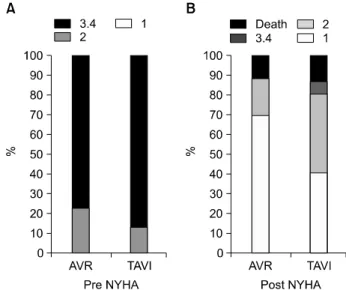
Fig. 2. Comparison of (A) preoperative and (B) postoperative New
York Heart Association (NYHA) functional classification. and pneumonia (n=1) in the AVR group, and pneumonia
(n=1) and sepsis (n=1) in the TAVI group. The AVR group had greater improvement in the New York Heart Association functional class (NYHA Fc). However, this difference did not reach statistical significance (NYHA Fc I: 76.9% vs. 56.3%,
p=0.037) (Fig. 2). There was no significant difference in peri-procedural complications between the two groups except vas-cular complications (0% [AVR group] vs. 13.3% [TAVI
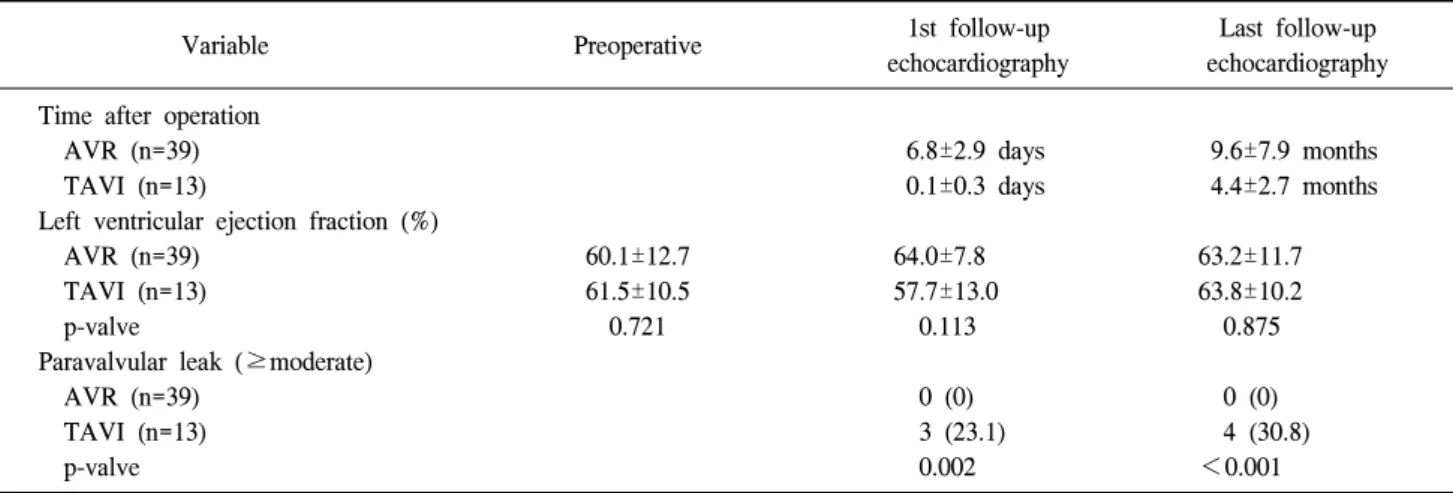
Table 4. Echocardiographic data
Variable Preoperative 1st follow-up
echocardiography
Last follow-up echocardiography Time after operation
AVR (n=39) TAVI (n=13)
Left ventricular ejection fraction (%) AVR (n=39)
TAVI (n=13) p-valve
Paravalvular leak (≥moderate) AVR (n=39) TAVI (n=13) p-valve 60.1±12.7 61.5±10.5 0.721 6.8±2.9 days 0.1±0.3 days 64.0±7.8 57.7±13.0 0.113 0 (0) 3 (23.1) 0.002 9.6±7.9 months 4.4±2.7 months 63.2±11.7 63.8±10.2 0.875 0 (0) 4 (30.8) <0.001 Values are presented as mean±standard deviation or number (%). Mortality cases were excluded.
AVR, aortic valve replacement; TAVI, transcatheter aortic valve implantation.
group], p=0.014). The causes of readmission other than heart failure aggravation were general weakness (n=2) and ag-gravation of renal failure (n=1) in the AVR group, and pres-sure sore management (n=2) in the TAVI group.
Echocardiographic outcomes from the survivors are sum-marized in Table 4. The TAVI group had more moderate and severe paravalvular leakage at the first and last follow-up echocardiography. A complete AV block requiring pacemaker implantation developed in 3 patients (2 patients in the AVR group, and 1 patient in the TAVI group) without a significant difference between the two groups.
DISCUSSION
The prognosis in patients with symptomatic severe AS is poor if treated medically [1,8,9]. After symptom onset, the 1-year mortality rate in patients with severe AS and without surgical AVR is around 30%, and surgical AVR is the treat-ment of choice for patients with symptomatic severe AS [1,9]. However, the risk of surgical mortality increases sig-nificantly with age and other comorbid conditions [10-12]. Therefore, the TAVI procedure is becoming an alternative therapeutic option in elderly patients with high risks, and with proven safety and efficacy, more patients aged over 80 years who would have been candidates for surgical AVR are now undergoing TAVI [3,13-15].
The Placement of Aortic Transcatheter Valves (PARTNER) trial is a randomized trial to evaluate TAVI in humans. In PARTNER trial B, 358 patients who were considered in-operable were randomly assigned to TAVI or standard therapy. TAVI significantly reduced mortality from all causes and cardiac symptoms. However, major stroke and vascular complications were more common in TAVI [4].
In PARTNER trial A, the results of isolated AVR and TAVI were compared in high-risk patients. Six hundred and ninety-nine patients were randomly assigned to AVR or TAVI. There was no significant difference in mortality (1-year mortality rate: 26.8% vs. 24.2%). Major bleeding and new-onset atrial fibrillation were more common in the AVR group. In addition, vascular complications and major stoke were more common in the TAVI group. There was no sig-nificant difference in NYHA Fc at 1 year. More than moder-ate AR due to paravalvular leakage was more common in the TAVI group [16].
In this study, the TAVI group had a similar 1-year survival to the AVR group despite the fact that TAVI was performed in older and higher risk patients. In addition, the TAVI group had a shorter operative time, and ICU and hospital stay durations. However, the AVR group had greater improvement in NYHA functional class. This may be related to 1) more favorable echocardiographic results (less paravalvular leakage) and 2) correction of other valvular pathology and coronary
artery occlusive disease by concomitant CABG and other valvular surgery.
Previous publications have reported that the 30-day mortal-ity rate after TAVI ranges from 3.2% to 15.2% [4,13-16]. In this study, the early mortality in the TAVI group was 0.0%, and the rate of complete heart block was also lower than in previous reports. These low rates of mortality and complica-tions may have been achieved due to meticulous preoperative evaluation and careful patient selection by a team approach (cardiologist, at least two surgeons, anesthesiologist, coor-dinator, and surgical nursing staff). Therefore, the TAVI pro-cedure should be performed by skillful surgeons following meticulous patient selection and pre-procedural planning, along with post-procedural care in strict compliance with rec-ommendations from TAVI experts and accumulated data.
Chiappini et al. [17] reported excellent early and late out-comes of AVR in octogenarians in 2004 (1-year survival: 86.5% and 5-year survival: 69.4%). Subramanian et al. [18] also reported excellent outcomes of AVR in TAVI candidates (1-year survival: 87.5% and 3-year survival: 72.7%). In this study, the mean age of the patients was 80 years, and the early and mid-term follow-up results were satisfactory. The causes for TAVI denial in these patients were 1) large annu-lus, 2) acceptable risk profile for AVR, 3) the need for an urgent operation, and 4) concomitant pathology that required a concomitant procedure.
The main limitation of this study was the small sample size and short follow-up duration. Because only one and a half years have passed since TAVI was first performed, a longer duration of follow-up with a larger population of randomized patients is required for more accurate comparison of the two treatment modalities.
In conclusion, TAVI is a good alternative treatment modal-ity in inoperable or high-risk patients. However, the TAVI group had more frequent paravalvular leakage at a moderate level or higher, which can influence long-term outcomes. AVR can be performed in old and high risk patients with good results and an acceptable level of risk. Since more and more patients are treated with TAVI even at moderate risk, careful selection of the patients and an appropriate guideline need to be established.
CONFLICT OF INTEREST
No potential conflict of interest relevant to this article was reported.
REFERENCES
1. Varadarajan P, Kapoor N, Bansal RC, Pai RG. Clinical
pro-file and natural history of 453 nonsurgically managed pa-tients with severe aortic stenosis. Ann Thorac Surg 2006;82:
2111-5.
2. Lund O. Preoperative risk evaluation and stratification of
long-term survival after valve replacement for aortic steno-sis. Reasons for earlier operative intervention. Circulation
1990;82:124-39.
3. Faxon DP. Transcatheter aortic valve implantation: coming
of age. Circulation 2011;124:e439-40.
4. Leon MB, Smith CR, Mack M, et al. Transcatheter
aort-ic-valve implantation for aortic stenosis in patients who can-not undergo surgery. N Engl J Med 2010;363:1597-607.
5. Lange R, Bleiziffer S, Mazzitelli D, et al. Improvements in
transcatheter aortic valve implantation outcomes in lower surgical risk patients: a glimpse into the future. J Am Coll
Cardiol 2012;59:280-7.
6. Thourani VH, Ailawadi G, Szeto WY, et al. Outcomes of
surgical aortic valve replacement in high-risk patients: a multiinstitutional study. Ann Thorac Surg 2011;91:49-55.
7. Van Brabandt H, Neyt M, Hulstaert F. Transcatheter aortic
valve implantation (TAVI): risky and costly. BMJ 2012;345:
e4710.
8. Iung B, Cachier A, Baron G, et al. Decision-making in
eld-erly patients with severe aortic stenosis: why are so many denied surgery? Eur Heart J 2005;26:2714-20.
9. Chizner MA, Pearle DL, deLeon AC Jr. The natural history
of aortic stenosis in adults. Am Heart J 1980;99:419-24.
10. Bose AK, Aitchison JD, Dark JH. Aortic valve replacement
in octogenarians. J Cardiothorac Surg 2007;2:33.
11. Kolh P, Kerzmann A, Honore C, Comte L, Limet R. Aortic
valve surgery in octogenarians: predictive factors for oper-ative and long-term results. Eur J Cardiothorac Surg 2007;
31:600-6.
12. Leontyev S, Walther T, Borger MA, et al. Aortic valve
re-placement in octogenarians: utility of risk stratification with EuroSCORE. Ann Thorac Surg 2009;87:1440-5.
13. Gotzmann M, Bojara W, Lindstaedt M, et al. One-year
re-sults of transcatheter aortic valve implantation in severe symptomatic aortic valve stenosis. Am J Cardiol 2011;107:
1687-92.
valve implantation: early results of the FRANCE (FRench Aortic National CoreValve and Edwards) registry. Eur Heart
J 2011;32:191-7.
15. Rodes-Cabau J, Webb JG, Cheung A, et al. Transcatheter
aortic valve implantation for the treatment of severe sympto-matic aortic stenosis in patients at very high or prohibitive surgical risk: acute and late outcomes of the multicenter Canadian experience. J Am Coll Cardiol 2010;55:1080-90.
16. Smith CR, Leon MB, Mack MJ, et al. Transcatheter versus
surgical aortic-valve replacement in high-risk patients. N
Engl J Med 2011;364:2187-98.
17. Chiappini B, Camurri N, Loforte A, Di Marco L, Di Bartolomeo R, Marinelli G. Outcome after aortic valve
re-placement in octogenarians. Ann Thorac Surg 2004;78:85-9.
18. Subramanian S, Rastan AJ, Holzhey D, et al. Conventional
aortic valve replacement in transcatheter aortic valve im-plantation candidates: a 5-year experience. Ann Thorac Surg