2018 년 12 월 18ZR1300-01-4230P
100
재난현장 대응력 강화를 위한
위성재난통신기술 개발
Development of Korean Satellite Communications Technology for
Enhancing Disaster Response Capabilities
인 사 말 씀
위성통신 인프라는 지상의 모든 통신수단이 무력화되는 경우에도 지역
및 공간에 관계없이 사용자가 원하는 통신 기능을 제공할 수 있어 대형
재난재해나 국가 비상 시 구조 및 생존을 위한 최후의 통신기능을
제공할 수 있는 최고의 통신 수단입니다. 최근에는 3GPP 등에서 5G
이후의 글로벌 통신서비스 제공을 위해 위성을 이용하는 eMBB, mMTC
기술에 대한 연구가 활발히 진행되고 있으며 글로벌 통신시대에서 점차
위성의 역할이 강조되고 있습니다. 본 연구는 주요사업의 대과제인
‘방송미디어 미래선도 원천기술 개발 과제’ 중 ‘공공인프라’형 기술 개발
중과제인 "재난현장 대응력 강화를 위한 위성재난통신 기술 개발"
과제의 결과로서, 위성의 장점을 충분히 활용하여 육상/해상 재난재해
시 재난대응 기관의 현장대응력을 크게 향상시킬 수 있는 위성재난통신
핵심기술을 개발함과 동시에 육상, 해상 및 군 등 재난현장 상황을
묘사하여 실제로 천리안위성을 통해 개발기술의 우수성과 효율성을
충분히 검증하는 현장적용 연구를 병행하여, 향후 재난대응 기관 및 군
등 공공기관이 활용 가능한 위성통신 서비스 모델과 핵심기술을
확보함으로서 관련산업 및 서비스 활성화에 크게 기여하리라 확신합니다.
끝으로 본 연구에 참여한 연구원들의 열정과 업적을 치하하며, 원만한
연구 수행을 위해 아낌없는 도움과 격려를 주신 행안부, 소방청, 해경,
군 및 관련장비 제조업체 관계자 여러분께 깊은 감사를 드립니다.
2018년 12월
제 출 문
본 연구보고서는 주요사업인 "재난현장 대응력 강화를 위한
위성재난통신 기술 개발" 과제의 결과로서, 본 과제에 참여한 아래의
연구그룹이 작성한 것입니다.
2018년 12월
연구책임자 : 책임연구원 오덕길 (한국전자통신연구원)
연구참여자 : 책임연구원 이호진 (한국전자통신연구원)
책임연구원 홍현하 (한국전자통신연구원)
책임연구원 박상택 (한국전자통신연구원)
책임연구원 박경준 (한국전자통신연구원)
책임연구원 남상우 (한국전자통신연구원)
책임연구원 장대익 (한국전자통신연구원)
책임연구원 신민수 (한국전자통신연구원)
책임연구원 유준규 (한국전자통신연구원)
책임연구원 김판수 (한국전자통신연구원)
책임연구원 박종민 (한국전자통신연구원)
책임연구원 김병학 (한국전자통신연구원)
선임연구원 이인기 (한국전자통신연구원)
선임연구원 박만규 (한국전자통신연구원)
선임연구원 정수엽 (한국전자통신연구원)
선임연구원 김민혁 (한국전자통신연구원)
연구원 정동현 (한국전자통신연구원)
UST연구원연수생 이종근 (과학기술연합대학원대학교)
본 문서에서 음영처리된 부분은( ) 정보공개법 제 9 조의
비공개대상 정보와 저작권법 및 그 밖의 다른 법령에서 보호하고 있는
제 3 자의 권리가 포함된 저작물로 공개대상에서 제외되었습니다.
요 약 문
Ⅰ. 제 목
재난현장 대응력 강화를 위한 위성재난통신 기술 개발
Ⅱ. 연구목적 및 중요성
가. 연구 목적
1) 사업 최종 목표
o 재난현장 대응력 강화를 위한 위성재난통신 핵심기술개발, 시험서비스 및 검증 - 하나의 중심국으로 패킷/회선망 접속이 가능한 위성 접속 기술 개발 - 위성링크 생존성 강화를 위한 저속/저전력 역방향 위성전송 기술 개발 - 다양한 재난현장에서 무선 백홀 기능을 제공하는 위성단말 기술 개발2) 연차별 연구 목표
o 1차년도 : 위성재난통신시스템 설계 - 위성재난통신시스템 (중심국/단말국/위성·무선 연동 요구사항 정의) - 위성 재난통신 핵심 알고리즘 설계 - 위성 재난통신 시스템 상위/상세 설계o 2차년도 : 위성재난통신시스템 제작/시험 - 위성재난통신 중심국/단말국 시스템 모듈, 제작 및 시험 - 위성·무선(WiFi, PS-LTE 등) 연동시스템, 제작 및 접속 시험 - 위성재난통신 국내표준(안) 기고 o 3차년도 : 위성재난통신시스템 통합 및 위성전송시험 - 위성재난통신시스템 통합 및 시험 - 위성재난통신시스템과 무선망(WiFi, PS-LTE 등)간 연동 시험 - 천리안 통신위성을 이용한 위성전송 시험 및 중앙 119 구조본부에 시험 망 구축 및 운용
나. 연구의 중요성
o 포항 지진(`17.11.15), 태풍 볼라벤(`12.8.28), 연평도 포격 사건 (`10.11.23)과 같이 예측할 수 없는 국가 비상사태, 재난재해 시에 국민의 생명과 재산 보호를 위한 구조통신, 비상통신 인프라 구축은 국가적으로 매우 중요 o 세월호 사건과 같은 대형 국가 재난재해 시에는 육상의 시도 119 구조대와 주요 해역에 설치된 해양경찰청 간의 수평·수직적 협업체계 구축으로 국가의 재난재해 대처능력 향상과 시너지 효과 극대화 필요 o 위성은 재난재해 비상통신 뿐만이 아니라 한반도 주권 해역 감시, 전국 하천, 댐 감시 제어 등의 IoT 서비스 제공 등 국가차원의 공공통신을 위한 최적의 매체로 위성의 효율적 이용 기술 확보 및 산업화 측면에서도 매우 중요 o 소방청의 119구조대, 해경 등에서 활용 가능한 위성재난통신 모델을 제공하여 재난재해에 수평·수직적 협업 등 총체적 대응능력 향상Ⅲ. 연구내용 및 범위
가. 연차별 연구 범위
1) 1차년도:
o 위성재난통신시스템(중심국/단말국/위성,무선연동) 요구사항정의 o 위성무선(WiFi, PS-LTE 등) 연동 시스템 상위/상세 설계2) 2차년도:
o 위성재난통신 중심국/단말국 시스템 핵심모듈 제작 및 시험 o 위성무선(WiFi, PS-LTE 등) 연동시스템 제작 및 현장적용 시험3) 3차년도:
o 위성재난통신시스템 통합 및 시험 o 천리안 통신위성을 이용한 위성 전송 시험, 시험망 구축 및 운용나. 연차별 연구 내용
1) 1차년도 연구 내용
o 위성재난통신 시스템 요구사항 도출 및 분석(20항목) o 위성재난통신 시스템 요구사항 도출 및 분석(20항목) o 위성재난통신 시스템 사용자 및 시스템 요구사항 정의(44항목) o 위성재난통신 시스템 규격 정의(136항목) o TDMA/FDMA 능동형 자원 공유 및 할당 알고리즘 o 저전력 역방향 위성전송 알고리즘 o 위성재난통신 시스템 중심국 및 단말국 상위 설계 o 위성재난통신 시스템 중심국 및 단말국 모듈별 상세 설계 o 위성·무선 연동 모듈 상위 설계o 사업추진위원회 구성 및 운영 o DVB-RCS2 VSAT 천리안위성 적용시험
2) 2차년도 연구 내용
o TDMA/FDMA 능동형 자원할당 알고리즘 구현 및 시험 o 저속 위성전송 알고리즘 구현 및 검증(RTL) o 저전력 위성전송 알고리즘 검증(fixed point 시뮬레이터) o 위성재난통신 중심국 시스템 모듈별 제작 및 시험 o 위성재난통신 단말국 시스템 모듈별 제작 및 시험 o 위성·무선(WiFi, PS-LTE 등) 연동 모듈 제작 및 접속 시험 o 위성재난통신 국내표준(안) 기고3) 3차년도 연구 내용
o 저속 위성전송 모뎀 시험 및 보완(H/W) o 저전력 위성전송 알고리즘 검증(RTL 레벨 검증) o 위성재난통신시스템 통합 및 시험(IF loop-back) o 위성재난통신시스템과 무선망(WiFi, PS-LTE 등) 간 연동 시험 o 천리안 통신위성을 이용한 위성전송 시험 o 천리안 통신위성을 이용한 육상/해상 위성재난통신 시험망 구축 및 운용 시험 o 위성재난통신 국내표준(안) 제정Ⅳ. 연구 결과
가. 총년도 연구 결과
1) 저전력 위성전송기술개발
o 대역확산 전송기술 - 요구사항 정의서/설계서 o 중심국 및 단말국 저전력 모뎀 기술
2) 유연한 위성 다원접속 기술 개발
o TDMA 기반 SCPC 접속 기술 - 설계서 및 S/W o 능동형 자원 공유/할당 알고리즘 – DRM 설계서 및 S/W3) 위성·무선연동 기술 개발
o 위성단말 및 PS-LTE 연동기술 – PS-LTE 백홀단말 o 해상/육상 안테나 o 위성·무선연동 성능 향상 기술 – PEP 모듈4) 위성재난통신시스템 현장적용 연구
o 위성 재난통신 현장(해상/육상) 적용 연구 보고서5) 위성재난통신 국내표준(안) 개발
o 위성재난통신표준(안)나. 연차별 연구 결과
1) 1차년도 연구 결과
o 위성재난통신시스템(중심국/단말국/위성·무선연동)요구사항 정의 - 위성재난통신 시스템 요구사항 도출 및 분석 - 위성재난통신 시스템 사용자 및 시스템 요구사항 정의 - 위성재난통신 시스템 규격서 작성 o 위성재난통신 핵심 알고리즘 설계 - TDMA/FDMA 능동형 자원 공유/할당 알고리즘- 위성재난통신 시스템 중심국 및 단말국 상위 설계서 - 위성재난통신 시스템 중심국 및 단말국 상세 설계서 o 위성·무선(WiFi, PS-LTE)연동 시스템 상위/상세 설계 - 위성·무선 연동 상위 설계서 - 위성·무선 연동 상세 설계서 o 위성재난통신 표준화 연구 - 위성재난통신 국내표준(안) 개발 - 위성 VSAT 관련 국내표준 개정 참여 o 천리안위성기반 공공서비스 타당성 검증 - 사업추진위 수행내역 - DVB-RCS2 VSAT 안전처/군 등 적용 시험
2) 2차년도 연구 결과
o 위성재난통신 핵심기술(저전력전송/동적자원관리)구현 - 저전력 모뎀 구현 - 저속 심볼레이트 전송 모뎀 구현 - 동적 수퍼프레임 구조 설계/구현 - 능동형 ACM 운용 파라미터 결정 기법 설계/구현 - TDMA/SCPC 혼합 자원관리 기법 설계/구현 o 위성재난통신 중심국 시스템 모듈별 제작 및 시험 - RLD 제작 및 시험 - 위성재난통신 시스템은 TDMA/SCPC 접속 방식을 모두 지원하는 혼용 시스템. - DRM 포워드링크 시그널링 구조 구현 - TDMA/SCPC 혼용 자원관리 최적화 알고리즘 구현 o 위성재난통신 단말국 시스템 모듈별 제작 및 시험 - 위성재난통신 단말은 TDMA/SCPC 접속 방식 모두 지원하는 통합 단말- 다양한 리턴링크 전송 MODCOD 지원 - 단말 S/W 및 RTL 설계 수정 o 위성·무선(WiFi, PS-LTE 등) 연동모듈제작 및 접속 시험 - 위성·무선 연동 시스템 제작 및 접속 시험 o 위성재난통신 국내 표준(안) 기고 - 위성재난통신 무선접속 국내표준(안) 개발 및 TTA 기고 o 천리안위성 기반 공공서비스 타당성 검증 - 사업추진위원회 운용 - DVB-RCS2 VSAT 군 적용 시험 수행함 - DVB-RCS2 VSAT 소방청 대상 시험 수행함. - 천리안 위성 및 해상 위성재난통신 시스템 활용 타당성 검증 시험
3) 3차년도 연구 결과
o 저전력 위성 전송 기술 개발 - 저전력 위성 전송 모뎀 제작 및 시험 o 유연한 위성 다원접속 기술 개발 - TDMA 기반 SCPC overlay 모듈 - 적응형 동적 자원관리 모듈 o 위성무선 연동기술 개발 - 위성·무선 백홀 모듈 . eNodeB, EPC, PTT 서버, PTT 단말 . 육상/해상 안테나 - 패킷 성능 가속기(PEP) o 위성재난통신 현장 적용 연구 - 위성 재난통신 현장(해상/육상) 적용 연구 보고서 o 위성재난통신 표준화 연구 - 위성재난통신 무선접속표준(안)Ⅴ. 연구개발결과의 활용계획
가. 재난통신 적용
o 개인이 운반할 수 있는 소형 운반형 위성단말에 의해 기존 차량형 SNG로는 접근이 불가능한 재난현장 및 재난유형에도 신속히 대응할 수 있는 긴급 재난통신망 구축에 활용나. 해상재난
o 선박형 위성단말은 50톤급 이하의 해경 함정에 우선 적용하여 다양한 해상 재난 대처능력 강화에 활용다. 육상재난
o 어떠한 재난 유형에도 신속히 대응할 수 있는 소형 운반형 위성단말 기반 긴급 재난통신망 구축에 활용라. 군통신망 적용
o 군의 위성통신체계와 구분되어 전후방 전략/전술 통신망 구축시 군 통신망의 생존성 강화 및 군 작전능력 향상에 활용마. 유무선 백홀
o 위성 전송 기술은 국방/환경/안전/교통/농수산/유통 IDX 연계 등에 활용 가능하며 육상·해상·공중에서의 글로벌 4/5G 서비스 제공에 활용Ⅵ. 기대성과 및 건의
가. 기술적 기대 효과
o 대역확산, 위성·무선 연동, TDMA/SCPC 통합 접속에 의해 망 생존성, 안정성 강화 및 위성 운용 효율성 향상 o 위성재난통신 기술 확보에 의한 신규 기술개발 사업 창출나. 경제적 기대효과
o 위성재난통신 시스템 기술 확보로 외산 중심의 국내 위성통신 장비시장 진입 등 위성장비 생태계 활성화다. 산업적 기대효과
o 최근 급속히 발전하는 Ka 대역 HTS 위성통신서비스 시장 진출 교두보 확보 o 중소기업의 해외 시장 개척/진출 시에 천리안위성 기반 전송시험 시험 실시 및 검증 등의 기술 인증 자료(시스템 안정성 등 ) 제공을 통하여 해외 진출 교두보 확보 지원라. 사회적 기대 효과
o 내재해성의 위성 기반 감시제어 및 통신 제공으로 위험감지, 회피 및 재난시 인명손실 및 재산피해 최소화 o 성형/ 국가 비상사태, 재난재해 시에 국민생명/재산 보호를 위한 구조통신/비상통신 인프라와 통일을 대비한 긴급 방송통신 인프라로 활용 가능 o 한반도 전체를 대상으로 홍수, 산불 등 광역 환경 및 위험물 감시경계 통신 수단 제공으로 국민의 안전한 삶 제공에 기여ABSTRACT
1. TITLE
Development of Korean satellite communications technology for enhancing Disaster Response Capabilities
2. OBJECTIVES
A. Purpose
1) Final goal of the project
o Development, test, and verification of satellite communication technology for disaster situations
- Development of TDMA/SCPC-based satellite access technology - Development of low-rate/low-power Tx technology to enhance
usability of satellite return link
- Development of satellite terminal providing wireless backhaul to disaster sites
2) Goals by year
o 1st year: Design of satellite disaster communication system
- Requirement specification for hub/terminal/satellite-terrestrial wireless interworking
- Design of core algorithm for satellite disaster communication - High level and detailed design of satellite disaster communication
- High level and detailed design of satellite-terrestrial (WiFi, PS-LTE, etc) wireless interworking system
o 2nd year: Implementation of satellite disaster communication system and test on-ground
- Implementation and on-ground test of modules of hub/terminal - Implementation and on-ground test of satellite-terrestrial (WiFi,
PS-LTE, etc) wireless interworking system
- Proposal for a standard plan of satellite disaster communication o 3rd year: Integration of satellite disaster communication system and
test over the satellite
- Integration and over-satellite test of satellite disaster communication system
- Over-satellite test of satellite-terrestrial (WiFi, PS-LTE) wireless interworking system
- Over-satellite test with Chollian satellite and deployment/operation of the test network at national 119 rescue headquarters
A. Importance
o In case of unexpected national emergency and disaster, such as earthquake at Pohang (‘17.11.15), typhoon Bolaven (’12.08.28), and artillery fire at Yeonpyeong-island (’10.11.23), it is critical to build a rescue/emergency communication infrastructure for protection of human life and property
o In the case of a large-scale disaster such as the Sewol ferry incident, the horizontal and vertical cooperation system between the 119 rescue units on the land and the maritime police stations will improve the nation's ability to cope with disaster and maximize the
o Satellite is the most suitable medium for national public communication such as disaster emergency communication, surveillance of sovereign territory of the Korean peninsula, rivers and dam monitoring. It is very important in securing efficient technology of satellite for industrialization
o Satellite disaster communication model can be used in 119 rescue units and coast guards, which improves the overall response ability to respond to disaster situations through horizontal and vertical cooperation
3. CONTENTS AND SCOPE
A. Contents by year
1) 1st year
o Requirement specification for satellite disaster communication system (Hub/terminal/satellite-terrestrial wireless interworking) o High level and detailed design of satellite-terrestrial (WiFi, PS-LTE,
etc) wireless interworking system
2) 2nd year
o Implementation and on-ground test of core modules of hub/ terminal in satellite disaster communication system
o Implementation and in-field test of satellite-terrestrial (WiFi, PS-LTE, etc) wireless interworking system
o Over-satellite test with Chollian satellite and establishment/ operation of the test network
B. Scope by year
1) 1st year
o Derivation and analysis of system requirements (20 items) o Specification of user and system requirements (44 items) o Definition of system specification (136 items)
o Active algorithm for TDMA/FDMA resource sharing and allocation o Algorithm for low-power Tx in satellite return link
o High level design of hub and terminal
o Detailed design of modules of hub and terminal
o High level design of satellite-terrestrial wireless interworking module o Detailed design of satellite-terrestrial wireless interworking module o Organize and manage project promotion committee
o Test of DVB-RCS2 VSAT system with Chollian satellite
2) 2nd year
o Implementation and test of active algorithm for TDMA/FDMA resource sharing and allocation
o Implementation and verification of algorithm for low-rate Tx (RTL) o Verification of algorithm for low-power Tx (fixed point simulator) o Implementation and test of modules of hub system
o Implementation and test of modules of terminal system
o Implementation and test of satellite-terrestrial (WiFi, PS-LTE, etc) wireless interworking module
3) 3rd year
o Revise and test of MODEM for low-rate Tx (H/W)
o Verification of algorithm for low-power Tx (verification in RTL level)
o Integration of satellite disaster communication system and test (IF loop-back)
o Test of interworking between satellite disaster communication system and terrestrial system (WiFi, PS-LTE, etc)
o Over-satellite test with Chollian satellite
o Establishment/operation of a test network with Chollian satellite for on-land/maritime satellite disaster communication
o Enactment for a standard plan of satellite disaster communication
4. RESULTS
A. Final results
1) Development of low-power Tx technology
o Low-symbol Tx technology – Documents of requirement specification/design
o Spread-spectrum Tx technology – Documents of requirement specification/design
o MODEM technology for Low-power Tx of hub and terminal
2) Development of flexible and multi-dimensional access
technology
design and S/W
3) Development of satellite-terrestrial wireless interworking
technology
o Interworking technology between satellite terminal and PS-LTE – Terminal for PS-LTE backhaul
o On-land/maritime Interworking technology
o Technology for enhancing performance of satellite-terrestrial wireless interworking – PEP module
4) Research of in-field application of satellite disaster
communication system
o Report on applicability to maritime/on-land satellite disaster communication
5) Development of a domestic standard plan for disaster
communication
o Standard plan for satellite disaster communication
B. Results by year
1) 1st year
o Requirement specification for satellite disaster communication system of hub/terminal/satellite-terrestrial wireless interworking - Derivation and analysis of system requirements
- Specification of user and system requirements
-
Definition of system specificationallocation
- Algorithm for low-power Tx in satellite return link
o High level and detailed design of satellite disaster communication system
- High level design of hub and terminal
- Detailed design of modules of hub and terminal
o High level and detailed design of the satellite-terrestrial wireless interworking system
- High level design of satellite-terrestrial wireless interworking module
- Detailed design of satellite-terrestrial wireless interworking module
o Research standardization for satellite disaster communication - Development of a standard plan for satellite disaster
communication
o Verification of validity of public service based on Chollian satellite - Performance history of project promotion committee
- Test of DVB-RCS2 VSAT system at Ministry of the Interior and Safety/Military
2) 2nd year
o Implementation of core technology (low-power Tx/dynamic resource management) for satellite disaster communication
- Implementation of MODEM for low-power Tx - Implementation of MODEM for low-rate Tx
- Design and implementation of dynamic superframe structure - Design and implementation of algorithm for active ACM
resource sharing and allocation
o Implementation and test of modules of hub system - Implementation and test of RLD
- Hub system supporting TDMA/SCPC-based network access - Implementation of forward link signalling structure at DRM - Implementation of optimal algorithm for resource management of
TDMA/SCPC coexisting system
o Implementation and test of modules of terminal system
- Terminal system supporting TDMA/SCPC-based network access - Function to acquire accurate NCR synchronization
- Support of a variety of MODCOD in return link - Revise the design of S/W and RTL of terminal
o Implementation and test of satellite-terrestrial (WiFi, PS-LTE, etc) wireless interworking module
- Implementation and test of satellite-terrestrial wireless interworking system
o Proposal for a standard plan of satellite disaster communication - Development of a domestic standard plan on wireless access of
satellite disaster communication and proposal to TTA
3) 3rd year
o Development of low-power Tx technology - Design of low-power Tx technology - Test of MODEM for low-rate Tx
o Development of flexible and multi-dimensional access technology - TDMA-based SCPC overlay Tx
- Technology for adaptive dynamic resource management
-
PEP for accelerating packet performanceo Research of in-field application of satellite disaster communication system
- Report on applicability to maritime/on-land satellite disaster communication
o Research of a standard plan for satellite disaster communication - Research of standard on wireless access for satellite disaster
communication
5. EXPECTED RESULT & PROPOSITION
A. Disaster communication
o Applicable to establishing a communication network for emergency disaster through small portable satellite terminals that can quickly reach inaccessible disaster sites
B. Maritime disaster
o Applicable to ships of less than 50 tons to improve their ability to deal with a variety of maritime disasters
C. Disaster on land
o Applicable to establishing a communication network for emergency disaster through small portable satellite terminals that can respond to any types of disaster
operational capability of the military at the front and rear lines
E. Wireless backhaul
o Applicable to linking national defense/environment/safety/ transportation/agriculture and fisheries/distribution IDX, and providing global 4/5G services on the land/sea/air
6. EXPECTATIONS AND SUGGESTIONS
A. Technical effects
o Enhancement of network usability, stability, and efficiency of satellite operations through spread spectrum-based Tx, satellite-terrestrial wireless interworking, and integration of TDMA and SCPC o Creation of new development project by securing satellite disaster
communication technology
B. Economic effects
o Activation of satellite equipment ecosystem by entering domestic market of satellite communication equipment that is dominated by foreign companies
C. Industrial effects
o Entry to rapidly developing Ka-band HTS communication service market
o Provision of technical certification data (system stability, etc.), such as Chollian satellite-based Tx test and verification, for SMEs
D. Social effects
o Minimization of damage to human life/property and hazard detection/avoidance through satellite-based surveillance control and communications
o Utilization as infrastructure for rescue/emergency communication in disaster situations and that for broadcasting communication for unification
o Contribution to a safe life for the people by monitoring of dangerous materials and wide-areas such as flood, forest fire, etc
CONTENTS
Chapter 1. Introduction ... 1
Section 1. Necessity and Objectives ... 1 Section 2. Status of Technology Development ... 2 1. Domestic Status ... 2 2. Overseas Status... 3 3. Status of Competitors ... 5 Section 3. Contents and Scopes ... 6 1. Goals of the Research ... 6 A. Final Goals ... 6 B. Goals by year ... 6 2. Contents and Scopes of the Research ... 7 A. Contents by Year ... 7 B. Scopes by Year ... 7 Section 4. Organization and Methods ... 9 1. Organization of the Research ... 9 2. Assignment Rate of the Research ... 10 Section 5. Results of the Research ... 11 1. Qualitative Results ... 11 A. Overall Results ... 11 B. Results by Year ... 12 2. Excellence of Results ... 15 3. Quantitative Results ... 19 A. Patents ... 19 B. Papers ... 20 C. Technology Transfer ... 22E. Technical Documents ... 23 F. Prototypes ... 25 G. Others ... 28
Chapter 2. Main Subject ... 33
Section 1. Development of Low-Power Tx Technology ... 34 1. Introduction ... 34 2. Design of Low-Power Tx Technology ... 41 A. Design of MODEM for Low-Symbol Tx ... 41 B. Design of MODEM for Spread Spectrum Tx ... 49 3. Test of Low-Power Tx Technology ... 54 A. Test of MODEM for Low-Symbol Tx ... 55 B. Test of MODEM for Spread Spectrum Tx ... 59 4. Summary of Results... 60 Section 2. Development of Flexible and Multi-Dimensional Access Technology .... 63 1. Introduction ... 63 2. TDMA-Based SCPC Overlay Tx ... 67 A. Necessity of SCPC Overlay Network ... 67 B. Management Module for SCPC Overlay Network ... 70 3. Active Algorithm for Resource Management ... 77 A. Dynamic Superframe Structure Decision ... 79 B. Resource Allocation for TDMA/SCPC coexisting system ... 91 Section 3. Development of Satellite-Terrestrial Interworking Technology ... 96 1. Introduction ... 96 2. Composition and Test of Satellite-Terrestrial Interworking System ... 101 3. PEP Technology for Compensation of RTT ... 106 Section 4. Research of In-Field Application of Satellite Disaster Comm... 120 1. Introduction ... 120 2. Research of Applicability to Maritime Communication ... 121B. Contents of Test for Maritime Communcation ... 122 C. Configuration of Test for Maritime Communcation ... 124 D. Results of Test for Maritime Communcation ... 127 3. Research of Applicability to On-Land Communication ... 130 A. Introduction of Test for On-Land Communcation ... 130 B. Contents of Test for On-Land Communcation ... 131 C. Configuration of Test for On-Land Communcation ... 132 D. Results of Test for On-Land Communcation ... 134 4. Research of Applicability to Military Communication ... 137 A. Introduction of Test for Military Communcation ... 137 B. Contents of Test for Military Communcation ... 138 C. Results of Test for Military Communcation ... 138 D. Contents of Test at Korea Army Headquarters ... 139 E. Configuration of Test at Korea Army Headquarters ... 140 F. Results of Test at Korea Army Headquarters ... 141 Section 5. Research of Standardization for Satellite Disaster Communication ... 143 1. Introduction ... 143 2. Contents and Scope of the Standard ... 143 3. Main Contents on Wireless Access for Satellite Disaster Communication ... 143 A. Summary of Satellite Disaster Communication ... 144 B. Forward Link Physical Layer ... 144 C. Return Link Physical Layer ... 145 D. MAC Layer ... 145
Chapter 3. Application Plan ... 148
Section 1. Application Plan by Sector ... 148 1. Application to Disaster and Public Communication Network ... 148 2. Application to Maritime Disaster Monitoring Network ... 148 3. Application to Disaster on Land Emergency Network ... 1495. Various Functions for Wireless Backhaul ... 149 Section 2. Expectation of Results ... 150 1. Technical Effects ... 150 2. Economic Effects ... 152 3. Industrial Effects ... 153 4. Social Effects ... 153 Section 3. Necessity of Follow-Up Study ... 155
Chapter 4. Conclusions ... 156
Chapter 5. References ... 159
Chapter 6. Abbreviations ... 161
CONTENTS OF TABLES
Table 1-1 Quantitative results: Patents ... 19 Table 1-2 Quantitative results: Papers ... 20 Table 1-3 Quantitative results: Technology Transfer ... 22 Table 1-4 Quantitative results: Contributions to Standardization ... 22 Table 1-5 Quantitative results: Technical Documents ... 23 Table 1-6 Quantitative results: Prototypes ... 25 Table 1-7 Quantitative results: Promotion ... 29 Table 2-1 Requirement specification of MODEM for low-power Tx ... 37 Table 2-2 CRC depending on type of burst ... 46 Table 2-3 Payload length depending on MODCOD in DVB-RCS2 ... 46 Table 2-4 Required SNR of MODEM for low-symbol Tx ... 48 Table 2-5 Tx parameters of spread spectrum Tx ... 52 Table 2-6 Required SNR of MODEM for spread spectrum Tx... 53 Table 2-7 Determination of active ACM parameters in NSS mode(@SACM =3dB) ... 86 Table 2-8 Determination of active ACM parameters in SS mode(@SACM ~3dB) ... 87 Table 2-9 Definition of tx_type of ACM parameters(@SACM =3dB) ... 87 Table 2-10 PEP performance comparison among TCP variants ... 119 Table 2-9 Test equipment ... 124 Table 2-10 Measurement of two-way data rate ... 127 Table 2-11 Test equipment ... 132 Table 2-12 Status of operating VSAT in logistics force ... 138 Table 2-13 Upload time of document file ... 139 Table 2-14 Demo equipment ... 141
CONTENTS OF FIGURES
Figure 1-1 Organization of research and development ... 10 Figure 1-2 Summary of excellence of low-power Tx technology ... 16 Figure 1-3 Satellite-terrestrial wireless interworking system ... 17 Figure 1-4 PEP test of TDMA star/SCPC mesh network... 17 Figure 1-5 Test of WiFi backhaul service ... 18 Figure 1-6 Test of PS-LTE backhaul service ... 18 Figure 2-1 Concept of satellite disaster communication system ... 33 Figure 2-2 Performance of low-power Tx ... 35 Figure 2-3 Transmitter for spread spectrum Tx ... 35 Figure 2-4 PER for spread spectrum Tx ... 36 Figure 2-5 SNR gain by low-symbol Tx ... 37 Figure 2-6 Frequency plan for symbol rate ... 39 Figure 2-7 Receiver for low-symbol Tx ... 42 Figure 2-8 Tree structure channelizer ... 43 Figure 2-9 Turbo decoder ... 45 Figure 2-10 Performance of low-symbol Tx (Wave ID: 8, QPSK, R=2/3) ... 47 Figure 2-11 Receiver for spread spectrum Tx ... 50 Figure 2-12 Symbol timing synchronization unit with early & late algorithm ... 50 Figure 2-13 Performance of fixed-point simulator for spread spectrum Tx... 53 Figure 2-14 Test environment for low-power Tx ... 54 Figure 2-15 Measurement of EVM for QPSK... 55 Figure 2-16 Measurement of EVM for 8PSK ... 56 Figure 2-17 Measurement of EVM for 16QAM ... 56 Figure 2-18 Measurement of PER for 0.128Msps ... 57 Figure 2-19 PER comparison between S/W and H/W for 0.128Msps ... 57
Figure 2-22 Results of test of BPSK signal reception ... 59 Figure 2-23 Results of PER test of spread spectrum Tx H/W ... 60 Figure 2-24 Performance comparison of MODEM S/W and H/W for SS Tx ... 60 Figure 2-25 Comparison between operation of TDMA and SCPC ... 63 Figure 2-26 TDMA/SCPC-based satellite disaster communication system ... 65 Figure 2-27 Block diagram of TDMA/SCPC-integrated hub subsystem ... 66 Figure 2-28 Block diagram of TDMA/SCPC-integrated terminal subsystem ... 66 Figure 2-29 Definition of shared memory for TDMA/SCPC resource management ... 67 Figure 2-30 Concept of TDMA/SCPC-integrated network ... 68 Figure 2-31 Concept of TDMA/SCPC-integrated operation ... 69 Figure 2-32 Concept of TDMA/SCPC switching scheme ... 70 Figure 2-33 Logical structure of M-DRM ... 71 Figure 2-34 Module for TDMA resource management (T-DRM) ... 71 Figure 2-35 Connection process of TDMA in DVB-RCS2 return link ... 74 Figure 2-36 Module for SCPC resource management (S-DRM)... 75 Figure 2-37 Connection process of SCPC overlay based on DVB-S2 ... 76 Figure 2-38 Disconnection process of SCPC overlay network ... 76 Figure 2-39 Concept of TDMA/SCPC-integrated operation ... 77 Figure 2-40 Flow diagram for active dynamic resource management ... 78 Figure 2-41 Definition of frame type in NSS mode ... 80 Figure 2-42 Definition of RLD frame in NSS mode ... 82 Figure 2-43 Definition of frame type in SS mode... 82 Figure 2-44 Definition of RLD frame in SS mode ... 83 Figure 2-45 Tx mode selecton shceme for active ACM ... 84 Figure 2-46 Algorithm to determine parameters for active ACM ... 85 Figure 2-47 Determination of DRA scheme for rate maximization ... 86 Figure 2-48 Algorithm for power control and ACM(NSS/SS mode)... 89 Figure 2-49 Concept of TDMA/SCPC-integrated operation ... 91
Figure 2-52 Simulator of TDMA/SCPC-integrated operation (setting) ... 93 Figure 2-53 Flow diagram of proportional dynamic resource allocation algorithm .... 94 Figure 2-54 TDMA-based satellite-terrestrial wireless interworking system ... 96 Figure 2-55 TDMA/SCPC-based satellite-terrestrial wireless interworking system ... 97 Figure 2-56 Antenna for marine application (fixed) ... 98 Figure 2-57 Antenna for on-land application (portable) ... 98 Figure 2-58 Fixed and backpack-type eNodeB ... 99 Figure 2-59 EPC equipment ... 99 Figure 2-60 PTT server ... 100 Figure 2-61 Terminal for PTT ... 100 Figure 2-62 PEP ... 101 Figure 2-63 Connection process of satellite-terrestrial interworking system ... 103 Figure 2-64 Test environment of satellite-terrestrial wireless interworking system ... 103 Figure 2-65 Test of PS-LTE system with hub at Deajeon ... 104 Figure 2-66 Test of PS-LTE system with small-sized ship at Gunsan ... 105 Figure 2-67 Test of fixed PS-LTE system at Jeju fire department ... 105 Figure 2-68 Test of PS-LTE system at 1100 m hill of Mt. Halla ... 106 Figure 2-69 Concept of PEP service for TDMA/SCPC-integrated system ... 107 Figure 2-70 TCP Reno for congestion control ... 108 Figure 2-71 Hybla TCP for congestion control ... 108 Figure 2-72 Cubic TCP for congestion control ... 109 Figure 2-73 Test environment for PEP with dummynet ... 109 Figure 2-74 Throughput comparison between hybla/cubic PEP ... 111 Figure 2-75 PEP test of Chollian satellite-based TDMA star network ... 112 Figure 2-76 PEP test of Chollian satellite-based SCPC mesh network ... 112 Figure 2-77 Throughput comparison between hybla/cubic PEP ... 113 Figure 2-78 PEP test of TDMA star/SCPC mesh network ... 114 Figure 2-79 TCP throughput test of commercial PEP ... 115
Figure 2-82 TCP throughput test of SCPC mesh network with Cubic PEP ... 118 Figure 2-83 Concept of demo network at Korean Coast Guard ... 120 Figure 2-84 Concept of test network for Jeju fire department and Mt. Halla ... 121 Figure 2-85 Test network at Korean Coast Guard using Chollian satellite ... 122 Figure 2-86 Results of test of video monitoring service ... 123 Figure 2-87 Results of test of video call and WiFi backhaul ... 123 Figure 2-88 Results of test of PS-LTE backhaul service ... 124 Figure 2-89 Test equipment ... 126 Figure 2-90 Results of test of video monitoring and video call service ... 128 Figure 2-91 Results of test of PS-LTE and WiFi service ... 129 Figure 2-92 Test network at Juje fire department ... 130 Figure 2-93 Results of test of PS-LTE backhaul service ... 131 Figure 2-94 Jeju fire department – Installation of test equipment at Mt. Halla ... 133 Figure 2-95 Jeju fire department – Results of link connection at 1100m hill ... 134 Figure 2-96 Jeju fire department – Vidio call service at 1100m hill ... 135 Figure 2-97 Jeju fire department – Vidio monitoring service at 1100m hill... 136 Figure 2-98 Jeju fire department – LTE backhaul service at 1100m hill ... 137 Figure 2-99 Logistics command – SCPC network between subordinate units ... 138 Figure 2-100 ROK Army Headquarters – SCPC network... 140 Figure 2-101 Results of test at Republic of Korea Army Headquarters ... 142 Figure 2-102 Propose a standard on satellite disaster communication... 146 Figure 2-103 Standard on satellite disaster communication ... 147 Figure 3-1 Concept of Korean joint command and control system ... 152
목 차
서 론 ... 1
연구의 필요성 및 목적 ... 1 국내외 기술개발 현황 및 수준 ... 2 국내 기술동향 및 수준 ... 2 국외 기술동향 및 수준 ... 3 국내외 경쟁기관 현황 ... 5 연구의 내용 및 범위 ... 6 연구개발 목표 ... 6 가. 사업 최종 목표 ... 6 나. 연차별 연구 목표 ... 6 연구개발 내용 및 범위 ... 7 가. 연차별 연구 범위 ... 7 나. 연차별 연구 내용 ... 7 연구 추진 체계 및 방법 ... 9 연구개발 추진 체계 ... 9 과제 수행 분담 비율 ... 10 연구 추진 결과 ... 11 정성적 연구결과 ... 11 가. 총년도 연구 결과 ... 11 나. 연차별 연구 결과 ... 12 연구결과 우수성 ... 15 정량적 연구결과 ... 19 가. 특허 ... 19 나. 논문 ... 20 다. 기술이전 ... 22마. 기술 문서 ... 23 바. 시제품 ... 25 사. 기타 실적 ... 28
본 론 ... 33
저전력 위성 전송 기술 개발 ... 34 개요 ... 34 저전력 위성 전송 기술 설계 ... 41 가. 저속심볼 전송 모뎀 설계 ... 41 나. 대역확산 전송 모뎀 설계 ... 49 저전력 위성 전송 모뎀 시험 ... 54 가. 저속심볼 전송 모뎀 시험 ... 55 나. 대역확산 전송 모뎀 시험 ... 59 저전력 위성 전송 기술개발 결과 요약 ... 60 유연한 위성 다원접속 기술 개발 ... 63 개요 ... 63 TDMA 기반 SCPC overlay 전송 ... 67 가. SCPC Overlay 망 필요성 ... 67 나. TDMA 기반 SCPC overlay 망 관리 모듈... 70 적응형 동적 자원관리 기술... 77 가. 동적 수퍼프레임 구조 및 최적 RLD 프레임 결정 ... 79 나. TDMA/SCPC 혼용 자원할당 기법... 91 위성무선 연동 기술 개발 ... 96 개요 ... 96 위성무선 연동 시스템 구성 및 시험 ... 101 RTT 보상을 위한 PEP 기술 ... 106 위성재난통신 현장 적용 연구 ... 120 개요 ... 120 위성재난통신시스템 해상(해경) 시험망 적용 연구 ... 121나. 해상(해경) 시험망 시연 내용 ... 122 다. 해상(해경) 시험망 형상 ... 124 라. 해상(해경) 시험 결과 ... 127 위성재난통신시스템 육상(소방청) 적용 연구 ... 130 가. 육상(소방청) 시연 개요 ... 130 나. 육상(소방청) 시험 내용 ... 131 다. 육상(소방청) 시험 형상 ... 132 라. 육상(소방청) 시험 결과 ... 134 위성재난통신시스템 군통신 적용 가능 연구 ... 137 가. 군 통신망 시험 개요 ... 137 나. 군 통신망 시범 서비스 내용 ... 138 다. 군 통신망 시험 결과 ... 138 라. 육군 본부 시연 내용 ... 139 마. 육본 시연 형상 ... 140 바. 육본 시연 결과 ... 141 위성재난통신 표준화 연구 ... 143 개요 ... 143 표준의 구성 및 범위 ... 143 위성재난통신 무선접속 표준 주요 내용 ... 143 가. 위성재난통신 요약 ... 144 나. 순방향 링크 물리계층 ... 144 다. 역방향 링크 물리계층 ... 145 라. 매체접속제어(MAC) 계층 ... 145
연구결과의 활용 계획 ... 148
분야별 연구결과의 활용 계획 ... 148 재난 및 공공통신망 적용 ... 148 해상 재난통신 및 감시망 적용 ... 148 육상 재난 및 긴급통신 망 적용 ... 149다양한 무선망 백홀 기능 ... 149 연구결과의 기대효과 ... 150 기술적 기대효과 ... 150 경제적 기대효과 ... 152 산업적 기대효과 ... 153 사회적 기대효과 ... 153 추가연구 필요성... 155
결 론 ... 156
참 고 문 헌 ... 159
약 어 표 ... 161
표 목 차
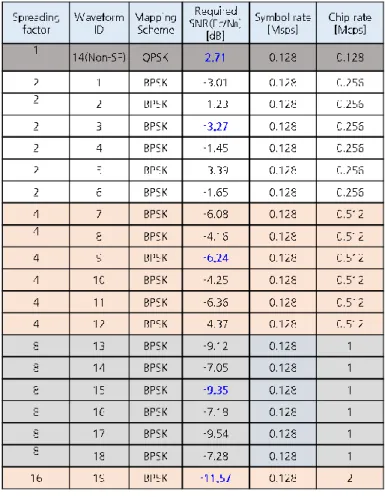
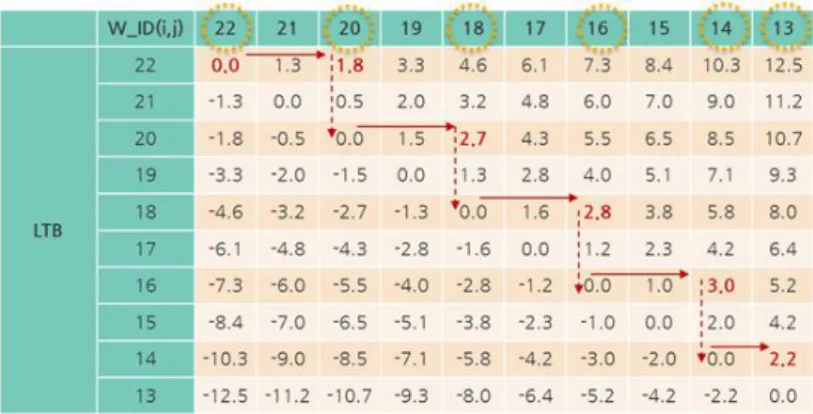
표 1-1 정량적 연구 결과: 특허 ... 19 표 1-2 정량적 연구 결과: 논문 ... 20 표 1-3 정량적 연구 결과: 기술이전 ... 22 표 1-4 정량적 연구 결과: 기고서 ... 22 표 1-5 정량적 연구 결과: 기술 문서 ... 23 표 1-6 정량적 연구 결과: 시제품 ... 25 표 1-7 정량적 연구 결과: 기술홍보 ... 29 표 2-1 저전력 전송 모뎀 요구 스펙 ... 37 표 2-2 버스트 유형에 따른 CRC 종류 ... 46 표 2-3 DVB-RCS2 의 MODCOD 별 페이로드 길이 ... 46 표 2-4 저속 심볼 전송 모뎀 수신 성능표 ... 48 표 2-5 WaveID 에 다른 대역확산 전송 주요 파라미터 ... 52 표 2-6 대역 확산 전송 모뎀 수신 성능표 ... 53 표 2-7 NSS 모드 능동형 ACM 운용 파라미터 결정(@SACM =3dB) ... 86 표 2-8 SS 모드 능동형 ACM 운용 파라미터 결정(@SACM~3dB) ... 87표 2-9 ACM 파라미터의 tx_type 정의(@SACM =3dB)... 87
표 2-10 PEP 성능 비교 ... 119 표 2-11 시험 설치 장비 ... 124 표 2-12 양방향 전송율 측정결과 ... 127 표 2-13 시험 설치 장비 ... 132 표 2-14 군수 부대 VSAT 운용 현황 ... 138 표 2-15 문서 파일 업로드 소요 시간 ... 139 표 2-16 시연 설치 장비 ... 141
그림 목차
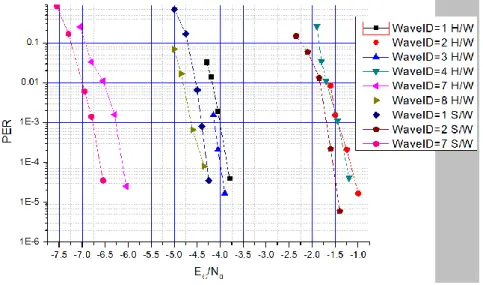
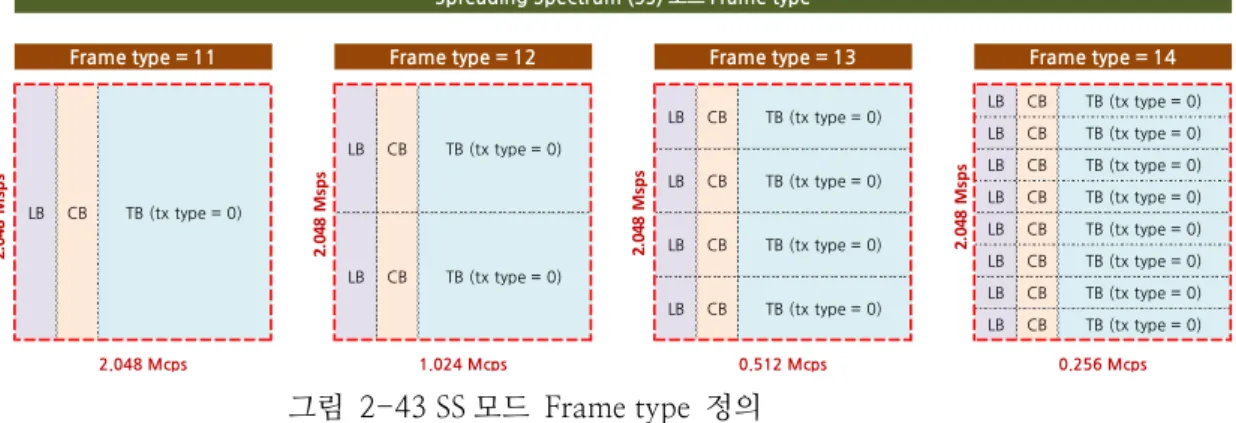
그림 1-1 연구개발 추진 체계 ... 10 그림 1-2 저전력 위성전송 기술 우수성 요약 ... 16 그림 1-3 위성·무선 연동시스템 구성도 ... 17 그림 1-4 TDMA 성형/SCPC 메쉬망 PEP 시험망 구성도... 17 그림 1-5 WiFi 백홀 서비스 시험 ... 18 그림 1-6 PS-LTE 백홀 서비스 시험 ... 18 그림 2-1 위성재난통신 시스템 개념도 ... 33 그림 2-2 저전력 성능 수신 성능 그래프 ... 35 그림 2-3 대역확산 기술 송신기 구조도 ... 35 그림 2-4 대역확산 전송 수신 PER 성능 ... 36 그림 2-5 저속심볼 전송에 따른 SNR 이득 설명도 ... 37 그림 2-6 전송 심볼 레이트별 주파수 구성도 ... 39 그림 2-7 저속심볼 전송 모뎀 수신기 구성도 ... 42 그림 2-8 Tree 구조 기반의 채널라이저 구성도 ... 43 그림 2-9 Turbo 복호기 구조도 ... 45 그림 2-10 저속 심볼 전송 모뎀 수신 성능 그래프(Wave ID : 8, 8PSK, R=2/3) ... 47 그림 2-11 대역확산 전송 모뎀 수신기 구성도 ... 50 그림 2-12 early & late 심볼타이밍 동기 유닛 구성도 ... 50 그림 2-13 대역확산 전송 Fixed-point 시뮬레이션 성능 ... 53 그림 2-14 저전력 위성전송 모뎀 시험 환경 구성도 ... 54 그림 2-15 QPSK EVM 측정 결과 ... 55 그림 2-16 8PSK EVM 측정 결과 ... 56 그림 2-17 16QAM EVM 측정 결과... 56 그림 2-18 0.128Msps PER 측정 결과 ... 57 그림 2-19 0.128Msps S/W 와 H/W PER 성능 비교 그래프 ... 57그림 2-22 BPSK 신호 수신 시험 결과 ... 59 그림 2-23 대역확산 전송 모뎀 H/W PER 시험 결과 ... 60 그림 2-24 대역확산 전송 모뎀 S/W 과 H/W 성능 비교 그래프 ... 60 그림 2-25 TDMA/SCPC 운용 방식 비교 ... 63 그림 2-26 TDMA/SCPC 위성재난통신 네트워크 접속 구조 ... 65 그림 2-27 TDMA/SCPC 통합형 중심국 서브시스템 기능 블록도 ... 66 그림 2-28 TDMA/SCPC 통합형 단말국 서브시스템 기능 블록도 ... 66 그림 2-29 TDMA/SCPC 자원관리용 공유메모리 정의 ... 67 그림 2-30 TDMA/SCPC 통합망 개념도 ... 68 그림 2-31 TDMA/SCPC 통합 운용 개념도 ... 69 그림 2-32 TDMA/SCPC Switching 기법 개념도 ... 70 그림 2-33 M-DRM 의 논리적 구조 ... 71 그림 2-34 TDMA 용 자원관리 모듈(T-DRM) ... 71 그림 2-35 DVB-RCS2 리턴링크 TDMA 접속절차 ... 74 그림 2-36 SCPC 용 자원관리 모듈(S-DRM) ... 75 그림 2-37 DVB-S2 기반 SCPC Overlay 망 연결 수립 절차 ... 76 그림 2-38 SCPC Overlay 망 연결 해제 절차 ... 76 그림 2-39 TDMA/SCPC 통합 운용 개념도 ... 77 그림 2-40 적응형 동적 자원관리 방식 흐름도 ... 78 그림 2-41 NSS 모드(Non-Spread Spectrum) Frame type 정의 ... 80 그림 2-42 NSS 모드(Non-Spread Spectrum) RLD Frame 정의 ... 82 그림 2-43 SS 모드 Frame type 정의 ... 82 그림 2-44 SS 모드 RLD Frame ... 83 그림 2-45 능동형 ACM 전송모드 선택 기법 ... 84 그림 2-46 능동형 ACM 운용 파라미터 결정 알고리즘 ... 85 그림 2-47 전송률 최대화 DRA 방식 결정 ... 86 그림 2-48 전력 제어 및 ACM 전송 방식 결정 알고리즘(NSS/SS 모드) ... 89 그림 2-49 TDMA/SCPC 혼용기법 개념 ... 91
그림 2-52 TDMA/SCPC 통합 운용 시뮬레이터 형상 (동작 환경 설정) ... 93 그림 2-53 비례형 동적 자원 할당 알고리즘 동작 흐름도 ... 94 그림 2-54 위성·무선 연동 시스템 TDMA 망 구성도 ... 96 그림 2-55 위성·무선 연동 시스템 TDMA/SCPC 망 구성도 ... 97 그림 2-56 해상(고정형) 안테나 형상 ... 98 그림 2-57 육상(가반형) 안테나 형상 ... 98 그림 2-58 고정형 및 백팩형 eNodeB 형상 ... 99 그림 2-59 EPC 장비 형상 ... 99 그림 2-60 PTT 서버 형상 ... 100 그림 2-61 PTT 전용 단말기 ... 100 그림 2-62 PEP 형상 ... 101 그림 2-63 위성·무선 연동 시스템 접속절차 ... 103 그림 2-64 위성·무선 연동시스템 시험 환경 구성도 ... 103 그림 2-65 대전 중심국 PS-LTE 시스템 시험 ... 104 그림 2-66 군산 소형함정 내 PS-LTE 시스템 시험 ... 105 그림 2-67 제주 소방본부 고정형 PS-LTE 시스템 시험... 105 그림 2-68 한라산 중턱(1100 고지)의 PS-LTE 시스템 시험 ... 106 그림 2-69 TDMA/SCPC 통합형 위성재난통신 시스템 PEP 서비스 개념 ... 107 그림 2-70 TCP Reno 혼잡제어 알고리즘 ... 108 그림 2-71 Hybla TCP 혼잡제어 알고리즘 ... 108 그림 2-72 Cubic TCP 혼잡제어 알고리즘 ... 109 그림 2-73 dummynet 기반의 PEP 시험 환경 구성도... 110 그림 2-74 RTT 및 패킷 손실율에 따른 hybla/cubic PEP 의 TCP 수율 비교 ... 111 그림 2-75 천리안 위성 기반의 TDMA 성형망 PEP 시험망 구성 ... 112 그림 2-76 천리안 위성 기반의 SCPC 메쉬망 PEP 시험망 구성 ... 112 그림 2-77 천리안 TDMA/SCPC 망 TCP 수율 비교(hybla/cubic PEP) ... 113 그림 2-78 천리안 위성 기반의 TDMA 성형/SCPC 메쉬망 PEP 시험망 구성 ... 114 그림 2-79 천리안 기반 TDMA 성형망 TCP 수율 시험 결과(상용 PEP) ... 115
그림 2-82 천리안 기반 SCPC 메쉬망 TCP 수율 시험 결과(Cubic PEP) ... 118 그림 2-83 천리안 위성을 이용한 해경 시연 망 개념도 ... 120 그림 2-84 제주소방본부 - 1100 고지 간 시험 망 개념도 ... 121 그림 2-85 천리안 위성을 이용한 해경 시험 망 구성도 ... 122 그림 2-86 영상 감시 서비스 시험 내용 ... 123 그림 2-87 화상 전화 및 WiFi 백홀 서비스 시험 내용 ... 123 그림 2-88 PS-LTE 백홀 서비스 시험 내용 ... 124 그림 2-89 시험 설치 장비 ... 126 그림 2-90 영상 감시 및 화상 전화 서비스 시험 결과 ... 128 그림 2-91 PS-LTE 및 WiFi 서비스 시험 결과 ... 129 그림 2-92 제주 소방 본부 시험 망 구성도 ... 130 그림 2-93 PS-LTE 백홀 서비스 시험 내용 ... 131 그림 2-94 제주소방본부 – 한라산 1100 고지 간 시험 장비 설치 ... 133 그림 2-95 제주소방본부 – 1100 고지 링크 연결 결과 ... 134 그림 2-96 제주소방본부 – 1100 고지 화상전화 서비스 ... 135 그림 2-97 제주소방본부 – 1100 고지 영상 감시 서비스... 136 그림 2-98 제주소방본부 – 1100 고지 LTE 백홀 서비스 ... 137 그림 2-99 군수사령부 –예하 부대 간 SCPC 망 구성도 ... 138 그림 2-100 육군 본부 – 군수사령부 간 SCPC 망 구성도 ... 140 그림 2-101 육군본부 시연 결과 ... 142 그림 2-102 위성재난통신 무선접속 규격(TTA2018PG805-006) 기고 ... 146 그림 2-103 위성재난통신 무선접속 규격(안) ... 147 그림 3-1 통합지휘 체계 개념도... 152
서 론
연구의 필요성 및 목적
o 지진, 태풍과 같은 대규모 자연재해나 세월호 침몰과 같은 대형 재난현장에서 인명과 재산 손실 최소화를 위해서는 강인한 재난안전통신망 구축이 필수적이며 특히 내재해성 통신 인프라인 위성통신의 효율적 활용이 필수적임 o 정부는 대형 재난재해에 효율적이고도 즉각적인 대처를 위해 정보통신기술 (ICT)을 활 용하여 중앙·지방 기관 등 수평적·수직적 협업체계 구축이 가능한 재난안전통신망 기반 의 통합 관리체계를 구축 중임 o 정부/국회는 ‘재난안전통신망 추진을 위한 정책방향 공청회’(`14.09.)를 개최하여 통합형 재난안전통신망의 필요성, 망의 안정성/신뢰성 확보방안 등에 대한 의견을 수렴하였으 며, 재난안정망의 신뢰성 확보 방안에 대해 다양한 의견을 수렴함 • 범 부처 차원의 통합형(PS-LTE/위성) 재난안전통신망 필요성 제기 • 재난안전망 신뢰성 확보를 위해 지상망과 위성무선 연동 필요성 제기 o 재난안전통신망이 본격적으로 운영되어도 연안, 산간지역에서는 전파 음영지역이 발생 하기 때문에 행정안전부 중심의 재난망 시범사업 검증협의회는 재난안전통신망의 전파 음영지역을 없애기 위해 `올4원(ALL-4-ONE)’ 전략을 수립(`16.6.)하여 전국 100% 커 버리지를 달성하도록 목표를 세움 • 전파 음영지역을 대상으로 기존 상용망, 배낭형 기지국, 위성 등을 이용한 백홀 등 다양한 솔루션을 보완 활용하는 방안임 o 과학기술정보통신부는 ‘민관통신방송위성 개발사업 정책연구’(`15.01.)를 통해 해양수산 부, 소방청, 해경, 행안부, 군 등을 대상으로 공공위성통신 수요조사를 실시하여 강인한 공공 위성통신 수요를 확인 o 소방청은 ETRI와 공동으로 ‘위성 재난통신 접속 고도화 기술 개발’(`14.06.) 기획 보고성 저하 및 대형 SNG 차량 중심의 재난대응으로 인해 효율적 재난대처에 어려움 발생 o 이러한 국내 위성재난통신망의 현황을 분석을 기반으로 하나의 시스템으로 성형/회선망 이 유연하게 접속되고, 재난안전통신망의 안정성 확보를 위한 PS-LTE 백홀 기능과 다 양한 재난현장에 용이하게 접근할 수 있는 위성재난통신기술 확보가 매우 중요하며, 위 성을 활용하는 재난대응 기관간의 협업 및 상호운용성 향상을 위한 국내표준 제정과 관 련 위성재난통신 기술 확보가 매우 중요함
국내외 기술개발 현황 및 수준
국내 기술동향 및 수준
o (소방청) 국내 위성재난통신망은 Viasat의 VSAT을 이용한 패킷통신(TDMA) 망과 Comtech EF Data의 Vipersat을 이용한 회선통신(PAMA-SCPC) 망 등 서로 상이한 중 심국 및 단말국을 이용하여 위성통신망을 구성 운영 중 • 소방청의 위성전용망은 `01~`05년에 Ku 대역 무궁화 위성을 이용하여 재난, 재해 지 역 현장 상황 실시간 전송 및 현장 지휘통신 지원을 목적으로 구축되었음 • 구축 시에는 시범 사업의 성격을 띠면서 경기소방본부가 위성 중심국과 3개의 SNG 이동국으로, 소방청이 각각 고정국 1식, SNG 이동국 1식의 단말국으로 구성되었음 • 또한, 충북소방본부가 독자적으로 고정국 1식과 SNG 이동국 1식을 갖는 구성을 갖 게 되었음 • 소방청의 중앙구조본부, 경기소방본부, 충북소방본부 간 SNG 호환성 문제, 소방청 의 그물망(Mesh) 방식과 행안부의 성형망(Star) 방식으로 국회 국감에서 운영에 한 계 지적함(‘17.10) o (K-Water) 한국수자원공사(K-Water)에서는 수문 관측망 및 감시제어를 포함한 원격 데이터 취득 및 정보제공 등 많은 부분에 위성통신망이 적용되고 있음
• `12년 한국전자통신연구원은 2세대 VSAT 전송기술 표준화 연구의 일환으로 DVB-RCS2 표준화 기구에 표준기술 제안자로 참여하여 2세대 VSAT 전송기술을 제안하 는 등 2세대 VSAT 핵심기술을 확보하고 있음 • `14년부터 한국전자통신연구원은 DVB-RCS2 규격을 기반으로 성형망 접속 기능을 지원하는 2세대 VSAT 시스템을 개발과제를 수행하고 있음 • 정보화 격차 해소, 천재지변 및 재난재해 시 긴급 비상통신망 제공 등의 공공 통신 서비스 인프라로 활용
국외 기술동향 및 수준
o (일본) 국가, 도도부현, 시정촌 등의 지방 자치 단체에서 방재통신시스템 운용을 위해 LASCOM(Local Authorities Satellite Communications Organization)을 설립하였음 • LASCOM은 1991년 12월 민간위성인 Superbird B2를 이용한 위성통신서비스를 시 작으로 각 도도부 현 단위로 구축중이며, 현재 약 4,000 여개의 지구국이 구축됨 • LASCOM은 위성망을 통해 전화, 팩시밀리에 의한 개별통신 및 영상 전송 등에 이 용 중 • `11년 3월 동일본 대지진시 LASCOM 망을 통한 통신 횟수는 최대 시간당 3,940 회, 통신 시간은 115 시간 이용하였음 (평상시 통신 횟수는 시간당 200 회, 6 시간 정도임)o NICT와 JAXA는 `11년 동일본 대지진시 S 대역 위성인 ETS-Ⅷ 및 Ka 대역 위성인 WINDS 위성을 재난복구를 위해 활용함
• 위성망을 활용하여 전화, 영상전송, 인터넷, Backhaul 등의 서비스를 통해 재난 복구 /재건을 수행하고 있음
o 일본의 NTT는 `11년 3월 11일 도호쿠 지역 지진 시 NTT(Nippon Telegraph and Telephone Corporation)의 통신망은 심각한 피해를 입었으며, 복구를 위해 11,000명의
위해 L/Ku 대역 위성을 이용한 시스템을 개발함 • 재난 발생 후 초기 단계에 사용하기 위해 L 대역 위성통신 시스템인 Inmarsat BGAN을 사용하여 GSM과 무선 네트워크를 통합하고, 피해자 및 구조팀이 필요로 하는 음성 통신, 인터넷 접속 및 위치 기반 서비스(LBS) 등의 기본 서비스를 제공함 • 재난 발생 후 구호요원 및 이재민 대상 긴급통신 서비스를 위해 Ku 대역 위성을 이 용하여 DVB-RCS 기반 GSM, WLAN/WiMAX 그리고 TETRA 등을 연동하여 지 구 관측 자료, 피해 지역의 사진, 지도 및 화상 회의 등과 같이 광대역 서비스에 활 용함
o (미국) 연방재난관리청(FEMA, Federal Emergency Management Administration)은 1979 년 대통령 직속 기관으로 설립되어 `03년 3월 국토안보부(DHS, Department of Homeland Security) 산하 비상대응 및 조치국 (EP&R, Emergency Preparedness and Response)에 포함되며, 산하에 미국 소방국(U.S. Fire Administration) 및 연방보험국 (FIA, Federal Insurance Administration)을 포함함
• 연방재난관리청(FEMA; Federal Emergency Management Agency)은 모든 유형의 자 연재난과 인적재난을 통합적으로 관리
• 미국 연방재난관리청(FEMA)은 Ku 대역 및 L/S 대역 복합망을 운영하여, 재난 경 감, 대응, 조치 및 응급복구를 위한 통신망으로 활용함
• 미국의 연방재난관리청(FEMA) 산하 RECCWGs(Regional Emergency Communications Coordination Working Group)을 통해 각 주별 상호 연동성을 확 보함
— 위기 발생 전 운용시스템 (Pre-Crisis System) : FEMA 통합망, FEMA 국가경고시 스템 (NAWAS, National Warning System), FEMA 국가무선시스템 (FNARS, National Radio System), Ku 대역 통신위성, Skycell 시스템 등을 가동시킴 — 위기 발생시 운용시스템(Crisis System) : 비상 대응팀이 재난 발생 지역에 배치되
어 가용 통신시스템인 셀룰러, 페이징, PCS와 같은 지상이동 통신시스템, INMARSAT 정지궤도위성, ORBCOMM 저궤도위성 등을 이용한 항공용/차량
국내외 경쟁기관 현황
o 미국, 프랑스 등의 위성재난통신 관련 선진국과의 기술 격차는 있지만 보유한 DVB-S2/RCS2 관련 MODEM, MAC 및 네트워크 기술을 바탕으로 기술 개발이 가능할 것 으로 판단됨 o 미국, 프랑스 등과의 기술수준은 다음과 같음 구분 기술수준 최고기술 보유국 판단사유 및 근거 격차 (년) 상대수준 (%) 성형망/회선망 접속 기능을 갖는 위성재난통신 시스템 2 95 미국, iDirect 미국 iDirect 사는 ATDMA 및 SCPC 기능을 지원하는 단말을 상용화하였음 ETRI는 DVB-S2/RCS2 기반 MODEM 기술을 보유하고 있어 이를 통합한 TDMA 및 SCPC 단말 개발이 가능하다고 판단됨 저전력 역방향 위성전송 기술 3 90 미국, iDirect 미국 iDirect 사는 저전력 전송을 위한 대역확산(SF:2,4,8) 기술을 개발하여 상용화 하였음 ETRI는 DVB-RCS2 MODEM 기술을 보유하고 있으며, MODEM 기술을 보완하여 대역확산 기술 개발이 가능할 것으로 판단함 위성·무선 연동 및 위성 백홀 기술 3 90 프랑스, Thales 프랑스 Thales 및 독일 DLR 등의 유럽국가에서는 재난통신에 활용 가능한 VSAT 단말과 LTE-A/TETRA와 연동이 가능한 시스템을 개발하여 `15년 9월에 시연함 ETRI는 VSAT 단말에 Routing 기능을 구현한 기술을 응용하여 LTE 등의 무선망과 연동기술 개발이 가능할 것으로 판단됨
연구의 내용 및 범위
연구개발 목표
가. 사업 최종 목표
o 재난현장 대응력 강화를 위한 위성재난통신 핵심기술개발, 시험서비스 및 검증 • 하나의 중심국으로 패킷/회선망 접속이 가능한 위성 접속 기술 개발 • 위성링크 생존성 강화를 위한 저속/저전력 역방향 위성전송 기술 개발 • 다양한 재난현장에서 무선 백홀 기능을 제공하는 위성단말 기술 개발나. 연차별 연구 목표
o 1차년도 : 위성재난통신시스템 설계 • 위성 재난통신 시스템(중심국/단말국/위성·무선 연동 요구사항 정의) • 위성 재난통신 핵심 알고리즘 설계 • 위성 재난통신 시스템 상위/상세 설계 • 위성·무선(WiFi, PS-LTE) 연동시스템 상위/상세 설계 o 2차년도 : 위성재난통신시스템 제작/시험 • 위성재난통신 중심국/단말국 시스템 모듈, 제작 및 시험 • 위성·무선(WiFi, PS-LTE 등) 연동시스템, 제작 및 접속 시험 • 위성재난통신 국내표준(안) 기고 o 3차년도 : 위성재난통신시스템 통합 및 위성전송시험연구개발 내용 및 범위
가. 연차별 연구 범위
o 1차년도: • 위성재난통신시스템(중심국/단말국/위성무선연동) 요구사항정의 • 위성무선(WiFi, PS-LTE 등) 연동 시스템 상위/상세 설계 o 2차년도: • 위성재난통신 중심국/단말국 시스템 핵심모듈 제작 및 시험 • 위성, 무선(WiFi, PS-LTE 등) 연동시스템 제작 및 현장적용 시험 o 3차년도: • 위성재난통신시스템 통합 및 시험 • 천리안 통신위성을 이용한 위성 전송 시험, 시험망 구축 및 운용나. 연차별 연구 내용
o 1차년도 연구 내용 • 위성재난통신 시스템 요구사항 도출 및 분석(20항목) • 위성재난통신 시스템 요구사항 도출 및 분석(20항목) • 위성재난통신 시스템 사용자 및 시스템 요구사항 정의(44항목) • 위성재난통신 시스템 규격 정의(136항목) • TDMA/FDMA 능동형 자원 공유 및 할당 알고리즘• 위성·무선 연동 모듈 상세 설계 • 사업추진위원회 구성 및 운영 • DVB-RCS2 VSAT 천리안위성 적용시험 o 2차년도 연구 내용 • TDMA/FDMA 능동형 자원할당 알고리즘 구현 및 시험 • 저속 위성전송 알고리즘 구현 및 검증(RTL) • 저전력 위성전송 알고리즘 검증(fixed point 시뮬레이터) • 위성재난통신 중심국 시스템 모듈별 제작 및 시험 • 위성재난통신 단말국 시스템 모듈별 제작 및 시험 • 위성·무선(WiFi, PS-LTE 등) 연동 모듈 제작 및 접속 시험 • 위성재난통신 국내표준(안) 기고 o 3차년도 연구 내용 • 저속 위성전송 모뎀 시험 및 보완(H/W) • 저전력 위성전송 알고리즘 검증(RTL 레벨 검증) • 위성재난통신시스템 통합 및 시험(IF loop-back) • 위성재난통신시스템과 무선망(WiFi, PS-LTE 등) 간 연동 시험 • 천리안 통신위성을 이용한 위성전송 시험 • 천리안 통신위성을 이용한 육상/해상 위성재난통신 시험망 구축 및 운용 시험 • 위성재난통신 국내표준(안) 제정
연구 추진 체계 및 방법
연구개발 추진 체계
o 과학기술정보통신부 : 천리안위성 활용 기반 제공 o 행정안전부/소방청/해경: 위성재난통신 요구사항 도출 및 위성재난통신망 시험 운용 o 연구원 및 대학 • 성형망 및 회선망/단말직접통신용 변복조기 알고리즘 개발 및 설계 • 저전력 위성 역방향 전송 기술 개발 • 성형망 및 회선망/단말직접통신용 자원관리 및 망 관리 알고리즘 설계 • 위성/무선 연동 알고리즘 개발 및 설계 • 위성재난통신 시스템 개발 및 위성전송 시험 o 위성관련 산업체 • 성형망 및 회선망/단말직접통신용 변복조기 모듈 구현 • 저전력 위성 역방향 전송 모듈 구현 • 성형망 및 회선망/단말직접통신용 자원관리 및 망 관리 모듈 구현 • 중심국, 단말국 및 위성/무선 연동 플랫폼 제작 o 활용처 포함 전문가 집단 위원회/협의회 • 육상/해상 위성재난통신망의 성공적인 개발을 위해 ‘사업추진 협의회’ 및 ‘연구개발 협의회’를 구성하여 운영함 • 사업추진 위원회 : 수요처인 소방청 및 해경과 ETRI가 공동으로 요구사항 도출 및 연구목표 설정 등의 기능을 수행함 • 연구개발 협의회 : ETRI와 국내 위성산업체가 공동으로 위성재난통신 핵심 기술에 대해 개발을 수행함그림 1-1 연구개발 추진 체계