저작자표시-변경금지 2.0 대한민국 이용자는 아래의 조건을 따르는 경우에 한하여 자유롭게 l 이 저작물을 복제, 배포, 전송, 전시, 공연 및 방송할 수 있습니다. l 이 저작물을 영리 목적으로 이용할 수 있습니다. 다음과 같은 조건을 따라야 합니다: l 귀하는, 이 저작물의 재이용이나 배포의 경우, 이 저작물에 적용된 이용허락조건 을 명확하게 나타내어야 합니다. l 저작권자로부터 별도의 허가를 받으면 이러한 조건들은 적용되지 않습니다. 저작권법에 따른 이용자의 권리는 위의 내용에 의하여 영향을 받지 않습니다. 이것은 이용허락규약(Legal Code)을 이해하기 쉽게 요약한 것입니다. Disclaimer 저작자표시. 귀하는 원저작자를 표시하여야 합니다. 변경금지. 귀하는 이 저작물을 개작, 변형 또는 가공할 수 없습니다.
A DISSERTATION
FOR THE DEGREE OF DOCTOR OF PHILOSOPHY
Effects of castration, cold temperature, and
dietary glycerol on gluconeogenesis and lipid
metabolism, growth performance, and meat
quality in Korean cattle
거세, 저온 환경 및 사료 내 글리세롤 첨가가 한우의
gluconeogenesis와 지방대사, 성장능력 및 육질에 미치는 영향 연구
by
Dilla Mareistia Fassah
DEPARTMENT OF AGRICULTURAL
BIOTECHNOLOGY
GRADUATE SCHOOL
SEOUL NATIONAL UNIVERSITY
Effects of castration, cold temperature, and
dietary glycerol on gluconeogenesis and lipid
metabolism, growth performance, and meat
quality in Korean cattle
By
Dilla Mareistia Fassah
Supervised by
Professor Myunggi Baik
Dissertation
Submitted to the Faculty of the Graduate School
Of Seoul National University
In partial fulfillment of the requirements
For the Degree of Doctor of Philosophy
In Agricultural Biotechnology
August, 2019
Major in Animal Science and Biotechnology
Department of Agricultural Biotechnology
Graduate School
Seoul National University
i
Overall Summary
Castration of bulls results in better beef and carcass quality through increased fat deposition. The deposition of intramuscular fat required incorporation of triglyceride in muscle, after the absorption of dietary fatty acids or de novo synthesis of fatty acid. Intramuscular adipose tissue uses a high proportion of glucose for fatty acid synthesis, either to supply a carbon source or to produce NADPH. Testosterone deficiency is associated with an increased in fat mass, reduced insulin sensitivity, and impaired glucose metabolism. Therefore, alteration of glucose and lipid metabolism following castration may affect beef quality.
Performance of the cattle is influenced by the climatological factors, such as ambient temperature. Temperature stress occurs when the ambient temperature is higher or lower than that of the cattle’s thermo-neutral zone. Cold stress increases the metabolic rate and maintenance requirement of cattle, which may lead to reduced performance and productivity. Increasing the energy density in the diet is an effective strategy to maintain the productivity of stressed cattle. Glycerol, a by-product of biodiesel production can be used as a glucogenic precursor to improve energy status of cattle. It is preferable since fat source from animal or plant origin has some limitation to be used in the ruminant diet. The fat content in ruminant diet is not recommended to exceed 5% since it may inhibit rumen fermentation.
ii
Limited information is available about the effects of castration, cold temperature, and dietary glycerol on gluconeogenesis and lipid metabolism, growth performance, and meat quality in Korean cattle. Thus, this study was conducted to 1) examine effects of castration of bulls on transcriptional changes in the genes involved in gluconeogenesis and glycolysis pathways and 2) to investigate effects of dietary glycerol and cold temperature on growth performance, rumen characteristics, blood metabolites, carcass characteristics, meat quality and expression gluconeogenesis and lipid metabolism of in finishing Korean cattle steers.
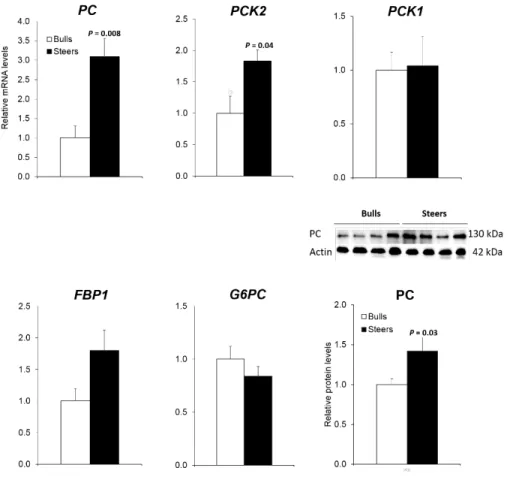
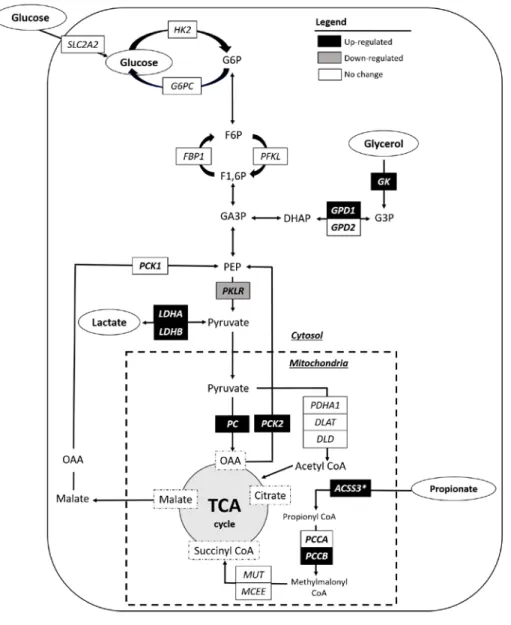
In study 1, castration increased the mRNA (3.6 fold; P < 0.01) and protein levels (1.4 fold; P < 0.05) of pyruvate carboxylase (PC) and mitochondrial
phosphoenolpyruvate carboxykinase genes (PCK2; 1.7 fold; P < 0.05). Hepatic
mRNA levels of genes encoding the glycolysis enzymes were not changed by castration. Castration increased mRNA levels of both lactate dehydrogenase A (LDHA; 1.5 fold; P < 0.05) and lactate dehydrogenase B (LDHB; 2.2 fold; P < 0.01) genes for lactate utilization. Castration increased mRNA levels of
glycerol kinase (GK; 2.7 fold; P < 0.05) and glycerol-3-phosphate dehydrogenase 1 (GPD1; 1.5 fold; P < 0.05) genes for glycerol utilization.
Castration also increased mRNA levels of propionyl-CoA carboxylase beta (PCCB; 3.5 fold; P < 0.01) and acyl-CoA synthetase short chain family member
3 (ACSS3; 1.3 fold; P = 0.06) genes for propionate incorporation.). Positive
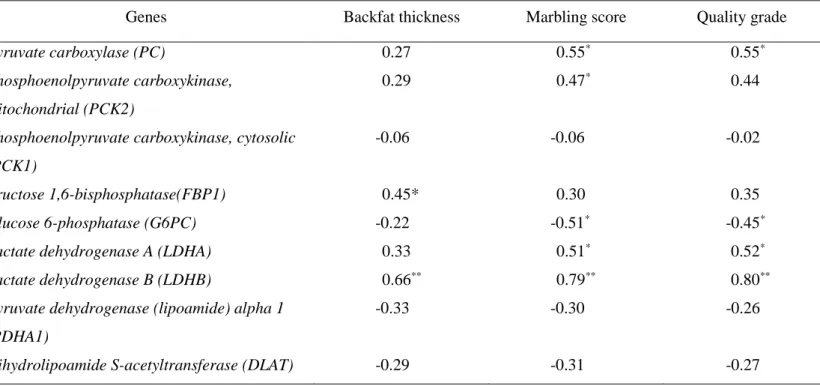
correlations were found between hepatic fructose 1,6-biphosphatase (FBP1),
iii
GPD1 gene expressions with backfat thickness. Hepatic gluconeogenic gene
(PC, PCK2, LDHA, LDHB, and PCCB) expression levels were associated with marbling score (MS) and/or quality grade (QG).
In study 2, the ambient temperature in December was lower (P < 0.001) than those in other months. Neither month nor glycerol supplementation (GS) affected (P > 0.05) ADG and feed efficiency. Cold weather affected (P < 0.001) the amount of concentrate intake and total feed intake, whereas GS decreased (P < 0.05) the concentrate intake. Cold weather increased (P < 0.05) ruminal pH and ammonia nitrogen (NH3-N) concentration. Cold weather decreased (P < 0.05) total volatile fatty acid (VFA) molar concentration, and the molar proportions of propionate and valerate, while it increased (P < 0.05) molar proportion of butyrate. Glycerol supplementation increased (P<0.05) the valerate molar concentration. Cold weather affected (P < 0.05) serum concentrations of glucose, cholesterol, and triglyceride. Glycerol supplementation increased (P < 0.05) MS and color lightness (CIE L*) of
longissimus thoracis (LT), while GS decreased (P < 0.05) ultimate pH of beef.
Glycerol supplementation increased flavor and overall acceptance (P < 0.05) of LT. Glycerol supplementation did not change mRNA levels of hepatic gluconeogenesis genes. However, it tended to upregulate (0.05 < P ≤ 0.10) fatty
acid translocase (CD36), lipoprotein lipase (LPL), and fatty acid binding protein 4 (FABP4) genes in LT. These results indicate that cold condition did
not affect growth performance of Korean cattle, although some changes in blood metabolites and ruminal parameters were observed. Diet with 3.15% GS
iv
of concentrate DM did not affect growth performance, ruminal VFA concentrations, and blood metabolites. However, GS increased MS and sensory traits. Glycerol supplementation could be used to improve beef quality during cold conditions without affecting performance.
From this study, it can be concluded that beef quality can be improved by castration and dietary glycerol supplementation, which influence hepatic gluconeogenesis and lipid metabolism of Korean cattle.
Key words: Glycerol, glucose metabolism, lipid metabolism, performance,
carcass characteristics, meat quality, sensory quality, cold temperature, Korean cattle steers
v
CONTENTS
OVERALL SUMMARY ... i
CONTENTS ... v
LIST OF TABLES ... viii
LIST OF FIGURES ... x
LIST OF ABBREVIATIONS ... xi
UNITS AND MARKS ... xv
CHAPTER ONE INTRODUCTION ... 1
CHAPTER TWO LITERATURE REVIEW ... 6
1. Glucose metabolism in ruminants ... 6
Carbohydrate digestion ... 7
Gluconeogenesis ... 8
Glycogen metabolism ... 16
2. Lipid metabolism in ruminants ... 19
3. Korean cattle ... 24
Characteristics of Korean cattle ... 24
Beef quality and yield grade in South Korea ... 26
vi
5. Effects of temperature stress on cattle performance and beef
quality ... 32
Effect of temperature stress on growth performance ... 34
Effect of temperature stress on beef quality ... 36
6. Effects of glycerol on growth performance and beef quality ... 37
Properties and energy contents of Glycerol ... 37
The advantage of glycerol utilization compared to fat source in ruminant diet ... 39
Glycerol fates in ruminant digestive tract ... 40
Effect of glycerol on cattle performance and beef quality ... 41
7. References ... 42
CHAPTER THREE Hepatic transcriptional changes in critical genes for gluconeogenesis following castration of bulls ... 73
1. Abstract ... 73
2. Introduction ... 74
3. Materials and methods... 77
4. Result and discussion ... 84
5. Conclusion ... 105
vii
CHAPTER FOUR
Effect of glycerol supplementation and ambient temperature on growth performance, carcass and meat quality traits, and lipid
metabolism gene expression in Korean cattle steers ... 112
1. Abstract ... 112
2. Introduction ... 114
3. Materials and methods... 117
4. Result and discussion ... 133
5. Conclusion ... 167 6. References ... 168 CHAPTER FIVE General conclusion ... 188 SUMMARY IN KOREAN ... 191 ACKNOWLEDGEMENT ... 195
viii
LIST OF TABLES
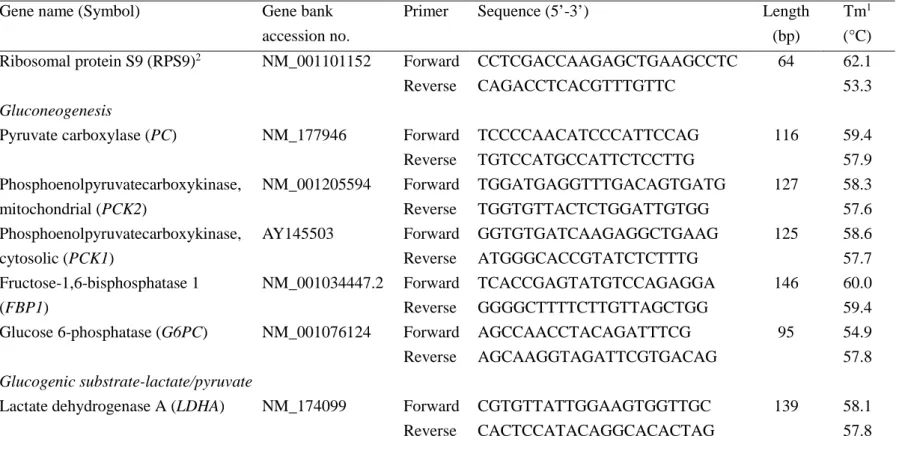
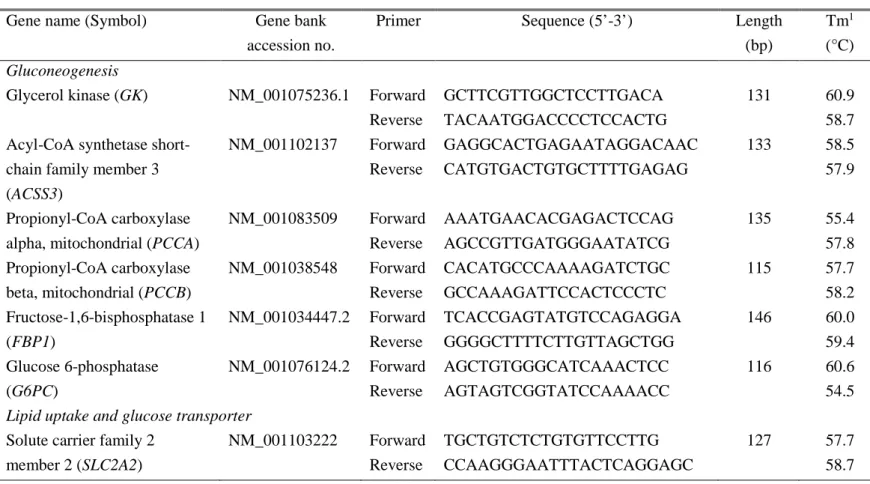
Table 1. Primer sequences for real-time PCR analysis ... 80 Table 2. Correlation between hepatic gene expression levels and backfat
thickness, marbling score,and quality grade in Korean cattle ... 100
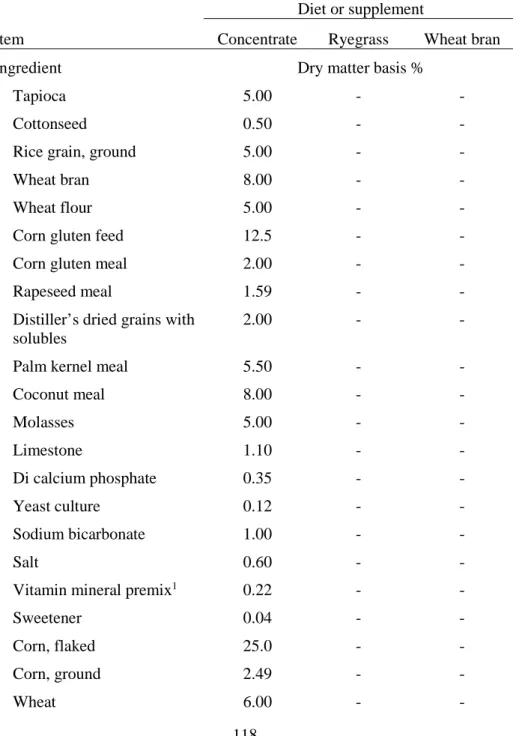
Table 3. Ingredients of concentrate and chemical composition of experimental
diets for Korean cattle steers ... 118
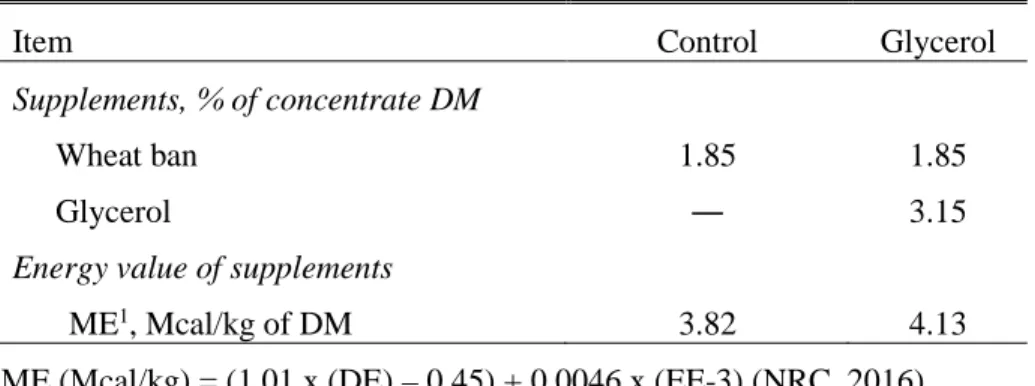
Table 4 Supplementation amount of control and glycerol groups ... 121 Table 5. Primer sequences for real-time PCR analysis ... 129 Table 6. Mean, maximum and minimum values of indoor and outdoor
temperatures, and relative humidity from September to December 2017 ... 134
Table 7. Growth performance of Korean cattle steers fed either the control
or the glycerol-supplemented diet from September to December 2017 ... 137
Table 8. Ruminal parameters in Korean cattle steers after 3 h of feeding
on the control or the glycerol-supplemented diet ... 141
Table 9. Serum metabolites concentrations at 3 h post-feeding of Korean
cattle steers fed either the control or the glycerol-supplemented diet ... 149
Table 10. Carcass characteristics of Korean cattle steers fed the control or
glycerol-supplemented diet ... 151
Table 11. Chemical, physico-chemical composition and sensory traits of longissimus thoracis from Korean cattle steers fed the control or
glycerol-supplemented diet ... 154
ix
metabolism genes with marbling score and intramuscular fat content
x
LIST OF FIGURES
Figure 1. Lipid metabolism in ruminant adipose tissue... 20
Figure 2. Hepatic expression levels of genes for gluconeogenesis from
glucose to pyruvate in Korean cattle ... 87
Figure 3. Hepatic mRNA levels of genes for glucogenic substrate
incorporation in gluconeogenesis pathway in Korean cattle ... 90
Figure 4. Hepatic mRNA levels of glucose transporter and glycolysis genes
in Korean cattle bulls and steers ... 97
Figure 5. Changes in the hepatic expression levels of genes for gluconeogenesis
pathway following castration of bulls ... 103
Figure 6. Comparison of the hepatic mRNA levels of genes related to
gluconeogenesis and glycerol metabolism between the control and glycerol supplementation groups in Korean cattle steers ... 159
Figure 7. Comparison of the mRNA levels of genes related to lipid uptake and
transporters (A), triglyceride synthesis (B), and lipogenesis (C) in muscle between the control and glycerol supplementation groups in Korean
xi
LIST OF ABBREVIATIONS
ACC: acetyl CoA carboxylase ACS: acyl CoA synthetase
ACSS3: acyl-CoA synthetase short-chain family member 3 ADF: acid detergent fiber
ADG: average daily gain
AGPAT1: 1-acylglycerol-3-phosphate O-acyltransferase 1 ATGL: adipose triglyceride lipase
ATP: adenosine tri phosphate BMS: beef marbling score standard BSE: bovine spongiform encephalopathies BW: body weight
CD36: fatty acid translocase CD36 CP: crude protein
DDGS: distiller’s dried grains with solubles DGAT1: diacylglycerol O-acyltransferase 1 DHAP: dihydroxy acetone phosphate
DLAT: dihydrolipoamide S-acetyltransferase DLD: dihydrolipoamide dehydrogenase DM: dry matter
DNA: deoxyribonucleic acid EE: ether extract
xii
FABP: fatty acid binding protein
FABP4: fatty acid binding protein 4
FASN: fatty acid synthase
FATP: fatty acid transport protein
FBP1: fructose-1,6-bisphosphatase 1
G6PC: glucose 6-phosphatase
GK: glycerol kinase
GPAM: glycerol-3-phosphate acyltransferase, mitochondrial
GPD: glycerol-3-phosphate dehydrogenase
GPD1: glycerol-3-phosphate dehydrogenase 1
GPD2: glycerol-3-phosphate dehydrogenase 2
GS: glycerol supplementation
HK2: hexokinase 2
HMGCR:
3-hydroxy-3-methylglutaryl-Coenzyme A reductaseHSL: hormone sensitive lipase
IMF: intramuscular fat
LDH: lactate dehydrogenase
LDHA: lactate dehydrogenase A
LDHB: lactate dehydrogenase B
LPL: lipoprotein lipase
xiii
MCEE: methylmalonyl-CoA epimerase
ME: metabolizable energy
NDF: neutral detergent fiber
MS: marbling score
MUFA: mono unsaturated fatty acid
MUT: methymalonyl-CoA mutase
NADH: nicotinamide adenine dinucleotide
NADPH: nicotinamide adenine dinucleotide phosphate
NEg: net energy for gain
NEl: net energy for lactation
NEm: net energy for maintenance
OAA: oxaloacetate
PC: pyruvate carboxylase
PCCA: propionyl-CoA carboxylase, alpha
PCCB: propionyl-CoA carboxylase, beta
PCK1: phosphoenolpyruvate carboxykinase, cytosol
PCK2: phosphoenolpyruvate carboxykinase, mitochondrial
PCR: polymerase chain reaction
PDHA1: Pyruvate dehydrogenase (lipoamide) alpha 1
PEP: phosphoenolpyruvate
xiv
PKLR: pyruvate kinase
PPARG: peroxisome proliferator-activated receptor gamma
PUFA: poly unsaturated fatty acid
RNA: ribonucleic acid
QG: quality grade
RPS9: Ribosomal protein S9
SLC2A2: Solute carrier family 2 member 2
SLC2A4: Solute carrier family 2 member 4
SREBP1: Sterol regulatory element binding transcription factor 1
TCA: tricarboxylic acid
TDN: total digestible nutrient
THI: temperature humidity index
UDP: uridine 5’-diphosphate
VFA: volatile fatty acid
WHC: water holding capacity
YG: yield grade
xv
UNIT AND MARKS
%: percent cm: centimeter dL: deciliter g: gram kDa: kiloDalton kg: kilogram m: meter Mcal: megacalori mg: miligram mL: mililiter mM: miliMolar mm: millimeter mmol: millimol nm: nanometer oC : celcius degree μL : microliter
xvi μm: micrometer
1
CHAPTER ONE
INTRODUCTION
Glucose metabolism in ruminant is different from monogastric animals. In ruminants, glucose is mainly supplied by hepatic gluconeogenesis to maintain the blood glucose level. The major precursors of hepatic gluconeogenesis are including propionate, amino acids and lactate are major precursors. Most of the carbohydrate on ruminant’s diet is fermented into a short-chain fatty acid in the rumen, and prior to liver entry, all of the remaining glucose is removed by cells of the gastrointestinal tract.
In South Korea, the carcass grading system is judged by a combination of a QG and a yield grade (YG) (KAPE, 2017). Although the QG is estimated by several factors exposed in LT at the 13th rib interface, the MS is the major determinant (NLCF, 1998). Since Korean consumers prefer the high marbled beef, the farmers generally apply castration to bulls to increase the intramuscular fat (IMF) and MS combined with intensive grain-based feeding system.
Beef cattle industry uses castration to provide advantages on beef cattle production, including to modify behavior, to improve safety management, and to produce better carcass and meat quality. However, the castrated bull exhibited slower growth and lower feed efficiency (Seideman et al., 1982). Castration of bulls either with physical method or immune castration, decrease
2
testosterone level (Amatayakul-Chantler et al., 2013). In Korean cattle, castration is an efficient way to enhance marbling and improved beef quality (Bong et al., 2012). Carcasses of steers slaughtered at later age and higher body weights had a lower percentage of valuable cuts and higher fat content (Nogalski et al., 2017). Study in rats reported that castration decreases the circulation of testosterone, and enhances gluconeogenesis in the liver (Xia et al., 2013). Smith and Crouse (1984) demonstrated that a high concentrate diet increased glucose incorporation into fatty acids in intramuscular adipose tissue than subcutaneous adipose tissue. Furthermore, glucose was the primary lipid precursors in intramuscular adipose tissue, whereas subcutaneous adipose tissue uses acetate (Smith and Crouse, 1984). Currently, little information is available about the effect of castration on gluconeogenesis in the liver at the molecular level and its correlation with MS.
The cold environment can alter nutrient utilization and metabolism, which has noticeable effects on cattle’s growth performance (Young, 1981) and may also change meat quality (Hocquette et al., 1998). Cold environment increases the maintenance energy of about 30% to 40% due to the higher energy requirement of animal for maintaining the body temperature (Webster et al., 1970). Shivering increasing in cold adaptation involves biochemical mechanisms similar to those underlying muscle contraction and subsequent relaxation. Shivering also increases the adenosine tri phosphate (ATP) utilization enhancing in the oxidation rate of energy substrates. Gluconeogenesis partly supplies energy to muscles shivering to maintain a
3
body temperature of animal in response to cold temperature. Cold exposure leads animals to change carbohydrate metabolism, which is modulated by hormones such as insulin and glucagon. Increased cortisol during cold stress enhances gluconeogenesis, promotes the breakdown of lipids and proteins, and mobilization of extrahepatic amino acids and ketone bodies, thus counteracting with insulin (Bhimte et al., 2018).
The cold adaptation changes the muscle structure and metabolism. In the non-ruminant studies, cold exposure induced an increase in muscle oxidative metabolism which is associated with a rise in lipid content and glycolytic potential (Lefaucheur et al., 1991; Duchamp et al., 1992). Though there are no clear-cut effects of cold exposure on meat quality through muscle’s biochemical changes, Lefaucheur et al. (1991) reported that cold exposure decreased the water holding capacity (WHC) of red muscles and increased the proportion of unsaturated lipids leading to a softer fat.
To increase the energy supply and to improve the metabolic status of the animal, increasing the energy density in concentrate by fat supplementation was generally used in ruminant’s diet. However, fat sources may have negative effects on dry matter (DM) intake (Nawaz and Ali, 2016) and fibrous carbohydrate digestibility (Doreau and Chilliard, 1997). Utilization of fat from animal origins, such as tallow and lard, is limited due to the concern of Bovine spongiform encephalopathies (BSE) in cattle. Glycerol, a by-product of the biodiesel industry, has been reported to have a beneficial effect on improving energy status, though it is not always matched with the increased of
4
performance. According to FDA (2007), glycerin or crude glycerol is categorized as a safe feed ingredient when used in accordance with good manufacturing or feeding practice. Previously reported, glycerol supplementation in the diet showed the better result in performance, rumen parameters, and blood metabolites than rumen-protected fat supplementation (Kang, 2019).
Several studies used either pure or crude glycerol on a diet did not observe any adverse effects of glycerol on cattle performance (Mach et al., 2009; Chanjula et al., 2014; Del Bianco Benedetti et al., 2016; Kang et al., 2017). Cows fed glycerol tended to increase body weight at a higher rate relative to those supplied in the control diet. Some studies conducted in beef cattle showed that glycerin utilization in the diet does not affect carcass characteristics and meat quality (Gunn et al., 2010; Barton et al., 2013). A potential effect of dietary glycerol for improving ruminant meat quality is due to the increased availability of gluconeogenic compounds, which allow a greater deposition of intramuscular fat (Mach et al., 2009). Glycerol supplementation in the beef cattle’s feed reared under cold condition also might reduce lipolysis, which is occurred to maintain body temperature. The effects of glycerol supplementation on beef cattle’s diet have been investigated, but limited studies were conducted to evaluate its effect on beef cattle in cold condition. The studies on utilization of glycerol as a feed supplement to cope cold condition on of beef cattle would provide comprehensive knowledge to the performance, meat quality, gluconeogenesis, and lipid metabolism in cattle.
5
This study was conducted to 1) examine effects of castration of bulls on transcriptional changes in the genes involved in gluconeogenesis and glycolysis pathways and to 2) investigate effects of dietary glycerol and ambient temperature on growth performance, rumen characteristics, blood metabolites, carcass characteristics, meat quality and expression gluconeogenesis and lipid metabolism of in finishing Korean cattle.
6
CHAPTER TWO
LITERATURE REVIEW
1. Glucose metabolism in ruminant
Glucose metabolism is tightly regulated to guarantee a sufficient energy requirement to glucose-dependent organs (Han et al., 2016). Input of glucose is essential to meet certain obligatory function, such as lactose synthesis in milk production, supply energy for fetus, nervous system, brain cells and working muscle, synthesis of structural polysaccharides, glycoproteins, and glycolipids of cell membranes, and synthesis of triglycerides in adipose tissue (Hamada, 1984; Ortega Cerilla and Martínez, 2003). In contrast to non-ruminants, most of the ingested carbohydrates in ruminant are fermented into short chain fatty acid by microbes in the rumen, so that little glucose is absorbed from small intestine (Reynolds et al., 1995). As a consequences, gluconeogenesis in the liver and kidney in ruminants is quantitatively more important than in non-ruminant. Ruminants have adapted to limited availability of glucose by high rates of hepatic gluconeogenesis, limited use of glucose for oxidation, and use acetate instead of glucose for fatty acid synthesis (Brockman and Laarveld, 1986).
7
Carbohydrate digestion
Several carbohydrates are found in feedstuffs, such as cell wall insoluble or soluble carbohydrates, starch, and water-soluble carbohydrates. According to Nozière et al. (2010) cell wall insoluble carbohydrates characterized as fraction insoluble in neutral detergent solution, such as cellulose, hemicellulose and lignin, whereas cell wall soluble carbohydrate include soluble material such as pectin. Starch and water-soluble carbohydrate are consisted of xylans, glucans, and organic acids (Nozière et al., 2010).
Nearly all carbohydrate digestion occurs within the rumen, but under certain circumstance (high rate passage), a significant amount of carbohydrate is digested in the small and large intestines (Nocek and Tamminga, 1991). Young et al. (1977) reported that less than 10% of body glucose requirements are absorbed as pre-formed glucose from the ruminant digestive tract. In addition, Aschenbach et al. (2010) reported that feeding a diet containing high bypass rumen starch only results in the absorbed glucose less than 5% of the total glucose supply because of limitation in intestinal glucose absorption.
The rumen microbes are able to hydrolyze variety of carbohydrates found in feedstuffs, and convert them to microbial protein and VFAs. According to Van Soest (1994), the major VFAs produced in the rumen are acetate, butyrate, and propionate. A significant portion of protein which is also digested in the rumen contribute to the small concentrations of branched chain VFAs (isovalerate, isobutyrate, 2-methylbutyrate) production (Nozière et al., 2010). The VFA composition is mainly determined by the composition of microbial
8
population in the rumen, which is largely determined by dietary composition and dietary regimen (Warner, 1962). Djikstra and Tamminga (1995) reported that approximately 80% of carbohydrate degradation being carried out by bacteria, along with fungi and protozoa. The development of cellulolytic bacteria induce high levels of acetate, whereas amylolytic bacteria induces an increase in propionate proportion (Castillo-Gonźales et al., 2014). Diets rich in water soluble carbohydrate may promote protozoa population that induces an increase in butyrate (Hristov et al., 2001; Denton et al., 2015).
Volatile fatty acids produced in the rumen are absorbed directly into the portal blood circulation primarily via ruminal epithelium (Djikstra, 1994). Absorption of VFA through the ruminal epithelium accounts for 65% to 85% of the ruminal production, depending on the balance between the absorption and turnover rates of the liquid phase in the rumen (Gäbel and Aschenbach, 2006). Moreover, Merchen and Borquin (1994) reported that these VFAs absorbed in the rumen contribute to approximately 80% of the total energy requirements of the host animal.
Gluconeogenesis
It is generally established that most of carbohydrates in diets is fermented to VFA in the rumen, glucose requirements in ruminants arise mainly from gluconeogenesis in the liver (Reynolds, 1995) with a little contribution by kidneys (Stumvoll et al., 1999). Approximately 90 to 100% of glucose supply in ruminants depends on a state of continuous gluconeogenesis.
9
Gluconeogenesis refers to the pathway for de novo synthesis of glucose from non-carbohydrate precursors, such as lactate, amino acids, glycerol, and propionate (Mayes and Bender, 2003).
Large quantities of VFAs produced by rumen fermentation are converted into glucose by hepatic gluconeogenesis. According to Aschenbach et al. (2010), propionate, glycerol, amino acids, lactate and pyruvate play an important role as a significant glucogenic subtrates in ruminants. Reynolds et al. (1988) reported that carbon in glucose synthesized is mostly derived from propionate (55.1%), L-lactate (17.4%) and amino acids (16.5%). Glycerol is contributed to about 0.5-3.0 % of carbon glucose synthesized in cattle (Aschenbach et al., 2010). In the fasted state, the liver secretes glucose not only from gluconeogenesis but also through breakdown of glycogen (glycogenolysis) (Rui, 2014).
In animals fed with grain, about 90% of the propionate in portal blood is removed in every circulation through the liver and metabolized (Cook and Miller, 1965). According to Aschenbach et al. (2010), 80% of the total glucose production in cattle is originated from propionate. Glycerol released by lipolysis in adipose tissue during fasting, may be used for a substrate for gluconeogenesis (DiMarco et al., 1981). Almost all amino acids are glucogenic, with lysine, leucine and taurine being exceptions (Berg et al., 2002). In the fasted state, amino acids derived from muscle protein are important substrates for gluconeogenesis (Cahill, 1970). Pyruvate is the end-product of glycolysis, and it is reduced into lactate when actively working muscle become anaerobic.
10
In ruminants fed with high concentrate diet, ruminal lactate may become a substrate in gluconeogenesis, though the conversion rate is low (Aschenbach et al., 2010).
Hepatic gluconeogenesis involves utilization of several precursors to be incorporated into glucose by several reactions. Gluconeogenesis shares many common reactions with glycolysis, except for three futile cycles, namely the glucose / glucose-6-phosphate cycle, the fructose-6-phosphate / fructose-1,6-biphosphate cycle, and the pyruvate / phosphoenolpyruvate cycle.
Hepatic gluconeogenesis is tightly regulated by various mechanisms, such as substrate availability, rate-limiting enzyme activities, or both (Exton, 1972). Oxaloacetate is the common entry point for most of the gluconeogenesis precursor, except for glycerol which enters the gluconeogenesis pathway by glycerol-3-phosphate. Propionate incorporation is catalyzed by several enzymes, such as propionyl-CoA carboxylase, methylmalonyl-CoA mutase, and methylmalonyl-CoA epimerase to form succinyl-CoA which is next converted to oxaloacetate through part of the tricarboxylic acid (TCA) cycle (Aschenbach et al., 2010). Oxaloacetate can be metabolized to phosphoenolpyruvate (PEP) by phosphoenolpyruvate carboxykinase (PCK) or metabolized in TCA cycle. Phosphoenolpyruvate also can be metabolized to glucose or recycled to pyruvate by pyruvate kinase. First of all, lactate and gluconeogenic amino acids are converted to pyruvate in the cytosol, which later transported to mitochondria and converted to oxaloacetate by PC. Glycerol is phosphorylated to glycerol-3-phosphate by glycerol kinase to enter
11
gluconeogenesis. Therefore, glycerol is an efficient energy substrate because it is not affected by two of the rate-limiting gluconeogenesis enzymes, i.e., PC and PCK (Krehbiel et al., 2008).
There are two forms of PCK in mammalian tissues, the mitochondrial (PCK2) and the cytosolic form (PCK1). It is reported that PCK1 in liver and kidney is essential for gluconeogenesis, while the role of PCK2 is uncertain (Wiese et al., 1991). According to Aschenbach et al. (2010), the PC and PCK2 activities regulate entry of lactate to gluconeogenesis; the entry of gluconeogenic amino acids is regulated by PC and PCK1 activities, whereas entry of propionate is regulated by PCK1 activity. Pyruvate carboxylase catalyzes the carboxylation of pyruvate to oxaloacetate for gluconeogenesis. Pyruvate carboxylase expression plays a pivotal role in promoting entry of endogenous precursors in gluconeogenesis when intake is compromised such as during a transition to calving, whereas PCK expression is linked to controlling gluconeogenesis when feed intake is not constrained (Aschenbach et al., 2010). Fructose-1,6 biphosphatase and glucose-6 phosphatase (G6PC) catalyzed the next steps of gluconeogenesis. Fructose-1,6 biphosphatase catalyzed the conversion of fructose-1,6 biphosphate to fructose-6 phosphate. Glucose 6 phosphatase catalyzes the hydrolysis of glucose-6 phosphate to glucose and inorganic Pi (Nutall et al., 2008).
The rate of hepatic gluconeogenesis is under the control of various hormones. Among them, glucagon and insulin play vital roles in maintaining normal blood glucose concentration and gluconeogenesis. Insulin and glucagon
12
are secreted by the islets of Langerhans of pancreas into the bloodstream (Da Silva Xavier, 2018). Insulin has a hypoglycemic effect that promotes the storage of metabolites in peripheral tissues, whereas glucagon is a hyperglycemic hormone that activates gluconeogenesis and lipolysis (Brockman, 1978). Secretion of both hormones can be influenced by glucose, certain amino acids, VFA, nervous stimulation, and hormones.
Insulin is secreted into the bloodstream to promote glycolysis to lower glucose levels by increasing the removal of glucose from the bloodstream. Also, it participates in directing absorbed acetate and amino acids into peripheral tissues (Qaid and Abdelrahman, 2016). In the absence of insulin, glucose uptake decreases in the tissues and increases the mobilization of lipids in adipocytes (Frayn, 2010). Insulin directly controls the enzyme activities by phosphorylation or de-phosphorylation and may suppress gluconeogenesis through both direct effects on the liver and indirect extrahepatic mechanisms. Insulin increases the uptake rate of glucose by stimulating glucose transporter in skeletal muscle and adipose tissue (Kahn, 1996). Insulin is also known to inhibit the transcription of hepatic PCK (Sutherland et al., 1996), and it causes a greater decrease in the activity of G6PC in the liver of rat (Ashmore et al., 1956).
When the glucose concentration drops, glucagon is released to promote hepatic glucose output to raise the blood glucose levels by increasing glycogen breakdown and gluconeogenesis, and by decreasing glycogenesis and glycolysis (Jiang and Zhang, 2003). According to Brockman and Manns (1974),
13
glucagon enhanced gluconeogenesis is associated with increased activity of hepatic PC. Williams et al. (2006) reported that the administration of glucagon in subcutaneous adipose tissue resulted in a 1.5 fold increase in hepatic mRNA concentration of PC, PCK1, and PCK2. However, the authors concluded that glucagon does not make immediate alterations in total PCK enzyme activity and gluconeogenic capacity. Other study reported that the mRNA concentration of PC, PCK2, and PCK1 in liver increased with subcutaneous glucagon injection in dairy cows (Bobe et al., 2009).
Different dietary ingredients could change the gene expression of hepatic gluconeogenesis pathway, especially PCK and G6PC (Li et al., 2013). The activity of G6PC increases with the presences of free fatty acid, amino acids, and possibly fructose, while it suppresses following carbohydrate feeding (Radziuk and Pye, 2001). It is possible that nutrients availability participates in the regulation of gluconeogenesis. Increasing glucose supply generally does not negatively affect the activity of important gluconeogenesis enzymes in mid lactating cows (Al-Trad et al., 2010). Ruminal infusions of propionate and casein increased rates of glucose synthesis in the sheep, and the rate of gluconeogenesis is related directly to the availability of gluconeogenic precursors absorbed from the digestive tract (Judson and Leng, 1973). Nevertheless, increased glucogenic precursor supply, either from food or ruminal infusions, does not always produce predicted increments in glucose production (Vanhatalo et al., 2003; Lemosquet et al., 2009).
14
In addition to glucose, other nutrients derived from protein or fat also could regulate the hepatic gluconeogenesis, either by serving as a substrate or by modulating the secretion of pancreatic hormones (Roden and Bernroider, 2003). Cummins and Sartin (1987) reported that feeding a high-fat diet increases basal insulin concentration and insulin to glucagon ratio, which may decrease glucose synthesis in lactating cows. Rumen-protected fat feeding in dairy cows during mid-lactation lowers hepatic glucose output by decreasing the plasma insulin concentration, and increases the glucagon to insulin ratio, thus down-regulating the mRNA abundance of G6PC (Lohrenz et al., 2010). Different fatty acids might have caused different effects to hepatic gluconeogenesis. Mashek and Grummer (2003) reported that the addition of C22:6 to the monolayer cultures of bovine hepatocytes resulted in increased metabolism of palmitic acid and decreased gluconeogenesis. According to Santos et al. (2011), oleic acids increase insulin secretion. Furthermore, 2 mM oleic acid were reduced rates of gluconeogenesis from propionate in bovine hepatocytes (Cadórniga-Valiño et al., 1997). In contrast, Strang et al. (1998) reported that triglyceride infiltration increased propionic metabolism and gluconeogenesis rates.
In a human study, the insulin concentration to feeding with protein solution was closely related to specific plasma fatty acid, especially leucine, isoleucine, valine, phenylalanine, and arginine, while glucagon level was linearly related with the increase in plasma fatty acid concentrations (Calbet and MacLean, 2002). An increase of DL-methionine level in the diet did not upregulate key glucogenic genes but decreased the expression of PCK2 of Holstein calves
15
(Zhang et al., 2016). Chandler and White (2019) reported that choline and DL-methionine interact differently with hepatic gluconeogenesis. Choline increased the mRNA expression of PCK1 and G6PC, whereas DL-methionine decreased mRNA expression of PCK1 without any change on G6PC. Nonprotein nitrogen supplementation in sheep did not change insulin concentration; however, it increases the liver PCK activity associated with an increase of gluconeogenic capacity from propionate (Noro et al., 2012).
Glycerol supplementation during the prepartum and post-partum periods did not change the plasma insulin and glucose concentration (DeFrain et al., 2004). Study in dairy cattle reported that substitution of corn with glycerol increased the expression of PCK1 mRNA during the transition to lactation suggesting that dietary energy source alters hepatic gene expression due to changes in rumen propionate production (White et al., 2016). When the energy supply is relatively enough to body demand, glycerol can enter the glycolysis and can be converted to Acetyl CoA, and further metabolize via TCA cycle (Allen et al., 2009). Nye et al. (2008) also reported that glycerol as the predominant source of triglyceride glycerol in adipose tissue, skeletal muscle, and liver of rat during fasting and high sucrose feeding. Therefore, glycerol can be an important source of glucose production since the concentrations increase because of lipid mobilization during negative energy balance.
16
Glycogen metabolism
Glycogen is defined as the store of body sugar. The chemical structure of glycogen is a relatively simple branched-chain polymer of glucose with a small protein core. Liver and muscle account for most of the body’s glycogen stores. Glycogen plays a vital role in controlling the blood glucose homeostatic and energy balance of the animal. Jensen (2011) reported that hepatic glycogen acts as a source of blood glucose when the energy is deficit, whereas glycogen in skeletal muscle is thought to be contributed to local energy demand.
Synthesis of new glycogen is initiated by glucose which comes from either the ingested food (direct pathway) or gluconeogenesis (indirect pathway), being phosphorylated into glucose-6-phosphate by hexokinase (Adeva-Andany et al., 2016). Then, 6-phosphate is going through isomerization into glucose-1-phosphate by phosphoglucomutase-1. After that, UDP-glucose is formed from glucose-1-phosphate, which is catalyzed by uridine 5’-diphosphate (UDP)-glucose phosphorylase. Glycogenin initiates the synthesis of glycogen by auto-glycosylation transporting glucose from UDP-glucose to itself and forming a short glycogen chain containing 10-20 glucose moieties. Then, it goes to elongation process catalyzed by glycogen synthase that transfers a glycosyl moiety from UDP-glucose to the growing glycogen strand with α-1,4-glycosidic between glucose residues. The branching enzyme introduces branch points in the glycogen particle, by creating α-1,6-glycosidic bonds.
Glycolysis is the first step in the breakdown of glucose to extract energy for cellular metabolism. Enzymatic control of glycolysis is applied by 3
non-17
reversible steps mediated by the enzymes hexokinase, phosphofructokinase 1, and pyruvate kinase (Murray et al., 1996). Glucose-6-phosphatase mediates the first step of glycolysis secures glucose within the cell. Glucose ring is phosphorylated by hexokinase resulting in a molecule called glucose-6-phosphate. Glucose-6-phosphate is converted into its isomer, fructose-6-phosphate, then transferred to fructose-1,6-biphosphate by phosphofructokinase. Fructose-1,6-biphosphate splits to form dihydroxyacetone phosphate (DHAP) and glyceraldehyde-3-phosphate (Guo et al., 2012). Only glyceraldehyde-3-phosphate can enter to the next step of glycolysis. By several reactions, glyceraldehyde-3-phosphate is converted to PEP. Pyruvate kinase catalyzed the transfer of a phosphate group from PEP donates to ADP, producing a molecule of pyruvate, the end product of glycolysis (Israelsen and Vander Heiden, 2015).
Glycogen deposition is related to the nutritional state. High concentrations of glucose (15-25 mM), lactate (10 mM), and pyruvate (1 mM) had a synergistic effect on glycogen deposition in both periportal and perivenous rat hepatocytes. In the presence of insulin, the initial rates of glycogen deposition were increased about 20-40%, and the length time for glycogen deposition continued for more than 4 hours than when it was absent (Agius et al., 1990). The physiological state of cattle can alter liver glycogen metabolism. Liver glycogen concentration is diminished by 85% in the 3 days either side of calving in ad-libitum dairy cows (Van Den Top et al., 1996). Cold stress also plays a role in increasing glycogen turnover and/or depletion. Cattle with poor nutritional
18
status and exposed to acute cold temperature may have lower glycogen reserves and survival rates (Bell et al., 1975).
Glycogen metabolism in muscle is influenced by hormones, such as insulin and adrenaline, and by nutritional factors such as amino acids and glucose (Yeaman et al., 2001). Halse et al. (1999) reported that insulin activates glycogen synthesis in muscle, acting principally via the PKB/GSK3 pathway but with contribution from a rapamycin-sensitive component that lies downstream of PI-3 kinase. Long-term feeding of whey protein stimulated glycogen synthase protein levels increasing muscle glycogen storage in mice (Kanda et al., 2012). Muscle glycogen increases slightly by a large amount of intake of carbohydrates (Hawley et al., 1997). The prolonged consumption of a high carbohydrate increases the conversion of carbohydrate to lipid in muscle, but not glycogen (Acheson et al., 1984).
Hormone and allosteric control are important regulators of glycolytic enzymes. Among the three rate-limiting enzymes, phosphofructokinase plays a central role and is considered as the pacemaker in glycolysis (Sola-Penna et al., 2010). Fructose-2,6-biphosphate exerts its allosteric effects on phosphofructokinase 1, promoting glycolytic than gluconeogenic flux. Glucagon promotes a reduction in fructose-2,6-biphosphate that causes a rapid decrease in the rate of glycolysis (Miller and Birnbaum, 2016). The lack of insulin significantly impacts the expression of phosphofructokinase genes in liver and muscle, which influences the regulation of glycolysis in the cell (Ausina et al., 2018). Glycolysis shares metabolites with other pathways,
19
including glycogen synthesis, TCA cycle, fatty acid synthesis, and gluconeogenesis. Therefore, products from a reaction in one pathway can become allosteric control of glycolytic enzymes (Murray et al., 1996).
2. Lipid metabolism in ruminant
The balance between fat synthesis (lipogenesis) and fat breakdown (lipolysis) determine accumulation of triglyceride in adipocytes. Triglyceride stored in adipocytes might be originated either from the uptake of fatty acid from blood or de novo synthesis (lipogenesis). Lipogenesis in ruminants mainly occurred in adipose tissue, rather than in the liver (Pethick et al., 2004). In opposite, lipolysis leads to the breakdown of triglyceride stored in adipocytes and release them into free fatty acids and glycerol (Luo and Liu, 2016).
Nutritional status, such as VFAs produced by ruminal fermentation, is the main factor of fat deposition rate in ruminants. In addition, glucose is also used as the primary precursors for biosynthesis of fatty acids in ruminants. Intramuscular adipocytes prefer glucose, while subcutaneous adipose tissue prefers acetate as lipogenic substrates (Smith and Crouse, 1984). The ratio of acetate: glucose use for lipogenesis in subcutaneous adipose tissue and intramuscular adipose tissue of Korean cattle are 1.61 and 1.23, respectively (Lee et al., 2000). Increasing lipogenesis, fatty acid uptake, and decreasing lipolysis are associated with higher IMF deposition (Figure 1).
20
Figure 1. Lipid metabolism in ruminant adipose tissue. ACC = Acetyl CoA
carboxylase, ATGL = adipose triglyceride lipase, CD36 = fatty acid translocase, FABP4 = fatty acid binding protein 4, FASN = fatty acid synthase, HSL = hormone sensitive lipase. FA = fatty acid, TG = triglyceride. (Modified from Ladeira et al., 2018).
After absorption across the ruminal epithelium and distribution to peripheral tissue, acetate is converted in adipose cells into acetyl-CoA through the action of acetyl-CoA synthetase enzyme. According to Ladeira et al. (2016), acetyl CoA carboxylase and fatty acid synthase are involved in the de novo
21
synthesis of fatty acid. Acetyl CoA will go through carboxylation process to malonyl-CoA by the action of enzyme acetyl-CoA carboxylase, encoded by
ACC gene. Then, the fatty acid synthase, a multi-enzyme complex encoded by FASN gene catalyzes seven different reactions, whereby another acetyl-CoA
molecule is united to malonyl CoA molecules through multiple enzymatic reactions, producing a long-chain fatty acid (palmitic acid).
Glucose enters fatty acid synthesis via glycolysis, which produces pyruvate that is further transformed into acetyl-CoA within the mitochondria. Acetyl CoA should be converted into citrate to be transported out of mitochondria into the cytosol via citrate shuttle pathway. In cytosol, citrate is condensed into oxaloacetate and acetyl CoA by ATP citrate lyase (Pietrocola et al., 2015). Glucose also required for producing reduced nicotinamide adenine dinucleotide phosphate (NADPH). The presences of acetyl CoA and NADPH are essential for de novo fatty acid synthesis.
In most tissue, triglyceride can also be produced through the glycerol phosphate pathway (Yu et al., 2018). Glucose can be converted into glycerol-3-phosphate catalyzed by glycerol-glycerol-3-phosphate dehydrogenase, which reduces dihydroxyacetone phosphate from glycolysis pathway. According to Yu et al. (2018), there are a series of enzymes participating in the catalytic reaction of glycerol-3-phosphate. Glycerol-3-phosphate acyltransferase catalyzes the acylation of glycerol-3-phosphate and fatty acyl CoA to produce lysophosphatidic acid. Subsequently, lysophosphatidic acid will be converted into phosphatidic acid, which is catalyzed by 1-acyl glycerol-3-phosphate
22
acyltransferase. Next, phosphatidic acid phosphatase catalyzes the dephosphorylation of phosphatidic acid to form diacylglycerol. Diacylglycerol acyltransferase catalyzes the conversion of di-acyl glyceride to triglyceride.
Nutritional status and hormones regulate lipogenesis. Baldwin et al. (2007) reported that post-ruminal carbohydrate infusion stimulates lipogenesis from acetate and glucose in growing beef steers. High carbohydrate diet increased propionate production in the rumen, which is subsequently converted into glucose in the liver. Thus, glucose might enter the glycolytic pathway, enter the TCA cycle, and become a carbon donor in de novo fatty acid synthesis. Increase of plasma glucose levels stimulates lipogenesis by stimulating the release of insulin and inhibiting the release of glucagon (Kersten, 2001). Insulin potentially stimulates lipogenesis by increasing the glucose uptake in the adipose cell via recruitment of glucose transport to the plasma membrane, as well as activating lipogenic and glycolytic enzymes (Kersten, 2001). Furthermore, decreases the rate of lipolysis and utilization of fat in adipose tissue by insulin contribute to increase in fat deposition (Qaid and Abdelrahman, 2016).
Insulin and glucose stimulate the expression of lipogenic gene sterol
regulatory element binding protein 1 (SREBP1) which regulates the expression
of genes associated with cholesterol, fatty acids, triglyceride, and phospholipid synthesis (Ferré and Foufelle, 2007). Another crucial transcription factor,
peroxisome proliferator-activated receptor gamma (PPARG) is stimulated by
23
lipoprotein lipase, fatty acid translocase, and fatty acid binding protein 4 facilitates uptake of fatty acid from blood into adipose tissue. Lipoprotein lipase is the key enzyme for hydrolyzing one fatty acid from circulating triglyceride, and FABP4 responsible for transporting fatty acids into cells. Fatty acid translocase contributes to uptake long chain fatty acids and contributes to excessive fat supply to lipid accumulation and metabolic dysfunction (Pepino et al., 2014).
Opposite of lipogenesis, lipolysis leads to the breakdown of triglyceride stored in adipocytes and subsequently releases fatty acids and glycerol. In response to nutritional state, lipolysis is regulated by hormonal and biochemical signals to maintain the supply for energy substrates. Hydrolysis of triglyceride into fatty acids and glycerol requires several steps involving at least three different enzymes adipose triglyceride lipase, hormone-sensitive lipase, and monoglyceride lipase (Zechner et al., 2012). Adipose triglyceride lipase catalyzes the initial step of lipolysis, converting triglyceride to diacylglycerol. Hormone-sensitive lipase is the primary diglyceride lipase found in adipose tissue. Together with adipose triglyceride lipase, hormone-sensitive lipase hydrolyzes triglyceride in a coordinated manner (Schweiger et al., 2006). Both enzymes were inhibited by insulin. Monoglyceride lipase is the rate-limiting enzyme for the breakdown of monoglycerides derived from extracellular triglyceride hydrolysis, intracellular triglyceride hydrolysis, and intracellular phospholipid hydrolysis (Zechner et al., 2012).
24
Fasting or energy restriction stimulated lipolysis, which is activated by catecholamine. During fasting, catecholamine enhances the sympathetic nervous activity, thereby stimulating lipolysis (Vernon, 1992). Refeeding suppressed lipolysis, which is primarily through the anti-lipolytic action of insulin (Duncan et al., 2007). Lipolysis is not only sensitive to nutrient availability, but also the composition of the diet. Carbohydrate ingestion may elevate plasma insulin concentration, thus suppress lipolysis during exercise in human (Horowitz et al., 1997). High energy diet increased the adipose tissue lipogenic gene expressions (PPARG, LPL, FASN, SREBP1, ACC, stearoyl CoA
desaturase, and FABP), while decreased lipolytic gene expressions (hormone sensitive lipase and carnitine palmitoyltransferase-1) in Yellow breed x
Simmental cattle (Zhang et al., 2016).
3. Korean cattle
Characteristics of Korean cattle
Korean cattle or Hanwoo has been raised in Korean peninsula since at least 2000 years ago. Korean cattle is originated from crossbred of Bos indicus and
Bos primigenius. It was used extensively for drafting purposes, such as farming
and transportation. Over time, the meat consumption is increased, and Korean cattle is developing into a meat type cattle. Since early of the 1960s, there has been a program for improvement through pure-breeding and crossbreeding system to select the dominant sires to produce the greatest meat productivity
25
and quality (Na, 1994). Korean cattle have been maintaining stable traits through pure breeding; the present blood lineage is very valuable and is mainly widespread in the Korean peninsula (Kim and Lee, 2000). After the implementation of the breeding system, the performance and carcass characteristics of Korean cattle increased dramatically. The average carcass weight of Hanwoo steers increased from 343 kg in 2000 to 437 kg in 2016. In addition, the MS also improved from 3.6 in 2000 to 5.6 in 2016 (Chung et al., 2018).
In Korea, approximately 3.1 million head of beef cattle were raised in 2016. The total number of slaughter cattle was 859,472, including 737,476 Hanwoo cattle, 57,642 Holstein cows, and 64,354 Holstein heifers and bulls (KAPE, 2016). The number of cattle farming households was 89,879, including 85,040 Hanwoo farmers (KAPE, 2016). However, the number of households raising Hanwoo cattle decreased from 186,000 households in 2006 to 85,040 in 2016 (KAPE, 2017).
In order to produce high quality beef, Korean cattle are fed a high-energy diet for long fattening period to increase the fat percentage in the loin muscle (Chung et al., 2018). The fattening periods are divided into three stages, namely: the growing stage (6 to 11 months), the early fattening stage (12 to 20 months), and the final fattening stage (21 to 29 months). During the early fattening stage, Korean cattle are fed with a concentrate (TDN 71%, CP 13%) and ad libitum rice straw (Chung et al., 2018). During the finishing stage, 90%
26
concentrate and 10% rice straw is provided to maximize IMF development (Jo et al., 2012).
Beef quality and yield grade in South Korea
Hanwoo beef is characterized by high IMF content and unique palatability. Also, it has relatively thin muscle fiber and a lower content of connective tissues compared to other breeds (Joo et al., 2017). It has been reported that the IMF was two-fold higher in Hanwoo compared to Angus cattle at 24 months old (Cho et al., 2005). The LT of Hanwoo steers had the highest fat content resulting in higher sensory traits (flavor, tenderness, juiciness, and overall acceptance) than Holstein and Angus steers (Piao et al., 2019). However, IMF in Hanwoo beef is less than high marbled Wagyu (28% vs. 40%) (Gotoh and Joo, 2016).
The producer usually extends the slaughter age of Hanwoo beyond 24 months to increase the IMF content, even the IMF deposition is plateaued at that age. Commonly, Hanwoo has been extended to an average of 31 months with weight around 719 kg to fatten the cattle (KAPE, 2017). The high content of IMF in Hanwoo beef can improve the texture and juiciness of beef, improving its overall acceptability (Jung et al., 2015). The IMF content also increases the water-holding capacity and chemical composition of meat. According to Jo et al. (2012), the increase of IMF from 6.6% into 21.5% decreases by about 17% of the moisture content (73.7% to 60.9%). This change makes lesser drip loss and water loss during cooking in meat with high IMF.
27
The higher IMF content in Hanwoo beef results in the superior sensory properties compared to other beef from other breeds. Hanwoo beef with QG1++ and 1+ had higher scores in tenderness, juiciness, flavor, and overall likeness of longissimus dorsi muscle than imported beef (Jo et al., 2012).
Korea’s carcass grading system is developed due to the preference of Korean consumers for highly marbled beef. In addition, since the beef market was opened for imported beef since 2001, the quality of domestic beef needs to be improved. The carcass grading system in Korea was established and introduced with the Livestock Industry Act in 1993 (KAPE, 2016). The grading system consists of two kinds of categories: 1) YG, including YG A, B, and C for evaluating the amount of meat; 2) QG, including QG 1++, 1+, 1, 2, and 3 for assessing the meat quality (KAPE, 2017). The professional grader assesses beef grades at 24-hour post-mortem. The beef grading is performed at loin muscle between the 13th rib and the 1st lumbar vertebra. The grading parameters include carcass weight, longissimus muscle area, backfat thickness, MS, meat color, fat color texture, and maturity. Marbling score is the most important criterion for determining QG. The beef marbling score standard (BMS) are from 1 (devoid) to 9 (abundant) which have a relation with QG. The MS 8-9 is for QG 1++, 6-7 is for QG1+, 4-5 is for QG 1, 2-3 is for QG 2, and 1 is for QG3, respectively.
28
4. Effects of castration of bulls on growth and beef quality
Castration is an ancient husbandry procedure used to reduce aggressive behavior and sexual activity by lowering the testosterone levels as well as to modify carcass quality. Methods for castration are typically associated with physical, chemical, or hormonal impairment to the testicles. Among these, physical castration method is commonly applied to bulls. Castration reduced the natural anabolic steroid hormones, testosterone, and estrogen, which is served to accelerate linear growth and weight gain of male animals (Spencer, 1985).
Androgens, including testosterone are a subclass of steroid hormones that are primarily synthesized in the testes and adrenal glands through a series of enzymatic bioconversions from cholesterol (Locke et al., 2009). The androgen synthesis pathway is initiated in mitochondria of steroidogenic cells, therefore cholesterol must be transported across the mitochondrial membrane where the steroidogenic enzymes are present. Once cholesterol present in mitochondria, the androgen synthesis process continues through a number of enzymatic enzymes mainly producing testosterone (Twiddy et al., 2011).
Cholesterol can be obtained exogenously from the diet and endogenously via de novo synthesis within the liver (Ikonen, 2008). Exogenous cholesterol supply involves uptake of cholesterol from circulating lipoproteins, while endogenously cholesterol is synthesized from acetyl-CoA through mevalonate pathway in endoplasmic reticulum (Kim et al., 2014). A
3-hydroxy-3-29
methylglutaryl-Coenzyme A reductase (HMGCR) is a crucial enzyme, which converts 3-hydroxy-3 methyl-glutary-Coenzyme A into mevalonate in de novo cholesterol synthesis (Swyer, 1942). Mevalonate further undergoes multiple reactions to be converted into cholesterol downstream.
A study in castrated rats showed that castration decreased the serum testosterone concentrations and did not change the estrogen concentrations compare to those in non-castrated one. On the other hand, it increased insulin concentrations and hepatic glucose production. Therefore, castration –induced testosterone deficiency decreased hepatic insulin sensitivity results in hepatic gluconeogenesis increase (Xia et al., 2013). Insulin resistance can be central (liver) or peripheral (muscle and adipose tissue). Peripheral insulin resistance impairs glucose uptake from the blood into muscles, while central insulin resistance unrestrained the hepatic glucose production (Xia et al., 2013).
Christoffersen et al. (2010) reported that castration induced testosterone and estradiol deficiency in male-Göttingen mini pigs results in insulin resistance, glucose intolerance, and hyperglucagonemia, which disturbed glucose metabolism. In addition, lowering testosterone concentrations are associated with a reduction in muscle protein synthesis and an increase in protein degradation. Testosterone deficiency also leads to an increase in fat mass (Bhasin et al., 2003). Previously reported, the strong relationship between free testosterone and growth hormone is a function of excess adiposity rather than a direct relationship (Makimura et al., 2010). Steers exhibit lower growth performance, dressing percentage, and meat yields, but greater fatness and
30
sensory characteristics in comparison with intact males (Wierbicki et al., 1955). Another study showed the growth performance was unaffected by castration; however, steers had lower carcass yield and greater fat thickness (Aricetti et al., 2008). Therefore, insufficient hormones for supporting maximal growth may cause reduced growth efficiency in steers in comparison to bulls (Lee et al., 1990).
The reduction of testosterone levels following castration results in higher carcass fat deposition (Lee et al., 1990; Knight et al., 2000). Acetyl CoA is used as a precursor for various metabolites, such as lipids, triglycerides, steroid hormones, cholesterol, and bile salt. Steroid hormones, such as testosterone is important in modulating adipose mass and insulin sensitivity. In a mice study, adiponectin levels in adipose tissue of male mice increase after castration, which does correlate with increased insulin sensitivity (Macotela et al., 2009). Floryk et al. (2011) reported that castration reduces tissue mass and the expression of androgen receptor, while it increased FASN expression in white adipose tissue of mice. Previously reported, castration of bulls increased circulating blood cholesterol concentrations, but decreased the hepatic HMGCR expression (Baik et al., 2015). These may explain effect of castration which may, at least in part, shift the utilization of unused acetyl CoA toward lipogenesis.
Castration changes the expression of genes related to lipid metabolism in several fat depots of cattle. Increases body fat cell sizes at various fat depots following castration are associated with upregulations of several genes
31
involved in adipogenesis, lipogenesis, and cellular fatty acid transport (Baik et al., 2014). Castration contributes to increases in expression of genes involved in lipid uptake and lipogenesis, and to decrease in lipolysis in the muscle of Korean cattle (Bong et al., 2012). Transcriptions of several genes involved in adipogenesis, fatty acid synthesis, and fatty acid oxidation in the muscle are upregulated by castration (Jeong et al., 2012). Following the decrease of testosterone levels in steers, the genes associated with lipid metabolism, lipogenesis, and fatty acid transportation are increased in intramuscular fat tissue (Zhang et al., 2017). In addition to lipid metabolism, castration increases transcription levels of several critical genes encoding enzymes for the incorporation of glucogenic substrates including lactate, glycerol, and propionate into gluconeogenesis in the liver. Furthermore, the increase of hepatic gluconeogenic gene expression following castration is associated with increased backfat thickness, fat deposition, and quality grade of Korean cattle (Fassah et al., 2018).
The increase of transcription of genes contributed to lipid metabolism in muscle causes steers to produce significantly more marbling and more tender meat than bulls. A castration study in Chinese Simmental calves reported that steer meat had lower shear force values and was fatter than bull (Zhou et al., 2011). Castration age seems to affect performances and quality traits of beef cattle. Early castration (10 months old vs. 17 months old) on Simmental bulls leads to an increase in meat fatness, color, texture, and flavor (Segato et al., 2005). Castration improved meat tenderness, meat pH, and had more lightness,
32
redness, and yellowness than meat from bulls (Marti et al., 2013). Destefanis et al. (2003) reported that castration of Piemontese bulls at 5 or 13 months of age lower the water content of beef, while increase contents of protein and ether extract; however, physicochemical and sensory analyses of beef from castrated cattle are not different in comparison with intact cattle. Castration in Korean cattle bulls negatively affects meat yield but increases the meat quality (Park et al., 2002).
5. Effects of temperature stress on cattle performance and beef
quality
Growth and production performances of farm animals have generally depended on the environment temperature. The thermoneutral zone is the range of ambient temperatures in which the heat production of an individual is independent of the environmental temperature (Webster, 1974). The thermoneutral zone is surrounded by lower and upper critical temperatures. The lower or upper critical temperature is defined as the effective ambient temperature at which energy intake increases to minimize the reduction of weight gain in growing cattle or preventing weight loss in mature cattle. Climate change has adverse effects on animal production when the animal is subjected to heat and cold stress condition. According to Baumgard and Rhoads (2012), when the temperature is either above or below the thermoneutral zone for optimum animal production, the efficiency is compromised because
33
nutrients were diverted to maintain the body temperature which more priority than product syntheses, such as milk, meat or fetus.
It has been reported by Young (1981) that the lower critical temperature values were approximately 8 oC for newborn calves, -5oC for 50-200 kg growing calves, -22 oC for growing cattle, -28 oC for dairy cows at peak lactation, and -35 oC for finishing feedlot cattle, respectively (Young, 1981). However, the wind chill index, the combined effects of temperature and wind, are often used to estimate effective temperature for considering cold stress. Piao and Baik (2015) reported that winter in South Korea might be within mild or moderate cold stress categories for beef cattle based on the wind chill index. Moreover, in the northern part of South Korea (Gangwon-do province), the wind chill index was approximately 4 oC to 5 oC colder than the southern parts of South Korea (Piao and Baik, 2015).
The upper critical temperature has been defined in dairy cows as 25 to 26 °C (Berman et al., 1985). The temperature humidity index (THI), which combines the effects of temperature and humidity has been used to indicate heat stress level (Brown Brandl, 2018). LCI (1970) developed livestock weather safety index based on four THI categories, namely: normal (THI < 74), alert (74 < THI < 79), danger (79 < THI < 84), and emergency (THI > 84). The THI on summer until fall in South Korea were classified as mild to alert heat stress range (Kang et al., 2017, 2019).
34
Effects of temperature stress on growth performance
Animals exposed to cold or heat stress must spend more energy to maintain body temperature, diverting it from growth and production; therefore, growth performance and feed efficiency are reduced during winter (Ames et al., 1980; Young et al., 1981; Ronchi et al., 1997). The net energy for maintenance might be increased to avoid shivering and maintain the body temperature of cattle in a colder environment (Young, 1983). Heat-stressed cattle would compensate for increased body temperature by homeostatic mechanisms (panting, sweating, and urination), reduced activity, increased water intake, and reduced feed intake (Summer et al., 2019). Temperature stress may affect rumen fermentation and digestibility. The cold condition has been reported to increase rumination activity, reticulorumen motility, and digesta passage rate (Kennedy et al., 1976). The cold ambient temperature increased the rate of feed passage through the gastrointestinal tract and reduced digestion efficiency (NRC, 2001). Concentrations of volatile fatty acid in the rumen were also changed by cold ambient temperature (Christopherson and Kennedy, 1983). Several studies have reported that the cattle digestibility was reduced even at a temperature above the lower critical temperature (Webster et al., 1970; Christopherson, 1976; NRC, 1981). According to Beede and Collier (1986), heat stress reduced dry matter intake, because it increased the retention time of digesta in the digestive tract, thus enhanced the feed digestibility. The blood flow to the intestines decreased during heat stress reducing the nutrient absorption and intake (Beede and Collier, 1986).
35
Temperature stress induces several neuroendocrine responses in an animal by releasing hormones which mediate the adaptive and behavioral responses in the animal. Cortisol mainly plays a role during heat stress by mobilization of energy for maintenance of muscular and neural functions. Cortisol helps to restore the energy homeostasis by stimulating glycogenolysis, lipolysis, and proteolysis in the stressed animal (Bhimte et al., 2018). Cold exposure induces adrenergic signaling, which also induces lipolysis via the activation of the major triglyceride hydrolases, adipose triglyceride lipase, and hormone-sensitive lipase (Zechner et al., 2012) to maintain body temperature. Mader (2003) reported that during the cold condition, the circulating glucose and non-esterified fatty acid are increased probably due to the mobilization of substrates for energy metabolism in the adipose tissue and liver. On the other hand, heat stress has been reported to increase the circulating glucose, but reduce non-esterified fatty acid in cattle (Ronchi et al., 1999).
Heat stress and cold stress increase blood concentrations of glucocorticoids and glucose circulation in ruminants. Elevated levels of glucocorticoids promote glycogenolysis and gluconeogenesis in the liver, while decrease the glucose uptake and utilization by antagonizing insulin response in skeletal muscle and white adipose tissue (Collin et al., 2001; Febbraio, 2001; Kuo et al., 2015). Published report in the rat (Nakagawa and Nagai, 1971) showed that activities of major gluconeogenic enzymes, such as G6PC, fructose diphosphatase, PC, and PCK were elevated when rats exposed to the cold condition. Pyruvate carboxylase, a critical enzyme in gluconeogenesis is