저작자표시-비영리-변경금지 2.0 대한민국 이용자는 아래의 조건을 따르는 경우에 한하여 자유롭게 l 이 저작물을 복제, 배포, 전송, 전시, 공연 및 방송할 수 있습니다. 다음과 같은 조건을 따라야 합니다: l 귀하는, 이 저작물의 재이용이나 배포의 경우, 이 저작물에 적용된 이용허락조건 을 명확하게 나타내어야 합니다. l 저작권자로부터 별도의 허가를 받으면 이러한 조건들은 적용되지 않습니다. 저작권법에 따른 이용자의 권리는 위의 내용에 의하여 영향을 받지 않습니다. 이것은 이용허락규약(Legal Code)을 이해하기 쉽게 요약한 것입니다. Disclaimer 저작자표시. 귀하는 원저작자를 표시하여야 합니다. 비영리. 귀하는 이 저작물을 영리 목적으로 이용할 수 없습니다. 변경금지. 귀하는 이 저작물을 개작, 변형 또는 가공할 수 없습니다.
A Thesis for the Degree of Master of Science
Stable production of 2’-fucosyllactose
by enhancing lactose uptake
and expressing biosynthetic genes
in chromosome of Corynebacterium glutamicum
대사공학적으로 설계된 코리네박테리움
글루타미쿰에서 유당이용 증대와
염색체에서의 유전자 발현을 통한
2’-푸코실락토오스의 안정적 생산
By
Soe-Hee Park
Department of Agricultural Biotechnology
Seoul National University
A Thesis for the Degree of Master of Science
Stable production of 2’-fucosyllactose
by enhancing lactose uptake
and expressing biosynthetic genes
in chromosome of Corynebacterium glutamicum
Advisor : Professor Jin-Ho Seo
Submitted in Partial Fulfillment of the Requirements
for the Degree of Master of Science
By
Soe-Hee Park
Department of Agricultural Biotechnology
Seoul National University
1
農 學 碩 士 學 位 論 文
Stable production of 2’-fucosyllactose by enhancing lactose uptake and expressing biosynthetic genes in chromosome of Corynebacterium glutamicum
대사공학적으로 설계된 코리네박테리움 글루타미쿰에서 유당이용 증대와 염색체에서의 유전자 발현을 통한 2’-푸코실락토오스의 안정적 생산 指導敎授 徐鎭浩 이論文을 農學碩士學位論文으로 提出함 2018年 8月 서울大學校大學院 農生命工學部 食品生命工學 專攻 朴素姬 朴素姬의 農學碩士學位論文을 認准함 2018年 8月 委員長 문 태 화 (인) 副委員長 서 진 호 (인) 委員 하 남 출 (인)
i
ABSTRACT
The ingredient that differentiates human milk with mammalian milk is oligosaccharides. 50 ~ 80% of human milk oligosaccharides (HMOs) are fucosylated. 2'-Fucoyllactose (2'-FL) is the most abundant in fucosyl oligosaccharides. 2'-FL has prebiotic effects on promoting the growth of beneficial bacteria in the intestines, inhibits the growth of pathogenic bacteria, and improves immunity and brain development. Therefore, 2'-FL is getting attention as a key material for infant formula, functional foods, medicines and cosmetics. Corynebacterium glutamicum, which was used in this study, is a Gram-positive bacterium approved as GRAS (Generally Recognized As Safe) and has already been widely used for amino acid production industrially.
Previous studies have produced 2'-FL using metabolically engineered
C. glutamicum. 2'-FL is synthesized by α-1,2 fucosylation of lactose and
GDP-L-fucose. The GDP-L-fucose biosynthetic pathway was
introduced into C. glutamicum and lactose was transported into the cells by introducing the lacYA operon. α-1,2 Fucosylation was achieved by expressing codon optimized α-1,2 fucosyltransferase (COfucT2) derived from Helicobacter pylori. Batch fermentation and fed-batch fermentation were carried out, resulting in production of 2'-FL of 0.6 g/L in batch fermentation and 11.5 g/L in fed-batch fermentation.
In this study, C. glutamicum was further engineered to enhance the production of 2’-FL. The following three strategies were employed. First, some genes were removed so that only necessary genes can be expressed for 2’-FL production in order to minimize a metabolic burden
ii
on the cell. Among the genes used previously, phosphomannomutase (manB) and GTP-mannose-1-phosphate guanylyltransferase (manC) already exist on the chromosome of C. glutamicum. The two genes were removed from the expression vector and as a result, 0.62 g/L of 2’-FL was produced in batch fermentation. Second, in the lacYA operon, only
lacY was expressed to improve the utilization of lactose, and 0.93 g/L
of 2’-FL was produced in batch fermentation. Third, the lactose permease gene (lacY) was expressed with the RBS (Ribosome Binding Site) and tac promoter, resulting in more lactose transport into the cell. As a result, 2'-FL was able to be produced at 1.94 g/L in batch fermentation and this is 3.3 times higher compared with the control strain which is developed in previous studies. Furthermore, the constructed strain was grown in fed-batch fermentation to improve the performance of 2’-FL production. 25.5 g/L of 2’-FL is produced in fed-batch fermentation, a 2.2 fold enhancement relative to the control strain.
Next, the use of antibiotics should be avoided for industrial fermentations. Since 2'-FL is used for foods and medicines, antibiotics-free production of 2’-FL could improve consumers' perception and can save the cost of separation and purification of antibiotics. Therefore, to construct a fermentation system that stably produces 2’-FL without using antibiotics, the genes necessary for producing 2'-FL were inserted into the chromosome of C. glutamicum. For the chromosomal integration, a double crossover method using the pK19mobsacB vector was used and the IS (Insertion Sequence) element was selected as a site for insertion. It was possible to introduce the genes on the chromosome of C. glutamicum by inserting COfucT2 into the site where ISCg2b is
iii
deleted. Then, ISCg2f and ISCg1a were further disrupted to provide a site for the insertion of the 2'-FL biosynthesis related genes, such as gmd and wcaG. As a result, 0.84 g/L of 2'-FL was produced in the batch fermentation without using kanamycin. When the genes (COfucT2, gmd,
wcaG) are expressed simultaneously on plasmids and chromosomes,
3.01 g/L of 2’-FL could be produced in flask fermentation without using antibiotics.
A fermentation system for producing high concentration of 2'-FL without using antibiotics was constructed. This study is expected to provide a technical basis for industrial production of 2'-FL by engineered C. glutamicum.
Keywords: Metabolic engineering, 2'-fucosyllactose, GDP-L-fucose,
lactose permease, pK19mobsacB, double crossover method, fed-batch fermentation, Corynebacterium glutamicum
iv
CONTENTS
ABSTRACT··· i
CONTENTS ··· iv
LIST OF TABLES ··· vii
LIST OF FIGURES ··· viii
I. INTRODUCTION ··· 1
1. Human milk ··· 1
2. Human milk oligosaccharides (HMOs) ··· 4
3. 2’-Fucosyllactose (2’-FL) ··· 7
3.1. Structure and functions of 2’-FL ··· 7
3.2. 2’-FL production method ··· 10 3.3. Biosynthesis of GDP-L-fucose ··· 12 3.4. α-1, 2-fucosyltransferase ··· 15 4. Corynebacterium glutamicum ··· 17 4.1. What is C. glutamicum? ··· 17 4.2. 2’-FL production in C. glutamicum ··· 19 5. Research objectives ··· 23
II. MATERIALS AND METHODS ··· 24
1. Reagents and Enzymes ··· 24
2. Strains and Plasmids ··· 24
2.1. Strains ··· 24
2.2. Plasmids ··· 25
v
3.1. Preparation of DNA ··· 38
3.2. Polymerase Chain Reaction (PCR) ··· 38
3.3. Digestion and ligation of DNA ··· 38
3.4. Transformation of E. coli ··· 39
3.5. Electroporation of C. glutamicum ··· 39
4. Genetic manipulation methods ··· 41
4.1. Construction of gene deletion vectors ··· 41
4.2. Construction of gene insertion vectors ··· 43
4.3. Screening of genetically manipulated strain ··· 43
5. Media and Culture conditions ··· 45
5.1. Media ··· 45
5.2. Culture conditions ··· 45
6. Analysis ··· 47
6.1. Dry cell weight ··· 47
6.2. Analysis of fermentation metabolites ··· 47
III. RESULTS AND DISCUSSIONS ··· 48
1.Development of strain with high 2’-FL productivity ··· 48
1.1. Finding unnecessarily overexpressed genes ··· 48
1.2. Enhancement of lactose utilization ··· 51
1.2.1. Construction of strain expressing lacY ··· 51
1.2.2. Replacement of lacY promoter into strong promoter with Ribosome-binding site (RBS) ··· 53
2. Development of 2’-FL producing gene-inserted strains ··· 59
vi
2.2. Construction of ISCg2b deleted strain ··· 64
2.3. Construction of COfucT2 inserted strain ··· 69
2.4. Construction of ISCg2f deleted strain ··· 73
2.5. Construction of ISCg1a deleted strain ··· 79
2.6. Construction of gmd-wcaG inserted strain ··· 84
3. Development of strains for trehalose reduction ··· 92
3.1. Construction of treY knock-out strain ··· 96
3.2. Construction of otsA knock-out strain ··· 96
IV. CONCLUSIONS ··· 101
V. REFERENCES ··· 103
vii
LIST OF TABLES
Table 1. Composition of human and bovine milk ··· 3
Table 2. Contents of major carbohydrates in human milk ··· 9
Table 3. List of strains and plasmids used in this study ··· 27
Table 4. List of primers used in this study ··· 30
Table 5. Summary of flask fermentation of BCGWTTL(CO), GWTTL(CO), GWTTLY(CO) and GWTTY(CO) ··· 56
Table 6. Summary of fed-batch fermentation of GWTTY(CO) ··· 58
Table 7. Summary of flask fermentation of BCGWTTL(CO) under various antibiotic conditions ··· 62
Table 8. Summary of flask fermentation of chromosomally engineered strains ··· 91
Table 9. Summary of flask fermentation of GWTTY(CO), ΔotsA GWTTY(CO) and ΔtreY GWTTY(CO) ··· 100
viii
LIST OF FIGURES
Figure 1. Typical HMO structures ··· 6
Figure 2. Structure of 2’-fucosyllactose (2’-FL) ··· 8
Figure 3. Structure of guanosine 5’-diphospho-β-L-fucose (GDP-L -fucose) ··· 13
Figure 4. De novo biosynthetic pathway of GDP-L-fucose ··· 14
Figure 5. Corynebacterium glutamicum ··· 21
Figure 6. Biosynthesis pathway of 2’-FL from glucose and lactose in engineered C. glutamicum ··· 22
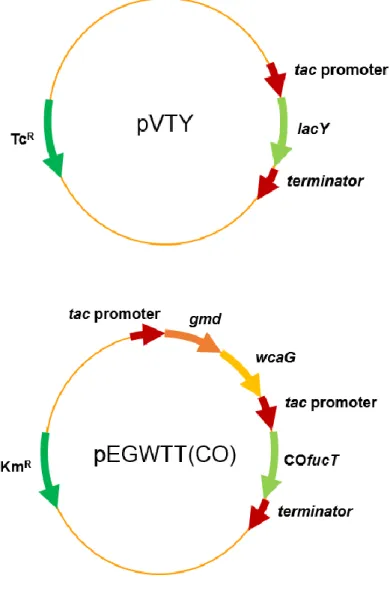
Figure 7. Genetic maps of plasmids pVTY and pEGWTT(CO) ··· 33
Figure 8. Genetic maps of plasmids △ISCg2b and pK19-△ISCg2b::fucT2(CO) ··· 34
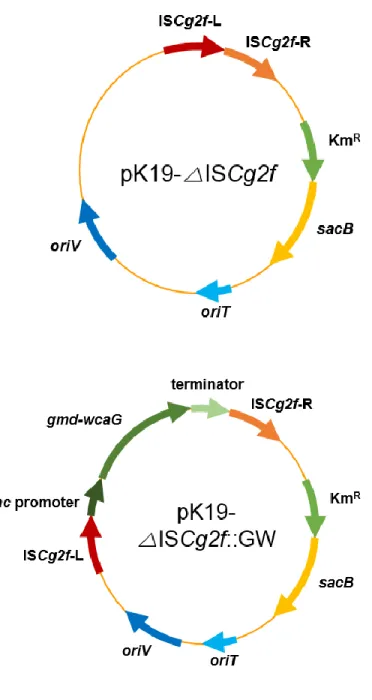
Figure 9. Genetic maps of plasmids △ISCg2f and pK19-△ISCg2f::GW ··· 35
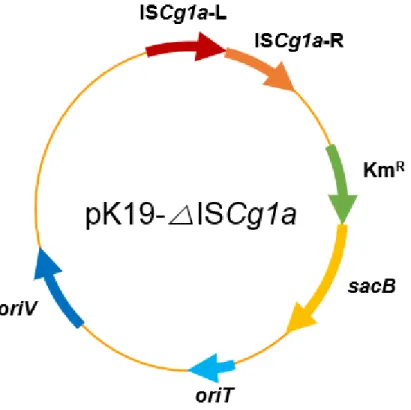
Figure 10. Genetic map of plasmidspK19-△ISCg1a ··· 36
Figure 11. Genetic maps of plasmids pK19-△ostA and pK19-△treY 37 Figure 12. Flask fermentation of GWTTL(CO) ··· 50
Figure 13. Flask fermentation of GWTTLY(CO) ··· 52
Figure 14. Flask fermentation of GWTTY(CO)··· 55
Figure 15. Fed-batch fermentation of GWTTY(CO) ··· 57
Figure 16. Flask fermentation of BCGWTTL(CO) under various antibiotic conditions ··· 60
Figure 17. Flask fermentation of △ISCg2b BCGWTTL(CO) ··· 68
Figure 18. The sequences of inserted COfucT2 ··· 70 Figure 19. Confirmation of ΔISCg2b and ΔISCg2b::FucT2(CO)
ix
strain construction by colony PCR ··· 71 Figure 20. Flask fermentation of ΔISCg2b::fucT2(CO) BCGWL ···· 72 Figure 21. Confirmation of ΔISCg2bΔISCg2f::fucT2(CO) strain
construction by colony PCR ··· 77 Figure 22. Flask fermentation of ΔISCg2bΔISCg2f::fucT2(CO)
BCGWL ··· 78 Figure 23. Confirmation of ΔISCg2bΔISCg2fΔISCg1a::fucT2(CO)
strain construction by colony PCR ··· 82 Figure 24. Flask fermentation of
ΔISCg2bΔISCg2fΔISCg1a::fucT2(CO) GWY ··· 83 Figure 25. The sequences of inserted COfucT2 ··· 86 Figure 26. Confirmation of
ΔISCg2bΔISCg2fΔISCg1a::fucT2(CO)::GW strain
construction by colony PCR ··· 88 Figure 27. Flask fermentation of
ΔISCg2bΔISCg2fΔISCg1a::fucT2(CO)::GW Y ··· 89 Figure 28. Flask fermentation of
ΔISCg2bΔISCg2fΔISCg1a::fucT2(CO)::GW GWTTY(CO) without using any antibiotics ··· 90 Figure 29. Fed-batch fermentation HPLC profile of GWTTY(CO)
strain at 100-hours ··· 94 Figure 30. Trehalose synthesizing pathway and strategy for trehalose
reduction ··· 95 Figure 31. Confirmation of (A) ΔotsA and (B) ΔtreY strain
x
Figure 32. Flask fermentation of (A) ΔotsA GWTTY(CO) and (B) ΔtreY GWTTY(CO) ··· 99
1
I. INTRODUCTION
1. Human milk
Breastfeeding was thought to be done by the uneducated and those of lower classes in 1950s. While those who could not afford to buy infant formula considered breast milk as outdated, they thought it was superior to feed infant formula. (Nathoo and Ostry 2009). However, by the 1960s, as the function of human milk was reestablished, breastfeeding has resumed in Canada and the US, especially among more educated, affluent women (Nathoo and Ostry 2009). Nowadays, the World Health Organization (WHO) recommends exclusive breastfeeding for six months after birth.
Human milk is considered the best diet for newborn nutrition. In addition to providing the baby with all the nutrients needed for growth and development, breast milk contains a variety of physiologically active factors that promote healthy colonization of the neonatal intestine, prevent infection and help the immune system mature (Jantscher-Krenn and Bode 2012, Richards, Patel et al. 2013).
Breast milk consists of 3 to 5% fat, 0.8 to 0.9% protein, 6.9 to 7.2% carbohydrates, 0.2% inorganic salts and other ingredients (Jenness, 1979). These roughly classified ingredients are subdivided into many useful ingredients that provide health benefits as well as key nutrients. These health benefits include prebiotic effects, prevention of pathogen infection, modulation of immune responses, reduction of inflammatory processes, neurological development, and improved vaccine response (Lanting, Huisman et al. 1994, Severin and Wenshui 2005, Boehm and
2
Stahl 2007, Hahn-Zoric, Fulconis et al. 2008, Jantscher-Krenn and Bode 2012).
The composition of human milk and bovine milk shown in Table 1 shows a considerable difference. The oligosaccharide content of breast milk is much higher than that of bovine milk. High concentrations of oligosaccharides are the most unique feature of human milk. Oligosaccharides in breast milk are involved in several physiological functions.
3
Table 1. Composition of human and bovine milk (Jenness, 1979)
Contents Human milk Bovine milk Fat (g/L)
Total (g/L) 42 38
Fatty acids-length ≤8C (%) trace 6 Polyunsaturated fatty acids
(%) 14 3 Protein (g/L) Total 11 33 Casein 0.4 3 25 a-lactalbumin 3 1 Lactoferrin 2 Trace IgA 1 0.03 IgG 0.01 0.6 Lysozyme 0.5 Trace Serum albumin 0.5 0.3 β-lactoglobulin - 3 Carbohydrate (g/L) Lactose 70 48 Oligosaccharides 5 - 15 0.05 Minerals (g/L) Calcium 0.3 1.25 Phosphorus 0.14 0.93 Sodium 0.15 0.47 Potassium 0.55 1.55 Chlorine 0.43 1.03
4
2. Human milk oligosaccharides (HMOs)
Oligosaccharides contained in breast milk is called Human Milk Oligosaccharides (HMOs). These are the third most abundant in human milk, followed by lactose and fat. Numerous studies have found that this major component is present in approximately 5-15 g/L in mature milk and approximately 22 g/L in colostrum (Newburg 1997, Coppa, Pierani et al. 1999, Kunz, Rudloff et al. 2000, Rivero-Urgell and Santamaria-Orleans 2001, Bode 2012).
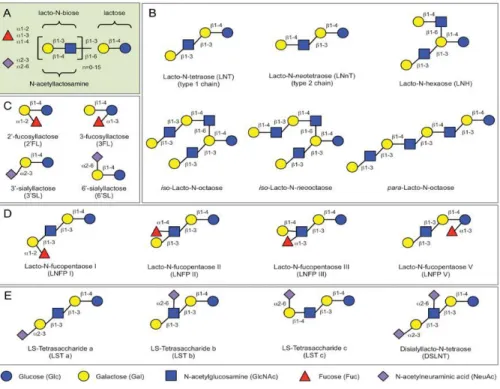
To date, more than 200 types of HMOs have been found and their structure has been revealed. In fact, about 200 HMOs were found in breast milk (Ninonuevo, Park et al. 2006, Bode 2012, Jantscher-Krenn and Bode 2012). The composition of HMOs are not only very complex, but their physiological functions are closely related to their structures. Because HMOs are not digested in the small intestine of infant, the structures are maintained. (Miller and McVeagh 2007). Basically, HMOs are composed of the five monosaccharides; D-glucose (Glc), D -galactose (Gal), N-acetylglucosamine (GlcNAc), L-fucose (Fuc), and sialic acid [N-acetylneuraminic acid (NeuAc)] with lactose (Lac) core at the reducing end (Bode 2012, Jantscher-Krenn and Bode 2012). Biosynthesis of HMOs begins with a lactose molecule. Lactose can be elongated by an enzymatic attachment of GlcNAc residues linked in β 1-3 or β1-6 linkage to the Gal residue followed by further addition of Gal in the β1-3 (lacto-N-biose) or β1-4 bond (N-acetyllactosamine) (Fig. 1A). Additional modifications are made by attachments of lactosamine, fucose, and/or NeuAc residues at different positions of the core region and the core elongation chain (Kunz, Rudloff et al. 2000, McVeagh and
5
Miller 2008, Bode 2012). Elongation with lacto-N-biose terminates the chain, in the mean time N-acetyllactosamine can be continuously extended by the addition of one of the two disaccharides. A chain branch is introduced by the β1-6 linkage between two disaccharide units. Branched structures are defined as iso-HMO; linear structures without branches as para-HMO (Fig. 1B). Lactose or the elongated oligosaccharide chain can be fucosylated at α1-2, α1-3 or α1-4 linkage and/or sialylated at α2-3 or α2-6 linkage (Fig. 1C–E). In addition, some HMOs have several isomeric forms, such as lacto-N-fucopentaose (LNFP, Fig. 1D) or sialyllacto-N-tetraose (LST, Fig. 1E).
6
Figure 1. Typical HMO structures. (A) HMOs follow a basic structural blueprint. (Monosaccharide key is shown at the bottom of the figure.) (B) Lactose can be fucosylated or sialylated in different linkages to generate trisaccharides. (C) Lactose can be elongated by addition of either lacto-N-biose (type I) or N-acetyllactosamine (type II) disaccharides. Addition of disaccharides to each other in the β1-3 linkage leads to linear chain elongation (para-HMO); a β1-6 linkage between two disaccharides introduces chain branching (iso-HMO). (D) Elongated type I or II chains can be fucosylated in different linkages to form a variety of structural isomers, some of which have Le blood group specificity. (E) The elongated chains can also be sialylated in different linkages to form structural isomers. Disialylated lacto-N-tetraose (bottom right) prevents NEC in neonatal rats (Bode 2012).
7
3. 2’-Fucosyllactose (2’-FL)
3.1. Structure and functions of 2’-FL
About 200 HMOs have been found in breast milk, the majority of which are present in the fucosylated form, which is referred as fucosyloligosaccharides. About 50-80% of the HMOs are fucosylated and 10-20% are sialylated (Kunz, Rudloff et al. 2000, Ninonuevo, Park et al. 2006, Bode 2012). Fucosyloligosaccharide is sufficient to attract attention because it has various functions. They are used not only as growth factors for Bifidobacterium or Lactobacillus, but also as receptors for cell surface receptors, so infants prevent infection of the enteric pathogens and binding of toxins (Morrow, Ruiz-Palacios et al. 2004, Newburg, Ruiz-Palacios et al. 2005).
As shown in Table 2, 2'-fucosyllactose (2'-FL) is the most abundant component of fucosylated HMOs and has similar physiological properties to that of HMOs. (Chaturvedi, Warren et al. 2001, Castanys‐ Muñoz, Martin et al. 2013, Smilowitz, O’Sullivan et al. 2013).
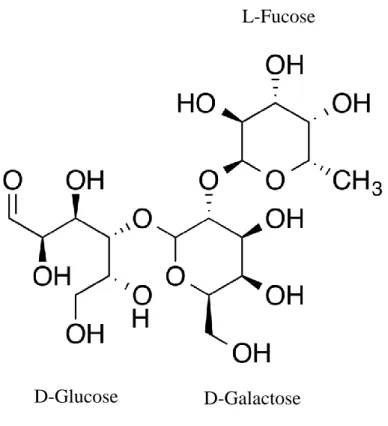
2’-FL is a trisaccharide composed of lactose and fucose (Fig. 2). Fucose is bound to the galactose moiety of lactose through α1-2 linkage. Therefore, 2’-FL is referred as L-fucopyranosyl-(1→2)-D-galactopyranosyl-(1→ 4)-D-glucose. 2'-FL has various functions in infants. First, it is degraded by fucosidase of Bifidobacterium and acts as a soluble prebiotic fiber. In addition, by balancing Th1 and Th2 cells, the immune response can be controlled and the infant can be protected from infection by pathogens. 2'-FL inhibits adhesion of intestinal pathogens such as Campylobacter jejuni, Pseudomonas aeruginosa,
8
leukocyte adhesion, thereby reducing the inflammatory process by preventing the extravasation of endothelial cells (Castanys‐ Muñoz, Martin et al. 2013). 2'-FL is a key component of HMOs because of these useful functionalities. However, all women around the world can not synthesize 2'-FL. About 20% of women do not produce 2'-FL due to their genetic defects. (Castanys‐ Muñoz, Martin et al. 2013). For this reason, 2'-FL is attracting attention as a material for functional foods, medicines, and cosmetics. Thus, the necessity of consuming more 2'-FL is emerging (Han, Kim et al. 2012).
Figure 2. Structure of 2’-fucosyllactose (2’-FL)
D-Galactose D-Glucose
9
Table 2. Contents of major carbohydrates in human milk (Smilowitz, O’Sullivan et al. 2013)
Metabolite Contents (µ mole/L) 2’-Fucosyllactose (2’-FL) 2.50 x 10³ ± 1.70 x 10³ 3-Fucosyllactose (3-FL) 2.10 x 10³ ± 1.20 x 10³ 3’-Sialyllactose (3’-SL) 144 ± 43.7 6’-Sialyllactose (6’-SL) 119 ± 54.9 Fucose 182 ± 135 Galactose 92.3 ± 49.1 Glucose 1.50 x 10³ ± 530 Lactodifucotetraose (LDFT) 266 ± 199 Lacto-N-neotetraose (LNnT) 121 ± 67.5 Lacto-N-fucopentaose (LNFP Ⅰ) 189 ± 159 Lacto-N-fucopentaose (LNFP Ⅱ) 210 ± 168 Lacto-N-fucopentaose (LNFP Ⅲ) 233 ± 74.0 Lacto-N-tetraose (LNT) 506 ± 284 Lactose 170 x 103 ± 7.30 x 10³
10
3.2. 2’-FL production method
Methods for producing 2'-FL on an industrial scale include chemical synthesis, enzyme synthesis and whole cell synthesis. First, chemical synthesis has been performed for a long time (Gokhale, Hindsgaul et al. 1990, Kameyama, Ishida et al. 1991, Kretzschmar and Stahl 1998). However, the method of chemically producing 2'-FL is not only uneconomical, but it also takes a lot of time. Multiple protection and deprotection steps are also required (Gokhale, Hindsgaul et al. 1990, Kameyama, Ishida et al. 1991, Kretzschmar and Stahl 1998). These problems are the main disadvantages of this method in industrial applications.
Another method for 2'-FL production is enzymatic synthesis (Albermann, Piepersberg et al. 2001). α-1,2-Fucosyltransferase, an enzyme used in the production of 2'-FL, has high stereoselectivity and this method can be efficient. In addition, there is an advantage that by-products are hardly produced. However, since the cost of guanosine 5'-diphospho-β-L-fucose (GDP-L-fucose) used as fucose donor is very high.
Also, the costs of enzyme purification and cofactors are expensive. Therefore, this method also has a disadvantage in producing on a large scale.
Finally, the method for producing 2'-FL is whole cell synthesis using microorganisms. This method does not require the preparation of costly substrates, GDP-L-fucose and cofactors involved in GDP-L-fucose
biosynthesis such as nicotinamide dinucleotide phosphate (NADPH) and guanosine triphosphate (GTP). In addition, enzyme isolation is not required. (Lee, Pathanibul et al. 2012). For these reasons, this method is
11
suitable for producing 2'-FL on a large scale. Therefore, in this paper, a study was conducted to produce 2'-FL using a microbial fermentation method.
12
3.3. Biosynthesis of GDP-L-fucose
GDP-L-fucose which is an activated sugar nucleotide is a key material
used as a fucose donor in order to produce 2’-FL (Fig. 3). GDP-L-fucose is produced via two metabolic pathways; the salvage pathway and de
novo pathway. In the salvage pathway, L-fucose kinase (EC 2.7.1.52)
phosphorylates L-fucose with consumption of ATP. Then, GDP-L
-fucose is synthesized by the action of L--fucose-1-phosphate guanylyltransferase (EC 2.7.7.30) which combines L-fucose-2-phosphate with GTP (Becker and Lowe 2003).
In the de novo pathway, GDP-L-fucose is synthesized through the
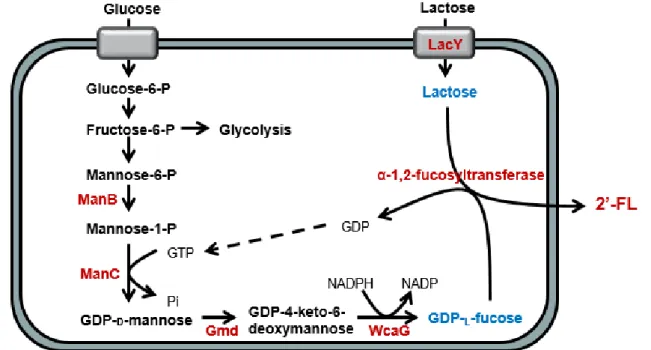
metabolic pathway shown in Fig. 4. Fructose-6-phosphate produced during glycolysis is converted into 1-phosphate by mannose-6-phosphate isomerase (ManA, E.C. 5.3.1.8) and phosphomannomutase (ManB, E.C. 5.4.2.8). Then, mannose-1-phosphate guanyltransferase (ManC, E.C. 2.7.7.22) combines mannose-1-phosphate with GTP to produce GDP-D-mannose. By the two enzymes, GDP-D
-mannose-4,6-dehydratase (Gmd, E.C. 4.2.1.27) and GDP-4-keto-6-deoxymannose 3,5-epimerase 4-reductase (WcaG, EC 1.1.1.271), GDP-D-mannose is
converted to GDP-L-fucose through the following steps. First, GMD
removes a water molecule from GDP-D-mannose. Then, WcaG engages
in the reaction, the reduction of the keto group at the C4 position of
GDP-4-keto-6-deoxymannose to produce GDP-L-fucose. In this
reaction, NADPH acts as a cofactor offering reducing power (Albermann, Distler et al. 2000, Becker and Lowe 2003, Jang, Lee et al. 2010).
13
salvage pathway is simpler, fucose used as a precursor of GDP-L-fucose
is expensive. Because of the high price of fucose, this method is not suitable for large-scale production of 2'-FL. On the other hand, in the de
novo pathway, 2'-FL is produced through several steps. However, since
the starting material is economical, previous studies have constructed a system that produces 2'-FL from C. glutamicum via the de novo pathway. (Fig. 4) (Chin, Park et al. 2013).
Figure 3. Structure of guanosine 5’- diphospho-β-L-fucose
14 Figure 4. De novo biosynthetic pathway of GDP-L-fucose.
ManA, mannose-6-phosphate isomerase; ManB, phosphomannomutase; ManC, GTP-mannose-1-phosphate guanylyltransferase; Gmd, GDP-D-mannose-4,6-dehydratase; WcaG,
15
3.4. α-1, 2-fucosyltransferase
Fucosyltransferases are enzymes that transfer L-fucose of GDP-L
-fucose to various oligosaccharide acceptors (Breton, Oriol et al. 1998). Fucosyltransferases are kind of glycosyltransferases because α-fucosylated products are formed from a β-α-fucosylated sugar nucleotide, GDP-L-fucose (Zhang, Lau et al. 2010). Fucosyltransferases are
classified as α-1, 2-, α-1, 3 and/or α-1, 4-, α-1, 6- and O-fucosyltrnasferases based on the types of acceptors and the regional specificity during the fucosyltransferase-catalyzed reaction (Ma, Simala-Grant et al. 2006).
2’-FL is formed through fucosylation of lactose by α-1,
2-fucosyltransferase. This enzyme transfers fucose from GDP-L-fucose
to the galactose of lactose. α-1, 2-fucosyltransferases exist in eukaryotes and prokaryotes. Fucosyltransferase is known to be involved in tissue development, angiogenesis, fertilization, cell adhesion, inflammation and tumor metastasis in eukaryotes (Ma, Simala-Grant et al. 2006, Miyoshi 2008). In the case of prokaryotes, fucosyltransferases have been implicated in the synthesis of lipopolysaccharide (LPS) and exopolysaccharide (EPS), which are involved in molecular mimicry, adhesion, and the regulation of host immune response. (Ma, Simala-Grant et al. 2006).
α-1,2-Fucosyltransferase is an important enzyme for 2'-FL production because it participates in the binding of fucose of GDP-L-fucose and
galactose of lactose by the α-1,2 glycosidic linkage. α-1,2-Fucosyltransferase from Helicobacter pylori has been mainly used to produce 2'-FL (Albermann, Piepersberg et al. 2001, Drouillard, Driguez
16
et al. 2006, Lee, Pathanibul et al. 2012, Baumgärtner, Seitz et al. 2013). In previous studies, α-1,2-fucosyltransferase of H. pylori was introduced for the production of 2’-FL through C. glutamicum (Jo, Thesis. 2016).
17
4. Corynebacterium glutamicum
4.1. What is Corynebacterium glutamicum?
In the mid-1950s, bacteria accumulating L-glutamic acid were isolated. This bacterium was originally named Micrococcus glutamicus (Kinoshita, Udaka et al. 1957). Since its discovery decades ago, C.
glutamicum has played an important role in producing amino acids and
nucleotides on an industrial scale. Amino acids such as valine, L-histidine, L-phenylalanine, L-tryptophan, L-glutamate and L-lysine (Ikeda 2003) and nucleotides such as 5’-inosinic acid (IMP), 5’- guanylic acid (GMP), 5’-xanthylic acid (XMP) and others have been produced in an industrial scale or have been attempted to produce.
C. glutamicum is an aerobic or facultative anaerobic, Gram-positive,
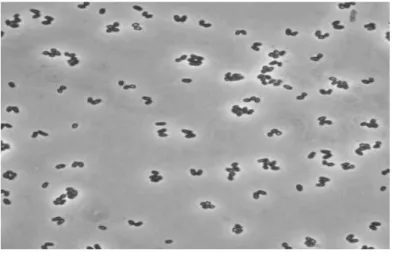
non-spore forming bacterium. It is usually a rod-shape, somewhat irregular (“coryneform”) morphology (Fig .5) (Eggeling and Bott 2005). Initially, to make superior strains, many random mutations and screening tests were performed. These methods have disadvantages in that it takes a lot of time and gives no reasons for improvements. Fortunately, however, many genetic engineering tools have recently been developed for C. glutamicum. In the 1980s, host-vector systems for coryneform bacteria were developed and this allows the development of strains in a more rational manner (Katsumata, Ozaki et al. 1984, Santamaria, Gil et al. 1984, Kiyoshi, Kazuhiko et al. 1985, Yoshihama, Higashiro et al. 1985). In the 1990s, various genetic engineering tools for coryneform bacteria were developed (Haynes and Britz 1989, Schäfer, Kalinowski et al. 1990, Schwarzer and Pühler 1991, Ikeda and Katsumata 1998). Furthermore, the complete genome of C.
18
glutamicum ATCC 13032 has been revealed by two independent
research teams: the Japanese Kyowa Hakko Co. & Kitasato Univ. team and German Degussa Co. & Bielefeld Univ. team identified 3,309,401 and 3,282,708 base pairs, respectively.
19
4.2. 2’-FL production in C. glutamicum
C. glutamicum has a high ability to regenerate NADPH. When glucose
is used as the sole carbon source, the proportion of carbon flux to the pentose phosphate pathway (PPP) is higher in C. glutamicum than in other microorganisms (Marx, de Graaf et al. 1996, Eggeling and Bott 2005). A wild-type strain C. glutamicum ATCC 13032 has a greater NADPH potential over 80% during growth. This is a key feature for efficient amino acid production in mutants derived from this parent strain during the past decades (Eggeling and Bott 2005). In addition, the carbon flux ratio to PPP is significantly increased by the increased cell requirement of NADPH. C. glutamicum is also used in fermentative production of nucleotides of interest as a flavor enhancer for food products (Komata 1976). In fact, mutants of C. glutamicum that secrete IMP, XMP and GMP have been developed (Aharonowitz and Demain 1978). Above all, C. glutamicum is classified as "Generally Recognized As Safe" (GRAS) microorganisms. It is therefore believed that C. glutamicum has sufficient potential to be an ideal host for production of amino acids or nucleotides as well as production of food additives or therapeutic agents such as 2’-FL.
GDP-L-fucose and lactose are required in order to produce 2’-FL in
microbial cells. However, the GDP-L-fucose biosynthetic pathway does
not exist in wild-type C. glutamicum, so it cannot biosynthesize
GDP-L-fucose. Thus, in previous studies, the strain capable of synthesizing
GDP-L-fucose was developed (Chin, Park et al. 2013). In addition, a
wild-type C. glutamicum does not have lactose-permeable enzymes. Therefore, it cannot utilize lactose. However, since it is necessary to
20
transport lactose into cells to produce 2'-FL, the lactorse permease gene derived from Escherichia coli K-12 was introduced as a lacYA operon which lacZ, a gene for β-galactosidase, was removed. (Chin, Seo et al. 2016). In addition, the codon-optimized α-1, 2-fucosyltransferase gene (COfucT2) derived from Helicobacter pylori was introduced for fucosylation (Fig. 6) (Jo, Thesis. 2016).
21 (A)
(B)
Figure 5. Corynebacterium glutamicum. (A) Phase-contrast micrograph of C. glutamicum cells grown on complex medium. Note frequent V-type arrangement of cell pairs, due to “snapping division.” (B) Same cells placed on a nucleopore membrane and viewed by scanning electron microscopy (Eggeling and Bott 2005).
22
23
5. Research objectives
This research was focused on developments of strains to produce 2'-FL from C. glutamicum through metabolic engineering design and chromosomal integration. The specific objectives of this research were described as follows.
(1) To develop a strain with improved production of 2'-FL by enhancing lactose utilization
(2) To construct a 2'-FL production system without using antibiotics
(3) To reduce trehalose, a by-product produced during the production of 2'-FL
24
Ⅱ. MATERIALS AND METHODS
1. Reagents and Enzymes
All experiments were carried out using chemicals of reagent grade. Lactose, ethidium bromide, isoniazid, protocatechuic acid, biotin, cupric sulfate, sulfuric acid and antifoam 204 were purchased from Sigma-Aldrich Chemical Company (St. Louis, MO, USA). Glucose, ammonium sulfate, urea, potassium phosphate monobasic, potassium phosphate dibasic, magnesium sulfate heptahydrate, ferrous sulfate, sodium chloride, sodium hydroxide, ammonia water and hydrochloric acid were purchased from Duksan (Ansan, Korea). Kanamycin monosulfate, IPTG and MOPS were purchased from Duchefa (Haarlem, The Netherlands). Fructose, calcium chloride, zinc sulfate, manganese(II) sulfate and Nickel(II) chloride were purchased from Junsei Chemical (Tokyo, Japan). Brain heart infusion, bacto-tryptone, yeast extract and bacto-agar were purchased from Difco (Detroit, MI., USA).
Restriction enzymes and calf intestinal alkaline phosphatase (CIP) were purchased from New England Biolabs (Beverly, MA, USA). T4 ligation mix and In-Fusion® HD cloning kit were purchased from Takara (Otsu, Japan).
2. Strains and Plasmids
2.1. Strains
E. coli Top10 (Invitrogen, Carlsbad, CA, USA) was used for construction of plasmid DNA. C. glutamicum ATCC 13032 (KACC,
25
Suwon, Korea) was used as host strain to produce 2’-FL.
The site where the IS element was removed was selected to integrate the genes on the chromosome. Among the IS elements, ISCg2b and ISCg2f belonging to the IS30 family were deleted and ISCg1a belonging to the ISL3 family was deleted. To construct ISCg2b, ISCg2f, ISCg1a knock-out strain (△ISCg2b),(△ISCg2f) and (△ISCg1a), all these genes were removed on the chromosome of C. glutamicum. Codon-optimized α-1,2-fucosyltransferase gene (COfucT2) was integrated in the site where ISCg2b was deleted. Then, GDP-D-mannose-4,6-dehydratase (gmd) and GDP-4-keto-6-deoxymannose-3,5-epimerase-4-reductase (wcaG) were integrated in the site where ISCg2f was deleted. All the genetic manipulations were done by a double crossover method using a pK19mobsacB vector (Schäfer, Tauch et al. 1994).
In order to reduce trehalose, otsA and treY gene, which are involved in the production of trehalose, were separately deleted. To construct △otsA and △treY, double croessover method using a pK19mobsacB vector was also used.
The wild type and recombinant strains were incubated on Brain-heart infusion (BHI, Difco) containing appropriate antibiotics and stocked in a deep freezer at -80°C suspended in 15% glycerol.
2.2. Plasmids
Plasmids pVWEx2 and pEKEx2 were donated kindly by Prof. J. B. Park at Ewha Womans University. They were used as the backbone vectors for the expression of heterologous genes or overexpression of
26 innate genes.
Plasmid pVTY harbors the lactose permease (lacY) gene from E. coli K-12 under the tac promoter with ribosome binding site (RBS). Plasmid pEGWTT(CO) was already constructed in the previous studies. It harbors the gmd-wcaG genes from E. coli under tac promoter and the codon-optimized α-1,2-fucosyltransferase gene (COfucT2) from H.
pylori under tac promoter. COfucT2 is transcribed monocistronically
by addition of the tac promoter (Jo, Thesis. 2016).
Plasmid pK19mobsacB was donated kindly by Prof. K. J. Jeong at Korea Advanced Institute of Science and Technology (KAIST). It was used as a vector to delete or integrate target genes on the chromosome. All deletion vectors used in this study, pK19-△ISCg2b, pK19-△ ISCg2f, pK19-△ ISCg2b, pK19-△otsA and pK19-△treY, were constructed to delete ISCg2b, ISCg2f, ISCg1a, otsA and treY existed on chromosome of C. glutamicum respectively. These plasmids carry flanking region of the target genes. Then, to construct integration vectors, genes involved in the production of 2’-FL were inserted internally with flanking fragments of deleted genes. As a result, pK19-△ISCg2b::fucT2(CO) and pK19-△ ISCg2f ::GW could be constructed.
Plasmid pEGW was previously constructed for overexpression of the genes for GDP-L-fucose biosynthesis (Chin, Park et al. 2013). All
constructs were confirmed by restriction enzyme digestion and DNA sequencing.
27 Table 3. List of strains and plasmids used in this study
Strains/Plasmids Relevant description Reference
Strains
E. coli TOP10
F-, mcrA ∆(mrr-hsdRMS-mcrBC) φ80lacZ∆M15
∆lacX74 recA1 araD139 ∆(ara-leu)7697 galU galK rpsL (StrR) endA1 nupG
Invitrogen (Carlsbad, CA, USA)
C. glutamicum Wild-type strain, ATCC 13032 (ABE, TAKAYAMA et al. 1967) BCGWTTL(CO) C. glutamicum ATCC 13032 harboring pVBCL and
pEGWTT(CO) (Jo, Thesis. 2016)
GWTTL(CO) C. glutamicum ATCC 13032 harboring pVL and
pEGWTT(CO) This study
GWTTLY(CO) C. glutamicum ATCC 13032 harboring pVLY and
pEGWTT(CO) This study
GWTTY(CO) C. glutamicum ATCC 13032 harboring pVTY and
pEGWTT(CO) This study
△ISCg2b C. glutamicum ATCC 13032
△ISCg2b This study
△ISCg2b::fucT2(CO) C. glutamicum ATCC 13032
△ISCg2b::COfucT2 This study
△ISCg2b△ISCg2f ::fucT2(CO)
C. glutamicum ATCC 13032
△ISCg2b△ISCg2f::COfucT2 This study
△ISCg2b△ISCg2f△ISCg1a ::fucT2(CO)
C. glutamicum ATCC 13032
△ISCg2b△ISCg2f△ISCg1a::COfucT2 This study △ISCg2b△ISCg2f△ISCg1a
::fucT2(CO)::GW
C. glutamicum ATCC 13032
28
△otsA C. glutamicum ATCC 13032 △otsA This study
△treY C. glutamicum ATCC 13032 △treY This study
△ISCg2b BCGWTTL(CO)
C. glutamicum ATCC 13032
△ISCg2b::COfucT2,△ISCg2f::GW,△ISCg1a harboring pVBCL and pEGW
This study
△ISCg2b::fucT2(CO) BCGWL
C. glutamicum ATCC 13032
△ISCg2b::COfucT2,△ISCg2f::GW,△ISCg1a harboring pVBCL and pEGW
This study △ISCg2b△ISCg2f
::fucT2(CO) BCGWL
C. glutamicum ATCC 13032
△ISCg2b::COfucT2,△ISCg2f::GW,△ISCg1a harboring pVBCL and pEGW
This study △ISCg2b△ISCg2f△ISCg1a
::fucT2(CO) GWY
C. glutamicum ATCC 13032
△ISCg2b::COfucT2,△ISCg2f::GW,△ISCg1a harboring pVTY and pEGW
This study △ISCg2b△ISCg2f△ISCg1a
::fucT2(CO)::GW Y
C. glutamicum ATCC 13032
△ISCg2b::COfucT2,△ISCg2f::GW,△ISCg1a harboring pVTY This study △ISCg2b△ISCg2f△ISCg1a ::fucT2(CO)::GW GWTTY(CO) C. glutamicum ATCC 13032
△ISCg2b::COfucT2,△ISCg2f::GW,△ISCg1a
harboring pVTY and pEGWTT(CO)
This study △otsA GWTTY(CO) C. glutamicum ATCC 13032 △otsA
harboring pVTY and pEGWTT(CO) This study
△treY GWTTY(CO) C. glutamicum ATCC 13032 △treY
29
Plasmids
pEKEx2
KmR; C. glutamicum/E. coli shuttle vector for regulated gene expression (Ptac, lacIq, pBL1, oriVC.g., oriVE.c.)
(Eikmanns, Kleinertz et al. 1991)
pVWEx2
TcR; C. glutamicum/E. coli shuttle vector for regulated
gene expression (Ptac, lacIq, pHM1519, oriVC.g., oriVE.c.) (Wendisch and Jülich 1997)
pK19mobsacB Mobilizable vector, KmR
(Schäfer, Tauch et al. 1994)
pVL pVWEx2 + manB + manC This study
pVLY pVWEx2 + lac promoter + lacY This study
pVTY pVWEx2 + tac promoter + lacY This study
pVBCL pVWEx2 + manB + manC + lacYA (Jo, Thesis. 2016)
pEGW pEKEx2 + gmd-wcaG (Chin, Park et al. 2013)
pEGWTT(CO) pEGW + tac promoter + COfucT2 (Jo, Thesis. 2016) pK19-△ISCg2b pK19mobsacB + flanking region of ISCg2b This study
pK19-△ISCg2b::fucT2(CO)
pK19mobsacB + flanking region of ISCg2b with internally
inserted Ptac-COfucT2-terminator This study pK19-△ISCg2f pK19mobsacB + flanking region of ISCg2f This study pK19-△ISCg2f::GW pK19mobsacB + flanking region of ISCg2f with internally
inserted Ptac-gmd-wcaG-terminator This study pK19-△ISCg1a pK19mobsacB + flanking region of ISCg1a This study pK19-△otsA pK19mobsacB + flanking region of otsA This study pK19-△treY pK19mobsacB + flanking region of treY This study
30 Table 4. List of primers used in this study
Name Sequence
F_inf_AsiSI_lacY GAGACGAAATAC GCGATCGC ACCATCGAATGGCGCAAAAC R_ovl_lacA_del TATCAGGCAATTTTTATAAT TGCGATCACTCCGTTATGATATGTTG R_inf_AsiSI_lacOY GTCCTTTTAACA GCGATCGC CGGTAAATAGCTTGCCTGCTC
F1_PstI_lacY AACTGCAG AAGGAGATATACA CACACAGGAAACAGCTATGTACTATTTA R1_BamHI_lacY CGGGATCC GACATTGATTGCTTAAGCGACTTC
F1_SalI_ISCg2b(L) ACGCGTCGAC TCATGGTTCAGGGCACTG
R1_XhoI_SpeI_ ISCg2b(L) TACAATCTCCTAGGCGAAT CTCGAG ACTAGT ACCTTGATTGATCATGTCGAGG F2_SpeI_FucT2(CO) GACTAGT GAGAATCAAGACCGCTTTCGG
R2_XhoI_FucT2(CO) CCGCTCGAG CAGGGTTATTGTCTCATGAGCG
F3_SpeI_XhoI_ ISCg2b(R) CGACATGATCAATCAAGGT ACTAGT CTCGAG ATTCGCCTAGGAGATTGTACGA R3_EcoRI_ ISCg2b(R) CGGAATTC CTGCTCATGATTTCCCGCA
F1_seq_fucT2(CO) CCTCGCAGGAAGCTTTC F2_seq_fucT2(CO) ATGCAACTGGAACTTTTTCCG F3_seq_fucT2(CO) GGCACGAAAACATCCTGTG
31
R1_NdeI_NotI_ ISCg2f(L) CATCCAACCTAGGGCGA CATATG GCGGCCGC ATACCTTGATTGATCATGTCGAGG F1_inf_Nde1_GW TATGCGGCCGC CATATG GCAAGCTGATCCGGGC
R1_inf_Nde1_GW ACCTAGGGCGA CATATG CAGGGTTATTGTCTCATGAGCGG
F3_NotI_NdeI_ ISCg2f(R) CCTCGACATGATCAATCAAGGTAT GCGGCCGC CATATG TCGCCCTAGGTTGGATG R3_SalI_ ISCg2f(R) ACGCGTCGAC CGATGGAATAATCAGACTCTGGAAC
F2_seq_ISCg2f_GW GGAGATATACAATGTCAAAAGTCGC F3_seq_ISCg2f_GW TTACCCGCAAAATCACCC
F4_seq_ISCg2f_GW GCTCGAACAGCGCG F5_seq_ISCg2f_GW TCATGTCATGGAGCTGGC F6_seq_ISCg2f_GW CGGTGAACGCTCTCC
F1_SalI_ ISCg1a(L) ACGCGTCGAC CACTTCCAACTGGCACGTT
R1_XhoI_AsiSI_ ISCg1a(L) GGTTTACGGGCTCTTCCTGTT CTCGAG GCGATCGC GGGTAGAGCCTTTTGTTGGTGT F2_AsiSI _XhoI_ ISCg1a(R) ACACCAACAAAAGGCTCTACCC GCGATCGC CTCGAG AACAGGAAGAGCCCGTAAACC R2_XbaI_ ISCg1a(R) GCTCTAGA TGGTCAAAGCTTCCCCTGG
F1_inf_HindⅢ_otsA(L) ATGATTACGCC AAGCTT CCAGGAGGAAGCTGAGCAG
R1_ovl_otsA(L) CGATTCGTGCGCGGT ATAAGATCCGGCTTAAGACTTCTTTGTG F2_ovl_otsA(R) CACAAAGAAGTCTTAAGCCGGATCTTAT ACCGCGCACGAATCG R2_inf_PtsI_otsA(R) CTCTAGAGTCGACC CTGCAG CATCTTAAGGTGCCAGGGCTTTA F1_BamHI_treY_dis CGGGATCC ATGGCACGTCCAATTTCCG
32
F2_treY_dis.ovl GCGATGAAGACAAGCTGGAA GTCTCCCACATCAACCGTGG R2_EcoRI_treY_dis CGGAATTC TCAAAACTCACTATCGGGTACTAAAA
The italic sequences present the RBS (ribosome binding site) and spacer. The bold sequences present the recognition sites of specific restriction enzymes.
The underlined sequences are overlapped regions to construct the defected IS element fragment for construction of deletion vector.
33
34
Figure 8. Genetic maps of plasmids pK19-△ISCg2b and pK19-△ISCg2b::fucT2(CO)
35
Figure 9. Genetic maps of plasmids pK19-△ISCg2f and pK19-△ISCg2f::GW
36
37
38
3. DNA Manipulation and Transformation
3.1. Preparation of DNA
Mini-scale preparation of plasmid DNA was conducted by using DNA-spin™ Plasmid DNA Purification Kit from iNtRON (Sungnam, Korea). Preparation of C. glutamicum chromosomal DNAs for PCR template was performed by using DNeasy Blood & Tissue Kit from QIAGEN (Düsseldorf, Germany). Buffer for enzymatic lysis composed of 20 mM Tris·HCl (pH 8.0), 2 mM EDTA, 1.2% Triton X-100, 20 mg/mL lysozyme was used because C. glutamicum is Gram-positive bacteria. PCR amplified or enzyme treated DNA was purified by using the QIAquick® Gel Extraction / PCR purification Kit from QIAGEN (Düsseldorf, Germany) respectively.
3.2. Polymerase Chain Reaction (PCR)
PCRs were carried out with an Applied Biosystems Veriti 96 well Thermal Cycler (Lincoln, CA, USA). PCRs for cloning of genes were performed in 50 μL of PrimeStar™ dyemix solution from Takara (Otsu, Japan) containing 20 pM each of forward and reverse primers (Table 4), and 1 μL of the genomic DNA which is a template of cloning. After heating the reaction tubes for 5 min at 95°C, 30 cycles of PCR amplification were carried out as follows: 10 sec at 98°C, 5 sec at 55°C and 1 min per 1 kb DNA at 72°C, followed by 7 min at 72°C during the last cycle.
3.3. Digestion and ligation of DNA
39
HindⅢ, NdeI and XbaI, and calf intestinal alkaline phosphatase (CIP)
were purchased from New England Biolabs (Beverly, USA). Plasmid pVWEx2 was digested with AsiSI, PstI and BamHI. Plasmid pK19mobsacB was digested with AsiSI, PstI, BamHI, SalI, XhoI, SpeI,
EcoRI, HindⅢ, NdeI and XbaI. The Ligation Mix and In-Fusion® HD
cloning kit obtained from Takara (Otsu, Japan) were used for ligation of PCR products and plasmids.
3.4. Transformation of E. coli
Transformation of E. coli was performed as described by Sambrook (Sambrook and Russell, 1989). E. coli Top10 was cultured in 5 mL LB medium (1% tryptone, 0.5% yeast extract, 1% NaCl) for 12 hours. 0.5 mL of the culture was transferred to fresh 50 mL of LB medium and cultured until OD600 reached 0.5. Cells harvested by centrifugation at
6,000 rpm for 5 min at 4°C were resuspended in 5 mL of cold 100 mM CaCl2 solution containing 15% (v/v) glycerol. Resuspended cells were
aliquoted to 100 μL, mixed with DNA, and kept on ice for 30 min. They were subjected to heat-shock at 42°C for 45 sec, and 1 mL of LB medium was added to the test tubes and incubated at 37°C for 1 hour to allow the bacteria to express the antibiotic resistance. Transformed cells were spread on LB agar plates with an appropriate concentration of antibiotics, kanamycin or tetracycline.
3.5. Electroporation of C. glutamicum
The modified protocol for preparation of electrocompetent C.
40
van der Rest et al. (van der Rest, Lange et al. 1999, Eggeling and Bott 2005). Briefly, incubated at 30°C, overnight cultures of C. glutamicum was inoculated in 100 mL of BHIS (37 g/L BHI, 91 g/L sorbitol) medium in a 500 mL baffled flask containing isoniazid, glycine and tween80. Then, incubated at 30°C, 250 rpm cultured until OD600
reached 1.75. The culture dispensed into 50 mL falcon tubes and harvested by centrifugation at 3,000 rpm for 20 min. After removing the supernatant, cell pellet was resuspended with 20 mL TG buffer (1 mM Tris·HCl (pH 7.5), 104.4 g/L glycerol) and centrifuged again. After repeating this step about three times, cell pellet was resuspended with 20 mL of 10% (v/v) glycerol as done before. Finally the cells were resuspended in 1 mL of 10% (v/v) glycerol and dispensed 150 μL of aliquots in cooled Eppendorf tubes and stored at -70°C. 10 μL of plasmid DNA was added into an electrocompetent cell and transferred the mixture into a pre-chilled electroporation cuvette (Bio-Rad, Hercules, CA, USA) with a gap width of 2 mm. The electroporation is performed at 2,500 V, 25 μF and 200 Ω in MicroPulser™ Electroporation apparatus (Bio-Rad, Hercules, CA, USA). After the electric shock, the transformant was transferred immediately into 1 mL of BHIS medium pre-warmed at 46°C and incubated for 6 min at 46°C without shaking to perform the heat-shock process. Then, the transformant was incubated for 1 hour at 30°C, 250rpm to regenerate cells. An appropriate volume of the transformants were spread on a BHIS agar plates containing appropriate antibiotics such as kanamycin or tetracycline and incubated the plates at 30°C for 2 days.
41
4. Genetic manipulation methods
4.1. Construction of gene deletion vectors
To construct the target gene knock-out vector pK19mobsacB was used. About 500 bp of left and right flanking regions were respectively amplified with primer pairs as shown in Table 4. A total of five deletion vectors were constructed in this study. Among deletion vectors, for the plamids, which were to be used to make integration vectors, restriction enzyme recognition sites were added between the two flanking regions when constructing the plasmids. This sequence was created at the same time when the two fragments were joined together in a subsequent overlap PCR.
To construct pK19-△ISCg2b, F1_SalI_ISCg2b(L) and R1_XhoI_SpeI _ISCg2b(L) / F3_SpeI_XhoI_ISCg2b(R) and R3_EcoRI_ ISCg2b(R) were used. The PCR products were used as the templates for overlapping PCR and the second PCR was performed by using primers, F1_SalI_ISCg2b(L) and R3_EcoRI_ISCg2b(R). The obtained PCR products were digested with SalI and EcoRI, and plasmid pK19mobsacB was also digested with the same restriction enzymes. Then, the PCR products were cloned into pK19mobsacB to construct pK19-△ISCg2b.
To construct pK19-△ISCg2f, F1_HindⅢ_ISCg2f(L) and R1_NdeI_
NotI_ ISCg2f(L) / F3_NotI_NdeI_ISCg2f(R) and R3_SalI_ISCg2f(R)
were used. The PCR products were used as the templates for overlapping PCR and the second PCR was performed by using primers, F1_HindⅢ_ISCg2f(L) and R3_SalI_ISCg2f(R). The obtained PCR
42
products were digested with SalI and HindⅢ, and plasmid pK19mobsacB was also digested with the same restriction enzymes. Then, the PCR products were cloned into pK19mobsacB to construct pK19-△ISCg2f.
To construct pK19-△ISCg1a, F1_SalI_ISCg1a(L) and R1_XhoI_
AsiSI_ISCg1a(L) / F2_AsiSI_XhoI_ISCg1a(R) and R2_XbaI_ISCg1a
(R) were used. The PCR products were used as the templates for overlapping PCR and the second PCR was performed by using primers, F1_SalI_ISCg1a(L) and R2_XbaI_ISCg1a(R). The obtained PCR products were digested with SalI and XbaI, and plasmid pK19mobsacB was also digested with the same restriction enzymes. Then, the PCR products were cloned into pK19mobsacB to construct pK19-△ISCg1a. To construct pK19-△otsA, F1_inf_HindⅢ_otsA(L) and R1_ovl_
otsA(L) / F2_ovl_otsA(R) and R2_inf_PtsI_otsA(R) were used. The
PCR products were used as the templates for overlapping PCR and the second PCR was performed by using primers, F1_inf_HindⅢ_otsA(L) and R2_inf_PtsI_otsA(R). The plasmid pK19mobsacB were digested with HindⅢ and PtsI. Then, the PCR products were cloned into pK19mobsacB to construct pK19-△ISCg1a.
To construct pK19-△treY, F1_BamHI_treY_dis and R1_treY_dis.ovl / F2_treY_dis.ovl and R2_EcoRI_treY_dis were used. The PCR products were used as the templates for overlapping PCR and the second PCR was performed by using primers, F1_BamHI_treY_dis and R2_EcoRI_treY_dis. The obtained PCR products were digested with
BamHI and EcoRI, and plasmid pK19mobsacB was also digested with
43 pK19mobsacB to construct pK19-△ treY.
4.2. Construction of gene insertion vectors
To construct integration vectors, target genes were inserted between the flanking fragments in the deletion vectors. Two integration vectors were constructed in this study. To construct pK19-△ISCg2b::fucT2(CO), COfucT2 including tac promoter and terminator was amplified with F2_SpeI_FucT2(CO) and R2_XhoI_FucT2(CO). Then, the obtained PCR products were digested with SpeI and XhoI, and plasmid pK19mobsacB was also digested with the same restriction enzymes. Then, the PCR products were cloned into pK19mobsacB to construct pK19-△ISCg2b::fucT2(CO).
To construct pK19-△ISCg2f::GW, gmd-wcaG inclusing tac promoter and terminator was amplified with F1_inf_Nde1_GW and R1_inf_Nde1_GW. Then, the obtained PCR products were digested with Nde1 and plasmid pK19mobsacB was also digested with the same restriction enzyme. Then, the PCR products were cloned into pK19mobsacB to construct pK19-△ISCg2f::GW.
4.3. Screening of genetically manipulated strains
All genetic manipulations was carried out by the double crossover method (Schäfer, Tauch et al. 1994). To delete or integrate target genes, constructed plasmids were introduced into C. glutamicum by electroporation and the transformants spread on a BHIS agar plate with 25 μg/mL kanamycin were incubated for 2-3 days at 30°C. The cells
44
formed colonies in medium containing kanamycin had Km-resistance, and thus they were the plasmid-integrated clones. Then, the Km-resistant cells were cultured in LB medium overnight, and they were appropriately diluted and spread on a 10% (w/v) sucrose LB (LB, 0.5% sodium acetate) agar plate to pop out the integrated plasmid. After incubation for about 2 days, the cells formed colonies in sucrose medium were found, and they did not have sacB gene in their chromosome. Thus, they were the cells without the integrated plasmid. With the isolated clones, the desired strains in which target genes deleted or inserted, were checked by colony PCR with the primer pairs used when second PCR was carried out during constructing deletion vectors for overlapping PCR.
45
5. Media and Culture conditions
5.1. Media
Luria-Bertani (LB) medium (1% tryptone, 0.5% yeast extract, 1% NaCl) which contains appropriate antibiotics (50 μg/mL of kanamycin, 15 μg/mL of tetracycline) was used to cultivate E. coli strains. Brain heart infusion (BHI) (Difco, USA) which contains appropriate antibiotics (25 μg/mL of kanamycin, 5 μg/mL of tetracycline) was used to incubate C. glutamicum.
The minimal medium used for C. glutamicum was CGXII, consisting of (per liter) 20 g of (NH4)2SO4, 5 g of urea, 1 g of KH2PO4, 1 g of
K2HPO4, 0.25 g of MgSO4·7H2O, 42 g of 3-morpholinopropanesulfo
nic acid, 10 mg of CaCl2, 10 mg of FeSO4·7H2O, 10 mg of MnSO4
·H2O,1 mg of ZnSO4·7H2O, 0.2 mg of CuSO4, 0.02 mg of
NiCl2·6H2O, 0.2 mg of biotin (pH 7.0), and 0.03 mg of protocatechuic
acid (Eggeling and Bott 2005).
5.2. Culture conditions
For the inoculation of recombinant C. glutamicum, a frozen stock was transferred to a test-tube containing 5 mL of BHI medium and incubated overnight at 30°C and 250 rpm in a shaking incubator (Vision, Korea). For recombinant C. glutamicum which contains a single vector, 25 μg/mL of kanamycin was added when using pEKEx2 derived plasmid and 5 μg/mL of tetracycline were added when using pVWEx2 derived plasmid. For the dual vector system (pEKEx2 and pVWEx2 derived plasmids) 25 μg/ml of kanamycin and 5 μg/mL of tetracycline were added simultaneously.
46
The case of batch fermentation, 1 mL of cell culture broth grown overnight was inoculated in a 500 mL of baffled flask (NALGENE, USA) with 100 mL of CGXII media containing 40 g/L of glucose and grown at 30°C and 250 rpm. The appropriate antibiotics were supplemented. When an optical density reached OD600 of 0.8,
isopropyl-β-D-l-thiogalactopyranoside (IPTG) was added to a final
concentration 1.0 mM and lactose was added to a final concentration 10 g/L for induction of gene expression to produce 2’-FL.
The case of fed-batch fermentation was carried out in a bioreactor of 2.5 L jar (Kobiotech, Korea) with a 1 L initial working volume of CGXII medium containing 40 g/L of glucose and antibiotics of the same concentration as batch culture. The 100 ml pre-culture was prepared with the method like flask cultivations. Then, the culture solution was transferred to the bioreactor, giving an initial OD600 of
approximately 1 or 2. Aeration rate and agitation speed were in between 2 ~ 2.5 vvm of air supply and 1,000 rpm, respectively. The pH was automatically controlled at 6.98 ~ 7.02 by addition of 28% ammonia water and 2N HCl. To keep the cell growth and a basal level of glucose after depletion of 4% glucose initially added, feeding solution was fed at a continuous feeding rate of 5.7 g/L/hr on average. The feeding solution was composed of 800 g/L of glucose. When initial glucose was consumed completely, 1.0 mM of IPTG was added for induction of the gene expression regulated by the tac promoter. Also, 20 g/L of lactose was added as a substrate for α-1,2-fucosyltransferase.
47
6. Analysis
6.1. Dry cell weight
By measuring the optical density of culture broth, cell growth was monitored. Absorbance at 600 nm was measured using a spectrophotometer (OPTIZEN POP, MECASYS, Korea) after culture broth samples were appropriately diluted to keep optical density between 0.1 and 0.5. Optical density was converted to dry cell weight by using the following conversion equation:
Dry cell mass (g/L) = 0.30 x OD600
6.2. Analysis of fermentation metabolites
Concentrations of glucose, lactose, lactate and 2’-FL were measured by a high performance liquid chromatography (1200 series, Agilent, Santa Clara, CA, USA) with a Rezex ROA-organic acid H+ Column (Phenomenex, USA) heated at 60°C. A mobile phase of 5 mM H2SO4
was used at a flow rate of 0.6 mL/min. Detection was made with a reflective index detector.
48
III. RESULTS AND DISCUSSIONS
1. Development of strain with high 2’-FL productivity
1.1. Finding unnecessarily overexpressed genes
In the previous research, 2’-FL production system through C.
glutamicum was constructed. According the research, six genes are
involved in the biosynthesis of 2'-FL in C. glutamicum. To synthesize GDP-L-fucose, manB, manC, gmd and wcaG genes were introduced.
Next, to import lactose into the cell, the lacYA operon from E. coli K-12 was introduced. Then, COfucT2 derived from H. pylori was introduced to fucosylate lactose and GDP-L-fucose. All genes were
expressed in plasmids. Finally, the strain BCGWTTL(CO) harboring plasmids pVBCL and pEGWTT(CO) was constructed. As a result, 0.547 g/L of 2’-FL was produced in batchfermentation (Jo, Thesis. 2016).
Some genes were removed from plasmid to minimized metabolic burden for enhancement of 2’-FL production. If the gene is overexpressed unnecessarily, it may be necessary to remove it to improve the productivity. Therefore, in this study, unnecessary overexpressed sequences on the plasmid were removed.
Of the six genes introduced to produce 2'-FL, the genes already present in C. glutamicum chromosome are manB and manC. So these two genes were removed from plasmid pVBCL by restriction enzymes,
PstI and BamHI. Thus, pVL which contains only lacYA operon was
obtained. Then, pVL was transformed into C. glutamicum together with pEGWTT(CO) to conduct flask fermentation. Finally, the GWTTL(CO) strain was constructed. Batch culture was performed with this strain,
49
resulting in 0.62 g/L of 2'-FL(Fig. 12, Table 5). This is an increase of about 13% compared to the BCGWTTL (CO) strain. The results show that it is not necessary to express the genes for manB and manC in the plasmid. This means that the endogenous genes already present in chromosome of C. glutamicum is sufficient to produce 2'-FL.
50
Figure 12. Flask fermentation of GWTTL(CO). As OD600 reached 0.8,
IPTG and lactose were added (thick arrow).
51
1.2. Enhancement of lactose utilization
C. glutamicum does not consume lactose because it lacks the genes
that can utilize lactose. The lacYA operon from E. coli K-12 has been introduced to import lactose but still the amount of lactose consumption was low. Therefore, it was necessary to increase the utilization of lactose in C. glutamicum.
1.2.1. Construction of strain expressing lacY
The lacYA operon in which the β-galactosidase gene (lacZ) was removed to import lactose into the C. glutamicum(Chin, Seo et al. 2016). Since β-galactosidase gene cleaves lactose into glucose and galactose, this gene had to be removed to consume lactose. However, the lacA gene is not considered yet. The role of the lacA gene has not been clearly elucidated (Roderick 2005), and when introduced in the form of the lacYA operon, 2'-FL was produced to a certain extent. Therefore, the existence of lacA has not been greatly rethought. However, in this study, the effect of lacA gene on the production of 2'-FL is investigated by removing lacA from lacYA operon.
GWTTLY (CO), a strain lacking lacA, introduces the lacY operon in which only lacA is absent from lacYA operon. Batch fermentation with this strain resulted in the production of 0.93 g/L of 2'-FL (Fig. 13, Table 5). This result is 70% higher than BCGWTTL (CO) strain.
52
Figure 13. Flask fermentation of GWTTLY(CO). As OD600 reached
0.8, IPTG and lactose were added (thick arrow).
53
1.2.2. Replacement of lacY promoter into strong promoter with Ribosome-binding site (RBS)
So far, all genes involved in 2’-FL production have been expressed under the tac promoter except for the lacY gene. In addition, all but the
lacY gene were expressed in the presence of RBS. Instead, the lacY
gene was expressed under the lac promoter without RBS. Therefore, in this study, the promoter of the lacY gene was replaced with the tac promoter, which is generally known stronger than the lac promoter and at the same time, RBS was added for more expression of lactose permease. Thus, pVTY which has the lacY gene under tac promoter with RBS is constructed. This plasmid is introduced into C. glutamicum with pEGWTT(CO).
Finally, the GWTTY(CO) strain was constructed(Table 3). Batch fermentation was carried out with this strain produced 1.94 g/L of 2'-FL(Fig. 14). This is an improvement of 255% over BCGWTTL(CO) strains. As can be seen in Table 5, the finally constructed strain, GWTTY(CO), produced 3.5 times 2'-FL compared to BCGWTTL(CO) and productivity increased about 3.1 times (Table 5).
Furthermore, fed-batch fermentation proceeded using GWTTY(CO) strain. As a result, a total of 25.5 g/L of 2'-FL was produced, which is about 2.2 times higher than BCGWTTL(CO) (Fig. 15, Table 6). This is because GWTTY(CO) strain express only endogenous manB and
manC gene. Thus, metabolic burden could be minimized. Since lacA
gene was deleted in plasmid and lacY gene was expressed in tac promoter with RBS, lactose utilization was enhanced. In conclusion, a strain producing more amount of 2'-FL efficiently was obtained by
54 constructing the GWTTY(CO) strain.
55
Figure 14. Flask fermentation of GWTTY(CO). As OD600 reached 0.8,
IPTG and lactose were added (thick arrow).
56
Table 5. Summary of flask fermentation of BCGWTTL(CO), GWTTL(CO), GWTTLY(CO) and GWTTY(CO)
*2’-FL yield and productivity were calculated based on total fermentation time Strains Maximum dry cell weight (g/L) Maximum 2'-FL concentration (g/L) *Productivity (mg/L/h) BCGWTTL(CO) 13.0 0.55 6.6 GWTTL(CO) 13.4 0.62 6.5 GWTTLY(CO) 12.8 0.93 9.6 GWTTY(CO) 11.7 1.94 20.2
57
Figure 15. Fed- batch fermentation of GWTTY(CO). IPTG and lactose were added (thick arrow).
58 Table 6. Summary of fed-batch fermentation of GWTTY(CO)
*2’-FL productivity was calculated based on total fermentation time Strains Maximum dry cell weight (g/L) Maximum 2'-FL concentration (g/L) *Productivity (mg/L/h) GWTTY(CO) 55.5 25.5 0.13