Molecules and Cells
Minireview
Clinical Perspectives to Overcome Acquired
Resistance to Anti–Programmed Death-1 and
Anti–Programmed Death Ligand-1 Therapy in
Non-Small Cell Lung Cancer
Yong Jun Lee
1,4, Jii Bum Lee
1,2,4, Sang-Jun Ha
3,*, and Hye Ryun Kim
1,*
1
Division of Medical Oncology, Department of Internal Medicine, Yonsei Cancer Center, Yonsei University College of Medicine, Seoul 03722, Korea, 2
Division of Hemato-Oncology, Wonju Severance Christian Hospital, Yonsei University College of Medicine, Wonju 26426, Korea, 3
Department of Biochemistry, College of Life Science & Biotechnology, Yonsei University, Seoul 03722, Korea, 4
These authors contributed equally to this work.
*Correspondence: [email protected] (HRK); [email protected] (SJH) https://doi.org/10.14348/molcells.2021.0044
www.molcells.org
Received 25 February, 2021; revised 22 March, 2021; accepted 23 March, 2021; published online 17 May, 2021
eISSN: 0219-1032
©The Korean Society for Molecular and Cellular Biology. All rights reserved.
cc This is an open-access article distributed under the terms of the Creative Commons Attribution-NonCommercial-ShareAlike 3.0 Unported License. To view a copy of this license, visit http://creativecommons.org/licenses/by-nc-sa/3.0/.
Immune checkpoint inhibitors have changed the paradigm of treatment options for non-small cell lung cancer (NSCLC). Monoclonal antibodies targeting programmed death-1 (PD-1) and programmed death ligand-1 (PD-L(PD-1) have gained wide attention for their application, which has been shown to result in prolonged survival. Nevertheless, only a limited subset of patients show partial or complete response to PD-1 therapy, and patients who show a response eventually develop resistance to immunotherapy. This article aims to provide an overview of the mechanisms of acquired resistance to anti–PD-1/PD-L1 therapy from the perspective of tumor cells and the surrounding microenvironment. In addition, we address the potential therapeutic targets and ongoing clinical trials, focusing mainly on NSCLC.
Keywords: acquired resistance, immune checkpoint inhibitors, non-small cell lung cancer, programmed death-1, programmed death ligand-1
INTRODUCTION
Immune checkpoint inhibitors (ICIs) that target cytotoxic T lymphocyte associated antigen-4 (CTLA-4), PD-1, and PD-L1 receptors have been shown to have beneficial therapeutic ef-fects in lung cancer (Steven et al., 2016). ICIs are the first-line treatment for non-small cell lung cancer (NSCLC) with posi-tive PD-L1 expression (Ettinger et al., 2019). However, only 20% to 30% of NSCLC patients are sensitive to anti–PD-1/ PD-L1 therapy, and most patients experience resistance to immunotherapy (Pourmir et al., 2020). Acquired resistance is defined as disease progression within 6 months after a period of clinical benefit (Remon et al., 2020; Sharma et al., 2017). The mechanisms of acquired resistance remain to be fully elucidated, as research on treatment strategies to overcome resistance to approved immunotherapies is ongoing (Bagchi et al., 2021). Here, we discuss the mechanisms of acquired resistance to anti–PD-1/PD-L1 therapy in NSCLC, including loss of immunogenic neoantigens, upregulation of alternate immune checkpoint receptors, increase in immunosuppres-sive cells, cytokines, and immunoregulatory molecules in the tumor microenvironment, and epigenetic modifications. In
addition, we have summarized the potential therapeutic tar-gets and ongoing clinical trials.
MECHANISMS OF ACQUIRED RESISTANCE TO
ANTI–PD-1/PD-L1
Loss of immunogenic neoantigen
B2M and MHC defectsDefects in beta-2-microglobulin (B2M) or major histocom-patibility complex (MHC) molecules can cause decreased neoantigen presentation (Mariathasan et al., 2018; Sucker et al., 2014). B2M stabilizes the alpha subunits of the MHC-I protein, and a mutation in the B2M gene results in loss of neoantigen surface expression (Gettinger et al., 2017; Za-retsky et al., 2016). In NSCLC, acquired homozygous loss of B2M results in a lack of MHC-I expression on the cell surface, which results in acquired resistance to PD-1 therapy ( Getting-er et al., 2017). In addition to loss of heterozygosity, deletions or point mutations in the B2M gene have been found to be important pathways for both primary and acquired resistance to ICIs (Gettinger et al., 2017; Pereira et al., 2017).
Defects in the IFN-γ pathway
Activated T cells and natural killer (NK) T cells release inter-feron-gamma (IFN-γ) into the tumor microenvironment and affect immune reactions through the downstream enzymes Janus kinase 1 and 2 (JAK1 and JAK2) and signal transducer and activators of transcription (STATs) (Taube et al., 2012). IFN-γ stimulates antigen production, upregulation of PD-L1 expression in tumor cells, and production of T cell-attract-ing chemokines (Abiko et al., 2015). Deficiencies in IFN-γ, JAK1/2, or STATs prevent IFN-γ signaling and consequently result in downregulation of T cell infiltration, and decrease in
PD-L1 and MHC-I expression (Bach et al., 1997; Sucker et al., 2017). In patients with melanoma, JAK1- or JAK2-inactivat-ing mutations lead to acquired resistance to anti–PD-1 ther-apy via inhibition of the IFN-γ pathway and PD-L1 expression (Shin et al., 2017). Loss of PD-L1 expression is associated with less effective PD-1 blocking (Ren et al., 2020). Other IFN-γ pathway-related gene mutations, such as deletion of IFN-γ re-ceptor 1 and 2 (IFNGR1 and 2), STAT2, JAK1, and JAK2, also result in acquired resistance in melanoma (Manguso et al., 2017; Ren et al., 2020).
Targeting downstream factors, such as JAK1/2 and STAT, is a possible treatment option to overcome acquired resistance to anti–PD-1 therapy in lung cancer (Table 1). A combination of JAK-STAT or vascular endothelial growth factor (VEGF) in-hibitors and immune checkpoint therapy can help control tu-mor growth in phosphatase and tensin homolog (PTEN)-me-diated acquired resistance to immune checkpoint monother-apy (Peng et al., 2016; Toso et al., 2014). Dual inhibition of the JAK1,2/PD-L1 and STAT3/PD-L1 signaling pathways led to better immune cytolytic activity of NK cells toward hypox-ia-induced castrate-resistant prostate cancer (CRPC) cells (Xu et al., 2018). However, the combination of anti–PD-1 therapy
with JAK/STAT inhibitors has also been shown to reduce an-ti-tumor effects and tumor infiltrating lymphocyte (TIL) num-bers (Ashizawa et al., 2019).
Upregulation of other immune checkpoint receptors
Immune checkpoint receptors are upregulated as a compen-satory mechanism after immunotherapy. These mechanisms include T cell exhaustion, proliferation, migration, and cyto-kine secretion by CD8+ T cells (Thommen et al., 2015; Topa-lian et al., 2015). Immune checkpoints such as lymphocyte activation gene-3 (LAG-3), T cell immunoglobulin and mucin domain 3 (TIM-3), and T cell immunoreceptors with Ig and
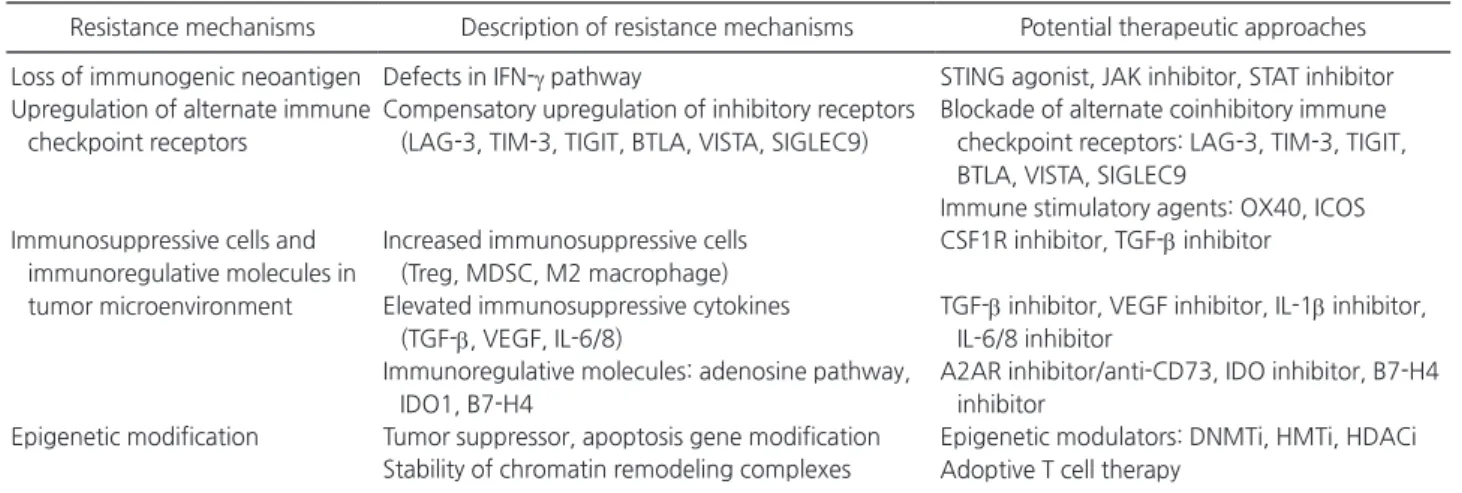
Table 1. Mechanisms of acquired resistance and potential therapeutic approaches
Resistance mechanisms Description of resistance mechanisms Potential therapeutic approaches Loss of immunogenic neoantigen Defects in IFN-γ pathway STING agonist, JAK inhibitor, STAT inhibitor Upregulation of alternate immune
checkpoint receptors
Compensatory upregulation of inhibitory receptors (LAG-3, TIM-3, TIGIT, BTLA, VISTA, SIGLEC9)
Blockade of alternate coinhibitory immune checkpoint receptors: LAG-3, TIM-3, TIGIT, BTLA, VISTA, SIGLEC9
Immune stimulatory agents: OX40, ICOS Immunosuppressive cells and
immunoregulative molecules in tumor microenvironment
Increased immunosuppressive cells (Treg, MDSC, M2 macrophage)
CSF1R inhibitor, TGF-β inhibitor Elevated immunosuppressive cytokines
(TGF-β, VEGF, IL-6/8)
TGF-β inhibitor, VEGF inhibitor, IL-1β inhibitor, IL-6/8 inhibitor
Immunoregulative molecules: adenosine pathway, IDO1, B7-H4
A2AR inhibitor/anti-CD73, IDO inhibitor, B7-H4 inhibitor
Epigenetic modification Tumor suppressor, apoptosis gene modification Epigenetic modulators: DNMTi, HMTi, HDACi Adoptive T cell therapy
Stability of chromatin remodeling complexes
IFN-γ, interferon-γ; STING, stimulator of IFN genes; JAK, Janus kinase; STAT, signal transducer and activators of transcription; LAG-3, lym-phocyte-associated gene 3; TIM-3, T-cell immunoglobulin and mucin domain-3; TIGIT, T-cell immunoglobulin and ITIM domain; BTLA, B and T-lymphocyte attenuator; VISTA, V-domain immunoglobulin suppressor of T-cell activation; SIGLEC9, sialic acid binding Ig-like lectin 9; ICOS, inducible T-cell costimulator; Treg, regulatory T-cell; MDSC, myeloid-derived suppressor cell; CSF1R, colony stimulating factor 1 receptor; TGF-β, transforming growth factor-β; VEGF, vascular endothelial growth factor; IL, interleukin; IDO, indoleamine 2,3-dioxygen-ase; A2AR, adenosine A2A receptor; DNMTi, DNA methyltransferase inhibitor; HMTi, histone methyltransferase inhibitor; HDACi, histone deacetylase inhibitor.
Yong Jun Lee et al.
ITIM domains (TIGIT) create an immunosuppressive environ-ment (Fig. 1, Table 1) (Toor et al., 2020). LAG-3 is expressed on TILs, and dual blockade of LAG-3 and PD-1 resulted in syn-ergistic anti-tumor effects in preliminary models (Hellmann et al., 2016). TIM-3 was upregulated in both CD4+ and CD8+ T cells in patients with lung cancer refractory to anti–PD-1 therapy (Koyama et al., 2016). Similarly, TIGIT expression on tumor antigen-specific CD8+ T cells was observed in patients with melanoma after anti–PD-1 treatment (Chauvin et al., 2015).
Other immune checkpoint receptors such as B and T lymphocyte attenuator (BTLA), V-domain immunoglobu-lin-containing suppressor of T cell activation (VISTA), and sialic acid-binding Ig-like lectin 9 (SIGLEC9) are also potential treatment targets (Galon and Bruni, 2019). Similarly, immune stimulatory agents such as OX40 and inducible T cell costim-ulatory (ICOS) agonists enhance T cell expansion and effector functions by controlling the tumor suppressive function of regulatory T cells (Tregs) (Hu-Lieskovan and Ribas, 2017; Ma-honey et al., 2015).
Suppressive tumor microenvironment
Immunosuppressive cellsIn patients refractory to anti–PD-1 therapy, decreased T cell effector function is associated with an increase in immuno-suppressive cells such as Tregs, myeloid-derived suppressor cells (MDSCs), and tumor associated macrophages (TAM) (Fig. 1, Table 1) (Arlauckas et al., 2017). Tregs directly inhibit effector T cells (Teff) or produce inhibitory cytokines, such as interleukin (IL)-10, IL-35, and transforming growth factor-β (TGF-β), which suppress CD8+ T cells, resulting in acquired resistance to ICIs (Sakaguchi et al., 2008; Saleh and Elkord, 2019). MDSCs induce acquired resistance to ICIs via direct action on T cells, promotion of tumor angiogenesis, and re-cruitment of immune suppressive cells to the tumor microen-vironment (Hou et al., 2020). MDSCs in the tumor microenvi-ronment are related to a lack of response to immunotherapy (Meyer et al., 2014). M2 macrophages reshape the tumor microenvironment into a pro-tumorigenic environment (Chanmee et al., 2014). The colony-stimulating growth factor 1 receptor (CSF1R) plays a critical role in differentiation,
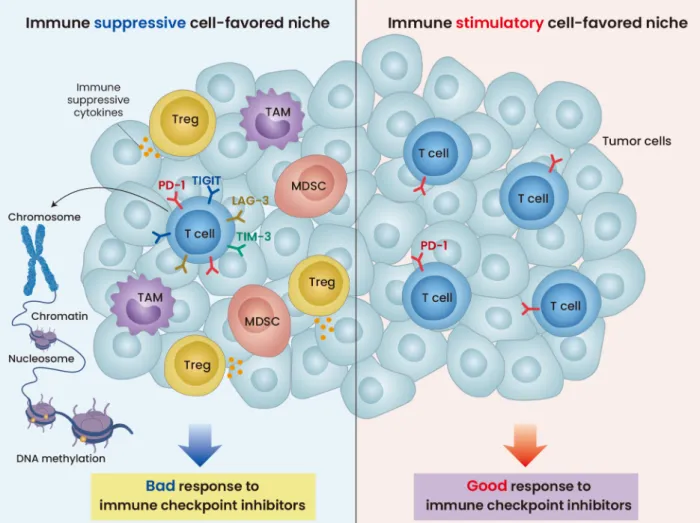
pro-Fig. 1. Immune suppressive and immune stimulatory cell-favored niche. The immune suppressive environment (left) shows the 1) immune suppressive cells including Tregs and MDSCs, 2) the expression of immune suppressive cytokines, and 3) upregulation of immune checkpoint receptors such as TIGIT, LAG-3, and TIM-3 by T cells. The immune stimulatory environment includes PD-1 expression by T cells (right). The immune suppressive cell-favored niche does not respond well to ICIs, while the immune stimulatory responds favorably to ICIs.
liferation, and survival of the mononuclear phagocyte system and macrophages (Stanley and Chitu, 2014). Blocking CSF1R results in a decrease in tumor-associated microphages, and addition of CSF1R inhibitor with PD1 and CTLA4 antagonists improves the response to ICIs in pancreatic cancer mouse models (Zhu et al., 2014), suggesting CSF1R inhibitor as a therapeutic approach for immunotherapy resistance.
Immunosuppressive cytokines
The upregulation of the TGF-β pathway promotes the immu-nosuppressive effects of Tregs (Table 1) (Neel et al., 2012). Inhibition of TGF-β provided a better anti-tumor response to ICIs in a colorectal cancer model, followed by application of a TGF-β inhibitor with or without anti–CTLA-4 or radiation ther-apy (Fig. 1) (Hanks et al., 2014; Vanpouille-Box et al., 2015). VEGF signaling activates the infiltration of Tregs into the tumor microenvironment and induces exhaustion of cyto-toxic T lymphocytes (CTLs) by increasing inhibitory receptor expression (Voron et al., 2015). Patients with anti–PD-1
resis-tance have higher levels of VEGF than anti–PD-1 responsive patients (Chen et al., 2016). Combined anti-VEGF/anti–PD-L1
therapy has been shown to have beneficial outcomes in small cell lung cancer (SCLC) mouse models (Meder et al., 2018). These results suggest that the addition of VEGF inhibitors may improve the response to immunotherapy.
IL-6 and IL-8 are proinflammatory cytokines that are found in the tumor microenvironment. IL-6 decreases PD-L1 and MHC class 1 expression, leading to tumor evasion and ICI therapy resistance (Garcia-Diaz et al., 2017). IL-8 modulates chemotaxis of neutrophils, resulting in pro-tumorigenic ef-fects (Alfaro et al., 2016). High concentrations of IL-8 inhibit T cell function and antigen presentation, thereby promoting resistance to ICI therapy (Yuen et al., 2020).
Immunoregulative molecules
Immunoregulatory molecules such as adenosine, indoleam-ine 2,3-dioxygenase 1 (IDO1), and B7-H4 contribute to immunosuppression, which is associated with ICI resistance (Table 1) (Platten et al., 2015; Zang et al., 2003; Zhang et al., 2004). Adenosine inhibits effector T cells and increases Tregs via adenosine A2A receptor (A2AR) binding, leading to a decrease in NK cell maturation and its action (Young et al., 2018). Blocking CD73 or A2AR prevents adenosine signaling and improves the response of tumor cells to anti–PD-1 ther-apy (Vijayan et al., 2017). IDO1 is an enzyme that converts tryptophan to kynurenine. Consumption of tryptophan and accumulation of kynurenine activates Teff and Tregs, and pro-motes Treg cell formation (Ricciuti et al., 2019). Combination of IDO inhibitors with ICI therapy enhances the TIL function and number in the tumor microenvironment (Spranger et al., 2014). B7-H4 binds to T cells and inhibits their proliferation, cytotoxic action, and interleukin secretion by T cells (Zang et al., 2003). In patients with advanced NSCLC, high expression of B7-H4 is associated with tumor progression and tumor-re-lated death risks (Genova et al., 2019). The effect of B7-H4 on immunotherapy resistance remains to be fully elucidated.
Epigenetic modification
Epigenetic modifications are associated with anticancer
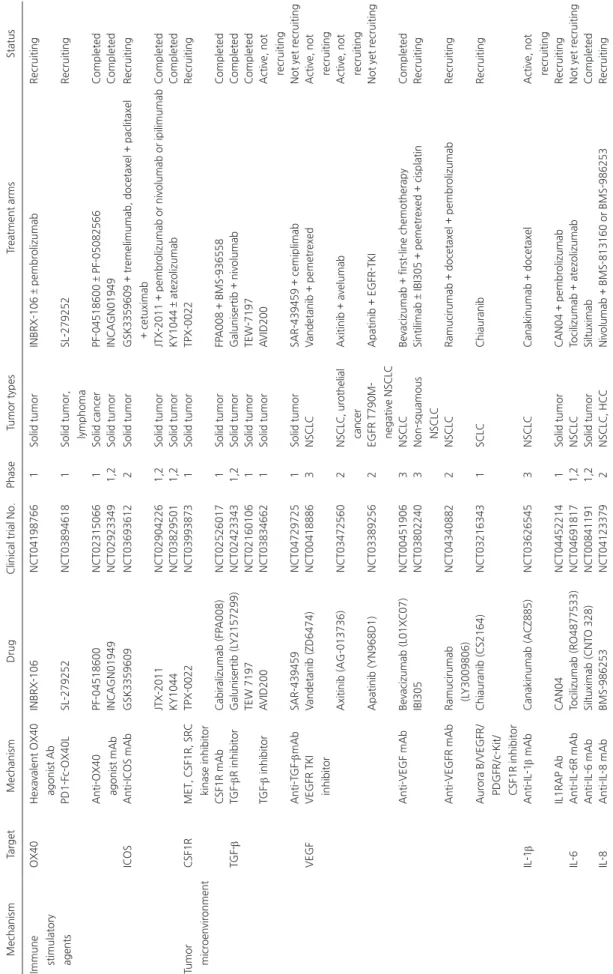
Table 2
. Clinical trials of investigational agents on acquired resistance
Mechanism
Target
Mechanism
Drug
Clinical trial No.
Phase Tumor types Treatment arms Status INF-γ pathway STING STING agonist E7766 NCT04144140 1
Solid tumor, lymphoma
E7766 Recruiting GSK3745417 NCT03843359 1 Solid tumor GSK3745417 ± pembrolizumab Recruiting MIW815 NCT03172936 1
Solid tumor, lymphoma
MIW815 + PDR001
Active, not recruiting
SNX281
NCT04609579
1
Solid tumor, lymphoma
SNX281 ± pembrolizumab Recruiting TAK-676 NCT04420884 1 Solid tumor TAK-676 ± pembrolizumab Recruiting JAK JAK1 inhibitor AZD4205 NCT03450330 1,2 NSCLC AZD4205 + osimertinib Completed Itacitinib (INCB039110) NCT03425006 2 NSCLC Itacitinib + pembrolizumab
Active, not recruiting
JAK1/2 inhibitor Ruxolitinib (INCB018424) NCT02145637 1 NSCLC Ruxolitinib + afatinib Completed S TA T ST A T3 inhibitor TTI-101 NCT03195699 1 Solid tumor TTI-101 Recruiting SHP-1 agonist SC-43 NCT04733521 1,2
NSCLC, biliary tract cancer
SC-43 + cisplatin
Yong Jun Lee et al. Table 2 . Continued Mechanism Target Mechanism Drug
Clinical trial No.
Phase
Tumor types
Treatment arms
Status
Blockade of alternate coinhibitory immune checkpoint receptors
LAG-3
LAG-3 fusion pro
-tein
Eftilagimod alpha (IMP321)
NCT03625323 2 NSCLC, HNSCC Eftilagimodalpha + pembrolizumab Recruiting IgG4 mAb Relatlimab (BMS-986016) NCT02750514 2 NSCLC
Nivolumab ± relatlimab or ipilimumab or BMS-986205 or dasatinib Active, not recruiting
IgG4 mAb LAG525 NCT02460224 1,2 Solid tumor LAG525 ± spartalizumab (PDR001)
Active, not recruiting
mAb BI 754111 NCT03780725 1 NSCLC, HNSCC BI 754111 + BI 754091 Completed IgG4 mAb Mavezelimab (MK-4280) NCT03516981 2 NSCLC P
embrolizumab + quavonlimab or MK-4280 or lenvati
-nib Recruiting TIM-3 Anti-PD-1/TIM-3 bispecific Ab RO7121661 NCT03708328 1 Solid tumor RO7121661 Recruiting Anti-TIM-3 mAb INCAGN02390 NCT03652077 1 Solid tumor INCAGN02390
Active, not recruiting
Sym023
NCT03489343
1
Solid tumor, lymphoma
Sym023 Completed LY3321367 NCT03099109 1 Solid tumor LY3300054 (anti-PD-L1), L Y3321367, L Y3300054 + LY3321367
Active, not recruiting
Cobolimab (T
SR-022)
NCT02817633
1
Solid tumor
Cobolimab ± nivolumab, cobolimab + T
SR-042 ± T SR-033 or docetaxel Recruiting Sabatolimab (MBG453) NCT02608268 1,2 Solid tumor Sabatolimab ± PDR001 or decitabine
Active, not recruiting
TIGIT Anti-TIGIT mAb Tiragolumab (MTIG7192A/RG-6058) NCT04294810 3 NSCLC Atezolizumab ± tiragolumab Recruiting NCT04256421 3 SCLC
Atezolizumab + carboplatin + etoposide ± tiragolumab
Recruiting
Vibostolimab (MK-7684)
NCT02964013
1
Solid tumor
Vibostolimab ± pembrolizumab ± pemetrexed/carbopla
-tin, vibostolimab + carboplatin + cisplatin + etoposide
Recruiting BMS-986207 NCT02913313 1,2 Solid tumor BMS-986207 ± nivolumab
Active, not recruiting
Domvanalimab (AB-154)
NCT04262856
2
NSCLC
Zimberelimab ± dombvanalimab ± etrumadenant
Recruiting IBI939 NCT04672356 1 NSCLC, SCLC IBI939 + sintilimab
Not yet recruiting
BTLA Anti-OX40 mAb Cudarolimab (IBI101) NCT03758001 1 Solid tumor Cudarolimab ± sintilimab Recruiting Anti-BTLA mAb TAB004 NCT04137900 1 Solid tumor TAB004 Recruiting VIST A Anti-VIST A mAb JNJ-61610588 NCT02671955 1 Solid tumor JNJ-61610588 Terminated CI-8993 NCT04475523 1 Solid tumor CI-8993 Recruiting
Small molecule targeting VIST
A
and PD-L1
CA-170
NCT02812875
1
Solid tumor, lymphoma
CA-170
Table 2 . Continued Mechanism Target Mechanism Drug
Clinical trial No.
Phase
Tumor types
Treatment arms
Status
Immune stimulatory agents
OX40
Hexavalent OX40 agonist Ab
INBRX-106 NCT04198766 1 Solid tumor INBRX-106 ± pembrolizumab Recruiting PD1-F c-OX40L SL-279252 NCT03894618 1
Solid tumor, lymphoma
SL-279252
Recruiting
Anti-OX40 agonist mAb
PF-04518600 NCT02315066 1 Solid cancer PF-04518600 ± PF-05082566 Completed INCAGN01949 NCT02923349 1,2 Solid tumor INCAGN01949 Completed ICOS Anti-ICOS mAb GSK3359609 NCT03693612 2 Solid tumor
GSK3359609 + tremelimumab, docetaxel + paclitaxel + cetuximab
Recruiting
JTX-2011
NCT02904226
1,2
Solid tumor
JTX-2011 + pembrolizumab or nivolumab or ipilimumab
Completed KY1044 NCT03829501 1,2 Solid tumor KY1044 ± atezolizumab Completed Tumor microenvironment CSF1R
MET, CSF1R, SRC kinase inhibitor
TPX-0022 NCT03993873 1 Solid tumor TPX-0022 Recruiting CSF1R mAb Cabiralizumab (FP A008) NCT02526017 1 Solid tumor FP A008 + BMS-936558 Completed TGF-β TGF-βR inhibitor Galunisertib (L Y2157299) NCT02423343 1,2 Solid tumor Galunisertib + nivolumab Completed TEW 7197 NCT02160106 1 Solid tumor TEW-7197 Completed TGF-β inhibitor A VID200 NCT03834662 1 Solid tumor A VID200
Active, not recruiting
Anti-T GF-βmAb SAR-439459 NCT04729725 1 Solid tumor SAR-439459 + cemiplimab
Not yet recruiting
VEGF
VEGFR TKI inhibitor
V andetanib (ZD6474) NCT00418886 3 NSCLC V andetanib + pemetrexed
Active, not recruiting
Axitinib (AG-013736)
NCT03472560
2
NSCLC, urothelial cancer
Axitinib + avelumab
Active, not recruiting
Apatinib (YN968D1)
NCT03389256
2
EGFR T790M- negative NSCLC
Apatinib + EGFR-TKI
Not yet recruiting
Anti-VEGF mAb
Bevacizumab (L01XC07)
NCT00451906
3
NSCLC
Bevacizumab + first-line chemotherapy
Completed
IBI305
NCT03802240
3
Non-squamous NSCLC
Sintilimab ± IBI305 + pemetrexed + cisplatin
Recruiting Anti-VEGFR mAb Ramucirumab (L Y3009806) NCT04340882 2 NSCLC
Ramucirumab + docetaxel + pembrolizumab
Recruiting
Aurora B/VEGFR/ PDGFR/c-Kit/ CSF1R inhibitor
Chiauranib (CS2164) NCT03216343 1 SCLC Chiauranib Recruiting IL-1 β Anti-IL-1 β mAb Canakinumab (ACZ885) NCT03626545 3 NSCLC Canakinumab + docetaxel
Active, not recruiting
IL1RAP Ab CAN04 NCT04452214 1 Solid tumor CAN04 + pembrolizumab Recruiting IL-6 Anti-IL-6R mAb Tocilizumab (RO4877533) NCT04691817 1,2 NSCLC Tocilizumab + atezolizumab
Not yet recruiting
Anti-IL-6 mAb Siltuximab (CNT O 328) NCT00841191 1,2 Solid tumor Siltuximab Completed IL-8 Anti-IL-8 mAb BMS-986253 NCT04123379 2 NSCLC, HCC Nivolumab + BMS-813160 or BMS-986253 Recruiting
Yong Jun Lee et al. Table 2 . Continued Mechanism Target Mechanism Drug
Clinical trial No.
Phase Tumor types Treatment arms Status Tumor microenvironment A2AR A2AR antagonist PBF-509 NCT02403193 1,2 NSCLC PBF-509 + PDR001
Active, not recruiting
Etrumadenant (AB928)
NCT03846310
1
Lung cancer
Etrumadenant + carboplatin + pemetrexed
Recruiting
CD73
Small molecule CD73 inhibitor
LY3475070 NCT04148937 1 Solid tumor LY3475070 ± pembrolizumab Recruiting Anti-CD73 mAb CPI-006 NCT03454451 1 Solid cancer, NHL
CPI-006 ± ciforadenant or pembrolizumab
Recruiting
Oleclumab (MEDI9447)
NCT03381274
1,2
EGFR-mutant NSCLC
MEDI9447 + osimertinib or AZD4635
Active, not recruiting
Sym024 NCT04672434 1 Solid tumor Sym021 ± Sym024 Recruiting NZV930 NCT03549000 1 Solid tumor NZV930 ± PDR001 ± NIR178 Recruiting IDO1 IDO inhibitor Indoximod (NLG-8189) NCT02460367 1 NSCLC
Indoximod + docetaxel + tergenpumatucel-L
Active, not recruiting
B7-H4 B7-H4 Ab FP A150 NCT03514121 1 Solid tumor FP A150 + pembrolizumab
Active, not recruiting
Epigenetic modulators Hypometh -ylating agents DNMTi Guadecitabine (SGI-110) NCT03913455 2 SCLC Guadecitabine + carboplatin
Active, not recruiting
Cytidine nucleo -side analogue CC-486 NCT02546986 2 NSCLC P embrolizumab ± CC-486
Active, not recruiting
Deoxycitidine analogue Aza-T dCyd NCT03366116 1 Solid tumor Aza-T dCyd Recruiting HMTi EZH2 inhibitor Tazemetostat (EPZ-6438) NCT01897571 1,2
Solid tumor, B-cell lymphoma
Tazemetostat
Active, not recruiting
HDACi HDAC inhibitor ACY-241 NCT02635061 1 NSCLC ACY-241 + nivolumab
Active, not recruiting
Mocetinostat (MGCD01013)
NCT02954991
2
NSCLC
Nivolumab + glesatinib or sitravatinib or mocetinostat
Active, not recruiting
Entinostat (SNDX-275)
NCT01928576
2
NSCLC
Entinostat + azacitidine + nivolumab
Recruiting V orinostat (MK0683) NCT02638090 1,2 NSCLC P embrolizumab ± vorinostat Recruiting Abexinostat (PCI-24781) NCT03590054 1 Solid tumor Abexinostat + pembrolizumab Recruiting
Adoptive T cell therapy
Genetically modified T cells
NCT02408016 1,2 NSCLC, mesothelioma Autologous WT1-T CRc4 Gene-transduced CD8-positive Tcm/T n Lymphocytes
Active, not recruiting
Genetically modified T cells
NCT02706392
1
ROR1-positive Solid tumor
ROR1 CAR-specific autologous
T-Lymphocytes
Recruiting
STING, stimulator of IFN genes; JAK, Janus kinase; NSCLC, non-small cell lung cancer; ST
A
T, signal transducer and activators of transcription; SHP-1, Src-homology2 domain-containing
phosphatase-1; LAG-3, lymphocyte-associated gene 3; HNSCC, head and neck squamous cell carcinoma; TIM-3, T-cell immunoglobulin and mucin domain-3; anti-PD-L1, anti-pro
-grammed cell death ligand 1; TIGIT, T-cell immunoglobulin and ITIM domain; SCLC, small cell lung cancer; BTLA, B and T-lymphocy
te attenuator; VIST
A, V-domain immunoglobulin sup
-pressor of T-cell activation; ICOS, inducible T-cell costimulator; CSF1R, colony stimulating factor 1 receptor; T
GF-β, transforming growth
factor-β; VEGF, vascular endothelial growth factor;
IL, interleukin; Anti-IL-6R-mAb, anti-interleukin-6 receptor monoclonal antibody; TKI, tyrosine kinase inhibitor; EGFR, epiderm
al growth factor receptor; HCC, hepatocellular
carcinoma;
A2AR, adenosine A2A receptor; NHL, non-Hodgkin lymphoma; IDO, indoleamine 2,3-dioxygenase; DNMTi, indoleamine 2,3-dioxygenase;
HMTi, histone methyltransferase inhibitor; HDA
immunity, including T cell function, migration, exhaustion, and neoantigen expression (Wang et al., 2020). Epigenetic modifications silence tumor suppressor and apoptosis genes, thereby activating tumor proliferation (Table 1) (Baxter et al., 2014). For instance, the switch/sucrose non-fermentable (SWI/SNF) chromatin remodeling complex decreases the sen-sitivity of tumor cells to CTLs, leading to a lack of response to immunotherapy (Miao et al., 2018; Pan et al., 2018). Several studies have demonstrated that re-invigoration of exhausted CD8+ T cells and memory T cells is feasible via chromatin re-modeling and epigenetic modification (Fig. 1) (Jenkins et al., 2018; Pauken et al., 2016; Ribas et al., 2016).
POTENTIAL THERAPEUTIC STRATEGIES FOR
OVERCOMING ACQUIRED RESISTANCE
Clinical trials on the IFN-
γ pathway
Several clinical trials targeting JAK1/2 and STAT are ongoing. In a phase 1/2 study, AZD4205, a JAK1-selective inhibitor, was administered as both monotherapy and combina-tion therapy with osimertinib in advanced NSCLC patients (NCT03450330). A phase 1/2 clinical trial of SC-43, an SHP-1 agonist that inhibits STAT3, in combination with cisplatin therapy for NSCLC is ongoing (NCT04733521).
Activation of stimulator of IFN genes (STING) showed an increase in anti-tumor immunity via the upregulation of proinflammatory chemokines and cytokines, including type I IFNs (Su et al., 2019). STING agonists are a promising op-tion for patients with resistance to immunotherapy. Clinical trials of STING agonists for solid tumors, such as E7766, GSK3745417, and MIW815, are ongoing (NCT04144140, NCT03843359, and NCT03172936, respectively).
Clinical trials targeting other immune checkpoints
Randomized, double-blind, and phase 2 clinical trial of an-ti-TIGIT antibody tiragolumab in combination with atezolizum-ab (PD-L1 inhibitor) compared with placebo plus atezolizumatezolizum-ab in patients with PD-L1-selected NSCLC (CITYSCAPE) revealed improvement in overall response rates (ORR; 31.3% for ti-ragolumab group and 16.2% for placebo group) and mean progression free survival (mPFS; 5.4 months for tiragolumab group and 3.6 months for placebo group) (Rodriguez-Abreu et al., 2020). Other agents targeting immune checkpoint re-ceptors are currently under investigation (Table 2).
Clinical trials targeting tumor microenvironment
The A2AR antagonist CPI-444 showed anti-tumor effects as both monotherapy and combination therapy with atezoli-zumab in patients with anti–PD-1/PD-L1 treatment-refractory renal cell carcinoma (RCC) and NSCLC, with a disease control rate of 36% for monotherapy in NSCLC and 71% for com-bination therapy in NSCLC (Fong et al., 2017). Other agents targeting the tumor microenvironment, such as CSF1R, TGF-β, VEGF, IL-1/6, A2AR, CD73, IDO1, and B7-H4 inhibi-tors, are listed in Table 2.
Clinical trials on epigenetic modification
Epigenetic modifications include DNA methylation and his-tone (Kim et al., 2020). DNA methylation is mediated by
DNA methyltransferase (DNMT), which regulates silencing of genes and non-coding genomic regions. Histone modifica-tion enzymes such as histone methyltransferase (HMT) and histone deacetylase (HDAC) change the structure of chroma-tin, leading to gene regulation and carcinogenesis (Kanwal and Gupta, 2012). Epigenetic modification enzyme inhibitors such as DNA methyltransferase inhibitors (DNMTis), histone methyltransferase inhibitors (HMTis), and histone deacetyl-ase inhibitors (HDACis) are potential therapeutic targets for immunotherapy resistance (Arenas-Ramirez et al., 2018). Preclinical studies have shown that both DNMTi and HDACi increase the response to anti–PD-1 therapy in various tumors (Mazzone et al., 2017). One of the histone methyltransferase enzymes, enhancer of zeste homolog 2 (EZH2), is involved in the proliferation, migration, and invasion of various cancer cells such as glioblastoma, ovarian cancer, and prostate can-cer (Yamaguchi and Hung, 2014). EZH2 exhibited a silencing effect on antigen presentation and immune reaction, and blocking of EZH2 resulted in synergistic effects with anti– CTLA-4 and IL-2 immunotherapy (Zingg et al., 2017). For patients with relapsed or refractory malignant meso-thelioma, the EZH2 inhibitor tazemetostat was well tolerated and showed a 47% disease control rate in 12 patients ( Zau-derer et al., 2020). A phase 1/2 clinical trial of tazemetostat monotherapy in patients with advanced solid tumors or B-cell lymphomas is currently underway (NCT01897571). Other clinical trials for epigenetic modulators such as DNMTis, HM-Tis, HDACis, and adoptive T cell therapy are included in Table 2.
CONCLUSION
The advent of immunotherapy has changed the treatment options in NSCLC. Prior to immunotherapy and targeted agents, chemotherapy was the backbone of treatment. Cur-rently, the first line standard treatment for stage IV NSCLC is anti–PD-1 with or without chemotherapy, with the addition of chemotherapy depending on the PD-L1 expressions of the patients (Mok et al., 2019). There is also the option of anti–PD-L1 and VEGFR inhibitor with chemotherapy in first line non-squamous NSCLC (Socinski et al., 2018). Recently, front-line nivolumab with ipilimumab in combination with short course chemotherapy showed overall survival benefit in patients with NSCLC and received U.S. Food and Drug Administration approval (Arenas-Ramirez et al., 2018). Un-precedented results of survival gain in NSCLC have acceler-ated scientists and clinicians to explore various combinations of immunotherapy with other agents in order to overcome acquired resistance. Indeed, elucidating the mechanisms un-derlying acquired resistance is necessary to provide treatment options for this subset of patients. Notably, the upregulation IFN-γ pathway, co-inhibition of immune checkpoints such as TIGIT, and inhibition of TGF-β have gained attention as prom-ising potential therapeutic strategies and are awaiting results.
ACKNOWLEDGMENTS
This work was supported by National Research Foundation of Korea (NRF) grants funded by the Korean Government (MSIT) (NRF-2017M3A9E9072669, 2017M3A9E8029717,
Yong Jun Lee et al.
NRF-2019M3A9B6065231, 2019M3A9B6065221, 2018R1A2A1A05076997, 2017R1A5A1014560).
AUTHOR CONTRIBUTIONS
All authors listed have made a substantial, direct, and intellec-tual contribution to the work and approved it for publication.
CONFLICT OF INTEREST
The authors have no potential conflicts of interest to disclose.
ORCID
Yong Jun Lee https://orcid.org/0000-0001-6394-0364 Jii Bum Lee https://orcid.org/0000-0001-5608-3157 Sang-Jun Ha https://orcid.org/0000-0002-1192-6031 Hye Ryun Kim https://orcid.org/0000-0002-1842-9070
REFERENCES
Abiko, K., Matsumura, N., Hamanishi, J., Horikawa, N., Murakami, R., Yamaguchi, K., Yoshioka, Y., Baba, T., Konishi, I., and Mandai, M. (2015). IFN-γ from lymphocytes induces PD-L1 expression and promotes progression of ovarian cancer. Br. J. Cancer 112, 1501-1509.
Alfaro, C., Teijeira, A., Oñate, C., Pérez, G., Sanmamed, M.F., Andueza, M.P., Alignani, D., Labiano, S., Azpilikueta, A., Rodriguez-Paulete, A., et al. (2016). Tumor-produced interleukin-8 attracts human myeloid-derived suppressor cells and elicits extrusion of neutrophil extracellular traps (NETs). Clin. Cancer Res. 22, 3924-3936.
Arenas-Ramirez, N., Sahin, D., and Boyman, O. (2018). Epigenetic mechanisms of tumor resistance to immunotherapy. Cell. Mol. Life Sci. 75, 4163-4176.
Arlauckas, S.P., Garris, C.S., Kohler, R.H., Kitaoka, M., Cuccarese, M.F., Yang, K.S., Miller, M.A., Carlson, J.C., Freeman, G.J., Anthony, R.M., et al. (2017). In vivo imaging reveals a tumor-associated macrophage–mediated resistance pathway in anti–PD-1 therapy. Sci. Transl. Med. 9, eaal3604. Ashizawa, T., Iizuka, A., Maeda, C., Tanaka, E., Kondou, R., Miyata, H., Sugino, T., Kawata, T., Deguchi, S., Mitsuya, K., et al. (2019). Impact of combination therapy with anti-PD-1 blockade and a STAT3 inhibitor on the tumor-infiltrating lymphocyte status. Immunol. Lett. 216, 43-50. Bach, E.A., Aguet, M., and Schreiber, R.D. (1997). The IFNγ receptor: a paradigm for cytokine receptor signaling. Annu. Rev. Immunol. 15, 563-591.
Bagchi, S., Yuan, R., and Engleman, E.G. (2021). Immune checkpoint inhibitors for the treatment of cancer: clinical impact and mechanisms of response and resistance. Annu. Rev. Pathol. 16, 223-249.
Baxter, E., Windloch, K., Gannon, F., and Lee, J.S. (2014). Epigenetic regulation in cancer progression. Cell Biosci. 4, 45.
Chanmee, T., Ontong, P., Konno, K., and Itano, N. (2014). Tumor-associated macrophages as major players in the tumor microenvironment. Cancers (Basel) 6, 1670-1690.
Chauvin, J.M., Pagliano, O., Fourcade, J., Sun, Z., Wang, H., Sander, C., Kirkwood, J.M., Chen, T.H., Maurer, M., Korman, A.J., et al. (2015). TIGIT and PD-1 impair tumor antigen–specific CD8+ T cells in melanoma patients. J. Clin. Invest. 125, 2046-2058.
Chen, P.L., Roh, W., Reuben, A., Cooper, Z.A., Spencer, C.N., Prieto, P.A., Miller, J.P., Bassett, R.L., Gopalakrishnan, V., Wani, K., et al. (2016). Analysis of immune signatures in longitudinal tumor samples yields insight into biomarkers of response and mechanisms of resistance to immune checkpoint blockade. Cancer Discov. 6, 827-837.
Ettinger, D.S., Wood, D.E., Aggarwal, C., Aisner, D.L., Akerley, W., Bauman, J.R., Bharat, A., Bruno, D.S., Chang, J.Y., Chirieac, L.R., et al. (2019). NCCN guidelines insights: non–small cell lung cancer, version 1.2020: featured
updates to the NCCN guidelines. J. Natl. Compr. Canc. Netw. 17, 1464-1472.
Fong, L., Forde, P.M., Powderly, J.D., Goldman, J.W., Nemunaitis, J.J., Luke, J.J., Hellmann, M.D., Kummar, S., Doebele, R.C., Mahadevan, D., et al. (2017). Safety and clinical activity of adenosine A2a receptor (A2aR) antagonist, CPI-444, in anti-PD1/PDL1 treatment-refractory renal cell (RCC) and non-small cell lung cancer (NSCLC) patients. J. Clin. Oncol. 35(15 Suppl), 3004. Galon, J. and Bruni, D. (2019). Approaches to treat immune hot, altered and cold tumours with combination immunotherapies. Nat. Rev. Drug Discov. 18, 197-218.
Garcia-Diaz, A., Shin, D.S., Moreno, B.H., Saco, J., Escuin-Ordinas, H., Rodriguez, G.A., Zaretsky, J.M., Sun, L., Hugo, W., Wang, X., et al. (2017). Interferon receptor signaling pathways regulating PD-L1 and PD-L2 expression. Cell Rep. 19, 1189-1201.
Genova, C., Boccardo, S., Mora, M., Rijavec, E., Biello, F., Rossi, G., Tagliamento, M., Dal Bello, M.G., Coco, S., Alama, A., et al. (2019). Correlation between B7-H4 and survival of non-small-cell lung cancer patients treated with nivolumab. J. Clin. Med. 8, 1566.
Gettinger, S., Choi, J., Hastings, K., Truini, A., Datar, I., Sowell, R., Wurtz, A., Dong, W., Cai, G., Melnick, M.A., et al. (2017). Impaired HLA class I antigen processing and presentation as a mechanism of acquired resistance to immune checkpoint inhibitors in lung cancer. Cancer Discov. 7, 1420-1435. Hanks, B.A., Holtzhausen, A., Evans, K., Heid, M., and Blobe, G.C. (2014). Combinatorial TGF-β signaling blockade and anti-CTLA-4 antibody immunotherapy in a murine BRAFV600E-PTEN-/- transgenic model of melanoma. J. Clin. Oncol. 32(15 Suppl), 3011.
Hellmann, M.D., Friedman, C.F., and Wolchok, J.D. (2016). Combinatorial cancer immunotherapies. Adv. Immunol. 130, 251-277.
Hou, A., Hou, K., Huang, Q., Lei, Y., and Chen, W. (2020). Targeting myeloid-derived suppressor cell, a promising strategy to overcome resistance to immune checkpoint inhibitors. Front. Immunol. 11, 783.
Hu-Lieskovan, S. and Ribas, A. (2017). New combination strategies using PD-1/L1 checkpoint inhibitors as a backbone. Cancer J. 23, 10-22. Jenkins, R.W., Barbie, D.A., and Flaherty, K.T. (2018). Mechanisms of resistance to immune checkpoint inhibitors. Br. J. Cancer 118, 9-16. Kanwal, R. and Gupta, S. (2012). Epigenetic modifications in cancer. Clin. Genet. 81, 303-311.
Kim, D., Lee, Y.S., Kim, D.H., and Bae, S.C. (2020). Lung cancer staging and associated genetic and epigenetic events. Mol. Cells 43, 1-9.
Koyama, S., Akbay, E.A., Li, Y.Y., Herter-Sprie, G.S., Buczkowski, K.A., Richards, W.G., Gandhi, L., Redig, A.J., Rodig, S.J., Asahina, H., et al. (2016). Adaptive resistance to therapeutic PD-1 blockade is associated with upregulation of alternative immune checkpoints. Nat. Commun. 7, 10501. Mahoney, K.M., Rennert, P.D., and Freeman, G.J. (2015). Combination cancer immunotherapy and new immunomodulatory targets. Nat. Rev. Drug Discov. 14, 561-584.
Manguso, R.T., Pope, H.W., Zimmer, M.D., Brown, F.D., Yates, K.B., Miller, B.C., Collins, N.B., Bi, K., LaFleur, M.W., Juneja, V.R., et al. (2017). In vivo CRISPR screening identifies Ptpn2 as a cancer immunotherapy target. Nature 547, 413-418.
Mariathasan, S., Turley, S.J., Nickles, D., Castiglioni, A., Yuen, K., Wang, Y., Kadel, E.E., III, Koeppen, H., Astarita, J.L., Cubas, R., et al. (2018). TGFβ attenuates tumour response to PD-L1 blockade by contributing to exclusion of T cells. Nature 554, 544-548.
Mazzone, R., Zwergel, C., Mai, A., and Valente, S. (2017). Epi-drugs in combination with immunotherapy: a new avenue to improve anticancer efficacy. Clin. Epigenetics 9, 59.
Meder, L., Schuldt, P., Thelen, M., Schmitt, A., Dietlein, F., Klein, S., Borchmann, S., Wennhold, K., Vlasic, I., Oberbeck, S., et al. (2018). Combined VEGF and PD-L1 blockade displays synergistic treatment effects in an autochthonous mouse model of small cell lung cancer.
Cancer Res. 78, 4270-4281.
Meyer, C., Cagnon, L., Costa-Nunes, C.M., Baumgaertner, P., Montandon, N., Leyvraz, L., Michielin, O., Romano, E., and Speiser, D.E. (2014). Frequencies of circulating MDSC correlate with clinical outcome of melanoma patients treated with ipilimumab. Cancer Immunol. Immunother. 63, 247-257.
Miao, D., Margolis, C.A., Gao, W., Voss, M.H., Li, W., Martini, D.J., Norton, C., Bossé, D., Wankowicz, S.M., Cullen, D., et al. (2018). Genomic correlates of response to immune checkpoint therapies in clear cell renal cell carcinoma. Science 359, 801-806.
Mok, T.S.K., Wu, Y.L., Kudaba, I., Kowalski, D.M., Cho, B.C., Turna, H.Z., Castro, G., Jr., Srimuninnimit, V., Laktionov, K.K., Bondarenko, I., et al. (2019). Pembrolizumab versus chemotherapy for previously untreated, PD-L1-expressing, locally advanced or metastatic non-small-cell lung cancer (KEYNOTE-042): a randomised, open-label, controlled, phase 3 trial. Lancet 393, 1819-1830.
Neel, J.C., Humbert, L., and Lebrun, J.J. (2012). The dual role of TGFβ in human cancer: from tumor suppression to cancer metastasis. ISRN Mol. Biol. 2012, 381428.
Pan, D., Kobayashi, A., Jiang, P., Ferrari de Andrade, L., Tay, R.E., Luoma, A.M., Tsoucas, D., Qiu, X., Lim, K., Rao, P., et al. (2018). A major chromatin regulator determines resistance of tumor cells to T cell–mediated killing. Science 359, 770-775.
Pauken, K.E., Sammons, M.A., Odorizzi, P.M., Manne, S., Godec, J., Khan, O., Drake, A.M., Chen, Z., Sen, D.R., Kurachi, M., et al. (2016). Epigenetic stability of exhausted T cells limits durability of reinvigoration by PD-1 blockade. Science 354, 1160-1165.
Peng, W., Chen, J.Q., Liu, C., Malu, S., Creasy, C., Tetzlaff, M.T., Xu, C., McKenzie, J.A., Zhang, C., Liang, X., et al. (2016). Loss of PTEN promotes resistance to T cell–mediated immunotherapy. Cancer Discov. 6, 202-216. Pereira, C., Gimenez-Xavier, P., Pros, E., Pajares, M.J., Moro, M., Gomez, A., Navarro, A., Condom, E., Moran, S., Gomez-Lopez, G., et al. (2017). Genomic profiling of patient-derived xenografts for lung cancer identifies B2M inactivation impairing immunorecognition. Clin. Cancer Res. 23, 3203-3213.
Platten, M., von Knebel Doeberitz, N., Oezen, I., Wick, W., and Ochs, K. (2015). Cancer immunotherapy by targeting IDO1/TDO and their downstream effectors. Front. Immunol. 5, 673.
Pourmir, I., Gazeau, B., de Saint Basile, H., and Fabre, E. (2020). Biomarkers of resistance to immune checkpoint inhibitors in non-small-cell lung cancer: myth or reality? Cancer Drug Resist. 3, 276-286.
Remon, J., Passiglia, F., Ahn, M.J., Barlesi, F., Forde, P.M., Garon, E.B., Gettinger, S., Goldberg, S.B., Herbst, R.S., Horn, L., et al. (2020). Immune checkpoint inhibitors in thoracic malignancies: review of the existing evidence by an IASLC expert panel and recommendations. J. Thorac. Oncol. 15, 914-947.
Ren, D., Hua, Y., Yu, B., Ye, X., He, Z., Li, C., Wang, J., Mo, Y., Wei, X., Chen, Y., et al. (2020). Predictive biomarkers and mechanisms underlying resistance to PD1/PD-L1 blockade cancer immunotherapy. Mol. Cancer 19, 19. Ribas, A., Shin, D.S., Zaretsky, J., Frederiksen, J., Cornish, A., Avramis, E., Seja, E., Kivork, C., Siebert, J., Kaplan-Lefko, P., et al. (2016). PD-1 blockade expands intratumoral memory T cells. Cancer Immunol. Res. 4, 194-203. Ricciuti, B., Leonardi, G.C., Puccetti, P., Fallarino, F., Bianconi, V., Sahebkar, A., Baglivo, S., Chiari, R., and Pirro, M. (2019). Targeting indoleamine-2, 3-dioxygenase in cancer: scientific rationale and clinical evidence. Pharmacol. Ther. 196, 105-116.
Rodriguez-Abreu, D., Johnson, M.L., Hussein, M.A., Cobo, M., Patel, A.J., Secen, N.M., Lee, K.H., Massuti, B., Hiret, S., Yang, J.C.H., et al. (2020). Primary analysis of a randomized, double-blind, phase II study of the anti-TIGIT antibody tiragolumab (tira) plus atezolizumab (atezo) versus placebo plus atezo as first-line (1L) treatment in patients with PD-L1-selected NSCLC (CITYSCAPE). J. Clin. Oncol. 38(15 Suppl), 9503.
Sakaguchi, S., Yamaguchi, T., Nomura, T., and Ono, M. (2008). Regulatory T cells and immune tolerance. Cell 133, 775-787.
Saleh, R. and Elkord, E. (2019). Treg-mediated acquired resistance to immune checkpoint inhibitors. Cancer Lett. 457, 168-179.
Sharma, P., Hu-Lieskovan, S., Wargo, J.A., and Ribas, A. (2017). Primary, adaptive, and acquired resistance to cancer immunotherapy. Cell 168, 707-723.
Shin, D.S., Zaretsky, J.M., Escuin-Ordinas, H., Garcia-Diaz, A., Hu-Lieskovan, S., Kalbasi, A., Grasso, C.S., Hugo, W., Sandoval, S., Torrejon, D.Y., et al. (2017). Primary resistance to PD-1 blockade mediated by JAK1/2 mutations. Cancer Discov. 7, 188-201.
Socinski, M.A., Jotte, R.M., Cappuzzo, F., Orlandi, F., Stroyakovskiy, D., Nogami, N., Rodríguez-Abreu, D., Moro-Sibilot, D., Thomas, C.A., Barlesi, F., et al. (2018). Atezolizumab for first-line treatment of metastatic nonsquamous NSCLC. N. Engl. J. Med. 378, 2288-2301.
Spranger, S., Koblish, H.K., Horton, B., Scherle, P.A., Newton, R., and Gajewski, T.F. (2014). Mechanism of tumor rejection with doublets of CTLA-4, PD-1/PD-L1, or IDO blockade involves restored IL-2 production and proliferation of CD8+ T cells directly within the tumor microenvironment. J. Immunother. Cancer 2, 3.
Stanley, E.R. and Chitu, V. (2014). CSF-1 receptor signaling in myeloid cells. Cold Spring Harb. Perspect. Biol. 6, a021857.
Steven, A., Fisher, S.A., and Robinson, B.W. (2016). Immunotherapy for lung cancer. Respirology 21, 821-833.
Su, T., Zhang, Y., Valerie, K., Wang, X.Y., Lin, S., and Zhu, G. (2019). STING activation in cancer immunotherapy. Theranostics 9, 7759-7771.
Sucker, A., Zhao, F., Pieper, N., Heeke, C., Maltaner, R., Stadtler, N., Real, B., Bielefeld, N., Howe, S., Weide, B., et al. (2017). Acquired IFNγ resistance impairs anti-tumor immunity and gives rise to T-cell-resistant melanoma lesions. Nat. Commun. 8, 15440.
Sucker, A., Zhao, F., Real, B., Heeke, C., Bielefeld, N., Maβen, S., Horn, S., Moll, I., Maltaner, R., Horn, P.A., et al. (2014). Genetic evolution of T-cell resistance in the course of melanoma progression. Clin. Cancer Res. 20, 6593-6604.
Taube, J.M., Anders, R.A., Young, G.D., Xu, H., Sharma, R., McMiller, T.L., Chen, S., Klein, A.P., Pardoll, D.M., Topalian, S.L., et al. (2012). Colocalization of inflammatory response with B7-h1 expression in human melanocytic lesions supports an adaptive resistance mechanism of immune escape. Sci. Transl. Med. 4, 127ra37.
Thommen, D.S., Schreiner, J., Müller, P., Herzig, P., Roller, A., Belousov, A., Umana, P., Pisa, P., Klein, C., Bacac, M., et al. (2015). Progression of lung cancer is associated with increased dysfunction of T cells defined by coexpression of multiple inhibitory receptors. Cancer Immunol. Res. 3, 1344-1355.
Toor, S.M., Nair, V.S., Decock, J., and Elkord, E. (2020). Immune checkpoints in the tumor microenvironment. Semin. Cancer Biol. 65, 1-12.
Topalian, S.L., Drake, C.G., and Pardoll, D.M. (2015). Immune checkpoint blockade: a common denominator approach to cancer therapy. Cancer Cell 27, 450-461.
Toso, A., Revandkar, A., Di Mitri, D., Guccini, I., Proietti, M., Sarti, M., Pinton, S., Zhang, J., Kalathur, M., Civenni, G., et al. (2014). Enhancing chemotherapy efficacy in Pten-deficient prostate tumors by activating the senescence-associated antitumor immunity. Cell Rep. 9, 75-89.
Vanpouille-Box, C., Diamond, J.M., Pilones, K.A., Zavadil, J., Babb, J.S., Formenti, S.C., Barcellos-Hoff, M.H., and Demaria, S. (2015). TGFβ is a master regulator of radiation therapy-induced antitumor immunity. Cancer Res. 75, 2232-2242.
Vijayan, D., Young, A., Teng, M.W., and Smyth, M.J. (2017). Targeting immunosuppressive adenosine in cancer. Nat. Rev. Cancer 17, 709-724. Voron, T., Colussi, O., Marcheteau, E., Pernot, S., Nizard, M., Pointet, A.L., Latreche, S., Bergaya, S., Benhamouda, N., Tanchot, C., et al. (2015).
Yong Jun Lee et al.
VEGF-A modulates expression of inhibitory checkpoints on CD8+ T cells in tumors. J. Exp. Med. 212, 139-148.
Wang, F., Wang, S., and Zhou, Q. (2020). The resistance mechanisms of lung cancer immunotherapy. Front. Oncol. 10, 568059.
Xu, L.J., Ma, Q., Zhu, J., Li, J., Xue, B.X., Gao, J., Sun, C.Y., Zang, Y.C., Zhou, Y.B., Yang, D.R., et al. (2018). Combined inhibition of JAK1, 2/Stat3-PD-L1 signaling pathway suppresses the immune escape of castration-resistant prostate cancer to NK cells in hypoxia. Mol. Med. Rep. 17, 8111-8120. Yamaguchi, H. and Hung, M.C. (2014). Regulation and role of EZH2 in cancer. Cancer Res. Treat. 46, 209-222.
Young, A., Ngiow, S.F., Gao, Y., Patch, A.M., Barkauskas, D.S., Messaoudene, M., Lin, G., Coudert, J.D., Stannard, K.A., Zitvogel, L., et al. (2018). A2AR adenosine signaling suppresses natural killer cell maturation in the tumor microenvironment. Cancer Res. 78, 1003-1016.
Yuen, K.C., Liu, L.F., Gupta, V., Madireddi, S., Keerthivasan, S., Li, C., Rishipathak, D., Williams, P., Kadel, E.E., 3rd, Koeppen, H., et al. (2020). High systemic and tumor-associated IL-8 correlates with reduced clinical benefit of PD-L1 blockade. Nat. Med. 26, 693-698.
Zang, X., Loke, P., Kim, J., Murphy, K., Waitz, R., and Allison, J.P. (2003). B7x: a widely expressed B7 family member that inhibits t cell activation. Proc. Natl. Acad. Sci. U. S. A. 100, 10388-10392.
Zaretsky, J.M., Garcia-Diaz, A., Shin, D.S., Escuin-Ordinas, H., Hugo, W.,
Hu-Lieskovan, S., Torrejon, D.Y., Abril-Rodriguez, G., Sandoval, S., Barthly, L., et al. (2016). Mutations associated with acquired resistance to PD-1 blockade in melanoma. N. Engl. J. Med. 375, 819-829.
Zauderer, M.G., Szlosarek, P.W., Le Moulec, S., Popat, S., Taylor, P., Planchard, D., Scherpereel, A., Jahan, T.M., Koczywas, M., Forster, M., et al. (2020). Safety and efficacy of tazemetostat, an enhancer of zeste-homolog 2 inhibitor, in patients with relapsed or refractory malignant mesothelioma. J. Clin. Oncol. 38(15 Suppl), 9058.
Zhang, H., Conrad, D.M., Butler, J.J., Zhao, C., Blay, J., and Hoskin, D.W. (2004). Adenosine acts through A2 receptors to inhibit IL-2-induced tyrosine phosphorylation of STAT5 in T lymphocytes: role of cyclic adenosine 3′, 5′-monophosphate and phosphatases. J. Immunol. 173, 932-944.
Zhu, Y., Knolhoff, B.L., Meyer, M.A., Nywening, T.M., West, B.L., Luo, J., Wang-Gillam, A., Goedegebuure, S.P., Linehan, D.C., and DeNardo, D.G. (2014). CSF1/CSF1R blockade reprograms tumor-infiltrating macrophages and improves response to T-cell checkpoint immunotherapy in pancreatic cancer models. Cancer Res. 74, 5057-5069.
Zingg, D., Arenas-Ramirez, N., Sahin, D., Rosalia, R.A., Antunes, A.T., Haeusel, J., Sommer, L., and Boyman, O. (2017). The histone methyltransferase Ezh2 controls mechanisms of adaptive resistance to tumor immunotherapy. Cell Rep. 20, 854-867.