• 검색 결과가 없습니다.

Systematic Review of Chuna Manipulative Treatment for Ankle Sprain

N/A
N/A
Protected

Academic year: 2021

Share "Systematic Review of Chuna Manipulative Treatment for Ankle Sprain"

Copied!
8
0
0

로드 중.... (전체 텍스트 보기)

전체 글

(1)

Background: This study was performed to review the efficacy of national and international randomized controlled trials (RCT) investigating Chuna manipulative treatment for ankle sprains.

Methods: Online databases (PubMed, Cochrane, EMBASE, CNKI, NDSL, OASIS), were searched for studies where Chuna treatment was performed for ankle sprains up to October 12th, 2017. Only RCT were selected that fulfilled the inclusion/exclusion criteria. Data were analyzed using the Cochrane risk of bias tool.

Results: There were 676 studies retrieved from the databases, resulting in analysis of 24 RCT. There was an average of 7 treatment visits over a 7 day period and the most frequent evaluation tool used was efficacy rate, with drug therapy being the most common control used in the trials. In 15 RCT, several Chuna methods were used in combination, amongst which, the osteopathic technique was most common. Statistically significant improvement in evaluation indices was reported in 19 RCT, and in 3 RCT, statistically significant improvement was reported, but not for all indices. In the remaining 2 RCT, there were no significant differences in any of the evaluation indices. No adverse reactions were reported in any of the RCT, although it was unknown whether all the trial protocols indicated that adverse reactions should be monitored, and for this reason, the risk of bias was unclear.

Conclusion: The review of 24 studies suggest that Chuna manipulative treatment for ankle sprains was effective in most cases, although, potential bias in these studies was difficult to evaluate.

©2018 Korean Acupuncture & Moxibustion Medicine Society. This is an open access article under the CC BY- NC-ND license (http://creativecommons.org/licenses/by-nc-nd/4.0/).

Article history:

Submitted: April 19, 2018 Accepted: May 4, 2018

Keywords:

ankle injuries, ankle sprains, Chuna

https://doi.org/10.13045/jar.2018.00087 pISSN 2586-288X eISSN 2586-2898

J Acupunct Res 2018;35(2):61-68

Review Article

Systematic Review of Chuna Manipulative Treatment for Ankle Sprain

Min Kyung Kwak 1 , Min Wook Kim 1 , Sang Jun Jeong 1 , Shin Ae Kim 2 , Mi Young Jeong 3 , Jae Hong Kim 1, *

1 Department of Acupuncture & Moxibustion Medicine, College of Korean Medicine, Dong-Shin University, Gwangju, Korea 2 Chung-Yeon Korean Medicine Hospital, Chung-Yeon Medical Institute, Gwangju, Korea

3 Department of Nursing, Dong-Shin University Gwangju Korean Medicine Hospital, Gwangju, Korea

ABSTRACT

Journal of Acupuncture Research

Journal homepage: http://www.e-jar.org

Introduction

Sprains are caused when the ligament between the joints is or stretched contracted by an external force, resulting in pain and edema in the local area. Ankle sprains are one of the most commonly observed injuries in clinical practice, presenting with swelling, localized pain, tenderness, and subcutaneous bleeding symptoms [1]. Ankle sprains are usually treated with rest, ice, compression and elevation (RICE) to reduce inflammation, pain, swelling and bleeding. When the pain subsides, plantar flexion is initiated and dorsiflexion exercises are introduced to allow joint mobilization and stretching, ensuring that adduction and abduction is kept to a minimum. Sprains are categorized into 3 grades according to signs and symptoms. Grade 1 and Grade 2 sprains respond well to conservative treatment such as RICE.

Conservative treatment is also preferred in Grade 3 sprains when

plaster fixation or surgical treatment is offered because these treatments will require long-term recovery and there may be a risk of complications [2].

Untreated sprains, or sprains complicated by other ankle injuries, may result in a chronic relapse of the sprain and joint instability.

Early diagnosis and treatment of the sprain will shorten the healing period and prevent weakening of the ankle [3].

It has been reported that treatment of an ankle sprain with acupuncture, Dongsi acupuncture, herbal acupuncture, acupotomy, moxibustion, bloodletting, embedding, Chuna or taping treatment are clinically effective [4].

Chuna treatment is usually applied by the practitioner’s hand, other parts of the body, or ancillary equipment to stimulate the patient’s skin [5]. There are 5 techniques for Chuna treatment;

wave, friction, pressure, vibration and osteopathic. Each type of Chuna treatment can aid the recovery of skeletal structures, such

* Corresponding author.

Department of Acupuncture & Moxibustion Medicine, College of Korean Medicine, Dong-Shin University, Gwangju, Korea E-mail: [email protected]

©2018 Korean Acupuncture & Moxibustion Medicine Society. This is an open access article under the CC BY-NC-ND license (http://creativecommons.org/licenses/by-nc- nd/4.0/).

May-012

(2)

as ankle joints, and also help recovery of muscle and ligament injuries, preventing chronic recurrence and instability. In Korea, studies on the Chuna treatment for ankle sprains have been consistently reported [6-11], but these are mostly case reports or studies without controls.

The purpose of this study was to review national and international, randomized controlled trials (RCT) of Chuna treatment for ankle sprains.

Materials and Methods Data sources

To investigate the efficacy of Chuna treatment for ankle sprain injuries, searches were performed in the following databases to analyze studies published up until October 12, 2017: PubMed/

MEDLINE, Cochrane, EMBASE, and the China National Knowledge Infrastructure (CNKI) for international publications, and the National Digital Science Library (NDSL), and Oriental Medicine Advanced Searching Integrated System (OASIS) for Korean publications.

The following keywords were used for the database searches with minor adjustments for each database: (“ankle” OR “ankle joint” OR

“lateral ligament, ankle” OR “ankle injuries” OR “ankle pain” OR

“ankle sprain”) AND (“Chuna” OR “Tuina” OR “Chiropractic” OR

“manipulation” OR “Chinese massage”).

Eligibility criteria Inclusion criteria

RCTs were included that reported on Chuna treatment of patients with an ankle sprain, with no differentiation placed on the Chuna treatment method. In addition, Chuna studies, with and without a control group, were selected and no restrictions on the year of publication were made.

Exclusion criteria

Studies of ankle instability, case–control studies, laboratory studies, review articles, protocols, case reports and case series were all excluded. Furthermore, Chuna treatment studies that had combined treatment were excluded. Studies with only abstracts published or studies whose original text was unavailable, were also excluded.

Data collection and risk of bias

Studies that satisfied the inclusion criteria were selected and then 2 reviewers performed data extraction and assessment independently. In cases of disagreement, the matter was reassessed by a 3

rd

reviewer. The risk of bias in RCTs was assessed using the Cochrane risk of bias tool [12].

Results

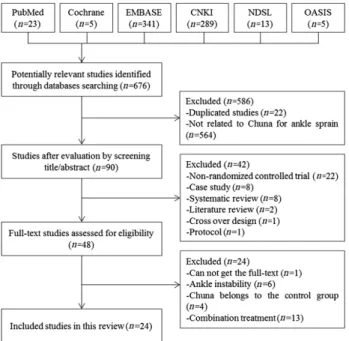
A total of 676 studies were retrieved from 6 online databases until October 12, 2017. Of the 676 papers retrieved, PubMed had 23, Cochrane 5, EMBASE 341, CNKI 289, NDSL 13 and OASIS 5. From the 676 studies, 22 duplicates were removed, along with 564 non-related studies, 90 dissertations and, 42 non-RCTs. Of the 48 studies remaining, 1 study was excluded as it did not have the original text, 6 studies excluded due to ankle instability, 4 studies where Chuna belonged to the control group, and 13 studies where Chuna was included as part of combination therapy. This provided a final selection of 24 studies for analysis (Table 1; Fig.1). Of the 24 studies, 17 [13-29] were in China, 4 [30-33] were in the United States, and 3 [9-11] were published in Korea.

Year of publication

Analysis by year showed that from 1989 to 2017, 20 studies (83%) were conducted in the last 10 years (Fig.2).

Sample size of study

The total number of subjects in the experimental group and control groups was analyzed. Of the 24 studies, 4 studies (17%) had less than 50 patients, 11 studies (46%) had 50 to 75 patients, 2 studies (8%) had 75 to 100 patients, and 7 studies (29%) had more than 100 patients (Fig.3).

Fig. 1. Flow diagram of selection process. Fig. 2. Analysis of publication year.

(3)

Study Sample size Intervention Control Treatment Evaluation

index Result

(A > B, C) Chuna type N

o

Period

Chen

(2016) [13] 56 A: CMT (n = 28) B: RICE (n = 28) 7× 7d 1. AOFAS

2. Efficacy 1. p < 0.05

2. p < 0.05 Osteopathic Wang (1989)

[14] 66 A: CMT

(n = 44) B: Ultrashort wave

(n = 22) 12× 10wk 1. Cured

2. Efficacy 1. p < 0.05

2.A = 100%, B = 93.2% Wave, Pressure, Osteopathic Huang

(2012) [15] 60 A: CMT + B

(n = 30) B: Drug (internal medicine +

external application) (n = 30) 9× 18d 1. Efficacy 1. p < 0.05 Wave, Pressure,

Osteopathic (2011) [16] Li 87 A: CMT

(n = 43) B: RICE (n = 44) 7× 7d 1. AOFAS

2. Efficacy 1. p < 0.05

2. p > 0.05 Pressure

Chen

(2012) [17] 108 A: CMT (n = 54) B: Drug (external application)

(n =54) 7× 7d 1. MPQ

2. VAS 3. PPI

1. p < 0.05 2. p < 0.05

3. p < 0.05 Friction, Osteopathic Gao (2014)

[18] 184 A: CMT (n = 92) B: Drug (internal medicine +

external application) (n = 92) 15× 15d 1. Efficacy 1. p < 0.05 Wave, Friction, Pressure, Osteopathic Chen

(2011) [19] 70 A: CMT + B (n = 35) B: Drug

(external application) (n = 35) 7× 7d 1. Efficacy 1. p < 0.05 Wave, Pressure,

Osteopathic Yao (2013)

[20] 64 A: CMT + B (n = 32) B: Drug

(external application) (n = 32) 4× 10d 1. Efficacy

2. NRS 1. p < 0.05

2. p < 0.05 Wave, Friction, Pressure, Osteopathic Gao (2015)

[21] 40 A: CMT (n = 21) B: RICE (n = 19) 7× 14d 1. Takakura score 1. p < 0.05 Wave, Friction,

Pressure, Osteopathic Gao (2015)

[22] 106 A: CMT (n = 54) B: RICE (n = 52) 6× 14d 1. VAS

2. ° swelling 1. p > 0.05

2. p < 0.05 Wave, Friction, Pressure, Osteopathic Wang

(2011) [23] 84 A: CMT + B (n = 42) B: RICE (n = 42) 14× 14d 1. Efficacy 2. Pain relief time/

Recovery time

1. p > 0.05

2. p < 0.05 Wave, Pressure, Osteopathic (2017) [24] Ma 136 A: CMT (n = 68) B: Drug (internal medicine + ice

pack) (n = 68) - - 1. Efficacy 1. p < 0.05 Wave, Pressure,

Osteopathic Wang

(2012) [25] 162 A: CMT (n = 81) B: Drug (internal medicine + ice

pack) (n = 81) 20× 20d 1. Clinical

symptom score 2. Efficacy

1. p < 0.05

2. p < 0.05 Wave, Pressure, Osteopathic Chen

(2012) [26] 108 A: CMT (n = 54) B: Drug

(external application) (n = 54) 7× 7d 1. Clinical

symptom score 1. p < 0.05 Friction, Osteopathic Huang

(2012) [27] 160 A: CMT (n = 80) B: Exercise (n = 80) 42× 8wk 1. AOFAS

2. Efficacy 1. p <0.05

2. p <0.05 Wave, Friction, Osteopathic (2007) [28] Yu 60 A: CMT + B (n = 30) B: Acupuncture (n = 30) 15× 30d 1. Efficacy

2. Cured 1. p < 0.05

2. p < 0.05 Friction, Osteopathic Cao (2015)

[29] 72 A: CMT + B (n = 36) B: Acupuncture (n = 36) 4× 14d 1. Clinical

symptom score 2. Efficacy

1. p < 0.05

2. p < 0.05 Osteopathic Zhao

(2017) [30] 62 A: CMT + C (n = 21) B: Placebo (n = 21) + C

C: RICE (n = 19) 2× 3d

1. SF12v2*

2. AOFAS 3. VOFAL 4. ROM

5. VAS

1. p < 0.05 2. p < 0.05 3. p < 0.05 4. p < 0.05 5. p < 0.05

Pressure

Cleland

(2013) [31] 74 A: CMT + B (n = 37) B: Exercise (n = 37) 8× 4wk

1. FAAM ADL 2. FAAM sports

3. LEFS 4. NRS

1. p < 0.05 2. p < 0.05 3. p < 0.05

4. p < 0.05 Osteopathic Eisenhart

(2003) [32] 55 A: CMT + B (n = 28) B: RICE (n = 27) 1× 1d 1. ° swelling 2. ROM

3. VAS

1. p > 0.05 2. p < 0.05

3. p > 0.05 Friction, Pressure, Osteopathic Salo (2012)

[33] 17 A: CMT (n = 7) B: Placebo (n = 10) 1× 1d 1. VAS 1. p > 0.05 Osteopathic

Koo (2005)

[9] 60 A: CMT (n = 30) B: Massage (n = 30) 7× 14d

1. Dorsiflexion 2. Single support

3. VAS time

1. p < 0.05 2. p < 0.05

3. p < 0.05 Vibration Lee (2005)

[10] 24 A: CMT + B (n = 12) B: Acupuncture (n = 12) 3× 7d 1. VAS 1. p < 0.05 Osteopathic

Lee (2011)

[11] 45 A: CMT + C (n = 15) B: Herbal Acupuncture (n = 15)

C: Acupuncture (n = 15) 3× 10d 1.NRS 1. p > 0.05 Osteopathic

ADL, Activities of Daily Living; AOFAS, American Orthopedic Foot and Ankle Score; CMT, Chuna Manipulative Treatment; FAAM, Foot and Ankle Ability Measure; LEFS, Lower Extremity Functional Scale; MPQ, McGill Pain Scale; NRS, Numeric Rating Scale; PPI, Present Pain Intensity; RICE, Rest·Ice·Compression·Elevation; ROM, Range of Motion; VAS, Visual Analogue Scale; VOFAL, Volumetric measurement Of the Foot·Ankle and Lower leg.

*SF12v2, Quality of Life Outcome.

A, Intervention group; B·C, Control group

Table 1. Key Data of Studies.

(4)

When expressed as a range, there were 3 studies (13%) with < 1 week of treatment, 8 studies (33%) with 1 to 2 weeks of treatment, 8 studies (33%) with 2 to 4 weeks, 4 studies (17%) with > 4 weeks, and 1 study (4%) did not report the exact period (Fig.5).

Evaluation index

In a single study, 1, or at most 5 evaluation indicators were used, and a total of 1,960 subjects were evaluated for 18 evaluation indices, in a total of 24 studies. There were 13tudies that used the efficacy rate according to the degree of symptom improvement as the evaluation index. Next, there were 7 studies using Visual Analogue Scale (VAS), then 4 studies using American Orthopedic Foot and Ankle Score (AOFAS), 3 studies using Numeric Rating Scale (NRS), 3 studies using clinical symptom score, 2 studies using Range of Motion (ROM), degree of swelling, and cured rate, respectively, and 10 other evaluation indices were used once for each scoring scale (Fig.6).

Type of Chuna manipulative treatment

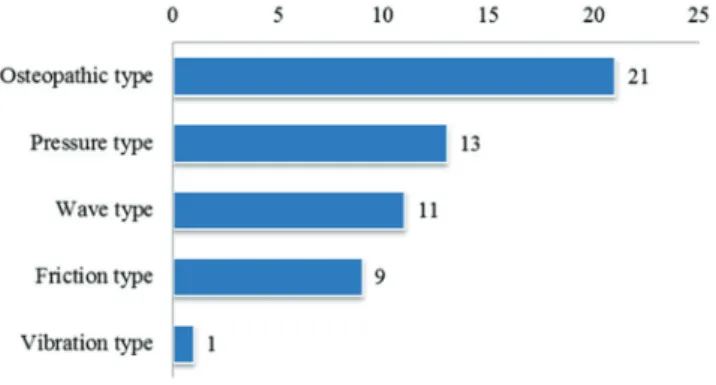
Analysis of Chuna treatment was classified into 5 types; wave (kneading method), friction (scrubbing, rubbing, and wiping method), pressure (pressing and twirling method), vibration (vibration method) and osteopathic (traction, pulling, rotation, flexion/extension, and inside/outside method). There were 9

Fig. 3. Sample size analysis of studies.

Fig. 6. Analysis of evaluation index.

AOFAS, American orthopedic foot and ankle score; NRS, numeric rating scale; ROM, range of motion; VAS, visual analogue scale.

Fig. 7. Analysis of Chuna manipulative treatment type.

Fig. 5. Analysis of treatment period.

Fig. 4. Analysis of treatment number of times.

Treatment number of times and period

In 23 of 24 studies, (except for 1 study in which the number and period of Chuna treatment were not recorded accurately), the data values were all calculated as mean values.

The number of Chuna treatments ranged from 1 to 42, with 7 treatments being the most common. When expressed as a range, there were 7 studies (29%) with < 5 treatments, 9 studies (38%) with 5 to 10 treatments, 6 studies (25%) with 10 to 20 treatments, 1 study (4%) with > 20 treatments, and 1 study (4%) that did not report the exact number (Fig.4).

The period of Chuna treatment also ranged from 1 day to 10

weeks, with 7 days being the most common, followed by 14 days.

(5)

studies, the experimental and control effects of treatment in the 50 groups were analyzed and evaluation indices in the Chuna treated groups showed improvement after treatment. The comparison of treatment results between the experimental group and the control group was made as a baseline before treatment and after the treatment to assess the therapeutic effects.

In 18 studies, the experimental group showed a statistically significant improvement for each evaluation index compared to the control group.

In the remaining 6 studies, Li et al [16] showed that AOFAS had a statistically significant beneficial effect on the experimental group compared to the control group, but the efficacy rate showed no significant difference between the 2 groups. In the study by Gao et al [22], the reduction in the degree of swelling after treatment was statistically significant, but VAS was not significantly different between the control group and the treatment group, but the VAS value (1.30 ± 1.54) in the experimental group was lower than the VAS value (1.73 ± 1.16) in the control group. In the study by Wang et al [23], the efficacy rate recorded at 14 days after treatment was not significant between the control group and the treatment group, but the efficacy rate at 7 days was significantly different (p < 0.05), and the pain relief time and recovery time were significantly different. Eisenhart et al [32] showed a statistically significant difference in ROM between the control group and the treatment group after treatment. The difference of swelling and VAS was not significant but all showed improvement. In the other 2 studies, there was no statistically significant difference in each evaluation index. In the study by Salo et al [33], there was no statistically significant difference in the NRS values amongst the Chuna group, herbal acupuncture group, and acupuncture group after treatment.

However, Chuna group and herbal acupuncture group showed a larger NRS fall width than that of the acupuncture group and showed the greatest decrease width in the Chuna treatment group.

In the remaining study by Lee et al [11], VAS was measured after one treatment and both groups showed improvement, but there was no statistically significant difference between the control group and the treatment group.

Adverse reaction

None of the 24 studies reported adverse reaction.

Risk of bias assessment

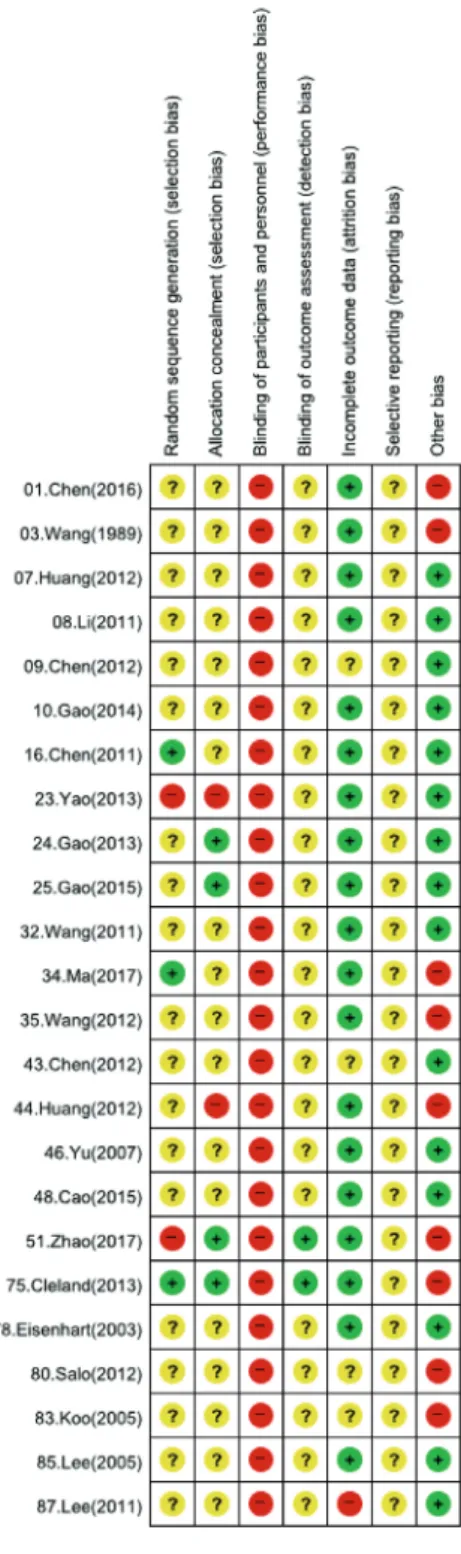
The risk of bias was assessed for 24 studies using Cochrane risk of bias tool (Figs.9, 10).

Random sequence generation

Low risk was observed in 3 studies (13%), 2 studies used a

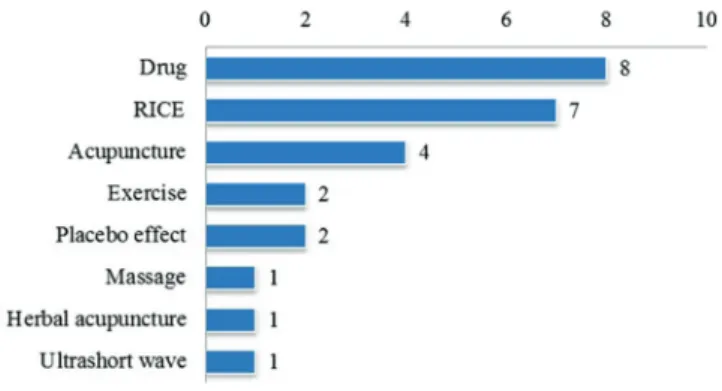
Fig. 8. Analysis of control group treatment.

RICE, rest·ice·compression·elevation.

studies that used only 1 type of technique, and 15 studies that used a combination of 2 to 4 types of Chuna techniques. In 24 studies, a total of 55 types of Chuna treatment were used in duplicate.

Amongst them, 21 studies used the osteopathic technique and was the most common. Next, there were 13 studies that used pressure, 11 studies using the wave technique, 9 studies using friction, and 1 study using vibration (Fig.7).

Treatment of control group

In 22 of 24 studies, 1 control group was set up for each study, whilst in the remaining 2 studies, 2 control groups were set up.

For controls, 8 studies used drug treatment, including an internal medicine and an external application, which were the most common. Next, there were 7 studies using Rest·Ice·Compression·Elevation (RICE) treatment and 4 studies using acupuncture. There were 2 studies each using exercise as a therapy, such as joint functional exercise, home exercise programs, and sham acupressure and sham manipulation as a placebo.

Lastly, 1 study used massage therapy (effleurage), and 1 study used Hwangryunhaedoktang herbal acupuncture therapy, with microwave therapy as a control group (Fig.8).

In the 8 studies using drug treatment as a control, there were 4 studies using an external application alone, 2 studies using an internal medicine and an external application, and 2 studies using an internal medicine and the ice pack.

Therapeutic effect

Efficacy of Chuna treatment was measured in the 24 selected

Fig. 9. Risk of RCT bias graph.

RCT, randomized controlled trials.

(6)

random number table, and 1 study used computers for random sequence generation. High risk was observed in 2 studies (8%), 1 study was randomized by visited order, and 1 study randomized by gender. In the remaining 19 studies (79%), the level of risk was unclear, because of the random division of the group without description of the randomization method.

Allocation concealment

Low risk was observed in 4 studies (17%), 2 studies used

Fig. 10. Risk of RCT bias summary.

(+), Low risk of bias; (-), High risk of bias; (?), Unclear of bias.

RCT, randomized controlled trials.

the central randomization method, and 2 studies used sealed envelopes with serial numbers. The highest risk was observed in 2 studies (8%). One study was randomly assigned by visit order, and the order of placement was not concealed. The other study used opaque envelopes, but not serial numbers or sealed envelopes, so it was judged to be a random envelope placement that had no safety devices. The remaining 18 studies (75%) were classified as unclear risk because there was no mention of concealment or lack of judgment.

Blinding of participant and personnel

All 24 studies (100%) were categorized as high risk because the studies were not completed blind, due to the characteristic of Chuna treatment. In 2 studies, sham treatment was used but the study was unblinded for both participants and researchers due to the characteristic of Chuna.

Blinding of outcome assessment

The 2 studies (8%) that were partially blinded were classified as low risk because the outcome assessment was not aware of the group allocation status and was considered to have been blinded.

In the other 22 studies (92%), all of them were classified as unclear risk because there was no mention of blinding of outcome assessment.

Incomplete outcome data

Low risk was observed in 19 studies (79%). There were 2 studies where incomplete outcome data existed but these 2 studies did not affect the outcome significantly, and there were 17 studies that had complete data. High risk was observed in 1 study (4%), and it was judged that the incomplete data outcome could affect the results because there was no mention that it did not significantly affect the outcome. Unclear risk was observed in 4 studies (17%), there were 2 studies that did not report the reason for the incomplete outcome, and the remaining 2 studies stated that they did not know if there was an incomplete outcome.

Selective reporting

All 24 studies (100%) were categorized as unclear risk because there was no report of protocols and predefined plans.

Other bias

High risk was observed in 9 studies (38%). Amongst them, 2 studies were considered to be at potential risk of bias due to the nature of the research that included home treatment, where there maybe concerns regarding whether the treatment was performed properly. The exact number of treatments was not reported in 2 studies, with 2 more studies did not report the specific treatment method, and 1 study had unequal treatment and control subjects.

All of these studies were considered to have a risk of bias. Two of the studies were found to have other problems with typographical errors and were also classified as high risk. The remaining 15 studies (62%) were classified as low risk because there was no possibility of additional bias.

Discussion

To evaluate the efficacy of Chuna therapy for ankle sprains, 6 online databases were searched and 24 RCT were selected for systematic review.

Of the 24 studies, 17 were published in China, 4 in the United

States, and 3 in Korea. In the last 10 years, 20 studies (83%) have

been conducted, indicating increasing interest in Chuna treatment

for ankle sprains.

(7)

In 7 studies (29%), the number of Chuna treatments received was set at 7, which was the most common number of treatments.

There were 6 studies (25%) with 7 days of treatment, which was the most common, followed by 5 studies (21%) with treatment completed at 14 days. This suggests that 7 Chuna treatments for ankle sprains every day, or every other day may have a beneficial therapeutic effect.

A total of 18 evaluation indicators were used in the 24 studies. In only 4 studies, comparative, objective indicators such as the degree of swelling, volumetric measurement of the foot, ankle and lower leg (VOFAL), range of motion (ROM), dorsiflexion, and single support time were used to evaluate treatment effects. In most studies, indicators were used to assess the subjective symptoms of the patient making it difficult to completely exclude the possibility of an evaluation error. Therefore, further evaluation using objective indicators will be necessary in the future.

The treatment methods of Chuna were classified into 5 types.

In 24 studies, a total of 55 types were used in duplicate, suggesting that more than 1 technique was used for the treatment of ankle sprains. Among the 5 types, the osteopathic technique was used most frequently. However, it was difficult to classify Chuna treatment when the technique was descriptive and not named, and there were limitations in the definition and classification of Chuna treatment, due to the variety of types and techniques. Further studies to more clearly identify Chuna treatment methodology will be needed.

In the control treatment setting, 8 studies used medication and 7 studies used RICE. This showed that comparing basic treatment RICE and Korean medicine drug therapy with Chuna treatment for ankle sprain was a common therapeutic approach.

In the 24 studies, the experimental group and the control group were compared. In each evaluation index of 18 studies, the experimental group showed a statistically significant difference compared to the control group, indicating that Chuna therapy was a beneficial treatment for ankle sprain. In 4 of the remaining 6 studies, there was a significant difference in several evaluation indices. In the other 2 studies, the difference between the control group and the treatment group was not statistically significant in each evaluation index.

There were no reports of adverse reactions in any of the 24 studies suggesting that Chuna therapy was a safe treatment for ankle sprain.

Bias is a systematic error where the findings have deviated from the true value of the outcome or estimation. Understanding bias is important because it can lead to underestimating or overestimating the intervention effect [34]. In this study, the risk of bias assessment was evaluated in 7 areas using Cochrane’s risk of bias (RoB) tool [12] (random sequence generation, allocation concealment, blinding of participant and personnel, blinding of outcome assessment, incomplete outcome data, selective reporting, and other bias). The characteristic of the overall risk assessment of bias was that most of the 24 studies had “unclear risk” items.

Only 5 out of 24 studies were describing random sequence generation, and only 6 studies described allocation concealment.

The blinding of patient and staff was attempted using sham treatment only in 2 studies, but this proved to be difficult and it was reported that participants and staff became unblinded due to the nature of the Chuna treatment. Selective reporting areas were not mentioned in all studies. Analysis of bias risk showed that in most studies, explanations of research methods to avoid bias were overly concise, or not even described in the random sequence generation, allocation concealment or selective reporting area.

These results suggest that researchers require greater awareness of bias when conducting RCT. Thus, in order to demonstrate the

efficacy of Chuna treatment for ankle sprain, improved design of clinical studies with low bias will be required by referring to RCT guidelines such as CONSORT 2010 [35]. However, there is a limit to effectively designing a blinded trial due to the interventional nature of Chuna treatment, therefore future research will be needed to improve study designs and controls for Chuna research studies.

In conclusion these results suggest that Chuna treatment is statistically more effective than commonly used treatments such as RICE, internal medicine and external application. However, interpretation of these results is limited as it is difficult to classify the treatment method of Chuna accurately and to evaluate bias.

Conflicts of Interest

The authors have no conflicts of interest to declare.

References

[1] Korean Acupuncture & Moxibustion Medicine Society Textbook Compilation Committee. Acupuncture Medicine. 4th ed. Seoul (Korea):

Hanmi Medicine Publish Company; 2016. p. 558-563. [In Korean]

[2] The Society of Korean Medicine Rehabilitation. Oriental Rehabilitation Medicine. 3rd ed. Seoul (Korea): Koonja Publishing Inc.;2011. 238 p. [In Korean]

[3] Department of Orthopaedic Surgery, Seoul National University College of Medicine. Orthopaedics for medical student. 4th ed. Seoul (Korea): Koonja Publishing Inc.;2016. p.349-351. [In Korean]

[4] Lee CH, Kim B, Jung H, Lee KW, Yang DM, Oh MS. Review on the Study of Ankle Sprain Published in Korea. J Korean Med Rehabi 2015;25:71-76. [In Korean]

[5] Korean Society of Chuna manual Medicine for Spine & Nerve. Chuna manual medicine. Seoul (Korea): Korean Society of Chuna manual Medicine for Spine & Nerve;2013. p.3-5, 19. [In Korean]

[6] Han SW, Kim JW, Kim CY, Uhm BK, Ro HR, Choi HS et al. A Case Report of Prescribing Ligamentous Articular Strain Technique for the Three Patients with Chronic Ankle Pain. JKCMSN 2012;7:131-138. [In Korean]

[7] Choi YJ, Kim JH, Yoon KJ, Yeo IH, Lee CK, Lee EY et al. Comparative Study of General Oriental Medical Treatment with or without Ankle Joint Chuna Therapy on Ankle Sprain. JKCMSN 2012;7:109-117. [In Korean]

[8] Shim YS, Song HS. Effect of Manipulation Complex Therapy on Ankle Sprain with Ankle Pain. J Acupunct Res 2013;30:65-71. [In Korean]

[9] Koo CH, Lee IH, Park KL, Bae SS. The Effect of Passive Joint Mobilization and Massage on subacute Lateral Ankle Ligament Injuries. J Kor Phys Ther 2005;17:457-467. [In Korean]

[10] Lee DY, Kim SJ. Clinical Study on the Ankle Joint Traction Therapy for Ankle Sprain. J Korean Med Rehabi 2005;15:39-46. [In Korean]

[11] Lee JS, Han KW, Kim ES, Woo JH, Lee SJ, Nam JH et al. Comparison Study on the different therapy for Ankle Sprain-Using Dry Needle, Hwangryunhaedoktang Herbal Acupuncture, ankle joint traction therapy. J Oriental Sports Med 2011;11:13-20. [In Korean]

[12] Higgins JPT, Green S. Cochrane Handbook for Systematic Reviews of Interventions. 4th ed. Chichester (UK): John Wiley & Sons;2011. p.187-241.

[13] Chen P, Yu XB, Chen HY. Application of Home Medical Treatment Using Simplify Shaking and Pulling Techniques in Acute Ankle Sprain. Chinese J Trad Med Traum & Orthop 2016;24:68-69,73. [In Chinese]

[14] Wang FG, Wen RQ. Observation of 44 Cases of Ankle Sprain Treated With Acupoint Massage. Chinese Manipulation & Qi Gong Therapy 1989;5:12- 13. [In Chinese]

[15] Huang D, Pan ZX, Chen K. Efficacy evaluation of treating acute ankle sprains by Lijin technique. Clin J Chinese Med 2012;4:41-42. [In Chinese]

[16] Li X, Xu YS, Luo ML, Cao XW. Observation of 43 Cases of Acute Ankle Sprain Treated With Lin’s Manipulation. J New Chinese Med 2011;43:37-38.

[In Chinese]

[17] Chen B, Gao NY, Wang X, Chen YC, Li LH, Lin X et al. The Analgesic Effect of the Chinese Massage Technique for Ankle Sprain in Wushu Athletes.

Chinese J Trad Med Traum & Orthop 2012;20:18-19, 22. [In Chinese]

[18] Gao B. 92 Cases of Simple Ankle Sprain Treated With Four Step Manipulations. Shaanxi J Trad Chinese Med 2014;35:873. [In Chinese]

[19] Chen ZL, Hong W. Clinical Study of Traditional Setting Manipulation with

(8)

External Application of Chinese Medicine in the Treatment of Acute Ankle Sprain. China J Chinese Med 2011;26:245-246. [In Chinese]

[20] Yao SH, Yu ZN, Wu WH, He J. 64 Cases of Acute Ankle Sprain Treated With Wang Zhengzheng Manipulation and Chinese Herbs. Guangming J Chinese Med. 2013;28:299-300. [In Chinese]

[21] Gao JH, Lin ZY, Chen H, Song H, Gao CY, Ding HL. The Observation of Shake-stamp-pull Technique in Improving the Efficacy of Acute Lateral Ankle Sprain Dysfunction. Chinese J Trad Med Traum & Orthop 2013;21:14-16. [In Chinese]

[22] Gao CY, Cheng H, Lin ZY, Chen ZJ, Zhao WG, Ding HL et al. Effects of shaking-pulling-poking manipulation on relieving pain and swelling in patients with acute lateral ankle sprains. Beijing J Trad Chinese Med 2015;34:3-6. [In Chinese]

[23] Wang J. Observation of 42 Cases of Sports Ankle Sprain Treated With Comprehensive Therapy. J Shanxi College Trad Chinese Med 2011;12:41-42.

[In Chinese]

[24] Ma ZR. Analysis of Effect of Osteopathic Manipulation Treatment of Chinese Medicine on Ankle Sprain. Nei Mongol J Trad Chinese Med 2017;36:22-23. [In Chinese]

[25] Wang AF. 81 Cases of Ankle Sprain Treated With Osteopathic Manipulation Treatment of Chinese Medicine. Henan Trad Chinese Med 2012;32:1494- 1495. [In Chinese]

[26] Chen B, Wang X, Gao NY, Lin X, Chen YC, Li LH et al. Clinical observation on Tuina manipulation for ankle sprain in Wushu athletes. Shanghai J Trad Chinese Med 2012;46:56-58. [In Chinese]

[27] Huang YW. Clinical observation of acupuncture treatment combination of functional exercise on acute grade Ⅲ ankle lateral collateral ligament injury.

Modern Prevent Med 2012;39:2123-2125. [In Chinese]

[28] Yu XH. Clinical Observation on Acupuncturing and Chinese Naprapathy for the Treatment of Ankle Joint Sprain. Chinese J Tradit Med Traum &

Orthop 2007;15:14-15. [In Chinese]

[29] Cao J. Clinical Research of 36 Cases of Ankle Sprain Treated With Acupuncture and Chuna Manipulation. Asia-Pacific Trad Med 2015;11:76- 77. [In Chinese]

[30] Zhao M, Gao W, Zhang L, Huang W, Zheng S, Wang G et al. Acupressure Therapy for Acute Ankle Sprains: A Randomized Clinical Trial. PM R 2018;10:36-44.

[31] Cleland JA, Mintken PE, McDevitt A, Bieniek ML, Carpenter KJ, Kulp K et al. Manual Physical Therapy and Exercise Versus Supervised Home Exercise in the Management of Patients With Inversion Ankle Sprain: A Multicenter Randomized Clinical Trial. J Orthop Sports Phys Ther 2013;43:443-455.

[32] Eisenhart AW, Gaeta TJ, Yens DP. Osteopathic Manipulative Treatment in the Emergency Department for Patients With Acute Ankle Injuries. J Am Osteopath Assoc 2003;103:417-421.

[33] Salo D, Fiesseler F, Pierce J, Paley L, Eskin B, Silverman M et al. A Randomized, Clinical Trial Comparing Ankle Manipulation With Standard Treatment to Standard Treatment Alone for the Treatment of Acute Ankle Sprains. Ann Emerg Med 2012;60:S85-S86.

[34] Kim SY, Park JE, Seo HJ, Lee YJ, Son HJ, Jang BH et al. NECA’s guidance for undertaking systematic reviews and meta-analyses for intervention. Seoul (Korea): NECA;2011. 65 p. [In Korean]

[35] Schulz KF, Altman DG, Moher D. CONSORT 2010 Statement: Updated

Guidelines for Reporting Parallel Group Randomized Trials. Int J Surg

2011;9:672-677.

수치

Fig. 1. Flow diagram of selection process.  Fig. 2. Analysis of publication year.
Fig. 7. Analysis of Chuna manipulative treatment type.
Fig. 8. Analysis of control group treatment.
Fig. 10. Risk of RCT bias summary.

참조

관련 문서

Key words : Chuna manual therapy, stroke, cerebrovascular disorders, systematic review, meta-analysis.. 따라서 이 연구는 뇌졸중에 대한 추나요법의 유효성과

Methods : We conducted a search across 6 electronic databases to find all randomized controlled clinical trials(RCTs) that discuss Chuna manual therapy till September 2018. Results

Methods : Random allocation was done. We used Chuna manual treatment to control group and Chuna manual treatment with self muscle energy techniques to experimental

Methods : Random allocation was done. We used Chuna manual treatment to control group and Chuna manual treatment with self muscle energy techniques to experimental group.

1.. The meta-analysis of Chuna plus medication and SET versus medication. SET : specific electromagnetic therapy.. Risk of bias graph.. 이와 같이 기능성 소화불량증은

We included randomized controlled trials(RCTs) of testing Chuna manual therapy for adults constipation patients. The methodological quality of RCTs related assessed by the Cochrane

In 8 study cases (50%), Clinical skin severity score of experimental group showed a statistically significant decline after using external application... Key words :

Thirty-one studies (91%) showed that Cobb’s angle decreased after Chuna manual therapy, and 4 studies (12%) indicated chiropractic manipulation was as effective as brace