• 검색 결과가 없습니다.

Research Trends on the Treatment of Knee Osteoarthritis in Korean Medicine

N/A
N/A
Protected

Academic year: 2021

Share "Research Trends on the Treatment of Knee Osteoarthritis in Korean Medicine"

Copied!
17
0
0

로드 중.... (전체 텍스트 보기)

전체 글

(1)

경락경혈학회지 Vol.28, No.1, pp.139 155, 2011

Korean Journal of Acupuncture

Sang-Bum Yoh

*

, Jae-Uk Sul, Mi-Sook Shin

*School of Korean Medicine, Pusan National University

Dept. of Rehabilitation Medicine, Pusan National University Korean Medicine Hospital

Abstract

Objectives : To research trends of studies on treatments of knee osteoarthritis in Korean medicine.

Methods : Domestic theses, published from 2000 to 2010, mentioning the treatments of knee osteoarthritis in Korean medicine were reviewed and analyzed. This study researched 79 theses and classified again according to the fields of the treatment.

Results : The results were obtained as below ;

1. Studies on pharmacoacupuncture account for 41% of the total (32cases/79cases). The target of treatments had changed from pain alleviation and anti-inflammation to cartilage-protection since 2006.

2. Herbal Drug, Bee Venom, Cervi Cornu Parvum pharmacoacupuncture, Taping Therapy and Tai-Chi Exercise program were more effective than others. Moreover research on exercise program such as Tai-Chi has been increasing.

3. Some Herbal Drug ( Glycyrrhizae Radix, Angelicae Gigantis Radix, Achyrantis Radix, Paeoniae Radix, Eucommiae Cortex and so on) were mainly used to investigate the effect on cartilage protection, pain relief and anti-inflammation in laboratory test.

4. Acupuncture including individualized, local acupoints and constitution acupuncture were effective than others in pain alleviation and symptom relief.

5. Pharmacoacupuncture Bee Venom were effective in recovery of joint function and pain relief while Buthus martensii Karsch, Homnis Placenta and Cervi Cornu Parvum were effective in cartilage protection and recovery.

6. Moxibustion was efficient to reduce joint pain and partly increase ROM (range of motion) of knee joint, but was not efficient to recover the function of knee joint.

Conclusions : These results indicate that research trends on knee osteoarthritis were changed from symptomatic treatment (pain alleviation and anti-inflammation) to conservative treatment (cartilage protection and recovery).

Key words : Osteoarthritis, Herbal drug, Acupuncture, Pharmcoacupuncture, Moxibustion

(2)
(3)

α

α β

β

Table 1. Herbal Drug Clinical Research List (2000~2010)

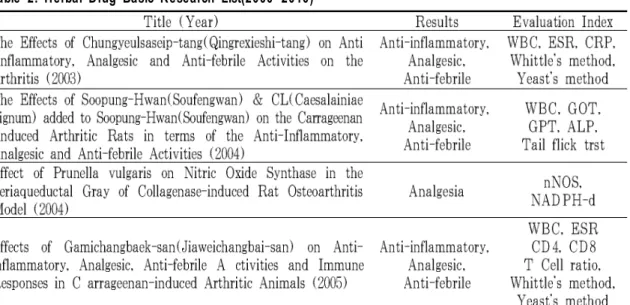
Table 2. Herbal Drug Basic Research List(2000~2010)

(4)

β β

β β

β β

α

β β

β

(5)

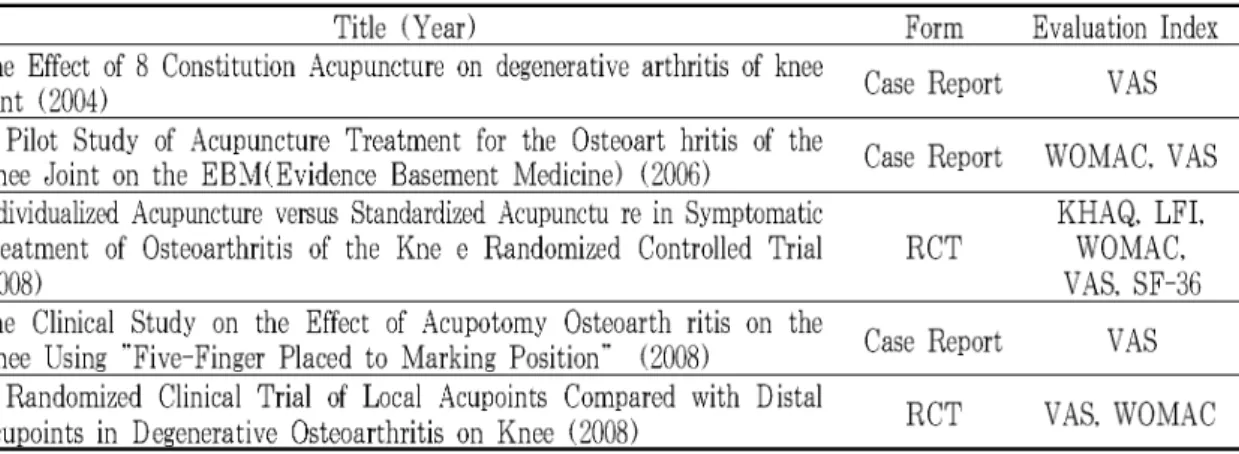
Table 3. Acupuncture Clinical Research List(2000~2010)

Table 4. Acupuncture Basic Research List(2000~2010)

Table 5. Acupuncture Other Research List(2000~2010)

α α

β β

(6)

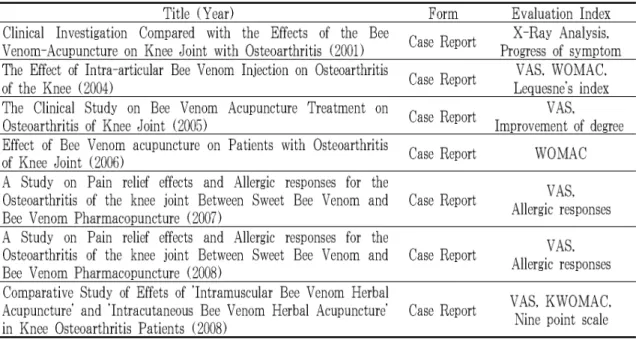
Table 6. Bee Venom Acupuncture Clinical Research List (2000~2010)

α β

Table 7. Bee Venom Acupuncture Basical Research List (2000~2010)

(7)

Table 8. Bee Venom Acupuncture Other Research List (2000~2010)

Table 9. Herbal Acupuncture Clinical Reserach List (2000~2010)

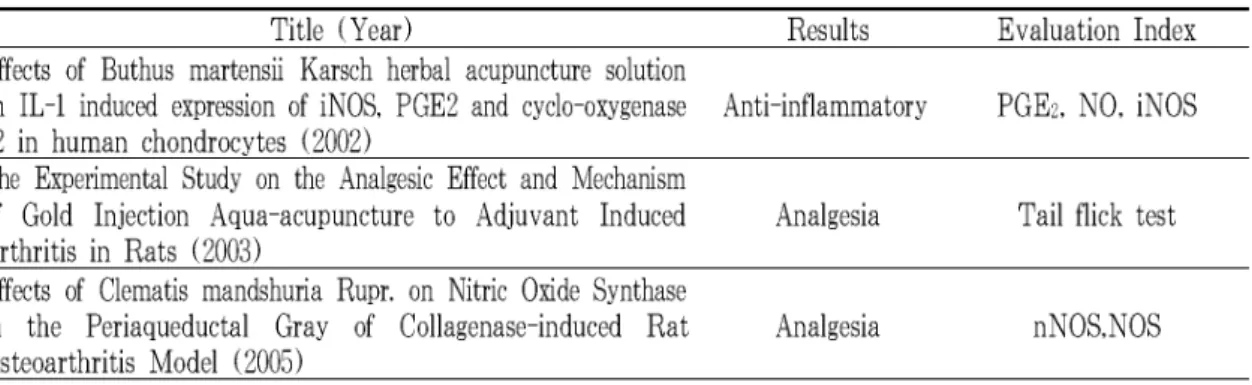
Table 10. Herbal Acupuncture Basical Reserach List (2000~2010)

(8)

κβ

α

(9)

Table 11. Moxibustion Clinical Reserach List (2000~2010)

Table 12. Moxibustion Other Reserach List (2000~2010)

Table 13. Physical Therapy & Tai-Chi Clinical Reserach List (2000~2010)

(10)
(11)
(12)
(13)
(14)
(15)

β

(16)
(17)

수치

Table 2. Herbal Drug Basic Research List(2000~2010)
Table 3. Acupuncture Clinical Research List(2000~2010)
Table 6. Bee Venom Acupuncture Clinical Research List (2000~2010)
Table 10. Herbal Acupuncture Basical Reserach List (2000~2010)
+2

참조

관련 문서

The Effect of Needle-embedding Therapy on Osteoarthritis of the Knee Combined with Korean Medical Treatment: Report of Five Cases ※.. Jung Hun Lee, Tae Joon Yang, Dong Geun

Conclusions: Our findings indicate that the length of time between nerve injury and initiation of conservative treatment is more closely related to the pain intensity

Conclusions The above study showed that Korean medicine treatments showed sig- nificant therapeutic effects on knee pain and degenerative knee joints, but there was no

Conclusion: Patients with osteoarthritis of the knee had significantly greater im- provements in pain score over 6 weeks with lornoxicam than with acetaminophen, par- ticularly

"Effect of Joint Mobilization and Kinesio Taping on Pain, Range of Motion, and Knee Function in Patients with Knee Osteoarthritis", The Journal of Korean Physical Therapy,

Purpose: This study was conducted to investigate the effects of joint mobilization and kinesio taping on pain, range of motion and knee function in patients with

Our results demonstrated that the functionality of the patient with osteoarthritis of the knee was associated with low QOL in all domains of the SF-36 questionnaire especially in

Results: The major complaints of traffic accidents during pregnancy were low back pain, neck pain and gastrointestinal symptoms. And there were vaginal bleeding and pruritus