609
Korean Circ J 2007;37:609-615 Copyright ⓒ 2007 The Korean Society of Cardiology
Risk Factors for Predicting New-Onset Atrial Fibrillation in Persons Who Received Health Screening Tests
Hak Jin Kim, MD1, Young Keun On, MD1, Jidong Sung, MD1, Jun Hyung Kim, MD1, Young Bin Song, MD1, Wang-Soo Lee, MD1, Jin-Oh Choi, MD1, Dae-Hee Shin, MD1, Sung-Won Cho, MD1, Jae Hyuck Choi, MD2, Joo-Yong Hahn, MD1 and June Soo Kim, MD1
1Division of Cardiology, Department of Medicine, Cardiac and Vascular Center, Samsung Medical Center, Sungkyunkwan University School of Medicine, Seoul, 2Division of Cardiology, Department of Medicine, Dongsuwon Hospital, Suwon, Korea
ABSTRACT
Background and Objectives: Atrial fibrillation (AF) is the most common significant arrhythmia in the general population, and it is associated with increased cardiovascular morbidity and mortality. The incidence of and the risk factors for new-onset AF have not been well evaluated in Koreans. Subjects and Methods: We retrospectively analyzed 16,568 adults (median age 49 years, 10,685 males and 5,883 females) who had repeatedly received scree- ning tests for general health at the Health Promotion Center, Samsung Medical Center in Korea between March, 2001 and June, 2006 (mean follow up duration: 44 months). Results: Sixty one cases had new-onset AF noted on the electrocardiogram (ECG). On the univariate analysis, age, male gender, a history of coronary artery disease and taking hypertension medication, the waist circumference, body mass index, fasting glucose, hemoglobin A1c, fibrinogen, and left atrium enlargement seen on ECG at baseline were significantly associated with new-onset AF.
After multivariable adjustment, the independent risk factors for predicting new-onset AF were male gender [odds ratio (OR): 3.356, 95% confidence interval (CI): 1.168-9.643, p=0.025] and a history of coronary artery disease (OR:
4.657, 95% CI: 1.703-12.737, p=0.003). Conclusion: The risk factors for predicting new-onset AF in persons who received general health screening tests were male gender and a history of coronary artery disease. (Korean Circ J 2007;37:609-615)
KEY WORDS: Atrial fibrillation; Risk factor.
Introduction
Atrial fibrillation (AF) is the most common significant arrhythmia in the general population, and it is associated with increased cardiovascular morbidity and mortality.1) It also increases the risk of stroke 4-5 folds and it becomes an important independent risk factor for stroke by the 8th decade.2)
It has been shown that the lifetime risk for the devel- opment of AF is 1 in 4 for the men and women who are 40 years of age and older.3) Several previous studies
have reported that the prevalence of AF increases with age, rising above 5% in people older than 65 and it’s 9-10% for persons aged 80 years or older. In addition, the incidence rate of chronic AF is 1.7 per 1000 person- years and the incidence of AF is approximately 2% per year after 65 years of age.4-8)
The long-term follow-up data of the Framingham study showed that the independent risk factors for AF include increasing age, male gender, hypertension, dia- betes, heart failure and valvular heart disease. Myocar- dial infarction is an independent risk factor for the development of AF in men only. Echocardiographic variables such as left atrial dilatation, left ventricular hypertrophy and impaired systolic function are also strongly associated with the development of AF.2)9)
The incidence of and risk factors for new-onset AF have not been well evaluated in Koreans. The aim of our study was to find the incidence of and the risk factors for predicting new-onset AF in persons who had recei- ved screening tests for general health.
Received: July 4, 2007
Revision Received: August 23, 2007 Accepted: October 5, 2007
Correspondence: Young Keun On, MD,Division of Cardiology, Department of Medicine, Cardiac and Vascular Center, Samsung Medical Center, Sung- kyunkwan University School of Medicine, 50 Irwon-dong, Gangnam-gu, Seoul 135-710, Korea
Tel: 82-2-3410-3420, Fax: 82-2-3410-3849 E-mail: [email protected]
Subjects and Methods
Study population
We retrospectively analyzed 16,568 adults (males:
10,685, females: 5,883) who had repeatedly received screening tests for general health at the Health Pro- motion Center, Samsung Medical Center in Korea between March, 2001 and June, 2006 (mean follow up duration: 44 months). We compared the control per- sons who had no AF found on the serial screening and the persons who had new-onset AF found on the serial screening.
Baseline characteristics
At baseline, the persons who received screening tests for general health answered standard questionnaires that assessed a variety of risk factors, including their past medical history, their medication state, exercise, smo- king, drinking habits etc. Hypertension was defined as a blood pressure of 140/90 mmHg or greater or when a patient was taking antihypertensive drug. Diabetes mel- litus was established if the fasting glucose levels were 126 mg/dL or greater or when the patients were using medication for hyperglycemia. The physical examinations included measurements of blood pressure, height, weight and body mass index (BMI) with or without the waist-to- hip circumference ratio. In addition, 12-lead resting elec- trocardiogram (ECG) with or without transthoracic echo- cardiography was done. Electrocardiographic left atrial enlargement was considered to be present if there was a prolonged P wave duration of >120 msec on lead II or if there was an increased duration and depth of the terminal negative portion of the P wave on lead V1 so that the area subtended by it exceeded 0.04 mm-sec. Electrocar- diographic left ventricular hypertrophy was diagnosed if the subject fulfilled the voltage criteria for hypertrophy with or without any manifested lateral repolarization change. The blood tests included fasting glucose, hemo- globin A1c (HbA1c), insulin, the lipid profile (total cho- lesterol, low-density lipoprotein (LDL) cholesterol, high- density lipoprotein (HDL) cholesterol and triglyceride), a thyroid function test [triiodothyronine (T3), thyroxine (T4) and thyroid-stimulating hormone (TSH)], the in- flammatory markers (white blood cell, C-reactive protein and fibrinogen), and the atherosclerosis-associated mar- kers [homocysteine, lipoprotein (a), plasminogen activa- tor inhibitor-1 (PAI-1) and tissue plasminogen activator (tPA)]. Metabolic syndrome was identified as the presence of three or more of these components: abdominal obe- sity (BMI ≥25 or an elevated waist circumference, that is, ≥90 cm for men, ≥80 cm for women), elevated tri- glycerides (≥150 mg/dL), reduced HDL cholesterol (<40 mg/dL for men, <50 mg/dL for women), elevated blood pressure (≥130/85 mmHg or the use of medi- cation for hypertension) and elevated fasting glucose
(≥110 mg/dL or the use of medication for hypergly- cemia).
Statistical analysis
We analyzed the data using SPSS 11.5 for Windows (SPSS Inc, Chicago, Illinois). Categorical variables are presented as numbers (percents), and continuous varia- bles are presented as means±SDs or medians (interquar- tile range). The categorical variables were compared with the chi-square test or Fisher’s extract test. Continuous variables were compared using the Student t-test (para- mentric test) for the normal distributions with the same population variance, and the Mann-Whitney U-test test (nonparametric test) was used if the variables did not satisfy the assumptions of the t-test.
Odds ratios (OR) and 95% confidence intervals (95%
CI) were calculated by logistic regression analysis for the association between new-onset AF and the possible risk factors. Factors with a p<0.05 on the univariate analysis were entered into the multivariate logistic regression ana- lysis by the enter method to determine the risk factors that predicted new-onset AF. P<0.05 were considered significant.
Results
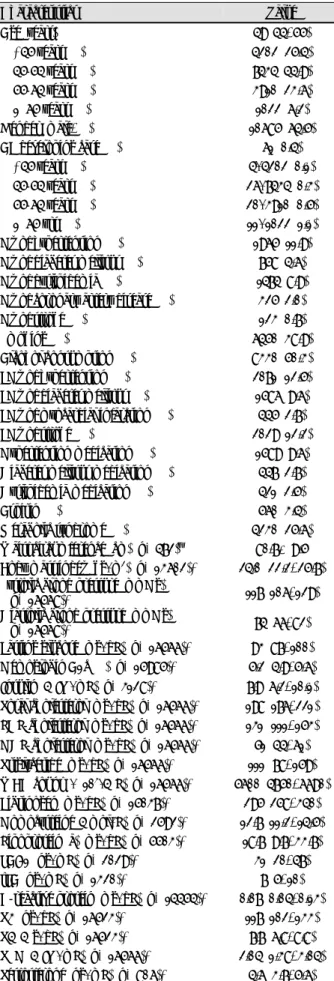
The baseline characteristics of our study population are presented in Table 1. The median age of our popu- lation was 49 years old (range: 20 to 89), and the pro- portion of men was 64.5%.
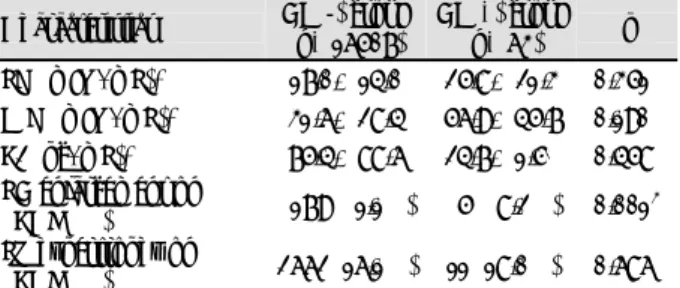
The numbers of subjects according to the age groups and gender are listed in Table 2. The proportion of persons aged 65 years or older was 6.2%.
During a mean follow-up period of 3.6 years, 61 cases had new-onset AF on the ECG. The incidence of new- onset AF in our study was estimated to be 1.0 per 1000 person-years, and this increased with age. We found the incidence of AF was 0.3 per 1000 person-years among the persons younger than 45 years old, while this was 2.9 per 1000 person-years among the persons aged 65 years or older. Men presented a higher incidence rate than did the women (Table 3).
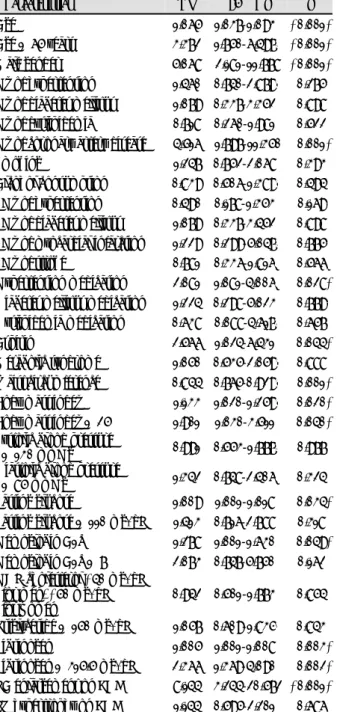
Table 4 shows differences in the baseline characteristics between the groups who had and did not have new- onset AF. The population who had new-onset AF was older and there was a male predominance at baseline.
In addition, they had a greater history of coronary artery disease and taking hypertension medication. Fur- thermore, they had a larger BMI and a higher fibrinogen level, and greater left atrium (LA) enlargement was seen on ECG.
On the univariate logistic regression analysis, old age, male gender, a history of coronary artery disease, hyper- tension medication, waist circumference, a large BMI, increased fasting glucose, hemoglobin A1c and fibrino-
gen, and LA enlargement on ECG at baseline were sig- nificantly associated with new-onset AF in both genders.
The overweight variable, as defined by a BMI ≥25, was significant and new-onset AF was significantly related to the fibrinogen level ≥315.5 mg/dL, which had a sen- sitivity of 58.5% and a specificity of 62.7% on the recei- ver operating characteristics curve. However, the lipid profile, the thyroid function test, the atherosclerosis- associated markers and metabolic syndrome were not significantly associated with the development of AF (Table 5). After multivariable adjustment, the indepen- dent risk factors for predicting new-onset AF were male gender (OR: 3.356, 95% CI: 1.168-9.643, p=0.025) and a history of coronary artery disease (OR: 4.657, 95%
CI: 1.703-12.737, p=0.003) (Table 6).
Old age (≥65 years old), a history of coronary artery
Table 1. Baseline characteristics of the study population (n=16568)
Characteristics Value
Age (years) 49 (44, 55)
<45 years (%) 4202 (25.4)
45-54 years (%) 7434 (44.9)
55-64 years (%) 3910 (23.6)
≥65 years (%) 1022 (6.2)
Gender (male, %) 10685 (64.5)
AF developing case (%) 61 (0.4)
<45 years (%) 4/4202 (0.1)
45-54 years (%) 26/7434 (0.3)
55-64 years (%) 20/3910 (0.5)
≥65 yrs (%) 11/1022 (1.1)
Hx of hypertension (%) 1965 (11.9) Hx of diabetes mellitus (%) 758 (4.6) Hx of dyslipidemia (%) 1474 (8.9) Hx of coronary artery disease (%) 325 (2.0)
Hx of stroke (%) 123 (0.7)
Smoking (%) 6450 (38.9)
Alcohol consumption (%) 8330 (50.3) FHx of hypertension (%) 2071 (12.5) FHx of diabetes mellitus (%) 1586 (9.6) FHx of myocardial infarction (%) 445 (2.7)
FHx of stroke (%) 2029 (12.2)
Hypertension medication (%) 1589 (9.6) Diabetes mellitus medication (%) 447 (2.7) Dyslipidemia medication (%) 421 (2.5)
Aspirin (%) 560 (3.4)
Metabolic syndrome (%) 4230 (25.6) Waist circumference (cm) (n=472)† 80.7±9.5 Body mass index (kg/m2) (n=13602)* 24.0 (22.2, 25.7) Systolic blood pressure (mmHg)
(n=16568)* 117 (106, 129)
Diastolic blood pressure (mmHg)
(n=16568)* 74 (66, 82)
Fasting glucose (mg/dL) (n=16566)* 93 (87, 100) Hemoglobin A1c(%) (n=15985)* 5.2 (4.9, 5.6)
Insulin (μIU/mL) (n=3128)* 7.9 (6.2, 10.1) Total cholesterol (mg/dL) (n=16566)* 198 (176, 221) LDL-cholesterol (mg/dL) (n=16566)* 131 (111, 153) HDL-cholesterol (mg/dL) (n=16566)* 51 (44, 61)
Triglyceride (mg/dL) (n=16566)* 111 (78, 159) WBC count (×103/μL) (n=16566)* 5600 (4750, 6690)
Fibrinogen (mg/dL) (n=15037)* 295 (258, 340)
Homocysteine (μmol/L) (n=2592)* 12.7 (11.2, 14.5) Lipoprotein (a) (mg/dL) (n=5503)* 18.7 (9.7, 33.7) PAI-1 (ng/mL) (n=2029)* 31 (20, 47)
tPA (ng/mL) (n=1320)* 7 (5, 10)
C-reactive protein (mg/dL) (n=14454)* 0.07 (0.04, 0.13) T3 (ng/dL) (n=16523)* 117 (102, 133) T4 (μg/dL) (n=16523)* 7.7 (6.8, 8.8)
TSH (μIU/mL) (n=16566)* 2.04 (1.38, 3.04)
Testosterone (ng/mL) (n=806)* 4.6 (3.7, 5.6)
Table 1. Continued
Characteristics Value
LH (mIU/mL) (n=3632)* 13.4 (5.3, 25.3)
FSH (mIU/mL) (n=3812)* 22.7 (6.4, 52.8)
E2 (pg/mL) (n=3795)* 38 (18, 102)
LA enlargement on ECG (%) 184/16568 (1.1) LV hypertrophy on ECG (%) 2673/16568 (16.1) LV end-diastolic dimension (mm)
(n=2619)* 49 (47, 53)
LV end-systolic dimension (mm)
(n=2619)* 30 (28, 33)
LA dimension (mm) (n=2607)* 37 (34, 40) LV ejection fraction (%) (n=2619)* 67 (64, 71)
*Median (interquartile range). †Mean±SD. AF: atrial fibrillation, FHx: family history, LDL: low-density lipoprotein cholesterol, HDL:
high-density lipoprotein cholesterol, WBC: white blood cell, PAI-1:
plasminogen activator inhibitor-1, tPA: tissue plasminogen activator, T3: triiodothyronin, T4: thyroxine, TSH: thyroid-stimulating hor- mone, LH: luteinizing hormone, FSH: follicle-stimulating hormone, E2: estradiol, LA: left atrium, ECG: electrocardiogram, LV: left ventricle
Table 2. Numbers of subjects according to the age group and gender
Age (years) Total (%) Male (%) Female (%)
<45 04202 (25.4) 02493 (23.3) 1709 (29.0) 45-54 07434 (44.9) 04833 (45.2) 2601 (44.2) 55-64 03910 (23.6) 02660 (24.9) 1250 (21.2)
≥65 01022 (06.2) 00699 (06.5) 0323 (05.5)
Total 16568 (100) 10685 (100) 5883 (100)
Table 3. Incidence of atrial fibrillation per 1000 person-year by age and gender
Age (years) Total (rate*) Male (rate*) Female (rate*)
<45 04 (0.3) 03 (0.3) 1 (0.2)
45-54 26 (1.0) 25 (1.4) 1 (0.1)
55-64 20 (1.4) 18 (1.8) 2 (0.4)
≥65 11 (2.9) 09 (3.5) 2 (1.7)
Total 61 (1.0) 55 (1.4) 6 (0.3)
*The number of new cases per 1000 person years
disease, alcohol consumption, a fibrinogen level ≥315.5 mg/dL, and LA enlargement seen on ECG were the significant risk factors on the univariate analysis for men (Table 7). However, according to the multivariate analysis, LA enlargement seen on ECG (OR: 6.824, 95% CI: 2.620-17.773, p<0.001), a history of coronary artery disease (OR: 3.600, 95% CI: 1.250-10.366, p=
0.018) and a fibrinogen level ≥315.5 mg/dL (OR: 1.974, 95% CI: 1.073-3.629, p=0.029) were the significant risk factors for men (Table 8).
Discussion
Our results were somewhat different from those of the previous studies. According to the Manitoba Follow-Up Study, the incidence of AF rose with age from less than 0.5 per 1000 person-years before the age of 50 to 9.7 per 1000 person-years after the age of 70.10) In addition, the incidence of AF was 0.54 per 1000 person-years in the Renfrew/Paisley Study population (age range: 45-64 years),11) and this was 19.2 per 1000 person-years in the Cardiovascular Heart Study population that was aged 65 years or older.5) For the recent Rotterdam Study that had a population aged 55 years or older, the overall inci- dence rate was 9.9 per 1000 person-years and the inci- dence rate in the age group 55 to 59 years was 1.1 per 1000 person-years, and this rose to 20.7 per 1000 person- years in the group aged 80-84 years.12) It is presumed that these results are due to the differences of the age groups and the differences for the presence of paroxysmal AF.
That is, the subjects in our study were relatively younger than those in the other previous studies. Especially be- cause the proportion of persons aged 65 years or older in our study was small and we could not firmly deter- mine the presence of paroxysmal AF because this was not detected by serial screening, the overall incidence of AF in our study was lower compared with that of the previous studies.
In our study, the univariate analysis demonstrated that
Table 4. Analysis of the characteristics according to new-onset atrial fibrillation
Characteristics AF (-) group (n=16507)
AF (+) group (n=63) p Age (years)* 050.4±8.70 055.7±8.10 <0.001‡
<45 years (%) 04198 (25.4) 04 (06.6) 45-54 years (%) 07408 (44.9) 26 (42.6) 55-64 years (%) 03890 (23.6) 20 (32.8)
≥65 years (%) 01011 (06.1) 11 (18.0) Gender (male, %) 10630 (64.4) 55 (90.2) <0.001‡ Hx of hypertension (%) 01955 (11.8) 10 (16.4) <0.273‡ Hx of diabetes mellitus (%) 00755 (04.6) 03 (04.9) <0.758‡ Hx of dyslipidemia (%) 00420 (02.5) 01 (01.6) <1.000‡ Hx of coronary artery
disease (%) 00320 (01.9) 05 (08.2) <0.007‡ Hx of stroke (%) 00123 (00.7) 00 (00.0) <1.000‡ Smoking (%) 06423 (38.9) 27 (44.3) <0.392‡ Alcohol consumption (%) 08302 (50.3) 28 (45.9) <0.493‡ FHx of hypertension (%) 02067 (12.5) 04 (06.6) <0.160‡ FHx of diabetes
mellitus (%) 01583 (09.6) 03 (04.9) <0.216‡ FHx of myocardial
infarction (%) 00443 (02.7) 02 (03.3) <0.680‡ FHx of stroke (%) 02023 (12.3) 06 (09.8) <0.565‡ Hypertension
medication (%) 01578 (09.6) 11 (18.0) <0.025‡ Diabetes mellitus
medication (%) 00445 (02.7) 02 (03.3) <0.681‡ Dyslipidemia
medication (%) 00420 (02.5) 01 (01.6) <1.000‡ Aspirin (%) 00555 (03.4) 05 (08.2) <0.055‡ Metabolic syndrome (%) 04215 (25.6) 19 (31.1) <0.318‡ Waist circumference (cm)† 081.0±9.40 069.0±8.40 <0.001‡ Body mass index (kg/m2) * 024.1±2.70 025.0±2.10 <0.006‡ Systolic blood pressure
(mmHg)* 118.5±16.9 119.5±17.8 <0.688‡ Diastolic blood pressure
(mmHg)* 074.5±11.7 075.1±11.2 <0.684‡ Fasting glucose (mg/dL)* 096.5±18.8 101.7±28.9 <0.537‡ Hemoglobin A1c(%)* 005.3±0.80 005.5±1.10 <0.321‡ Insulin (μIU/m)* 008.6±3.80 009.3±3.10 <0.331‡ Total cholesterol (mg/dL)* 199.8±33.6 197.0±27.6 <0.663‡ LDL-cholesterol (mg/dL)* 132.9±31.4 133.4±27.0 <0.786‡ HDL-cholesterol (mg/dL)* 053.3±13.5 050.4±11.8 <0.111‡ Triglyceride (mg/dL)* 130.8±81.7 132.6±57.4 <0.194‡ WBC count (×103/μL)* 005.8±1.60 006.1±1.70 <0.320‡ Fibrinogen (mg/dL)* 304.5±67.5 331.0±64.4 <0.001‡ Homocysteine (μmol/L)* 013.2±3.80 013.3±2.20 <0.621‡ Lipoprotein (a) (mg/dL)* 026.8±26.0 021.7±27.7 <0.269‡ PAI-1 (ng/mL)* 035.3±21.7 034.7±15.5 <0.690‡ tPA (ng/mL)* 007.4±3.70 007.8±3.30 <0.757‡ C-reactive protein
(mg/dL)* 00.15±0.41 00.16±0.20 <0.095‡ T3 (ng/dL)* 118.5±24.4 115.6±23.7 <0.436‡ T4 (μg/dL)* 007.8±1.60 007.9±1.70 <0.594‡ TSH (μIU/mL)* 02.6±4.30 02.7±2.20 <0.848 Testosterone (ng/mL)* 04.8±1.60 05.4±1.50 <0.282
Table 4. Continued
Characteristics AF (-) group (n=16507)
AF (+) group (n=63) p LH (mIU/mL)* 17.0±14.0 25.8±21.3 <0.351‡ FSH (mIU/mL)* 31.6±28.4 56.9±45.7 <0.190‡ E2 (pg/mL)* 75.4±88.6 24.7±1.50 <0.458‡ LA enlargement on
ECG (%) 0179 (01.1%) 05 (08.2%) <0.001‡ LV hypertrophy on
ECG (%) 2662 (16.1%) 11 (18.0%) <0.686‡
*Mean±SD, by the Mann-Whitney U-test. †Mean±SD, by the Student t-test. ‡p<0.05. AF: atrial fibrillation, FHx: family history, LDL: low-density lipoprotein cholesterol, HDL: high-density lipopro- tein cholesterol, PAI-1: plasminogen activator inhibitor-1, tPA: tissue plasminogen activator, T3: triiodothyronine, T4: thyroxine, TSH:
thyroid-stimulating hormone, LH: luteinizing hormone, FSH: follicle- stimulating hormone, E2: estradiol, LA: left atrium, LV: left ventricle, ECG: electrocardiogram
old age, male gender, a history of coronary artery disease and hypertension medication, waist circumference, a large BMI, increased fasting glucose, hemoglobin A1c and fibrinogen, and LA enlargement seen on ECG at baseline were significantly associated with new-onset AF in both genders. After adjusting for the other associa- ted conditions, male gender and a history of coronary artery disease remained the significant risk factors for predicting new-onset AF in persons who had received screening tests for general health. These results are
somewhat different from those of the previous studies;
the previous studies suggested that the recognized risk factors for AF are male gender, increasing age, hyperten- sion, ischemic heart disease and diabetes mellitus.5)9-11)13)14) These differences were presumably due to the different prevalence of hypertension and diabetes mellitus in the study populations. The prevalence of diabetes mellitus in the general Korean population was 7.6%, and the pre- valence of DM in our study was 4.6% in our study.15) The prevalence of hypertension in our study was 11.9% and this was lower than 27.2% prevalence noted in the gene- ral Korean population.16) In addition, among the hyper- tensive persons in our study, 80.8% were taking anti- hypertensive medication. Therefore, hypertension may be not a significant risk factor for predicting new-onset AF in the population who has well controlled blood pressure.
Our results did not confirmed that electrocardiogra- phic LV hypertrophy is a significant AF predictor,9) but we found LA enlargement seen on ECG to be a signi- ficant risk factor for predicting new-onset AF, and espe-
Table 5. Univariate logistic regression analysis for identifying the risk factors for predicting new-onset atrial fibrillation
Characteristics OR 95% CI p
Age 1.065 1.037-1.0930 <0.001*
Age ≥65 years 3.372 1.750-6.4970 <0.001*
Male gender 5.068 2.181-11.778 <0.001*
Hx of hypertension 1.460 0.740-2.8790 <0.275*
Hx of diabetes mellitus 1.079 0.337-3.3520 <0.898*
Hx of dyslipidemia 0.718 0.260-1.9810 <0.522*
Hx of coronary artery disease 4.516 1.797-11.350 <0.001*
Smoking 1.247 0.752-2.0680 <0.393*
Alcohol consumption 0.839 0.506-1.3890 <0.494*
FHx of hypertension 0.490 0.178-1.3530 <0.169*
FHx of diabetes mellitus 1.079 0.337-3.4520 <0.898*
FHx of myocardial infarction 1.229 0.299-5.0470 <0.775*
FHx of stroke 0.781 0.336-1.8160 <0.566*
Hypertension medication 2.081 1.081-4.0060 <0.028*
Diabetes mellitus medication 1.224 0.298-5.0230 <0.779*
Dyslipidemia medication 0.638 0.088-4.6170 <0.657*
Aspirin 2.566 1.024-6.4310 <0.044*
Metabolic syndrome 1.050 0.535-2.0590 <0.888*
Waist circumference 0.844 0.765-0.9290 <0.001*
Body mass index 1.133 1.020-1.2590 <0.020*
Body mass index ≥25 1.901 1.030-3.5110 <0.040*
Systolic blood pressure
≥130 mmHg 0.991 0.553-1.7770 <0.977*
Diastolic blood pressure
≥85 mmHg 1.342 0.748-2.4060 <0.324*
Fasting glucose 1.009 1.001-1.0180 <0.034*
Fasting glucose ≥110 mg/dL 1.413 0.716-2.7880 <0.318*
Hemoglobin A1c 1.278 1.001-1.6300 <0.049*
Hemoglobin A1c ≥7% 2.073 0.747-5.7500 <0.162*
HDL-cholesterol <40 mg/dL for men, <50 mg/dL for women
0.942 0.501-1.7730 <0.854*
Triglyceride ≥150 mg/dL 1.057 0.609-1.8350 <0.843*
Fibrinogen 1.005 1.001-1.0080 <0.003*
Fibrinogen ≥315.5 mg/dL 2.366 1.369-4.0900 <0.002*
LA enlargement on ECG 8.144 3.244-20.572 <0.001*
LV hypertrophy on ECG 1.144 0.595-2.2010 <0.686*
*p<0.05. OR: odds ratio, CI: confidence interval, FHx: family history, HDL: high-density lipoprotein cholesterol, LA: left atrium, LV: left ventricle, ECG: electrocardiogram
Table 6. Multivariate logistic regression analysis for identifying the risk factors for predicting new-onset atrial fibrillation
Characteristics OR 95% CI p
Age ≥65 years 2.013 0.737-5.4960 0.172*
Male gender 3.356 1.168-9.6430 0.025*
Hx of coronary artery disease 4.657 1.703-12.737 0.003*
Hypertension medication 1.629 0.708-3.7490 0.251*
Body mass index ≥25 1.779 0.890-3.5580 0.103*
Fibrinogen ≥315.5 mg/dL 1.301 0.645-2.6240 0.463*
LA enlargement on ECG 4.034 0.938-17.360 0.061*
*p<0.05. OR: odds ratio, CI: confidence interval, LA: left atrium, ECG: electrocardiogram
Table 7. Univariate logistic regression analysis for identifying the risk factors for predicting new-onset atrial fibrillation in men
Characteristics OR 95% CI p
Age ≥65 years 2.819 1.374-5.7820 0.005*
Hx of coronary artery disease 3.546 1.271-9.8950 0.016*
Alcohol consumption 0.543 0.319-0.9220 0.024*
Fibrinogen ≥315.5 mg/dL 2.347 1.309-4.2080 0.004*
LA enlargement on ECG 6.758 2.659-17.178 0.000*
*p<0.05. OR: odds ratio, CI: confidence interval, LA: left atrium, ECG: electrocardiogram
Table 8. Multivariate logistic regression analysis for identifying the risk factors for predicting new-onset atrial fibrillation in men
Characteristics OR 95% CI p
Age ≥65 years 1.709 0.714-4.0920 <0.229*
Hx of coronary artery disease 3.600 1.250-10.366 <0.018*
Alcohol consumption 0.639 0.351-1.1630 <0.143*
Fibrinogen ≥315.5 mg/dL 1.974 1.073-3.6290 <0.029*
LA enlargement on ECG 6.824 2.620-17.773 <0.001*
*p<0.05. OR: odds ratio, CI: confidence interval, LA: left atrium, ECG: electrocardiogram
cially for the men.
In addition, the M-mode LA dimension is known as a predictor of new-onset AF according to the Framing- ham Heart Study17) and the Cardiovascular Heart Study.5) LA enlargement on echocardiography is not only a risk factor of AF, but it is also directly involved in the patho- genesis of stroke.17) That is, atrial stretch causes neuro- hormonal activation and secretion of atrial natriuretic peptide, and both may have a role in the development of AF.18) It has recently been demonstrated that strain echocardiography enabled quantitatively precise assess- ment of the LA contractile function even before LA enlargement.19) However, we did not find that the LA dimension was a predictor of new-onset AF because the proportion of our study population who had undergone transthoracic echocardiogram was relatively small.
Our results demonstrated that being overweight (BMI
≥25) was significant, though only on the univariate analysis. An increased BMI was independently associated with AF in the Manitoba Follow-up Study,10) in the Mul- tifactor Primary Prevention Study13) and in the Renfrew/
Paisley Study.11) Yet BMI was not an independent risk factor for AF in the Framingham Heart Study,9) and BMI was not examined as a potential risk factor in the Cardiovascular Health Study.5) The excess risk of AF associated with obesity appears to be mediated by left atrial dilatation. This prospective data raises the possi- bility that intervention to help patients to achieve a normal weight may reduce the burden of AF on the population.20)21) Furthermore, obesity is an important determinant of new-onset AF after cardiac surgery.22)
There is conflicting evidence for an association bet- ween alcohol consumption and the risk for AF. Cohort studies such as the Framingham Heart Study,9) the Ma- nitoba Follow-up Study10) and the Renfrew/Paisley Study11) did not find any association between alcohol consumption and the risk of AF. Yet the Cardiovascular Health Study reported that lower alcohol use was a risk factor for AF.5) According to the recent studies, heavy alcohol consumption is associated with an increased risk of AF for men while moderate alcohol consumption does not seem to be associated with the risk of AF for women.
This relationship does not appear to be related to the adverse effects of heavy drinking on coronary heart dis- ease or blood pressure.23)24) Although we found that alco- hol consumption decreased the risk of new-onset AF for men, it is difficult to determine the exact effect of alcohol consumption because this result was determined irrespec- tive of the amount of alcohol consumed.
CRP is not only associated with the presence of AF, but it may also predict those patients who are at an increased risk for the future development of AF.25) How- ever, we did not find CRP as a risk factor and this was consistent with a previous study for the Korean popu- lation.26) In addition, we found the fibrinogen level might
be a significant risk factor for men after adjustment for other variables. In our study, the optimal fibrinogen level that predicted new-onset AF was 315.5 mg/dL, which had a sensitivity of 58.5% and a specificity of 62.7% on the receiver operating characteristics curve. In the Co- penhagen City Heart Study, the participants with the lowest fibrinogen levels (<243 g/L for men, 250 g/L for women) had the lowest risk of AF, and there was a twofold higher risk among those participants in the hig- hest quartile (>353 g/L for men, 360 g/L for women).
These findings support the hypothesis that inflamma- tion contributes to the etiology of AF.27)
In the previous studies, a low serum thyrotropin con- centration (≤0.1 mU/L), and in especially persons 60 years or older, was an independent risk factor for AF, and a low serum thyrotropin concentration was associa- ted with a three- to five-fold higher likelihood of having AF with no significant difference between the patients with subclinical and overt hyperthyroidism.28)29) Yet we found thyrotropin was not a significant risk factor for predicting new-onset AF in this study.
In conclusion, the risk factors for predicting new- onset AF in persons who had received screening tests for general health were male gender and a history of coro- nary artery disease. In men, LA enlargement observed on ECG and the fibrinogen level, as well as a history of coronary artery disease, were the significant risk factors for predicting new-onset AF.
Study limitations
The preponderance of males (64.5%) and younger persons (<65 years) is a limitation of our study. Because the proportion of aged subjects was very small despite the high incidence of AF onset, it was difficult to cor- rectly evaluate the influence of age. The number of women who had new-onset AF was only six. So, we should be careful when evaluating the characteristics of women with new-onset AF. In addition, we could not determine the presence of paroxysmal AF, which was not detected by serial screening.
REFERENCES
1) Lip GY, Golding DJ, Nazir M, Beevers DG, Child DL, Fletcher RI. A survey of atrial fibrillation in general practice. Br J Gen Pract 1997;47:285-9.
2) Kannel WB, Wolf PA, Benjamin EJ, Levy D. Prevalence, inci- dence, prognosis, and predisposing conditions for atrial fibril- lation: population-based estimates. Am J Cardiol 1998;82:2N-9N.
3) Lloyd-Jones DM, Wang TJ, Leip EP, et al. Lifetime risk for deve- lopment of atrial fibrillation. Circulation 2004;110:1042-6.
4) Feinberg WM, Blackshear JL, Laupacis A, Kronmal R, Hart RG.
Prevalence, age distribution, and gender of patients with atrial fibrillation: analysis and implications. Arch Intern Med 1995;155:
469-73.
5) Psaty BM, Manolio TA, Kuller LH, et al. Incidence of and risk factors for atrial fibrillation in older adults. Circulation 1997;96:
2455-61.
6) Go AS, Hylek EM, Phillips KA, et al. Prevalence of diagnosed atrial fibrillation in adults: national implications for rhythm ma- nagement and stroke prevention. JAMA 2001;285:2370-5.
7) Majeed A, Moser K, Carroll K. Trends in the prevalence and management of atrial fibrillation in general practice in England and Wales, 1994-1998: analysis of data from the general practice research database. Heart 2001;86:284-8.
8) Ruigomez A, Johansson S, Wallander MA, Rodriguez LA. Inci- dence of chronic atrial fibrillation in general practice and its treatment pattern. J Clin Epidemiol 2002;55:358-63.
9) Benjamin EJ, Levy D, Vaziri SM, D’Agostino RB, Belanger AJ, Wolf PA. Independent risk factors for atrial fibrillation in a po- pulation-based cohort. JAMA 1994;271:840-4.
10) Krahn AD, Manfreda J, Tate RB, Mathewson FA, Cuddy TE. The natural history of atrial fibrillation: incidence, risk factors, and prognosis in the Manitoba Follow-Up Study. Am J Med 1995;98:
476-84.
11) Stewart S, Hart CL, Hole DJ, McMurray JJ. Population prevalence, incidence, and predictors of atrial fibrillation in the Renfrew/
Paisley study. Heart 2001;86:516-21.
12) Heeringa J, van der Kuip DA, Hofman A, et al. Prevalence, incidence and lifetime risk of atrial fibrillation. Eur Heart J 2006;
27:949-53.
13) Wilhelmsen L, Rosengren A, Lappas G. Hospitalizations for atrial fibrillation in the general male population: morbidity and risk factors. J Intern Med 2001;250:382-9.
14) Lee SM, Choue CW, Hong SJ, et al. The joint multicenter study on the atrial fibrillation in Korea. Korean Circ J 2000;30:646-52.
15) Yoon KH, Lee JH, Kim JW, et al. Epidemic obesity and type 2 diabetes in Asia. Lancet 2006;368:1681-8.
16) Gu D, Reynolds K, Wu X, et al. Prevalence, awareness, treatment and control of hypertension in China. Hypertension 2002;40:
920-7.
17) Vaziri SM, Larson MG, Benjamin EJ, Levy D. Echocardiographic predictors of nonrheumatic atrial fibrillation. Circulation 1994;
89:724-30.
18) Yamada T, Fukunami M, Shimonagata T, et al. Prediction of paroxysmal atrial fibrillation in patients with congestive heart failure: a prospective study. J Am Coll Cardiol 2000;35:405-13.
19) Cho KI, Lee HG, Ak SJ, et al. Quantitative assessment of left atrial functional changes in patients with atrial fibrillation by tissue doppler strain and 2-dimensional strain imaging. Korean Circ J 2006;36:786-93.
20) Wang TJ, Parise H, Levy D, et al. Obesity and the risk of new- onset atrial fibrillation. JAMA 2004;292:2471-7.
21) Frost L, Hune LJ, Vestergaard P. Overweight and obesity as risk factors for atrial fibrillation or flutter: the Danish Diet, Cancer, and Health Study. Am J Med 2005;118:489-95.
22) Zacharias A, Schwann TA, Riordan CJ, Durham SJ, Shah AS, Habib RH. Obesity and risk of new-onset atrial fibrillation after cardiac surgery. Circulation 2005;112:3247-55.
23) Frost L, Vestergaard P. Alcohol and risk of atrial fibrillation or flutter: a cohort study. Arch Intern Med 2004;164:1993-8.
24) Mukamal KJ, Tolstrup JS, Friberg J, Jensen G, Grønbæk M.
Alcohol consumption and risk of atrial fibrillation in men and women. Circulation 2005;112:1736-42.
25) Aviles RJ, Martin DO, Apperson-Hansen C, et al. Inflammation as a risk factor for atrial fibrillation. Circulation 2003;108:3006-10.
26) Hwang SJ, Sung KC, Lee YS, et al. Serum C-reactive protein level and its association with atrial fibrillation in Korean adults. Korean Circ J 2005;35:309-14.
27) Mukamal KJ, Tolstrup JS, Friberg J, Grønbaek M, Jensen G. Fi- brinogen and albumin levels and risk of atrial fibrillation in men and woman. Am J Cardiol 2006;98:75-81.
28) Sawin CT, Geller A, Wolf PA, et al. Low serum thyrotropin con- centrations as a risk factor for atrial fibrillation in older persons.
N Engl J Med 1994;331:1249-52.
29) Auer J, Scheibner P, Mische T, Langsteger W, Eber O, Eber B.
Subclinical hyperthyroidism as a risk factor for atrial fibrillation.
Am Heart J 2001;142:838-42.