A Validation Study of the Korean Version of SPAN
Ho-Jun Seo,
1Sangkeun Chung,
2Hyun-Kook Lim,
1Ik-Seung Chee,
3Kyoung-Uk Lee,
1Ki-Chung Paik,
4Daeho Kim,
5Sang-Yeol Lee,
6Seung-Ho Ryu,
7Jung Bum Kim,
8Tae-Suk Kim,
1Won Kim,
9and Jeong-Ho Chae
1;
Disaster Psychiatry Committee in Korean Academy of Anxiety Disorders
1Department of Psychiatry, College of Medicine, The Catholic University of Korea, Seoul; 2Department of Psychiatry, College of Medicine, Chonbuk National University Medical School, Jeonju; 3Department of Psychiatry, College of Medicine, Chungnam National University, Daejeon;
4Department of Psychiatry, Dankook University Hospital, Cheonan; 5Department of Psychiatry, College of Medicine, Hanyang University, Seoul;
6Department of Psychiatry, College of Medicine, Wonkwang University, Iksan; 7Department of Psychiatry, College of Medicine, Konkuk University, Seoul; 8Department of Psychiatry, Keimyung University School of Medicine, Daegu;
9Department of Psychiatry and Stress Research Institute, College of Medicine, Inje University, Seoul, Korea.
Received: June 16, 2010 Revised: August 18, 2010 Accepted: September 13, 2010
Corresponding author: Dr. Jeong-Ho Chae, Department of Psychiatry, College of Medicine, The Catholic University of Korea,
505 Banpo-dong, Seocho-gu, Seoul 137-701, Korea.
Tel: 82-2-2258-6083, Fax: 82-2-594-3870 E-mail: [email protected]
∙ The authors have no financial conflicts of interest.
© Copyright:
Yonsei University College of Medicine 2011 This is an Open Access article distributed under the terms of the Creative Commons Attribution Non- Commercial License (http://creativecommons.org/
licenses/by-nc/3.0) which permits unrestricted non- commercial use, distribution, and reproduction in any medium, provided the original work is properly cited.
Purpose: The SPAN, which is acronym standing for its four components: Startle, Physiological arousal, Anger, and Numbness, is a short post-traumatic stress disor- der (PTSD) screening scale. This study sought to develop and validate a Korean version of the SPAN (SPAN-K). Materials and Methods: Ninety-three PTSD pa- tients (PTSD group), 73 patients with non-psychotic psychiatric disorders (psychi- atric control group), and 88 healthy participants (normal control group) were re- cruited for this study. Participants completed a variety of psychiatric assessments including the SPAN-K, the Davidson Trauma Scale (DTS), the Clinician-Adminis- tered PTSD Scale (CAPS), and the State-Trait Anxiety Inventory (STAI). Results:
Cronbach’s α and test-retest reliability values for the SPAN-K were both 0.80.
Mean SPAN-K scores were 10.06 for the PTSD group, 4.94 for the psychiatric con- trol group, and 1.42 for the normal control group. With respect to concurrent validi- ty, correlation coefficients were 0.87 for SPAN-K vs. CAPS total scores (p<0.001) and 0.86 for SPAN-K vs. DTS scores (p<0.001). Additionally, correlation coeffi- cients were 0.31 and 0.42 for SPAN-K vs. STAI-S and STAI-T, respectively. Re- ceiver operating characteristic analysis of SPAN-K showed good diagnostic accura- cy with an area under the curve (AUC) of 0.87. The SPAN-K showed the highest efficiency at a cutoff score of 7, with a sensitivity of 0.83, a specificity of 0.81, posi- tive predictive value (PPV) of 0.88, and negative predictive value (NPV) of 0.73.
Conclusion: These results suggest that the SPAN-K had good psychometric prop- erties and may be a useful instrument for rapid screening of PTSD patients.
Key Words: PTSD, reliability, screening, SPAN, validity
INTRODUCTION
Prompt screening of high risk subjects for PTSD following major traumatic events
group). Patients and healthy controls between the ages of 18 and 65 years were recruited from 18 psychiatric institutes across Korea. Diagnosis of PTSD and other psychiatric dis- orders was performed via the Mini International Neuropsy- chiatric Interview (MINI)13 using DSM-IV criteria.
The Korean version of MINI underwent a validation study and was shown to have good reliability and validity.14 The kappa value of major depression was 0.74 and those of anxiety disorders were ranged from 0.62 to 0.81.14 The psy- chiatric control group included patients with major depres- sive disorder, panic disorder, generalized anxiety disorder, phobic disorder, adjustment disorder, and undifferentiated somatoform disorder. Healthy controls participated in a semi- structured interview to confirm they had no lifetime history of psychiatric and medical disorders. All procedures were explained in detail; the study participants were volunteers and gave informed consent.
Assessment instruments
The SPAN consists of four items taken from the DTS.8,10 The original DTS is composed of 17 items related to PTSD symptoms, as listed in the DSM-IV, and was designed to as- sess the severity and frequency of PTSD symptoms. The DTS has been applied to a wide range of populations and types of trauma, and is sensitive to treatment-induced symp- tom changes.8,15 The SPAN assesses the severity of four symptoms - ‘Startle’ (DTS item 17), ‘Physiological arousal’
(DTS item 5), ‘Anger’ (DTS item 14), ‘Numbness’ (DTS item 11) - using five-point Likert scales ranging from 0 (not at all distressing) to 4 (extremely distressing). The SPAN-K was adapted from the DTS-K, which was translated into Korean with the back-translated content.16 The reliability and validity of the DTS-K have been previously reported, and the scale has an internal consistency of 0.97. We used the Clinician-Administered PTSD Scale (CAPS)17 and the State-Trait Anxiety Inventory (STAI)18 to analyze the con- current validity of the SPAN-K. The CAPS is a structured clinical interview designed to examine seventeen core symp- toms of PTSD that cover the B, C, and D criteria of the DSM- IV, in addition to symptoms commonly associated with PTSD, such as guilt and dissociation.17 This scale assesses the sever- ity and frequency of symptoms, and their impact on overall functioning. There are several versions of CAPS based on the time period of assessment, such as the CAPS-1, which is the current and lifetime diagnostic version, and the CAPS-2, which is the 1 week symptom status version. We used the CAPS-1 to further examine SPAN-K concurrent validity.
is essential. However, most acute care workers treating traumatized victims usually have little expertise in psycho- logical trauma, and are rarely trained to identify survivors at high risk for PTSD. Several reports suggest that early in- tervention in high risk populations, such as with cognitive behavioral therapy, may help prevent later aggravation of PTSD symptoms.1,2
Unlike measures used for diagnostic purposes, PTSD screening instruments should have simple rules for ruling in or ruling out, be relatively brief, and easy to administer. Fur- thermore, they should contain a minimal number of items and alternative scale points, use language that is easily un- derstood by both respondents and non-specialists, and have content that is acceptable to respondents, with minimal stig- ma or labeling.3 A number of screening tools have been de- veloped to assess PTSD symptoms, such as the Impact of Events Scale (IES),4 the Mississippi Scales for Combat and Non-combat,5 the Short Form of the Mississippi Scale,6 the Post-traumatic Stress Diagnostic Scale (PDS),7 the David- son Trauma Scale (DTS),8 the Trauma Screening Question- naire (TSQ),9 and the SPAN.10
The SPAN is a four-item screening measure for PTSD derived from the DTS. The SPAN consists of four symptom items - Startle, Physiological arousal, Anger, and Numbness.
Because scores on individual DTS items were highly inter- correlated, Meltzer-Brody, et al.10 developed a shorter four- item version and evaluated its diagnostic accuracy in a sam- ple of 243 patients. They reported favorable screening performance of the SPAN that was comparable with the original DTS. Other studies evaluating the SPAN’s psycho- metric properties also reported high diagnostic accuracy when screening early trauma survivors.11,12 These results suggest that the SPAN has a comparable efficacy to longer questionnaires but with the advantages of simplicity and brevity. This study aimed to develop a Korean version of the SPAN (SPAN-K). We assessed the reliability and valid- ity of SPAN-K and examined its diagnostic accuracy.
MATERIALS AND METHODS
Subjects
This study was approved by the Institutional Review Board of St. Mary’s Hospital and The Catholic University of Korea.
The subjects were PTSD patients (PTSD group), patients with non-psychotic mood or anxiety disorders (psychiatric control group), and healthy participants (normal control
tients with negative test results who are not diagnosed with PTSD), and efficiency (overall percentage of correct classi- fication) were calculated for all possible cutoff scores. To determine the accuracy of SPAN-K discrimination, receiver operating characteristic (ROC) analysis was applied using PTSD diagnosis via MINI, and the area under the curve (AUC) was calculated using standard formulae.
RESULTS
Demographic and clinical characteristics
A total of 254 subjects were recruited into the study (Table 1), including 93 PTSD patients (PTSD group), 73 patients with non-psychotic mood or other anxiety disorders (psy- chiatric control group), and 88 healthy participants (normal control group). The mean participant age was 44.9 (SD, 15.7) in the PTSD group, 44.6 (SD, 14.6) in the psychiatric control group, and 43.0 (SD, 13.2) in the normal control group. There were 45 women in the PTSD group (48.4%), 45 women in the psychiatric control group (62.5%), and 38 women in the normal control group (43.2%). No significant differences in age, sex or marital status were found between groups; however, there were significant group differences in economic status (χ2=10.48, p=0.026).
Among PTSD subjects, the mean duration of symptoms was 5.4 years (SD, 10.9; range, 0.1-52.0 years). The most significant trauma experienced by the subjects included car accidents or other man-made disasters (n=54, 58.1%), phys- ical assault (n=11, 11.8%), combat experience (n=7, 7.5%), imprisonment (n=4, 4.3%), sexual assault (n=3, 3.2%), dis- ease (n=2, 2.2%), and witnessing an accident (n=1, 1.1%).
Eleven subjects described their worst trauma as of a mixed nature.
The Korean version of CAPS has a high internal consisten- cy value of 0.95.19 The State-Trait Anxiety Inventory (STAI)18 is a self-reporting questionnaire designed to evaluate the se- verity of anxiety symptoms. It consists of 20 questions for measuring temporary or state anxiety and 20 questions regard- ing chronic or trait anxiety. The Korean version of STAI (STAI- K) has excellent psychometric properties and an internal consistency of 0.91.20 The raters in this study were seven ex- perienced, board-certified psychiatrists. They participated in formal consensus meetings that consisted of reviews about evaluation tools to be used in this study, observing the administration of CAPS by an experienced supervisory psychiatrist, and videotaped administrations featuring stan- dard PTSD patients. The interrater reliability of the Korean version of CAPS was high, with an intraclass correlation coefficient of 0.76.
Data analysis
Kruskal-Wallis test and χ2 analyses were used to compare continuous and categorical variables, respectively, between groups. The Mann-Whitney test was used for post hoc anal- ysis. The internal consistency of SPAN-K was evaluated by calculating Cronbach’s α coefficient. Test-retest reliability was estimated by Spearman’s correlation coefficient of SPAN-K scores obtained two weeks apart. The concurrent validity of the SPAN-K was estimated by Spearman’s cor- relation coefficient with other clinical measures, including the CAPS, DTS, and STAI. Test sensitivity (the probability that someone who is diagnosed with PTSD will have had a positive test result), specificity (the probability that some- one who is not diagnosed with PTSD will have had a nega- tive test result), positive predictive value (PPV, percentage of patients with positive test results who are diagnosed with PTSD), negative predictive value (NPV, percentage of pa-
Table 1. Demographic Characteristics of the Subjects
Demographics PTSD Psychiatric control Normal control p value
N 93 73 88
Mean age (SD) 43.7 (15.7) 44.6 (14.6) 40.9 (13.2) 0.274
Female, n (%) 45 (48.4) 45 (62.5) 38 (43.2) 0.059
Marital status 0.180
Not married 27 18 34
Married 59 47 51
Divorced 7 8 3
Economics 0.026*
High 2 9 10
Middle 66 50 66
Low 25 14 12
*p<0.05.
107.96, p<0.001; post hoc test, vs. psychiatric control group, p<0.001; vs. normal control group, p<0.001).
We also assessed the convergent and divergent validity of SPAN-K with other scales in the PTSD group (Table 2). The correlation coefficients were 0.86 for SPAN-K vs. DTS-K scores (n=93, p<0.001) and 0.87 for SPAN-K vs. CAPS total scores (n=48, p<0.001). Additionally, the correlation coeffi- cients were 0.31 and 0.42 for SPAN-K vs. STAI-S and STAI- T, respectively.
ROC analysis
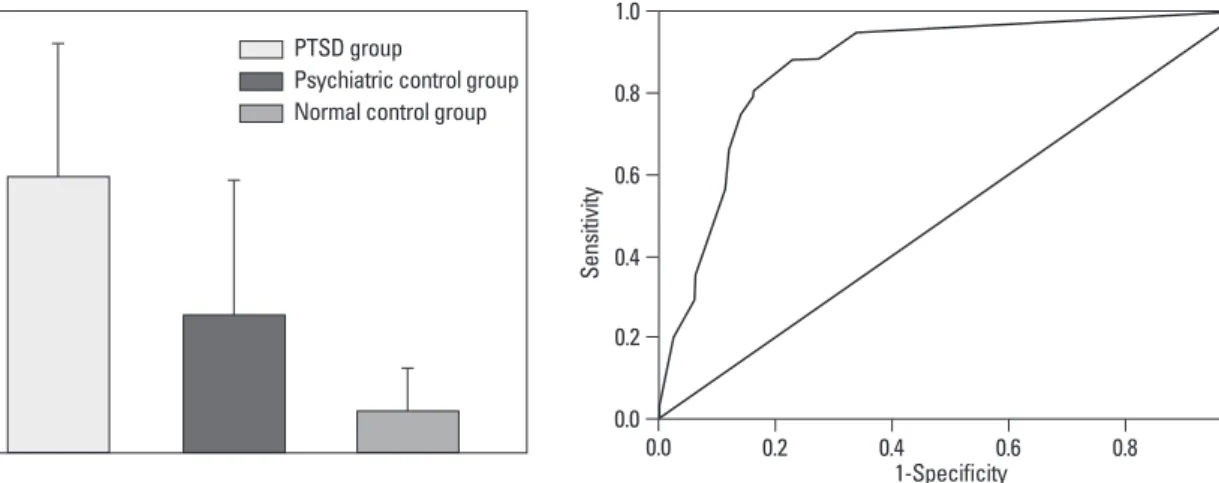
Fig. 2 shows the SPAN-K ROC curve. SPAN-K score gen- erally showed good diagnostic capacity, with an area under the curve (AUC) of 0.87 (95% CI 0.82-0.91). Table 3 shows six different cutoff scores and their sensitivity, specificity, Internal consistency and test-retest reliability
Cronbach’s α of the SPAN-K was 0.80 in the 93 subjects with PTSD. Test-retest reliability was examined in 65 re- spondents who reported no change in symptoms in the two- week interval. The correlation coefficient of the two trials was 0.80 (p<0.001).
Concurrent validity
The mean SPAN-K scores were 10.06 (SD, 4.20; median score, 12; range, 0-16) for the PTSD group, 4.94 (SD, 5.00;
median score, 4; range, 0-16) for the psychiatric control group, and 1.42 (SD, 1.87; median score, 1; range, 0-11) for the normal control group (Fig. 1). The PTSD group had sig- nificantly higher SPAN-K scores compared with the psychi- atric and normal control groups (Kruskal-Wallis test, F=
Table 2. Spearman’s Correlation Coefficient among SPAN-K, DTS-K, CAPS, STAI-S, and STAI-T in PTSD Patients
N† SPAN-K DTS-K CAPS STAI-S
DTS-K 93 0.86*
CAPS 48 0.87* 0.87*
STAI-S 84 0.31* 0.38* 0.14
STAI-T 85 0.42* 0.42* 0.25 0.60*
*p<0.01.
†number of subjects included in the analysis.
DTS-K, Davidson Trauma Scale-Korean version; CAPS, Clinicians Administered PTSD Scale; STAI-S, State-Trait Anxiety Inventory-state anxiety subscale; STAI-T, State-Trait Anxiety Inventory-trait anxiety subscale.
Table 3. Sensitivity, Specificity, Predictive Value, and Efficiency for the SPAN-K with 6 Selected Total Scores
SPAN-K Sensitivity Specificity PPV NPV Efficiency
4 0.95 0.66 0.83 0.88 0.77
6 0.88 0.77 0.87 0.79 0.81
7 0.83 0.81 0.88 0.73 0.82
10 0.65 0.88 0.90 0.59 0.79
13 0.36 0.93 0.90 0.46 0.71
16 0.19 0.97 0.93 0.41 0.67
PPV, positive predictive value; NPV, negative predictive value.
Fig. 1. The mean SPAN-K scores of the PTSD group, psychiatric control
group and normal control group. Fig. 2. The ROC curve of the SPAN-K for the prediction of diagnosis of PTSD.
0
0.0 0.2 0.4 0.6 0.8
2 4 6 8 10 12 14
16 1.0
SPAN-K score Sensitivity
PTSD group
Psychiatric control group Normal control group
0.0 0.2 0.4
1-Specificity0.6 0.8 1.0
cutoff point of 7. This cutoff point is slightly higher than the score of 5 used in both the original version of SPAN and the SPAN-C.10,11 The upward shift in cutoff scores in our study may reflect the need to distinguish PTSD patients not only from normal controls but also from other psychiatric patients.
The difference in mean SPAN-K scores between the three groups supports this hypothesis (Fig. 1). SPAN-K efficiency was also comparable with the original SPAN and SPAN-C, which had maximum efficacies of 87% and 80%, respective- ly.10,11 SPAN-K sensitivity and specificity (0.83 and 0.81, re- spectively) as well as PPV and NPV (0.88 and 0.73, respec- tively) were also globally satisfactory at the cutoff score of 7.
However, the cutoff score is not absolute and can vary in dif- ferent clinical situations according to the criteria used to de- fine the case, the timing of assessment, and the severity of the disorder in the study population.23 A previous prospective study using the SPAN yielded an optimal cutoff score of 10, with a sensitivity of 0.86 and a specificity of 0.86. However, the NPV in this study was 0.22, a very low value compared with those obtained by Meltzer-Brody, et al. (0.87), the SPAN-C (0.85), and the SPAN-K in our study (0.73).10,11 This low NPV value may contribute to the low prevalence rate of 4.7% reported in that study; all other studies using SPAN variants reported prevalence rates greater than 35%. Screen- ing tools where cutoff values are set to obtain high specificity, even with moderate sensitivity, are particularly useful when prevalence is high because they can identify subjects requir- ing more intensive assessment.24 Additionally, highly sensi- tive tests with moderate specificity are still useful even when prevalence is low, as they can exclude the individuals who do not require further assessment. It is important to set cutoff thresholds that maintain a reasonable balance between sensi- tivity and specificity; further studies in other populations will help determine the optimal cutoff value for the SPAN-K.
Comparison of SPAN-K and DTS-K in the same popula- tion revealed the AUC to be 0.87 and 0.90, the sensitivity to be 0.83 and 0.87, and the specificity to be 0.81 and 0.84 for the SPAN-K and DTS-K, respectively.16 These findings suggest that the SPAN-K is comparable with the DTS-K, its simple composition notwithstanding. Previous studies also support this finding; though assessed in different pa- tient populations, the efficiency and specificity at the cutoff score were 0.88 and 0.91 for the original SPAN, and 0.83 and 0.95 for the original DTS.8,10 Moreover, the efficiency and specificity were 0.80 and 0.80 for the SPAN-C and 0.85 and 0.81 for the DTS-C in the same study population.11,15 In a prospective study, Sijbrandij, et al.12 found that SPAN had PPV, NPV, and efficiency, evaluated according to PTSD di-
agnosis with MINI. A cutoff score of 7 yielded the highest efficiency, with a sensitivity of 0.83 and a specificity of 0.81.
The positive and negative predicative values at the cutoff score of 7 were 0.88 and 0.73, respectively.
DISCUSSION
Here we report that SPAN-K demonstrated good reliability and validity, as well as overall diagnostic accuracy, and was comparable to the original SPAN. Cronbach’s α of the SPAN-K was 0.80 in the current study, which was lower than the value of 0.97 obtained for the DTS-K. This sug- gests that the SPAN-K had less internal consistency than the DTS-K, which may be attributable to the fact that the selection of items reflects different types of PTSD symp- toms from the DTS-K. A previous report revealed that the Chinese version of SPAN (SPAN-C) had a Cronbach’s α value of 0.77.11 The ideal value for Cronbach’s α is thought to be between 0.70 and 0.90, as values over 0.90 indicate that many items address the same question in different ways.11,21,22 The test-retest reliability of the SPAN-K was 0.80 over a 2 week interval. Although this value is lower than that reported for the SPAN-C (0.90 over a 1 week in- terval), this result is generally satisfactory, considering that a 2 week interval is a relatively long period over which to expect no change in symptoms. The results regarding con- current validity suggest that the SPAN-K has substantial specificity for PTSD. In the current study, correlation analy- sis revealed a strong correlation between the SPAN-K and CAPS (r=0.87), which was comparable to that between DTS-K and CAPS (r=0.87). The SPAN-K also showed a significant correlation with the DTS-K (r=0.86). The corre- lation between SPAN-K and STAI was also significant, but weaker than that of CAPS and DTS-K (r=0.31 for STAI-S and r=0.42 for STAI-T). This weak correlation with STAI could be associated with anxiety and depression, which are easily comorbid with PTSD.2
The SPAN-K showed good diagnostic accuracy according to the ROC analysis, with an AUC value of 0.87. The AUC is an overall index of the discrimination accuracy of diagnos- tic measures, and AUC values of above 0.85 are generally considered to reflect good diagnostic capacity. Supporting our results, in a prospective study, Sijbrandij, et al.12 reported an AUC value of 0.89 for the original version of the SPAN.
SPAN-K had the best diagnostic efficiency (82%) with a
cognitive-behavioural therapy for post-traumatic stress symptoms after physical injury. Randomised controlled trial. Br J Psychiatry 2004;184:63-9.
2. Sijbrandij M, Olff M, Reitsma JB, Carlier IV, de Vries MH, Ger- sons BP. Treatment of acute posttraumatic stress disorder with brief cognitive behavioral therapy: a randomized controlled trial.
Am J Psychiatry 2007;164:82-90.
3. Brewin CR. Systematic review of screening instruments for adults at risk of PTSD. J Trauma Stress 2005;18:53-62.
4. Horowitz M, Wilner N, Alvarez W. Impact of Event Scale: a mea- sure of subjective stress. Psychosom Med 1979;41:209-18.
5. Keane TM, Caddell JM, Taylor KL. Mississippi Scale for Com- bat-Related Posttraumatic Stress Disorder: three studies in reliabil- ity and validity. J Consult Clin Psychol 1988;56:85-90.
6. Fontana A, Rosenheck R. A short form of the Mississippi Scale for measuring change in combat-related PTSD. J Trauma Stress 1994;7:407-14.
7. Foa EB. Posttraumatic Stress Diagnostic Scale. Minneapolis, MN:
National Computer Systems; 1995.
8. Davidson JR, Book SW, Colket JT, Tupler LA, Roth S, David D, et al. Assessment of a new self-rating scale for post-traumatic stress disorder. Psychol Med 1997;27:153-60.
9. Brewin CR, Rose S, Andrews B, Green J, Tata P, McEvedy C, et al. Brief screening instrument for post-traumatic stress disorder.
Br J Psychiatry 2002;181:158-62.
10. Meltzer-Brody S, Churchill E, Davidson JR. Derivation of the SPAN, a brief diagnostic screening test for post-traumatic stress disorder. Psychiatry Res 1999;88:63-70.
11. Chen CH, Shen WW, Tan HK, Chou JY, Lu ML. The validation study and application of stratum-specific likelihood ratios in the Chinese version of SPAN. Compr Psychiatry 2003;44:78-81.
12. Sijbrandij M, Olff M, Opmeer BC, Carlier IV, Gersons BP. Early prognostic screening for posttraumatic stress disorder with the Da- vidson Trauma Scale and the SPAN. Depress Anxiety 2008;25:
1038-45.
13. Sheehan DV, Lecrubier Y, Sheehan KH, Amorim P, Janavs J, Wei- ller E, et al. The Mini-International Neuropsychiatric Interview (M.I.N.I.): the development and validation of a structured diag- nostic psychiatric interview for DSM-IV and ICD-10. J Clin Psy- chiatry 1998;59 Suppl 20:22-33.
14. Yoo SW, Kim YS, Noh JS, Oh KS, Kim CH, Namkoong K, et al.
Validity of Korean Version of the Mini-International Neuropsychi- atric Interview. Anxiety Mood 2006;2:50-5.
15. Chen CH, Lin SK, Tang HS, Shen WW, Lu ML. The Chinese ver- sion of the Davidson Trauma Scale: a practice test for validation.
Psychiatry Clin Neurosci 2001;55:493-9.
16. Seo HJ, Chung SK, Lim HK, Chee IS, Lee KU, Paik KC, et al.
Reliability and validity of the Korean version of the Davidson Trauma Scale. Compr Psychiatry 2008;49:313-8.
17. Blake DD, Weathers FW, Nagy LM, Kaloupek DG, Gusman FD, Charney DS, et al. The development of a Clinician-Administered PTSD Scale. J Trauma Stress 1995;8:75-90.
18. Spielberger CD, Gorsuch RL, Luschene RE. Manual for the state- trait anxiety interview (self-evaluation questionnaire). Palo Alto:
Consulting Psychologists Press; 1970.
19. Lee BY, Kim Y, Yi SM, Eun HJ, Kim DI, Kim JY. A reliability and validity study of a clinician-administered PTSD scale. J Kore- an Neuropsychiatr Assoc 1999;38:514-22.
20. Hahn DW, Lee CH, Chon KK. Korean adaptation of Spielberger’s STAI (K-STAI). Korean J Health Psychol 1996;1:1-14.
an even higher specificity than DTS in the same study pop- ulation. Taken along with other prior reports, these data strongly suggest that brief screening measures can perform as well as longer-term instruments.9,25,26 Furthermore, our current results also suggest that screening instruments eval- uating a subset of PTSD symptoms have the advantage of brevity, while maintaining accuracy, as compared to those attempting to evaluate all PTSD symptoms.
Our study has some limitations, which necessitate cautious interpretation of the data. Although it is advantageous that our study sample includes patients with various types of trau- ma, our current data cannot fully assess the prognostic accu- racy of SPAN-K because of the limitation of its cross-sec- tional design. To fully utilize the advantages of SPAN-K in the clinical practice, the predictive usefulness of SPAN-K should be confirmed from prospective studies using a homo- geneous population with same trauma at the initial phase. A non-randomized sampling process might also affect the reli- ability of results that are sensitive to the prevalence in the population, such as PPV and NPV.24 In addition, the SPAN- K was not administered as a separate questionnaire but was rather derived from the DTS-K, similar to previous stud- ies.10-12 The presence of other items during assessment might influence SPAN-K scoring due to contextual effects. Al- though the utility of independent SPAN administration was confirmed in a recent study, further validation of the SPAN- K is required in the future.27
In conclusion, our results indicate that the SPAN-K has ac- ceptable psychometric properties and may constitute a prom- ising alternative to relatively long questionnaires for screening for PTSD risk in Korean patients with trauma. Further studies are needed to prospectively evaluate SPAN-K diagnostic ac- curacy, and to compare the screening ability of SPAN-K with that of other commonly used screening measures.
ACKNOWLEDGEMENTS
This study was supported by a grant of the Korean Academy of Anxiety Disorders, Korean Neuropsychiatric Association, and Korean Research Foundation (2006-2005152), Republic of Korea.
REFERENCES
1. Bisson JI, Shepherd JP, Joy D, Probert R, Newcombe RG. Early
stress disorder: validation of the Trauma Screening Questionnaire in victims of assault. Psychol Med 2007;37:143-50.
26. Wohlfarth T, Winkel FW, Van Den Brink W. Identifying crime victims who are at high risk for post traumatic stress disorder: de- veloping a practical referral instrument. Acta Psychiatr Scand 2002;105:451-60.
27. Meltzer-Brody S, Hartmann K, Miller WC, Scott J, Garrett J, Da- vidson J. A brief screening instrument to detect posttraumatic stress disorder in outpatient gynecology. Obstet Gynecol 2004;
104:770-6.
21. Hattie J. Methodology review: assessing unidimensionality of tests and items. Appl Psychol Meas 1985;9:139-63.
22. Nunnally JC. Introduction to Psychological Measurement. New York, NY: McGraw-Hill; 1978.
23. Furukawa TA, Goldberg DP, Rabe-Hesketh S, Ustün TB. Stratum- specific likelihood ratios of two versions of the general health questionnaire. Psychol Med 2001;31:519-29.
24. Baldessarini RJ, Finklestein S, Arana GW. The predictive power of diagnostic tests and the effect of prevalence of illness. Arch Gen Psychiatry 1983;40:569-73.
25. Walters JT, Bisson JI, Shepherd JP. Predicting post-traumatic