Alzheimer’s disease (AD) and Parkinson’s disease (PD) are devastating, frequent, and still in- curable neurodegenerative diseases that manifest as cognitive and motor disorders. Epidemio- logical data support an inverse relationship between the amount of physical activity (PA) un- dertaken and the risk of developing these two diseases. Beyond this preventive role, exercise may also slow down their progression. Several mechanisms have been suggested for explain- ing the benefits of PA in the prevention of AD. Aerobic physical exercise (PE) activates the re- lease of neurotrophic factors and promotes angiogenesis, thereby facilitating neurogenesis and synaptogenesis, which in turn improve memory and cognitive functions. Research has shown that the neuroprotective mechanisms induced by PE are linked to an increased production of superoxide dismutase, endothelial nitric oxide synthase, brain-derived neurotrophic factor, nerve growth factor, insulin-like growth factor, and vascular endothelial growth factor, and a reduction in the production of free radicals in brain areas such as the hippocampus, which is particularly involved in memory. Other mechanisms have also been reported in the preven- tion of PD. Exercise limits the alteration in dopaminergic neurons in the substantia nigra and contributes to optimal functioning of the basal ganglia involved in motor commands and con- trol by adaptive mechanisms involving dopamine and glutamate neurotransmission. AD and PD are expansive throughout our ageing society, and so even a small impact of nonpharmaco- logical interventions, such as PA and exercise, may have a major impact on public health.
Key Wordszz Alzheimer’s disease, Parkinson’s disease, exercise, prevention, slowing-down effects, physical activity.
Protective Effects of Physical Exercise in Alzheimer’s Disease and Parkinson’s Disease: A Narrative Review
INTRODUCTION
The prevalence of neurodegenerative diseases such as Alzheimer’s disease (AD) and Par- kinson’s disease (PD) increases markedly with age.1 Genetic and environmental factors con- tribute to the development of both of these diseases,2-5 which are progressive and irrevers- ible and result in cognitive and/or motor disorders. AD is the more frequent of the two dementia types, while PD, which mainly affects motor functioning, is the second most common neu- rodegenerative disease.6 AD is characterized by neuronal and synaptic impairments in the cerebral cortex, as well as in certain subcortical regions, which affect cognitive function and psychobehavioral function.7 PD affects neurons located at the level of the basal ganglia and, more specifically, those of the substantia nigra, which secrete dopamine. The lack of dopa- mine induces postural and motor deficits and functional incapacities.8
It has been repeatedly reported during the past 10 years that physical exercise (PE) con- stitutes an effective intervention in neurodegenerative diseases, attenuating or limiting their progression.9-11 Acute PE increases cardiac output, leading to increased cerebral blood flow, which triggers various neurobiological mechanisms in the brain tissues. The regular (repeat- Thierry Paillarda
Yves Rollandb,c
Philipe de Souto Barretob,c
a Laboratoire Activité Physique, Performance et Santé (EA 4445), Université de Pau & Pays de l’Adour, Département STAPS, Tarbes, France
b Gerontopole of Toulouse,
Institute of Ageing, University Hospital of Toulouse (CHU-Toulouse), Toulouse, France
c UMR INSERM 1027, University of Toulouse III, Toulouse, France;
3. Clinique des Minimes, Toulouse, France
pISSN 1738-6586 / eISSN 2005-5013 / J Clin Neurol 2015;11(3):212-219 / http://dx.doi.org/10.3988/jcn.2015.11.3.212
Received December 8, 2014 Revised January 2, 2015 Accepted January 5, 2015 Correspondence Thierry Paillard, MD Laboratoire Activité Physique, Performance et Santé, Université de Pau et des Pays de l’Adour, Département STAPS, ZA Bastillac Sud, 11 rue Morane Saulnier, Tarbes 65000, France Tel +33-562566100 Fax +33-562566110
E-mail [email protected]
cc This is an Open Access article distributed under the terms of the Creative Commons Attribution Non-Com- mercial License (http://creativecommons.org/licenses/by-nc/3.0) which permits unrestricted non-commercial use, distribution, and reproduction in any medium, provided the original work is properly cited.
JCN
Open Access REVIEWPaillard T et al.
JCN
ed) increases in cerebral blood flow associated with regular PE probably contribute to increases in angiogenesis, neuro- genesis, synaptogenesis, and neurotransmitter synthesis in the different cerebral areas involved in cognition (e.g., mem- orization) and mobility.11,12 Experimental data support the the- ory that PE is likely to maintain and even improve cognitive and motor functions in healthy subjects.13 It is also suggest- ed that overall physical activity (PA) can protect against the onset of AD and PD,14-17 and that PE can slow down the pro- gression of these pathologies.18,19
Nevertheless, most data on the protective roles of PA and PE on the neurologic system are based on animal studies, and so the mechanisms through which PA and PE exert their neu- roprotective effects and thus counteract the onset and pro- gression of neurodegenerative pathologies in humans remain to be established. Hence, the aim of this narrative review was to report the current state of the scientific knowledge relating to the preventive and attenuating effects of PA and PE against AD and PD.
ALZHEIMER’S DISEASE
Preventive effects of physical activity against Alzheimer’s disease
Most of the longitudinal epidemiological studies that have in- vestigated the association between PA and the risk of cogni- tive decline support the idea that PA delays the onset of AD and dementia in older people. A meta-analysis conducted in 2009 concluded that PA reduced the risk of developing AD by 45% [0.55, 95% confidence interval (CI)=0.36–0.84, p=
0.006].20 This protective role of PA against AD is defined, at least partially, by a dose—response relationship.15,21 In a re- cent study examining the population-attributable risk of AD according to selected risk factors, Norton et al.17 found that 12.7% and 20.3% of AD cases in the world and in Europe in 2010, respectively, were attributed to physical inactivity. There- fore, data from observational studies strongly support PA as a clinically relevant option toward the prevention of AD.
Physical exercise, defined as repetitive and purposeful PA generally used to improve physiological, physical, and func- tional capacities, is a subtype of PA that also protects against cognitive decline and AD. An American study of 1,740 sub- jects older than 65 years found that the incidence of demen- tia was 13.0 per 1,000 person-years for participants who ex- ercised three or more times per week (≥15 min/session of walking, cycling, swimming, aerobics, eurhythmics, aquaro- bics, strength training, stretching, or other activities) com- pared with 19.7 per 1,000 person-years for those who exer- cised fewer than three times per week.22 In a cohort of 347 elderly men (aged 74.6±4.3 years, mean±standard deviation),
cognitive decline as measured using the Mini Mental State Examination (MMSE) was higher for individuals who per- formed PA for less than 1 hour weekly than for those who were significantly more active.23 A longitudinal study carried out in Western Europe (in Finland, Italy, and The Nether- lands) over a 10-year period revealed that subjects (n=295) who decreased their daily amount or intensity of PA exhibit- ed a cognitive decline that was greater than that of subjects who maintained their daily amount or intensity of PA.24 Benefits of exercise in Alzheimer’s-disease patients Physical exercise is a powerful instrument for slowing the de- cline in physical and cognitive function in AD patients.19,25-29 Reductions in depressive symptoms30-32 and even mortality33 have been reported in dementia patients involved in PE pro- grams. Improvements in cognitive function were associated with improvements in postural and motor functions in exer- cise trials.34,35
What is the best physical exercise program to propose to prevent or slow down the course of
Alzheimer’s disease?
There is currently no consensus regarding the best PE regi- men for improving clinical outcomes in AD patients. Aero- bic PE is feasible and practical for AD subjects36 and has been repeatedly reported to be associated with better cognitive func- tion.37-40 For instance, the simple practice of regular walking is associated with a reduced decline in cognitive performance (as assessed on the MMSE) in AD subjects.41,42 Walking also improves the postural and motor functions of AD patients.
Since AD is associated with low muscle mass and strength,43 muscle strength and power training can be crucial for AD pa- tients. Balance training has been shown to improve the pos- tural abilities of subjects who were moderately-to-severely af- fected by AD, and thus reduce the risk of falling at a later stage.44 Multicomponent exercise training [comprising balance, aer- obic exercise (generally walking), and strength training] was shown to be particularly effective for improving postural and motor functioning and reducing the risk of falling in AD subjects.45
While the best PE regimen for AD patients has yet to be de- fined, there is increasing evidence that multicomponent train- ing (involving aerobic, muscle strength, and power and bal- ance/coordination exercises) provides important health benefits in this population.
Other aspects related to physical exercise
Environmental conditions should also be taken into account since they are likely to influence the effects of PE. Research with AD subjects has shown that walking plus conversation
Exercise and Alzheimer and Parkinson’ Diseases
JCN
has a better preventive effect than walking alone,46 suggest- ing that the “socialization effect” of exercise is an important aspect for this population. In another controlled exercise tri- al, the practice of walking combined with bright light expo- sure improved sleep among AD patients.47
In animals, the conditions in which PE is practiced also in- fluence the neurobiological adaptations. Mice running freely in a wheel (without a preset speed) exhibited a greater reduc- tion in the concentration of amyloid plaques (or Aβ-plaques) in their brain as well as on memory impairment than mice forced to run in the wheel at a predetermined rotation speed.48 These result and others suggest that the benefits of PE on brain func- tioning are modulated by other factors (e.g., motivation) than just improved cardiovascular fitness.
Neuroprotective mechanisms induced by physical exercise in subjects affected by Alzheimer’s disease Human studies
In humans, most of the evidence regarding the benefits of PE on brain function has come from imaging technologies. For example, 40 min of PE (ergocycle, treadmill, and stair-climb-
ing) four times weekly for a period of 12 weeks was found to increase the cerebral blood flow in the dentate gyrus of the hippocampus, which may improve neurogenesis.49 Another study showed that 1 year of moderately intense aerobic exer- cise (3 days/week, 40 min/session, 60–75% of the maximum heart rate reserve from the 7th week) increased (+2%) the hippocampal volume; this exercise training was also associ- ated with an increase in the plasma concentration of brain- derived neurotrophic factor (BDNF) in older healthy sub- jects.50 Moreover, a significant correlation was found between plasma BDNF levels and the level of PE practiced among peo- ple with AD.51 An aerobic program (three weekly 1-hour ses- sions for a period of 6 months) increased the volumes of both the gray and white matters in certain prefrontal and tempo- ral cortical regions for subjects aged between 60 and 79 years.52 In the same study, the subjects of the same age who partici- pated in stretching and toning (nonaerobic) training did not benefit from the same cortical adaptations. Although these experiments involved healthy subjects, the findings high- lighted the positive effect of aerobic PE on brain health.
Moreover, Lange-Asschenfeldt and Kojda53 emphasized the interconnection between AD and vascular risk factors
Physical activity Cardiac output ↑
No/eNOS pathway activation
Neurogenesis
Cerebral structures involved in cognition and memorization (e.g., frontal cortex, hippocampus) and movement (e.g., basal ganglia, motor cortex)
Angiogenesis
Synaptogenesis
Liberation of neurotrophic factors (BDNF, NGF, IGF-1, GDNF, VEGF)
Neurotransmitter synthesis (e.g., dopamine)
Neural circuits involved in cognition and movement
Dopaminergic pathway Glucose metabolism ↑ Cerebral blood output ↑
Cerebral blood flow ↑ (O2, nutriments etc.)
Cognitive function ↑
Long-term potentiation ↑ Motor command ↑
Motor control ↑
Antioxidant enzymes ↑ (e.g., SOD)
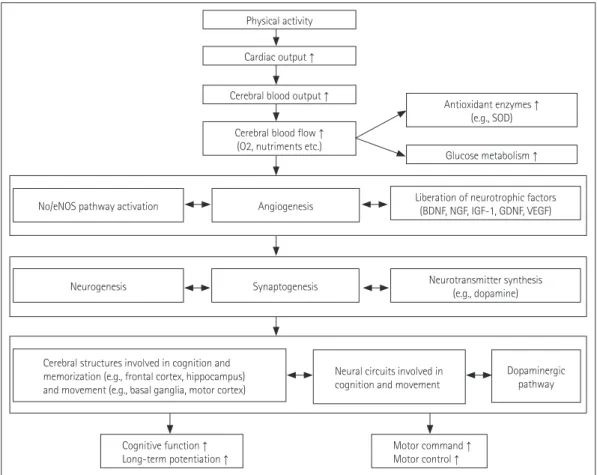
Fig. 1. Preventive and slowing down neuroprotective mechanisms induced by regular physical exercise on the cognitive and motor functions. BDNF:
brain-derived neurotrophic factors, eNOS: endothelial nitric oxide synthases, GDNF: glial cell line-derived neurotrophic factors, IGF-1: insulin-like growth factors, NGF: nerve growth factors, NO: nitric oxide, SOD: superoxide dismutase, VEGF: vascular endothelial growth factor.
Paillard T et al.
JCN
and the impact of cerebrovascular and endothelial dysfunc- tion on AD pathophysiology. They described the molecular mechanisms of the beneficial effects of PE on the vasculature, such as activation of the vascular nitric oxide (NO)/endothe- lial NO synthase (eNOS) pathway (Fig. 1). These authors con- cluded that PE may counteract AD pathophysiology by build- ing a vascular reserve, as well as by maintaining neuronal plasticity.
Animal studies
Most of the current knowledge about the potential mecha- nisms involved in the protective effect of PE has been obtained by studying animal models of AD. The findings thus far sug- gest that PE reduces the noxious effects of oxidative stress, the production of total cholesterol, and insulin resistance, in- creases vascularization, and improves energy metabolism (e.g., glucose metabolism).12,39,53-55 PE activates neurotrophic func- tions and angiogenesis, thereby facilitating neurogenesis and synaptogenesis, which improve memory and cognitive func- tions (Fig. 1).12,26,39,49,53,55
It has been found that moderate-to-vigorous PE in animal models increases the production of antioxidant enzymes (par- ticularly superoxide dismutase), eNOS, BDNF, nerve growth factor, insulin-like growth factor, and vascular endothelial growth factor. PE also reduces the production of free radicals (reac- tive oxygen species) as well as the concentration of brain Aβ- plaques, in particular in the cerebral regions involved in cog- nitive function (and notably memory), such as the hippocampus (Fig. 1).12,53,56 PE also improves brain plasticity. For example, after running for 1 hour, 5 days a week, for 16 weeks, Tg2576 mice (a murine AD model) exhibited a more voluminous hip- pocampus than their control, nonexercising counterparts.48 The hippocampal neurogenesis was associated with synapto- genesis and improvements in learning capacity (spatial mem- ory) in old trained mice compared with sedentary control mice.57
A running program of 16 weeks on a treadmill for trans- genic (TgCRND8) mice with AD phenotypes decreased their level of β-amyloid precursor protein (β-APP or Aβ peptide) compared with a control group.54 After 5 months of exercise training, the surface area of the Aβ-plaques of TgCRND8 mice was reduced in the frontal cortex (-38%), the cortex near to the hippocampus (-53%), and the hippocampus (-40%).58 This adaptation occurred mainly during the first month of training and was associated with a decrease in the proteolyt- ic fragments of β-APP. The induced mechanism was inde- pendent of mRNA/protein changes in neprilysin and insulin- degrading enzyme, and may involve changes in neuronal metabolism that are known to affect APP processing and to be regulated by PE. In addition, the learning capacities and
memory of the TgCRND8 mice improved.58 However, an im- provement in cognitive function is not systematically associ- ated with a reduction of the number of Aβ-plaques.59 It was observed that the spatial memory of APP-23 mice placed in a condition of environmental enrichment (a spacious, well- equipped cage) increased at the end of 11 months of training, while the number of cortical and hippocampal Aβ-plaques did not decrease. These cognitive improvements in the mice that had benefited from environmental enrichment arose from increases in BDNF, hippocampal neurotrophin, and activa- tion of hippocampal neurogenesis compared with mice that completed the same training program but without environ- mental enrichment.59 The combination of the environmen- tal stimulation and PE optimized the effects of the therapeu- tic program to increase the neural reserve of mouse models affected by AD.
Physical exercise has also been shown to act favorably on neurofibrillary degeneration. After 9 months of training, the concentration of tau protein in the hippocampus was decreased in a mouse model affected by the disease (THY-Tau22).60 In addition, PE may decrease the neuroinflammatory respons- es activated by the increase in cerebral tau proteins10 and en- sure a preventive role against the loss of the expression of cho- line acetyltransferase.60
PARKINSON’S DISEASE
Preventive effects of physical activity against Parkinson’s disease
There is a large amount of epidemiological data suggesting that PA can also prevent the development of PD.9,14 Two stud- ies61,62 found that the risk of developing this disease appeared to be inversely associated with the amount of PA practiced throughout life (0.7, 95% CI=0.5–1.1, p<0.007, and 0.65, 95%
CI=0.51–0.83, p<0.0001, respectively).61,62 An important lim- itation of these observational studies is that subjects predis- posed to develop PD may naturally tend to avoid PA61 prior to the onset of the clinical symptoms of the disease. Further- more, the protective effect of PE against this pathology ap- pears to be particularly large when practiced at young-to- middle adulthood (i.e., around 35–39 years old) and at the end of life.62 Xu et al.62 suggest that people who practice PE during these two periods of their life have a 40% lower risk of PD than people who remained inactive during the same periods. In a study involving 48,574 men and 77,254 women, Chen et al.61 found that the direct relationship between the amount of PA and the risk of developing PD was only signif- icant in men.
For an equal duration of PA, the intensity may also have an effect on the risk of developing the disease. A longitudinal
Exercise and Alzheimer and Parkinson’ Diseases
JCN
study conducted over a period of 1 year involving 143,325 subjects showed that those who practiced a PA of high inten- sity such as cycling, aerobics, or tennis at the time of their in- clusion had a 40% lower risk than those who did not practice PA or who practiced a low-intensity PA such as walking or dancing.63 Garraux64 reported that the risk of developing PD varies according to the level of work-related physical effort, with the risk being higher in sedentary workers (e.g., teach- ers, medical doctors, and state employees) than in active work- ers (e.g., construction workers).
Benefits of physical exercise in Parkinson’s-disease patients
Larger amounts of moderate-to-vigorous PE may slow down the evolution of the disease in PD patients.18 It is known that PD patients expend 29% less energy than do healthy subjects, which results in the disease evolving negatively, increased motor deficits, and declines in daily activities.65 PE is a non- pharmacological approach that is usually recommended for PD patients in order to slow down the deleterious effects of the disease.66
An observational Japanese study67 involving 438 PD pa- tients (178 men and 260 women) showed that the ratio of mortality was 1.68 for the group of active subjects (n=151;
walking, stretching exercises, and postural exercises) com- pared with 2.47 for the other participants.
Despite the findings of some studies that the beneficial ef- fects of PE on cognitive performances or psychological do- mains (i.e., attentional capacities, depressive and anxiety symptoms, and mood state) of the disease are weak or even nonexistent,68,69 it is important to emphasize that PE enables PD subjects to maintain their psychomotor learning abilities.
Three weeks of training focusing on sensory stimuli (audito- ry, visual, and somatosensorial) during the completion of lo- comotor tasks improved the spatiotemporal characteristics involved in walking for 153 PD subjects;70 the postprogram locomotor improvements observed were preserved 6 weeks after completion of the program. That study indicates that the capacities of psychomotor learning (acquisition, automatic- ity, and retention) can be maintained for PD subjects. The pos- itive effects of PE on the cognitive and automatic components of motor control in PD subjects result from neuroplastic mech- anisms involving the synaptic connections of neuronal net- works.71
Regarding motor function, there is solid evidence for the beneficial effects of PE for PD patients. Indeed, strength train- ing has been shown to improve the muscle strength and walk- ing speed of PD patients who are not severely affected by the disease.72,73 A meta-analysis by Herman et al.74 indicates that walking training on a treadmill improves the spatiotemporal
parameters of walking, and that this benefit can persist for 2 months. A Cochrane review found that the walking program that produces the biggest improvements involves 30 min of walking, performed five times a week for a period of at least 6 weeks.75 A pilot study showed that a balance training pro- gram based on visual feedback, such as those supplied by a videographic game, improved static and dynamic balance, mobility, and functional capacities in PD subjects.76 Tai Chi practiced for 60 min, twice weekly for 24 weeks by patients with mild-to-moderate PD improved postural stability and functional capacities (walking, muscle strength, and perfor- mance in the Timed Up-and-Go test) more than the activi- ties of strength training and stretching.77
Multicomponent training improves muscle strength, flex- ibility, postural balance, walking speed, mobility, functional capacity,78,79 physical performance, and the PAs of daily life,79 especially if the training program lasts more than 10 weeks.80 Aerobic exercise, stretching, strength training, Qigong, and balance training improve motor function, and in particular muscle strength, balance, and walking speed in PD subjects.8,81 These effects on physical functioning may explain, at least in part, why quality of life can be improved after only 6 weeks of training.82
The benefits of PE on fall prevention for PD subjects re- main to be determined.83,84 Although PE is of overall benefit for the health and functional capacities of PD subjects, the best exercise regimen remains to be determined.14
Neuroprotective mechanisms induced by physical exercise in subjects affected by Parkinson’s disease The current knowledge about the mechanisms involved in the protective effect of PE against PD relies on data obtained in animal models. It has been shown that PE has a protective effect on the dopaminergic function of PD animals by stim- ulating the expression of several neurotrophic factors and an- giogenesis.11 In response to PE, the concentration of dopa- mine increases and the receptors of this neurotransmitter enhance their sensitivity.11 More precisely, PE reduces the al- teration of the dopaminergic neurons in the substantia nigra and contributes toward reconstituting the function of the basal ganglia involved in the motor command by the adap- tive mechanisms of dopamine and glutamate neurotransmis- sion (Fig. 1).85 This action is related to an increased concen- tration of BDNF.86 In addition, the hyperexcitability often observed in the basal ganglia is decreased.87
Diminished loss of the neurons that produce dopamine is observed in PD mice after 18 months of training, as well as improved movement-balance coordination.88 Mechanistic investigations revealed that the neuronal and behavioral re- covery generated by PE is associated with an improvement
Paillard T et al.
JCN
of the mitochondrial function and increases in the cerebral levels of BDNF and glial-cell-line-derived neurotrophic factors.
According to Lau et al.,88 PE not only protects neurons and mi- tochondria, but also increases the concentration of neuro- trophic factors in the substantia nigra (nigrostriatal neurotroph- ic factors) in PD mice with moderate neurodegeneration.
At another neurological level, aerobic training for PD rats (in sessions lasting 20–60 min) performed 5 days a week for 4 weeks can restore the expression of glial fibrillary acidic protein (GFAP) in the dorsal striatum, indicating that astro- cytes may play a role in producing the beneficial effects of PE in PD.89 It was suggested that the reduction in GFAP expres- sion is related to the reduced expansion of astrocytes, prob- ably due to an increase in the synaptic function in the dorsal striatum induced by PE.89 This observation also demonstrates the neuroprotective role of PE.
Furthermore, regular and continuous training of rats (from 5 to 23 months of age) over a period of 18 months, which in- volved them running on a horizontal treadmill at a speed of 20 m/min for 20 min, twice a day, 5 days a week, also had a neuroprotective effect on the cerebellum,90 a part of the brain that is fundamentally involved in the command and control of movement and balance. Larsen et al.90 reported that sed- entary elderly rats had 11% fewer Purkinje cells (cerebellar efferents) and 9% smaller Purkinje cell soma volumes (p=0.02 for both) than exercising elderly rats, with the latter having the same number of Purkinje cells as young rats (5 months of age).
CONCLUSION
The current knowledge supports PA as an important preven- tive factor against the onset of both AD and PD, and that PE is crucial for the maintenance or slow decline of optimal func- tional ability levels in AD and PD patients. However, there is currently insufficient information to enable a precise defini- tion of the best exercise regimen for patients with AD or PD.
Aerobic exercise is very much favored by therapists because of its role in relation to angiogenesis as well as the liberation of neurotrophic factors (increases in cerebral blood flow and cerebral plasticity). Aerobic exercise is a necessary part of the treatment for AD, but aerobic exercise alone is probably not the best activity. Strength/power training, Tai Chi, balance/
coordination, and other types of PE also contribute to recon- ditioning, maintaining, and improving the cognitive and mo- tor functions of AD and PD subjects. Therefore, it is advisable to combine aerobic PE with other exercises that are beneficial for the neuromuscular system (e.g., strength/power training and stretching), balance function, and the performance of motor coordination. The development of coordination asso-
ciated with the stimulation of psychomotor capacity seems particularly relevant for PD subjects because of the specific- ity of their pathology (alteration of the basal ganglia) involv- ing movement command and control processes.
Future studies should quantitatively and qualitatively com- pare the effects of different types of PE on well-defined out- comes (e.g., disability) in both AD and PD populations. Re- searchers and health-care workers should pay attention to exercise-program adherence in this elderly, sick, and often polymedicated population, since adherence and compliance are important challenges in clinical populations. When spec- ifying the type, intensity, and overall PA volume that should be practiced in order to prevent the development of AD and PD, future studies will also need to determine the optimal lifetime periods (childhood, adolescence, young adult, mid- dle age, old age, and very old age) during which particularly close attention should be paid. When attempting to determine the nature of optimal PE that should be practiced in order to limit the evolution of these pathologies, future studies will need to assess the impacts of the intensity, duration, and frequen- cy of different exercises.
Conflicts of Interest
The authors have no financial conflicts of interest.
REFERENCES
1. Bonaconsa M, Colavito V, Pifferi F, Aujard F, Schenker E, Dix S, et al.
Cell clocks and neuronal networks: neuron ticking and synchroniza- tion in aging and aging-related neurodegenerative disease. Curr Al- zheimer Res 2013;10:597-608.
2. Zawia NH, Basha MR. Environmental risk factors and the develop- mental basis for Alzheimer’s disease. Rev Neurosci 2005;16:325-337.
3. Logroscino G. The role of early life environmental risk factors in Par- kinson disease: what is the evidence? Environ Health Perspect 2005;113:
1234-1238.
4. Gao HM, Hong JS. Gene-environment interactions: key to unraveling the mystery of Parkinson’s disease. Prog Neurobiol 2011;94:1-19.
5. Paulson HL, Igo I. Genetics of dementia. Semin Neurol 2011;31:449-460.
6. Ibañez V. Les maladies neuro-dégénératives: problèmes cliniques.
Med Nucl 2005;29:213-219.
7. Wenk GL. Neuropathologic changes in Alzheimer’s disease. J Clin Psychiatry 2003;64 Suppl 9:7-10.
8. Falvo MJ, Schilling BK, Earhart GM. Parkinson’s disease and resistive exercise: rationale, review, and recommendations. Mov Disord 2008;
23:1-11.
9. Sutoo D, Akiyama K. Regulation of brain function by exercise. Neu- robiol Dis 2003;13:1-14.
10. Leem YH, Lee YI, Son HJ, Lee SH. Chronic exercise ameliorates the neuroinflammation in mice carrying NSE/htau23. Biochem Biophys Res Commun 2011;406:359-365.
11. Zigmond MJ, Cameron JL, Hoffer BJ, Smeyne RJ. Neurorestoration by physical exercise: moving forward. Parkinsonism Relat Disord 2012;18 Suppl 1:S147-S150.
12. Radak Z, Hart N, Sarga L, Koltai E, Atalay M, Ohno H, et al. Exercise plays a preventive role against Alzheimer’s disease. J Alzheimers Dis 2010;
20:777-783.
13. Voelcker-Rehage C, Niemann C. Structural and functional brain chang-
Exercise and Alzheimer and Parkinson’ Diseases
JCN
es related to different types of physical activity across the life span.
Neurosci Biobehav Rev 2013;37(9 Pt B):2268-2295.
14. Alonso-Frech F, Sanahuja JJ, Rodriguez AM. Exercise and physical ther- apy in early management of Parkinson disease. Neurologist 2011;17(6 Suppl 1):S47-S53.
15. Abe K. Total daily physical activity and the risk of AD and cognitive decline in older adults. Neurology 2012;79:1071; author reply 1071.
16. Karceski S. Preventing Alzheimer disease with exercise? Neurology 2012;78:e110-e112.
17. Norton S, Matthews FE, Barnes DE, Yaffe K, Brayne C. Potential for primary prevention of Alzheimer’s disease: an analysis of population- based data. Lancet Neurol 2014;13:788-794.
18. Ahlskog JE. Does vigorous exercise have a neuroprotective effect in Parkinson disease? Neurology 2011;77:288-294.
19. Pitkälä KH, Pöysti MM, Laakkonen ML, Tilvis RS, Savikko N, Kauti- ainen H, et al. Effects of the Finnish Alzheimer disease exercise trial (FINALEX): a randomized controlled trial. JAMA Intern Med 2013;
173:894-901.
20. Hamer M, Chida Y. Physical activity and risk of neurodegenerative disease: a systematic review of prospective evidence. Psychol Med 2009;
39:3-11.
21. Buchman AS, Boyle PA, Yu L, Shah RC, Wilson RS, Bennett DA. To- tal daily physical activity and the risk of AD and cognitive decline in older adults. Neurology 2012;78:1323-1329.
22. Larson EB, Wang L, Bowen JD, McCormick WC, Teri L, Crane P, et al.
Exercise is associated with reduced risk for incident dementia among persons 65 years of age and older. Ann Intern Med 2006;144:73-81.
23. Schuit AJ, Feskens EJ, Launer LJ, Kromhout D. Physical activity and cognitive decline, the role of the apolipoprotein e4 allele. Med Sci Sports Exerc 2001;33:772-777.
24. van Gelder BM, Tijhuis MA, Kalmijn S, Giampaoli S, Nissinen A, Krom- hout D. Physical activity in relation to cognitive decline in elderly men:
the FINE Study. Neurology 2004;63:2316-2321.
25. Um HS, Kang EB, Koo JH, Kim HT, Jin-Lee, Kim EJ, et al. Treadmill exercise represses neuronal cell death in an aged transgenic mouse model of Alzheimer’s disease. Neurosci Res 2011;69:161-173.
26. Yu F, Kolanowski AM, Strumpf NE, Eslinger PJ. Improving cognition and function through exercise intervention in Alzheimer’s disease. J Nurs Scholarsh 2006;38:358-365.
27. Rolland Y, Pillard F, Klapouszczak A, Reynish E, Thomas D, Andrieu S, et al. Exercise program for nursing home residents with Alzheimer’s disease: a 1-year randomized, controlled trial. J Am Geriatr Soc 2007;55:
158-165.
28. Buschert V, Bokde AL, Hampel H. Cognitive intervention in Alzheim- er disease. Nat Rev Neurol 2010;6:508-517.
29. Forbes D, Thiessen EJ, Blake CM, Forbes SC, Forbes S. Exercise programs for people with dementia. Cochrane Database Syst Rev 2013;12:CD006489.
30. Regan C, Katona C, Walker Z, Livingston G. Relationship of exercise and other risk factors to depression of Alzheimer’s disease: the LASER-AD study. Int J Geriatr Psychiatry 2005;20:261-268.
31. Williams CL, Tappen RM. Exercise training for depressed older adults with Alzheimer’s disease. Aging Ment Health 2008;12:72-80.
32. Williams CL, Tappen RM. Effect of exercise on mood in nursing home residents with Alzheimer’s disease. Am J Alzheimers Dis Other Demen 2007;22:389-397.
33. Scarmeas N, Luchsinger JA, Brickman AM, Cosentino S, Schupf N, Xin-Tang M, et al. Am J Geriatr Psychiatry 2011;19:471-481.
34. Hernandez SS, Coelho FG, Gobbi S, Stella F. [Effects of physical activ- ity on cognitive functions, balance and risk of falls in elderly patients with Alzheimer’s dementia]. Rev Bras Fisioter 2010;14:68-74.
35. de Andrade LP, Gobbi LT, Coelho FG, Christofoletti G, Costa JL, Stel- la F. Benefits of multimodal exercise intervention for postural control and frontal cognitive functions in individuals with Alzheimer’s disease:
a controlled trial. J Am Geriatr Soc 2013;61:1919-1926.
36. Yu F, Swartwood RM. Feasibility and perception of the impact from
aerobic exercise in older adults with Alzheimer’s disease. Am J Al- zheimers Dis Other Demen 2012;27:397-405.
37. Yaffe K. Biomarkers of Alzheimer’s disease and exercise: one step clos- er to prevention. Ann Neurol 2010;68:275-276.
38. Geda YE, Roberts RO, Knopman DS, Christianson TJ, Pankratz VS, Ivnik RJ, et al. Physical exercise, aging, and mild cognitive impairment:
a population-based study. Arch Neurol 2010;67:80-86.
39. Archer T. Physical exercise alleviates debilities of normal aging and Alzheimer’s disease. Acta Neurol Scand 2011;123:221-238.
40. Vidoni ED, Van Sciver A, Johnson DK, He J, Honea R, Haines B, et al.
A community-based approach to trials of aerobic exercise in aging and Alzheimer’s disease. Contemp Clin Trials 2012;33:1105-1116.
41. Venturelli M, Scarsini R, Schena F. Six-month walking program chang- es cognitive and ADL performance in patients with Alzheimer. Am J Alzheimers Dis Other Demen 2011;26:381-388.
42. Winchester J, Dick MB, Gillen D, Reed B, Miller B, Tinklenberg J, et al.
Walking stabilizes cognitive functioning in Alzheimer’s disease (AD) across one year. Arch Gerontol Geriatr 2013;56:96-103.
43. Hurley BF, Hanson ED, Sheaff AK. Strength training as a countermea- sure to aging muscle and chronic disease. Sports Med 2011;41:289-306.
44. Hill KD, LoGiudice D, Lautenschlager NT, Said CM, Dodd KJ, Sut- tanon P. Effectiveness of balance training exercise in people with mild to moderate severity Alzheimer’s disease: protocol for a randomised trial. BMC Geriatr 2009;9:29.
45. Suttanon P, Hill KD, Said CM, Williams SB, Byrne KN, LoGiudice D, et al. Feasibility, safety and preliminary evidence of the effectiveness of a home-based exercise programme for older people with Alzheimer’s disease: a pilot randomized controlled trial. Clin Rehabil 2013;27:427- 438.
46. Tappen RM, Roach KE, Applegate EB, Stowell P. Effect of a combined walking and conversation intervention on functional mobility of nurs- ing home residents with Alzheimer disease. Alzheimer Dis Assoc Dis- ord 2000;14:196-201.
47. McCurry SM, Pike KC, Vitiello MV, Logsdon RG, Larson EB, Teri L.
Increasing walking and bright light exposure to improve sleep in com- munity-dwelling persons with Alzheimer’s disease: results of a random- ized, controlled trial. J Am Geriatr Soc 2011;59:1393-1402.
48. Yuede CM, Zimmerman SD, Dong H, Kling MJ, Bero AW, Holtzman DM, et al. Effects of voluntary and forced exercise on plaque deposi- tion, hippocampal volume, and behavior in the Tg2576 mouse model of Alzheimer’s disease. Neurobiol Dis 2009;35:426-432.
49. Pereira AC, Huddleston DE, Brickman AM, Sosunov AA, Hen R, McK- hann GM, et al. An in vivo correlate of exercise-induced neurogenesis in the adult dentate gyrus. Proc Natl Acad Sci U S A 2007;104:5638-5643.
50. Erickson KI, Voss MW, Prakash RS, Basak C, Szabo A, Chaddock L, et al. Exercise training increases size of hippocampus and improves mem- ory. Proc Natl Acad Sci U S A 2011;108:3017-3022.
51. Coelho FG, Vital TM, Stein AM, Arantes FJ, Rueda AV, Camarini R, et al. Acute aerobic exercise increases brain-derived neurotrophic factor levels in elderly with Alzheimer’s disease. J Alzheimers Dis 2014;39:401- 52. Colcombe SJ, Erickson KI, Scalf PE, Kim JS, Prakash R, McAuley E, et 408.
al. Aerobic exercise training increases brain volume in aging humans.
J Gerontol A Biol Sci Med Sci 2006;61:1166-1170.
53. Lange-Asschenfeldt C, Kojda G. Alzheimer’s disease, cerebrovascular dysfunction and the benefits of exercise: from vessels to neurons. Exp Gerontol 2008;43:499-504.
54. Um HS, Kang EB, Leem YH, Cho IH, Yang CH, Chae KR, et al. Exer- cise training acts as a therapeutic strategy for reduction of the patho- genic phenotypes for Alzheimer’s disease in an NSE/APPsw-transgen- ic model. Int J Mol Med 2008;22:529-539.
55. Pérez CA, Cancela Carral JM. Benefits of physical exercise for older adults with Alzheimer’s disease. Geriatr Nurs 2008;29:384-391.
56. Vaynman S, Ying Z, Gomez-Pinilla F. Hippocampal BDNF mediates the efficacy of exercise on synaptic plasticity and cognition. Eur J Neu-
Paillard T et al.
JCN
rosci 2004;20:2580-2590.
57. van Praag H, Christie BR, Sejnowski TJ, Gage FH. Running enhances neurogenesis, learning, and long-term potentiation in mice. Proc Natl Acad Sci U S A 1999;96:13427-13431.
58. Adlard PA, Perreau VM, Pop V, Cotman CW. Voluntary exercise de- creases amyloid load in a transgenic model of Alzheimer’s disease. J Neurosci 2005;25:4217-4221.
59. Wolf SA, Kronenberg G, Lehmann K, Blankenship A, Overall R, Staufen- biel M, et al. Cognitive and physical activity differently modulate dis- ease progression in the amyloid precursor protein (APP)-23 model of Alzheimer’s disease. Biol Psychiatry 2006;60:1314-1323.
60. Belarbi K, Burnouf S, Fernandez-Gomez FJ, Laurent C, Lestavel S, Figeac M, et al. Beneficial effects of exercise in a transgenic mouse model of Alzheimer’s disease-like Tau pathology. Neurobiol Dis 2011;
43:486-494.
61. Chen H, Zhang SM, Schwarzschild MA, Hernán MA, Ascherio A.
Neurology 2005;64:664-669.
62. Xu Q, Park Y, Huang X, Hollenbeck A, Blair A, Schatzkin A, et al. Phys- ical activities and future risk of Parkinson disease. Neurology 2010;75:
341-348.
63. Thacker EL, Chen H, Patel AV, McCullough ML, Calle EE, Thun MJ, et al. Recreational physical activity and risk of Parkinson’s disease. Mov Disord 2008;23:69-74.
64. Garraux G. [Preserve brain function...through physical exercice?]. Rev Med Liege 2008;63:293-298.
65. van Nimwegen M, Speelman AD, Hofman-van Rossum EJ, Overeem S, Deeg DJ, Borm GF, et al. Physical inactivity in Parkinson’s disease. J Neurol 2011;258:2214-2221.
66. Ellis T, Cavanaugh JT, Earhart GM, Ford MP, Foreman KB, Fredman L, et al. Factors associated with exercise behavior in people with Parkin- son disease. Phys Ther 2011;91:1838-1848.
67. Kuroda K, Tatara K, Takatorige T, Shinsho F. Effect of physical exercise on mortality in patients with Parkinson’s disease. Acta Neurol Scand 1992;86:55-59.
68. Tanaka K, Quadros AC Jr, Santos RF, Stella F, Gobbi LT, Gobbi S. Ben- efits of physical exercise on executive functions in older people with Parkinson’s disease. Brain Cogn 2009;69:435-441.
69. Cruise KE, Bucks RS, Loftus AM, Newton RU, Pegoraro R, Thomas MG. Exercise and Parkinson’s: benefits for cognition and quality of life.
Acta Neurol Scand 2011;123:13-19.
70. Rochester L, Baker K, Hetherington V, Jones D, Willems AM, Kwak- kel G, et al. Evidence for motor learning in Parkinson’s disease: acqui- sition, automaticity and retention of cued gait performance after train- ing with external rhythmical cues. Brain Res 2010;1319:103-111.
71. Petzinger GM, Fisher BE, McEwen S, Beeler JA, Walsh JP, Jakowec MW.
Exercise-enhanced neuroplasticity targeting motor and cognitive cir- cuitry in Parkinson’s disease. Lancet Neurol 2013;12:716-726.
72. Hass CJ, Buckley TA, Pitsikoulis C, Barthelemy EJ. Progressive resis- tance training improves gait initiation in individuals with Parkinson’s disease. Gait Posture 2012;35:669-673.
73. Lima LO, Scianni A, Rodrigues-de-Paula F. Progressive resistance ex- ercise improves strength and physical performance in people with mild to moderate Parkinson’s disease: a systematic review. J Physiother 2013;59:7-13.
74. Herman T, Giladi N, Hausdorff JM. Treadmill training for the treat-
ment of gait disturbances in people with Parkinson’s disease: a mini- review. J Neural Transm 2009;116:307-318.
75. Earhart GM, Williams AJ. Treadmill training for individuals with Par- kinson disease. Phys Ther 2012;92:893-897.
76. Esculier JF, Vaudrin J, Bériault P, Gagnon K, Tremblay LE. Home-based balance training programme using Wii Fit with balance board for Par- kinsons’s disease: a pilot study. J Rehabil Med 2012;44:144-150.
77. Li F, Harmer P, Fitzgerald K, Eckstrom E, Stock R, Galver J, et al. Tai chi and postural stability in patients with Parkinson’s disease. N Engl J Med 2012;366:511-519.
78. Schenkman M, Hall DA, Barón AE, Schwartz RS, Mettler P, Kohrt WM.
Exercise for people in early- or mid-stage Parkinson disease: a 16-month randomized controlled trial. Phys Ther 2012;92:1395-1410.
79. Crizzle AM, Newhouse IJ. Is physical exercise beneficial for persons with Parkinson’s disease? Clin J Sport Med 2006;16:422-425.
80. States RA, Spierer DK, Salem Y. Long-term group exercise for people with Parkinson’s disease: a feasibility study. J Neurol Phys Ther 2011;35:
122-128.
81. Goodwin VA, Richards SH, Taylor RS, Taylor AH, Campbell JL. The effectiveness of exercise interventions for people with Parkinson’s dis- ease: a systematic review and meta-analysis. Mov Disord 2008;23:631- 82. Canning CG, Allen NE, Dean CM, Goh L, Fung VS. Home-based tread-640.
mill training for individuals with Parkinson’s disease: a randomized controlled pilot trial. Clin Rehabil 2012;26:817-826.
83. Allen NE, Sherrington C, Paul SS, Canning CG. Balance and falls in Parkinson’s disease: a meta-analysis of the effect of exercise and mo- tor training. Mov Disord 2011;26:1605-1615.
84. Goodwin VA, Richards SH, Henley W, Ewings P, Taylor AH, Campbell JL. An exercise intervention to prevent falls in people with Parkinson’s disease: a pragmatic randomised controlled trial. J Neurol Neurosurg Psychiatry 2011;82:1232-1238.
85. Speelman AD, van de Warrenburg BP, van Nimwegen M, Petzinger GM, Munneke M, Bloem BR. How might physical activity benefit pa- tients with Parkinson disease? Nat Rev Neurol 2011;7:528-534.
86. Wu SY, Wang TF, Yu L, Jen CJ, Chuang JI, Wu FS, et al. Running exer- cise protects the substantia nigra dopaminergic neurons against in- flammation-induced degeneration via the activation of BDNF signal- ing pathway. Brain Behav Immun 2011;25:135-146.
87. Petzinger GM, Fisher BE, Van Leeuwen JE, Vukovic M, Akopian G, Me- shul CK, et al. Enhancing neuroplasticity in the basal ganglia: the role of exercise in Parkinson’s disease. Mov Disord 2010;25 Suppl 1:S141- S145.
88. Lau YS, Patki G, Das-Panja K, Le WD, Ahmad SO. Neuroprotective effects and mechanisms of exercise in a chronic mouse model of Par- kinson’s disease with moderate neurodegeneration. Eur J Neurosci 2011;
33:1264-1274.
89. Dutra MF, Jaeger M, Ilha J, Kalil-Gaspar PI, Marcuzzo S, Achaval M.
Exercise improves motor deficits and alters striatal GFAP expression in a 6-OHDA-induced rat model of Parkinson’s disease. Neurol Sci 2012;
33:1137-1144.
90. Larsen JO, Skalicky M, Viidik A. Does long-term physical exercise coun- teract age-related Purkinje cell loss? A stereological study of rat cere- bellum. J Comp Neurol 2000;428:213-222.